An Unfinished Dream, A Journey to Yunnan's Yubeng – Starry Skies, Snowy Peaks, and Friendships Forged on the Road
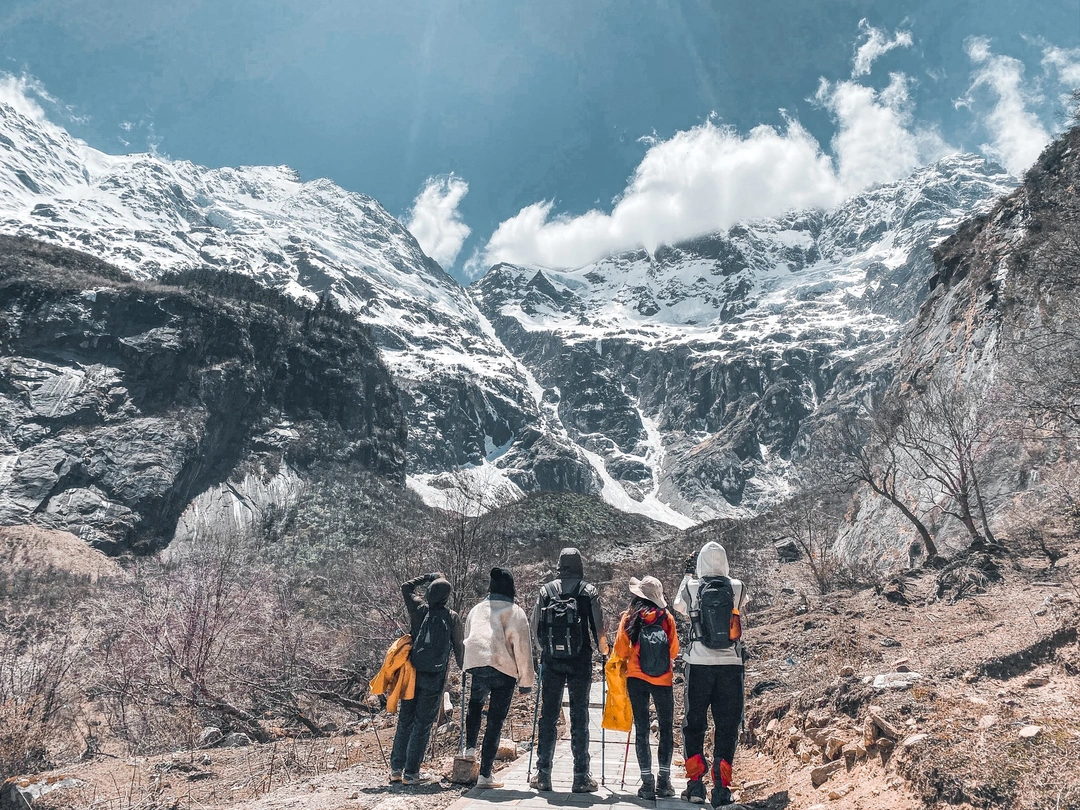
An Unfinished Dream, A Journey to Yunnan's Yubeng – Starry Skies, Snowy Peaks, and Friendships Forged on the Road
Keep the Passion, Go to the Mountains and Seas
Xiaohongshu, Weibo: Bai Yang, same name across platforms. For collaboration, WeChat: Mrzby24 (please note the source)
Destination: Yubeng
Travel Dates: April 17, 2021 · 9 days
Per Person Cost: Approximately 3,000 RMB (including transportation, accommodation, and tickets)
Travel Companions: With friends
Preface: Where the Heart Goes, Even Straw Sandals Will Follow
"Wherever the heart yearns, even in straw sandals, one must go to see it; life is like a journey against the current, even a small boat must brave the wind and waves, sailing forward." This sentence has long been my WeChat signature and my life motto.
In October 2020, I set foot on Yunnan's soil for the first time, traveling from Kunming all the way to Deqin. Along the way, I happened to hear the name "Yubeng." At the time, I was pressed for time and couldn't make the trip. From then on, "Heaven above, Yubeng on earth" became a small obsession in my heart.
I originally thought this would be a solitary journey – a chance to clear my mind, enjoy the scenery, relax properly, and return better equipped to face life. So I signed up for a hiking group on a certain platform, with Yubeng as the destination.
In Yubeng, you can see snow-capped mountains, starry skies, highland plateaus, and meadows; experience Tibetan customs and culture, brush past yaks and wild horses; feel the inner joy of perseverance after hardship during painful mountain treks; briefly escape the hustle and bustle of life, get closer to nature, and see your truest self.
But I never expected this trip to introduce me to such a wonderful group of people. This has been my most interesting trip to date – five fascinating friends, a beautiful time, and a deep friendship. This travelogue is dedicated to them, whom I love.
Character Introductions: A Group of Interesting Souls
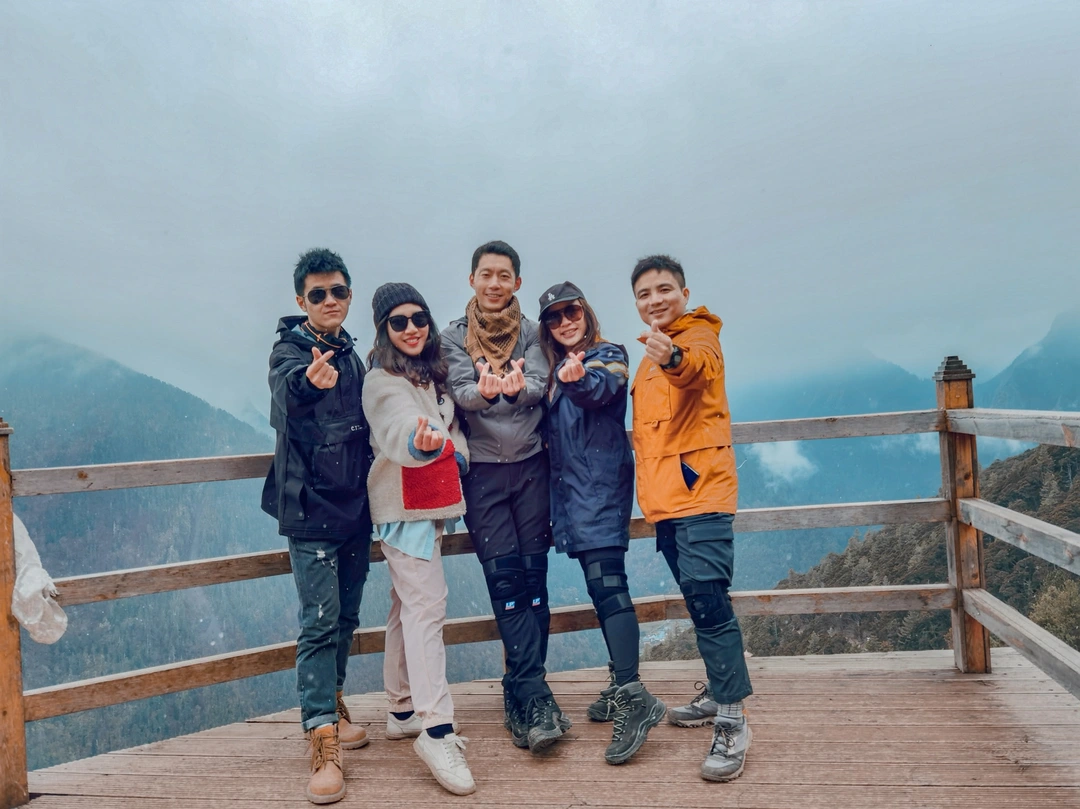
Before starting this journey, let's meet the group. I originally joined a 9-person hiking group (including the guide), but later we "defected" to join a trio we met on the road. Thus, a 6-person squad was born.
Bai Yang (Part of the Original Group of Nine)

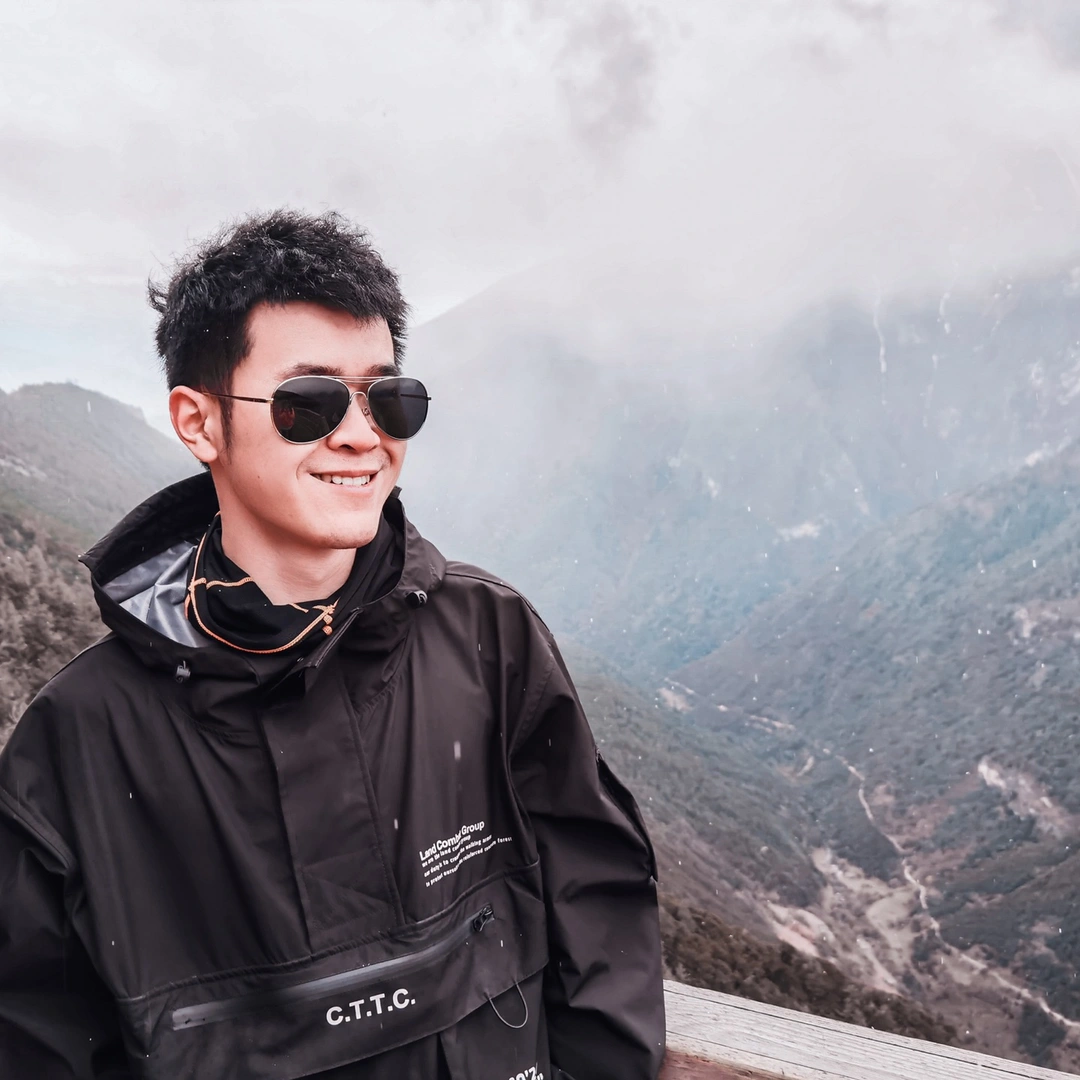
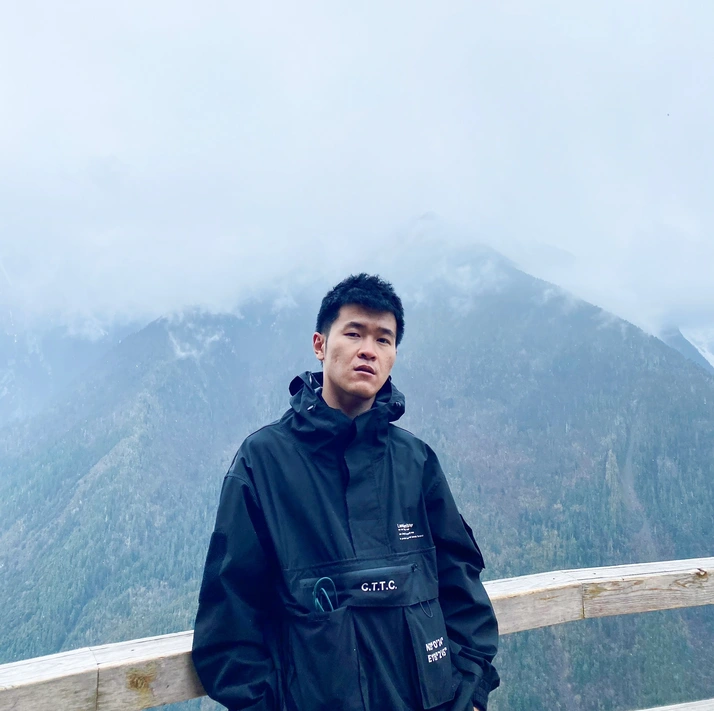
That's me – a native of Chengdu. I like to act cool, always have a poker face in photos, often travel alone, and with my sunglasses on, I don't care about anyone. Beneath this cold exterior lies an interesting soul. In the 9-person group, I served as the unofficial photographer; in the 6-person group, I finally stopped taking photos and became the "literary and artistic" member.
Old Yuan (Part of the Trio Met on the Road)
A post-80s guy who doesn't look like one, currently based in Hainan, over 180 cm tall, skilled in photography. He was the photography specialist in our 6-person team. In the few days I spent with him, I learned a lot of photography techniques. He's a "bad" uncle who often set traps for me in the group chat. Later, we chased sunrises and photographed the starry sky together.
Zhu Zhu (Part of the Trio)
A Chongqing girl traveling solo. Her most attractive trait is her hearty laughter, which can be heard from a mountain away. She has amazing stamina, has climbed Mount Erfeng (a famous peak in Sichuan), and can carry a 60L hiking backpack while walking at the front of the group – mad respect for that! She was our atmosphere creator.
Qian Xi (Part of the Trio)
A girl from Guangzhou, age confidential. The first thing that caught my eye was her casual travel outfit. She loves to smile – the kind of smile that looks great on camera. When we met her, she had already been traveling alone for a month, having completed the entire 318 National Highway route in Tibet alone – the kind of person I envy. She was our beauty representative.
Wang Chen (Part of the Original Group of Nine)
A guy from Shanxi, my roommate during the trip. He's 190 cm tall and always charges ahead during hikes. Thoughtful and caring, he proactively helped everyone carry their luggage – he carried my camera and drone. He's also a certified public accountant, single and available (this is starting to sound like a matchmaking ad). He was our strength representative.
Douzi (Potato)
From Guangzhou, highly educated, quite shy, and was taken care of by the two girls throughout the trip. He got altitude sickness during the trip. While eating at the Meili Inn in Yubeng Village, Zhu Zhu randomly started calling him "Potato," and the name stuck. Why "Potato"? Because his face was swollen from altitude sickness, making him look like a potato. He was our "cared-for" representative.
These six – Bai Yang, Old Yuan, Zhu Zhu, Qian Xi, Wang Chen, and Douzi – formed our 6-person squad for the Yubeng hike.
UU (Part of the Original Group of Nine)
A wonderful older sister, the only person in the 9-person group who took photos of me. On the second-to-last day, I traveled with UU and her husband, A Qi.
A Qi (Part of the Original Group of Nine)
UU's husband. He got altitude sickness shortly after arriving in Yubeng and had just acclimated to the altitude when the hiking trip ended. He's a very humorous guy, and I like to call him "Hey Hey" – because his and UU's names together form a line from an Avril Lavigne song: "Hey hey you you, you are my girl friend!"
Day One: Lijiang, Reunions and First Encounters
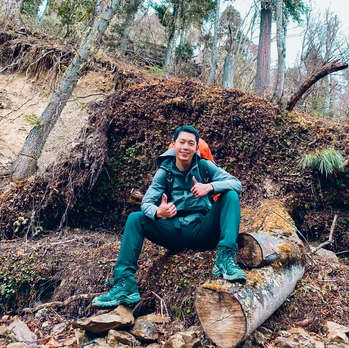
Itinerary: Lijiang Ancient Town → Baisha Ancient Town → Qingxi Reservoir → Stay at Jifei Hotel
Meeting Lijiang Ancient Town Again
Coming back to Lijiang after half a year, stepping onto the cobblestone streets, I no longer felt the freshness of the first time. Instead, there was a hint of familiarity. Green willows lined the streets, shops stood in rows, and the sky was bluer than last time – a deep azure sky dotted with white clouds, as if carelessly shaped by a drunken immortal.
Small bridges over flowing water, homes along the river – no matter what others say about it being too commercialized or too noisy, in my heart, it was at its best in that moment.
Seeing the Big Waterwheel, I knew the journey had truly begun. There are always many people taking photos there – it's the symbol of the ancient town and the entrance to the North Gate.
Not far from the waterwheel is the Wishing Forest, hung with the blessings or regrets of lovers. The Dongba Wishing Wind Chimes carry people's beautiful wishes. A gentle breeze rises, the wind chimes ring – a cluster of chimes, a red string, a piece of Dongba script. I hope that those who leave their blessings or regrets can all be happy and fulfilled.
If you come to the ancient town, spend a few dozen RMB and leave your wish. When you return years later, will the beauty have come true? Will the regrets have been let go? Will the person by your side still be the same one?
Luckily, in Lijiang, I saw the majestic Jade Dragon Snow Mountain in the distance. Even luckier, the Jade Dragon accompanied me for the rest of my days in Lijiang. While the sun was shining, I even started a live stream on Mafengwo – I wonder if anyone saw it?
Some come, some go. The ancient town sees farewells every day, and welcomes newcomers every day. Parting is common, but reunions can be difficult. Many who leave the ancient town may never be seen again.
The Oil Paper Umbrella Street and Lion Hill
A popular spot in Lijiang – Oil Paper Umbrella Street. Walking through the alley, do you expect to meet a lilac-like girl at the corner, holding an oil paper umbrella?
Passing by Lion Hill, I was attracted by a singer performing "South Mountain, South." I spent 50 RMB on a cup of lemonade. Facing the sun, against the breeze, listening to the wind chimes, overlooking the full view of Lijiang Ancient Town, I listened to the music for half an hour.
"South Mountain, South, the northern autumn is sad / South Mountain has a haystack / The southern wind murmurs, the northern sea is north / The North Sea has a tombstone"
A 50-RMB cup of lemonade – I had to take a photo for the memory. I could feel the pinch in my heart as I drank it.
The open-air terrace of the café was hung with Naxi wind chimes. Looking at the hanging chimes, I remembered a line from Yu Guangzhong's poem: "My heart is a wind chime hanging from the eaves of a seven-tiered pagoda / Ding ning ding ning ning / Rising and falling / Knocking on someone's name."
My heart was also knocking on someone's name, so I couldn't help but contact her.
Practical Tips for Lijiang Ancient Town
Accommodation: Lijiang has many guesthouses, with prices ranging from a few dozen to a few hundred RMB. Choose a style you like. The south gate is cheaper, the north gate is livelier.
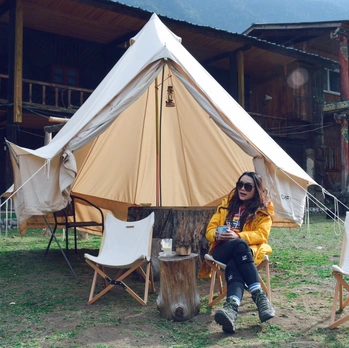
Food: - Lijiang Rice Cake (baba): 10 RMB each - Grandma's Preserved Pork Ribs: 48 RMB per serving - Stuffed Tofu (baojiang doufu): 10 RMB per serving – I order it every time I go to Lijiang, and I even order it when I see it on menus in Chengdu. It's one of my favorite snacks.
Transportation: - Airport shuttle bus direct to the ancient town: 33 RMB/person - Returning to the airport, catch the bus at the South Gate, one bus per hour - I booked a pickup through a certain travel app for over 90 RMB – my luggage was too heavy. The driver was very nice, and we chatted all the way to the ancient town, making the time pass quickly. - Bus No. 27 can also reach the ancient town. Walk about 800 meters from the airport, fare is 4 RMB, about 1 hour by bus.
Lijiang 20 Years Ago – Baisha Ancient Town
After finishing my live stream on Mafengwo at noon, I saw someone in the group chat suggesting a visit to Baisha. So Douzi, Wang Chen, and I formed a team and went – this was our first meeting, and my first offline meetup.
If you want to see Lijiang as it was 20 years ago, Baisha Ancient Town is the best choice. It borders Jade Dragon Snow Mountain to the north, reaches Longquan to the south, and leans against Zhishan to the west. Here, you can appreciate the beauty of Jade Dragon Snow Mountain up close and better experience the simplicity and authenticity of the local Naxi people.
Before entering the ancient town, there's an open space. On clear days, the Jade Dragon stands like a sentinel guarding the thousand-year-old town. At the center of the town, under the archway inscribed with "Baisha," the ancient town and the snow mountain merge into one, creating a particularly stunning view – as if the Jade Dragon has been guarding a city for someone all along.
Baisha Murals and Sifang Street
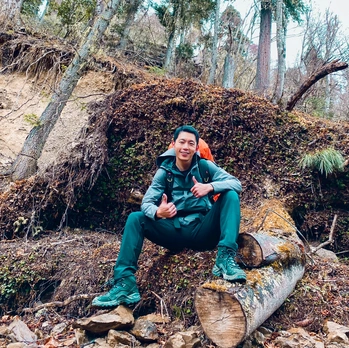
The Baisha Murals are the most historically significant site in the ancient town. Painted during the Ming and Qing dynasties, these Tibetan Buddhist murals reflect the artistic heritage and lifestyle of the Naxi people at that time. Unfortunately, they are not fully open to the public, which is a pity. Compared to the Dunhuang Murals, these have more local ethnic characteristics.
Sifang Street – if you've been to Lijiang Ancient Town or Shuhe Ancient Town, you'll know they both have a Sifang Street. In fact, they were modeled after Baisha's Sifang Street, which means "extending in all directions, power over all quarters." It was the commercial center of the ancient town. Now, it's mostly elderly people sitting around chatting. It's worth a visit, and you can compare the differences between the Sifang Streets of the three ancient towns.
Little Delights of the Ancient Town
At the entrance of the ancient town, there's a small fortune-telling stall. I waited for a long time, but few people went there. Three elderly people sat there all day, staring at the passing pedestrians – a trade that depends on the weather, I suppose?
In front of a café, there was a dog named Ah Huang taking a nap. The blackboard behind it read: "My owner sent me to guard the shop. If you need anything, please go to the second floor." Given how soundly and adorably it was sleeping, it could barely guard itself. On the left, there was another sign: "Feel free to take photos. If you have a heart, you can tip the dog some money for dog food." Even a dog has a hard life, juggling multiple jobs.
Passing by a shop, I saw a young woman painting. With my encouragement, three "artists" posing for a painting photo were born. After taking the photos, I told them, "Post this elegant painting photo on your Moments, and you'll get tons of likes and comments." Douzi and Wang Chen retorted, "We'd be beaten to death by our friends back home!" Life is short – live happily. Caring too much about others' opinions will make you tired. We may not be carefree, but we should learn to be.
Baisha Food Recommendations
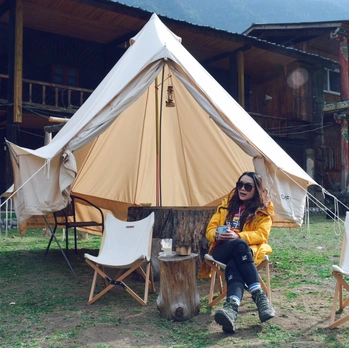
- Fried Potato Slices: A must-try. Much better than the spiral-cut potatoes sold on the street. They taste like the "Zidi" brand potato chips from childhood – crispy and crunchy.
- Chickpea Jelly (jiliang fen): A very characteristic Naxi dish. Although it's called cold jelly, it's served hot. It's soft and sticky, like cooked gummy candy. One of the Chinese "eight forgivens": "Since you're already here..."
- Fried Ribs: Crispy on the outside, fried several times. A bit greasy after a few pieces. If it weren't for the green mint leaves, I wouldn't have been able to finish it.
- Fried Pork Intestines: Wang Chen's favorite. Douzi and I didn't dare to eat it. I don't eat offal, and Douzi can't handle too much greasy food. Wang Chen is a true foodie; he ate the whole plate by himself with vinegar – not only our strength representative but also our appetite representative. With him around, we could order whatever we wanted without worrying about leftovers.
- Potato Pancake: Also fried. The Naxi people seem to love fried food. Crispy on the outside, but also very greasy after a few bites – oh my, I need some green vegetables!
- Glutinous Rice Stuffed Sausage (nuomi guanchang): At first glance, I thought it was pork intestine. It was pitch black on the surface, sprinkled with chili powder. When it was served, my heart skipped a beat, and I didn't dare to try it. Finally, I mustered the courage to taste a little, and it turned out to be quite good.
Snow Mountain Reflection – Qingxi Reservoir
Yunnan is truly a beautiful place – the deep blue sky, clouds that seem within arm's reach, and the Jade Dragon Snow Mountain visible even from the city. Qingxi Reservoir is one of the great spots to see the Jade Dragon Snow Mountain, and I discovered it by accident.
The first time I went, we had already had dinner and arrived at the reservoir around 7 PM. We missed the sunset and the snow mountain. Out of stubbornness, I went again on the last day before leaving Lijiang and finally saw the mountain range in the distance.
Qingxi Reservoir, also known as Qingxi Park, is one of Lijiang's drinking water sources. Blue sky meets the water, green grass grows by the shore, and the snow mountain is reflected in the lake. The water is clear, and swimming is prohibited. Occasionally, you can see wild ducks playing on the shimmering surface.
I accidentally captured a helicopter flying over the mountain range, probably a cargo plane. Snow-capped mountains and emerald green lakes seem to be everywhere in beautiful Yunnan – unfortunately, I didn't get a clear reflection because the wind was too strong.
Practical Information: - Address: Yuquan Road, Gucheng District, Lijiang (just navigate to Qingxi Reservoir) - Tickets: Free - Opening Hours: All day - Transportation: You can cycle there, about 20 minutes. By bus, take Bus No. 3 from Zhongyi Market. Alipay is accepted.
The second time I went, the weather was hot, over 30°C, but there were still many locals walking and flying kites on the embankment.
Day Two: Heading to Meili
Itinerary: Lijiang → Benzilan → First Bend of the Jinsha River (Moon Bay) → Nongwuding → Feila Temple (Feila Temple Viewing Platform)
Benzilan
"Benzilan" means "beautiful sandbank." The scenery here is quite rugged, somewhat resembling the northwest, but with more green点缀. It's located in Deqin County, Diqing Prefecture, Yunnan Province, at the foot of Baima Snow Mountain, on the west bank of the Jinsha River, facing Shangri-La County and Derong County in Sichuan across the river. Across the Jinsha River lies the Garze region.
Above Benzilan, the Jinsha River surges and roars; below, due to a 180-degree turn, the river becomes calm, and the scenery is also beautiful. Unfortunately, we only stopped here for a meal – which turned out to be the best meal of the entire trip.
Encounter with Cute Creatures at the Viewing Platform
Before heading to Benzilan for lunch, we came across a viewing platform. We quickly got off the bus, took a few "I was here" photos, and moved on.
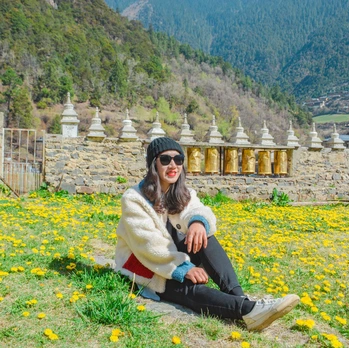
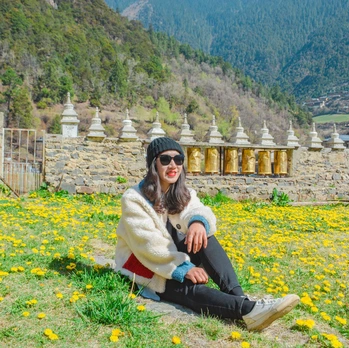
Next to the viewing platform was a white pagoda (stupa). White pagodas are commonly used in Tibetan Buddhism and are frequently seen in Tibetan areas. They represent places where sacred traces have appeared. As a symbolic treasure, they are objects of worship for believers, and they are also believed to have the power to suppress evil forces. It is said that they are built according to the style of stupas brought from Nepal, coated with white lime, pure and clean, hence the name "white pagoda."
Tibetan funeral customs are quite unique, divided into five types: pagoda burial, cremation, sky burial, earth burial, and water burial. Pagoda burial is the highest honor, usually reserved for virtuous and accomplished lamas; earth burial is the lowest, typically for those who died of infectious diseases or committed serious crimes, symbolizing descent into hell; water burial is the most common.
On the other side of the viewing platform, there were two incredibly cute Tibetan mastiffs. I called the white one Baize and the black one Dullard. Why didn't I give the black one a better name? Mainly because it was so adorable – it had a silly, dazed expression every time I tried to take its picture.
Dullard's inner monologue: Who am I? Where am I? Can someone tell me!
First Encounter with the Thirteen Peaks of Meili at Nongwuding
In Deqin, Yunnan, there are two main places to view the Meili Snow Mountain from a distance: the Feila Temple Viewing Platform and the Nongwuding Viewing Platform.
The panoramic view of the Meili Snow Mountain from the Nongwuding Viewing Platform is particularly stunning. Colorful prayer flags, river valleys and ravines, the snow-capped Baima Snow Mountain to the northeast, and the smoke from Nongwuding Village and the surging clouds in the Lancang River Gorge to the south. The most famous feature is the Thirteen Welcome Pagodas within the viewing platform.
Unfortunately, luck was not on our side. We waited here for an hour, but the sky remained gloomy with thick clouds. We couldn't see the full view of Meili; only a few mountain peaks briefly revealed themselves before quickly hiding again. At that moment, a song started playing in my head: "Oh no – this is heartbreak!"
The valley below the viewing platform and this pavilion complemented each other perfectly at that moment. It reminded me of Wang Anshi's poem "Climbing Feilai Peak": "On Feilai Peak there is a tower of a thousand feet / They say at cockcrow one can see the sunrise there / I am not afraid of the floating clouds blocking my sight / For I am at the highest level." The strong wind couldn't disperse the clouds that hung over the mountain peaks.
The Thirteen Welcome Pagodas at Nongwuding stood in orderly formation like soldiers, solemn and majestic.
UU from the 9-person group couldn't see the Thirteen Peaks of Meili, so I started taking road-style photos for her – my part-time photographer job was officially in business.
The wind at Nongwuding was too strong. The prayer flags on the viewing platform rustled loudly, and it felt like people might be blown away. My first encounter with Meili ended with insufficient缘分 to see its full glory. I left regretfully and headed to the next destination.
Feila Temple and Meili Snow Mountain
The final stop of the day was to stay overnight at Feila Temple, hoping that the good weather would allow us to see the golden sunset on the snow mountain and the "sunrise golden mountain" the next morning.
About Meili Snow Mountain: Also known as the Snow Mountain Prince, it's located about 10 kilometers northeast of Deqin County, Yunnan Province, in the middle section of the Hengduan Mountains, between the Nu River and the Lancang River. It connects to the Adonggeni Mountains in Tibet to the north and meets the Biluo Snow Mountain to the south. Meili Snow Mountain is the most spectacular snow mountain group in Yunnan Province. There are 13 peaks with an average altitude of over 6,000 meters, collectively known as the "Thirteen Peaks of the Prince." The main peak, Kawagebo Peak, stands at 6,740 meters, making it the highest peak in Yunnan Province.
The other peaks are: 1st Peak – Miancimu Peak (Goddess Peak), 2nd Peak – Jiwaren'an (Five Crown Peak), 3rd Peak – Baowuduji, 4th Peak – Bujiongsongjie Wuxue, 5th Peak – Wugedong (General Peak), 6th Peak – Sixteen Arhats Peak, 7th Peak – Badui Ding, 8th Peak – Main Peak Kawagebo, 9th Peak – Shuolazangui Mianbu, 10th Peak – Zhandiwuxiu, 11th Peak – Nairidingka, 12th Peak – Cuguilaka, 13th Peak – Mangkang Laka.
The peaks I encountered most during the rest of my trip were the 1st Peak (Goddess Peak), 2nd Peak (Five Crown Peak), and 5th Peak (General Peak).
Thick dark clouds hung over the Thirteen Peaks. I waited for an hour but didn't see the sunset; instead, I waited for the arrival of night. It was really cold in Deqin at night – the temperature difference between day and night is huge! Make sure to keep warm!
It wasn't until late at night that the clouds finally dispersed, and I could clearly see the outline of the Thirteen Peaks of the Prince. Due to insufficient light and not having a tripod, the photos I took were a bit blurry. When I saw the snow peaks, I shouted to Wang Chen, "Look, the Thirteen Peaks of Meili!" I wanted to go back into the Meili Snow Mountain Viewing Platform to take photos, but the staff wouldn't let us in because it was too late. I had to leave reluctantly.
From the viewing platform to Feila Temple, it's about 800 meters along a paved road with stunning scenery along the way. The afterglow of the sunset poured down from the blue sky, covering the hills like a dreamy, warm beauty – "A touch of sunset glow paints the mountains red, a painting in the landscape of dusk." It reminded me of a new bridge at sunset – so beautiful, so good, so happy!
About Accommodation: There are many hotels near the Snow Mountain Viewing Platform. Most of them have windows facing the Meili Snow Mountain, so you don't need to worry about that. Hotel prices are around 200 RMB, with a wide range of choices. If you don't want to go out in the morning, you can watch the sunrise, stars, and sunset from the hotel rooftop.
Day Three: Hiking Yubeng, Painful but Joyful
Itinerary: Depart from Meili Snow Mountain Viewing Platform → Meili Snow Mountain Forest Park → Xidang Parking Lot → Relax Inn → Bayi Teahouse → Nanzong Yakou Supply Station → Upper Yubeng Village
There's a drive of several dozen kilometers before reaching the hiking starting point. The hiking distance is about 14 kilometers, all on mountain trails – from the Yubeng hiking starting point to Nanzong Yakou, it's about 10 kilometers of continuous uphill, and from Nanzong Yakou to Upper Yubeng Village, it's about 3 kilometers downhill. It's very physically demanding.
During the hike, the guide said we could count the green trash cans or utility poles along the road. When we reached 150, we would be at our destination – heaven on earth, Yubeng in Deqin.
Ways to Reach Yubeng: Hiking is the most common method, carrying all your gear. Some people choose to ride horses or take local motorcycles, but only hiking allows you to truly experience the charm of Yubeng.
Epilogue: The Dream Unfinished, Friendship Endures
Nine days of travel – from a solitary departure to the laughter of six people; from the烟火气 of Lijiang to the snowy peaks and starry skies of Yubeng; from the strangeness of first encounters to the reluctance of parting – this journey taught me one thing: the most beautiful scenery is often not the destination, but the journey itself; the most precious memories are often not the scenery, but the people who accompanied you to see it.
The snow-capped mountains of Yubeng are still there, the starry sky is still there, but the friendship forged on that road is deeply etched in my heart. The distant dream is unfinished, but on the path of chasing dreams, it's wonderful to have you all.
Keep the passion, go to the mountains and seas.
You should also read:

Into the Hidden Valley: A Solo Journey Through the Mysterious Dulong River
Into the Hidden Valley: A Solo Journey Through the Mysterious Dulong River Deep in the northwestern corner of Yunnan Province, tucked away from the modern world, lies a place that feels like a secret whispered among mountains. The Dulong River Valley is not just a…
Continue reading...
God’s Abandoned Palette: A Self-Drive Journey Through Yunnan’s Dongchuan Red Land
God’s Abandoned Palette: A Self-Drive Journey Through Yunnan’s Dongchuan Red Land Travel has never been about reaching some distant geographic coordinate. It’s about encountering, along the way, the version of yourself buried beneath the rubble of daily routine. During this May Day holiday, I finally…
Continue reading...
Cloud Travelogue · Dali of Wind, Flowers, Snow, and Moon: A Three-Day, Two-Night Journey of a Free Spirit
Cloud Travelogue · Dali of Wind, Flowers, Snow, and Moon: A Three-Day, Two-Night Journey of a Free Spirit I am a cultured female foodie with a touch of rogue charm. I slung on my backpack, took my lover's hand, and set off on a spontaneous…
Continue reading...