April Road Trip in Yunnan|12 Days Crossing Spring, Summer, Autumn, and Winter with My Parents
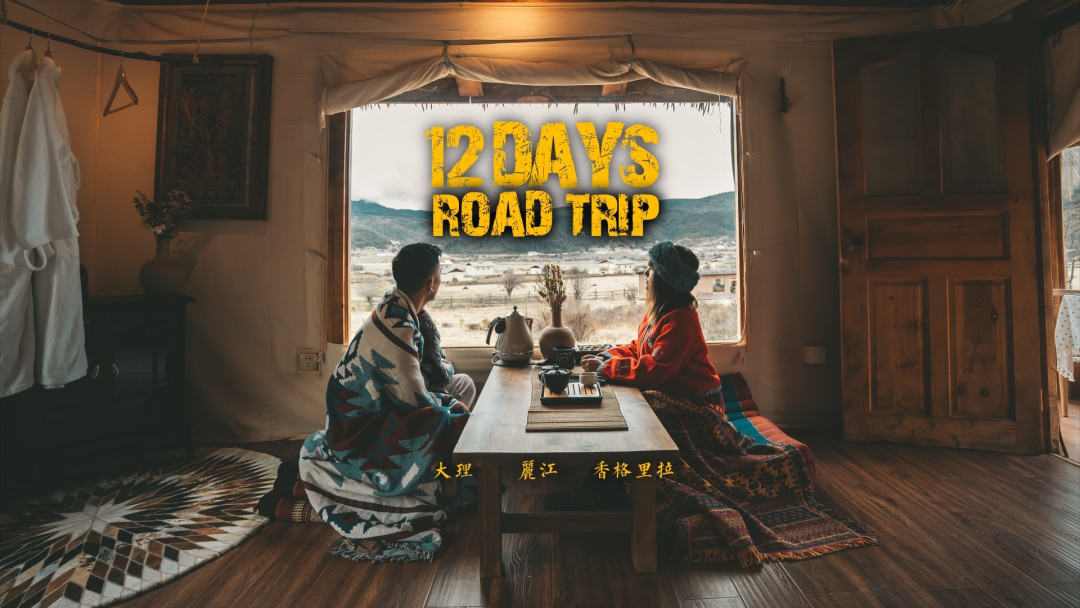
April Road Trip in Yunnan|12 Days Crossing Spring, Summer, Autumn, and Winter with My Parents
Prologue: A Spontaneous Family Adventure
On April 20, 2020, we set off on what would become an unforgettable journey. I'm a post-95s photographer, and together with my boyfriend Rose, who is also a photographer, we brought my newly retired parents along for a 12-day road trip through Yunnan. From Kunming to Shangri-La, we crossed four seasons—spring, summer, autumn, and winter—witnessing nature's most magical transformations.

This wasn't a meticulously planned trip. It was a spur-of-the-moment family adventure. We only told our parents the day before we left: "Tomorrow, we're going to Dali." Without a second thought, they packed their bags, settled the cat, and joined us. Retired parents, it turns out, understand the true meaning of "just go for it" even better than we do.
Dali-fornia: Redefining Romance
First Impressions: Shattered Memories

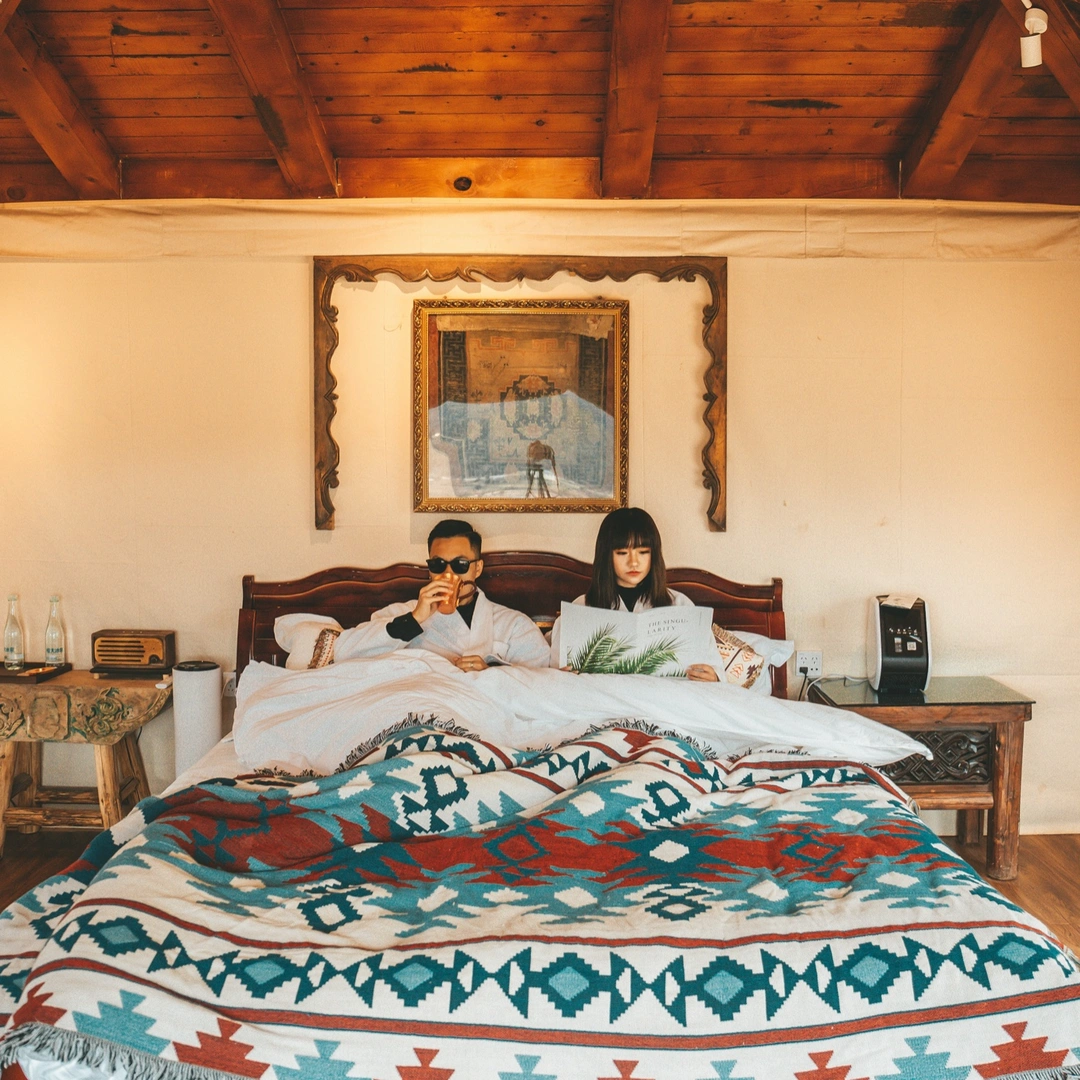
The first day in Dali brought an unexpected "surprise." The west coast of Erhai Lake, where I used to ride an electric scooter in high school, had been completely torn up. Lakeside guesthouses were under construction everywhere, the roads were potholed, and the familiar bridge and canals had been dug up. The constant drone of jackhammers made me wonder if this was still the Dali I knew.
But Dali is called "Dali-fornia" for a reason—it embraces change and always finds a way to surprise you with something new.
Majiuyi: Unexpected Serenity
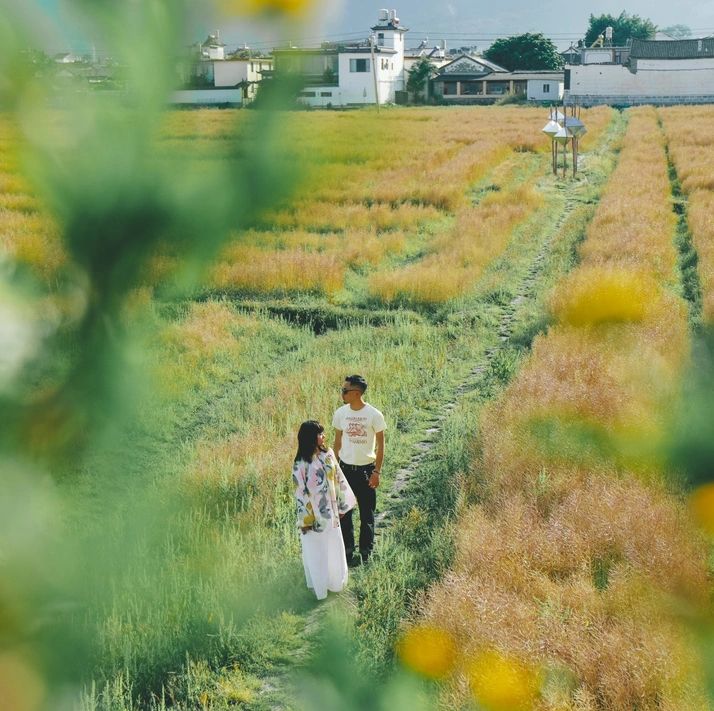
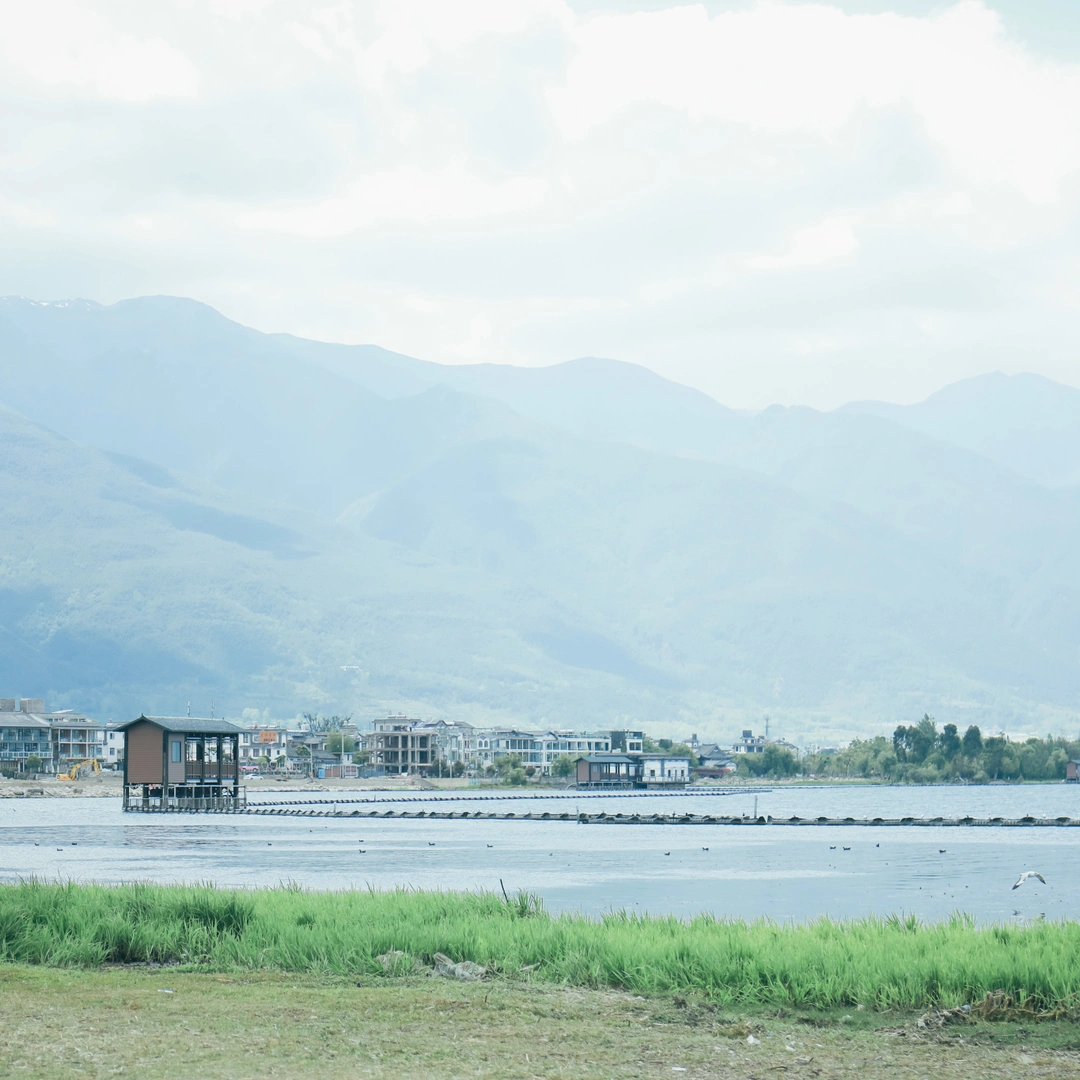
On the second day of our live-streaming adventure, we ditched the overhyped Instagram spots on the west coast and chose the quieter, less crowded Majiuyi. Though construction was still happening nearby, the lake felt closer here. The winter seagulls had flown away, leaving behind a peaceful beauty.
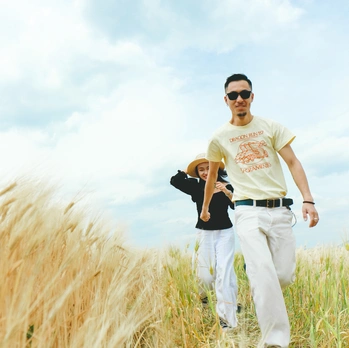
A gust of wind led us to a dry bean field. The pods rustled softly, looking from a distance like a sea of pale pink flowers. Next to it lay a golden wheat field, completely empty. Sure, there were utility poles, but that's what makes Chinese countryside scenery so unique. I crouched in the wheat field, watching the occasional car pass by in the distance, feeling like I was inside a summer movie.
Xilin Yuan (Xizhou Courtyard): An American Couple's Chinese Dream
Beneath the famous yellow wall of Xizhou lies Xilin Yuan. Stepping inside for the first time, I was struck by its silence. A typical Bai ethnic courtyard, sunlight streaming onto a Buddha statue, creating beautiful patterns of light and shadow. When we couldn't find the entrance to the terrace, a foreigner with fluent Chinese pointed the way—we later learned he was Mr. Linden, the founder of Xilin Yuan.
Xilin Yuan was originally the Yang Pinxiang Residence, which once served as a military hospital and a kindergarten. In 2006, the Lindens took over, driven by a mission to promote cultural exchange between China and the West. They spent two years restoring it before opening to the public. Today, it's not just a boutique hotel but a cultural tourism hub.
From the terrace, we had the best view of Cangshan Mountain and the horse-drawn carriages of Xizhou. In the distance, three kids darted through the fields. I tried my best to capture them with a short-focus lens. Mom and Dad soaked in the afternoon, and I posed them in countless ways for photos.
As we left, I noticed a quote on the information board: "A heart with no regrets is a good person." It was a piece of wisdom Mr. Yang left for his children. I felt like I had received that gift too.
Zhoucheng Village: In Search of Tie-Dye Shadows
After the live stream ended, I originally planned to just casually buy some flowers at the market and take a romantic couple photo. But then, before bed, I read an article about tie-dye (扎染, zha ran) and changed my plans immediately.
Zhoucheng Village is the largest Bai ethnic village in China, and tie-dye is its traditional craft. Driving into the village, we saw workshops offering tie-dye experiences lining the road. We ran into a young man carrying a piece of tie-dye fabric—he turned out to be an employee at "Lanxu" (Blue Continuum), a tie-dye experience shop.
Walking into Lanxu, the first thing we saw were dye vats and pieces of tie-dye fabric hanging around. The courtyard was quiet, with no other tourists. An elderly Bai woman (阿孃, a niang) brewed us a pot of tea and brought out a plate of sunflower seeds. Though we couldn't do the full tie-dye process due to time, we sat in the yard sipping tea and cracking seeds, soaking in the evening sunlight. An old Bai grandmother sat leisurely in her chair, and we took photos among the hanging tie-dye cloths. I bought a small blue bag, and the a niang even gave me a little dyed square scarf as a gift.
As we left, the shop's dog followed us all the way to the car, like a true little host seeing off its guests.
Shuhe Ancient Town: Walking Childhood Cobblestones
My memory of Lijiang goes back to 2005. That year, my grandfather passed away, and my dad used his military severance pay to buy a new car. With our dog "Little Bear," we took our first-ever road trip to Lijiang. Back then, Shuhe Ancient Town wasn't commercialized. The water under the stone bridge was crystal clear, and occasionally a horse would trot by.
Fifteen years later, returning to Shuhe, the rain-soaked cobblestone streets were even slicker. The pandemic had reduced tourists by ninety percent, and dogs lounged lazily at doorways. In the afternoon, Mom, Rose, and I found a café, sat by the window, and watched people come and go—the most relaxing kind of time.
For dinner, we chose a cured pork rib (腊排骨, la pai gu) restaurant in Shuhe. The owner was from Heqing County in Dali. Without the usual rush of business during the pandemic, she poured us drinks and chatted. She said the ribs were cured in-house, and the plum wine was aged for a year and a half before being sold. One bite of the tender, savory rib, paired with a sip of rose wine, while looking out at the rain-soaked ancient street—everything felt so warm.
Cloud Fir Meadow (云杉坪, Yunshanping): Claiming an Entire Autumn
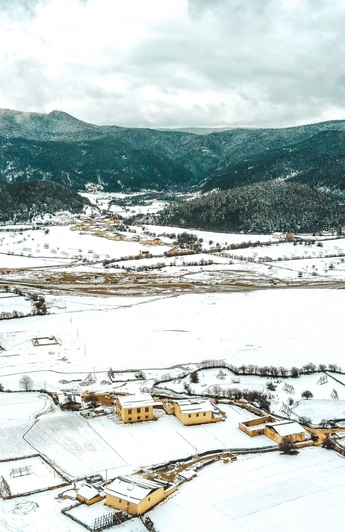
Jade Dragon Snow Mountain? No, Cloud Fir Meadow
A guesthouse owner from northern China, now doing business in Yunnan, enthusiastically explained the routes up Jade Dragon Snow Mountain. The big cable car goes straight to the summit; the small cable car only goes to Cloud Fir Meadow and Blue Moon Valley. We weren't interested in summit selfies. Instead, a friend had recommended Cloud Fir Meadow—a place where you can capture both forest and mountain views.
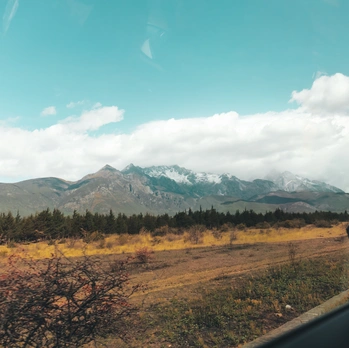
We left the hotel early in the morning. Pandemic checks took an hour. But the scenery along the way was beautiful, with the snow-capped mountain visible in the distance, giving off a classic Western epic vibe.
Twilight Forest Vibes
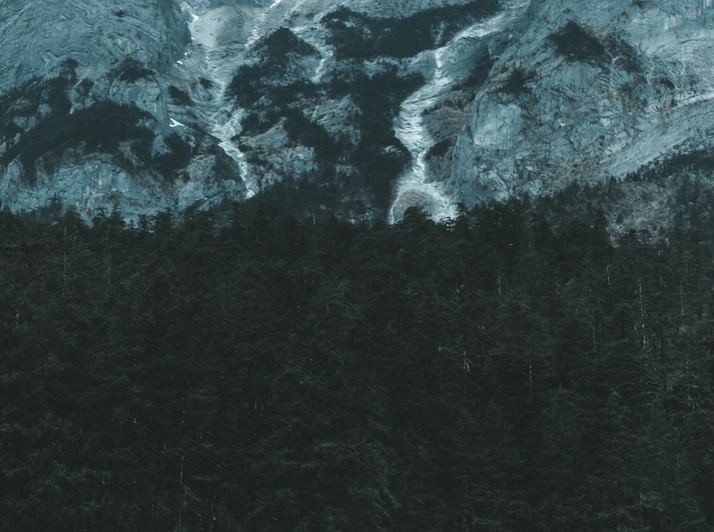
Halfway up the cable car, the sky turned gray. By the time we reached Cloud Fir Meadow, a shower had started. But the air after the rain was crisp and fresh. Our guide said the trees were all firs (云杉, yunshan), and at this time of year, they were still golden yellow, making it feel like we had traveled into autumn.
We walked along the boardwalk deeper into the meadow. The gloomy weather paired with the yellow-green forest—Rose said it felt like we were in the Twilight Forest. Due to the pandemic, all the snack stalls were closed, and the entire meadow was empty. We followed a massive wedding photoshoot team and found the best angles.
Mom, in her red coat, looked stunning against the overcast sky. Dad, using my old 6D camera, was having a blast clicking away. I taught them to run and hold hands like we did. Every shot was phone-wallpaper-worthy! Sure, there was a lot of cow dung, but it didn't dampen our enthusiasm at all.
Blue Moon Valley (蓝月谷, Lanyuegu): Expectation vs. Reality

Blue Moon Valley is one of Lijiang's most popular spots, with ten times the visitors of Cloud Fir Meadow. But maybe I'm cursed—it rains on every trip I take. Because of the rain, Blue Moon Valley turned into a murky white mess, nothing like the sapphire-blue water I'd imagined. The waterfall above had been drained due to construction, and all the beauty I had envisioned for Blue Moon Valley shattered.
Some landscapes, I guess, require perfect timing, weather, and luck to be seen at their best.
Epilogue: The Meaning of Travel
These 12 days took us from Kunming to Shangri-La, through spring, summer, autumn, and winter. Plans fell through—a hike we wanted to do failed, some places we wanted to visit were closed. But it was exactly these surprises that made the trip real.
Drinking yak butter tea in a tent, running through wheat fields, taking photos beneath a snow-capped mountain, listening to stories at Xilin Yuan—every moment was worth treasuring.
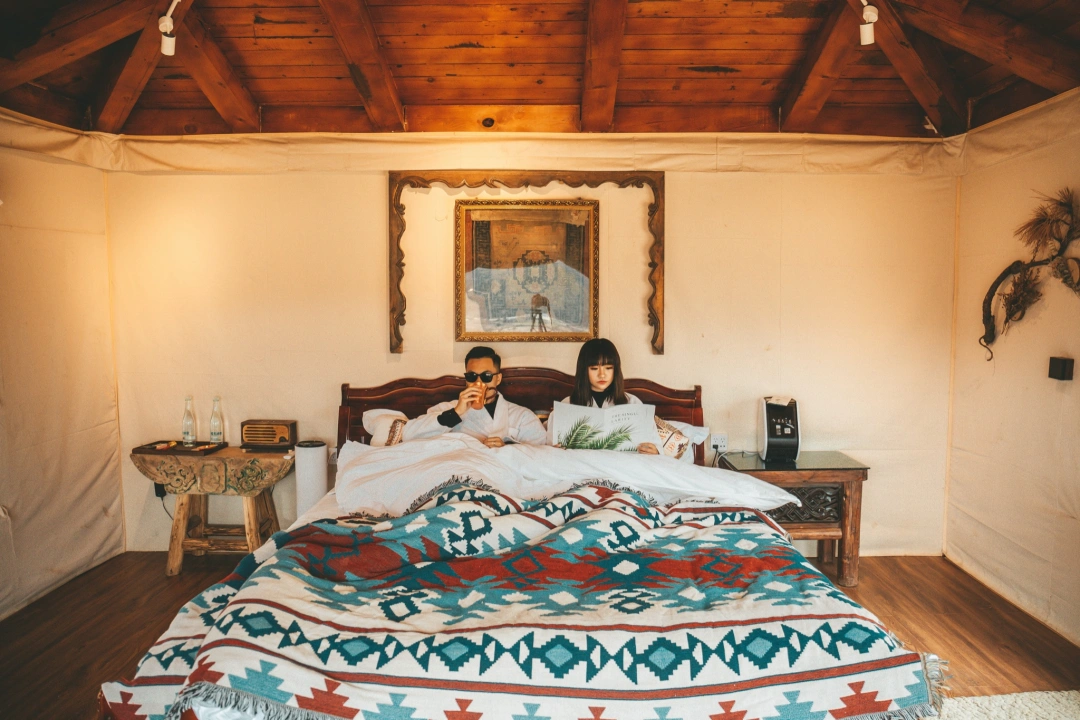
Most importantly, we created these memories with our parents. Now that they're retired, they know how to enjoy life even more than we do. They were willing to follow us around, to be photographed, to run, to try new things. Seeing them so happy—that, to me, is the meaning of travel.
A few tips for anyone planning a Yunnan road trip:
- April is Yunnan's most beautiful season—you can experience all four seasons in one trip
- Dali's fields change with the season: in spring, you'll find scallion fields, wheat, bunny-tail grass, and rapeseed flowers
- For tie-dye in Zhoucheng Village, I recommend "Lanxu" (Blue Continuum)—you can start from picking the indigo plants
- Cloud Fir Meadow is better for photos than Jade Dragon Snow Mountain—fewer people, more beauty
- Try the cured pork ribs (腊排骨, la pai gu) in Shuhe—ask locals for the best spots
- When traveling with parents, choose quiet, less touristy places—they're more open to new experiences than you think
On a May afternoon, the speaker plays Angela Chang's song "People Who Love to Travel": "Those who love to travel always have a certain innocence, unafraid of rain, wind, or dust, with a gift for forgetting pain."
I think that's what travel is all about—keeping us innocent, keeping us in love with life.
You should also read:
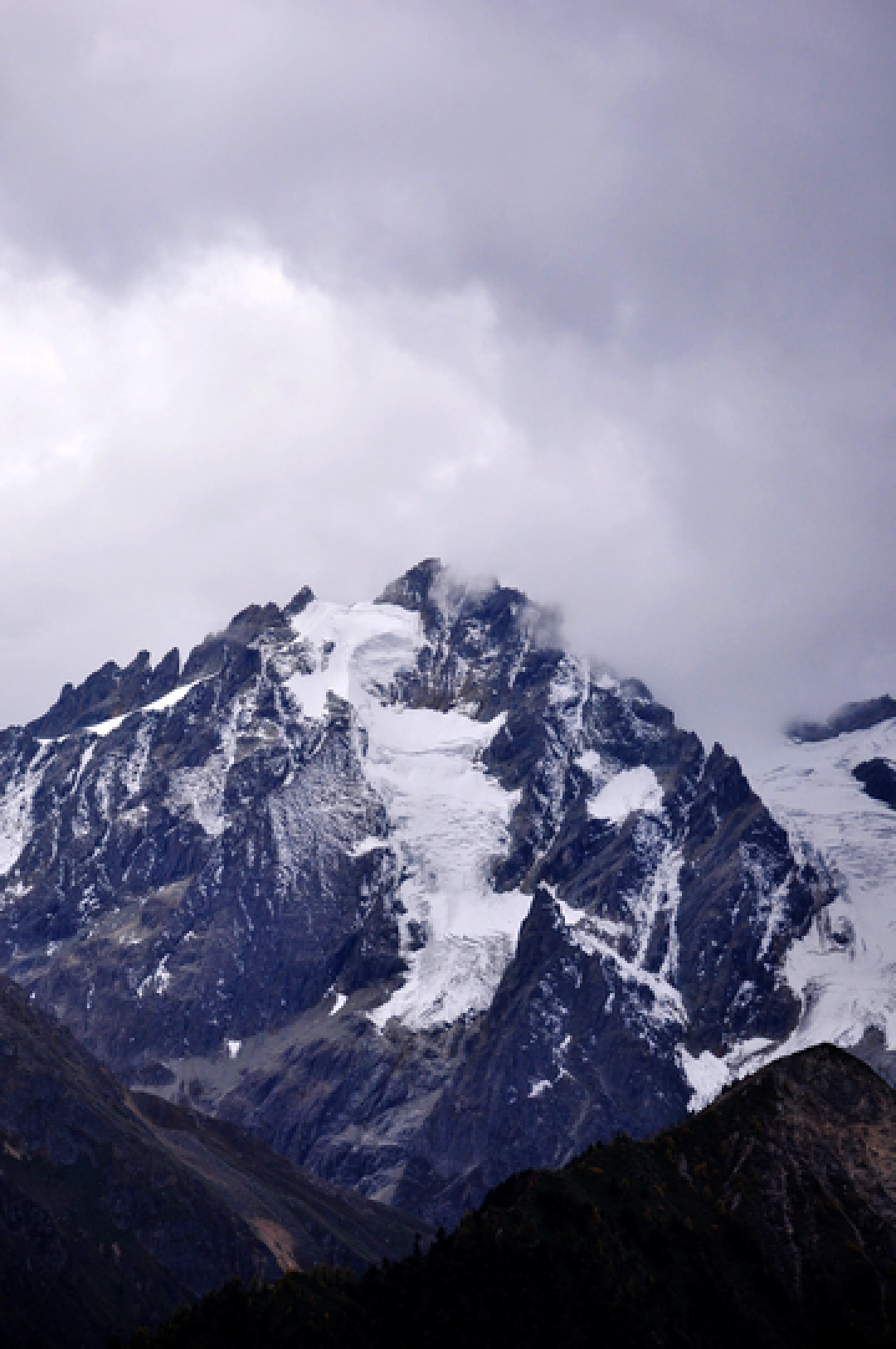
Meili Snow Mountain: A Soulful Journey of Dialogue with the Sacred Mountain
Meili Snow Mountain: A Soulful Journey of Dialogue with the Sacred Mountain Prologue: When Travel Becomes Faith Some journeys are forgotten as soon as they end. Others carve themselves into your bones. The trip to Meili Snow Mountain belongs to the latter. Waking up in…
Continue reading...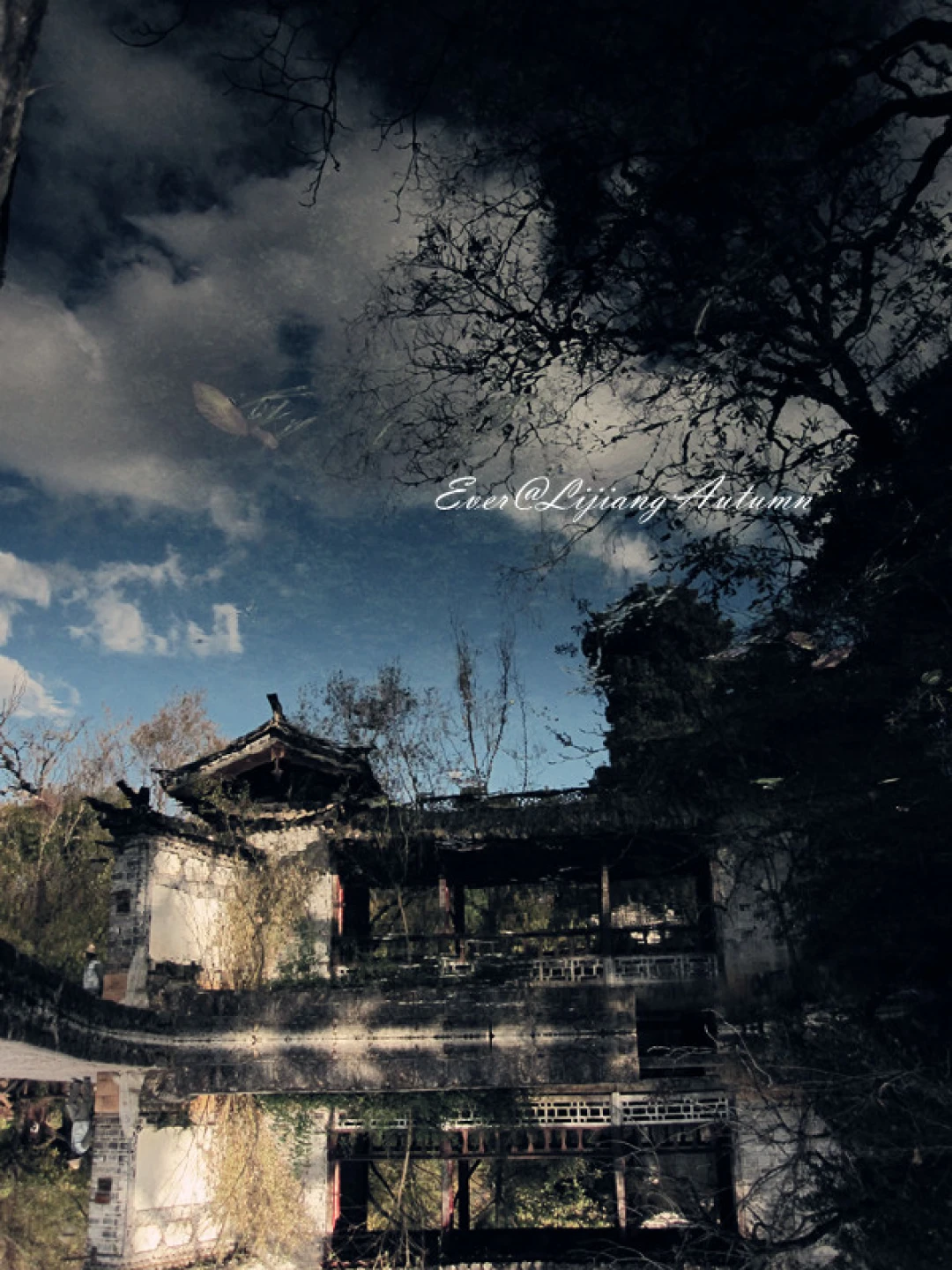
Idle Clouds in Autumn, a Moonlit City: A Slow Travelogue Through Lijiang and Shuhe
Idle Clouds in Autumn, a Moonlit City: A Slow Travelogue Through Lijiang and Shuhe When the autumn wind brushes across the ancient city's eaves, when sunlight spills onto the mottled cobblestone streets, when the melodies of folk songs mingle with the aroma of plum wine…
Continue reading...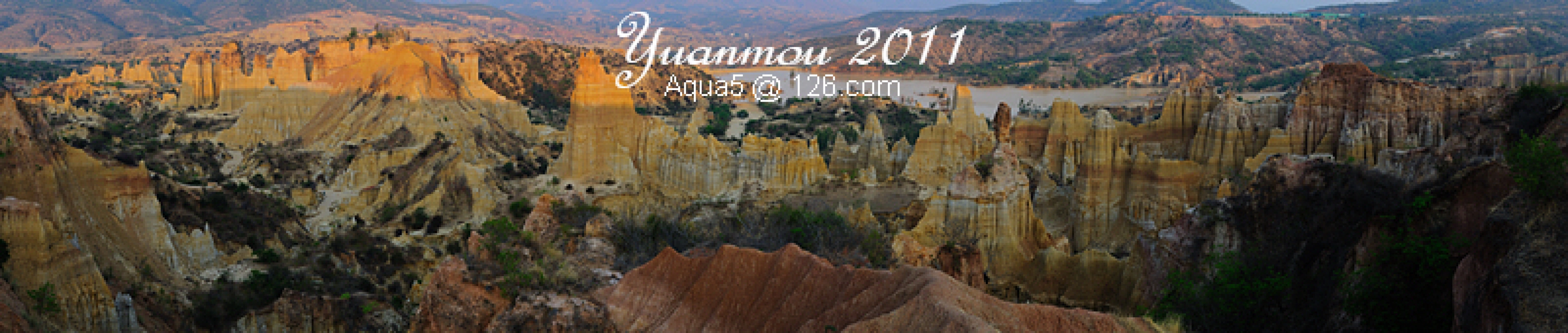
A Journey Through Time: The Earthen Forest of Yuanmou — April 2011 Chuxiong & Yuanmou Self-Drive Guide
A Journey Through Time: The Earthen Forest of Yuanmou — April 2011 Chuxiong & Yuanmou Self-Drive Guide Some journeys are destined to take root in your memory. In April 2011, I set out from Shuhe in Yunnan, heading north toward the Chuxiong Yi Autonomous Prefecture,…
Continue reading...