Atop the Nujiang: Laomudeng and Zhiziluo, the Time Codes of Two Mountain Towns
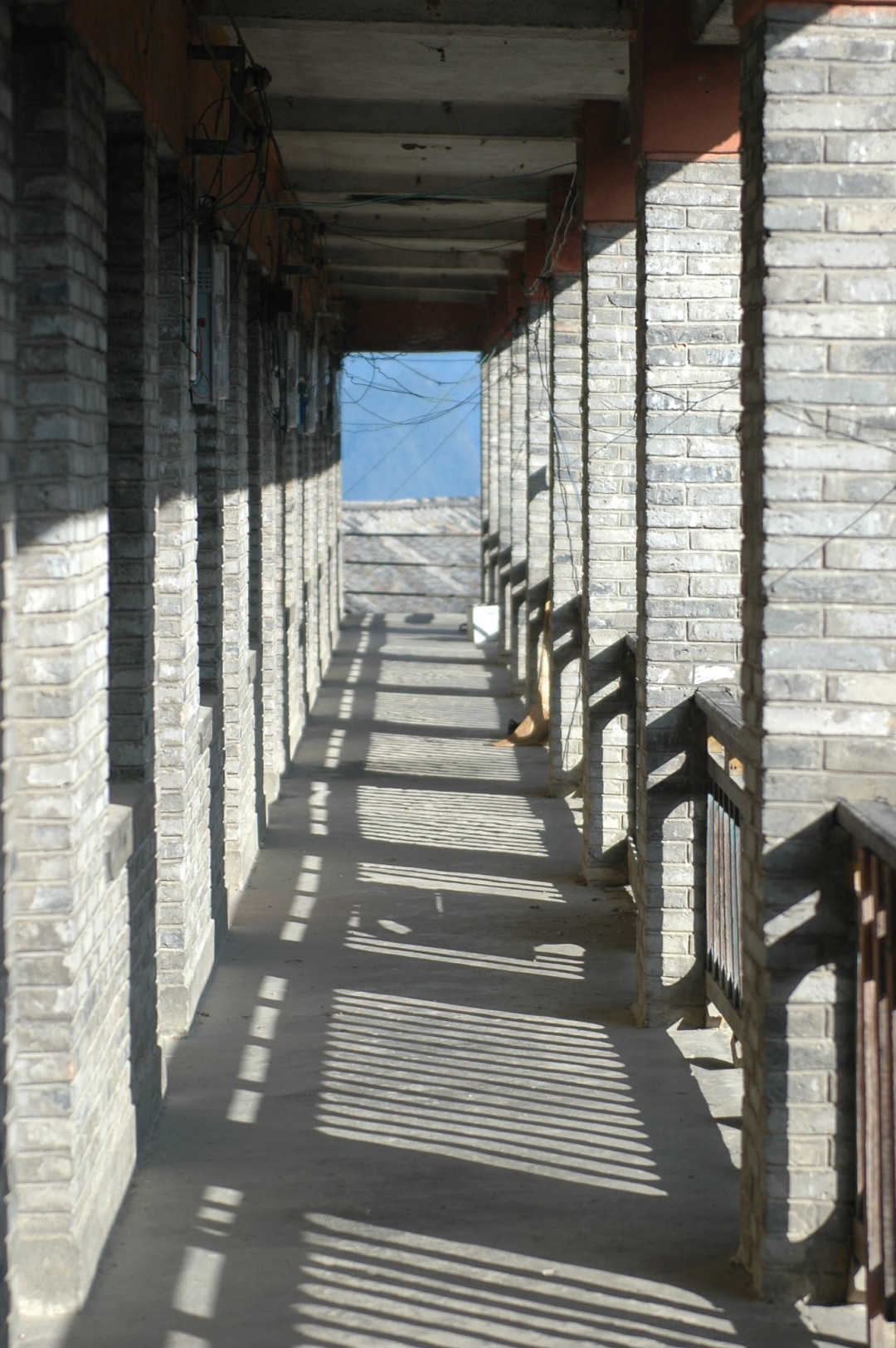
Atop the Nujiang: Laomudeng and Zhiziluo, the Time Codes of Two Mountain Towns
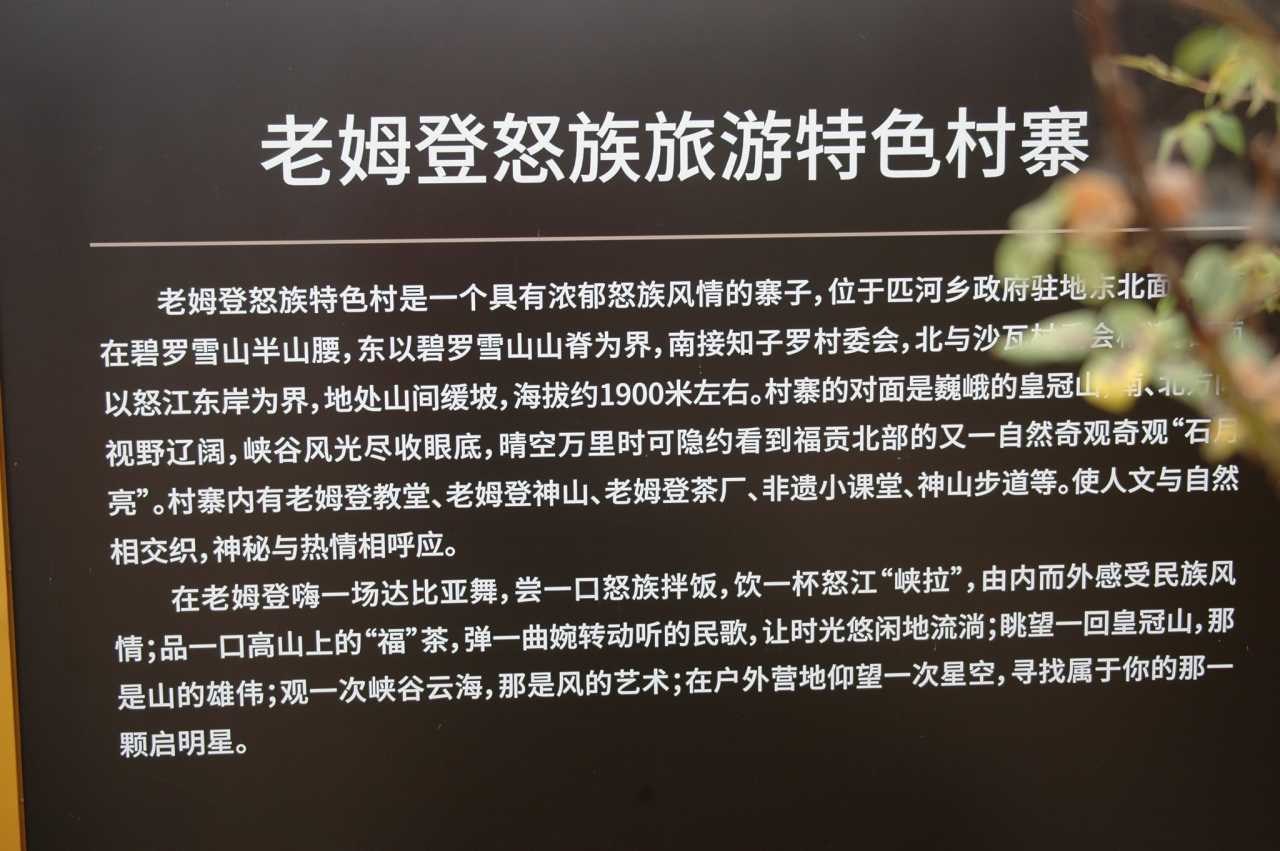
Deep within the Nujiang Grand Canyon, two villages lie like pearls forgotten by time, nestled in the folds of the Gaoligong Mountains. Laomudeng and Zhiziluo—one famed for its faith and pastoral poetry, the other a haunting "city of memory" left to ruin. They are only a few kilometers apart, yet they carry vastly different destinies. In the late autumn of 2024, I visited this land three times, from dusk to dawn, from the foothills to the clouds, trying to decipher their stories.
Laomudeng at Dusk: First Sight, Eternal
The Light of Twilight
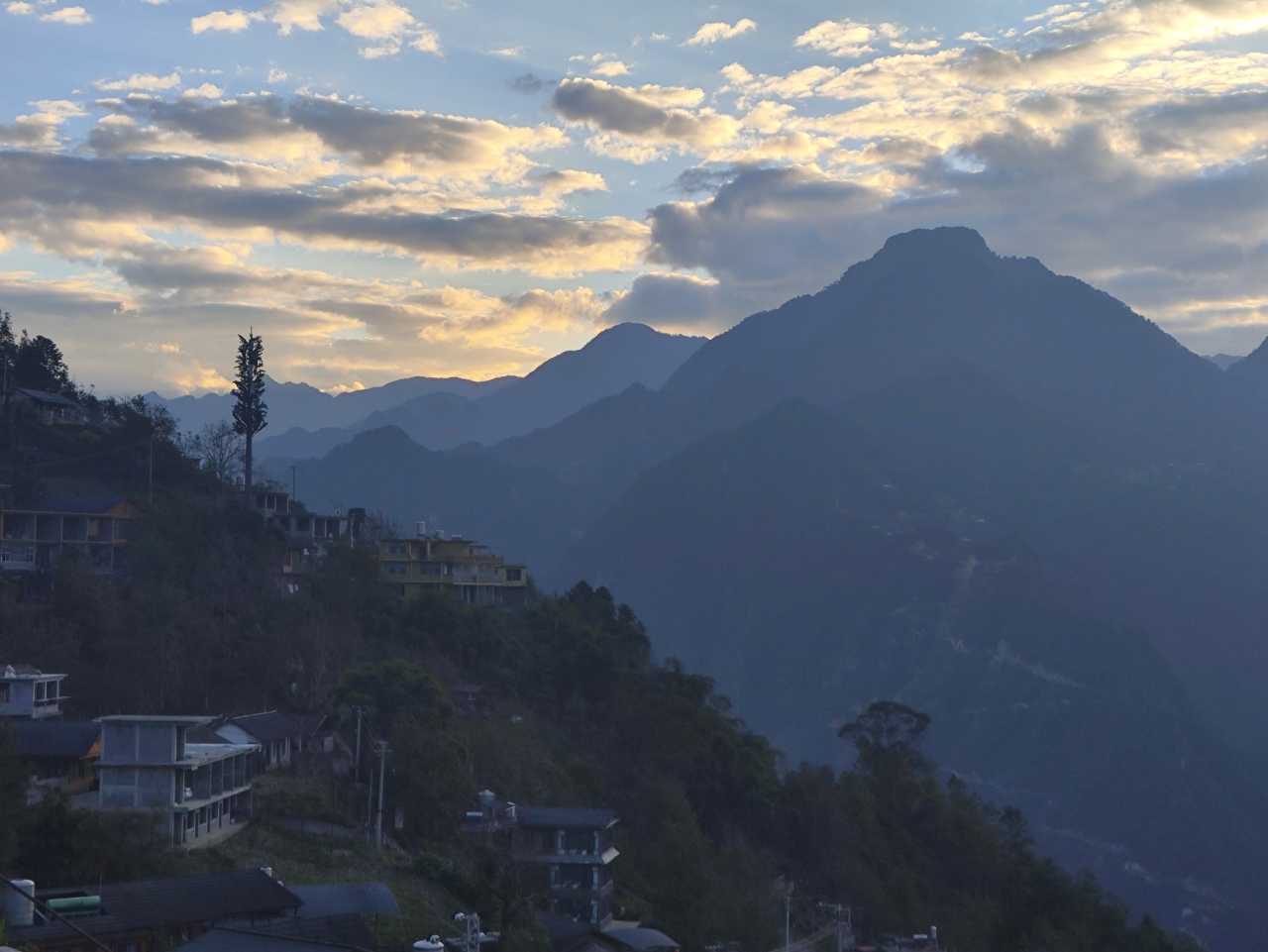
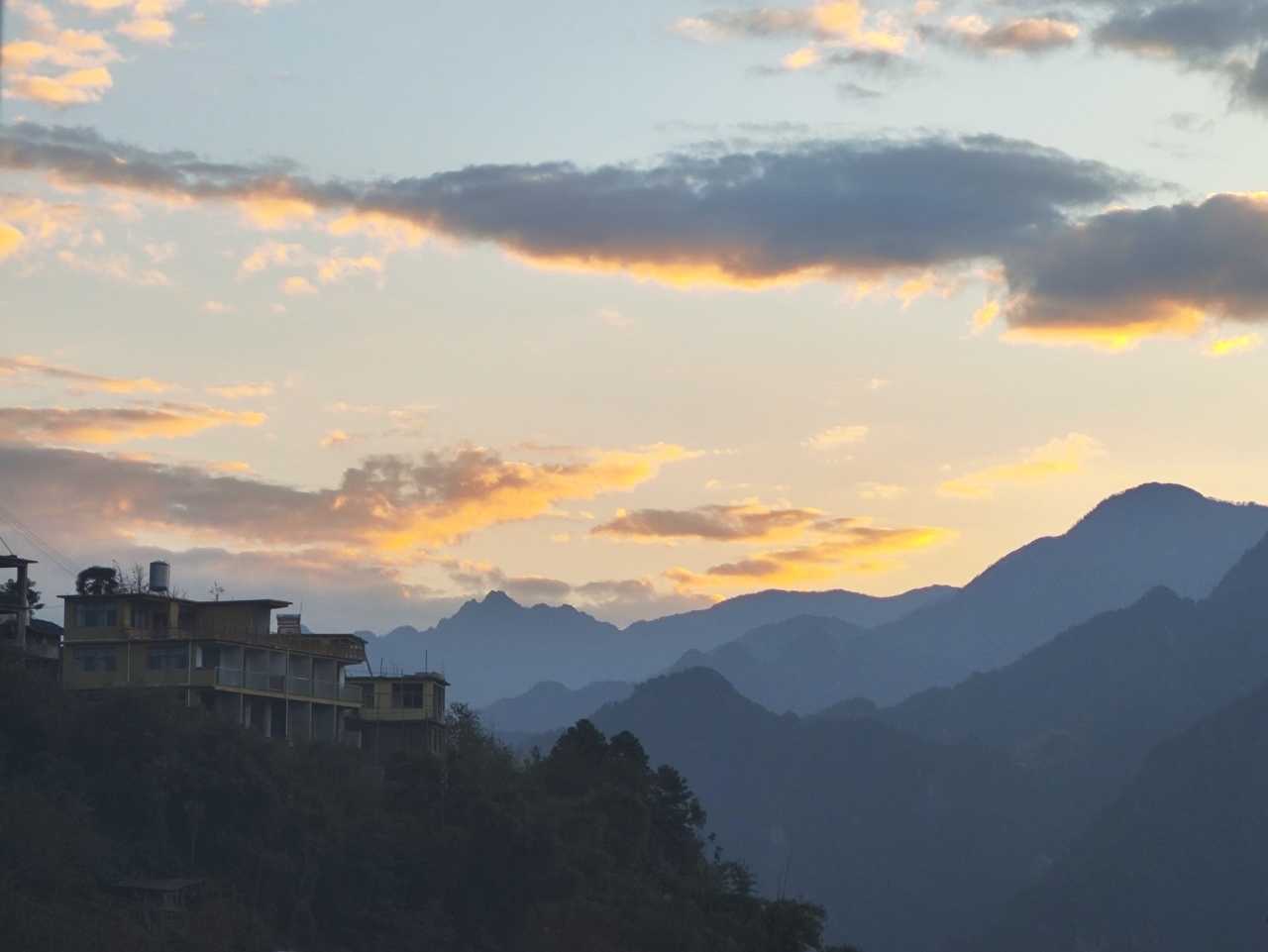
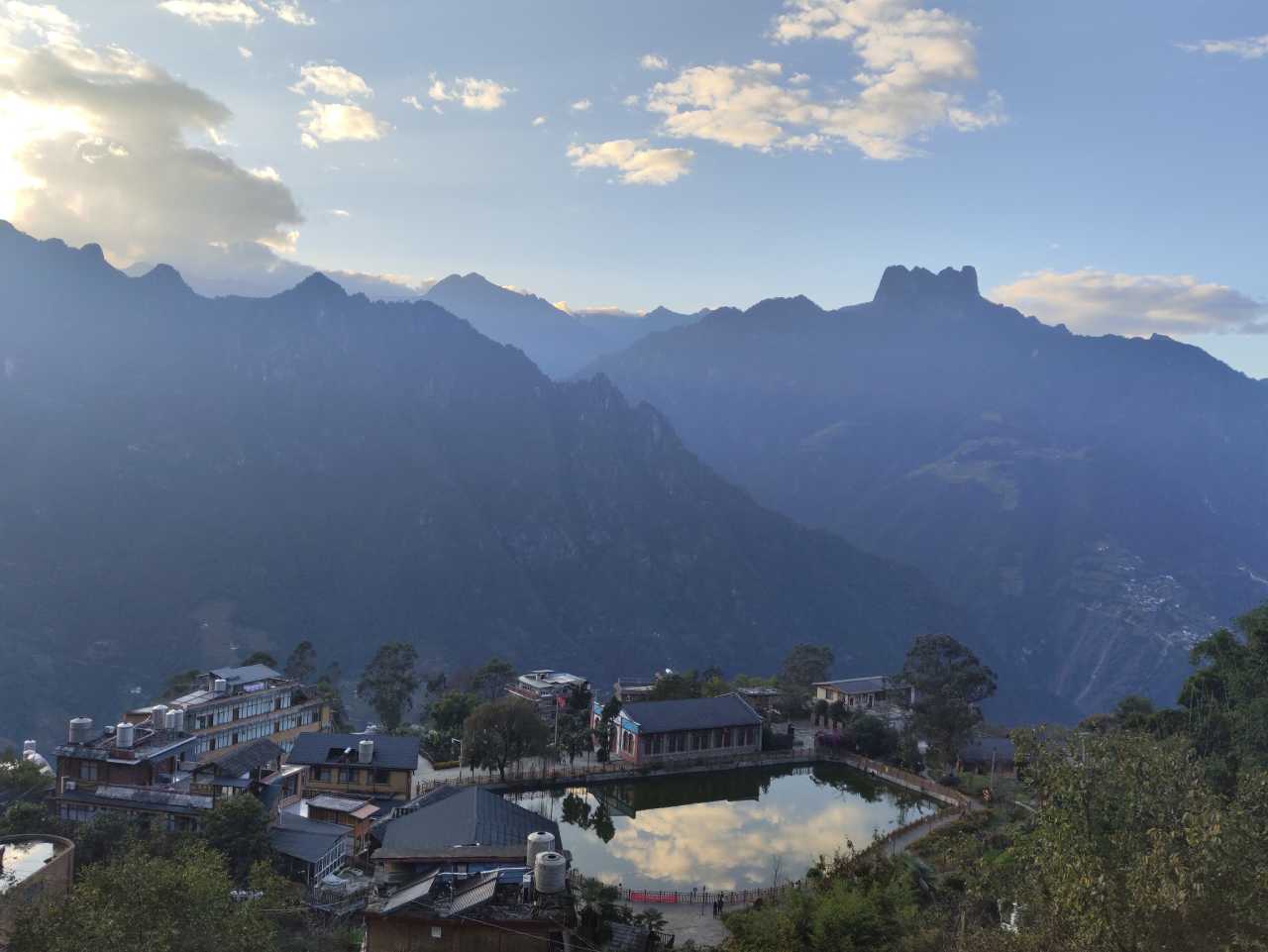
When I drove from Bingzhongluo to Laomudeng, the sky was slowly sinking into dusk. The Nujiang River wound through the canyon like a dark golden ribbon, while the distant Crown Mountain—named for its crown-like peak—was gilded by the last rays of the setting sun. I hurried to the rooftop of my guesthouse, set up my camera, and pressed the shutter. In that moment, the pond in Laomudeng reflected the spire of the church, and Crown Mountain stood silent in the distance like a guardian deity.
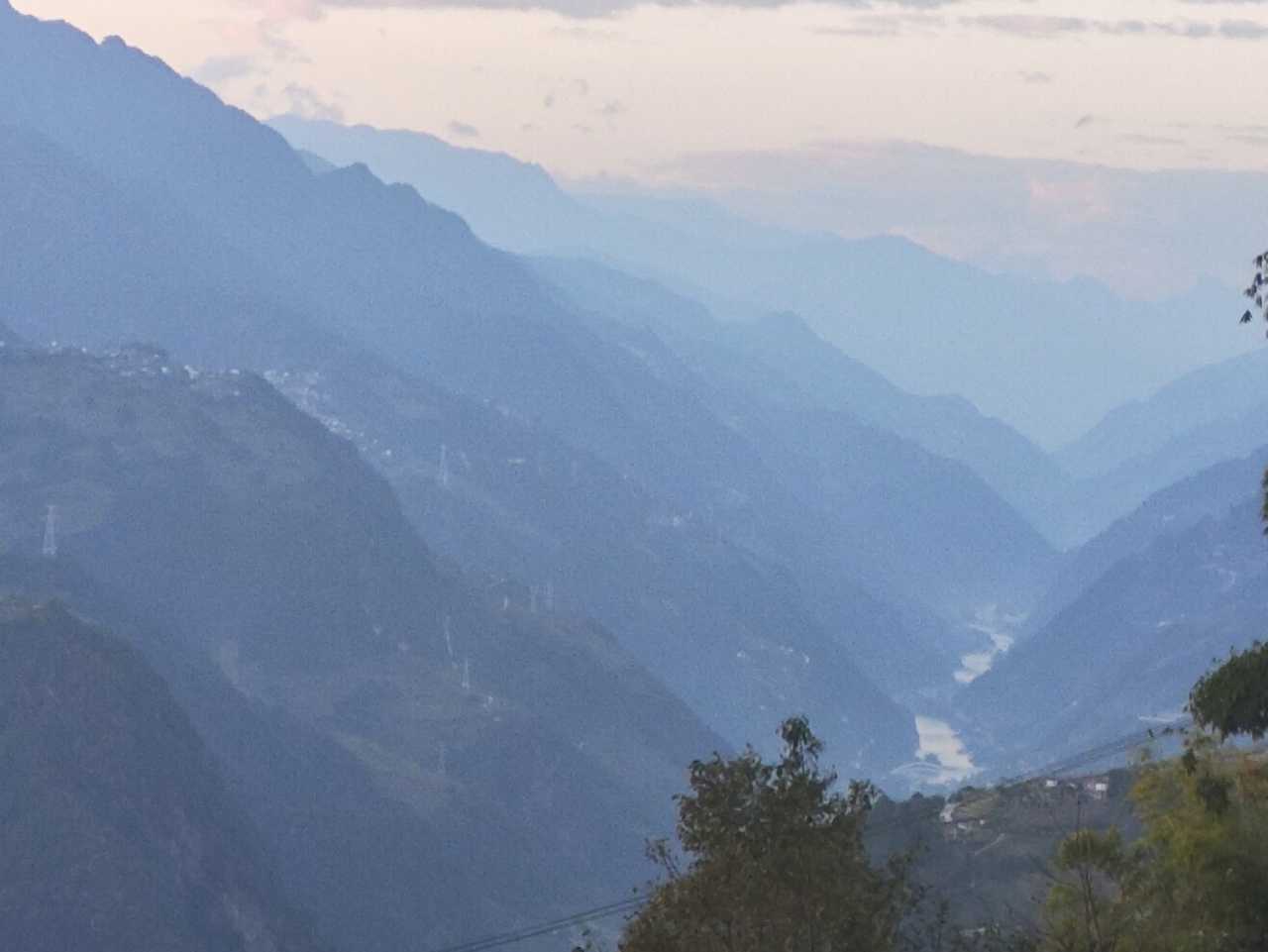
Laomudeng at dusk is an unfinished poem. The Laomudeng Church by the pond, with its white walls and red roof, appeared extraordinarily serene in the fading light. Built in 1908 under the direction of French missionaries, it remains the spiritual home of the Nu ethnic group. Standing by the pond, watching the church and distant mountains mirrored in the water, I suddenly understood why this place is called "the most beautiful village in the Nujiang."
Dawn at the Church and Faith
The next morning, I rose early and walked to the church to take photos. Laomudeng at dawn seemed wrapped in a thin veil. Light rose slowly from behind the mountains, first tinting the tip of Crown Mountain red, then gently spilling onto the village rooftops. The church bells rang, startling a flock of birds that circled above the pond before disappearing into the morning mist.
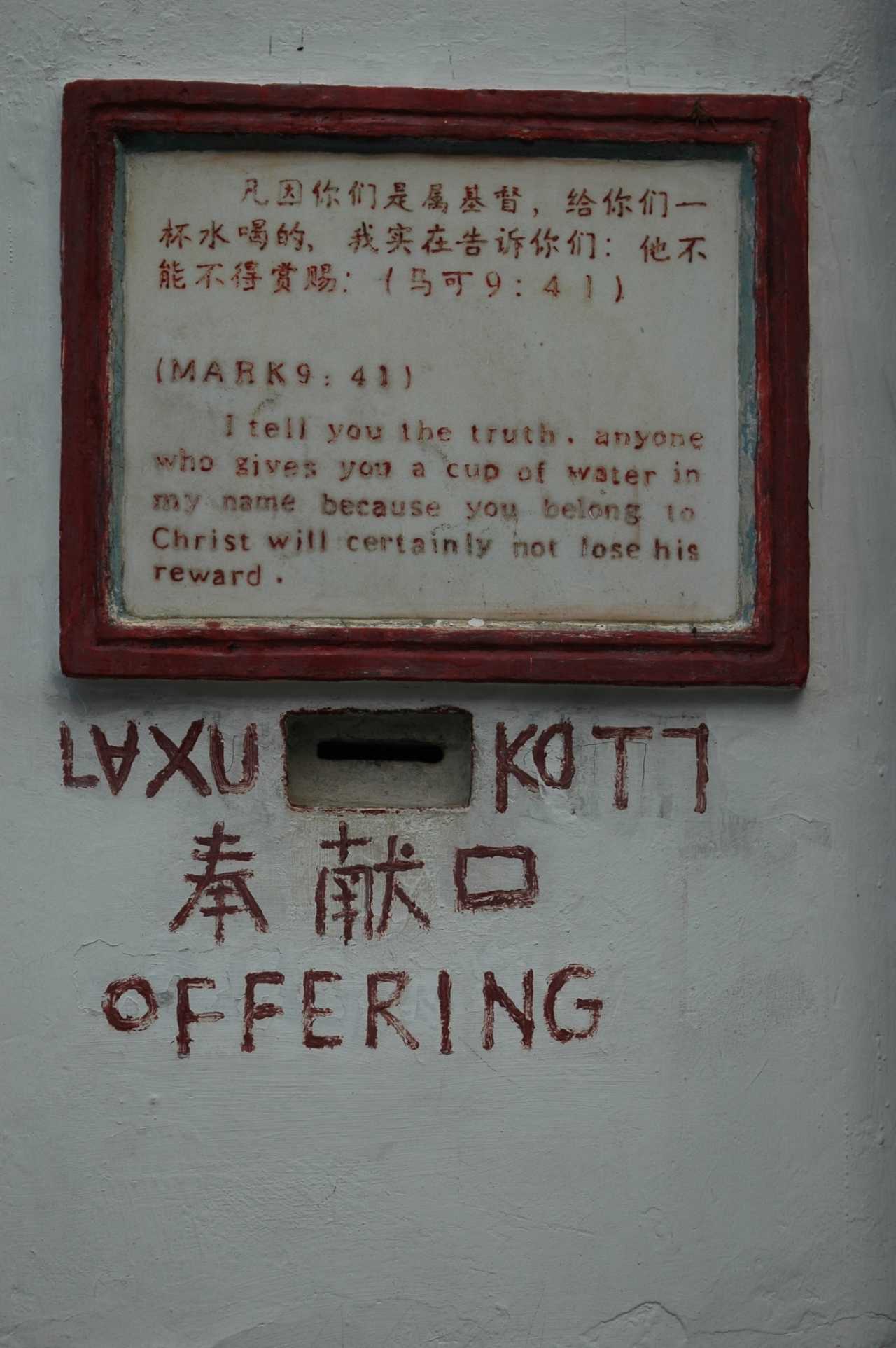
Laomudeng Church is a symbol of the Nu people's faith. Most Nu believers here are Christians, gathering every Sunday for worship. Standing outside the church, I listened to the hymns coming from within—pure and distant, as if they could pierce the barriers of time. On the church walls hung Nu script symbols—a phonetic system written in Burmese characters. The Nu people have a spoken language but never developed their own written form, unlike the Bai people of Dali, who adopted Chinese characters due to deep integration with the Han. The absence of Nu writing stems more from a level of civilization that had not yet reached the stage of creating a script.
A Nu Father and the Child on His Back
Near the church, I met a Nu father carrying a boy of about two years old. This father owned a nearby restaurant and told me that in Nu tradition, children are usually carried by their fathers. When I asked him why, he scratched his head and smiled, saying, "I don't know, but that's how it is." This small detail sparked my deep interest in Nu culture. In most places, children are carried by their mothers, but among the Nu, it's the opposite. This may be linked to the Nu people's historical reliance on hunting and migration, but regardless, it is a unique cultural inheritance.
Laomudeng Viewing Platform: A Window Over the Canyon
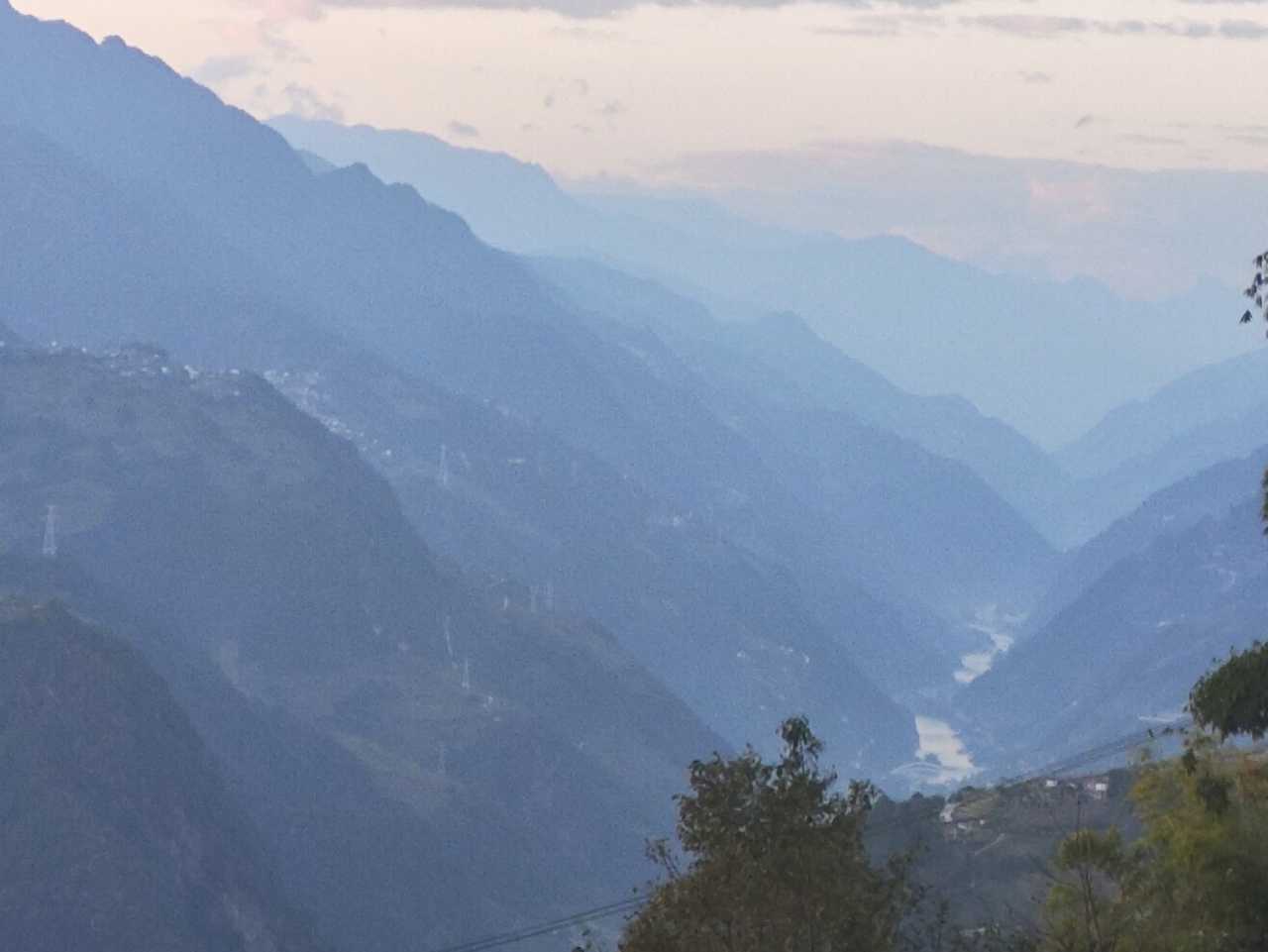
On my way down from Zhiziluo, I passed the Laomudeng viewing platform again. The day before, I had been in a hurry and didn't stop. This time, I parked the car and stood on the platform to gaze out. In the distance, the Nujiang wound its way; closer, the pond and church of Laomudeng lay below, while Crown Mountain stood silently in the far distance.
The viewing platform is located on one side of the winding mountain road, offering an excellent vista. From here, you can see the full layout of Laomudeng Village: houses scattered in an orderly fashion, terraced fields layered one upon another, and the Nujiang rushing endlessly through the canyon. I suddenly recalled a local saying: "Laomudeng is on the mountain, and Zhiziluo is on an even higher mountain." This phrase captures the geographical relationship between the two villages and hints at the divergence of their fates.
Zhiziluo: City of Memory, Ruins of Time
From Transport Hub to Administrative Center

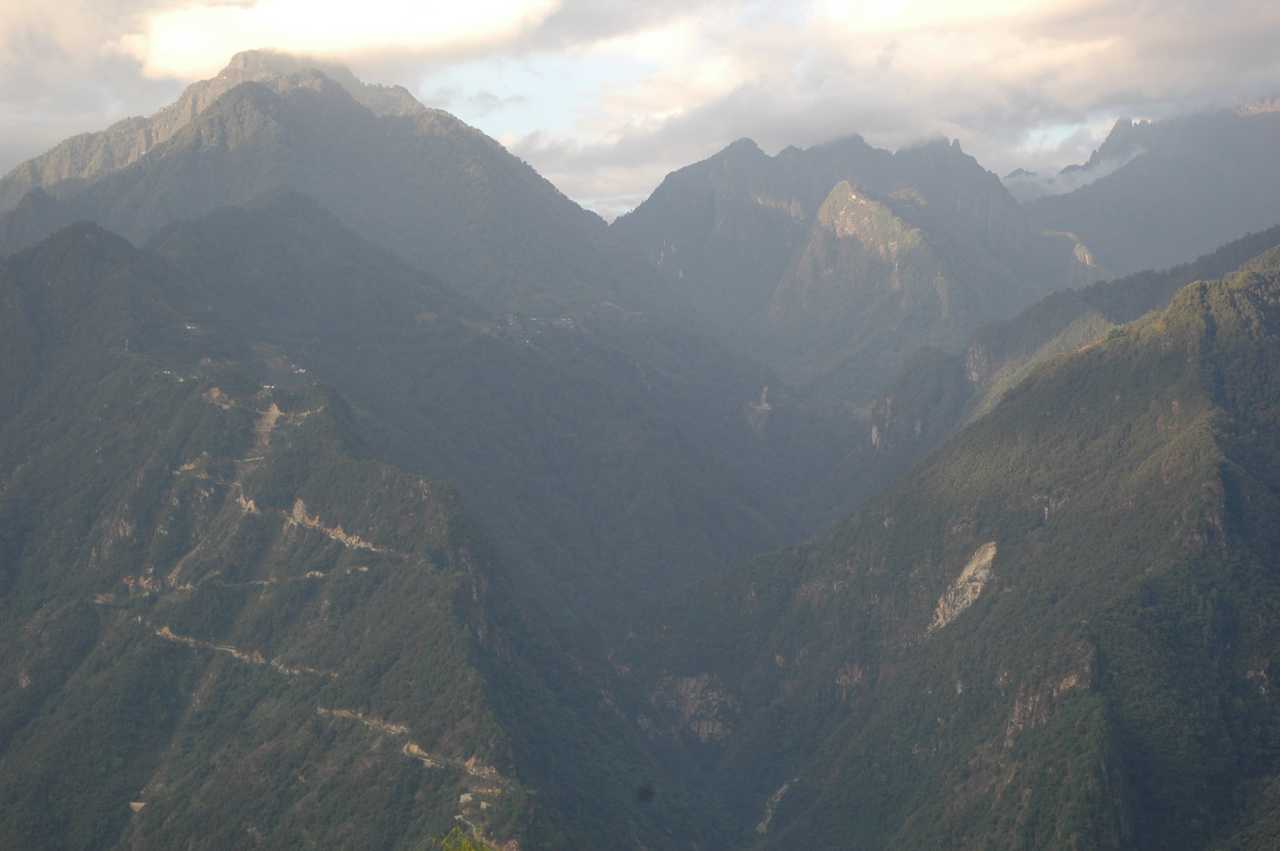
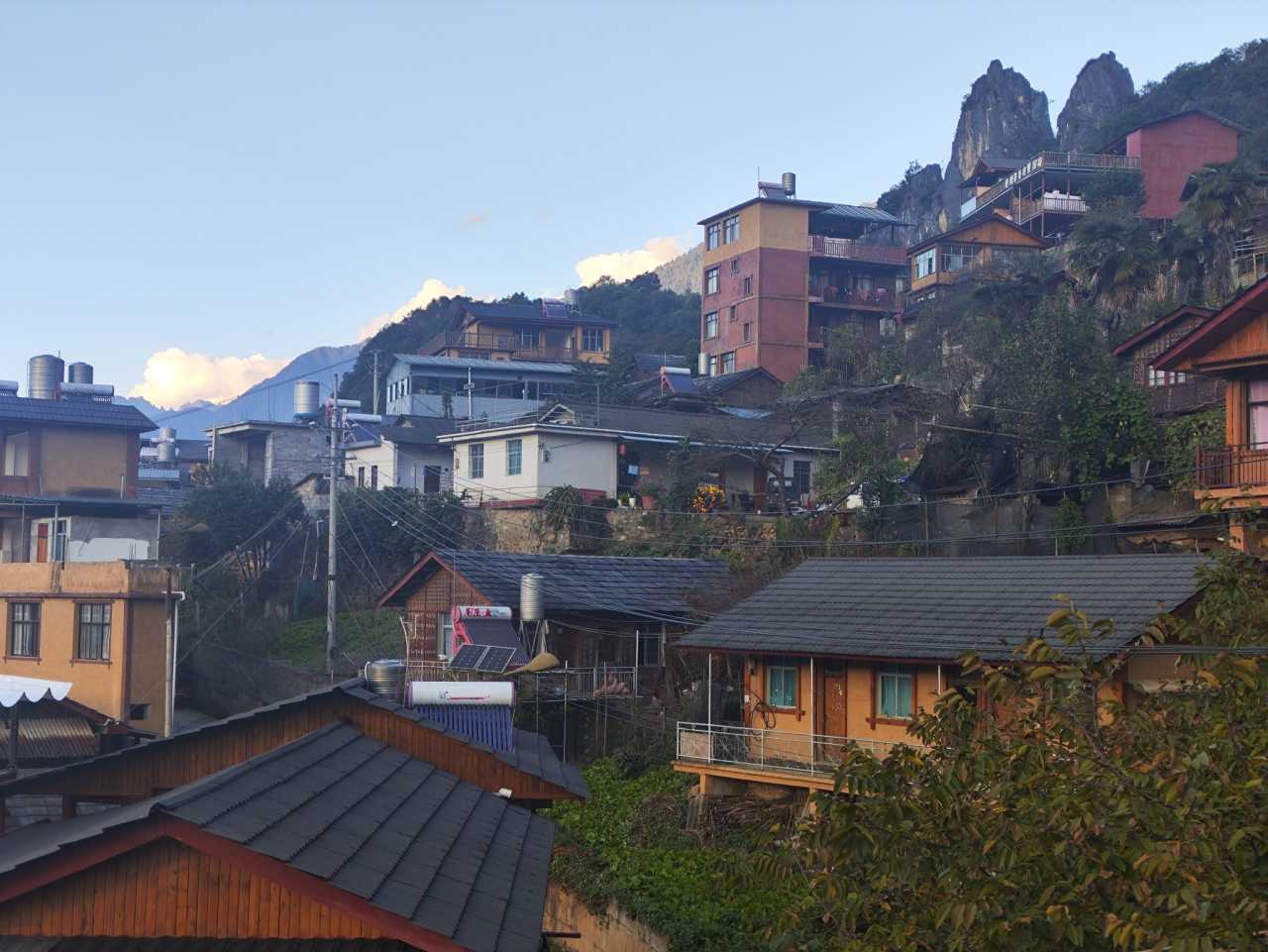
Continuing up the winding mountain road from Laomudeng, a few kilometers later you reach Zhiziluo. Before setting out, I had assumed Zhiziluo was another product of the "Third Front" construction—a city imagined during the Mao era. But that wasn't the case. Zhiziluo had already been a transport hub in the Nujiang region for centuries. A local vendor told me that the mountains were crisscrossed with mule trails, connecting in all directions. It was logical that Zhiziluo, as a transport center, became an administrative center.
But 50 years ago, everything changed. Roads were built along the Nujiang River, shifting the transport hub down to the riverbank, and Zhiziluo's status plummeted. It went from being the prefectural capital to a county seat, and then to a forgotten village. Today, Zhiziluo is very small. Apart from government offices, there are almost no other residents who can live there simultaneously. Commerce is also limited—only a few small shops line one side of the winding mountain road.
Abandoned Brick Houses and "The Pharaoh's Legacy"
The landmark building in Zhiziluo is the Ethnic Museum, but it was closed when I visited. The parking lot is right next to the museum, and beside it lie the remains of a bygone era—some abandoned brick houses. These were built 50 years ago, and in those days, only high-ranking officials could live in such houses. Now they sit empty, uninhabited. Curious, I asked locals why these houses had been left idle for 50 years instead of being used by ordinary people. They told me that these are state assets—even if the pharaoh is gone, they still belong to the pharaoh. This ancient Egyptian proverb found a new meaning in Zhiziluo.
Some of the houses are used by locals, but very few. Most of Zhiziluo's current residents live in dilapidated single-story homes. With economic improvements in recent years, some have built new buildings. But those abandoned brick houses still stand, like monuments to an era.
Melancholy and Wildflowers
When the Moors left Andalusia, they left behind a similar melancholy. On Zhiziluo's streets, tourist signs struggle to point the way amid the clutter, and their most practical use is as supports for clotheslines. The seasons still change, and wildflowers still bloom. Looking out from Zhiziluo, the Nujiang rushes through the canyon, and Crown Mountain stands silent in the distance.
I continued up the winding road to a checkpoint. You must register (for forest fire prevention) before proceeding further. From here, a path leads to the Laomudeng tea plantation, but I didn't take it; instead, I followed the main road upward. Eventually, I reached the Zhiziluo Sanguan Shangfang Hotel. Perched on the mountaintop, it had a sign at the entrance reading "No Visitors." After sneaking a look inside, I turned back.
Epilogue: The Time Codes of Two Mountain Towns
Laomudeng and Zhiziluo—two mountain towns, two fates. Laomudeng draws visitors with its faith and pastoral charm, while Zhiziluo evokes sighs with its abandoned "city of memory." They are only a few kilometers apart, yet they carry completely different stories.
In Laomudeng, I saw the power of faith. The church, built in 1908, remains the spiritual home of the Nu believers. In Zhiziluo, I saw the cruelty of time. Those abandoned brick houses stand like monuments to an era, reminding us of the vicissitudes of history.
If you plan to visit the Nujiang, I recommend setting aside at least two days. On the first day, experience dusk and dawn in Laomudeng, visit the church, and chat with a Nu father. On the second day, drive up the mountain to explore Zhiziluo and feel the melancholy woven into its abandoned brick houses and wildflowers.
I'll end this article with one thought: Atop the Nujiang, Laomudeng and Zhiziluo are two keys left to us by time. One opens the door to faith and poetry, the other to memory and melancholy. And both deserve to be remembered.
You should also read:

Meili Snow Mountain: A Soulful Journey of Dialogue with the Sacred Mountain
Meili Snow Mountain: A Soulful Journey of Dialogue with the Sacred Mountain Prologue: When Travel Becomes Faith Some journeys are forgotten as soon as they end. Others carve themselves into your bones. The trip to Meili Snow Mountain belongs to the latter. Waking up in…
Continue reading...
A Journey Through Time: The Earthen Forest of Yuanmou — April 2011 Chuxiong & Yuanmou Self-Drive Guide
A Journey Through Time: The Earthen Forest of Yuanmou — April 2011 Chuxiong & Yuanmou Self-Drive Guide Some journeys are destined to take root in your memory. In April 2011, I set out from Shuhe in Yunnan, heading north toward the Chuxiong Yi Autonomous Prefecture,…
Continue reading...
Two Girls' Graduation Trip: Dali and Shuanglang – A Poetic Farewell to Mountains and Sea
Two Girls' Graduation Trip: Dali and Shuanglang – A Poetic Farewell to Mountains and Sea Preface: Catching the Tail of Youth, Heading South During our senior year of college, my roommate and I – two girls studying in Beijing – decided to bid farewell to…
Continue reading...