Autumn Wanderings in Western Yunnan: When Mangshi Meets Tengchong, A Weekend-Exclusive Golden Feast
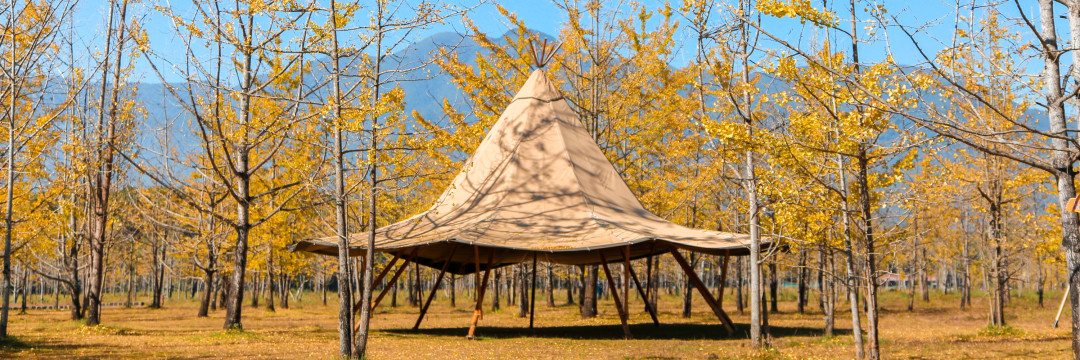
Autumn Wanderings in Western Yunnan: When Mangshi Meets Tengchong, A Weekend-Exclusive Golden Feast
Prologue: Why Western Yunnan?
The frenzy of Golden Week had just subsided, and the tourism industry entered its most enchanting "window period" of the year — crowds dispersed, airfare plummeted, and autumn colors had reached their peak. Poplar gold, maple red, tallow orange... all of China was putting on a riot of colors, and my gaze fell on Western Yunnan.
Using the "Fly at Will" pass from Loong Air, I redeemed tickets for a round trip from Ningbo to Mangshi — just 672 yuan for two people. For a spontaneous weekend getaway, this price was nothing short of a godsend. So, with a backpack and a heart ready to roam, we set foot on this land seemingly forgotten by time.
Itinerary Overview: How to Conquer Mangshi and Tengchong in Three Days and Two Nights
Timeline: - DAY 1: Ningbo → Mangshi → Tengchong → Heshun Ancient Town → Stroll through the town → Hot spring night - DAY 2: Ginkgo Village → Rehai (Hot Sea) → Mangshi → Hair-washing experience → Crab feast - DAY 3: Golden Pagoda & Silver Pagoda → Tree-Wrapped Pagoda → Local breakfast → Return trip
Best Viewing Period: Mid-November to early December, when Tengchong's ginkgo trees enter their golden age. Although this is the hottest time of the year in Tengchong, most people were still struggling with post-holiday blues after National Day, so hotel and car rental prices hadn't skyrocketed — this was our clever move in choosing this window.
Transportation Guide: How to Reach This Hidden Land?
Tengchong has its own airport, but it's heavily affected by weather — few flights, high prices, and plenty of uncertainty. Most savvy travelers fly into Mangshi and then drive to Tengchong.

We opted for a rental car — a Toyota New Levin from the 1hai platform. Three days of rental plus insurance cost only 294 yuan, with highway tolls of 130 yuan and fuel costs of 140 yuan — the per-person cost was quite reasonable. The benefits of renting are obvious: complete control over the itinerary, allowing us to enjoy attractions that would normally be packed with tourists before the tour bus crowds arrived.
If time permits, most people link Mangshi, Ruili, and Tengchong in a single trip — Mangshi is famous for its food, Ruili exudes exotic border-town charm, and Tengchong is synonymous with ancient towns and hot springs. But for weekend warriors like us, we had to make some trade-offs.
Accommodation Recommendations: The Art of Balancing Value and Comfort
Tengchong: Heshun Wendun Time Homestay
Rating: ★★★★ | Price: 185 yuan/night
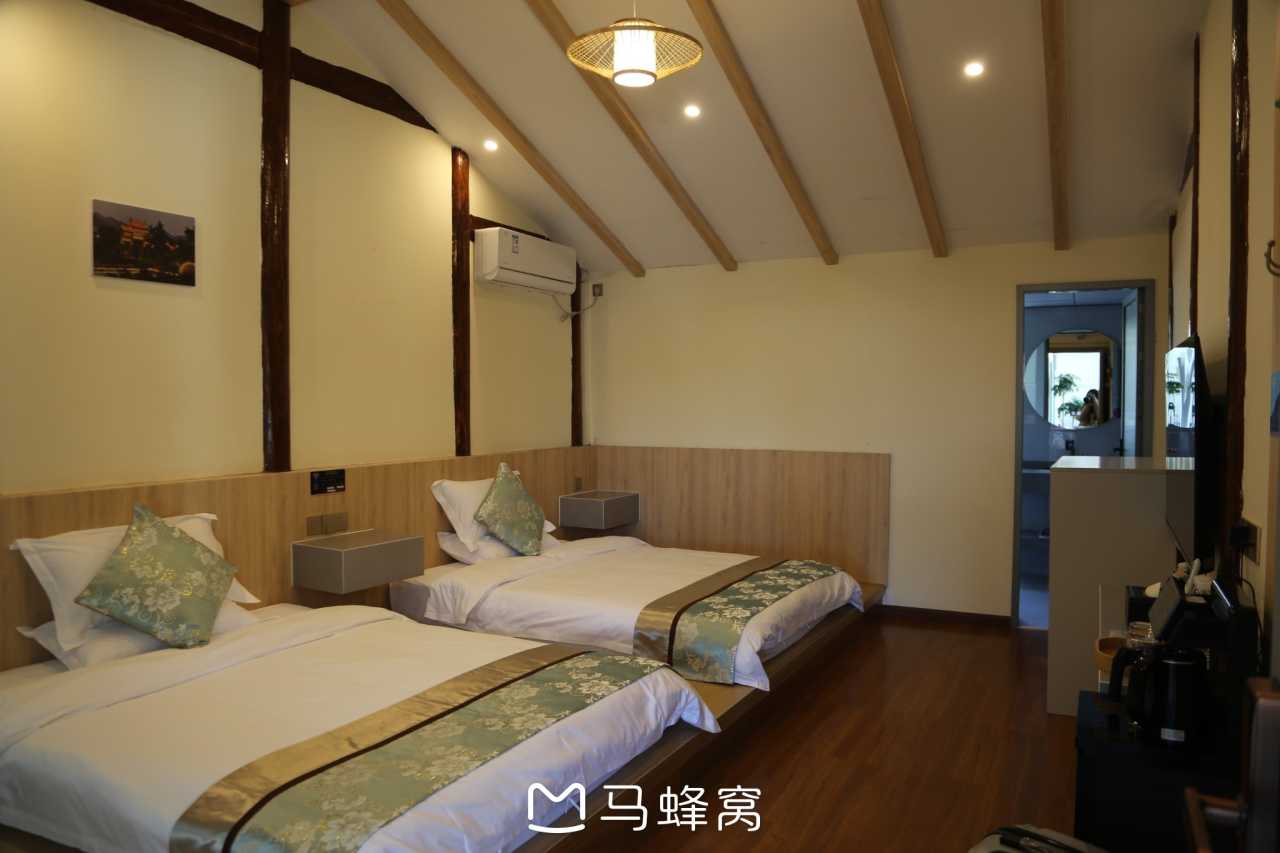
Most visitors choose to stay inside Heshun Ancient Town, but there's a fatal trap here — never drive your car into the scenic area! The narrow lanes barely allow one car to pass, and the risk of scratches is extremely high. Our strategy was to stay just outside the town, near the Bolian Hot Springs — convenient for an evening soak and easy access to Ginkgo Village the next morning.
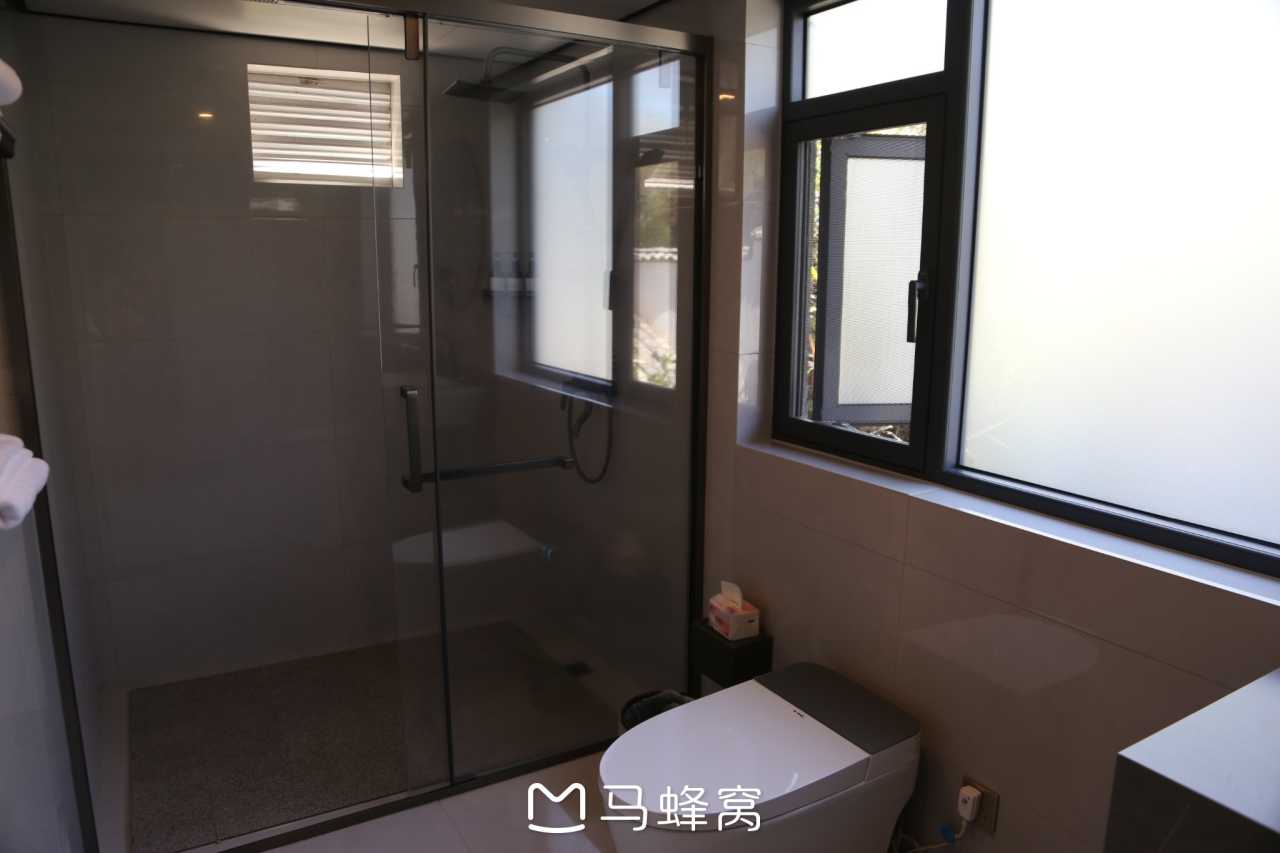
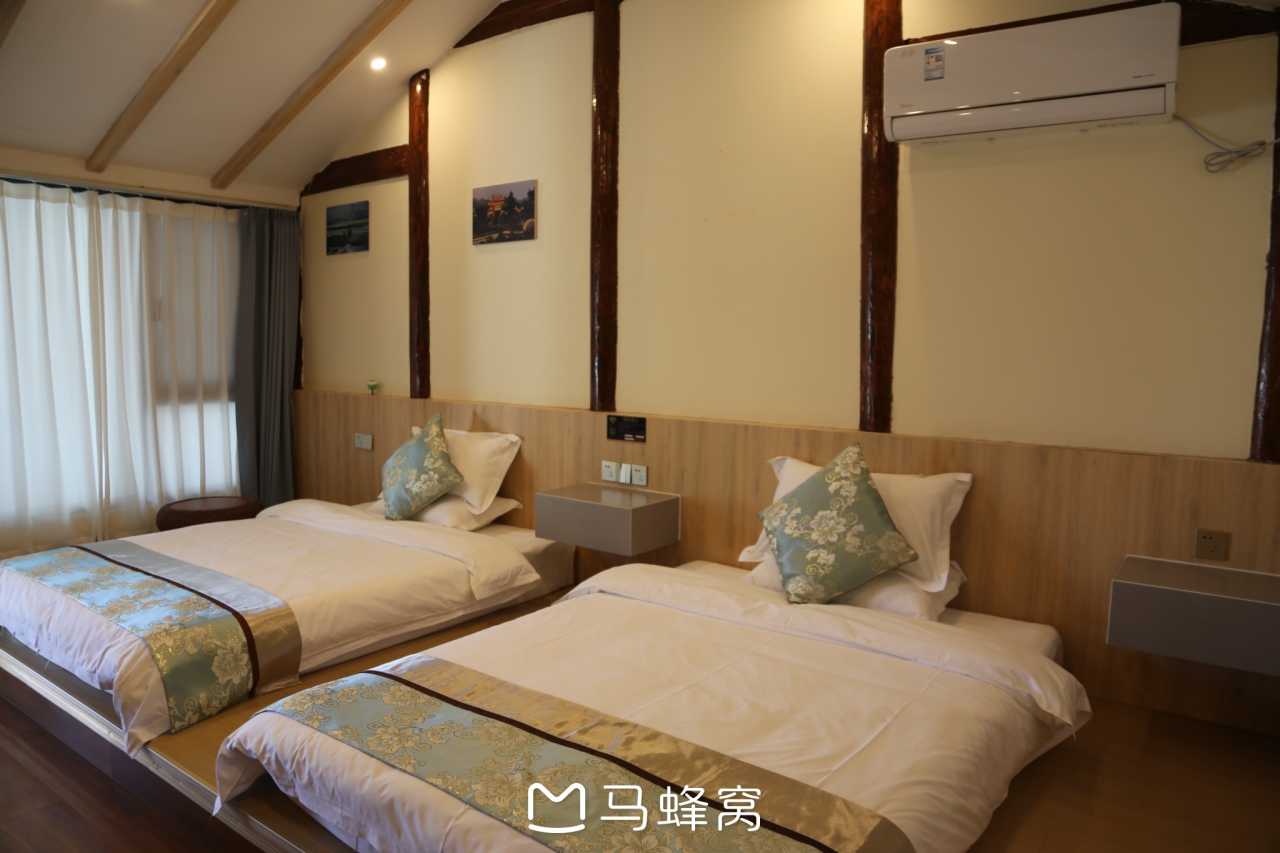
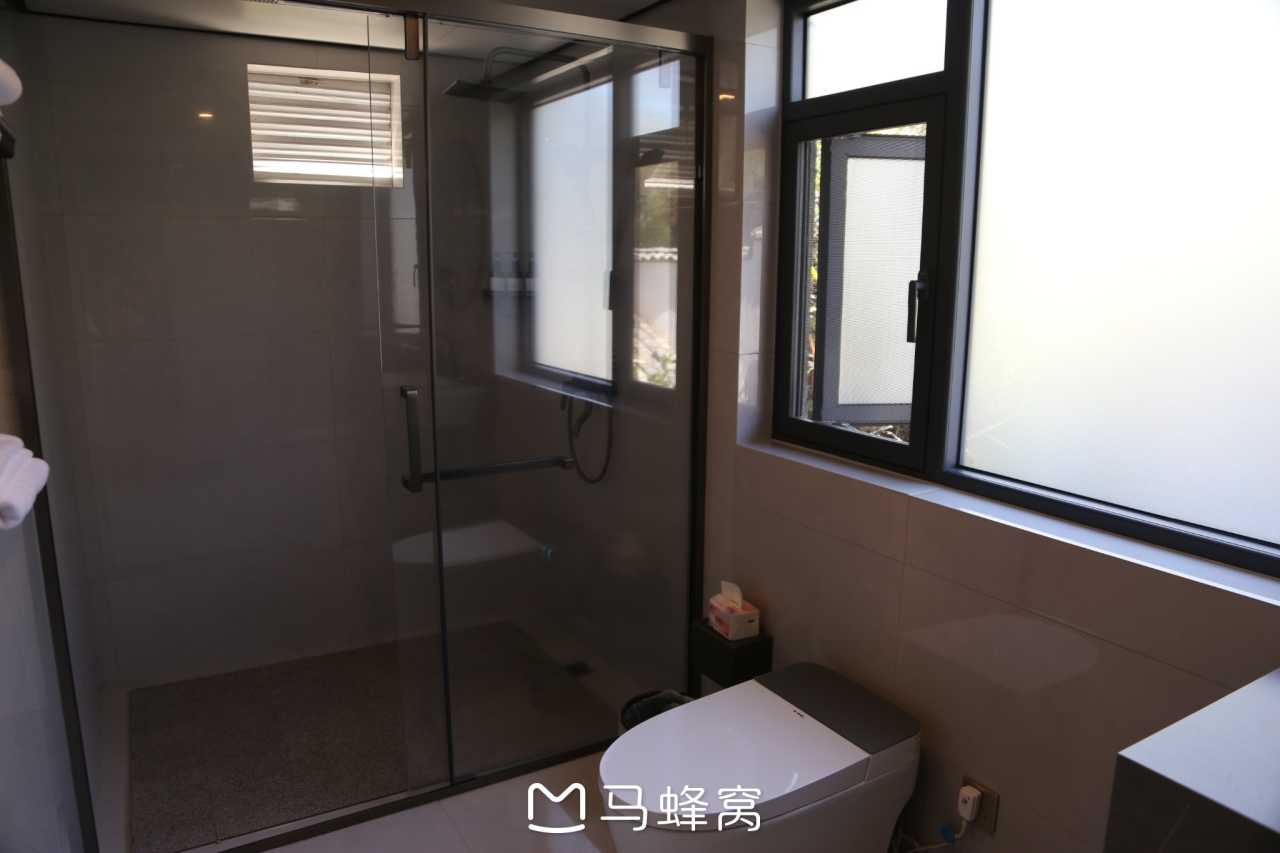
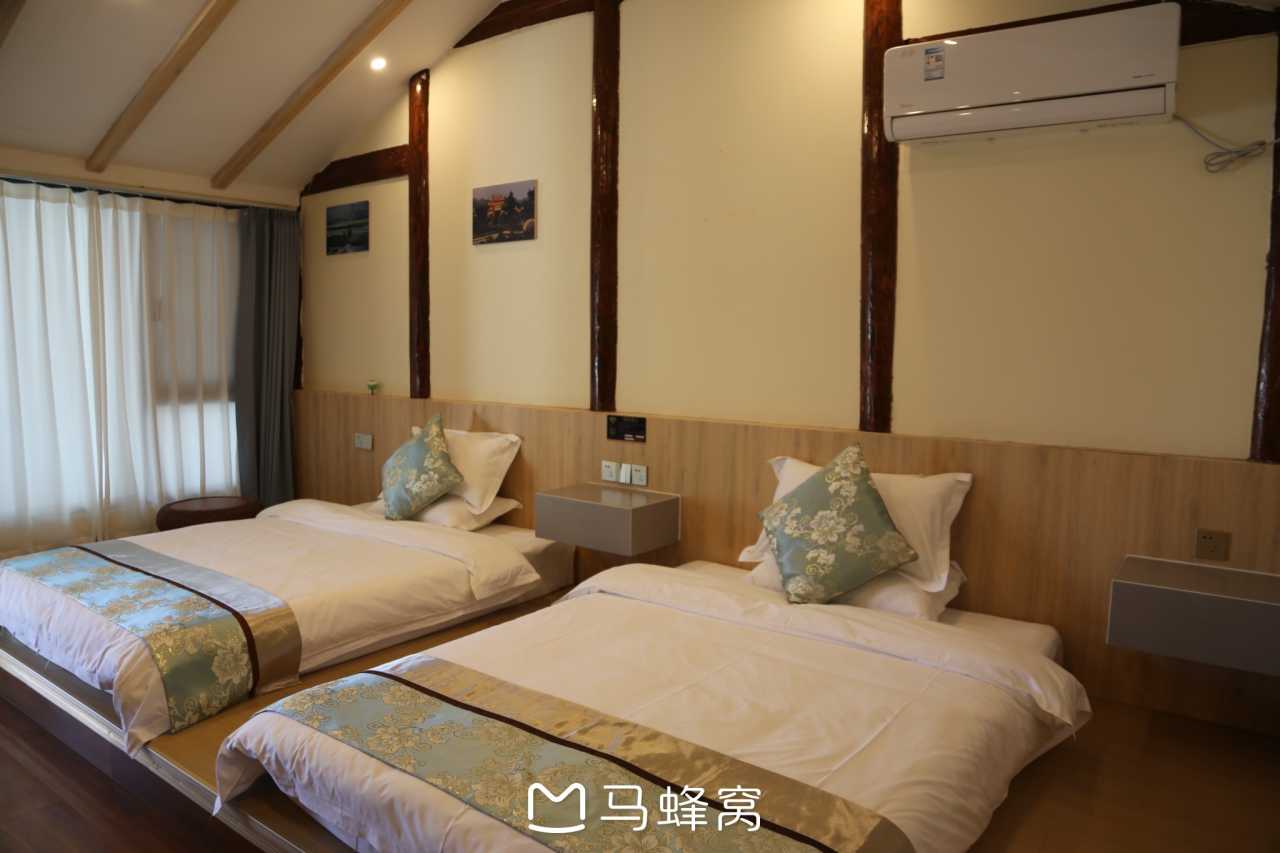
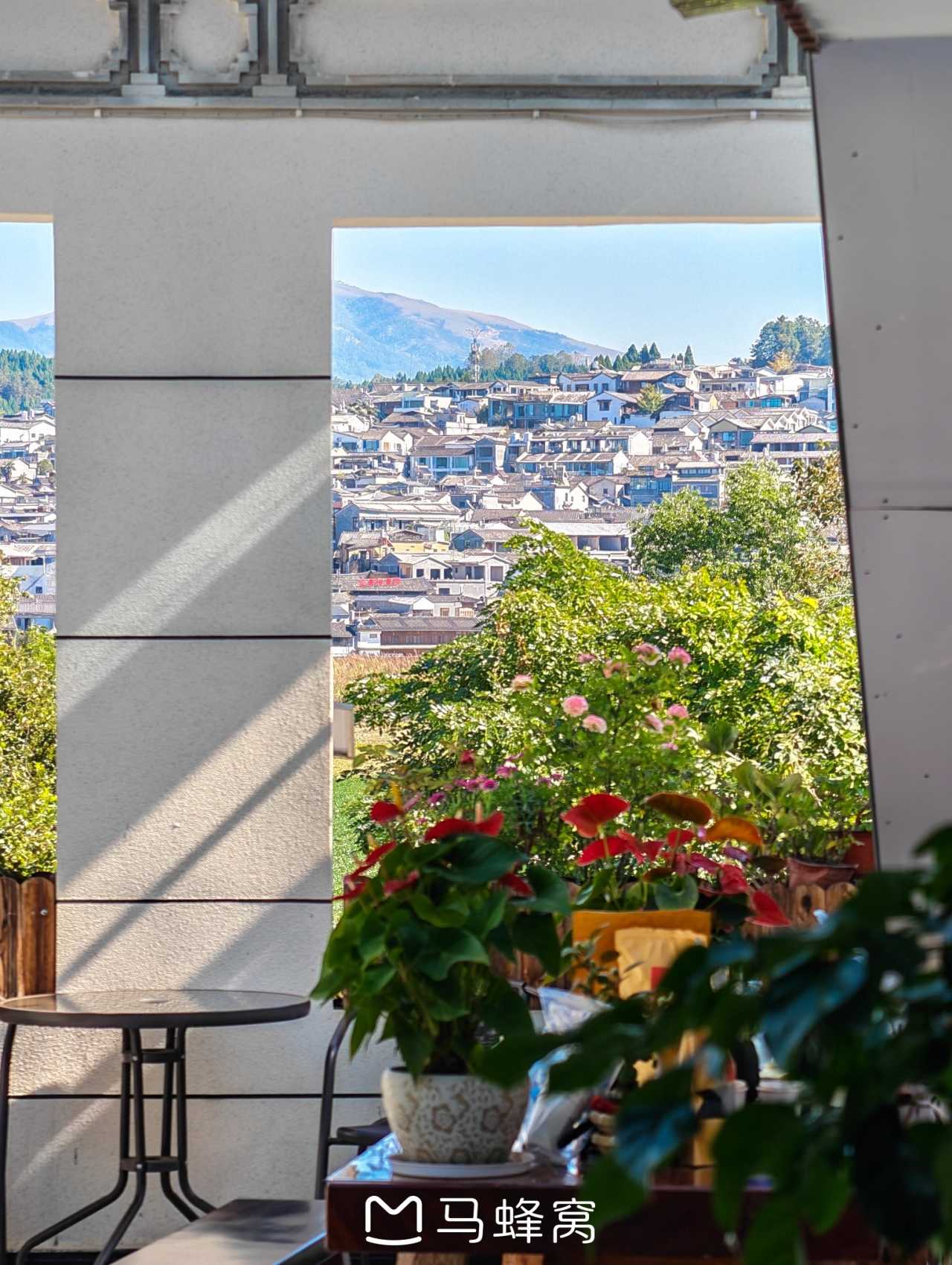
The homestay's advantages include: its own small parking lot, clean and tidy bathrooms, and an excellent view from the common area. The rooftop terrace offers a panoramic view of the entire Heshun Ancient Town. The owner was incredibly warm — not only did he take us through a "hidden entrance" on his tricycle for free entry into the ancient town, but he also gave us detailed food and sightseeing recommendations, and stuffed us with warm flatbread and local "ugly apples" as we left, thoughtfully planning our next day's itinerary.
The only minor flaw was less-than-thorough cleaning in the corner of the bedroom, but at this price, it was more than satisfactory.
Mangshi: City Comfort Inn (Dehong Mangshi Square Branch)
Rating: ★★★★ | Price: 182 yuan/night
Mangshi's appeal lies in its food and hair-washing experiences, so staying in the city center is the smartest choice. This chain hotel offers reliable quality, with a youthful, stylish design and bold, lively color schemes. Across the street is Mangshi Square, within walking distance of Rongrong Hair-Washing Shop, and there's a bustling barbecue joint downstairs that stays open late. The on-site parking is another plus. The only downside is the slightly compact rooms.
DAY 1: Heshun Ancient Town — A Stroll Through Time
Tickets and the "Hidden Entrance"
Heshun Ancient Town charges an entrance fee of 55 yuan. Various free-entry tips circulate online, but instead of scrambling through rice paddies, we let the homestay owner take us through the "back door" on his tricycle — near a rear entrance of the Bolian Hot Springs, through some steps, past the Thousand-Hand Guanyin Ancient Tree Grove, and into the town without a ticket.
These seven ancient camphor trees stand in a neat row. Viewed from the front, their outstretched branches resemble the arms of the Thousand-Hand Guanyin, hence the name. The ancient town felt a bit desolate in the early morning, with alleyways connecting homestays, residences, ancestral halls, and quiet coffee shops. Occasionally, we spotted filming locations from a well-known TV drama.
Chunye Coffee: The Two Sides of an Internet-Famous Spot
Spotting an independent coffee shop on the hilltop on our map, we eagerly climbed up, only to find it was an internet-famous spot — plenty of customers, offering coffee and snacks, and also running a homestay. Per-person spending was over 100 yuan.
The second-floor seating was thoughtfully designed: window seats with views, bar counter coffee spots, a cozy fireplace booth, tatami seats separated by greenery, and the most comfortable open-air terrace with panoramic views. A shallow pool was deliberately placed by the terrace, reflecting the sky's colors, with the tranquility of Heshun Ancient Town and rolling hills in the distance. Sunlight poured down, a gentle breeze brushed by — all negative emotions melted away in that moment.
The presentation of the food and the description cards were exquisitely done, but the cake's texture was merely average. A steady stream of young women lined up by the pool for photos, each taking a long time, which somewhat affected the dining experience on the terrace — the double-edged sword of an internet-famous café.
Heshun Library: China's Largest Rural Library
The closer we got to the library, the more commercial the atmosphere became. Heshun Library is one of China's largest rural libraries, funded by overseas Chinese and built in 1928. This is the liveliest area of the ancient town, where all tour groups stop for photos. But honestly, without a guide's explanation, a quick glance makes it hard to appreciate the cultural depth. Most tour group visitors just pass by hastily, with few actually stepping into the reading room.
Sanhe Art Museum: An Unexpected Sunset
This is a private collection hall, free to visit. We were probably the only visitors that day. The young attendant was so enthusiastic it made us a bit embarrassed — not only did he introduce the exhibits, but he also turned on the lights on the second and third floors and invited us up to the rooftop. To reciprocate his warmth, we ordered a pot of tea and waited for sunset on the third floor.
The first floor is the exhibition hall, the second floor a homestay, and the third floor a café with a terrace. The semi-open design, without glass windows, allowed the view to unfold layer by layer — from the mountains to the fields, to the paths through the fields and the nearby villages — creating a natural and harmonious picture. The setting sun was hidden by the buildings, but its glow was everywhere — spilling onto the teacups and teapot, casting white steam rising against the golden mountains in the distance.
Feidududu Barbecue: A Gap Between Expectation and Reality
Recommended by the homestay owner, this barbecue spot cost less than 60 yuan per person. But honestly, this meal left us quite disappointed — no matter which dipping sauce we tried, it was spicier than we could handle. The skewers were overly salty, the corn kernels were as hard as rocks, and the only thing we could stomach was "Dajiujia" (a local dish, literally "Great Rescue"), which tasted like thick cold noodles — suitable for those who can't handle spice.
Bolian Hot Springs: A Disappointing Internet-Famous Experience
Tengchong's famous hot springs, primarily carbonated springs, benefit from the boutique hotel's quality and the ancient town's location. We bought tickets through a secondary platform, costing 104 yuan per person. On the other side of the hot spring area was a swimming pool — icy cold but with a nice environment; it would probably be a great experience in summer.
However, the soaking pools were few and not hot enough, with a fair number of visitors, so cleanliness was questionable. The most photogenic indoor pool was too cold to soak in — a major letdown. Overall, not recommended.
On the way back to the homestay, we saw Heshun Ancient Town lit up. The homestay auntie gave us freshly made flatbread, spread with local spicy sauce, and handed us two "ugly apples," saying that Yunnan's local ugly apples are actually very sweet — probably the warmest ending to the day.
DAY 2: From Golden Ginkgo to Sulfur Hot Springs
Ginkgo Village: Early Morning Solitude
Entrance fee: 30 yuan. Tengchong has other lesser-known, free ginkgo villages, but this is the most popular and densely packed with ginkgo trees. On weekends during ginkgo season, long car queues form outside the village — the only solution is to arrive very early in the morning.
In the early morning, Ginkgo Village was shrouded in thick fog, like a scene from another world. While there were almost no tourists, the scenery was also diminished. Many restaurant courtyards had only a few ginkgo trees, and the fallen leaves on the ground had been dumped from sacks in the morning — this "man-made scenery" was both amusing and baffling.
At the main square near the entrance, the most crowded area, there was a photographer every meter. Every few steps, someone would ask if we wanted photos taken — the price wasn't bad: 10 yuan per photo with retouching.
The real surprise was in the alleyways. A canopy of gold enveloped the small shops on both sides, with patches of blue sky peeking through the gaps. Around 10 a.m., the sun fully rose, and the fog in the village dissipated. We accidentally wandered to the village's edge, where the nearby ginkgo trees shimmered in golden light. As our gaze traveled further — fields, poultry, a flowing river — the mountain mist in the distance was still fighting a last battle with the sunlight, the mountain outlines hazy and elusive behind this veil.
This was the highlight of the entire Tengchong trip. The most beautiful scenes aren't always on fixed routes or in famous attractions, but along the way, in a casual glance, in the coincidental yet seemingly orchestrated encounters and fate. Around the next corner, we encountered Tyndall light, slanting down through the trees — at that moment, it felt like the whole world was glowing.
Rehai (Hot Sea): A Carnival of Sulfur and Steam
Entrance fee plus hot spring ticket plus round-trip shuttle plus rice noodle soup: 195 yuan per person. Rehai is the representative of Tengchong's sulfur springs, with two hot spring areas — Yugu (Bath Valley) and Meinvchi (Beauty Pool).
At the entrance, a crowd of elderly tour group members was queuing for the shuttle, and it took forever to get on. The shuttle had two stops. The second stop was Rehai's Big Boiling Pot and Yugu Hot Spring. The first stop was halfway up, where Meinvchi was located. Walking up, we could also see some sulfur springs — there were quite a few steps, but it wasn't too strenuous.
There were many vendors selling eggs at the entrance — don't buy them. If you're going to soak in the hot springs, you'll get free eggs and peanuts. If not, there are hot spring-cooked foods for sale near the Big Boiling Pot, and carrying a whole string of eggs up the mountain is just extra baggage.
The Big Boiling Pot was surrounded by layers of tourists. We had to squeeze through to see it — a pool of blue-green hot spring water, constantly steaming with white vapor, the smell of sulfur everywhere.
Yugu Hot Spring: A Down-to-Earth Soaking Experience
After visiting the Big Boiling Pot, Yugu Hot Spring was just a few steps away. The changing rooms were indeed less well-maintained than Bolian's, but when it came to the hot springs themselves, there were six sulfur original pools, four carbonated original pools, plus various herbal pools, steam rooms, and geothermal rooms. There were noticeably more visitors than at Bolian, mostly elderly tour group members.
The trick to hot spring soaking is — whichever pool has the most people is likely the hottest. Soaking in the afternoon meant the pools were slightly less clean; if that bothers you, you'd need to come early for the "first soak." Next to the sulfur original pools, there was a food area where you could get a free portion of hot spring eggs and peanuts — a nice touch. After the soak, we could also redeem a bowl of rice noodle soup at the Big Boiling Pot Food Hall. The portion was generous, and the taste was decent, serving as a direct dinner replacement.
Mangshi Night: Hair-Washing and Crabs
Driving from Tengchong to Mangshi, it was already dark. While waiting at Rongrong Hair-Washing Shop, we saw Burmese vendors selling fried flatbread (甩粑粑) on the street — many flavors: coconut, banana, chocolate, mango, durian... Only bananas were displayed as fresh fruit; the others were probably made from powdered mixes. The flatbread, made from eggs and flour, was stuffed with mashed banana, then topped with condensed milk — sweet, oily, high-calorie, and indeed hard to dislike.
At Rongrong's, the hair-washing service cost less than 60 yuan per person for 50 minutes. You had to buy a voucher and get it verified before you could queue; we waited about 30 minutes. Inside, we were shocked by the rows of hair-washing beds tightly packed together — each person had bare shoulders covered only with a towel, with no partitions or curtains. Fortunately, the staff led us to an expanded area upstairs at the back, which had private rooms with cloth curtains that could be drawn for privacy.
The experience was decent — washing, plus shoulder, neck, and arm massage. The pressure wasn't too strong, but for just over 50 yuan per person, what more could you ask for? The only minor issue was that in winter, your hair stays wet with shampoo for a while, which can get a bit chilly.
Ruili Live Crabs cost less than 100 yuan per person. The name sounds like eating raw crabs, but it actually means live crabs cooked in the pot — using Burmese green crabs prepared in a Chinese style. I strongly advise against the curry preparation — the curry was very sweet, the sauce got cloying when mixed with noodles, the potatoes weren't fully cooked through, and the crab shell had a muddy smell. The recommended spicy flavor would probably be much better.
DAY 3: Morning Light at the Golden and Silver Pagodas
When visiting Tengchong and Mangshi, the most important sights still need to be tackled early in the morning, before the tour groups arrive.
Golden Pagoda and Silver Pagoda: Twin Pagodas in the Morning Light
Mangshi's Golden and Silver Pagodas are on the same hill, with a parking lot that isn't particularly large. When we arrived, there were almost no visitors, so we parked right near the Golden Pagoda's entrance. The only other arrival was a single tour bus — as the elderly group members poured out, the Golden Pagoda came alive.
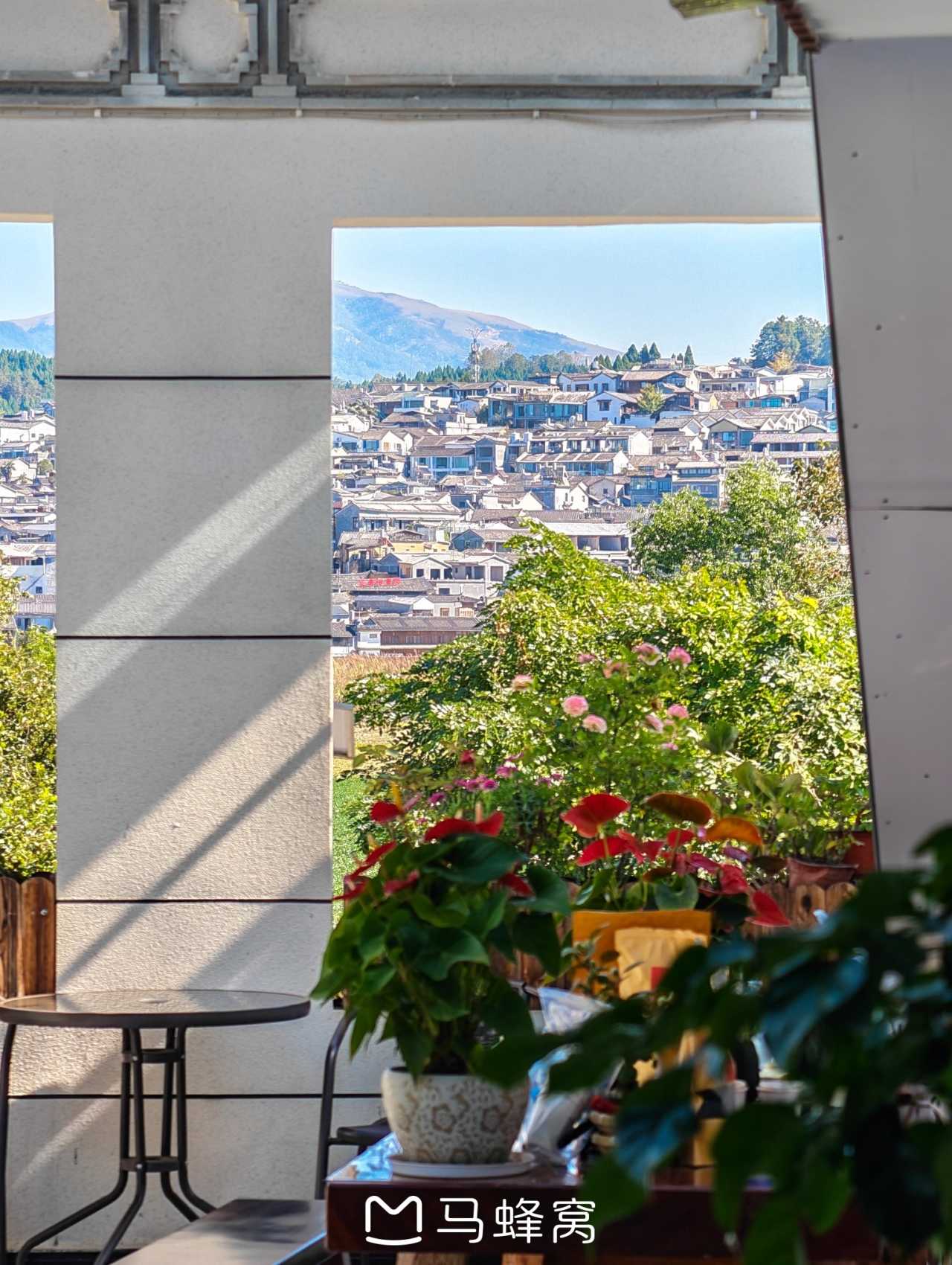
The Golden Pagoda is mainly for worship and Buddhist activities. If you're not religious, there's no need to spend 40 yuan to go inside — just take a couple of photos outside for the record.
The Silver Pagoda's entrance fee was 40 yuan. While the tour group army was "attacking" the Golden Pagoda en masse, we turned and headed to the Silver Pagoda — the entrance was deserted, with not a single visitor. We even wondered if it was open. Once inside, well, we had the place to ourselves. It was so early that the shuttle service hadn't even started yet.
At the bottom, there were two paths: on the left, the shuttle road — easy to walk but a long winding route; on the right, stairs — straight up and down for a faster ascent. The sun hadn't come out yet at the bottom, but by the time we reached the top, the morning light happened to pour in. The "Sky Mirror" was the first spot to photograph when it was empty — it allowed you to capture the real Silver Pagoda and its reflection in the mirror in the same frame. Behind the Silver Pagoda, there was also a viewing platform overlooking the Mangshi cityscape.
After touring the Silver Pagoda on the top platform, we walked down along the service road. A few steps down, there was a viewing platform for the Golden Pagoda — the timing was perfect, with the Golden Pagoda showing its most beautiful form. In the frame where both pagodas appeared together, the light happened to illuminate the flame in our hands.
A Surprise Discovery: A Coffee Shop in the Forest
A bookstore that opened at 10 a.m. was still closed when we arrived, but the panoramic view of Mangshi through the floor-to-ceiling windows was already stunning. While lingering outside, we met a man tending to the bookstore's plants. He said the bookstore wasn't open yet, but there was an outdoor area next door worth checking out. So, we stumbled upon a "coffee shop in the forest" — trees growing through the floor, wooden tabletops, seemingly casually placed potted plants, and city views peeking through the gaps in the trees... it was indeed beautiful.
Tree-Wrapped Pagoda: A Natural Wonder
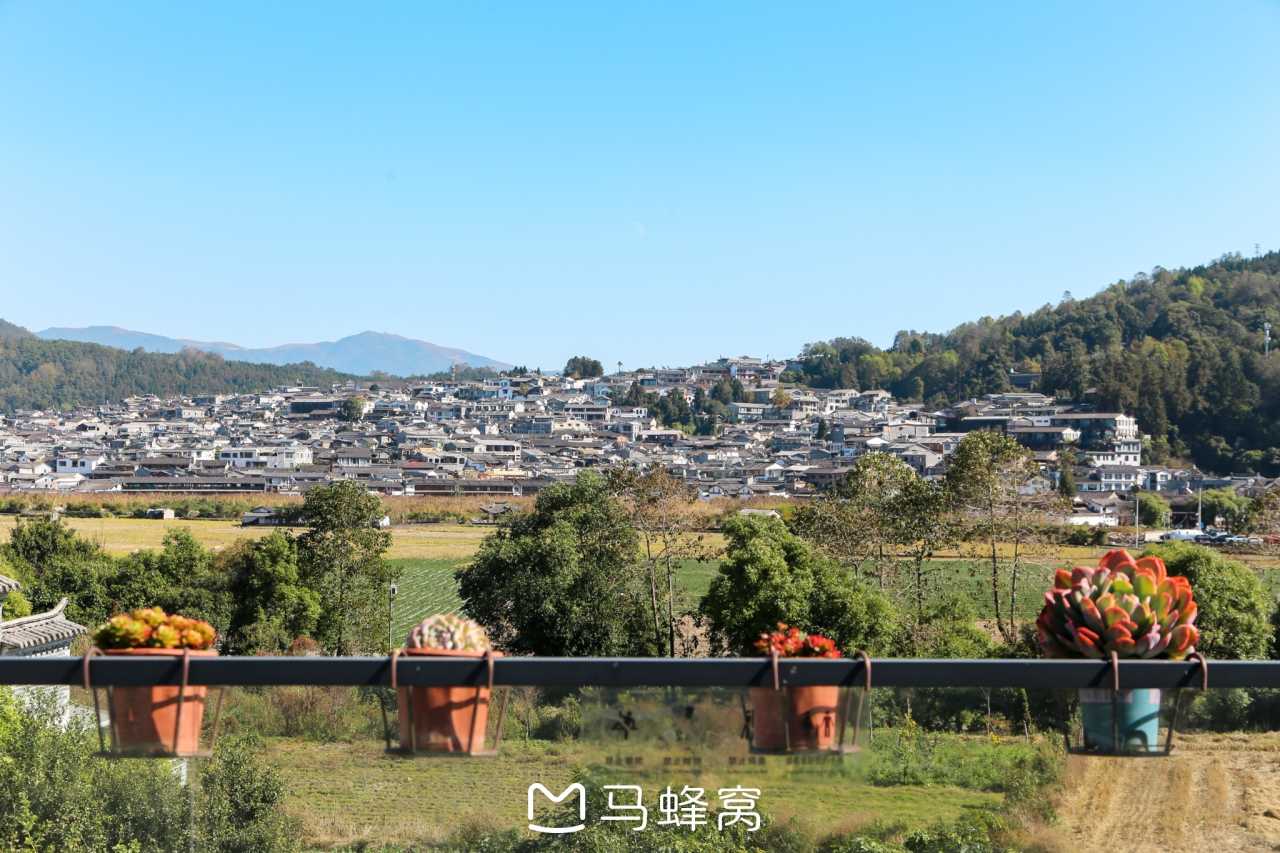
A free attraction with no official parking. There seemed to be a new residential complex under construction nearby, so we could briefly park at the construction site entrance. The fusion of tree and pagoda was quite unique.
Lanlu Breakfast: The Soul of Mangshi Morning Meals
A very famous breakfast spot. The main branch had too long a queue, so we headed to a branch near Mangshi Square. Around 20 yuan per person. The shop was spacious, with three main serving areas — rice noodle (noodle) section, dessert section, and fried flatbread section. The flatbread took the longest to make, so the queue there was the longest. There were also free cold rice jelly and soy milk.
The spice area was an eye-opener: the twigs were "木姜子" (litsea cubeba), shaved into the soup to add fragrance; there were all kinds of unidentified green leaf bits, giving a thrilling blind-box feeling. Both the clear broth and braised broth bases were exceptionally well-prepared. After eating half a bowl, adding the spices felt like getting a completely different bowl of rice noodles — a more local flavor. The free cold rice jelly was also excellent. And be sure to order "泡鲁达" (a Burmese-style drink with bread, coconut, and milk) and avocado juice — they were generously loaded with ingredients.
Epilogue: The Meaning of Western Yunnan
Mangshi and Tengchong aren't really suited for "special forces" style travel. Apart from rushing to one attraction or hot spring early each morning, the rest of the time is best spent riding a small scooter, finding a coffee shop to read a book, and soaking up the sun. If you could have more vacation time, not limited to standard holidays, you'd be able to truly experience the meaning of this place.
This trip taught us one thing: the most beautiful scenery often isn't found in travel guides, but in a casual glance. When you encounter Tyndall light at a corner in Ginkgo Village, when you overlook the entire ancient town from a homestay rooftop, when you see the twin golden and silver pagodas in the morning light — these moments are the true meaning of travel.
So, if you're planning to come to Western Yunnan, give yourself more time. Not to check off more sights, but to sit in a coffee shop on a sunny afternoon, doing nothing — just watching the distant mountains and the nearby flowers, feeling time flow slowly.
This is the right way to open up Western Yunnan.
You should also read:
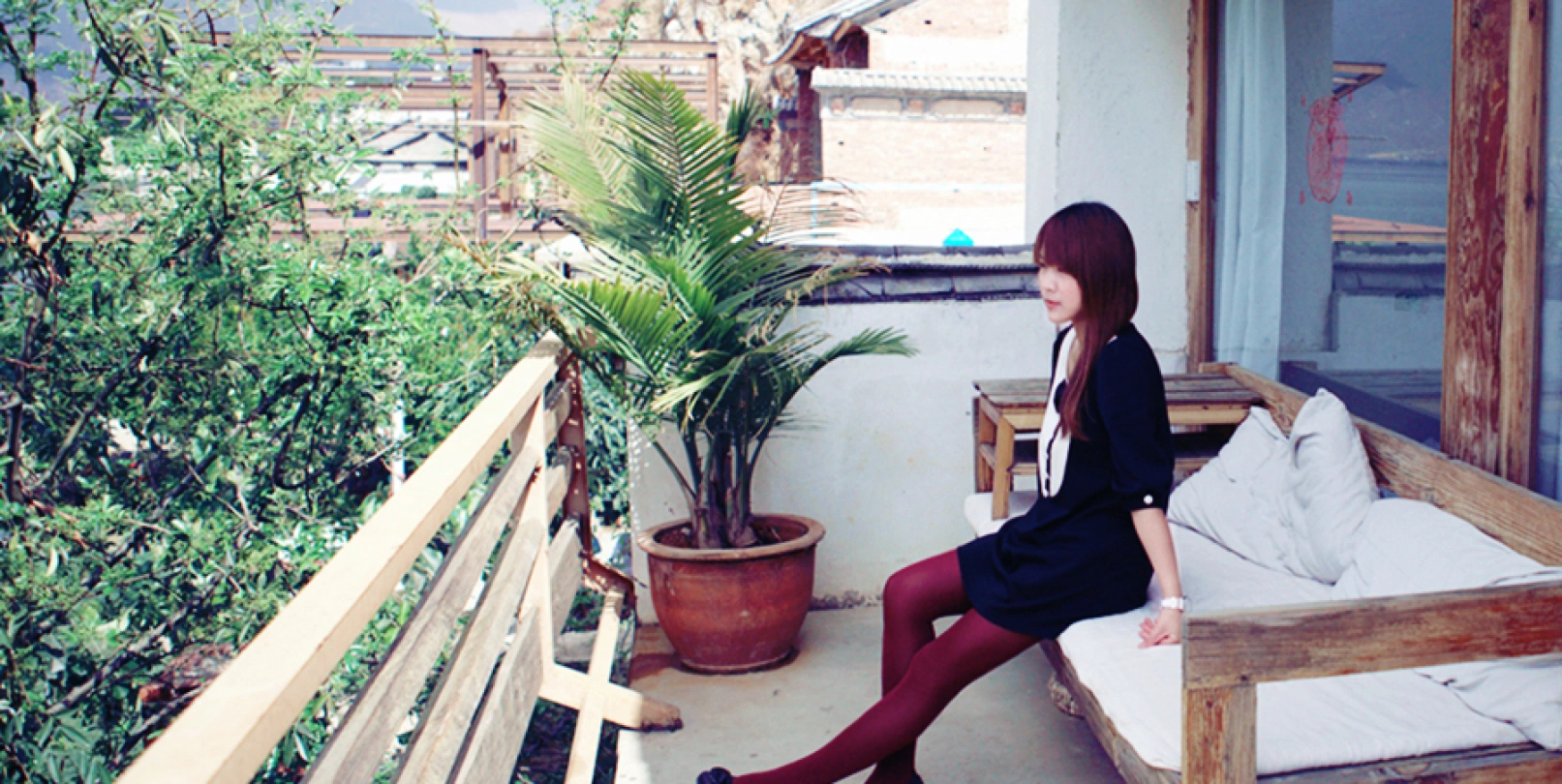
A Solo Journey to Yunnan: Shuanglang Chapter — Meeting Your Truest Self by the Erhai Lake
A Solo Journey to Yunnan: Shuanglang Chapter — Meeting Your Truest Self by the Erhai Lake Introduction: When a Dream Finally Becomes Reality Some say Yunnan is a place meant for solo travelers. It took me three full years to truly understand that. Two years…
Continue reading...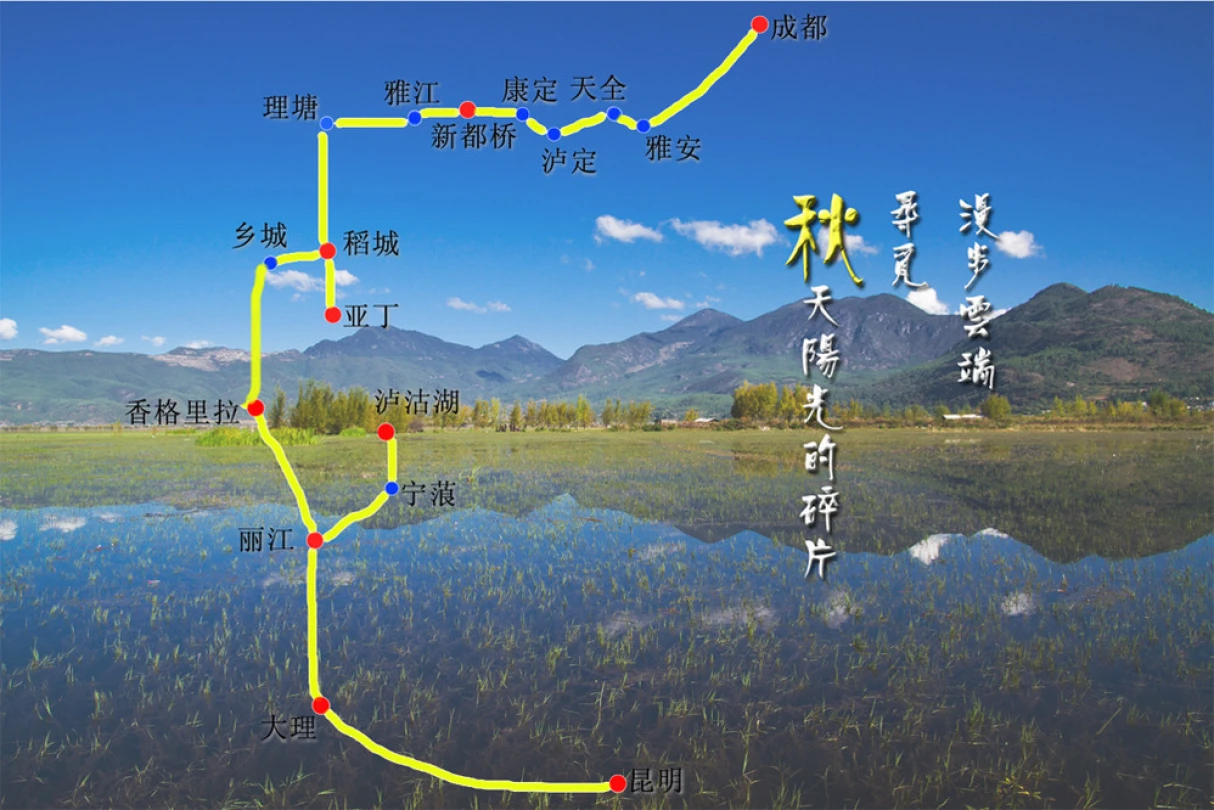
Strolling Among the Clouds: Gathering Autumn's Light on the Western Sichuan Plateau
Strolling Among the Clouds: Gathering Autumn's Light on the Western Sichuan Plateau Prologue: A Sun Chaser's Journey Autumn sunlight is like a gentle painter, using golden brushstrokes to smear the last traces of warmth across the earth. It slips through the gaps between your fingers,…
Continue reading...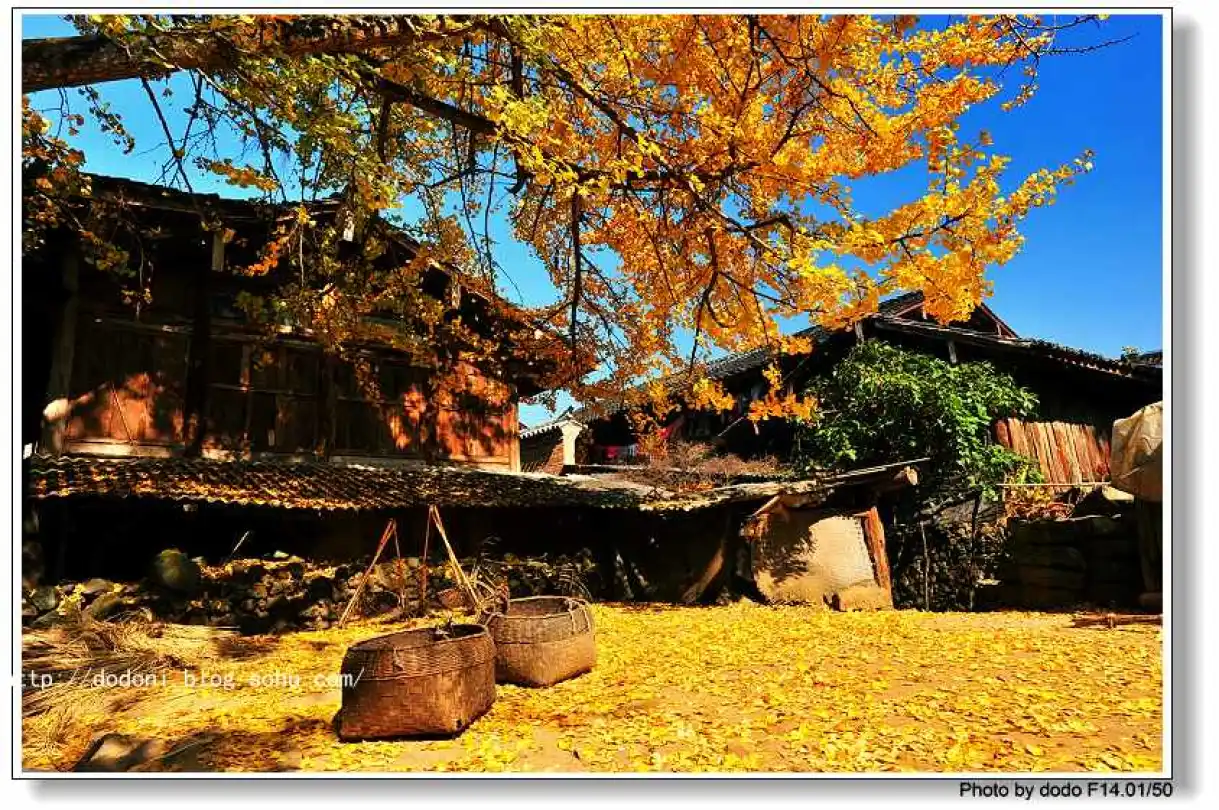
Golden Autumn: A Poetic Tapestry of Light and Shadow in Tengchong's Ginkgo Village
Golden Autumn: A Poetic Tapestry of Light and Shadow in Tengchong's Ginkgo Village A Belated Autumn Rendezvous Everyone harbors a dream about autumn somewhere in their heart. For me, that dream once belonged to Jiuzhaigou—that palette of colors hailed by the world as a "fairy-tale…
Continue reading...