Beneath the Milky Way, a 3000-Mile Chase for Light: Our Fantastical Yunnan Self-Drive Odyssey
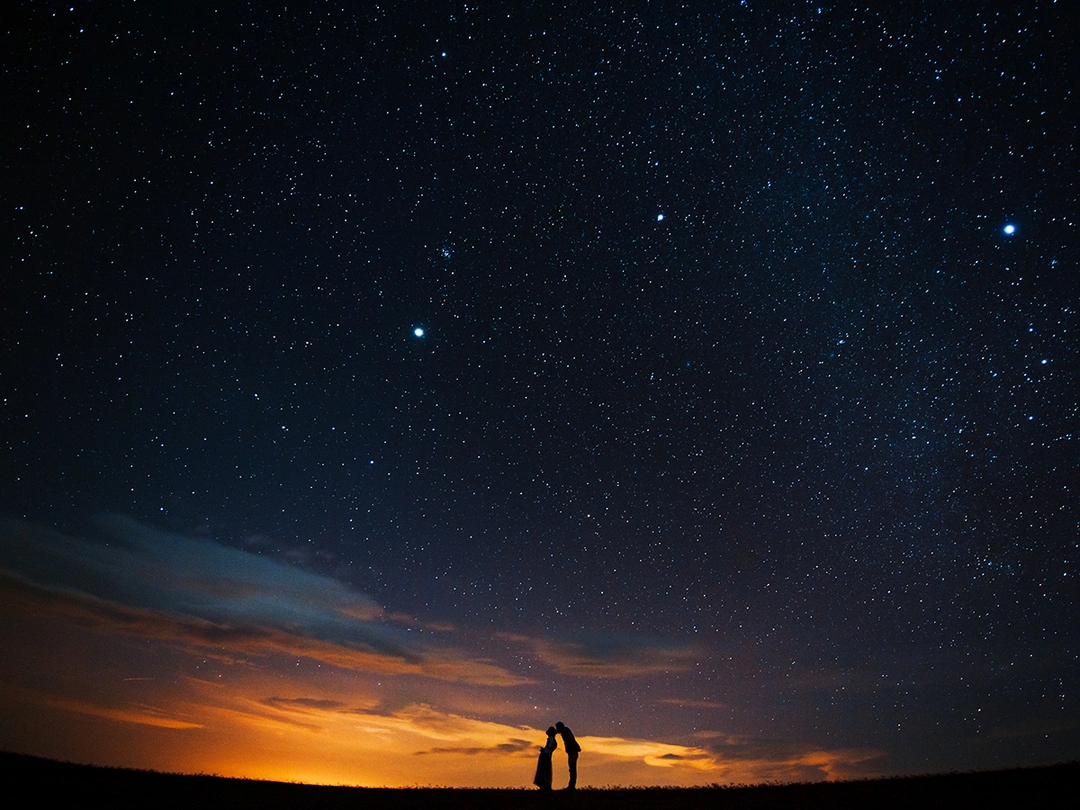
Beneath the Milky Way, a 3000-Mile Chase for Light: Our Fantastical Yunnan Self-Drive Odyssey
Let's Go, While We're Still Young
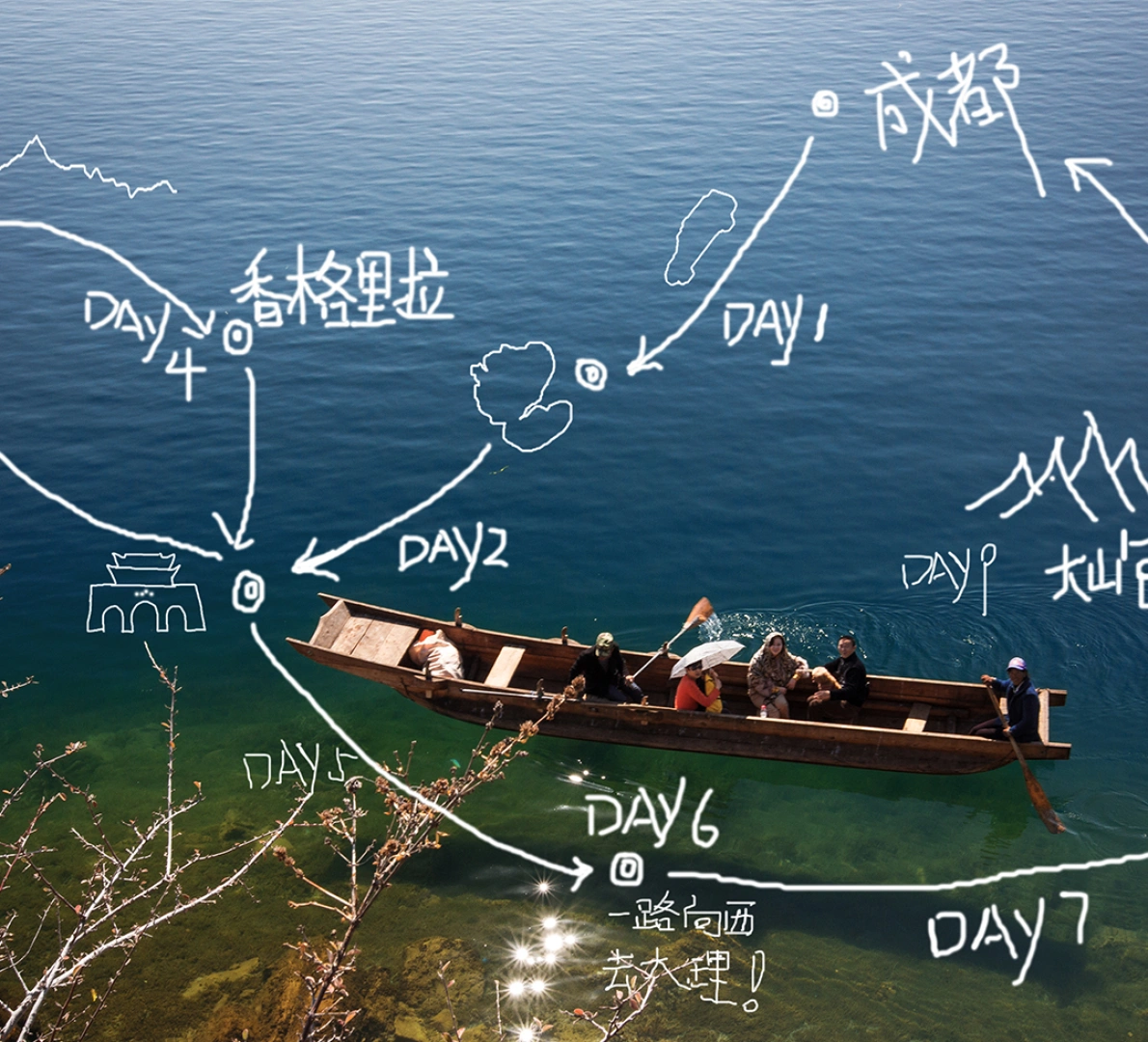
Some trips are for relaxation, others for adventure. Our grand loop through Yunnan was for chasing the eternal, shimmering stars. During the 2015 Spring Festival, Mr. Wu—a photographer utterly obsessed with the night sky and landscapes—and I embarked on a self-driving journey spanning over 3,000 kilometers. Over eight days, we set out from Chengdu, crossing through Xichang, Lugu Lake, Lijiang, Meili Snow Mountain, Dali, and Shuanglang, finally arriving at Dashanbao in Zhaotong. This wasn't an ordinary trip; it was a rendezvous with the stars, a fantastical star-hunting expedition written with both lens and heart.
Before We Left: Why Yunnan?
For Mr. Wu and me, Yunnan was a familiar yet foreign land. Back when we were still two separate individuals, we had both, at different times, felt the wind at Lugu Lake, walked the stone paths of Sifang Street, and looked up at the same starry sky. That year, we had already left our star-chasing footprints at the sacred Lake Namtso, Everest Base Camp, Zimei Pass, and the summit of Balang Mountain. For the 2015 Spring Festival, we decided to travel together through the "Colorful Clouds of the South" we had once only glimpsed separately, piecing together the complete puzzle of our memories.

Mr. Wu often says, "I'm not just a starry-sky fanatic; I'm also a professional portrait photographer." This time, he would play both roles. As for me, I was "the wife of the star catcher," striking poses in the biting wind, waiting in the darkness, and smiling under the starlight.
Route and Costs: A Romance for 6,500 Yuan
This journey took 9 days and 8 nights, covering 3,434 kilometers by car. We kissed 2014 goodbye amidst the fireworks over Meili Snow Mountain, waited for the wind to watch the sunrise and sunset on the shores of Erhai Lake, and danced with the moon and stars in the twilight glow of Dashanbao. All this romance was built on a budget of 6,500 yuan.
Cost Breakdown: - Fuel: 2,182 yuan - Food (including snacks): 754 yuan - Accommodation: 2,761 yuan (Due to last-minute itinerary changes without prior booking, we struggled to find a room in Dali on February 19th, eventually settling on a 1,500-yuan sea-view room, which bumped up the total budget.) - Lugu Lake Ticket + Dashanbao Ticket: 324 yuan - Tolls: 241 yuan (We departed two days before Spring Festival, missing the free period on the Chengdu-Xichang expressway.) - Miscellaneous: 166 yuan
Itinerary Overview: - Feb 15th: Night Drive to Xichang (Day 27 of lunar year) - Feb 16th: Return to Lugu Lake (Day 28) - Feb 17th: Farewell to Jade Dragon Snow Mountain (Day 29) - Feb 18th: New Year's Eve at Meili Snow Mountain (New Year's Eve) - Feb 19th: Sunset by the Sea (New Year's Day) - Feb 20th: Arch Bridge in Shuanglang (Day 2) - Feb 21st: Rush to Zhaotong (Day 3) - Feb 22nd: Dance of the Sky (Day 4) - Feb 23rd: Perfect Journey's End (Day 5)
February 15th: Night Drive to Xichang (Day 27 of Lunar Year)
Mr. Wu, who spends his time driving around western Sichuan to photograph stars, loves driving at night—wide roads, few cars, smooth sailing. He planned the departure time and route entirely, and I didn't worry about a thing. My job as the full-time passenger was simple: feed him, take photos, play games, sleep, feed him again... an endless loop.
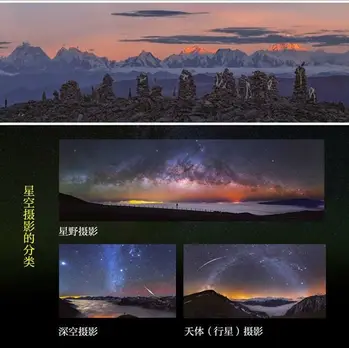
On February 15th, after having our family New Year's Eve dinner, we officially set off at 9:00 PM. The drive was quiet, and we arrived in Xichang at 2:30 AM. We booked a room at the Xichang Inn (Xiyatu Kezhan) near Laohaiting, close to Qionghai Wetland. A standard room cost just 89 yuan, with a fresh, minimalist style—great value for money.
When we left the next day, I realized we had to get back on the expressway to head to Lugu Lake. I asked Mr. Wu, "Why didn't you let me book a hotel near the expressway entrance last night? Why go all the way to Laohaiting?" He rolled his eyes and said, "I've stayed there a few times. I'm used to it. Got the fuel, so I'm picky."
February 16th: Return to Lugu Lake (Day 28 of Lunar Year)
Waking up in a city where you don't need to struggle or mentally prepare yourself is a kind of happiness.
At 8:30 AM, sunlight danced through the curtains in the gentle breeze. In the strong backlight, I captured a photo of our car looking clean and ready to go. They say a car is a man's favorite mistress. I never believed it until I traveled with Mr. Wu a few times and realized he had more photos with the car than with me—leaning against it, standing on its roof, jumping off it... That's when I understood the harsh reality.
Tip: When heading towards Lugu Lake, you'll exit the expressway at the Ximu exit, where there's a gas station. If there's a long queue, it's better to refuel at the station towards Yanyuan. We wasted 50 minutes waiting in line here.
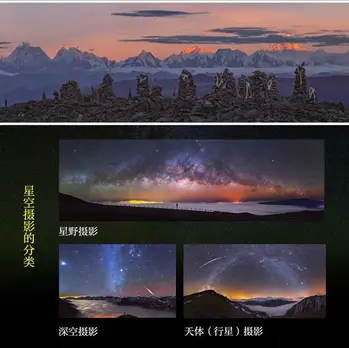
When I took a bus to Lugu Lake alone in August 2013, the road was still partly gravel. A little over a year later, almost the entire route had been paved with asphalt. The road conditions were so good, you could easily hit 100 km/h without any problem!
We arrived at the scenic area gate at 4:00 PM. The ticket price had already gone up to 100 yuan. It seems everything goes up except our salaries!
Mr. Wu's friend Calvin asked us to bring two power strips from Chengdu. When we delivered them to his place, we found it was right next to the "Lakeside Youth Hostel" where I had stayed in 2013. A double room with a private bathroom cost 80 yuan—excellent value.
(Just a bit of gossip: Calvin is a talented young man from Shanghai. One day, he came to Lugu Lake as a tourist, fell in love with the landscape and a Mosuo girl, and ended up becoming a Mosuo son-in-law, staying in this place even immortals adore, working hard to protect the ecological environment. The day before we arrived, they had just slaughtered their New Year's pig. The rich dinner makes me smell the pork even now just thinking about it.)
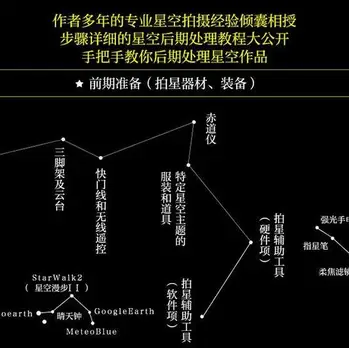
Back in the day, even a 35-yuan dorm bed in Lugu Lake was a hot commodity. Returning this time, perhaps because we missed the peak tourist season, there were no crowds of visitors, no traffic jams, no Mosuo boys hawking apples along the street. In a daze, I felt like this was the true face of Lugu Lake: peaceful, serene, gentle, and beautiful.
While taking photos by the lake, I hung my glasses on Mr. Wu's jacket. When we got back to Calvin's for dinner, I looked for them but couldn't find them anywhere. "Damn! Am I going blind on the first day out? Those are my new glasses, less than a month old!" Calvin said calmly, "Relax, finish your dinner, then go back to the lake. No one's going to pick up a pair of glasses." Half an hour later, we returned to the lake, and the lenses were glinting in the twilight.
After playing around at the inn for a while, Mr. Wu observed the stars and said, "The clouds are clearing. Let's go find a spot to shoot!" We drove around the lake for a bit, found a location, and took a few shots. He wasn't very satisfied and wanted to change spots. But seeing it was almost 11:00 PM, I insisted we go back to the inn to rest. No tired driving. He sulked for a bit, then reluctantly went to sleep. Little did he know, a huge surprise was waiting for him the next day.
The Winter Milky Way, though not as brilliant as the summer one, possesses a deep, restrained, subtle beauty. On the right side of the frame, the grassy wetlands, trees, and houses were perfectly lit by a passing motorcycle. By cleverly using external light sources, you can achieve surprises that exceed your expectations.
February 17th: Farewell to Jade Dragon Snow Mountain (Day 29 of Lunar Year)
I got up at 8:00 AM. Mr. Wu had already asked the hostel owner to cook a fragrant bowl of noodles with a fried egg, waiting for me to eat. Sunlight poured generously through the window cracks onto the dining table. I wrote postcards, smelled the potted flowers, and our happy lakeside tour began.
Same inn, same person, same scenery, but a different state of mind.
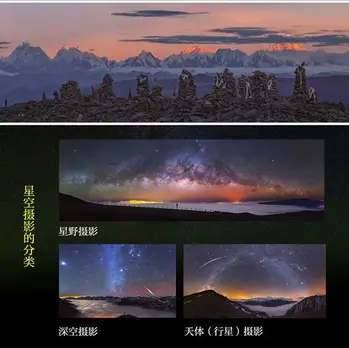
The yellow grass in the wetlands, though withered, showed an unyielding vitality thanks to the sunlight. As usual, Mr. Wu drove while keeping an eye out for photo spots. As usual, I played games in the car and took pretty pictures when we stopped.
Goddess Gemu Mountain marks the highest point on the border between Sichuan and Yunnan provinces. The lake's surface, smooth as a mirror, was a dizzying shade of blue under the sun. Imagine the starry sky and the brilliant Milky Way reflected in this water—what a breathtaking scene that would be. Mr. Wu was overjoyed to find this prime location. His slight disappointment from the previous night vanished instantly. "If I come back in March, this spot will yield a masterpiece!" he exclaimed repeatedly.
At 11:00 AM, we entered Yunnan province, heading for Lijiang. The Lijiang-Ninglang road was closed for construction, forcing us to take a detour through Yongsheng County, adding a full 100 kilometers of winding mountain roads. While there was a short, bumpy dirt section, the roads were mostly excellent. Although the climb from 1,500 meters straight up to 2,800 meters made Mr. Wu feel like he was "going crazy," it also rewarded us with fantastic scenery.
We saw this small town just before reaching Lijiang. Looking down from the hillside, it was a perfect pastoral scene. If we had more time, staying there for a day or two would surely have been a delightful surprise.
After 7 hours of flirting with the mountain roads, we finally arrived in Lijiang city at 6:00 PM. It was just in time for sunset. As we drove from the city towards Shuhe, Jade Dragon Snow Mountain stood majestically at the end of the road.
I have to mention a certain travel app again. Around 4:00 PM, I started looking for accommodation for the night. I typed in "Shuhe" and found this inn with a 91% positive rating. The mobile-exclusive price for a double room was 48 yuan! 48 yuan during Spring Festival! For a split second, I thought I was missing a zero. After confirming it really was 48 yuan and carefully reading the guest reviews, I booked it immediately. Even so, I was nervous, wondering if the room would be terrible. When we arrived in Shuhe and saw the inn had the promised pavilion and stream, I finally relaxed a little.
Tip: During the day in Shuhe, you have to park your car in the lot at the edge of the old town. Overnight parking costs 30 yuan. If the inn has parking, the owner can guide you to drive into the town at night.
February 18th: New Year's Eve at Meili Snow Mountain (New Year's Eve)
We woke up at 6:00 AM. It was still dark. By the time we packed up and got to the parking lot, the sun was struggling to climb over the mountain peaks.
At 7:30 AM, we got on the Dali-Lijiang Expressway, took National Highway G214 to Shangri-La, crossed over mountains, and sped all the way to Deqin and Meili. Perhaps it was New Year's Eve, with everyone at home preparing for the celebrations, but we had the entire scenic route to ourselves. Occasionally, we'd pass a local car, also hurrying home.
Running towards the snowy mountains, dancing in the sunlight.
We arrived at the Wunongding Viewing Platform at 4:00 PM. Only one inn was still open for business. No choice—we had to take a standard room for 180 yuan. I wanted a room with a view of the mountains from the window, but the owner said both such rooms were already booked. Wow! There were other people as crazy as us, choosing to come up the mountain at this time.
We sat in the sun, waiting for the sunset. While everyone else was feasting and drinking that night, we sat back-to-back, counting stars. Sounds super romantic, right? Want to know the truth? We were roasted by the sun during the day and frozen like dogs at night!
We ordered a yak hotpot from the owner. While warming ourselves by the fire and happily snatching red envelopes, the second batch of guests arrived around 8:00 PM. It was a middle-aged couple from Guangzhou who had flown to Lijiang that day, immediately rented a car, and driven up to Meili, also chasing their starry sky dream! Since it was late and making the hotpot takes time, the owner asked if we'd like to eat together. She would add more ingredients to the pot. The best part? This New Year's Eve dinner was on the house!
We chewed on yak meat, drank some small beers. I watched the Spring Festival Gala inside, while Mr. Wu photographed the stars outside. As the midnight bell tolled, fireworks erupted from the county town below and the distant Feilai Temple. Amidst the crackling noise, we kissed 2014 goodbye. Just then, the third pair of guests—a willful young couple—also arrived at the inn. Honestly, I was really nervous for them, driving those mountain roads at night.
The ethereal Kawagebo Peak, however, remained hidden behind clouds and mist, refusing to show itself.
Tip: After filling up at the gas station below Tiger Leaping Gorge, we only had half a tank left by the time we reached Deqin. The gas station in Deqin County wouldn't reopen until the 2nd day of the New Year. That scared us, worrying we wouldn't make it back to Shangri-La. Luckily, we found a small gas station on the way back, adding 100 yuan worth of fuel to get us to Shangri-La. If you're heading into the mountains during Spring Festival, be sure to monitor your fuel level and fill up promptly!
February 19th: Sunset by the Sea (New Year's Day)
At 6:00 AM, I was still sound asleep in my warm bed when Mr. Wu jumped up to wait for the "Golden Sunlight on the Snow Mountain" sunrise. Unfortunately, the weather didn't cooperate. Clouds had started rolling in the evening before. He kept muttering "Clear up, clear up," but it wasn't to be.
We leisurely packed up by 9:00 AM. The three other pairs of guests left one by one. I was quite in awe of the willful young couple who drove up the mountain roads at night, didn't see the golden sunrise, and immediately drove back. Mr. Wu looked back reluctantly, sighed deeply, and said, "These clouds won't clear for three days!" The owner delivered the final blow: "It was clear for days. If you'd come up just one day earlier, you would have seen it!" What you long for will eventually come. Our connection with Kawagebo will have to wait.
We left Meili at 10:15 AM, and the weather suddenly turned nasty. Strong winds mixed with snow pellets hit us head-on, and traces of fresh snow from the previous night lined the road. Fortunately, the weather stabilized after we crossed Baima Snow Mountain. We refueled in Shangri-La at 1:00 PM and headed west towards Dali.
And so began our agonizing quest for a room. Dali's hotel prices started at 400 yuan, but that wasn't the problem. The problem was everything was fully booked, fully booked, fully booked! I felt terrible. Mentally preparing to sleep in the car, I kept searching on the travel app. Seeing the few remaining, outrageously priced sea-view rooms, our financial director slapped his thigh heroically and declared, "You have to spend when you travel! Tonight, we're splurging on a sea-view room!"
But as we all know, the Chinese people lack nothing except money. We tried to book sea-view rooms at several different inns, only to be told by customer service that there were no vacancies. Just as we were about to give up hope, we finally managed to book a sea-view room at the Ningrui Sunshine Waterfront Inn. When we arrived, the owner told us, "This room was actually booked by someone else. But the girl who booked it arrived at 5:00 AM this morning. I couldn't ask the current guests to check out in the middle of the night. So she canceled, and you got the room." Sleeping in that 1,500-yuan bed, I said to the owner gratefully, "It's all fate!"
Tip: During Spring Festival, Dali is crowded with people and cars. It's best to park outside the old city, or you'll be crawling along. If your itinerary is fixed, book your rooms well in advance, or you'll be searching everywhere in vain. A few friends left Chengdu on New Year's Day, got stuck in traffic the whole way, and ended up sleeping on the street in Dali. Spending money to be miserable.
February 20th: The Milky Way over Shuanglang (Day 2 of New Year)
Watching the sunrise from bed, the warm sun felt so good! The hotel breakfast was simple, but it was a true "sunshine breakfast." After eating it, I was full of positive energy!
We "posed" on the small balcony until 10:30 AM, then checked out to drive around the lake! We stopped along the shoreline to take photos. The lake shimmered, and the slender willow branches danced in the breeze. The sky was blue, the water was blue, and white clouds floated by. No one was forcing us to think up plans, report on work, or process approvals. This is the right way to vacation.
Dali has beautiful scenery everywhere. You don't have to queue up on the white benches in Dajianpang Village, Shuanglang, just to prove you've been there. There are plenty of other ways to play. Bridge arches, breakwaters, boundary markers—if you can imagine it, Mr. Wu can photograph it.
While the masses were still stuck in traffic on the expressways heading to Dali, we had the road around the lake all to ourselves. We could stop by the roadside anytime and capture great photos with few people around.
We got lucky and found a room in the usually packed Shuanglang. A standard room that normally costs just over 100 yuan was jacked up to 480. We had to grit our teeth and pay.
The light pollution in Shuanglang made it absolutely impossible to photograph the stars. With no shooting plans, we just strolled along the lake, wandering through the various alleys. We returned to the inn at 10:30 PM. I went to wash up, and Mr. Wu leaned against the headboard, playing on his phone. I had just finished my shower when there was a "pop" sound, and everything went dark. The ever-alert Mr. Wu yelled "Blackout!" grabbed his camera, and ran to the rooftop. I watched his slipper-clad figure dart up like a nimble rabbit, thinking to myself, "He's truly the Usain Bolt of the slightly chubby world!"
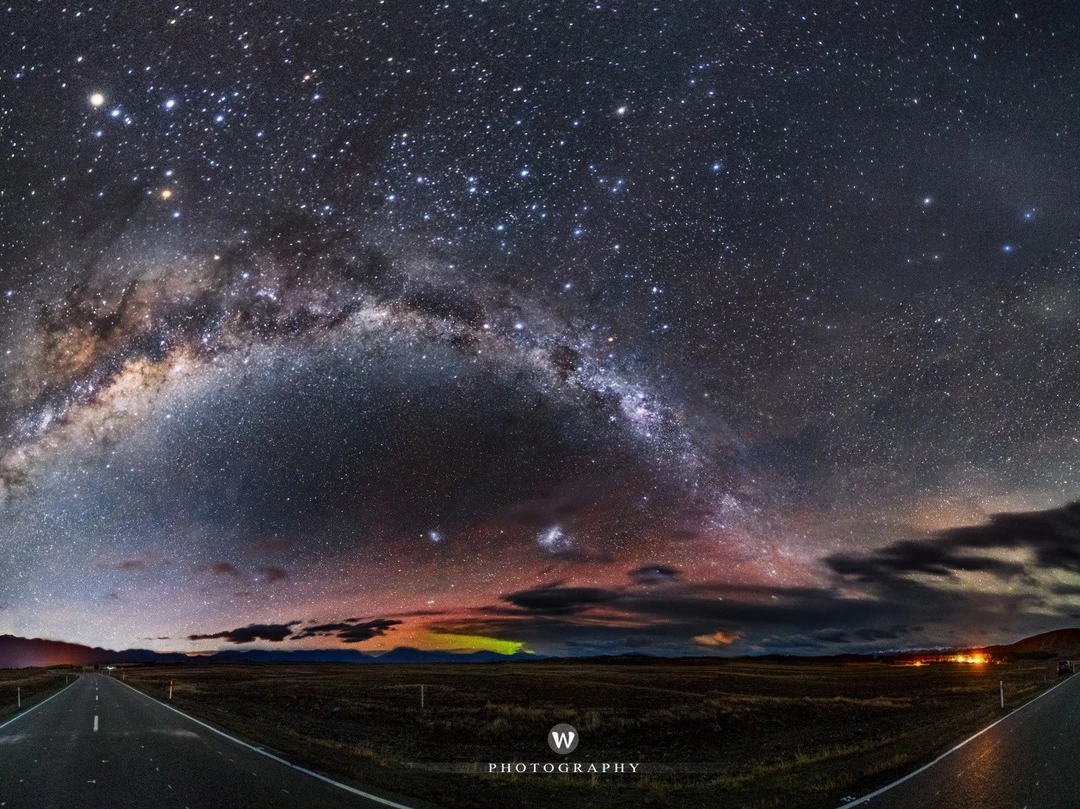
This photo of the stars was taken from the narrow, confined space of the inn's central courtyard. Lacking the usual wide-open foreground of astrophotography, it instead allows the "frog at the bottom of the well" to imagine the vast, starry sea.
February 20th, 11:30 PM on the second night of the lunar new year. The new moon had already set behind the valley. Dali's Shuanglang, overrun by tourists from all over the country, was still brightly lit. Looking up into the distance, the brightest stars were dim, and the Milky Way was invisible to the naked eye. And then, in one second, all the lights went out simultaneously. "Blackout!" Mr. Wu sprang up from the bed, grabbed his camera, and ran for the rooftop. This darkness only lasted for a little over 20 minutes, but it was enough to capture the perfect arc of the winter Milky Way over this seaside town. In the Shuanglang sky during the blackout, the Milky Way arched high. Thank God for this miracle.
Tip: Parking spaces are very limited in Shuanglang town. If visiting during peak season, it's best to park your car in a local resident's courtyard outside the town.
February 21st: Rush to Zhaotong (Day 3 of New Year)
We continued shooting along the eastern shore of Erhai Lake today. The masses had now converged from all directions. The constant stop-and-go traffic made us want to escape Dali immediately.
The famous white tables and chairs, so common in travel blogs, were densely packed along the eastern lakeside road. We couldn't resist taking a "been there, done that" photo ourselves.
It was already 4:30 PM when we reached this concrete breakwater. Mr. Wu asked me to walk to the very end. I stepped down to try it. The water was bone-chillingly cold, and the stones were covered in slippery moss. To make matters worse, the tide was coming in. My heart was full of hesitation. Even if he called me a coward, I yelled, "I'm not risking my life for a photo!" Looking back at the pictures, Mr. Wu said regretfully, "I wish it had been you standing there at that moment!"
A Final Note: Us Under the Starry Sky
On this 3,000-mile fantastical star-hunting journey, we took nearly a thousand photos. While editing them, Mr. Wu's most common saying was, "The fun of shooting is paid for by the hell of post-processing."
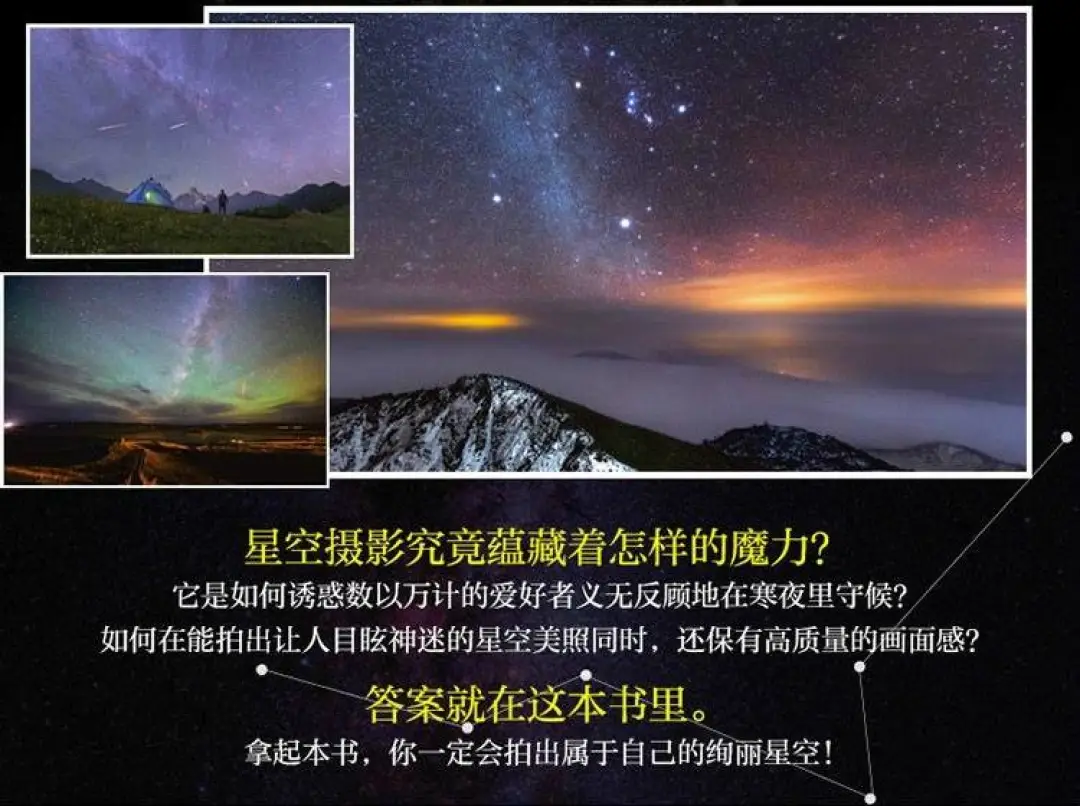
But I know that those nights spent waiting in the freezing wind, those spots groped for in the darkness, those poses struck under the starlight—they will all become the brightest fragments of our memories.
The ultimate starry sky makes you see the world anew.
If you also long for such a journey, remember: shooting and post-processing go hand in hand. Without good raw material, no amount of editing can save it. Aim for perfection during the shoot to reduce the workload later. And all our starry sky photos were taken using the camera's self-timer in the bitter cold of high altitudes. If you're not in good shape or prone to altitude sickness, learn from us with caution!
Finally, thank you to everyone we met along the way—Calvin for his cured meat, the inn owner for the free hotpot, and the miracle of the Milky Way granted by the blackout. And to Mr. Wu, who shivered in the cold wind right alongside me.
Let's go, while we're still young.
You should also read:
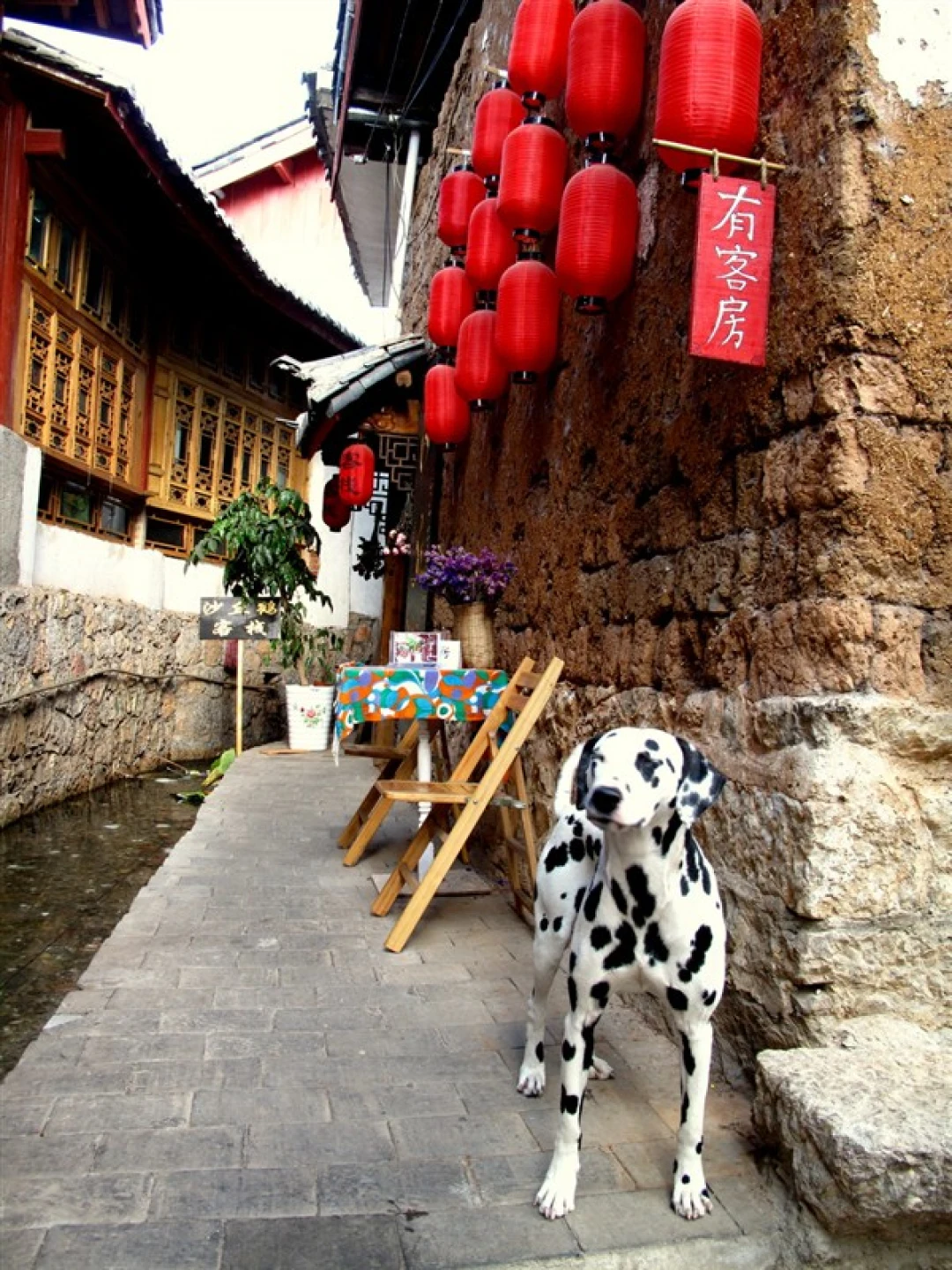
Yunnan Travel Mastery: From Beginner to Pro-Level Player – A Complete Guide
Yunnan Travel Mastery: From Beginner to Pro-Level Player – A Complete Guide "Either travel or read, but your body and soul must be on the road." This quote has been repeated countless times, but very few people truly manage to be "on the road" and…
Continue reading...
Escaping Nanning, Falling Under Lijiang's Spell: Our Four-Person, Ten-Day Yunnan Dream
Escaping Nanning, Falling Under Lijiang's Spell: Our Four-Person, Ten-Day Yunnan Dream Before We Set Off: No Pain, No Obsession Have you ever had that impulse—suddenly tired of the office fluorescent lights, the crush of the subway, the endless parade of identical takeout boxes, and just…
Continue reading...
Solo in Yunnan: A Wanderer’s Guide to the Land of Eternal Spring
Solo in Yunnan: A Wanderer’s Guide to the Land of Eternal Spring There’s something magical about traveling alone. No compromises, no schedules to keep, no one to please but yourself. I’ve been on the road for nearly three months now, and not once have I…
Continue reading...