"Bickering Lovers" Slow Life in Dali: An Irreverent Self-Drive Photography Guide
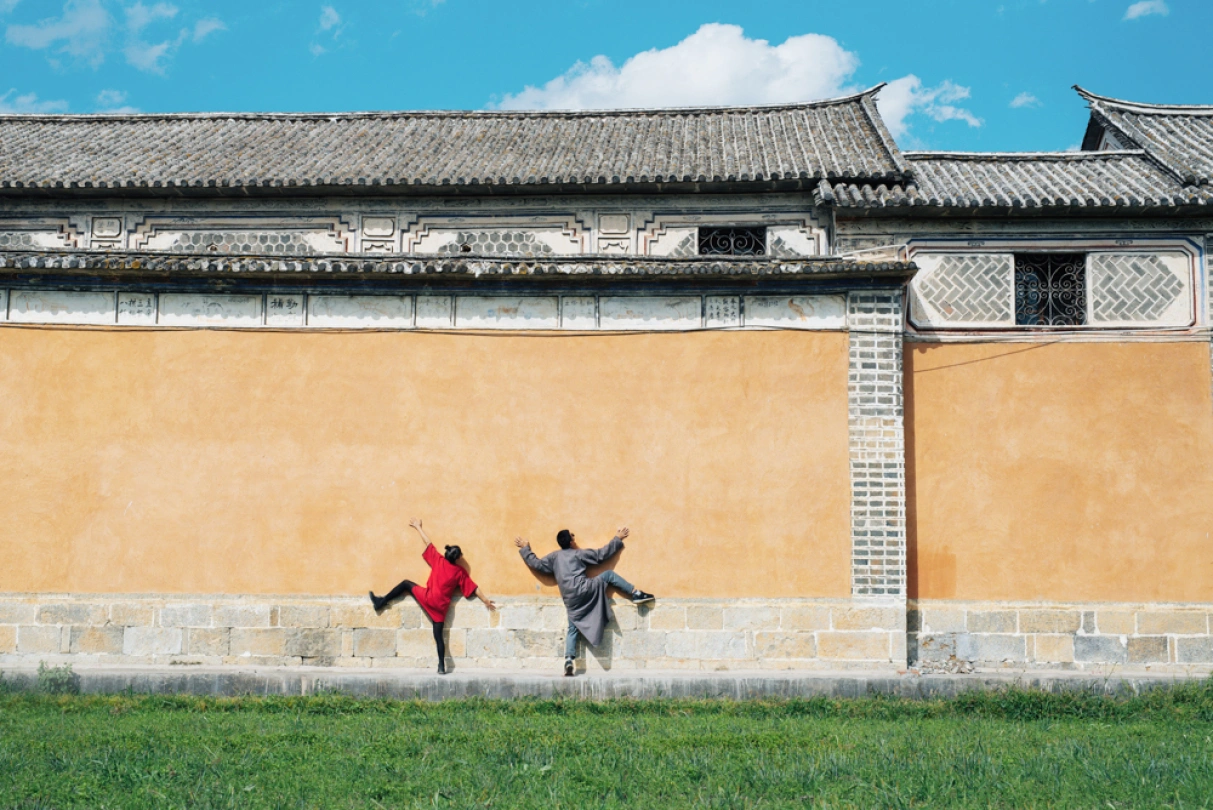
"Bickering Lovers" Slow Life in Dali: An Irreverent Self-Drive Photography Guide
At 25, I picked up my camera and began a journey of measuring the world through my lens. Then I met him—an "atypical" goofball whose guitar repertoire was limited to Going to Dali (a classic Chinese folk song). From then on, our travels turned into a comedy of love and war.
We're the kind of "crazy people" who visit Dali twice a year, staying for half a month each time. We've honed our driving skills, memorized every route, and become regulars at every shop. Each trip brings new discoveries—just like our relationship, forever fresh.
This isn't your average travelogue. It's a "technical guide" combining road trip tips, photography secrets, a food map, and shameless couple PDA. If you're tired of cookie-cutter artsy travel content, follow us and see Dali's other side.
Old Driver's Notes: Chengdu to Dali, Heading West
Nowadays, driving from Chengdu to Dali is pure pleasure. For speed demons like Xiao Qiang, you can make it in a single day. But if you're a slow traveler like me, it's worth stopping halfway.
Our recommendation: Stop at Miyi. It's just a 10-minute drive into town, hotels offer great value, and if the season's right, you can grab a box of fruit to take home.
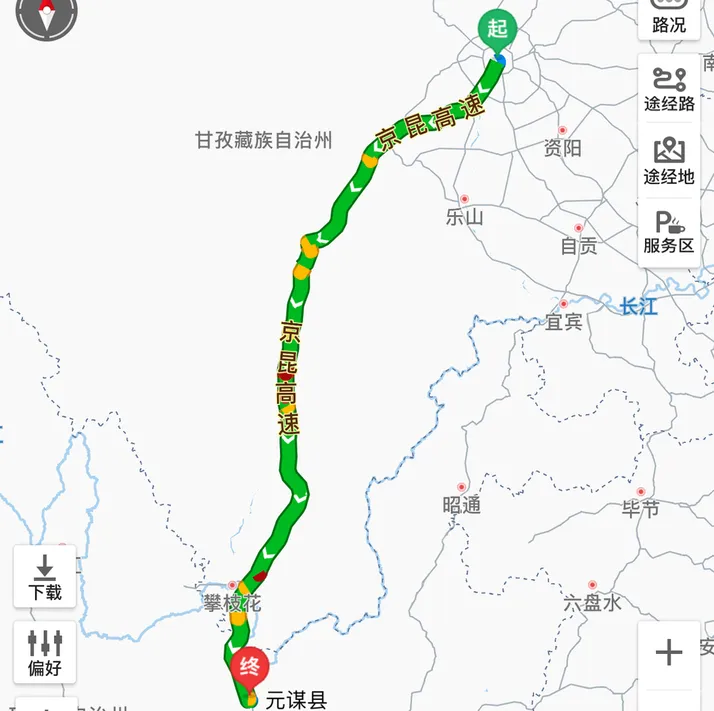
Route Reference: - Chengdu → Panzhihua → Yuanmou: 754 km on expressway, 8-9 hours - Currently no continuous expressway; two options: 1. Exit at Yuanmou → Enter at Lühe: 134 km on provincial road, 2-2.5 hours (Highly recommended! Good road conditions, shorter time, and you can detour to Yuanmou Earth Forest) 2. Exit at Yongren → Enter at Nanhua: 147 km on provincial road, 3-3.5 hours (Not recommended, but there's a waterfall along the way—we missed it due to rain, so you'll have to imagine "sunlight casting purple smoke from the incense burner") - Lühe Town → Dali City: 154 km on expressway, 2-2.5 hours

I hear the Panzhihua to Lijiang expressway is almost open. Once it's ready, I'll just set the cruise control and head straight to Dali! Oh, and the Chengdu to Kunming high-speed rail takes only 3 hours—China's high-speed rail network is incredible!
Old Driver's Warning: Yunnan has more speed cameras than Sichuan—all high-def and blindingly bright. Every year, someone inexplicably donates a few hundred yuan to the traffic police. Pay special attention near the Dali section of the Hangrui Expressway: straight roads have a 120 km/h limit, sometimes 110, and curves drop to 80. Those cameras that suddenly appear around bends—even braking won't save you. Keep your titanium-alloy old driver eyes peeled; every step on the gas costs money!
Hidden in Plain Sight: Xizhou, the Ancient Town Lao She Called "Cambridge"
Over five years, I've been to Dali six times for travel wedding photography, each stay lasting a month. This place has become our second home. And our first stop is always Xizhou.
It lacks the clamor of Dali Old Town and the restlessness of Shuanglang. What it offers is the tranquility of being hidden in plain sight.
Lao She, the renowned Chinese writer, once described it: "Xizhou Town is a miracle. I can't think of any remote place in China where I've seen such a respectable market town... it feels like arriving in Cambridge, England."
When I first read that, I thought it was pure fantasy. It wasn't until I finally visited Cambridge that I understood. While it doesn't have Cambridge's solemn Gothic architecture, deep in the mountains of China's western Yunnan-Guizhou Plateau lies this ancient, elegant town! Ming, Qing, Republican, and even contemporary buildings—over a hundred Bai-style courtyard homes—with ingenious construction, thoughtful planning, dignified yet lively, ancient yet free. No wonder it earned Lao She's praise.
Entering through the imposing Zheng Yi Gate, you're greeted by a renovated stage, arched bridges, and thousand-year-old banyan trees. The intricately carved patterns on the eaves showcase the craftsmanship of Bai artisans. The stage isn't just architecture; it's a cultural display, a microcosm of local life. Life is like a play, and a play is like life—sometimes ordinary, sometimes dramatic.
The renovated bridge on the square and the old buildings create a clash of old and new, witnessing the passage of time. Many egrets roost in the ancient banyan trees. Walk beneath them quickly, or you might get "decorated."
Going Deeper: Experiencing Bai Culture
Xizhou has been a political, economic, and cultural hub for the Bai people on the west bank of Erhai Lake since ancient times. During the Guangxu reign of the Qing Dynasty, the renowned "Xizhou Merchant Guild" formed, giving rise to capitalists from the "Four Great Families": Yan, Dong, Yin, and Yang. Those TV dramas about ancient mansion family sagas? They had real prototypes!

The town still retains handwritten calligraphy on public notices and couplets. Look closely—these characters in running script are bold and natural, some rustic, some elegant, some square, some round, reflecting the writer's personality. After years of keyboards and phones, I realized I can barely hold a brush anymore. How embarrassing.
One interesting detail: most homes have paper "Village Evaluations" (xiāng píng) posted by their doors: "Kind and Generous," "Loyal and Simple," "Diligent and Plain"... I later asked a local—it's like the city's "Five Good Families" award, but more specific and personal. It makes you want to know the stories behind each word.

Deep in the town's belly, those courtyards at the end of alleys became our targets. Many old mansions are now museums, shops, or academies, but most are still lived in. Paying a fee to visit has become an unspoken rule. I completely understand—having endless curious tourists poking around your home every day is disruptive.
Bai residences typically have closed exteriors, a style dating back to the Qin-Han dynasty's corridor-courtyard houses. Common layouts include "three rooms with one screen wall" and "four courtyards with five skywells." Almost every home's courtyard is planted with flowers, arranged in layers, competing in beauty—matching Lao She's description: "There is joy and worry, laughter and tears, flowers and fruit, fragrance and color."
After paying and getting the owner's permission, sitting down for a chat is the best way to connect. One elderly Bai woman told us she's lived in this courtyard since she could tie her braids until her hair turned silver. She ventured out when young, but decades later, surrounded by children and grandchildren, she could never get used to apartment living. She loves sitting in the courtyard, soaking up the daily sun, living in harmony with her neighbors.
Whether old or new, good or bad, home for the Chinese is that square patch of sky.
Xizhou's Icons and Daily Life
Beyond the stage, Xizhou has many landmarks. Take the rounded building at the eastern crossroads—its curved facade once served as a PLA hospital. Now it's a landmark and photography hotspot, a bridge between modern and past.
Xixiu Fang is a hand-weaving shop where you can try your hand at textile art. The owner says Xizhou embroidery is a variation of Shu embroidery, introduced 500 years ago. A fine hand-embroidered piece takes over a hundred days to complete, hence the "beautiful" price.
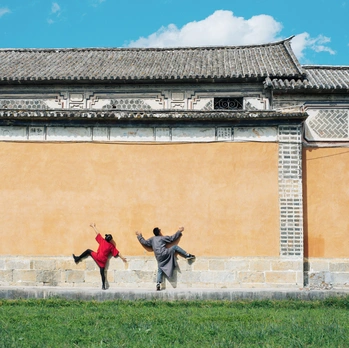
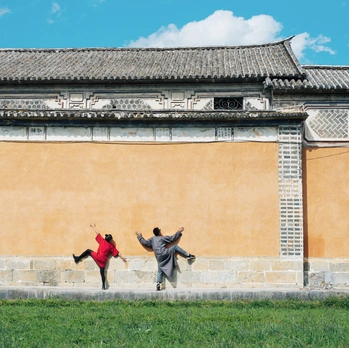
My personal favorite is the yellow wall of Xilin Yuan—perfect for photos. This mansion, known as Yang Family Courtyard, was originally the home of Mr. Yang Pinxiang, a prominent Xizhou merchant. Today it's Xizhou's only five-star hotel, founded by American couple Brian and Jeanee Linden. After traveling Asia for over 20 years, they chose Xizhou—proof of its magnetic charm.
The locals are warm and hospitable, at least to smiling, polite, paying tourists like us. With luck, you might even get invited to a wedding feast. We never say no!
There are other ways to blend in. I once sent Xiao Qiang to a barbershop older than him for a buzz cut. The elderly lady's hands trembled a bit. As a "birthday gift" (I'm a terrible partner), he was devastated afterward. I mocked his uneven haircut for two weeks. But these timeworn shops instantly transported us back to the era of washing hair with kettles—our hearts loved it, our heads resisted.
After lunch, the streets are emptiest—most people are napping. Cats and dogs curl up in dappled sunlight, dozing. The guesthouses are full of lazy cats—a paradise for cat lovers. Watching these languid creatures, you realize humans don't live as well as cats!
Many hotels in town are converted Bai old homes. I treasure the leisurely time spent in these courtyards. Even a stray beam of sunlight can make my heart bloom. Calming the mind, leaving behind life's clutter, enjoying a moment of stillness—that's the essence of staying here.
Xizhou's night falls earlier than Dali Old Town or Shuanglang. When the sun sinks behind Cangshan Mountain, lights come on, and the town instantly quiets. No noisy bars, no bustling crowds. Sometimes, silence lets you think and read better, or have face-to-face heart-to-hearts with loved ones. You call it an old person's life? But didn't we escape the city precisely to find this rare peace?
"Landlord and Maid": A Xizhou Photography Guide
Enough history and culture. Time for the good stuff. Pay attention, class!
Architecture Photography Tips
Gear: Nikon D750 and D800, 50mm and 14-24mm lenses. I won't sell you cameras or discuss specs—the focus is always on the eye and mind behind the viewfinder.

We love shooting wide-angle, not just for the impact, but because when we started photography, we were too broke for anything else. When you master one lens, it becomes second nature.
We don't like pure landscape or architecture shots. We prefer capturing people within scenes. When I find a good spot, patience is key. My street photography secret: wait patiently, slow down.
When you spot a great scene, hunker down and wait for the right moment and the right person to enter the frame, then click away. Not everyone likes having a long lens shoved in their face. Either ask permission, or pre-focus, adjust exposure, lower your camera, and let people walk into your preset zone. Then raise and shoot continuously. This way, people won't avoid your camera, and you'll capture their most natural state.
Pro Tips: 1. Use a small aperture (f/11-16)—the smaller the aperture, the more defined the sun's starburst effect. 2. Place sunlight at the edge of a building—the starburst becomes the shot's highlight. 3. Look for high-contrast light and shadow—wait or position a person in the lit area. 4. Angled light emphasizes texture—perfect for ancient stone paths or pitted walls.
Travel Portrait Photography
Can't afford a professional model? Do it yourself! How to shoot standout, never-repeated travel photos in an ancient town?
First: Character Setup Normal couple shots can't satisfy our goofy brains. We ordered two sets of linen outfits for under 200 yuan online—they arrived as wrinkled rags. Inspiration? Various Chinese anti-Japanese war dramas! Actually, after watching Mr. Donkey (a Chinese black comedy), we loved its theatrical style. Dressed like this in an ancient town, we became a magnet for stares. Everyone whispered: "This couple is a bit much!"
Second: Poses Can't pose? Life is a play—it's all acting! Relax, thicken your skin—no one knows you here anyway. We're professional "extras" who can play with two bricks picked up on the road. So much fun!
The six doors by the round building are a viral photo spot. After seeing a hundred poses, I asked Xiao Qiang how to break the mold. Without a word, he lifted one side of his burlap "pocket," arched his butt slightly, dropped into a horse stance, raised his arms, and roared: "Fire!" A fart rang out... What could I do? Awkwardly play along. You win!
Third: Shooting Method Choose your scene, set up a tripod, compose and focus, adjust exposure, use a remote shutter or timer, and let the model go wild.
Fourth: Scene Selection Iconic spots give photos instant recognition. Travel photography is about finding the most unique local elements. Those friends who shoot blurry-background headshots—you could do that in your own garden. Why drive all the way out?
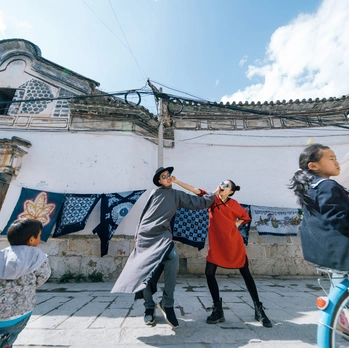
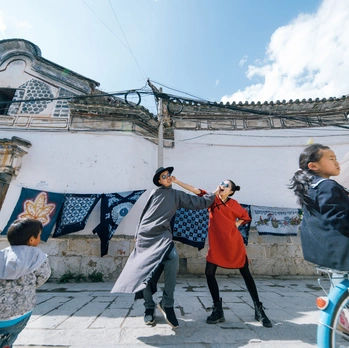
Xilin Yuan's yellow wall is endlessly lovable—a hundred poses, each one awesome! The yellow walls on town streets also got our love. An old 28-inch bicycle leaning against a door became the best prop. Playing with tie-dye fabric? Very Yunnan!
Fifth: Blending In This is my favorite shot—a random kid's backward glance brought the whole scene to life! To get this, we sacrificed countless shutter clicks. Patience always rewards the patient.
Sixth: Adding Story Movie lovers never lack visual ideas. Xiao Qiang finally fulfilled his landlord dream, while I tragically became his household maid. Working people are the most glorious!
During garlic harvest season, the fields were full of busy aunties. A pesky figure silently drifted into the field, hands behind his back, inspecting everyone's work. Garlic, you're ruthless... And me, the positive-energy tomboy, I had to help! But these 70-80 pound bags of garlic—I can't lift them, Your Majesty!
Finally, the "Second Brother" (a reference to Zhu Bajie from Journey to the West) picked up his rake, sweating and harvesting hope on the fields by Erhai Lake.
From years of photographing couples on trips, the best shooting state is to have fun! A cheerful travel companion is crucial. Come travel with us sometime!
Old Driver's Notes: Xizhou Transport Guide
Xizhou's ancient roads are poorly planned and narrow—sometimes impossible for two cars to pass. This is true for all villages around Erhai Lake. You'll often face head-on encounters on tiny roads, leading to traffic jams. Kid, it's time to show your skills!
The town has pedestrian-only streets with heavy foot traffic. Park outside the town and walk in. Our self-summarized parking spots (unofficial, for reference only): - Largest parking lot: 200 meters ahead of Wutai Middle School (recommended for self-drivers) - Entering through Zheng Yi Gate: Park at the nearby lot. Never park randomly on Dali Road—traffic police patrol after 8 AM - Staying in town: You can drive around from outside, but hotels rarely have parking. Some allow street parking; there are also small nearby lots - Quick stop: Park on the eastern edge of town, as long as you don't block traffic
Truth be told, even locals struggle with parking. Many have gotten used to it or simply don't use cars. Still, there are far fewer cars here than in big cities.
Foodie Notes: Xizhou Cuisine
Dali offers not just scenery but also food. In a foodie's mind, there's an ever-expanding food map, and Xizhou is on it.
Every time we approached mealtime, Xiao Qiang would wear a dazed expression. But the moment I said, "Let's go eat," his blank face would light up like spring after winter, and he'd frantically ask around for authentic local eateries, happily driving off to find them.
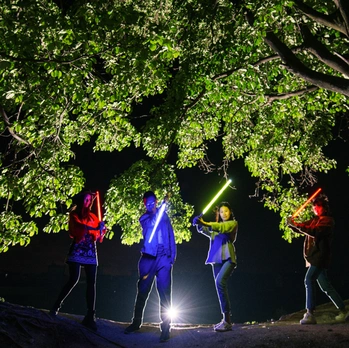
From our world-traveling experience: those app-based food rankings can be bought. The most reliable recommendations come from locals. If the locals love it and eat there, it's the real deal!
Appetizers: - Grilled milk fan (kao ru shan): One of Yunnan's "18 Oddities"—"milk made into a fan to sell" - Crispy flatbread (po su ba ba): Resembles a big Northeastern-style pancake, available sweet or savory
In Dali, you'll see street stalls everywhere. Whether it's grilled rice cakes on wire racks over charcoal, or crispy flatbreads roasting over coals, each vendor has their own flavor. True masters—a hair's breadth makes all the difference.
Final Thoughts
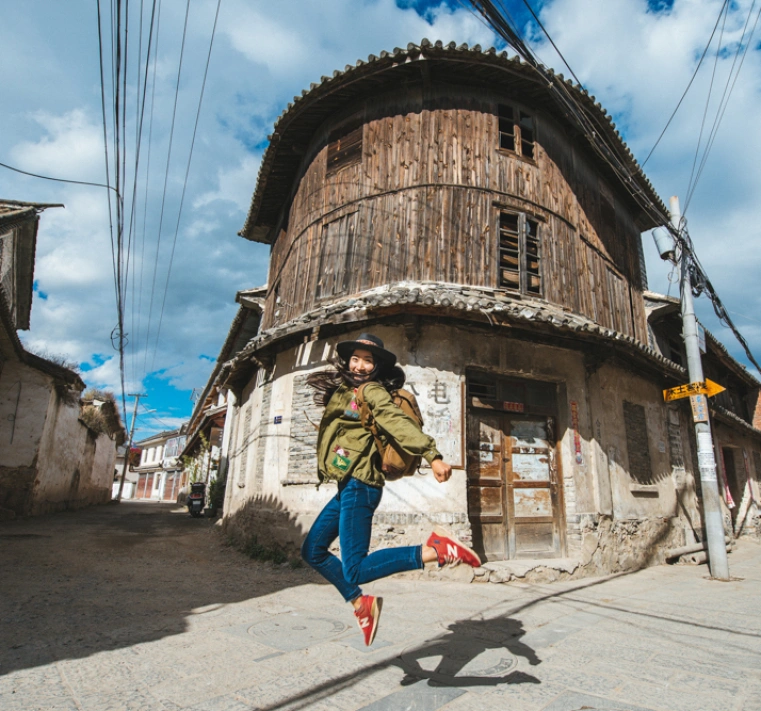
Dali isn't a labeled gathering place for "artsy hipsters" or "Instagrammers." It's a living ancient city, with the勤劳 (diligence) and friendliness of Bai aunties, the tranquility of a "succulent paradise," the utopia Lao She wrote about, and the laughter of us "bickering lovers."
We're the stubborn types who won't turn back until we hit a wall. No rushed sightseeing, no tourist traps, no money for shopping, too lazy for consumption. To travel is to go deep; to stay is to settle in. We love making local friends, exploring obscure routes, and eating at hole-in-the-wall restaurants.

Every journey is filled with laughter. Play hard, never settle.
If you're tired of cookie-cutter travel, head west to Dali. Bring your "bickering lover" and create your own story!
Text, photos, and video by @Aries (Yi Rui) & @Photographer Xiao Qiang All rights reserved. For reproduction or use, please contact the authors.
You should also read:
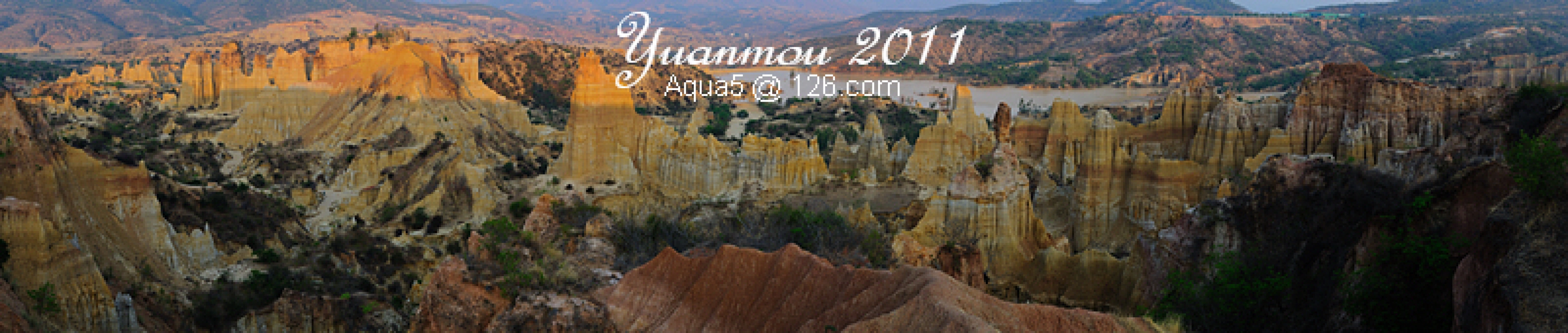
A Journey Through Time: The Earthen Forest of Yuanmou — April 2011 Chuxiong & Yuanmou Self-Drive Guide
A Journey Through Time: The Earthen Forest of Yuanmou — April 2011 Chuxiong & Yuanmou Self-Drive Guide Some journeys are destined to take root in your memory. In April 2011, I set out from Shuhe in Yunnan, heading north toward the Chuxiong Yi Autonomous Prefecture,…
Continue reading...
Yunnan Travel Mastery: From Beginner to Pro-Level Player – A Complete Guide
Yunnan Travel Mastery: From Beginner to Pro-Level Player – A Complete Guide "Either travel or read, but your body and soul must be on the road." This quote has been repeated countless times, but very few people truly manage to be "on the road" and…
Continue reading...
Solo in Yunnan: A Wanderer’s Guide to the Land of Eternal Spring
Solo in Yunnan: A Wanderer’s Guide to the Land of Eternal Spring There’s something magical about traveling alone. No compromises, no schedules to keep, no one to please but yourself. I’ve been on the road for nearly three months now, and not once have I…
Continue reading...