Blossoms in Full Bloom: An Unconventional Western Yunnan Route – 7-Day Self-Drive Tour Through Baoshan, Tengchong, Dehong, Mangshi, Dali, and Kunming
Blossoms in Full Bloom: An Unconventional Western Yunnan Route – 7-Day Self-Drive Tour Through Baoshan, Tengchong, Dehong, Mangshi, Dali, and Kunming
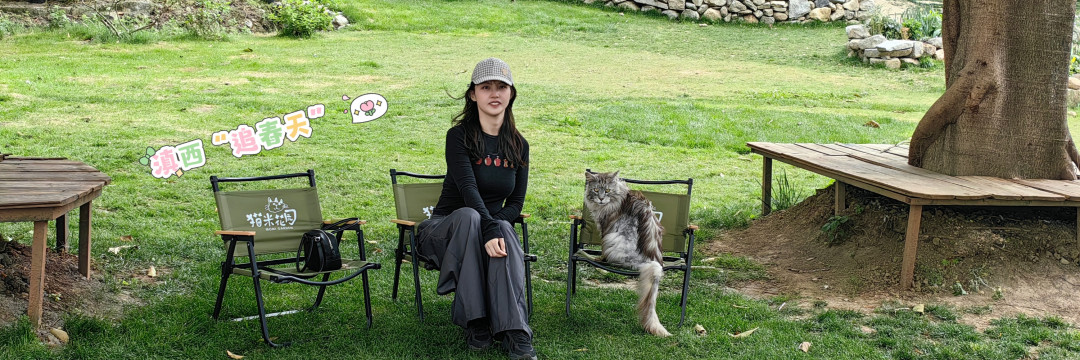
April. Spring in the south of the Yangtze is already winding down, but in Yunnan, the blossoms are spreading across heaven and earth with unrestrained passion. This is a route that sidesteps the crowds into the hidden gems of Western Yunnan — from the gentle warmth of Baoshan to the vibrant energy of Dehong, then cruising toward Dali's winds, flowers, snow, and moonlight, and finally ending in the Spring City of Kunming. Over seven days of self-driving, we traveled with flowers, rode with the wind, and read the longest love poem of spring over and over again.
If you're also tired of cookie-cutter travel and want to find a path that's "not the usual way," then this guide might just give you some inspiration.
Before Departure: A "Spur-of-the-Moment" Rebellion
The story began on an ordinary morning. I stumbled upon a flash sale for round-trip flights to Kunming. One tap of my finger, and there was no turning back.
Two years ago, I had traveled the Lijiang-Shangri-La route, so this time I naturally wanted a different direction. My heart was originally set on Xishuangbanna, but the 38°C heat scared me off — my travel companion shook their head at the mere mention of "hot." So we changed course on a whim, choosing the Baoshan, Dehong, and Dali route. We were going to a place with wind, to enjoy the winds, flowers, snow, and moonlight.
Packing: Don't Let Your Clothes Become a "Burden"
I made a small mistake with my luggage this time. Except for Mangshi, the April temperatures along the rest of the route never called for short sleeves. And Mangshi happened to coincide with the Water Splashing Festival, so I only wore a tank top. I ended up bringing three short-sleeved shirts — they took up space and never got a chance to shine in photos.
Tip: Before you leave, carefully select your clothes based on altitude and climate. Western Yunnan has large temperature differences between day and night. Bring both a jacket and sunscreen, but don't pack too many "unnecessary" clothes like I did.
Day 0: A Late-Night Arrival and the "Satellite Terminal" Adventure
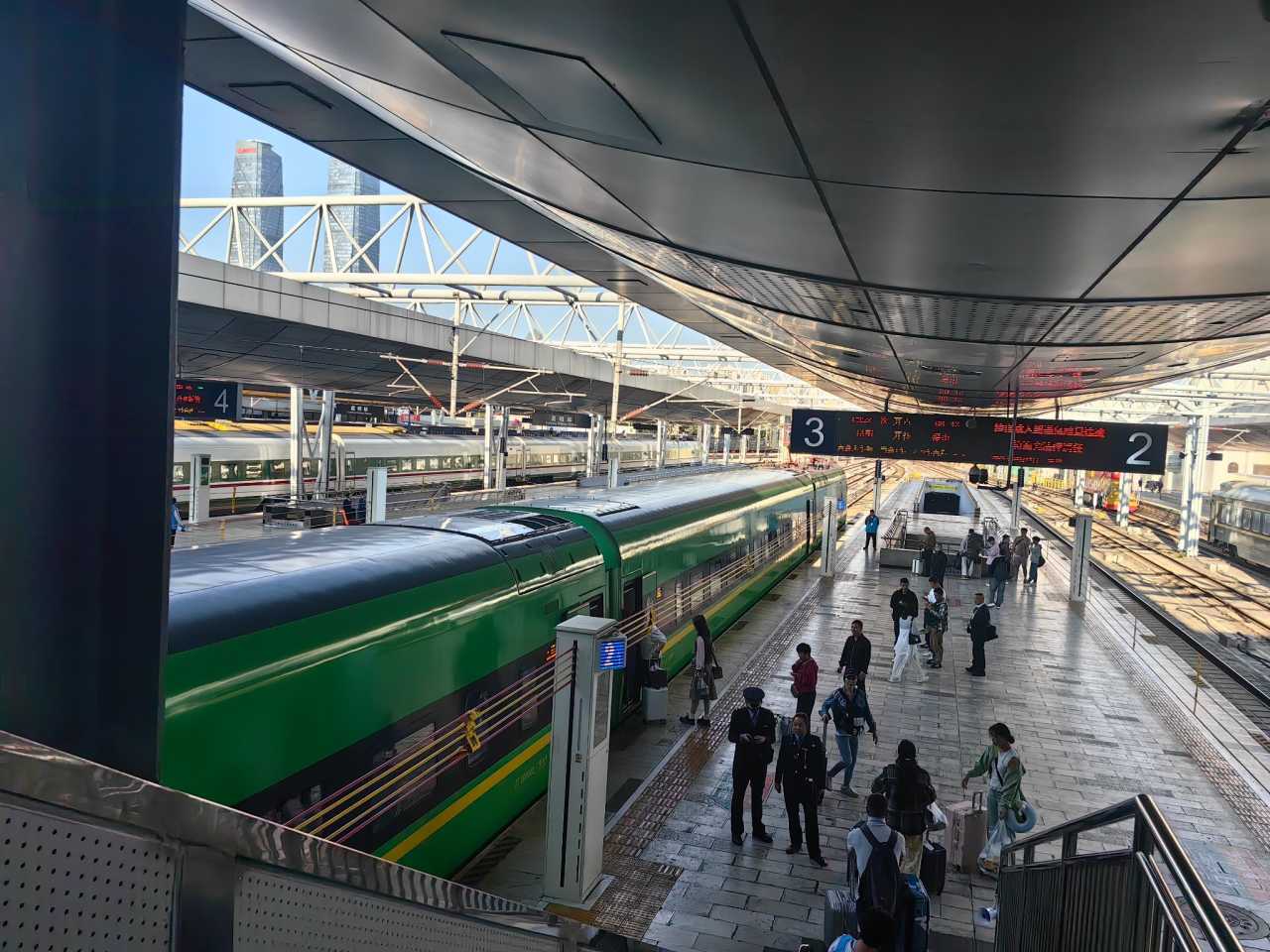
The flight was delayed, and we didn't land at Changshui Airport until 11 PM. To add to the "excitement," we were assigned to the satellite terminal — dragging our suitcases for what felt like forever just to reach the exit. Since we had an early morning high-speed train to Baoshan the next day, I booked a hotel near Kunming Station. By the time I actually lay down in bed, it was 1:20 AM. Luckily, we had no checked luggage, which saved us some time.
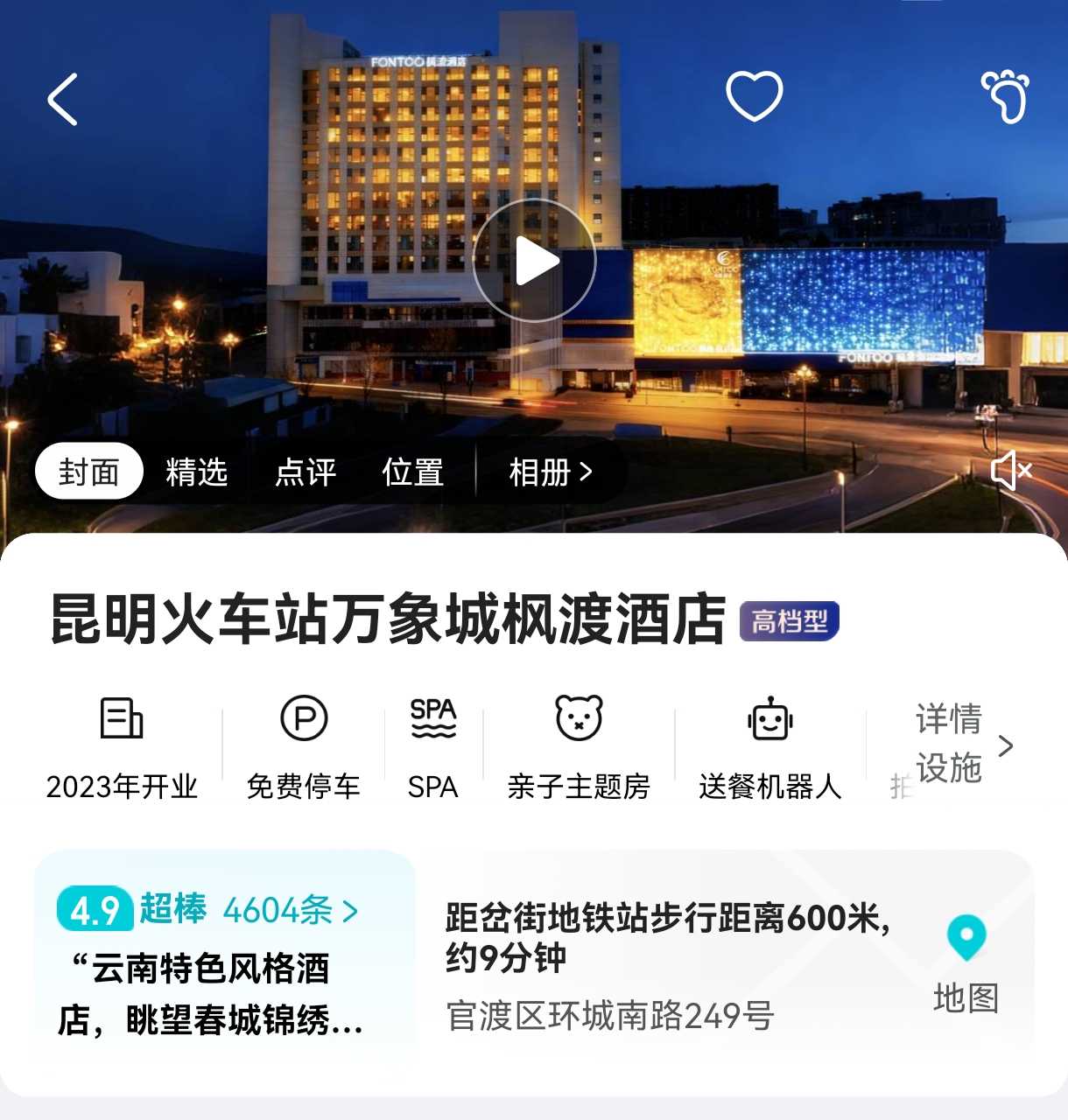
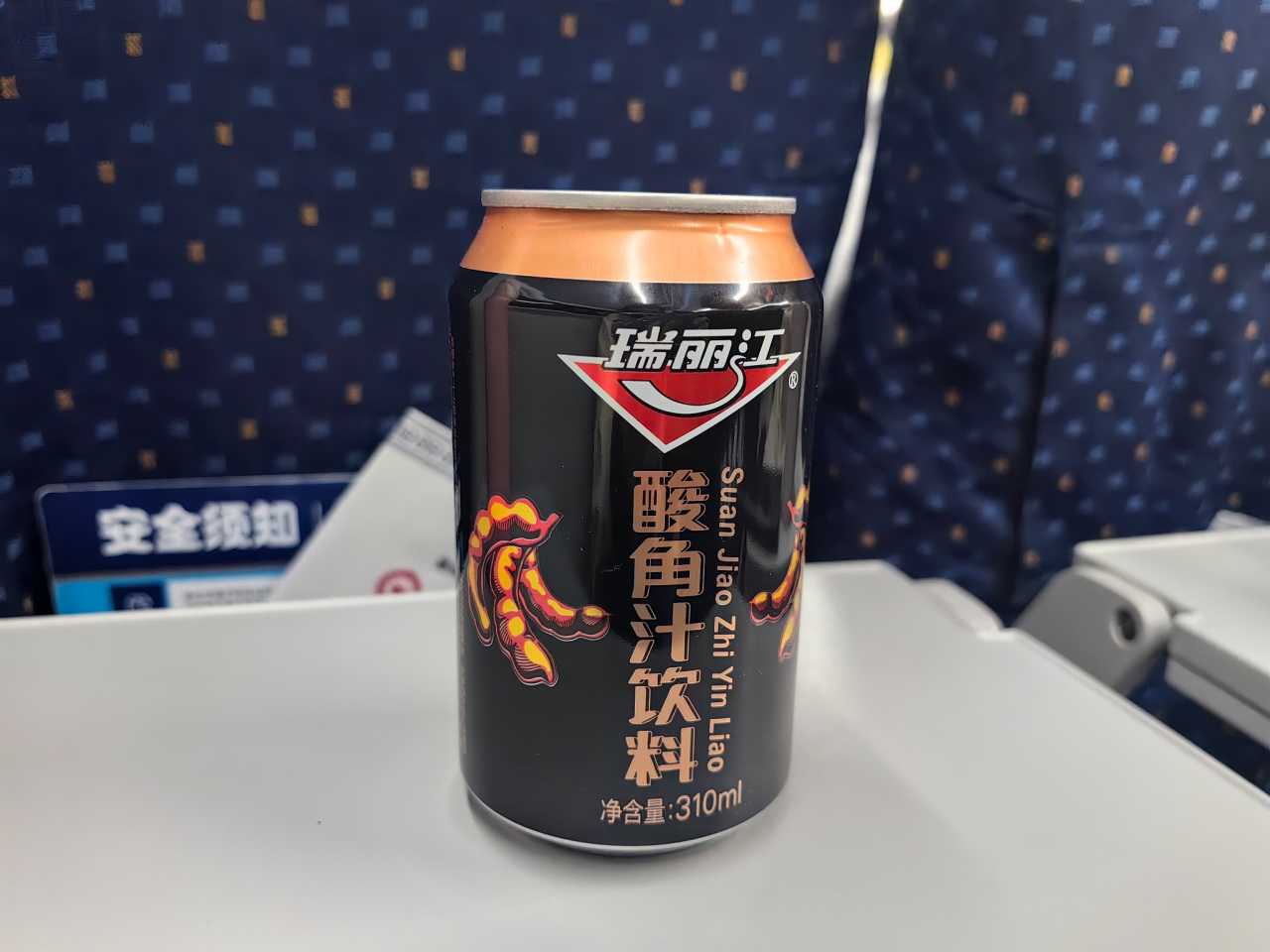
The hotel was a short walk from the airport bus Line 2 stop at Taili Hotel. Although it was about a kilometer from the high-speed train station, a taxi ride was within the base fare — good value for money. The room was spacious, breakfast was plentiful, and each room came with two bottles of tamarind juice — a small comfort after arriving so late.
Day 1: Baoshan — An Underrated National Intangible Cultural Heritage Landmark
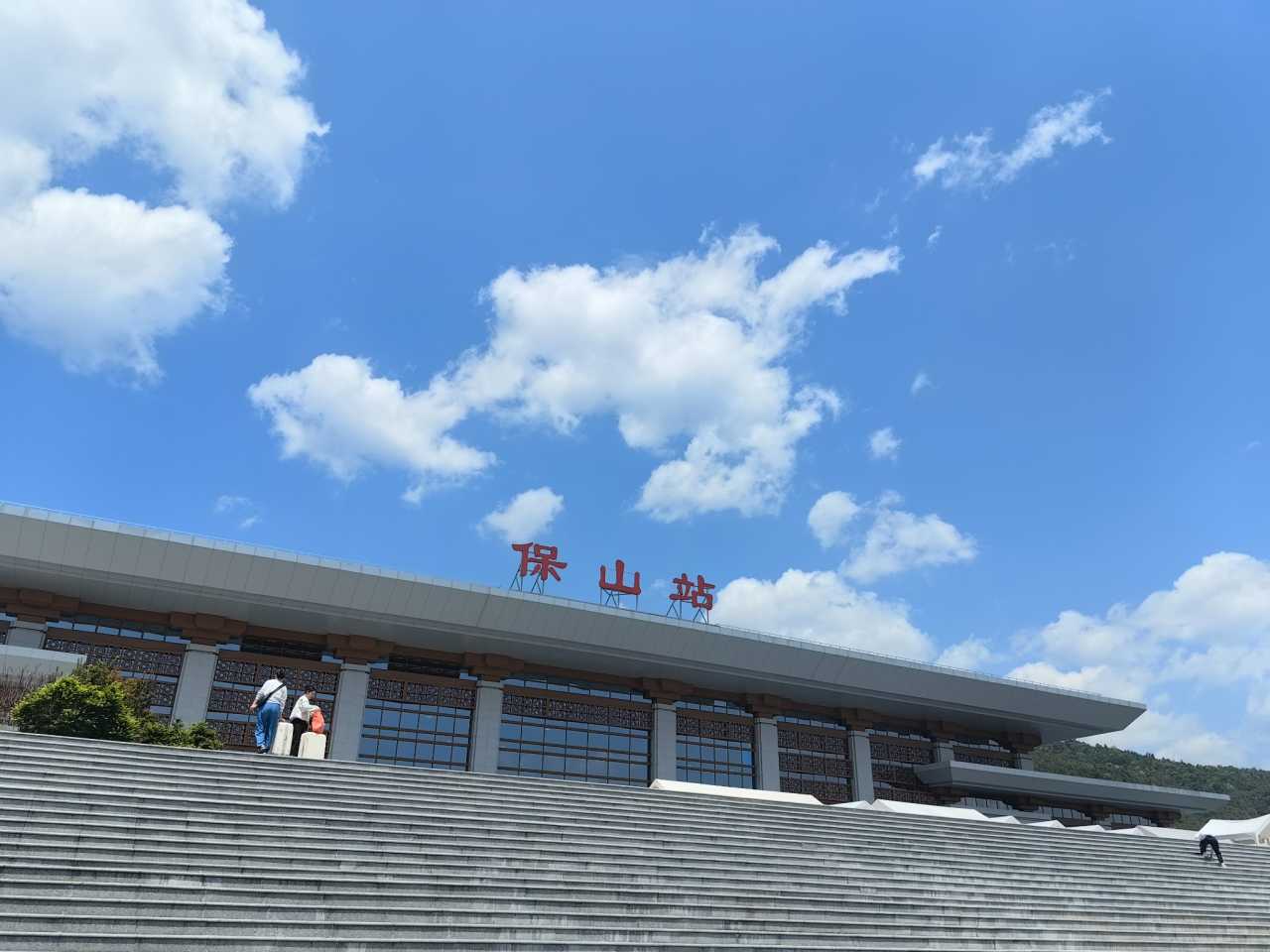
At 1 PM, the high-speed train arrived at Baoshan Station. We picked up the car, and the self-drive adventure officially began.
Yongzi Chess Academy · Yongchang Pavilion: Play a Game with "Imperial Tribute" Chess Pieces
📍 Baoshan, Yunnan | Free admission | Few crowds
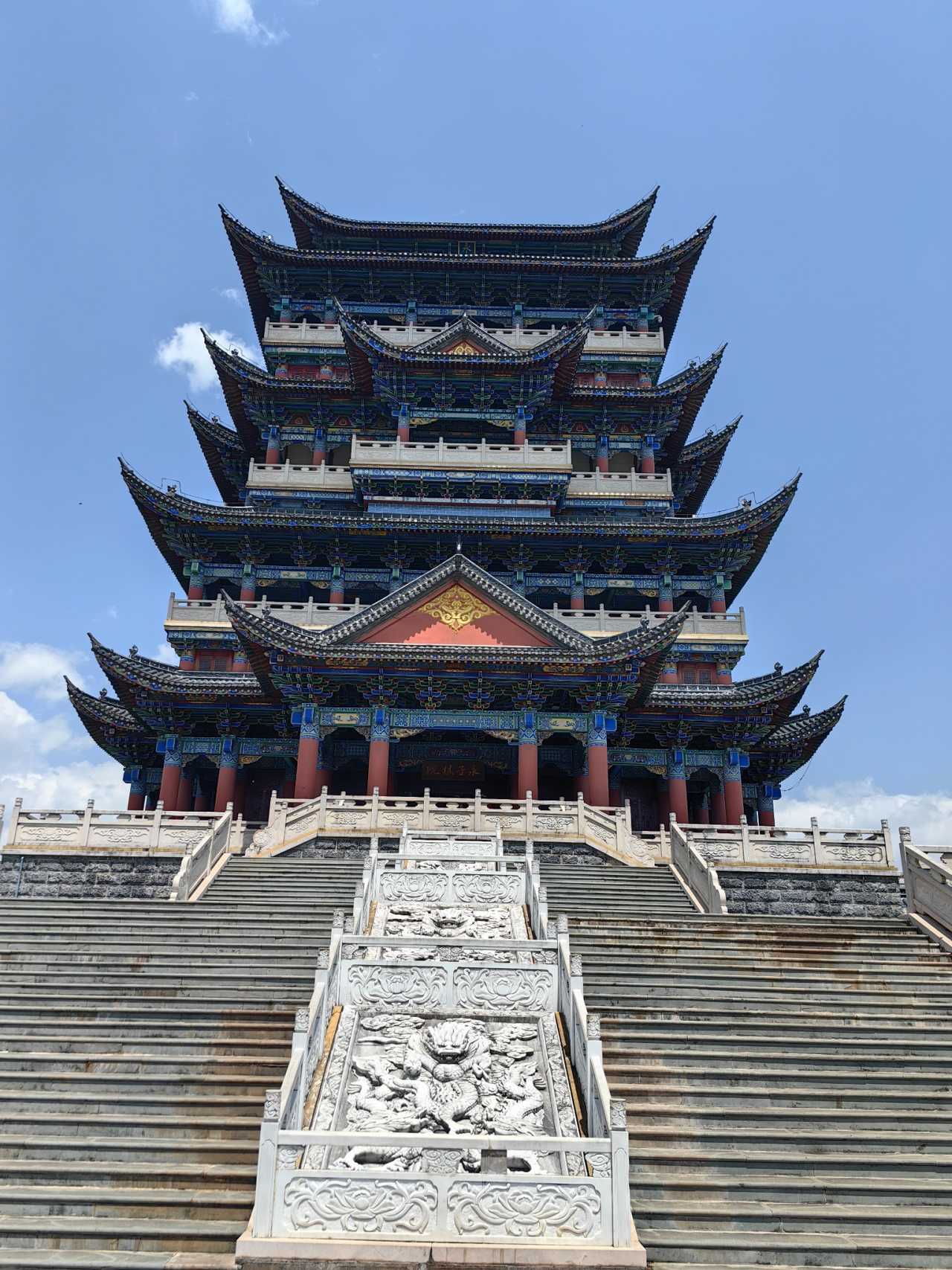
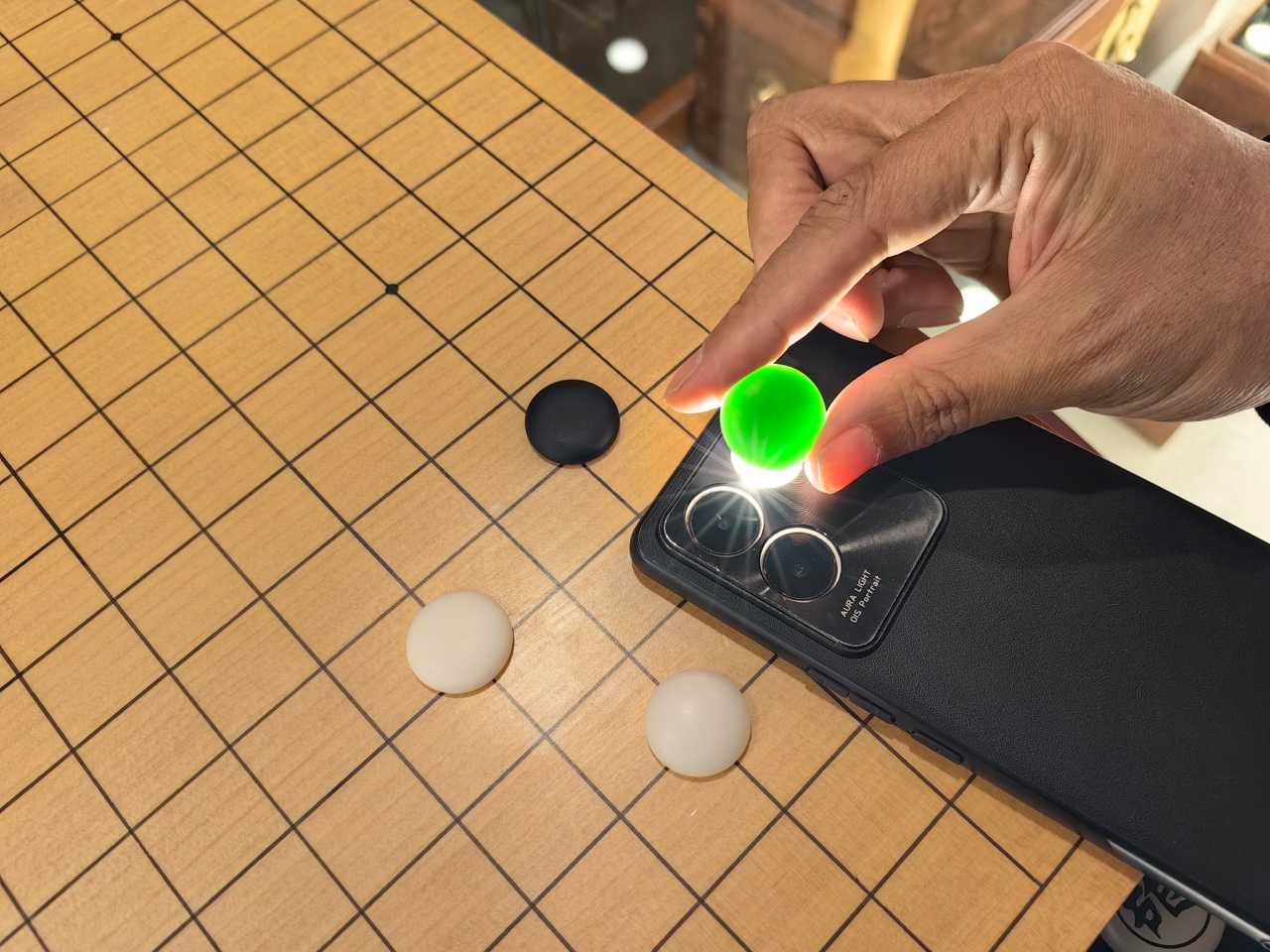
This pavilion, located by Qinghua Lake, is not just an ordinary viewing platform. It's the headquarters of the national intangible cultural heritage known as "Yongzi" (Yongchang chess pieces). What are Yongzi? They are Go pieces made from fired southern red agate and yellow dragon jade — the white pieces are as warm and smooth as jade, while the black pieces reveal a green hue when held up to light. They feel cool in summer and warm in winter. In ancient times, they were imperial tributes, the holy grail of Go pieces.
How to explore? - 1st floor: Free playing hall — you can actually sit down and play a game - 2nd floor: Yongzi Museum, displaying centuries-old chess pieces - Top floor: Competition hall, where Go masters like Ke Jie and Nie Weiping have played
Fun fact: The academy's design height is 44.99 meters, symbolizing "everything goes as desired, forever and ever."
I recommend going around 4 PM, when the light is best and you can also catch the sunset. It's completely free, no reservation needed, just walk in. You can combine it with a visit to the adjacent Qinghua Lake Wetland Park — perfect for a walk or bike ride.
The "Show-Off" on Hangrui Expressway and Chunhe Restaurant
Driving from Baoshan to Tengchong on the Hangrui Expressway lived up to its reputation — a continuous series of turns and downhill slopes, keeping my focus razor-sharp. Along the way, we encountered a "show-off" lightbulb on the road, a little episode that added some flavor to the journey.
We arrived in Tengchong at 5 PM and headed straight to the trendy "Chunhe Restaurant." This place had personality — when we arrived, the staff said it would take about 45 minutes for the food to come out. By the time I finished ordering a Paoluda (coconut bread drink) for delivery and went to pick it up, the restaurant had already closed. A place with this kind of "chill" attitude — you've got to try it just to see what the fuss is about.
Must-order recommendation: Stir-fried Little Angled Gourd This dish completely won me over — how do they make the gourd so fragrant and crispy? It was cleared from the plate as soon as it hit the table. I'd never even seen this type of gourd before, and I took a photo of it just to remember. Every dish was good, but the little angled gourd was the MVP. The complimentary red rice soup was also heartwarming.
Heads-up: The Paoluda I ordered for delivery from Amin had a strong artificial coconut flavor, taking me straight back to the era of bubble pearl milk tea. But my travel companion thought it was fine — taste is subjective, after all.
Hotel Roulette: Learning the Importance of "Parking"
I originally booked the Duolanda Hotel, which claimed to have parking, but it only had space for five or six cars — and there were none available. We switched to Licheng Hotel, which had its own parking lot — anyone who drives themselves will understand how much of a bonus that is! The breakfast options were decent too.
Day 2: Tengchong — Not Sights, Just Scenery

Today's plan was a day trip around Tengchong, but we skipped the usual tourist spots and focused on "seeing the scenery." We started from the city and took County Road M74 — a legendary route where you can see free volcanoes, monkeys, and the Gaoligong Mountains.
Mazhan Market: The Most Down-to-Earth "Big Market" of the Trip
Before we even left the city, we were drawn in by a street selling flowers. Yunnan's flowers are simply stunning — you can't take your eyes off them. Near the volcano, we stumbled upon Mazhan Market, arguably the most authentic market of the entire trip, filled entirely with locals buying and selling.
The market had everything from daily necessities to vegetables and fruits, clothing and shoes. What we cared about most was the fruit — cherries at 8 yuan per jin (about half a kilo), cheap and fresh. Last night in Tengchong, we had tried sheep milk fruit at the supermarket, and the taste was just okay. As for the famously cheap blueberries in Yunnan, when I got home, I found that the blueberries at my local fruit shop were also unbelievably cheap.
There was also a stall selling fire-roasted pork rice noodles. I wanted to try it, but my stomach was too full. By the time we came back, it was already closed — a missed opportunity.
County Road M74: The "Nana Sightseeing Bus" with Free Views
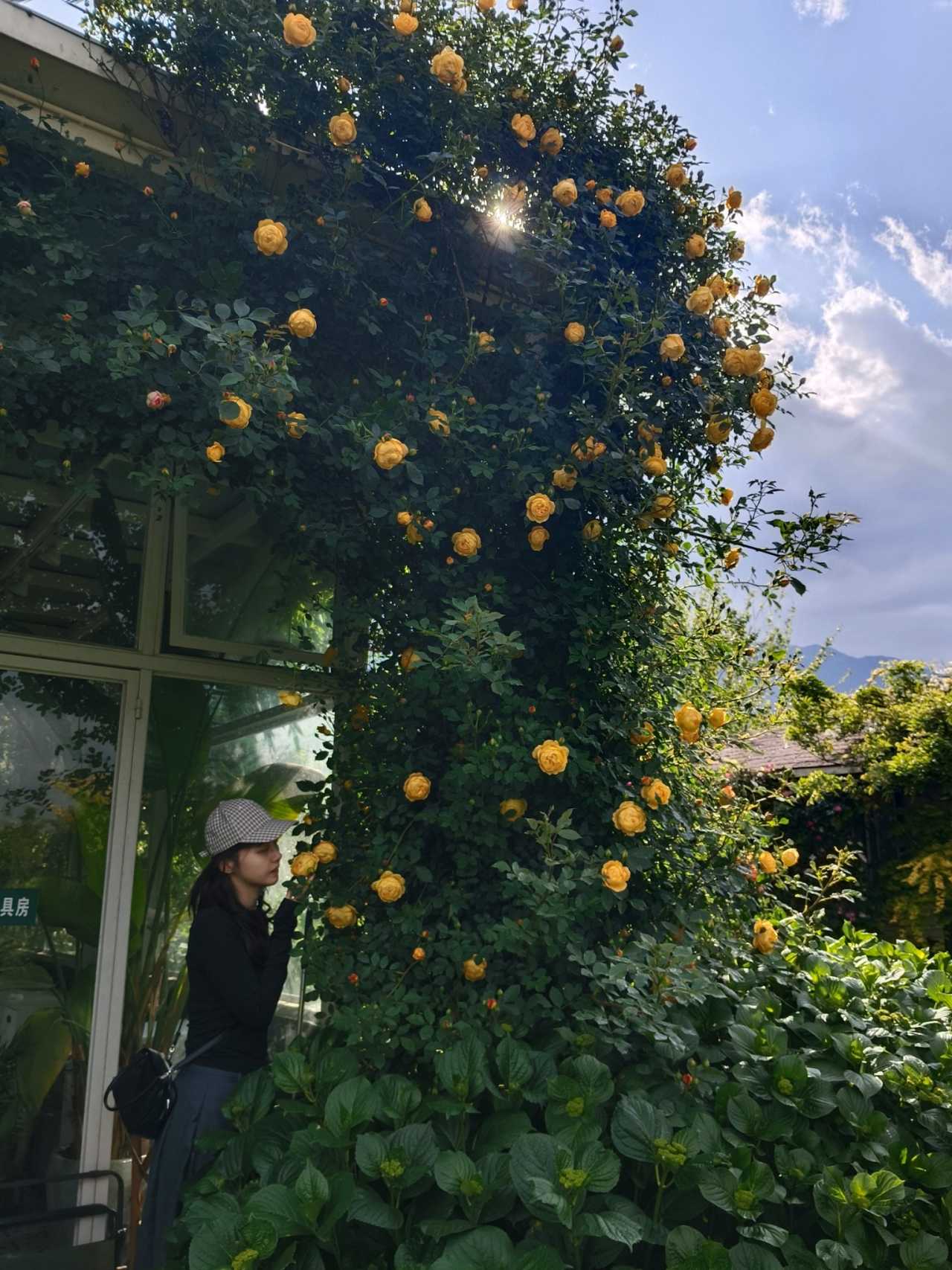
Once we got on the county road, the free scenic spots were right in front of us. Tourists inside the scenic area were struggling to climb the mountains, while we just sat back in the "Nana Sightseeing Bus" and enjoyed the views. Of course, the angles were different — it all comes down to personal preference.
Along the way, we passed a farmer selling dendrobium (a type of medicinal orchid), who had a huge courtyard — the kind of space that makes you envious. I spent 5 yuan on an unknown fruit. It wasn't great — a bit dry, but it left a faint fragrance in the aftertaste. If you prefer juicy fruits, this probably won't be your thing.
The Monkey-Feeding Grandma and the "Beautiful Misunderstanding" at Heiyu River
We followed the county road, stopping whenever we saw a beautiful spot to play — a truly leisurely mountain life. An elderly woman took us to feed the monkeys. During July and August, her main job is taking people to see wild mushrooms. Although her electric scooter was fast, she would turn back to check on us if she couldn't see us — very reliable.
The bananas we fed to the monkeys were actually pretty tasty ourselves. The grandma asked if we wanted to go to Heiyu River (Black Fish River), saying it would cost 30 yuan per person. Her Mandarin was so unclear that my companion heard "Black Leaf Monkey" and got really excited — off we went! It was a beautiful misunderstanding.
Walking down from the monkey-watching spot, we could see Heiyu River. The water was crystal clear, the environment was beautiful, and many people were hiking there. Even though we fell for an information gap, sitting by Heiyu River with the breeze blowing was still a pleasant experience.
Gaoligong Mountain Hiking: A 20-Year Promise with the Giant Rhododendrons
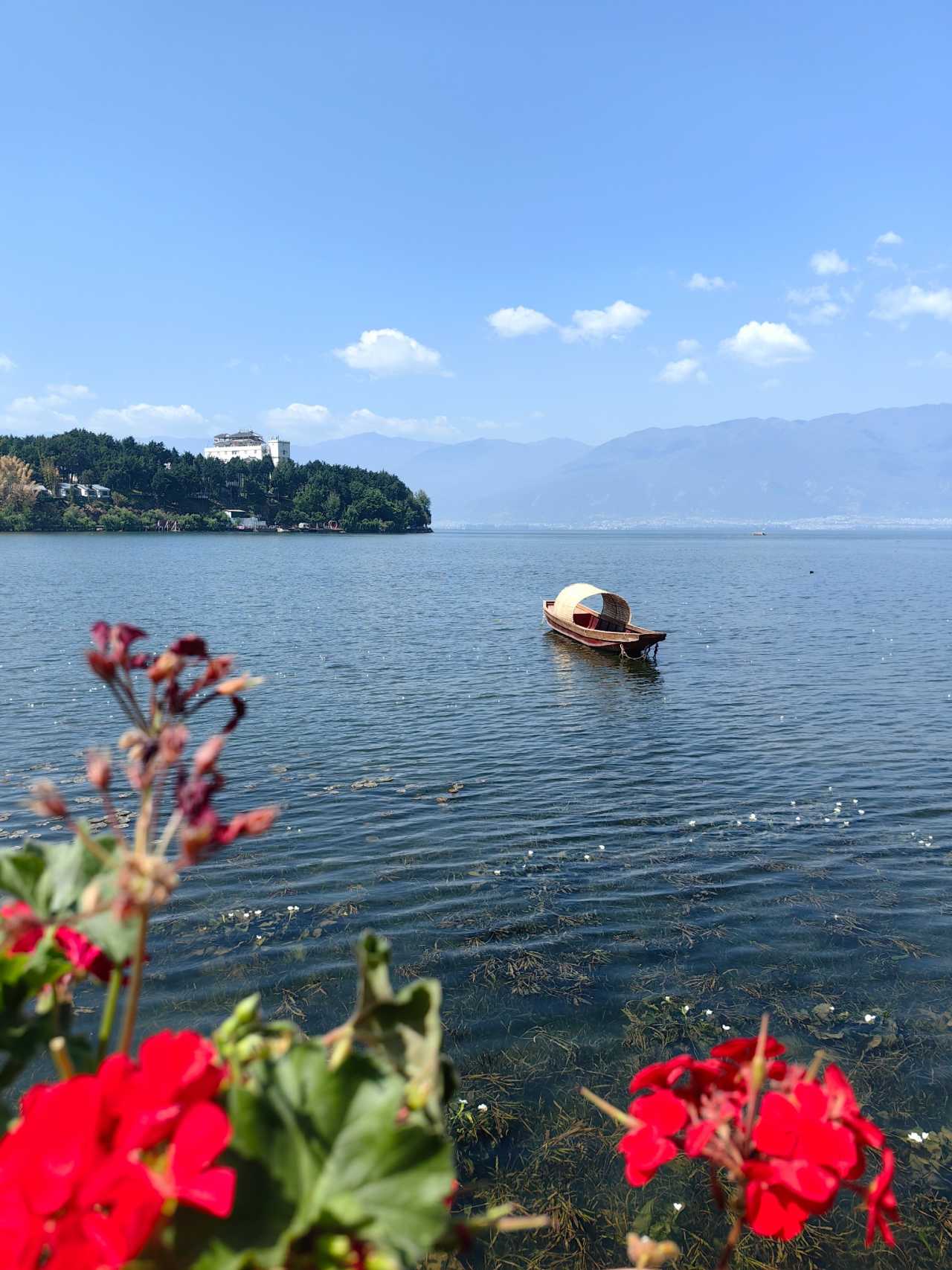
There are many hiking guides online for Gaoligong Mountain who will take you to see the "fluffy moss forests," but it takes a full day and includes a wilderness kitchen. My companion was very particular about food cleanliness, so we chose the Wudaoxi (Five Streams) route without a guide.
First, we went to a designated spot to register for entry, then navigated to Linjiapu to start the hike. The road conditions were okay, but very narrow — passing oncoming cars was difficult. If you're a novice driver, hand the wheel over to an experienced one.
Deep in the mountains, there is a very rare type of giant rhododendron, still very small now. My companion and I made a 20-year promise — we agreed to come back in 20 years to see how they've grown.
Shiqiang Wild Hot Springs: "Heavenly" Relaxation After Hiking
After hiking, soaking in a hot spring was the perfect pairing. Shiqiang Wild Hot Springs is about a 30-minute drive from Linjiapu, and it takes an hour to get back to the city. The moment my feet touched the hot spring water, all the fatigue from the hike melted away.
That evening, we checked into Xishan Hot Spring Garden Hotel. The environment was beautiful, with plenty of photo spots, and the rooms were spacious. Breakfast was abundant, and the parking lot was large — highly recommended.
For dinner, we ordered delivery — "Laogudong Shunjiang Fire-Roasted Pork Rice Noodles" — choosing the soup version. Later, at another place, I tried the dry-mixed version without soup. I got to experience both styles, and each had its own charm.
Day 3: Water Splashing Festival and Dendrobium Flower Festival — A "Double Celebration" in Longling and Mangshi
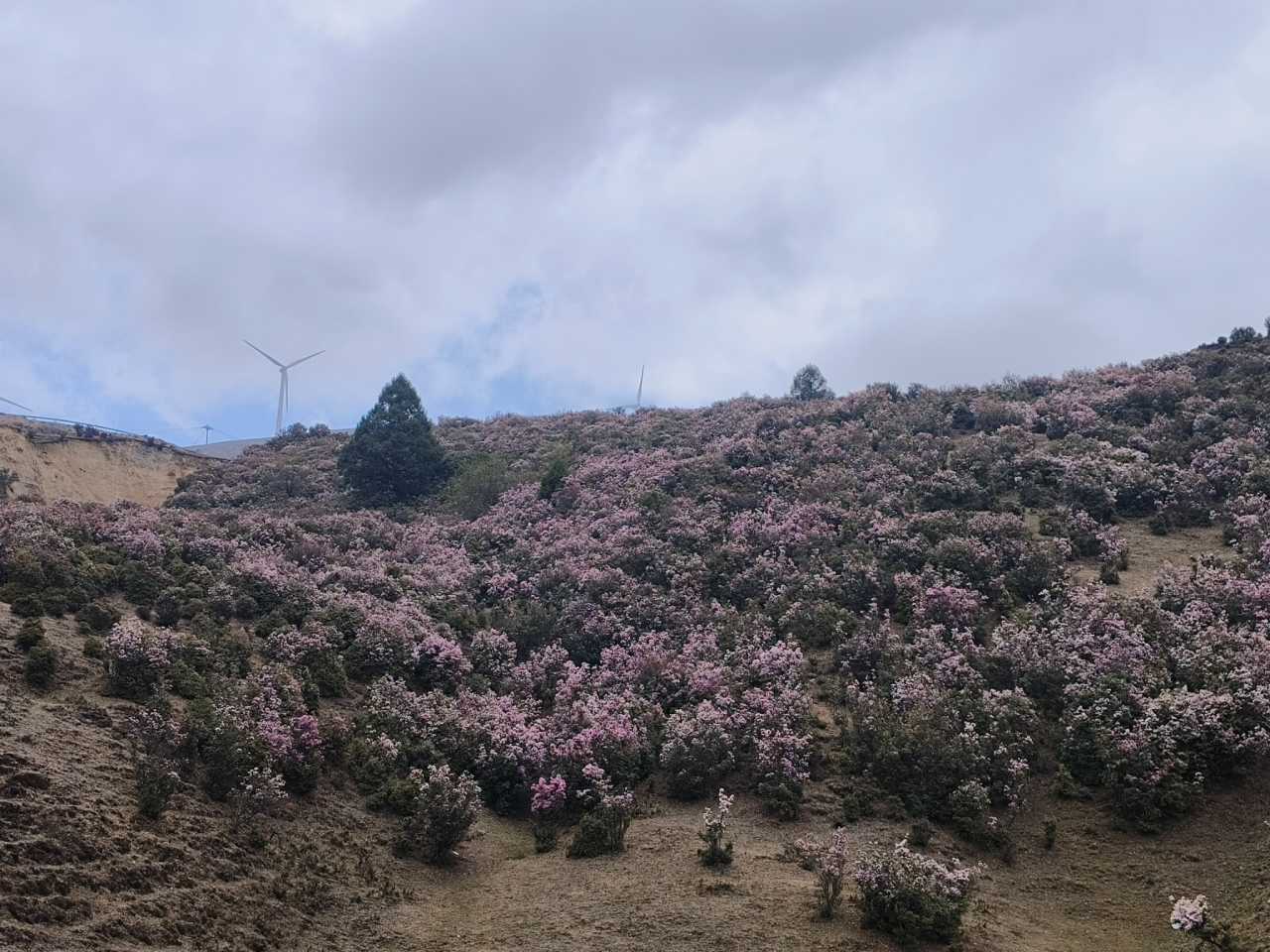
Today's itinerary: Qiluo Morning Market, Longling's 3rd Dendrobium Flower Festival, and Mangshi's Water Splashing Festival. We happened to hit two festivals — how could we not join in?
Qiluo Morning Market: The "Egg Fruit" vs. "Po Su Bao" Showdown
In the morning, we went to Qiluo Morning Market and bought an "egg fruit" for 2.4 yuan. It was not good — it really tasted like eating an egg, specifically like eating a dry egg yolk. For someone who likes juicy fruits, it was a disaster.
We also bought Fangjie Po Su Bao (a type of steamed bun). It was good, but not "mind-blowing." Freshly made Po Su Bao are generally delicious, especially the rose-flavored ones — they were huge, hard to hold in one hand.
Compared to yesterday's Mazhan Market, Qiluo Morning Market was more commercialized, and the vendors' prices were higher.
Longling Dendrobium Flower Festival: A "Flower Competition" and Dendrobium Cuisine
📍 Baoshan, Yunnan · Longling | "Hometown of Chinese Purple-Skin Dendrobium" 3rd Dendrobium Flower Festival | April 12 – May 11
Longling County's Dendrobium Flower Festival lasts a full month, right during the peak blooming period. Two highlights are a must:
Highlight 1: Flower Competition At the China Dendrobium Flower Trade and Exhibition Center, over 100 varieties and 10,000 pots of flowers were in full bloom. More than 50 species of dendrobium from China, Japan, Thailand, Laos, and other countries competed side by side. Golden钗 (Dendrobium nobile), drumstick dendrobium, ball-flower dendrobium, and purple-skin dendrobium each had their own characteristics — golden yellow, light pink, pure white, and rose-purple arranged in a beautiful patchwork. The cascading curtains of dendrobium flowers were incredibly photogenic.
Highlight 2: Dendrobium Cuisine The people of Longling have turned dendrobium into an art form — dendrobium juice is rich and smooth, dendrobium noodle soup is refreshing and warming, and dendrobium glutinous rice balls are soft, chewy, and sweet. On-site, there were also dendrobium tea, dendrobium cookies, and other specialty products for tasting.
I wanted to buy a pack of dendrobium cookies to try, but the vendor had a rule: 50 yuan per pack, or 100 yuan for three packs — no single pack sales. This kind of bundled pricing actually turned me away as a small customer who just wanted a taste.
Mangshi Water Splashing Festival: Two Glasses of Paoluda, Three Soakings of Myself
We drove from Longling to Mangshi, and the navigation recommended taking the national road. Today was the last day of the Water Splashing Festival. I had heard that Mangshi's festival is more orderly than Xishuangbanna's — they won't soak even a passing dog.
Parking in Mangshi was difficult. The navigation took us to the city government building — it turns out that during the Water Splashing Festival, the government opens its parking lot for free. Mangshi's street trees are actually jackfruit trees! You can imagine that by June or July, the city will be filled with the fragrance of fruit.
Passing by Mangshi's market, the prices were quite high. For lunch, we had a chain omurice (omelette rice) — not particularly Mangshi-style, but tasty enough. The "Tree-Wrapped Pagoda" was right in the city, easy to walk to, so we stopped for a quick photo.
Mangshi Square: A "Danger Warning" for the Water Splashing Festival
When we passed Mangshi Square, the water-splashing atmosphere was already very intense. Luckily, I was wearing Crocs, a tank top, and quick-dry pants. The overall vibe was great — as long as you surrendered quickly, people wouldn't go too hard on you. As for why there are no photos of the water-splashing square — because I didn't bring a waterproof phone case.
If you want a deeper experience, I recommend forming a "team" in advance and buying water guns.
Manghuang Village: Dai Ethnic Style and a Sheep Milk Fruit Tree
Manghuang Village is small. If you're not driving, it might not be worth the trip. Although there are many beautiful photos online, only a short stretch along the street has Dai-style architecture. Most of it is still flat-roofed houses and buildings, nothing particularly special. We did find a sheep milk fruit tree here, which was an unexpected bonus.
Golden and Silver Pagodas: Bringing Southeast Asia to Yunnan's Border
Menghuan Great Golden Pagoda | Asia's Largest Hollow Buddhist Pagoda Built on Leiyarang Mountain at an altitude of 1,079 meters, the 76-meter pagoda is entirely gilded, shining brilliantly under the sun. The real awe doesn't just come from afar — the entire pagoda has no load-bearing pillars, and its architectural style blends features from Dai, Thai, and Burmese pagodas. Wind chimes tinkle gently, and white elephant statues stand solemnly at the base. The atmosphere is so peaceful that you instinctively lower your voice when speaking.
Menghuan Silver Pagoda | Pure White and Ethereal Instagram Hit If the Golden Pagoda is solemn, the Silver Pagoda is ethereal. The entire structure is pure white, with 80 smaller pagodas surrounding the 66-meter main pagoda. From the steps to the railings, everything is white. Walking inside feels like stepping into a dream woven from moonlight — against the blue sky and white clouds, every shot looks like an Instagram post.
Practical Info: - Ticket: 40 yuan, discounts available online. Opening hours: 8:30 AM – 9:30 PM - Shuttle bus to the top: 10 yuan round trip per person - I rented my Dai ethnic costume at the first shop outside the Silver Pagoda entrance. A tube top was 80 yuan, mine was 100 yuan, and one with a shawl was 120 yuan. Makeup was 100 yuan. I recommend comparing prices at a few shops.
A "Hidden Gem" Restaurant We Stumbled Upon
Heading back to the city, we were planning to go to a trendy restaurant, but we passed a street full of hair-washing shops and noticed a restaurant with a nice atmosphere. When we went in, the table next to us was full of locals, and they said the food was good — so why bother with the trendy place? We sat down and ordered.
The Paoluda here was the best of the entire trip! It had none of the cheap, artificial taste from Tengchong. The coconut shreds were fragrant and rich, and the texture was complex. The banana Burmese "甩粑粑" (fried flatbread) was also better than the milk fan I had later. Highly recommended!
Bangbang Hair Washing Shop: Freeing Hair That Felt Like "Hairspray"
After eating, we went to experience the hair-washing shop. The three of us shared a room, and the session lasted over an hour. The massage was very relaxing, but purely in terms of hair washing, I felt that a regular hair salon does a better job — because they massage you first before blow-drying your hair, so your hair stays wet for quite a while. When we finally left, all the staff stood up and loudly bid us farewell — it was startling if you weren't expecting it.
Jewelry Town: A 1-Million-Yuan Bracelet and Agate Bangles
In the evening, we went to Jewelry Town. It was an eye-opener! There was a purple jade bangle priced at 1 million yuan! I thought I had misheard — shouldn't a 1-million-yuan bangle be kept in a private room with a vault door? Just sitting in a display case? I guess I'm just not worldly enough.
In the end, I found that agate bangles were both translucent and beautiful, and the prices were very reasonable — much cheaper than on Taobao. But after thinking about it, I realized I didn't really need one, so I didn't buy it. If you're just looking for something to wear casually with your outfits, agate is a good choice.
That night, we checked into the newly opened Duolanda Hotel. All hotels had raised their prices for the Water Splashing Festival, and this one was about 50 yuan more expensive than a few days earlier. Free parking meant parking on the street — the hotel said they wouldn't give tickets, and we didn't get any. The room was big, the bed was big, breakfast was average, but overall the value was okay.
Day 4: Lujiangba — A Spring Wrapped in the Scent of Coffee
Spending a day in Lujiangba, Baoshan, I finally understood why some people say, "The spring breeze here smells like coffee."
Standing by the river and looking up, the Gaoligong Mountains stood majestically. Below, the Nu River (Salween River) rushed by, and the air was faintly scented with coffee — this feeling of standing with "Gaoligong Mountains, Nu River, and coffee" all under your feet at once was truly magical.
Gaosheng Coffee Estate: A Small but Charming Coffee Experience
Online, it said you could visit for free to see the coffee-making process, but when we went, there was none — only tastings and purchases. Compared to the Bituo Estate we visited later, this one was smaller. The courtyard had a few small coffee trees with a scattering of berries.
Bituo Coffee Estate: From Seed to Cup, Make Your Own Coffee
This is a 4A-level scenic area and the core production zone of Baoshan's small-bean coffee. Backed by the Gaoligong Mountains and facing the Nu River, it covers a vast area.
Recommended activities: - Visit the Coffee Culture Exhibition Hall: Learn about the history of Baoshan's small-bean coffee — you'll discover that these beans won a gold medal at the Brussels Expo - Stroll through the coffee plantation: Rows of coffee trees stretch out like a sea, perfect for photos. The estate has a rainbow trail and a petting zoo, great for forest-style shots
When we went, there were many student groups doing activities, so it was quite lively. The estate has many experience programs that require additional fees. As soon as we entered, we saw coffee beans drying in the courtyard. The coffee forest was also very large — this was truly a massive coffee estate. The fruit trees on the property were also thriving.
Liu Mei Fire-Roasted Pork Rice Noodles: Unassuming but Delicious
I had heard that the nearby Liu Mei Fire-Roasted Pork Rice Noodles were very good, and since it was lunchtime, we naturally went to check it out. Although the place looked very unassuming, the taste was indeed excellent. Even the small portion came with a lot of meat.
Yungong Coffee Estate: "Zen" Coffee Under a Millennium-Old Bodhi Tree
This was the most beautiful and relaxing spot of the entire day! This coffee shop has unbeatable scenery — arguably the best in the area.
Walking into Bingmen Village, a massive bodhi tree greeted us. Its trunk was so thick that several people couldn't wrap their arms around it. The lush canopy created a natural shade, with sunlight filtering through the leaves, scattering dappled light on the ground. When the wind blew, the leaves rustled, sounding like a chant.
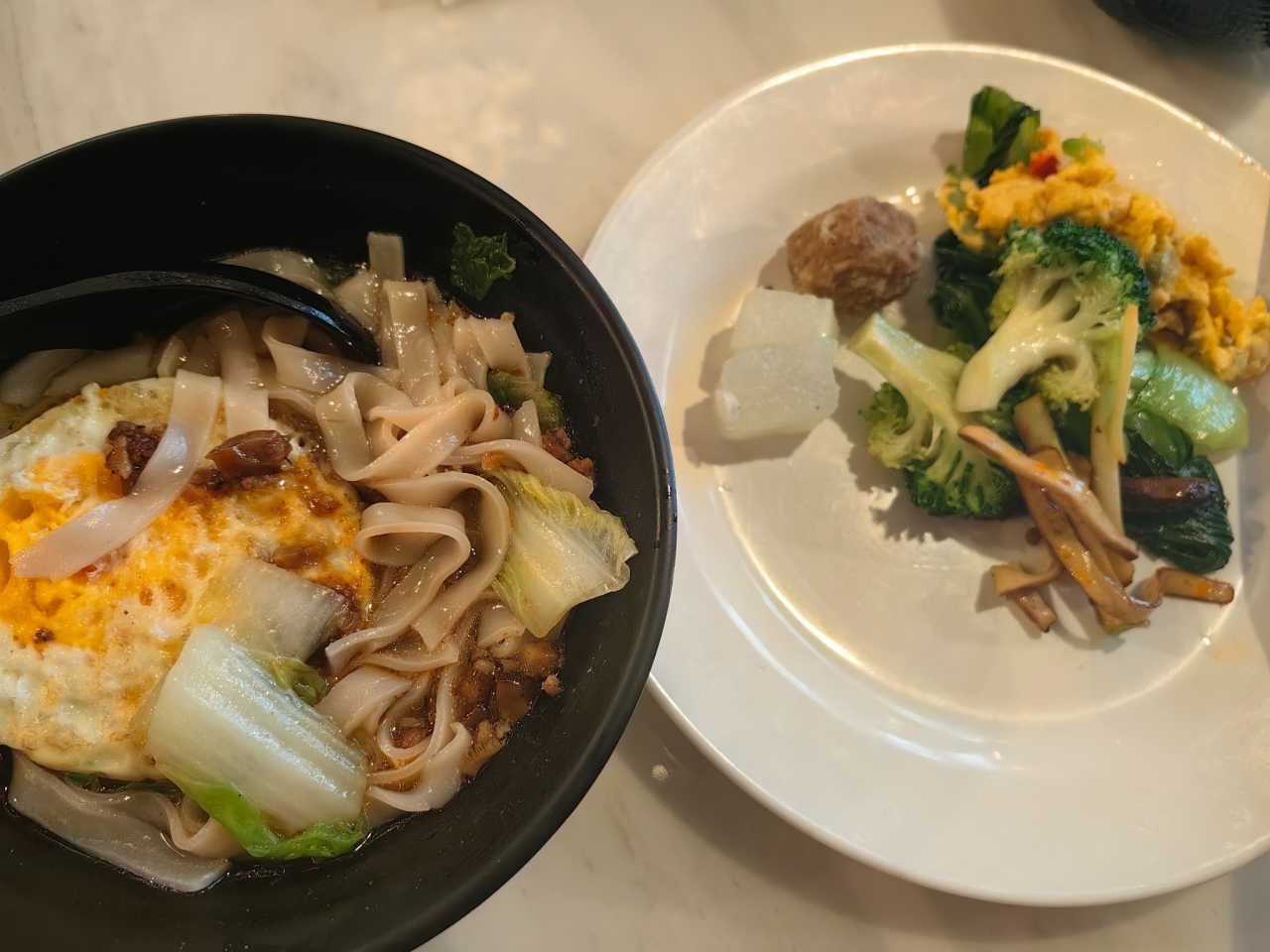
Here, I ordered a rose latte and a beef flatbread. Both were delicious. But more important than the environment was the mood at that moment — sunshine, forest, beautiful scenery, and good company. Everything felt just right. We happily spent our time here.
Behind the coffee shop, deep among the banyan trees, there were many fruit trees and kapok trees. Few people ventured in, but it had a unique charm.
Asia's Largest Banyan Tree: A 700-Year-Old "Giant"
In Bingmen Village, Lujiangba, I saw this tree, claimed to be the "largest banyan tree in Asia." Standing before it, you really hold your breath.
Hard facts: - Height: 28 meters; trunk circumference: 28.48 meters; diameter at breast height: about 9 meters - Crown coverage: nearly 4,000 square meters — about the size of 10 standard basketball courts put together - Listed as a provincial protected tree in 1996, already 700 years old at that time - It takes over 20 people to encircle it
In the hearts of the Dai people, it is a "sacred tree." The Dai, followers of Theravada Buddhism, believe that the banyan tree is the bodhi tree of the Buddha's enlightenment. A Dai proverb says: "Do not abandon your parents, do not cut down the banyan tree, or you will face retribution and punishment." It is under this sacred protection that the banyan tree has been lovingly preserved by the local people for generations.
Standing before a tree that has lived for over 700 years, you realize how small human worries really are. It has stood in the wind for seven centuries, witnessing countless people come and go. And right now, you happen to be passing by.
Fuke Coffee Estate: "Yunnan's Little Switzerland" on the Gaoligong Mountains
This estate isn't on flat ground — it's perched at an altitude of 1,800 meters on a mountaintop, directly facing the Nu River Grand Canyon. Sitting on a cliffside drinking coffee, with thousands of acres of coffee forests rolling in the wind below you — that feeling of "I am small, the world is vast" makes the coffee here truly different.
The name "Fuke" comes from the call of the gibbons on the Gaoligong Mountains. It's said that gibbons come down the mountain to steal coffee cherries when they ripen, calling out "fuke, fuke" to summon their companions while they eat. The estate named itself after this sound, weaving together the bond between nature and coffee.
The estate is built on the mountaintop, requiring a winding mountain road to reach. The road conditions are okay, but there are many curves and steep slopes — not suitable for novice drivers. As the car climbed higher and higher, the Nu River Grand Canyon gradually unfolded before our eyes. When you finally stand on the observation deck, you feel that all those twists and turns were worth it.
Menghe Town: Yunnan's "Little Chiang Mai"
After leaving the coffee estate, we drove to Menghe Town in Lujiang Township. It's not without reason that netizens call it "Yunnan's Little Chiang Mai."
This place has over 10 kilometers of Nu River waterfront. Palm trees sway in the wind, thatched cottages hide in the green lawns, and distant mountains appear and disappear in the mist. Walking through the park, even the air carries the fresh scent of tropical plants. There's no noisy crowds — only the rustling of wind through the grass and leaves.
This is a real estate development. We found a salesperson, and prices are still 12,000 yuan per square meter. The first phase has limited options left.
Final Thoughts: This Western Yunnan Route Is Worth the "Road Less Traveled"
Seven days of self-driving — from the gentle warmth of Baoshan to the vibrant energy of Dehong, from Tengchong's green fairyland to Lujiangba's coffee fragrance, from Mangshi's water-splashing frenzy to Dali's ancient trees — this unconventional Western Yunnan route showed us a different side of Yunnan.
A few tips for those about to set off:
- Self-driving is king: Many places on this route are hard to reach by public transport. Driving allows you to stop anytime and discover surprises along the way
- Pack light: April in Western Yunnan has big temperature swings. A jacket is essential, but don't bring too many short-sleeved shirts
- Don't just chase trendy restaurants: The local restaurants you stumble upon often surprise you more than the ones in the guidebooks
- Time your trip with festivals: If your schedule allows, try to include special events like the Water Splashing Festival or Dendrobium Flower Festival
- Coffee lovers must visit Lujiangba: The density and quality of coffee estates here are among the best in China
Finally, let me end with a thought that came to me at Yungong Coffee Estate:
"Sitting under a 700-year-old tree with a cup of coffee, you realize that all your troubles are just passing through."
May your journey through Western Yunnan be as extraordinary and full of blossoms as this one.
You should also read:

Solo in Yunnan: A Wanderer’s Guide to the Land of Eternal Spring
Solo in Yunnan: A Wanderer’s Guide to the Land of Eternal Spring There’s something magical about traveling alone. No compromises, no schedules to keep, no one to please but yourself. I’ve been on the road for nearly three months now, and not once have I…
Continue reading...
Into the Hidden Valley: A Solo Journey Through the Mysterious Dulong River
Into the Hidden Valley: A Solo Journey Through the Mysterious Dulong River Deep in the northwestern corner of Yunnan Province, tucked away from the modern world, lies a place that feels like a secret whispered among mountains. The Dulong River Valley is not just a…
Continue reading...
God’s Abandoned Palette: A Self-Drive Journey Through Yunnan’s Dongchuan Red Land
God’s Abandoned Palette: A Self-Drive Journey Through Yunnan’s Dongchuan Red Land Travel has never been about reaching some distant geographic coordinate. It’s about encountering, along the way, the version of yourself buried beneath the rubble of daily routine. During this May Day holiday, I finally…
Continue reading...