Celebrating the Spring Festival in Pu'er: A Summer-Like New Year
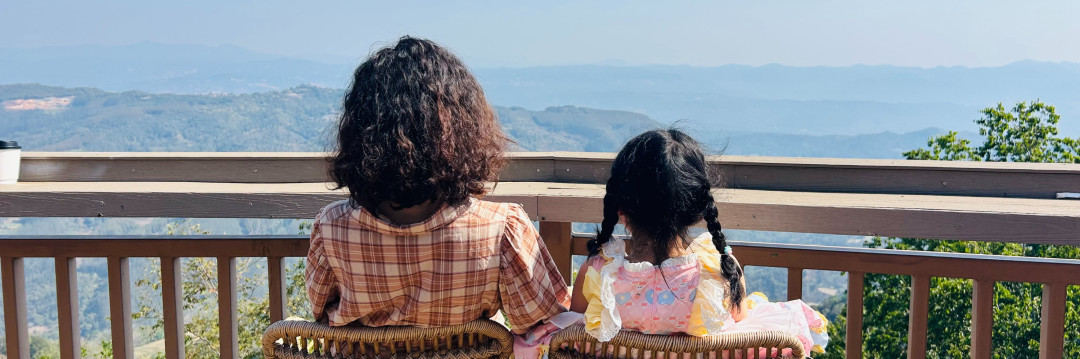
Celebrating the Spring Festival in Pu'er: A Summer-Like New Year
While the north is still wrapped in biting winter winds, Pu'er in Yunnan has long been bathed in warm, summer-like sunshine. This Spring Festival, we decided to head south to Jingmai Mountain for an early rendezvous with spring. What started as a trip driven by a long-held desire to see the ancient tea mountains unexpectedly unlocked an entire treasure trove of southern Yunnan—from the mysterious marker of the Tropic of Cancer to a millennium-old post station along the Ancient Tea Horse Road, from the vibrant烟火 (fireworks of daily life) in Dai and Blang villages to a grand Kuota Festival parade as the grand finale. This journey was like a cup of aged Pu'er tea—the more you savor it, the richer the flavor.
Departure: A Spontaneous Journey South
Although the Spring Festival holiday is long, we took an extra day off to avoid the crowds and set off early. At 10 a.m. on February 14th, we woke up naturally, took our time getting ready, and hit the road. The first day would involve over ten hours of driving, but our child kept herself entertained in the back seat, so the time didn't drag.
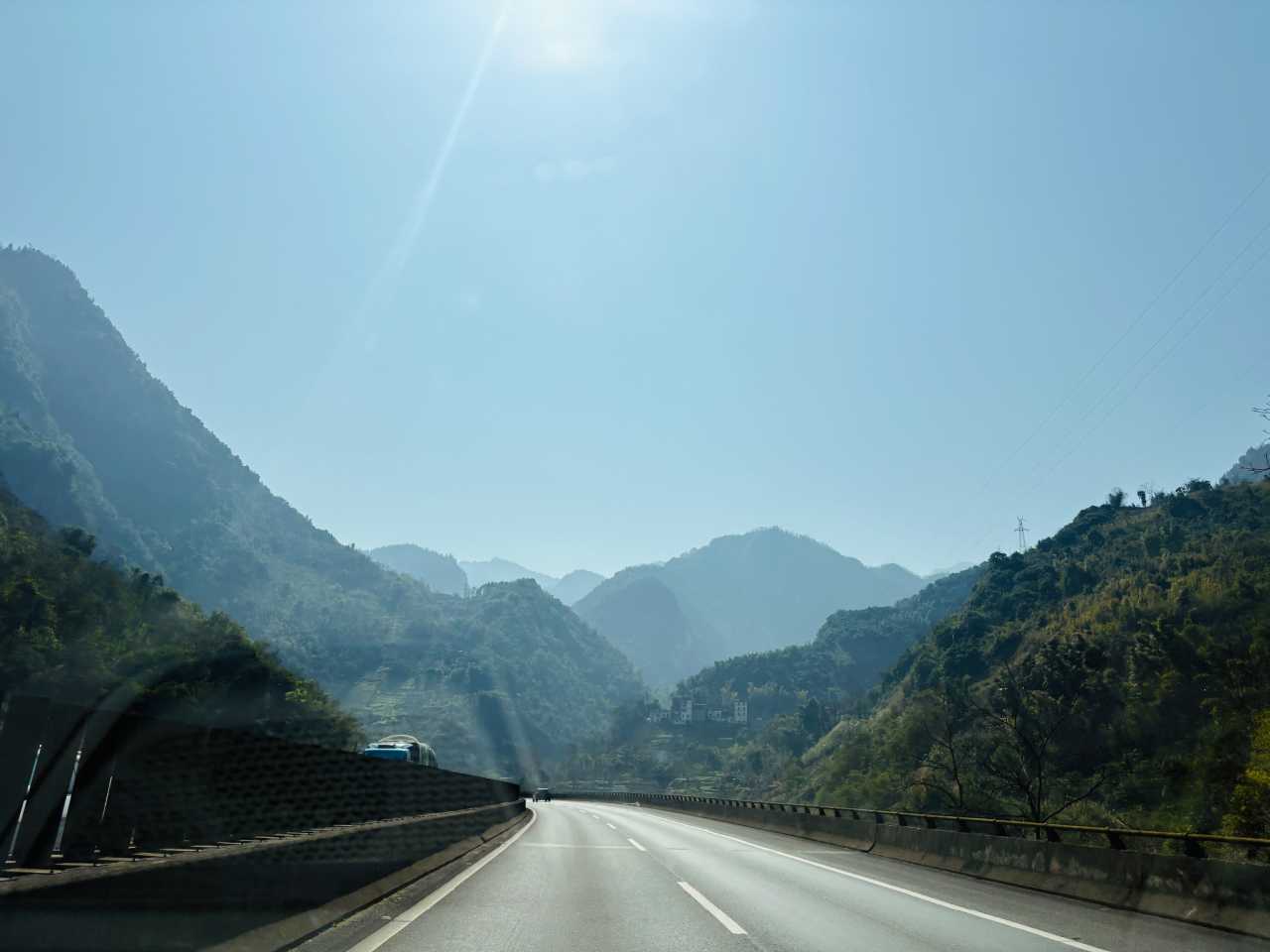
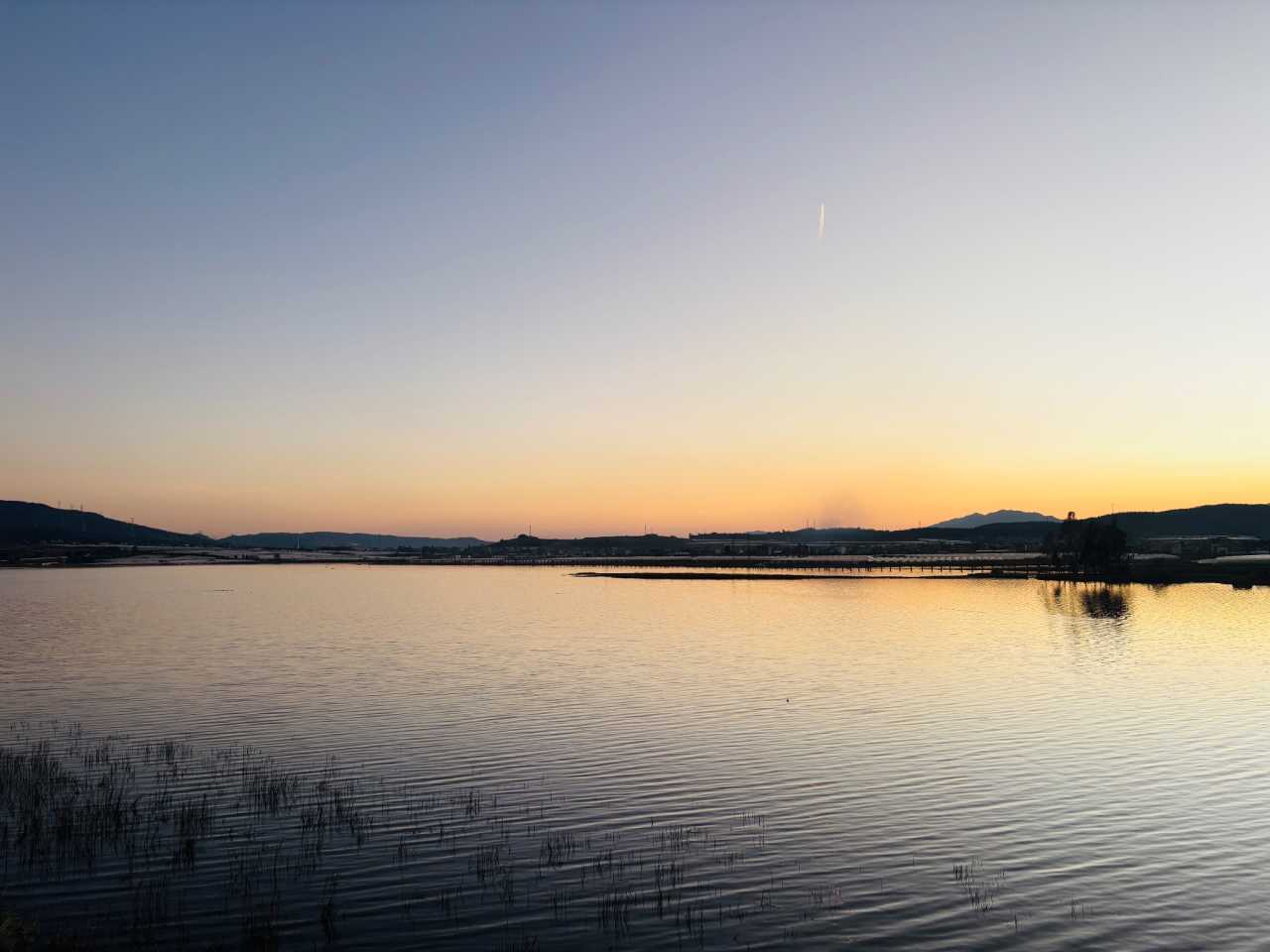
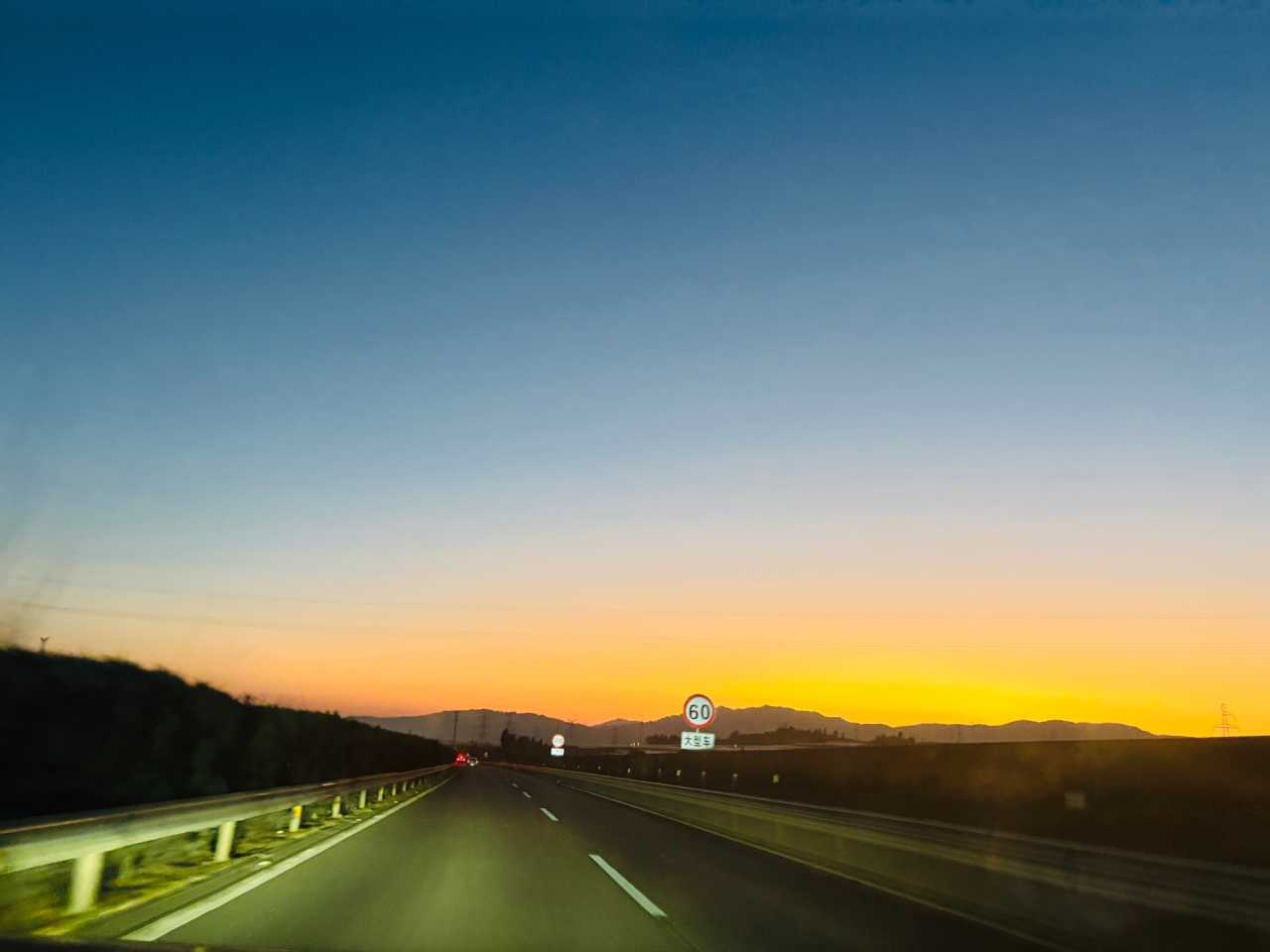
By evening, the sunset at Pansuo Service Area painted half the sky crimson, as if laying a warm blanket over our journey. To take advantage of the highway's free period, we planned to exit after midnight, stopping wherever we ended up. While researching the route beforehand, we saw many netizens warn that navigation apps might direct you through a toll station near Kunming called Daying—if you passed through before the free period started, you'd have to pay. We pre-added "Huale Parking Area" as a waypoint and successfully bypassed the toll station. Just after midnight, we arrived at Mojiang Toll Station and decided to stay in Mojiang for the night.
Tropic of Cancer Marker Park: One Foot in the Tropics, One in the Temperate Zone
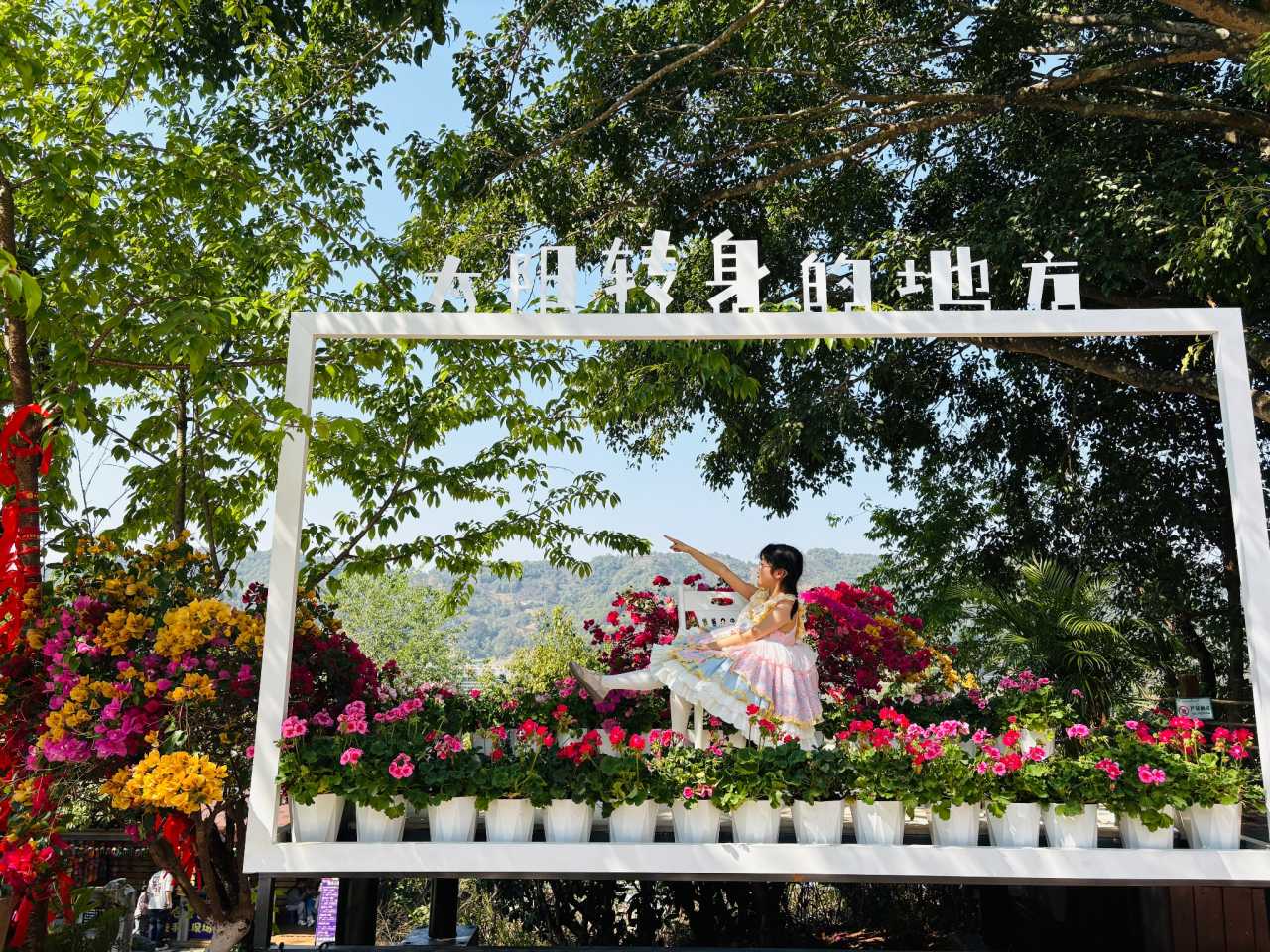
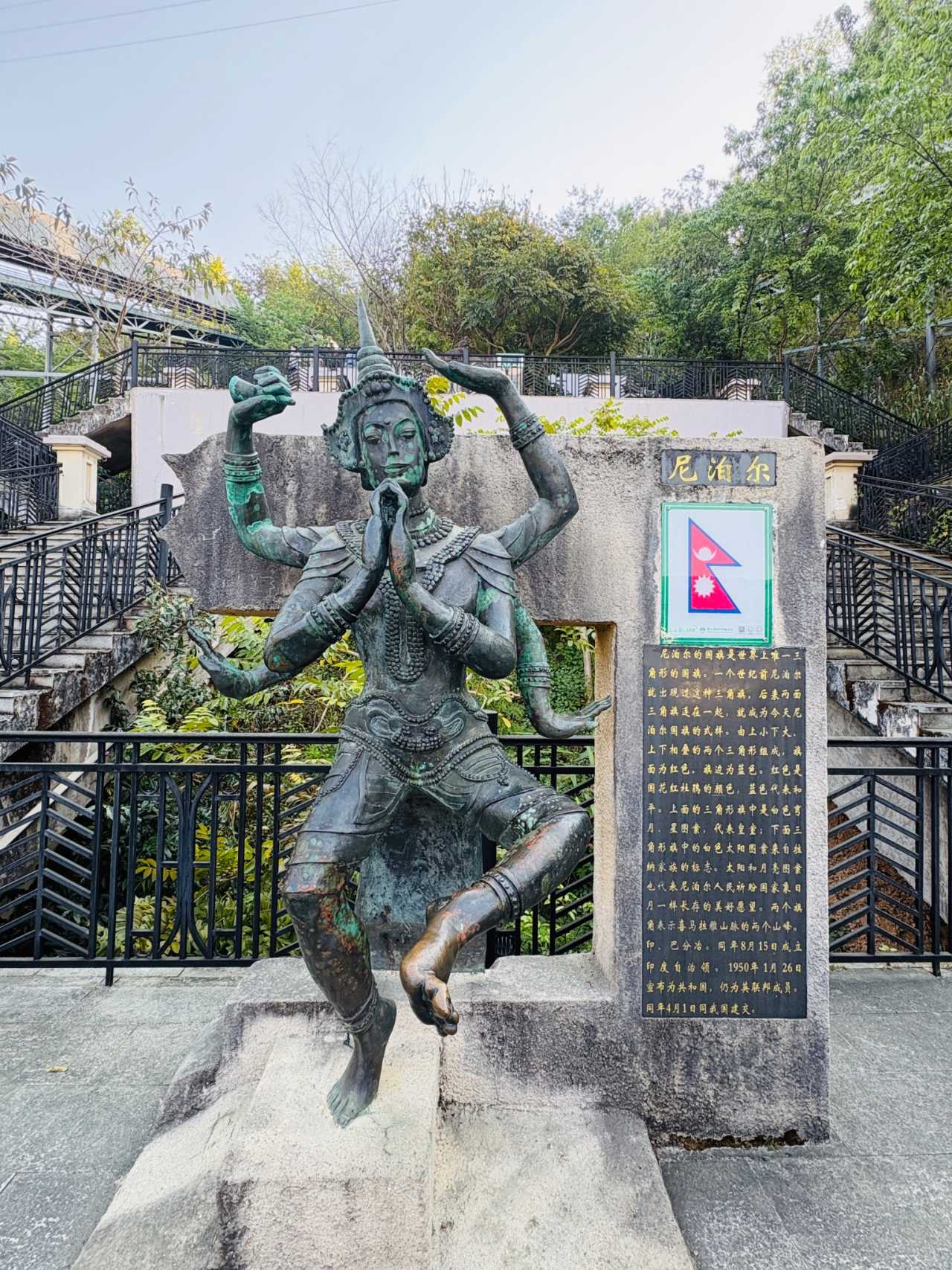
Since we were already in Mojiang, we figured we might as well visit the Tropic of Cancer Marker Park. The ticket price was 40 RMB, or 38.5 RMB if booked online a day in advance. We only bought the entrance tickets and walked up slowly—there weren't many steps, and it wasn't tiring. We arrived at 10 a.m. on the first day of the holiday, and there were very few visitors, which made for a peaceful experience.
Entering through the west gate, we climbed steps engraved with introductions from various countries, as if walking through a geographical corridor. Two hours was enough to explore. Standing on the Tropic of Cancer line, with one foot in the tropical zone and the other in the temperate zone, our child happily jumped back and forth.
Nake Li: A Time Capsule on the Ancient Tea Horse Road
At 12:15 p.m., we left the park and headed for Pu'er. Along the way, we passed the Nake Li parking area, which was cleverly designed—you could enter the scenic area directly from the highway without exiting, saving both time and parking fees. Nake Li was an important post station on the Ancient Tea Horse Road, and traces of the horse caravans were everywhere. We had planned to try some authentic horse caravan cuisine, but as soon as we arrived, we were lured away by all kinds of snacks and ended up half-full. After an hour and a half, we continued on our way to Simao Old Street.
Simao Old Street, Daijia Alley, and Wuyi Farmers' Market: The烟火 (Lively Hustle and Bustle) of Pu'er
Once we reached Simao, it was clear that the crowds had thickened. Finding a parking spot took some effort, but thankfully, the Pu'er city government had opened the parking lots of government compounds to tourists for free—a real lifesaver.
Simao Old Street and Daijia Alley are connected, and the streets aren't very long, but they were packed with people. Yangji Sour Vinegar Rice Noodles (杨记酸醋米线) was closed, but Wei's Bean Soup Rice Noodles (魏氏豆汤米干) was open—unfortunately, we weren't hungry yet, so we had to pass it up with regret. While researching, I had bookmarked many recommended eateries, but when we got there, I realized we weren't the type to obsessively check off a list. We'd visit if we could, but there was no way we were waiting in long lines. Looking back after the trip, I don't think we actually ate at any of the recommended places. We just ate whatever we stumbled upon—very spontaneous.
We strolled through Wuyi Farmers' Market for about ten minutes, but there wasn't anything special, and parking was a nightmare. We had originally booked a hotel in Pu'er, but to get an early start for Jingmai Mountain the next day, we decided to stay in Lancang instead. We grabbed some barbecue for a late dinner and went straight to bed.
Jingmai Mountain—Nuogan and Wengji: New Year's Flavor in Ancient Villages
Finally, we were heading to Jingmai Mountain! I had heard that it gets incredibly crowded here during the Spring Festival, so I deliberately scheduled our visit as early as possible—New Year's Eve and the first day of the new year were the best slots we could manage. The comparison with the crowds in the following days proved that this was an incredibly wise decision.
The mountain roads on Jingmai were indeed a test of driving skills. The entire route was winding and covered with gravel, and I heard that many cars had blown tires. I was secretly relieved that I wasn't the one driving. Our first destination was the ancient village of Nuogan (糯干古寨). Along the way, we passed several viewpoints and stopped to take in the scenery. At one unnamed viewpoint, I later realized that the guesthouse across the way was one of the check-in points for the Jingmai Mountain passport.
We arrived at Nuogan at 12 p.m., an hour after entering the main gate of Jingmai Mountain. It was crowded, and the line of cars waiting to park stretched far. Our child wanted to buy a passport stamp book, so we headed straight for the check-in point. Every household in the village grew climbing bean pods, and chickens strolled leisurely through the alleys. I wasn't sure what status they held, but it seemed like many families kept them as pets.
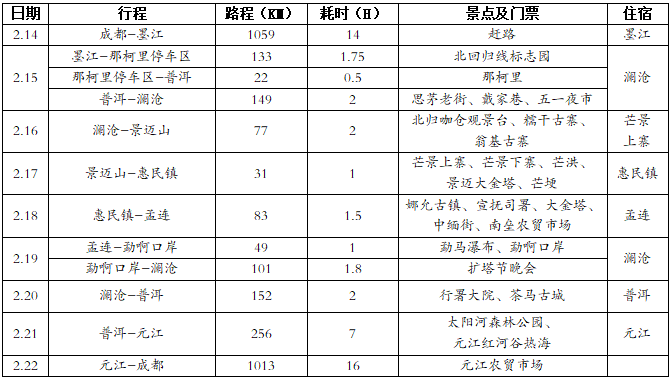
Nuogan is the most developed of all the villages on Jingmai Mountain. It's beautiful and great for wandering. But if you don't sit down for an afternoon tea, you can easily finish exploring in just over an hour. When we got tired, we went to eat at the highly recommended Nuogan No. 100 restaurant. The branch inside the village was too crowded, so we chose the main branch in the old village, which was a ten-minute walk away. We ordered grilled chicken, pineapple rice, and cabbage soup. Interestingly, we had to pay for each dish at three different counters. The food was delicious.
By the time we finished eating, it was 2:30 p.m. We left Nuogan and headed to Wengji Ancient Village (翁基古寨). We arrived around 3 p.m., and the parking line was also long, though slightly better than at Nuogan. Wengji had fewer people, which made for a better experience, but I still thought Nuogan was more beautiful. After wandering for over an hour, we waited for the sunset. We chose the Wushengjing Teahouse (悟生境茶馆), recommended by netizens, which had a large balcony with an excellent view. At 5 p.m., the sun was still scorching, stinging our faces, but it was pleasant to have afternoon tea there.
The sun didn't set until almost 7 p.m. Tourists who had been hiding inside poured out onto the balcony, filling it up. After sunset, darkness fell quickly. We picked a highly-rated restaurant on the platform, but it turned out to be impossible to get a table. As we left, we passed Wengji No. 55, another netizen recommendation, but it was almost empty. We hesitated but walked in. Just as we sat down and picked up the menu, tourists began streaming in. Mr. Cat quickly ordered a few dishes without daring to hesitate. Luckily, we had seized the opportunity, and soon a queue formed behind us.
This was our New Year's Eve reunion dinner. The food was pretty good. By the time we finished, it was 8:30 p.m., and the sky was completely dark. I hadn't seen such a pitch-black sky in years—not a single light source, requiring a phone flashlight to see. Faint stars twinkled overhead. Our child said she could see Orion.
That night, we stayed at a guesthouse in Mángjǐng Upper Village (芒景上寨). Although the location wasn't as prime as Wengji or Mánghóng (芒洪), it wasn't a hassle since we were driving. I told the guesthouse owner that I wanted to go to Mánghóng to watch the sunrise but was worried about traffic. The owner told me that Mángjǐng Upper Village had its own sunrise viewpoint with fewer people. I decisively gave up on Mánghóng.
Jingmai Mountain—Mángjǐng, Mánghóng, the Great Golden Pagoda, and Mánggěng: Sunrise and Bonfires
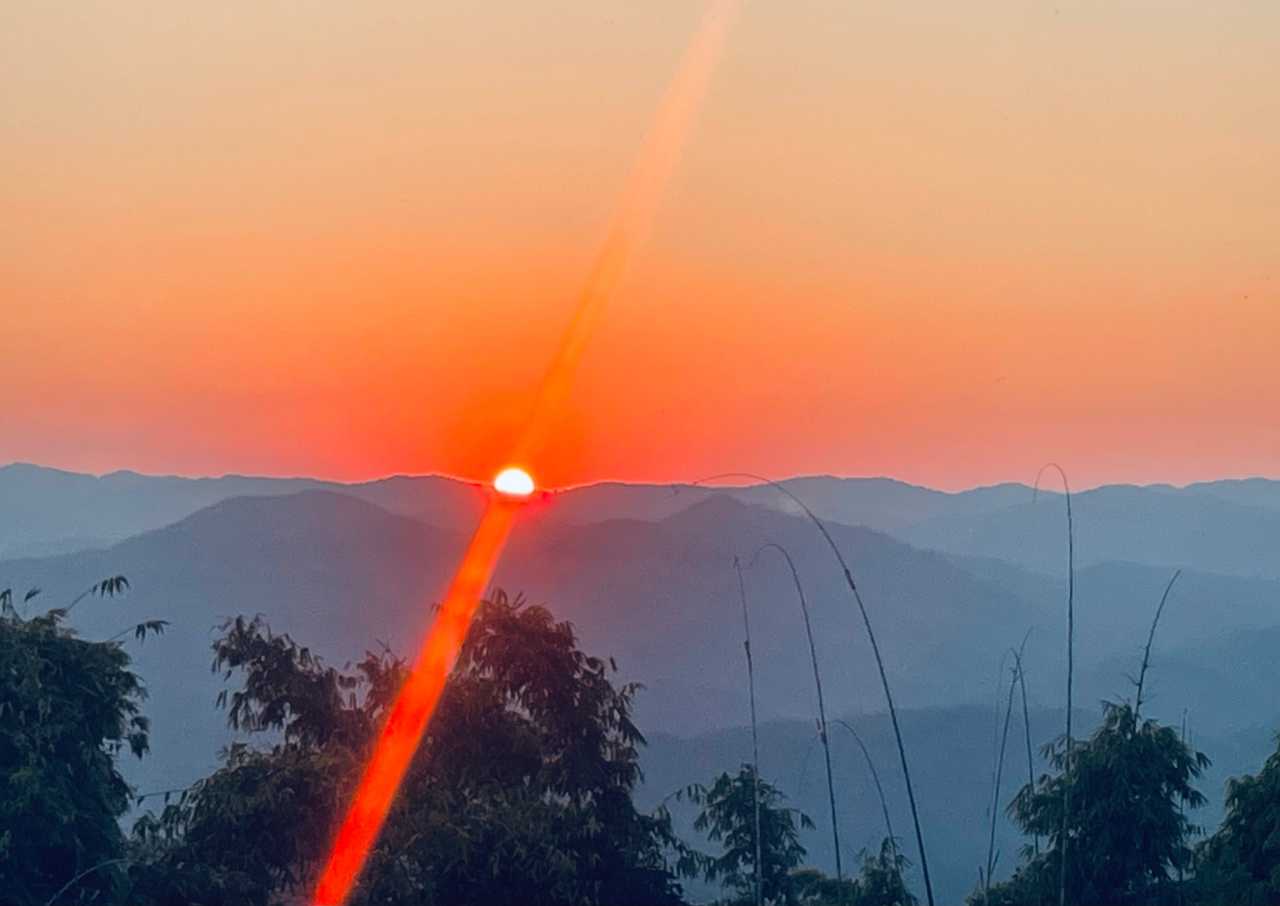
I set my alarm for 7 a.m., but we dawdled and didn't leave until 7:20. When we got to the viewpoint, the front row was already packed—clearly, we weren't eager enough. Everyone stood quietly, holding their devices, waiting. At 7:58, the sun finally peeked over the horizon.
I rarely have the perseverance to wake up early for a sunrise. The last time was over a decade ago, when I climbed Huashan Mountain at night. Since then, no sunrise has been able to drag me out of bed. Our child had long wanted to see a sunrise, and luckily, the sunrise time on Jingmai Mountain was relatively late, so we took the opportunity to fulfill her wish. After watching the sunrise, we quickly slipped away before the main crowd arrived.
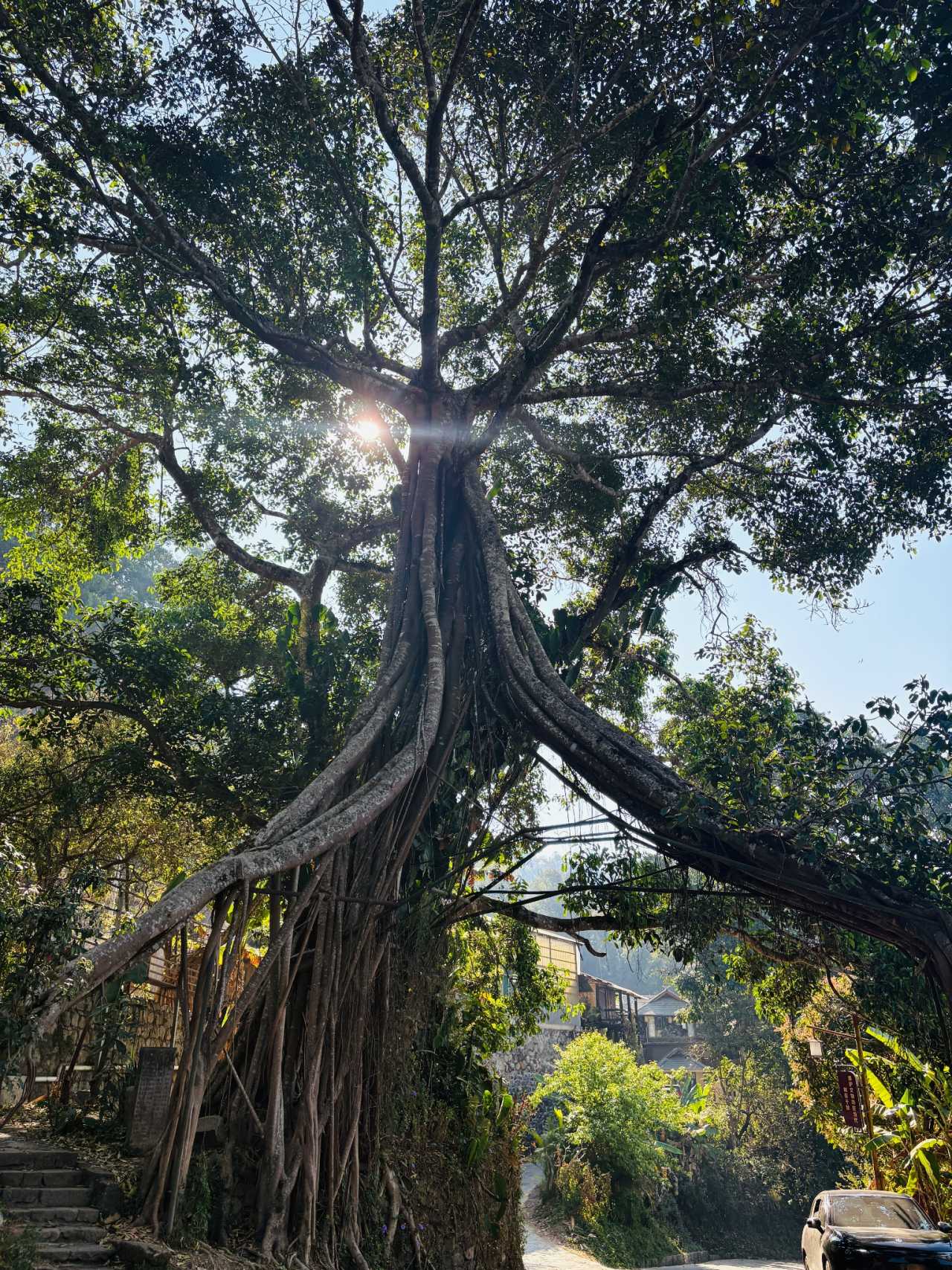
Back in the village, we had a simple breakfast, packed up, and took a stroll through both Mángjǐng Upper and Lower Villages. Mángjǐng isn't clustered together like Nuogan or Wengji; instead, it sprawls along the road. There was a trail called Àilěngshān (哎冷山), but we didn't go. We only visited the Princess Banyan Tree (公主榕) and the Queen Bee Tree (蜂王树). There were very few tourists, and it was very relaxing.
After our walk, we took our child to a bean pod doll shop recommended by netizens. This shop was a real hidden gem—we never saw such low prices again. While she made her doll, we listened to the shop owner talk about local customs and traditions, enjoying a brief moment of joy. We also bought some of her cold noodles, which were delicious.
By the time we finished making the doll, it was after 1 p.m. We set off for Mánghóng to have lunch. The trendy restaurant we wanted to try had stopped taking orders, so we just picked a random place. It was okay. We had already explored the two best villages yesterday, so today's villages felt a bit lackluster. Mánghóng is famous for its sunrise and sunset, but we happened to be there in the afternoon. Despite being a large village, there wasn't much to see.
The sun at 3 p.m. was so scorching that we could barely walk. We happened upon a small shop with a balcony that was selling grilled pineapple—something we had been curious about—so we went in to rest. The grilled pineapple cost 28 RMB. I had imagined it would be like grilled pineapple you get with barbecue, maybe with some honey or something, but it was nothing like that. It was sour and almost inedible. Strangely, our child, while complaining, managed to eat the whole thing, even drinking the juice left in the bowl. I was dumbfounded.
At 5 p.m., we started heading down the mountain. I could feel that the traffic had increased, with some brief congestion. We had successfully avoided the peak crowds—we were thrilled. We made a brief stop at the Jingmai Great Golden Pagoda (景迈大金塔). Next to it was the Dàpíngzhǎng Ancient Tea Forest (大平掌古茶林), but we didn't have time to go in, so we just looked from the entrance.
We had heard that Mánggěng Village (芒埂寨) was hosting a bonfire party tonight. Since it was the closest village to the foot of the mountain, we thought it would be convenient to watch and then head down. But when we got there, Mánggěng turned out to be a very small village. The so-called bonfire party had no bonfire at all—just about a dozen villagers dancing. There was hardly any atmosphere. While our child joined in the dancing, I took a walk around. I finished in ten minutes. It was deserted and dull. I regretted not staying at the main Jingmai village for their party, which I later saw was much livelier.
To avoid the morning rush of cars coming up the mountain and to save time for the next day, we chose to drive down in the dark. When planning, I had worried it might be too dangerous, but it turned out to be no problem at all.
Menglian: NàYǔn Ancient Town and the Intangible Cultural Heritage Gala
We arrived in Menglian at noon and headed straight for NàYǔn Ancient Town (娜允古镇). The Middle City Buddhist Temple (中城佛寺) wasn't too crowded yet, so we first got a cup of avocado milkshake. The Xuānfǔsī Office (宣抚司署) was quite interesting to explore. There were peacocks and cats in the back, and our child said it was the first time she had seen a peacock spread its tail.
Feeling hungry, we went to the riverside food street to find something to eat. The crowds suddenly swelled. The restaurant we wanted to go to was full, and even the alternative we tried had a wait time of over an hour. Forget it—the sun was too scorching to keep walking, so we just sat by the river and enjoyed the breeze. A netizen-recommended place called Xinxin Gourmet Kitchen (馨馨美食屋) turned out to be delicious. The main Buddhist temple (总佛寺) was right at the entrance to the food street. After visiting, we walked along the river to see the Great Golden Pagoda (大金塔). The pagoda itself was free, but there was a 5 RMB sanitation fee. Honestly, you didn't need to go inside.
I had heard that the Nánlěi Farmers' Market (南垒农贸市场) was worth a visit, but by this time, there wasn't much left. We were tired, so we went back to the hotel to rest before the evening's intangible cultural heritage gala. Later, we took a quick look at the China-Myanmar Street (中缅街), but the night market wasn't open, and there wasn't much to see. When we arrived at the West Hall of the Xuānfǔsī Office (宣抚司署西厅), some people were already seated, all eagerly awaiting the evening's performance, especially the famous Kinnara Dance (紧那罗舞). We were fortunate enough to take a photo with Master Kūnnòng (昆弄老师), the inheritor of this intangible cultural heritage. The main Buddhist temple looked especially solemn under the night lights.
After the show, there wasn't much left to eat on the food street, but we stumbled upon the best rice noodles of the entire trip. I still think about them.
The next day, we had originally planned to go directly to Lancang to watch the Kuota Festival parade and then the evening gala. But we wondered if watching the same thing all day would get boring. In our hesitation, we decided to first visit the Měngā Border Port (勐啊口岸). This decision would leave a regret in our itinerary.
On the way to the port, we noticed that Měngmǎ Waterfall (勐马瀑布) was along the way, so we stopped to see it. Although there was no entrance fee—just a 10 RMB sanitation fee—who on earth hyped up this attraction? After walking around, it was honestly just... mediocre. Half an hour was enough. The Měngā Border Port was even more disappointing, a complete waste of time. The only highlight was an unnamed grilled meat we bought from a roadside stall on the way back—it was incredibly fragrant.
We could have taken another road directly to Lancang, but since I was in the "Land of Avocados," I thought I should at least try an avocado coffee. So we made a detour. This turned out to be a pleasant surprise. Not only did I find the coffee of my life, but we also happened to catch Menglian's New Year's greeting ceremony (拜年仪式). I want to rave about that avocado coffee! Because the greeting ceremony blocked off the roads, and we were worried about waiting too long for food, I didn't listen to Mr. Cat's suggestion to go back for those unforgettable rice noodles from the night before. That was Regret #1. And because I misjudged how spectacular the Kuota Festival parade would be and missed it, that was Regret #2.
Lancang: The Carnival of the Kuota Festival
In Lancang, we grabbed a random lunch: a local specialty, hand-grabbed fish rice noodles (手抓鱼米线). We also visited the Lancang Museum. Thanks to some connections Mr. Cat had, we were able to get into the inner area of the evening gala, which made up for some of our regrets. The songs and dances were spectacular, and the fireworks were magnificent. It was an unforgettable night. The bonfire party that followed was too crowded to really dance. We went to buy cake afterward, but our joy was short-lived.
Pu'er—Government Compound and Ancient Tea Horse Town: Rest and Wandering
Perhaps because of the cold, greasy balada (巴拉达, a fried flatbread) and the large slice of cream cake I ate the night before, our child woke up vomiting and weak. We had to spend the whole day in bed. At noon, we checked out and went to Pu'er to continue resting. We didn't have the energy to hunt down good food, so we just had a bowl of sour vinegar rice noodles (酸醋米线) at a nearby place. At least we could say we tried it. It was average.
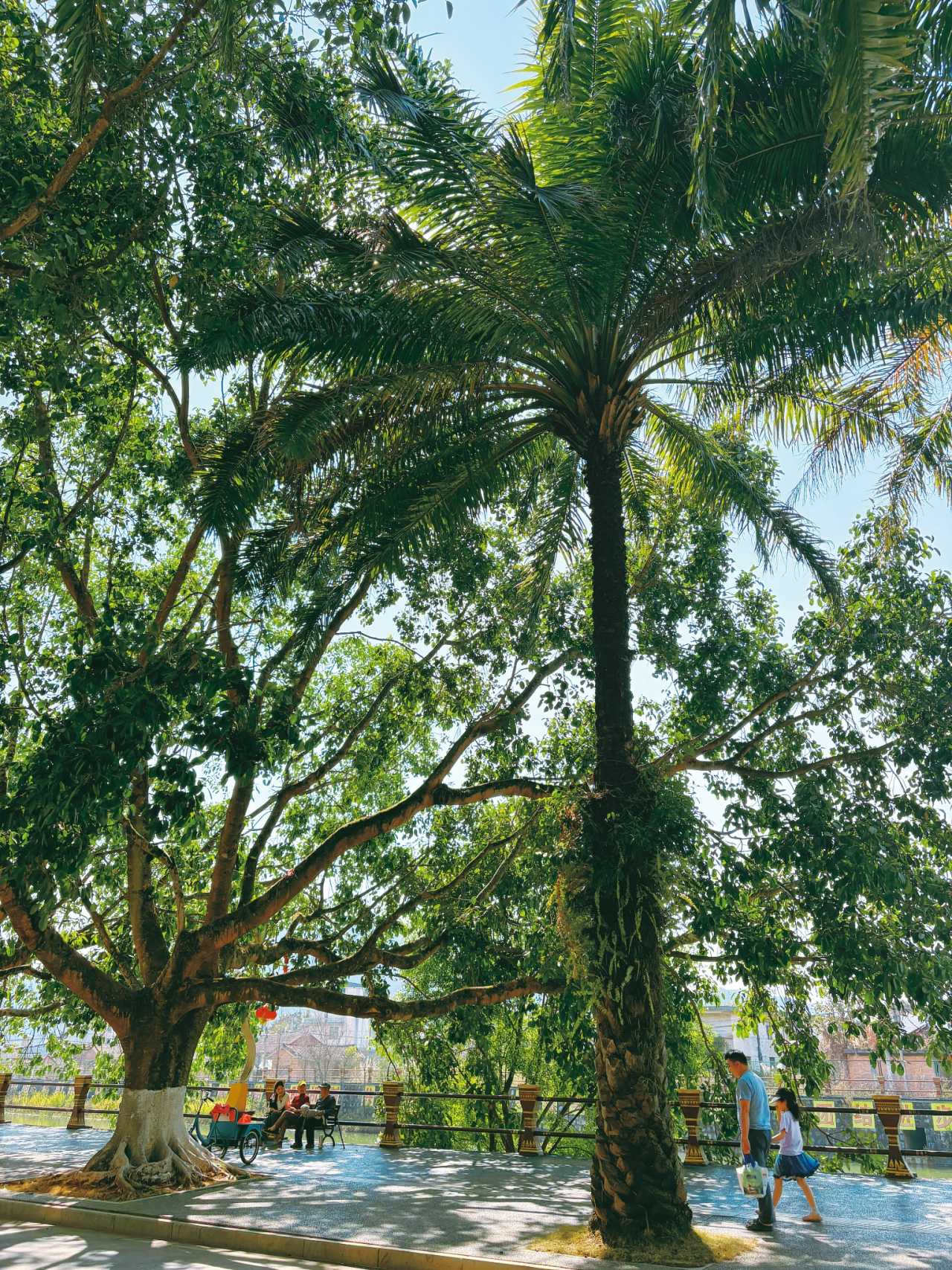
Around 5 p.m., I went out alone to explore the Government Compound (行署大院) and the Ancient Tea Horse Town (茶马古城). The Government Compound is a nice place for an afternoon tea and some breeze, but otherwise, there's not much to it—I finished in ten minutes. The Ancient Tea Horse Town was pretty good, but I wasn't in the mood to enjoy it alone. I stayed until they lit the bonfire for the evening party and then left.
Pu'er—Taiyanghe Forest Park: A Date with Red Pandas
The next morning at 6 a.m., we confirmed that our child had mostly recovered and got up as planned. We left early to avoid the crowds. We arrived at the park's parking lot at 7:20 a.m., and there were already some tourists waiting for the gates to open. The park opened at 8 a.m. We had just walked a few steps inside when we saw buses full of tour groups arriving at the parking lot. Yikes—sprint!
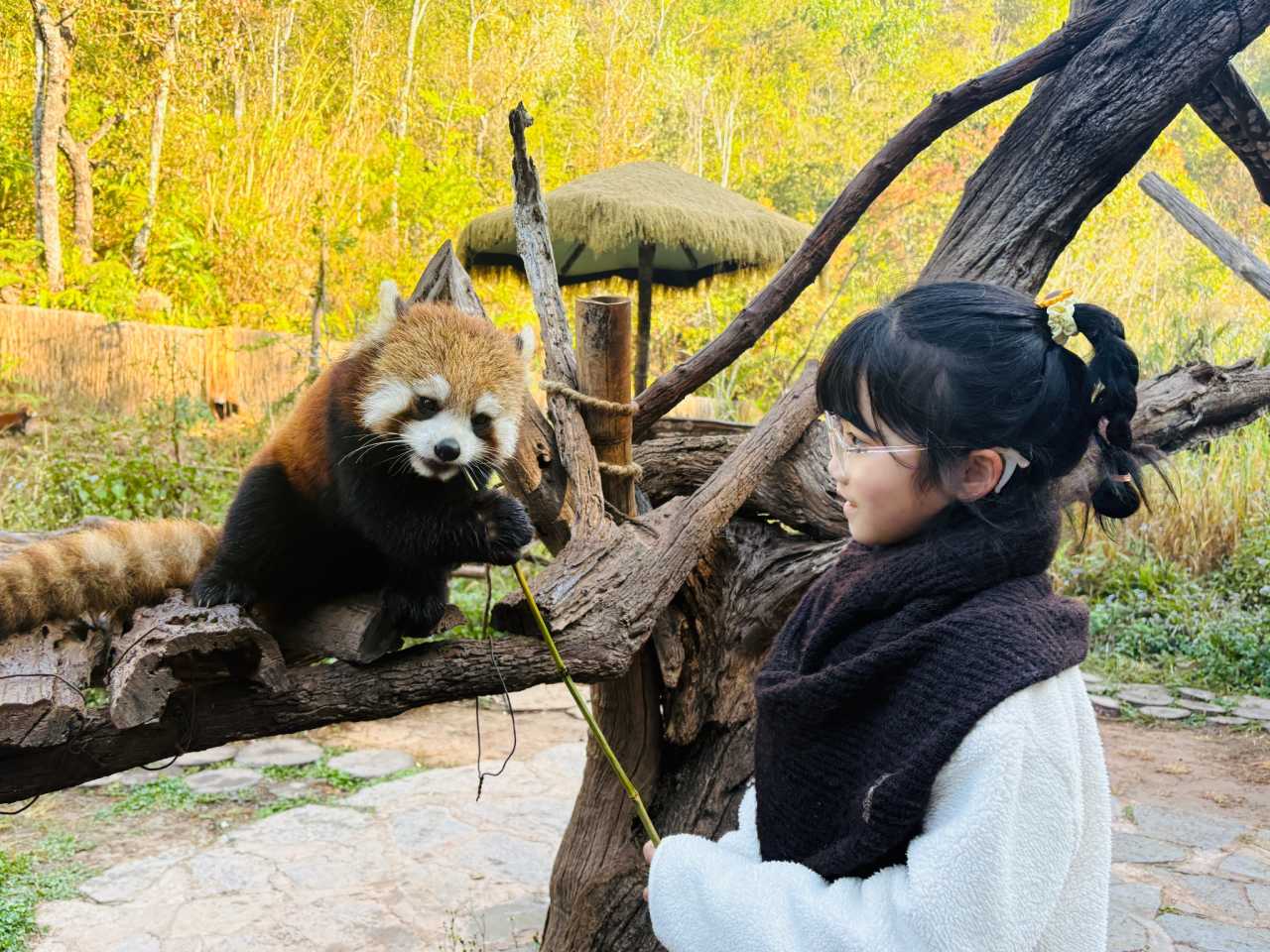
Line up to touch a hippo? No interest. Keep sprinting. I kept urging, "Hurry, the tour guide is coming!" We successfully fed the red pandas without any queue. No need to rush anymore. They were incredibly cute. By the time we finished feeding them, a long line had already formed. We bought some souvenirs, and our child was overjoyed.
We finished seeing all the animals by 10:30 a.m. and quickly took the sightseeing bus out, successfully avoiding all the crowds. We played games and watched performances in the square while waiting for the "Dingding" meet-and-greet. Dingding (a resident animal) came out early—it was a lot of fun. When we left before 12 p.m., we saw that the line of cars at the entrance stretched for who knows how many kilometers. We were so glad we came early.
The return trip wasn't as smooth. A three-hour drive turned into seven hours of traffic. We didn't arrive in Yuanjiang until almost 7 p.m. We soaked in the Honghe Valley Hot Springs (红河谷热海) to relieve our fatigue. The final day was all about driving. First, we went to the farmers' market to buy some fruit, and then... more traffic jams. We finally got home at 2 a.m. The end!
Final Thoughts: Pu'er, a Summer-Like New Year
This trip to Pu'er was like a symphony that was both carefully orchestrated and full of surprises. We missed the Kuota Festival parade, but in Menglian, we ate the most unforgettable rice noodles of our lives. We didn't watch the sunset in Wengji, but in Mángjǐng Upper Village, we saw a breathtaking sunrise. We didn't have to queue to feed the red pandas, but in the alleys of Nuogan Ancient Village, we found the most authentic flavor of the New Year.
A Spring Festival in Pu'er is the sunshine on the Tropic of Cancer, the breeze through the ancient tea forests, the curling smoke from village chimneys, the soft touch of a red panda, the surprising delight of avocado coffee, and the brilliant fireworks of the Kuota Festival. If you want to spend a summer-like New Year in the middle of winter, Pu'er is absolutely worth a dedicated trip.
Practical Tips: - Timing is everything: If traveling during the Spring Festival, try to schedule visits to popular spots on New Year's Eve and the first day of the new year. Fewer people, better experience. - Driving on Jingmai Mountain: The mountain roads are winding and narrow. Have an experienced driver at the wheel and bring a spare tire. - Tropic of Cancer Marker Park: Buying tickets online in advance is cheaper. Two hours is enough for a visit. - Nake Li: You can enter the scenic area directly from the highway service area, saving time and parking fees. - Taiyanghe Forest Park: Arrive early! The park opens at 8 a.m. Get to the parking lot by 7:20 a.m. to avoid all the crowds. - Food Recommendations: Xinxin Gourmet Kitchen in Menglian, unnamed grilled meat, avocado coffee, and the hand-grabbed fish rice noodles in Lancang are all worth trying.
May your Spring Festival, too, be filled with the warmth of Pu'er's sunshine and the joy of discovering your own little surprises.
You should also read:
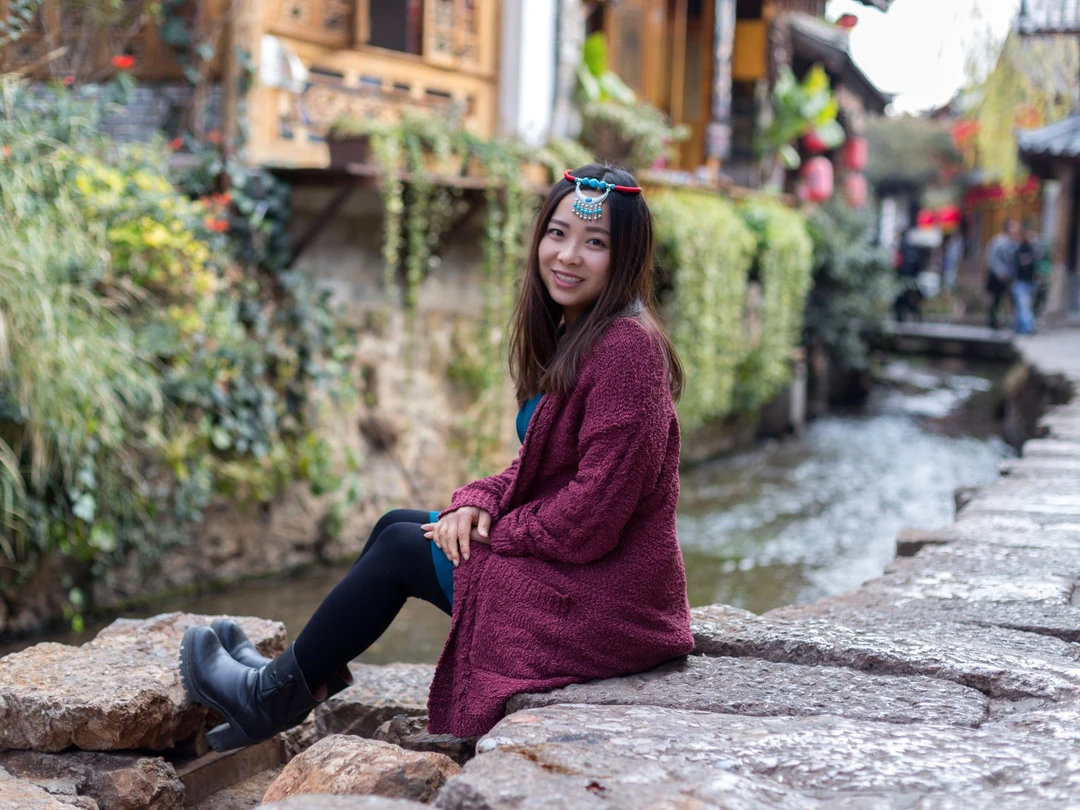
Chasing Spring in Winter: A Yunnan Journey (Dali, Erhai Lake, Shuanglang, Lijiang, Kunming)
Chasing Spring in Winter: A Yunnan Journey (Dali, Erhai Lake, Shuanglang, Lijiang, Kunming) Overlooking the entire city from Wuhua Tower under the night sky. Travel is a sickness. Once you catch it, you can never shake it off. It's also contagious—eventually, you might pass it…
Continue reading...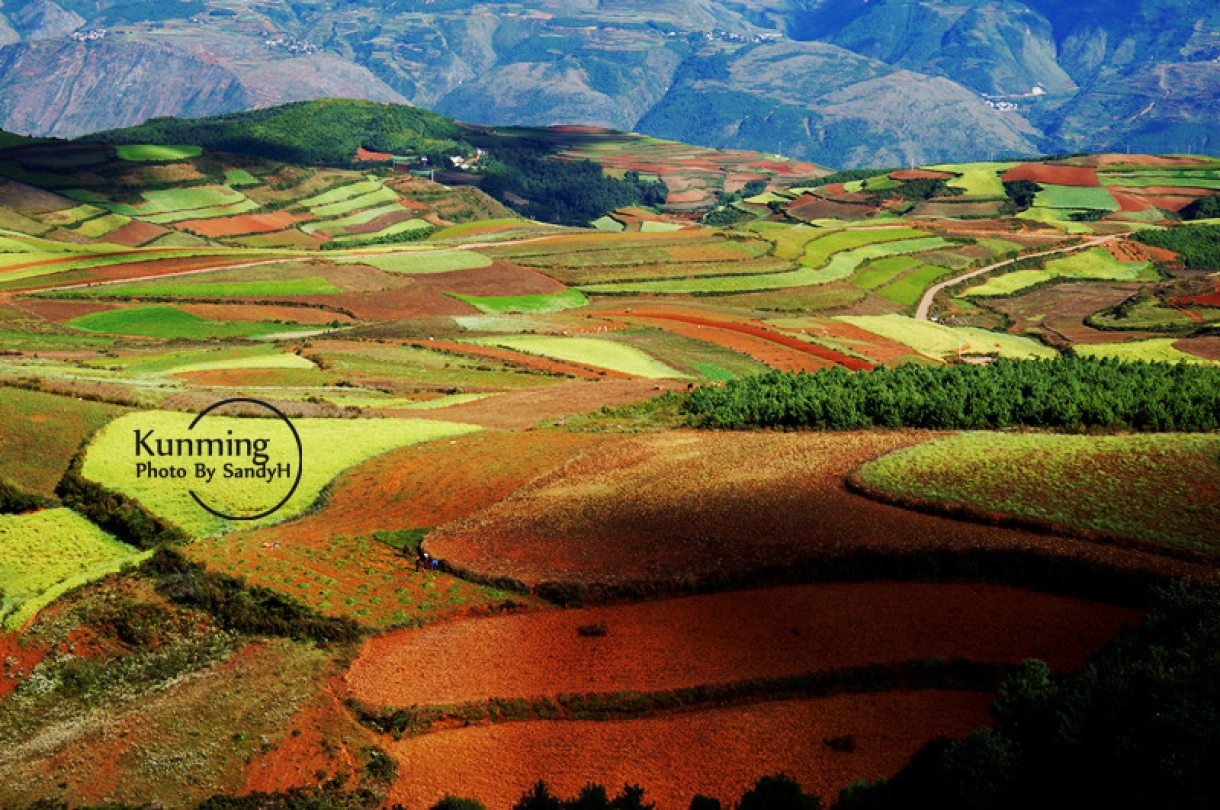
A Silver Wedding Journey to Yunnan: Celebrating 25 Years with My Parents
A Silver Wedding Journey to Yunnan: Celebrating 25 Years with My Parents Preface: A Long-Planned Warm Journey In the golden autumn of October 2014, my father and mother celebrated their twenty-fifth anniversary together — their silver wedding. As their "naughty daughter" who grew up cradled…
Continue reading...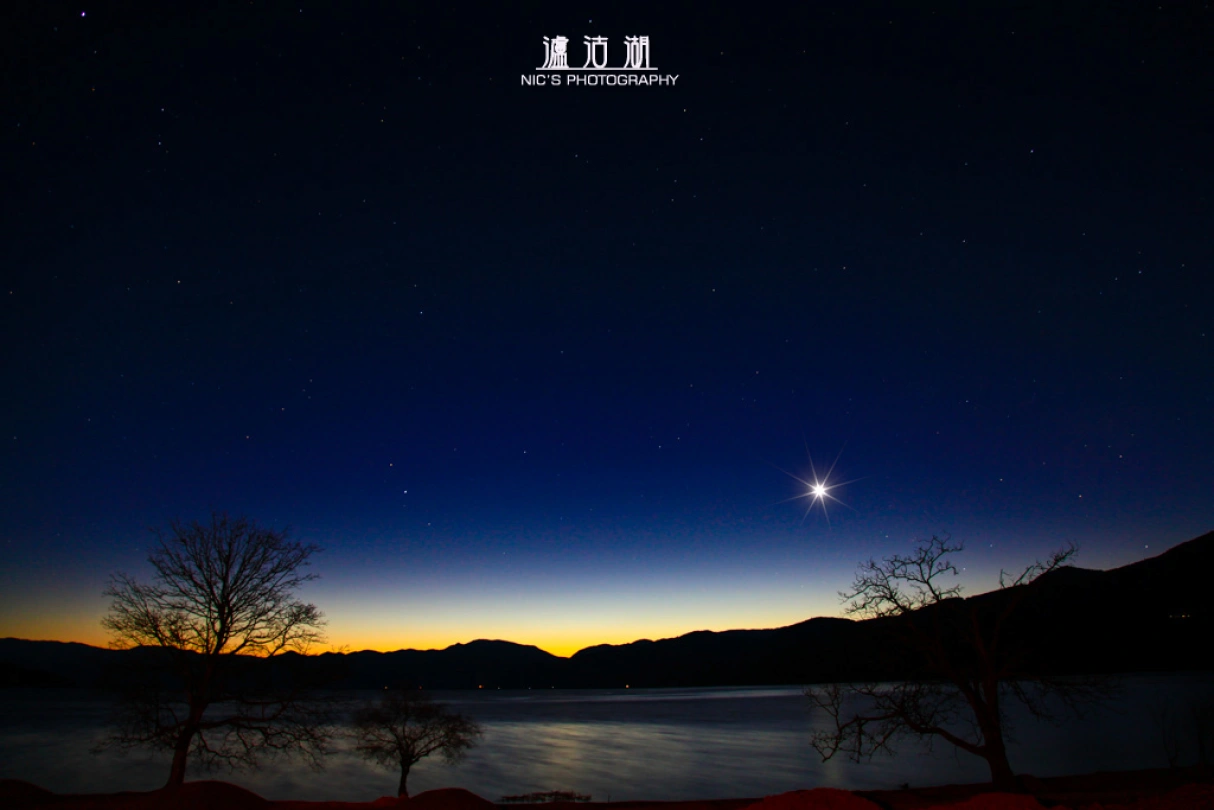
Crossing from 13 to 14: My New Year's Eve at Lugu Lake, Where I Met Starry Skies, Sunrise, Shooting Stars, and the Milky Way
Crossing from 13 to 14: My New Year's Eve at Lugu Lake, Where I Met Starry Skies, Sunrise, Shooting Stars, and the Milky Way Life is a long journey, and some trips are destined to become the brightest stars in our memories. In early 2014,…
Continue reading...