Crossing from 13 to 14: My New Year's Eve at Lugu Lake, Where I Met Starry Skies, Sunrise, Shooting Stars, and the Milky Way
Crossing from 13 to 14: My New Year's Eve at Lugu Lake, Where I Met Starry Skies, Sunrise, Shooting Stars, and the Milky Way
Life is a long journey, and some trips are destined to become the brightest stars in our memories.
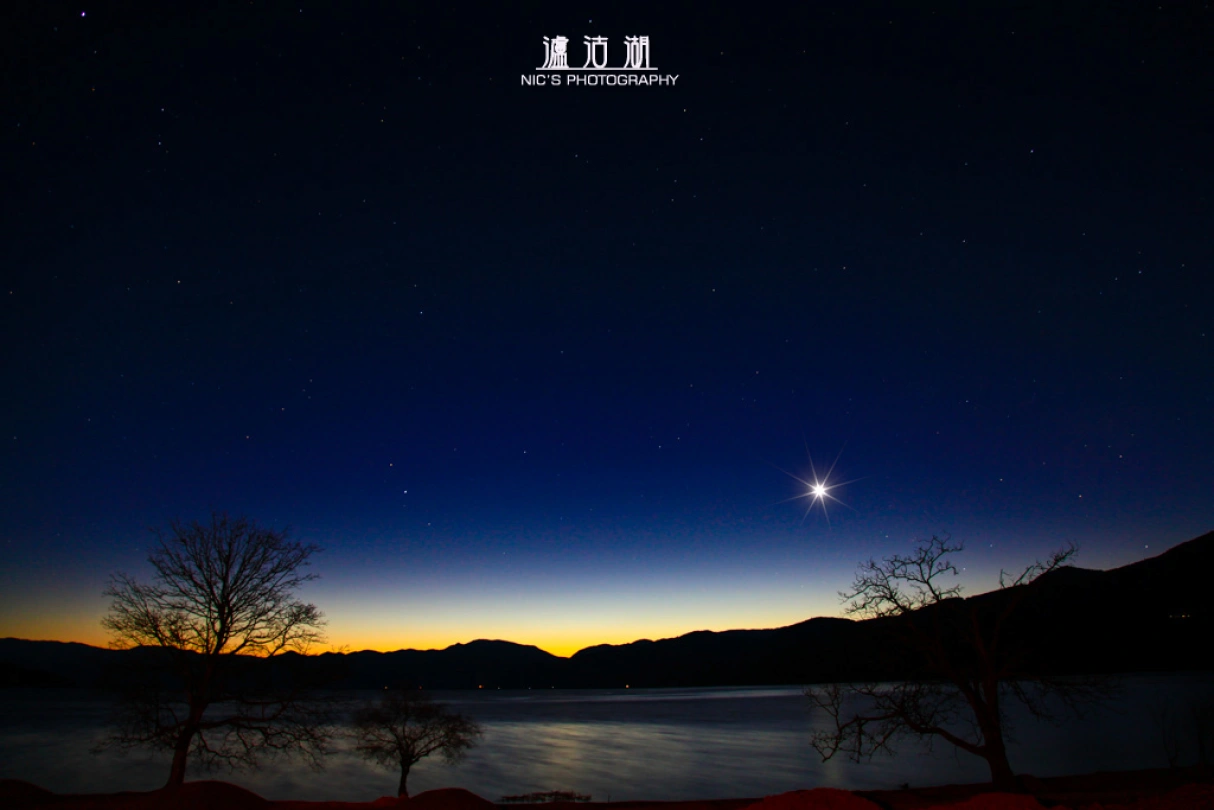
In early 2014, just before the Spring Festival, while most people were scrambling for train tickets, battling traffic, and worrying about getting home for the holidays, I set off from Chengdu with two mothers in tow, driving to Lugu Lake. Originally, I should have been on a plane to Boracay at this time, but plans never keep up with reality — as a nine-to-five office worker, my vacation time was never truly my own. Yet this very "accident" gave me an unforgettable New Year's Eve at Lugu Lake: starry skies, sunrise, shooting stars, the Milky Way, and that crystal-clear, soul-stirring lake water.
If you're also planning a trip to Lugu Lake, this guide might help you avoid some detours. I'll tell you everything I know — from transportation and accommodation to photography and itinerary planning.
Why Lugu Lake?
This wasn't my first visit to Lugu Lake. Half a year earlier, I had rushed through this "Kingdom of Daughters" and made a wish: I must come back, to truly see the sunrise and the starry sky here. I never expected that wish to come true in the winter of 2014.
Winter at Lugu Lake is the off-season. No crowds, no traffic jams. The sun is warm, the water is a deep blue, and even the wind carries a lazy gentleness. More importantly, there's almost no cloud cover, making starry skies and sunrises almost a guarantee — for photography enthusiasts, it's pure paradise.
Pre-Trip Preparation: Transportation, Accommodation, and Budget
Self-Drive Route: Chengdu → Xichang → Lugu Lake
Our trip lasted five days. We departed from Chengdu, passed through Ya'an and Shimian to reach Xichang, then took a provincial road to Lugu Lake. The total distance was about 1,680 kilometers. Driving yourself is the most flexible option, especially when traveling with family — you can stop anytime to take photos or rest.

Day 1: Chengdu → Xichang (500 km, about 5 hours)
The entire route is on expressways. The Ya'an-Xichang Expressway has many curves and tunnels, with a speed limit of 120 km/h, some sections at 100 km/h, and tunnels at 70-80 km/h. Speed cameras are everywhere, so keep an eye on your speed.
We originally planned to arrive in Xichang by noon to eat Qionghai fish and drunken shrimp. But the car battery died when we were about to leave, and we wasted a whole morning replacing it. We finally set off at 1 PM and didn't reach Xichang until 6 PM. Still, Xichang's barbecue is worth the wait — just pick any roadside stall. Grilled eggplant, chives, and potatoes are cheap and delicious. Two of us ate until we were stuffed for only 75 yuan.
Day 2: Xichang → Lugu Lake (265 km, about 5-6 hours)
From Xichang, take the Panxi Expressway and exit at Ximu, then switch to Provincial Road 307. The road conditions are generally good, but there's about 2 km of rough road near the Mopan Mountain Tunnel, and some sections require caution due to landslides. When crossing the Xiaogao Mountain Pass in winter (elevation 3,300 meters), watch out for black ice and sharp curves.
We arrived at Lugu Lake's Daluoshui Village at 2 PM. The scenery along the way was breathtaking — especially after the road from Yanyuan to Lugu Lake was repaired, it was much better than half a year ago.
Return Trip: Lugu Lake → Xichang → Chengdu (about 10-11 hours)
We left at 9 AM on the first day of the Chinese New Year, had lunch in Yanyuan, and arrived home by 8 PM. Since it was Spring Festival, the return trip had no toll fees.
If You're Not Driving: Train + Bus
If you're not driving, I recommend taking an overnight train from Chengdu to Xichang — you sleep through the ride and arrive refreshed.
- Chengdu → Xichang: Trains T8865/K673/T889, hard sleeper lower bunk about 148 yuan
- Xichang → Lugu Lake: Two buses daily, 79 yuan per person, about 6-7 hours.
- 8:40 AM: Xichang → Lijiang (stops at Lugu Lake, suitable for Daluoshui)
- 9:10 AM: Xichang → Lugu Lake Town
During peak season, there are extra buses at 90 yuan. If you can't get a direct bus, take one to Yanyuan first (50 yuan), then transfer to Lugu Lake (last bus from Yanyuan at 1 PM).
Getting Around the Lake
The lake loop is about 70 km. The roads are in good condition but narrow and winding. There are three ways to go around:
- Walking: The best way to soak in the scenery, but time-consuming.
- Hiring a car: Minivans can seat 6 people, about 200 yuan for a full loop.
- Electric bike or bicycle: Most guesthouses offer rentals — bicycles at 30 yuan/day, electric bikes at 100 yuan for 70 km. Make sure the battery is fully charged before you set off.
Cost Breakdown (4 people)
- Gas: 1,010 yuan (1.6L engine, 1,680 km round trip, including two lake loops)
- Tolls: 260 yuan (outbound only, return was free)
- Food: 400 yuan
- Accommodation: 855 yuan (Xichang's Home Inn about 100 yuan/night, Lugu Lake lake-view room about 200 yuan/night)
- Entrance fees: 280 yuan (Lugu Lake ticket 80 yuan/ticket × 3 tickets + senior ticket 40 yuan)
- Boat ride on Caohai (Grass Sea): 120 yuan (30 yuan/person × 4 people)
Total: 2,925 yuan, about 732 yuan per person.
Photography Guide: Starry Skies, Sunrise, Milky Way, and Shooting Stars
Gear Recommendations
- Camera body: Canon 5D2
- Lens: 24-105mm (a wide-angle lens like 14-24mm is even better)
- Tripod and shutter release cable (essential)
- Graduated filter (I bought a cheap 20-yuan one for practice — it works for beginners, but invest in a good one if you're serious)
Shooting the Starry Sky
In winter at Lugu Lake, the Milky Way doesn't rise until around early morning, so the best time to shoot is around 5 AM.
Location: Stay as far from village light pollution as possible. If you're staying in Daluoshui, wait until after midnight when most village lights are off.
Tips:
- The weather needs to be clear — you should be able to see stars with the naked eye.
- Use a tripod and shutter release cable. Focus manually. Turn off lens image stabilization. Enable mirror lock-up.
- Foreground is crucial — a photo with only stars looks flat.
- Settings: ISO 6400, aperture wide open (if using an f/1.4 prime lens, stop down to f/2.8), shutter speed 15-20 seconds, no more than 30 seconds.
- Star trails: Use high-speed continuous shooting + post-processing. You can lower the ISO slightly. To find the North Star, use a phone app (Star Walk on iPhone, Google Star Map on Android).
Shooting the Sunrise
In winter, sunrise is around 8:30 AM. The moment the sun's first beam breaks over the mountain ridge is the golden hour for photography.
Recommended spot: The newly developed guesthouse area south of Daluoshui. A few rooms have excellent views — you can shoot without even leaving your room.
Tips: Use an orange graduated filter to create warm-toned starburst effects. However, a 24mm lens with a filter may cause vignetting, so watch out for that.
Sunset and Evening Glow
Daluoshui is good for evening glow, but winter sunsets are less dramatic than summer ones. If you have time, head to the "Walking Marriage Bridge" (Zouhun Qiao) or Zhaojia Bay for richer light and shadow.
One-Day Lake Loop Photography Route
If you only have one day, here's my recommended schedule:
1. 5:00 AM: Wake up to shoot the starry sky. Use the shutter release cable for time-lapse, then go back to sleep.
2. 8:00 AM: Shoot the sunrise.
3. 9:00 AM: Head to the pier to photograph seagulls. Bring some bread or cake — toss a little and a flock will appear.
4. Before 10:00 AM: Go to the Walking Marriage Bridge and Caohai (Grass Sea). In winter, the grass sea is covered in morning mist, very peaceful — the best time to shoot. After 10 AM, the crowds arrive.
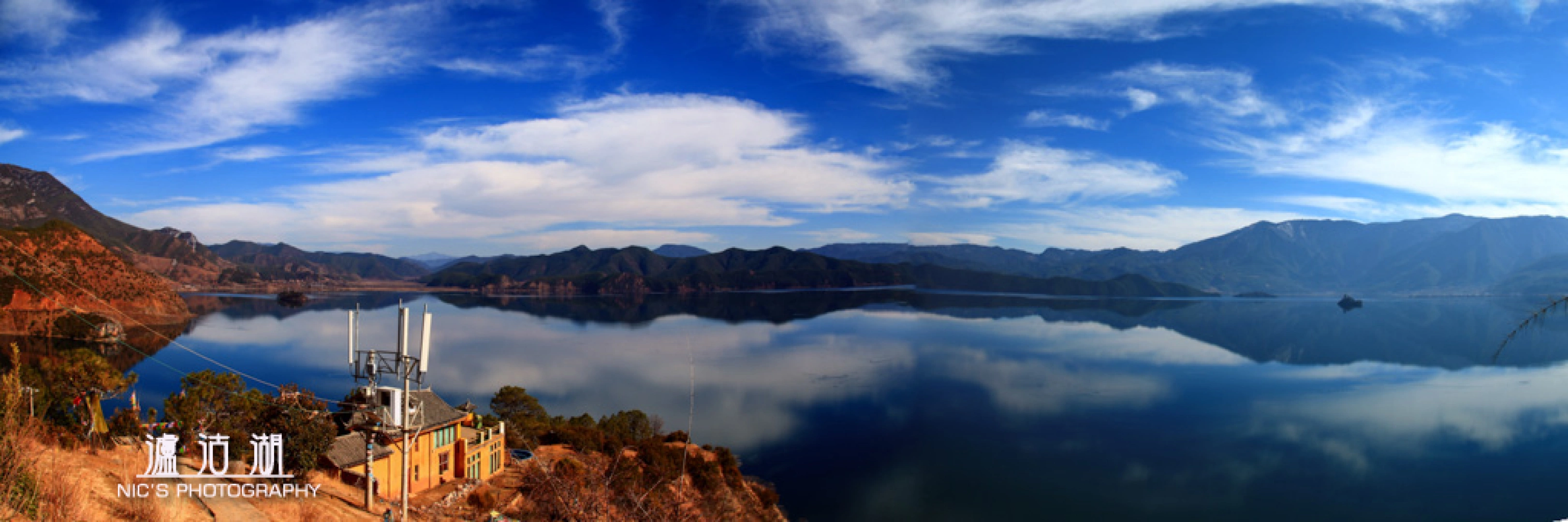
5. Afternoon: Go to the Altar of Sacrifice (Jishen Tai) at Zhaojia Bay for a panoramic view of Lugu Lake. The light is perfect.
6. After 4:00 PM: Head to the Lige Pass for a panoramic view of Lige Peninsula. The light and shadow are at their most beautiful.
7. 5:30 PM: Return to Daluoshui and wait for sunset by the lake.
Three-Day Trip Diary: From Starry Skies to Shooting Stars
Day 1: Chengdu → Xichang, Barbecue and Starlight
The car breakdown at the start made me feel like it was a bad omen. But since I'd already taken time off, I had to push through. We left at 1 PM and arrived in Xichang at 6 PM, just as the sun was setting.
Xichang's food scene lives up to its reputation — the grilled eggplant, chives, and potatoes from a roadside stall were cheap and delicious. Later that night, a friend dragged me out for more iron-plate barbecue. I ate so much I could barely walk.
Day 2: Xichang → Lugu Lake, First Sight of the Kingdom of Daughters
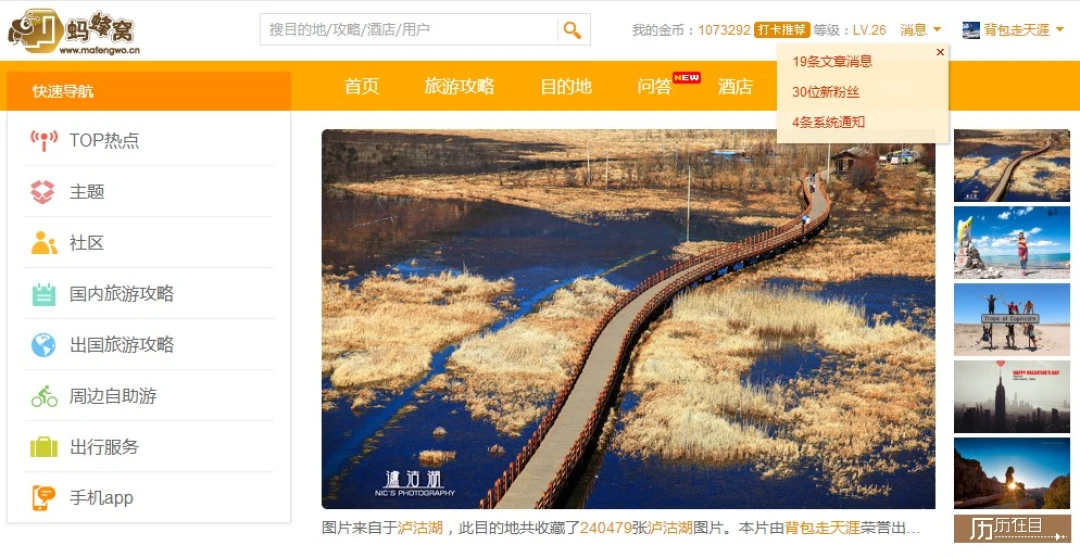
The scenery along the way was far better than half a year ago. After crossing Niba Mountain, the sky became clean and bright. We arrived at Daluoshui at 2 PM and checked into the newly developed guesthouse area in the south — it's a bit far from the traditional guesthouse zone, but the lake-view rooms have an amazing view. You can shoot sunrise and starry skies from your room.
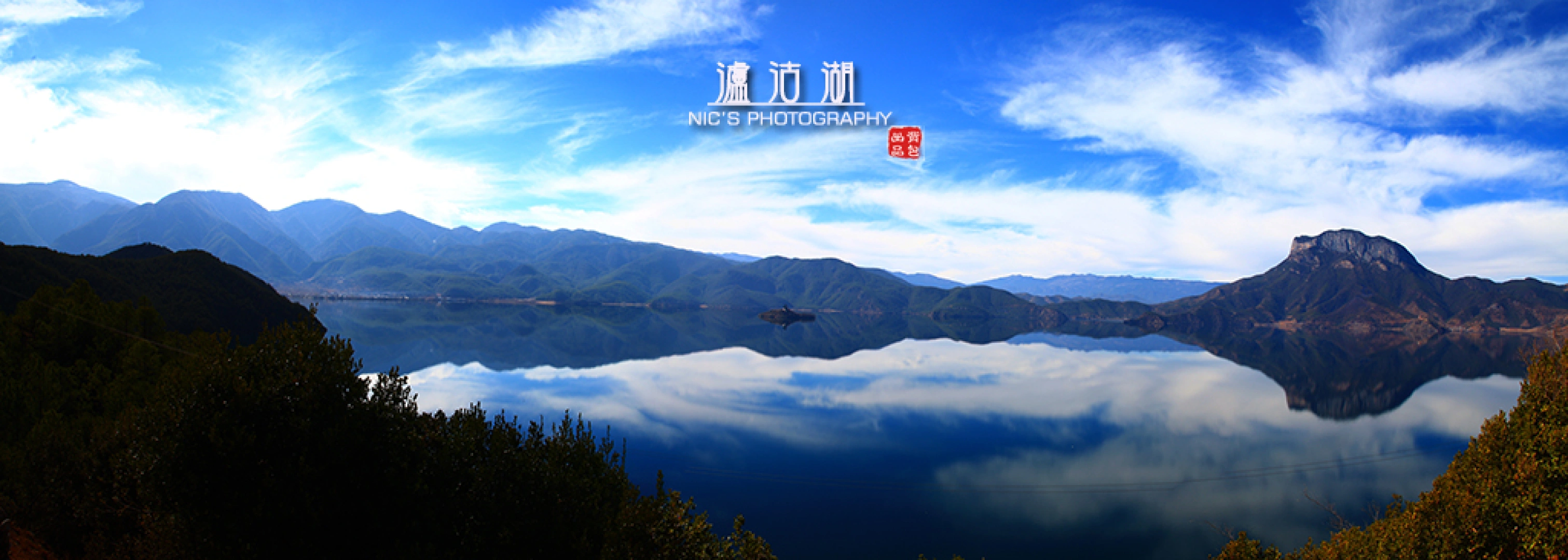
In the afternoon, we did a full lake loop, visiting the Lige viewing platform and Caohai (Grass Sea). In winter, Lugu Lake has no clouds to decorate it, so the water looks even bluer than the sky. Lige Peninsula looks beautiful from a distance, but I didn't go in — sometimes, keeping your distance makes the scenery more beautiful.
That night, I tried shooting the starry sky at the pier in Daluoshui Village. Light pollution was heavy, but I could still see a sky full of stars. Shooting the stars alone does take some courage.
Day 3: New Year's Eve, Sunrise, Milky Way, and Shooting Stars
On the day of the Lunar New Year's Eve (Chinese New Year's Eve), I woke up at 5 AM to shoot the starry sky. At 7 AM, I opened the window — the eastern lake surface was glowing with golden light, and Venus had just risen. At 8:30 AM, the sunrise arrived right on schedule. I used my 20-yuan orange graduated filter and captured dreamy starburst effects.
In the morning, we went counterclockwise around the lake, visiting the Walking Marriage Bridge, Caohai (Grass Sea), Zhaojia Bay, Dazu, Lover's Beach, and Lige. After 4 PM, the light and shadow at Lige Pass were breathtaking.
Back at the guesthouse that night, I waited on the balcony for the starry sky. In the early hours of the first day of the Chinese New Year, I actually captured a shooting star — I made a wish, hoping 2014 would go smoothly.
Final Thoughts: Some Ramblings
This trip to Lugu Lake taught me one thing: you don't have to wait for the "perfect" moment to travel. Winter at Lugu Lake may lack summer's clouds, but it offers crystal-clear starry skies and warm sunshine. It may lack the bustle of peak season, but it gives you the luxury of enjoying the scenery all to yourself.
If you want to spend New Year's Eve at Lugu Lake too, remember these points:
- Travel off-peak: Go before the Spring Festival — no traffic jams, cheap accommodation, and few tourists.
- Pack your gear: A tripod, shutter release cable, and wide-angle lens are essential for shooting starry skies and sunrises.
- Slow down: One day is enough to circle the lake, but if you want great photos, stay at least two days.
- Stay curious: Don't blindly follow guides. The roadside barbecue stalls and the unexpected shooting star are the real treasures of any trip.
Finally, thank you to every moment of this journey — from 13 to 14, from starry skies to sunrise, from the Milky Way to shooting stars. May every trip you take lead you to your own light.
You should also read:
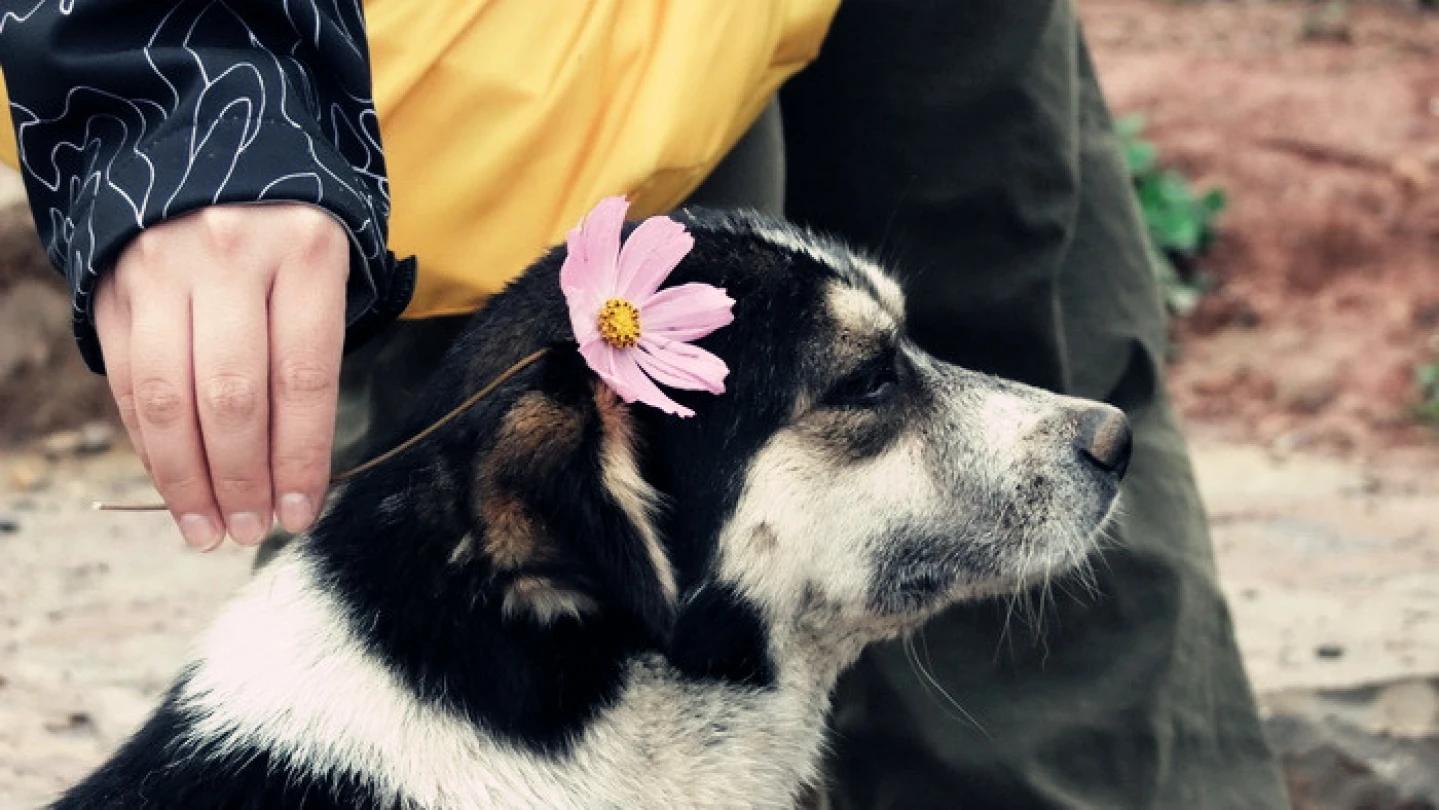
September: Finding Unexpected Warmth in Yunnan (Kunming, Dali, Shuanglang, Lijiang, Lugu Lake)
September: Finding Unexpected Warmth in Yunnan (Kunming, Dali, Shuanglang, Lijiang, Lugu Lake) Foreword: One Person's Journey, A Crowd's Story Before I set off, like every first-time solo traveler, I printed out a thick stack of travel guides and rehearsed countless possible scenarios in my head—getting…
Continue reading...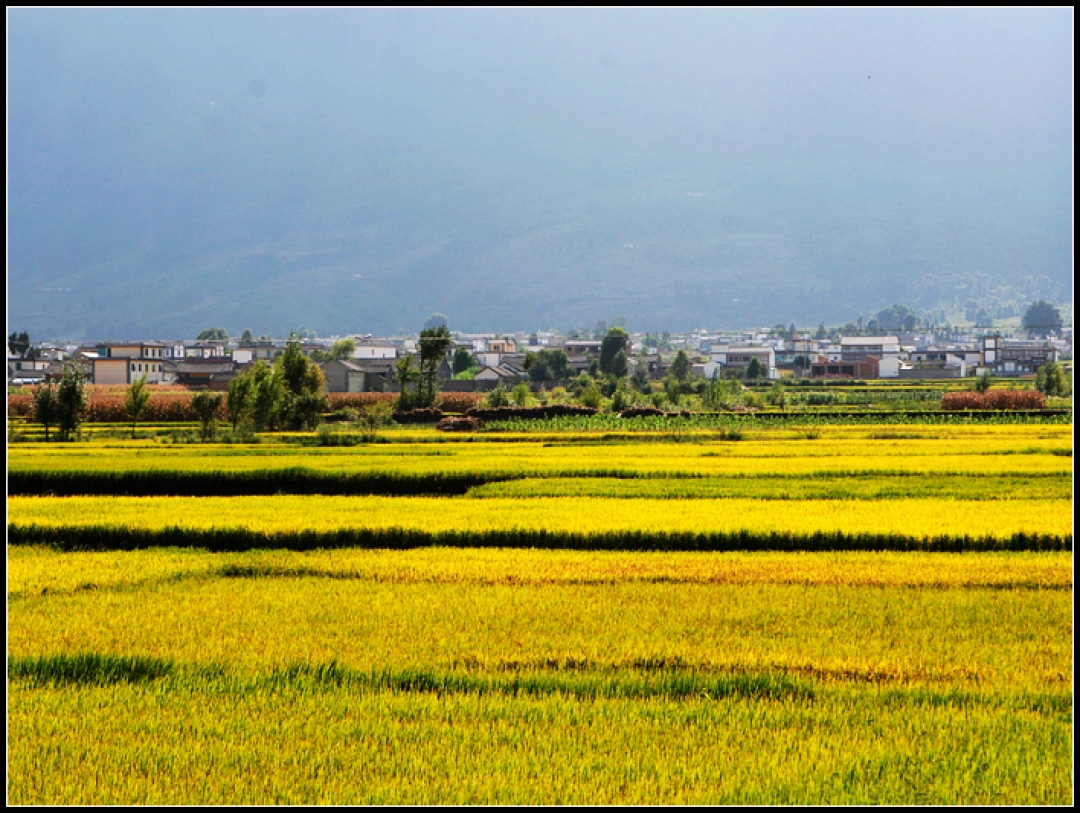
A 9-Day Yunnan Journey: From Lijiang to Dali to Tengchong – A Trip Toward Self-Reconciliation
A 9-Day Yunnan Journey: From Lijiang to Dali to Tengchong – A Trip Toward Self-Reconciliation Some say travel is simply going from a place you're tired of to a place other people are tired of. It stings to hear, but it's painfully true. Yet there's…
Continue reading...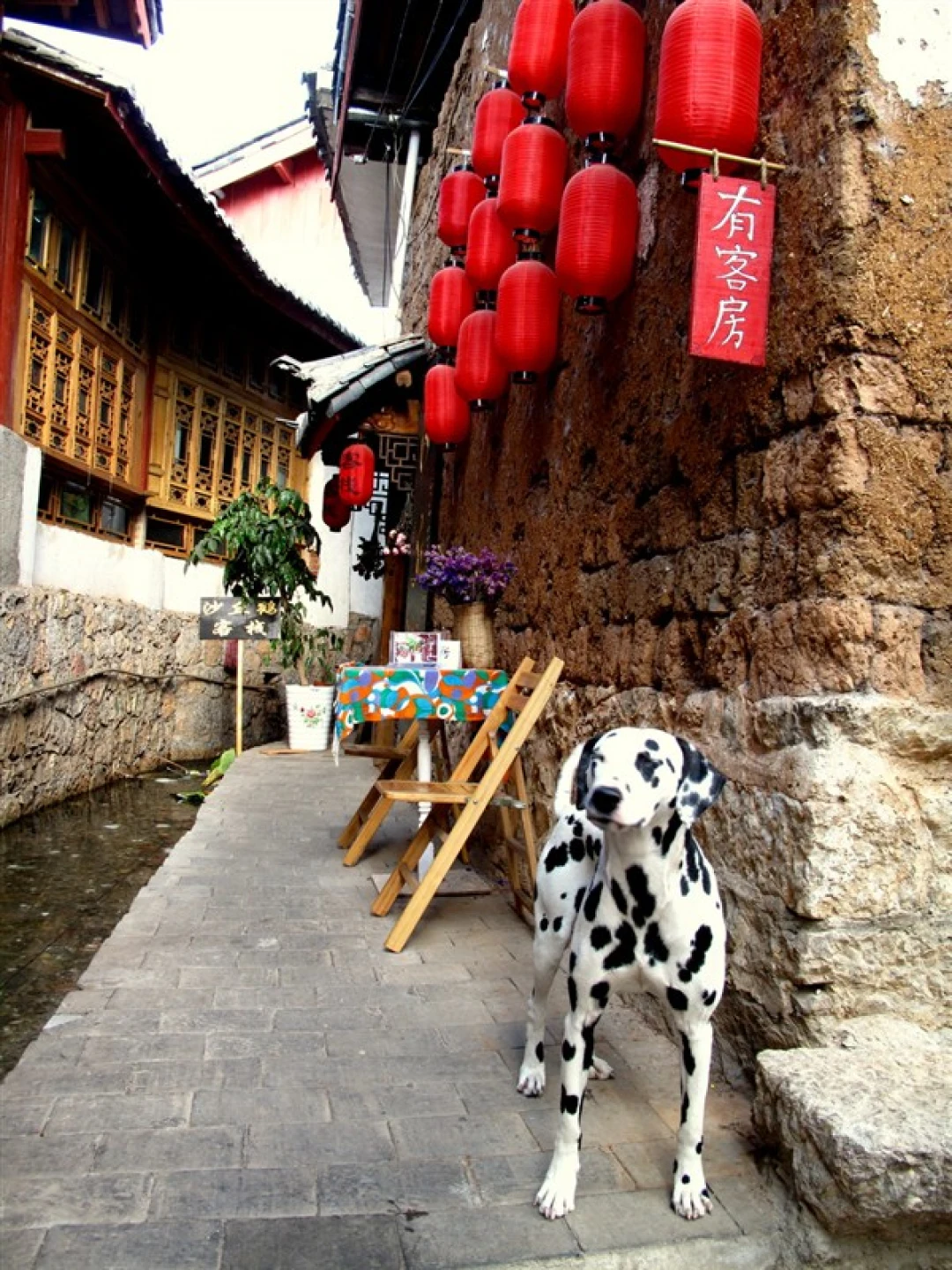
Yunnan Travel Mastery: From Beginner to Pro-Level Player – A Complete Guide
Yunnan Travel Mastery: From Beginner to Pro-Level Player – A Complete Guide "Either travel or read, but your body and soul must be on the road." This quote has been repeated countless times, but very few people truly manage to be "on the road" and…
Continue reading...