Chasing Spring in Winter: A Yunnan Journey (Dali, Erhai Lake, Shuanglang, Lijiang, Kunming)
Chasing Spring in Winter: A Yunnan Journey (Dali, Erhai Lake, Shuanglang, Lijiang, Kunming)
Overlooking the entire city from Wuhua Tower under the night sky.
Travel is a sickness. Once you catch it, you can never shake it off. It's also contagious—eventually, you might pass it on to others, and you yourself never want to be cured!
One annual leave, one trip. If I didn't use my year-end leave before it expired, it would be cancelled. Winter leaves so few options—Northeast China is too cold, and Hainan is both a rip-off and expensive. I originally planned to visit Yunnan in early spring, but cheap flights and hotel deals tempted me to go right away.
Yunnan's winter is absolutely incomparable to the north. Don't worry about it being too cold or the scenery being bad. In the off-season, Yunnan's attractions, accommodation, transport, and crowds offer incredible value for money.
A winter trip to Yunnan is definitely a fantastic experience.
About the Itinerary
Day 0: Meet up in Kunming in the evening, take the overnight train to Dali. Day 1: Dali Ancient City – Rent a car to Erhai Lake – Ancient city night views. Day 2: Dali Ancient City – Tianlong Babu Film Studio – Ancient city night views. Day 3: Hire a car to Shuanglang – Shuanglang – Yuji Island – Nanzhao Customs Island. Day 4: Shuanglang – Hire a car to Lijiang – Lijiang Ancient City – Ancient city night views. Day 5: Black Dragon Pool Park – Lijiang Mu Palace – Ancient city – Ancient city night views. Day 6: Shuhe Ancient Town – Lijiang Ancient City – Train to Kunming. Day 7: Kunming Green Lake – Yunnan University – Yunnan Ethnic Village – Haigeng Park – Kunming night views. Day 8: Head home.
About Accommodation

- Dali Spring Inn - Yayuan Branch, Lower Renmin Road near Erhai Gate: 2 nights, total 228 RMB, Elegant Tatami King Room (recommended)
- Shuanglang Zhima Kaihua Chain Inn, No. 10 Tianshengying Village, Yuji Island: 1 night, total 228 RMB, Deluxe King Room (recommended)
- Lijiang Jinjiang Inn Qixing Street Branch, Qixing Street: 2 nights, total 200 RMB, Business King Room
- Kunming Shangbai Hotel, Daguan Commercial City: 1 night, total 175 RMB
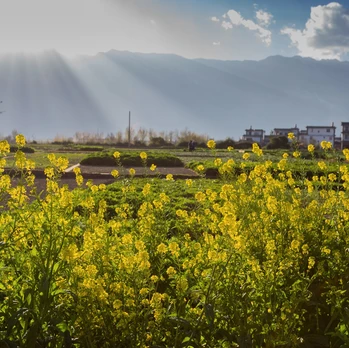
That's the gist of the accommodation info. Off-season rates are really cheap. I'll include photos and detailed descriptions with each location later—check the relevant sections for specifics.
About Transportation
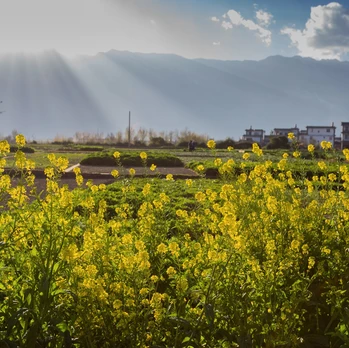
- Round-trip flight Xi'an to Kunming: 1,100 RMB
- Kunming to Dali: Hard sleeper train (overnight), about 100 RMB per person
- Dali to Shuanglang: Shared minivan, 25 RMB per person
- Shuanglang to Lijiang: Bus, 80 RMB per person
- Lijiang to Kunming: Hard sleeper train (overnight), about 170 RMB per person
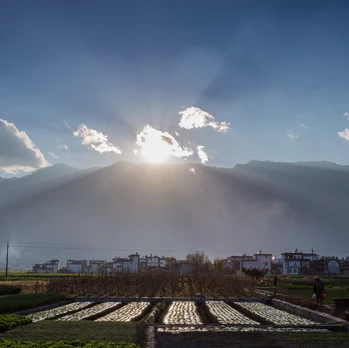
Off-season flights are a great deal. To save time, we chose trains for both the Kunming-to-Dali and Lijiang-to-Kunming legs—this saved daylight hours and accommodation costs.
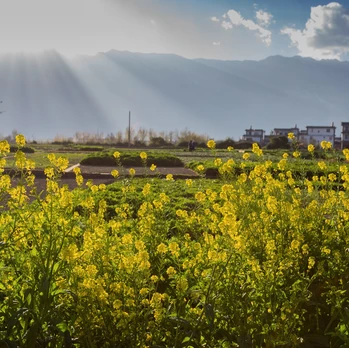
As for hiring cars, pretty much everywhere is crawling with tour groups and touts, so there's no shortage of options, and prices are generally similar. I'd recommend checking travel guides for price references before you go.
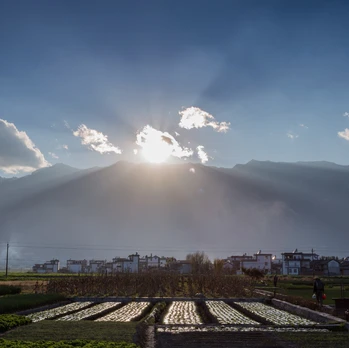
Most people visiting Dali rent bicycles or e-bikes—it's really necessary. Dali is quite far from Erhai Lake. There's also an option to take a boat from Caicun, stopping at Xizhou, and finally reaching Shuanglang, which is also a good choice.
One more thing: the sleeper train we took from Lijiang to Kunming had only upper and lower bunks (no middle ones), and the environment was excellent. The attendant said it was the first train in China with a bar and entertainment car—worth trying if you're interested.
Dali and Erhai Lake
Arriving in Dali, I realized that Yunnan truly feels like spring all year round. I never expected that in winter, Dali would have so many flowers blooming. Walking along the streets lifted my spirits completely. That said, the temperature difference between day and night is significant—cold in the morning and evening, hot at midday. Tough for travelers!
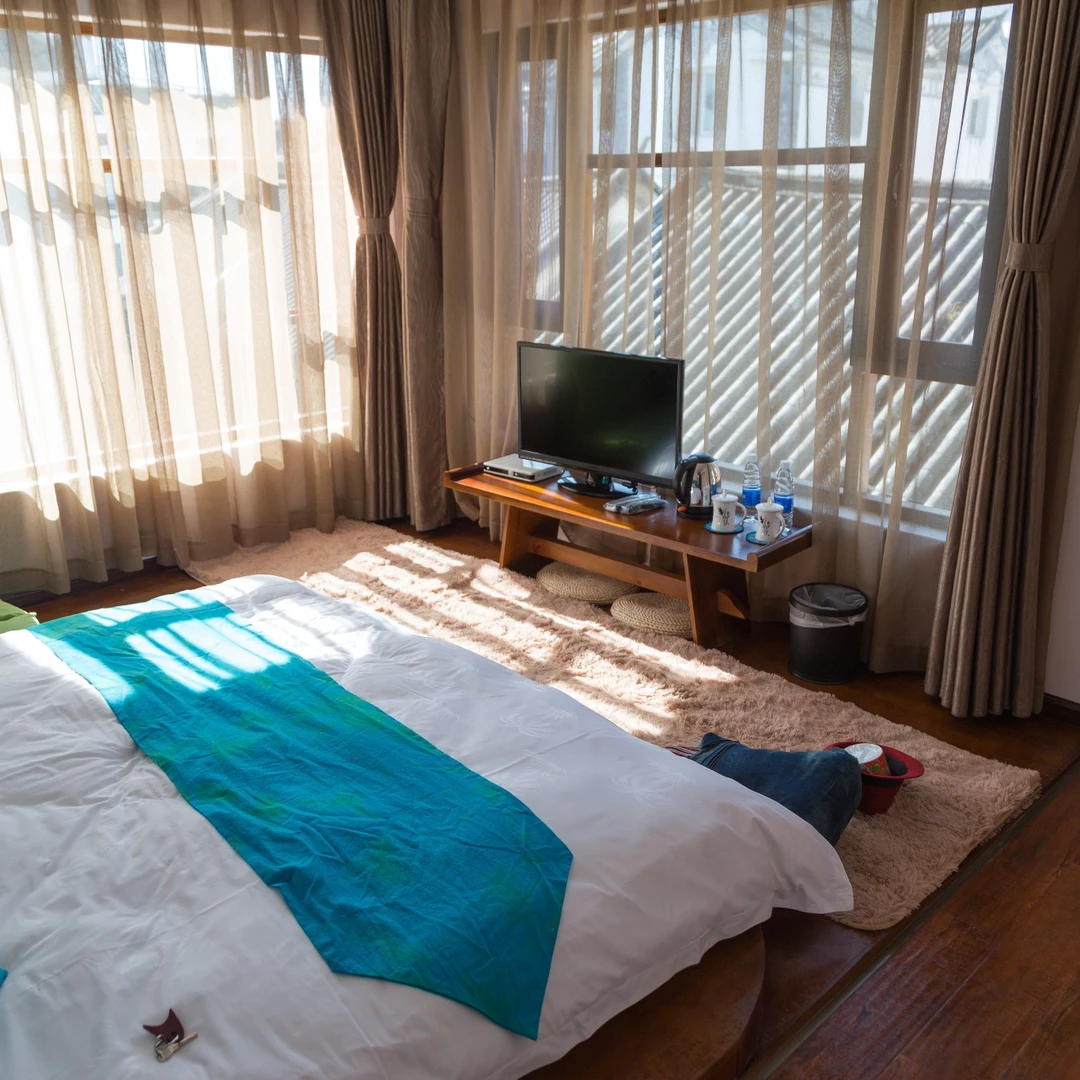
Spring Inn has three locations; we stayed at the third branch near Erhai Gate. It opens right onto Renmin Road, so transportation is convenient. We booked the third-floor Elegant Tatami room—what I consider the best value for money. Two large windows, flooded with sunlight, super comfortable to stay in. At just over 100 RMB a night, what a steal.
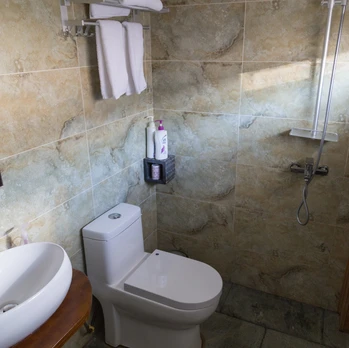
The bathroom was also nice, with good toiletries.
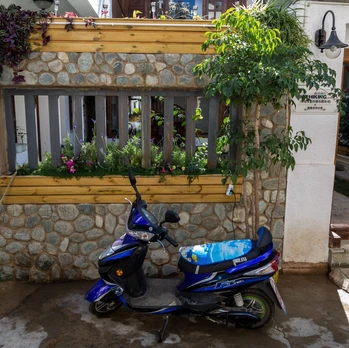
The e-bikes parked outside the inn looked great against the scenery.
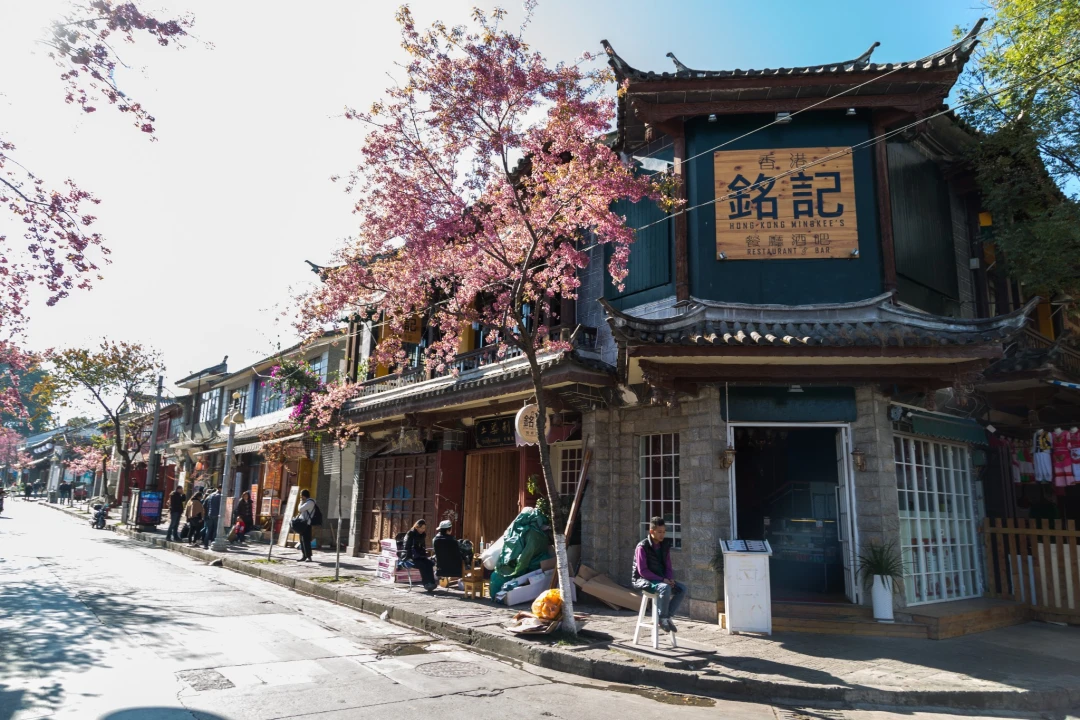
The streets of the ancient city, bright sun overhead, clear skies.
A scene from the ancient city's bar street. Each shop has its own character, but they all share one thing: lush greenery.
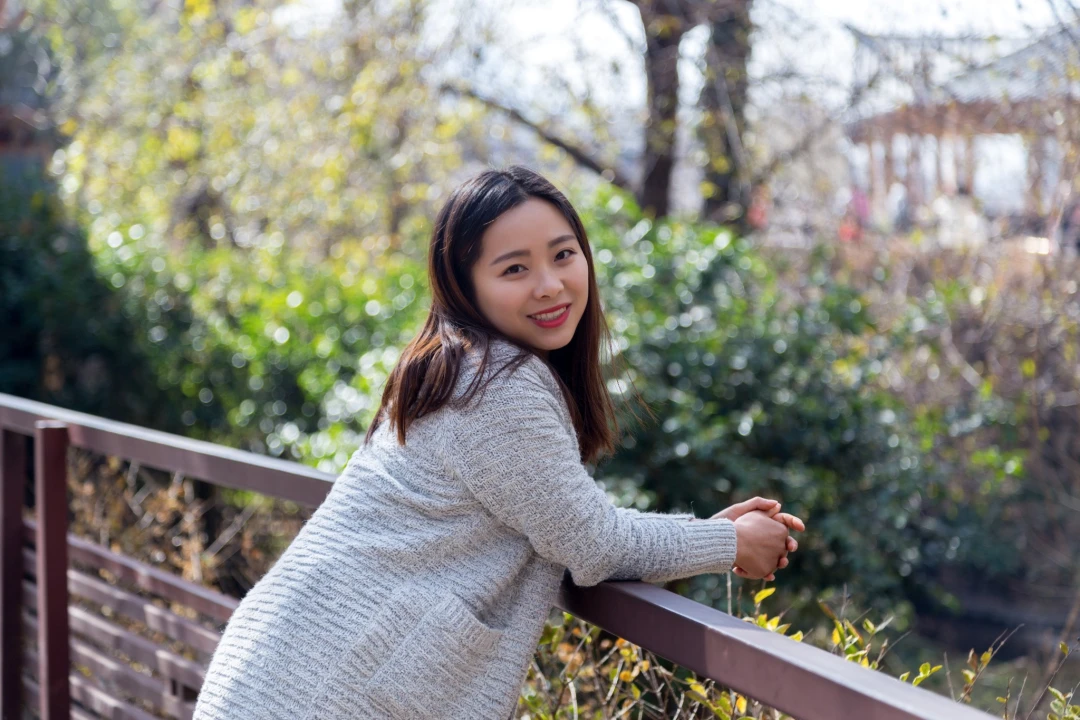
When you're in a good mood, even your photos turn out better.
One more vertical shot—still beautiful.
Restaurants along this street display their ingredients out front, as if proving how fresh and clean they are. Among them was a basket of live insects—the owner said they were dragonfly larvae. Terrifying.
Another shot leaning against the wall.
Souvenirs at a roadside shop—looked really nice.
Snapped a few photos while waiting at the inn's front desk. The lobby had a nice atmosphere.
A shot from the room window. Sunlight streaming in, the curtain area was perfect for selfies—just be careful not to end up with a silhouette.
Bought a hat at a roadside shop—very bohemian vibe, perfect for this place.
Time was running out, so we quickly rented a bike to head to Erhai Lake—40 RMB for a whole day for a two-person bike. I have to warn you: these bikes are fine for short distances, but a real workout for long rides. After more than 10 kilometers, your butt will be killing you. If you plan to cycle around Erhai, I recommend renting an e-bike or a geared bike.
On the road to Caicun and the lakeside path.
Stopped for a corn on the cob to refuel.
A spot along the lakeside path where you can see Erhai Lake—stopped for photos.
Erhai Lake is truly vast and stunning. "When Erhai is clear, Dali is clear." In the distance, the lake surface was dotted with many seagulls.
Mr. Yun used a 10-stop ND filter for a 30-second slow shutter shot—Erhai Lake perfectly still.
We found another beautiful spot along the way and stopped to take photos. This was definitely a travel photography trip.
This old tree was perfectly positioned. Later, many people came here to shoot. If you see this spot, be sure to take a picture.
Another 30-second ND10 slow shutter shot. The grass in the foreground blurred from the wind.
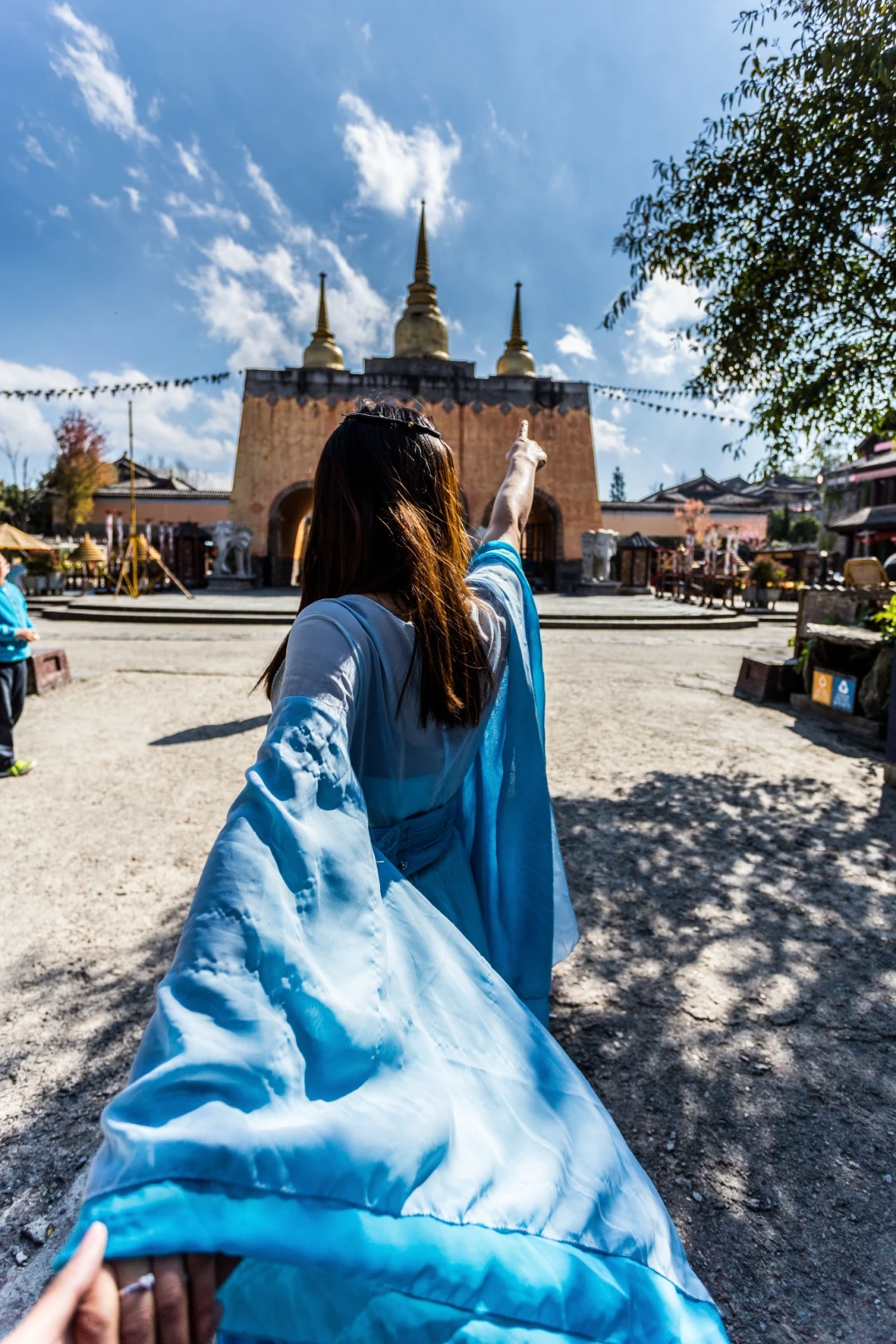
Follow me—take me to Erhai Lake.
The gate leading out of Dali toward Erhai Lake. The sun had already set.
Drifting Scent Tavern—looked very atmospheric from the outside, but it was self-service inside. I never quite figured it out. The food was unusual too, so we didn't eat there.
A little dog at the entrance of a small shop. Why did it look so pitiful? Did its owner forget to feed it?
The afterglow of sunset.
The streets of the ancient city at night were still lively. If this is the off-season, it's hard to imagine what peak season must be like.
Even a leather goods shop had this attitude—what does that say?
A living statue. A little girl reached out to touch it, very cute. Seemed free—took a photo and moved on quickly. By the way, the Zhu Bajie from Heart Flower Road Fang (a popular Chinese film) was outside Wuhua Tower, even at night. I didn't take a picture—they charge 5 RMB each. If you're interested, you can get a photo with him. The Zhu Bajie impersonator was very convincing.
After a full day of walking, we were exhausted and headed back to the inn. The inn's lighting was also very atmospheric.
The next day, we continued our leisurely wandering. This place really lives up to the "slow life" reputation—it was almost 10 AM and many shops were just opening.
Fat Ding Soy Milk. The shop was covered in stories about Fat Ding—a chubby guy who traveled around the country and temporarily settled in Dali. Had to support him.
The streets of the ancient city were beautiful and clean. It's impossible not to feel good living here.
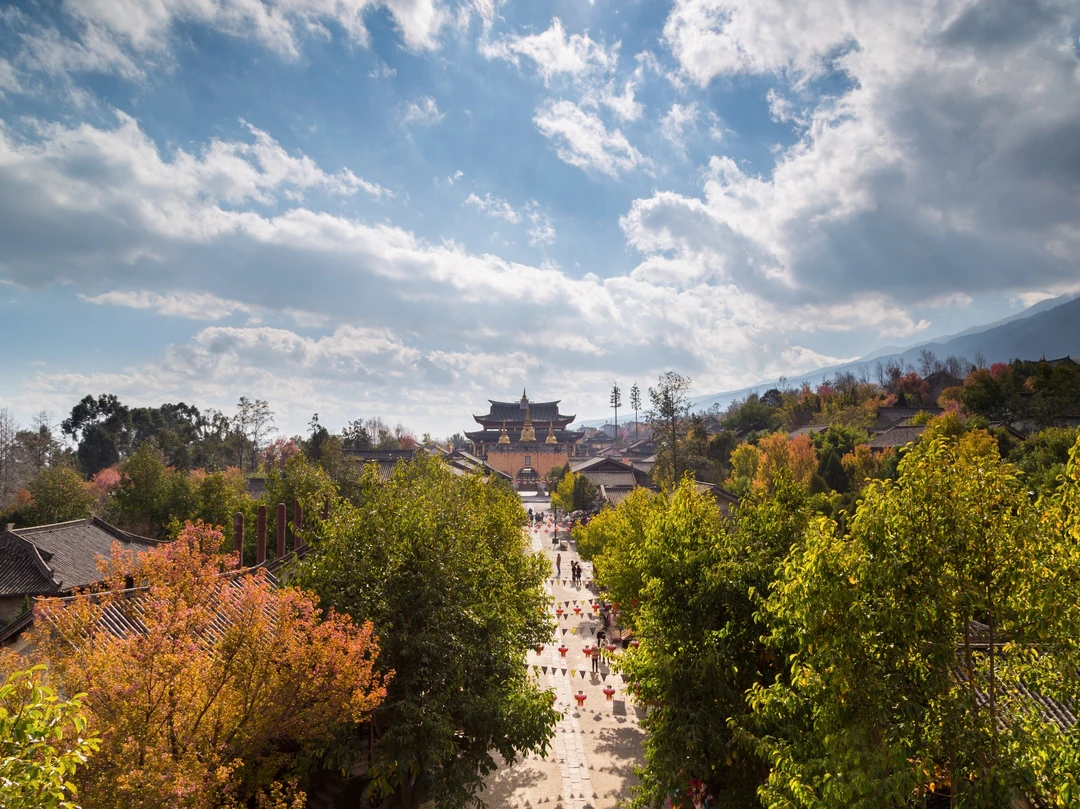
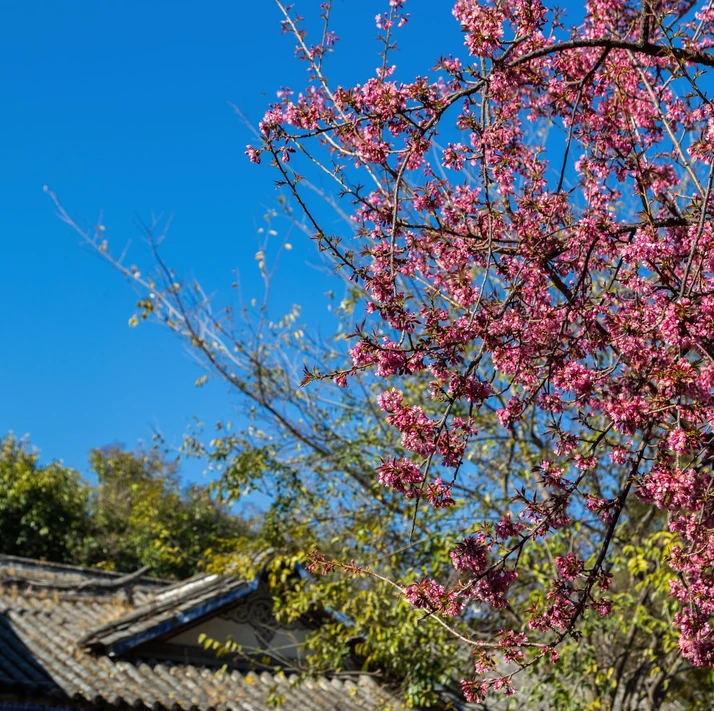
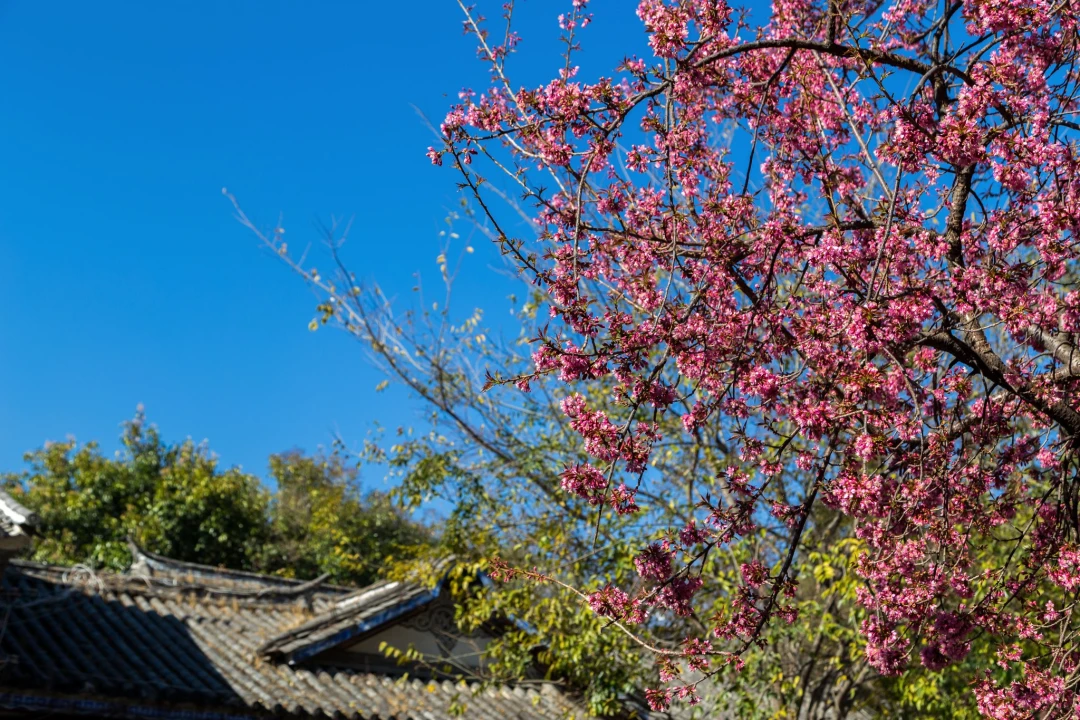
A street outside the ancient city was lined with plum blossoms in full bloom.
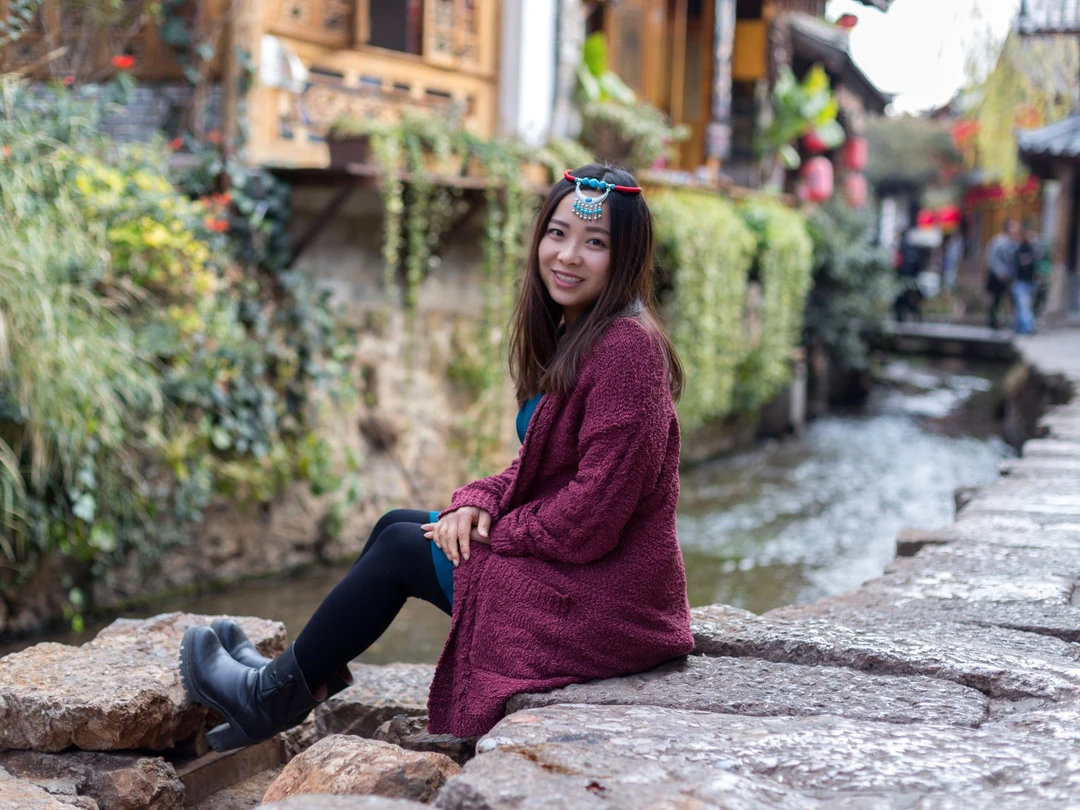
I've always had a dream of dressing in ancient costume. To fulfill it, Mr. Yun decided to head to Tianlong Babu Film Studio. This is a scene along the way.
Scarf turned into a headscarf—a lesson in sun protection and wind prevention.
To save less than 10 RMB, we walked up a mountain road that was under 2 kilometers—took forever. If I'd known, I would have taken a taxi. Off-season taxi fare was 10 RMB; we took an unlicensed cab back down. Word has it that during Golden Week (October holiday), even 50 RMB won't get you a ride.
An ancient crossbow cart.
Free Spirit Costume Rental—20 RMB for unlimited time, though you had to return it the same day. Finally fulfilled my ancient costume dream.
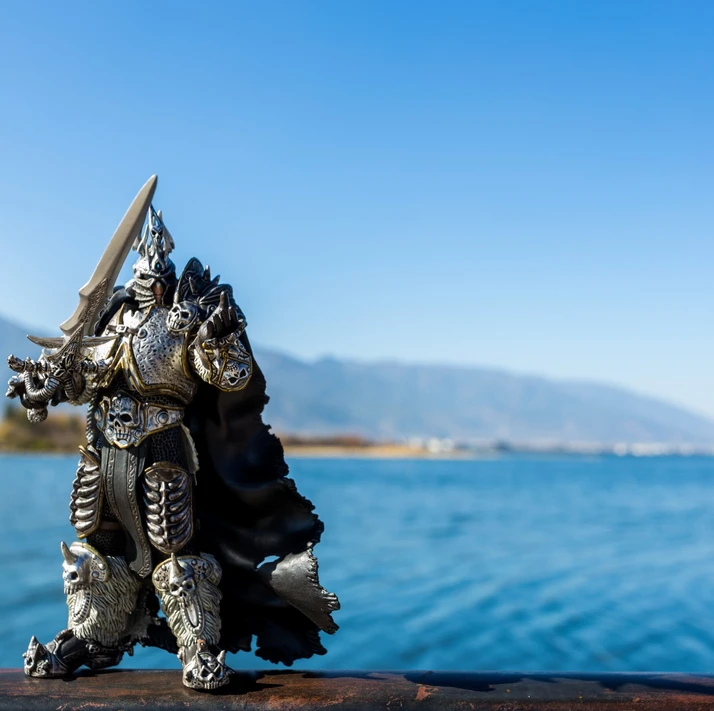
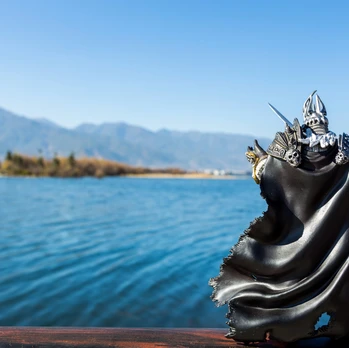
Placed an Arthas figure on the chessboard—I always bring some figurines on trips.
This... a lens flare effect.
Arthas again, this time with an even cooler background. Come on!
Spin it up, swirl it around—I'm going to time travel!
The Imperial Chessboard. Oh my, why does it look like this?
Mr. Yun had to make an appearance—he was getting impatient and couldn't hold back anymore.
After lots of practice, my photography skills have improved enough to capture a full person.
An unstoppable photoshoot mode. Even after cutting down, I've only posted a tenth of the photos.
Cangshan Gate—I took photos of all four ancient city gates.
This is also one of my favorite shots—a candid that turned out with great feeling.
I highly recommend the Sunfire Restaurant (I think that's the name). The food is cheap—38 RMB for a fish dish weighing over a pound, and vegetables for just 5 or 6 RMB. Delicious. Eat your fill in Dali, because once you leave, you'll realize how overpriced everything is elsewhere.
It was getting dark, so we hurried to Wuhua Tower. I thought it would be 10 RMB per person to go up, and if it was 20, I'd send Mr. Yun alone. Turns out it was free—we didn't dare go the first day.
A ray of morning sunlight—I really love this photo.
Warm light falling on Wuhua Tower, a soft golden glow. After taking this shot, we packed up and prepared to leave Dali.
Shuanglang and Erhai Lake
We hired a car to leave Dali early in the morning. Originally planned to take the bus, but the minibus that came wanted 25 RMB—at that price, might as well take a car. 25 RMB per person. But the morning weather was disappointing. We only stopped once to take photos along the way—a cloudy day, can't win.
Shuanglang Village doesn't allow cars inside. After getting off at the highway exit, we had to walk a kilometer to reach Yuji Island. After searching for a while, we finally found our inn. While waiting in the common area, I noticed a sea-view room costing over 700 RMB a night—too expensive to stay in, but taking a couple of photos to pretend was fine.
This was our actual room: a Deluxe King Room for 200 RMB. Oh well, the fate of a budget traveler. But even if you stay in a nice place, most of your time is spent outside anyway.
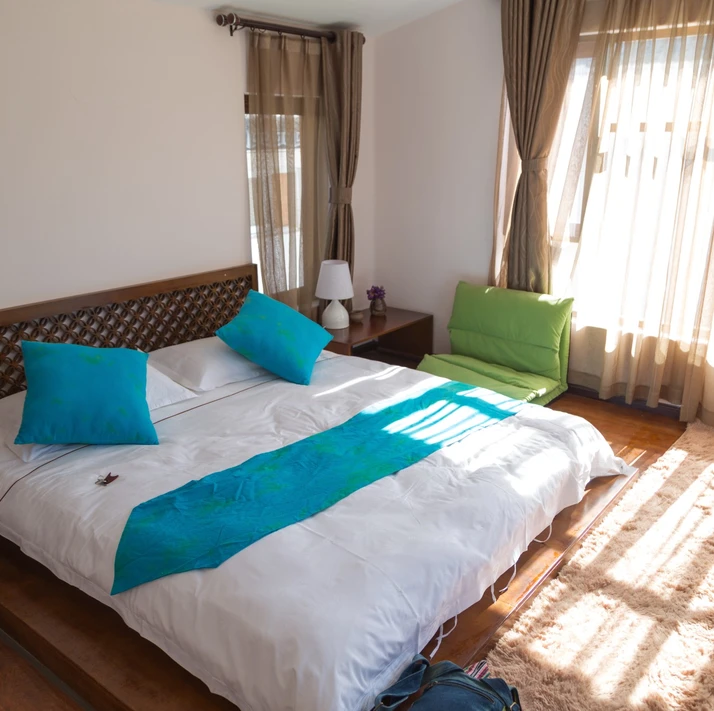
Photos taken inside the inn—the environment was still nice.
We dropped our luggage and immediately went out to explore. Yuji Island charges a 10 RMB entrance fee, but if you spend 10 RMB inside, it's refundable. Guests with the Zhima Kaihua room card get in free. This is the famous Yang Liping Hotel—you can only look from outside, no tours allowed. Minimum rate is over 2,000 RMB a night. Sigh.
Took a side shot from a platform. A family was eating dinner—clearly rich and carefree.
Leaving Yuji Island, we walked along Erhai Lake, searching for the legendary Haili Life spot. Kept taking photos along the way.
This little boat really added something to the photo. In the distance is Nanzhao Customs Island.
Nanzhao Customs Island tickets are probably 50 RMB, including the ferry. I think it's well worth visiting—few people, nice scenery, and good vegetation.
We finally found the Haili Life courtyard. Disappointed, really disappointed. Bad lighting, a big frame overhead, no lights so it was hard to shoot. The sky was bright but overcast, and this was the result.
I personally think the Haili Life courtyard isn't as good as the rooftop of Zhima Kaihua.
A couple of selfies.
This is supposedly the bar from Heart Flower Road Fang. It looked the part—if you're interested, you can go in and sit down.
Took a ferry to the island. The lake water was very calm, and the reflections looked amazing.
A large boat full of tourists heading toward Shuanglang Pier.
As soon as we landed on the island, the photoshoot mode kicked in again. Can't handle it.
An artificial beach where many couples were taking wedding photos.
Swinging on a swing.
In the distance, two women on a small boat were fishing.
Across from us was Yuji Island—the view was even better from this side.
Nanhai Guanyin (South Sea Guanyin statue). Off-season is awesome—no one around, free to shoot as you like.
By the time we left Nanzhao Customs Island, it was almost sunset. Mr. Yun's plan was, of course, to photograph the sunset over Shuanglang. I couldn't walk anymore. According to Mr. Yun, he hiked several kilometers with his backpack to find the perfect spot.
Shuanglang in the twilight glow.
The "secret to a romantic encounter"—really?
In the morning, after a simple breakfast at the inn, we set off for Lijiang.
Lijiang
Jinjiang Inn Qixing Street Branch—100 RMB for a morning king room with a window. Personally, I think it was a great deal. But it's a bit far from the ancient city, located outside. My wife wanted to stay in the ancient city, but the inns there aren't necessarily well-equipped and aren't very soundproof. This place had no such issues. Choose based on your preferences.
Lijiang's famous Big Waterwheel. The bridge was packed with people, but this angle wasn't bad—couldn't avoid the cliché.
Wishing plaques at the ancient city entrance. They cost 30 RMB each—way too expensive.
Lijiang's clouds were incredible, and the air was amazing. So envious.
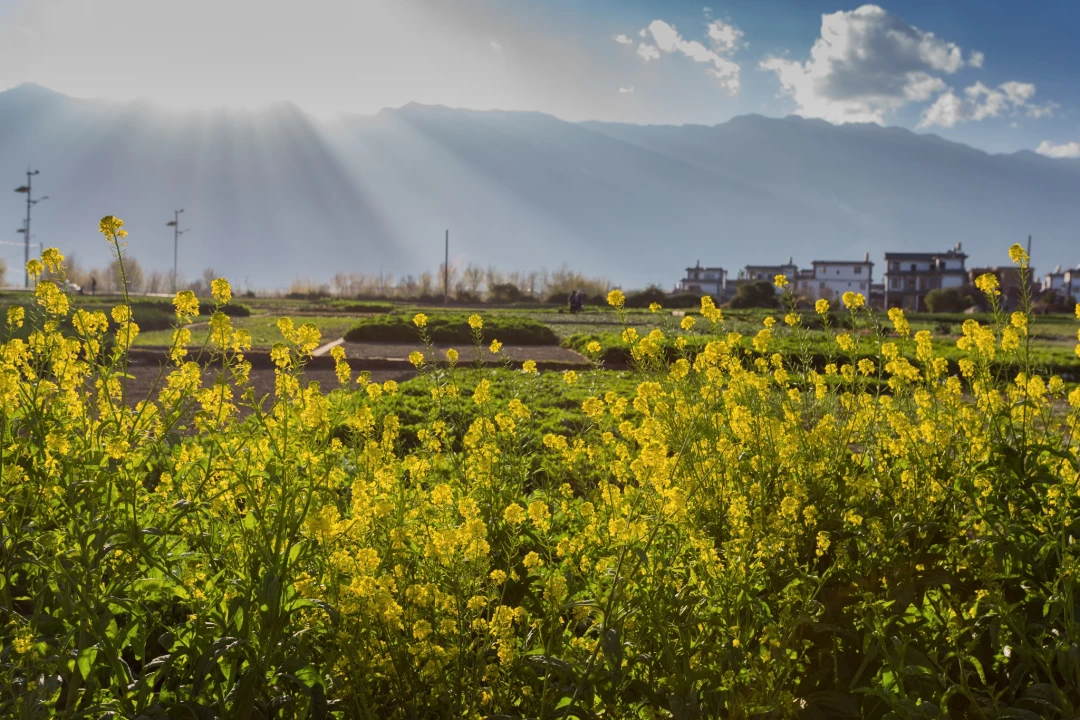
Streets of the ancient city.
The bar street in the ancient city.
The atmosphere inside the ancient city was fantastic. Wandered around for most of the day.
A cute little dog sitting at a doorway.
Every inn had its own charm.
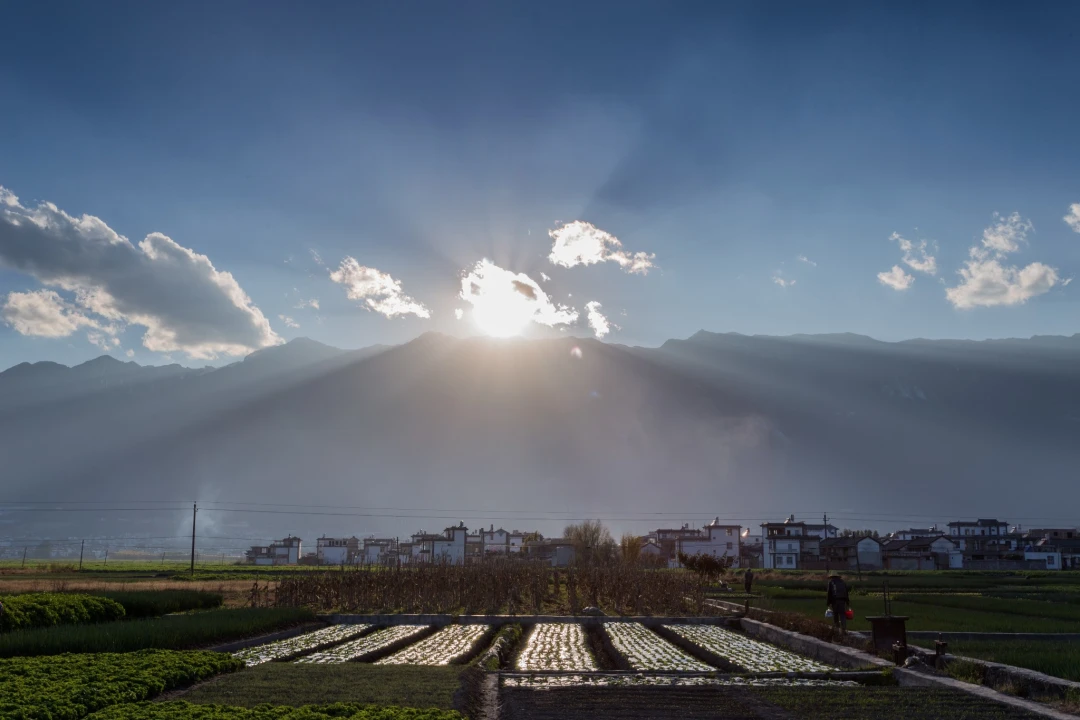
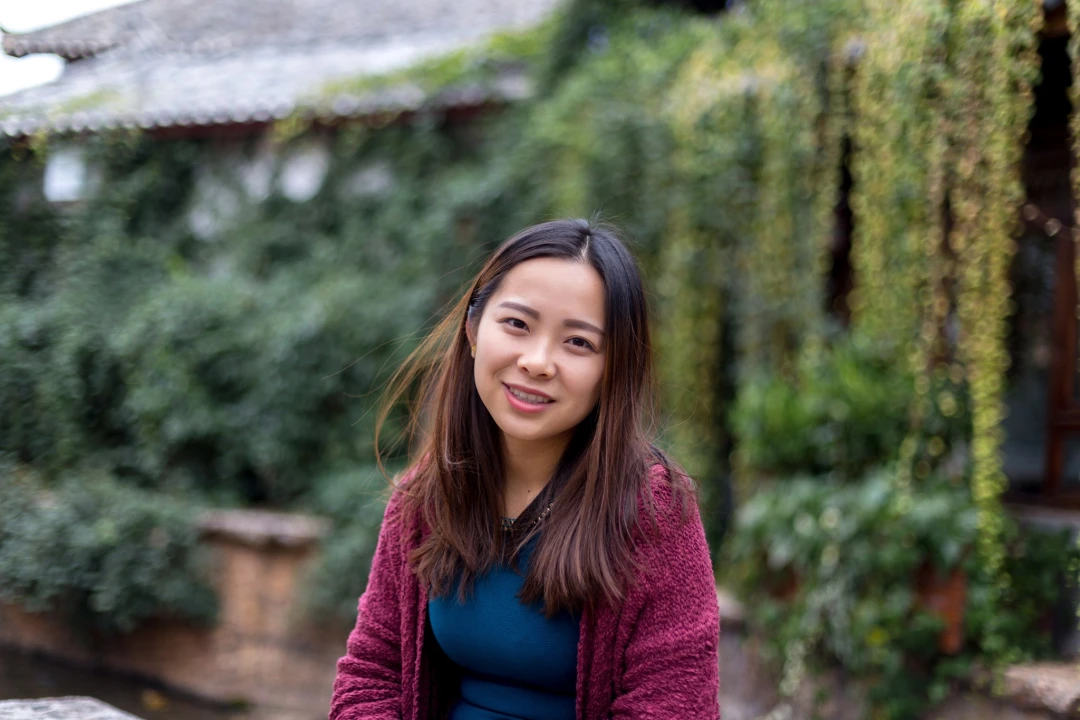
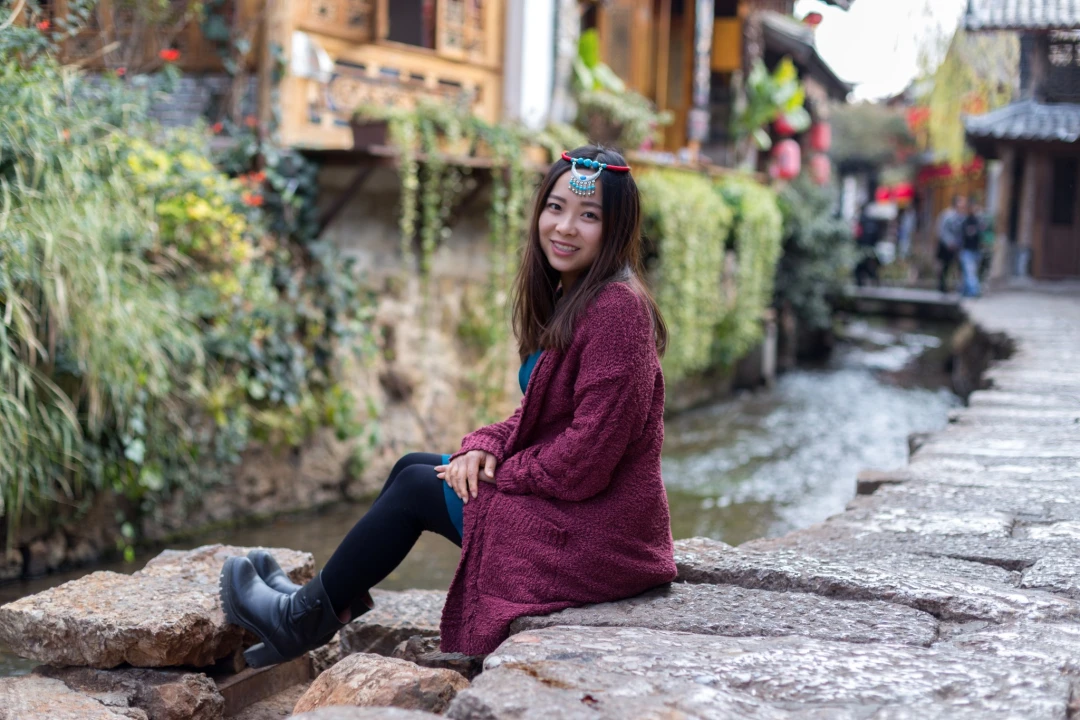
Sigh, photoshoot mode activated again.
If you meet these people on a bridge, be careful. If you take their photo, they'll charge you 5 RMB per person. Watch out.
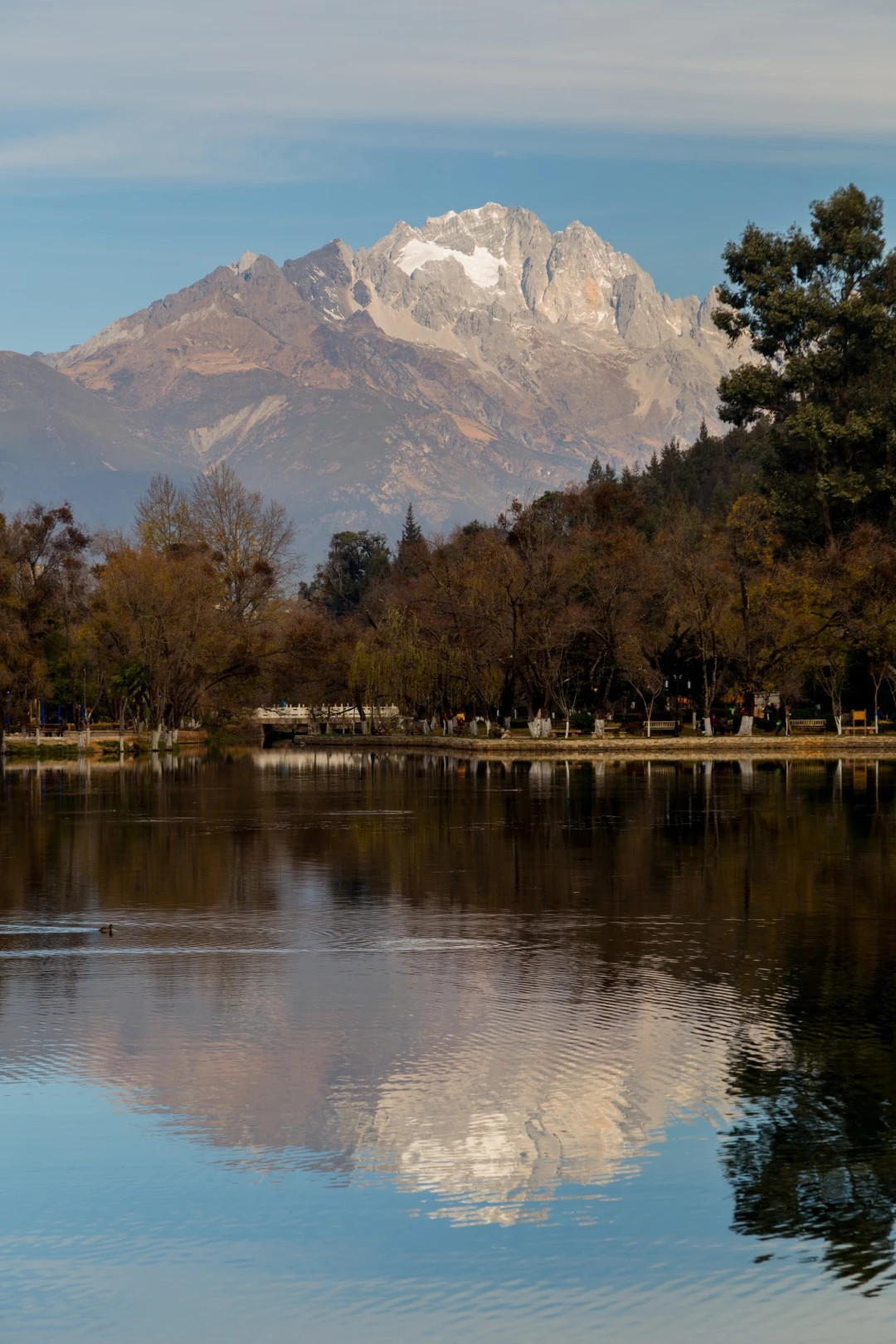
Early morning, we went to Black Dragon Pool Park specifically to photograph the reflection of Jade Dragon Snow Mountain. We had to buy two Ancient City Maintenance Fees to get in. Just a heads-up: if you want to enter scenic spots, you can't avoid the maintenance fee. If you don't enter the scenic areas, it's fine.
Reflections from different angles.
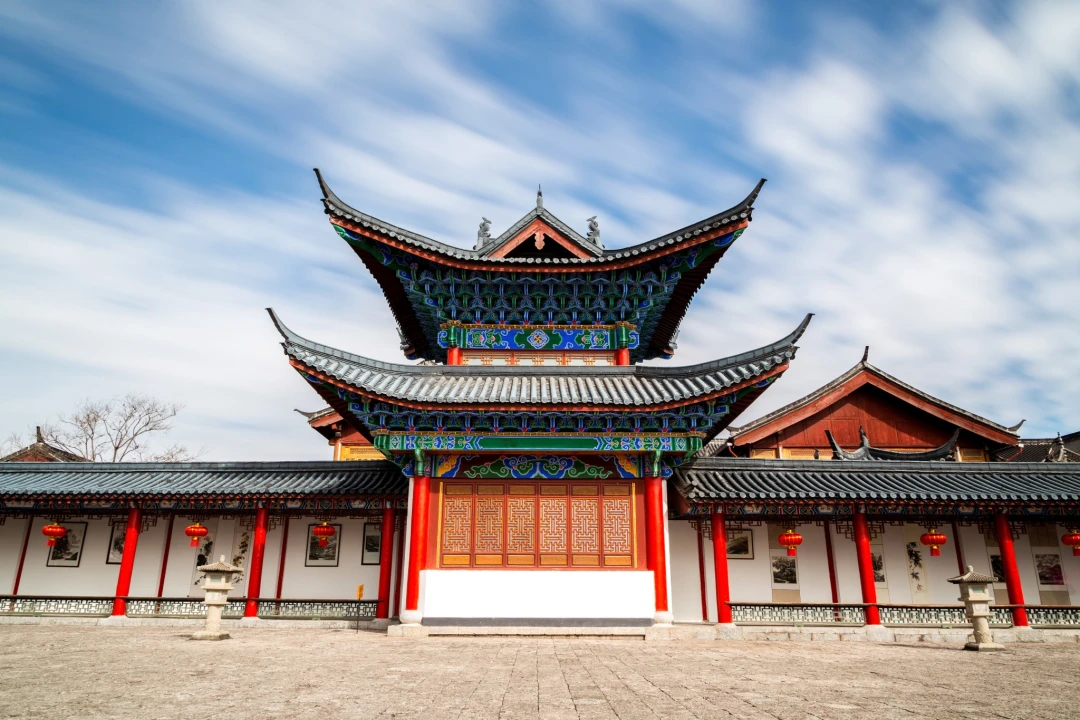
Leaving Black Dragon Pool, we headed straight to Mu Palace. Since we'd already paid the maintenance fee, we might as well visit some attractions.
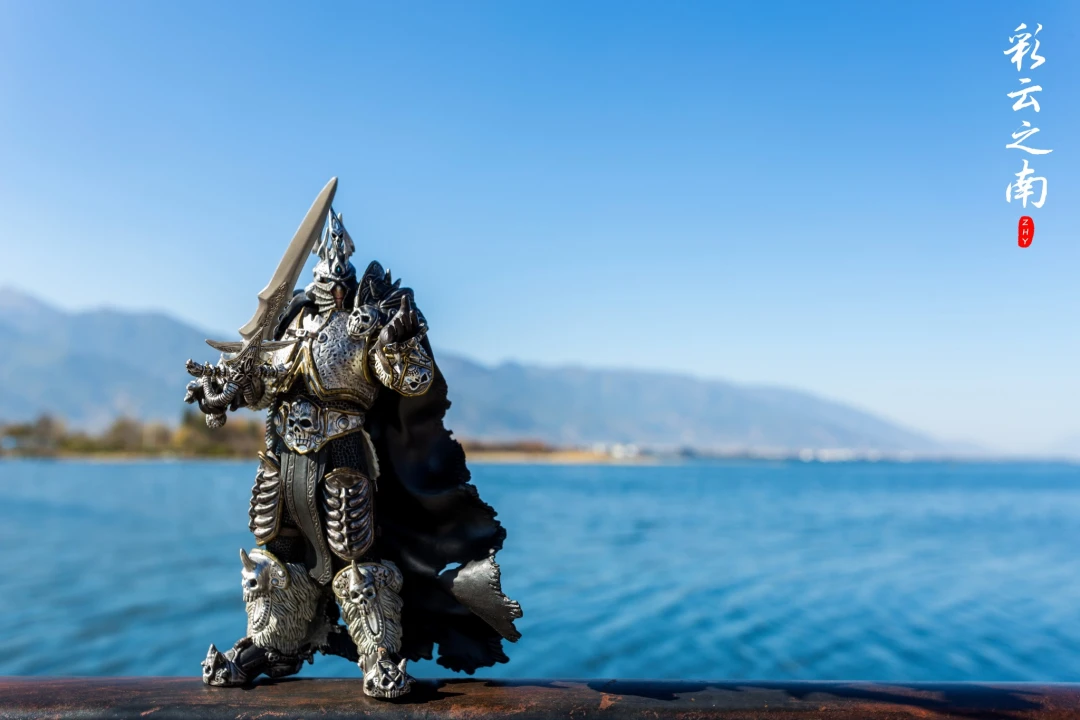
Below are some photos from Mu Palace—no more explanations needed.
Climbed to the top for a few俯瞰 shots. Great angles and positions.
Lion Hill's Wangulou Scenic Area was a total rip-off—nothing much to do, 50 RMB entrance fee for just one tower. Worst of all, Wangulou isn't even the best place to photograph the ancient city.
Here begins a massive photoshoot mode. If you're busy, skip to the next section.
A poor parrot tied up here.
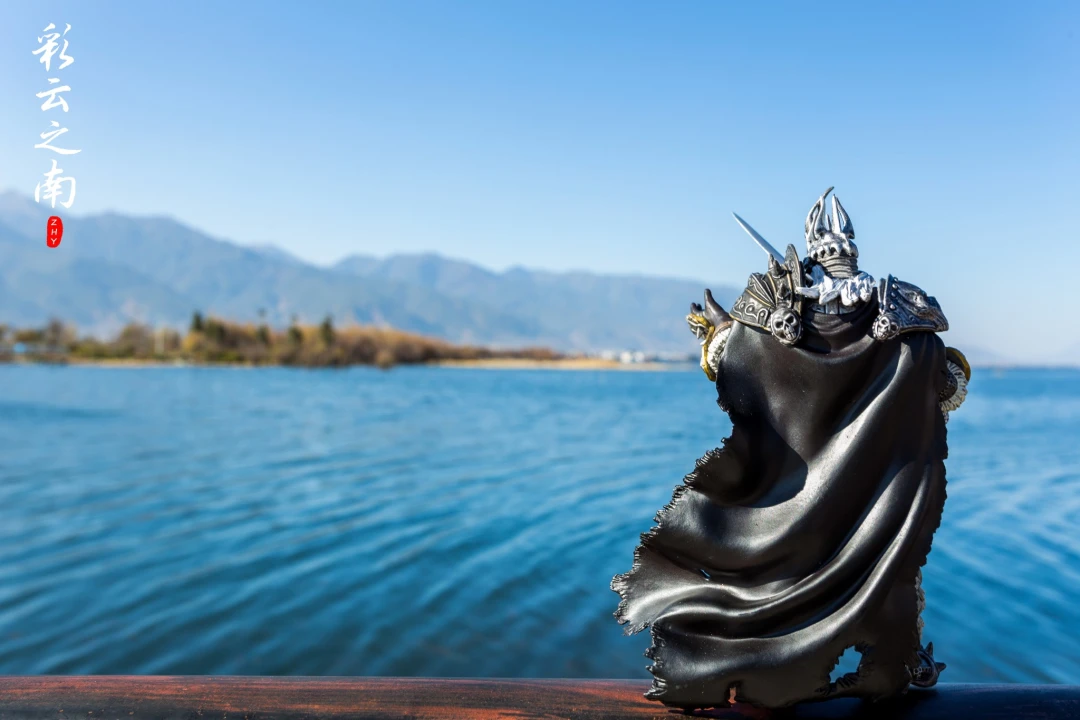
Following the photoshoot route, we continued.
This slogan—I absolutely love it.
The square outside the ancient city. Every day, people spontaneously gather here to dance to ethnic music. I watch every time I come.
With nothing else to do in the morning, we headed to Shuhe Ancient Town. I didn't have high expectations—thought it would be just another ordinary ancient town. But it surprised me. The water here is incredibly clear. I even saw wild fish in what looked like a drainage ditch—that's how clean the water is.
A dog swimming in the river. What a beautiful scene!
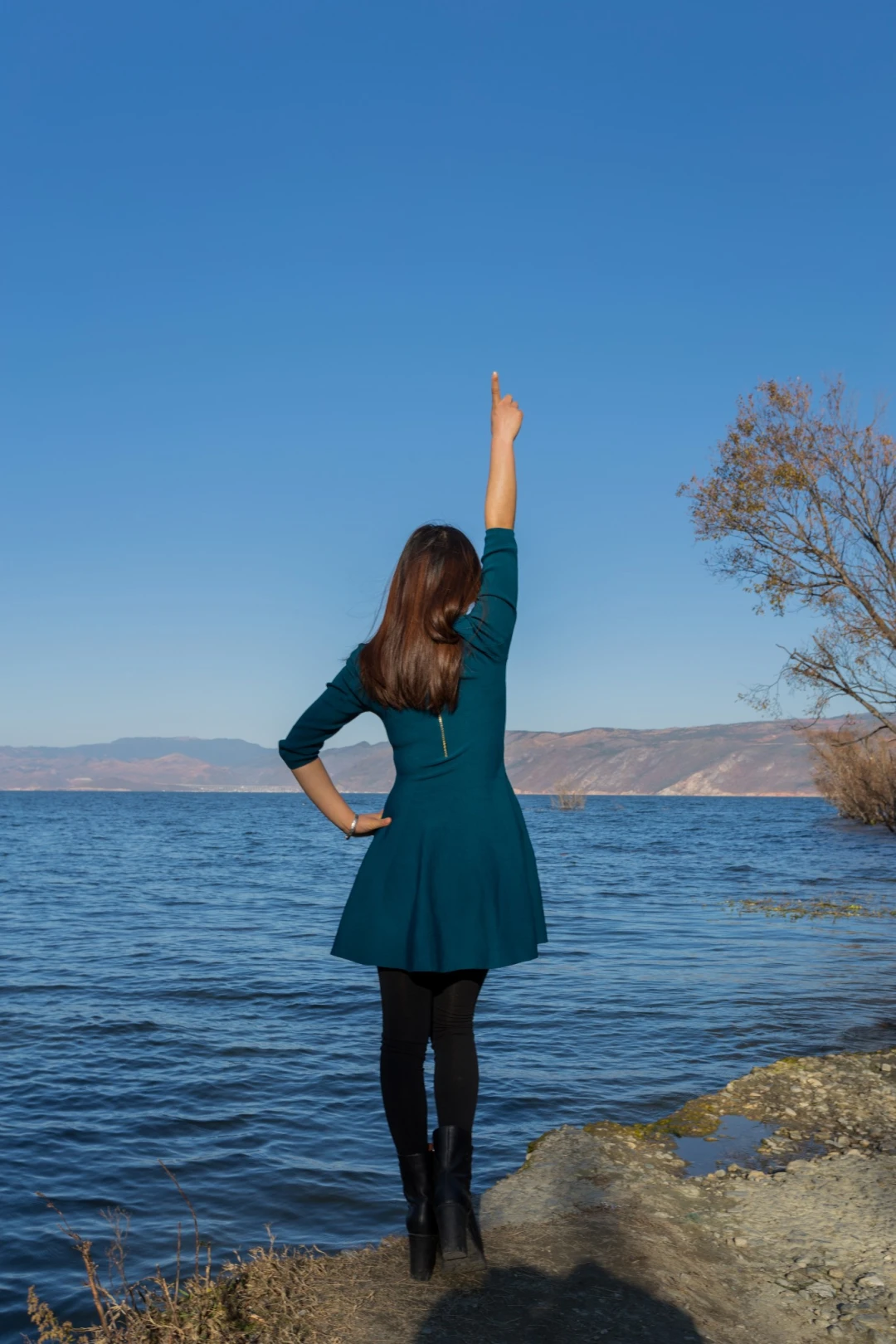
The village felt more原始 and untouched, with a better environment.
Sigh, need I say more? Photoshoot mode again, still following the photoshoot route.
The Nine-Ding Dragon Pool was worth visiting. The water was even clearer. We sat there quietly for a long time.
Look closely at one of the signs—it says "Wives and concubines in abundance." Seriously?!
This Three-Pond System is worth mentioning. The top pond is for drinking, the middle for washing vegetables, and the bottom for laundry. That shows just how good the water quality is.
Leaving Lijiang. Goodbye!
Kunming
Arrived in Kunming early in the morning. After freshening up at the hotel, we set off on our photography journey. First stop: Green Lake to see the seagulls. It happened to be Seagull Festival, but I should remind everyone to protect the environment.
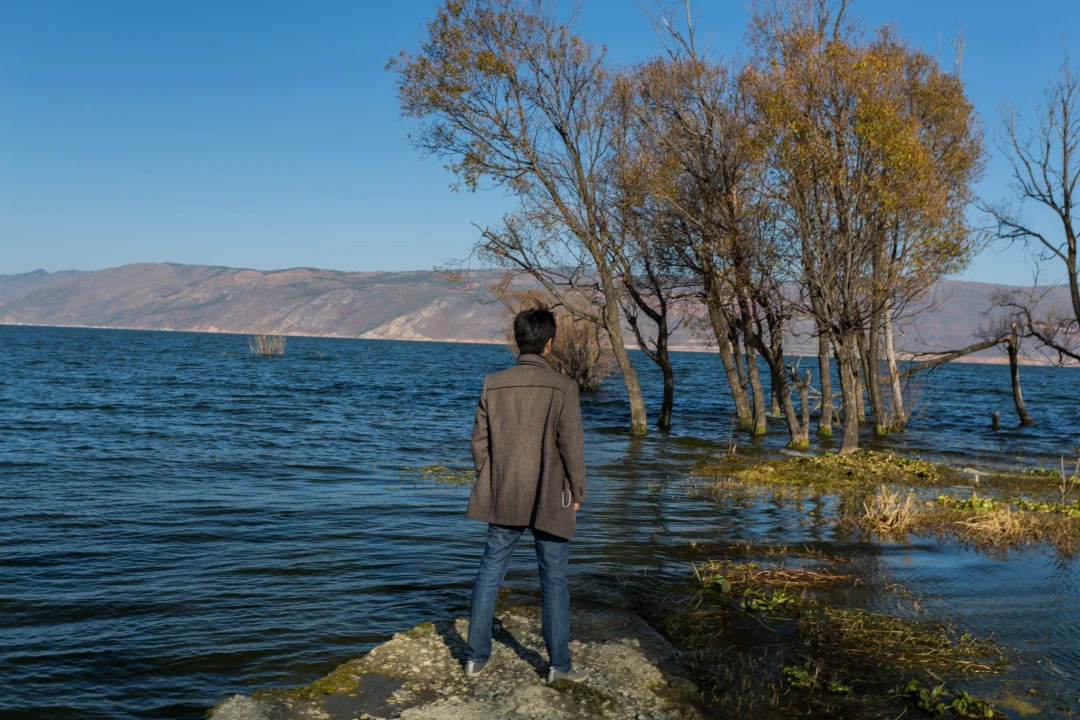
After enjoying the seagulls at Green Lake, we headed straight to Yunnan University.
There were squirrels everywhere on the Yunnan University campus. What a surprise—such a great environment.
After the university, we went straight to Yunnan Ethnic Village. I originally thought it was just one street, but it's actually huge. I planned for one hour, but after three hours, I still hadn't explored it properly, which cut into our shooting time at Haigeng Park. If you go, plan your time accordingly.
This... hope it doesn't get censored!
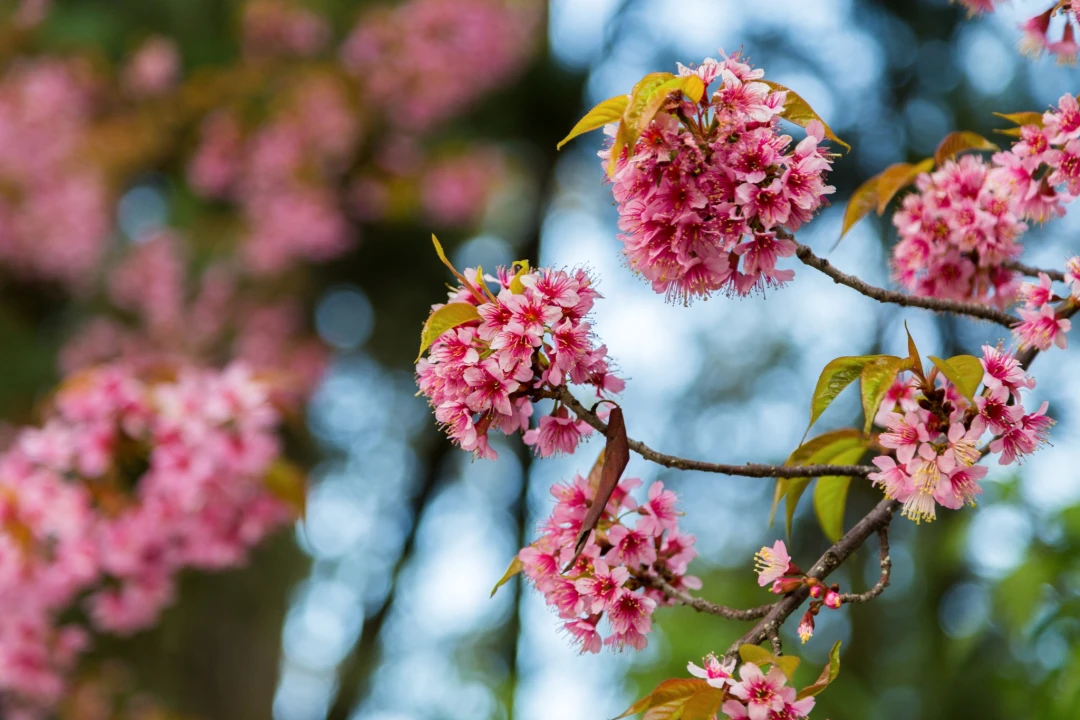
A performance at the Yi Ethnic Village. Shows run at various times.
Dare to get an elephant massage?
An elephant playing basketball—cool!
By the time we reached Haigeng Park, it was already getting dark. The lighting wasn't great—a bit of a shame.
This concludes the entire travelogue. Friend, if you've read this far, why not give it a like, leave a comment, and show some support?
Load more content
This travelogue is copyrighted by @Yun Weiwan. Any form of reproduction must contact the author.
© 2026 mafengwo.cn Report
Recommended Travelogues

- [Image: img_0040.jpeg] Southwest Yunnan: Mangshi - Tengchong - Kunming, November Solo Trip The Yunnan trip was planned back in summer but waited until November—for Tengchong's ginkgo leaves to turn yellow, for Kunming's seagulls to fly south—before packing up and setting off. Overall itinerary: from eastern Hunan to western Yunnan, nearly 2,000 kilometers. Geographically, we moved from UTC+8 to UTC+7, heading to Yunnan to experience a different way of life. This time, our family of three took public transportation exclusively, from November 4th to November 12th, a total of 9 days and 8 nights. Flew from Changsha to Mangshi, passed through Baoshan to Tengchong, and finally entered Kunming, returning to Changsha from Kunming. We tried buses, city rail, planes, public buses, subways, ride-hailing, and city walks—every kind of public transport. One to three attractions per day, two to three days per city. The itinerary...
You should also read:

God’s Abandoned Palette: A Self-Drive Journey Through Yunnan’s Dongchuan Red Land
God’s Abandoned Palette: A Self-Drive Journey Through Yunnan’s Dongchuan Red Land Travel has never been about reaching some distant geographic coordinate. It’s about encountering, along the way, the version of yourself buried beneath the rubble of daily routine. During this May Day holiday, I finally…
Continue reading...
Cloud Travelogue · Dali of Wind, Flowers, Snow, and Moon: A Three-Day, Two-Night Journey of a Free Spirit
Cloud Travelogue · Dali of Wind, Flowers, Snow, and Moon: A Three-Day, Two-Night Journey of a Free Spirit I am a cultured female foodie with a touch of rogue charm. I slung on my backpack, took my lover's hand, and set off on a spontaneous…
Continue reading...
The Meaning of Travel – A Tengchong Story: A Journey of the Heart and Personal Growth
The Meaning of Travel – A Tengchong Story: A Journey of the Heart and Personal Growth Setting Out, Only to Return a Better Self Some say travel is nothing more than leaving a place you're tired of, only to go to a place where others…
Continue reading...