Chasing Autumn in Beijing: A Food Lover’s Quest for the Soul of the Imperial City
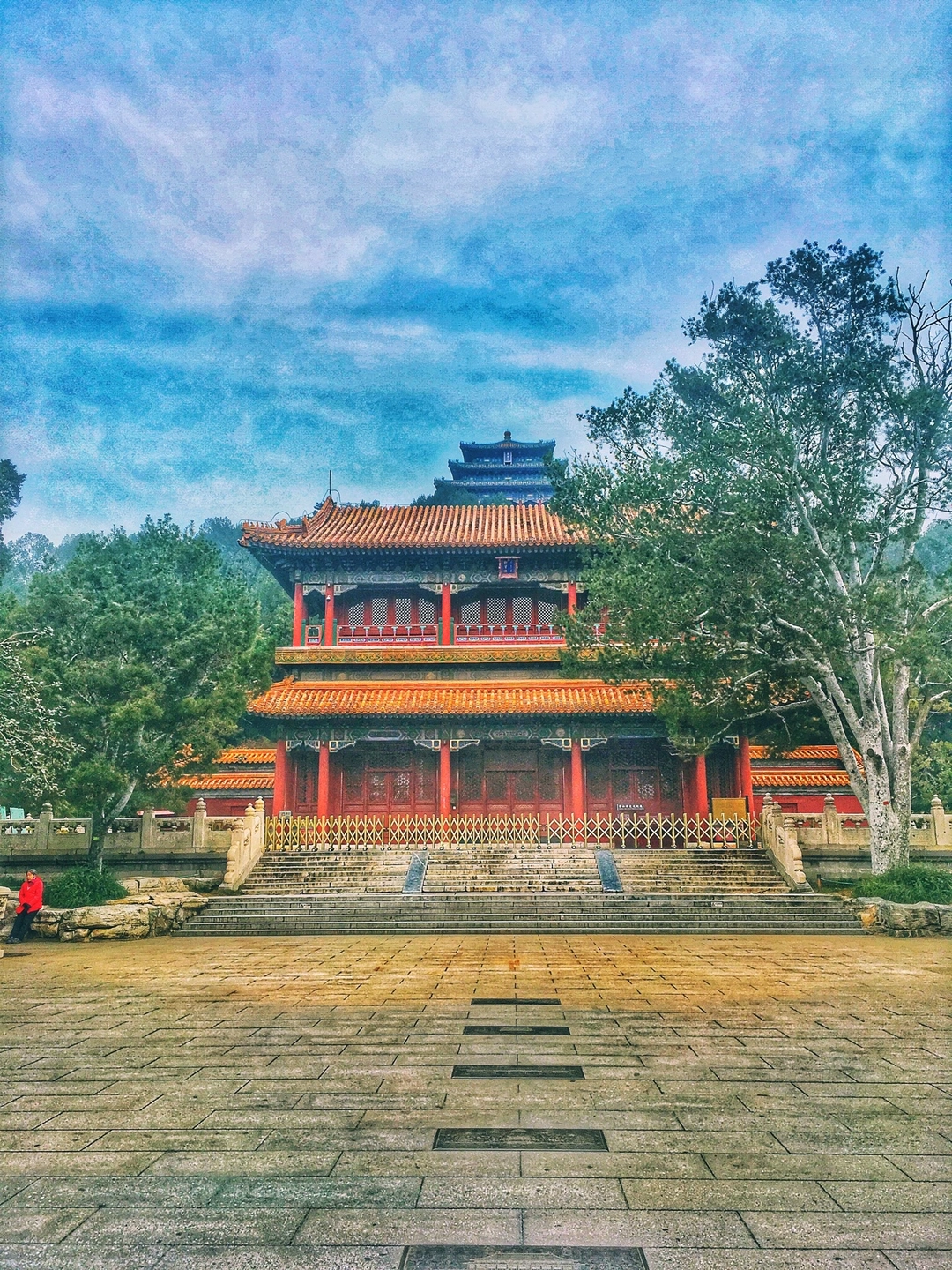
Chasing Autumn in Beijing: A Food Lover’s Quest for the Soul of the Imperial City
There’s something about autumn that pulls at the heartstrings. The air turns crisp, leaves blaze gold and crimson, and a quiet melancholy settles over the world. For me, autumn in Beijing wasn’t just a season—it was a mission. A mission fueled by two lifelong obsessions: freedom and food.
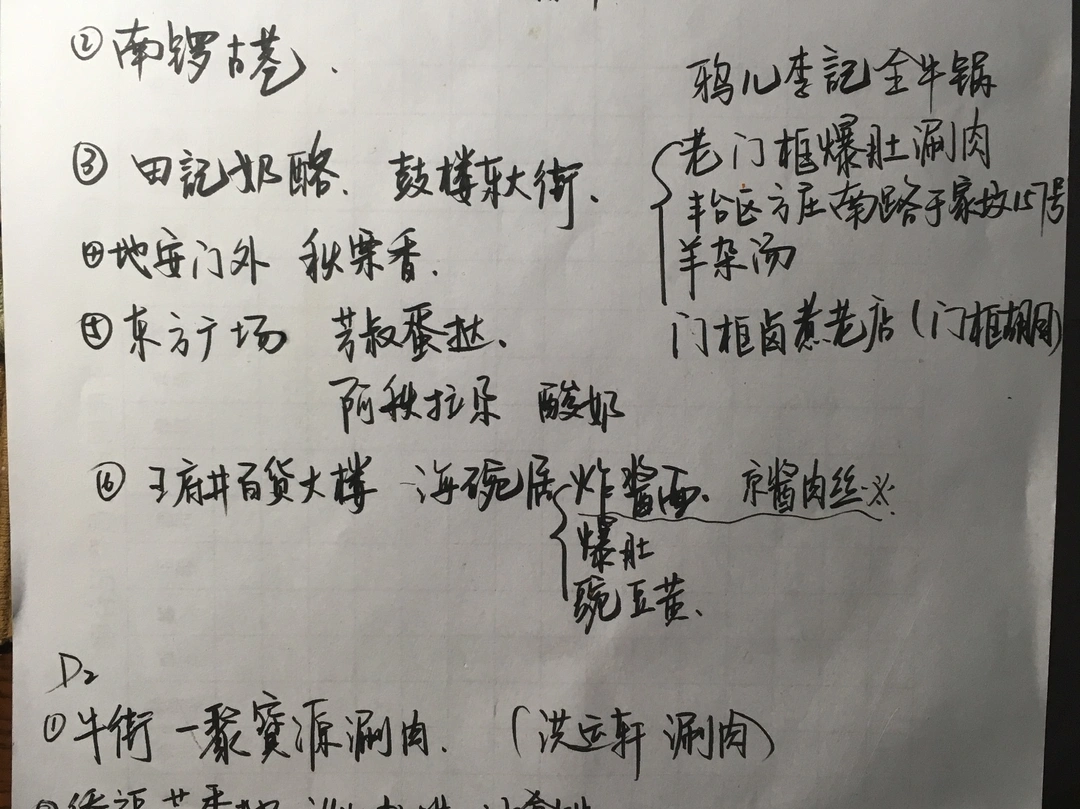
I’d been plotting a Beijing food tour for ages, ever since I mapped out a detailed culinary treasure hunt. The high-speed rail connection to my city was supposed to open, making the trip effortless. But delays kept pushing the date back, and my patience ran thin. So I did what any reasonable person would do: I grabbed two vacation days, tacked them onto a weekend, and hopped on a train. Four days. No regrets.
The plan was simple: follow a carefully crafted food map, hit the must-see exhibitions at the Forbidden City, and soak up the last golden rays of Beijing’s autumn. This wasn’t just a trip—it was a pilgrimage to taste, see, and feel the imperial capital’s unique rhythm.
The Philosophy Behind the Journey
Some people chase promotions. Others chase love. Me? I chase two things: the taste of something extraordinary and the feeling of being completely, utterly free.
But what is freedom, really? Our bodies are trapped in cities, our souls trapped in routines. Travel is the great escape—a chance to let the body lead and the soul catch up. And when that escape is seasoned with unforgettable meals? That’s as close to perfect as life gets.
Day 1: Alleys, Temples, and the Holy Grail of Roast Duck

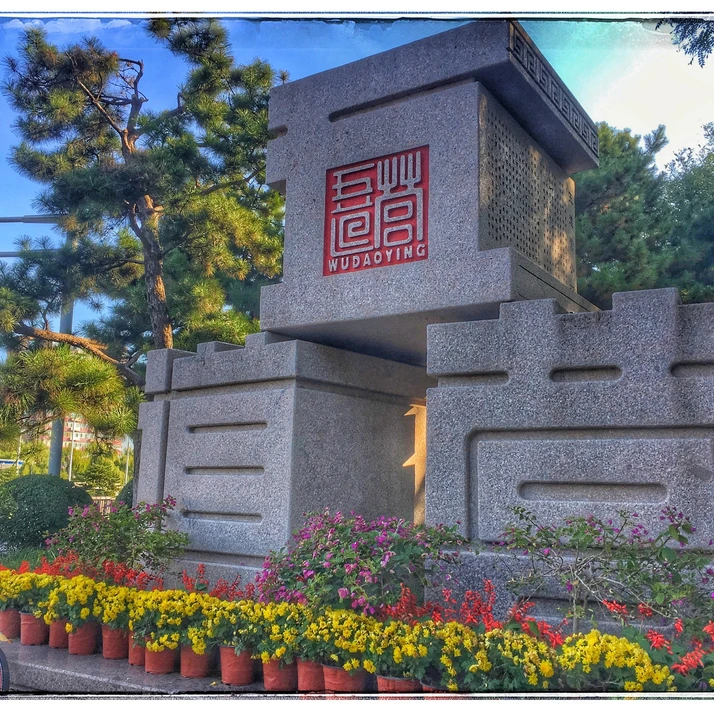
Wudaoying Hutong: Where the Night Owls Sleep In
After dropping my bags at a hostel (note to self: Beijing accommodation prices have gone berserk—even hostel beds cost over 100 RMB now), I headed straight for Wudaoying Hutong.
While Nanluoguxiang and Houhai have become tourist traps, Wudaoying remains a hidden gem—a narrow lane dotted with quirky bars, indie cafes, and boutiques. Legend has it that expats discovered it first, fleeing the overrun Houhai scene. By day, though, it’s sleepy. Most shops don’t open until noon. I wandered past closed doors, peeking into courtyards and snapping photos of the old architecture.
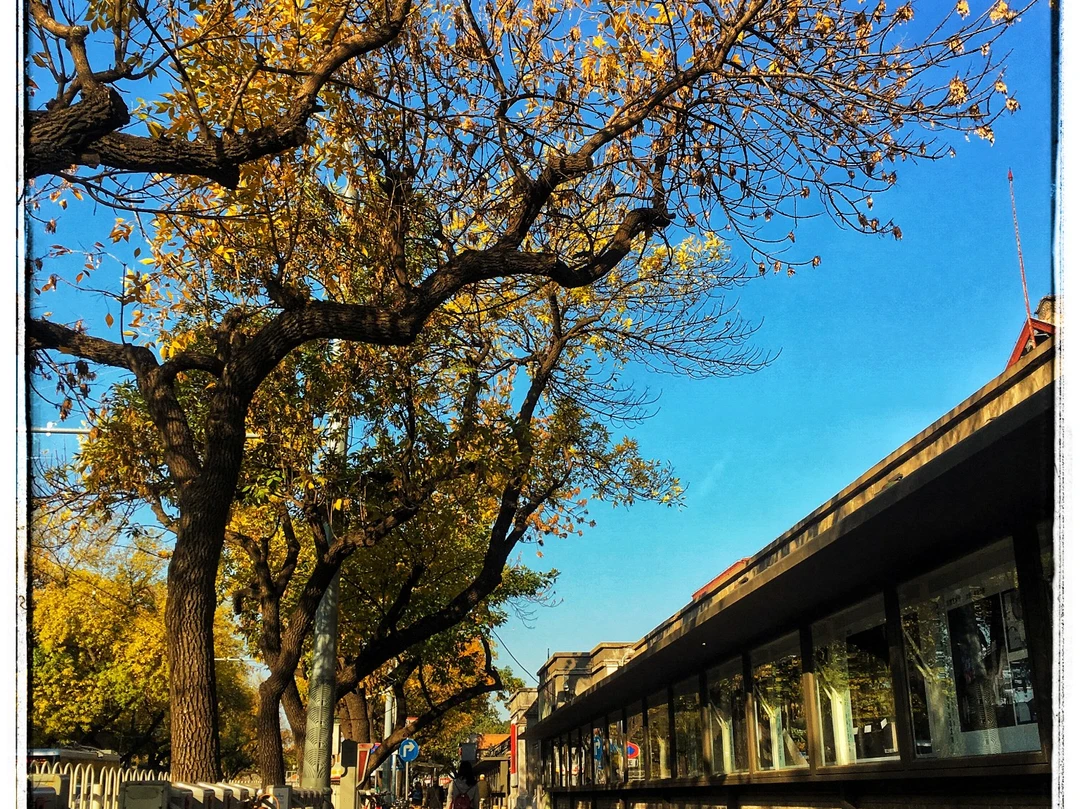
My real target? A legendary barbecue joint rumored to be tucked deep in the alley. The kind of place that doesn’t show up on maps. I asked locals. No one knew. I scoured online reviews, piecing together clues like a detective. Finally, I found it—only to discover it had moved. Gone. Empty.
First meal of the trip? A bag of beef jerky and an apple I’d packed for emergencies. So much for a triumphant start.
Still, the walk was worth it. I passed a primary school housed in a former prince’s mansion—a beautiful example of how Beijing’s history lives on in everyday life. Nearby, the Imperial College (Guozijian) still hums with students, continuing a tradition of learning that stretches back centuries.
At the eastern entrance of Wudaoying, I spotted Jingzhaoyin, a famous vegetarian restaurant with prices that make your eyes water. I’ll get there one day. Maybe after I win the lottery.
Yonghe Temple: A Dose of Imperial Blessing
A short walk from Wudaoying brought me to the Lama Temple (Yonghe Temple), a place I visit every time I’m in Beijing. It’s not just about the architecture—it’s about the energy. This temple produced two emperors (Yongzheng and Qianlong), making it a true land of fortune.
The complex is massive: five courtyards, flanked by side halls. It takes at least two hours to explore properly. Despite the crowds, there’s a serene quality here. You can always find a quiet corner to pause and reflect.
The highlight? The Maitreya Buddha in the Wanfu Pavilion. Carved from a single white sandalwood trunk, it stands 18 meters above ground and extends 8 meters below. Even imagining a tree that size is mind-boggling. The craftsmanship is exquisite—every detail speaks of imperial luxury and Buddhist devotion.
Before leaving, I spotted a pomegranate tree in a corner, heavy with ripe fruit. A perfect metaphor for life: rooted in sacred ground, bearing the fruit of fulfillment. May we all be so lucky.
The Hunt for Roast Duck
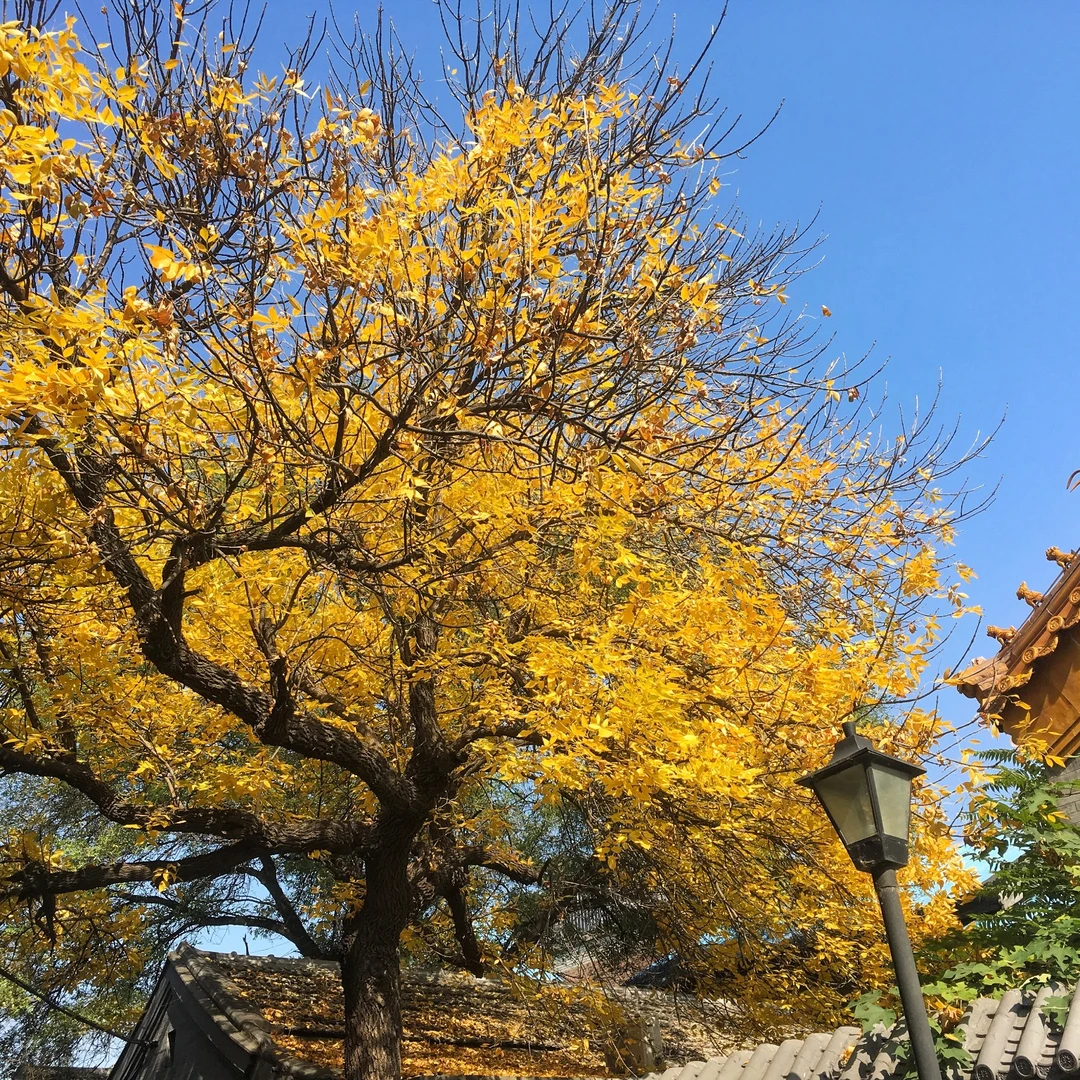
By now, I was starving. My backup plan? Siji Minfu (四季民福), a legendary roast duck chain. But first, I wanted to try Tianji Cheese (田记奶酪), a snack shop recommended in my guide. I biked past Shichahai, snapping photos of golden leaves against ancient rooftops. One tree in particular caught my eye—a blaze of yellow, its leaves dancing in the wind like reluctant farewells.
I arrived at the spot where Tianji Cheese should have been. Nothing. The navigation was useless. Turns out, the guide I was using was from 2016. Two years is an eternity in Beijing’s food scene. Defeated, I grabbed a couple of pastries from a nearby shop. The crab ross cake (蟹黄酥松小贝) was a pleasant surprise—crispy, creamy, and utterly delicious.
Across the street was Yandai Xiejie (烟袋斜街), a commercialized alley I abandoned after ten steps. Too touristy. No time for that.
Finally, I reached Siji Minfu’s Forbidden City branch. It was 2 PM. The queue stretched out the door. Apparently, Beijing never runs out of hungry people. A quick search revealed another branch nearby—Dong’anmen—with no wait. Victory.
The Meal Worth the Wait
I ordered a sampler of classic Beijing snacks: pea cake (豌豆黄), cloud roll (芸豆卷), donkey roll (驴打滚), and aiwowo (艾窝窝). Siji Minfu’s versions were stellar—the pea cake perfectly sweet, the aiwowo soft and generously filled. Their dry-fried meatballs (干炸丸子), made from minced pork, were crispy and satisfying.
Then came the duck. Half a bird, glistening, golden, impossibly fragrant. The proper way to eat it? Crispy skin dipped in sugar, melting on your tongue. Meat dipped in garlic, cutting through any gamey notes. Or wrapped in a thin pancake with sweet bean sauce, scallions, and cucumber—a perfect bite.
I ate until I couldn’t move. And then I felt guilty for the leftovers. A food lover’s eternal dilemma.
Back at the hostel, I crashed. But not before grabbing a bag of chestnuts from Qiuli Xiang (秋栗香), a legendary shop near Di’anmen. The chestnuts were warm, sweet, and impossibly easy to peel. Legend says if someone brings you a bag of Qiuli Xiang chestnuts on a cold winter night, you should marry them. I’m not saying I believe it, but I’m not saying I don’t.
A late-night bike ride to Tiananmen Square completed the day. Standing there, under the giant portrait of Mao, I felt a surge of something—patriotism, awe, maybe just the exhaustion talking. But it was real.
Day 2: The Forbidden City and Friends
Morning at the Palace
I started early with a breakfast of baozzi (steamed buns) and chaogan (stir-fried pork liver) at Qingfeng Baozipu (庆丰包子铺). The chaogan was surprisingly authentic—better than anything back home.
By 8 AM, I was at the Forbidden City. The plan was to beat the crowds. I failed. Tour groups were already swarming. But thanks to online ticketing, I breezed through security.
The Forbidden City is a living museum. Every brick, every beam, every courtyard tells a story. I focused on four key spots:
Southern Warehouse (南大库) – The furniture gallery, opened in September 2018. The imperial furniture is a masterclass in craftsmanship. Each piece is a work of art, dripping with history and “imperial patina.” The exhibition even recreates a scene from Emperor Qianlong’s painting One is Two.
East Yanxi Tower (东雁翅楼) – The Monaco Grimaldi Dynasty exhibition. Western royal treasures are beautiful, but compared to Chinese artifacts, they feel… modest. Still, Princess Grace’s portrait was stunning.
Wenhua Hall (文华殿) – The “Four Wangs” painting exhibition. I’m no art expert, but even I could appreciate the mastery of Wang Shimin, Wang Jian, Wang Yuanqi, and Wang Hui. Their ink work is layered, subtle, and deeply philosophical. The calligraphy on display was equally mesmerizing—natural, flowing, like brushstrokes of pure emotion.
After three hours of wandering, I met up with a friend from Shanghai who had flown in just for the day. We grabbed lunch at a small noodle shop near the palace—nothing fancy, but the hand-pulled noodles (拉面) were soul-warming. We talked about life, work, and the strange joy of chasing food across China.
Afternoon: A Walk Through History
We spent the afternoon exploring the western parts of the Forbidden City, where fewer tourists venture. The Palace of Compassion and Tranquility (慈宁宫) was a highlight—a quiet courtyard with ancient pines and a sense of timeless peace. I imagined empresses walking these paths, their silk robes brushing against the stone.
By late afternoon, my friend had to catch a flight back. We said goodbye at the Meridian Gate, promising to meet again for our next food adventure. As she disappeared into the crowd, I felt a pang of loneliness—but also gratitude. Travel is better shared.
Day 3: Markets, Memories, and One Last Feast
The Morning Market
I woke early and headed to the Dongsi Market, a traditional wet market that’s been around for decades. The air was thick with the smell of fresh produce, spices, and frying oil. Vendors shouted their prices, customers haggled, and chickens squawked in cages. It was chaotic, messy, and absolutely alive.
I bought a bag of hawthorn berries (山楂) and a steaming bowl of tofu pudding (豆腐脑) from a street stall. The pudding was silky, topped with soy sauce, chili oil, and pickled vegetables—a breakfast that felt like a hug.
A Final Pilgrimage
Before catching my train, I had one last mission: find the perfect bowl of zhajiangmian (炸酱面), Beijing’s iconic noodle dish. I’d heard about a hole-in-the-wall joint in the hutongs near Qianmen. The directions were vague, but I trusted my instincts.
After twenty minutes of wandering, I found it—a tiny shop with no sign, just a handwritten menu taped to the door. Inside, an elderly couple was making noodles by hand. I ordered a bowl, and it arrived in minutes: thick noodles topped with a rich, savory sauce of fermented soybean paste, minced pork, and shredded vegetables. I mixed it all together and took a bite. Perfect. The noodles were chewy, the sauce deeply umami, the vegetables adding crunch. This was the Beijing I’d been searching for.
Reflections on the Road
As the train pulled out of Beijing, I watched the city shrink into the distance. The golden autumn leaves, the ancient temples, the endless queues for roast duck—all of it felt like a dream.
Four days wasn’t enough. It never is. But I’d tasted the soul of the imperial city: in the smoky scent of chestnuts, the crunch of duck skin, the laughter of friends, and the quiet moments of awe in a 600-year-old palace.
Beijing in autumn is a love letter to the senses. And I, for one, am already planning my return.
You should also read:

Meili Snow Mountain: A Soulful Journey of Dialogue with the Sacred Mountain
Meili Snow Mountain: A Soulful Journey of Dialogue with the Sacred Mountain Prologue: When Travel Becomes Faith Some journeys are forgotten as soon as they end. Others carve themselves into your bones. The trip to Meili Snow Mountain belongs to the latter. Waking up in…
Continue reading...
Golden Autumn: A Poetic Tapestry of Light and Shadow in Tengchong's Ginkgo Village
Golden Autumn: A Poetic Tapestry of Light and Shadow in Tengchong's Ginkgo Village A Belated Autumn Rendezvous Everyone harbors a dream about autumn somewhere in their heart. For me, that dream once belonged to Jiuzhaigou—that palette of colors hailed by the world as a "fairy-tale…
Continue reading...
Idle Clouds in Autumn, a Moonlit City: A Slow Travelogue Through Lijiang and Shuhe
Idle Clouds in Autumn, a Moonlit City: A Slow Travelogue Through Lijiang and Shuhe When the autumn wind brushes across the ancient city's eaves, when sunlight spills onto the mottled cobblestone streets, when the melodies of folk songs mingle with the aroma of plum wine…
Continue reading...