China's Narrowest County: Yanjin, a "Subway City" Built in a Gorge
China's Narrowest County: Yanjin, a "Subway City" Built in a Gorge
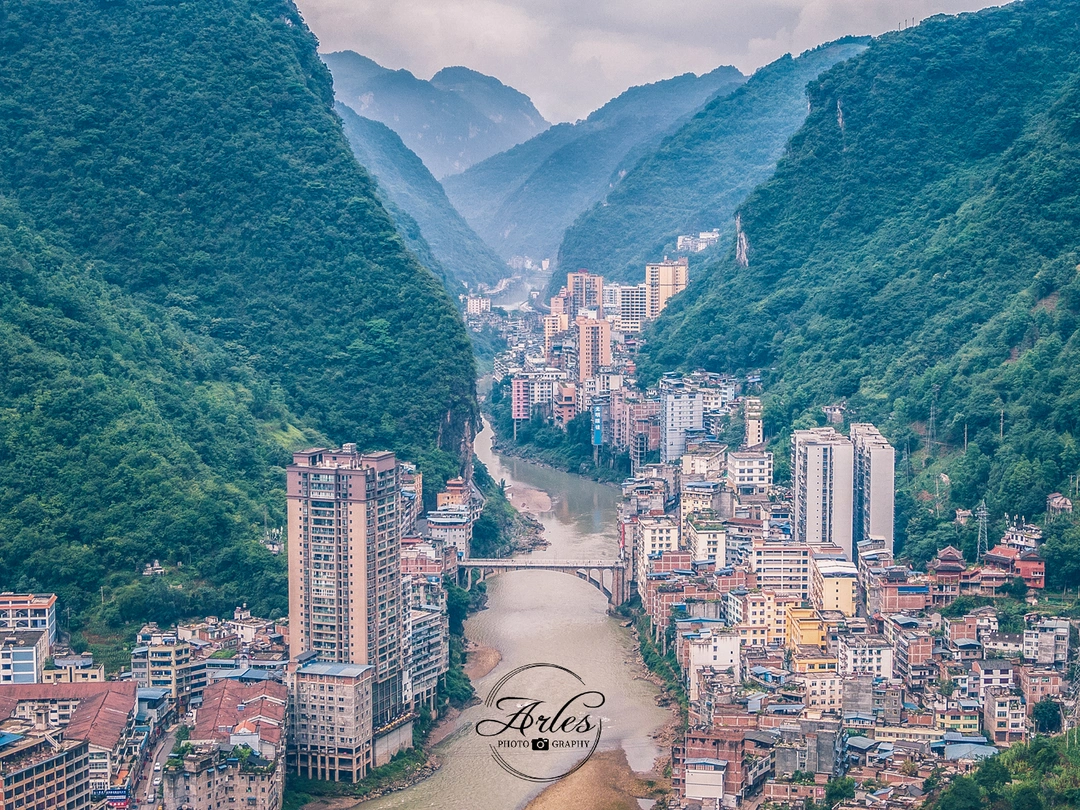
When people in China talk about "subways," they usually think of first-tier metropolises like Beijing or Shanghai. But you might not know that the very first county in China to have a "subway" is hidden deep in the Wumeng Mountains of Yunnan Province. Its name is Yanjin, a county squeezed between two massive mountains, with its narrowest point measuring just over 40 meters wide. It's known as "China's narrowest county." Here, there are no bustling shopping districts, no wide boulevards. Instead, trains rumble through tunnels beneath the town, stilted houses hang over the Guan River, and suspension bridges sway in the wind. This small town, with a kind of stubborn resilience, has carved out a life for itself in the most unlikely of places.
How to Get to This "Gorge City"
Yanjin County is located in Zhaotong City, Yunnan Province, nestled in the northern branch of the Wumeng Mountains. It serves as the "northern gateway" to Sichuan. Despite its remote location, it's fairly accessible by both train and bus.

If you're coming from Yibin, you can take a long-distance bus. I bought a ticket for 3:10 PM, only to be told that two buses were merging and it was delayed until 3:50 PM. Then we drove around the city picking up more passengers, not actually leaving Yibin until nearly 5:00 PM. This slow, unhurried pace is typical of small towns in Southwest China. The bus will drop you off at the bus station in Yanjin's new district. From there, you can take a taxi or local bus to the narrowest part of the old town—it's only about a 10-minute ride.
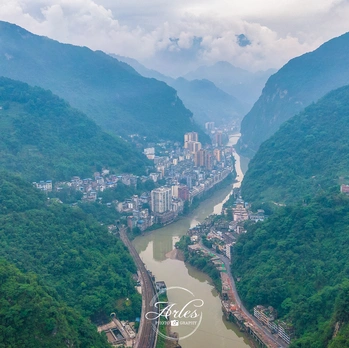
If you prefer the train, only one pair of slow trains, the 5635/5636 from Neijiang to Zhaotong, currently stops at Yanjin. It's important to know that Yanjin has two train stations: Yanjin Station and Yanjin North Station. If you want to go to the narrowest part of the old town, get off at Yanjin North Station. You'll exit the station right into the county. Yanjin North Station itself is quite unique—it's built on a bridge, making it a curved station. The waiting room is on the fourth floor, and there are no elevators, so passengers have to carry their bags up the stairs. There's no security check, no ticket window. When a train is approaching, a staff member rings a bell and then leads you to the platform to buy a ticket on board. This "primitive" travel experience has, oddly enough, become a unique travel memory in itself.
The Narrowest County, the Most "Precarious" Life
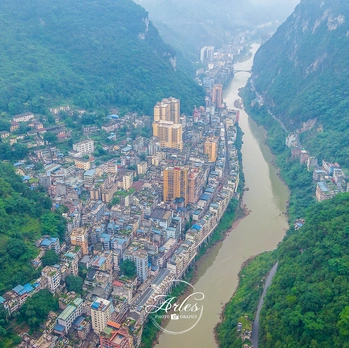
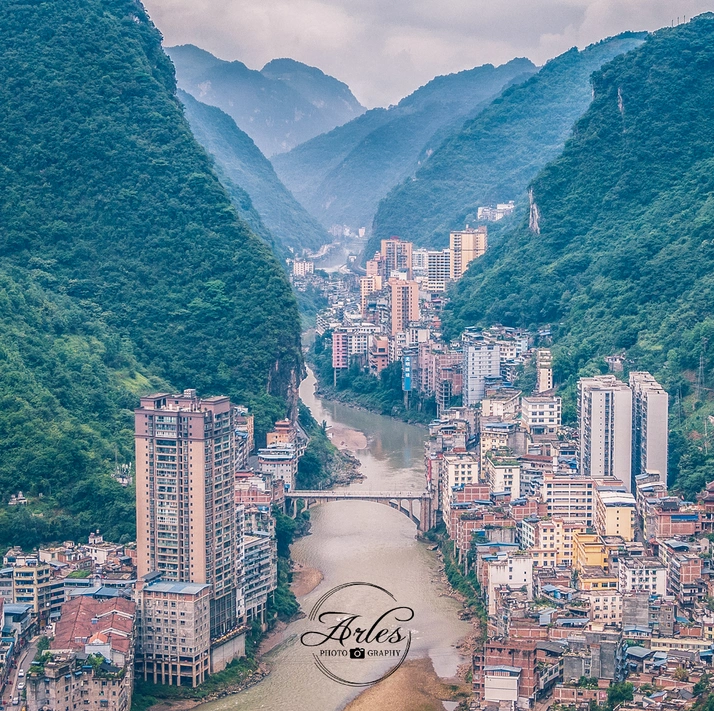
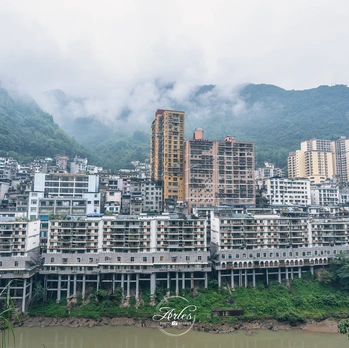
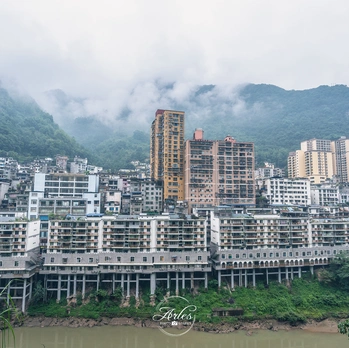
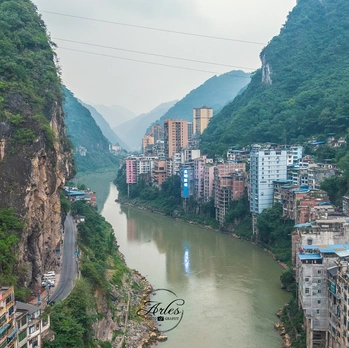
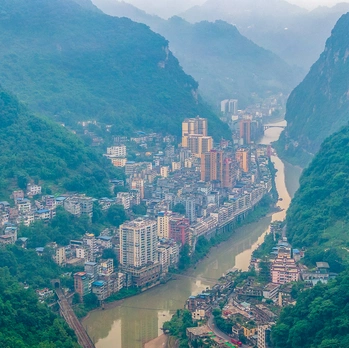
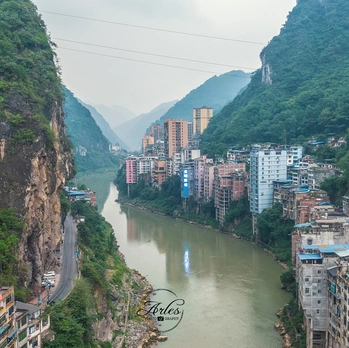
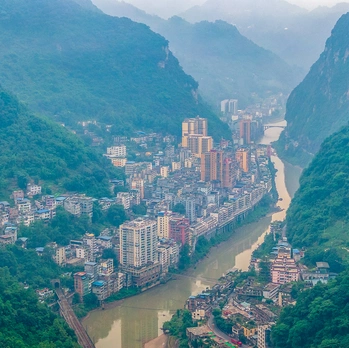
Yanjin's history can be traced back to the time of the Bo people in ancient times. It got its name from the salt wells (盐井, salt wells) and the ferry crossing (渡口, ferry crossing). Surrounded by mountains on all sides, the Guan River cuts through the town, with narrow, steep cliffs on both banks. The narrowest point is only about 40 meters wide. There's almost no flat land, so houses are built clinging to the riverbanks and the mountain walls, creating the distinctive "stilted buildings"—dozens of concrete pillars, tens of meters long, are driven into the riverbed to support entire buildings. The first time you see these houses, you can't help but gasp: can these thin pillars really hold them up?
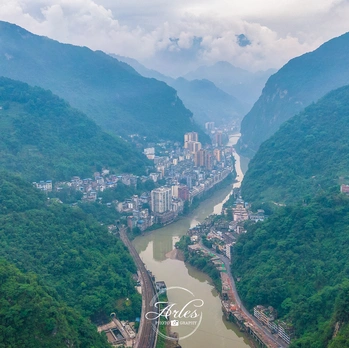
But the locals are long accustomed to it. They live, run shops, keep cats and dogs, and even raise chickens and ducks in cages on their windowsills and eaves in these "suspended" houses. The streets are so narrow that only one car can pass at a time. The buildings on both sides are packed tightly together, and when you look up, you can only see a sliver of sky. Old and new buildings are stacked on top of each other, giving it a bit of the flavor of the mountain city Chongqing, but here it's narrower, more precarious, and more raw.
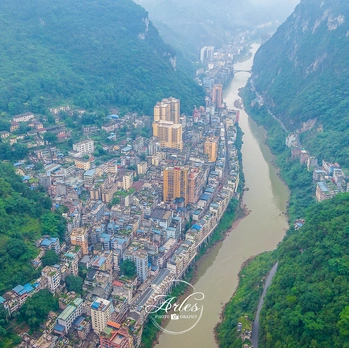
Yanjin's narrowness isn't a design choice; it's a necessity. Towering mountains flank the county on both sides, and room for development has long been exhausted. So, Yanjin built a new district a few kilometers away. Government offices, hospitals, schools, and the bus station have all moved there, while the old town retains its original, vibrant atmosphere. Walking through the old streets, you'll see weathered old shops, elderly men smoking, men carrying bamboo baskets on their backs, and motorcycles weaving through the narrow alleys—this is the most authentic street life of Southwest China.
Suspension Bridges, Rivers, and a Picture-Scroll Landscape
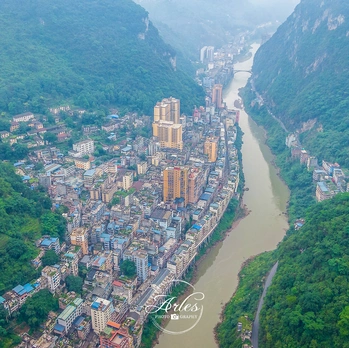
Yanjin has several old steel-cable suspension bridges connecting the two banks of the Guan River. To get to one of these bridges, you first have to descend many steps. The bridge is made of steel cables and steel plates. Walking on it makes it shake violently, with the rushing river below. On one side of the bridge is carved a line from Chairman Mao's poem "Snow: To the Tune of Qinyuanchun" — "So bright the hills, so fair the rills" (江山如此多娇). On the other side is a line from his poem "New Year's Day: To the Tune of Rumengling" — "Red flags like paintings in the breeze unfurled" (风展红旗如画). On the bridge, you might see a couple asking a blind fortune teller about their future, an old person slowly crossing with a basket on their back, or children running on the deck planks. This swaying bridge is a part of everyday life for the people of Yanjin, and it's one of the city's most touching sights.
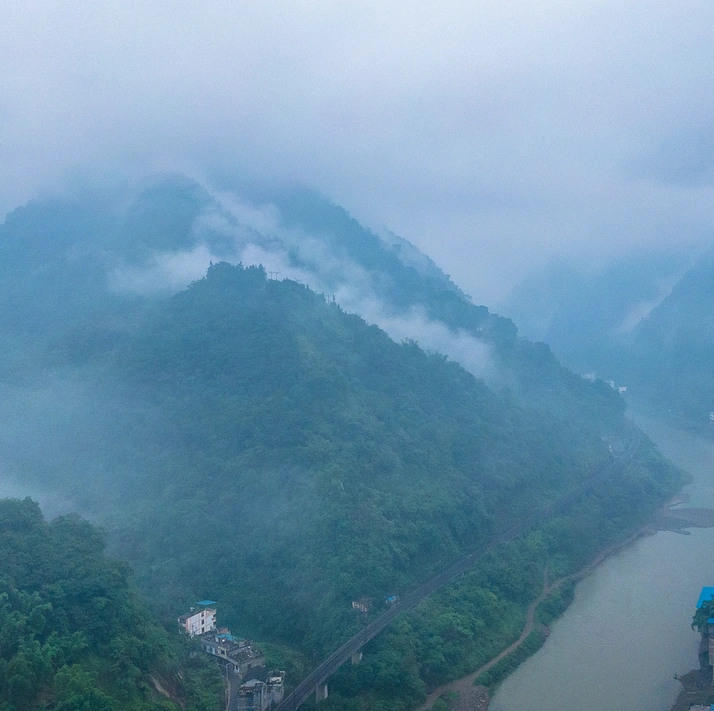
After dark, the banks of the river in Yanjin are brightly lit. Many people gather on the larger bridge to enjoy the cool breeze. The streets are bustling with people, shops are brightly lit, and the atmosphere is lively. You can still see men carrying bamboo baskets weaving through the crowd—a characteristic tool of daily life in the Yunnan-Guizhou-Sichuan region. Yanjin has its own taxi mini-program app. Drivers almost never use the meter, just telling you the price directly. If they see an empty seat on the way, they'll pick up another passenger. This "flexible" mode of transport is common in small Southwest towns, but for an outsider, it's a novel and slightly bewildering experience.
The Neijiang-Kunming Railway: The Birth of China's First "Subway County"
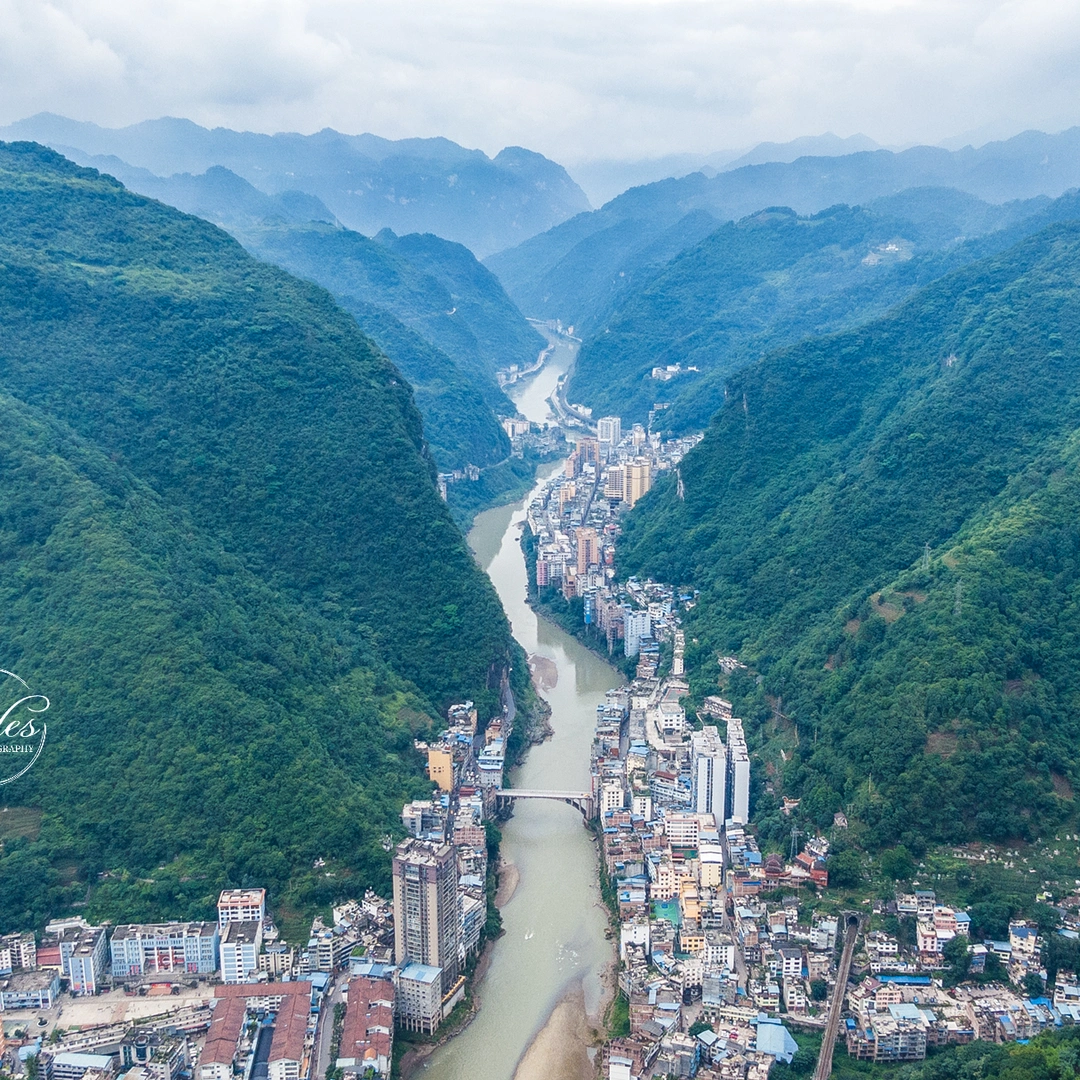
On May 12, 2002, the Shuifu (Yunnan) to Meihuashan (Guizhou) section of the Neijiang-Kunming Railway was completed and opened to traffic, ending Yanjin's history of being without a train. Because the county town is so small and all the flat land was already occupied by buildings, the railway had to be built through a 1,800-meter-long tunnel under the town. This unique route design earned Yanjin the nickname "China's first county with a 'subway'."
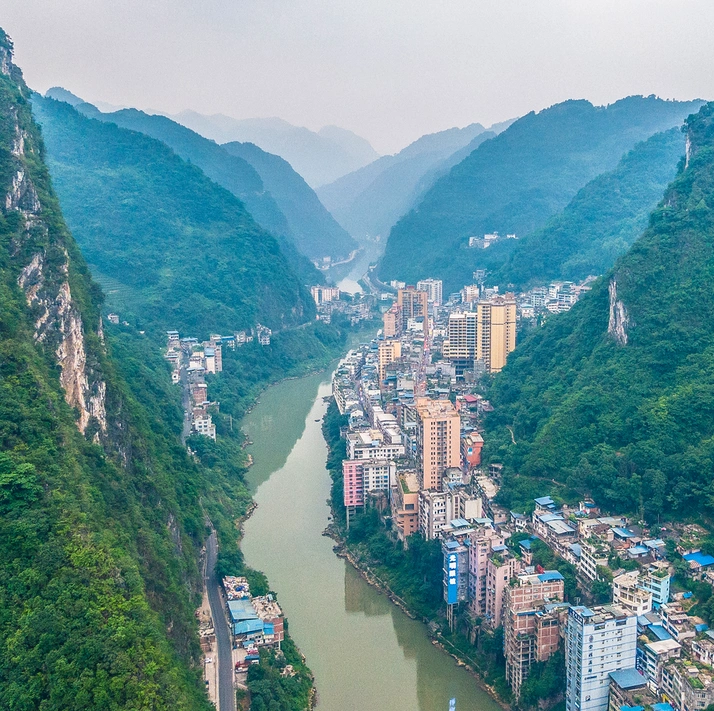
Today, only one pair of slow trains from Neijiang to Zhaotong still runs through Yanjin. But the SS3 series electric locomotives on the Neijiang-Kunming line have become a symbol of this railway. The SS3B locomotives pull freight trains through the mountains, across the river valley, and between the buildings, entering Yanjin's "underground railway." This scene is unique to Yanjin and the Neijiang-Kunming line. At Yanjin North Station, you can even see a little dog running around on the tracks, completely unafraid of the approaching train. This "people and trains coexisting" scene is something you would absolutely never see in a big city.
The Taste of Yanjin: Cold Shrimp Dessert, Hot and Sour Rice Noodles, and Fried Potatoes
Yanjin's cuisine has a strong Southwest Chinese character. Start your morning with a bowl of beef hot and sour rice noodles (酸辣粉), a sweet bowl of brown sugar cold shrimp dessert (凉虾), and a plate of fried potatoes sprinkled with chili powder. Your taste buds, dormant all night, will instantly awaken. The "cold shrimp" isn't real shrimp; it's a jelly made from rice milk, served with brown sugar water—refreshingly sweet and cool. The fried potatoes are crispy on the outside and tender on the inside, with the aroma of chili powder hitting your nose. The hot and sour rice noodle soup is rich and flavorful, with tender, slow-cooked beef, sour and spicy, which whets the appetite. These simple snacks are the backdrop of daily life for the people of Yanjin.
Besides these, Yanjin is also known for "Miaoba Baijiu" (庙坝白酒), which is hailed as Yanjin's version of "Wuliangye." The black-boned chicken (乌骨鸡) is also a local specialty, with tender meat, perfect for making soup. If you come to Yanjin, you must try these authentic flavors.
Epilogue: From Impoverished County to Internet-Famous City
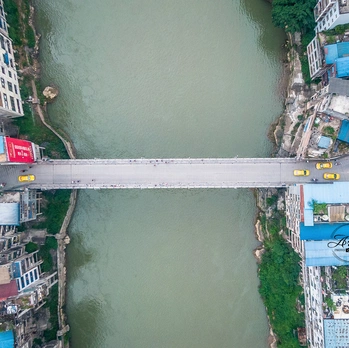
Yanjin was only officially lifted out of poverty in May 2020. In recent years, coverage on new media platforms has gradually introduced it to the outside world. In ancient times, the first dangerous pass from the Bashu region (modern Sichuan/Chongqing) into Yunnan was located in Yanjin, and many historical sites remain here today. The under-construction Chongqing-Kunming High-Speed Railway will have a station in Yanjin, meaning this small town will soon enter the high-speed rail era. Riding the wave of the internet, Yanjin is gradually becoming a new "internet-famous city."
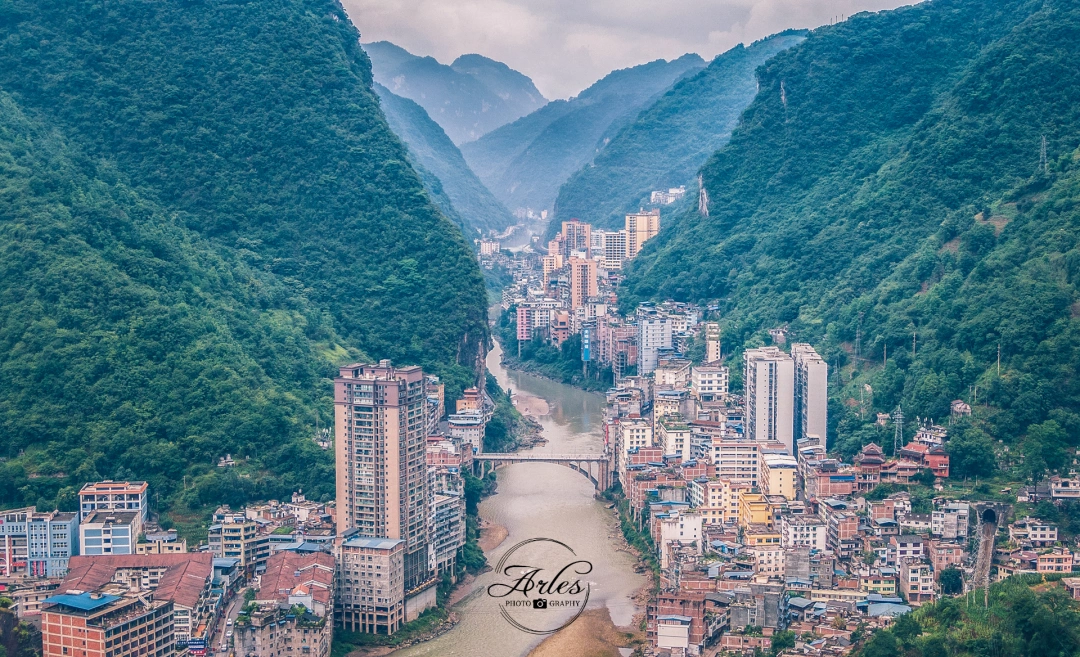
But no matter how times change, what is most touching about Yanjin is always its tenacious vitality, its ability to thrive in a desperate situation. The narrowest streets, the most precarious stilted houses, the shakiest suspension bridge, the most primitive train station—these "mosts" are not just gimmicks. They are the life that the people of Yanjin have created in this gorge with their wisdom and courage. If you're tired of cookie-cutter travel destinations, come and take a walk in Yanjin. Here, you will see China's narrowest county, and you will also see its broadest spirit.
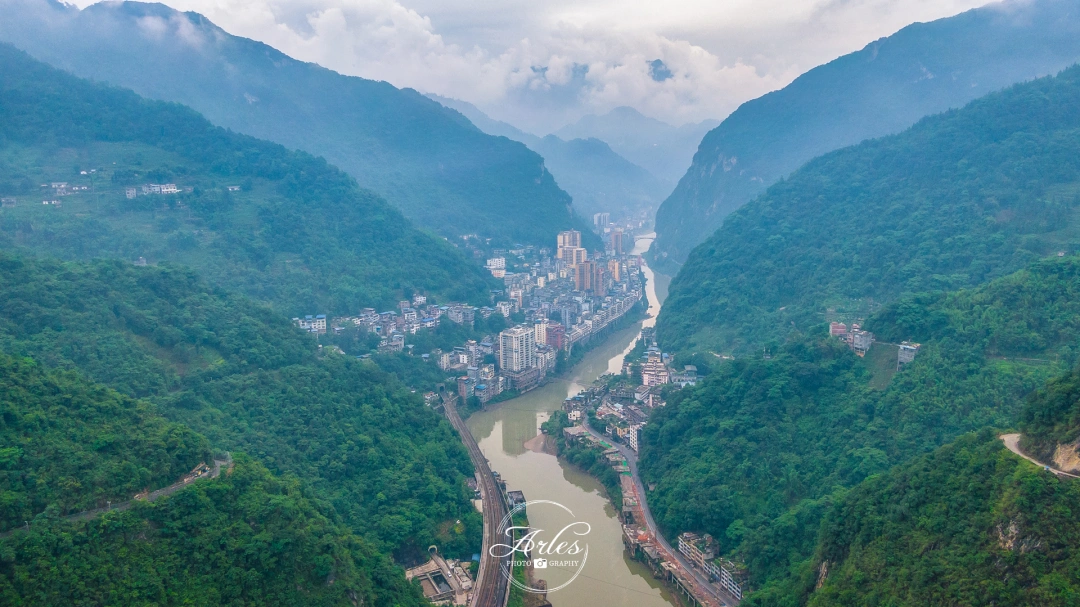
Author's Note: All information in this article is based on first-hand visits and publicly available materials. Yanjin is a small city worth seeing. Its narrowness, its peril, its beauty—you can only truly understand them by experiencing them yourself.
You should also read:

Yunnan Love Story: A 24-Day Memoir of Travels in Yunnan (Dali, Lijiang, Lugu Lake, Shangri-La, Tiger Leaping Gorge, Meili Snow Mountain, Yubeng)
Yunnan Love Story: A 24-Day Memoir of Travels in Yunnan (Dali, Lijiang, Lugu Lake, Shangri-La, Tiger Leaping Gorge, Meili Snow Mountain, Yubeng) To chase all the unseen landscapes, and then, on the road, to meet you. In July 2015, like many young people yearning for…
Continue reading...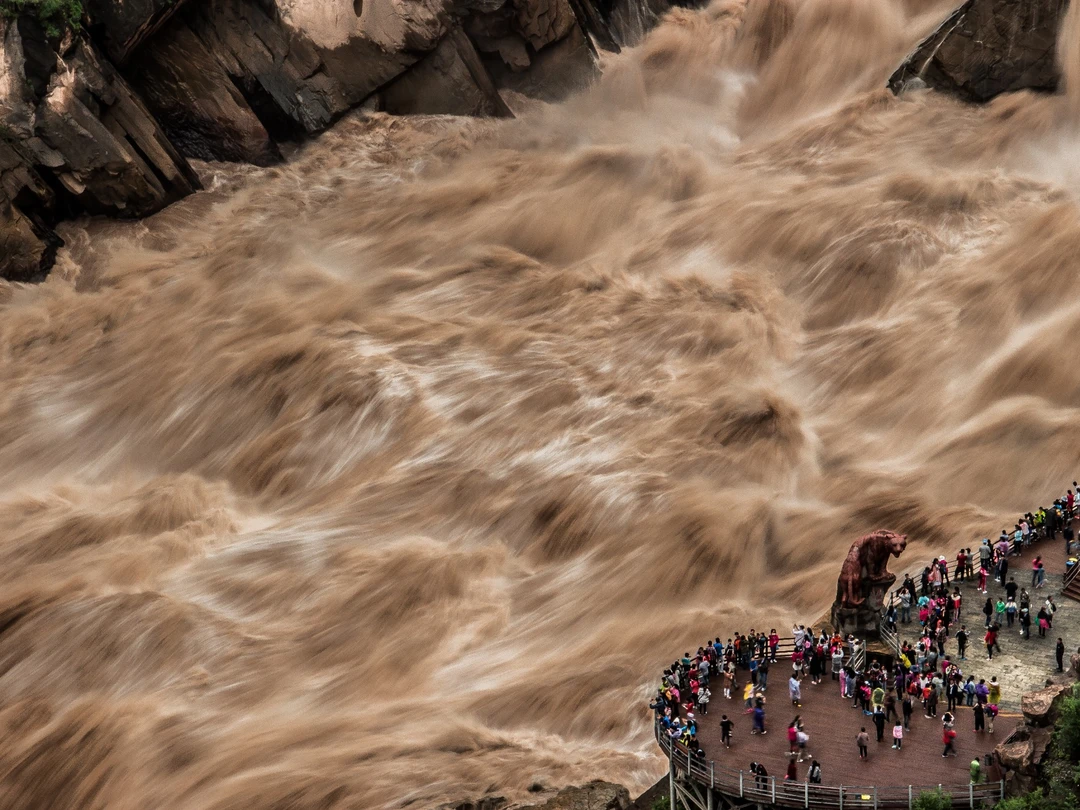
Known for Its Peril: A Tiger Leaping Gorge Trekking Guide – Where Cliffs and River Meet the Most Breathtaking Views
Known for Its Peril: A Tiger Leaping Gorge Trekking Guide – Where Cliffs and River Meet the Most Breathtaking Views "If you haven't been to Tiger Leaping Gorge, you haven't truly experienced Yunnan." This saying has long circulated among backpackers. When I finally set foot…
Continue reading...
River Takes Herself to Yunnan! A Half-Month In-Depth Travel Guide: Dali, Shuanglang, Lijiang, Tiger Leaping Gorge, Shangri-La
River Takes Herself to Yunnan! A Half-Month In-Depth Travel Guide: Dali, Shuanglang, Lijiang, Tiger Leaping Gorge, Shangri-La Setting Off Never Needs an Excuse "The moment a thought dies, a world away feels like next door. The moment a thought arises, the far end of the…
Continue reading...