Yunnan Love Story: A 24-Day Memoir of Travels in Yunnan (Dali, Lijiang, Lugu Lake, Shangri-La, Tiger Leaping Gorge, Meili Snow Mountain, Yubeng)
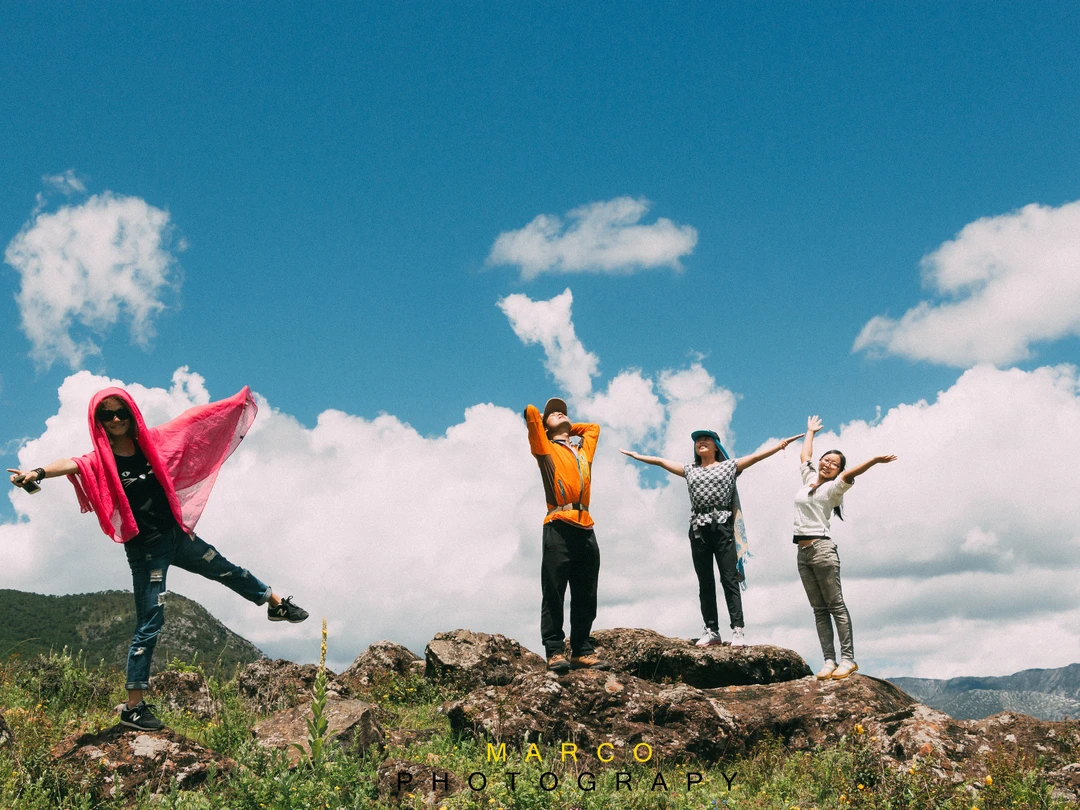
Yunnan Love Story: A 24-Day Memoir of Travels in Yunnan (Dali, Lijiang, Lugu Lake, Shangri-La, Tiger Leaping Gorge, Meili Snow Mountain, Yubeng)
To chase all the unseen landscapes, and then, on the road, to meet you.
Prologue: A Box of Chocolates
In July 2015, like many young people yearning for faraway places, I frantically searched for travel companions to Yunnan on online forums and travel apps. The trip was originally planned for 24 days. A dozen or so people eventually joined, but some left early, and others went their separate ways midway. Only two of us walked side by side from start to finish.

No one could have imagined that 24 days later, we would have a story like this. Whenever I look back on this experience, I always think of Forrest Gump's words: "Life is like a box of chocolates. You never know what you're gonna get."
Looking back now, the luckiest thing I ever did was leaving that copy-pasted message looking for travel companions under your forum post.
Life is magical like that—while it strikes you down in one area, it inevitably arranges an unexpected beauty for you somewhere else. God is merciful; when He closes a door, He always opens a window.
Before Departure: The Hardest Part Is Already Over

"Since you've decided to go, then the hardest part is already behind you."
After we added each other on the forum, you quickly asked me what to prepare. I racked my brain and came up with a long list. Back then, we didn't talk much—our conversations were all about gear or route planning. There was no helping it; we were still people from two different worlds.
After the entire trip was over, we realized the most useless thing we brought was the camping gear. July and August in Yunnan are the rainy season. We barely slept in our tents a few times, yet we carried them for two or three thousand kilometers. Even more strangely, every time we set up the tent, it would rain. But then again, if it weren't for those tents, we probably wouldn't have had so many stories, right?
Our Route
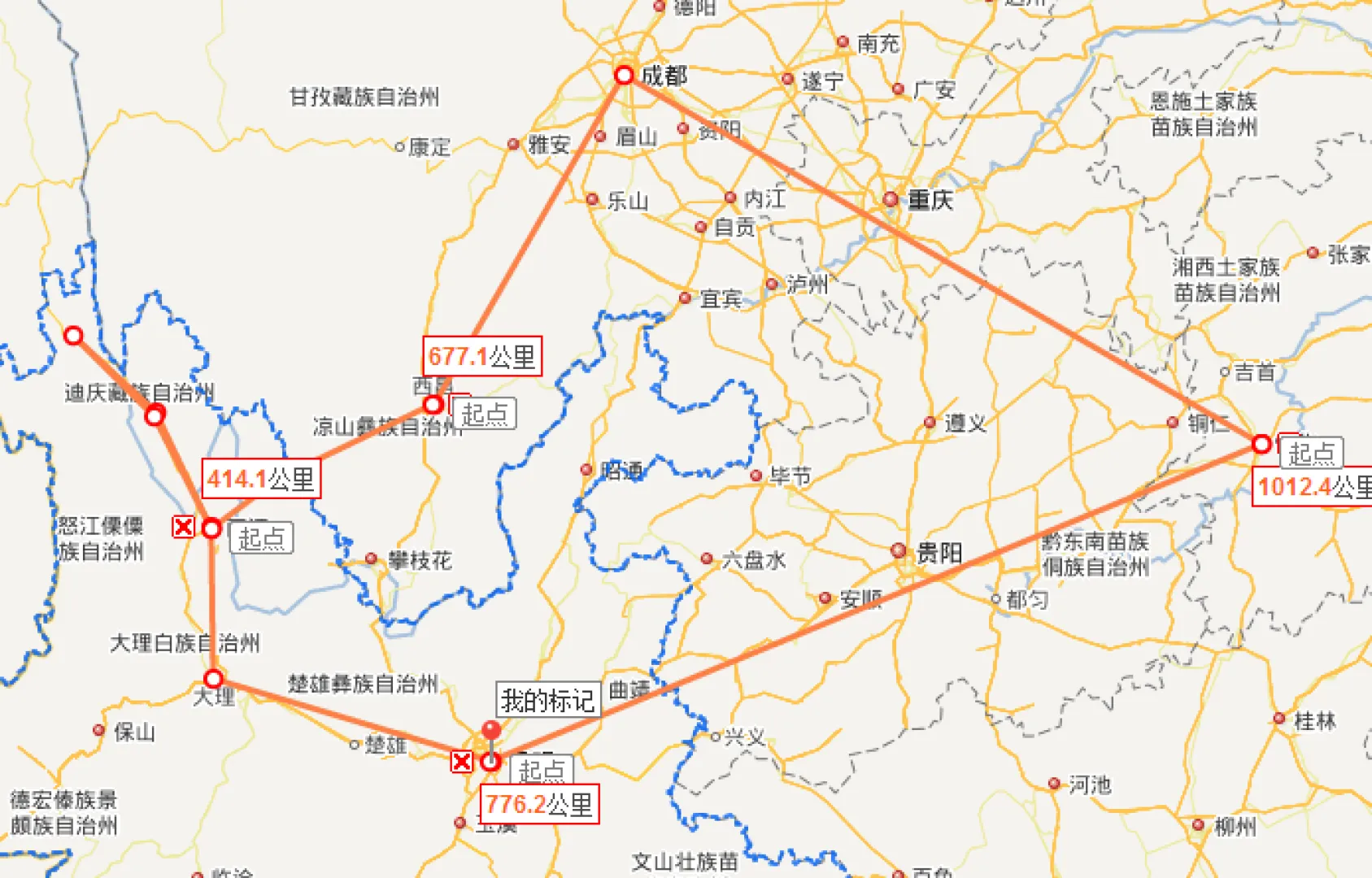
Approximate Route: Hunan → Kunming → Dali → Lijiang → Shangri-La → Deqin → Feilai Temple → Yubeng → Feilai Temple → Shangri-La → Lijiang → Lugu Lake → Xichang → Chengdu → Hunan
Chapter 1: Our First Night in Yunnan, We Slept on the Street
"Honestly, I came to Yunnan just to eat some fried rice in Kunming, set up a tent by Green Lake, take a photo, post it online to look cool, and then head back to Hunan."
You boarded the train in Xiangtan, and I got on at the next stop after yours. I don't know why, but as I stood on the platform, I had a feeling—when you walked past me, you would definitely say hello. As it turned out, my intuition was right.
But when I first saw you, I thought to myself: This doesn't look like the photos. How is your face squarer than mine, and I chew betel nut all day? Well, maybe I didn't look at the photos carefully enough. Suddenly, I remembered that disclaimer on products: Images are for reference only.
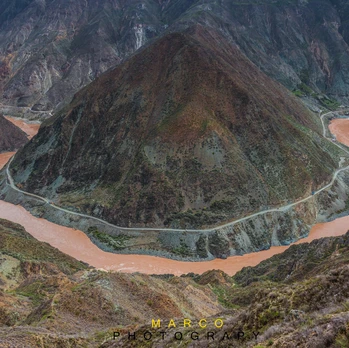
That was our first meeting, and that was the first impression you left on me.
The speeding train headed west. On the train, listening to music and watching the scenery rapidly recede outside the window, many things I couldn't figure out suddenly became clear. It was the best time for me to have a conversation with myself.
We didn't talk much on the train. Your outgoing nature immediately saw through my introversion, but I didn't want to admit it because I thought being introverted was a bad personality trait. I argued back: "Am I introverted? That can't be right? No one has ever said that before."
Later, when I calmed down and thought about it, I suppose it was true. After being alone for so long, I gradually became like this—not fond of talking, not fond of crowds. Later, at Tiger Leaping Gorge, you, who had studied astrology, analyzed my Scorpio personality with such accuracy that all I could do was nod and say, "Yes, yes, yes."

There's always a gap between ideals and reality. On our first night in Kunming, we ended up on the streets, sleeping on the main road. Can you believe it?
Over a thousand kilometers, and we didn't arrive in Kunming until almost midnight. Kangkang, who had arrived earlier, came to pick us up, but we couldn't find a suitable inn anywhere. I suggested finding a park and setting up the tent for the night—since we brought the tents, we couldn't carry them for nothing. The vote was unanimous.
While eating, I couldn't help but spend 10 yuan on a bottle of "Wind, Flower, Snow, Moon" beer. It wasn't that I liked drinking it; I just liked the four characters and the bottle itself.
No one expected that Green Lake would be closed at night. With no other choice, we set up our tent by the roadside next to the lake. I said, "Honestly, I came to Yunnan just to eat some fried rice in Kunming, set up a tent by Green Lake, take a photo, post it online to look cool." You all laughed.
Optimism is probably my greatest strength.
Chapter 2: Love Wasn't Waiting by Erhai Lake
The next morning, we headed for Dali. The lyrics say, "Why not go west to Dali," to see that Erhai Lake where "maybe love is waiting by the shore."
Erhai Lake Cycling, Day 1: Caicun → Haidong → Shuanglang
At first, my story was still just my story, and your story was still just your story. Later, it became our story. And the stories from before also started to connect.
Practical Tips: - When taking the train in Kunming, be sure to enter the station at least half an hour early. Kunming's security checks are strict—you need to go through two rounds, and the waiting room is a bit far. If it's crowded, you can easily miss your train. - There are only a few trains from Kunming to Dali. The fastest is the K9682 at 12:10 PM, which takes five hours. Other trains are slower and stop at various small stations along the way.
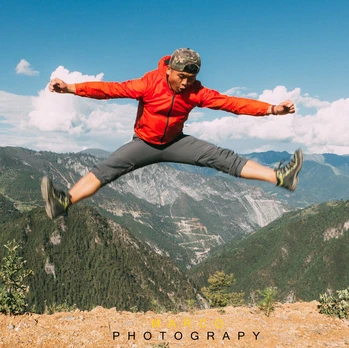
When we first arrived in Dali, the station was packed. Our group of over a dozen people, carrying large bags and small packs, waited half an hour just to squeeze onto the bus. Along the way, a chubby guy wanted to join us, and we gladly agreed.
It rained on our first day in Dali. In the evening, we took a three-wheeled cart to the old town, but only managed to take a few photos of "roast milk fan" (a local dairy snack). The taste was okay, but it was too sweet. Suddenly, I remembered—at this point, you were still trying to set me up with your best friend. But in the end... maybe you won't believe it, but by then, my eyes were already drifting toward you.
That day, I felt particularly upset inside, for no apparent reason. On the way back, sitting in the "passenger seat" of the three-wheeled cart, facing the wind and rain, suddenly everything became clear, and my mood instantly lifted.
The next day, the weather improved—overcast, but not raining, which was good enough. Today, we were going to cycle. I didn't catch the sunrise in the morning, but going out always brings rewards—like this bird hunting for prey, or another chance to be with you.
About Cycling Around Erhai Lake
Cycling Route: Dali → Haidong → Shuanglang (rest overnight) → Zhoucheng → Dali
Ways to Circle the Lake: Bicycle, electric scooter, chartered car, hiking
Rental Recommendations: - If you don't switch vehicles mid-way: Try to rent a brand-name bike. Off-brand bikes are prone to problems. Giant, Merida, etc., are usually 30-35 yuan/day; Iron Horse Station is 10 yuan more expensive. - If you need to return the vehicle mid-way: Iron Horse Station is recommended—it has many locations, making it easy to return or switch vehicles. Mountain bikes are 40 yuan/day with a 500 yuan deposit; electric scooters are 80-100 yuan/day with a 1,000 yuan deposit. Note: The Shuanglang Iron Horse Station may charge an additional management fee—be sure to ask when renting.
Tips: - Go rent your vehicle early. After 10 AM, Caicun Pier becomes completely gridlocked. - During the rainy season, bring a raincoat when cycling. If riding a bicycle, it's best to bring a spare tire and tire repair tools. - If you have a lot of luggage, you can store some at the guesthouse and only take what you need for the two-day ride.
A full loop around Erhai Lake is 120 kilometers. Our goal for the first day was 70 kilometers. Most people chose electric scooters, but we chose bicycles. Of course, I didn't know back then that you had such good stamina—a real "tough girl."
When cycling around Erhai Lake, you don't even need navigation. As long as you follow the lakeside road, you're still on the right track.
The scenic bus is also a good option: - Location: Building 5, Dali Ancient City South Gate Tourist Bus Terminal - Hours: 08:30-20:00 - Price: 280 yuan, includes tickets to 3 attractions, and you can get on and off at any of the 20 stops within 48 hours
Recommendations: - For comfort → Scenic bus - For self-torture → Cycling - For finding a partner → Electric scooter (give a girl a ride)
On a sunny day, an electric scooter is the best choice. You can enjoy the sunshine (remember to wear sunscreen), avoid the pain of cycling, and feel the gentle breeze on your face. But the guide + singer on the scenic bus is something you can't experience on an electric scooter.

So the question is: Why didn't I ride an electric scooter back then? Why didn't I think to give you a ride? And why did you still choose to cycle with me?
During the rainy season, Erhai Lake wasn't blue at all—not what I had imagined. But that was okay; it was still beautiful. You have to keep a good attitude—just because I didn't see your most beautiful side this time doesn't matter. In the future, we can bring love, family, and friendship and cycle around Erhai Lake again.
When we rested by the roadside, the small vendors were selling "torch pear" (a local pear variety)—juicy and refreshing. Maybe because I was tired and thirsty, it tasted especially good.
Since we were on bicycles, we couldn't easily visit the islands. But along the way, many photography enthusiasts were capturing the sunset there—it seemed like a great photography spot.
We made it to Shuanglang Town, but the place we stayed was in a village outside the ancient town of Shuanglang. Although it was a guesthouse we hadn't planned on, it brought an unexpected surprise.
The guesthouse was tucked away in a village lane in front of the Shuanglang old town, so the owner had to come out to guide us. Although it was out of the way, the environment was lovely. Staying in a Bai ethnic village instead of a fully developed tourist area offered a completely different feel. The owner also provided meals—15 yuan per person, all you can eat, and the food was good.
That night, we brought out the tent for camping. Wind, Flower, Snow, Moon beer, sunflower seeds, spicy snacks—the works. We all said, "So much for love waiting by Erhai Lake—it's all lies."
Only later did I learn that you had waited for me on the road that day, waiting to ride together—though just because you wanted a companion. Back then, I didn't have any other thoughts either; I just wanted to see you and be with you. But because I fell behind you, I couldn't even see your figure, so I just cherished the scenery along the way, stopping and going.
Camping by the shore of Erhai Lake, we spent half an hour digging rocks just to level the ground under the tent. A little trouble along the way makes it more fun. Without a bit of struggle, there wouldn't be as many stories.
On the guesthouse's message wall, I wrote: My dream is to travel the world. Before, I wanted to do it alone. Later, I only wanted to do it with you.
Chapter 3: Zhoucheng Torch Festival—The Oriental Carnival
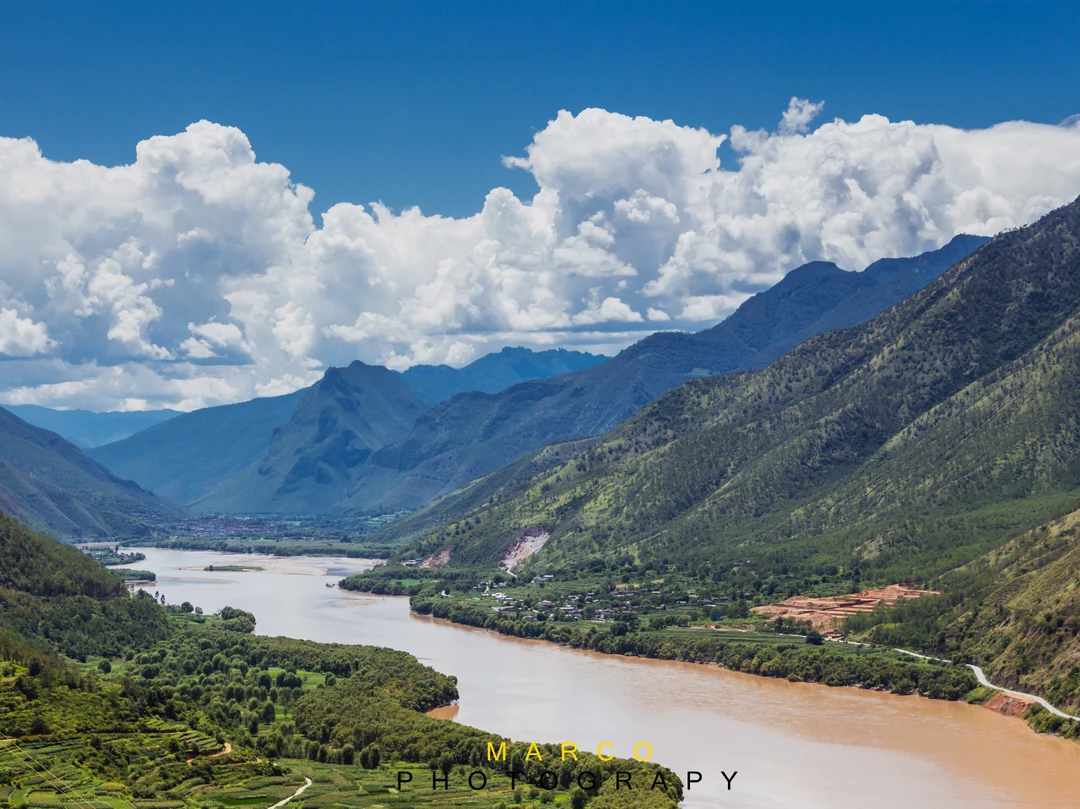
Erhai Lake Cycling, Day 2: Zhoucheng Torch Festival
The Torch Festival is an ancient traditional festival of the Yi, Bai, Naxi, Jino, Lahu, and other ethnic groups. It is known as the "Oriental Carnival." Different ethnic groups celebrate it at different times: the Yi, Naxi, and Jino on the 24th day of the sixth lunar month; the Bai on the 25th; the Lahu on the 20th. The festival lasts two to three days.
If you happen to catch a local traditional festival during your travels, then no matter how the rest of the trip goes, it will have been worth it.
The Bai Torch Festival is an event praying for a bountiful harvest and thriving livestock. The entire village jointly erects a large torch about ten to twenty meters high, using a pine tree as the pole, bundled with wheat straw and pine branches, topped with a flag. The flagpole is strung with three paper-woven bushel baskets stacked on top of each other, symbolizing "rising three ranks in succession." Around each bushel basket are small paper flags with phrases like "May the country be prosperous and the people at peace," "Favorable weather for crops," "Long life and abundant harvests," "Bumper harvest of all grains," and "Thriving livestock." Hanging below the bushel baskets are torch pears, crabapples, fireworks, lanterns, and colorful flags.
The expenses are borne by families who had children that year.
Because the torch is enormous, it takes more than twenty people to carry it. They had to rest several times along the way, and this wasn't even the biggest one in the village—Zhoucheng had three torches this year.
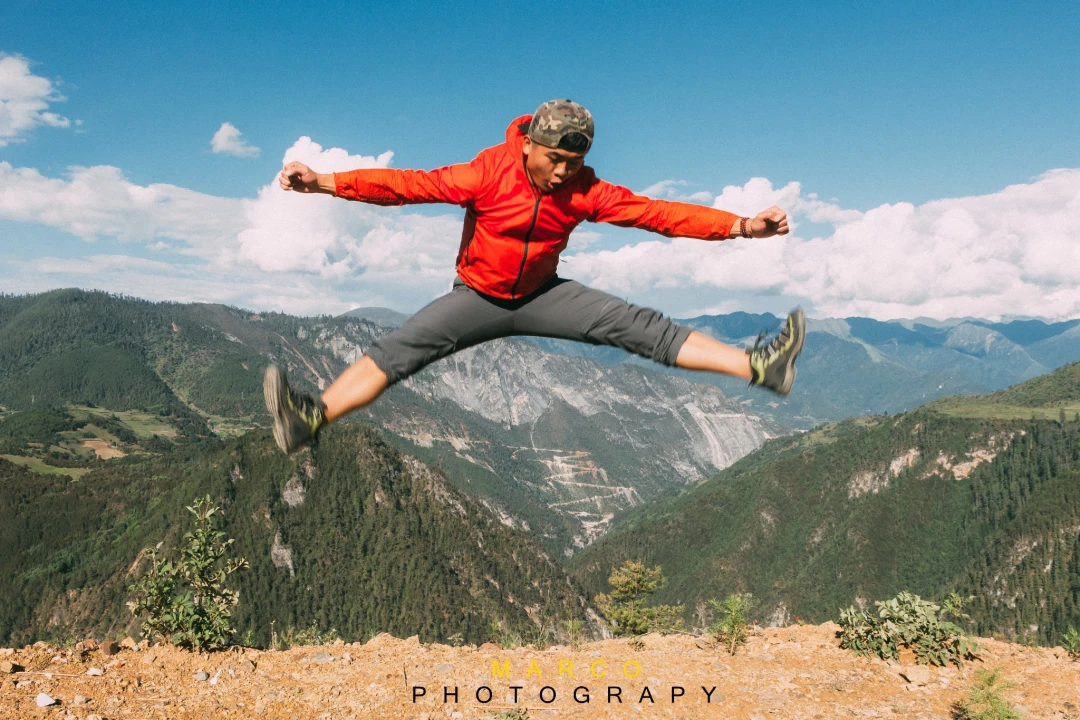
The process of erecting the torch was a real workout: first, they used chairs and ladders to set the torch upright, then they pounded it into place, and finally, they pulled it upright. The commander shouted, "One, two, three, lift!" The sheer power of it is something you can't feel without witnessing it in person.
Zhoucheng is also famous for its tie-dye (扎染, a traditional resist-dyeing technique). When you arrive in Zhoucheng, people will ask if you want to see tie-dye. We followed a lady there, and before we could say anything, she said, "It's free." When we got there, we couldn't see the dyeing process, only the finished products. Of course, you could buy a piece if you wanted, but the locals were very nice—it didn't matter whether you bought anything or not.
During the rainy season in Yunnan, a good quality waterproof jacket is essential.
That day in Zhoucheng was really cold, but we waited until evening to experience the Torch Festival before leaving. Everyone was waiting for the festival to begin, even in the cold rain.
Because of the weather, we didn't stay until the end of the Torch Festival. We had planned to camp, but since we were soaked, we decided to find a hotel and get a good night's sleep.
Many times in Yunnan, we shared rooms—mixed dorms in hostels, shared hotel rooms. Most commonly, we had a triple room with five people. That day, the chubby guy found a triple room, and we only spent 30 yuan each for the night. We all shouted, "You're awesome!" In the evening, we played a game called "Staring Contest" (literally "dry stare"), where whoever laughed first got slapped. I said, "You really hit hard, you know. And when you laugh first, you still slap me first." Oh my god (in a dramatic tone).
It was a joyful night. Looking back now, for a girl to sleep in the same room with two guys, even in a multi-person room, takes a lot of trust. Thank you for not treating us like bad guys back then—we had only known each other for a few days.
Chapter 4: Xizhou and Zhoucheng—Quiet Surprises
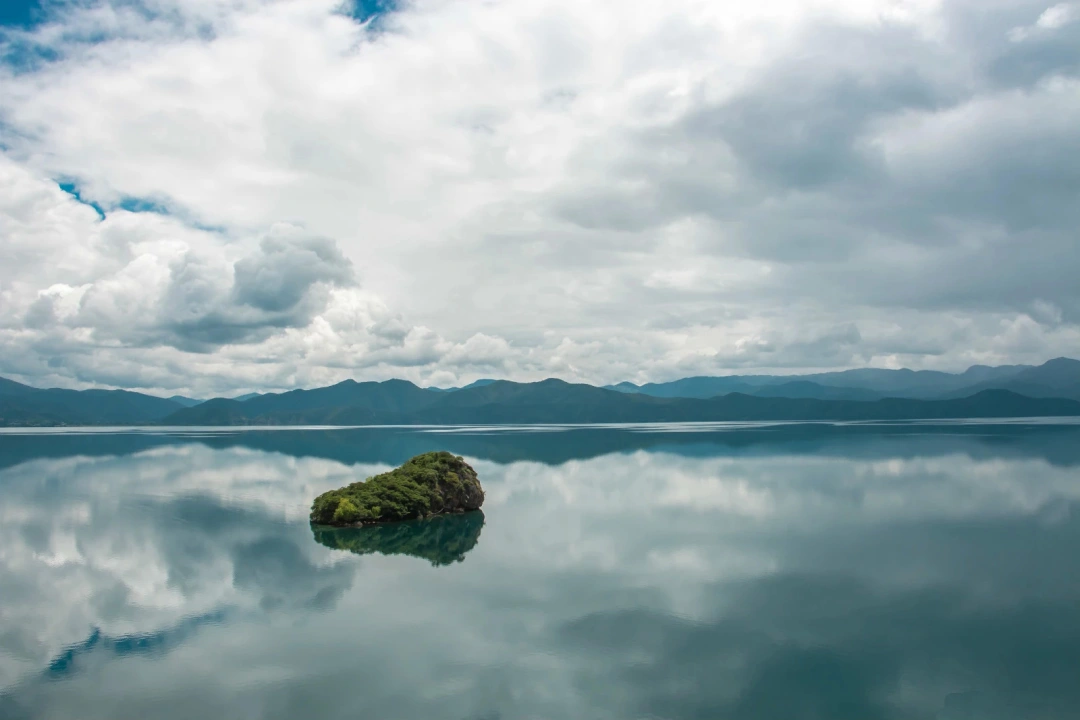
Erhai Lake Cycling, Day 3: Zhoucheng → Xizhou → Caicun
Every time it rained, I fantasized that it would stop by the next morning.
Xizhou and Zhoucheng were the highlights of my Erhai Lake cycling trip. Too many people rush to Shuanglang, but I prefer quiet towns like Xizhou and Zhoucheng.
What I most wanted to see was here: Xizhou Hotel.
I really liked a certain storefront, for no reason at all—I just simply liked it.
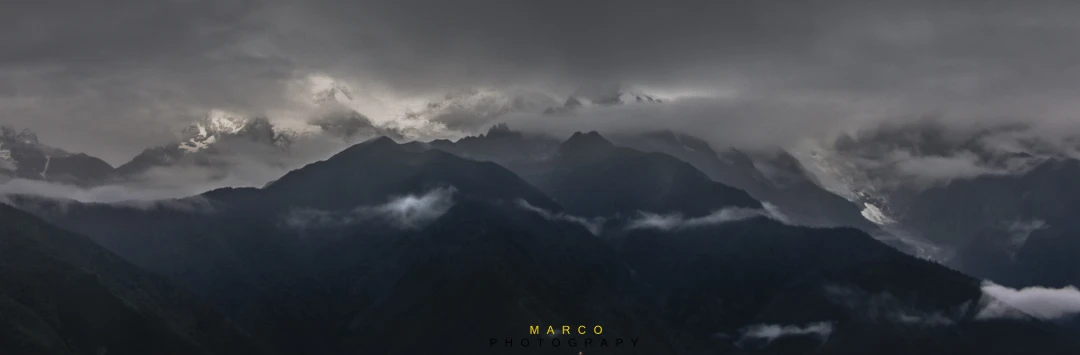
Xizhou's crispy flatbread (破酥粑粑, a flaky local pastry)—you can find it in many places outside, but the price doubles inside the old town. The taste was okay. Outside, they sell for five yuan each; I bought one in the old town for ten.
The streets of Xizhou after the rain were especially fresh. If you cycle out of Zhoucheng, make sure to find a road that leads back to the lakeside road. I missed this and ended up missing the scenery at Haishu Ecological Park.
Along this stretch, you'll encounter many people cycling around the lake, though most only ride half the distance to see the Erhai Lake scenery.
This part of Erhai Lake is quite broad. If it were a sunny day, the scenery would be even better. I always felt that for taking photos in a place like this, I should have brought a red dress.
Raindrops after the rain—every time I see traces of rain, I think of you singing, "Dark clouds, dark clouds, go away quickly~" Because it rained every day, seeing a bit of sunshine and blue sky was a rare treat.
THIS is what I call Yunnan!
Chapter 5: Dayan Old Town—Early Morning Amidst the Neon Lights
Lijiang Old Town—I think everyone knows it. This well-known place has long since evolved from its once simple folk customs into a place of neon lights and commerce everywhere.
Everything has two sides. Although commercialization affects the travel experience, the increasingly improved environment also adds a lot of convenience to travel. Different people have different opinions; as long as you're in a good mood, there's scenery everywhere.
I never liked visiting old towns that are crowded and overly commercialized. But then I thought, since I'm here, I might as well take a look. So I deliberately entered the old town in the early morning, when no one was checking for the old town maintenance fee. In the early morning, there were very few tourists in Lijiang Old Town, and I could still take some photos; by nine or ten o'clock, when the tourists started pouring in, it became a sea of people.
It seemed that only in the early morning could I find a few traces of the original inhabitants.
The path of photography is destined to be lonely—none of you were willing to get up and come into the town with me. There was no helping it—who told me I liked photography?
I only explored a small part of Lijiang Old Town before coming out. Maybe it was because the weather was bad, so I didn't get much out of photography; or maybe it was because I was hoping for someone to accompany me, only to end up going alone.
For a panoramic view of the old town, you can go to Wenchang Pavilion, which requires a short uphill climb. There's also a primary school on the hill within the old town.
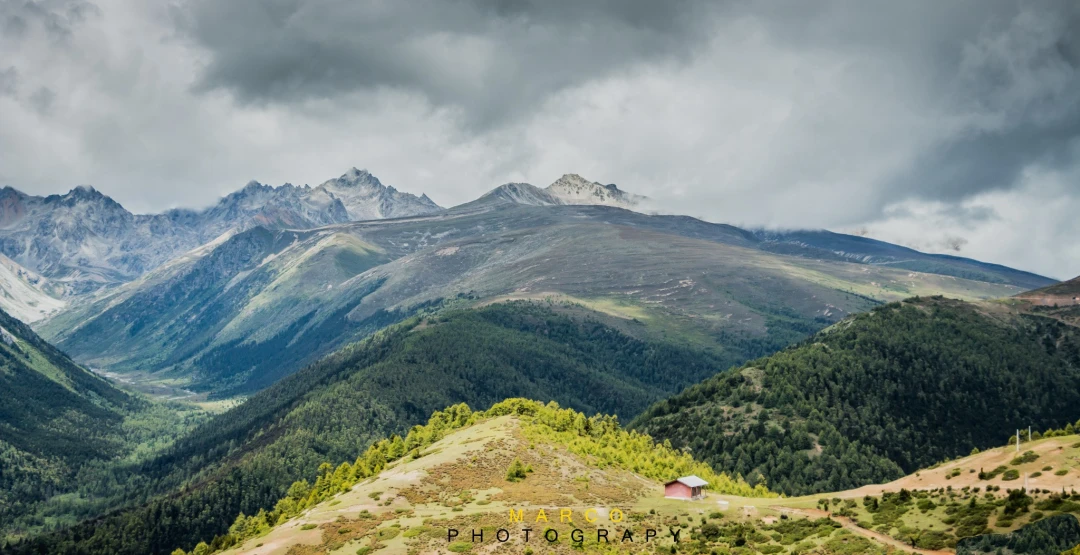
After the rain, it cleared up for a short while, and the sun reflected in the water, creating a halo. I passed by a cycling-themed guesthouse.
With the continuous drizzle, several of us regretted carrying our tents and decided to stay in a comfortable inn in Dayan Old Town for the night.
It seemed like every guesthouse owner in Yunnan had a story—or rather, if you didn't have a story, you wouldn't dare to open a guesthouse.
When staying in Yunnan, I felt that the name of every guesthouse determined what kind of story and owner it had. Walking on the stone slabs of Dayan Old Town, I was so wet that I couldn't go on. When I saw the words "Easy House" (易舍, a play on words meaning "easy to let go"), I decided to stop there. Easy to give, easy to let go.
Many guesthouse owners in Lijiang were once travelers who came to Lijiang. Brother A Cheng was no exception. Although he was from Dali, he was more attached to the scenery of Lijiang—its big waterwheel, wind-bell pavilion, snow-capped mountains, and flowers.
In Lijiang, if you didn't keep a dog, you wouldn't dare to open a shop. Checking into a room and finding a golden retriever at the front desk was a first for me.
Brother A Cheng was a very nice person. He told us many stories—his own stories, the guesthouse's stories, and everything he had seen and heard over the years.
The next day, we had rare good weather. Brother A Cheng helped us arrange a car and recommended that we visit Baisha Old Town, Yu Lake, and Wenhai. Taking advantage of the good weather, we set off without delay. The scenery along the way was also beautiful.
Recommended Route: - Day 1: Dayan Old Town → Baisha Old Town → Dayan Old Town (stay in Lijiang) - Day 2: Dayan Old Town → Yu Lake, Fuguosi Temple, Wenhai → Shuhe Old Town (stay in Shuhe) - Day 3: Shuhe Old Town → Lijiang Bus Station → Shangri-La
Must-Visit: Baisha Old Town
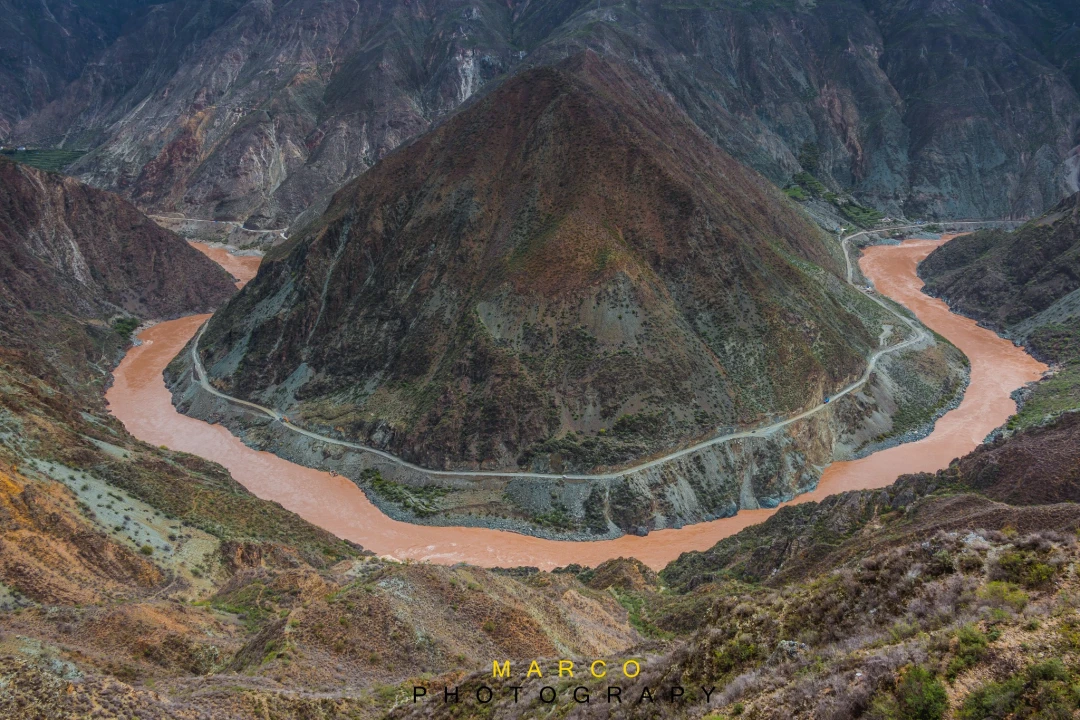
Baisha Old Town is the birthplace of the Mu family, the ancient capital of the Naxi people, and was once the political, economic, commercial, and cultural center of Lijiang. The center of the old town is the memorial archway.
Final Chapter: A Story Yet to Be Finished

24 days of travel, and we went from strangers to becoming important people in each other's lives.
We cycled around Erhai Lake, covering 120 kilometers; We participated in the Bai Torch Festival, waiting in the cold rain; We hiked Tiger Leaping Gorge, feeling the grandeur of the mountains and rivers; We trekked through Yubeng, making wishes at the foot of the sacred mountain; We didn't get to see Meili Snow Mountain, but we promised to come back again someday.
Life is like this—when you think love is waiting by Erhai Lake, it might be right beside you, growing quietly with every ride side by side, every shared room, every wait in the rain.

We didn't see Meili Snow Mountain, but we saw each other. We said we would definitely come back again someday, but this time alone is enough to remember forever.
Personal Weibo: Wu Zi Marco
Personal QQ: 189271320
Feel free to follow and say hi.
All photos taken with Canon 700D 18-135, post-processed in Lightroom.
Background music: Fairy Tale - Toni Braxton
You should also read:
A Spiritual Journey to Lugu Lake in Lijiang: Experiencing the Legend of the Kingdom of Women! (Reproduction and Hotlinking Prohibited)
A Spiritual Journey to Lugu Lake in Lijiang: Experiencing the Legend of the Kingdom of Women! (Reproduction and Hotlinking Prohibited) Off-road自驾, food, hotel and民宿 reviews, Featured Traveler, Tank 300 owner, 200,000 km of self-driving experience. WeChat: y01294987 Ninglang Yi Autonomous County 2010.11.08 · 7 days…
Continue reading...
Hiking Around Lugu Lake: Measuring This Mysterious Highland Pearl on Foot
Hiking Around Lugu Lake: Measuring This Mysterious Highland Pearl on Foot Introduction: A Date with the Lake At the border between Yunnan and Sichuan provinces lies a highland lake embraced by mountains, embedded like a sapphire in the folds of the Hengduan mountain range. Here,…
Continue reading...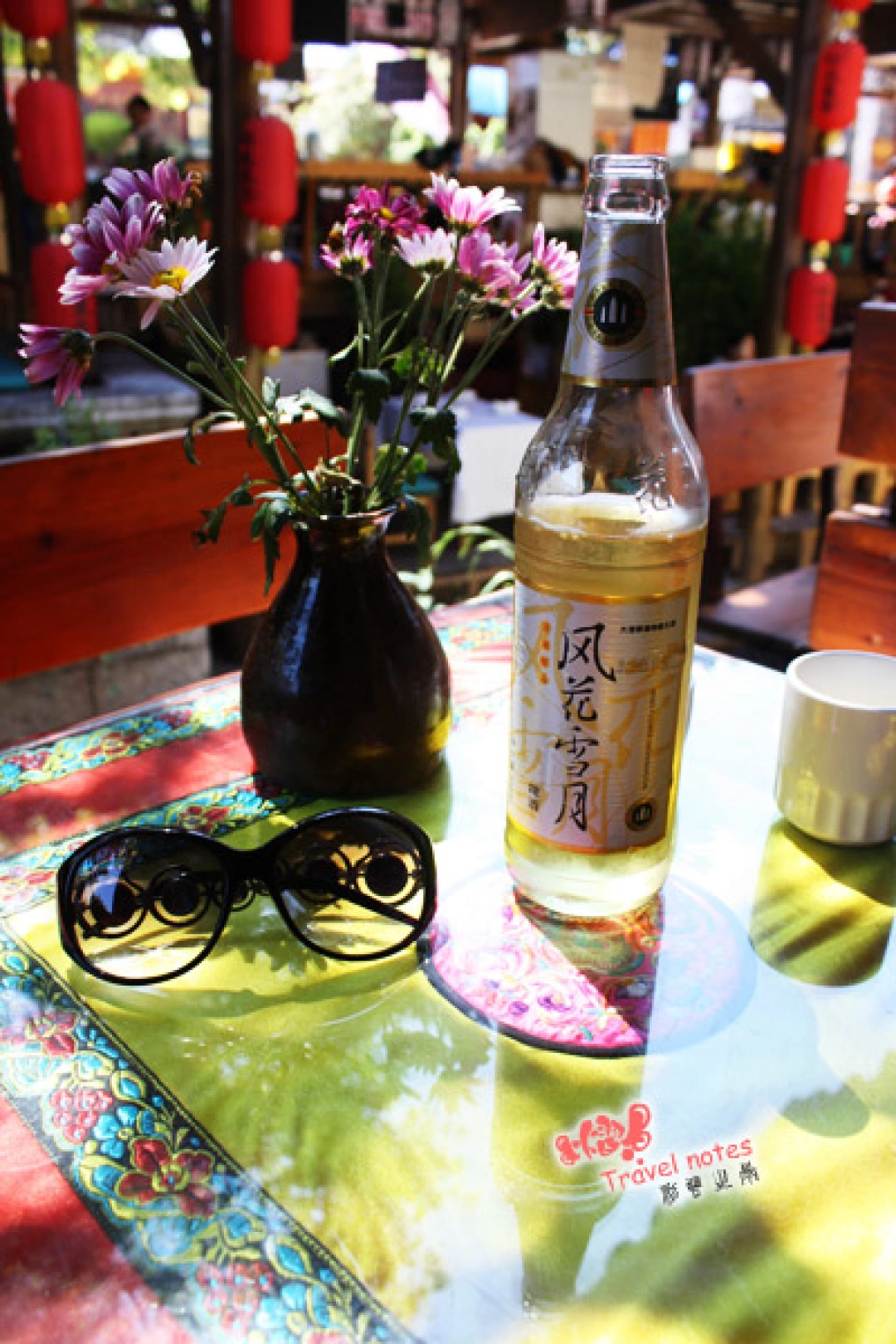
The Slow Life of Lijiang: A Soft Dream on the Yunnan-Guizhou Plateau
The Slow Life of Lijiang: A Soft Dream on the Yunnan-Guizhou Plateau Some places, just by hearing their name, stir a ripple in your heart. Lijiang is one of those names. It's not the kind of destination that demands you tick off a checklist of…
Continue reading...