Chongqing in 48 Hours: How to Experience This Magical Mountain City in Just Two Days
Chongqing in 48 Hours: How to Experience This Magical Mountain City in Just Two Days
Author: Backpacker Nic
Introduction: A City You Can't Get Enough Of
Summer in Chongqing is so hot that even the air feels like it's burning. Yet, in this scorching season, I received the warmest invitation from this mountain city—a few friends I had met only once, braving temperatures of 40°C (104°F) to accompany me for hotpot, stroll along the South Riverside Road, and squeeze through Hongya Cave. They laughed and said, "Anyone willing to meet for a meal in this weather is a true friend."

From that moment on, I became addicted to this place. Almost every year, I find an excuse to visit Chongqing. Sometimes it's for the hotpot, sometimes for the friends, and sometimes it's purely out of nostalgia for that peculiar feeling of walking through a three-dimensional city.
This time, I didn't have much of a plan. It was just a free weekend, and I started missing my old Chongqing friends. On top of that, all those viral TikTok spots kept popping up on my feed, making me curious to see what this once-familiar mountain city had transformed into.
So I decided to go and check out those "Instagram-famous check-in spots" that everyone has photographed, written about, and shared online.
Stop One: Yangtze River Cableway — A Time-Traveling Aerial Bus
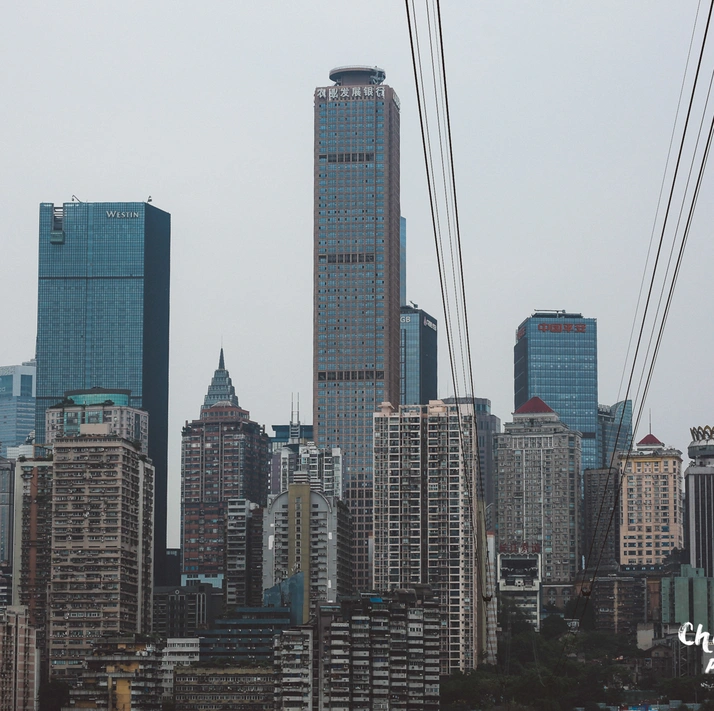
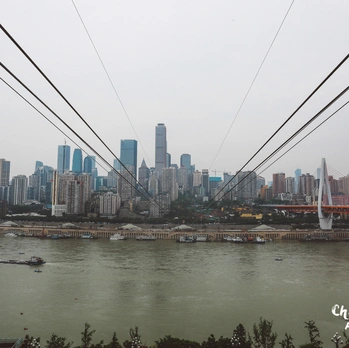
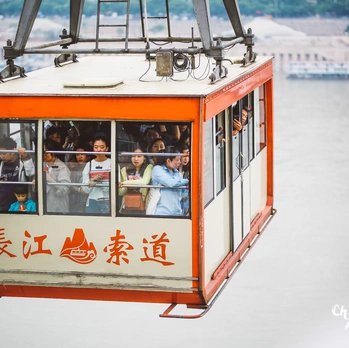
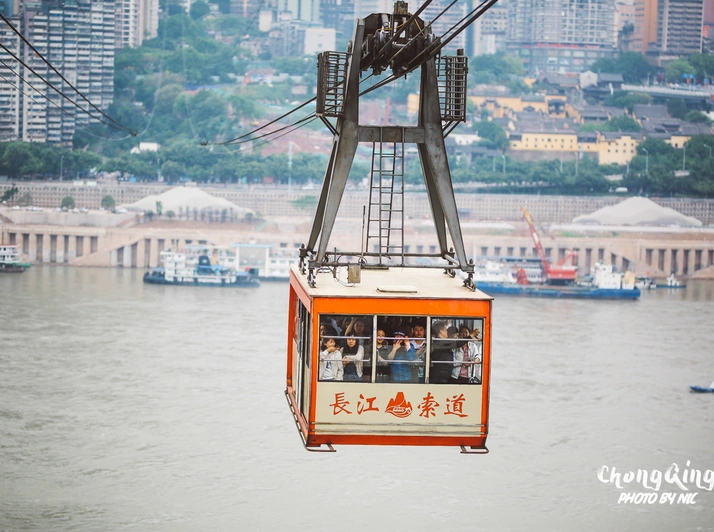
If you ask an old-school Chongqing local what the Yangtze River Cableway is, they'll probably tell you, "It's just a way to cross the river." But nowadays, this once-obscure cable car has become one of the city's hottest attractions.

The Yangtze River Cableway has served as a filming location for countless movies and TV shows. In Crazy Stone (a classic Chinese comedy), the character Xie Xiaomeng flirts with a beautiful woman inside the cable car—a scene that's still unforgettable. Films like Zhou Yu's Train and Curiosity Kills the Cat also shot here. In short, the Yangtze River Cableway carries not just the memories of an entire generation of Chongqing residents but also a unique place in the history of Chinese cinema.
Practical Tips: - Address: No. 153 Xinhua Road, Yuzhong District, Chongqing - Ticket Price: 20 RMB one-way, 30 RMB round-trip - Opening Hours: 7:00 AM – 10:00 PM - Transportation: Take Metro Line 1 to Xiaoshizi Station and walk; or take buses 105, 132, 135, 153, 181, or 261 to Xinhua Road Station
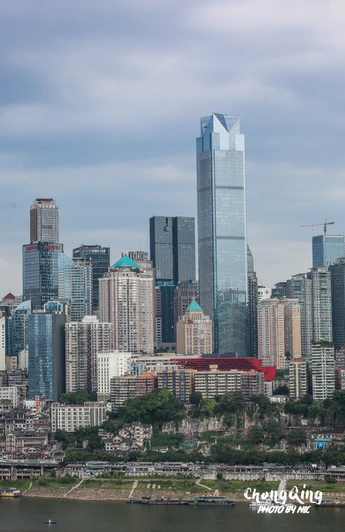
My Advice: If you're visiting during peak season, consider starting from the Shangxin Street cable car station—there are fewer people in line there, making it easier to grab a window seat. If you have enough time, I strongly recommend riding it both during the day and at night: during the day, you'll see towering skyscrapers on both banks; at night, you'll witness a dazzling interplay of mountains, waters, and lights. The two experiences are completely different.
Standing inside the cable car, watching the dense high-rises on the opposite bank blend with ancient guild halls, you'll suddenly understand the dual sensation of "entering the worldly" and "stepping away from it." Word has it that the Jialing River Cableway is also being planned for restoration, so Chongqing will soon have two cableways. But I suspect most people will still flock to the old Yangtze River Cableway—after all, you can replicate anything, but history and culture are something you savor slowly.
Recommended Rating: ★★★★★
Photo-Worthiness: ★★★★
Stop Two: Liberation Monument — A City's Symbol, A Witness to History
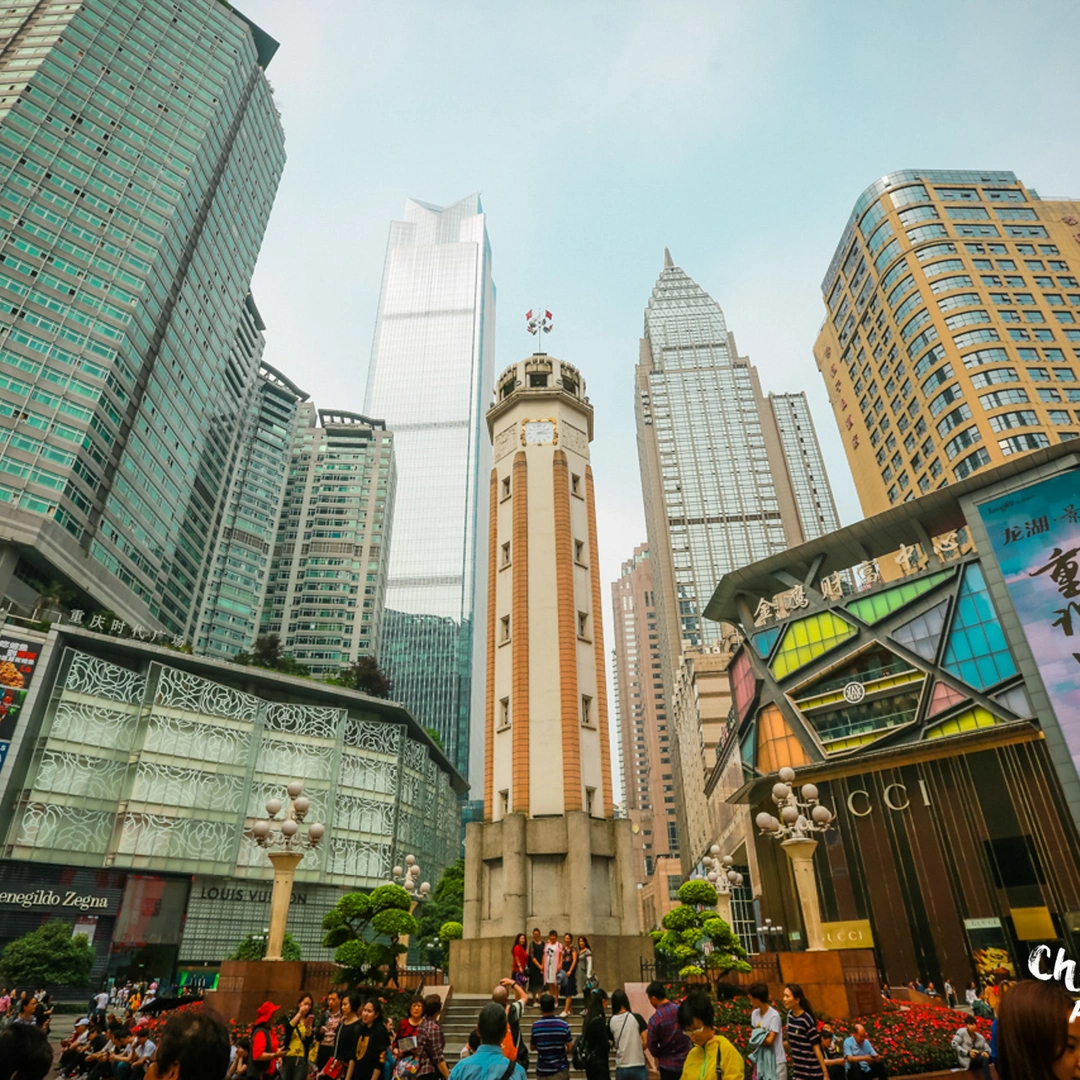
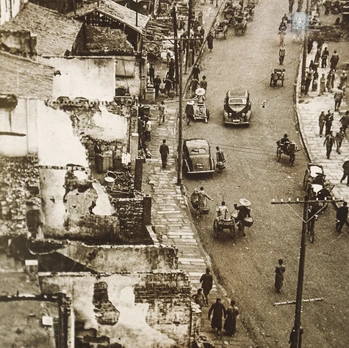
The Liberation Monument (Jiefangbei) is an icon of Chongqing and a must-visit for every tourist. Honestly, it's not particularly beautiful in itself—surrounded by skyscrapers, you can often struggle to even find where the monument is. But what it represents is a symbol of Chongqing, a piece of its history.
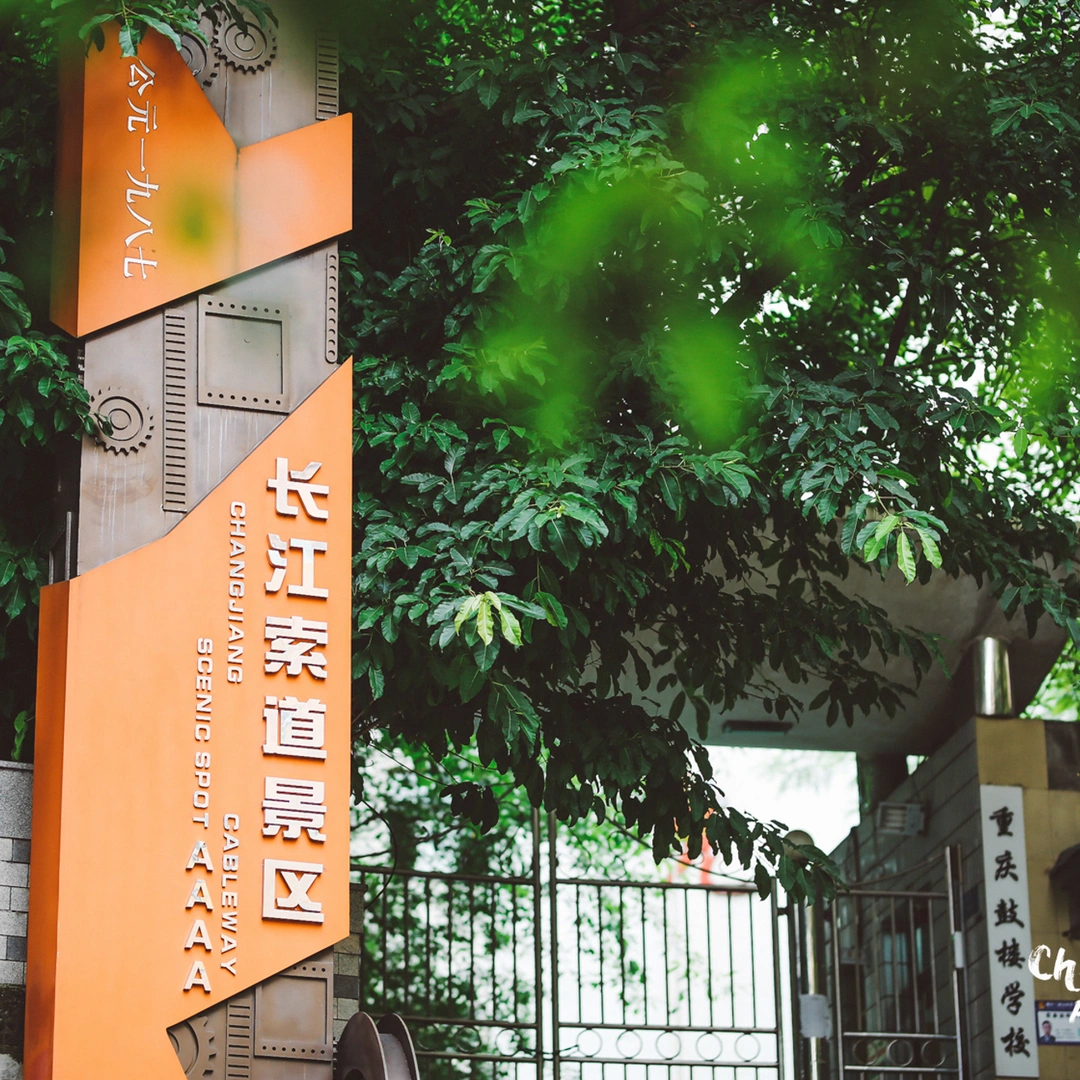
Around the Liberation Monument, you'll find Chongqing's most authentic cuisine and oldest streets. Here, modernity and tradition intertwine, prosperity and everyday life coexist.
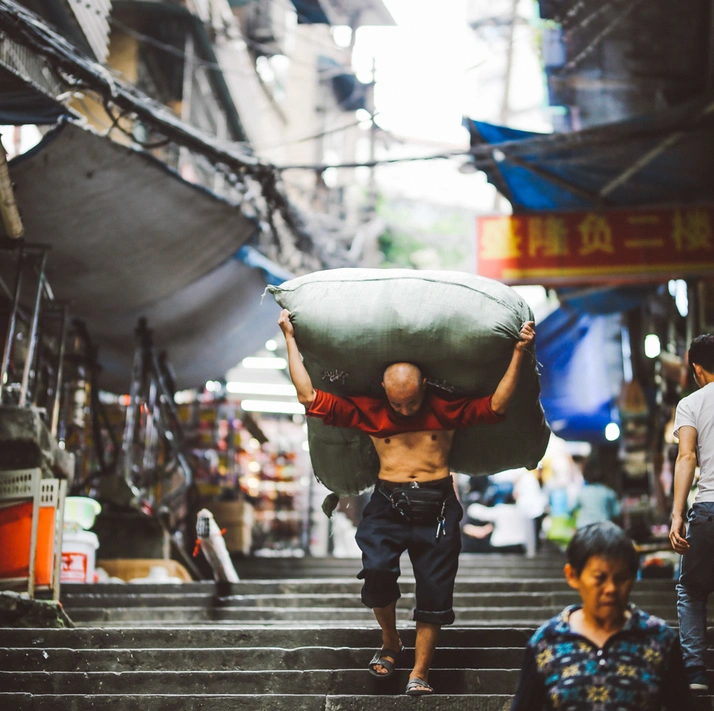
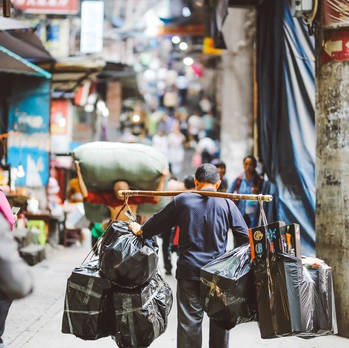
About the "Bangbang" (Shoulder-Pole Porters): Remember the hit Sichuan TV series Mountain City Bangbang Army? Chongqing's unique geography gave rise to the "bangbang"—a distinct profession of porters who carry goods on shoulder poles. Today, as the city develops, old neighborhoods are being demolished and renovated one by one, and the "bangbang" are slowly disappearing. Only near old markets can you occasionally still spot figures carrying their poles.
About Chongqing Noodles (Xiaomian): If I had to name my favorite noodle dish, it would be Chongqing noodles. But I prefer the 豌杂面 (noodles with peas and minced pork sauce) over the traditional plain version.
The shop I usually go to is a bit tricky to find—it's right next to the flower market. Navigate to the Marriott Apartment, and across from it, surrounded by construction hoardings, you'll find "Flower Market 豌杂面." The shop is tiny, but it's packed every single day, with customers often squatting outside, bowls in hand, eating their noodles. That's just how Chongqing is—the more crowded a place, the more people want to go, even if the owner has a bad temper and the service is lacking. When it gets busy, you have to do everything yourself, and the owner only accepts cash—no WeChat Pay or Alipay. That said, the 豌杂面 is indeed delicious. It might not be the best I've ever had, but it easily ranks in the top five in Chongqing. The last time I went, it had already gone up to 14 RMB a bowl.
About the Snack Street: Near the Liberation Monument, there's also Chongqing's most famous snack street. You can find all kinds of specialties from the Sichuan-Chongqing region here: 酸辣粉 (hot and sour rice noodles), 山城小汤圆 (small glutinous rice balls from the mountain city), various grilled skewers, pig trotters... Since you're in Chongqing, just loosen your belt and eat to your heart's content. If you come here already full, you'll really miss out.
Stop Three: Hongya Cave — A Real-Life Spirited Away
A few hundred meters' walk from the Liberation Monument brings you to Hongya Cave. This is probably one of the hottest free attractions in downtown Chongqing right now. If you come here at dusk or night, the night view is breathtakingly beautiful—anyone who has seen Spirited Away will say it's the real-life version of the "Bathhouse of the Spirits."
About Eating Hotpot: I don't really recommend eating hotpot, skewers, or roast duck inside Hongya Cave itself. In fact, the alleys around Hongya Cave hide plenty of authentic nine-grid hotpot restaurants that are cheaper and less crowded. If you're not sure which one to choose, here's my method: open a review app, search for nearby restaurants, and pick one with a reasonable per-person cost and good reviews.
Two Recommended Alley Hotpot Spots:
1. Tiebanxiang (Iron Plate Alley) Hotpot From the top floor of Hongya Cave, cross the traffic light to the other side of the street, turn left, and walk a few steps. You'll see a very small alley marked "Tiebanxiang." The alley is really tiny, so it's easy to miss. The shop itself isn't large, but once you go inside, it twists and turns, revealing a surprisingly big space—a real hidden gem. They serve traditional nine-grid hotpot with generous portions. Three of us ate until we were stuffed and still couldn't finish. Their passion fruit drink is excellent and really helps cut through the spiciness. The 毛肚 (beef tripe) is a must-order—it's fantastic. Worth noting: the owner is a young, handsome guy, and the staff are all very polite, which completely overturned my impression of Chongqing waitstaff being "gruff."
2. Shuizhu Qingchun (Boiled Youth) Just a few dozen meters from Tiebanxiang, you can enter from either Minzu Road or Jiuchikan. At the entrance of the hotpot place, a few elderly men are usually playing cards, giving it the most authentic, everyday Chongqing vibe. The interior decoration is very retro—black-and-white TVs, comic books, old telephones, Bruce Lee posters... all memories of the post-80s generation. Again, it's traditional nine-grid hotpot, with a bright red broth that doesn't get murky. The self-service condiment area has free fruit, plus unlimited servings of 红糖冰粉 (brown sugar jelly) and 龟苓膏 (herbal jelly), both of which taste great.
After finishing your hotpot, taking a leisurely stroll to Hongya Cave to enjoy the night view is an incredibly pleasant experience.
Stop Four: Sichuan Fine Arts Institute's Instagram Wall — A Colorful World of Art
The next morning, I took a bus, transferred to the subway, and spent an hour and a half finally reaching the new campus of Sichuan Fine Arts Institute (SCFAI). The old campus has some charm too and is closer, but it doesn't have the scale of the new one.
Seeing those colorful walls was truly stunning. Even though it was drizzling, plenty of tourists had come out in the rain. The new campus isn't very large. Enter through the nearest gate after getting off the metro, walk straight to the end, and you'll see these colorful walls.
Fun Fact: Why is Sichuan Fine Arts Institute located in Chongqing? I actually asked this question back in high school. Nowadays, people should be asking: why hasn't it changed its name yet?
Stop Five: Erchang Creative Park — Passing Through Your World
"Erchang" (Factory No. 2) is the abandoned site of the former Chongqing No. 2 Printing Factory. After renovation, it has become a great place to experience an artistic atmosphere and enjoy leisure activities. Its predecessor was the Bank of China printing factory from the Republican era, later renamed Chongqing No. 2 Printing Factory. With 77 years of glorious history, this printing plant was once Chongqing's color printing center and a giant of the Southwest printing industry. After the entire facility was relocated in 2012, the old factory buildings were preserved and transformed into a creative park full of industrial and artistic vibes.
This place shot to fame thanks to the movie I Belonged to You (From Your Whole World Passing By). Even though parking is inconvenient, crowds of people still come every day to take photos. The iron gates in the park have a strong industrial feel and are a favorite check-in spot for artsy young people.
My Reflection: Some people treat love like fast food; others treat it like sipping tea. And I think some kinds of love should be like Erchang—seemingly worn-out at first glance, but the more you look, the more intriguing it becomes. It doesn't have the completely Westernized style of Miao'er Stone (which feels like a blonde-haired girl). Instead, Erchang is more like a girl in a qipao—gentle, elegant, and full of depth.
The biggest highlight of Eling Erchang is that the designers preserved the old factory buildings while adding new elements, letting the old and new coexist, making it truly unique.
Stop Six: Savoring Chongqing's Nightlife
When old friends reunite after years apart, a few drinks are inevitable. After enjoying the night view from Qiansimen Bridge, we headed to a nearby place called "Music House." Listening to live music and chatting was very relaxing.
By the time we arrived, all the good seats were taken, so we chose the spot closest to the stage. The singer looked a bit like the Taiwanese singer Chang Chen-yue (Zhang Zhenyue), so I took a few extra photos. During his break, he came over to toast us, added me on WeChat, and sent me the pictures. After chatting for a bit, I found out he was from Venezuela—a country with its own complicated story.
About Accommodation: Every time I go to Chongqing, even if it costs a bit more, I always book a river-view room—it's absolutely worth it. This time, I stayed at the Regent Chongqing, located in the CBD area of Jiangbei. I especially recommend the 7th-floor Liangjiang Bar. Every night, the view of Chongqing from here is so beautiful it doesn't look real. You can see the entire Yuzhong Peninsula, the WFC (World Financial Center), and Hongya Cave without having to jostle with anyone. The only downside is that you might need to call ahead to reserve a spot.
As night falls, there are live singers here, making it one of the most elegant ways to enjoy Chongqing's nightscape. Back in my 18th-floor room, pulling back the curtains, the night view outside looked like a real-time 3D painting. The room's lighting has a "soft light mode"—with one press, the entire room becomes very gentle and cozy. The bathtub is right by the floor-to-ceiling window, and you can pre-book one of three bath options: "Rose Bath," "Bubble Bath," or "Lemon Bath." Even as a man, I can treat myself to a little refinement—so I chose the rose bath.
My Itinerary Summary
Day 1: Chengdu → Chongqing
Liberation Monument → Yangtze River Cableway → Hongya Cave
Day 2: Full-Day Chongqing Tour
Sichuan Fine Arts Institute → Erchang Creative Park → Music House / Liangjiang Bar
Day 3: Chongqing → Chengdu
Conclusion: Goodbye, Chongqing — Not for Long
Chongqing's night is truly far more beautiful than its day. This city is like a nine-grid hotpot pot—bright red on the surface, but hiding all kinds of surprises underneath. It has both the bustling energy of a modern metropolis and the smoky, lively atmosphere of old alleyways. It offers the hype of Instagram-famous check-in spots and the tranquility of hidden alley hotpot restaurants.
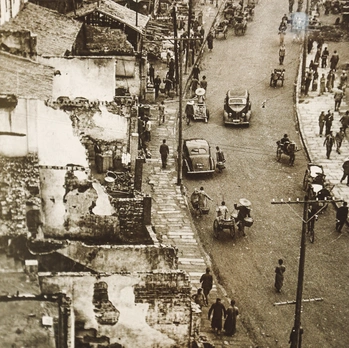
If you only have two days, feel free to follow my route. But remember, Chongqing's charm isn't about how many places you visit. It's about the "unexpectedness" you feel while walking through this three-dimensional city—you never know what you'll encounter around the next corner.
Alright, Chongqing, goodbye! It won't be for long.
This article is originally created by Backpacker Nic. Unauthorized reproduction is prohibited.
You should also read:
Idle Clouds in Autumn, a Moonlit City: A Slow Travelogue Through Lijiang and Shuhe
Idle Clouds in Autumn, a Moonlit City: A Slow Travelogue Through Lijiang and Shuhe When the autumn wind brushes across the ancient city's eaves, when sunlight spills onto the mottled cobblestone streets, when the melodies of folk songs mingle with the aroma of plum wine…
Continue reading...
Two Girls' Graduation Trip: Dali and Shuanglang – A Poetic Farewell to Mountains and Sea
Two Girls' Graduation Trip: Dali and Shuanglang – A Poetic Farewell to Mountains and Sea Preface: Catching the Tail of Youth, Heading South During our senior year of college, my roommate and I – two girls studying in Beijing – decided to bid farewell to…
Continue reading...
Xishuangbanna: Encountering an Ideal and Magical Paradise in the Green Wonderland at 21° North Latitude
Xishuangbanna: Encountering an Ideal and Magical Paradise in the Green Wonderland at 21° North Latitude If you ask me which place in China most resembles Southeast Asia, I would answer without hesitation: Xishuangbanna. This is not Thailand, yet it possesses an even richer Buddhist ambiance…
Continue reading...