Colorful Yunnan: A Belated Encounter That Made Me Say "This Is the Real Deal"
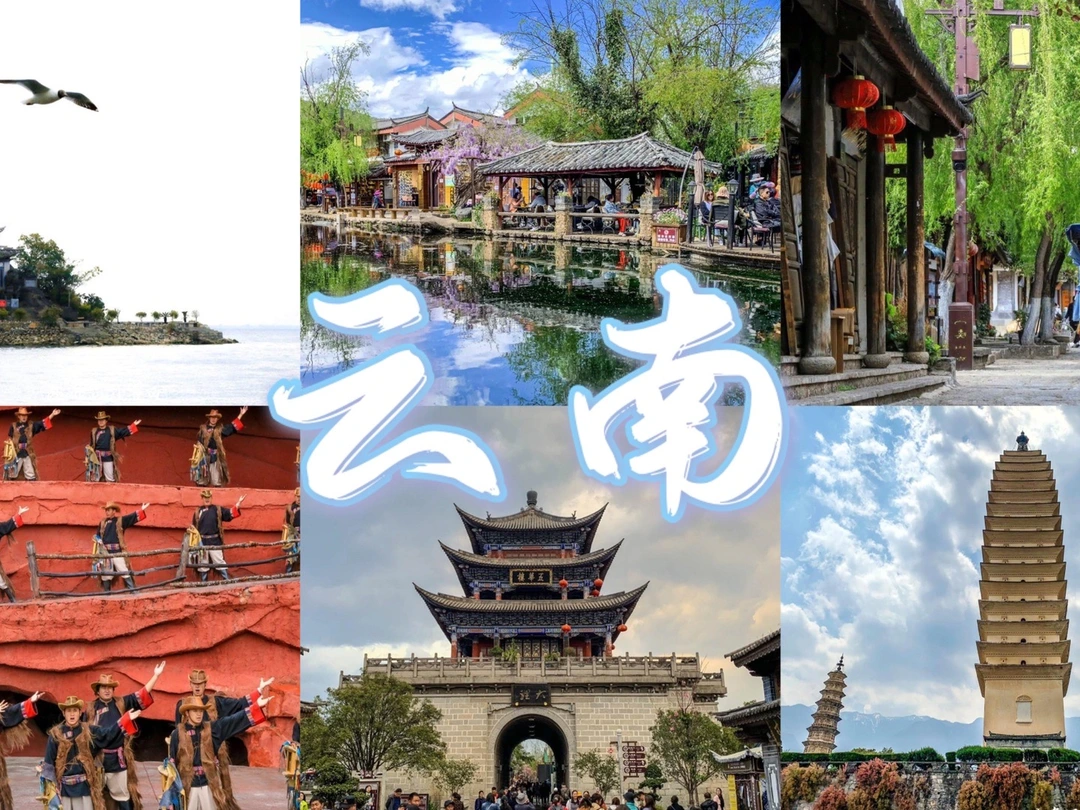
Colorful Yunnan: A Belated Encounter That Made Me Say "This Is the Real Deal"
I came to this world not merely to fulfill the biological imperative of reproduction, but to witness with my own eyes—how flowers bloom, how water flows, how the sun rises over mountain ridges, and how the sunset sinks into the lake. I want to experience interesting things and meet interesting people. And Yunnan, as it turns out, is precisely the kind of faraway place where all those expectations come to life.
A Spontaneous Journey
I've traveled to over a dozen countries and stepped foot in hundreds of cities, yet somehow I kept missing Yunnan for years. Almost every friend I know had recommended it to me, each returning with a sparkle in their eyes, saying, "It's worth going." Finally, in the spring of 2019, I packed my backpack, booked a plane ticket, and embarked on this belated encounter.
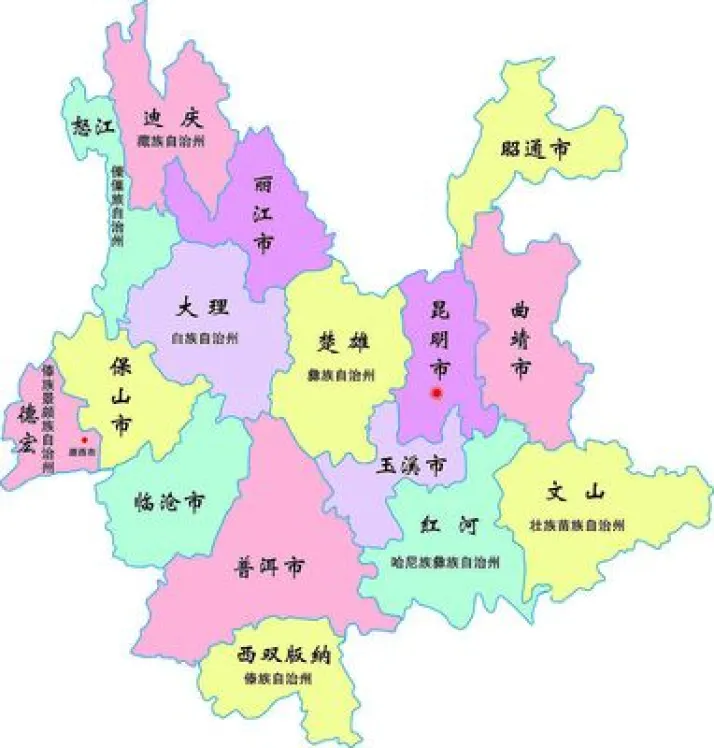
I'm not a fan of group tours—the whole "sleep on the bus, snap photos at the stop" rhythm has never been my style. So I spent a considerable amount of time researching, trying to find my own rhythm on this unfamiliar land. Yunnan's travel routes are as numerous as the hairs on an ox, but I chose the most classic and popular one: Kunming–Dali–Lijiang. I set off a week before the Qingming Festival holiday, successfully avoiding the peak crowds.

The trip lasted 8 days. I traveled solo from Changchun, flying over 3,000 kilometers one way—6,000 kilometers round trip. Those six-plus hours on the plane were enough to take me from the Northeast Plain to the Yunnan-Guizhou Plateau. Changchun sits at an average elevation of just over 200 meters, while parts of Yunnan exceed 2,000 meters. That 2,000-meter difference means every step takes more effort, and every breath requires a deeper inhale.
What You Need to Know About Yunnan: The "Dry Goods"
Best Time to Travel
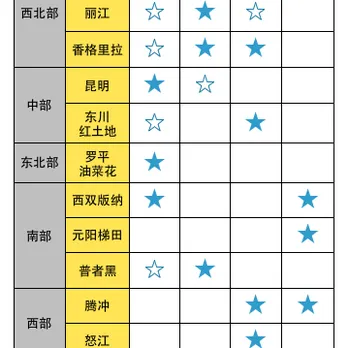
Yunnan's charm lies in the fact that no matter when you come, you'll always find something beautiful for that season. It's suitable year-round, but different regions have their optimal periods:
- February to April: Spring arrives early. The rapeseed flower fields in Luoping stretch endlessly, Kunming—the "Spring City"—enjoys pleasant weather, and peach blossoms quietly bloom in southeastern Yunnan. In April, you can catch the Water Splashing Festival in Xishuangbanna.
- May to August: Summer is best for northwestern and southwestern Yunnan. The rhododendrons on Lijiang's Laojun Mountain bloom from May to June, while July and August bring lush greenery to Shangri-La. In the south, Puzhehei and Bamei are covered in lotus flowers, and wild mushrooms hit the market fresh during this season.
- September to November: Autumn in Dali features the Erhai Lake Fishing Festival. The Three Parallel Rivers in Nujiang offer stunning scenery, and in November, the ginkgo village in Tengchong turns into a golden fairy tale world.
- December to January: Xishuangbanna enters its dry season with clear, comfortable weather. The sunrises and sunsets at Yuanyang Rice Terraces are so beautiful they leave you speechless. However, central Yunnan and areas north of Kunming are coldest during this time, so they're not recommended.
Suggested Trip Duration
If you want to focus on one classic route (like Dali–Lijiang–Shangri-La) with Kunming as a transit hub, 4 to 7 days is enough for a fulfilling experience. If you want to connect two or more major scenic areas, 8 to 15 days will give you a more relaxed pace.
Cost of Living
Overall, Yunnan isn't expensive, but accommodation and dining in popular tourist spots can be pricier. Regular attraction tickets range from 40 to 150 RMB, with a few spots costing no more than 200 RMB. In Lijiang Old Town, a bowl of rice noodles costs around 10 RMB, while a couple's set meal at a nice restaurant starts at 100 RMB. For accommodation, hostel beds go for 25 to 60 RMB, budget hotels 120 to 200 RMB per room, and scenic inns or resort hotels start at 300 to 600 RMB.
Essential Reminders
Yunnan's UV rays are extremely strong, so sun protection is needed year-round. Sunscreen, sunglasses, umbrellas, moisturizing lip balm, sun hats, and scarves—none of these can be left behind. Summer vacation, winter break, and National Day holiday are peak travel periods, so book your flights and hotels well in advance.
My Itinerary: From Changchun to Kunming, Then to Wind, Flowers, Snow, and Moon
Departure Day: Racing Against Time

My friend Brother Xu and I met at Changchun Station and took a high-speed train directly to the airport—just over ten minutes, very convenient. Our flight was Loong Air GJ8872, originally scheduled for a 2:30 PM boarding and 3:10 PM departure, but the plane hadn't arrived yet, causing a delay of about 40 minutes. Fortunately, after six hours of flying, we not only made up the time but actually landed a few minutes early at Kunming Changshui Airport.
After getting off the plane, we sprinted to the subway station to catch Line 6—the fastest way from the airport to the city center. Kunming's metro map is drawn like a cute little figure, which made us chuckle. Line 6 runs mostly above ground, so technically it's more of a light rail. At the terminal station, Eastern Bus Station, we transferred to Line 3 to head into the main city.
By 11 PM, most shops near our hotel were closed, except for one "Midnight Diner" still open. We each ordered a plate of fried rice and truly realized that Yunnan cuisine tends to be on the salty side. The owner and his family of three were very welcoming, saying they'd wait until we finished before closing up, so we quickly picked up the pace.
Dali: First Glimpse of Wind, Flowers, Snow, and Moon
The next morning, we took a bullet train from Kunming Station to Dali. Train number D8672, departing at 9:24 AM and arriving at 11:32 AM, with a second-class seat costing 145 RMB. This train starts from Kunming South Station, passes through Kunming Station, and takes about two hours total.
After exiting Dali Station, head to the public bus parking lot on the right to catch Bus No. 8. Get off at the "Wind, Flowers, Snow, and Moon Hotel" stop, which is near the east gate of Dali Old Town (Erhai Gate). The whole trip takes about 40 minutes and passes through 30 stops—yes, a full 30 stops. Yunnan has the most diverse range of ethnic minorities in the country, so even just walking down the street, you'll see men and women in various traditional costumes.
I deliberately chose a hotel on the outskirts of the old town rather than inside it. Dali Old Town is completely commercialized now, noisy at night, so staying nearby is much quieter. There are plenty of inns around Erhai Gate, with similar environments and prices. I stayed on the third floor, which was relatively quiet and dry, and from the rooftop, I could see the distant Cangshan Mountains.
Three Pagodas of Chongsheng Temple: The Millennia-Old Mark of the Buddhist Kingdom
In Dali, not visiting the Three Pagodas of Chongsheng Temple is like going to Beijing and skipping the Great Wall. This is the Tianlong Temple from Jin Yong's novel The Demi-Gods and Semi-Devils—the prototype for Duan Yu, the 17th king of Dali, became a monk here. Nine Dali kingdom emperors took refuge in Buddhism at Chongsheng Temple, earning Dali the title "Buddhist Capital."
There are several ways to get from Dali Old Town to Chongsheng Temple: take Bus No. 19 (1 RMB), walk (about 30 minutes), bike (10 minutes), or take a local three-wheeled "yellow cart" (10 to 15 RMB, but be sure to negotiate the price beforehand). The original ticket price for Chongsheng Temple was 121 RMB, now reduced to 75 RMB for adults and 37 RMB for students.
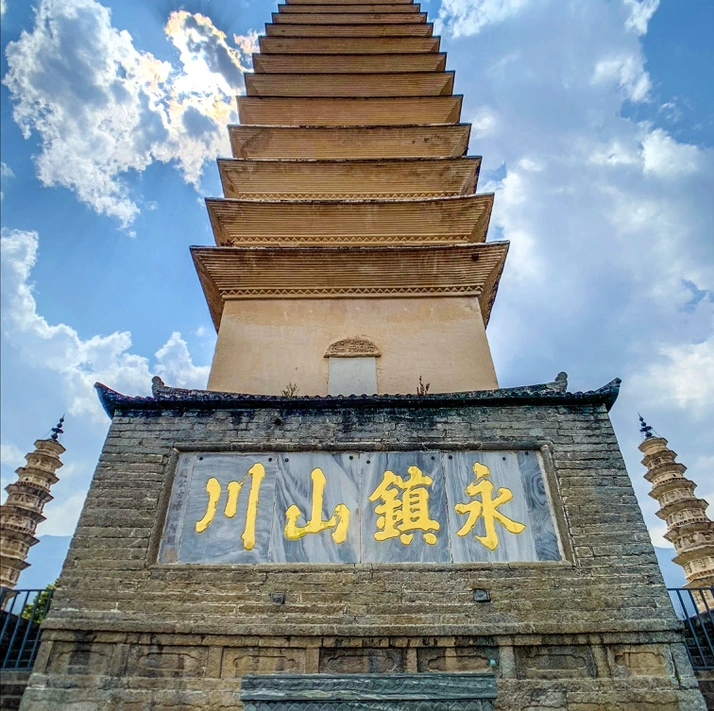
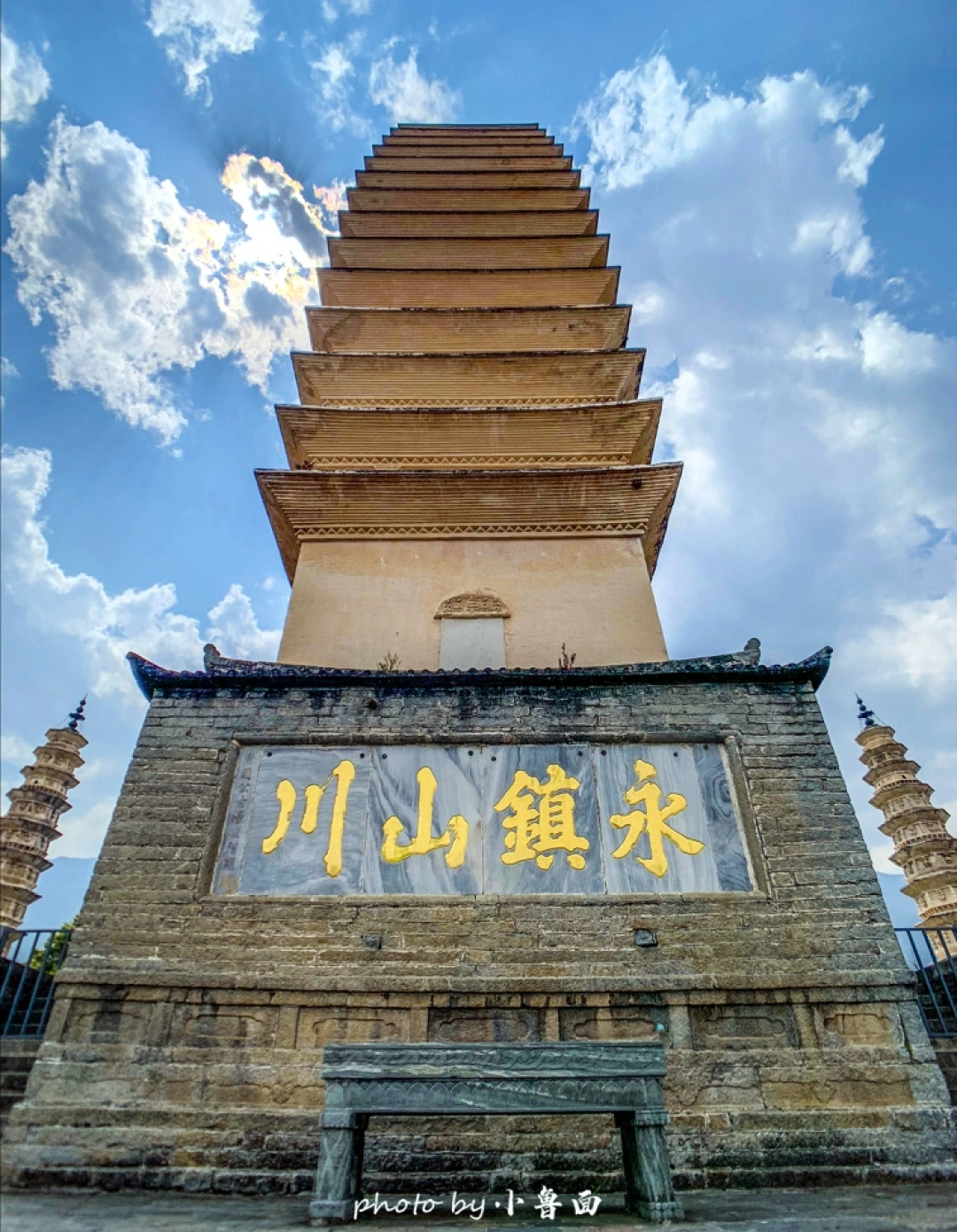
Entering the scenic area, the first thing that catches your eye is the world-famous three pagodas. The main pagoda, Qianxun Pagoda, stands 69.13 meters tall and was built during the Nanzhao period. Its exterior resembles that of the Small Wild Goose Pagoda in Xi'an and the Baima Temple Pagoda in Luoyang. Legend has it that it was built using the "earth-mound method"—layering soil to build each level, then gradually removing the soil to reveal the finished pagoda.
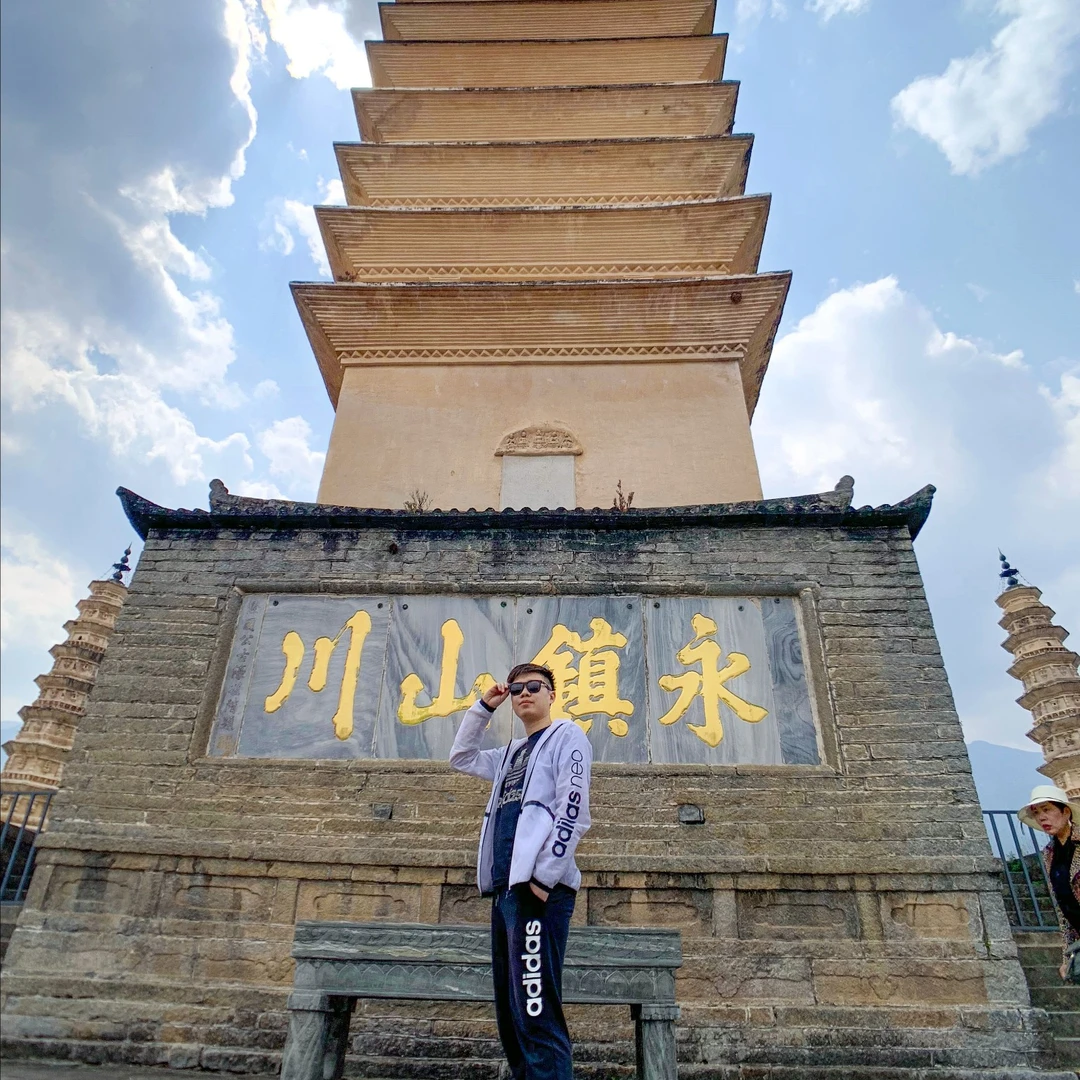
The screen wall in front of the three pagodas, inscribed with "Eternal Peace for Mountains and Rivers," still stands firm despite the elements. The accompanying pagodas have tilted slightly, bearing the scars of wars and earthquakes. Past the pagodas lies the Rain Bronze Guanyin Hall. Inside, the statue of Rain Bronze Guanyin features a slender waist and bare feet, exquisitely crafted. According to legend, when the copper ran out during casting, a rain of copper fell from the sky to complete it.
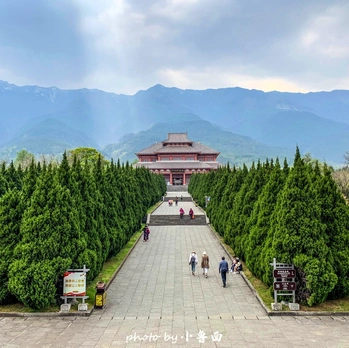
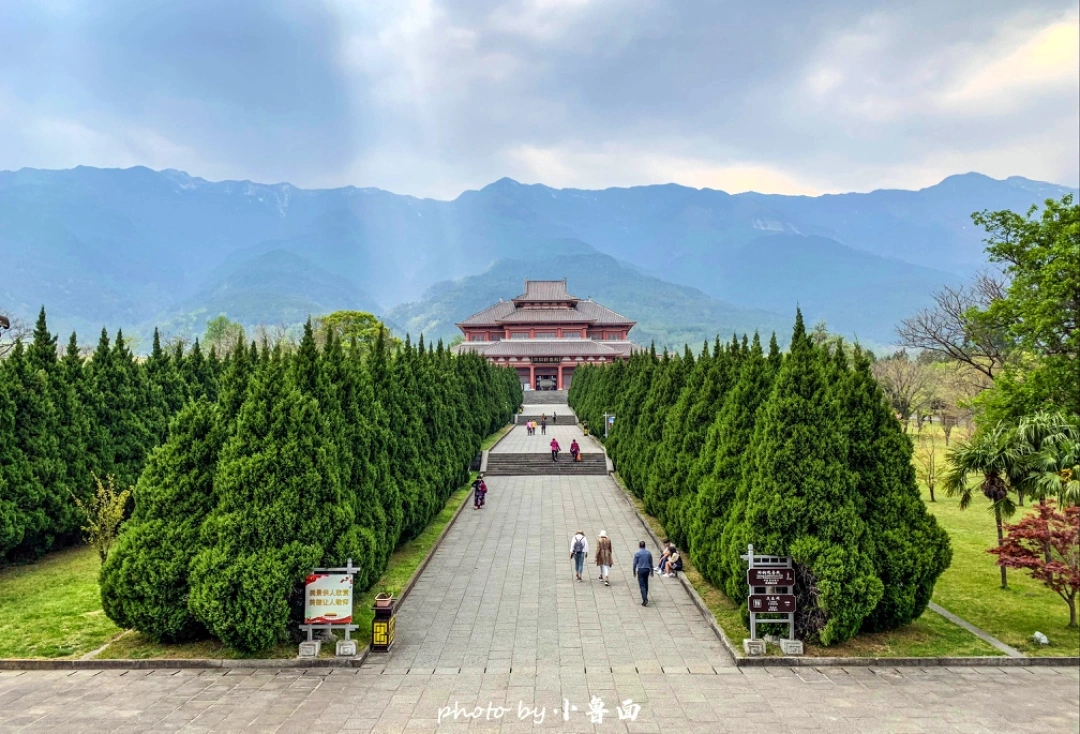
The scale of Chongsheng Temple is staggering—three pavilions, seven towers, nine halls, and a hundred buildings, housing 11,400 Buddha statues. The Grand Buddha Hall is the largest of its kind in Chinese Buddhist temples, resplendent and majestic. The arrangement of statues inside echoes the content of the Dali Kingdom Buddhist Painting Scroll, and the term "Demi-Gods and Semi-Devils" from Jin Yong's novel actually originates from Buddhism, referring to eight types of divine beings who listen to the Buddha's teachings.
After wandering for two or three hours, the sky grew overcast and rain began to fall. We missed the Three Pagodas Reflection Park—the perfect spot to capture the pagodas mirrored in the water. But that's okay; regrets are part of travel.
Dali Old Town: The Lively Atmosphere of Grid-Pattern Streets
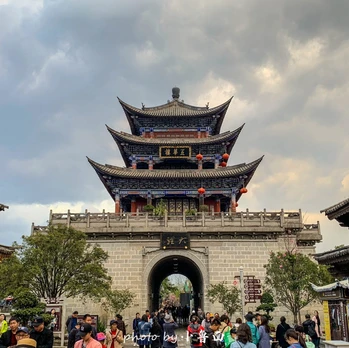
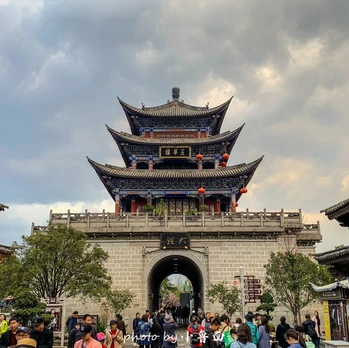
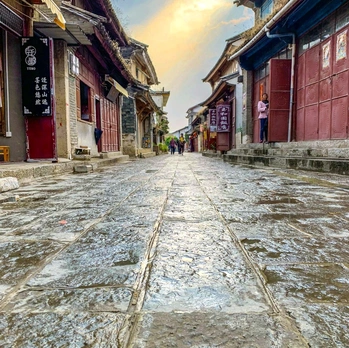
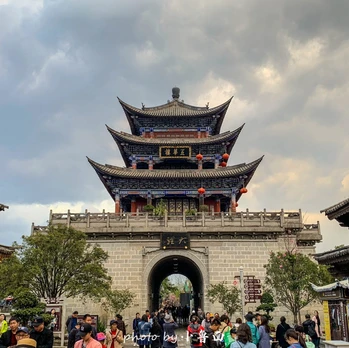
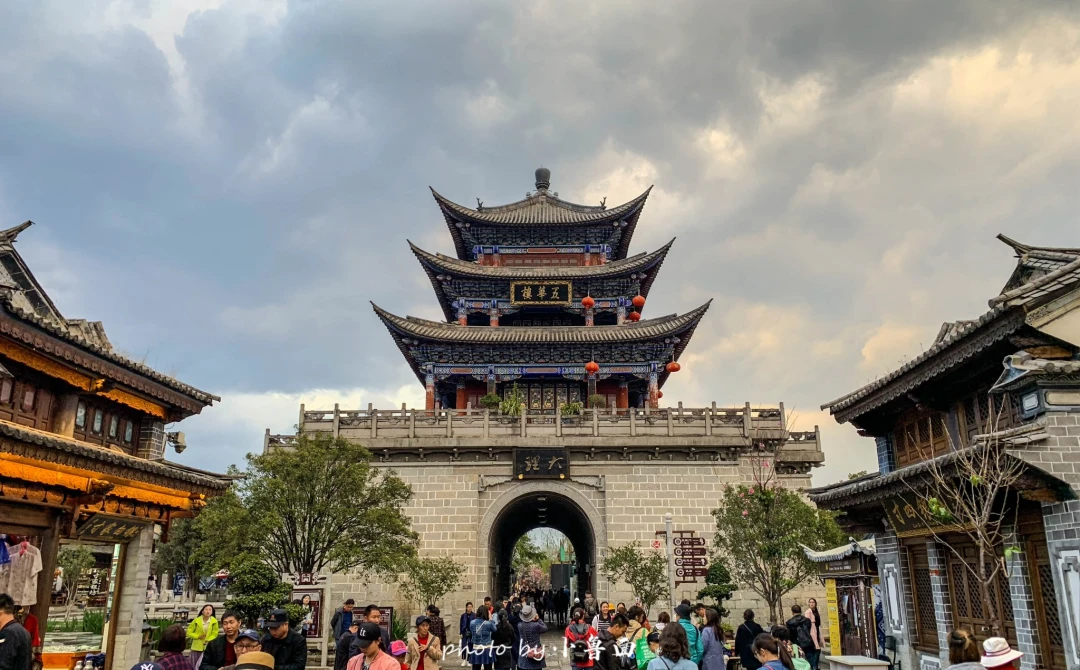
Dali Old Town lies at the foot of Cangshan Mountain and was the capital of the ancient Nanzhao and Dali kingdoms. The streets inside follow a classic grid layout, making it the core tourist area of Dali. The west gate of the old town faces Cangshan, so it's also called Cangshan Gate. In the distance, two high school students had just finished class, their uniforms resembling old Japanese-style high school uniforms, creating a surreal sense of time travel.
Many people say Yunnan is a land of eternal flowers, and Dali Old Town at that moment proved it. Cherry blossoms were in full bloom, with pink flowers visible everywhere in the streets and alleys. For dinner, I ordered a Japanese curry, ending the day's journey amid the lively atmosphere of the old town.
Final Thoughts: What Yunnan Taught Me


This trip to Yunnan taught me one thing: Some places, you'll visit sooner or later—it's just a matter of time. Yunnan is exactly that kind of place. It won't run away; it's always there, waiting for you to meet it at the right moment.
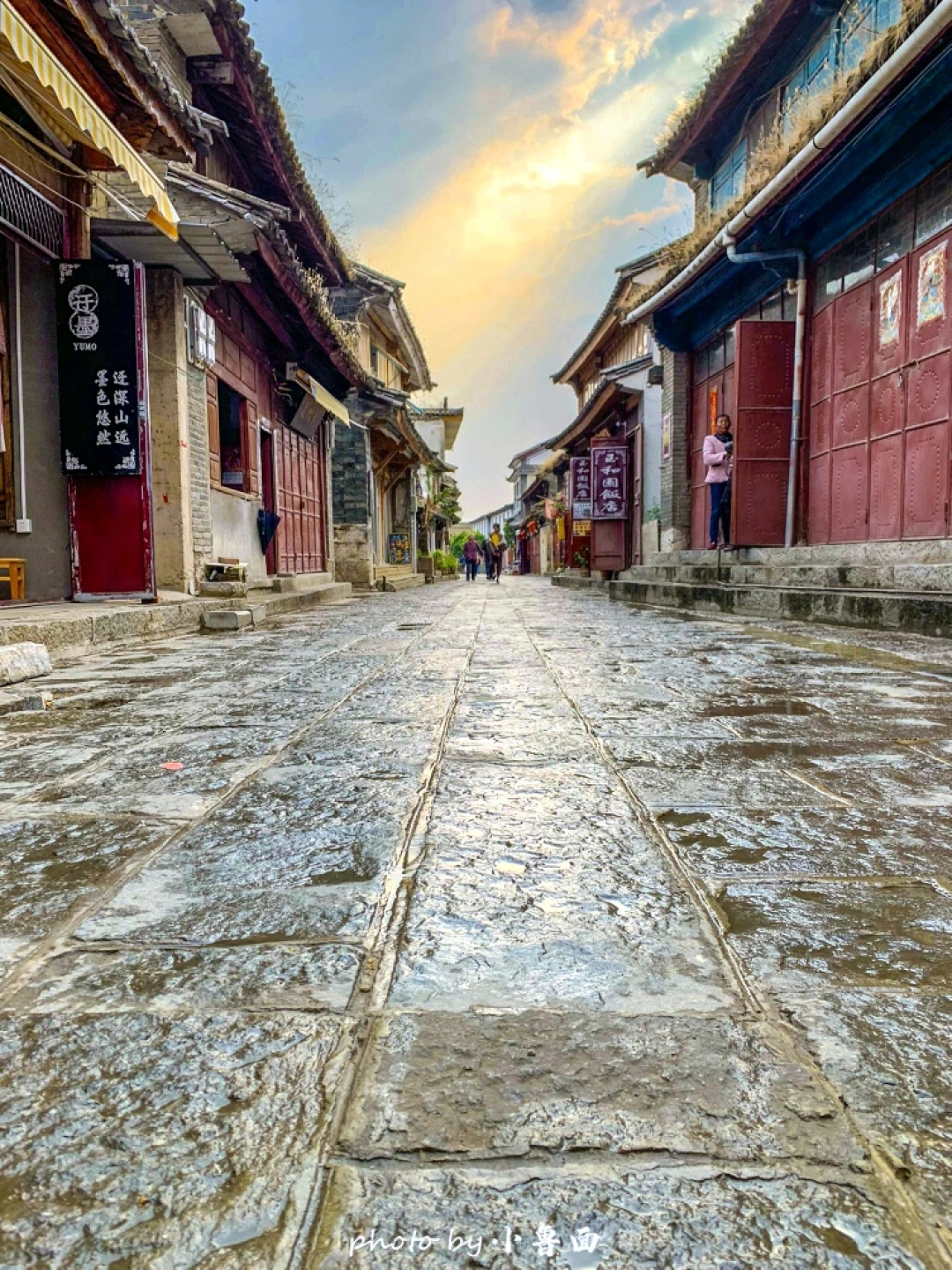
I took over 4,000 photos and 150 videos, and it took me five days just to edit them. The weather wasn't ideal in the first few days—I was afraid the rain would damage my camera, so most photos were taken with my phone. But even so, Yunnan's beauty still rushed through the lens.
Some say the purpose of travel notes and guides is to help others, not to show off on the homepage. I couldn't agree more. I don't have poetic language—I'm just someone who loves travel and photography. What I can do is present you with the "dry goods" I've seen, heard, and learned.
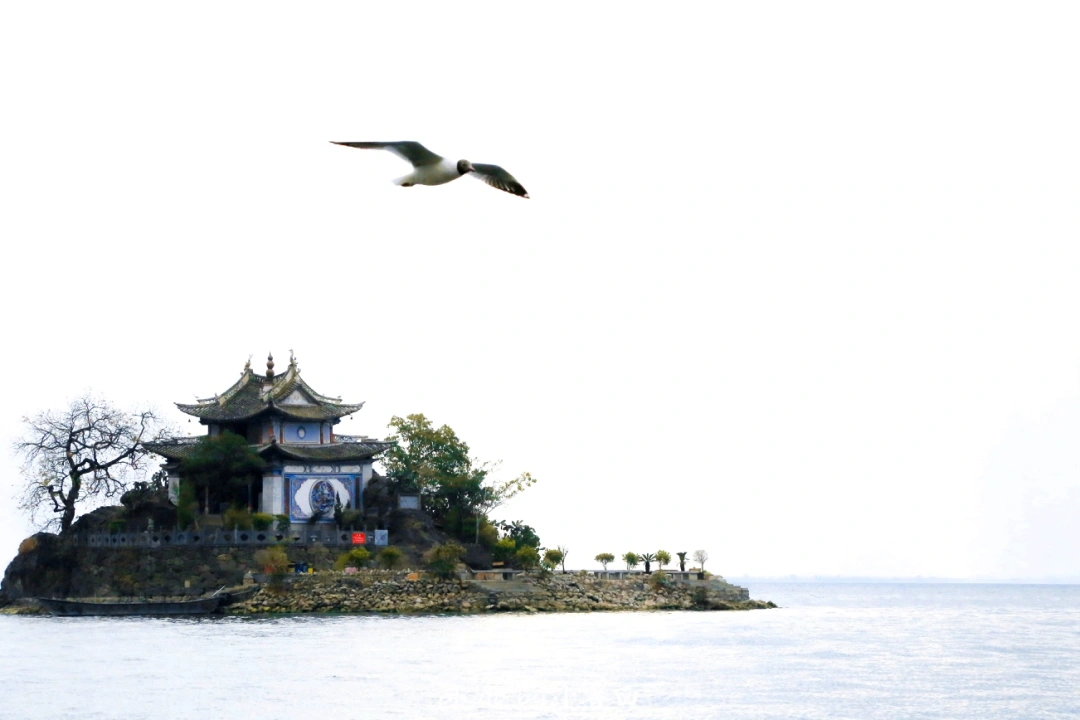
If you're planning to go to Yunnan, my advice is this: Slow down. Don't try to do too much. Schedule only one major attraction per day, and spend the rest of your time daydreaming, drinking tea, watching the clouds, and listening to the wind. Yunnan's beauty isn't about how many places you visit, but how long you stay in one spot.
After all, we came to this world not to rush through it, but to see how flowers bloom, how water flows, how the sun rises, and when the sunset falls.
May your Yunnan journey, like mine, begin with a name you've long admired and end with a heart full of treasures.
You should also read:
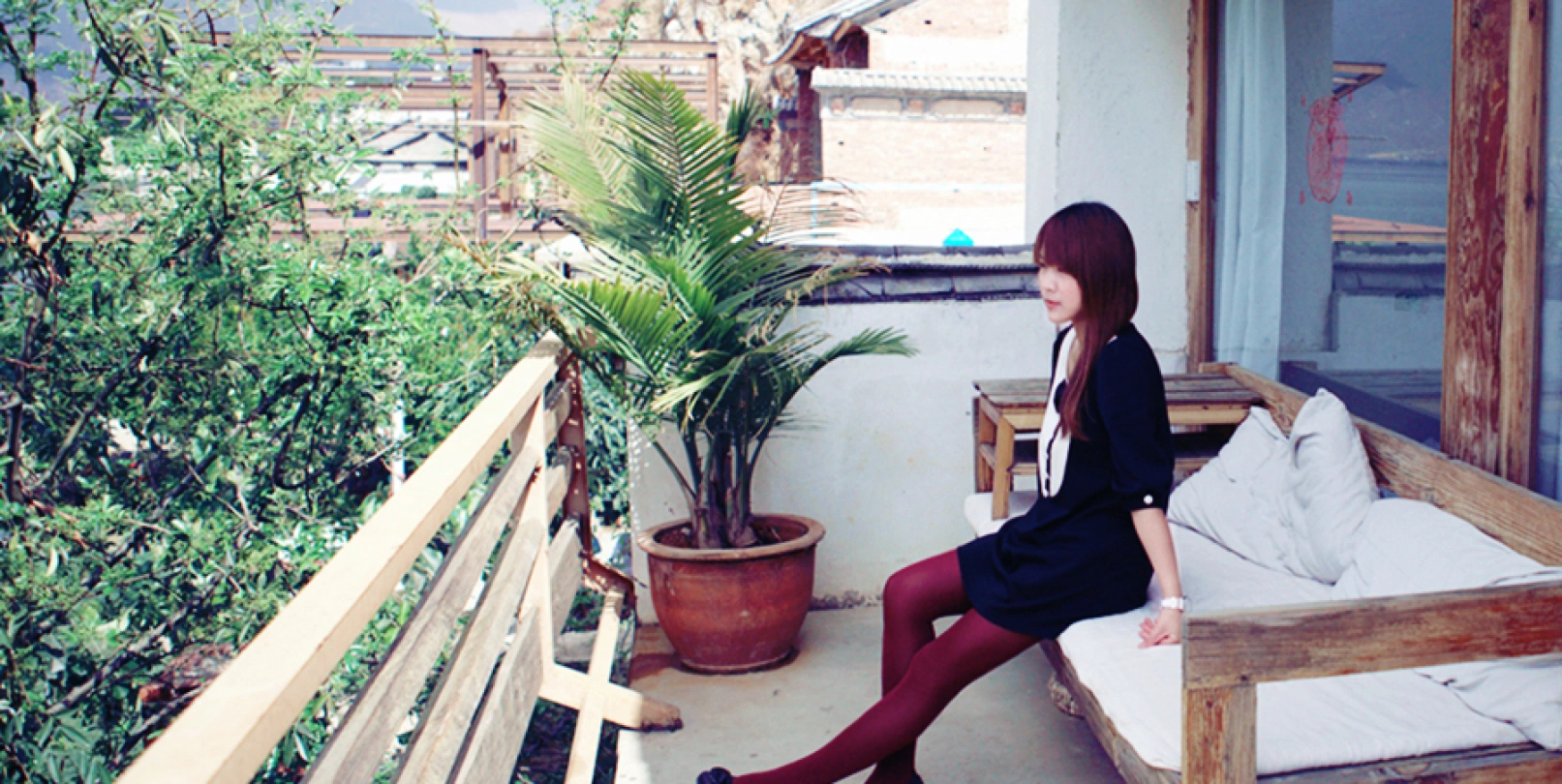
A Solo Journey to Yunnan: Shuanglang Chapter — Meeting Your Truest Self by the Erhai Lake
A Solo Journey to Yunnan: Shuanglang Chapter — Meeting Your Truest Self by the Erhai Lake Introduction: When a Dream Finally Becomes Reality Some say Yunnan is a place meant for solo travelers. It took me three full years to truly understand that. Two years…
Continue reading...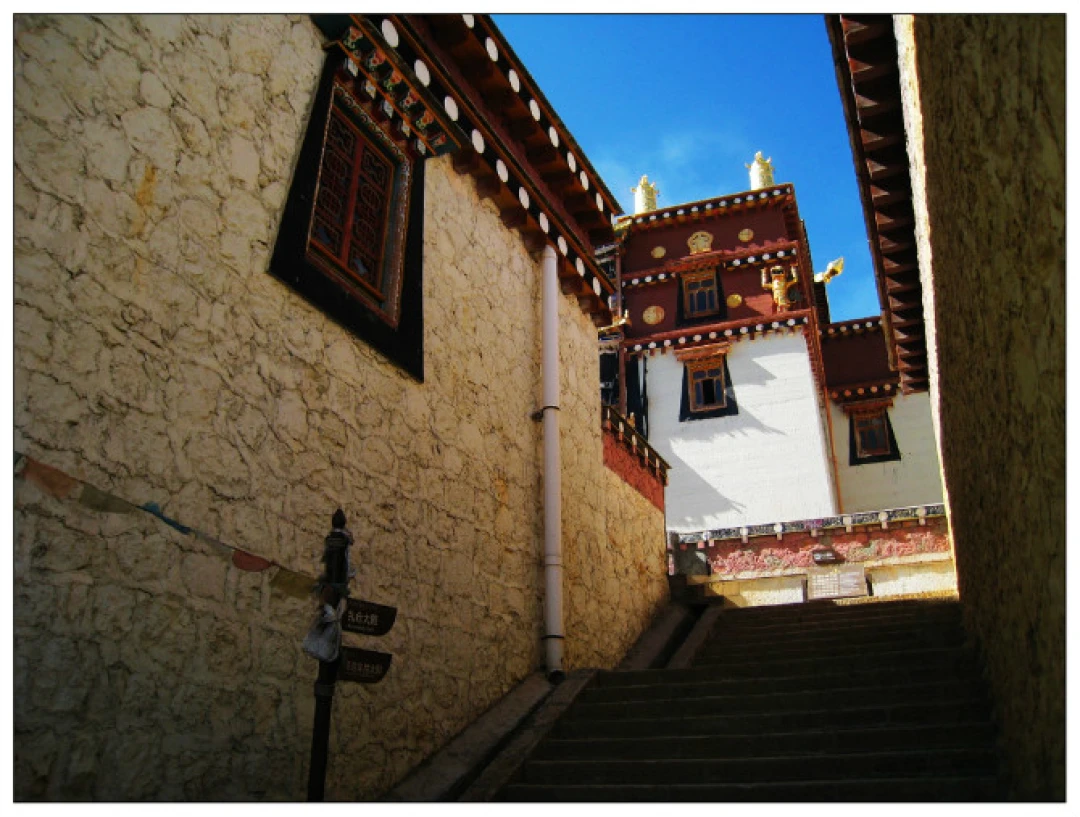
Yunnan's Colorful Clouds: Touching Shangri-La — A Dialogue with the Sky
Yunnan's Colorful Clouds: Touching Shangri-La — A Dialogue with the Sky If you ask me where in China is closest to heaven, I would tell you without hesitation: Shangri-La. The name itself carries a mysterious magic, as if every syllable whispers tales of distant lands.
Continue reading...
Dreaming of Lijiang, Dreaming of Shangri-La: A Journey That Lets Your Soul Breathe Deeply
Dreaming of Lijiang, Dreaming of Shangri-La: A Journey That Lets Your Soul Breathe Deeply Life is like a long trek. We're always rushing through the concrete jungle, searching for a glimmer of light in the monotony of our days. Then one autumn, I heard the…
Continue reading...