Crossing Mountains for Hidden Wonders: A Ten-Day Autumn Journey Through Yunnan
Crossing Mountains for Hidden Wonders: A Ten-Day Autumn Journey Through Yunnan
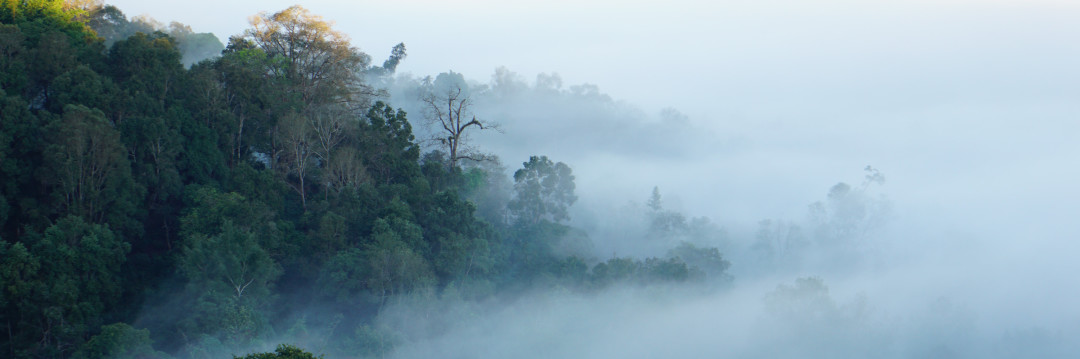
Some trips feel unusual from the very start. I had long harbored an obsession with Wengding Village, and then Ailao Mountain suddenly exploded in popularity during National Day, adding another layer of curiosity. When an off-the-beaten-path itinerary meets a last-minute group拼凑 (makeshift group), we barely managed to form the group two days before departure. No sooner had we booked our flights than they were abruptly canceled. All those petty mishaps made me feel reluctant to travel for the first time. I silently chanted "good things come to those who wait," but my expectations had already hit rock bottom. Yet when expectations hit zero, surprises and regrets became the truest undertones of this journey. Let me first share some stunning photos to delight your eyes, then I'll tell the story slowly.
Kunming in the Rain: An Unexpected Baptism
Provincial Museum and Guandu Ancient Town: Cultural Shelters on a Rainy Day
Landing in Kunming at dusk, a fine rain arrived as promised. Metro Line 6 to Dongjiao Road Station, and the Xi'an Hotel was not far away. After settling our luggage, we headed straight to the Mixc shopping mall across the street to find food. The rain grew heavier, so we ducked into "Qiezi Qiaqia · New Yunnan Stir-fry" and ordered a plate of 牛肝菌小炒肉 (porcini mushroom stir-fried pork) — the grilled tilapia was sold out, but we unexpectedly ended up cleaning our plates in satisfaction. When spirits are low, dessert always saves the day. The 玫瑰鲜奶冻 (rose milk pudding) looked gorgeous, and the waiter said we could get it for just one dime — no hesitation. The rain's rhythm rose and fell, and a headache followed me like a shadow.
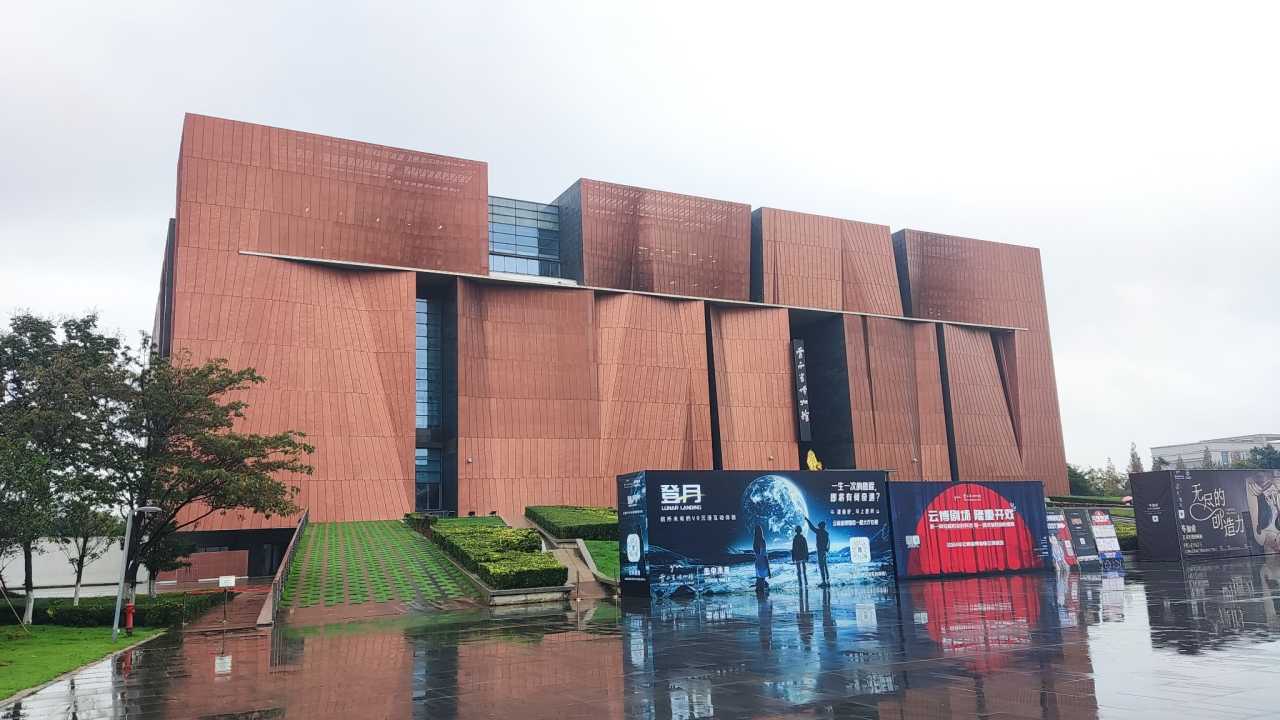
The rain never let up all night, but it somehow smoothed my temper. The next day, we took a taxi to the Yunnan Provincial Museum — indoor activities are always the best choice on rainy days. The new building is square and arranged in a 回 (hui-shaped) layout, said to house the largest collection of cultural relics in Yunnan. Across the street stood the Grand Theater; the location was a bit remote, which suited me perfectly — few people, so I could take my time. The region has long revered Buddhism, and several emperors of the Dali Kingdom even became monks. The calendar prominently displayed the name "Duan Zhengchun" — Jin Yong's romantic prince, but historically a real emperor. The array of ethnic musical instruments and theatrical masks was dazzling, worth half a day's careful appreciation.
At noon, we stepped out and found Guandu Ancient Town just across the road. The town is small but boasts the profound heritage of "one town spanning five dynasties" and "one town embracing three religions." During the Tang Dynasty, it was a stop for Nanzhao and Dali nobles visiting Dianchi Lake. Strolling in the rain with few tourists around, the firecracker flowers bloomed in full blaze, raindrops glistening on their petals. We tasted 官渡粑粑 (Guandu flatbread), passed the Diamond Throne Pagoda in front of Miaozhan Temple, and found a quiet corner in Fading Temple to rest.
It was still early on the way back. My husband checked the map and found that the Kunming City Museum wasn't far from the hotel. We decided to cover it all. Bus 169 to Bus 213, the city museum had few artifacts but featured ethnic costume exhibitions and scenes of old Kunming street life. Worth a visit if you have time, but no need to make a special trip.
Dinner was sorted on the back street of the hotel. Steaming rice noodles, sweet and sticky glutinous rice balls, but the most stunning was 鲜奶米布 (fresh milk rice pudding) — delicate and creamy, exceeding all expectations. The rainy chill was cured by this one bowl.
Haigeng Park: The Healing Magic of Red-billed Gulls
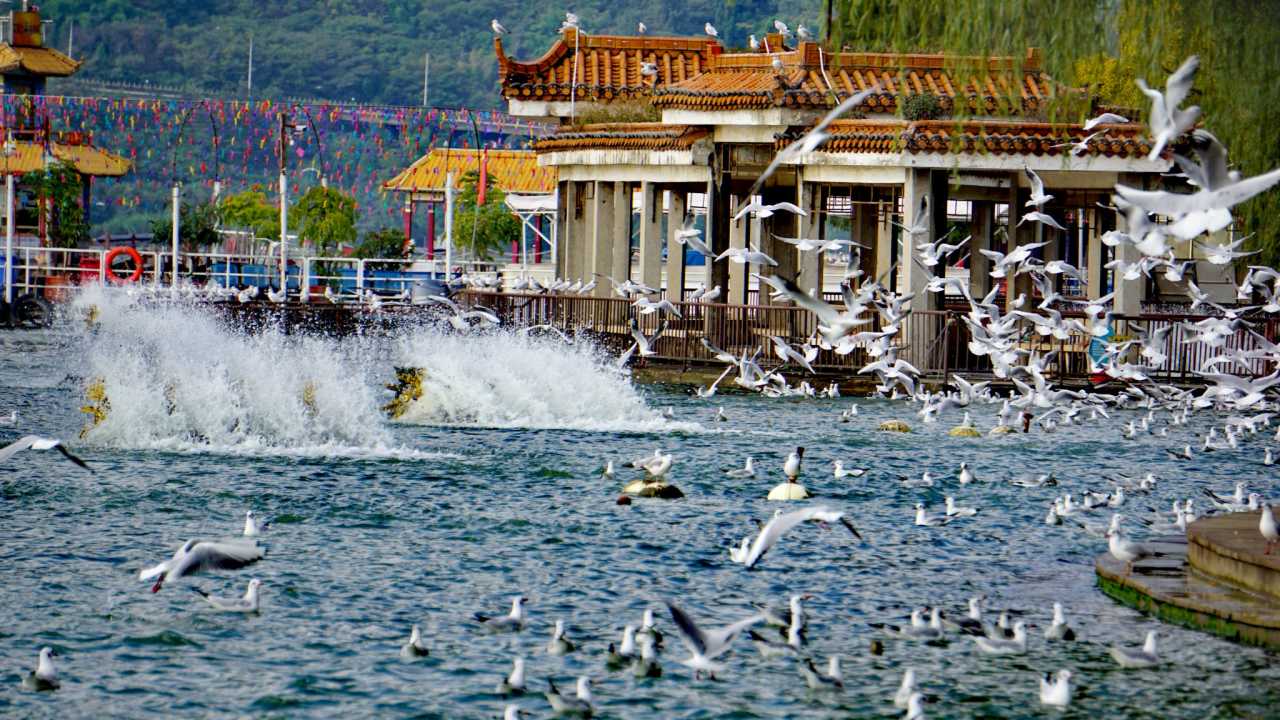
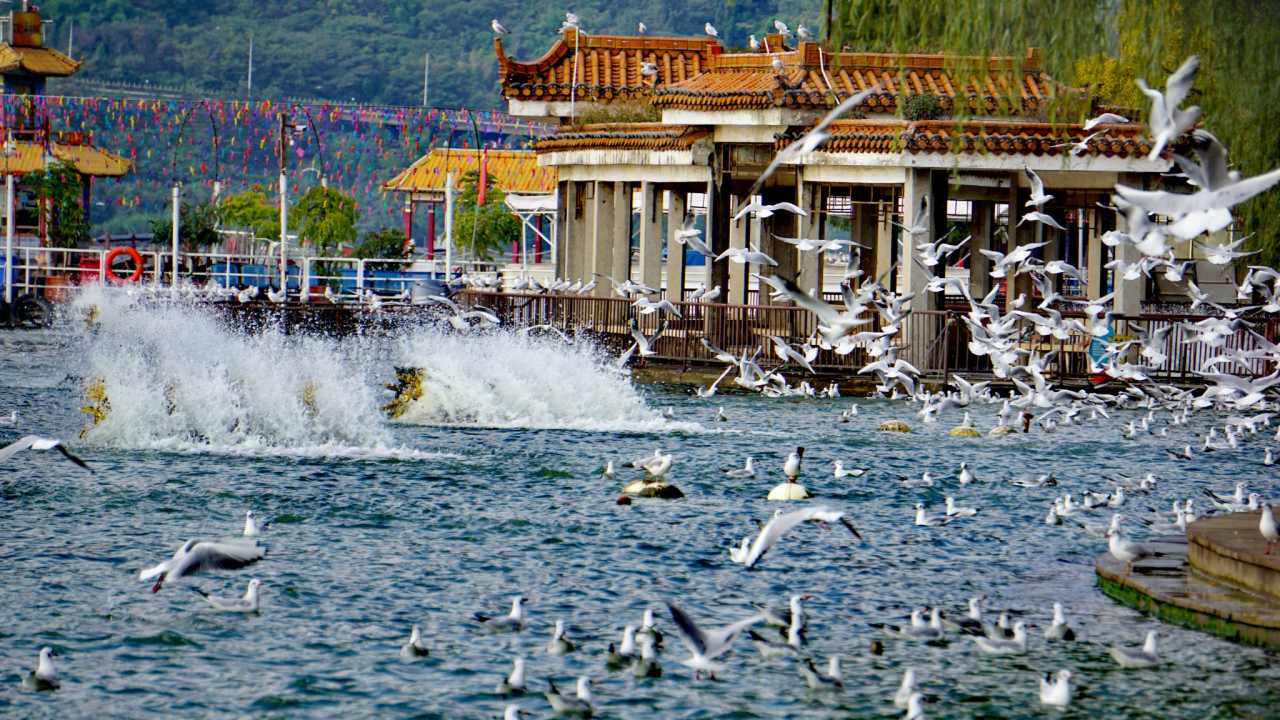
I pulled back the curtains as I got up — the rain had stopped, with large clouds scattered across the sky. Bus 75 to Bus 44, straight to Haigeng Park. Halfway there, the sun was already shining brightly. The joy of clear skies after rain was beyond words. The water of Dianchi Lake was so clear, and flocks of red-billed gulls soared in formation. Food tossed toward the birds was always caught with precision; what fell became a feast for the fish below. The birds circled round and round, drawing enthusiastic feeding from the crowd. I'd planned to feed them just one loaf of bread, but ended up finishing all four. The birds by the dock were even bolder, daring to peck food from our palms. Circling low or playing on the water, these little creatures were truly healing!
The bright sun came with rapidly rising temperatures. Bus 24 to Bus 75 to Dongjiawan, where the food street was packed. The trendy shops had long lines. We grabbed a number for 三拼越南小卷粉 (three-flavor Vietnamese rolled rice noodles, 12 yuan) and waited. Luckily, the staff worked fast, and the "泡露达" (palm seed drink, 15 yuan) at the entrance was incredibly tempting — as a dessert lover, I couldn't resist. Add a bowl of 海鲜小馄饨 (seafood wonton soup, 9 yuan), and we were set.
Military Academy and Old Street: A Symphony of History and Life
We checked out and moved to Jinjiang Hotel, then set off again. Bus 2 to Fuchunjiekou, first stop: the former site of the Yunnan Army Military Academy. Last time, I'd rushed in just before closing — the indoor areas were already locked, so I only walked around outside. This time, I finally made up for it. The yellow Republican-era building was one of modern China's most famous military academies. Originally established by the Qing Dynasty to train a new-style army, it opened in 1909 and was one of the three major military academies alongside the Beiyang and Northeast academies. In 1935, it was renamed the Central Army Military Academy Kunming Branch, running 22 sessions and training about 9,000 officers, earning the title "Cradle of Generals." The school song's lyrics were majestic, and strolling on the drill ground under the bright afternoon sun stirred deep emotions.

Next: Kunming Old Street — the last remaining historic district in the city, bearing over 900 years of vicissitudes and rich information about past eras. Huanggong East Street has become a new Instagram hotspot: yellow walls, green doors and windows, benches, bougainvillea on the walls — young women queuing up for photos. Outside a coffee shop, two trendy dogs posed for pictures, absolutely adorable. Qianwang Street, Jingxing Street, Jiubei Building — the crowds flowed endlessly.
Tired from walking, it was dinner time. The street was lined with mushroom hotpot restaurants. We randomly grabbed a voucher for "8 Wild Mushrooms" — the Premium Mountain Delicacies Matsutake Set Meal for Two. For the first time, they didn't give us utensils; the server told us to be patient while the mushrooms cooked. We sipped some Pu'er tea to calm ourselves, and after about half an hour, the food finally arrived. We dug in with gusto. The wait was worth it.
Recharged and revived, we walked all the way to the Golden Rooster and Jade Horse Archways. The arches were breathtakingly beautiful under the glittering night lights. We called it a day, took Bus K12 back to Shuanglong Market, and walked to the hotel. We stopped by Jiahua Bakery for some cakes to eat on the road tomorrow. What a healing, busy day!
First Sight of Ailao Mountain: The Shock of Primeval Forest
After a hearty hotel breakfast, our driver arrived. The group of nine gathered and set off — Ailao Mountain, here we come. During National Day, Ailao Mountain had trended on social media. The vast primeval forest suddenly appeared in the public eye, and we came out of curiosity.
Nan'en Waterfall and Shimen Gorge: Thrills Between Mountains and Water
Nan'en Waterfall is a roadside attraction. "Nan'en" means "silvery white water" in the Dai language. This silvery water surged from the Ailao Mountain range, like the Milky Way. The spectacular hundred-meter-high waterfall splashed everywhere, originating from the primeval forest and joining the Gasa River at the foot of the mountain. The driver said he'd been driving for four hours and needed a 20-minute break. A string of stalls sold things I'd never seen: 重楼 (Paris polyphylla), 螃蟹脚 (crab-claw lichen), and more. The vendor was talkative and explained everything in detail — an eye-opener! Living off the mountain is indeed possible.
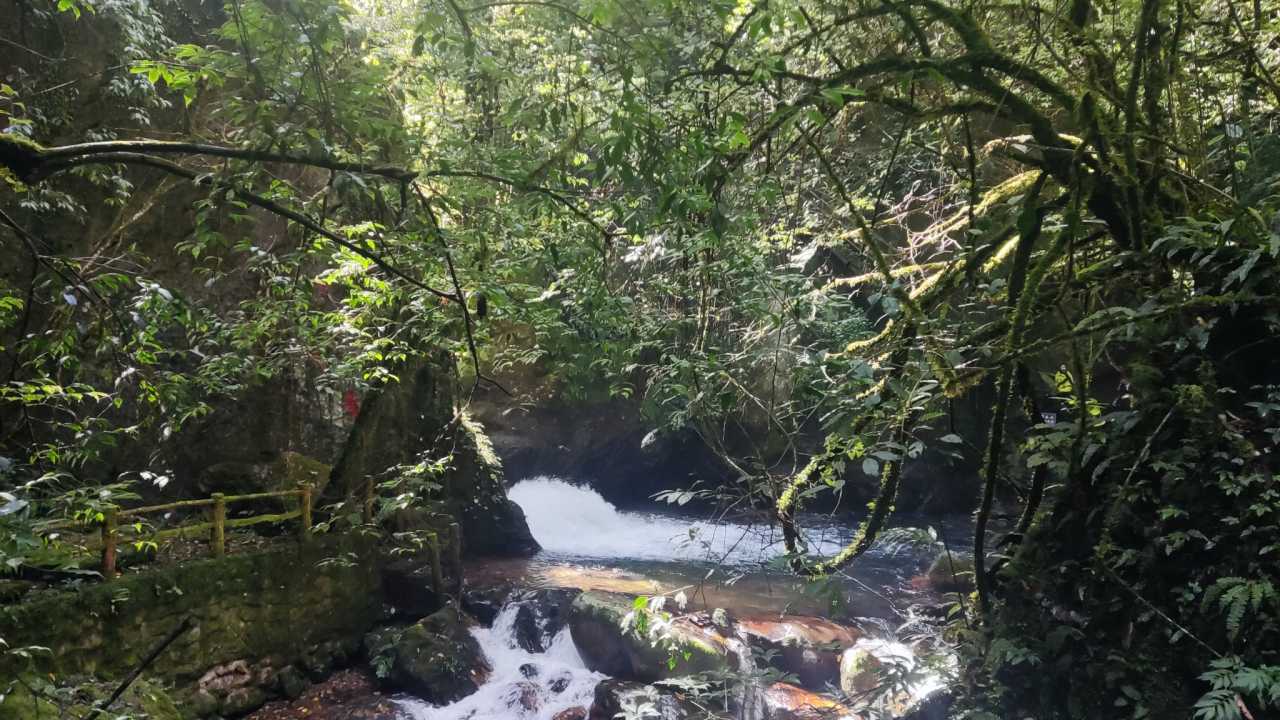
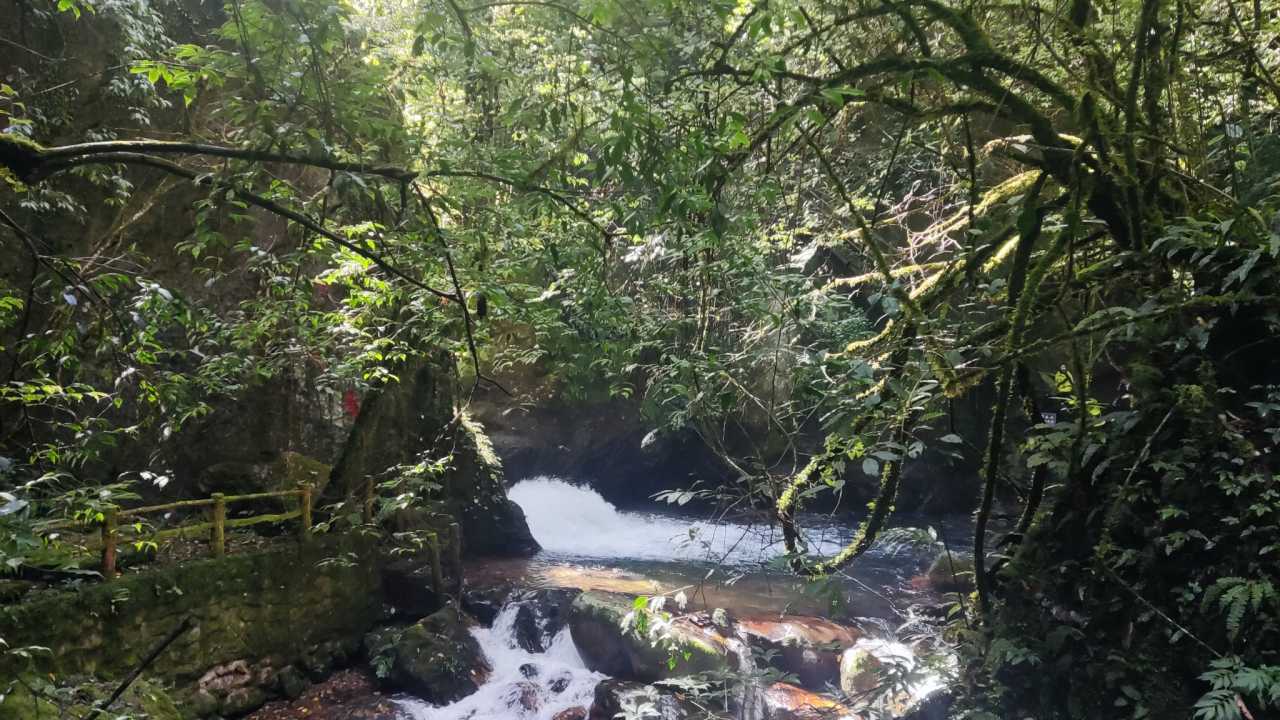
At noon, we arrived at Shimen Gorge. We quickly ate a bowl of rice noodles and half a rice cake. My husband and I entered after checking tickets. Just inside, we saw an older man sitting by the side rubbing his leg — he'd taken a fall. We knew the path was rough, but not this rough. Heading upstream, we squeezed through tunnels in cliffs, with old trees bending down as bridges. A narrow path through rocky crevices — narrow, wet, and uneven. Moss was everywhere, incredibly slippery. Though the sun was bright, the stone paths were damp. We moved carefully, surrounded by lush green vegetation and clear jade-like streams that refreshed the spirit. About three-quarters of the way in, I ran out of energy, so my husband continued alone. The landscape was a natural composition of cliffs, primeval forest, and deep pools — they call it "Little Jiuzhaigou," but it was just so-so. A cool car at the entrance fit the scene perfectly.
Ancient Tea Horse Road and Chieftain's Manor: Echoes of History
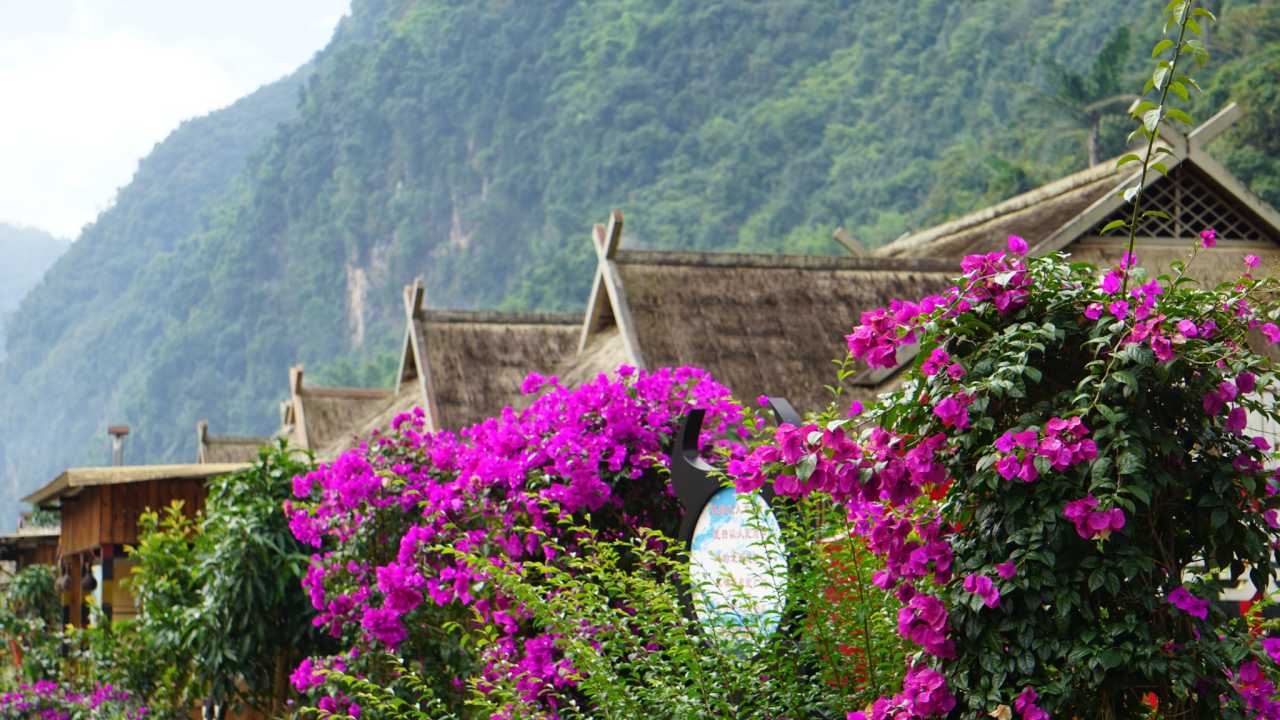
We gathered to head to the Ancient Tea Horse Road, but after driving five or six minutes, we stopped. The driver went to check and found that the road ahead was under construction — it wouldn't open until 6 PM, but we could pass before 8 AM the next morning. We turned around to head to the guesthouse where we'd stay tonight. Since it was still early, the driver took us to the Chieftain's Manor, admission 15 yuan. Compared to the Tusi Palace in Enshi, this was like David versus Goliath. This was the residence of Li Runzhi, the last hereditary chieftain appointed by Emperor Qianlong of the Qing Dynasty. The complex consisted of three main building groups: the main courtyard, gardens, and stables, with 65 rooms in total. It's said that before fleeing, the chieftain buried three thousand taels of gold somewhere in Ailao Mountain, never to be found. There were beautiful flowers in full bloom at the entrance — a feast for the eyes.
We got back in the car and headed to the guesthouse. After several twists and turns, we finally arrived. As soon as we entered, we tasted some incredibly sweet ginseng fruit. The temperature was dropping. We dropped our luggage and went downstairs to gather. For tonight's group dinner, we ordered dishes — everyone had similar tastes: no spicy food. With nothing else to do, my husband and I wandered around. The mountain-top scenery was pleasant; free-range chickens strutted leisurely at our feet, making us itch to join them. Before we knew it, the sun was setting. Dinner was served. The seven friends from Beijing were part of an outdoor club — fate had brought us together. We split the bill, 37 yuan per person. The host's homemade cured pork was very popular.
Once it got dark, it was freezing. We turned on the electric blanket, took a quick combat-style hot shower, and hitting the bed was the best option. We had to get up early tomorrow!
Love at Second Sight: Sunrise and Hidden Wonders on Ailao Mountain
Up early, we ate rice noodles and rushed to see the sunrise. A faint red line appeared on the distant horizon. We hurried to the viewing platform, where distant mountains were wrapped in a sea of clouds, occasionally revealing their peaks. As time passed, red began to seep through the clouds, slowly dyeing the horizon. Finally, a red sun burst through the clouds, painting everything around in crimson. The sunrise lasted only a few minutes, but it was truly beautiful!
We had to pass through yesterday's construction site before 8 AM, so the sunrise viewing was rushed. The driver smoothly brought us to the Ancient Tea Horse Road. Everyone happily entered, leaving the driver to buy tickets at the entrance.
Ancient Tea Horse Road: The Solitude of a Millennia-old Trade Route
The Ancient Tea Horse Road lay in the heart of Ailao Mountain, a strategically difficult terrain. This section was part of one of Yunnan's three great ancient roads — the Yinan Route. It began in Pu'er during the Tang Dynasty, crossing Ailao Mountain to reach Dali; after the Ming Dynasty, it started from Kunming, extending to Laos, Myanmar, Thailand, and beyond, reaching its peak during the Qing Dynasty. After over 1,300 years of history, the once-bustling horse caravans are no more. Today, the ancient road is silent, overgrown with grass. Only broken bricks and tiles, the stone archways of old smelting furnaces at way stations, and the hoof-print marks on the bluestone slabs bear witness to the prosperity of this southern Yunnan thoroughfare and the legendary stories of its caravans.
The trees and moss were lush and green, with water flowing gently. We arrived early, so there were no tourists besides us. Walking quietly on the stone path, I imagined the caravans of old, leading their laden horses step by step through the deep mountains into the distance. Those ruins were once witnesses to glory — truly remarkable!
At the entrance, there was free hot ginger tea — such a warm comfort on a chilly morning.
Jinshan Primeval Forest: "Yunnan Insect Valley" in the Mist
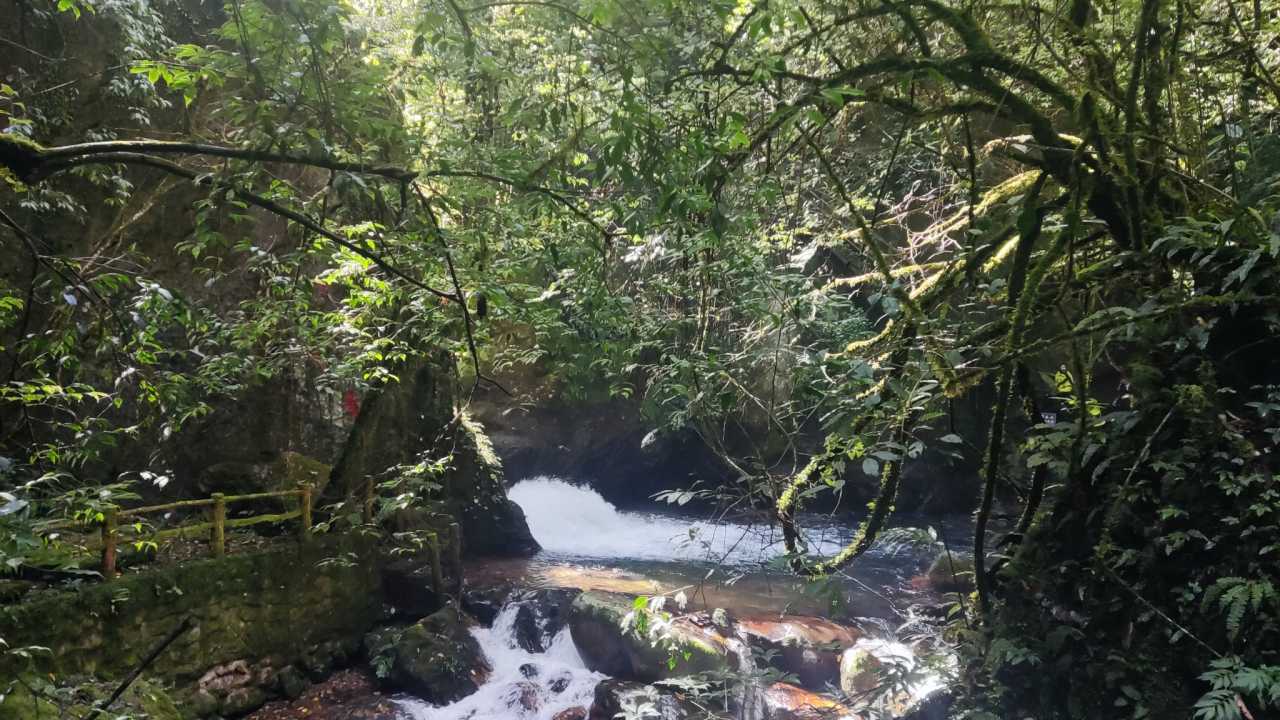
When we reached Jinshan Primeval Forest, fog was everywhere, adding a magical touch to an already mysterious place. Imagine monsters lurking in the mist among the trees — perfect for a horror film. All the world's tranquility and winding paths converged here. The towering trees were so tall you couldn't see their tops even looking up. Water droplets condensed from the fog fell from the treetops, like a sudden rain. Strange and wonderful plants appeared in all shapes, flickering in and out of the mist. I couldn't understand why anyone would deliberately enter such a terrifying place — life is the most precious thing, isn't it?
Again, there was ginger tea — this time to calm our nerves. As we descended the mountain, we passed the fog line and the sun shone brightly, with bougainvillea blooming along the road. We crossed the mountains and arrived in Lincang City — even the rest area was beautiful! We ate the cakes we'd brought for lunch.
Jingkang Village: A First Taste of Dai Culture
We checked in at an ethnic minority village — Jingkang Village. The Dai village gate and houses featured white walls, colored tiles, and peacock-shaped eaves, full of tropical flair. The Lameng Temple and the glittering golden pagoda conveyed the solemnity of Buddhism. The sugarcane fields were lush green, and the reflections of Dai architecture shimmered in the water — a pastoral idyll.
We arrived at the hotel, freshened up, and went out to find food. We found the food street at the farmers' market and ordered local specialties at "Good Luck Snacks": a small portion of 臭豆腐煮鱼 (stinky tofu fish stew, 40 yuan) and 炒空心菜 (stir-fried water spinach, 15 yuan). A satisfying meal. We bought some tangerines and ginseng fruit to replenish supplies, then headed back to rest!
Walking into an Anime: The Fantastical Journey of Cangyuan

Sigangli and the Chinese Painting Gallery: Where Legend Meets Nature
The mysterious Sigangli originates from ancient legends. Its meaning — gourd, karst cave, or womb — carries the Wa people's ancient beliefs about the origin of life. Cangyuan was once called the Land of the Gourd King. Unfortunately, it was under renovation, so we could only take a photo at the entrance.
We headed straight to the next stop: Bange Village's Chinese Painting Gallery. It gets its name because the cliff face, viewed from afar, looks exactly like a thick-ink Chinese landscape painting. We took the scenic shuttle inside. The Wa village nestled against the mountains and river, with fields leaning against the cliff — the crops had already been harvested. Since it was still early, we only rode halfway, then walked back along the wooden boardwalk through the fields. Wa elements like ox heads and gourds were everywhere. Red flowers blazed brilliantly, and there were windmills and other decorations — rugged yet romantic. The overcast weather added to the atmosphere.
One side of the cliff formed overhangs, while the other was jagged with honeycomb-like dissolution pores. Stained by impurities and adorned with climbing plants, it became a riot of color, like a giant mural under the intermittent sunlight. I imagined a drone would capture epic shots.
At the end of the path, we turned into the village. Street lamps featured yellow gourd and red pigeon sculptures. Bougainvillea blazed in front of the houses, and the walls were painted with Wa legends. A peaceful, tranquil village not yet overrun by commercialization — I loved it.
Cangyuan Cliff Paintings and Guangyun Mian Temple: Millennia-old Marks
The Cangyuan Cliff Paintings are ancient ethnic minority rock art, found on cliffs above 2,000 meters elevation. Ancient people used their fingers or feathers dipped in red pigment to depict scenes of hunting, gathering, religious rituals, and triumphal war marches — rough and primitive.
When we arrived at the site, the sun was blazing. We climbed the stone steps, but I gave up halfway up the platform — too hot. A dead-leaf butterfly fluttered over and landed on the wooden railing. Nature is incredible — this thing really looked like a withered leaf. My husband and the others returned, saying the paintings were far away. Good thing he brought a telephoto lens, or they wouldn't have seen anything.
We continued driving through the mountains. Ripening rice in the fields glowed golden, and scattered villages in the distance had red asbestos-tile roofs, dazzling under the blue sky and white clouds. The driver said they were built with aid from various regions. After splitting the bill for lunch, we visited Guangyun Mian Temple. Built in the Qing Dynasty, it's commonly called the School Temple, facing south with carved beams and painted rafters. Unfortunately, the main hall was being regilded for the Buddha statue, so we couldn't enter. Two huge dragons hung upside down from the pillars in front of the hall — extraordinarily imposing.
Yonghe Port and Longnai Village: Border Surprises
Next, we headed to Yonghe Port. We walked up from the parking lot, turned a corner, and continued to the viewing platform. The Wa-style houses of Yonghe Guomen New Village were built into the hillside, scattered gracefully on the slope. Across from us was Myanmar — experiencing "one village viewing two countries, overlooking the Golden Triangle, and gazing at Gongming Mountain." The wind was refreshing, and we busied ourselves taking photos.
We walked to the port; it didn't seem very busy. There weren't many people crossing the border. We met a Wa girl from Myanmar waiting for friends on this side. She spoke fluent Mandarin and chatted with us for a while before we all walked back to the parking lot.
Longnai Village was today's surprise. It was like walking into an anime — so beautiful it was breathtaking. Probably because of the afternoon heat, there were hardly any villagers outside. When we did meet someone, we couldn't communicate — language barrier. Oh well, let's just enjoy the scenery. On the way back, we passed a treehouse — a giant banyan tree that had become a dwelling. Amazing! Not far away was the viewing platform where we'd watch the sea of clouds tomorrow. For now, we just enjoyed the view.
Gourd Town: A Microcosm of Wa Culture
In a quiet corner of Cangyuan Wa Autonomous County lies a unique paradise — Gourd Town. It's like a microcosm of Cangyuan, where daily life and Wa native culture are vividly displayed. We arrived in the evening, and our group had the place to ourselves. In the center of the square stood a giant gourd, symbolizing the Wa people's worship of the gourd, rooted in the ancient legend that the Wa ancestors were reborn from a gourd. Gourd elements were everywhere — sculptures, decorations, and architecture all themed around the gourd. The red curved roofs and bold ethnic murals also reflected Wa traditional culture. We could only look and take photos.
Tonight was the Wa King's Banquet. Ten of us sat around a table covered with lotus leaves, with food placed directly on top — extravagant! After eating, we were stuffed. My husband and I went out for a walk to digest. The street scenery was lovely too. "The Most Beautiful Lincang, the Mysterious Cangyuan" — the reputation is well-deserved.
Exploring Wengding Village: China's Last Primitive Tribe
We couldn't see the Wa Mountain sea of clouds — the fog was thick, a vast white expanse. We went straight to Wengding Village. The mysterious ancient Dian Kingdom still has primitive tribes living under thatched roofs. As China's last primitive tribe, Wengding Village sits at 1,500 meters elevation, adjacent to the China-Myanmar border. It's the best-preserved primitive village of Wa history, culture, and architecture, known for its traditional stilted thatched houses, natural landscape, and folk culture. "Wengding" means "place shrouded in clouds and mist" in the Wa language. After a fire in 2021, it was rebuilt and now consists of an old village and a new village.
The village is made of stilted thatched houses built mainly from grass, bamboo, and wood. The roofs are hand-laid thatch, with forked ends on both sides, so Wa stilted houses are also called "fork houses," distinguishing them from other ethnic groups. The ground floor is raised for livestock. The village core features religious symbols like village pillars and totem poles. The village pillar symbolizes birth and prosperity, while the wooden boat sculpture prays for favorable weather. There are also human-head stakes and sacred groves used for sacrifices. Thousands of ox skulls hang from wooden stakes, sacred trees, and beams throughout the village.

From the visitor center, we took the scenic shuttle past the new village to the old village. Just inside the village gate, a "Black Bear Brother" and "Black Pearl" were waiting to welcome us, dotting black circles on tourists' foreheads ("Mo Ni Hei" — a blessing). Walking forward, we saw human-head stake offerings by the roadside. Past the sacred grove and down a turn, a two-story wooden building: on the first floor, an older village head invited us for tea; from the second-floor window, we looked out over rows of thatched houses and winding paths. The performance was about to start. We returned to the sacred grove for first a ritual, then a drum-pulling ceremony — singing and dancing all the way into the village.
There were several performances in the morning. We watched whatever we happened upon. The Wa King's Palace, totem poles, distant mountains, terraced fields layered like steps. We glanced at the handicraft display, tasted some free glutinous rice cakes. The sun was dazzling, and it was hot. We went inside a thatched house to see what it was like. We met an elderly woman spinning thread — very photogenic. Little thatched streetlamp houses? So cute! Actually, no one lives in the old village now. The villagers come during the day to perform and return to the new village afterward. The old village has character and is worth a visit to see Wa culture.
After a roadside lunch, we headed toward Pu'er. The sun poured down, so hot that as soon as we reached a rest area, we immediately grabbed popsicles. We arrived at the hotel, freshened up, and it was dinner time. My husband and I randomly chose a busy restaurant near the hotel and had lamb hotpot. It was a bit salty, but otherwise fine. There was a "Snack Frenzy" store next door, so we stocked up. After a stroll, we went back to rest.
The Tea Fragrance of Jingmai Mountain: The Serenity of Millennia-old Tea Groves
Jingmai Mountain is most famous for its tea — the world's largest cultivated tea garden. Deep in the forest lie beautiful ethnic minority villages, including Blang, Dai, Wa, Hani, and others. Built into the mountains, nestled by water, scattered gracefully, with rich folk customs. Today, we'd let loose on Jingmai Mountain.
Laodabao and Nangan Ancient Village: Primitive Music and Tranquility
Hidden among the mountains, the mysterious Laodabao is a Lahu village. The driver said it's the least commercialized place. The tea gardens outside the village were lush green. Deep in the mountains, people make the most of everything to survive, displaying incredible ingenuity. The village was under road construction, with most houses built from wood and mud, full of primitive charm.
You could tell the love for music as soon as you entered. Laodabao is where Lahu music touches the soul. There was a private performance today, but unfortunately, it was too late — we couldn't wait. Villagers in ethnic costumes, carrying instruments, were gathering. Next time, I'll find an opportunity to attend a musical event and see them perform in full regalia.
We ate the snacks we'd brought for lunch. "Nangan" means "gold falling into a pond" in Dai language. It's one of the nine traditional villages listed as heritage elements of the "Pu'er Jingmai Mountain Ancient Tea Grove Cultural Landscape." Located on the east side of Nangang Mountain, set in a mountain basin, surrounded by ancient tea trees. The village preserves the traditional layout and historical character of a Jingmai Mountain Dai village, with a centripetal layout centered on the village heart.
The village is small, with shops lining the streets for tea tasting, accommodation, and dining. Canned roasted milk was everywhere. At the back was a temple with a viewing platform for panoramic shots of the village. Coming out of the temple, we walked down another street — so quiet it felt wrong to speak. Flowers bathed in sunlight bloomed brilliantly. We also bought some delicious glutinous rice cakes.
Wengji Blang Ancient Village: A Cloud Village Settled for Millennia
Of the Pu'er Jingmai Mountain Ancient Tea Grove, it's said: "From afar, it's a forest; up close, it's a tea garden. Look up, and it's a green paradise; look down, and it's a green carpet." At an average elevation of 1,400 meters, with tall mountains and dense forests, the terrain, climate, and soil conditions are perfect for Pu'er tea cultivation. Tea trees are planted under tall trees. After millennia of protection and development, a harmonious landscape of forest-tea coexistence has formed. The tea trees aren't very tall. We even encountered a few cows resting in the tea grove. For the first time in my life, I saw tea tree flowers — white petals, green calyxes, yellow stamens, with a faint tea fragrance.
The cloud village settled for millennia — Wengji Blang Ancient Village — hides in the lingering tea fragrance and misty clouds. With the mystery of an ancient people and a serene, timeless quality, it fully preserves the traditional Blang style. The Blang people have lived in stilted houses for generations. Dendrobium grows on the old bricks and tiles, and the "one bud, two leaves" totem on the eaves reflects the deep connection between tea and the Blang people.
As soon as we entered the village, red wish plaques hung on trees greeted us. Following the crowd, shops lined the streets — quite commercialized! We wandered to the temple and found a high spot for photos. Roaming around, we stumbled upon the giant banyan tree photo spot by accident. We went up to a second-floor platform, and the owner enthusiastically invited us to take photos. Though larger than Nangan, it didn't feel as good.
We experienced the power of the gravel road — it rattled our heads. The driver said he hated driving this section most. Apparently, asphalt affects tea quality, so every vehicle gets a bumpy ride. On the way to the hotel, we were drawn to a temple glittering in the sunlight. After a short rest, my husband and I immediately set out. We had arranged to have dinner with the group — it would be the last time. Tomorrow and the day after, we'd be in Xishuangbanna, everyone going their own way.
Manggang Village was right across from the hotel. We walked through a patch of forest, then uphill to the village. Manggang Buddhist Temple is the oldest temple on Jingmai Mountain. Under the setting sun, it glittered gold — blindingly bright. Leaving the temple, a herd of cows returning late approached us, with a herder on a motorcycle. We barely saw anyone in the village — peaceful!
We searched nearby and found a Tea Garden Restaurant with decent ratings — there weren't many options. My husband and I arrived first and chatted with the owner while waiting for the others. She brewed us some tea. I'm a plain water drinker, so I couldn't really tell, but it was fragrant. After dinner, we all walked back together. There were no streetlights, so we walked along the roadside, with cars occasionally whizzing by. We turned on our phone flashlights, sang songs, and had a good time. It was getting cold at night — the mountain was chilly.
Epilogue: Sunrise on Jingmai Mountain and Farewell

Another early start to welcome the sunrise and sea of clouds on Jingmai Mountain. We weaved through the tea trees and climbed to the viewing platform. Everyone found their ideal spot, waiting in the cold for the sun to rise. Clouds steamed and mist swirled. The sun revealed itself, and everything around — trees, mountains — was dreamlike and beautiful. Back at the hotel, we had a bowl of steaming rice noodles, then climbed to the hotel's viewing platform to watch the sea of clouds. The village across the way appeared and disappeared in the clouds — a perfect ink-wash painting. Reluctantly, we packed our bags. It was time to descend the mountain and head to Xishuangbanna.
Final Thoughts: Surprises and Regrets in Equal Measure
This ten-day autumn trip through Yunnan — from the twists and turns before departure to the unexpected events along the way, from rainy Kunming to sun-drenched Jingmai Mountain — crossing mountains for those hidden wonders. Wengding Village's primitiveness, Ailao Mountain's shock, Cangyuan's fantasy, Jingmai Mountain's tea fragrance — each stop held unique memories.
The biggest takeaway: when you don't expect anything, surprises often come uninvited. Those rainy-day museums, the misty primeval forest, the undisturbed ancient village alleys — all became the most precious fragments of the journey. Of course, there were regrets — missing the sea of clouds at Wengding Village, missing the concert at Laodabao. But it's these regrets that give us a reason to return.
Yunnan is worth crossing mountains for.
You should also read:

Cloud Travelogue · Dali of Wind, Flowers, Snow, and Moon: A Three-Day, Two-Night Journey of a Free Spirit
Cloud Travelogue · Dali of Wind, Flowers, Snow, and Moon: A Three-Day, Two-Night Journey of a Free Spirit I am a cultured female foodie with a touch of rogue charm. I slung on my backpack, took my lover's hand, and set off on a spontaneous…
Continue reading...
The Meaning of Travel – A Tengchong Story: A Journey of the Heart and Personal Growth
The Meaning of Travel – A Tengchong Story: A Journey of the Heart and Personal Growth Setting Out, Only to Return a Better Self Some say travel is nothing more than leaving a place you're tired of, only to go to a place where others…
Continue reading...
A Spiritual Journey to Lugu Lake in Lijiang: Experiencing the Legend of the Kingdom of Women! (Reproduction and Hotlinking Prohibited)
A Spiritual Journey to Lugu Lake in Lijiang: Experiencing the Legend of the Kingdom of Women! (Reproduction and Hotlinking Prohibited) Off-road自驾, food, hotel and民宿 reviews, Featured Traveler, Tank 300 owner, 200,000 km of self-driving experience. WeChat: y01294987 Ninglang Yi Autonomous County 2010.11.08 · 7 days…
Continue reading...