Dali: A Social Experiment in the "Ideal Life"
Dali: A Social Experiment in the "Ideal Life"
When Travel Becomes Life, I Truly Saw Dali
After living in Dali for half a year, I finally understood something: those travelogues dashed off in two or three days are nothing more than superficial self-indulgence. I opened my draft folder and found that everything I'd written about Dali was as pale as a blank sheet of paper.

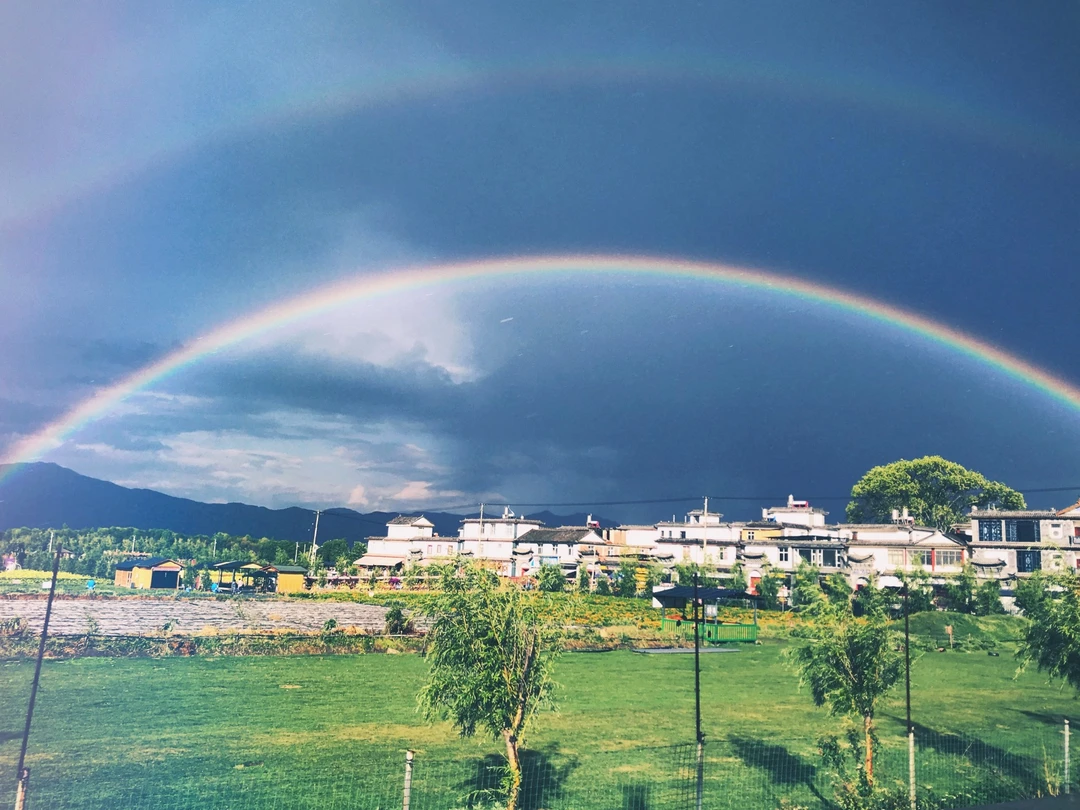
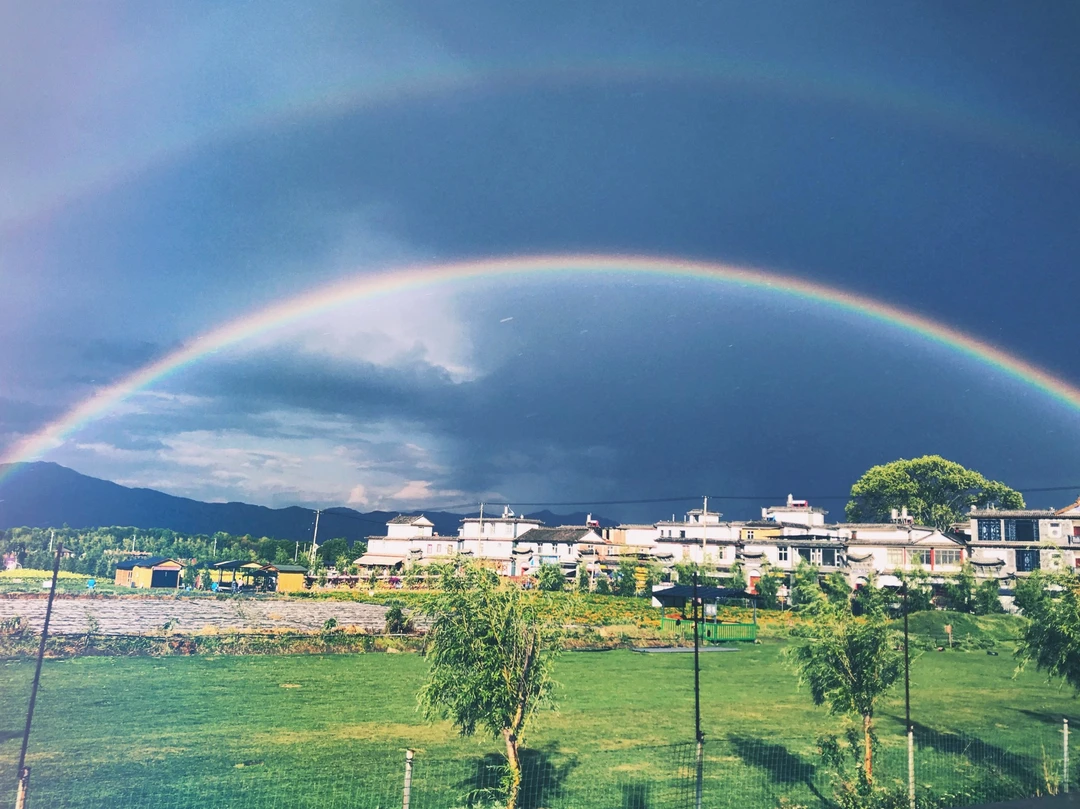
The Cangshan Mountains and Erhai Lake are so beautiful they leave you speechless—but they're not tourist attractions. They're the backdrop of daily life, drawn open every morning and closed every evening, day after day witnessing everything that happens in this small city. I wanted to write about the restaurants I'd haunted, the little shops I'd wandered through, the farms I'd lingered at—only to realize that all I could say were recommendations already worn thin in travel guides.
Until one day, I recognized that my hesitation wasn't because I lacked words. It was because I had started to take it seriously.
Peeling Back the Corner of Pandora's Box
I didn't truly understand Dali until I'd lived here for six months. More accurately, I began to understand the people who live in Dali.
These people are like spirits packed inside a Pandora's box—unremarkable from the outside, but once you tear open a corner, all their stories come pouring out. Unfortunately, most people turn away in disappointment before the hazy paper is ever peeled back.
I suddenly realized that all those "passersby" who had come and gone over the past six months were actually acquaintances. In this small community, everyone is connected by some strange thread.
A friend who used to run a guesthouse in Anhui told me they left not because the scenery wasn't beautiful, but because of the people. "Waking up every morning to wander through bamboo groves felt like a dream," he said, "but there was no group of friends to gather with regularly. Everyone around was too busy making a living—even sharing a meal or taking a walk in the mountains became a luxury."
This made me realize: for urban dwellers, retreating to the mountains is just a beautiful fantasy. As social animals, very few of us truly enjoy the pleasures of solitude. Whether a place can hold onto people depends on whether they can find a sense of belonging in a community.
And Dali has managed to gather so many like-minded people from diverse backgrounds because of those pioneering "cultivators" who came before—people who tilled the soil of tolerance, diversity, freedom, and open-mindedness.
Pirate Wine Castle: The New Dali Community's "Canteen"
The first time I walked into Pirate Wine Castle, I was blown away by the food. Every brunch dish had its own distinctive flavor—infused with a seasoning called "heart" that you won't find in those overpriced, half-hearted Western restaurants in big cities.
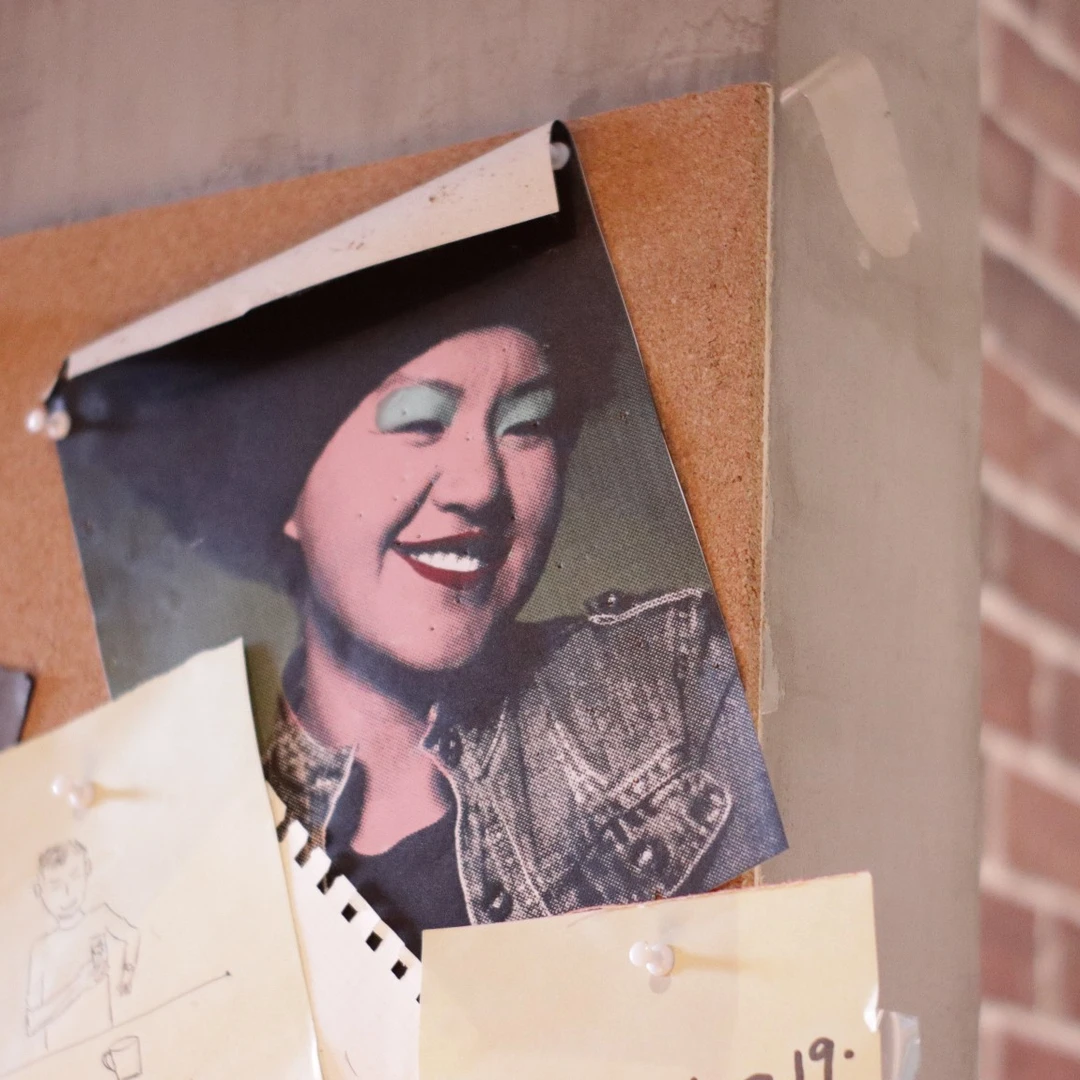
Later, I started noticing the photos and paintings on the walls. The owner, Tina, is a woman who loves photography, red wine, and laughter. "Judging by her face, she must also love making friends," I thought to myself.
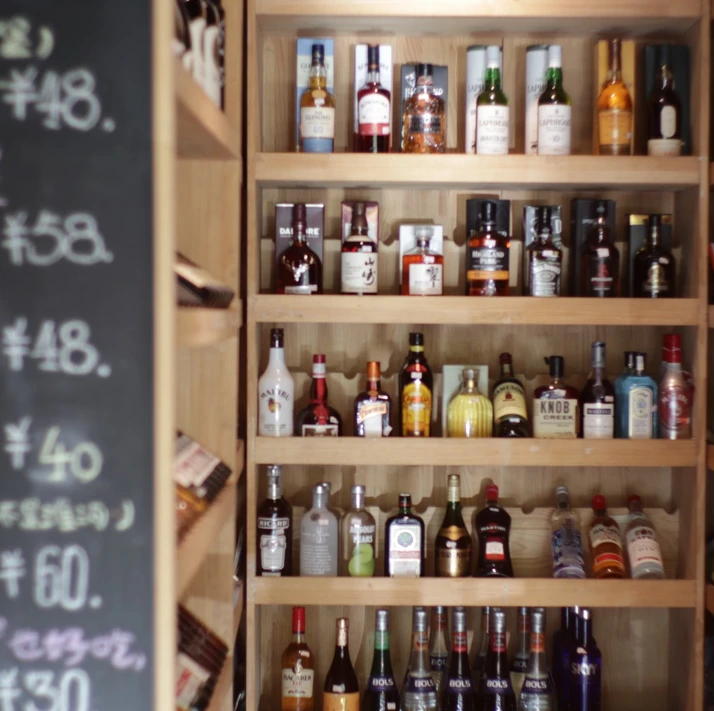
I particularly love places that reveal the owner's personality. That little wine cellar gave away her "wino" tendencies without trying.
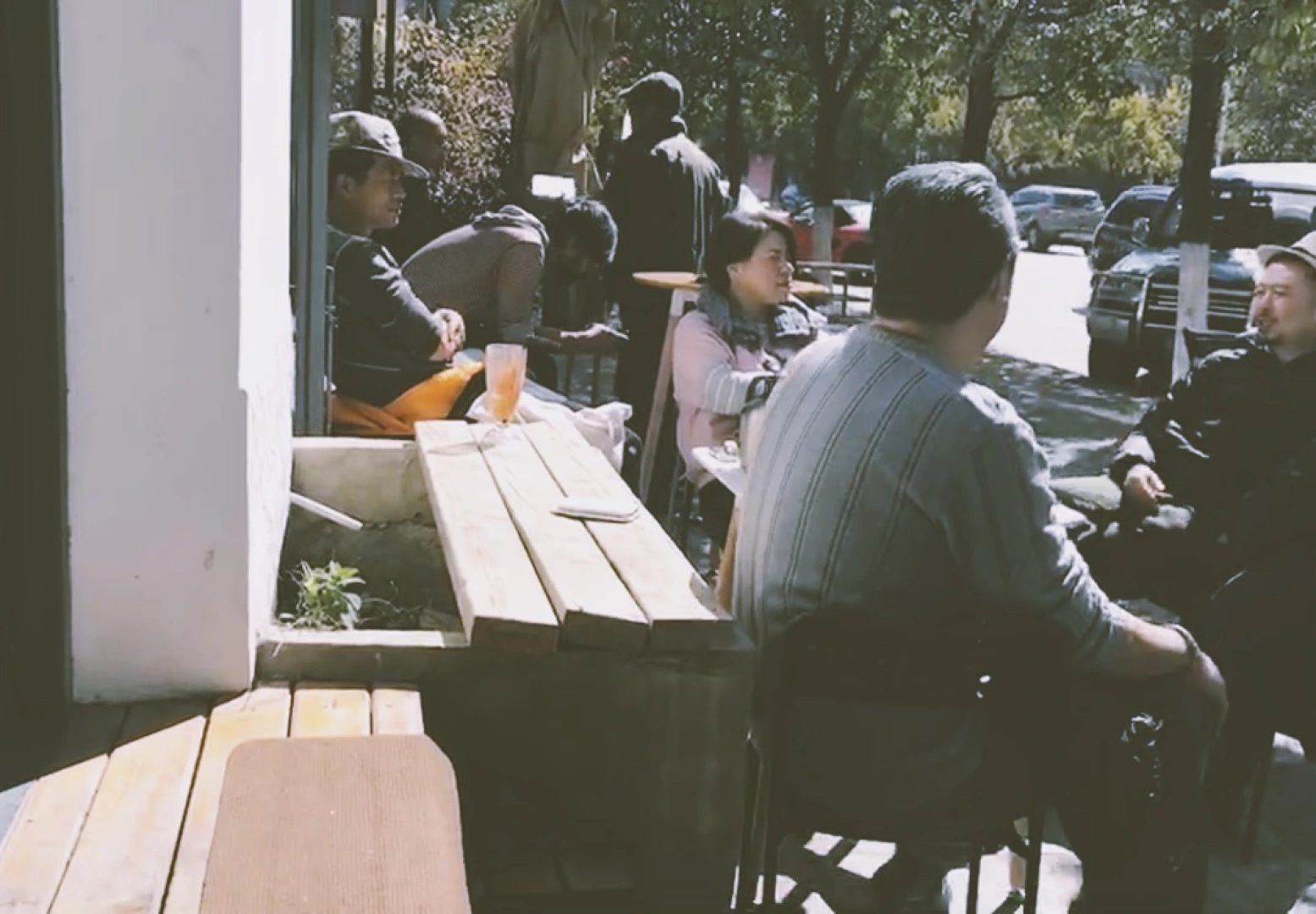
"Pirate" Old Wang said his carefree days began with standing at the shop entrance drinking beer in the morning. In Dali, drinking doesn't distinguish between day and night, and work doesn't distinguish between weekdays and weekends—that's the quintessential Dali state.
Eventually, they discovered I was their new neighbor and warmly invited me upstairs to do laundry and take a shower. I never expected that during my travels, I'd stumble into a local "small-time underworld" and almost become one of those people who "couldn't walk past Dali."
I began to understand Dali's community culture: it's a return from the elite lifestyle isolated by concrete walls back to the familiar society of the 1980s and 1990s, where people greet each other on sight.
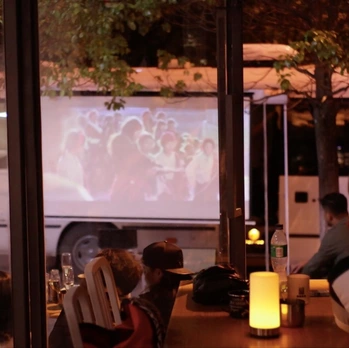
One day, on a whim, I set up an "open-air bus cinema" outside Pirate Wine Castle. Passersby stopped to watch, neighbors came running. No one really watched the movie, but it stirred up memories for many—childhood days spent carrying stools to watch films in the courtyard.
A spontaneous idea. A simple experiment. Someone said, "I envy you." But isn't this just what life used to be like—what we've simply forgotten?
Yushan Bakery: The Trust Experiment of an Unmanned Shop
I'd heard about Yushan Bakery for a long time. The first time I walked into the shop on the hillside, it was completely empty—just a note left behind: "Out for lunch. Please shop and pay on your own."
I was a bit lost. Isn't an unmanned store supposed to have facial recognition and fingerprint scanning? A cyclist passing by seemed to notice my hesitation and shouted over, "He's out! Just scan the code and pay yourself!"

The second time I went, Dacheng was inside the "window" making bread. It was hard to imagine that this soft-spoken baker used to be an engineer in the banking industry. Like many long-term Dali residents who focus on one thing, he radiated a gentle, peaceful energy.
Even when he was there, he often ran the shop as if it were unmanned. People picked their own bread, bagged it themselves, calculated the cost, and paid on their own, while Dacheng focused on kneading dough. The atmosphere of mutual trust he and the neighbors had cultivated left every newcomer in disbelief.
Later, I joined a daily neighborhood bread-ordering group. Except Sundays, every morning the group would announce, "Today's bread is open for orders," and everyone would line up in the chat to leave messages and pay. Dacheng would pack the ordered bread in kraft paper bags and leave them for pickup.
I asked Dacheng if anyone ever took bread without paying. "Only once," he said. That number is far lower than supermarkets and convenience stores crammed with surveillance cameras. The scenarios that startups are frantically solving with high-tech solutions are already running smoothly here.
Rainbow Farm: The "Foragers" Who Respect Nature
The first time I met "farm owner" Xiaoli, it was to visit her courtyard. This former jewelry designer from Beijing had become dark and wiry—thoroughly "deep-integrated" with Yunnan's climate and soil.
After her renovations, the little courtyard was full of charm. She hung bamboo mats on the second-floor terrace to dry in the sun, like in Southeast Asia, and cooked private meals for friends in her home. In her first-floor studio, boxes of all sizes were filled with all kinds of natural ingredients.
One day, Xiaoli posted that the farm was giving away free chives and garlic. We drove over that evening, bringing honey with us—I called it barter, not taking things for free.
When we arrived, a few foreign friends were sitting around chatting. Their topic for the day was "natural." Xiaoli said farmers are used to using chemical fertilizers and pesticides because crooked carrots don't sell well and small garlic gets rejected. But she doesn't do anything to make crops grow faster or bigger. The plants in her garden grow freely, without interference, on their own terms.
Harry grabbed a handful of garlic from the windowsill—her single-clove garlic, tiny in size but fiercely pungent. One bite, and his expression said it all.
When I asked her if she needed a teacher to learn farming, she said she'd never learned from anyone—it was all trial and error. "Every place is suited for different things. The north side of the mountain versus the south, the east side of the lake versus the west—you have to figure it out yourself. No one can teach you."
The day before, I had been absorbed in the astonishing arguments of Sapiens: the essence of agriculture was to increase planting efficiency, but it ended up breeding endless human desire. Mass production meant we ate worse than before, and life didn't get any easier. In short: "Social progress has no connection to personal happiness."
And Xiaoli reminded me of the foragers from before the agricultural era—she doesn't pursue advanced technology, she isn't in a hurry to harvest. She protects her crops, letting them grow naturally like wild plants. She simply collects.
Xiaoli's daily routine: driving her van to make deliveries in the morning, returning to her wooden cabin in the evening to read by candlelight, occasionally gathering with friends. No unexplained pressure. Life is simple and rich.
That evening, we sat drinking tea, staring out the little window, watching the distant lights of the ancient town gradually flicker on. Rain pattered on the wooden roof like a calming drumbeat. She had opened a large umbrella indoors—I thought it was decoration until rainwater slid off the umbrella into buckets she'd placed underneath. Xiaoli laughed: "See how primitive our house is?"
As dusk deepened, tiny lights appeared on the farm's horizon—the direction of the ancient town.
"I really love this low window. It feels like being in a Hobbit's hut."
"I purposely built the eaves this low when I made the cabin..."
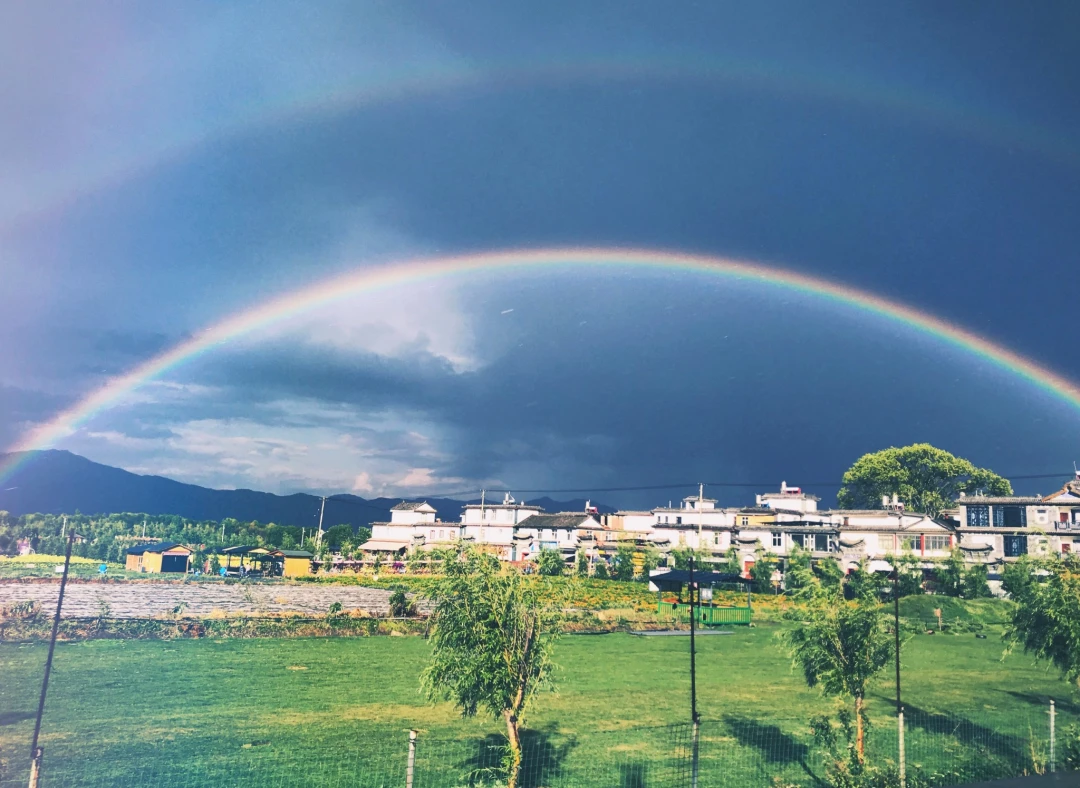
We chatted in fragments. I think her bond with Dali is hidden in the expression she makes when describing the tiny rainbows that form in the morning mist over Cangshan.
A Frontier of Diversity
Dali has many foreigners, all speaking fluent Chinese. Some even surpass us natives in literary Chinese and can produce entire books in the language.
British Jason is one of them. His book Dali: The Outsiders' Tale is practically an illustrated encyclopedia covering Dali's natural landscapes, cultural history, and new Dali residents. Harry can find which of his favorite fish are available in Dali, and I can learn about all the various deities on the paper charms. The new and old Dali residents coming and going at Pirate Wine Castle—many of them appear in his little encyclopedia.
One thing that left an impression was Jason's illustrated floor plan of a kindergarten. If you have children, Dali's interesting experimental education is worth noting—kids grow their own vegetables, have picnics, study biology. It's nothing like the "agricultural studies" of our childhood, where one group would plant seedlings only for the next to pull them out and turn the soil over again, all for show.
Long-term Dali residents seem to develop an intuition for nature: they care about grains and vegetables, know each month's weather patterns, the changes of Cangshan and Erhai, which flowers bloom in which season, where different fruits come from. Ask anyone about Dali's Xiaguan wind, and they can explain it in detail.
When I casually asked someone reading at Pirate Wine Castle about the book's author, he immediately replied, "Oh, Jason's book—he's an incredibly serious person. You've made the right choice!" Later I found out that the person who answered me was the former owner of Dolphin Ade Bookstore. After learning we had a bookshelf in our van, he came by the next day with several books about Dali, including Under Cangshan—a collection of strange stories from Dali residents.
Ade wrote in Under Cangshan: "To this day, climbing into the middle class remains the only goal for most talented young people from humble backgrounds. In reality, 'mainstream values' devour us every second, turning us into various 'categories' of people. Worse still, when we finally step into the 'success' category, happiness doesn't arrive—boredom and emptiness follow."
Most people who come to live in Dali eventually wake up from the half-dream of chasing fame and fortune, and start rebooting their life programs. After breaking free from the giant gears driven by "success," they find new tracks and start running on their own.
"We shape our ideal lives with our own hands." Everyone treats their life as a work of art—that's the portrait of a new generation of Dali residents.
Dali is also a dynamic community—people come, people go. When we met two new friends who were preparing to rent a courtyard and settle down, a few "old Dali" residents were experiencing their seven-year itch and planning to leave. We newcomers were just getting excited about Dali's community culture, while those who had been in familiar circles for years were itching to find fresh environments.
The Power of Free Growth
These people, driven by their own ideas and energy, have relocated from elsewhere to Dali, starting new lives, new "careers." From programmer to baker, from designer to farmer—cross-background "re-entrepreneurship" is nothing unusual here.
"Maybe income levels aren't what they used to be, but as long as spending matches income, and you stick to one thing, I believe life can improve." That's the mindset of most people.
These new Dali residents are realizing each other's dreams through resource sharing and co-creation. They experiment with education outside the system, cultivate young people's love for outdoor sports. These endeavors are still in their infancy, facing resistance from traditional industries and longer profit cycles. But compared to chasing trends for short-term gain, they'd rather be trendsetters.
The stories of new Dali residents are a history of pursuing individual freedom, an "entrepreneurial history" of the ideal life. I think these stories can at least give me some strength to keep going on my current path. Maybe they can also inspire you, if you're still uncertain about life.
Farm Life: Between Stillness and Passion
Beyond Cangshan, Erhai, and fascinating characters, Dali offers a life of leisure and ease.
Once, I followed Jiaming to his Chaimiduo Farm for a few days. Except for the monthly Chaimiduo market open to the public, the farm is usually a quiet rural retreat. If the area around Dali University is Dali's "CBD," then Chaimiduo is its "countryside."
City people who come to the "countryside" inevitably feel bored and lonely—not because it isn't beautiful, but because in the mountains you still have everything: groceries, basketball, movies, coffee—just more liveliness. And yet, it's precisely this boredom that gives rise to the many pleasures of rural life.
Every morning I'd wake up to idle ducks and wild sheep strolling past the window. Harry and Jiaming would sit on the grass eating bread and drinking coffee, while I opened my laptop to start a new week of "work."
Toward evening, one or two boats would take to the water. Paddles gently brushed the surface, casting reflections in the sunset. Suddenly, a shout from the middle of the lake: "A fish jumped right into the boat!" Then a five-pound fish was tossed onto the shore.
"Dinner is taken care of!"
This lake, no bigger than a pond, is actually an ancient body of water connected to Erhai. When Jiaming took over the farm, he "returned farmland to lake," creating this "little pond" that makes the farm shine in the evening light. Jiaming's family was experimenting with their "drift dining table" project—a scene that connects human senses with mountains, rivers, geography, and culture. Harry contributed his signature fish and shrimp to the feast, which became one of the most popular dishes.
Bringing your own food to a neighbor's house for dinner is standard for loafers. We often joked: back in the city, if you suddenly decided to drop by a friend's house for dinner in the evening, you'd have starved to death on the way.
After fish, alcohol, and full bellies, tipsy people scattered along the lakeside, facing the sunset. Fat rabbits darted in and out of their burrows on a small island across the water.
The extreme stillness of ordinary days always erupts into extreme liveliness on one day each month—the Chaimiduo farm market day. We'd been collecting goodies from village to village, and on market day we'd bring them out into the light. Having slept on the streets and set up stalls, we were finally qualified "vagabonds."
They say life needs ritual. Some rituals are for show; others are habits. Turning ritual into habit—that's the mark of a true master of idleness.
Camping in the Mountains: Bringing Luxury Back to the Ordinary
Days of idleness are like the clouds over Cangshan—the same scene, endlessly changing, taking countless forms.

Some people say we're either traveling or on the road to travel. But "travel" is too big a plan—it feels like you haven't done it justice unless you've spent a fortune flying across the Pacific for a rare long vacation. To me, not every "going out" counts as travel. Instead of big plans, I prefer to pay attention to the overlooked cracks in daily life.
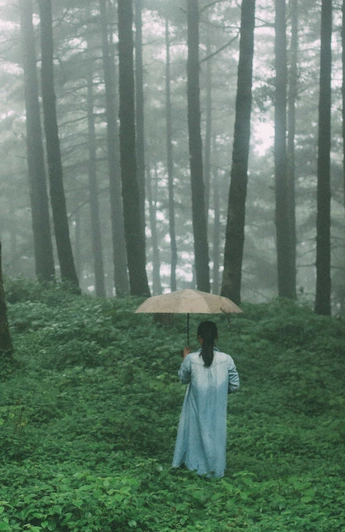
One day, we went camping on Windmill Mountain. After the rain, the forest was shrouded in mist, like Silent Hill, sending chills down your spine. Windmills, clouds, the night view of Xiaguan, a few good friends, camping by the cliff. Everyone knows how fierce the Xiaguan wind is, but on this rainy-season windmill mountain, the wind was surprisingly gentle.
We barbecued until nightfall. The wind didn't come, but the rain showed up right on time. Hiding in the bus for a warm drink was a different kind of camping experience.
This way of finding happiness in simple living has almost disappeared. Returning luxurious things to the ordinary—that's one small gain from life on the road.
A Beginner's Guide: How to Truly "See" Dali
Everyone has experience living as a "local." Shanghainese rarely visit the Oriental Pearl Tower. People living in Beijing seldom climb the Great Wall. A local doesn't need to check off attractions to prove they're from there.
Even a short trip doesn't prevent you from understanding a place more deeply. For example: read a book about the area (preferably not just a guidebook), talk to a long-term resident, visit a local market, get to know the streets and layout on foot, learn a local food or craft. Even in a few days, you can get a decent sense of the place.
If you're a first-timer, the following places might serve as a starting point—you might happen to meet some interesting people and experience Dali's diverse life and community culture:
- Chaimiduo: 204 YeYu Road in the ancient town (restaurant and lifestyle market); Xiajiyi Village on West Ring Road (farm market)
- Four Seasons Market: Hongwu Road in the ancient town
- Water Flower Market: Middle Yuehua Road (Saturday market)
- Yushan Bakery: 13 Xuefu Road (on the hillside; owner often not there)
- Pirate Wine Castle: 16 Hongsheng Road (next to Dali University; owner eats and drinks with customers every day)
- Fly to the Moon: 74 Guangwu Road in the ancient town (rumored that artist Ma Liang is one of the owners)
- Yaowu Handmade: 204 YeYu Road, inside the Chaimiduo courtyard (owner is an all-around talented young woman)
- Dolphin Ade Bookstore: 2nd floor, 56 Cangping Street, Bed Sheet Factory; 2nd floor, Kaimu Collection, Haishe Park
- Wanwan Vintage: 57 YeYu Road / 69 Guangwu Road in the ancient town
- Qiushan Workshop: Near Yincang Road on YeYu Road in the ancient town (learn to make handmade leather goods; coffee is also excellent)
This is day 211 of our life on the Pinewood Bus. We're on the road, exploring a nomadic lifestyle for our era.
May everyone who comes to Dali find their own patch of land, sit and watch the wind and clouds, set aside their prejudices against a cold world, and fill the details of life with love and warmth.
You should also read:
Dali: Where Sunlight Fills the City, and Time Is Treated with Tenderness
Dali: Where Sunlight Fills the City, and Time Is Treated with Tenderness I've always felt there's a kind of magical connection between Yunnan and me. Over the years, whether passing through for a quick layover or making a dedicated trip, I've set foot in this…
Continue reading...
#Style Travel Contest# Heading West to Dali: Finding My Lost Self by Cangshan Mountain and Erhai Lake
#Style Travel Contest# Heading West to Dali: Finding My Lost Self by Cangshan Mountain and Erhai Lake "Are you unsatisfied with life, haven't smiled in a long time and don't know why? Since you're unhappy and don't like it here, why not head west to…
Continue reading...
Dali: An Unexpected Encounter That Stole My Heart
Dali: An Unexpected Encounter That Stole My Heart Some places are destined to walk into your life — not by chance, but by fate. Five years ago, I first set foot on the soil of Yunnan. Back then, Dali was nothing more than a name…
Continue reading...