Dali: A "Wind, Flowers, Snow, and Moon" Journey That Breaks with Tradition
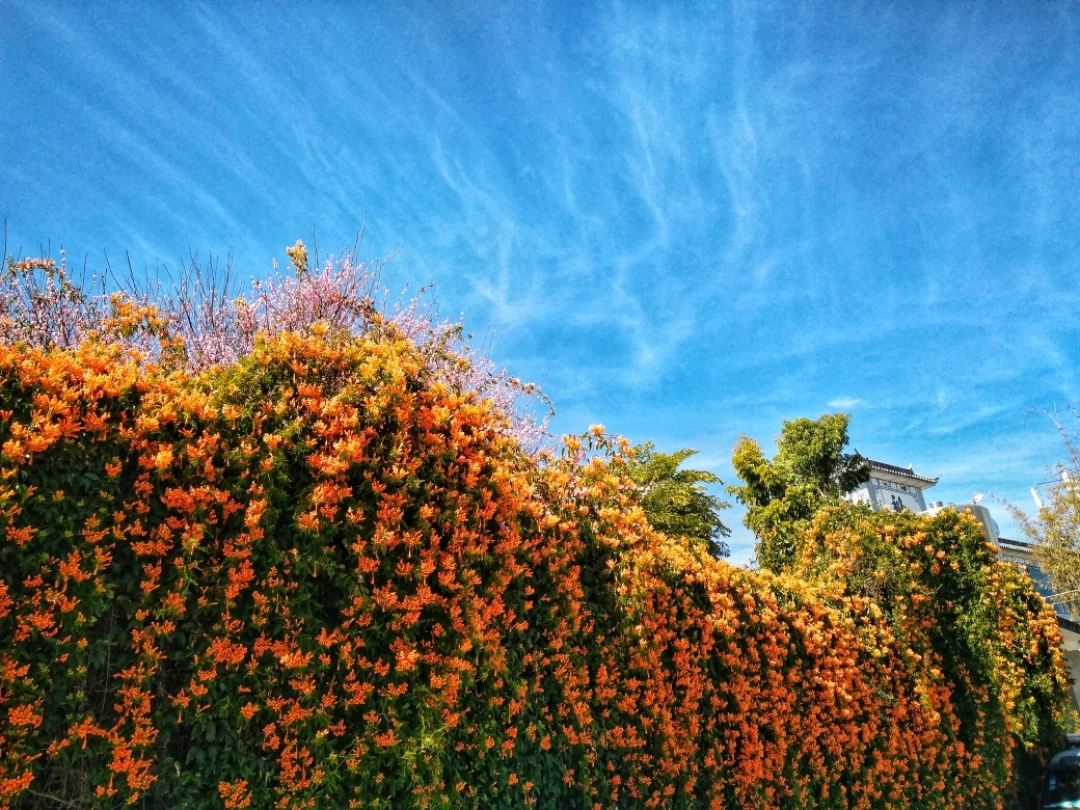
Dali: A "Wind, Flowers, Snow, and Moon" Journey That Breaks with Tradition
The elderly always say that during the first Spring Festival after moving into a new home, you should stay put and observe the traditions properly. But for us young people with "rebellion" etched into our very bones, those old rules sound like nothing more than wind whistling past our ears. Especially when we're faced with this rare, long holiday—who wants to be stuck on the sofa scrolling through their phone?
So, we made a snap decision: Forget about staying up for the New Year. Let's go to Dali!
Goodbye, mountain city. Hello, Yunnan, the land of colorful clouds. Here we come.
Every trip, our "Boss Lady" (my travel partner and the one who calls the shots) handles everything—researching guides, booking hotels, snagging discounted plane tickets. You ask me if it's out of a sense of responsibility or love? Come on, it's purely because I'm lazy. Haha.
We planned a full seven days, all for Dali. During Spring Festival, places like Lijiang, Kunming, and Lugu Lake are all the rage online, but we knew they'd be packed. So we decided to travel against the tide and head home on the second day of the lunar new year. Perfect!
Facing Shuanglang, Discovering Caicun
We chose Caicun as our base purely because it's a five-minute walk from Erhai Lake and only three kilometers from the ancient town. Transportation is convenient too—the C2 bus goes straight to the ancient town for a mere 1.5 yuan. So, yes, having small change is really important.
There are plenty of local specialties near Caicun. A bowl of braised pork or a serving of "烧白" (steamed pork belly with preserved vegetables) costs just five yuan. It feels like a socialist welfare benefit!
We stayed at the Dali Runmei Inn. The owner isn't a local, but he's incredibly hospitable, eager to share everything about Dali—where to eat, drink, and have fun. His wife is beautiful, and her cooking is outstanding—more on that later.
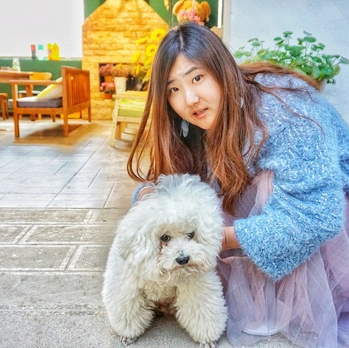
The owner has a Bichon Frise named "Xiaobai" (Little White). He's overweight and as quiet as a stuffed toy. Even after we returned to Chongqing, we couldn't stop thinking about him…
Wandering the Ancient Town, Eating Non-Stop
My first impression of Dali Ancient Town? No festive atmosphere.
Maybe I'm too conventional, but I think the New Year should be all about streets lined with lanterns and red decorations. Dali's Spring Festival, however, was as quiet as a regular weekend.
Our first lunch in Dali was at a restaurant called "XX Yuan," recommended by our innkeeper. The decor was unique—at first glance, it looked like we'd stumbled into Northeast China. The young waiter was shy but enthusiastic. We ordered two dishes: their signature "XXX Ji" (chicken) and stir-fried bok choy. The bill came to about 40+ yuan per person. The taste was good, but the portion of chicken was unbelievable—enough for two people to eat like four.

After lunch, the "Boss Lady," relying on memories from three years ago, dragged me through the ancient town's alleys in search of historical sites. We hadn't walked two minutes when a miracle happened—
She dived headfirst into a clothing store called "XX Jie" and started trying on clothes like crazy.
To be fair, the clothes weren't expensive, the styles were nice, and they looked great in photos—much more stylish than the gear of the "scarf brigade."
The ancient town is huge. Starting from Cangshan Gate and walking down the central axis, the left side is the residential area for locals—peaceful and quiet. The right side is the tourist area, packed with people so tightly you have to queue just to breathe.
We chose to stroll through the residential area, basking in Dali's afternoon sun, savoring the Bai people's "qingbai" (pure white) culture. At that moment, all we could do was marvel.
Tie-Dye: The Bai People's "Blue and White Love Letter"

Tie-dye, known in ancient times as "zhaxie," "jiaoxie," "jiaxie," and "ranxie," is a traditional and unique Chinese folk dyeing technique. Simply put, parts of the fabric are tied off before dyeing so they don't absorb color, creating patterns. The Bai tie-dye technique from Dali, Yunnan, has been listed by the Ministry of Culture as a national intangible cultural heritage.
The above is courtesy of Baidu Baike. If you're interested, feel free to search "tie-dye" to unlock more knowledge.
Report to the Boss Lady: Snacks Arriving in Ten Seconds
As we wandered, our stomachs started protesting again. Maybe it was psychological—after all, in a foodie's world, the stomach is a bottomless pit.
Everywhere we went, there were stalls selling "烤乳扇" (grilled milk fan, a local cheese-like snack) and "烤饵块" (grilled rice cake). I guess that's Dali's specialty. A quick scan with my phone, and, "Boss, two of each, please!"
As for whether they were good? I won't judge. Taste is subjective; different strokes for different folks. For us, it's all about the experience.
Sifang Street and XX Street Supermarket

Shopping in the ancient town is convenient—there's a Watsons. I bought a small bottle of hair gel there. After all, my daily look depends on it.
The XX Street Supermarket has pretty much everything you need for daily life, and the prices are cheap. But you get what you pay for. The cheap stuff isn't fake, but it's definitely not what you might think it is.
Dali: The Night is Still Young
Dali Ancient Town really needs to be explored slowly. Without hurry, without rush, you'll discover surprises every time.
Grilled duck intestines, cold chicken rice noodles, and a barbecue place we visited twice. Unforgettable, unforgettable.
There are plenty of stone-grill barbecue places near the ancient town, similar to teppanyaki or Korean BBQ, where you cook yourself. The "Boss Lady" and I are both too lazy for that, so we chose a place where they cook for you. To our surprise, we ended up at a twelve-year-old establishment in the ancient town—the owner was so low-key, he only wrote "Xiao Wang…" (Little Wang) on the sign, nothing else.
There weren't many vegetable skewers because, in the owner's own words, "I can't keep up, you know!"
I recommend the grilled fish. The fish is prepared and then soaked in the owner's secret spicy marinade, making it much more flavorful than ordinary grilled fish.
On Yangren Street and Renmin Road in the ancient town, there are many small bars scattered around, with singers playing various instruments and singing. Unfortunately, we didn't hear a single voice that made us want to stay.
Maybe this time, the bars just weren't meant for us.
Protect Erhai Lake, Everyone's Responsibility
On the second day, we visited the photo hotspot—Shuanglang.
There are minibuses from the South Gate to Shuanglang, 18 yuan per person, running every 30 minutes. Chartered cars are 30 yuan per person, but prices might double during holidays.
The Dali Road is in okay condition, a two-lane road with one lane each way. Because there's road construction inside Shuanglang, the driver arranged for us to transfer to a van for the last stretch into town.
Along the way, rape flowers were in bud, Cangshan Mountain on the left, Erhai Lake on the right.
About an hour later, we arrived at the entrance of Shuanglang. It wasn't as crowded as I'd imagined, nor as bustling. What greeted us were construction sites and signs saying things like "Protect Erhai Lake, Voluntarily Cease Operations."
Due to the shutdown for renovation, the whole village was eerily quiet, with very few tourists. That was fine with us—we could take photos in peace, strike poses without rushing.
That famous Instagram spot, "Facing the Sea, with Spring Flowers in Bloom," was among the first to be shut down and has been demolished. But a new "Haidi Photography" spot has popped up nearby—5 yuan per person for unlimited time. You can also ask the owner to take photos for you; we didn't ask how much that costs. We follow the principle: "If you don't want to buy, don't ask." When you're out and about, it's better to avoid unnecessary trouble.
The UV rays in Dali are incredibly strong. Make sure to apply sunscreen before you go out.
Don't ask me how I know—I got so tanned that for a moment, I felt like a local.
Leaving Haidi, we ordered two random dishes at a roadside restaurant, and they were surprisingly delicious! The bill was around 30+ yuan per person—a real treat.
I don't remember the exact place—because I really don't remember.
Nanzhao Customs Island: Climbing to the Top for Blessings
After lunch, we followed the residential alleys to Nanzhao Customs Island. Round-trip ferry tickets plus entrance fee were 50 yuan per person. The ticket office accepts WeChat Pay, which is convenient.
There were many elderly ladies selling fruit by the roadside. The prices were a bit high, but it's still better than drinking soda.
The ferry ride to the island takes about five minutes. You can choose to take a sightseeing car around the island or walk up the mountain. Walking straight up takes about 10-15 minutes. We chose to circle the island, surrounded by green mountains, clear waters, birdsong, and the fragrance of flowers.
From the island, you can see Yang Liping's Moon Palace, but it's also closed and reportedly slated for demolition and renovation.
At the top, there's a large Buddha statue. I didn't take a photo or make a wish; I just bowed three times with reverence—because the future depends on myself.
West Erhai Road: Thrills and Beauty
On the third day, we set off on a two-wheeled electric scooter kindly lent by our innkeeper, heading into the sun.
Today's itinerary: West Erhai Road – Haishe Park – Xizhou Ancient Town.
From Caicun, it's easy to get onto West Erhai Road. Along the way, we met many cyclists, and we all naturally rode together, without any awkwardness.
There are plenty of photo spots along the route; you can stop whenever you like. Generally, if you see a lot of parked cars by the roadside, it's definitely a place for great photos—except for the crowds, everything else is guaranteed.
West Erhai Road doesn't run right along the lake the whole way; there are several sections that weave through residential alleys. During peak times, drivers might get stuck if they can't pass each other. It's advisable to follow your navigation onto Dali Road and then head to Haishe or Xizhou.
However, just before the last alley leading to Haishe Park, an accident happened.
We had been following a four-wheeled electric scooter. For safety, we didn't plan to overtake. The vehicle in front suddenly accelerated, and I followed suit. Then, for some unknown reason, they slammed on the brakes. I braked too. But with a two-wheeled scooter, emergency braking is bound to cause problems. Sure enough, in that split second, both the "Boss Lady" and I were thrown off, hitting the ground with two loud thuds.
I only remember that the pain was so intense I couldn't move my leg. My first thought was whether the "Boss Lady" was okay—because in that moment of flying through the air, I watched her being thrown from behind me to the front of the scooter. Scenes from TV dramas flashed through my mind…
Clutching my wounds, I was extremely worried.
But then, to my surprise, the "Boss Lady" was the first to get up and help me. Two people got out of the vehicle in front—a man and a woman, looking like students. They apologized and asked if we needed to go to the hospital.
I gritted my teeth and rested for a moment. Apart from the pain, I didn't seem to have any serious injuries, so I let them go. We didn't ask for compensation or take their phone numbers.
Because none of us wanted anything bad to happen.
So, fellow riders, stay safe.
Haishe Park: Windy, Yet Peaceful
About three hours later, we arrived at Haishe Park. It's about one kilometer from the parking lot to the park entrance. No vehicles are allowed inside; you have to walk or take a horse-drawn carriage or a three-wheeled cart. It costs about 5 yuan per person, and you can haggle. I recommend trying the horse-drawn carriage—though the horses looked really pitiful.
Haishe Park is very windy. From there, you can see Cangshan Mountain on the left and Shuanglang in the distance. It's a great place for zoning out and even better for family fun.
Xizhou: My Favorite Ancient Town
After Haishe, we headed to Xizhou, about 3 kilometers away, also via country roads. Part of the navigation route was under construction—bumpy and dusty—so it's worth asking locals for an alternative path. I suggest charging your scooter while you're at Haishe; several restaurants at the entrance offer free charging if you eat there.
We visited Xizhou twice. It was an unexpected highlight of the trip.
Not overly commercialized, with a rich local atmosphere, exquisite handicrafts, and delicious "喜洲粑粑" (Xizhou flatbread). Relaxed, leisurely, busy yet joyful.
Cangshan Mountain: From a Song to Reality
I booked the Gantong Grand Cable Car round trip and Cangshan entrance ticket in advance on Mafengwo, for 110 yuan per person. Due to a slip of the hand, I bought two extra tickets. I immediately requested a refund from the platform, and it went smoothly with no handling fees—kudos to them!
Online tickets aren't issued until two hours after purchase, so our first stop was Jizhao Nunnery, halfway up Cangshan—not for the scenery, but for the succulents and the vegetarian meal.
A Didi ride from Caicun to the cable car ticket office cost about 25 yuan. Climbing up to Jizhao Nunnery takes about half an hour. There are private cars at the foot of the mountain for 10 yuan per person; haggling is generally not possible.
Jizhao Nunnery has no entrance fee. The vegetarian meal is served from 11:30 AM to 1:00 PM, costing 20 yuan per person, with unlimited refills. However, if you waste food, you'll be punished by kneeling for the duration of one incense stick.
After the meal, you can wander around the courtyard, filled with a wide variety of succulents—the "Boss Lady's" favorite.

Leaving the nunnery, exactly two hours had passed. We walked down the hill to the cable car ticket office in about ten minutes; the path was in good condition. You can get your tickets directly at the cable car inspection gate, without going to the main scenic area entrance.
Don't ask me how I know—we foolishly went all the way down to the main entrance, and the ticket seller laughed and told us.
The Gantong Cable Car ride takes about ten minutes, offering a panoramic view of Dali Ancient Town—magnificent and breathtaking!
Since we didn't plan to hike the Jade Belt Cloud Path, we just went to the observation deck and then headed back. After all, what mattered was that we had been to Cangshan.
Along the way, an elderly lady was selling cold noodles that tasted pretty good, and the price wasn't too high. Given how far she had to carry everything up the mountain—if you don't like it, don't complain.
There's almost no cell signal on the mountain, and no Wi-Fi. It's best to bring some cash and take care of any business before going up. Otherwise, people might think you've disappeared.
After visiting Cangshan, you can stop by Dali University on the way back. The cherry blossoms were about to bloom, and there was a beautiful Magnolia Avenue—I was so envious! Why didn't I try to get in back in my college entrance exams?
An Unforgettable New Year's Eve
The 2018 Spring Festival was spent in Dali. It was also the first time I celebrated Chinese New Year's Eve while traveling. Waking up that morning, I felt an inexplicable sense of loss—maybe that's homesickness.
I watched the sunrise with a friend. I have to say, the sunrise itself wasn't the most beautiful part; it was the prelude to the sunrise that was truly dreamlike.
After the sunrise, we returned to the inn. The owner greeted us with a beaming smile and said cheerfully, "Come have dinner together tonight! All the guests at the inn will celebrate the New Year together!"
In a foreign place, those words warmed the entire journey.
The owner's wife is from Sichuan. She's beautiful and an amazing cook. Looking at the table laden with cured meat and sausages, the New Year had arrived, and with it, the festive spirit.
Let's take a group photo. The world is so big, yet we met during our travels and celebrated New Year's Eve together. This is a memory that doesn't come along every time. Life is long; when we meet again, I hope we're all still on the road.
Another Stroll Through the Ancient Town: Pu'er Tea and "Xuehua Yin" (Snowflake Silver)
On the last day, the first day of the lunar new year, we returned to the ancient town to buy gifts and souvenirs for our families.
On the way, we saw the dragon dance troupe already heading back—what a pity.

Whenever we passed a tea house that caught our eye, we'd sit down and savor the tea. In the end, we bought some 2004 Xiaguan tuo tea, Dianhong (Yunnan black tea), and "小青柑" (small green tangerine Pu'er tea). I won't recommend any specifically—tea is a matter of personal taste; as long as you like it, that's what matters.
Maybe we drank too much tea, so we took a detour through the Confucian Temple to find a restroom. But this accidental detour led us to discover another hidden gem!
The Bai people's New Year celebration concert was grand and beautiful. I'd only ever seen such traditional New Year festivities on TV before—it shows how our lives have been stripped of character by the internet.
We bought two "雪花银" (snowflake silver) bracelets and a silver teapot—gifts for our mothers and a Valentine's Day gift for the "Boss Lady."
Goodbye, Dali
Back at the inn, we packed our luggage.

Lying in bed, I set the alarm.
Tomorrow, goodbye, Dali.
Final Thoughts: Three Things Dali Taught Me
This "wind, flowers, snow, and moon" journey seemed like a spontaneous whim, but it was truly a cleansing of the soul.
First, breaking the rules brings surprises. If we had obediently stayed home to "observe the New Year," we would never have seen the sunrise at the foot of Cangshan Mountain, felt the evening breeze by Erhai Lake, or experienced that heartwarming New Year's Eve dinner.
Second, unexpected events are part of travel. Whether it was the shutdown in Shuanglang or the frightening fall from the electric scooter, it made me realize—the meaning of travel isn't perfection, but authenticity.
Third, the people you meet are the most beautiful scenery. The innkeeper's New Year's Eve dinner, an elderly lady's bowl of cold noodles, a fellow cyclist's "stay safe"—these small moments of warmth are the most precious memories of a journey.
Dali, we will come again.
Next time, I hope to bring a better version of myself and meet a better version of you.
You should also read:
Into the Hidden Valley: A Solo Journey Through the Mysterious Dulong River
Into the Hidden Valley: A Solo Journey Through the Mysterious Dulong River Deep in the northwestern corner of Yunnan Province, tucked away from the modern world, lies a place that feels like a secret whispered among mountains. The Dulong River Valley is not just a…
Continue reading...
God’s Abandoned Palette: A Self-Drive Journey Through Yunnan’s Dongchuan Red Land
God’s Abandoned Palette: A Self-Drive Journey Through Yunnan’s Dongchuan Red Land Travel has never been about reaching some distant geographic coordinate. It’s about encountering, along the way, the version of yourself buried beneath the rubble of daily routine. During this May Day holiday, I finally…
Continue reading...
Cloud Travelogue · Dali of Wind, Flowers, Snow, and Moon: A Three-Day, Two-Night Journey of a Free Spirit
Cloud Travelogue · Dali of Wind, Flowers, Snow, and Moon: A Three-Day, Two-Night Journey of a Free Spirit I am a cultured female foodie with a touch of rogue charm. I slung on my backpack, took my lover's hand, and set off on a spontaneous…
Continue reading...