Dali: A Year Bathed in Poetic Hues
Dali: A Year Bathed in Poetic Hues
Introduction: Leaving to Find Another Self
Have you ever had that moment? A quiet voice inside whispers: Go. Leave this place. Leave the familiar subway station, the same breakfast shop you visit every morning, the routines that comfort you yet leave you restless. Go somewhere unfamiliar—not to escape, but to find something.

I found Dali.
I'd read about it in others' words before—mountains and rivers painted by poets and scholars, always feeling like a scene viewed through gauze. It wasn't until I stood on the shores of Erhai Lake, watching mountains embrace water and water wind around mountains, with the sky and clouds perfectly gentle, that I understood: some places aren't meant to be seen. They're meant to be stepped into.
Dali is that kind of place. It's like a slow-spreading ink wash painting—patient, unhurried, waiting for you to walk in and become one of its brushstrokes.
Trip Overview: A Seven-Day, Six-Night Slow Journey
Before leaving, I sketched out a route. As it turned out, the beauty of travel lies precisely in this: plans never survive reality.
- Dec 14 – Arrived in Kunming at 8:40 PM by flight
- Dec 15 – Haigeng Dam → Haigeng Park → (originally planned Xishan Forest Park, canceled due to weather) → Golden Horse & Jade Rooster Archways
- Dec 16 – Kunming → Dali Xiaguan Town → Xizhou Town
- Dec 17 – Haishe Ecological Park → Shuanglang → Xizhou Ancient Town
- Dec 18 – Xizhou → Shaxi Ancient Town
- Dec 19 – Shaxi Ancient Town → Dali Xiaguan Town → Kunming
- Dec 20 – Haigeng Dam → Flew back to Hangzhou
I'd originally planned to catch sunset over Dianchi Lake from Xishan and photograph gingko trees at Yunnan University. Both days turned out overcast, so I scrapped them. Travel teaches you to make peace with the weather.
Getting Around: From Kunming to Dali—All the Trouble, All the Beauty
Within Kunming: Didi Surprised Me
Kunming's public buses are decent enough, but what really impressed me was Didi (China's ride-hailing app). The dispatch speed was absurd—less than two seconds after placing an order, a driver would accept, and they'd arrive within three minutes. Plus, prices were much cheaper than in Hangzhou. For short distances, Didi is the way to go.
Kunming to Dali: Five Hours by Bus—Don't Believe the "Four Hours" Myth
You can take a bus, train, or flight from Kunming to Dali. Trains are only express ones, taking at least 5 hours and 20 minutes, but tickets are cheap. Online sources said the bus takes just over four hours. Reality? Ha. I sat for five hours. I booked the earliest bus, hoping to reach Dali by noon for lunch and to pick up a rental car. Naive.
At Kunming's bus station, there were no voice announcements for boarding. Departure times were practically meaningless—the driver dawdled for half an hour before leaving. Even worse, when I got off, I found myself at a completely different station than expected. Taking the bus is like a lottery draw—you never know where you'll end up.
Around Erhai Lake: Why I Strongly Recommend Renting a Car
Erhai's beauty demands slow appreciation. Most tourists rent electric scooters—either the "little turtle" style or mini electric cars. If you're just exploring near your accommodation, a scooter works fine. But if you want to circle the lake? Don't believe the rental shops when they say "a scooter can make it around the lake." You'll run out of battery halfway, and you'll regret it.
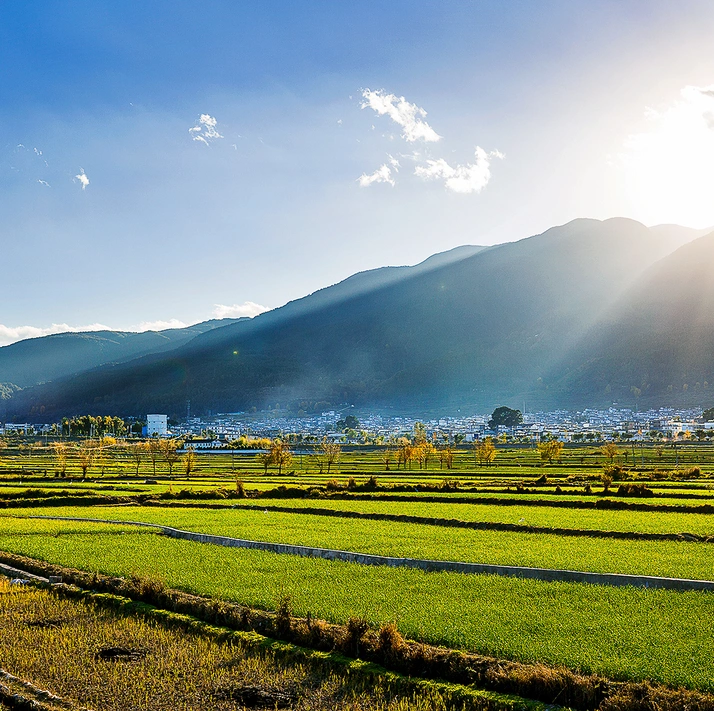
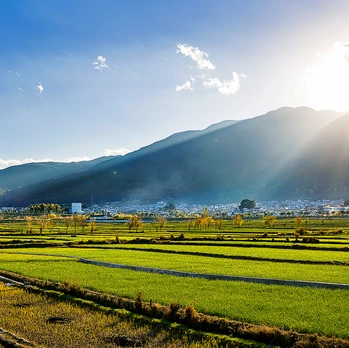
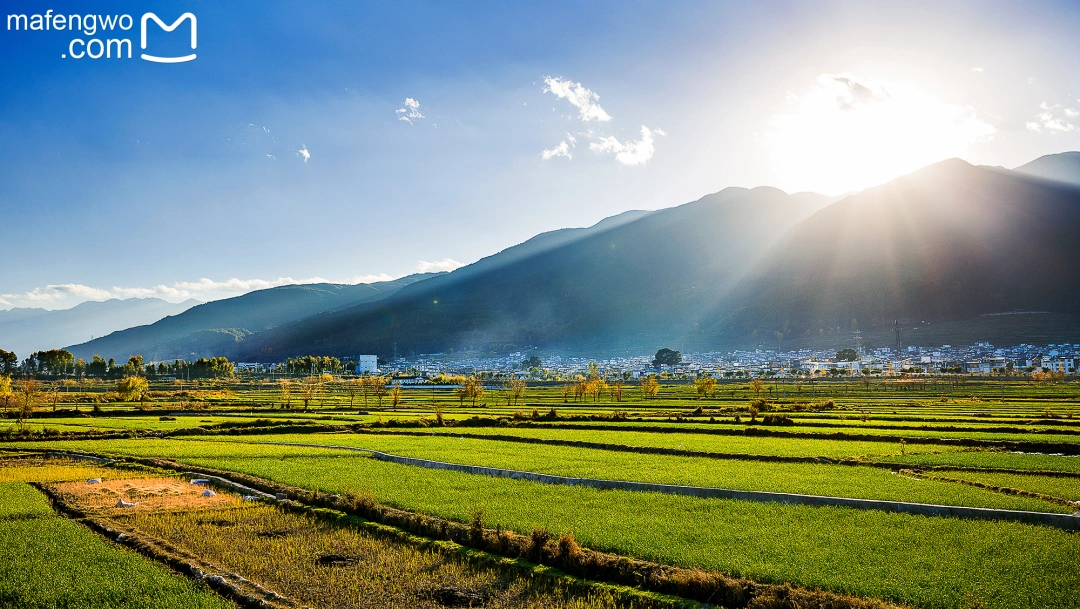
I rented a Buick Excelle and drove along the Dali-Lijiang Highway. This road feels as open as the Qinghai-Tibet Highway, yet carries the charm of countryside lanes—rice paddies stretching endlessly on both sides, the wind blowing in shapes of freedom. Unlike city roads, you can pull over anywhere along Dali's highways to snap photos. That's the soul of self-driving.
Kunming: An Unexpected Encounter with Seagulls
Haigeng Dam: Overcast-Day Japanese Minimalism
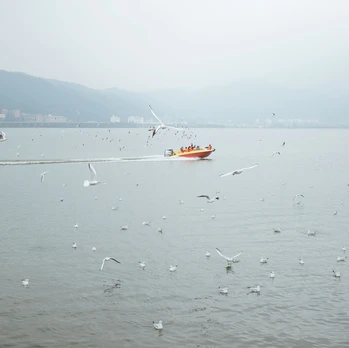
I chose Kunming for one selfish reason—to visit my aunt who's temporarily living here. And, of course, to see the red-billed gulls.
They say Kunming has spring all year round, but winter winds still cut to the bone. The day I arrived happened to be the first overcast day in two weeks—my blue-sky plans were dashed. But looking at it differently, overcast days have their own charm. Sunny minimalism became overcast minimalism, and that was fine too.
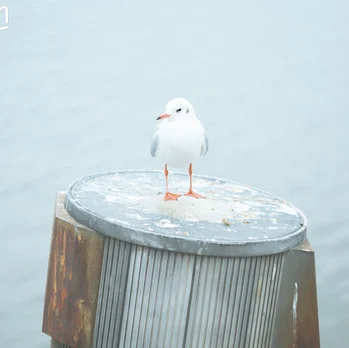
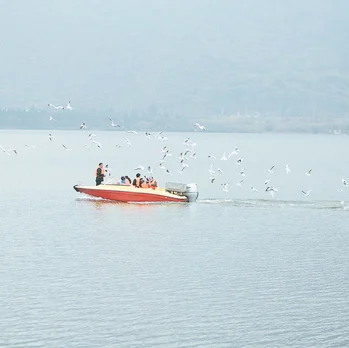
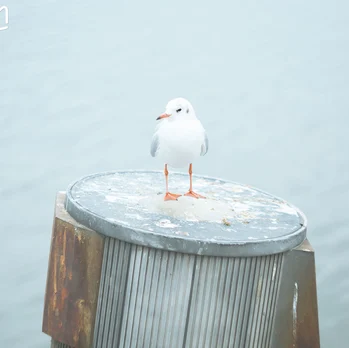
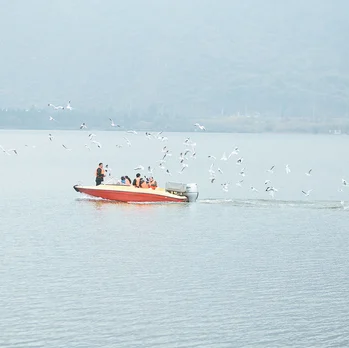
There are three spots in Kunming to see seagulls: Haigeng Dam, Haigeng Park, and Cuihu (Green Lake) Park. Cuihu is too small and cluttered; Haigeng Park has fewer gulls. The best place for photos is definitely Haigeng Dam—a three-kilometer-long promenade with gulls swirling overhead. Spend a few yuan on seagull feed, and these little spirits will put on the most enthusiastic feeding frenzy.
There are two types of gulls: yellow-billed ones arrive early, in November; red-billed ones are more photogenic and don't show up until early December. Yellow-billed on the left, red-billed on the right—standing together like idols from two different eras.
At noon, when the gulls rested, I wandered along the shore. Suddenly, three "Monkey Kings" barged into my frame—okay, they were three guys dressed as Sun Wukong. In Kunming, you never know what you'll encounter next.
Golden Horse & Jade Rooster Archways: Loneliness Is the Backdrop of Travel
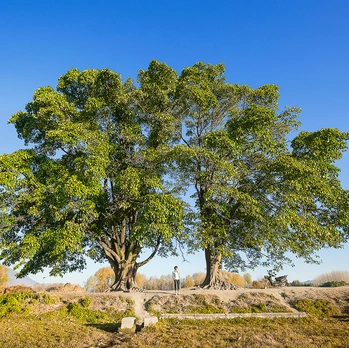
That evening, I visited the Golden Horse & Jade Rooster Archways. Two memorial arches—the eastern one, named after Golden Horse Mountain, and the western one, after Jade Rooster Mountain—are symbols of Kunming. First built during the Ming Dynasty's Xuande era (1426–1435), they're nearly 400 years old. Legend says that when the setting sun's rays hit the Jade Rooster Arch, its shadow falls eastward; when moonlight strikes the Golden Horse Arch, its shadow falls westward. The two shadows slowly approach each other and eventually intersect—a spectacle called "Golden and Jade Intersecting Radiance" that occurs only once every 60 years. I wasn't lucky enough to see it, so I settled for the night view.
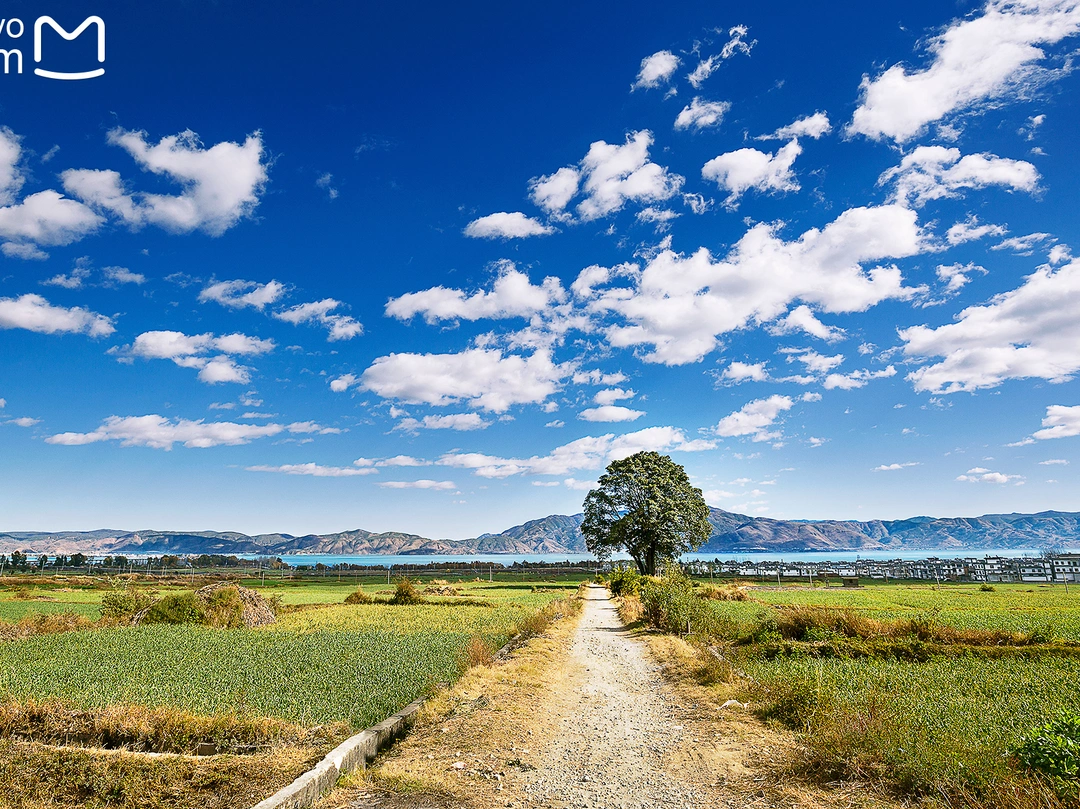
Standing on unfamiliar streets, watching the bustling crowds, I felt it for the first time—the loneliness of being a stranger in a strange land. But this loneliness wasn't unpleasant.
Dali: When the Ink Wash Painting Unfolds Before Your Eyes
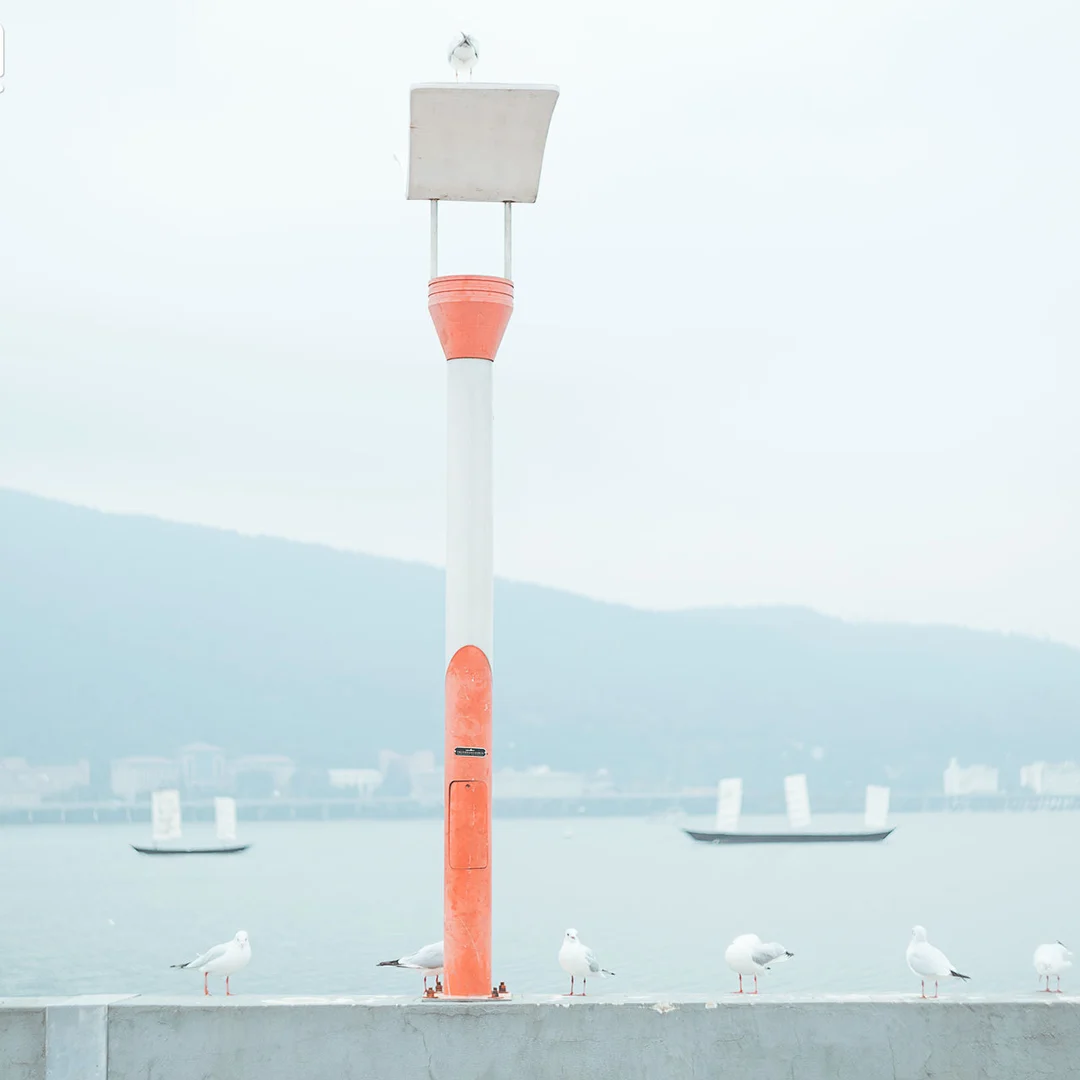
Xizhou Ancient Town: First Sight of the Corner Tower
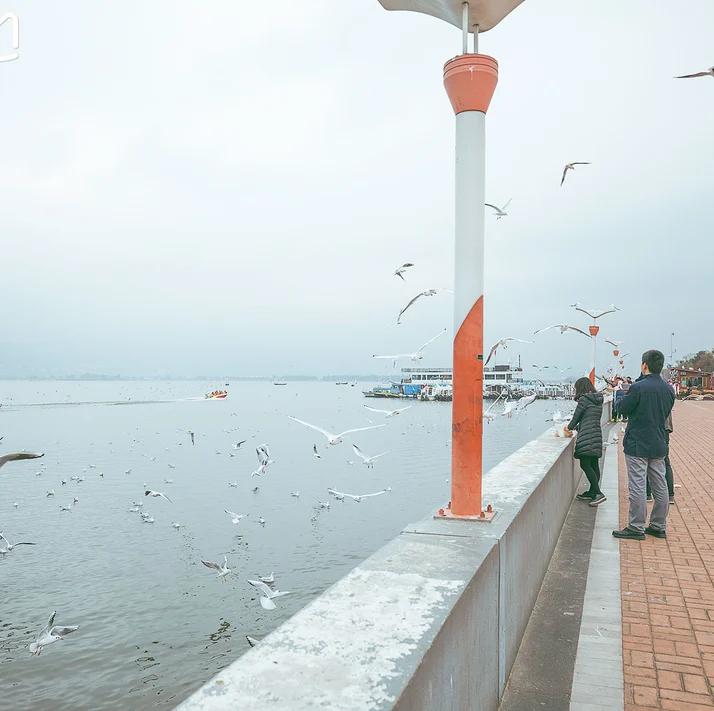
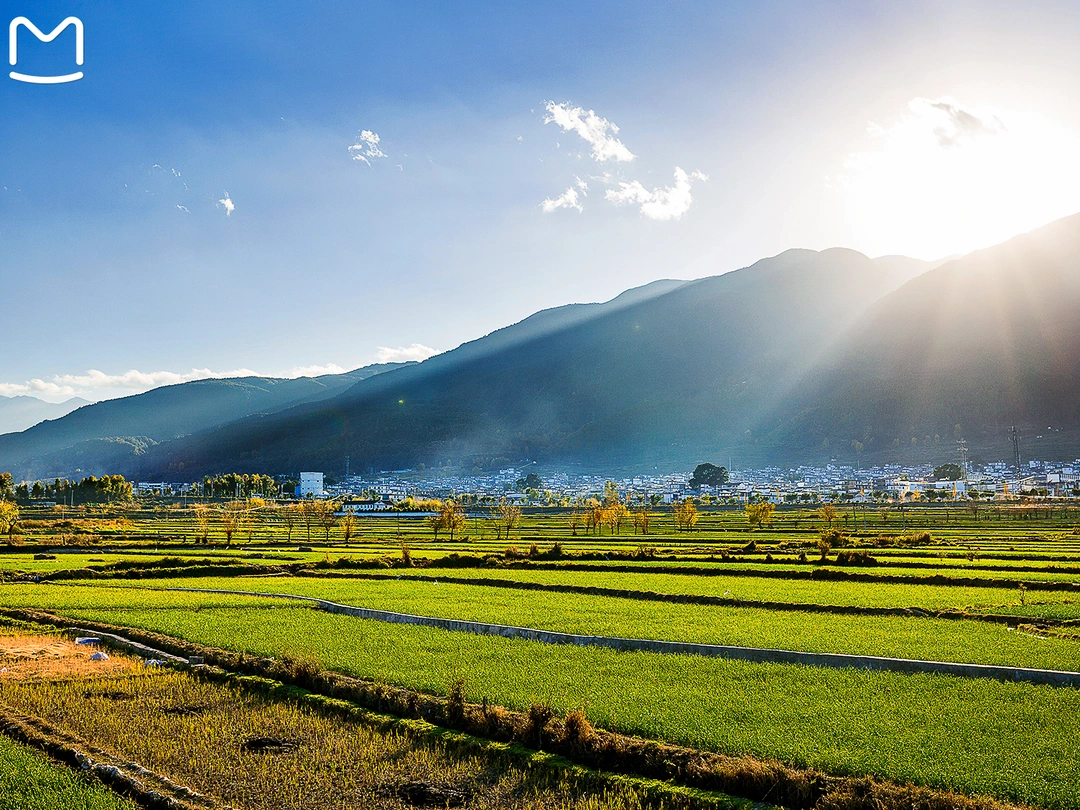
I sped all the way from Xiaguan and nearly missed the turnoff. When the entrance to Xizhou Town appeared, the bad weather finally said goodbye—the blue sky was back!
I couldn't stop myself from pulling over and pressing the shutter. This is what Dali should look like.
Xizhou's Corner Tower was a place I fell in love with at first sight in other travelers' blogs. There's a special understanding between people and architecture here, infusing the ancient town's charm with warmth. It lacks the commercialization of Dali Ancient Town, has none of the artificial reconstruction—only raw, authentic age.
Haishe Park: First Encounter with Erhai Lake
I drove along the western lakeside road, which was in terrible condition—construction everywhere, heavy machinery taking up most of the lanes. But no road could stop me from pulling over to take photos.
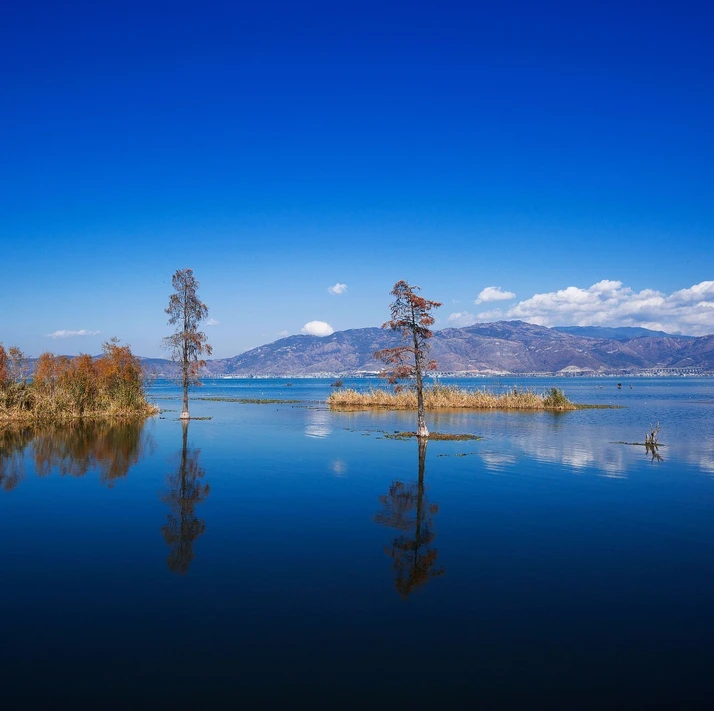
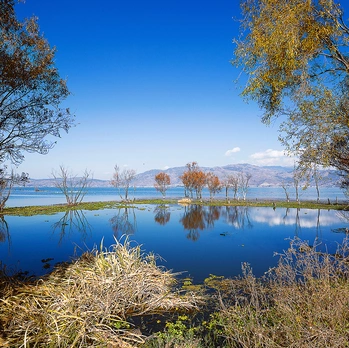
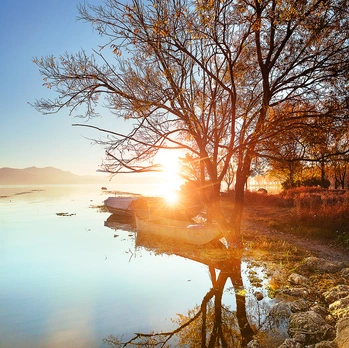
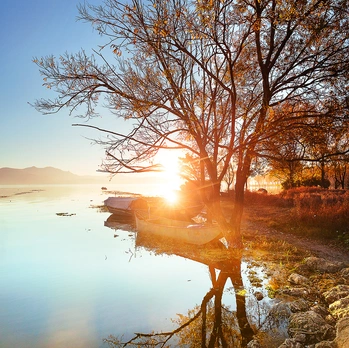
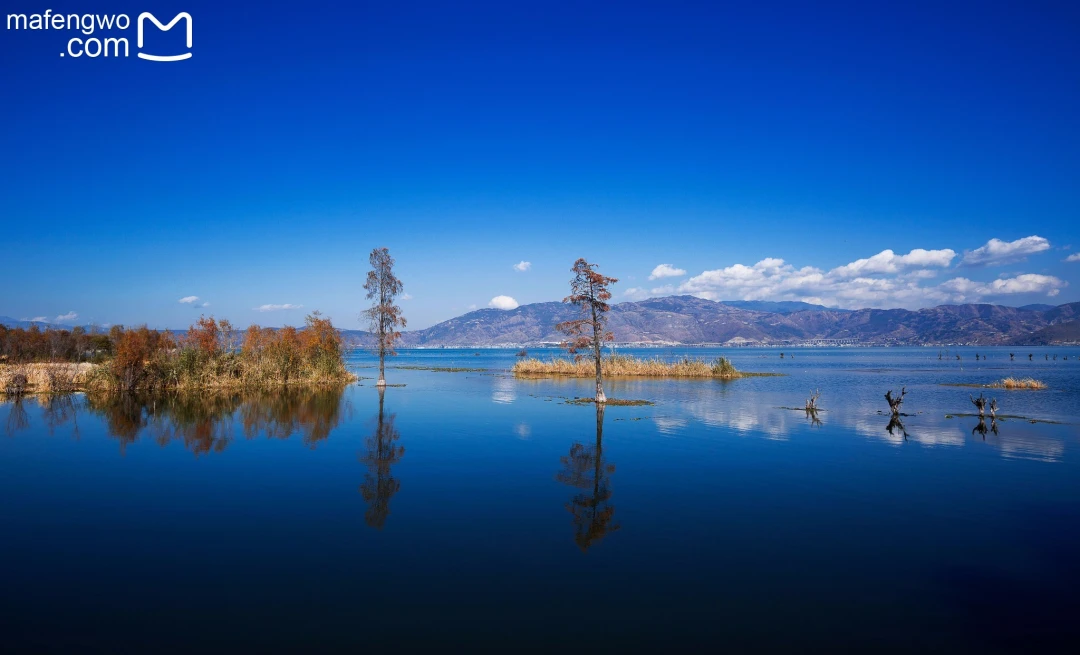
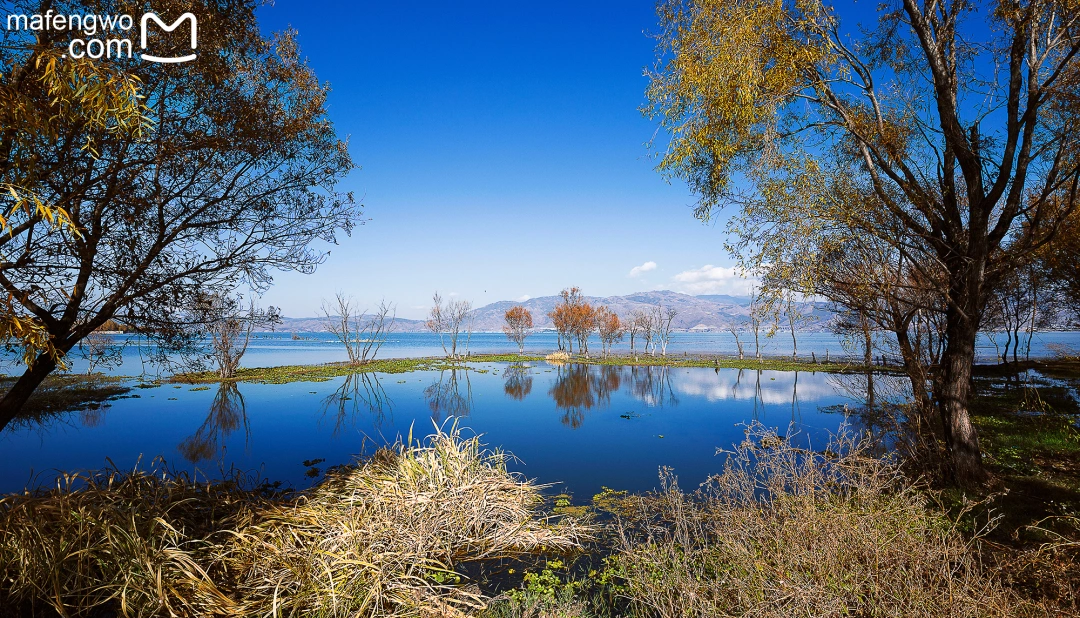
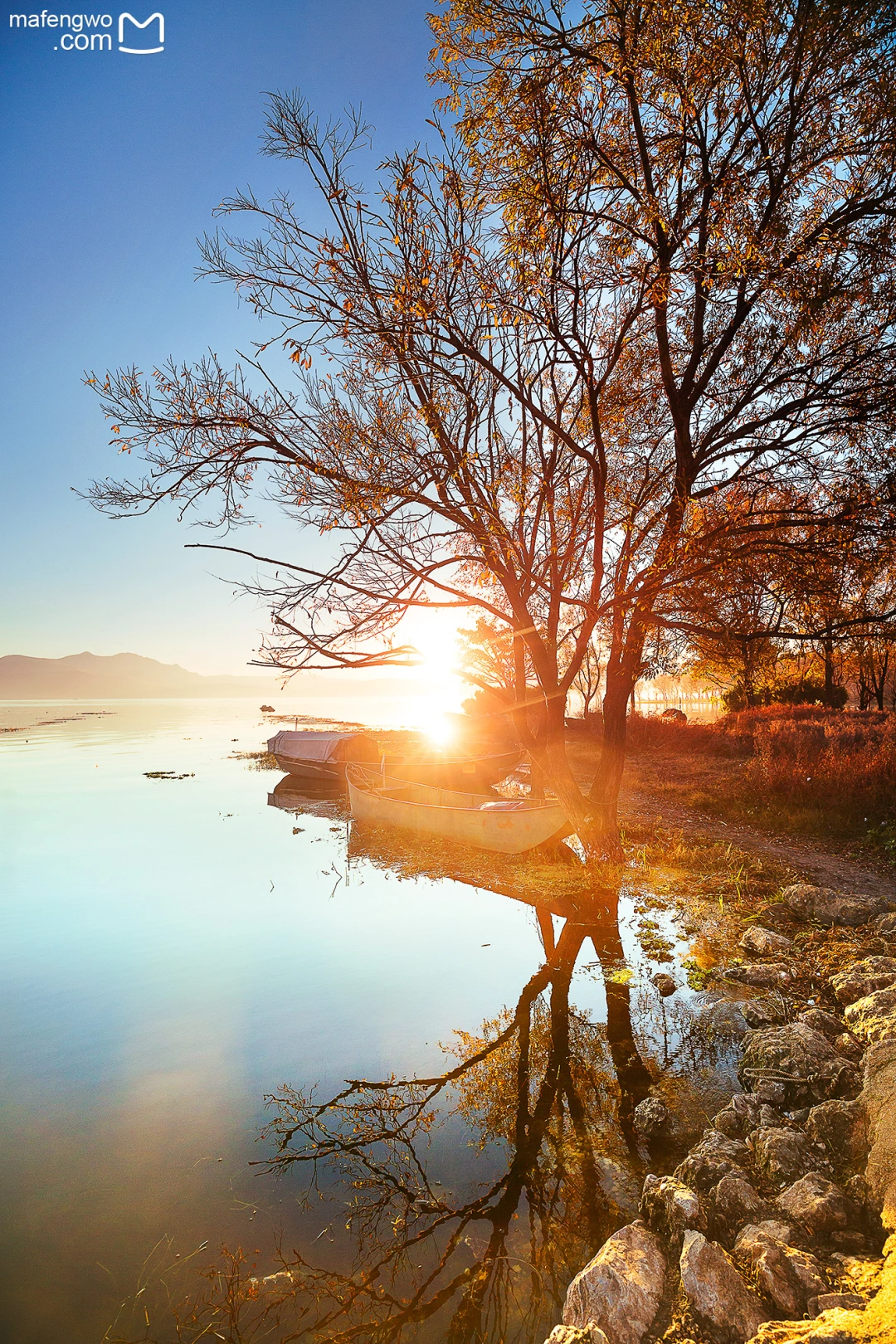
My first encounter with Haishe Park was at its entrance. Pure blue sky, pristine white clouds, golden reeds, distant mountains, and trees reflected in the lake water—a perfect ink wash landscape painting. I couldn't help shouting out loud in the car.
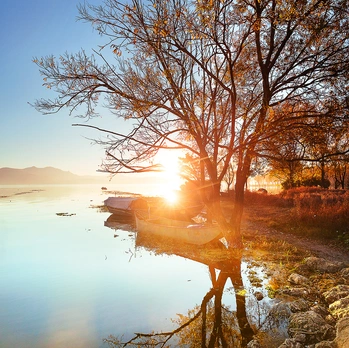
The most beautiful thing about Erhai Lake is the trees growing along its edge. I stopped and started all along the way. As long as you have an eye for discovery, every spot is a scenic view.
He'ayijiang Village: The Art Hotel Hidden in the Alleys
The hotel was at the very end of the western lakeside road; beyond it, only foot traffic could pass. As I walked through the gate, an artistic aura hit me—calligraphy on the walls, exquisite decorations everywhere, telling me the owner must be someone with stories to tell.
The owner, Teacher Xue, was a man of remarkable talent. All the calligraphy and paintings were his work; every table, chair, and cabinet was an antique he'd collected from flea markets. At the tea table in the center of the lobby, he was sharing tea with friends and warmly invited me to join.
The hotel had a Mediterranean vibe, every corner meticulously decorated. Succulents grew on deadwood, in the crevices of the courtyard walls—no space was wasted.
The best room had a stunning sea-view balcony with a white wooden bed. If a couple stayed there, watching sunrise and sunset, time might just freeze for them.
A Room for One, Fantasies for Two
I'd booked a sea-view room. The moment I opened the door, I froze—an antique oil-paper fan, lavender aromatherapy, delicate tea sets, an oversized bed... clearly designed for couples.
I sent a photo to my friend Xiao Nuan. She strongly disapproved of me occupying such a nice room alone.
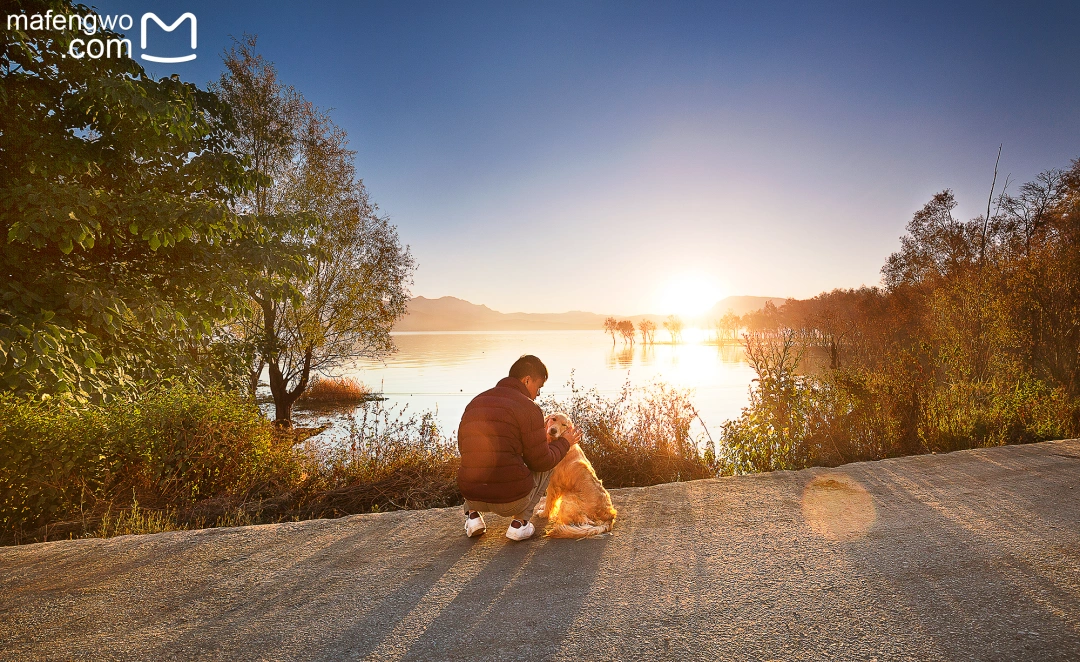
I lay on the balcony, watching wild birds on the lake, giving myself time to empty my mind. Erhai's terrain is a small basin surrounded by mountains, making it hard to capture a perfect sunset—the sun disappears behind the peaks while still at its best angle. But that didn't matter. In a room like this, time itself was the scenery.
Dinner for One: Jasmine Flower Omelette and "Water Nature Flower"
That evening, I went out to find food. The worst part of solo travel is ordering—you want to try everything but worry about leftovers.
I ordered the famous 茉莉花煎蛋 (jasmine flower omelette) and a bowl of rice topped with water plants. The "water plant" is actually called 水性杨花 (water-nature-flower), named for its resemblance to a woman's hand with a delicately raised pinky finger. The owner was generous and stir-fried a separate plate of it for me.
I highly recommend the stir-fried 水性杨花—crisp texture, excellent flavor. The jasmine omelette might have cooled down a bit, so it wasn't as delicious as expected, but the floral aroma was still strong. Back in Hangzhou, I tried recreating it myself but could never get it right—no rich floral scent, and I couldn't remove the flowers' bitterness. I'll have to find a local to teach me properly.
Every restaurant in Dali serves a pot of hot tea first, infused with fresh mint leaves—light in flavor, perfect for washing away the day's fatigue.
Night in the Village: Quiet Enough to Creep You Out
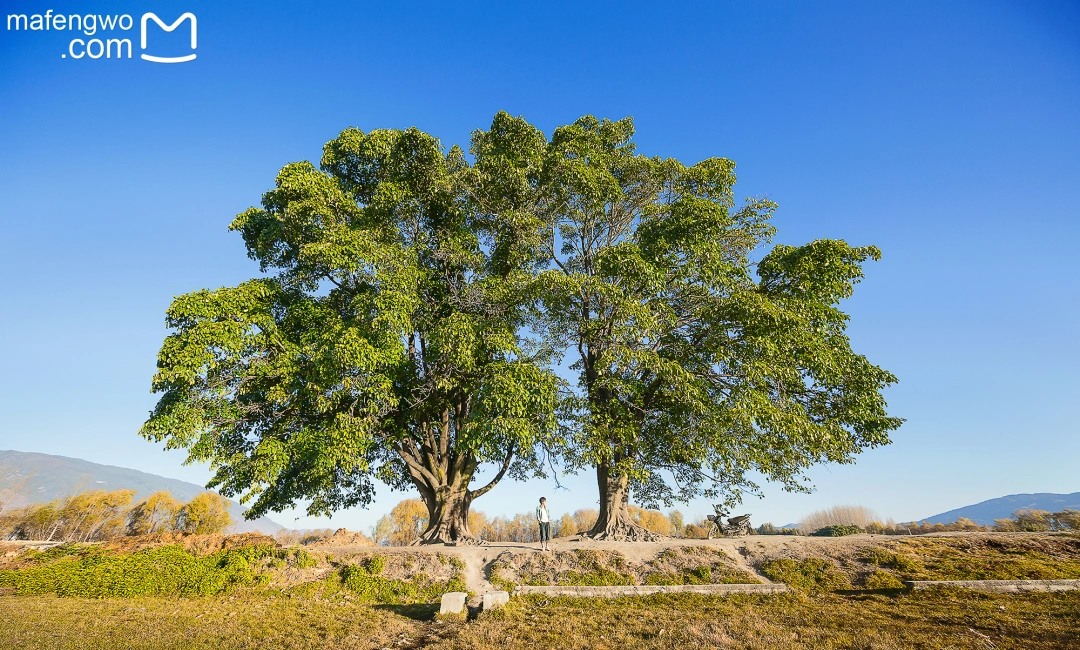
After dinner, I walked deeper into Haishe Park to find the famous "husband and wife" trees. It was dark, and the place felt eerie enough to send chills down your spine. I roughly scouted the photo spot and quickly retreated.
The spot where I'd photographed tree reflections during the day was ruined by light pollution from streetlamps—no chance of shooting stars. Just as I was about to give up, I turned around and found an alley that looked painfully Japanese—shop signs, streetlights, bicycles, everything perfectly coordinated.
Back in the village, it was around eight o'clock. Aside from a few occasional passersby, it was so quiet I could hear my own heartbeat. I turned on my flashlight and ventured deeper into the paths between rice paddies, listening to leaves rustle in the wind. If I hadn't faintly heard the sound of village aunties doing square dancing in the distance, I wouldn't have dared to stay alone in such darkness.
An Evening by the Fireplace: A Glass of Red Wine, Two Kindred Spirits
Back at the hotel, Teacher Xue sent me a WeChat message: "Xiao Sen, where are you? Come back for dinner." Even though I'd already eaten, the message touched me more than I expected.
In the lobby, guests sat around the table, eating and chatting. Teacher Xue called me over and brought out red wine from his own vineyard. I don't usually drink, but that night I made an exception. He said, "Drinking, tea, smoking—they're all just mediums. If two like-minded friends are together, even brewing tea with a few leaves picked by the roadside can bring great joy."
Teacher Xue spoke at length about the history of Dali's Bai ethnic group—his ancestors had migrated from Nanjing. His friend Rui Jie excitedly said she was also from Nanjing. It turned out she'd been living near Lugu Lake for years, running a hotel there. She told me the starry skies at Lugu Lake were breathtaking, the scenery different in every season, and insisted I should visit.
The firewood crackled slowly in the fireplace, warming everyone present. Happiness and contentment shone on every face.
At that moment, I thought: This is what travel means. Meeting these people, experiencing these moments, and carrying them forward with you.
Final Thoughts: What Dali Taught Me
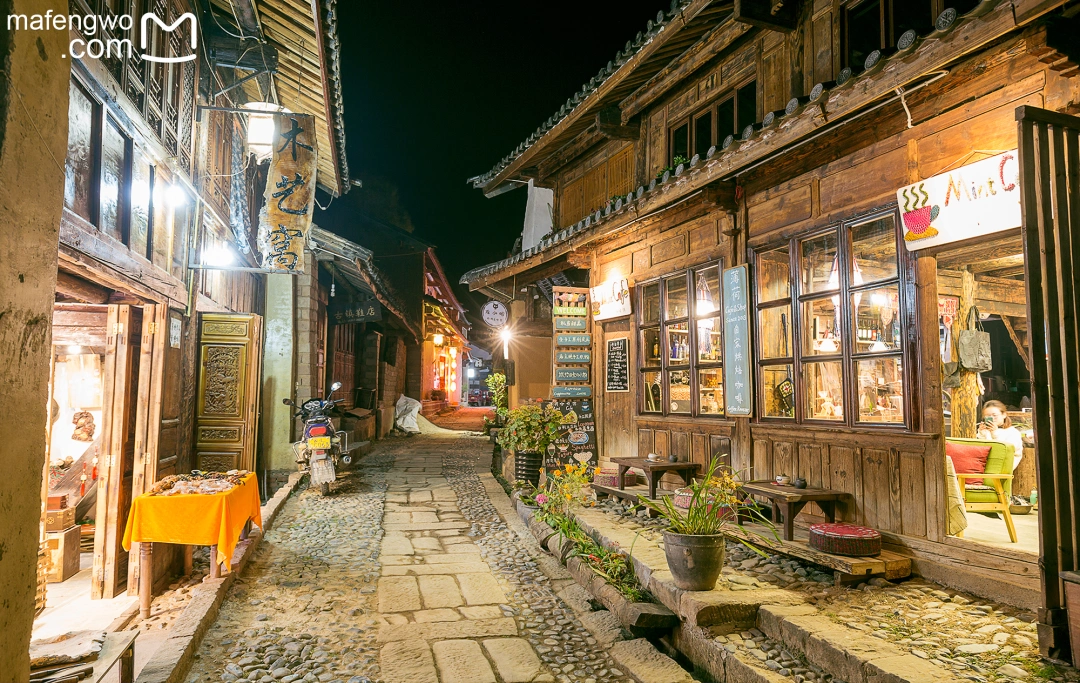
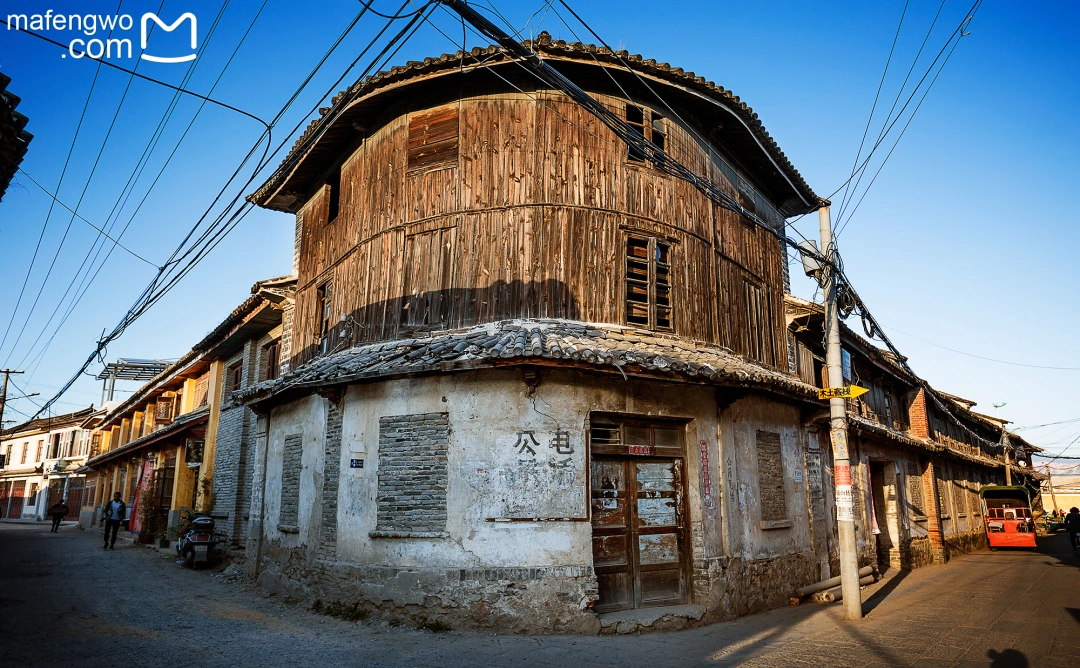
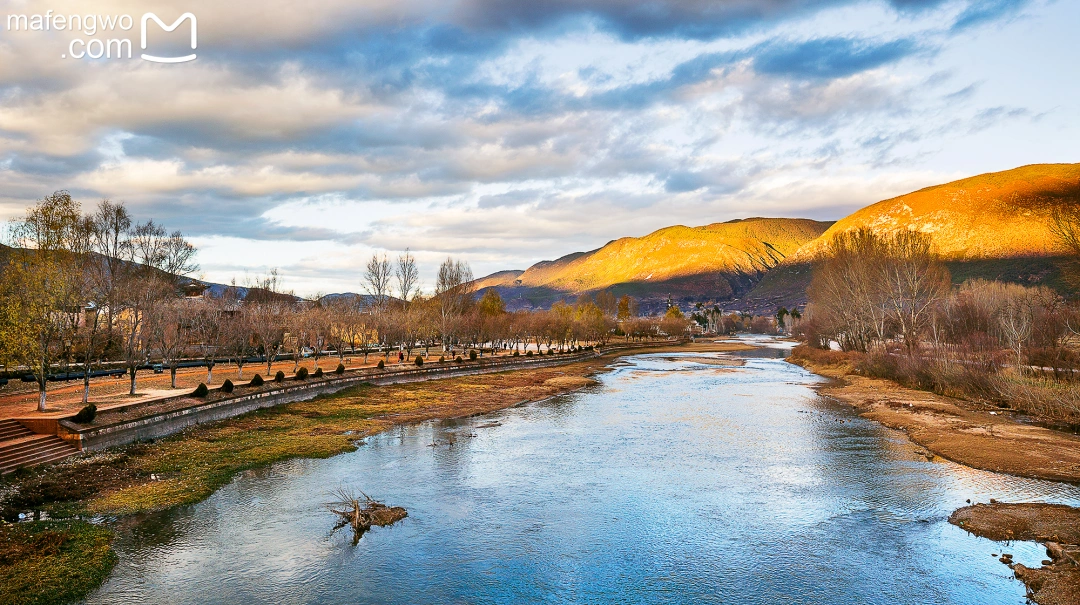
On this trip, I didn't capture grand starry skies. I didn't wait for the perfect sunset. I even missed many planned attractions. But Dali taught me one thing:
The meaning of travel isn't how many places you've been—it's how much you've let go.
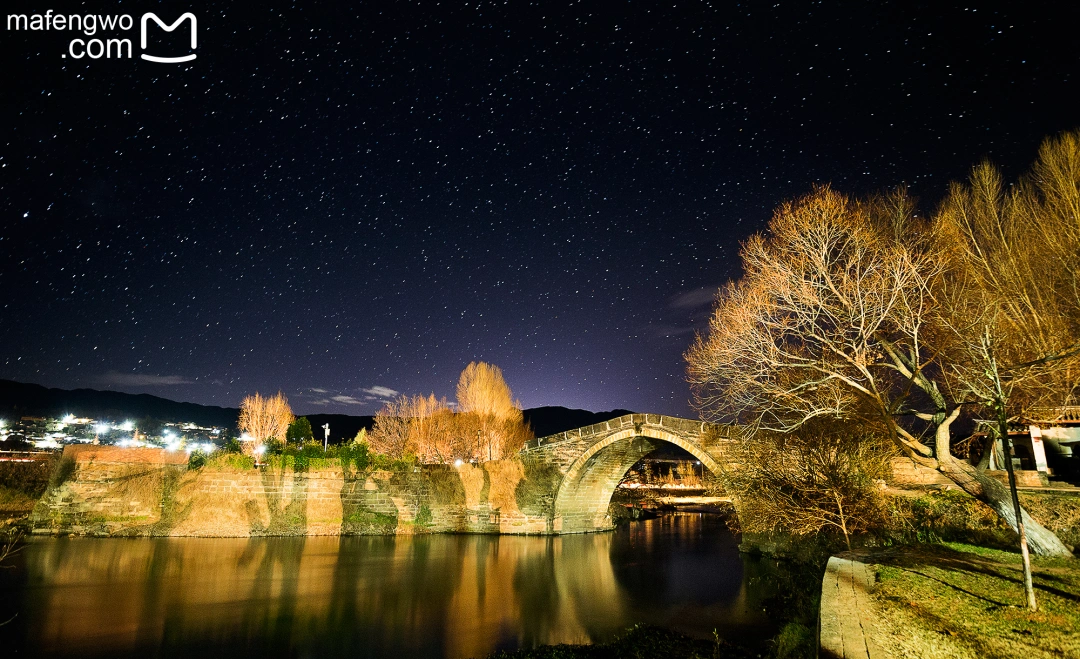
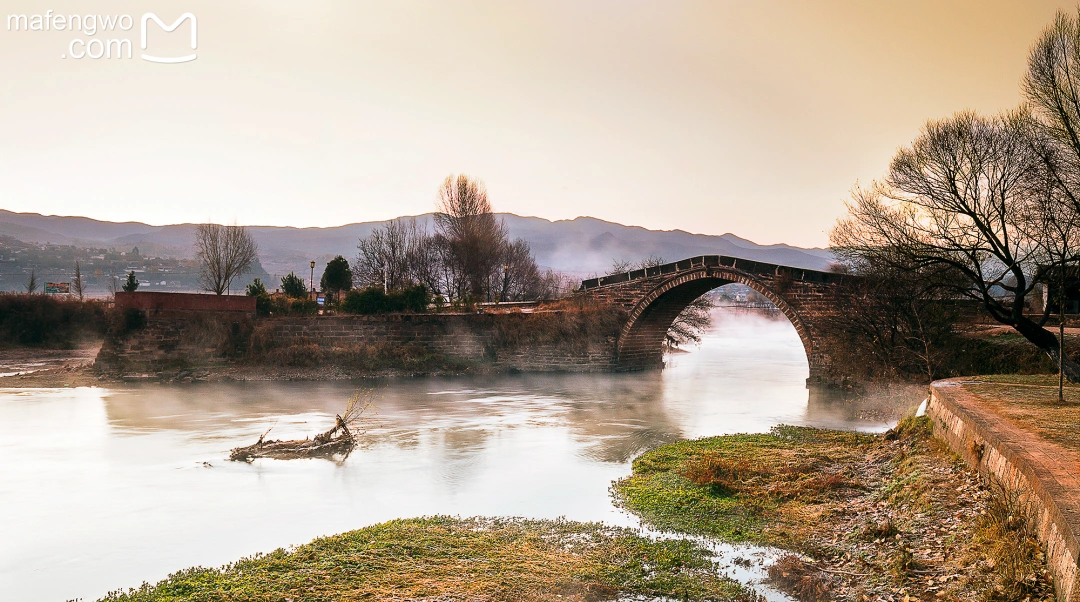
On Xizhou's cobblestone streets, I learned to slow down. Among the tree shadows by Erhai Lake, I learned to see. By Teacher Xue's fireplace, I learned to listen.
Dali is like a slow-spreading ink wash painting. You don't need to rush through it. Just step in and become one of its brushstrokes.
If you're planning to visit Dali, remember three things:
- Rent a car to circle the lake — I don't want you to repeat my lesson of an electric scooter dying halfway.
- Stay in Xizhou at least once — Dali Ancient Town is too commercialized; Xizhou is where you'll find authentic Bai life.
- Save one evening for a fireplace — You never know what stories a glass of red wine will bring.
Finally, bring your camera. And bring your loneliness. Because in Dali, loneliness isn't a flaw—it's the beginning of a conversation with yourself.
You should also read:
Dali: An Unexpected Encounter That Stole My Heart
Dali: An Unexpected Encounter That Stole My Heart Some places are destined to walk into your life — not by chance, but by fate. Five years ago, I first set foot on the soil of Yunnan. Back then, Dali was nothing more than a name…
Continue reading...
Pack Your Bags, Wander Through Lijiang, Lugu Lake, and Dali: A Solo Journey Through Yunnan
Pack Your Bags, Wander Through Lijiang, Lugu Lake, and Dali: A Solo Journey Through Yunnan Prologue: Why Set Out Alone One plane ticket, one camera, one backpack, one suitcase — this was everything I brought to begin my wandering journey through Yunnan. Many people have…
Continue reading...
Another Way to Open Dali: Finding Your Own "Heart Blossom Road" by Erhai Lake
Another Way to Open Dali: Finding Your Own "Heart Blossom Road" by Erhai Lake A friend sent me a photo: crystal-blue water, white clouds reflected on the surface, and the Cangshan Mountains in the distance, dark and misty like an ink painting. She asked me…
Continue reading...