Pack Your Bags, Wander Through Lijiang, Lugu Lake, and Dali: A Solo Journey Through Yunnan

Pack Your Bags, Wander Through Lijiang, Lugu Lake, and Dali: A Solo Journey Through Yunnan
Prologue: Why Set Out Alone
One plane ticket, one camera, one backpack, one suitcase — this was everything I brought to begin my wandering journey through Yunnan.
Many people have asked me: "Why travel alone?"
Yes, why? In an era where even eating a meal requires a "meal buddy," setting off alone on a journey thousands of miles away seems a bit out of place. But I'd like to ask back: Where can you find someone who truly understands you and is willing to trek across mountains and rivers with you?
In my view, a woman's independence should begin with solo travel. When you're young, you should go see the faraway places. A life without travel is, at best, merely "survival." The meaning of travel may have a thousand interpretations, but its essence remains the same: attachment, and then letting go.
Some say, when you carry your backpack, you become a passerby; when you put down your burdens, you find your home. In truth, we all know that life never offers absolute stability. Since we are all passersby, we might as well face the twists and turns of time with a calm and courageous heart, smiling at the dust and turmoil of the human world.
Sometimes, travel is like a leech hiding inside you — as you walk on, your heart grows tough. But that's what travel is: I go out, see how others live, and discover what my own life can encounter. I don't know what the best way to live is, but I know that living this way, I am already content.
So please don't impose your own opinions on how I travel. This is simply my way.
Once the journey begins, there's no stopping. The camera is about to capture a world of experiences.
Itinerary Overview: 11 Days Across Northwest Yunnan
- September 26: Shanghai Hongqiao → Lijiang Airport (2:10 PM flight, delayed 1 hour, arrived 6:20 PM)
- September 27: Lijiang — Dayan Ancient Town, Ancient Tea Horse Road, Lashihai Lake
- September 28: Lijiang — Jade Dragon Snow Mountain, Blue Moon Valley, Black Dragon Pool, Dayan Ancient Town Night Market
- September 29: Lijiang → Lugu Lake (about 6 hours on mountain roads, departed 8:30 AM, arrived 2:30 PM)
- September 30: Lugu Lake — Grass Sea, Walking Marriage Bridge, Lige Village, Sichuan border
- October 1: Lugu Lake → Lijiang Shuhe Ancient Town (departed 9:00 AM, arrived 3:00 PM)
- October 2: Lijiang Railway Station → Dali (departed 8:26 AM, arrived at noon)
- October 3: Dali — Cangshan Mountain, Tianlong Babu Film Studio
- October 4: Dali Shuanglang — Erhai Lake, Shuanglang Ancient Town
- October 5: Shuanglang → Kunming (traffic jam, departed 12:00 PM, arrived 9:00 PM)
- October 6: Kunming Airport → Shanghai Hongqiao (12:15 PM flight, delayed to 3:00 PM due to typhoon)
Flights and Accommodation: Budget Breakdown

Flight Costs
- Outbound (September 26): 1,460 RMB (all fees included, Shanghai Airlines)
- Return (October 6): 1,520 RMB (all fees included, China Eastern Airlines)
Accommodation Details
- September 26: Lijiang Dayan Ancient Town — Dream Years Inn (Sakura Love Room) 380 RMB
- September 27: Lijiang Dayan Ancient Town — Dream Years Inn (Room 2047) 380 RMB
- September 28: Lijiang Dayan Ancient Town — Dream Years Inn (Room 2047) 380 RMB
- September 29: Lugu Lake — Confused Years Inn 380 RMB
- September 30: Lugu Lake — Confused Years Inn 780 RMB
- October 1: Lijiang Shuhe Ancient Town — Ahem Holiday Hotel 520 RMB
- October 2: Dali — Dali Romance Coast 480 RMB
- October 3: Dali — Dali Romance Coast 480 RMB
- October 4: Dali Shuanglang — Shuanglang Return Villa 1,880 RMB
- October 5: Kunming — Kunming Yi Fei Cui Grand Hotel 368 RMB
Local Transportation and Tour Fees
- September 26: None
- September 27: Lashihai/Ancient Tea Horse Road round-trip fare 20 RMB, activity fee 330 RMB
- September 28: Jade Dragon Snow Mountain tour fee 620 RMB
- September 29: Hitchhike to Lugu Lake 90 RMB, entrance ticket 100 RMB, bonfire party + Mosuo dinner 100 RMB
- September 30: Lugu Lake bike rental 100 RMB
- October 1: Hitchhike back to Lijiang Shuhe 90 RMB
- October 2: Train to Dali 55 RMB
- October 3: Cangshan Mountain entrance ticket 250 RMB
- October 4: Hitchhike to Shuanglang 80 RMB
- October 5: Shuanglang to Kunming hitchhike 250 RMB (driver said off-season is 160 RMB)
- October 6: Kunming to airport fare 100 RMB

Day One: Arriving in Lijiang, First Glimpse of the Ancient Town
Even though my flight wasn't until after two in the afternoon, I was awake by ten in the morning. I packed my bags, had a quick lunch, and took a taxi to the airport. After checking in my luggage, I waited in the departure lounge — even though I knew the flight would be delayed, the waiting still left me feeling a bit restless and uneasy.
After nearly an hour's delay, I finally boarded the plane. Three and a half hours later, the flight attendant announced the ground temperature was 20 degrees Celsius — time to put on a jacket. The moment I stepped out of the cabin, the air of Lijiang hit me — clean, cool, a stark contrast to the murky air of Shanghai.
The inn had sent a car to pick me up. The driver sped along, and before I knew it, we arrived at Dayan Ancient Town. Dragging my suitcase over the cobblestone paths, I couldn't help but stop and admire the unique character of the inns along the way. Finally, I found "Dream Years Inn" — its antique facade was warm and inviting.
The inn had two adorable dogs, a male and a female — a couple. The male was called "Didi" (Little Brother), and the female was "Mengmeng" (Dreamy). Mengmeng was especially clingy, sleeping on me the whole time, ignoring everyone else.
My room was called "Sakura Love," and it even had a private sitting area just outside the door. Unfortunately, the room was already booked for the next day, so I'd have to move next door.
After dropping off my luggage and freshening up, I went out to find some food. The innkeeper recommended "Local Chicken Rice Noodles" and "A'an Desserts." The local chicken rice noodles were absolutely incredible — though the chicken portion was a bit skimpy. After finishing the noodles, I found A'an Desserts and ordered a bowl of red bean yogurt. The yogurt was silky smooth, made fresh daily, and absolutely delicious.
The ancient town had a modest buzz of activity at night, but the locals told me this wasn't even the busiest time. By October 1st, the place would be packed with tourists. Good thing I came early.
After wandering around, I returned to the inn, where the owner invited me to join a free barbecue and sing-along. Even though I was already full, I couldn't say no. The owner's barbecue skills were top-notch — the potatoes were grilled to perfection. I picked up a guitar and was flooded with memories of college. I still have a guitar collecting dust under my bed at home.
Day Two: The Ancient Tea Horse Road and Lashihai Lake
Before seven in the morning, I was woken up by the crowing of a rooster. This felt like something you'd only see on TV, but being woken up this way had a certain charm to it.
After washing up and stepping outside, I found it was raining. A faint melancholy washed over me. But it didn't matter — that's just how Lijiang's weather is: sunny one moment, pouring the next. No need to rush; let's have breakfast first.
No sooner had I sat down at a breakfast stall than the skies opened up with a downpour. Maybe I'd just stay in the inn today? But life is full of surprises. By the time I finished eating, the rain had almost stopped. A local tour operator came over and asked if I wanted to visit the Ancient Tea Horse Road and Lashihai Lake. She said that's how Lijiang's weather works — rain in the east, sun in the west. It might be raining here, but the Tea Horse Road could be perfectly clear. I was skeptical, but in the end, I decided to trust her.
When I got to the Ancient Tea Horse Road, the sun was blazing. The Ancient Tea Horse Road is located in Nakeli Village, Pu'er County. It preserves a stone road winding through the mountains — paved with hand-carved flagstones and cobblestones. The horse-hoof prints, two centimeters deep in the stone, are the road's most powerful testament. This ancient route was a trade channel for horse caravans and a corridor for cultural and economic exchange among China's southwestern ethnic groups.
I was assigned a horse named "Blackie." I was a bit scared at first, but I soon calmed down and even managed to take some selfies. The scenery along the way was beautiful. The horseman said that further ahead was the filming location for "A Ray of Sunshine." But just then, a horse coming from the opposite direction stepped into a puddle, and mud splashed all over my face and clothes. So much for a romantic encounter — instead, I got up close and personal with the mud. The horseman joked, "That's a gift from the Ancient Tea Horse Road."
After the Tea Horse Road, I took a boat ride on Lashihai Lake. The weather was almost too perfect — the blue sky and white clouds were breathtakingly beautiful. You'd never see skies like this in Shanghai.
Back in town, I treated myself to freshly killed salmon — two preparations: raw sashimi and hot pot. It was fresh, delicious, and I ate to my heart's content.
That evening, back in the ancient town, I saw two girls getting their hair braided. It looked fun, so I got three braids done myself. The result was surprisingly good — purple really suits me.
Day Three: Jade Dragon Snow Mountain, Touching the Sky
I was up at six in the morning, even before the rooster. I pulled open the curtains to find a brilliant sun greeting me. The guide said it had been snowing every day for the past week, but today the sun was out — the best day in nearly two months to see the mountain. I was incredibly lucky.
Entering the mountain park, our first stop was Ganhaizi Meadow at 3,100 meters above sea level. The air was so fresh it made you want to take deep breaths. Next was Blue Moon Valley at 3,600 meters. There, I met two photographers. They probably felt sorry for me trying to take selfies, so they joined me and helped take a few photos. The results were fantastic — I loved them.
The water in Blue Moon Valley was unreal. They say it's the first spring water to flow down from Jade Dragon Snow Mountain. I took a sip — it tasted cleaner than boiled water. By chance, I discovered a kind of divine light effect when taking photos, and from then on, I was hooked on that play of light and shadow.
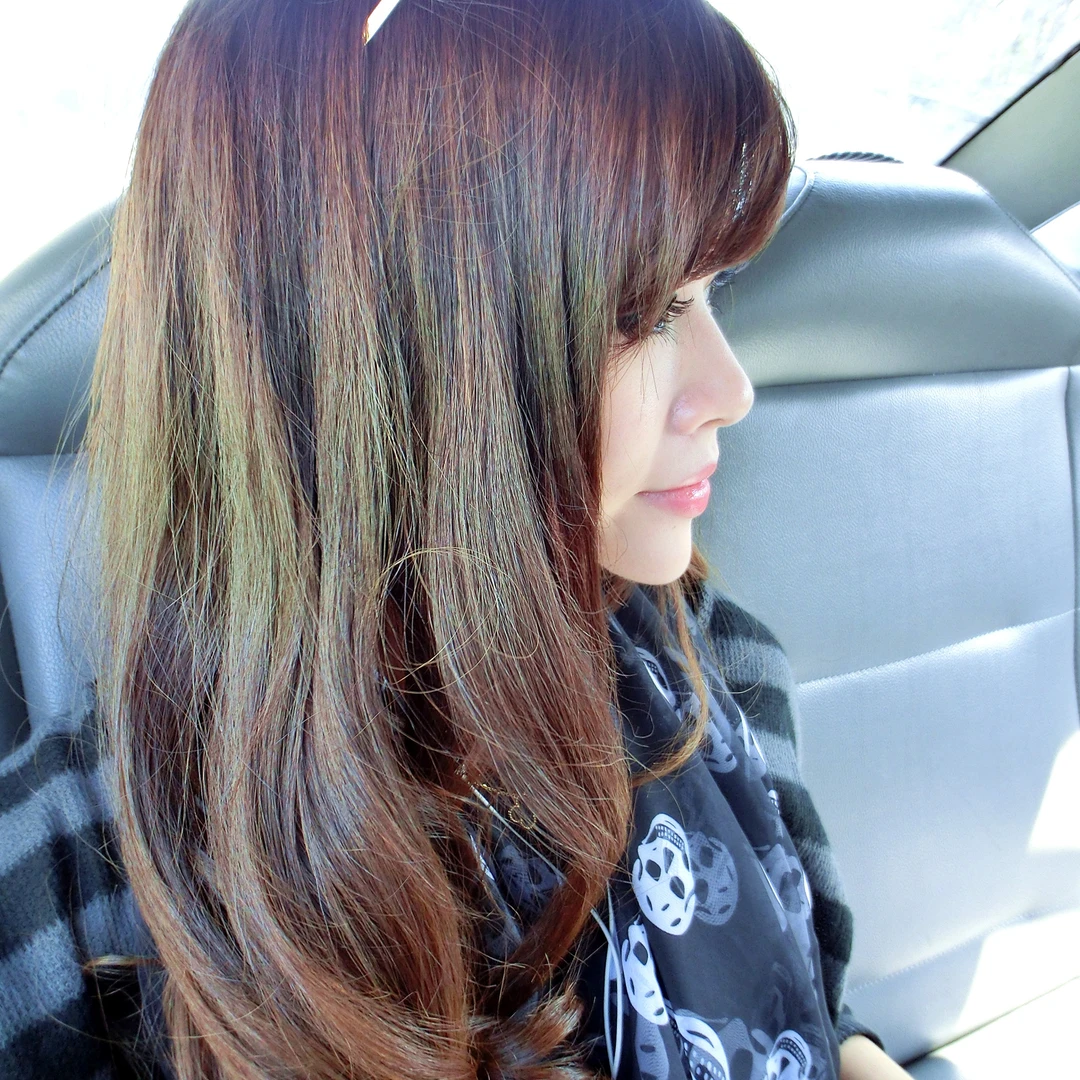
Next, we reached an altitude of 4,056 meters. No altitude sickness. I put on the rented down jacket and prepared to summit. The first stop was 4,506 meters, then onward to 4,591 meters, and finally, I made it to 4,680 meters — still no altitude sickness at all. Standing at the top, I felt like everything was beneath my feet, and all my worries dissolved into thin air.
Suddenly, it started snowing at the summit. I was so happy I could cry. This air — this was real air. What I normally breathe? That barely counts.
After coming down, I visited Black Dragon Pool, but I was disappointed — many parts had dried up.
Tomorrow I was off to Lugu Lake, so I hurried back to the ancient town to find travel companions to share a ride. I spotted a shop with a sign that read "Travelers' Ride Share, 4 Spots Left," and signed up immediately.
Day Four: Lugu Lake, First Sight of the Kingdom of Women
Another day waking up earlier than the rooster. Before checking out, I caught a quick sunrise shot. After a few days in Yunnan, my body clock had adjusted to waking up at six or seven and sleeping at midnight — not a bad habit to have.
I'd heard that all the restrooms along the road to Lugu Lake charge a fee — one yuan per visit. When I got there, I found it was true, and the toilets were so dirty they were almost unbearable. My advice: drink less water on this trip.
Lugu Lake sits between Yongning Township in northern Ninglang County and Yanyuan County in Sichuan Province. The lake surface is at an altitude of 2,690 meters, covering an area of about 48 square kilometers. The main inhabitants are the Mosuo people, along with some Naxi and Pumi people. The Mosuo still practice a matrilineal marriage system, which is why this place is called the "Kingdom of Women."
The mountain roads were winding and treacherous, with sheer cliffs on one side. But the scenery was stunning — I'm glad I didn't fall asleep. The Jinsha River sparkled in the sunlight, absolutely gorgeous.
When I reached Lugu Lake, I took a boat ride. The boatman was Mosuo. I asked him, "Does the Kingdom of Women have a king?" He said no. I joked, "Then can I be the queen?" He laughed.
The clarity of the lake water was astounding. The distant mountains looked like a sleeping woman. Everything here was so peaceful, so beautiful.
Epilogue: The Meaning of Travel
Ten days of journeying — from Lijiang to Lugu Lake, then to Dali, and finally back to Kunming. I crossed mountains and rivers, witnessed local customs and cultures. Some ask me, doesn't traveling alone get lonely? Honestly, sometimes it does. But more often than not, what I felt was freedom — the freedom to decide where to go, what to eat, how long to stay.
The meaning of travel, perhaps, isn't about how many places you've been or how many photos you've taken. It's about those moments — the heartbeat when you touch the sky atop Jade Dragon Snow Mountain, the stillness when you listen to a boatman's stories on Lugu Lake, the warmth when you encounter a stray dog in an ancient alley.
These moments are the whole meaning of travel.
If you're hesitating about setting out alone, my advice is: go. Bring your courage, bring your curiosity, and go meet the better version of yourself.
A Few Practical Tips:
- Lijiang's Weather Is Unpredictable: Rain in the east, sun in the west is the norm. Don't let a passing shower ruin your mood.
- Lugu Lake Restrooms: Toilets along the way charge a fee and are poorly maintained. It's wise to limit your water intake.
- Jade Dragon Snow Mountain: Book your tour in advance for better rates, and bring warm clothing.
- Transportation: Hitchhiking or ride-sharing is more affordable than private cars, but stay safety-conscious.
- Accommodation: Prices double during peak season. Try to avoid the National Day holiday rush.
Finally, I want to say: There's no right or wrong way to travel — only what suits you. Find your own rhythm, and go feel the beauty of this world.
You should also read:
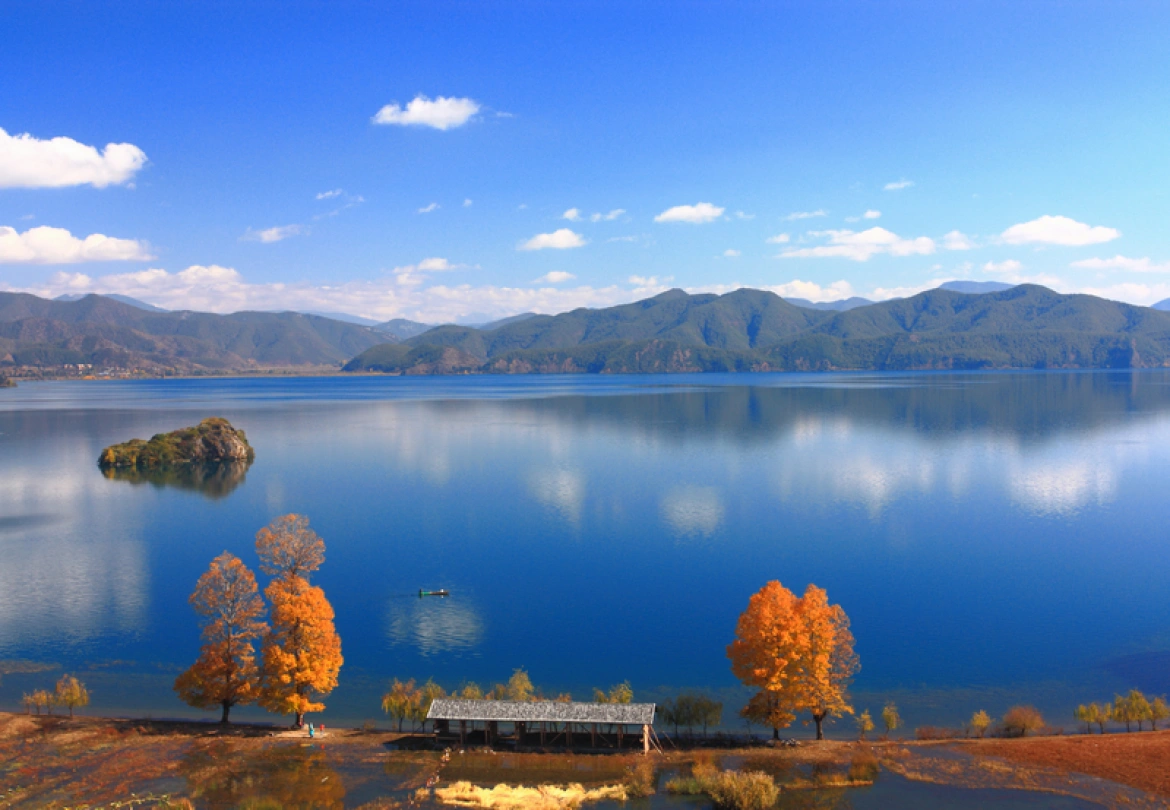
A Spiritual Journey to Lugu Lake in Lijiang: Experiencing the Legend of the Kingdom of Women! (Reproduction and Hotlinking Prohibited)
A Spiritual Journey to Lugu Lake in Lijiang: Experiencing the Legend of the Kingdom of Women! (Reproduction and Hotlinking Prohibited) Off-road自驾, food, hotel and民宿 reviews, Featured Traveler, Tank 300 owner, 200,000 km of self-driving experience. WeChat: y01294987 Ninglang Yi Autonomous County 2010.11.08 · 7 days…
Continue reading...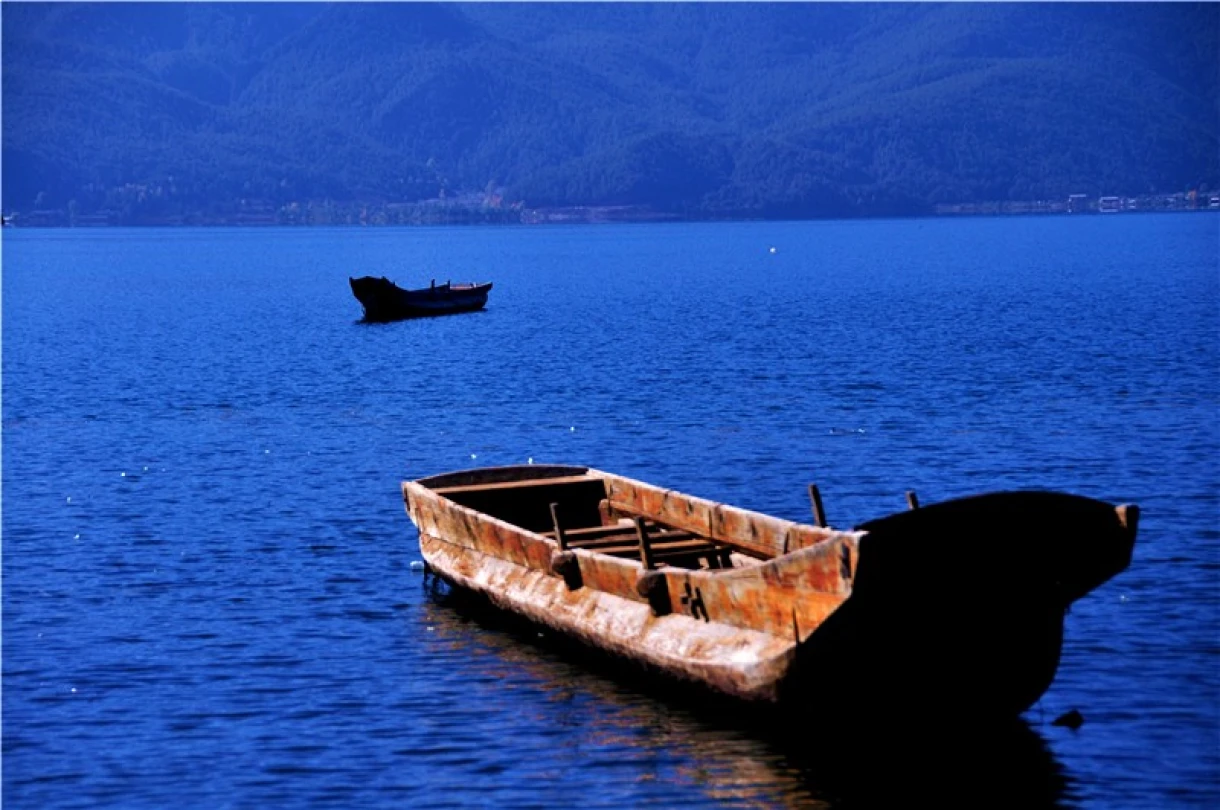
Hiking Around Lugu Lake: Measuring This Mysterious Highland Pearl on Foot
Hiking Around Lugu Lake: Measuring This Mysterious Highland Pearl on Foot Introduction: A Date with the Lake At the border between Yunnan and Sichuan provinces lies a highland lake embraced by mountains, embedded like a sapphire in the folds of the Hengduan mountain range. Here,…
Continue reading...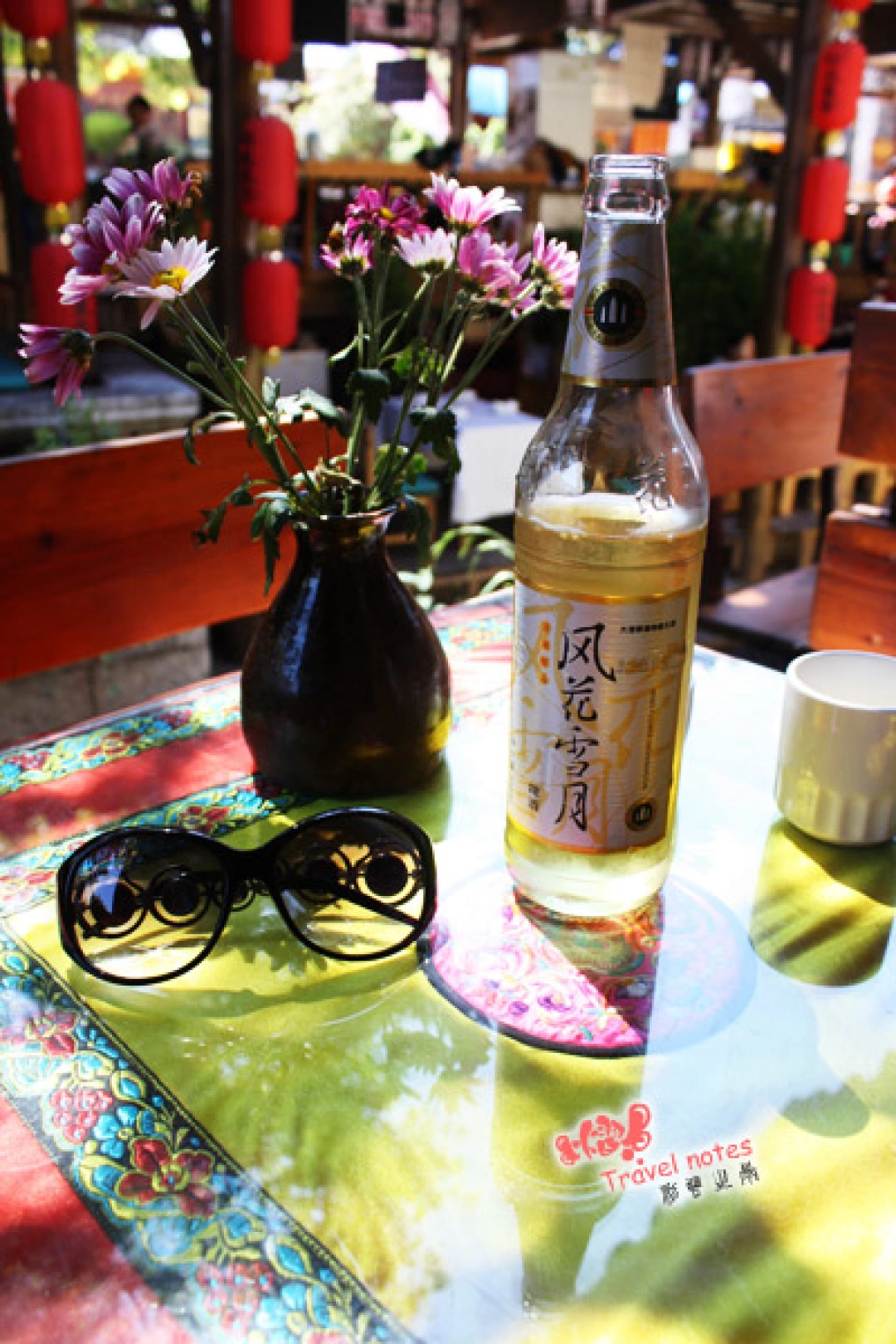
The Slow Life of Lijiang: A Soft Dream on the Yunnan-Guizhou Plateau
The Slow Life of Lijiang: A Soft Dream on the Yunnan-Guizhou Plateau Some places, just by hearing their name, stir a ripple in your heart. Lijiang is one of those names. It's not the kind of destination that demands you tick off a checklist of…
Continue reading...