Dali "Half-Month Talk": Rediscovering Life's True Form in Yunnan's Slow Time

Dali "Half-Month Talk": Rediscovering Life's True Form in Yunnan's Slow Time
Opening: An Unexpected Stay
At three in the morning, the faint glow of my phone screen illuminated my face. I had already decided not to leave any words for this journey, but while sorting through old photos, memories pulled me back again and again to that place called Dali. I had originally planned to shoot a documentary titled "From Arrival to Departure," but stopped abruptly after filming the colorful clouds—this is always how I am, easily giving up on meticulously planned projects, sometimes just because I'm tired, sometimes because a small thing suddenly brings enlightenment. In the end, a French song called "Voilà" became the last straw that broke the camel's back. I realized I only wanted the visuals to match the music, and that nature's own beauty was already moving enough.
I love nature, never tiring of it. "While the world is drunk, I alone am sober"? No, I don't reject human relationships; I just don't actively seek social gatherings. As an INFJ personality, I seem to be waiting for some tipping point—nothing makes me happier than chaos and the apocalypse. "Life is as brilliant as summer flowers," and my fear of "dying of old age" grows by the day. It's not death itself I fear, but the moment when, exhausted in body and mind, I might even welcome its arrival. What I fear is "aging"—the decline of spirit and body, the hair that falls out while washing, the quiet withering of a person. I constantly ponder the meaning of existence, and the truth is—it's meaningless. Humanity struggles in the quagmire of nihilism, trying to grasp a sliver of clarity, but if even desire itself is illusory, then there's no solution.
But no matter what the world does, the sun still rises as usual. Wars rage outside, and we remain at peace alone—at least on the surface. According to statistics, in the past decade, the world has seen barely a hundred days of peace, and some people have never seen the sun.
The Beauty of the Ancient City: Meeting Dali Through Classical Chinese
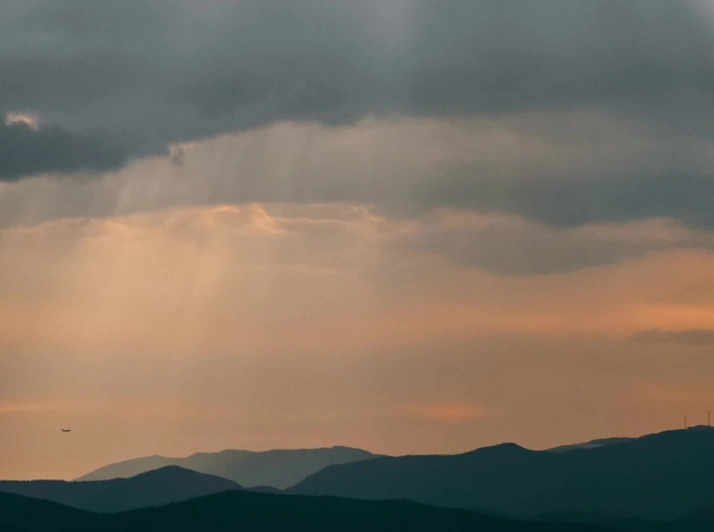
In Dali, I truly experienced the beauty of classical literature. The classical Chinese phrases I loved in high school found their counterparts here: mountains are called "emerald green," seas are "deep azure," rain is "blessing moisture," snow is "cold butter," clouds are "immortal condensation," wind is "soaring flight," the sun is "floating light," the moon is "gazing comfort," the sky is "jade fall," the earth is "kunling," stars are "white fish," the full moon is "ice wheel," tea resembles "the sleepless marquis," and wine remains "the forgetful lord."
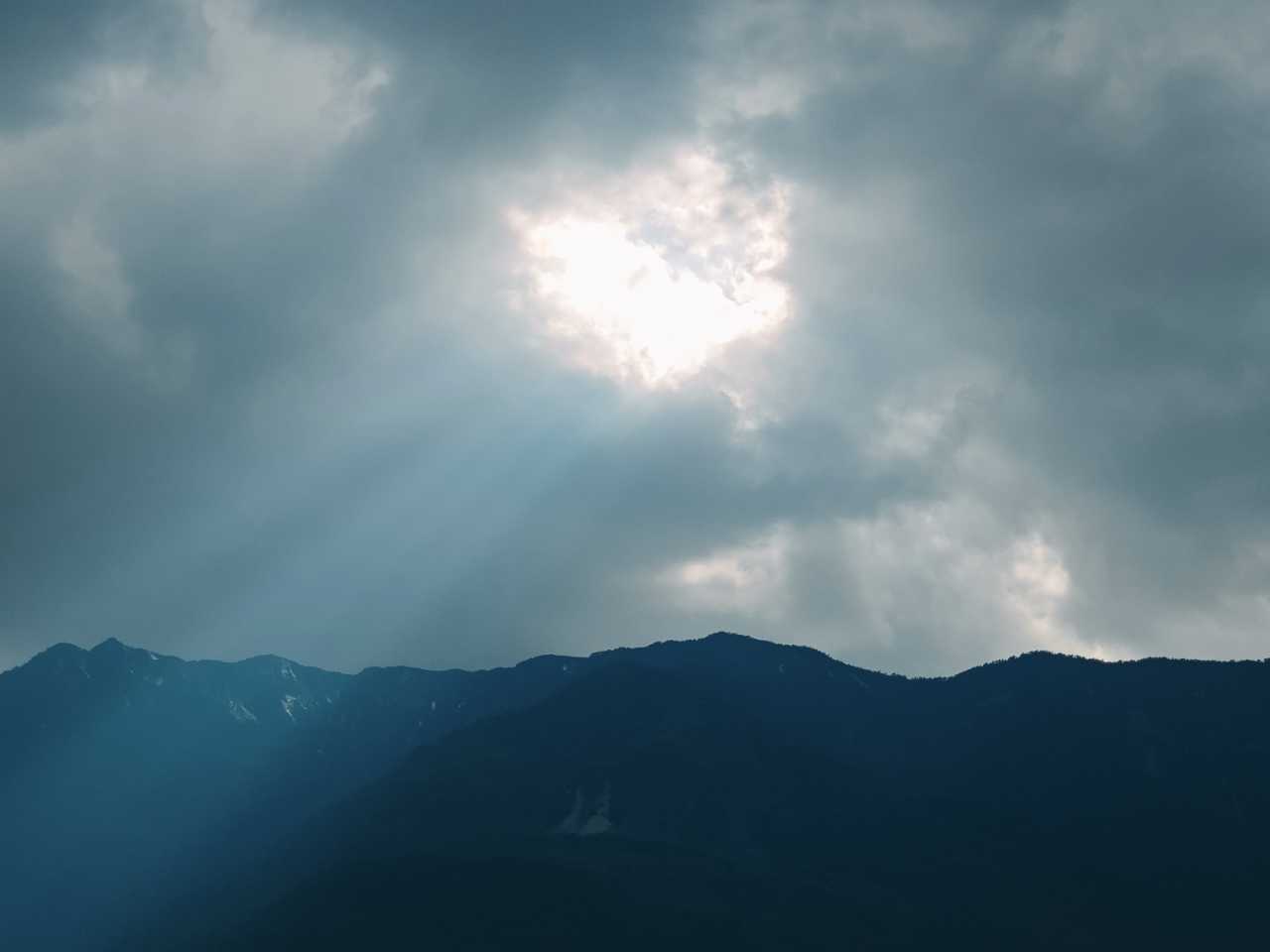
Clouds part to reveal the heavenly gate, and the Tyndall effect is common here. But waiting for the right cloud gap and angle isn't easy—the perfect shape, the perfect slant, light pouring down like a staircase to guide worldly beings. I consider myself an atheist, yet I'm deeply drawn to the obscure texts of Buddhism and Taoism.
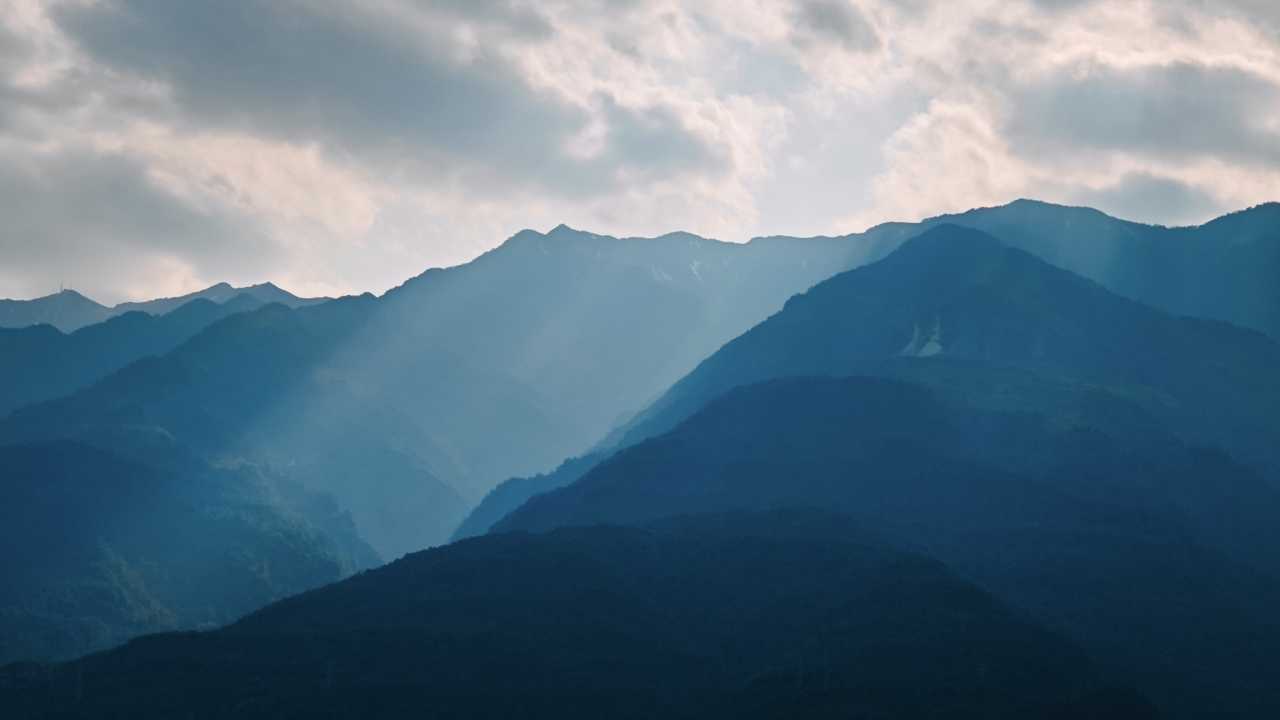
Nowadays, Dali's wind is no longer as fierce as before, and the rain no longer as lingering, so I never saw the "snow-covered Cangshan" of my imagination. I stayed for so long, and only in the final week, one morning when I pulled open the curtains, did I catch a fleeting glimpse. Perhaps viewing from the eastern shore would be more spectacular—mountains, these massive entities, need to be viewed from just the right distance to reveal their grandeur.
The White Flowers in the Courtyard: Plum or Pear?
The courtyard of my long-term rental had a tree covered in white flowers. When I first arrived, its branches were bare, like a sleeping beauty in hibernation. One cloudy morning, it quietly sprouted countless flower buds, reminding me of elm trees—they bloom before leaves appear. As a child, I thought elm seeds were leaves, only later learning they were flowers, green blossoms covering the branches. Speaking of which, I quite miss the various dishes made from elm seeds, with their woody fragrance—one bite felt like eating an entire spring.
This tree's white flowers were pure and flawless, uncommon in the village. Occasionally, I'd spot two or three in the fields. One day, passing by an open courtyard, I saw a perfectly shaped tree in the middle, its main trunks tied with red ribbons, surrounded by stone benches. I tried to sneak in for a photo, but halfway there, an old man came out of the house, and I had to awkwardly chat with him. He said something in dialect—"plum tree" or "pear tree"? I'd probably have to wait until it bore fruit to know. He said they were common in the village, but I hadn't noticed—had he hidden them away?
Rapeseed Flowers and Spring Cherry Blossoms: Nature's Whispers
This year, spring was particularly warm, and the blooming season came early. Vast fields of rapeseed flowers had opened. I remember last year at this time, Dali was still quite cool, and it rained when I went to photograph them. This year, I didn't join the crowds, only noticing a small patch by the village fields that had already turned from flowers to seeds. By the roadside, there was a peculiar plant with the same yellow flowers as rapeseed, next to a white-flowered tree—I don't know its name, so I won't label it.
Later, I ordered some clothes but forgot to include the village name in the address, so the package was sent to a town five kilometers away. I decided to walk there, and luckily, that decision showed me a different view.
The spring cherry blossoms blooming at this time—I'm not sure if they're local. The local variety is winter cherry, which blooms in winter, while spring cherry is closer to the Japanese cherry blossoms at Dali University—fuller flowers, larger as they bloom, but at the cost of a shorter flowering period; winter cherries are delicate but last longer. On my way to pick up the package, small rapeseed fields dotted with sparse cherry trees looked especially beautiful. I missed last year's scene in Dunhuang's apricot groves, where a gust of wind sent apricot petals falling like rain. Lost in thought, I passed a growing rose garden with an abandoned minibus inside, looking like a bus to spring, with old houses as the backdrop—a perfect picture. The main roads in Dali's villages are always so straight and long.
Back at the courtyard, the white flowers looked even whiter in the sunlight. Their shadows cast on the white wall weren't black but a deep ink-blue, like the shadows in famous oil paintings. I had booked a spot for Dali University's cherry blossom open day well in advance, choosing the last day, but an accident prevented me from going—I stepped on air while throwing away trash at the village committee, numbing my foot for a while and leaving it sore for a whole week. But given the bad weather, I didn't dwell on it. Actually, if the weather had been good, I might have hobbled over, but those two days happened to be overcast and rainy, while the following days were beautifully clear.
Tangled Wires: A Metaphor for Relationships
Every day or every other day, I had to pack up my kitchen waste and walk across the stream to the village committee to throw it away. Dali's village waste management system is quite good—"three responsibilities at the doorstep," though I don't exactly remember what the three are. But when everyone is conscientious, the streets stay clean.
Walking to the small bridge over the stream and looking up, I could see those tangled electric wires. This year's spring drought had dried up the stream, leaving only bare rocks. Of Cangshan's eighteen streams, I wonder how many still have water? The wires looked chaotic yet harmoniously blended into the surroundings, and occasionally I'd spot a squirrel darting across them like lightning. On closer inspection, these lines resembled real-life relationship networks—some thick, some thin, each pole serving as a person's anchor point. Compared to the northwest's simple uniformity—where utility poles stand like soldiers on guard, pulling a single line stretching into the wilderness—Dali's wiring was already complex enough. And that single line in the northwest felt more like a symbol of hope.
Experiments in the Kitchen: Black Gold Braised Pork Rice and Heretical Eating Methods

I don't cook often, but occasionally I'd make black gold braised pork rice. Without dried shiitake mushrooms and dried shrimp—the latter was something a Taiwanese grandmother later taught me, essentially dried sea shrimp, which I never knew to add before. Lacking some flavor, and the soy sauce wasn't from the Jinlan brand—buying a whole bottle for one meal seemed wasteful. A pound of pork belly only made two servings, though I'd expected four. I misjudged the cooking time and took a shower, returning to find it nearly dry—my mood like getting a low score on a carefully prepared exam. I'd added extra water before leaving, but the result was unexpectedly good, the braised pork even sweeter. I added plenty of sugar, using white sugar for caramelization since I had no yellow rock sugar.
Later, I made fried rice a few times, topping the plated dish with crushed local potato chips—Zidi brand chips are genuinely delicious. The rice with crushed chips had a great texture, my own "heretical eating method," much like the Japanese and Korean ritual of adding seaweed flakes and black sesame to rice.
Sunrise Impressions: Hanging Out at Qiuxi
In my final days in the village, I didn't go to the Six Yuan Café but instead visited the "Qiuxi" shop to chat. I always laughed at how inconspicuous their sign was—a wooden board placed by the roadside that would topple in the wind. During the off-season, it was quite quiet, and the small patch of land in front hadn't been planted yet. They said they wanted to plant banana trees. "Why banana trees?" "Because they're easy to care for—no maintenance needed, and they provide shade." At first, it seemed absurd, but thinking about it, it made sense. They'd have to start from seedlings and wait about a year for them to grow big enough for shade, right? But this is Yunnan, where plants grow like they're on steroids, shooting up wildly.
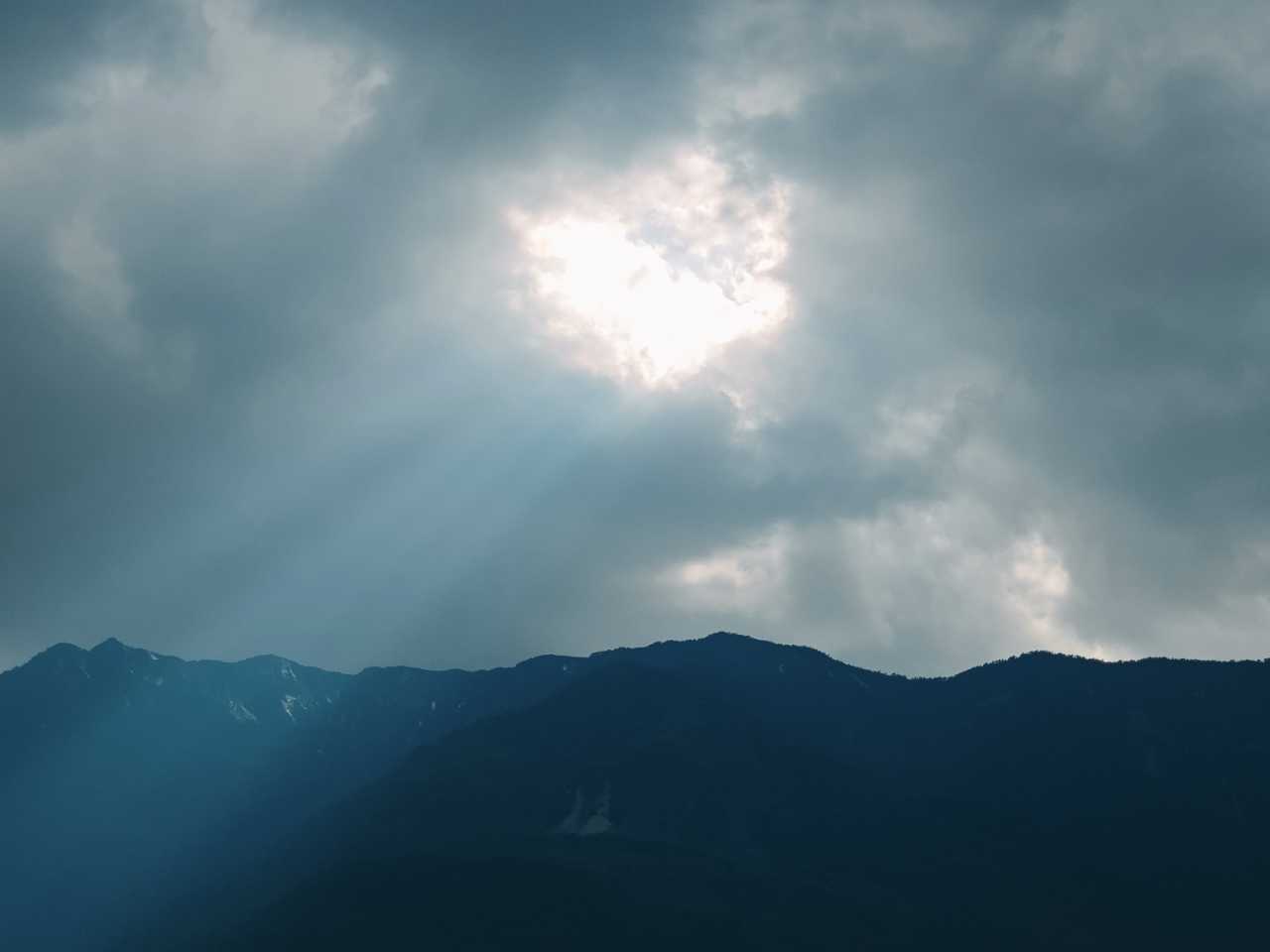
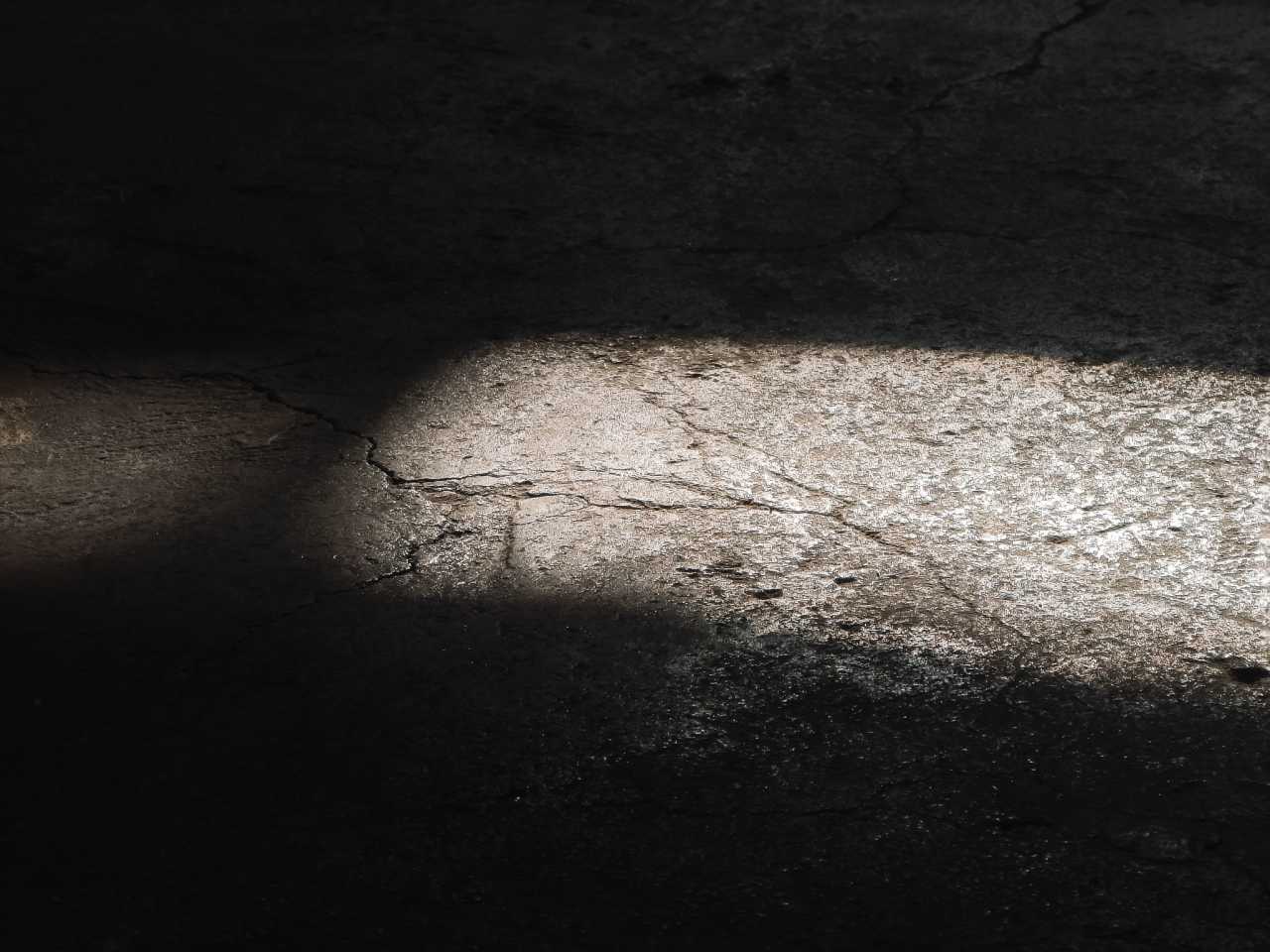
My room didn't have an en-suite bathroom, but that's exactly what I wanted. I don't like having a bathroom inside my room—damp and smelly, even if it's clean. Every morning, stepping out to the shared bathroom let me see the sunrise—wasn't that wonderful? Though the hot and cold water tanks on every rooftop were a bit of an eyesore. I love shadows—the rippling reflections on water, the traces of sunlight passing through obstacles, the elongated tree shadows under the cold moon. Everything has a spirit, and shadows exist because of light. I've heard that shadows are projections of the soul; without a shadow, the soul ceases to exist.
After the start of spring, the sun always hides behind clouds, casting thousands of rays to play with the world. Now, I no longer need to bundle up in a coat to watch the sunrise. The vast land, and my heart—why?
Beautiful things are always fleeting. I loved hanging out at Qiuxi, bringing an unfinished book. Then came snack time—the owner would always produce different fruits: papaya, oranges, blueberries, strawberries, never repeating. Playfully, I stacked blueberries into a small cairn. Their offerings were good, and the cakes were homemade—I initially thought they were pre-ordered. If you come to Wuwei Temple, stop by for a rest—it's more peaceful than the Six Yuan Café. If Six Yuan offers great atmosphere and value for money, then Qiuxi's "afternoon tea" style comfort is more relaxing—perfect for reading or zoning out, recharging alone, or chatting with a few close friends. Closed on Mondays, so don't make a wasted trip.
Reading and Insomnia: Klingsor's Last Summer
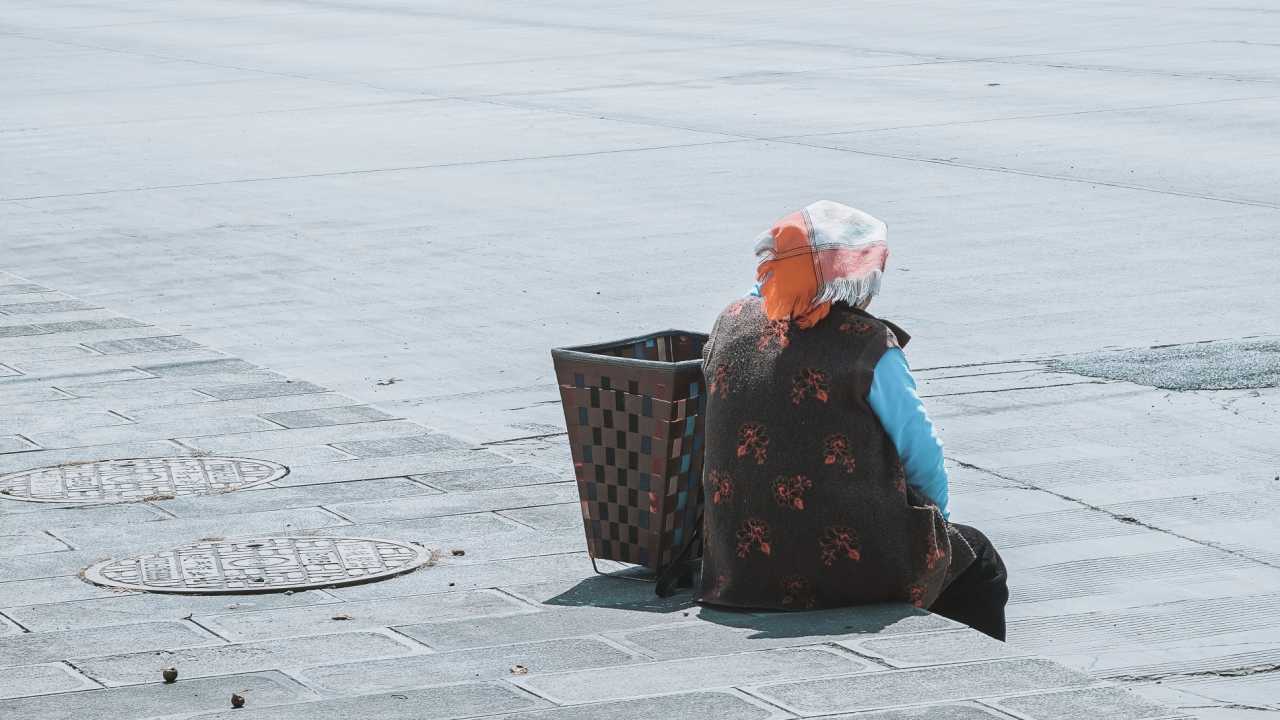
Hesse's "Klingsor's Last Summer" probably isn't considered a major work, right? Compared to "Siddhartha," it's niche. During a sleepless night until dawn, I bought it for the cover—though it showed a grassy field, that yellowish-green really resembled a rapeseed field, with large characters lying there, looking at the sky, very zen. Later, when I mentioned it to Jinjin, she laughed at the book I was reading, saying it suited me. I hadn't thought much about it—I just liked the cover. I envied her living in the snowy north—I don't know if "texture" is the right word, but it had so much texture. Compared to the south's evergreen, I prefer the north's distinct seasons. Maybe that's what they call "filling the gap"—humans spend their lives seeking completeness.
About sleep: for over half a month, I was constantly reversing day and night. The clouds at night were also white, especially clear under moonlight. For the first time, I realized that people don't have to sleep at night. After watching the sunrise, I'd wash up, fall asleep, and wake up at three or four in the afternoon—eight hours was enough. If insomnia becomes routine, it's no longer a problem, right? Though sleeping during the day and staying awake at night put me on a Southern Hemisphere time zone. Forcing things is the most painful, and forcing sleep is even more agonizing. I finally understood Langweixian's sleep experience—a quirky, interesting girl who, in Dunhuang, would always say "good night" to us at dawn, skip lunch, and appear at dinner with a dazed look, half-asleep. "Eccentric and clever" was the highest praise for her. I sometimes miss her and hope she's always doing well.
The Passage of Time: Four or Five Months Like a Dream
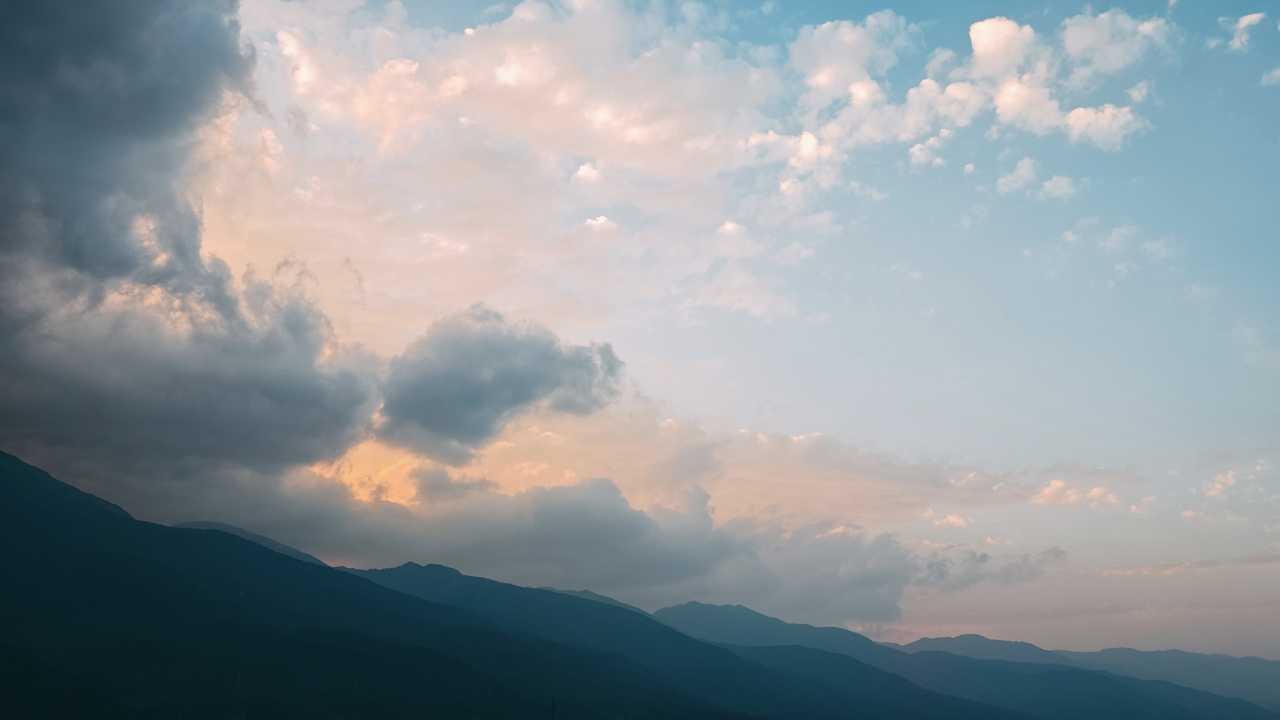
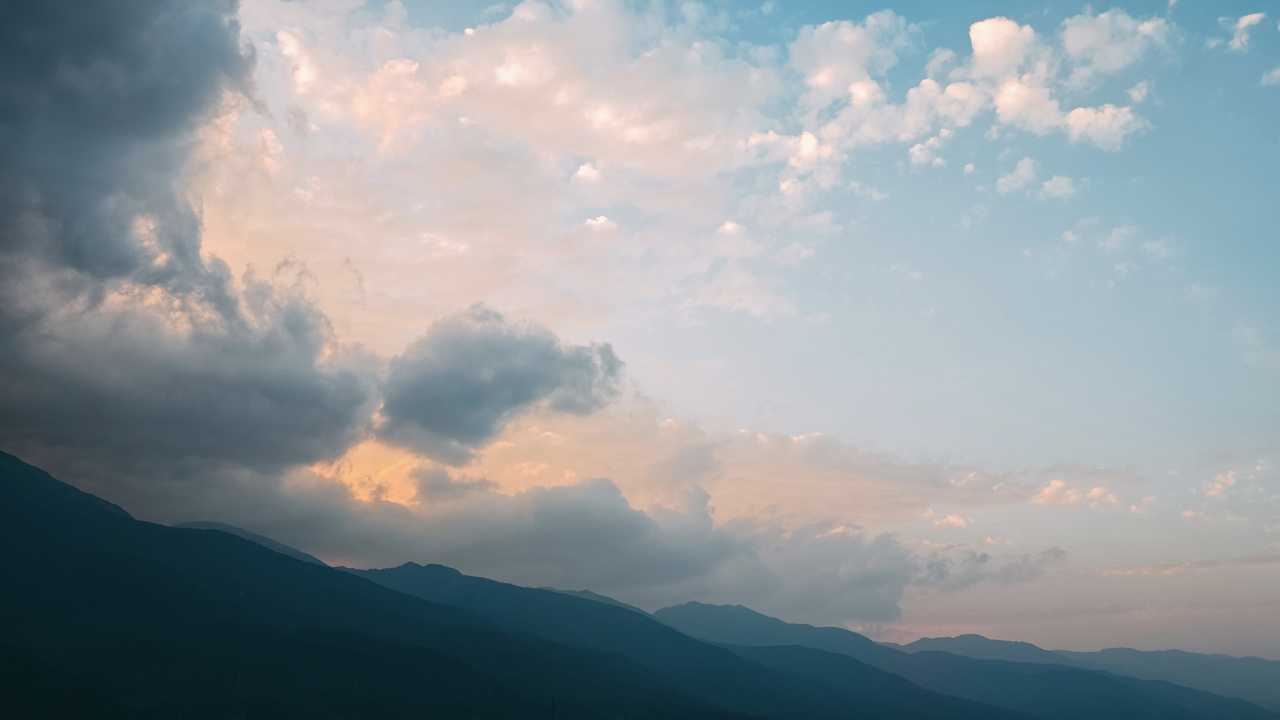
From afternoon to evening, watching the other side of the lake, sometimes I couldn't tell when the clouds had swelled. At first, just a little, or completely pure blue, then in a daze, they'd become layers upon layers, filling the sky, as if they'd always been that way.
March 21, 2026. I'd lived here for four or five months—time flew. When I arrived, the ginkgo leaves were still green, then they turned golden, the metasequoias reddened, the winter cherries fell, the spring cherries bloomed, and now the branches were sprouting green again. Nature had come full circle. Had it really been that long? Unbelievable! I couldn't believe it!
I stuffed everything back into my 71-liter backpack—this old companion that had traveled with me for years, through so many places, over such long distances. I spent a weekend day cleaning the room. I always felt that since it was clean when I arrived, I should return it clean when I left. This mental cleanliness might seem rigid—after all, they'd clean it later—but that's just me, a personality I sometimes hate and disdain myself.
I had to take one of the two kitchen pots and throw away a stack of egg containers I'd accumulated over the months. How much did I love eggs? I counted eleven trays, plus the ones I'd thrown away earlier, probably 14 to 15 trays, around 450 eggs. The scallions next to them were bought before Chinese New Year; I'd cut a drink bottle to make a hydroponic container, and unexpectedly, I still hadn't finished them—even though I was madly chopping scallion greens and whites every day. Now they'd become ornamental plants.
The wildflowers in front of the courtyard gate seemed to bloom year-round—oh no, I hadn't been here for summer and autumn, but as long as I'd been here, they never stopped. Thank you for your hard work.
Exploration Before Leaving: The E-Bike and Lingshan Temple
Before moving back to the old town, I rented an e-bike to pick up a package. I'd always walked before, and suddenly gaining speed felt strange, but it meant I could explore a few nearby villages—after all, 20 yuan for 2 hours, I had to get my money's worth.

I might prefer cloudy skies. A sky with clouds makes Cangshan what it is, I think. But later, the clouds went overboard, turning the sky gray, though by then it was almost time to return the bike. The cherry blossom avenue in the neighboring village was quite beautiful; in a few years, or maybe a decade, when the trees grow bigger, it would probably become an Instagram hotspot. This made up for missing the cherry blossoms at Dali University. Having a whole cherry blossom avenue to myself—how extravagant. But why were the trees only planted on one side? It would be perfect if both sides were lined with them!
I used the last bit of e-bike time to visit Lingshan Temple. From the highway, I could see red walls and yellow tiles, but up close, it felt deserted. Most visitors came to collect mountain spring water at the gate, not to worship. In front of the main hall, two trees stood—one was a cherry tree, more beautiful than those on the Nancun Village cherry blossom avenue, probably a double-petal variety; the other had small white flowers, which I guessed was a bodhi tree. No nameplates, all speculation. They were like two guardian deities, one pink and one white, echoing the saying "besides life and death, everything is trivial"—but their colors and meanings were reversed: cherry blossoms attract spirits, so they're rarely planted at home; bodhi symbolizes rebirth and represents the masculine, Buddhist spirit. One yin, one yang.
The temple was medium-sized, but had few visitors. The incense burner in front of the hall was rusted, with no ash inside. Many halls were closed, so I didn't linger. In this era, everyone seems to have "checked out"—not asking heaven or gods, with no time for incense. People prefer to light a cigarette and numb a moment of time. Still, the temple incorporated Bai ethnic features, not just red and yellow but also blue and white, creating a harmonious look. "Xiaguan wind blows Shangguan flowers, Erhai moon shines on Cangshan snow"—I've always thought this was a straightforward yet elegant phrase. Like missing someone: "When Xiaguan's wind stops, I'll forget you." But Xiaguan's wind has been blowing since ancient times and still blows today.
The Last 24 Hours in the Village: Fairy Rain
At night, fairy rain fell. While I was asleep, or perhaps dreaming. I don't know why, but I always feel that atmospheric sentences start with "I've heard." Even though I was about to leave this village where I'd lived for so long, I fell asleep surprisingly early in the last two days. Though I'd still wake up half-asleep at midnight to pop a pimple on my forehead, then drift back into sleep—humans are strange; I think many people do this, then inexplicably recall the silly act the next morning.
I've heard that rain is the thoughts of loved ones in heaven missing those on earth, turning their emotions into raindrops. Each drop is a fairy, delivering this longing. I've always loved rainy days. Many people hate this wet weather, but rain always calms my heart. Watching the rain wash and cleanse the earth, watching raindrops streak across fogged glass, growing from small to large, falling from top to bottom, returning to the soil, merging into rivers and flowing to the sea. I remember two years ago in Azerbaijan, it was also raining, but no one on the streets carried umbrellas—except me, the odd one out. Back then, I even wondered if the country didn't produce umbrellas; later, I learned it was about faith: rain cleanses body and soul. So I naturally and joyfully joined in.
As a child, I played in the rain with friends, from apocalyptic dark clouds to falling rain, from gentle to violent, until sunlight poured through the clouds, and I greedily breathed in the scent of soil and grass. In my school days, I rode a bike, wrapping my books in a raincoat, navigating through wind and rain, letting raindrops hit my cheeks, ignoring my soaked clothes. As an adult, I've become cautious, wrapping myself tightly—though inside I still long for it, the gaze of reality makes me not want to be "different." Fitting in, finding a circle—these became anchors. I've never changed that workplace mentality, stemming from a colleague's behavior I'll never forget: "It's not about how capable you are; it's about how much you can grovel." And I've never been able to do that. Occasionally, when walking alone, I'd hide my umbrella and pretend to be nonchalant as I walked through the rain. Maybe what I really want is to experience the rain while watching it.
In Dunhuang, I actually missed the rain—it barely rains there a few times a year. Last year, I was greatly satisfied when the climate turned abnormal, bringing several rainbow rains during what should have been the dry season. Huge rainbow bridges passed right overhead, unobstructed by the towering concrete and steel of big cities, spanning the desolate Gobi Desert completely. But the rain in the northwest carried a lot of sand, leaving marks on light-colored clothes.
Then the rain stopped.
"All the waters of the world will meet again, the chill of the Arctic Ocean and the heat of the Nile will merge in the moist clouds." — Hermann Hesse
Epilogue: What Dali Couldn't Take Away
Succulents are truly a magical species. When I lived in the city, in an age of information asymmetry, good specimens sold for a fortune, but in Dali, they're everywhere. On a rainy day at Qiuxi, before leaving the village, I gave them my favorite small iron pot. While I was reading, a male customer came in. I didn't pay attention to him at first, until I heard the sound of his teeth crunching ice, which made it impossible to concentrate on my reading. When he arrived, he enthusiastically chatted with the owner about coffee beans and brewing—"so awkward." Although I enjoy drinking coffee, I've never delved deeply into studying it, or I might have become a barista by now.
Thanks to my time spent at the coffee shop near my old workplace—that "Auntie Danglao." As for why she was called Danglao, I think I was curious and probably asked, but I can't remember the reason now. Her pour-over coffee—I've never found anything to match it. Back in the day, before I even reached the shop, I could smell the aroma of her roasting beans from the alley, and occasionally I'd watch her sorting beans. That was years ago, before the mask incident even happened. Her skill spoiled my palate, and I often mention her unparalleled technique elsewhere. I wonder if she ever "sneezes"—since I'm praising her behind her back. She used to chatter away in the shop, and I learned a lot just by osmosis.
And in Dali's old town, proper business...
Written at the End
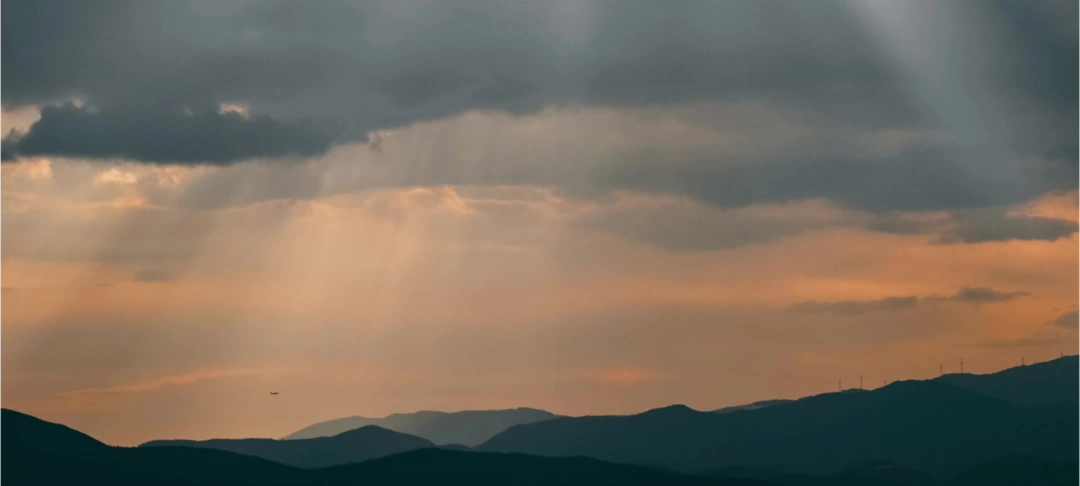
On the day I left Dali, I stuffed everything into that 71-liter backpack. The wildflowers in front of the courtyard gate were still blooming, as if saying: Go ahead, you'll be back.
These four or five months taught me a few things:
Slow down to see—the shapes of clouds, the shadows of flowers, the drying of streams, the tangling of wires—these everyday details are only noticed when you slow down.
Loneliness is not the same as solitude—Being alone is a choice, not a forced state. In Dali, I found a way to be with myself, not forcing social interaction, nor rejecting encounters.
Nature is the best healer—Whether it's the beams of the Tyndall effect or the cleansing of fairy rain, nature always finds a way to calm the heart.
Regret is also part of the journey—I missed the cherry blossoms at Dali University, but discovered the cherry blossom avenue and Lingshan Temple; a foot injury delayed my plans but gave me more time for reading and reflection.
Leaving is for a better return—Dali is not an end point; it's just a comma. And the clouds, wind, rain, and flowers that couldn't be taken away will always be here, waiting for the next reunion.
As Hesse said: "All the waters of the world will meet again." So will we.
You should also read:
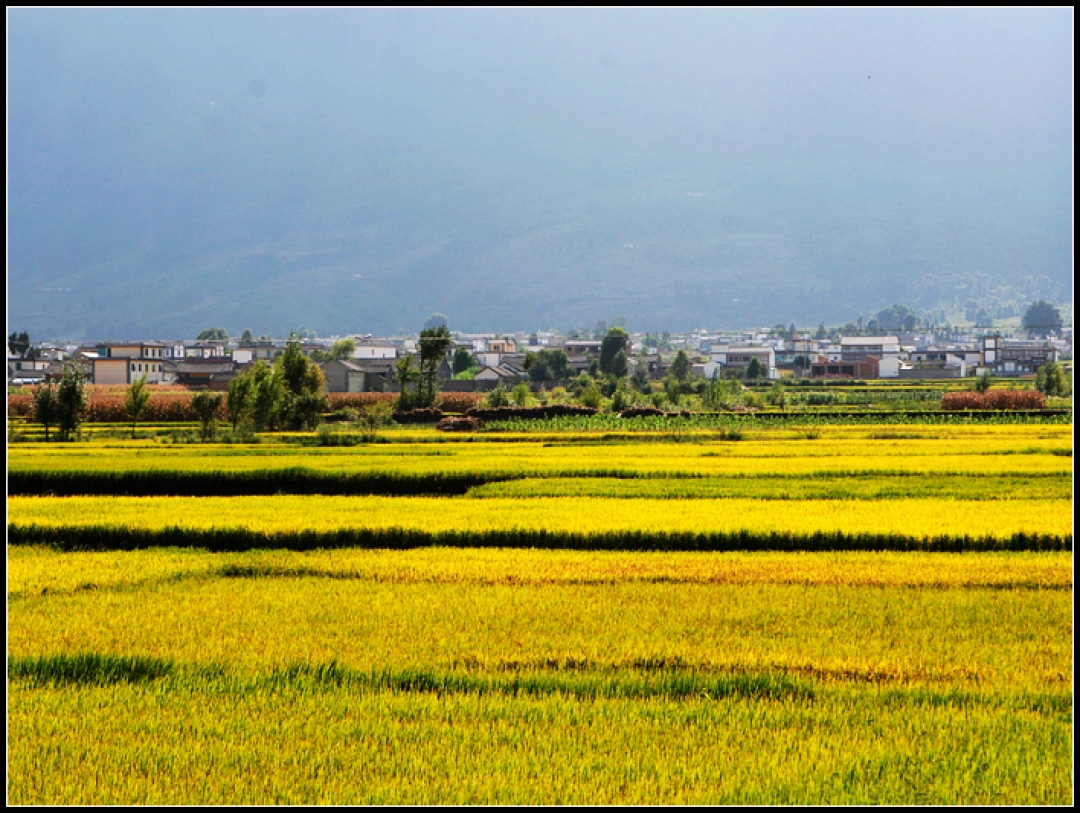
A 9-Day Yunnan Journey: From Lijiang to Dali to Tengchong – A Trip Toward Self-Reconciliation
A 9-Day Yunnan Journey: From Lijiang to Dali to Tengchong – A Trip Toward Self-Reconciliation Some say travel is simply going from a place you're tired of to a place other people are tired of. It stings to hear, but it's painfully true. Yet there's…
Continue reading...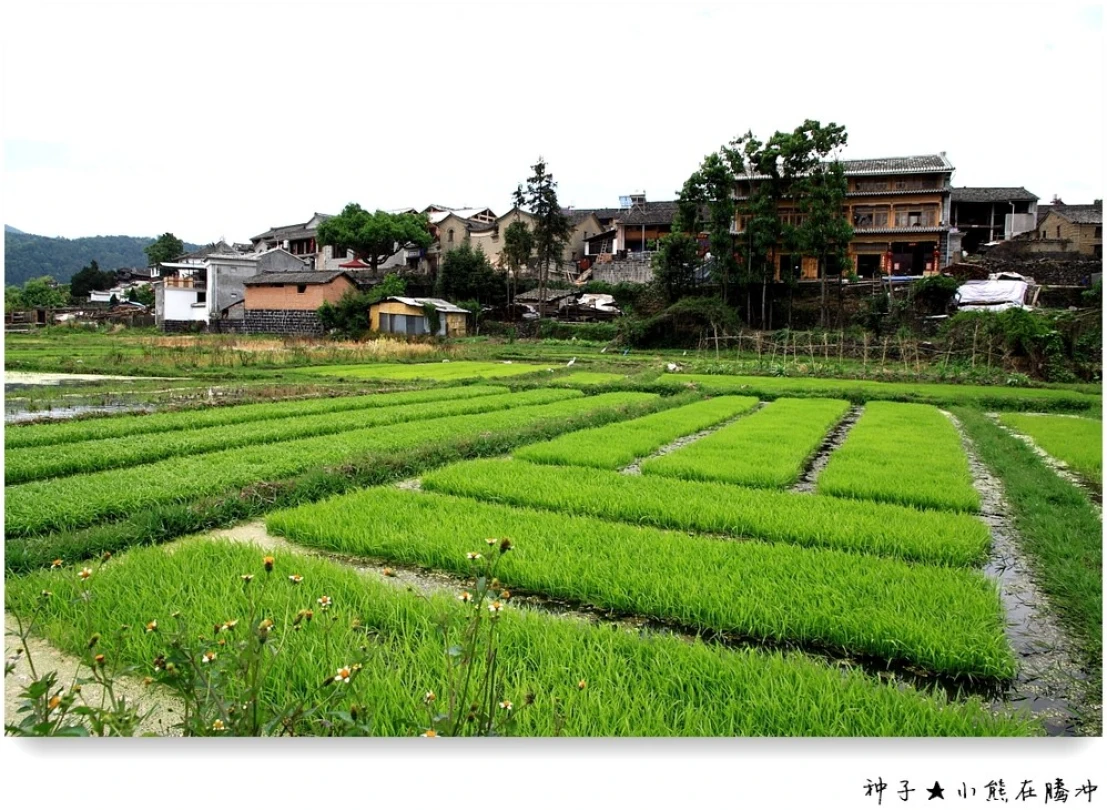
Tengchong·Heshun: Finding Life as It Should Be in a Border Town Where Time Stands Still
Tengchong·Heshun: Finding Life as It Should Be in a Border Town Where Time Stands Still The long journey of over twenty days was over. On my first day back at the office, I was still in a daze. My fingers couldn't find the keys on…
Continue reading...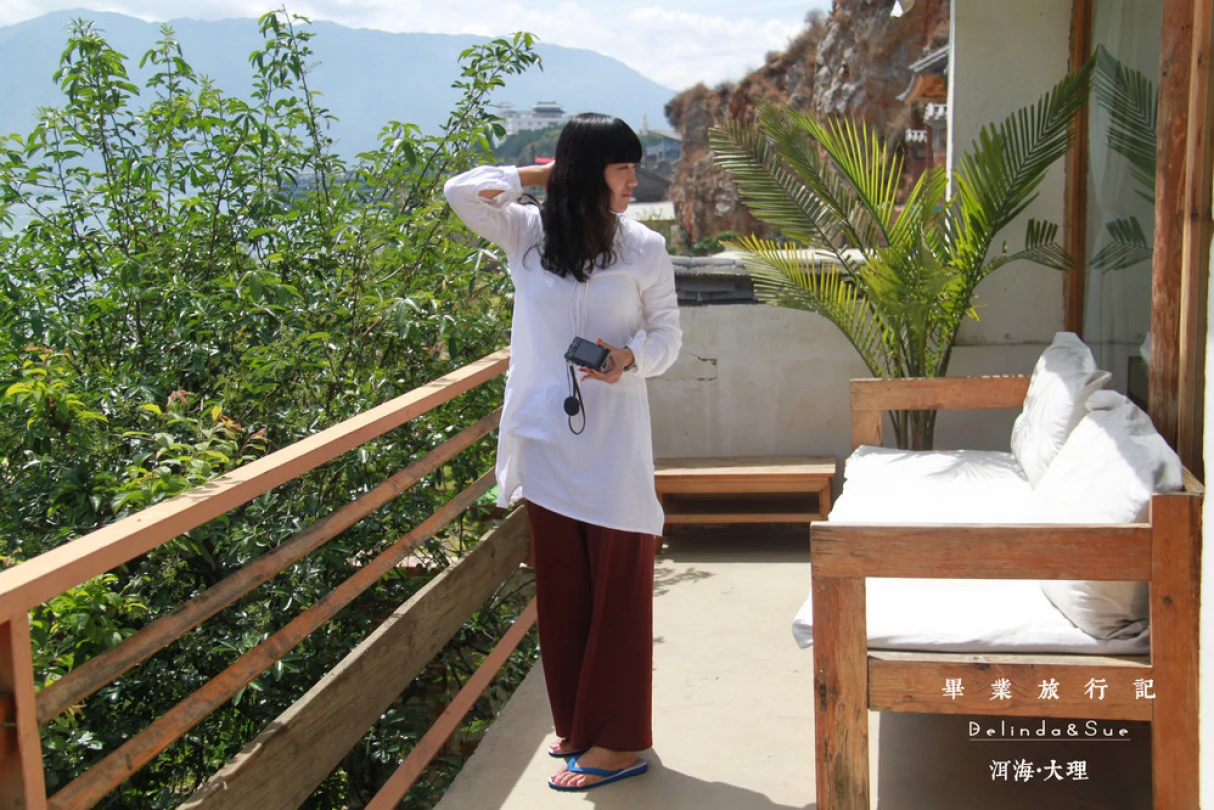
Two Girls' Graduation Trip: Dali and Shuanglang – A Poetic Farewell to Mountains and Sea
Two Girls' Graduation Trip: Dali and Shuanglang – A Poetic Farewell to Mountains and Sea Preface: Catching the Tail of Youth, Heading South During our senior year of college, my roommate and I – two girls studying in Beijing – decided to bid farewell to…
Continue reading...