Deep Dive into Southwest Yunnan: A 16-Day Odyssey Through Ailao Mountain, Wengding Village, and Ancient Tea Mountain Villages
Deep Dive into Southwest Yunnan: A 16-Day Odyssey Through Ailao Mountain, Wengding Village, and Ancient Tea Mountain Villages
Prologue: A Spontaneous Journey into Southern Yunnan's Hidden Realms
On January 25, 2026, I embarked on a 16-day journey through southwestern Yunnan. This was no ordinary trip—the route organized by Red Leaf Outdoor Tours deliberately avoided all 5A-rated scenic spots, yet it held the true soul of Yunnan. The sunrise sea of clouds at Ailao Mountain, the "Wizard of Oz" wonder of Jinshan Primitive Forest Park, the mysterious headhunting legends of Wengding Village, the tea mountain charm of Nuogan and Wengji Ancient Villages, and the honeycomb-laden Bee King Tree on Jingmai Mountain—these names sound like they leapt straight out of a fantasy novel.
More than 30 people squeezed into a 54-seat bus, with the back rows almost giving everyone two seats each, turning it into a mobile "four-seasons experience center": the front was as hot as Hainan, the back as cold as Northeast China. The air conditioning was cranked to 27°C (80°F) and we were still sweating, only to discover later that the exhaust fan had been left on. From the very start, this journey was filled with absurdity and delight, and I just want to tell you: some places are truly worth crossing mountains and valleys to see.
Stop 1: Baidi City and Ledao Ancient Town—A Symphony of History and Decay
Revisiting Baidi City: Poetry and Distance Behind the 10-Yuan Note
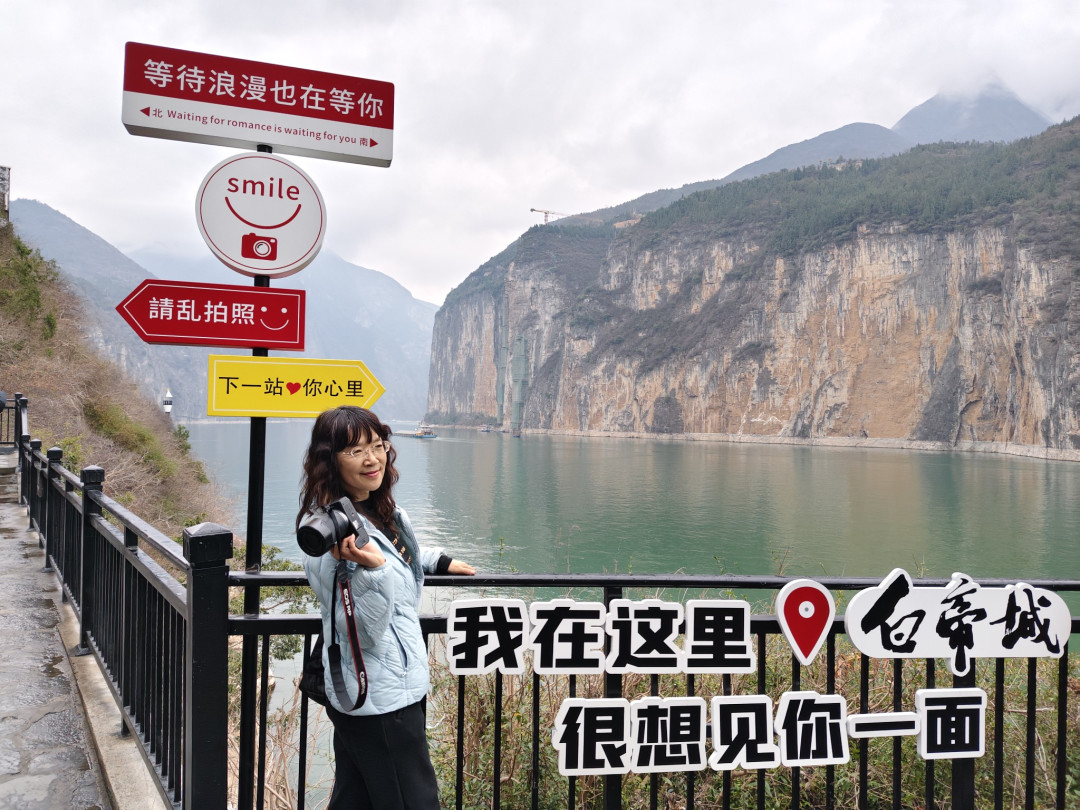
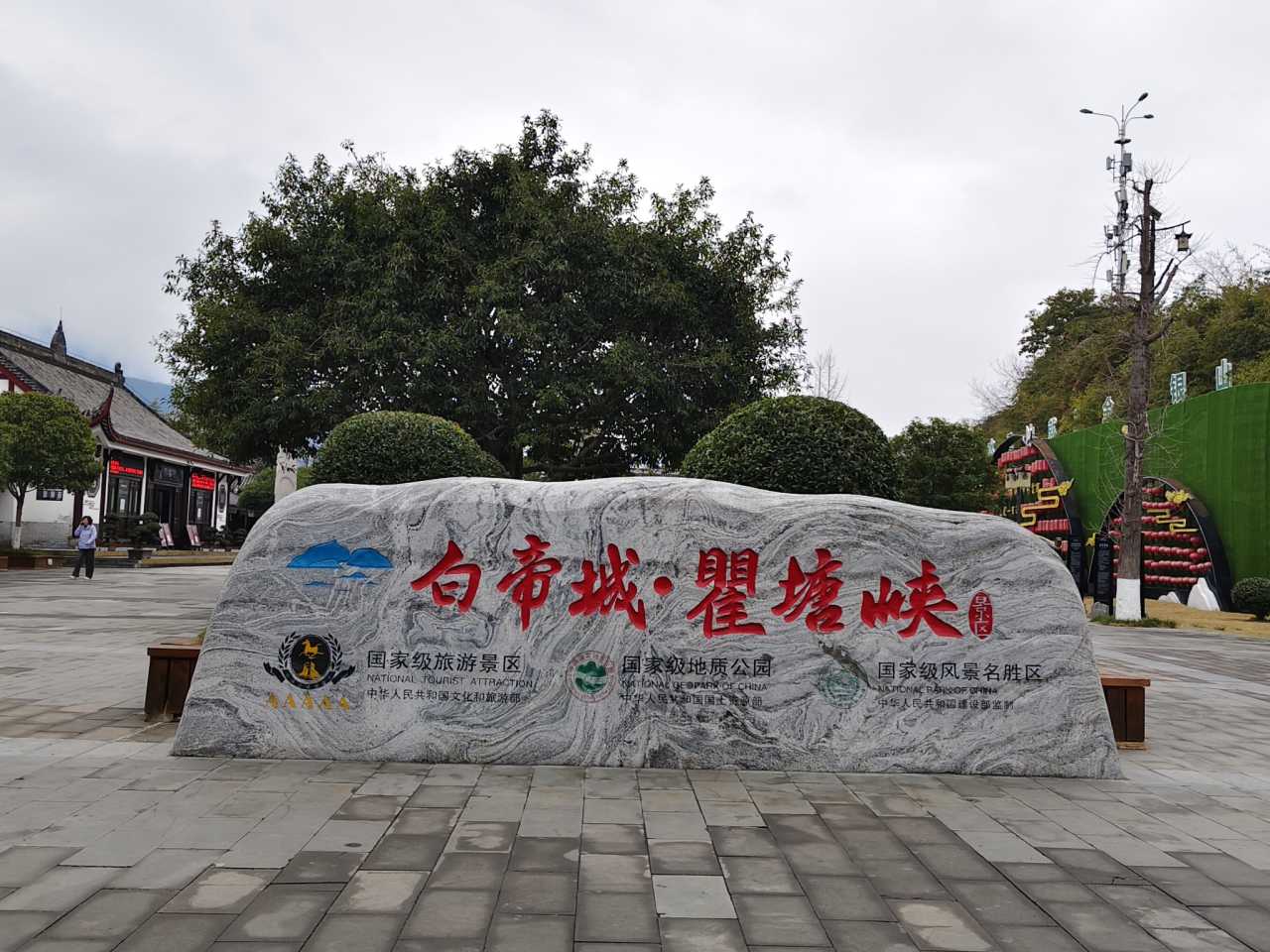
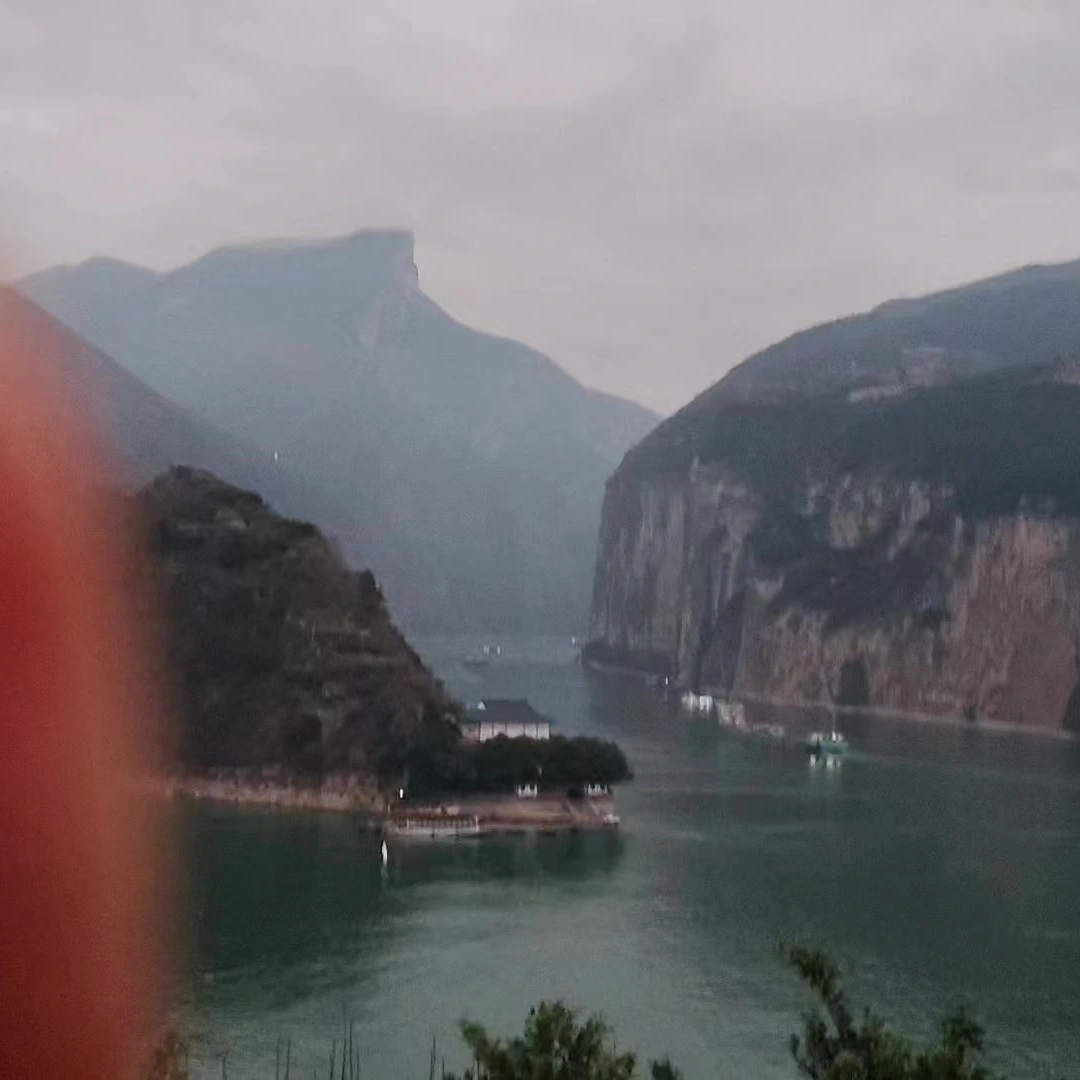
On January 26, we arrived at Baidi City in Fengjie, Chongqing. This is not only the filming location for the Kuimen Gorge featured on the back of the 10-yuan note but also the birthplace of Li Bai's poem "Departing from Baidi City at Dawn." After the Three Gorges Dam raised water levels, Baidi City transformed from a peninsula into an isolated island, accessible only by crossing a covered bridge. The Wuhou Temple where Liu Bei entrusted his son to Zhuge Liang, the stone tablets inscribed with Zhuge Liang's "Petitions to the Throne," and the "Three Kings Stele"—a phoenix stele depicting the King of Wutong Trees, the King of Phoenix Birds, and the King of Peonies—all imbue the place with a profound sense of history.
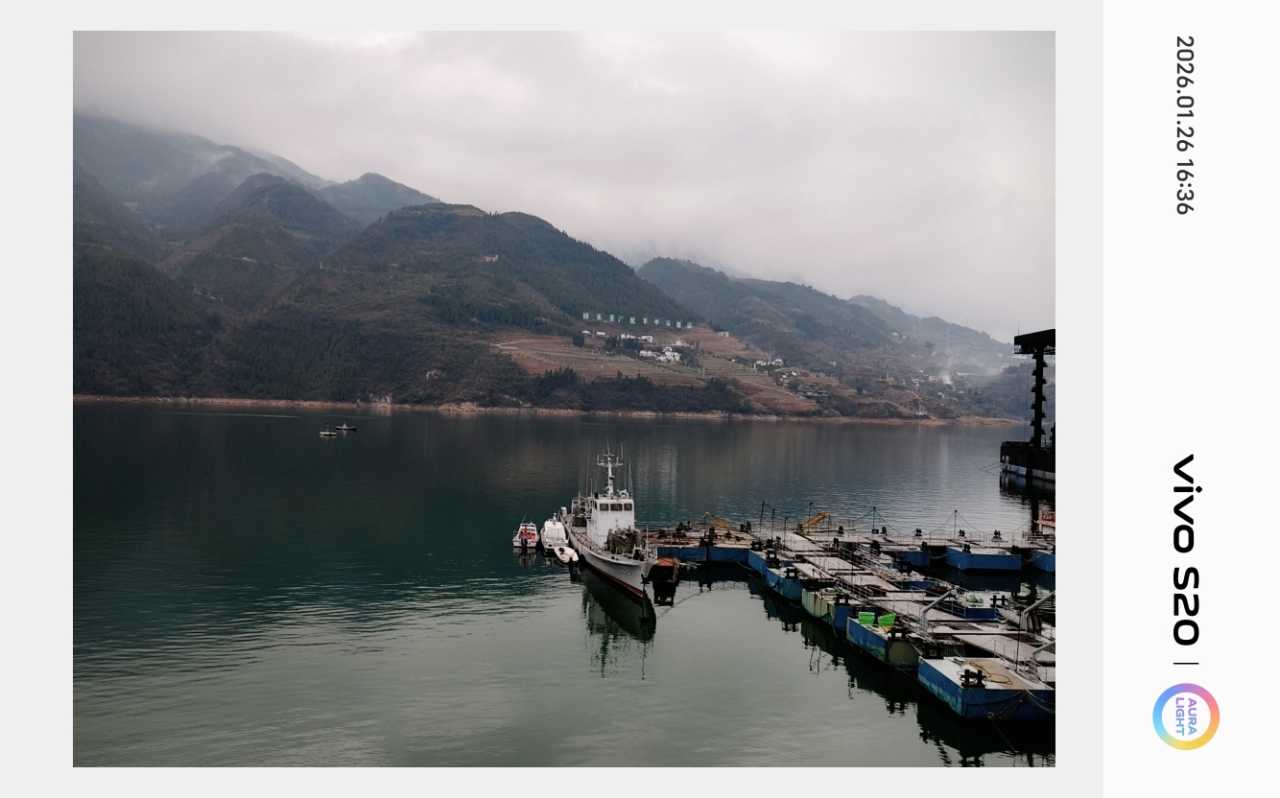
What captivated me most were the 333 steps—climb them, and you reach the summit of the Three Gorges, 1,388 meters (4,554 feet) above sea level, overlooking the Yangtze River as it narrows dramatically from 800 meters (2,625 feet) to just 100 meters (328 feet). On the way down, I found the perfect angle to photograph Kuimen Gorge, capturing the same view as the 10-yuan note just before sunset. The entrance ticket includes a boat ride, but the museum is hardly worth visiting—I suggest heading straight for the main attractions.
Ledao Ancient Town: Time Forgotten
On January 27, we visited Ledao Ancient Town in Luzhou, Sichuan. It once charged 30 yuan for admission but is now free due to dwindling visitors. The town is almost entirely populated by elderly residents, with bamboo shadows dancing across slippery stone paths—someone even took a fall. The Anti-Japanese War Primary School is said to have been visited by Chiang Kai-shek, but the waterfall near Tiansheng Bridge is completely inaccessible. It's a good spot for photography, but don't expect any surprises—it feels more like a corner forgotten by time, so quiet it breaks your heart.
Stop 2: Tianxian Cave and Haigeng Dam—Where Nature Meets Humanity
Tianxian Cave: A Buddhist Realm in the Caverns
On January 28, we explored the front section of Tianxian Cave. Its unique feature is the cave temples—Buddha statues are enshrined within cliffside grottoes, where a female bodhisattva chants sutras in a naturally formed sanctuary. The most striking sight is the "Drum Stone," a massive boulder jutting out over the cliff as if it might tumble at any moment. The bamboo groves are serene, with red cliffs contrasting beautifully against green bamboo, and a cave restaurant glows with colorful lights—entry costs just 5 yuan. The entire loop takes about two hours, and though light rain turned to steady drizzle, everyone completed the hike—this hidden gem is worth getting wet for.
Haigeng Dam: A Morning Rendezvous with Seagulls
On the morning of January 29, we arrived at Haigeng Dam in Kunming. Siberian red-billed gulls pass through here every January, but at 8 a.m., they were still asleep. Digital photos cost 10 yuan each; Sister Sun and I planned to pick two but ended up selecting 12, spending 80 yuan. The lakeside wind was brutal enough to make you question your life choices—even fleece-lined and windproof jackets couldn't keep us warm. Sister Sun's bright red shawl became a hot commodity—it photographed beautifully, but don't sacrifice your health for a good shot.
Stop 3: Ailao Mountain and Jinshan Forest Park—Southwest Yunnan's Emerald Wonderland
Jinshan Primitive Forest Park: A Photographer's Paradise for 10 Yuan
On January 30, we visited Jinshan Primitive Forest Park. The entrance fee was just 10 yuan, but the experience was worth ten times that. At first, it felt unremarkable, until Big Sister Mei—our group's photography guru—offered guidance: shoot against the light for best results, use portrait mode to capture halos in hair. Xiao Zhou's phone had a wide aperture that created starburst effects; mine had a green bubble effect that made everything look dreamlike, straight out of a fairy tale. The 1.7-kilometer (1-mile) loop took us 1.5 hours to shoot, and we still wanted more. We ended up 20 minutes late, had to send red envelopes to appease the group—but it was totally worth it.
Nan'en Waterfall and Shimen Gorge: Disappointment and Surprise in the Dry Season

Nan'en Waterfall was underwhelming during the dry season, but the layered sea of clouds along the way was breathtaking beyond words. We were given 3 hours at Shimen Gorge; lacking stamina, I only made it to the restroom 1.2 kilometers (0.75 miles) in before turning back—but the highlights are all in this first section. The latter part is flat and easy but scenery is ordinary, ending at an old factory waterfall. Taking a car back costs 30 yuan and runs once an hour. I chose to walk back, which took exactly an hour—faster than waiting for the shuttle.
Ailao Mountain Sunrise: The Most Perfect Cloud Sea Dawn of My Life
At 7 a.m. on January 31, we reached the best viewpoint for watching the sunrise over Ailao Mountain. The clouds first turned a deep orange-red, then gradually lightened. At exactly 7:54 a.m., the sun leaped over the horizon. In that moment, words were useless. It was the most perfect sunrise over a sea of clouds I had ever seen—put down your camera, watch with your own eyes, and the awe is indescribable. A dog named Cress, wearing a traditional ethnic hat, sat quietly waiting for the sunrise and became everyone's photo companion.
Stop 4: Ancient Villages and Tea Mountains—The Soul of Jingmai Mountain
Wengji Ancient Village and Nuogan Ancient Village: Blang and Dai Tea Mountain Memories
On February 1, we ventured deep into Jingmai Mountain. Wengji Ancient Village is a microcosm of the Blang ethnic group, with rooftops designed to resemble a tea leaf with one bud and two leaves, symbolizing their lineage as descendants of Tea Ancestor Pa Aileng. The village is small but moderately commercialized, with plenty of accommodation options. Nuogan Ancient Village is a Dai settlement, even less commercialized and incredibly photogenic. The grilled chicken looked tantalizing, but the old-house accommodations were basic.
The most unforgettable experience was our search for the Bee King Tree. The navigation said 400 meters (1,312 feet), but we ended up walking 2 kilometers (1.2 miles) to find it. The tree did have amber-colored honeycombs hanging from its branches, but they weren't numerous and the colors weren't particularly striking. However, the journey through ancient tea forests and the Princess Banyan—legend says a princess's hair transformed into this tree—made the hike poetic. We had too little time; renting a small electric scooter to explore at leisure would have been a completely different experience.
Yonghe Border Gate and Longnai Village: Absurdity on the Frontier
On February 3, after a 7-hour mountain road journey, we arrived at Yonghe Border Gate. It was completely deserted, with only a few Myanmar nationals queuing to cross—their skin dark as charcoal. The trade hall was closed. Starving, we rushed to Longnai Village, where only one stall sold pea jelly at 5 yuan per bowl—so spicy it made me break out in a sweat. We couldn't find the tree house, and the viewing platform offered a view of the river and terraced fields, but the overall experience felt like an absurd play. Border gate attractions—my least favorite type—lived up to their reputation.
Stop 5: Wengding Village and Lushi Ancient Town—The Ultimate Primitive and Mysterious Experience
Wengding Village: China's Last Primitive Tribe
On the evening of February 3, we finally arrived at Wengding Village. Known as "China's Last Primitive Tribe," this Wa ethnic village is steeped in mystery. The legend of the hunter tribe sends chills down your spine—captives from tribal conflicts would be beheaded, their heads placed in offering baskets. If there were no captives, they would hunt outsiders, specifically targeting fair-skinned, beardless men. After liberation, the government replaced human heads with buffalo heads, but the primal atmosphere still lingers.
We caught a rehearsal and took photos with the descendants of the Wa king (strikingly handsome). Viewing Platform No. 2 was locked, but elderly women sat at their doorways greeting us—the Wa word for "hello" sounds like "mai meng." A Wa child strode past with a chicken clutched in his hand; the hunter tribe's descendants are truly different. The weather cooperated, with blue skies and white clouds making the thatched-roof houses look like oil paintings.
Lushi Ancient Town: The Hidden Gem of the Ancient Tea Horse Road
On February 4, we reached Lushi Ancient Town. Known as the "First Town of the Southwest Yunnan Tea Horse Road," it's also one of China's three most mysterious ancient towns. There's no expressway, national highway, or provincial road leading to it—only county roads. After winding along mountain switchbacks and crossing the Lancang River Bridge, you finally glimpse this hidden paradise. By the bridge, mountain villagers sell local specialties; macadamia nuts grow everywhere, costing 1.5 to 2 yuan per catty (about $0.30 per pound).
In the ancient town, the owner of the Luo Family Courtyard brewed tea for us. The Sifang Street square had people dancing, and as lanterns lit up, the town took on a mysterious, enchanting quality. Unfortunately, the highly recommended barbecue restaurant was closed, so we ate at Happy Restaurant, ordering mint-fried pork ribs and stir-fried greens for about 20 yuan per person—finally, real meat.
Stop 6: Menghuan Golden Pagoda and Silver Pagoda—A Fantastical Night of Dai Costume Photography
On February 5, we visited Mengbanaxi Rare Garden. This is a treasure trove of private collections, with the crown jewel being a gambling stone purchased for 1 million yuan that is now valued at 300 million yuan. There are gems lying outside—if you can lift them, you can take them. Naturally, no one dared to try.
In the evening, we visited Menghuan Great Golden Pagoda and Silver Pagoda. The Golden Pagoda is a Southeast Asian-style Buddhist stupa covered in pure gold, with a solid gold spire so exquisite it takes your breath away. But the main event was taking Dai ethnic costume photos. We chose Dai-Thai photography packages: 299 yuan for 10 retouched photos, negotiated down to 269 yuan including false eyelashes. After makeup, I barely recognized myself—without glasses, I was practically blind, but the photographer was very professional. After shooting at the Silver Pagoda, we queued for 45 minutes to photograph a peacock, only to get 3 minutes with it. There were two "Sky Mirror" installations that could accommodate two people at once, but the queues were maddeningly long.
Epilogue: 16 Days in Southwest Yunnan—Was It Worth It?
The 16-day journey is over. What did I gain? The sunrise sea of clouds at Ailao Mountain left me speechless, the emerald wonderland of Jinshan Forest Park had me shooting until my hands ached, the mysterious legends of Wengding Village sent chills down my spine, and the ancient tea mountain villages of Jingmai made me reluctant to leave. But most precious were the absurd moments: the ice-and-fire contrast on the bus, the 2-kilometer hike in search of the Bee King Tree, the desolation at Yonghe Border Gate, the unfindable treehouse in Longnai Village—these imperfections are what travel really looks like.
Practical Tips: 1. Clothing: Southwest Yunnan has extreme temperature variations—cold as winter in the morning and evening, hot as summer at noon. Dress in layers like an onion. 2. Photography: Shoot against the light at Jinshan Forest Park for best results; use time-lapse for the Ailao Mountain sunrise. 3. Food: Don't miss Cangyuan's chicken rice porridge, Qingshu Bay's green leaf salad with dried beef, and Wa-style fragrant pancakes. 4. Transportation: Rent an electric scooter to explore Jingmai Mountain for more flexibility; road conditions to Lushi Ancient Town are poor—bring motion sickness medication. 5. Budget: Average cost per person is about 3,000-4,000 yuan (including food, accommodation, and transport)—excellent value for money.
Finally, I'll say this: if you're tired of commercialized scenic spots and crave genuine hidden gems, this southwest Yunnan route is worth crossing mountains and valleys for. Because some landscapes can only be reached on foot.
You should also read:
Into the Hidden Valley: A Solo Journey Through the Mysterious Dulong River
Into the Hidden Valley: A Solo Journey Through the Mysterious Dulong River Deep in the northwestern corner of Yunnan Province, tucked away from the modern world, lies a place that feels like a secret whispered among mountains. The Dulong River Valley is not just a…
Continue reading...
God’s Abandoned Palette: A Self-Drive Journey Through Yunnan’s Dongchuan Red Land
God’s Abandoned Palette: A Self-Drive Journey Through Yunnan’s Dongchuan Red Land Travel has never been about reaching some distant geographic coordinate. It’s about encountering, along the way, the version of yourself buried beneath the rubble of daily routine. During this May Day holiday, I finally…
Continue reading...
Two Girls' Graduation Trip: Dali and Shuanglang – A Poetic Farewell to Mountains and Sea
Two Girls' Graduation Trip: Dali and Shuanglang – A Poetic Farewell to Mountains and Sea Preface: Catching the Tail of Youth, Heading South During our senior year of college, my roommate and I – two girls studying in Beijing – decided to bid farewell to…
Continue reading...