Dongchuan Red Land: God's Abandoned Palette, an Unexpected Surprise
Dongchuan Red Land: God's Abandoned Palette, an Unexpected Surprise
Preface: A Trip That Couldn't Go Home
Sometimes, the most beautiful scenery lies hidden outside your plans.
Originally, this was just a short trip to Lijiang. As our return date approached, Chongqing remained under lockdown—scorching heat persisted, power restrictions continued, and vacation leaves were indefinitely extended. Every signal told us: home wasn't an option for now. Since time was still in our hands, we decided to turn this "forced wandering" into an active exploration. And so, Dongchuan Red Land—a name that hadn't even been on our itinerary—crashed into our journey.
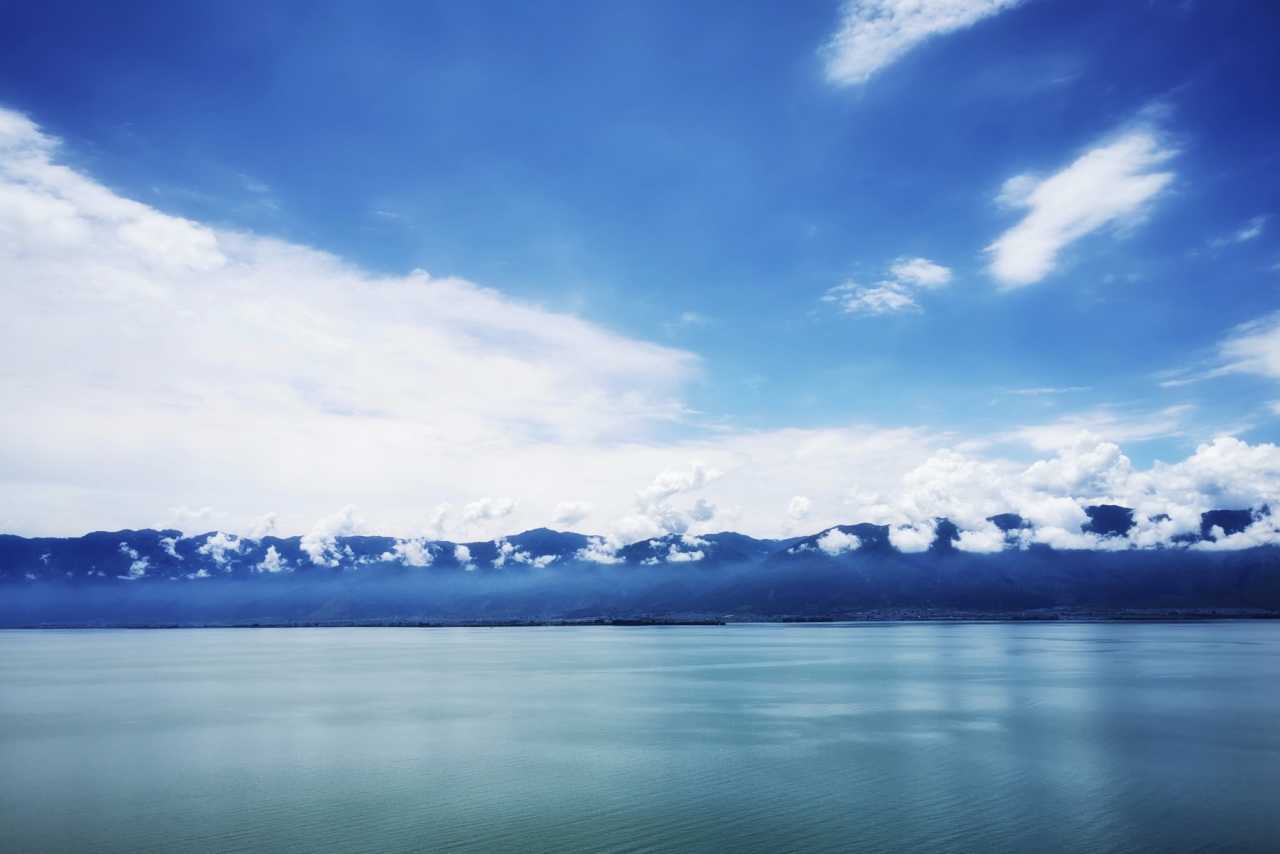
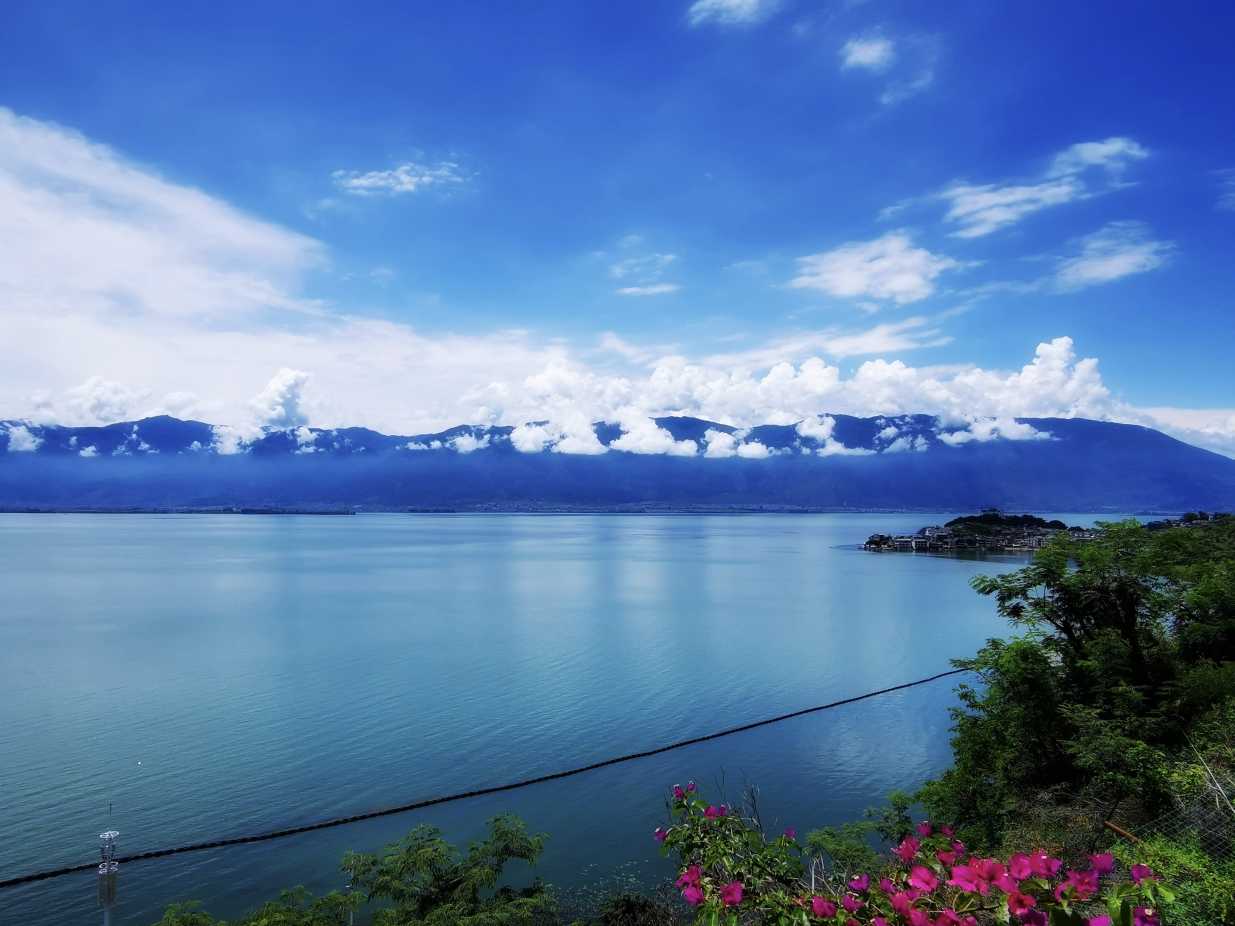
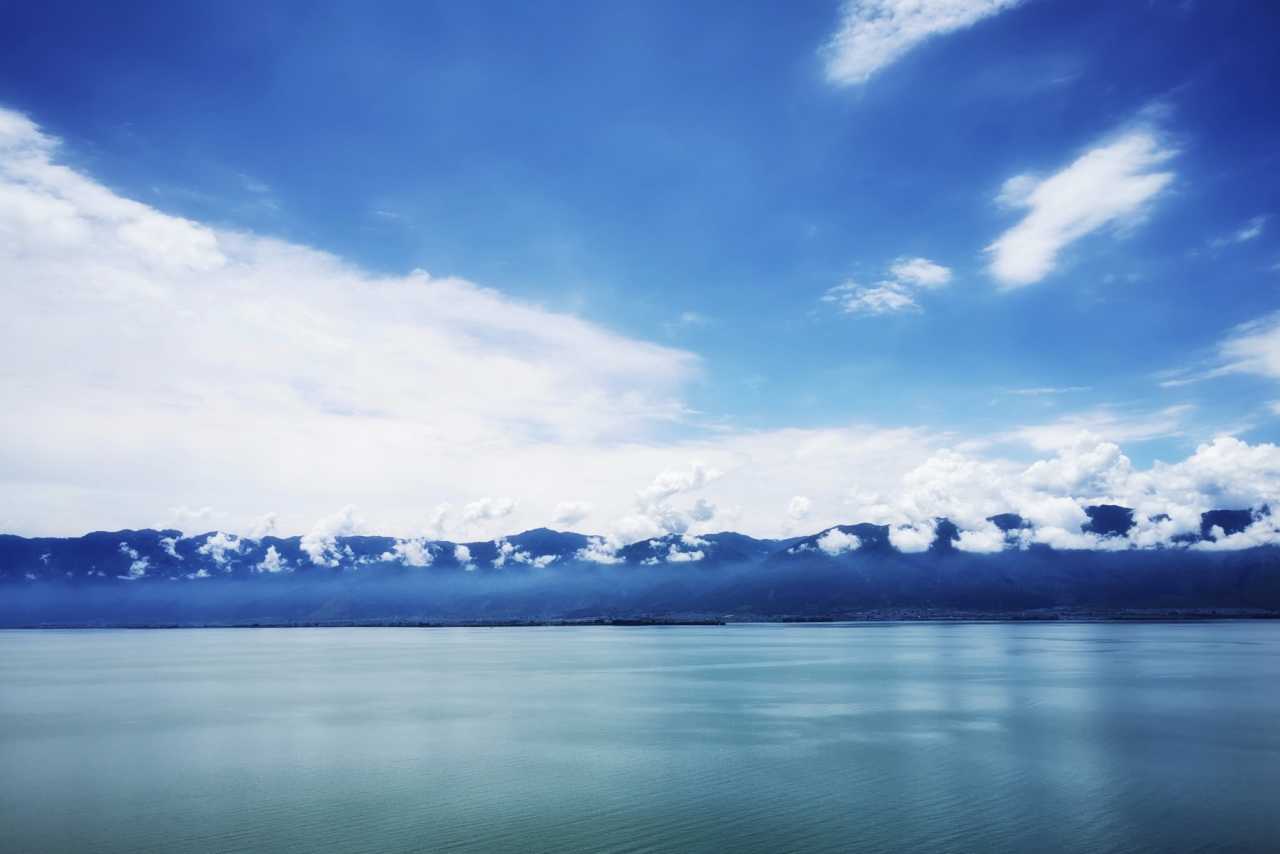
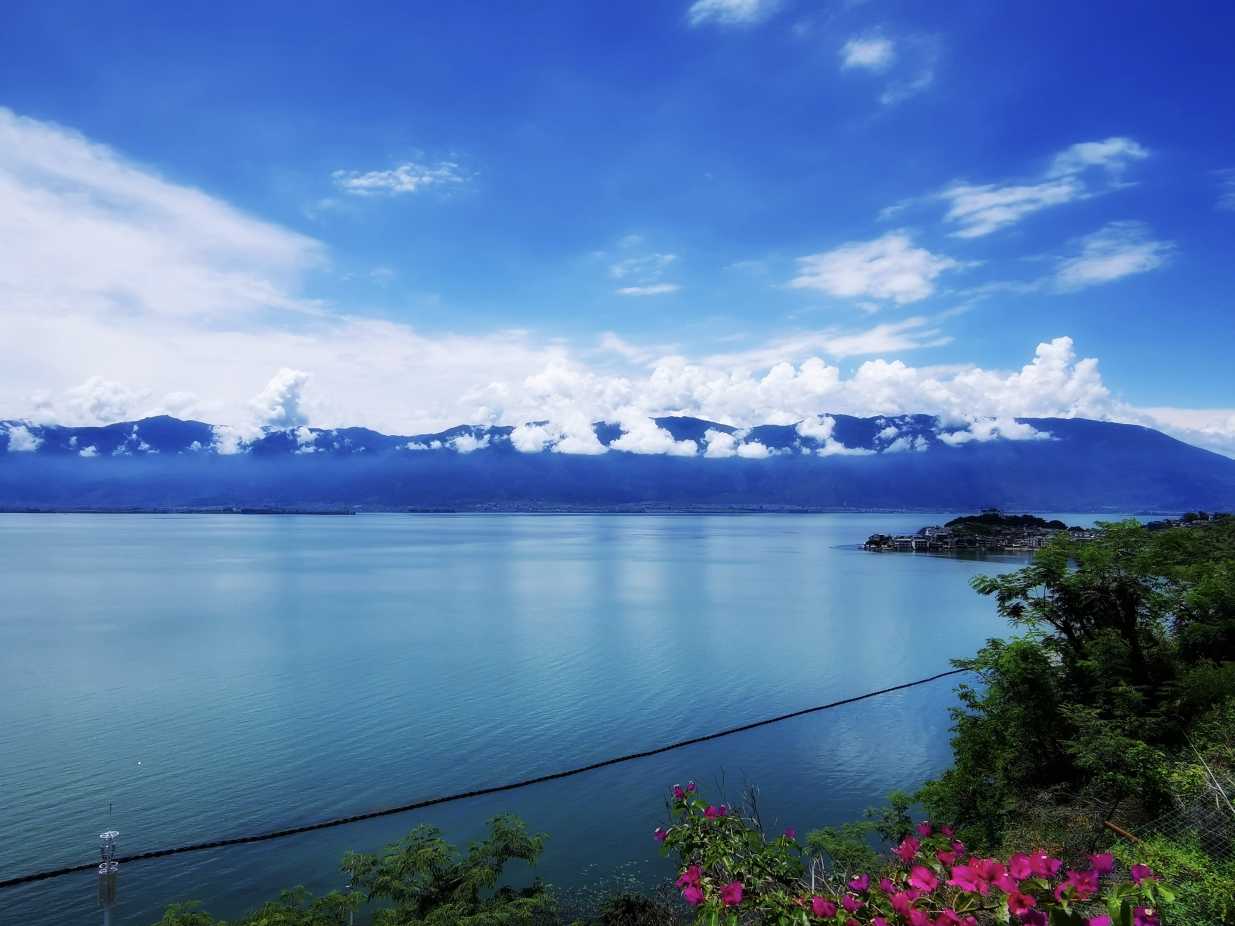
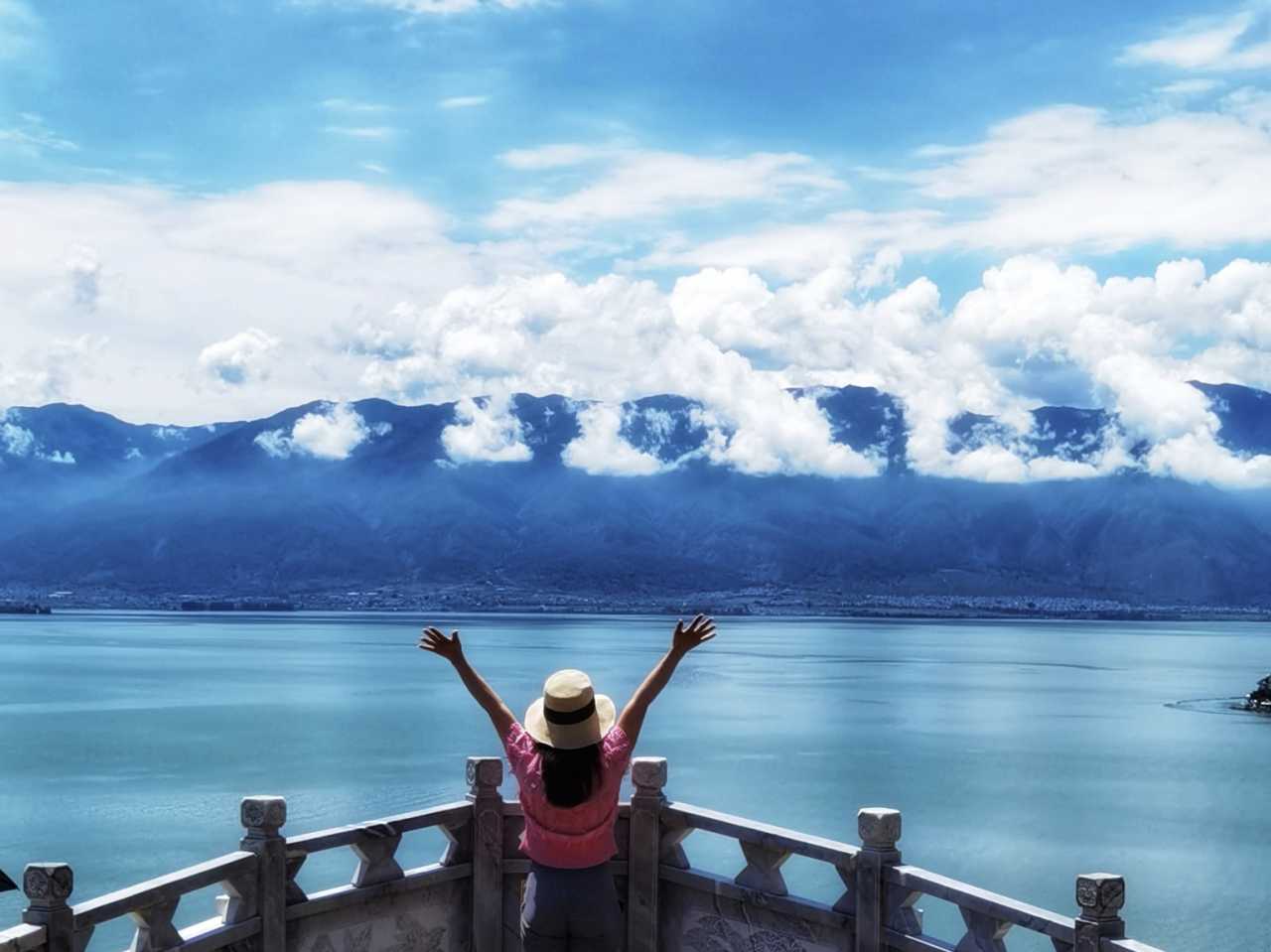
Setting out from Lijiang, passing through Kunming, then veering off toward Dongchuan. When we passed through Shuanglang (a lakeside town in Dali), the blue sky and white clouds reflected in the emerald water like a carefully framed oil painting. At that moment, I suddenly felt that maybe "not being able to go home" was the best arrangement after all.
We decided to visit the Red Land on a whim. The season wasn't ideal, and the route was being figured out as we went. Although we spent both dawn and dusk at the Red Land, we unfortunately missed the morning mist and sunrise at Damakan (a viewpoint famous for sunrise photography), as well as the sunset and evening glow at Luoxia Valley (a prime sunset-viewing spot). But isn't that the meaning of travel? Some sights are destined to be saved for next time.
So, if you're planning to visit Dongchuan Red Land, take a look at this guide first. Planning your route in advance—especially the time windows for sunrise and sunset—can make your experience more complete. But no matter what, trust this: every encounter is the best arrangement.
Dongchuan Red Land: God's Abandoned Palette
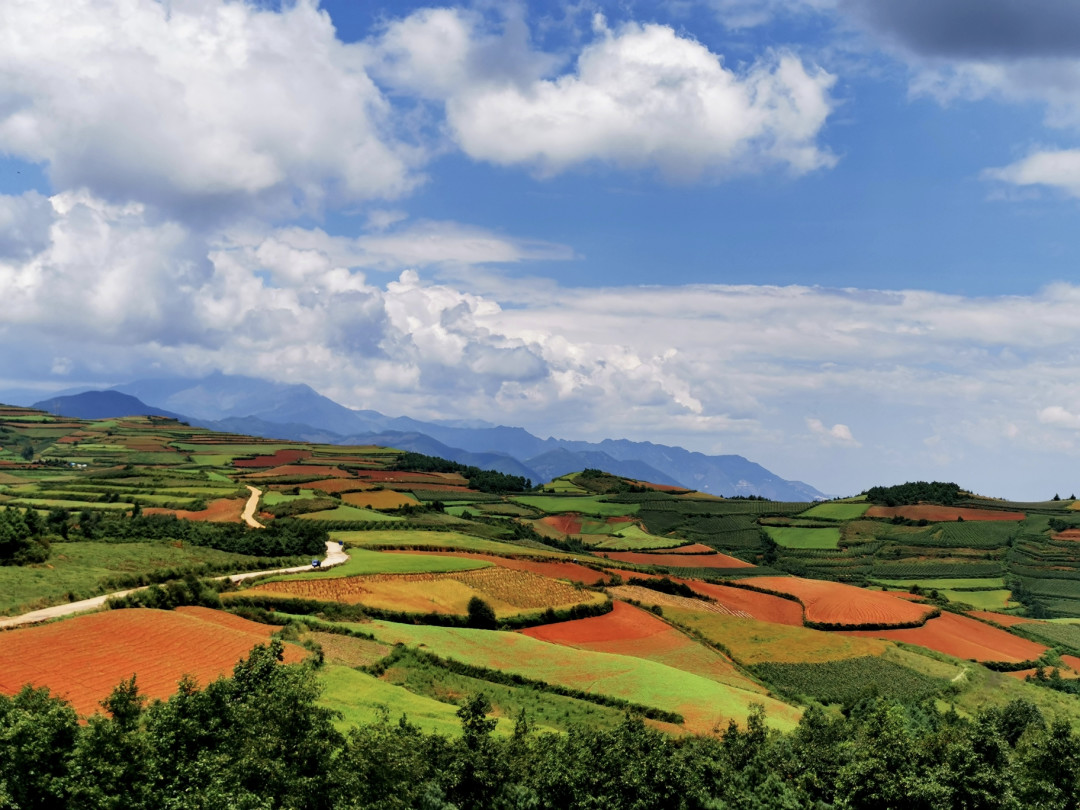
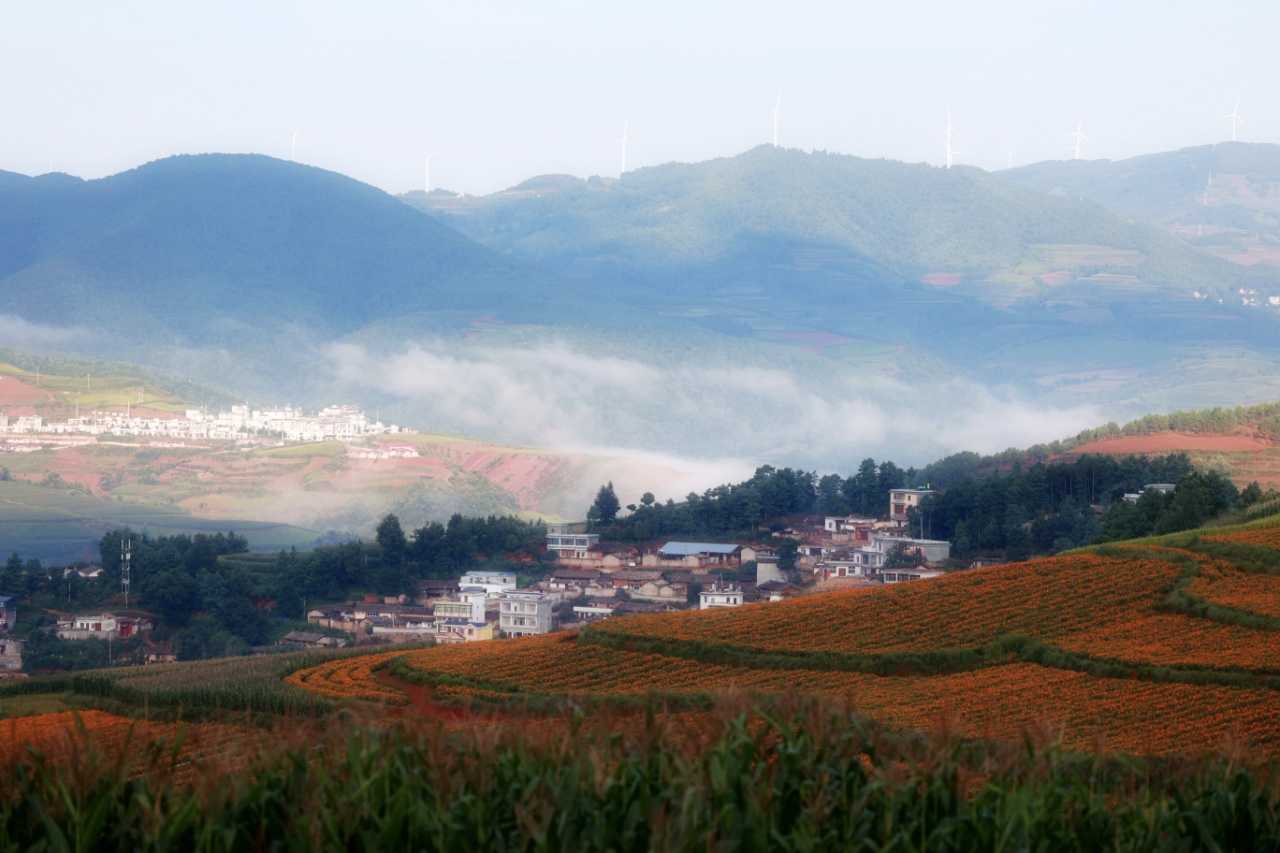
In Xintian Township, Dongchuan District, Kunming City, there's a place called "Huashitou" (Flower Stone). Covering nearly a hundred square kilometers, this area boasts the most concentrated, most typical, and most distinctive red soil on Yunnan's red plateau. Globally, apart from Rio de Janeiro in Brazil, this is arguably the most spectacular red land, hailed by countless photography enthusiasts as "God's abandoned palette."
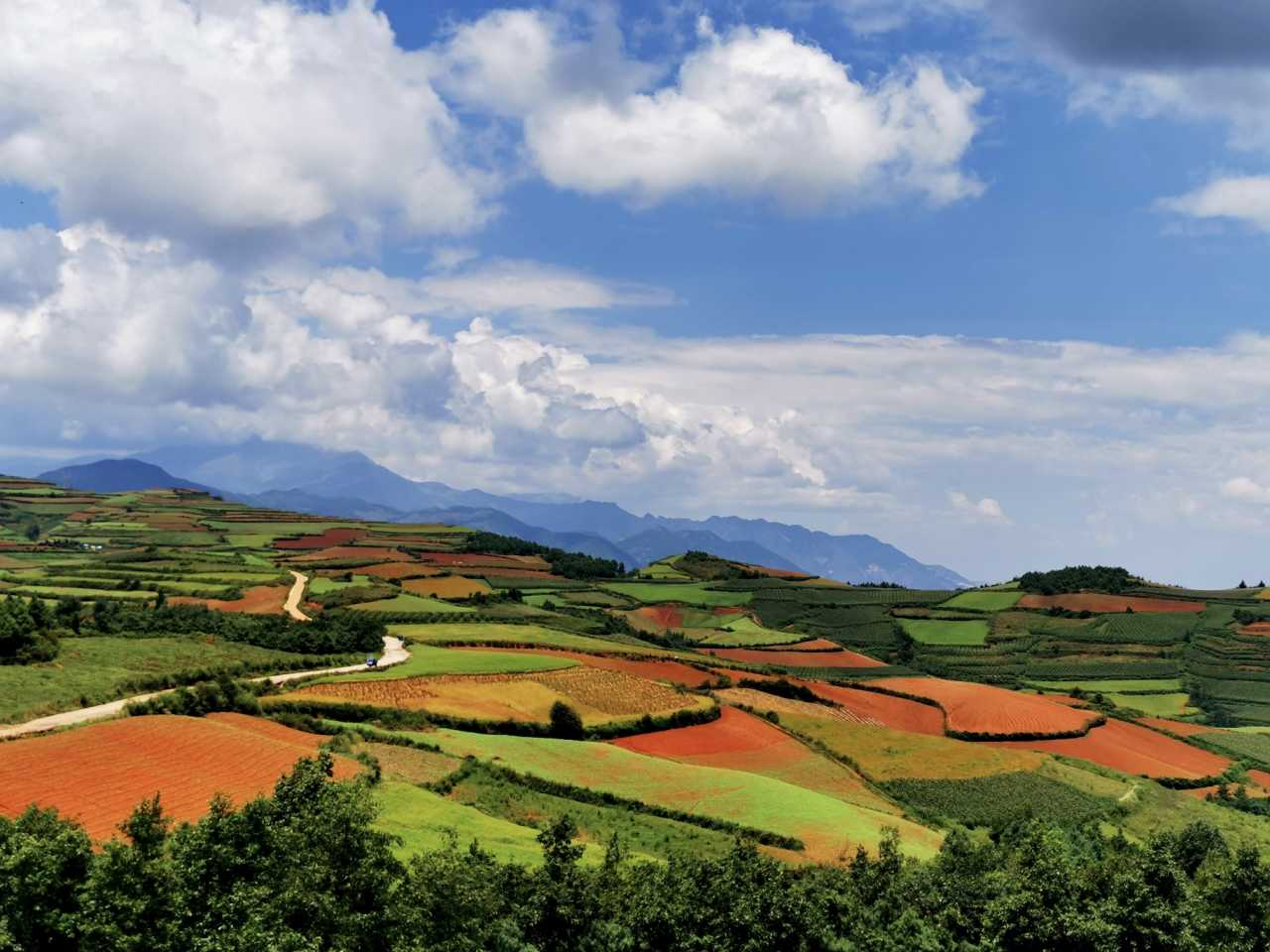
The Red Land lies in the Wumeng Mountain region, a classic highland mountain landscape. With high altitude, abundant rainy seasons, and relatively high temperatures, thousands of years of wind and rain erosion combined with intense sunlight have gradually deposited copper and iron elements in the soil. Low in organic matter, highly acidic, and heavy in texture, the land has grown progressively redder, ultimately revealing today's breathtaking ochre hue.
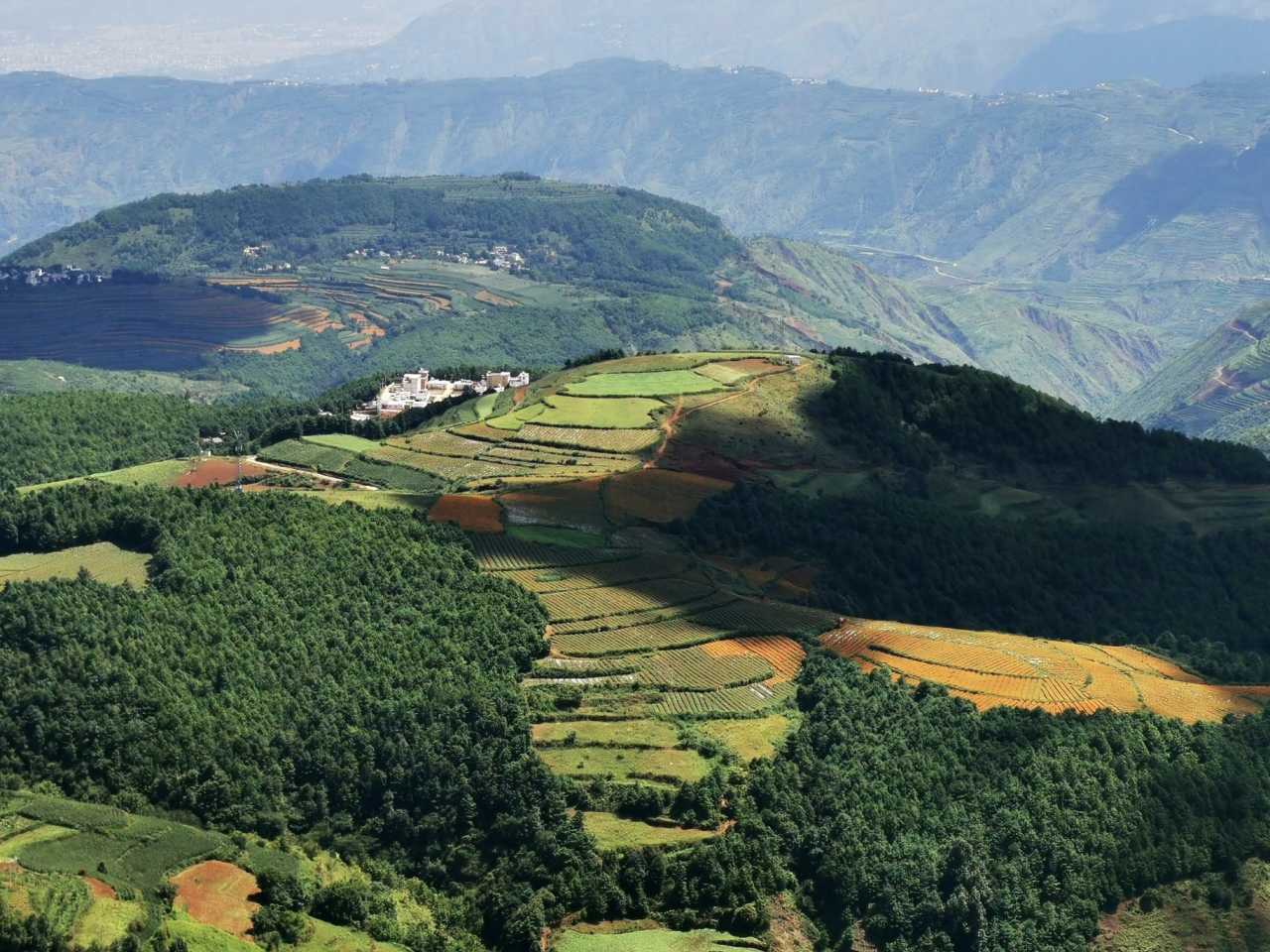
Standing at a high vantage point, you see mountains crisscrossing in all directions, rolling peaks stretching endlessly, and red soil hills spreading boundlessly before you. This isn't man-made landscaping—it's a magnificent masterpiece painted by nature's own hand, and a delicate embroidery stitched onto the earth by generations of farmers with their hoes and sweat. Enchanting colors, rich lines, shifting light and shadow—this is a paradise for photographers.
Before You Go: How to Reach This Red Land
External Transportation: Two Main Routes
Driving yourself is the most convenient way to reach Dongchuan Red Land. Generally, there are two directions to enter:
- From Kunming: Depart from Kunming, take the expressway, about a 2.5-hour drive.
- From Dongchuan City Center: Starting from Dongchuan District, the distance is shorter, but road conditions are more complex.
If you're not driving, you can also take public transportation: - Take a bus from Kunming North Bus Station and get off at Huashitou Village. - Take a bus from Dongchuan District Bus Station and also get off at Huashitou Village.
Internal Transportation: Scattered Attractions, Driving Is King
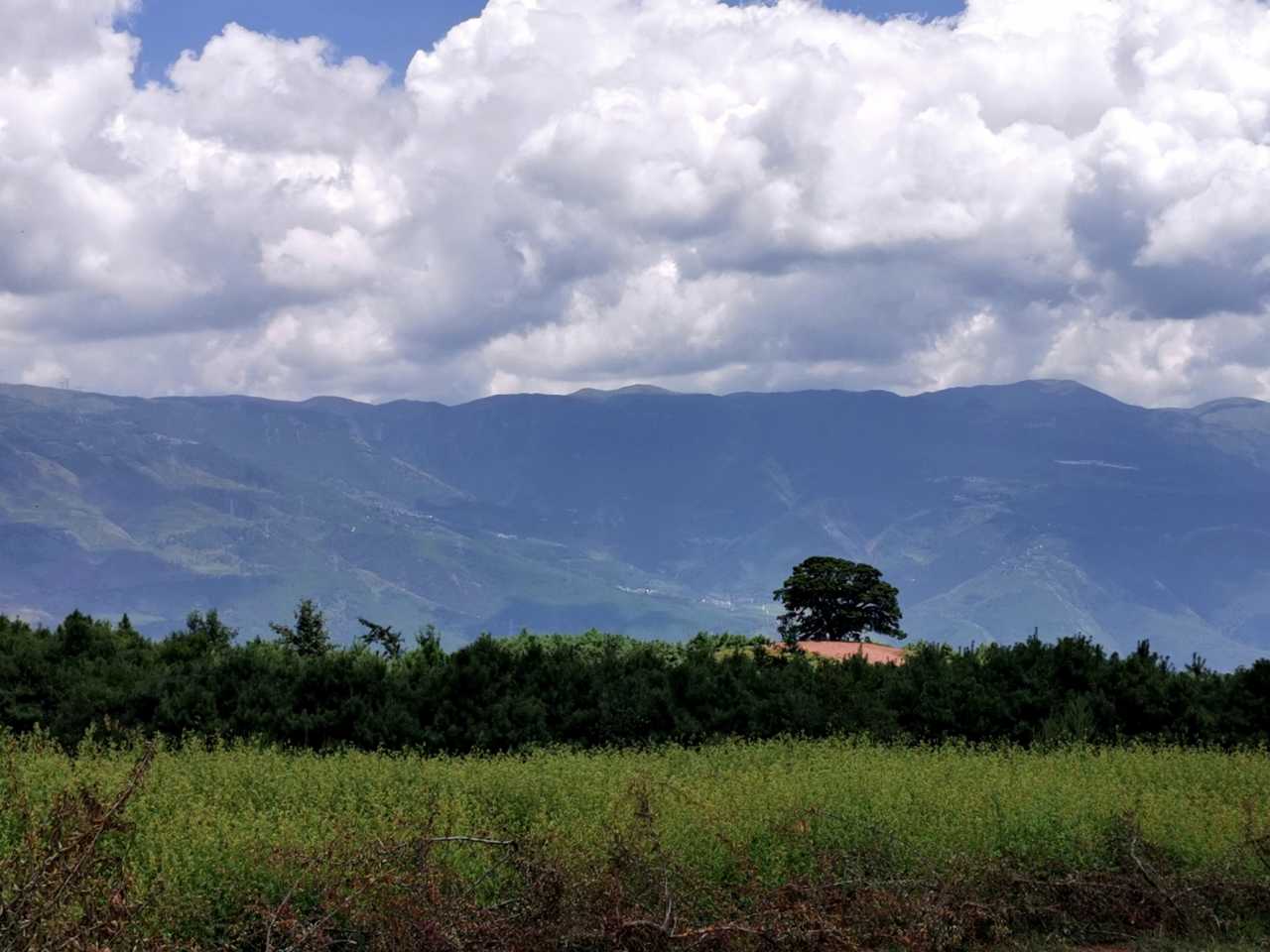
The attractions at the Red Land are very spread out. There's no public transportation or shuttle buses within the scenic area, and the distances between spots are significant. Therefore, choosing your internal transport is crucial:
- Self-driving: The most recommended option. You can visit each attraction one by one, stop to take photos anytime by the roadside, and never miss a beautiful scene.
- Chartered car: If you don't have a car, ask your guesthouse to help arrange a chartered car service. Prices vary depending on the vehicle type.
- Cycling: Not recommended. The attractions are far apart, and most roads are mountainous. Cycling is both time-consuming and exhausting.
⚠️ Important Note: Know the Road Conditions
The roads within the scenic area are mainly cement, mostly only two lanes wide, and some sections are even narrower than two lanes. The southern and northwestern routes have relatively good conditions, but the northeastern route is a headache—starting from Laolongshu (Old Dragon Tree), the road surface is full of potholes, especially the section from Luoxia Valley to Yueliangtian (Moon Field), which is simply maddening.

According to local off-road vehicle drivers, the road ahead of Luoxia Valley is even worse, with some "shell craters" deeper than half a wheel, making it tough even for off-road vehicles to navigate. This is why we ultimately gave up on the route from Luoxia Valley—Yueliangtian—Dongchuan City Center—back to Chongqing, and had to return the same way to Huashitou Village, then detour through Kunming back to Chongqing.
Good news: According to local villagers, Dongchuan is currently bidding for road construction and work will begin soon. If you're planning a trip in the near future, it's best to check road conditions in advance and avoid construction periods.
How to Explore: Three Routes, Three Experiences
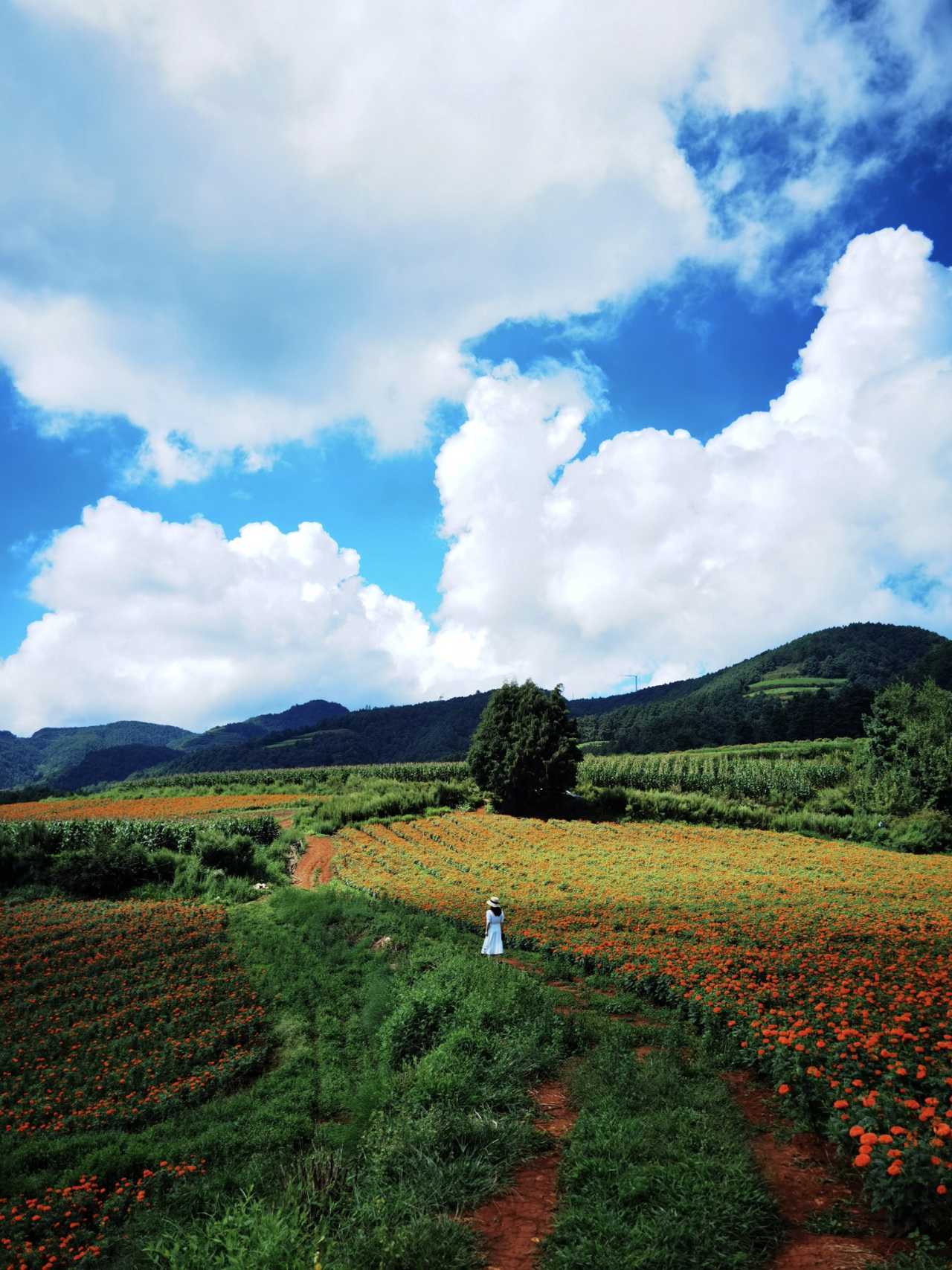
The attractions of the Red Land are distributed in different directions. Based on their orientation, they can be divided into three main viewing routes: the Northwestern Route, the Northeastern Route, and the Southern Route.
Southern Route: The Direction to Kunming
The Southern Route heads toward Kunming, with main attractions including Le'pu'ao (Music Score Depression), Dawotang (Big Pot Pond), and Dayakou (Big Pass). The views here are expansive, perfect for capturing wide scenes.
Northwestern Route: Best Spot for Sunrise Photography
The Northwestern Route's attractions, from south to north, include Langdadi (Wave Land), Jinxiuyuan (Splendid Garden), Qicaipo (Seven-Color Slope), and Damakan (Horse Blocking Pass). Among them, Damakan, located at the northernmost end of the Northwestern Route, is the best place for sunrise photography. If you want to capture the first rays of sunlight spilling over the red land through the morning mist, this is your must-visit spot.
Northeastern Route: Home of Sunset and Evening Glow
The main attractions on the Northeastern Route include Dapingtang (Big Flat Pond), Duoyishu (Many Trees), Laolongshu (Old Dragon Tree), Dongguawan (Winter Melon Bend), Luoxia Valley (Sunset Glow Valley), and Yueliangtian (Moon Field). Among them, Luoxia Valley is one of the best spots for photographing the sunset and evening glow in the late afternoon, beloved by photography enthusiasts. Imagine this: the lingering light of sunset bathing the red soil, light and shadow intertwining, colors stacking layer upon layer—a beauty so profound it makes you forget time.
Best Season: When to Go for the Most Stunning Views?
The colors of the Red Land are not static; different seasons offer different charms. If you want to see the richest color layers, choose these time periods:
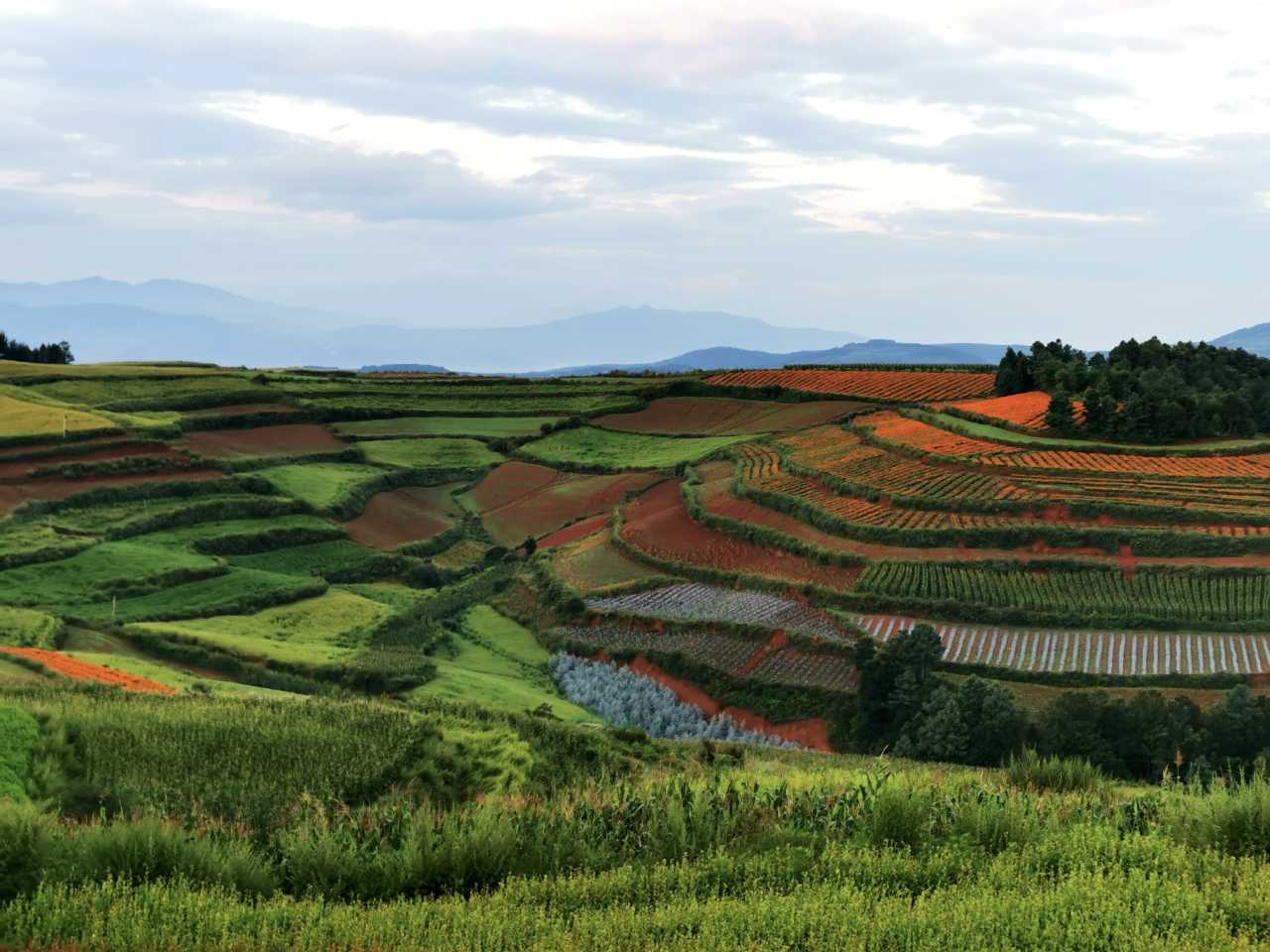
- February to May: Spring. The fields are covered in buckwheat flowers and potato flowers, creating bright red-and-white patches. In February and March, occasional leftover snow appears in the fields, with red and white contrasting beautifully, offering a unique atmosphere.
- April to May: Early summer. Wheat ripens, and the reflective plastic sheeting on the fields creates linear patterns, resembling woodcut prints.
- September to December: Autumn. Rape flowers grow vigorously, creating broad patches of yellow. Paired with the evening glow, the colors are intense and dramatic.
- Winter: For the first snow. Red and white intermingle, delivering a powerful visual impact.
In summary, February to May and September to December are the seasons when the Red Land's colors are richest and most layered. Red, green, yellow, black, white, and other color blocks intertwine in a beauty that leaves you speechless.
How Long to Stay: How Much Time Is Enough?
- Two days: A suitable amount of time. Stay at least one full day plus one morning and one evening. The light at dawn and dusk often brings unexpected surprises to the Red Land.
- Three to five days: If you have plenty of time, it's best to stay here for three to five days. There are many attractions, and the weather is changeable. Different light conditions and weather patterns produce completely different effects. Settle in, take your time photographing, and you'll come away with your most satisfying work.
Tips: Free Admission, Open Year-Round
- Ticket information: Free. Currently, the Red Land does not charge an entrance fee, but some private areas may charge a parking fee of 5-10 yuan.
- Opening hours: Open all day, year-round.
Conclusion: Meeting Is the Best Arrangement
Dongchuan Red Land isn't a place to "check off a list"—it's a place to "settle down." Its beauty doesn't lie in any single attraction, but in the harmonious coexistence of color, light, shadow, and line across the entire landscape.
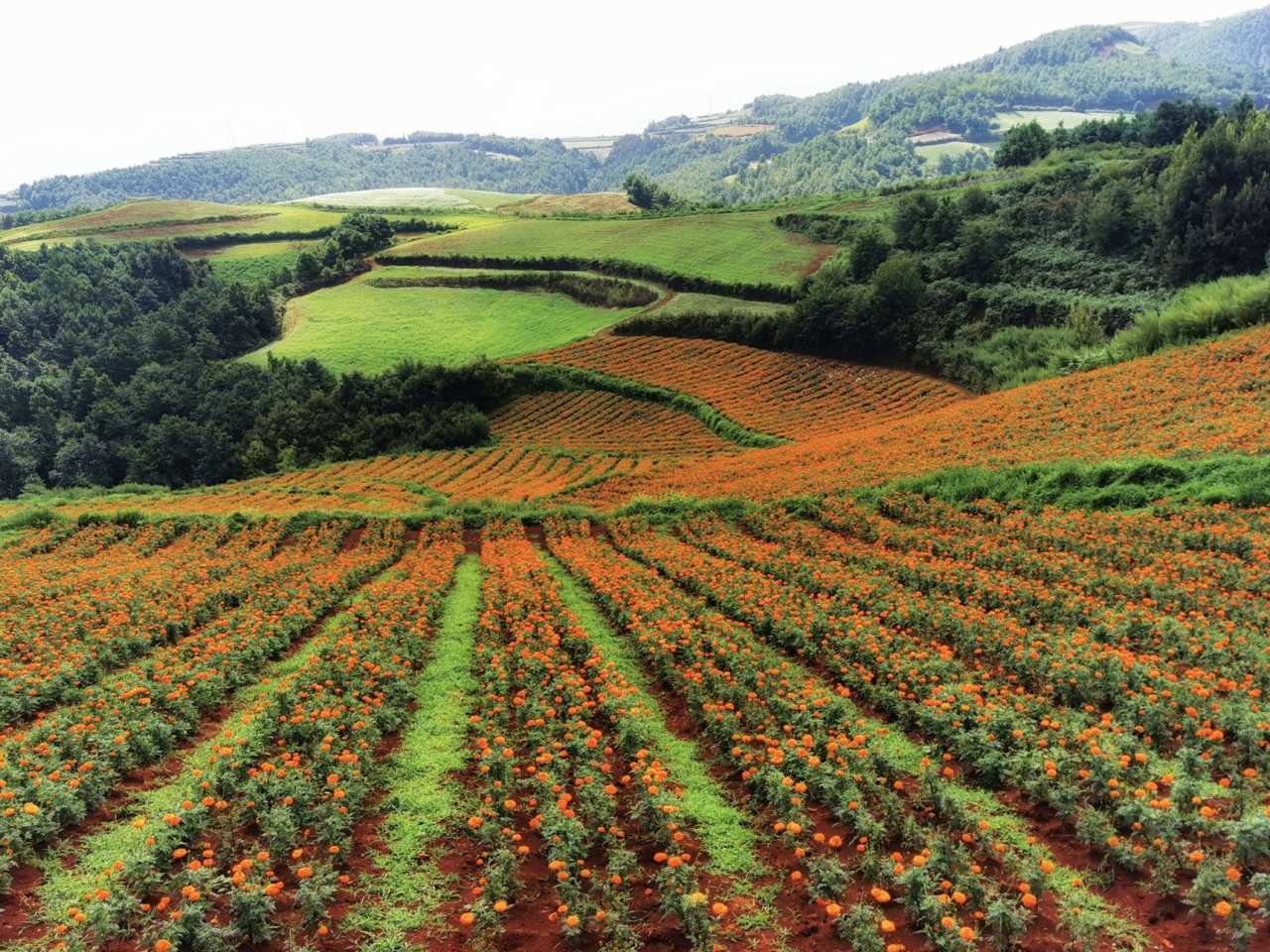
We missed the morning mist at Damakan and the evening glow at Luoxia Valley. But in the early morning haze, we saw the gentlest side of the Red Land; in the afternoon sunlight, we felt its most passionate colors. These regrets have become reasons to return.
If you, too, want to visit Dongchuan Red Land, remember this: plan your route in advance, check road conditions, choose the right season, and give yourself enough time. But more importantly, slow down and feel this palette abandoned by God with your heart.
After all, every encounter is the best arrangement.
You should also read:
Clouds Over the South: Twin Cities of Dali and Lijiang, with an Unexpected Gift from Lugu Lake
Clouds Over the South: Twin Cities of Dali and Lijiang, with an Unexpected Gift from Lugu Lake Some places, once visited, take root in your heart. It's been over a year since that Yunnan trip, but whenever I flip through the few remaining photos, memories…
Continue reading...
Dali: An Unexpected Encounter That Stole My Heart
Dali: An Unexpected Encounter That Stole My Heart Some places are destined to walk into your life — not by chance, but by fate. Five years ago, I first set foot on the soil of Yunnan. Back then, Dali was nothing more than a name…
Continue reading...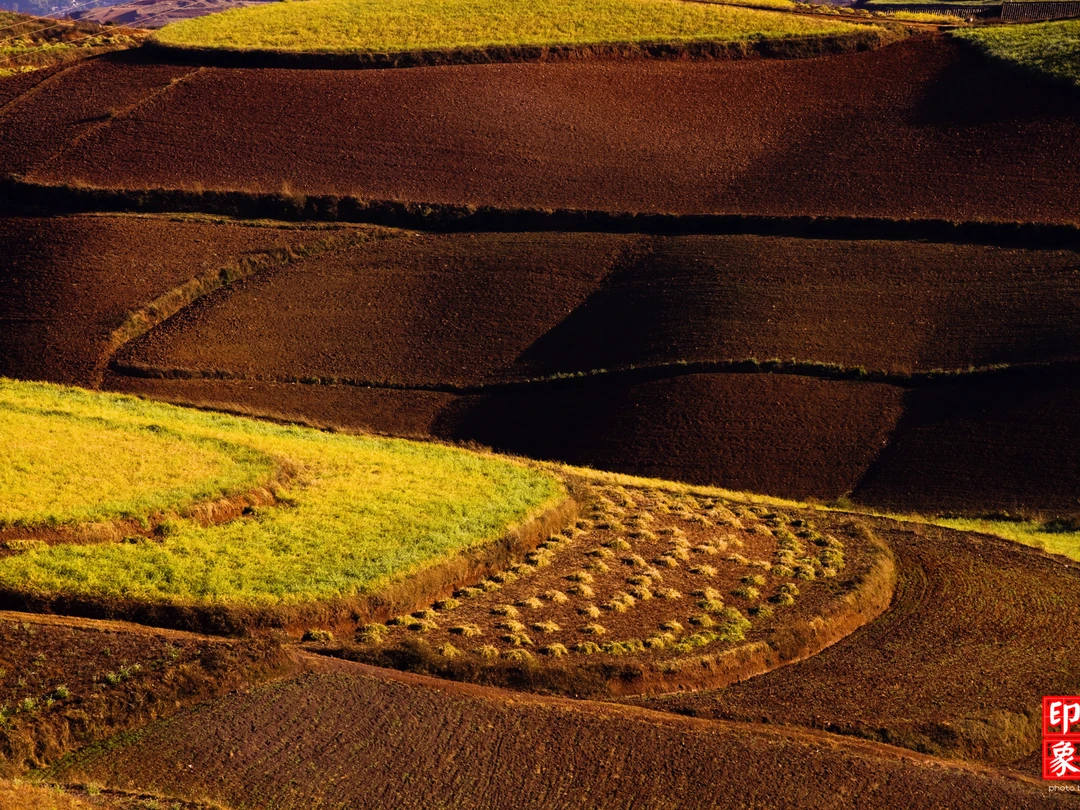
Dongchuan Red Land: God's Palette Left Behind on Earth
Dongchuan Red Land: God's Palette Left Behind on Earth A Spontaneous Journey in Pursuit of Light Waking from the morning mist of银杏村 (Ginkgo Village) in Tengchong, I hurriedly packed my bags and rushed to the airport. This was no ordinary transit—four days earlier, I had…
Continue reading...