Dongchuan Red Land: God's Palette Left Behind on Earth
Dongchuan Red Land: God's Palette Left Behind on Earth
A Spontaneous Journey in Pursuit of Light
Waking from the morning mist of银杏村 (Ginkgo Village) in Tengchong, I hurriedly packed my bags and rushed to the airport. This was no ordinary transit—four days earlier, I had launched my "Fly to Tengchong" photography expedition, and today, the real highlight was just beginning.
An early morning flight with Lucky Air carried me back to Kunming Changshui International Airport. Outside the porthole, the clouds thinned, and my heart had already flown 200 kilometers away to that magical land. The driver I had arranged in advance, Li Xi, was already waiting at the exit—this was our second collaboration. Back in February, on another four-day itinerary, he had taken us through Yuanyang and Luoping. His professional and attentive service had made us promise: if we ever returned to Yunnan, we would definitely call him.
This time, heading directly from the airport to Dongchuan saved us the hassle of transfers, buying precious time for the photography journey ahead.
Off the Beaten Path: The Color Code of Winding Roads
Li Xi didn't take the highway. In his words, "We'll tour Dongchuan in a loop—no backtracking at all." The country roads twisted and turned, and every bend felt like turning the page of a massive picture book. As we moved farther from the city, the villages and fields in the mountains began to shift in color—from pale yellow to ochre red, from ochre red to deep crimson—as if the earth was slowly unveiling its true face.
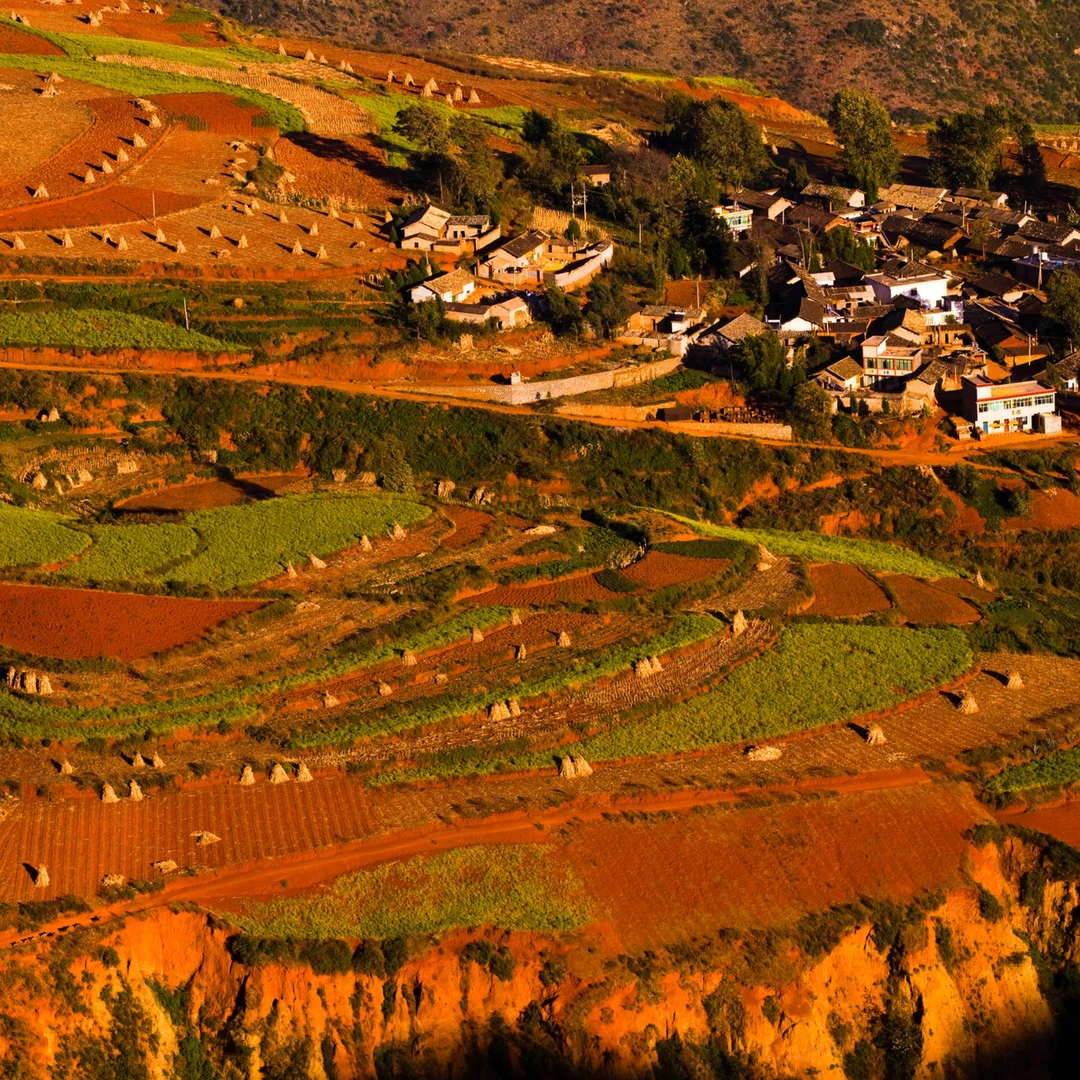
The mountain roads were winding, and the drive took longer than expected. But when we arrived at花石头村 (Huashitou Village) just over an hour before sunset, every bump along the way felt worth it. This unassuming valley village, surrounded by the dazzling colors of the Red Land, felt like a hidden paradise. The villagers' houses had sprung up like bamboo shoots after rain, bearing witness to the vitality and hope on this land.
Li Xi had driven to the Red Land many times and knew every photography spot like the back of his hand. If you followed online guides and tried to figure things out on your own, you'd still need to rent a car in Huashitou Village to get to various scenic spots, costing 100 to 200 yuan per day. By choosing Li Xi, I paid 900 yuan for a two-day round trip from Kunming, including fuel and tolls—not only hassle-free but also saving me the trouble of finding spots and rushing between them.
Luoxia Valley: A Sunset Race Against Time

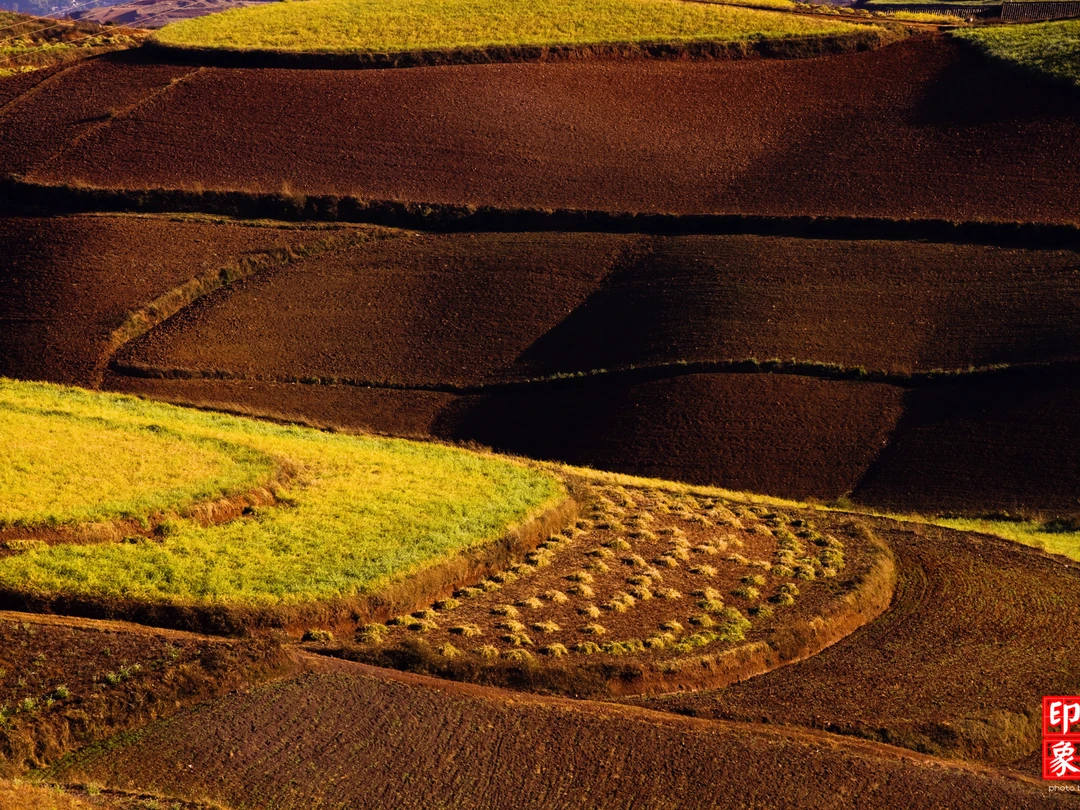
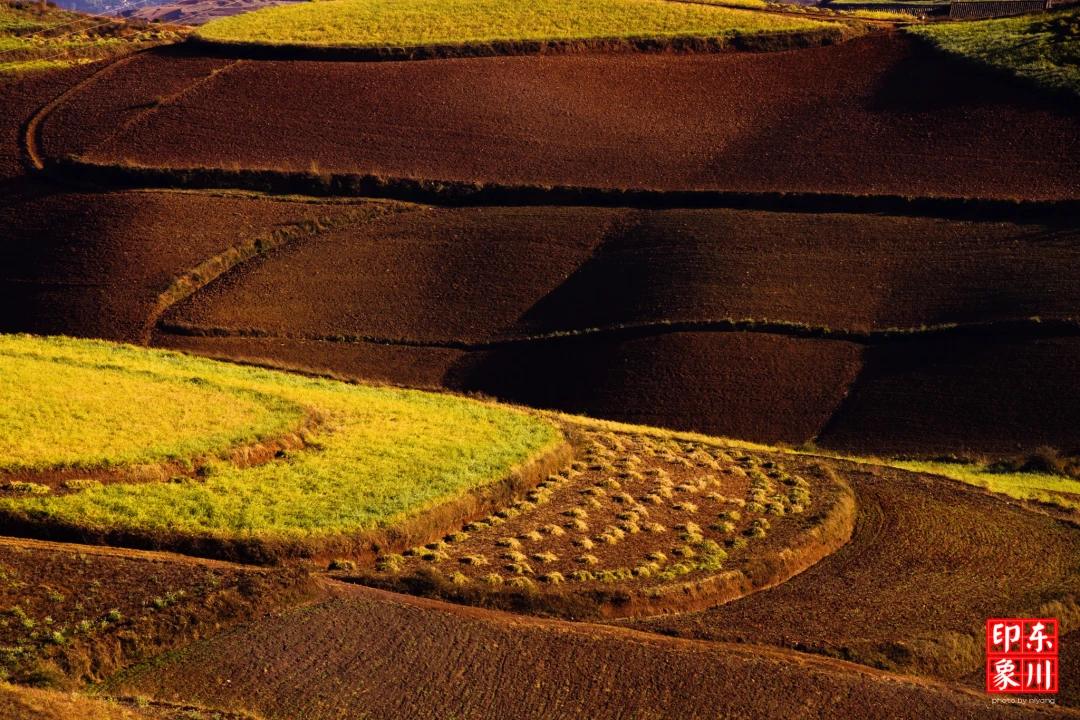
If you've never been to the Red Land, you can never imagine this breathtaking spectacle. On gently undulating hills, red, green, white, and yellow interwove in patches, like a giant palette spread out to the horizon. Standing here, you understand why people call it "God's palette left behind on Earth."
We arrived at落霞沟 (Luoxia Valley) just before sunset. The small temporary parking lot was already full—all packed with photographers carrying various gear. Everyone had staked out their spots on the hillsides, eagerly waiting for the sun to dip below the horizon. As the last rays of light fell on the village nestled in the valley, the sound of shutters filled the air. But honestly, I felt this spot wasn't perfect—the surrounding mountains made it hard for the light to truly reach the village in front of us. Besides, it was late autumn, with clear skies and no clouds, making the "flashlight beam" effect almost impossible to achieve.
I shifted angles, took a few quick shots, and silently thought to myself: next time, I'll come back on a better day.
Jinyuan Garden: A Symphony of Colors
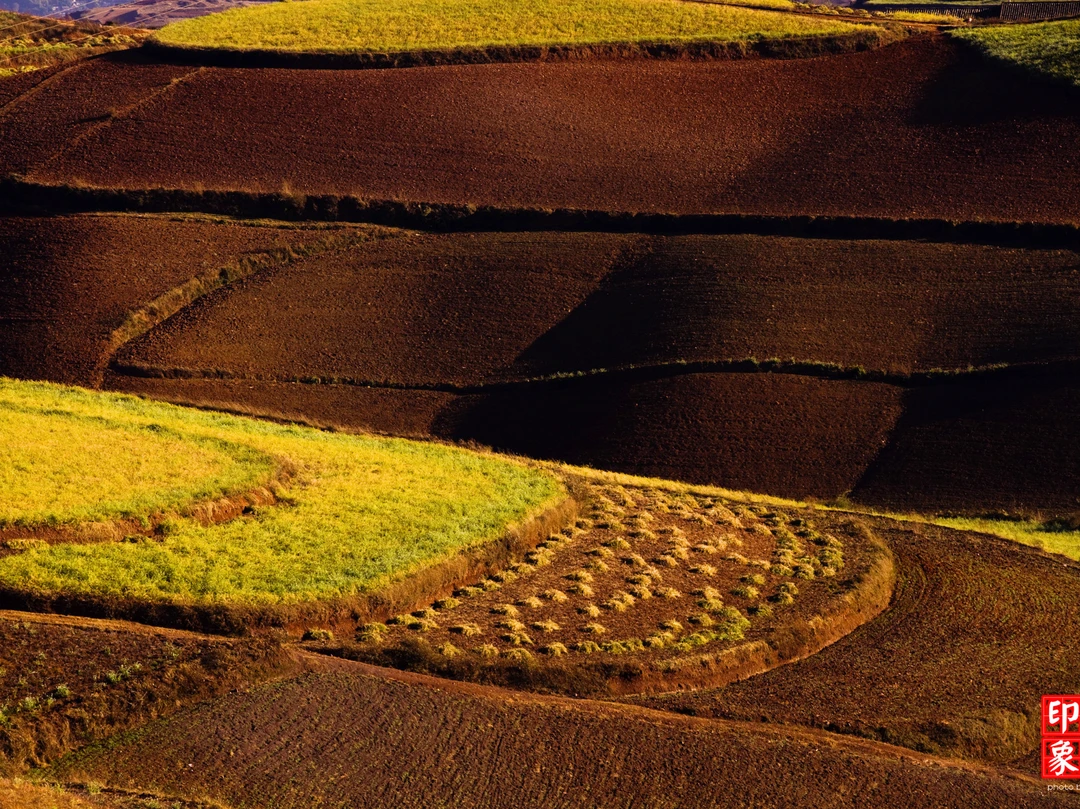
Leaving Luoxia Valley, we rushed to锦绣园 (Jinyuan Garden). Another spot where veteran photographers had produced countless masterpieces, this place offered a unique hue under the setting sun. In late autumn, the land showed deep crimson and ochre red, set against green and white plants, looking especially like a meticulously painted oil painting.
The beauty of the Red Land is dynamic. Different times of day, different seasons, even different weather conditions present completely different faces. They say the third day after rain is the most beautiful—when the rain-soaked earth glows with richer colors under the sun, clouds part, the sky turns a stunning blue, and clouds shift in various poses, casting ever-changing shadows on the fields. Every second becomes a brand new picture.
Living in a Painting: Stargazing Nights at a Farmhouse
If you come to the Red Land for photography or inspiration, you must stay a few days at a farmhouse in one of the small villages. Not just to catch the sunrise and sunset, but to escape the city's noise and fully immerse yourself in the idyllic, peaceful life.
Located in the mountainous highlands, this village is blessed with mountain breezes that blow away all fatigue and worries. Sitting in the farmhouse courtyard, facing the distant mountains, watching the sunset slowly sink below the horizon, watching the moon rise—the quiet night is broken only by the chirping of insects. Gazing at the long-missed starry sky, shimmering and bright, everything returns to nature.
Of course, traveling is also a journey of culinary delights. In the evening, be sure to ask the farmhouse host to cook a few local specialties. Pour a few cups of homemade rice wine, and chat away the night with the driver and the host. Drifting off to sleep with a slight buzz—it feels like one of the happiest things in life: enjoying the most beautiful scenery and savoring the most genuine hospitality.
The Millennium Dragon Tree and Dama Kan: Witnesses of Time
The Red Land offers different impressions at different times. As the sun sets, the play of light and shadow makes the landscape even more three-dimensional. Here, you can also see the千年龙树 (Thousand-Year Dragon Tree)—legend has it that this tree has grown for over a thousand years, once withered for three years before sprouting anew. It is revered by locals as a sacred tree, blessing the people of this land.
打马坎 (Dama Kan) is a village name and also the best spot for sunrise. Around dawn, overlooking Dama Kan Village from a high slope by the roadside, you see the red earth surrounding the village, with cooking smoke curling upward. The poplar trees around the village glow under the oblique morning sun, creating a serene and pastoral scene. If you're lucky, you can witness a dreamlike sunrise and morning glow. Unfortunately, this time, despite the clear skies, I didn't see the ideal morning glow.
On the slope by the road, photographers had set up their tripods, making it look like a showcase for all kinds of camera gear. Since it was autumn, the winds were strong in the Red Land mountains, and the temperature difference between day and night was significant. Every visitor came prepared—this morning photography spot also felt like a runway for outdoor gear, as if trying to compete with the Red Land itself.
Practical Tips: Your Red Land Photography Guide
About the Red Land
The Dongchuan Red Land in Yunnan is considered by experts to be the most spectacular red land in the world, second only to Rio de Janeiro in Brazil—and even more magnificent. The soil here is rich in iron and aluminum, low in organic matter, highly acidic, and sticky. Over time, the iron oxidizes and settles, giving the soil its deep crimson and ochre red colors.
Best Seasons
The best times for photography are May to June and September to December. In summer, potato flowers bloom and wheat ripens. In autumn, part of the red land is plowed and waiting for planting, while the other part is already covered in green highland barley or wheat, creating a rich palette. The third day after rain is when the Red Land is at its most beautiful.
Key Scenic Spots
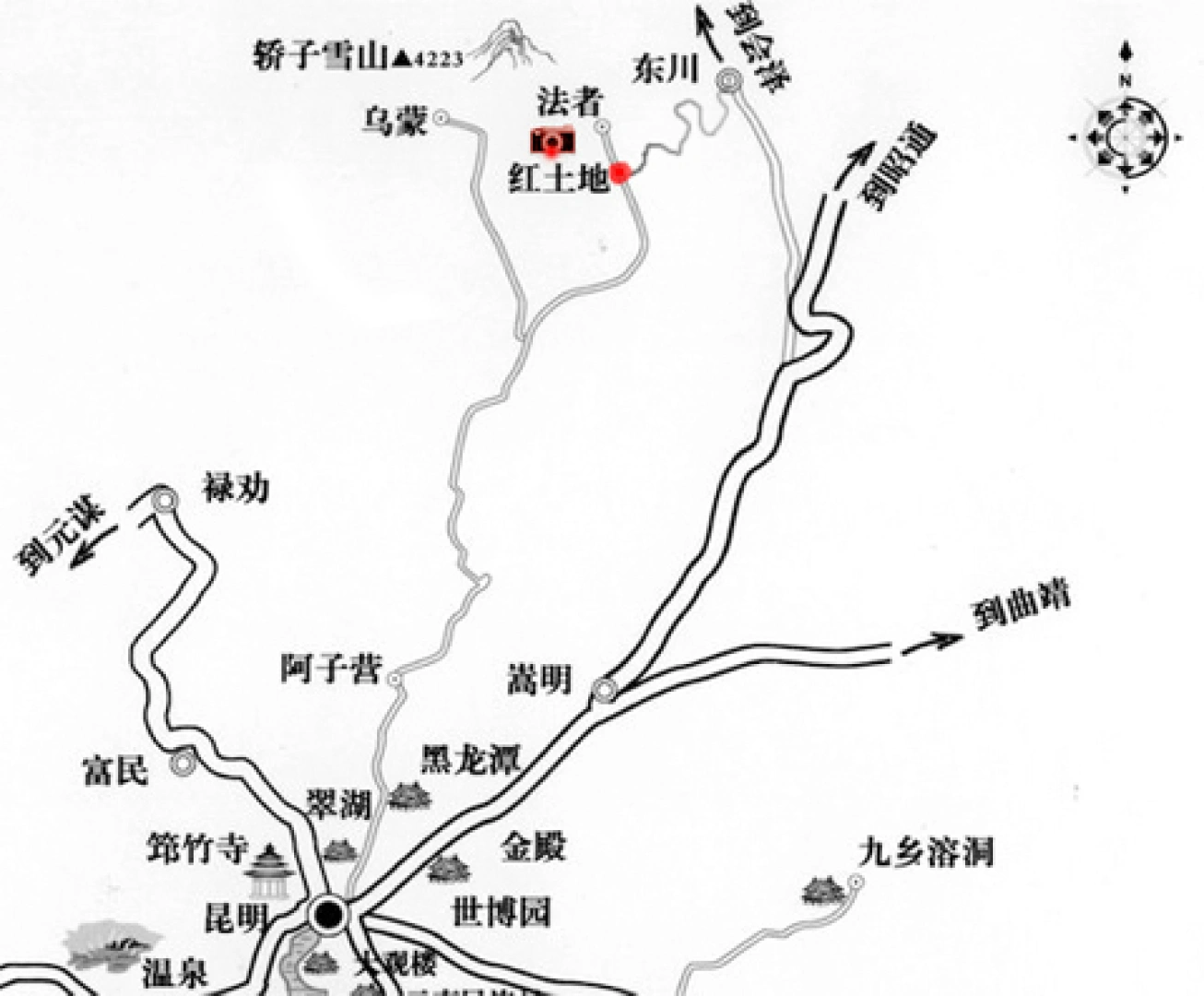
Centered around Huashitou Village, within a radius of several dozen kilometers, the most stunning views are concentrated at七彩坡 (Seven-Color Slope), Jinyuan Garden, Luoxia Valley,红土地大观 (Red Land Panorama), the Thousand-Year Dragon Tree,水平子 (Shuipingzi), Dama Kan,螺丝湾 (Luosi Bay),乐普凹 (Lepu Ao), and瓦梁房子 (Waliang House). Best spot for sunrise: Dama Kan. Best spots for sunset: Lepu Ao and Waliang House.
Transportation and Accommodation
If you're not driving, you'll generally need to rent a car for sightseeing within the scenic area, costing about 200 yuan per day. It's recommended to stay at a farmhouse in Huashitou Village—you can enjoy both sunrise and sunset while experiencing local life. The scenic area is on the mountain, with temperatures 4 to 8 degrees Celsius lower than below. The wind is strong in the morning and evening. Besides bringing a long-sleeved windbreaker from July to October, it's best to pack an extra fleece jacket for other seasons.
Epilogue: Why Is the Red Land So Red?
On the road back to Dongchuan and then to Kunming, I couldn't help but think about coming back in May. This place is too beautiful, too pure and natural—no embellishment needed, no exaggeration required. It's simply the most incredible palette ever.
Why is the Red Land so red? Why is it so beautiful? The answers seem less and less important. Because beyond the meticulously crafted beauty of the landscape, what matters more is the group of real people living within the picture—they rise with the sun and rest with its setting, living a life of modest comfort, far from the chaos of modern cities. That pastoral simplicity is something to long for, something to dream of.
Perhaps what we're really chasing isn't just that red land, but the simple, genuine life that unfolds upon it.
You should also read:
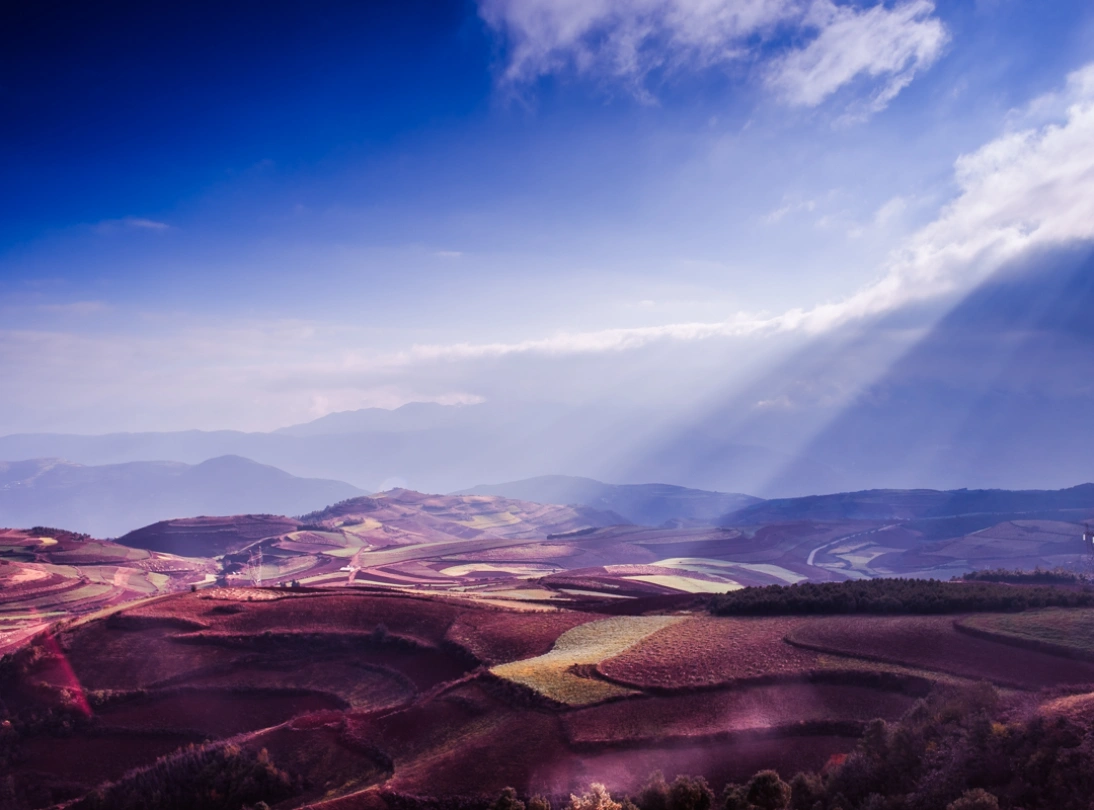
Chasing Light and Shadow for Sixteen Days: A Journey Through Dongchuan, Nanjian, Dali, and Shaxi in Late 2015
Chasing Light and Shadow for Sixteen Days: A Journey Through Dongchuan, Nanjian, Dali, and Shaxi in Late 2015 Preface: An Appointment with Light and Shadow In late autumn of 2015, I set foot on the land of Yunnan once again. This was no spontaneous trip…
Continue reading...
Left Pineapple, Right Mango, and the Person Behind the Lens: My Four-Day Wandering Journey Through Xishuangbanna
Left Pineapple, Right Mango, and the Person Behind the Lens: My Four-Day Wandering Journey Through Xishuangbanna Foreword: A Spontaneous "Lightning Bolt" Kind of Trip Life sometimes calls for a bit of impulsiveness. After wrapping up work in Kunming, I was all excited about heading to…
Continue reading...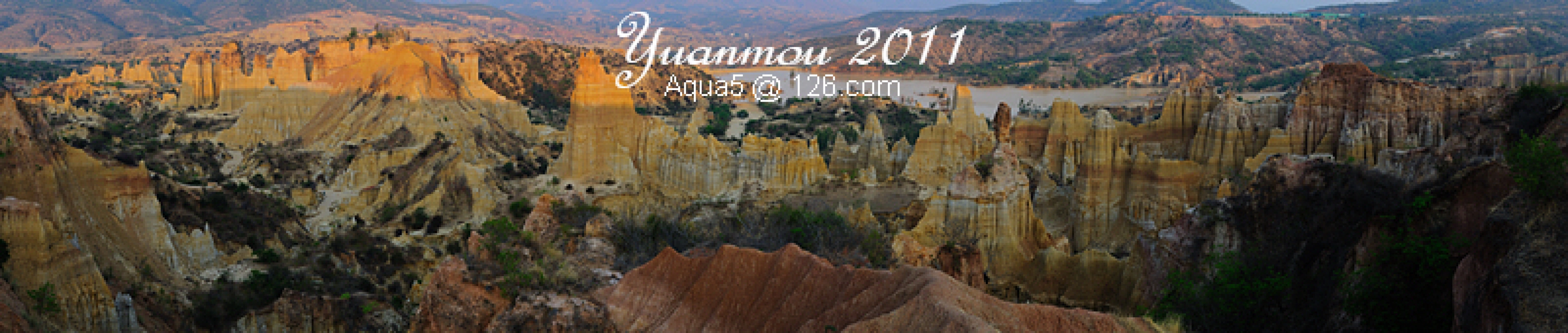
A Journey Through Time: The Earthen Forest of Yuanmou — April 2011 Chuxiong & Yuanmou Self-Drive Guide
A Journey Through Time: The Earthen Forest of Yuanmou — April 2011 Chuxiong & Yuanmou Self-Drive Guide Some journeys are destined to take root in your memory. In April 2011, I set out from Shuhe in Yunnan, heading north toward the Chuxiong Yi Autonomous Prefecture,…
Continue reading...