Dongchuan Red Land: Meeting Nature’s Palette in the Free Wind
Dongchuan Red Land: Meeting Nature’s Palette in the Free Wind
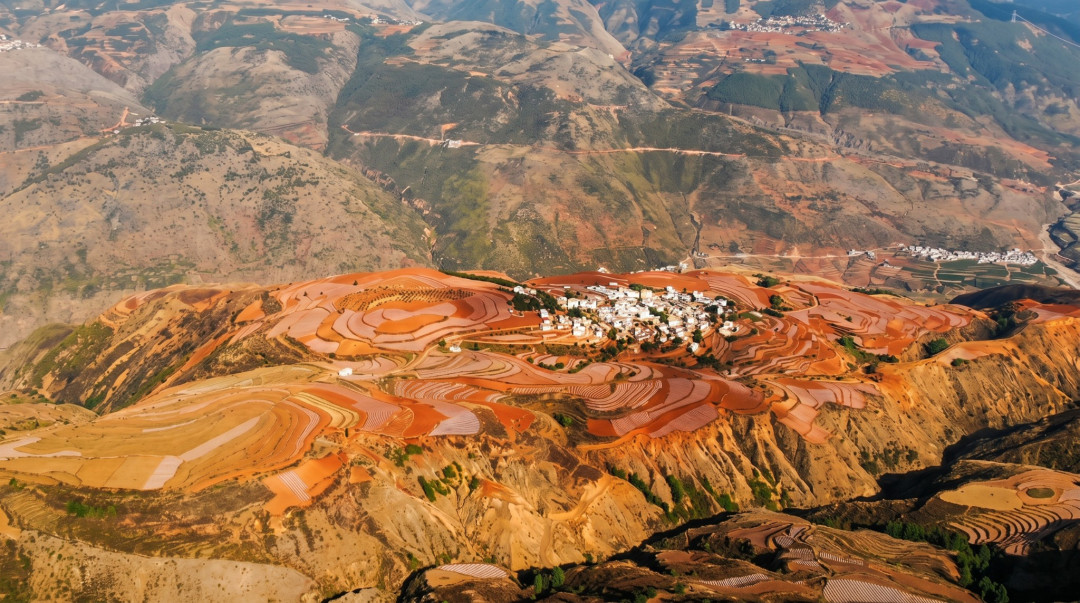
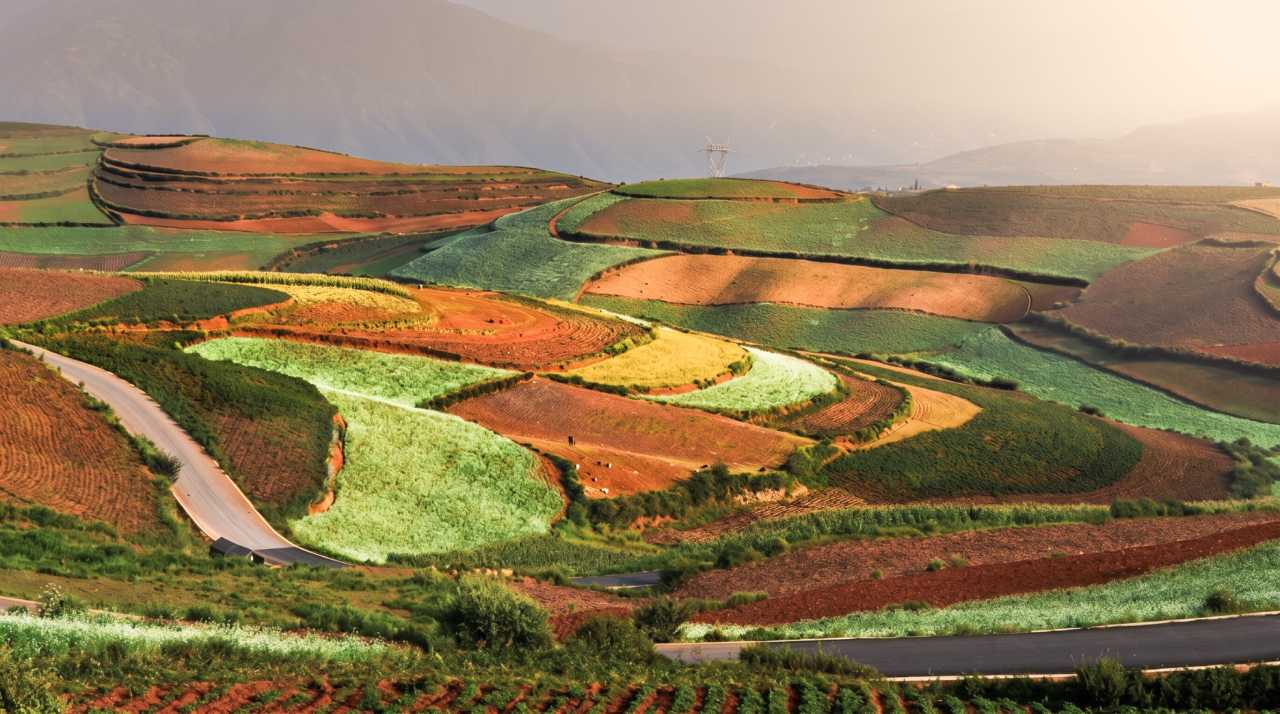
Have you ever imagined that the earth itself could paint? Not with pigments, but with soil, crops, and light. In Dongchuan, Yunnan, there is a stretch of land that blends the blue of the sky, the white of the clouds, the green of the crops, and the red of the earth into a masterpiece that feels otherworldly. There are no walls here, no entrance fees—only the wind blowing freely, carrying the scent of soil, brushing against the faces of those willing to pause and take it all in.
In 2020, when the world was turned upside down by an unexpected pandemic, I stood on the Dongchuan Red Land, gazing at the vibrant patchwork before me, and suddenly understood what “freedom” truly meant. Not the kind granted by others, but the innate, wild freedom that belongs to the open wilderness. Today, I want to take you into this magical land, share its stories, and explore how we can rediscover ourselves through the simple act of traveling.
The Past and Present of the Red Land: A Collaboration Between Geology and Farming
The Dongchuan Red Land is located in Dongchuan District, Kunming City, Yunnan Province, at an altitude ranging from 1,800 to 2,600 meters. Its landscape is the result of tectonic movements that occurred hundreds of millions of years ago. Imagine this: during the distant Permian period, this area was a vast ocean, with thick layers of red sandstone and shale deposited on the seafloor. As the Himalayan orogeny pushed the seabed upward, it transformed into a plateau. Over time, iron-rich rocks weathered under the hot and rainy climate, with iron elements oxidizing into ferric oxide. Thus, the earth donned its iconic red coat.
But what truly turned this land into a “palette” were the farmers. For centuries, the Hani, Yi, and other ethnic minorities in Dongchuan have cultivated terraced fields, planting potatoes, buckwheat, and rapeseed. Unbeknownst to them, their daily labor inadvertently painted abstract art across the earth. Red, green, yellow, white—the seasonal rotation of crops keeps this land in constant flux. In spring, potato sprouts push through the soil, a vivid green. In summer, buckwheat blooms in vast white fields. In autumn, rapeseed flowers turn golden, creating a striking contrast with the red earth. In winter, the land lies fallow, revealing its purest red.
Best Time to Visit: When to See the Most Stunning Colors?
If you ask me when the best time to visit the Dongchuan Red Land is, I’d say it’s beautiful year-round, but each season has its charm.
Spring (March to May): This is the most vibrant season. Potato seedlings emerge, weaving tender green with deep red like a watercolor painting. If you’re lucky, you might catch the Yi ethnic group’s “Torch Festival” and experience their warm hospitality.
Summer (June to August): The rainy season arrives, washing the red land into even brighter hues. Buckwheat flowers bloom, their white petals swaying in the wind as if the earth itself is breathing. However, be sure to bring rain gear, as mountain roads can get muddy.
Autumn (September to November): This is my personal favorite. Rapeseed flowers turn golden, potatoes ripen, and farmers begin harvesting, filling the fields with bustling activity. The light is at its softest, especially during dawn and dusk, when sunlight slants across the red land, creating breathtaking interplays of light and shadow.
Winter (December to February): The land rests, revealing its rawest red. If it snows, the red-and-white contrast offers a unique charm. But temperatures drop, especially in the mornings and evenings, so pack plenty of warm clothing.
How to Get There: A Spontaneous Trip from Kunming
From Kunming to the Dongchuan Red Land, the drive takes about 3 to 4 hours. You can choose to drive yourself or take public transport.

Self-Drive Route: Start from Kunming, take the G85 Yunnan-Chongqing Expressway to the Dongchuan exit, then switch to the S101 provincial highway heading north. The scenery along the way is pleasant, but the winding mountain roads require caution, especially for novice drivers.
Public Transport: Take a bus from Kunming North Bus Station to Dongchuan, with tickets around 50 RMB and a journey of about 2.5 hours. Once in Dongchuan, transfer to a shuttle bus heading to the Red Land scenic area, or hire a private car for about 200 to 300 RMB.
Practical Tip: If you want to avoid the hassle, you can also join a day tour. But my advice is to stay overnight—the sunrise and sunset over the Red Land are not to be missed.
Must-Visit Photography Spots: Capture the Shot of a Lifetime
The Dongchuan Red Land scenic area is vast, but a few spots are absolute heavens for photography enthusiasts.
Luoxia Gully (Sunset Gully): The Magic Hour at Dusk
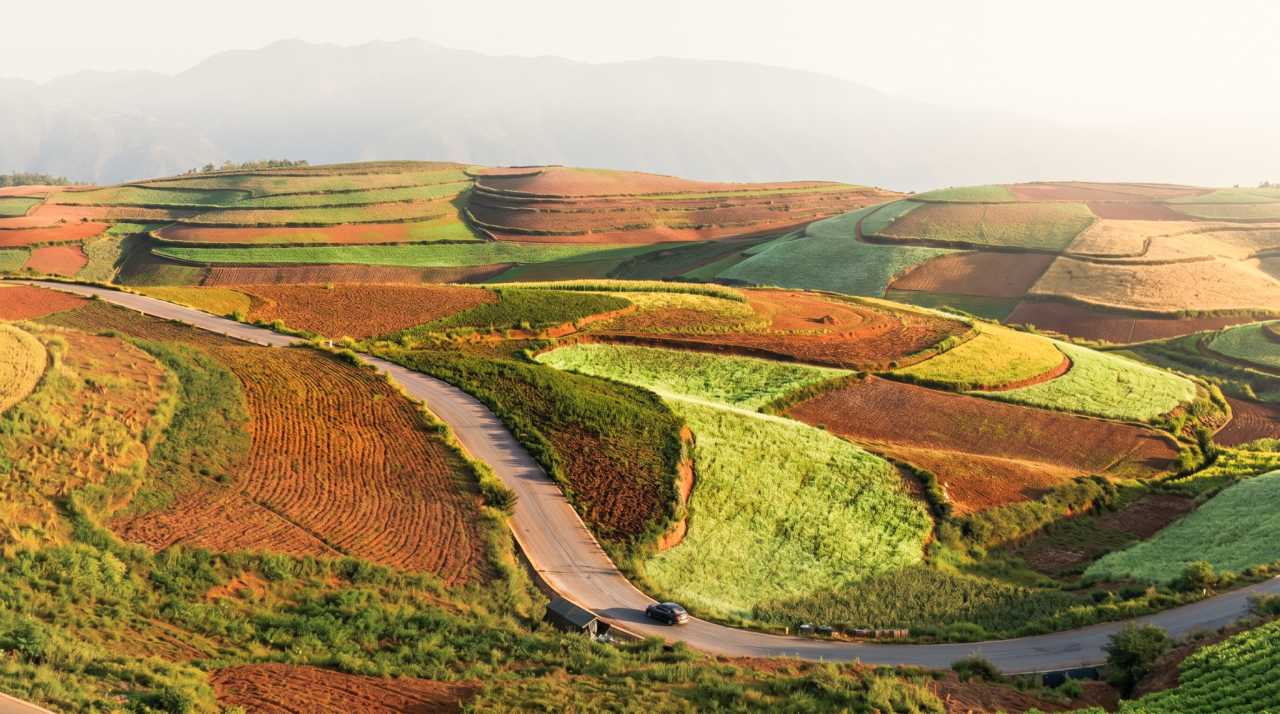
Luoxia Gully is the most iconic shooting location. As evening falls, the last rays of sunlight pour over the red earth, creating a labyrinth of gullies and shifting light and shadow. Standing on the viewing platform, you’ll see red, gold, and purple intertwine, as if the earth is ablaze. Arrive before 4 PM to secure the best spot.
Damakan: The Romance of Sunrise and Sea of Clouds
Damakan is the perfect place to watch the sunrise. At dawn, as the first rays of light pierce through the clouds and hit the red land, mist rises, creating a dreamlike scene. If you’re lucky, you might witness a sea of clouds rolling beneath you, with the red land appearing and disappearing like a fairyland. Get up early—set off by 5:30 AM.
Seven-Color Slope: The Earth’s Palette
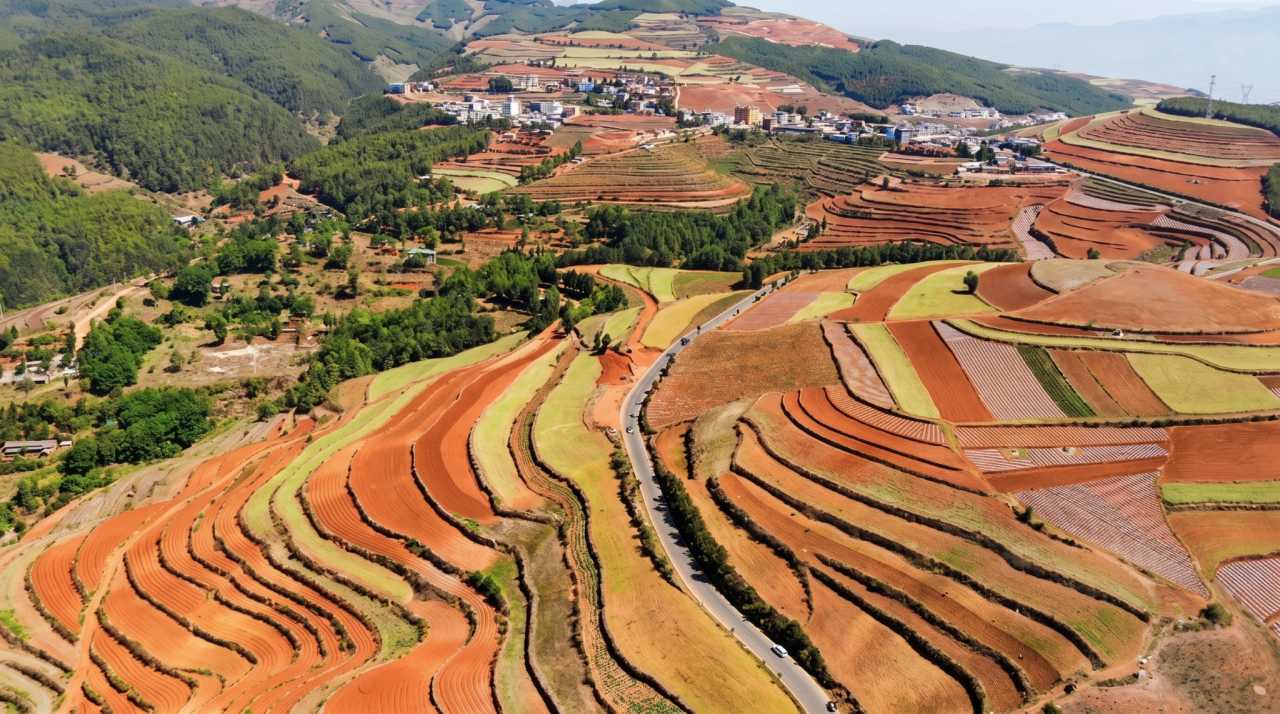
Seven-Color Slope is where the Red Land shows its most diverse colors. Layers of earth in different shades stack up like a giant palette. A wide-angle lens works best here, capturing breathtaking panoramas. Morning light is ideal for shooting.
Splendid Garden: A Perfect Blend of Man and Nature
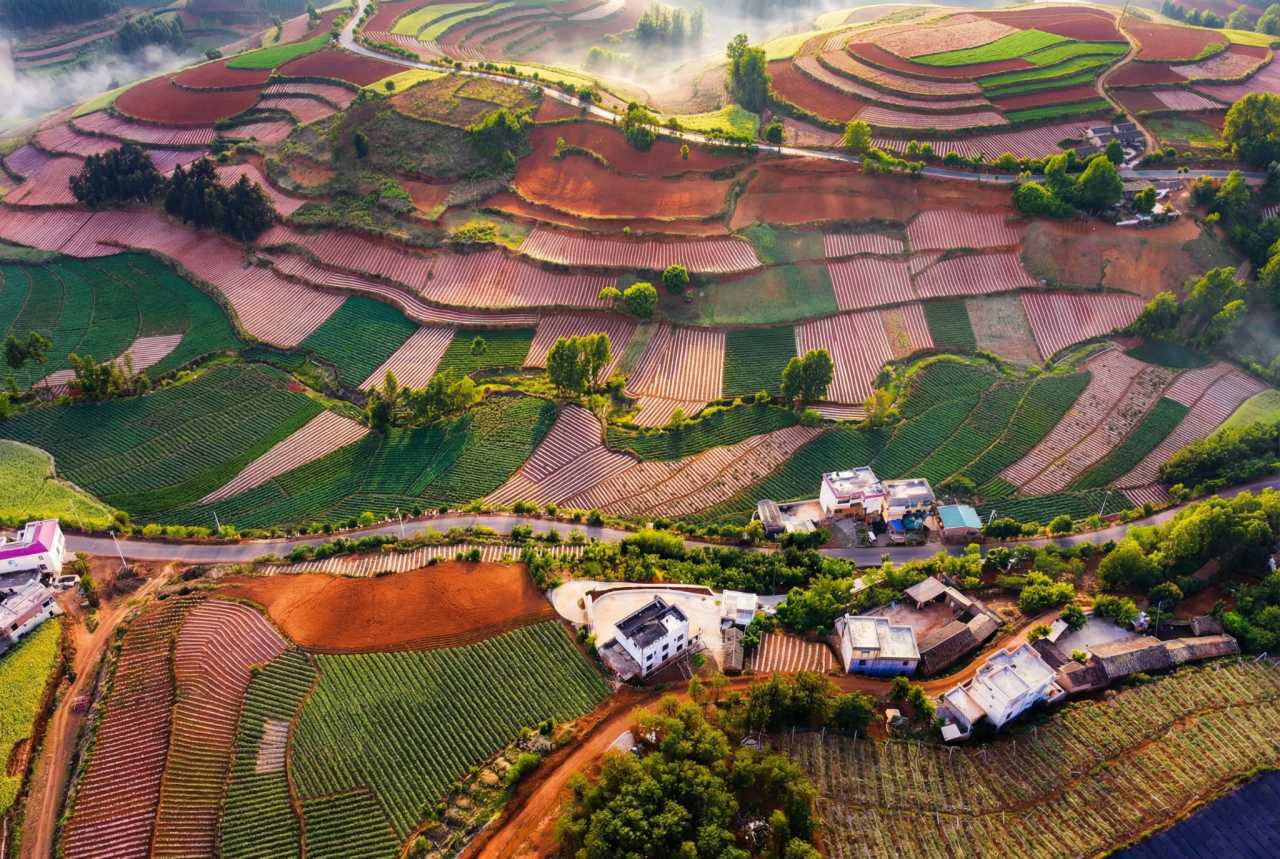
Splendid Garden features terraced fields meticulously cultivated by farmers, with graceful lines and rich colors. In spring, it’s lush green; in autumn, gold and red intertwine. From a high vantage point, you’ll realize that farmers are the ultimate artists.
Little Joys of Travel: A Complete Guide to Food, Accommodation, and Transport
What to Eat: Hearty Farmhouse Fare
Around the Red Land, there are many farmhouse restaurants where you can enjoy authentic local dishes. Here are a few must-tries:
- Dongchuan Potatoes: High in starch, these potatoes have a creamy texture. Whether roasted, in a rice casserole, or stewed with chicken, they’re unforgettable.
- Buckwheat Cakes (Qiaomai Baba): Made from local buckwheat flour, these cakes are crispy on the outside and soft inside, with a distinctive buckwheat aroma.
- Stir-Fried Bacon with Bracken Fern: The bacon is home-cured by local farmers—rich but not greasy. Paired with spring bracken fern, it’s a fragrant and savory delight.
Where to Stay: Sleep in the Scenery
There are many guesthouses around the Red Land, ranging from tens to hundreds of RMB per night. Here are a few well-reviewed options:
- Red Land Photography Home: Run by a local photographer who can offer shooting tips. Rooms are clean and tidy at a reasonable price.
- Luoxia Gully Inn: Perfectly located next to Luoxia Gully. Wake up and open the window to see the sunrise.
- Splendid Garden Farm Stay: Great value with a warm and hospitable host. In the evening, you can sit by the fire, chat, and listen to stories about the Red Land.
Pre-Trip Preparation: Don’t Miss These Details
- Sun Protection: The Red Land sits at a high altitude with strong UV rays. Bring sunscreen, a hat, and sunglasses.
- Warm Clothing: Temperature differences between day and night are significant. Even in summer, pack a jacket.
- Footwear: Many areas require walking, so wear comfortable hiking or sports shoes.
- Camera: If you’re into photography, don’t forget a wide-angle and telephoto lens. A tripod is essential for sunrise and sunset shots.
Final Thoughts: What the Red Land Taught Me
Since returning from the Dongchuan Red Land, I often think of the farmers working in the fields. They don’t know what “art” is, nor do they realize that the crops they plant attract so many visitors. They simply toil day after day, sowing in spring and reaping in autumn, following nature’s rhythm. Yet it is this unpretentious way of life that has created one of the world’s most beautiful landscapes.
The Red Land taught me that beauty doesn’t need to be chased. It’s right there—in every grain of soil, every ray of sunlight, every ordinary day. All we need is a heart willing to pause and feel the present moment.
So, if you’re feeling worn out, take a trip to the Dongchuan Red Land. There, you can let go of all your anxiety and worries, let the wind blow freely across your face, and let the earth remind you: life can be simple, and it can be beautiful.
I’ll leave you with a quote I love:
“The meaning of travel is not how many places you’ve been, but how many stories you bring back.”
May you find your own story in the Red Land.
You should also read:
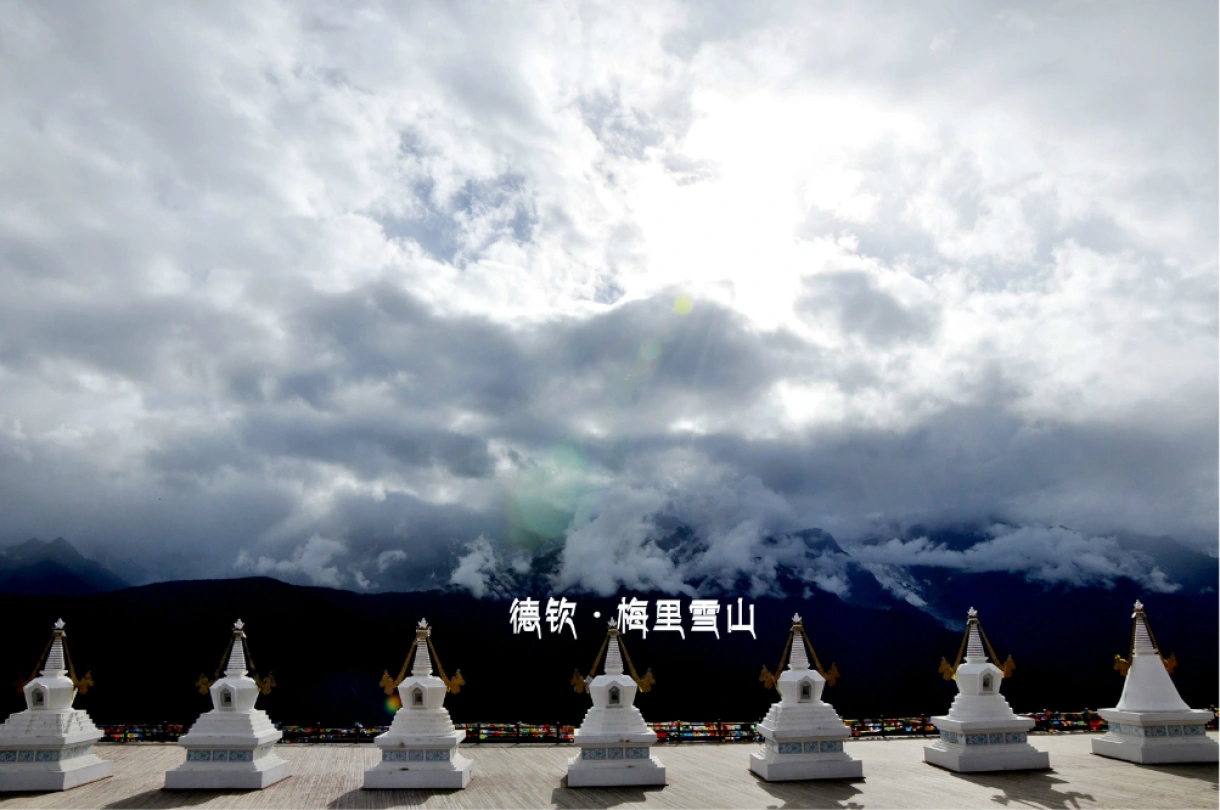
South of the Clouds: A 13-Day Journey of the Free Spirit
South of the Clouds: A 13-Day Journey of the Free Spirit As the plane cut through the clouds and that patch of land—seemingly splattered with colors from God's own palette—came into focus outside the window, I knew: Yunnan, I’ve arrived. This wasn’t a whirlwind tour,…
Continue reading...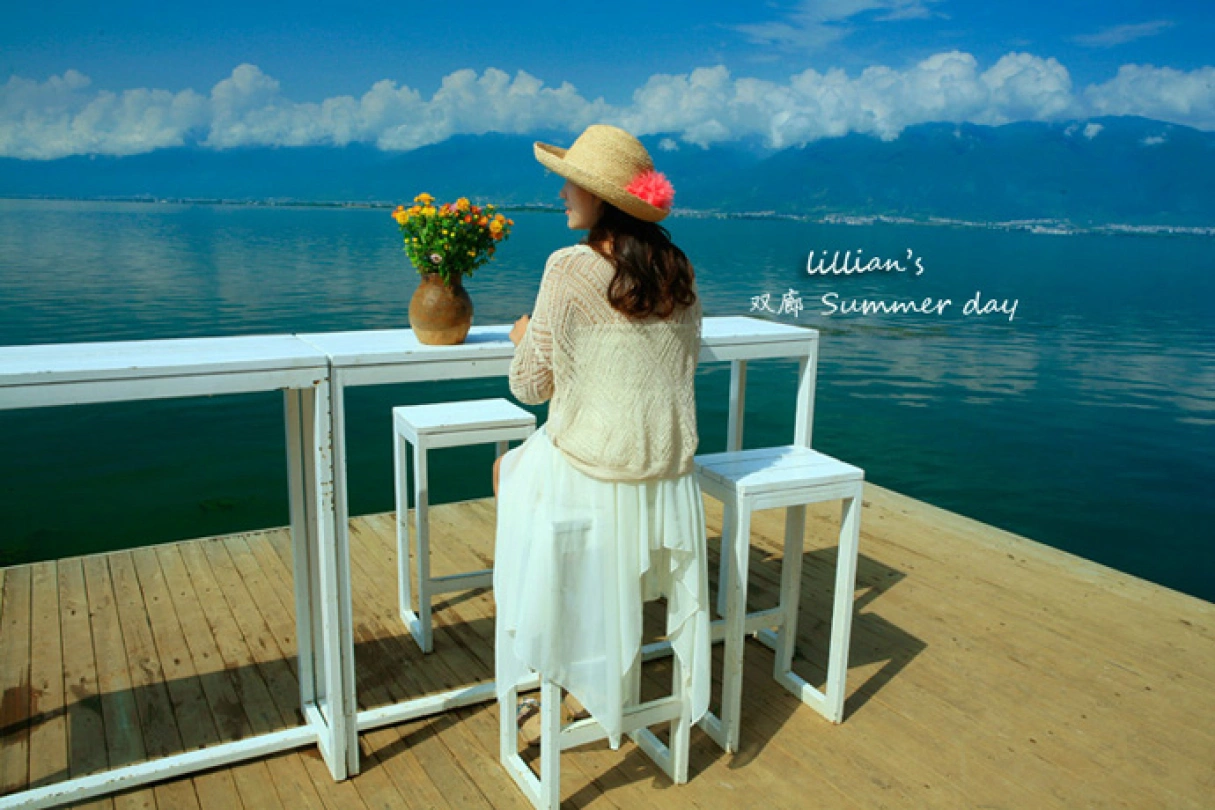
Dali Shuanglang: Meeting Your Laziest Self in the Slow Time by Erhai Lake
Dali Shuanglang: Meeting Your Laziest Self in the Slow Time by Erhai Lake Prologue: A Name, A Journey Some places, just by hearing their name, make your heart yearn. Shuanglang is like that for me. I can't remember when I first heard the name "Shuanglang."…
Continue reading...
A Solo Journey to Yunnan: Shuanglang Chapter — Meeting Your Truest Self by the Erhai Lake
A Solo Journey to Yunnan: Shuanglang Chapter — Meeting Your Truest Self by the Erhai Lake Introduction: When a Dream Finally Becomes Reality Some say Yunnan is a place meant for solo travelers. It took me three full years to truly understand that. Two years…
Continue reading...