Dreaming Beside Erhai: A Winter Journey Around Dali's Jewel
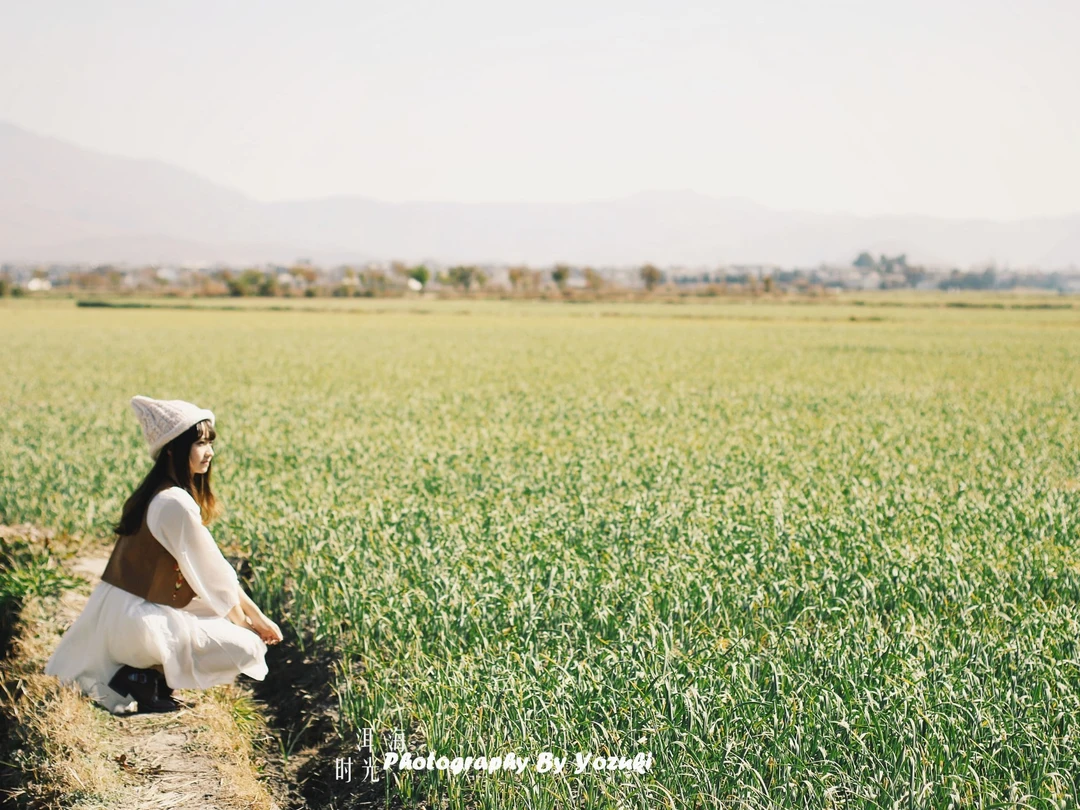
Dreaming Beside Erhai: A Winter Journey Around Dali's Jewel
A 5-Day Itinerary Through Shuanglang, Xizhou, Taoyuan Village, Ancient City, and Wase
There are places that linger in your subconscious long after you've left them. For me, Erhai Lake was one of those places—a half-remembered dream I'd lost somewhere between hurried train rides and missed connections. Six years ago, I passed through Dali on a night train, barely scratching its surface. But in January 2016, I returned to reclaim that dream, spending five winter days tracing the lake's serene edges.
Winter in Dali is a well-kept secret. While most travelers flock here during the balmy months, the cold season offers something far more precious: solitude. The crowds thin, the prices drop, and the lake reveals its most authentic self—quiet, reflective, and breathtakingly beautiful.
Why Winter? The Magic of the Off-Season
Local wisdom says that in winter, you experience all four seasons in a single day. The mornings bite with cold that seeps through your bones, while midday sun coaxes you to shed layers. This temperature rollercoaster might complicate your wardrobe choices, but it's a small price for the rewards.
The biggest draw? The seagulls.
Every winter, these migratory birds escape northern China's harshest conditions and settle around Xiaoputuo (Little Putuo Island) in Wase Town. Watching them flutter and dive across the water's surface is nothing short of spectacular. For wildlife photographers, this is prime territory—patience here yields incredible shots.
Practical tip: Pack a heavy down jacket, thermal underwear, and scarves for those early morning sunrise sessions or late-night stargazing. By noon, a sweater will suffice, especially in direct sunlight. If you're planning to cycle the lake loop, don't forget sunscreen—the winter sun at 2,000 meters elevation is deceptively strong.
Getting There & Getting Around

Reaching Dali
You have options:
- Fly directly to Dali from Shanghai (about 4 hours)
- Fly to Kunming and take a train (7-8 hours, under 100 RMB) or a bus from Kunming West Bus Station to Xiaguan (4 hours)
- From Lijiang, trains run about 2.5 hours
Local Transportation
Private car hire is flexible and surprisingly affordable. Drivers are typically friendly and won't push unnecessary stops. For reference:
- Dali Airport to Xizhou: 130 RMB
- Dali Airport to Shuanglang: 160 RMB
- Xizhou to Dali Ancient City/Caicun: 60 RMB
- Xizhou to Taoyuan Village: 30 RMB
- Taoyuan to Shuanglang: 100 RMB
- Shuanglang to Xiaoputuo/Wase: 60 RMB
Bicycle rental runs about 10 RMB per day (deposit an ID card). Electric scooters cost 60-100 RMB daily—though a full loop around the lake will drain the battery, so plan charging stops.
Public buses are limited but affordable (1.5 RMB). Routes 4 and 8 connect Xiaguan to Dali Ancient City.
Where to Stay: Choosing Your Lakeside Retreat
Erhai's accommodation options are as varied as its landscapes. Here's the insider's perspective: the west side (Xizhou, Taoyuan) offers better value and more tranquility than the developed east side (Shuanglang, Dajianpang). For the same price, you'll get a true "facing the sea" experience rather than a partial view.
Xizhou: Ji Yi Si Heritage Garden Inn
Location: No. 12, Chengbei Village, Xizhou Town
This inn's name is a playful tongue-twister—pronounced ji yi si—and it occupies a historic mansion once owned by one of Xizhou's four major merchant families. The entire property breathes Zen: aged wooden lattice windows, faded murals, a courtyard lush with plants, and seating areas perfect for afternoon tea. At night, the courtyard frames a star-filled sky.
We stayed in the Star View Loft—a two-story affair with a meditation space downstairs and a bedroom upstairs featuring a glass ceiling panel. The hot water was lukewarm, but the atmosphere more than compensated.
Taoyuan Village: Linghai Muyue Inn
Phone: 0872-2433188 / 13987240326
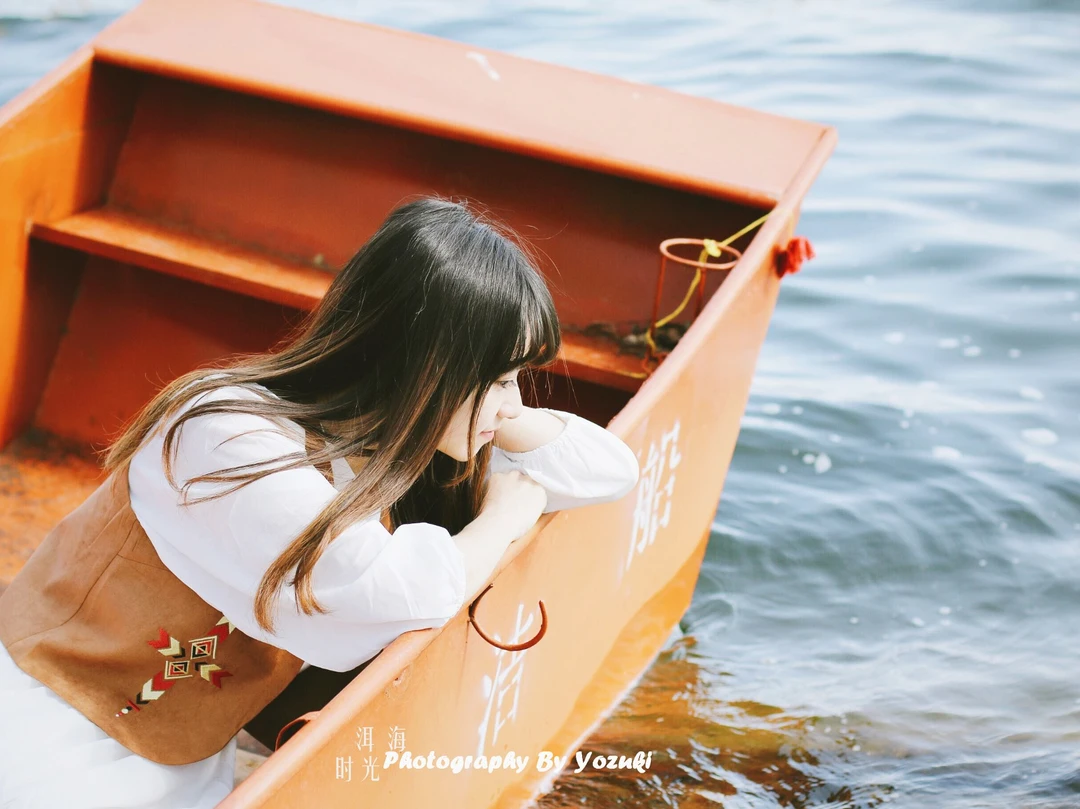
This is the holy grail of Erhai accommodation. Book only by phone—they don't list on any booking platforms. The inn sits right on the water with no barrier between you and the lake. Every room is a sea-view room, and the property features that famous suspended glass ball and reflective table you've seen in countless travel photos.
Our Sea View Star Room came with floor-to-ceiling windows, an open balcony, a fireplace, and a ceiling window for stargazing. Note: They don't accept children under 12 or seniors over 60 for safety reasons (no railings near the water). Book at least a month in advance.
Shuanglang: Moci Inn
Location: No. 140, Dajianpang Village, Shuanglang Town
A budget-friendly option if you don't need lake views. It's a simple four-story building with communal terraces on each floor—the top offers panoramic views of Shuanglang and the lake. Conveniently walkable to Yuji Island and Nanzhao Customs Island.
The 5-Day Journey: A Day-by-Day Exploration
Day 1: Arrival & First Glimpses
Flying over Yunnan, the turbulence was intense—passengers screamed during descent, and I silently swore never to sit in the last row again. But stepping off the plane at 5 PM, with the sun still high and Erhai glittering in the distance, all discomfort melted away.
Shanghai was choking on smog that week; Dali felt like an antidote.
Sunset doesn't arrive until 7 PM in winter, but darkness falls quickly afterward. Xizhou, our first stop, turned almost silent by nightfall. The town has little nightlife—locals retreat early, and finding dinner outside the center can be challenging. We ate at a small restaurant near our inn and stumbled upon surprisingly delicious food.
That first night, the stars appeared like scattered diamonds. Dali's inns typically have courtyard layouts, perfect for stargazing. I tried capturing the night sky with my Canon 70D—a rookie attempt with mixed results. For better star photos: use a tripod, set your lens to manual focus at infinity, experiment with ISO 6400-3200, and keep your aperture between f/2.8 and f/5.6. Most importantly, find a spot with zero light pollution and dress warmly—winter nights hover around freezing.
Day 2: Xizhou's Timeless Charm
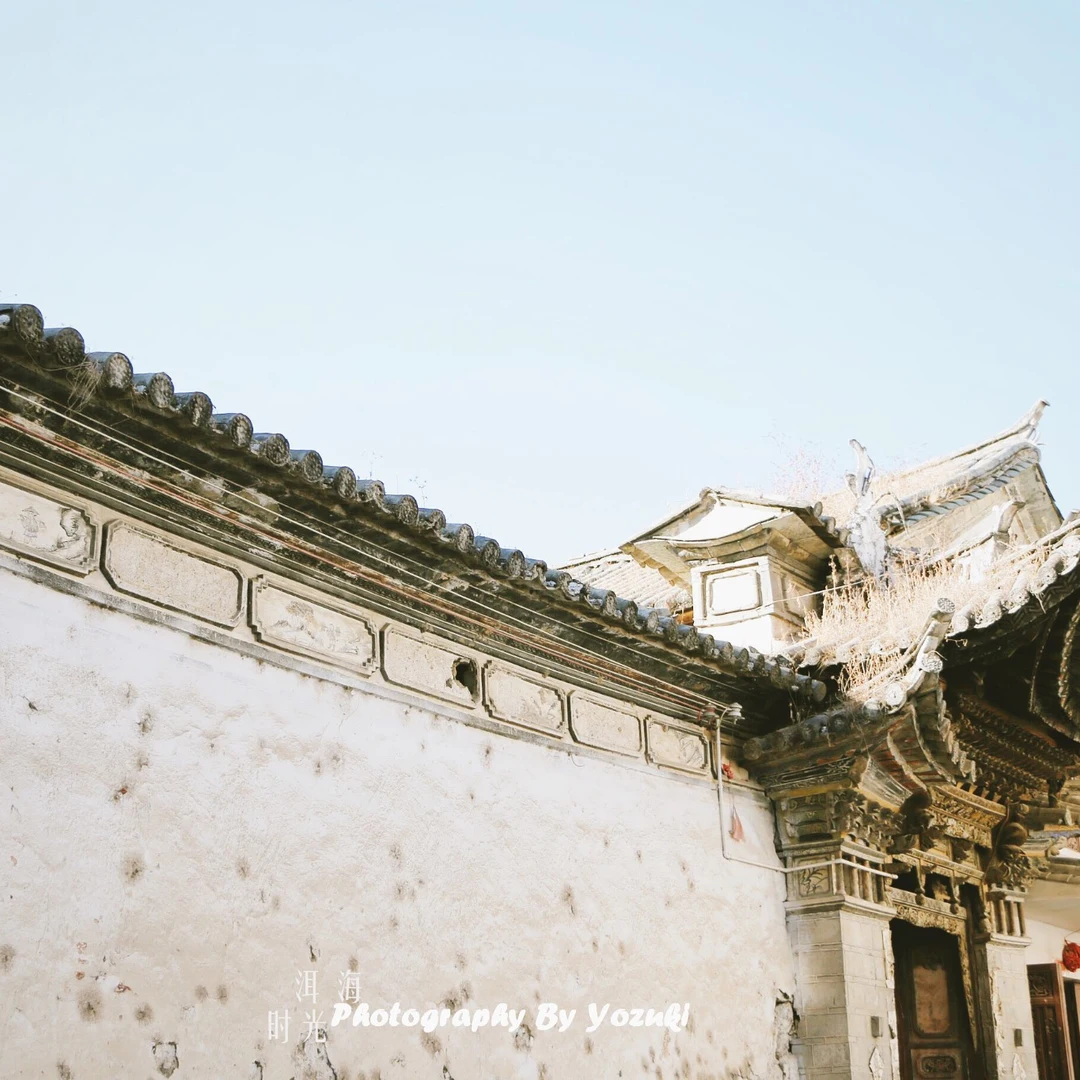
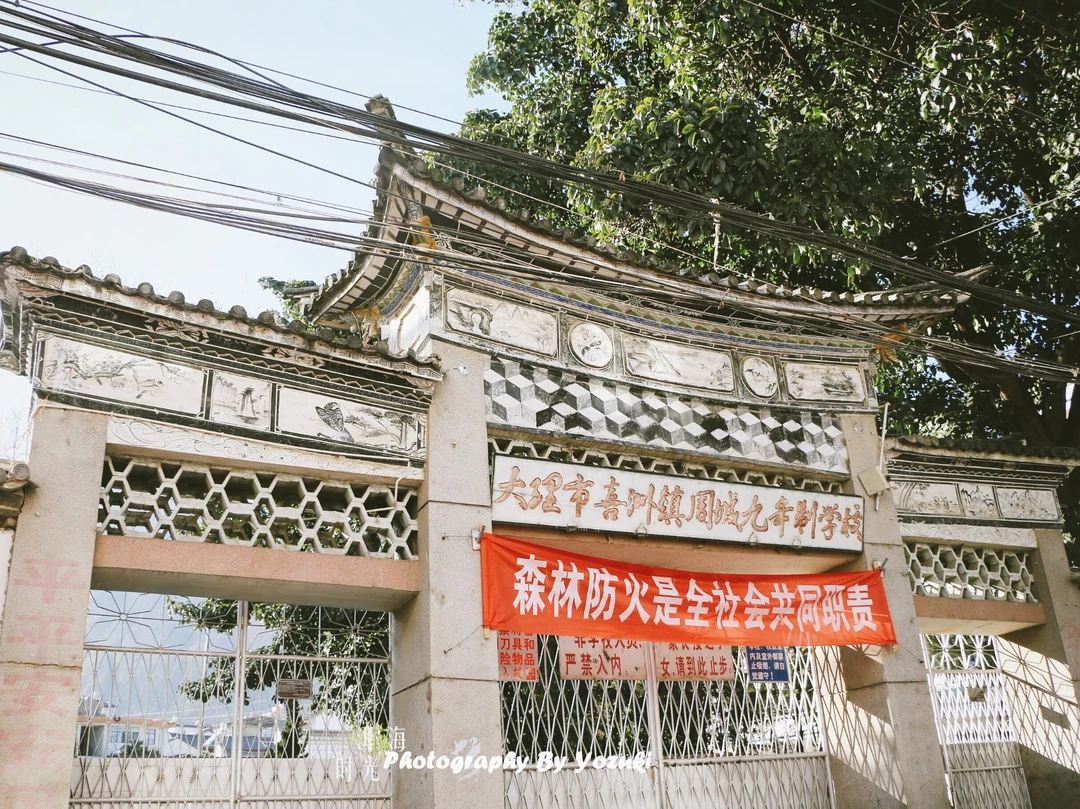
Morning revealed white walls, grey tiles, and upturned eaves against Cangshan's backdrop. Xizhou's architectural heritage is extraordinary—it preserves residences from the Ming and Qing dynasties through the Republican era, characterized by the "three rooms with one screen wall, four courtyards with five patios" design.
Don't miss:
- Xilin Yuan (formerly Yang Pinxiang's residence, now a boutique hotel favored by foreign visitors)
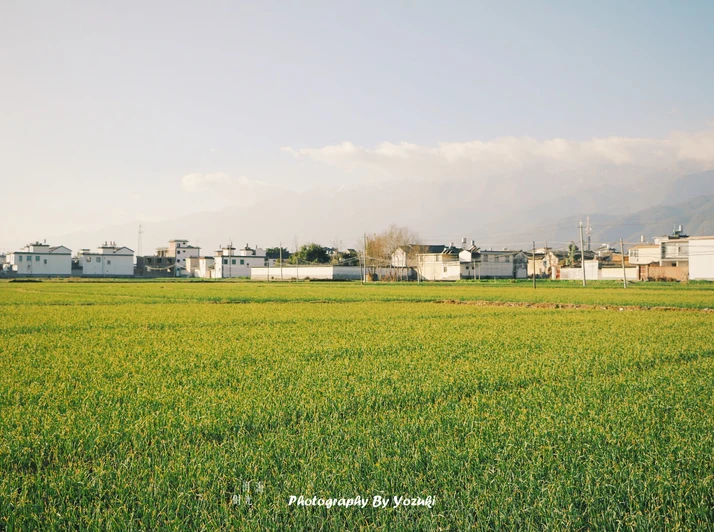
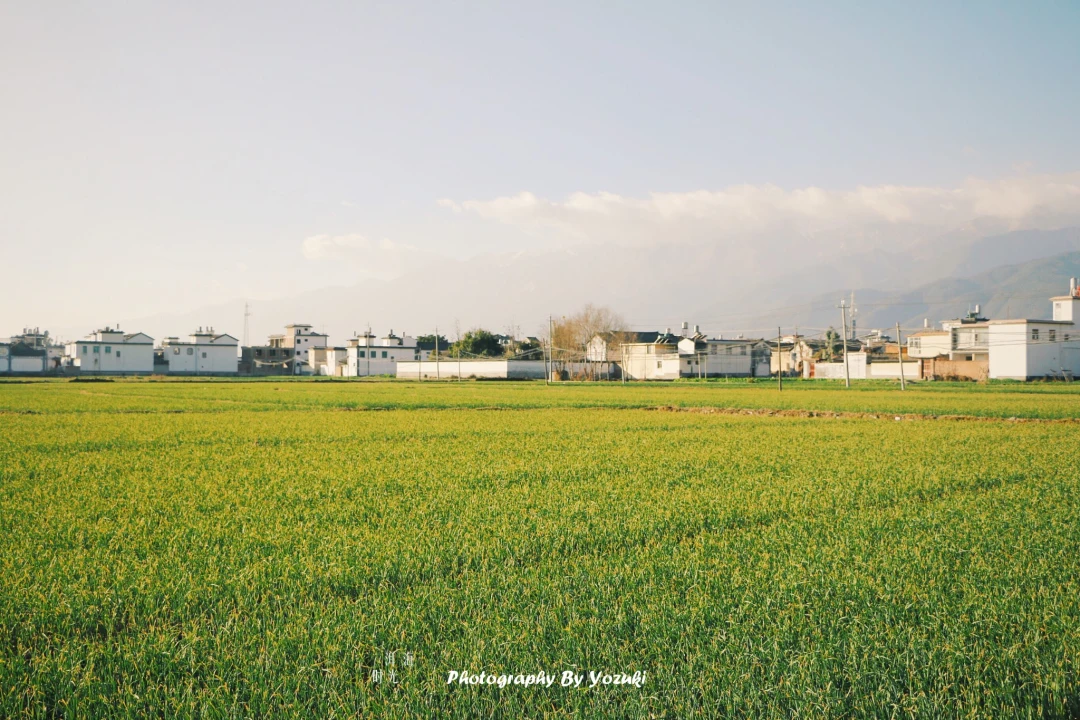
- The surrounding farmland that changes colors with the seasons
- Street food: Xizhou's famous baba (a savory or sweet flatbread, 10 RMB for authentic version) and grilled rushan (a dried milk fan that's either too rich or too chewy depending on when you eat it)
We wandered through ancient residential clusters, some still inhabited, others abandoned to time. The old woman selling tie-dye fabrics gave us a disapproving look when we lingered too long photographing her wares. Fair enough—craftsmanship deserves respect.
Lunch came at "Xizhou Taste" near Yan's Grand Courtyard, a small restaurant with outdoor seating that served hearty local dishes.
Day 3: Taoyuan Village & Haishe Park
Taoyuan Village lives up to its name—a "peach blossom paradise" removed from the world's noise. Here, fishermen launch their boats before dawn, and if you're up by 8 AM, you can catch a spectacular sunrise over the lake.
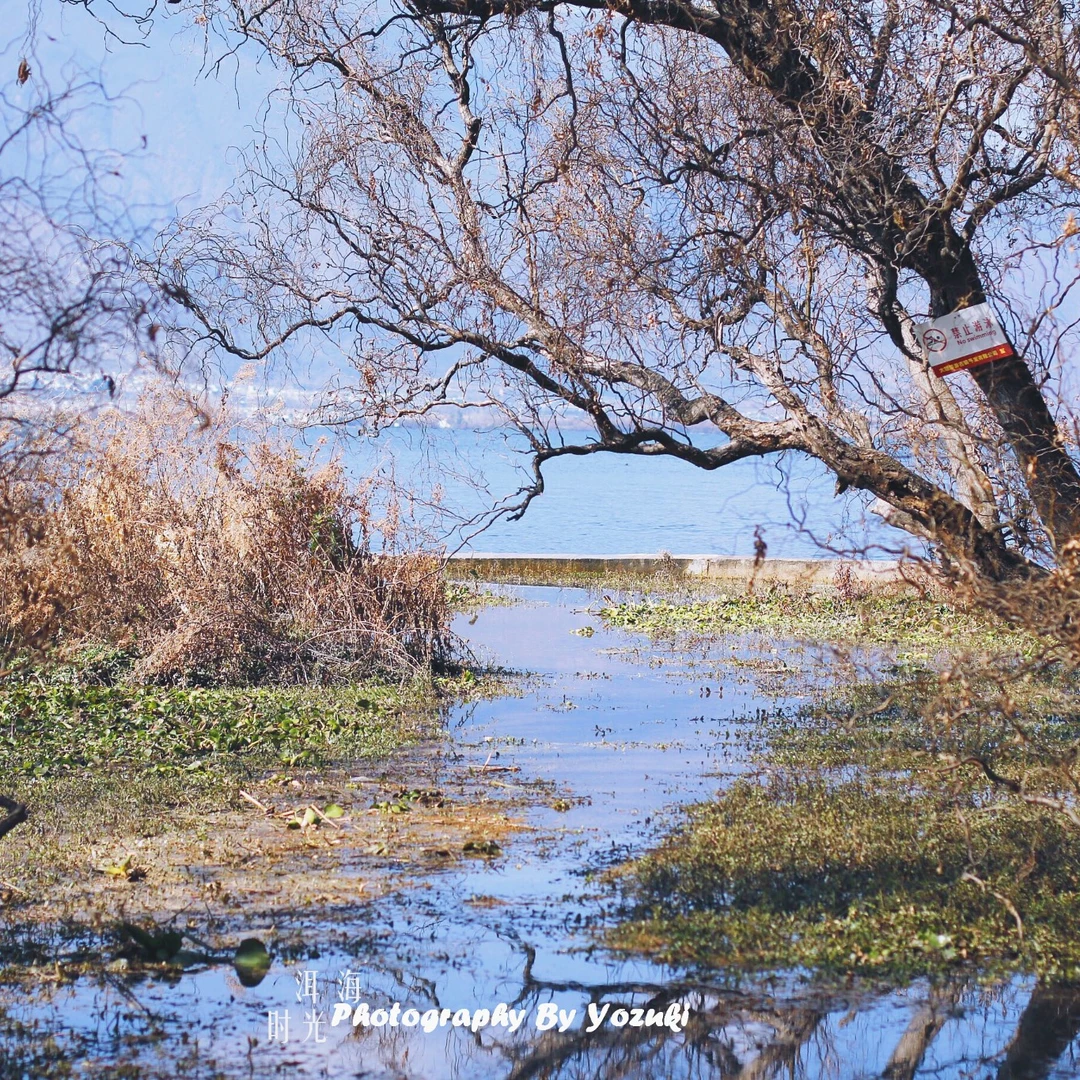
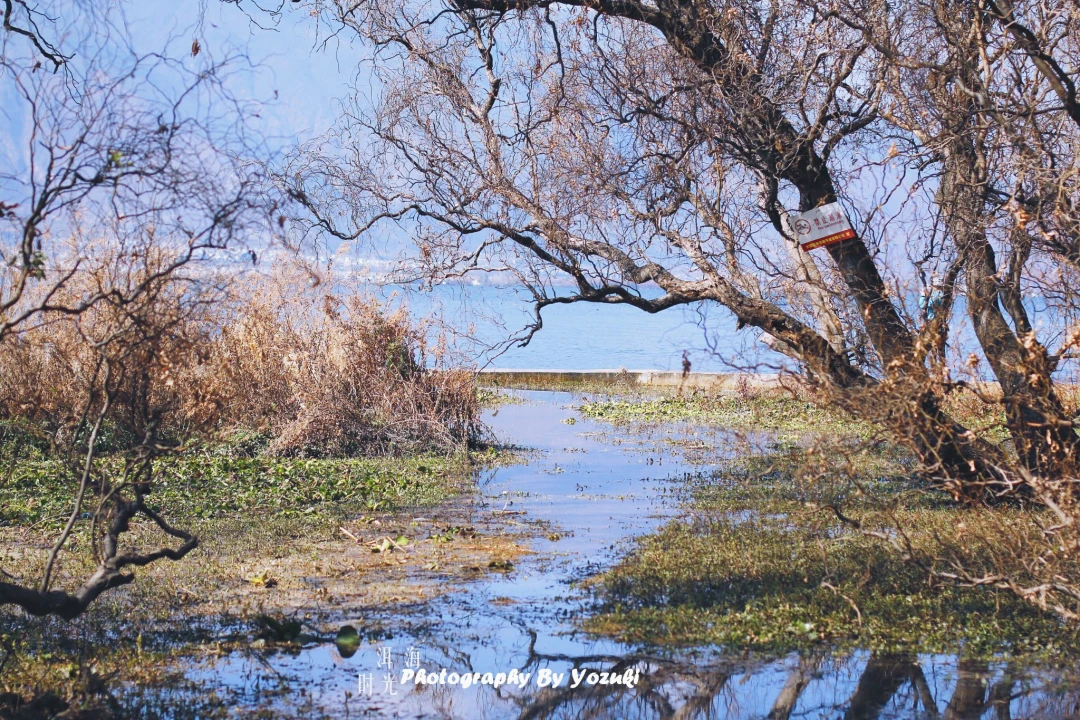
Haishe Park extends like a tongue into Erhai, featuring trees growing directly from the water—some dead and skeletal, others stubbornly alive. Green boats drift lazily across the surface, and the views of Cangshan and the lake are postcard-perfect.
Zhoucheng Village, northwest of Erhai, is famous for tie-dye. Multiple workshops welcome visitors, and elderly Bai women in traditional costumes demonstrate the intricate process. You can try your hand at dyeing a scarf or bag—a memorable souvenir that supports local artisans. The village itself feels frozen in time, with narrow lanes and whitewashed walls adorned with indigo patterns.
Back in Taoyuan, we spent the afternoon cycling along the lakeside path. The winter light was golden and forgiving, painting the water in shades of amber and blue. We stopped at a small pier where a fisherman was mending his nets, completely unbothered by our presence. These are the moments that make winter travel worthwhile—the unhurried pace, the genuine encounters.
Day 4: Shuanglang & the Eastern Shore
Shuanglang is Erhai's most famous town, and it shows. The waterfront is lined with cafes, boutiques, and inns catering to Instagram-hungry travelers. But beneath the commercial veneer lies genuine charm.
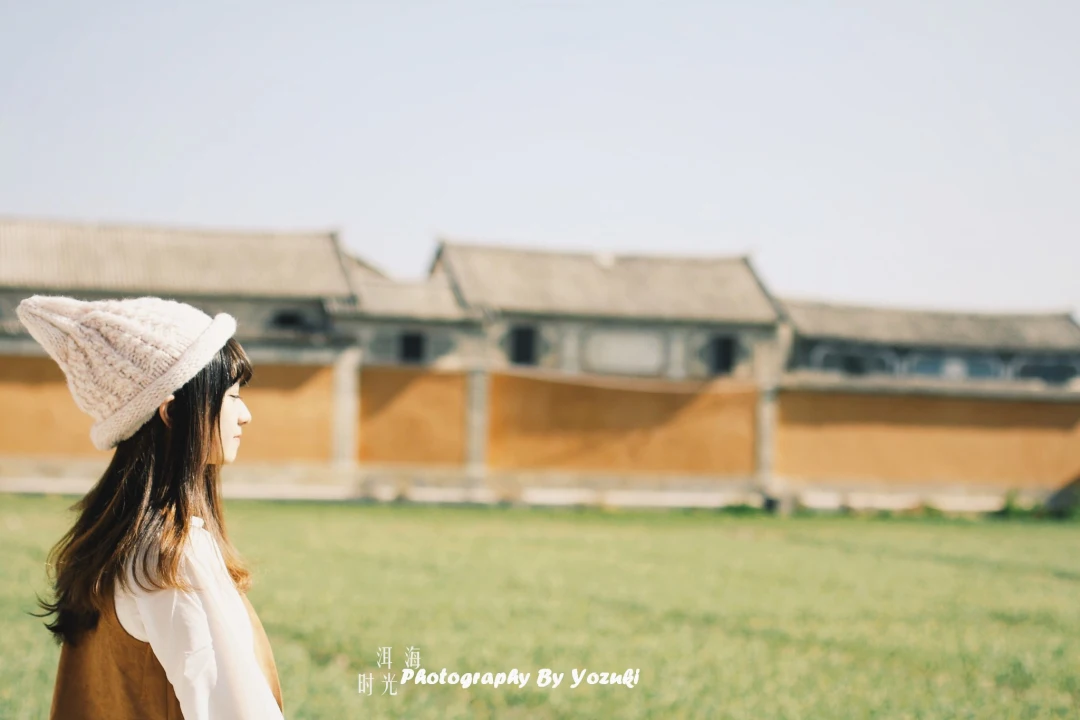
Yuji Island is a must-see—a tiny islet connected by a bridge, crowned with a Bai-style temple. The views from the top are panoramic, encompassing the entire eastern shore and Cangshan's snow-dusted peaks.
Nanzhao Customs Island is larger and more developed, with reconstructed palaces and gardens. It's touristy, but the architecture is impressive, and the history of the Nanzhao Kingdom (738–902 AD) is fascinating. We spent an hour exploring the exhibition halls, learning about this once-powerful kingdom that controlled much of Yunnan.
Food highlight: Dinner at a family-run restaurant in Shuanglang's backstreets. We ordered sour and spicy fish (caught fresh from Erhai that morning), steam pot chicken (a Yunnan specialty), and stirred wild vegetables (foraged from the mountains). The total came to 120 RMB—a steal for such quality.
Day 5: Wase & Xiaoputuo
Our final day was dedicated to the seagulls. We arrived at Xiaoputuo around 8 AM, when the birds are most active. The morning light was soft, and the gulls were everywhere—diving, squabbling, posing for photos.
Photography tip: Bring a telephoto lens if you have one. The gulls are relatively tame, but you'll want to capture them in flight without disturbing their natural behavior. Crumble some bread or buy the local feed (2 RMB per bag) to attract them closer.
After an hour of shooting, we explored Wase Town itself. It's less polished than Shuanglang, more authentic. The main street is lined with shops selling dried fish, local snacks, and handmade crafts. We bought a bag of Erhai silver fish (tiny, translucent fish dried and salted) for 15 RMB—a perfect souvenir.
The return journey: We hired a driver to take us back to Dali Ancient City, where we spent our final afternoon wandering through the old streets. The city walls, the Foreigner Street (Yangren Jie), the towering city gate—all familiar from our brief visit six years ago. But this time, we had truly experienced Erhai, not just glimpsed it.
Final Reflections
Five days around Erhai felt both too short and perfectly timed. Winter's solitude allowed us to connect with the lake on its own terms—no crowds, no queues, no rushed itineraries. We watched sunrises alone, cycled empty roads, and shared meals with locals who had time to chat.
Would I recommend winter? Absolutely. The cold mornings are a small price for the privilege of having this jewel almost to yourself. Pack layers, bring a good camera, and prepare to fall in love with a place that will call you back long after you've left.
As our plane lifted off from Dali Airport, I looked down at Erhai one last time—a silver mirror reflecting the winter sky. Some dreams, I realized, are worth reclaiming.
You should also read:

Into the Hidden Valley: A Solo Journey Through the Mysterious Dulong River
Into the Hidden Valley: A Solo Journey Through the Mysterious Dulong River Deep in the northwestern corner of Yunnan Province, tucked away from the modern world, lies a place that feels like a secret whispered among mountains. The Dulong River Valley is not just a…
Continue reading...
God’s Abandoned Palette: A Self-Drive Journey Through Yunnan’s Dongchuan Red Land
God’s Abandoned Palette: A Self-Drive Journey Through Yunnan’s Dongchuan Red Land Travel has never been about reaching some distant geographic coordinate. It’s about encountering, along the way, the version of yourself buried beneath the rubble of daily routine. During this May Day holiday, I finally…
Continue reading...
Cloud Travelogue · Dali of Wind, Flowers, Snow, and Moon: A Three-Day, Two-Night Journey of a Free Spirit
Cloud Travelogue · Dali of Wind, Flowers, Snow, and Moon: A Three-Day, Two-Night Journey of a Free Spirit I am a cultured female foodie with a touch of rogue charm. I slung on my backpack, took my lover's hand, and set off on a spontaneous…
Continue reading...