Dreamlike: A 13-Day Off-the-Beaten-Path Yunnan Adventure
Dreamlike: A 13-Day Off-the-Beaten-Path Yunnan Adventure
Introduction: A Spontaneous "Escape" Journey
During the two years of recurring lockdowns, my husband and I had practically locked the word "travel" deep in our memories. When a brief window of safety finally opened in 2022, we were like birds caged for too long, desperate to spread our wings and fly. Our originally planned trip to Qinghai fell through due to sudden COVID restrictions, so we hastily rerouted to Yunnan—a province we had never set foot in before.
But this time, we made a decision that stunned all our friends: no Lijiang, no Shangri-La, no Dali, no Xishuangbanna. Yes, we abandoned Yunnan's most famous, well-established tourist attractions. For first-time visitors to Yunnan, this was practically sacrilege. But we simply dislike crowded influencer hotspots, and with the uncertainty of the pandemic, I gritted my teeth and designed an off-the-beaten-path route—heading east and south from Kunming, avoiding crowds and famous cities, diving into corners even locals might not have visited.
As it turned out, this decision gifted us 13 days of dreamlike travel.
Pre-Trip Preparation: The "Hardcore" Tips You Must Know
Weather and Packing: Eastern Yunnan's "Face-Changing" Game in September
September in eastern Yunnan is already autumn—supposedly crisp, dry, and rain-free. But the weather gods decided to play a trick on us: severe convective weather followed us everywhere, with rain falling intermittently at every stop. Fortunately, temperatures weren't too low, hovering between 15-24°C. Long sleeves and long skirts were just right, with a light jacket needed for mornings and evenings.
Special reminder: Yuanyang Rice Terraces are at a higher altitude, with large temperature swings, strong winds, and a chilly feel. Before sunrise and after sunset, you absolutely need a fleece or windbreaker, or you'll be shivering so hard you'll question your life choices.
Essential Items: Missing One Could Spell Disaster
Beyond the usual medicine and toiletries, these three items are non-negotiable:
1. Mosquito Repellent and Anti-Itch Cream—These Are Life-Savers!
My husband, Qian Hua, was covered in bites—at least dozens of them. We suspect it was the work of ant-midges and other unidentified insects in the Honghe region. The itching was maddening, keeping him awake all night scratching. Mosquito repellent works on these tiny bugs too; I sprayed liberally and used two full bottles during the trip, barely getting bitten. Remember: mosquito and insect protection must be your top priority!
2. Sun Protection Gear—Yunnan's UV Rays Are the "Invisible Killer"
Yunnan's mountainous plateau terrain gives it UV intensity comparable to high-altitude regions. Hats, face masks, gloves—all these physical sun protection tools are essential. Don't end up like my husband, whose neck was as red as a boiled shrimp when we got home.
3. Portable Clothes Dryer—A "Lifesaver" in Southern Humidity
The further southeast you go, the more humid it gets. Laundry would take days to dry, and towels would still be damp the next morning. We brought a portable drying rack with a cover; after half an hour of drying, hanging overnight would mostly do the trick. This gadget truly saved our entire trip.
Day 1: Beijing → Kunming | Landing into a Dream
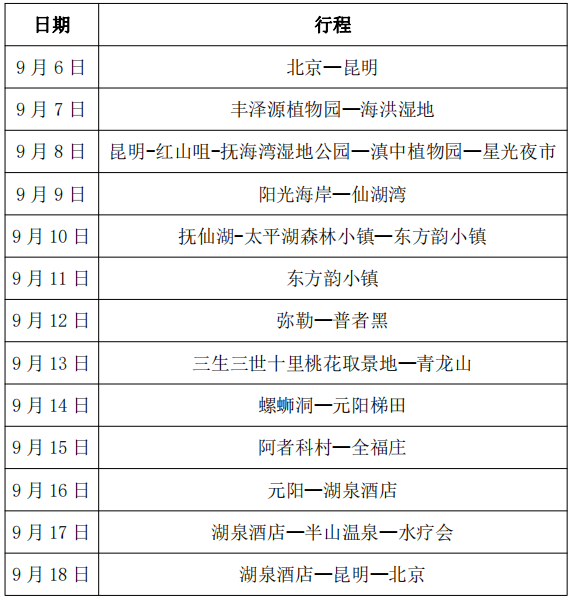
On the evening of September 6, we took off from Beijing Daxing International Airport. The 18:40 flight touched down at Kunming Changshui International Airport right on time at 22:00. After picking up our luggage, we did the on-arrival COVID test—the line was long, but the process was fast and didn't take too long. Then we headed to the car rental counter at the airport, picked up our car, and drove straight to the hotel. Music played in the car, the lights of Kunming glowed softly outside the window, and our hearts felt like they were swimming in honey.
Day 2: Fengzeyuan Botanical Garden | Meeting the "Waterborne Beauty"
The Stunning Arrival of the Water Flower
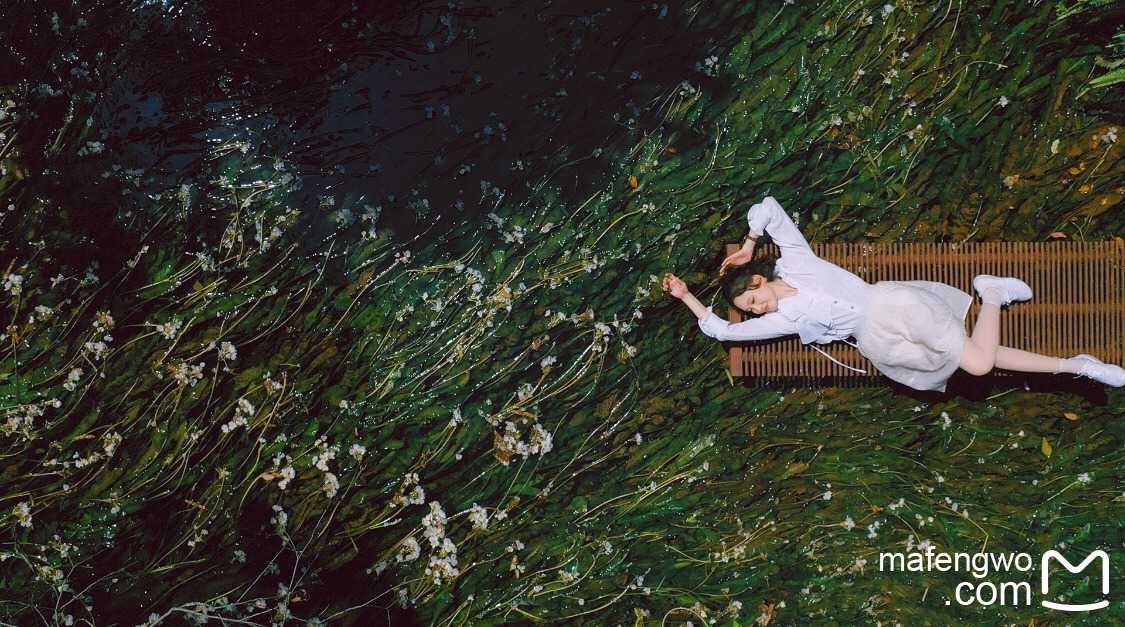
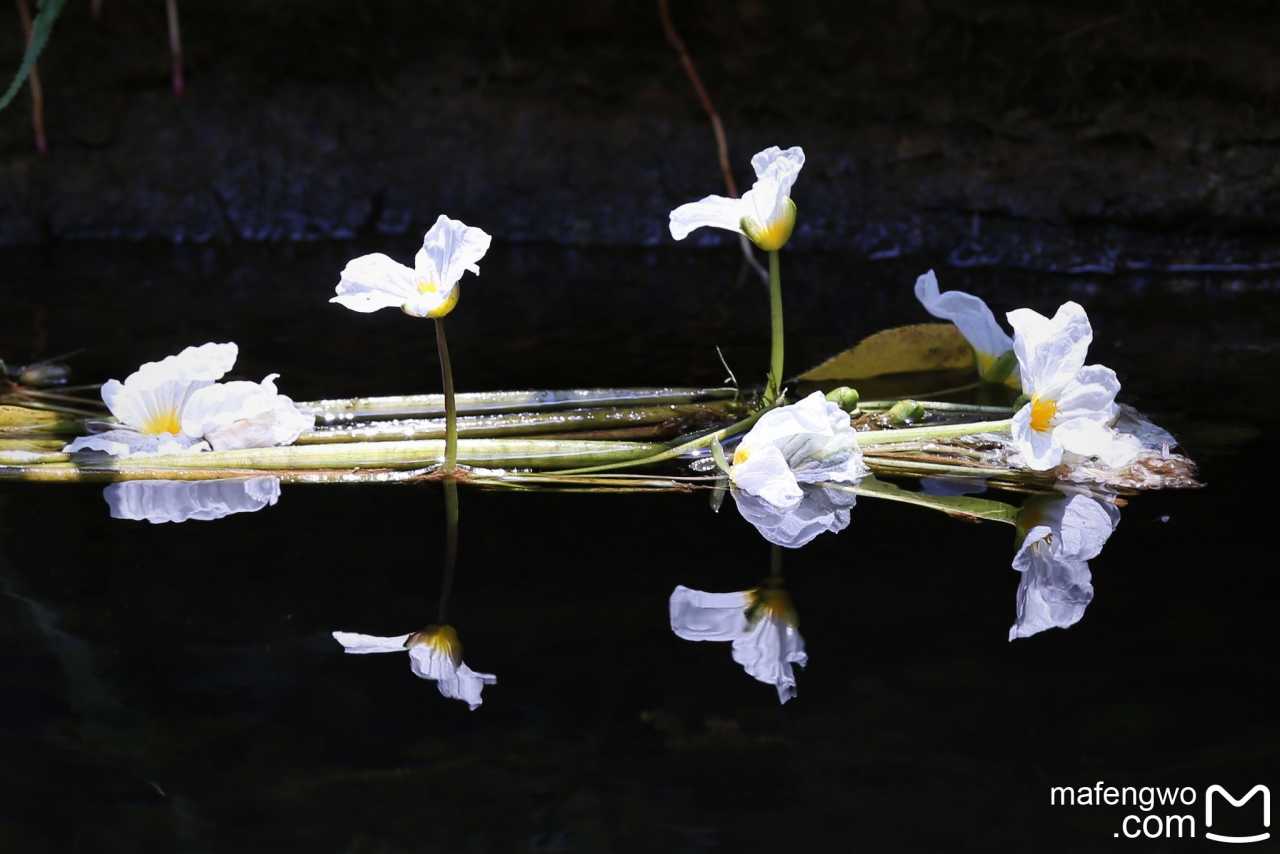
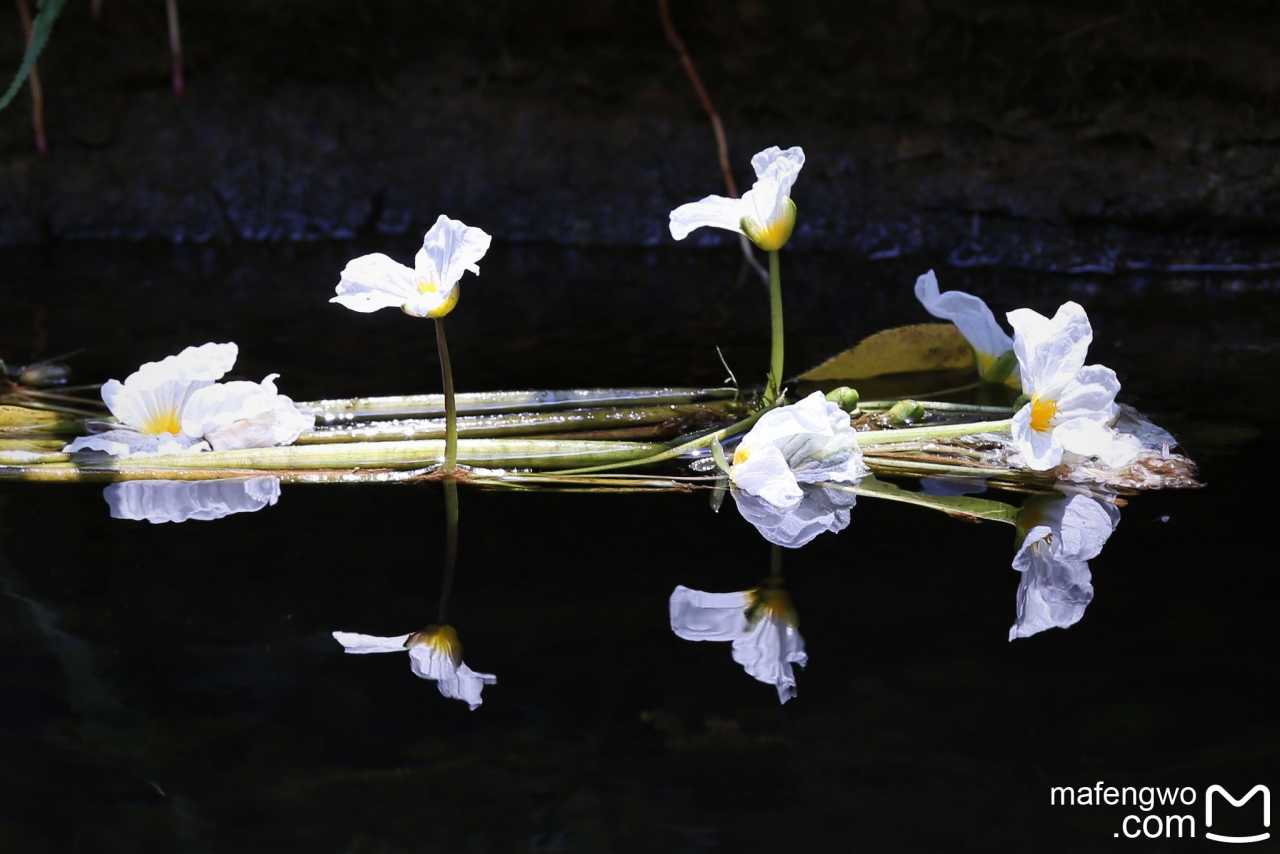
Fengzeyuan Botanical Garden costs 20 RMB per person, with free parking. I'm not sure how big the garden actually is—because I came for one thing only: the Haicaihua (water flower). After entering the main gate, keep walking straight, and soon on your left you'll see a stream densely covered with these flowers. Follow the stream, and on your right, there's a small bridge extending out—the best spot for portraits.
This aquatic plant mostly grows in water 1 to 5 meters deep, with roots anchored to the lakebed and stems reaching upward. Only the white flowers float on the surface, swaying with the ripples. People jokingly call it "waterborne beauty," but more often it's described as "pure as ice and clean as jade"—because it's extremely picky about water quality. If the water is even slightly polluted, it vanishes without a trace.
Most people know this flower from Lugu Lake, but who would have thought that a stretch of water in Kunming could also offer such a breathtaking sight? White blossoms gently bobbed on the water's surface, like stars scattered across the lake.
Lunch: A "Shock Education" at Yongchang Fire Pot Beef
For lunch, we chose a local specialty restaurant called Yongchang Fire Pot Beef. The place had two floors, and when we reached the second floor, we were both stunned—a vast hall filled with dozens of tables stretching as far as the eye could see, with private rooms around the corner. The scale was like a sports stadium. The waitress told us it's usually packed every day, sometimes with a queue. We arrived in the afternoon when there were fewer diners, so we could finally enjoy our meal in peace.
In Yunnan, ingredients are weighed by the kilogram. We weren't used to it and ordered too much beef—a whole pot full. The vegetable platter was also a massive basket; when it arrived, we just stared at each other. The flavors were wonderful, and I mixed my own dipping sauce, which turned out pretty good—at least my husband said so.
Haihong Wetland: The Pain of a "Crashed Drone"
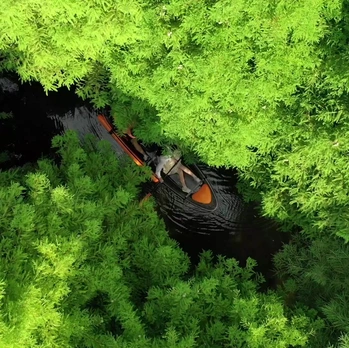
Haihong Wetland Park is free to enter, with boat rentals at 90 RMB per hour and a 100 RMB deposit. The park features water pines growing in the lake, and rowing through the "water forest" is a unique experience. But this is also where our hearts broke—our drone crashed.
We watched helplessly as it went "plop" into the water. That sound still echoes in my mind. Luckily, the water wasn't deep, and we managed to retrieve it, but it was unusable. We had no choice but to rent a new one back in Kunming. Lesson learned: always check the battery and signal before flying a drone.
Day 3: Kunming → Fuxian Lake | Leave Erhai to the World, Keep Fuxian for Yourself
Hongshanzui: The "Pink Sand Beach" Under the Filter
Fuxian Lake is known as Kunming's "backyard garden." Someone once said, "The people of Yunnan left Erhai for the world, but kept Fuxian for themselves." It's about 60 kilometers from Kunming, covering 212 square kilometers—the third-largest lake in Yunnan Province—with a maximum depth of 155 meters, making it China's largest deep-water freshwater lake.
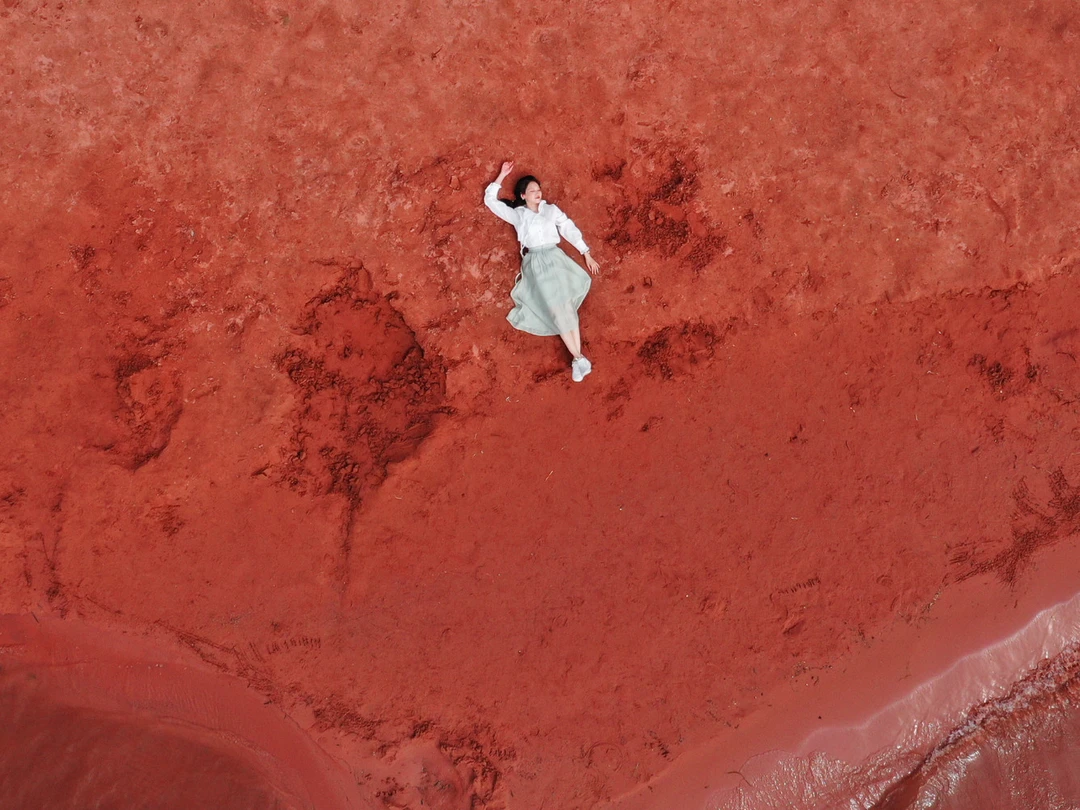
Our first stop was Hongshanzui, which is free but has no parking lot—you can only park along the narrow road on both sides. It's not really a scenic spot, but the red sand beach draws visitors. There are many heavily filtered photos online that make the sand look pink. In reality, the beach at Hongshanzui is naturally red, the same color as Yunnan's unique red soil.
The coastline at Hongshanzui is very short. If you come with sky-high expectations, you might be disappointed. But on a clear day, viewed from above, the colors are strikingly vivid and worth checking out.
Fuxian Lake gets over 2,000 hours of sunshine annually, so it should be bathed in sunlight. But the severe convective weather brought clouds gathering. After taking photos at Hongshanzui, it seemed like we had used up all of Fuxian Lake's sunlight for the trip—from then on, the weather stayed gloomy, and the sun never showed its face again.
Fuhaiwan Wetland Park: Breathing Negative Ions in "Slow Living"
Our second stop was Fuhaiwan Wetland Park, free to enter with paid parking. This is the largest lakeside ecological wetland on Fuxian Lake's north shore. Ponds, water plants, flowers, and tree shadows complement each other perfectly. Walking through the air, rich with negative ions, you can't help but slow down your pace.
Heading toward the lake, there's a vast flower field stretching to the water's edge. In spring and summer, this must be a sea of colorful blooms. Every spring, I suffer from allergic rhinitis, so I can only stay indoors during the most beautiful flower season. Here, with the moist air, I could finally enjoy the flowers to my heart's content.
Central Yunnan Botanical Garden: Running Toward a Pink Dream
Our third stop was the Central Yunnan Botanical Garden in Yuxi City, about 70 kilometers from Fuxian Lake. Navigate to "Central Yunnan Botanical Garden Fishing Center," then keep driving until you see a ticket checkpoint. Park by the roadside. Admission is 40 RMB per person.
The garden covers nearly 10,000 mu (about 1,600 acres), with zones for flowers, fishing, BBQ, hotels, and children's play areas. In spring, vast stretches of Meinvying (verbena) must be spectacular.
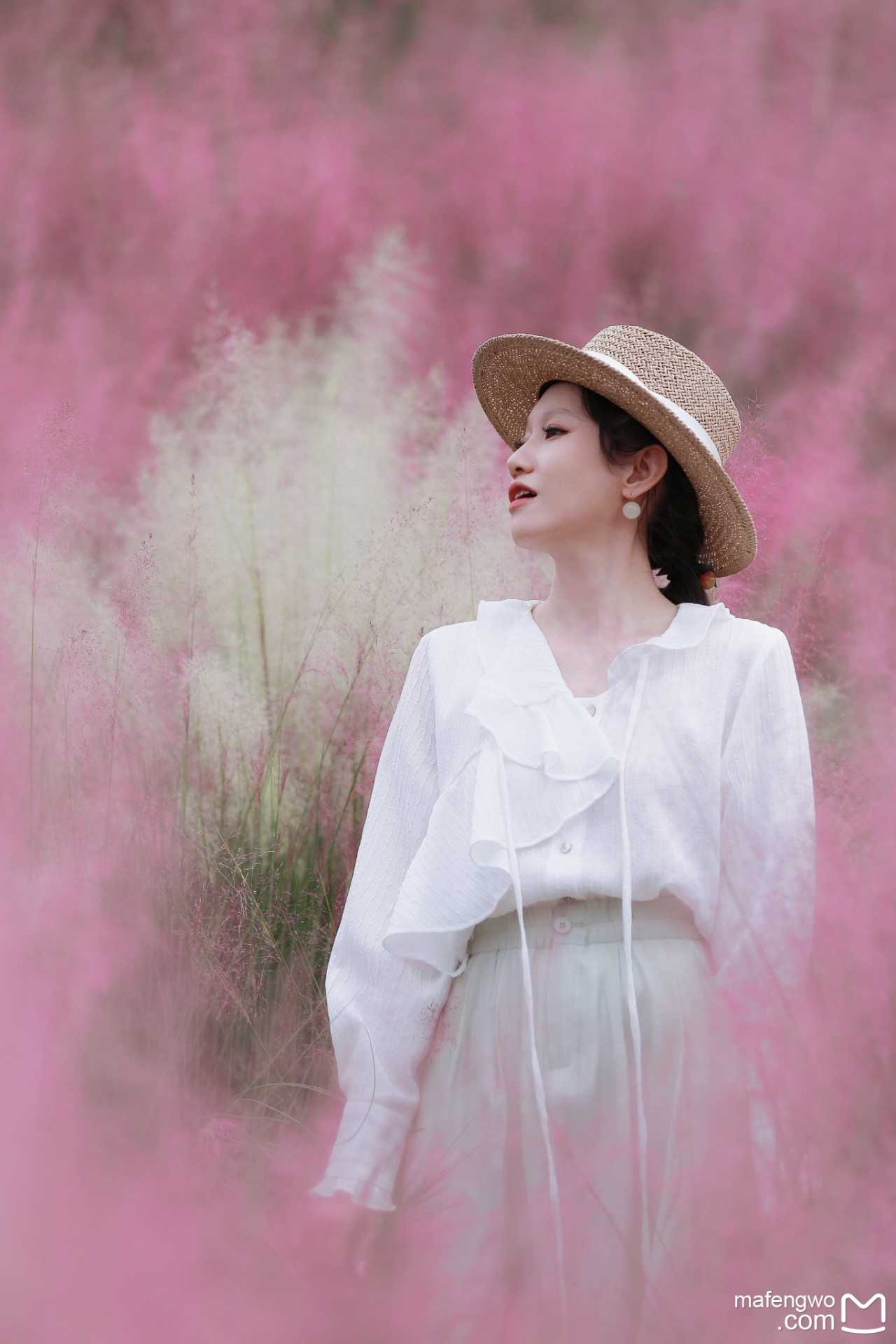
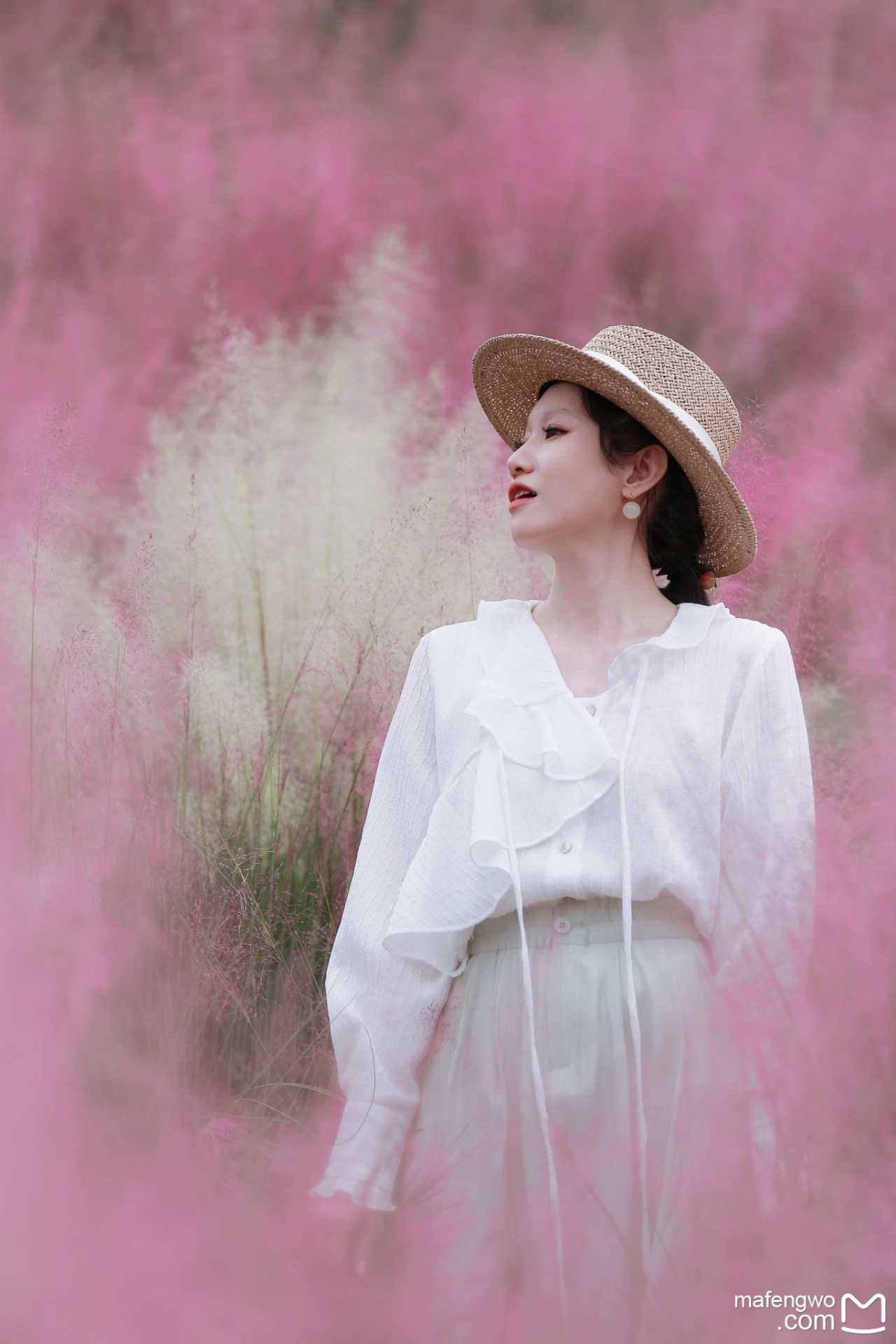
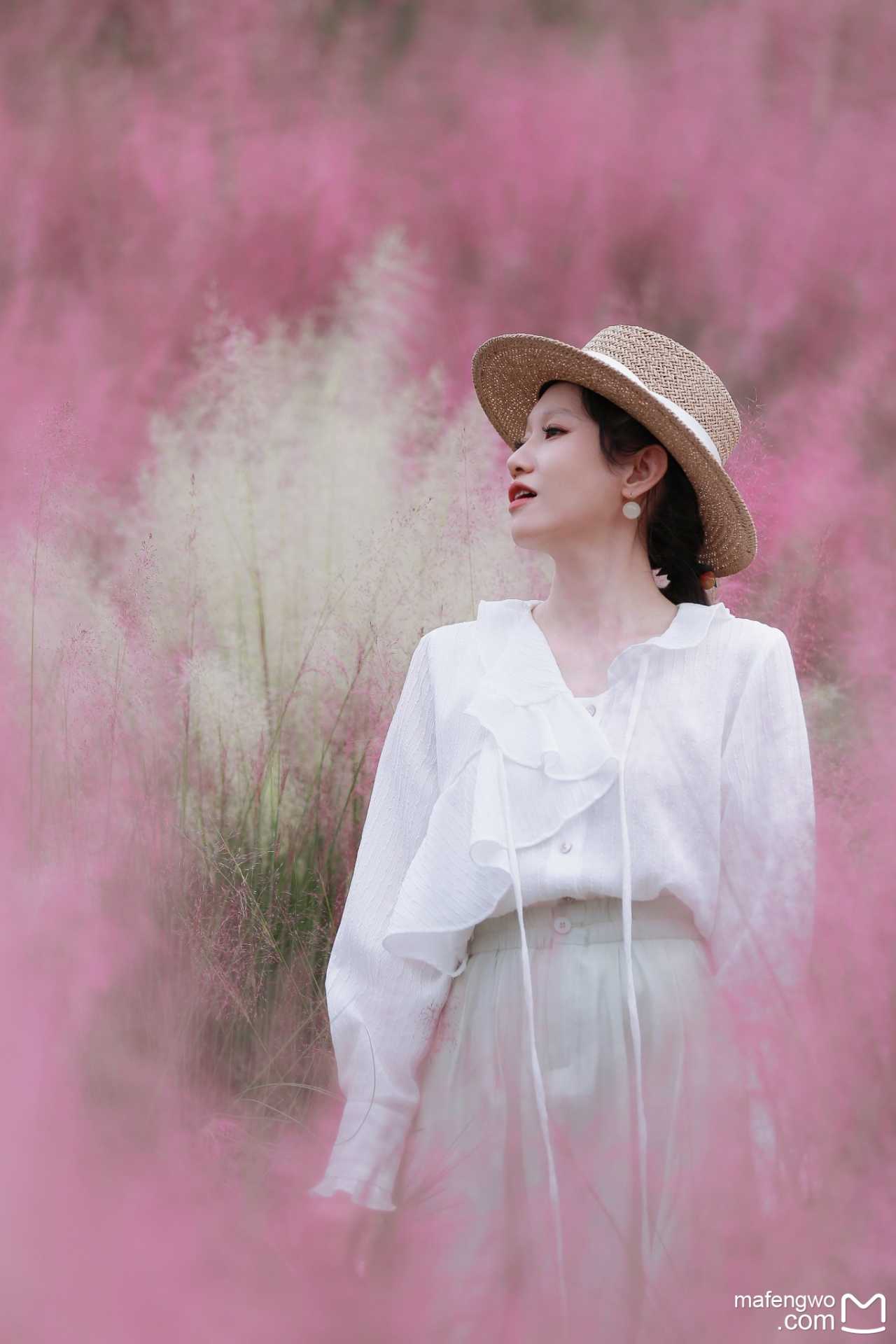
Autumn is the season for Fendai Luancao (pink muhly grass), which blooms from early September to late October. You can see this grass in many cities, but here it's on a grand scale—truly stunning. Clusters and tufts of pink, cotton-candy-like flower spikes take autumn's romance to the max.
Standing in the sea of flowers, we felt like we were running into a pink dream.
Dinner and Accommodation: Unexpected Surprises
By the time we returned to Fuxian Lake, it was already dark. We had planned to visit the Starry Night Market, but found that 90% of the stalls were closed due to the pandemic—it was deserted, so we gave up. We had dinner at a restaurant across from the market, simple food that turned out surprisingly delicious.
We stayed at the Fuxian Lake Emerald Bay Hotel, on the northwest side of the lake. The hotel upgraded us to a lake-view room for free, and from the balcony we could enjoy sunrise and sunset over Fuxian Lake. Unfortunately, the weather didn't cooperate, so we missed both. But the beautiful lake view was still a treat. The hotel isn't well-known, but it's well-equipped, quiet and comfortable, with a good breakfast and great value for money.
Day 4: In-Depth Fuxian Lake | The Healing Power of Sunshine Coast and Stone Pot Fish
Sunshine Coast: The "Secluded" White Sand and Clear Water
After getting our COVID test at a free testing station near the hotel, we drove to Sunshine Coast, on the southwest side of Fuxian Lake. No entrance fee, but 20 RMB for parking. This free beach area felt like it might have been a dock for boats heading to Gushan Island in the past. The water was crystal clear, with white sand and blue water creating distinct layers, attracting many visitors to play in the water.
Across the water, Gushan Island had an ethereal, secluded air about it. The scenery must be even more beautiful on a clear day.
Xianhu Bay: Regret Over a Missed Sunset
Our second stop was originally planned to be the Star Town Cliff Park on the south side of the lake, but we were told at the parking lot that it was under renovation and closed. Disappointed, we moved on.
We continued around the lake to Xianhu Bay on the east side, also free with 20 RMB parking. Xianhu Bay is a wetland park with rocks, reeds, lotuses, and a wild charm—perfect for watching the sunset on a clear day. But thick clouds hung low in the sky, and we knew the sunset wasn't happening. After a short stroll, we left.
Stone Pot Fish: Yunnan's "Strange Phenomenon" of Using a Straw Hat as a Pot Lid
When you're at Fuxian Lake, you can't miss the lake's fresh catch. In the afternoon, we chose a highly-rated Stone Pot Fish restaurant—Holiday Bay Stone Pot Fish. The advantage of eating during off-peak hours: we had the entire restaurant to ourselves and could pick any seat.
We ordered Fuxian Lake's specialty wild red-faced green fish. The owner butchered it right in front of us, explaining that because Fuxian Lake has excellent water quality, these fish grow up eating clean food, so their bodies are clean too. He even showed us the fish's pristine white belly.
Each table had a large stone pot embedded in the center, with steam pipes underneath and a pointed straw hat on top. That's right—we finally witnessed one of Yunnan's "18 Strange Phenomena": using a straw hat as a pot lid.
We chose a Yunnan-style sour herb broth for the base—refreshing and not greasy. The fish was sliced for hot-pot dipping, each piece translucent and glistening. We also ordered pot-crusted tofu and pea shoots. As the steam rose, the aroma filled the air—the fish was tender and flavorful, the tofu soft inside with a crispy exterior, and the pea shoots fresh and delicate. Truly unforgettable!
The Circus: Unexpected Joy
After dinner, we went back to the hotel to rest. Remembering that the hotel had given us two free tickets for the evening circus, we decided to check it out. The magic show and motorcycle stunts were both spectacular, and my husband was even invited on stage to participate. After the show ended, we walked back to the hotel in the fresh, humid air, replaying the circus acts in our minds, bringing our Fuxian Lake journey to a close.
Day 5: Maitreya | Pigeons at Taiping Lake and Rain at Dongfang Yun
Taiping Lake Forest Park: Pigeons Getting "Up in My Face"
Today we left Fuxian Lake for Maitreya City in Honghe Prefecture. Our first stop was Taiping Lake Forest Park, covering 42 square kilometers with dense vegetation and excellent facilities. Buying tickets online at the entrance gave us a discount, bringing the price to 90 RMB for two people, including round-trip shuttle from the main gate to the Rocky Desertification Park.
The park has multiple themed zones; to see them all would take a full day. The Asian debut of an international land artist's work, "Princess Taiping," is based on a Yi ethnic woman. Using soil, bricks, planted and trimmed vegetation, rocks, and organic mulch, the artist created a massive painting through color and height variations, covering 50 mu (about 8 acres)—truly awe-inspiring.
But what left the deepest impression on me wasn't the colorful flower sea, the 50-mu Yi girl land art, the cactus-filled rocky desertification zone, or the fragrant flowers and singing birds. No, what I remember most vividly was a flock of pigeons that weren't just unafraid of people—they climbed all over me, getting right in my face.
If you ever come here, buy a bag of feed. It's absolutely worth it.
Dongfang Yun Art Town: "Babylon" in a Downpour
As we drove toward Dongfang Yun Art Town, a massive black cloud loomed in the distance. Soon, a torrential downpour began, so heavy that the steps in the town turned into waterfalls.
Dongfang Yun Art Town has three hotels; staying at any of them waives the entrance fee and shuttle ticket. We were staying at the Niu Duoluo Music Farmhouse inside the scenic area, but cars could only park outside, and we had to carry our luggage up a flight of stairs. The rain was so heavy that we had to wait in the car until it let up a bit before moving our bags.
The Niu Duoluo Music Farmhouse has few rooms and is quite small, but like the rest of Dongfang Yun Art Town, it's built with red bricks. We heard that the restaurant uses vegetables grown on-site, so we decided to have dinner there.
Maitreya is famous for its grapes, so we ordered a bottle of the farmhouse's homemade grape juice, toasting in place of wine to celebrate the Mid-Autumn Festival and our wedding anniversary (by the lunar calendar).
The Fireworks "Misunderstanding"
After dinner, the rain had almost stopped. We stepped out of the farmhouse and wandered aimlessly. Not far away was the MGallery Hotel, our main photo spot for tomorrow. Built into the hillside in layered terraces, it was already late, but people were still taking photos outside the lobby.
We happened to see a notice at the MGallery about a fireworks show that night. After confirming with the front desk, we excitedly headed toward the launch site. But the launch site was deep inside the scenic area, far from the hotel, and private cars weren't allowed, so we had to walk.
Crossing a bridge, walking a long road—after half an hour, we finally arrived at the launch site, only to find it completely empty. We asked a "semi-staff member," who said he hadn't heard about any fireworks and guessed it was canceled due to too few people. We were dumbfounded. Soon, a dozen or so other hotel guests arrived, also drawn by the notice. After contacting the MGallery, we learned the show had indeed been canceled, but the hotel hadn't been notified. The hotel apologized and arranged several electric carts to take guests back, and we hitched a ride.
Day 6: Dongfang Yun Art Town | A Magical World of Red Bricks and Light and Shadow
MGallery Hotel: "Oriental Morocco" in the Rain
Early in the morning, the continuous crowing of roosters woke me up. I looked outside—the sky was gray, and it was raining heavily. We had no choice but to stay in the room, editing photos and making videos. By late morning, the rain had eased but was still drizzling. We borrowed a large umbrella from the hotel and headed straight for the MGallery.
The MGallery is a high-end hotel under the French Accor Group, built with red bricks in a flowing, distinctive style—a unique and dreamy sight within Dongfang Yun Art Town. Today was the second day of the Mid-Autumn Festival holiday, so it should have been packed. But because of the rain, the areas outside the lobby, the pool—usually crowded—were empty and deserted.
The hotel lobby, the outdoor areas, the pool, and the central courtyards of each building were all uniquely beautiful. Dongfang Yun Art Town is nicknamed "Provence in Central Yunnan" and "Oriental Morocco." As we took photos in front of different buildings, the scenery changed dramatically with every shift in angle.
Kaleidoscope Art Museum: "Magic Light" Under the Sun
After finishing our hotel photo session, the rain gradually stopped. By the time we reached the Kaleidoscope Art Museum, the long-awaited sun finally appeared. Designed by artist Luo Xu, the museum blends wine culture with the fire culture of the Yi branch, taking the shapes of wine bottles and flames. It's the centerpiece of Dongfang Yun Art Town.
This postmodern art building, weaving red bricks with wild imagination, glowed with magical light under the sun. It echoed the MGallery Hotel, blending into Maitreya's green shade and blue waters, making you feel almost transported back to the era of Babylon.
Every hour on the hour, the Kaleidoscope Art Museum puts on a short "performance" featuring a group of a thousand handmade clay figurines, also created by Luo Xu. When the music plays, they "sing" the Yellow River Cantata, accompanied by lights and sound, making each figurine seem to have a different expression.
Day 7: Maitreya → Puzhehei | A Pond Abundant with Fish and Shrimp
Puzhehei: The Tranquility of the Off-Season
Today's itinerary was simple: sleep in, then drive to Puzhehei Scenic Area in Wenshan County. We checked into the Only You Lake View Guesthouse.
Puzhehei—the name comes from a Yi language transliteration, meaning "a pond abundant with fish and shrimp." This is a classic karst landscape, with lotus ponds, wetlands, and peaks as the core attractions. Every summer, 20,000 mu (about 3,300 acres) of lotus flowers bloom in succession. Surrounded by hills and lakes, boating through the lotus sea on the emerald water—what a sight it must be!
We had originally planned to climb Qinglong Mountain to watch the sunset, but just as we were about to leave, the weather suddenly changed, and rain began to fall. We waited, but the sky grew darker and the rain heavier. We could only lie in bed, gazing at the lake with a sigh.
In autumn, the lotus flowers have faded, and the entire Puzhehei area is shrouded in an off-season atmosphere. With continuous rain, the streets were deserted, and many shops were closed. We walked through the empty streets, imagining the lively scenes of peak season.
Soy Milk Chicken and Flower Rice: A Delight for the Taste Buds
For dinner, we found a restaurant that was still open, specializing in soy milk chicken. When the soy milk boiled, it turned into soft tofu curds. The chicken was tender, and the broth was delicious. The highlight, though, was the local flower rice—a specialty of the Zhuang people in Puzhehei. Glutinous rice dyed with natural plants, it was soft, chewy, and sweet. Highly recommended.
Day 8: Puzhehei | The "Pilgrimage" of Three Lives Three Worlds and Qinglong Mountain
Three Lives Three Worlds, Ten Miles of Peach Blossoms Filming Location: The Home of the Qingqiu Fox Clan
Puzhehei was one of the filming locations for the hit drama Three Lives Three Worlds, Ten Miles of Peach Blossoms. The filming site has been developed into a scenic spot; navigate to "Three Lives Three Worlds, Ten Miles of Peach Blossoms Filming Location." During peak season, cars must park at the outer lot and walk about 10 minutes to the entrance. Since there were few visitors when we went, we could drive right up to the gate. Admission is 30 RMB per person, and bamboo raft rentals are 108 RMB per raft (raft rental allows you to go to the island).
This is the home of the Qingqiu fox clan from the drama, where the goddess Bai Qian lived out her loves and heartbreaks. Although there were no peach blossoms in autumn, the green mountains and clear waters were still breathtakingly beautiful.
Qinglong Mountain: A "Pilgrimage" Overlooking the Village
The summit of Qinglong Mountain offers a panoramic view of Puzhehei Village and is an excellent spot for sunrise and sunset. The mountain is steep and slippery, taking about half an hour to climb. But for someone like me who doesn't enjoy hiking, it was really exhausting. If the weather is bad, the view suffers significantly. I'd suggest skipping it if you're not a fan of climbing and the weather isn't cooperating.
For dinner, we randomly picked a restaurant and ordered a few homestyle dishes. After a full day of activities and the climb, we were physically drained, so the food tasted especially good. The stir-fried beef with chili was particularly outstanding—spicy, fragrant, and tender. We devoured two bowls of rice each and waddled back to our guesthouse, bellies full.
Day 9: Luosi Cave and Yuanyang Rice Terraces | From Wonderland to Wonderland

Luosi Cave: The Birthplace of the Eastern Emperor
Luosi Cave is a relatively obscure attraction, one of the filming locations for the drama The Pillow Book. Since you can't go onto the island, the usual way to visit is by taking a painted boat. We wanted to capture the reflection on the still water, so we came early in the morning when there was no wind.
Luosi Cave is inside the Swan Lake Scenic Area. We parked by the road outside Entrance No. 1, walked across a bridge into the scenic area, and then walked about 20 minutes to reach the cave. This is the birthplace of the Eastern Emperor Donghua from The Pillow Book, where the fox spirit Bai Fengjiu danced under the Buddha bell flowers.
Yuanyang Rice Terraces: A Golden Oil Painting
At noon, we found a rice noodle shop frequented by locals. For 10-15 RMB per bowl, you could choose 2 to 3 meat toppings—the flavor was absolutely fantastic!
In the afternoon, we continued south toward the Yuanyang Rice Terraces. The distance wasn't too far, but once we entered the mountains, the winding roads slowed us down, and we arrived around dusk.
The Yuanyang Rice Terraces have a history of over 1,300 years, a masterpiece passed down through generations of the Hani people. The terraces follow the contours of the mountains, grand in scale and breathtaking in majesty—a marvel of agricultural civilization created by the Hani people using the unique geography and climate. They have been inscribed on the World Heritage List.
The best time to view the terraces is from December to March of the following year, during the irrigation period. Layer upon layer of terraces reflect changing colors with the sunlight, and the abundant moisture creates seas of clouds, making the scene ethereal and otherworldly. Although September isn't the peak viewing season, the rice is ripening, turning the terraces a brilliant gold—like a golden oil painting.
Bada Sunset: Missing the Evening Glow
When our guesthouse owner learned we had arrived, he suggested we head straight to "Bada" to watch the sunset. The former best sunset viewing spot, "Laohuzui" (Tiger's Mouth), had been closed due to terrace collapses, so Bada is now one of the best places to watch the sunset. Unfortunately, there were too many clouds, and the evening glow never appeared.
The temperature difference between morning and evening at Yuangyang Rice Terraces is huge. After the sun went down, the temperature dropped sharply. Be sure to dress warmly.
Guoyun Terrace Guesthouse: Hani Hospitality
We chose the Guoyun Terrace Boutique Guesthouse, located in the Duoyishu Scenic Area. The owner, Brother Xiao Ma, is the only Hani person among the nearby guesthouse owners—very down-to-earth and warm-hearted. The roads leading to the guesthouses in the Yuanyang area are generally too narrow for cars, so vehicles usually park in designated spots along the main road. When we arrived, Brother Xiao Ma came to pick us up and our luggage on a tricycle.
As we walked, he explained that most guesthouses here use bamboo baskets to transport luggage. They did the same before they bought the tricycle. We were shocked—our two 26-inch suitcases wouldn't even fit in the basket. How could anyone carry them on their back? But when we checked out, Brother Xiao Ma's aunt came with a bamboo basket, loaded both suitcases onto her back, and effortlessly carried them down three flights of stairs. Amazing!
Dinner was at the guesthouse's restaurant. There was no menu; we just went into the kitchen, looked at the vegetable selection, and ordered a few homestyle dishes, paired with terrace red rice. It was absolutely delicious!
As night fell, moisture rose, and from the balcony, we were surrounded by mist and clouds. While taking photos of the moon, I turned around and spotted a mosquito the size of which matched the local saying: "three mosquitoes make a dish." It was huge and quite terrifying.
Day 10: Yuangyang Rice Terraces | Holding Steady Through Wind and Rain
Guesthouse Sunrise: A Battle with the Elements
In the morning, wind and rain raged, but we still made our way to the viewing platform upstairs to wait for the sunrise. The rain was fine and driven sideways by the wind, so we had to use bath towels to protect our tripod and phone. We hoped that heaven would reward our persistence and the sun would break through the clouds. But... well, we'd try again tomorrow.
Our room had the best view in the guesthouse, with the largest viewing area. We could lie in bed and enjoy the magnificent terraces. Sitting on the balcony with a pot of good tea, taking in this scenery—what more could one ask for in life?
Azheke Village: The Hani "Mushroom Houses"
The shy sun showed its face for just a moment before hiding again, and the clouds grew thicker, heavy with rain. We had missed the guesthouse's breakfast, so following Brother Xiao Ma's advice, we headed to the market to find food.
The market was bustling, with many locals dressed in traditional ethnic clothing. We tried terrace red rice noodles and grilled pot-crusted tofu. The dipping sauce for the tofu was incredible, and the rice noodles were generous and delicious.
After eating our fill, we went to Azheke Village. Admission is 30 RMB per person; cars park by the roadside outside the village, and it's a 10-minute walk to the ticket office. Along the way, we saw countless free-range chickens—roosters crowing constantly, hens protecting their chicks as they scavenged for food.
Azheke Village is an ancient settlement in the core area of the terraces, with a history of over 100 years. Hani people still live here. The traditional houses, shaped like mushrooms, are called "mushroom houses."
You should also read:
Yunnan Travel Mastery: From Beginner to Pro-Level Player – A Complete Guide
Yunnan Travel Mastery: From Beginner to Pro-Level Player – A Complete Guide "Either travel or read, but your body and soul must be on the road." This quote has been repeated countless times, but very few people truly manage to be "on the road" and…
Continue reading...
Escaping Nanning, Falling Under Lijiang's Spell: Our Four-Person, Ten-Day Yunnan Dream
Escaping Nanning, Falling Under Lijiang's Spell: Our Four-Person, Ten-Day Yunnan Dream Before We Set Off: No Pain, No Obsession Have you ever had that impulse—suddenly tired of the office fluorescent lights, the crush of the subway, the endless parade of identical takeout boxes, and just…
Continue reading...
Solo in Yunnan: A Wanderer’s Guide to the Land of Eternal Spring
Solo in Yunnan: A Wanderer’s Guide to the Land of Eternal Spring There’s something magical about traveling alone. No compromises, no schedules to keep, no one to please but yourself. I’ve been on the road for nearly three months now, and not once have I…
Continue reading...