Drunk on Autumn: An Unexpected Surprise in Shangri-La
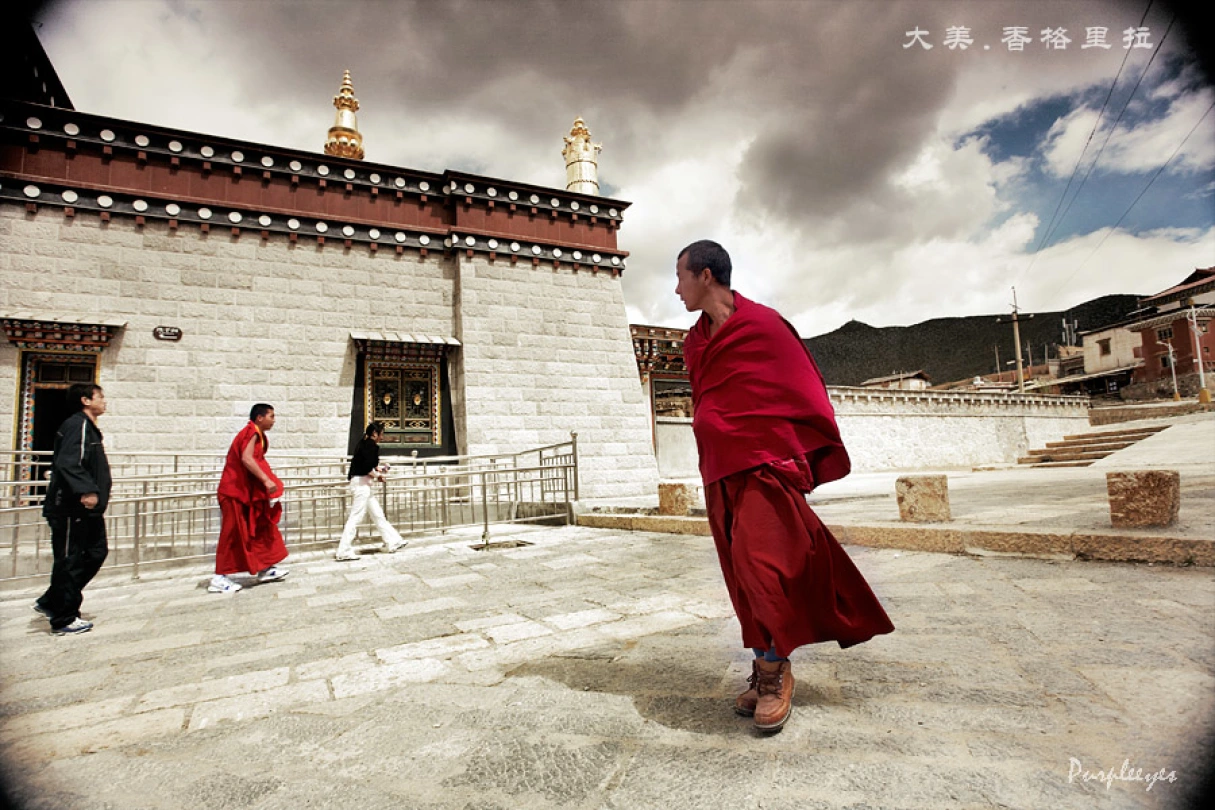
Drunk on Autumn: An Unexpected Surprise in Shangri-La
Preface: When Plans Go Awry
Some journeys are destined to go off course before you can truly discover the scenery.
As an ordinary office worker who loves photography and travel, I didn't have high expectations for this trip to Shangri-La. What truly captivated me were Meili Snow Mountain and Yubeng Village — those stunning photos I'd seen countless times online, the hiking trails that backpackers raved about. As for Shangri-La? It was just a transit stop.
But fate loves to play tricks. We eagerly rushed toward Meili and Yubeng, only to be forced to stay in Shangri-La for an entire week after a hiking experience that could only be described as a "nightmare." And it was this "forced" stay that gave me the most precious memories of the entire trip. As the old saying goes: When God closes a door, he opens a window.
Now, I'm sitting in the small courtyard of the "Tianlu Inn" in Shangri-La, with the high-altitude sun warming my face. While the memories are still fresh, I want to record these days — both for my own future reminiscence and to offer some useful references for fellow travel lovers.
Preparation: A Long Journey Ahead
The Transportation Ordeal
This trip was the longest I've ever taken. From Beijing to finally arriving in Shangri-La, it took a full two days and one night.
Golden Week airfare was ridiculously expensive, so we opted for a train-plus-plane combo: first a 38-hour train from Beijing to Kunming, then a flight from Kunming to Shangri-La. At 4:37 PM on September 29th, the train slowly pulled out of Beijing Station. After two nights and one day of rattling along, we arrived in Kunming on the morning of September 30th.
The moment we stepped off the train, the four of us were disheveled and exhausted. First priority: find a hotel and shower! We had no idea at the time just how precious that hot shower would be — because for the next six days, we wouldn't be able to take a proper bath again.
Gear List
As a photography enthusiast, my equipment naturally couldn't be taken lightly: - Camera body: Canon EOS 5D - Lenses (in order of usage frequency): 70-200mm f/2.8L IS (main lens), 17-40mm f/4L, 50mm f/1.4 - Tripod: Benro (can't remember the exact model) - Accessories: shutter release cable, 13GB CF card, polarizing filter, graduated neutral density filter
These tools would become both my greatest assets and my biggest burden during the trip — especially that 5-pound camera bag.
Itinerary Overview
After three weeks of research, price comparisons, and booking tickets, we finally pieced together a relatively economical itinerary:
- D1-D2 (Sept 29-30): Beijing → Kunming, by train
- D3 (Oct 1): Kunming → Shangri-La, overnight in Shangri-La (elevation 3,200 meters)
- D4 (Oct 2): Shangri-La → Benzilan → Donglin Temple → Baima Snow Mountain Pass → Deqin → Feilaishi
- D5 (Oct 3): Feilaishi → Xidang Village → Nanzong Pass → Yubeng Village
- D6 (Oct 4): Yubeng Village → Feilaishi
- D7 (Oct 5): Feilaishi → Shangri-La
- D8-D12 (Oct 6-12): Shangri-La (visiting Songzanlin Monastery, Potatso National Park, Napahai Lake, Blue Moon Valley, etc.)
- D13 (Oct 12): Shangri-La → Kunming → Beijing
First Arrival in Shangri-La: First Impressions of the Highlands
The Brightest "Moon" in the Night Sky
On the evening of October 1st, we flew from Kunming to Shangri-La Airport. The moment we stepped out of the cabin, a row of golden prayer wheels came into view, with a strong Tibetan atmosphere washing over us.
We took a taxi to the old town. Looking up — the moon in the sky was brighter than the streetlights. Was this the charm of the highlands? Even the moonlight seemed exceptionally clear.
The First Night at Highland Barley Inn

We checked into Highland Barley Inn, which was decorated with distinctive Tibetan characteristics. Our room was on the third floor, and climbing the stairs gave us our first real taste of altitude sickness — gasping for breath! Even sleeping that night felt somewhat difficult, as if we couldn't get enough air. But the innkeeper said that if the first night's reaction wasn't severe, we'd be fine afterward.
The inn had a cute dog that strolled leisurely around the courtyard. Though our four-person shared room was simple, it was clean and spacious, with a strong Tibetan flavor.
Late-Night Food Hunt
Even though it was late when we arrived in the old town, we couldn't resist going out for a stroll and a late-night snack — yak hotpot with butter tea. One of the gentlemen in our group even ordered his first bottle of beer at high altitude — Dali Beer, which turned out to be as weak as water.
We ate at "Old Town Restaurant" by the square. Their butter tea was the richest and most fragrant I had during those days — a creamy milk flavor mixed with the wheaty aroma of highland barley. At 38 yuan per small pot, I highly recommend it! The yak hotpot, however, didn't leave much of an impression.
What captivated me most were the little shops selling bells — their tinkling sounds were especially pleasant in the old town's night air.
Heading to Meili: Scenery and Surprises Along the Way
The Hired Car Adventure
The next morning, we went to the long-distance bus station to buy tickets to Deqin. Golden Week's power struck again — the bus was completely sold out. With no other choice, we had to look for a hired car outside the station.
Fortunately, we ran into a Tibetan driver who was from Feilaishi and was heading back there. He only charged us 400 yuan (other drivers were asking for 800!). Plus, he drove a comfortable SUV, which lifted our spirits considerably.
Baima Snow Mountain's Autumn Colors
The scenery along the way was breathtaking. After passing the 4,200-meter mark at Baima Snow Mountain, the sky turned a transparent blue, and the clouds were unrealistically beautiful. We stopped in Benzilan for an early lunch — butter tea with fried dough, scrambled eggs, and local pickled vegetables. It was quite tasty.
Baima Snow Mountain is a seasonal snow mountain. It had just snowed when we visited, but there wasn't much accumulation. The highest point was 4,295 meters above sea level. Prayer flags fluttered in the wind, and the sky was so blue it made your heart ache.
First Sight of Meili
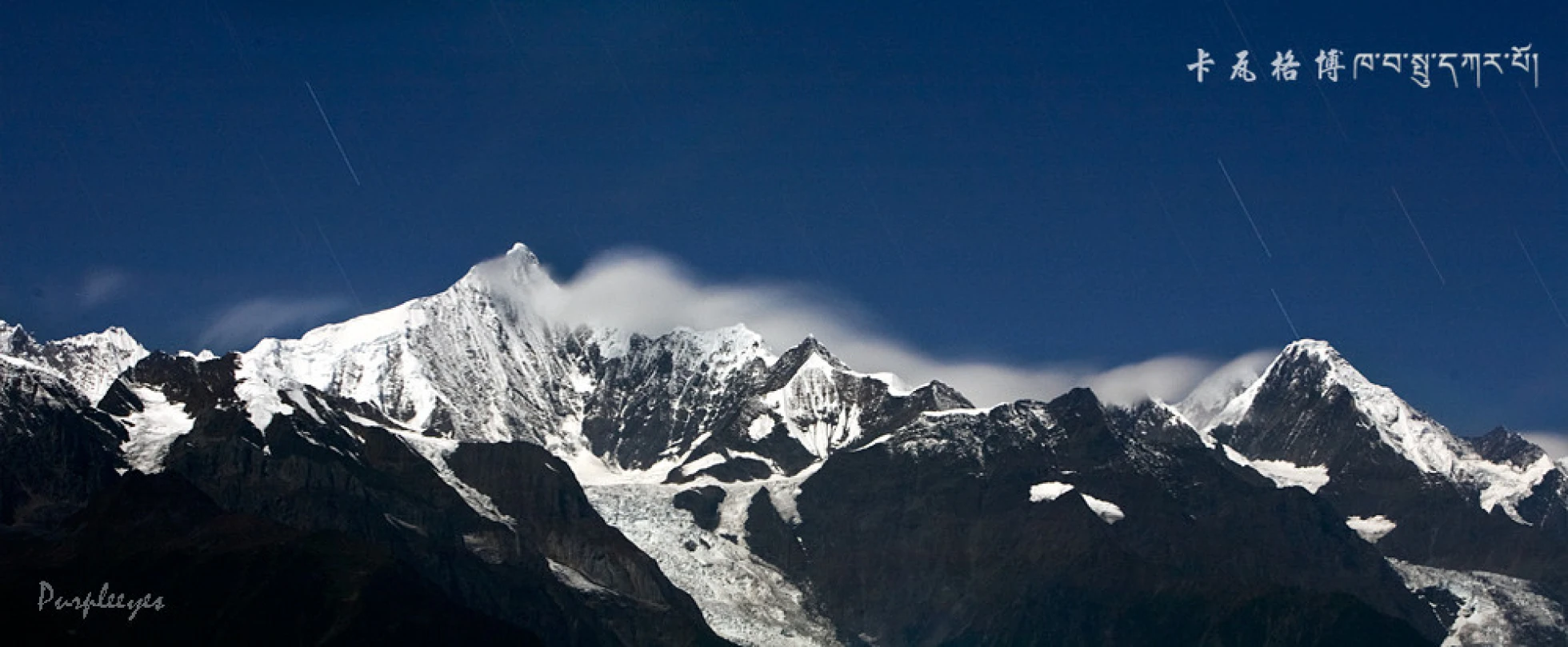
After passing the Baima Snow Mountain pass, the autumn colors began to explode — golden yellow, orange-red, deep green, layered one upon another like a massive oil painting. After crossing one mountain, a majestic snow-capped peak suddenly appeared before us — Meili Snow Mountain!
I have to say, we were incredibly lucky. Before we even arrived, we saw the complete, unveiled Meili, with its main peak Kawagebo clearly visible. I quickly snapped a few photos from the car, planning to take proper shots once we were settled.
Feilaishi's "Surprise"
But the good times didn't last. After entering Deqin County, the road conditions deteriorated — they were under construction, with dust and dirt everywhere. By the time we finally rattled our way to Feilaishi and saw our pre-booked inn, our spirits plummeted again.
This inn, which claimed to have showers, only provided hot water from 8 PM to 11 PM. And the shower was in a small hut in the courtyard — with no gender separation! Our hopes for a proper bath evaporated instantly.
The facilities were extremely basic, yet the food and accommodation prices were higher than in Shangri-La. The only consolation was that the viewing platform had a good view. That night, I managed to take some decent photos of Kawagebo under the moonlight.
Yubeng Nightmare: An Unforgettable Hike
Pre-Departure Optimism
October 3rd, Mid-Autumn Festival. A day meant for reunion became the start of our breakdown.
In the morning, we had a hearty breakfast at the famous "Meili Past" café, then took the Tibetan driver's SUV to Xidang Village. This stretch of road was also under construction, with dust everywhere. The entrance fee for Yubeng had also gone up from the 63 yuan we'd seen online to 85 yuan — Golden Week, oh glorious Golden Week.
After arriving in Xidang Village, we began our hike. The trail was 18 kilometers long, climbing from 2,700 meters to 4,200 meters before descending to 3,680 meters. We decided to hire two mules to carry our luggage while we hiked light.
As it turned out, we were far too naive.
The Beginning of the Nightmare
At the foot of the mountain, the sun was shining and the temperature was pleasant. We threw all our luggage onto the mules' backs, each of us carrying just a bottle of water. The muleteers walked incredibly fast and disappeared from sight almost instantly.
The first half wasn't too bad. I had my camera hanging around my neck, the sun was bright, and although the climbing was exhausting, I actually felt a bit better after pushing past my limit. But midway, one of our group, Xiao Zhou, started feeling unwell and became very weak. She wanted to hire a mule, but every passing muleteer said, "The head muleteer said we can't take anyone else up" — such is the coldness of human nature!
After the Pass
We finally reached the pass. We found a mule to carry Xiao Zhou down, and it also took my 5-pound camera bag and the little cash we had left. We naively thought that the descent couldn't possibly be harder than the ascent, even taking a group photo at the pass to celebrate.
But we were wrong. The downhill path should have been quick, but the high altitude made every step leave us gasping for breath. Plus, Xiao Shang had knee and ankle injuries, so this downhill section took us over three hours.
Despair in the Dark
When we reached Upper Yubeng, it was already dark. We thought we were almost at our destination, but when we asked around, we learned that from Upper Yubeng to our accommodation in Lower Yubeng, we still had another 40 minutes to walk — all on muddy paths!
Imagine this: standing in the dark, with rain falling, your feet in muddy mountain trails, soaked through, no idea where you're sleeping that night, no phone signal, unable to contact Xiao Zhou who had arrived earlier.
Miraculously, we ran into a man who had come from Lower Yubeng to Upper Yubeng for dinner and was heading back. He had a very bright flashlight and was willing to escort us part of the way. This lifesaver — I still don't know his name, and I didn't even see his face clearly.
That stretch of road was one of the biggest nightmares of my life. Four people sharing one flashlight, not knowing where to go, our feet sinking into ankle-deep mud, and finally having to climb another uphill section. I felt like I was about to collapse.
The Inn's "Surprise"
An hour later, we finally found our inn in the pitch-black night. If you think our ordeal ended there, you'd be wrong.
The innkeeper had almost forgotten about us and hadn't saved any rooms. We were crammed into a seven-person dormitory with a large communal bed. The dim light came from a small generator behind the house. There was no phone signal. Hot water had to be boiled in the kitchen. The toilet was no different from the pit toilets I used as a child in the countryside. As for food, a single chicken cost 120 yuan!
We bought four cups of instant noodles — 10 yuan each. We had no choice but to accept the price gouging. This was our Mid-Autumn Festival.
Escaping Yubeng
When we woke up the next morning, the nightmare continued. Xiao Shang had been bitten by fleas and had dozens of large welts. It started raining again outside — fitting for a place called "Yubeng" (which means "rainy village")!
We made a decisive decision: we're not going anywhere else — we're leaving immediately! And we're taking mules!
We packed up, walked for several dozen minutes to where the mules were available. The rain kept falling. We waited there for three hours before we could set off. The mule I got walked extremely slowly, and it could only take me to the mountain pass, not all the way to Xidang Village.
When I reached the summit, I couldn't find any mules to take me down the mountain. I was furious — fine, I'll walk myself! Fortunately, after walking a bit, I managed to hire a mule from Xidang Village and made it down safely.
After the Ordeal
After descending, the nightmare continued. The price for hiring a car back to Xidang went from 150 to 180 yuan. The rain grew heavier, and darkness was falling. The dirt road we'd come on had turned into a muddy quagmire, visibility was nearly zero, yet the driver still managed to maintain a speed of 50-60 km/h.
Thanks to Guan Guan's persistence and Xiao Shang's accidentally successful phone call, we managed to book the last two rooms available in Feilaishi. At nearly 9 PM, we returned to "civilization" in the pouring rain.
We had a warm hotpot dinner and watched the famous documentary "Kawagebo." We kept discussing: was this trip the best of bad luck, or the worst of good luck?
The next day, we learned that the water in Yubeng Village had risen over the roads. We finally confirmed: we were actually lucky after all.
Shangri-La: An Unexpected Paradise
The Wild Return Trip
On the way back from Yubeng to Shangri-La, we encountered an even more "ferocious" driver. To sum it up: no one ahead + phone addict + crazy person combined. With a phone in his left hand, regardless of thick fog or continuous curves, he checked it about every ten minutes. No matter what vehicle was ahead, he'd honk and overtake. The most terrifying moment: he was overtaking a large truck when a bus came from the opposite direction. He slammed on the brakes, swerved hard, and we got stuck right behind the truck as the bus scraped past our side mirror with a screech...
Guan Guan was so motion-sick in the back seat that she felt nauseous. The guy in the passenger seat had just come from Shangri-La yesterday and hadn't seen anything, and now he had to go back again — our admiration for his courage in making this trip twice was boundless.
The Warmth of Tianlu Inn
After a ride that felt like "riding clouds," we arrived in Shangri-La much faster than our trip there. The feeling of being back from the dead was indescribable.
The innkeeper warmly welcomed us into "Tianlu Inn." After marveling at the cozy environment, we took turns showering — our first bath in five days! Tears of joy!
Feeling refreshed, it was like being reborn. Of course, the next order of business was a big feast! We chose the Lhasa Restaurant, the closest one to Tianlu Inn, ordered a table full of dishes, each had a cup of ginger cola to warm up, and even used the restaurant's computer to play some online games — pure bliss!
Wandering the Old Town
That evening, I carried my tripod to several spots I'd scouted earlier and took some photos, slightly compensating for not having taken any in Yubeng. Back in the old town, everything felt different.
In the following days, we lived a leisurely life. Breathing the pure air, going out to see beautiful scenery, enjoying ourselves to the fullest. When we returned, we'd find a cute restaurant to eat at — our favorite was still Lhasa Restaurant. After dinner, we'd wander along the stone-paved paths of the old town, shopping, people-watching, sky-gazing, dog-petting. After dinner, we'd join the locals in the square for their daily fitness activity — dancing the Guozhuang. Tired, we'd return to Tianlu Inn to surf the internet, chat with the innkeeper and his wife, and play with their kitten.
It truly felt like being in heaven.
Potatso National Park: Autumn Colors in Paradise
First Glimpse of Potatso
The day after returning to Shangri-La, Guan Guan and Xiao Shang went to Potatso National Park and came back raving about it. So we adjusted our plans and decided to visit this "paradise on earth."
On the morning of October 7th, after seeing off Guan Guan and her partner, we set out for Potatso. Unfortunately, we missed the shuttle bus and had to take a taxi (50 yuan — make sure to get dropped off before the toll gate, otherwise the driver will ask for 16 yuan round-trip toll fee).
The scenery along the way was stunning! Villages and pastures, cattle, sheep, and horses grazing leisurely, patches of Stellera chamaejasme flowers. The sun was also cooperative, casting patches of light on the distant mountains.
Surprises in the Park
After buying the 190-yuan ticket, we passed through the modern waiting hall. A Tibetan guide named Zhuo Ma began introducing Potatso. I remembered two distinctive plants: one was "butter flower" (Saussurea), which covered the ground, and whose leaves could extend the shelf life of butter; the other was sea buckthorn, which had extremely high vitamin C content — my mom's sea buckthorn oil capsules cost over 200 yuan per box, and here it grew wild everywhere!
Potatso's elevation ranges from 3,000 to 4,000 meters. Many tourists started using oxygen tanks on the shuttle bus. But for us "quasi-hikers who had survived Yubeng," it felt like nothing — all that suffering had indeed laid the foundation for future enjoyment.
Waiting for Blue Sky
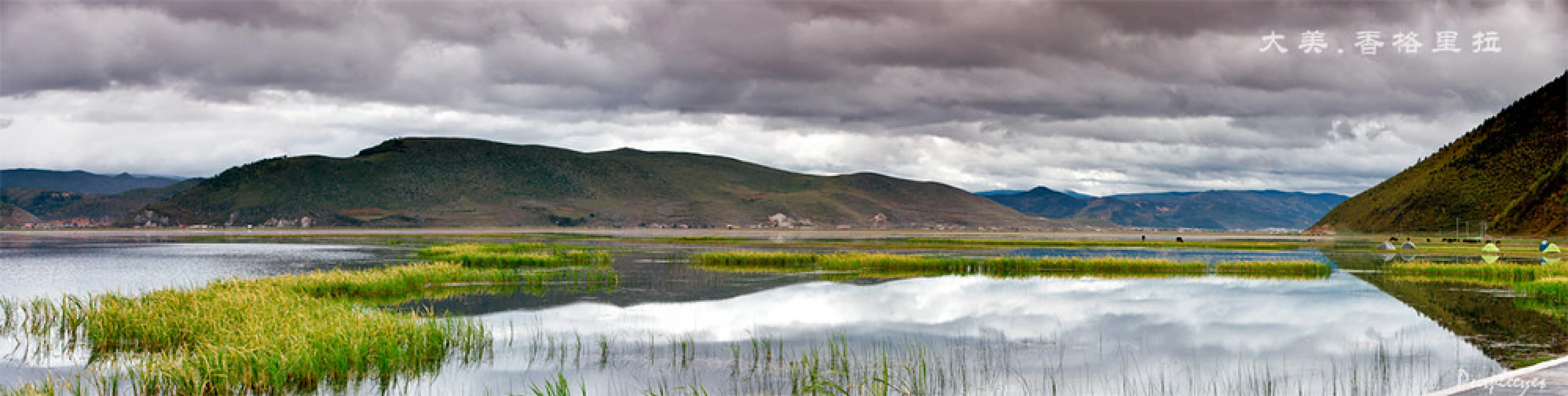
Potatso is enormous, but there are only three scenic spots. To capture the blue sky and white clouds over Shudu Lake, I waited there for over an hour. Thick clouds kept the sky overcast, and I had to wait for patches of blue to drift over before taking each shot.
But the wait was worth it. When the sun finally broke through the clouds and spilled onto the lake's surface, the scene was breathtaking. Potatso in autumn was like a colorful oil painting — golden meadows, fiery red Stellera flowers, azure blue lakes, pure white clouds...
Conclusion: An Unexpected Gift
Looking back on this trip, what strikes me most is the wonderful arrangement of fate.
We rushed toward Yubeng with high expectations and experienced a nightmare. We stayed in Shangri-La with no expectations and encountered the most beautiful scenery. As the old saying goes: When God closes a door, he opens a window.
During those days in Shangri-La, I learned to slow down and appreciate every moment. The morning sunlight falling on the old town's stone paths, the evening Guozhuang dance in the square, the bright stars in the high-altitude night sky — these seemingly ordinary moments became the most precious memories.
If you're planning a trip to Shangri-La, here are a few suggestions:
- Prepare for altitude sickness: Don't get too excited on the first day. Take time to acclimate.
- Book early for Golden Week: Whether tickets or accommodation, the earlier the better.
- Know your limits for Yubeng hiking: If you're not physically fit, don't push yourself. Safety comes first.
- Shangri-La deserves more time: Don't treat it just as a transit stop. The scenery here needs to be savored slowly.
- Bring enough memory cards: There's too much beauty — you'll be taking photos nonstop.
Finally, to that kind man who escorted us through the dark, muddy road in Yubeng: Thank you. Even though I never even saw your face clearly, I will always remember your kindness.
Autumn in Shangri-La is truly captivating. Not just for the scenery, but for the unexpected warmth and touching moments along the way.
You should also read:
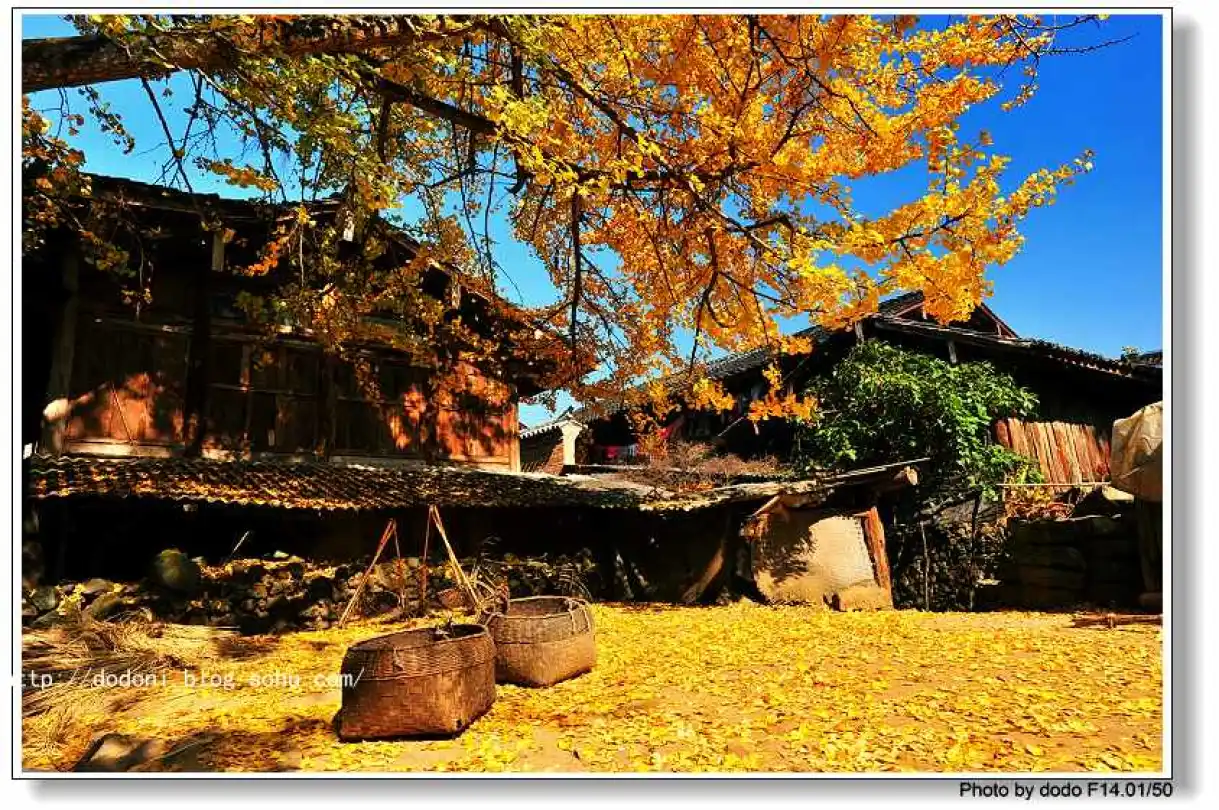
Golden Autumn: A Poetic Tapestry of Light and Shadow in Tengchong's Ginkgo Village
Golden Autumn: A Poetic Tapestry of Light and Shadow in Tengchong's Ginkgo Village A Belated Autumn Rendezvous Everyone harbors a dream about autumn somewhere in their heart. For me, that dream once belonged to Jiuzhaigou—that palette of colors hailed by the world as a "fairy-tale…
Continue reading...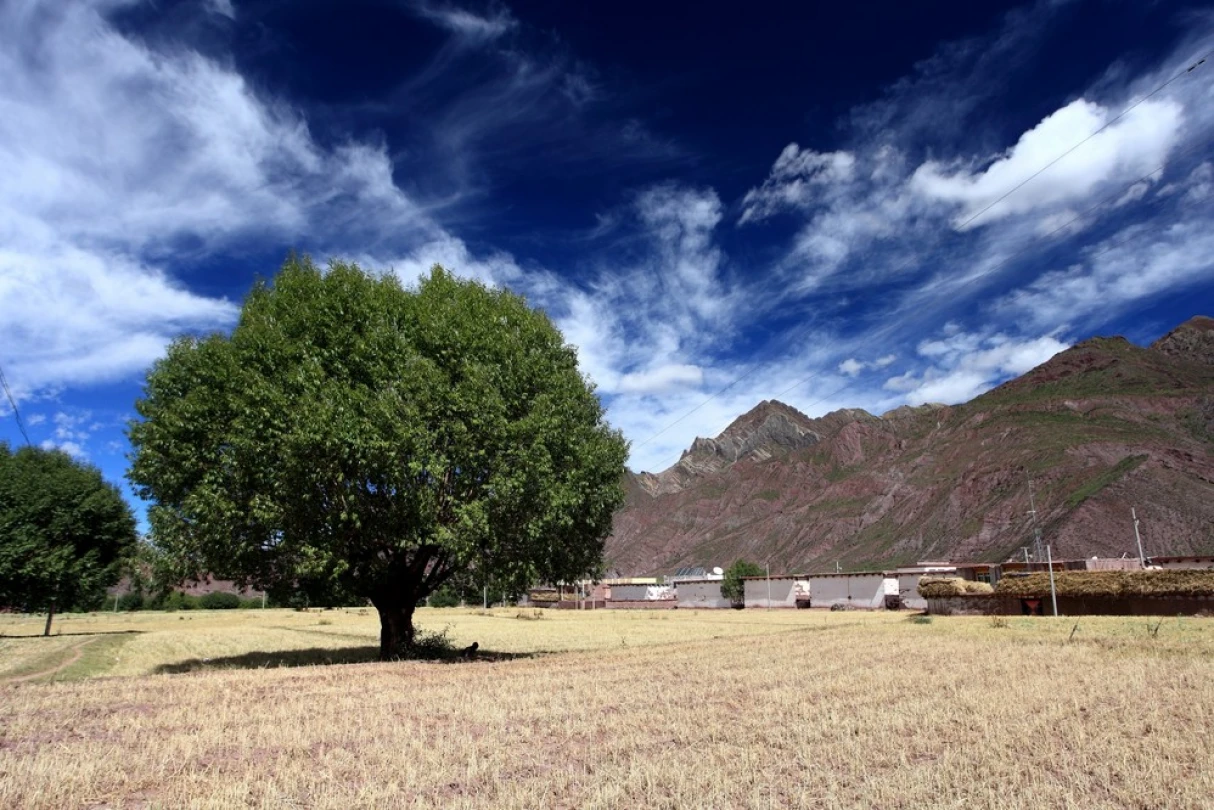
Big Bear and Little Cat Explore China: [A Self-Guided Tour of the Shangri-La Region: That Sky, So Blue It Feels Unreal!]
Big Bear and Little Cat Explore China: [A Self-Guided Tour of the Shangri-La Region: That Sky, So Blue It Feels Unreal!] Prologue: Why Shangri-La? In September 2011, my friend and I followed the Yunnan-Tibet Highway into the Greater Shangri-La region. Six days of travel, without…
Continue reading...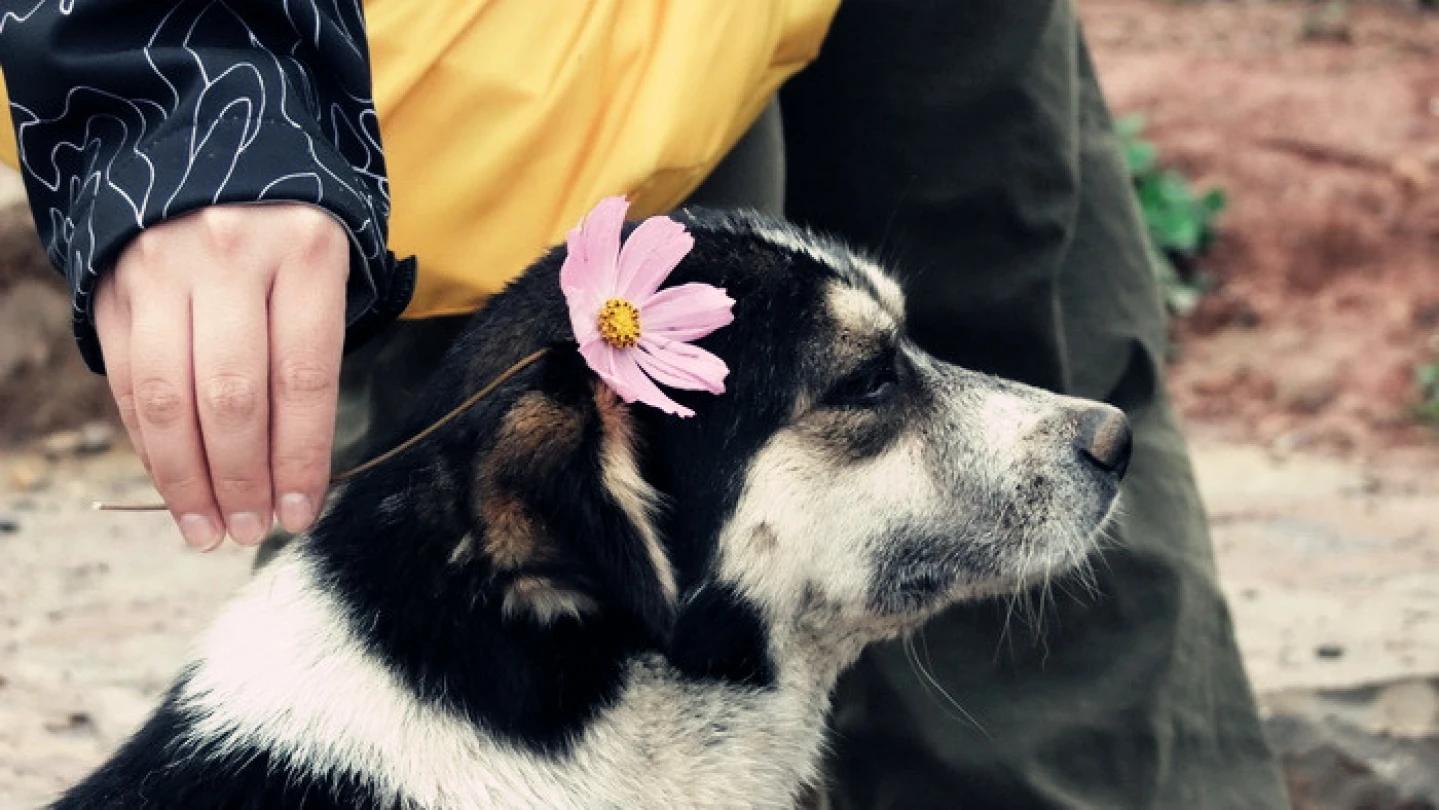
September: Finding Unexpected Warmth in Yunnan (Kunming, Dali, Shuanglang, Lijiang, Lugu Lake)
September: Finding Unexpected Warmth in Yunnan (Kunming, Dali, Shuanglang, Lijiang, Lugu Lake) Foreword: One Person's Journey, A Crowd's Story Before I set off, like every first-time solo traveler, I printed out a thick stack of travel guides and rehearsed countless possible scenarios in my head—getting…
Continue reading...