Early Summer in Lijiang: Encountering Another Kind of Life Height at the Summit of the Snow Mountain
Early Summer in Lijiang: Encountering Another Kind of Life Height at the Summit of the Snow Mountain
Prologue: A Leap from Sea Level to 4,680 Meters
I come from Guangdong, a place practically devoid of altitude. If I said Lijiang was the highest place I'd ever been, those friends of mine who've visited Tibet would probably laugh out loud. But the truth is, standing atop Jade Dragon Snow Mountain was, at that point in my life, the highest point my feet had ever reached—and I had to fight tooth and nail to get there.

You might ask, why go through all that trouble?
Think of Wang Shi, the Chinese entrepreneur. When doctors essentially told him he might lose one leg, he conquered Mount Everest in his sixties. Numbers themselves are meaningless; the real meaning is what we give them. It's an obsession that only you truly understand.
In the final days of May, I indulged myself. I ran off to Lijiang's snow mountain and set a new personal altitude record. I welcomed June—and a brand new version of myself—with a fresh mindset. Letting go of past entanglements, laziness, and anxieties, and moving forward—that, perhaps, was the greatest significance of this trip.
Pre-Departure Essentials
Preparation: Don't Let Details Ruin Your Highland Adventure
Sunscreen is priority number one. The UV rays on the plateau are no joke. I brought high-SPF sunscreen, using a spray for my body. After spreading it evenly, I'd wait a bit for it to absorb. Protect yourself during the day, and apply a hydrating and brightening mask at night for double the effect.

Clothing-wise, daytime temperatures are warm enough for summer clothes. But the温差 between day and night is huge, so long sleeves are a must. For the snow mountain, regular long pants and a long-sleeved shirt, plus a rented down jacket, are sufficient. I'd advise against bringing too many clothes, because once you're there, the dazzling array of bohemian ethnic styles will tempt you to shop till you drop. Leave the high heels at home—the ancient city's cobblestone streets aren't easy to walk on. If you really want some height, wedge heels are a better choice. You can also buy cloth shoes locally that match linen and cotton outfits, and they're fine even for the snow mountain.
Medication-wise, if you're worried about altitude sickness, bring some glucose to replenish your energy. You can buy these at local pharmacies, so no need to add to your luggage.

Photography gear: I brought a Canon 6D body with a 16-35 wide-angle lens, a 70-200 telephoto, and a 100mm macro. I used the wide-angle the most, followed by the macro. The telephoto came in handy during the Eternal Love stage show.
Accommodation and transport: I'd recommend booking a guesthouse online in advance, so they can arrange airport transfers and luggage help. My flight went from Shenzhen to Kunming, then to Lijiang, with stopovers both ways. After landing, the guesthouse arranged a car for 100 yuan, and it took about an hour to reach Shuhe Ancient Town.
Cost: Flights, accommodation, meals, tickets, and shopping added up to around 4,000 to 5,000 yuan.
Mental and Physical Prep: The Plateau Is No Joke
Physically, as someone with average fitness who grew up in a low-altitude area, I hadn't rested well the night before the flight. My body reacted immediately upon arriving in Lijiang—I felt dizzy and out of sorts. So we adjusted our plans on the fly, swapping the first day's Jade Dragon Snow Mountain visit for a more relaxed itinerary. The takeaway: make sure you're well-rested before heading to Lijiang, and face highland life in peak condition.

Mentally, be prepared for the possibility of altitude sickness. If you're really worried, you can start taking Rhodiola rosea a couple of weeks in advance. But don't stress too much. Even though I'm not strong and felt lightheaded for three or four days in Lijiang, I still made it up the snow mountain and came home safely. So, take it easy.
Scenery Along the Way: The Best Is on the Road
Every time I travel, I insist on a window seat. It's a bit inconvenient for getting in and out, but I'm willing to take that risk to not miss any possible beauty. And this time, it paid off.
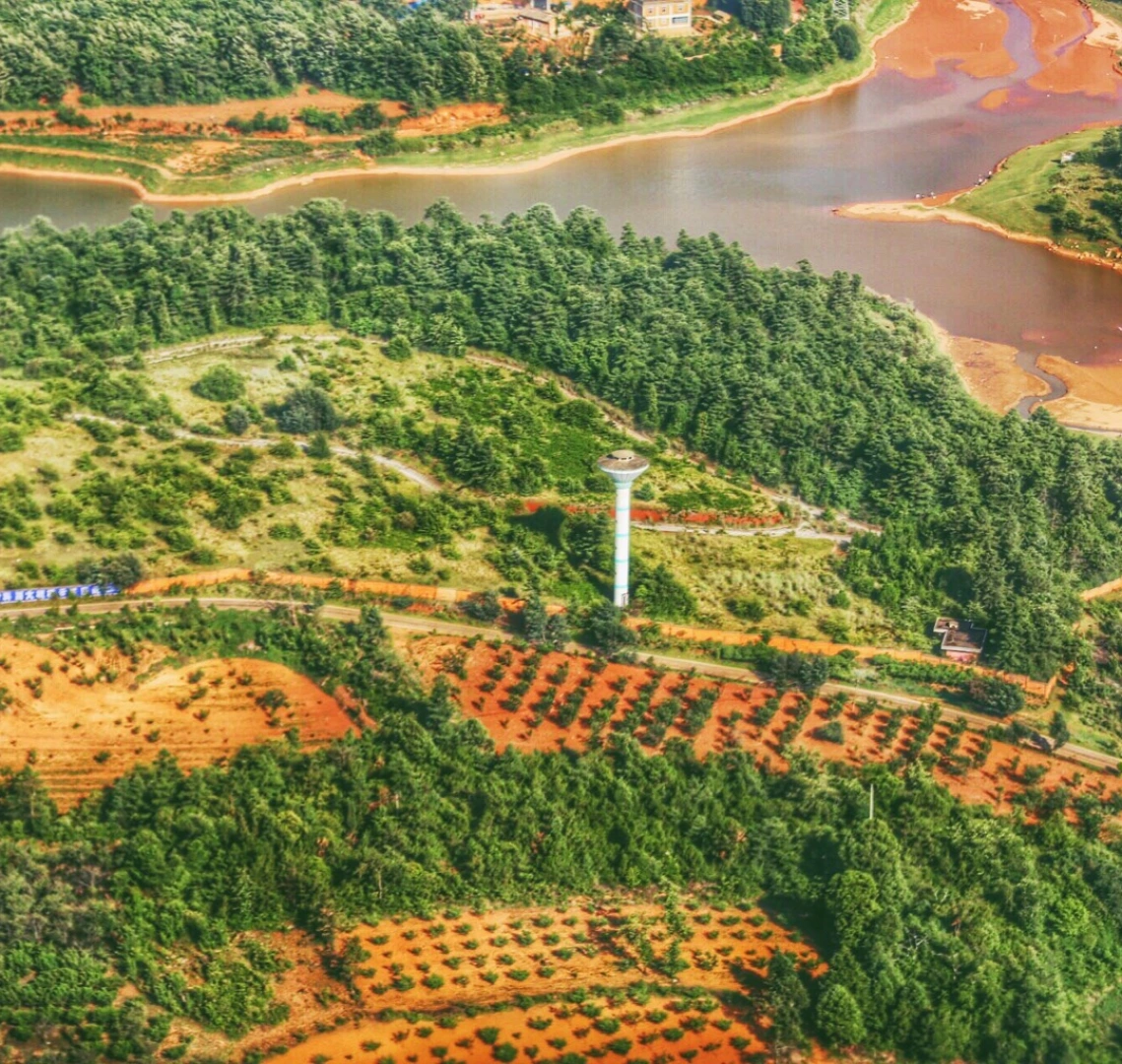
The weather was fantastic. As we took off, I could even spot my own apartment building through the stadium—the first time I'd ever looked down on my daily routine from a plane. As we descended into Kunming and Lijiang, the clouds, mountains, rivers, and crops were so stunningly beautiful that words failed me.
In that moment, that song echoed in my head:
I've crossed mountains and seas, and walked through crowds of people I once had everything, but it all vanished like smoke I once was lost, disappointed, and lost all direction Until I saw that being ordinary is the only answer
Playing in Lijiang: Slowing Down Is the Essence
In Lijiang, it's all about the mood.
The essence is "slow." Wake up slowly, brew a pot of hot tea or coffee at the guesthouse, listen to music, watch the passersby, have a leisurely breakfast, then head out for a stroll. When you're tired, find a cozy spot to continue sipping tea, chatting, or daydreaming. In the evening, drop by a lively or artsy bar to join the fun—that's the classic Lijiang slow life.
Day 1: Shuhe and Baisha by Day, Dayan by Night
To visit all three major ancient towns in one day, the key is having a car. Each town is about a 30-minute drive apart. Baisha is best for daytime; biking there is also a great option. Shuhe suits those who prefer peace and quiet. Dayan is for those who want to soak up Lijiang's legendary "romantic encounter" vibe.
Shuhe Ancient Town: The Perfect Balance of Bustle and Tranquility
Shuhe, known as "Shaowu" in Naxi language, means "village at the foot of the peak." It was one of the earliest settlements of the Naxi people in the Lijiang basin and a well-preserved important town on the Ancient Tea Horse Road. Legend has it that the Ming dynasty traveler Xu Xiake passed through here on his way to visit Jietuo Forest on Zhishan Mountain. In his writings, he noted: "Crossing a dry stream over a stone bridge, looking west at Zhonghai Lake, with willows casting shadows and ripples curling around the water, there was a large settlement upon it, called Shihe Courtyard."—"Shihe" is the ancient name for Shuhe Ancient Town.
Shuhe's advantage lies in its balance of activity and stillness. The guesthouses are relatively upscale, and prices are generally lower. There's a "Tea Horse Road Museum" here, the first museum in China dedicated to researching and showcasing the history and culture of the Tea Horse Road, and also the first professional institution in Lijiang for researching, promoting, and publicizing Pu'er tea culture. If you want to ride a horse to experience the Tea Horse Road, I'd recommend doing it in the outskirts. Riding within the ancient town is slow and likely to draw a crowd.
"Haligu" is a Naxi term that originally meant "to brag" and later evolved to mean "drinking tea, drinking, and chatting." At the end of 2008, Lijiang's new deputy mayor, former CCTV anchor Wang Zhi, was in Beijing promoting this area, positioning it as a high-end tourism and leisure destination, hoping to make it one of China's top three bar districts alongside Beijing's Houhai and Shanghai's Xintiandi. However, this area doesn't seem to have fully developed yet and remains largely empty.
Baisha Ancient Town: A Rustic Town with Genuine People
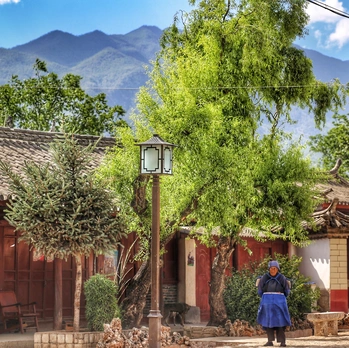
Baisha Ancient Town is located about 10 kilometers north of Lijiang's Old Town, with Jade Dragon Snow Mountain to the north and Zhishan Mountain to the west. This is the original settlement of the Naxi people in the Lijiang basin and the birthplace of the Mu clan chieftains. It's incredibly rustic, very quiet, and free from crowds of tourists—perfect for relaxing.
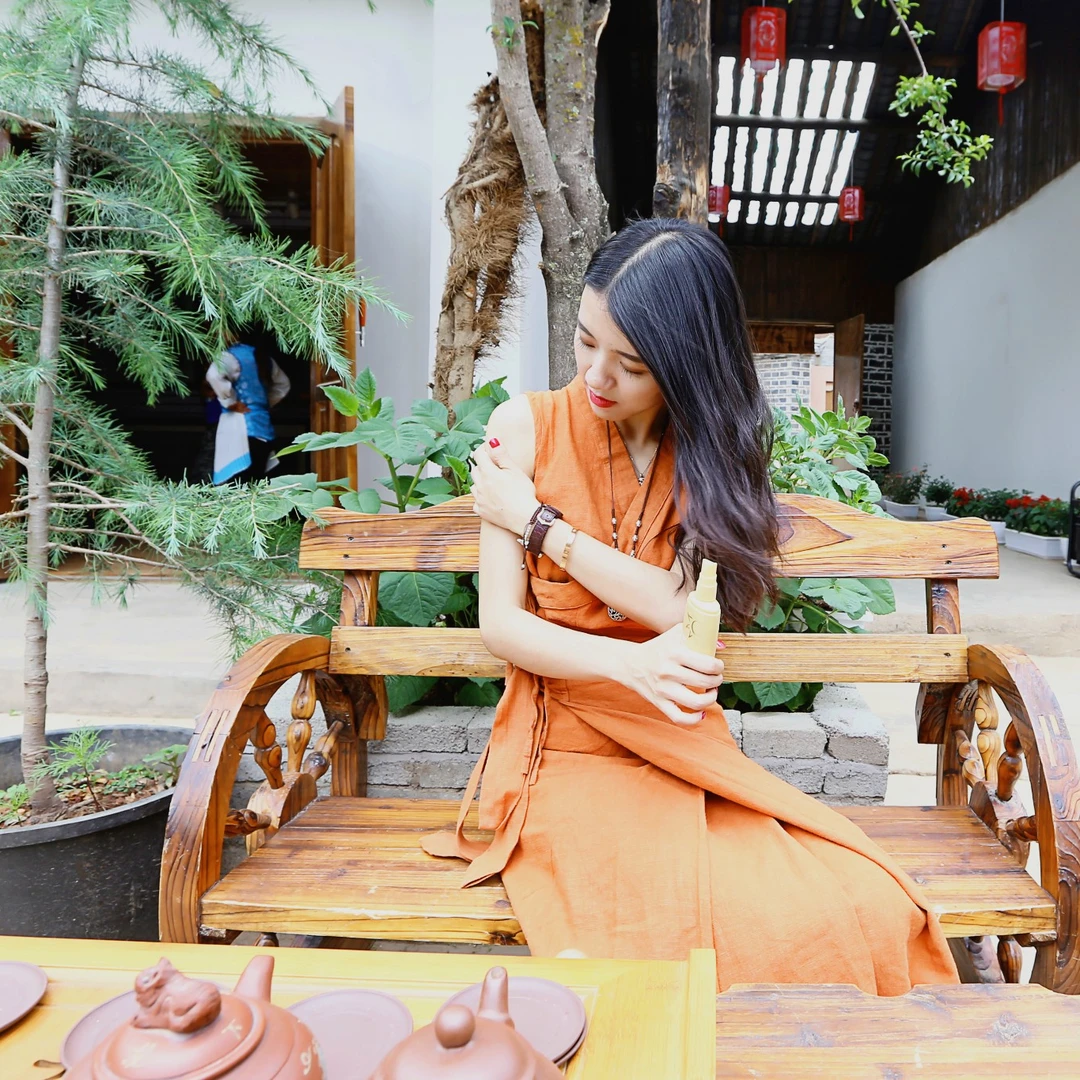
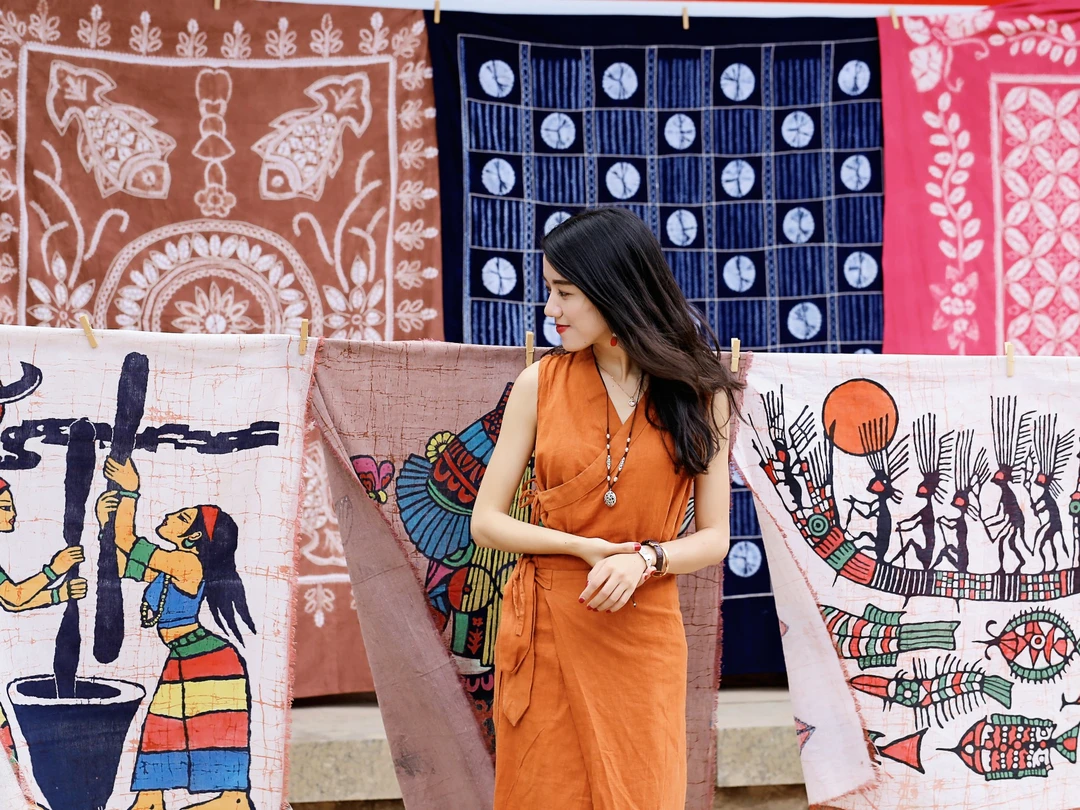
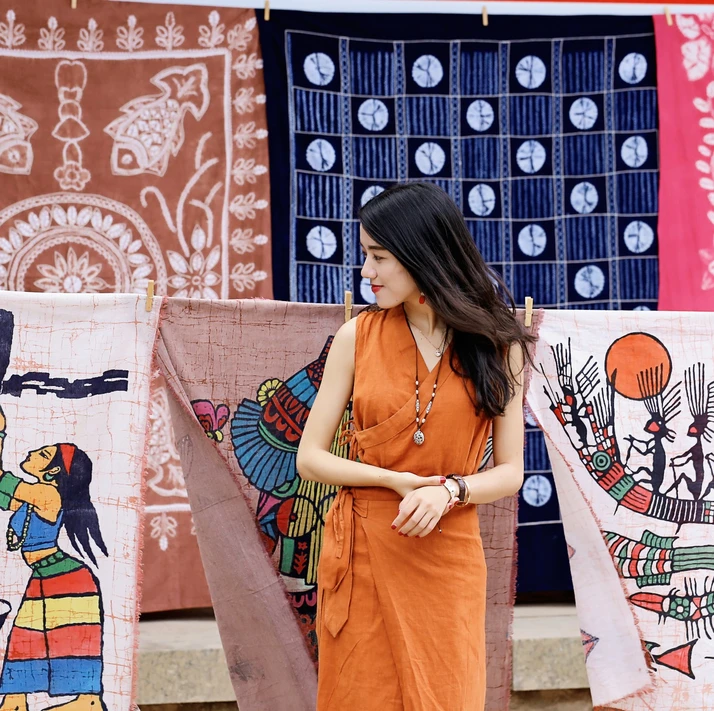
Baisha retains many traditional handicraft workshops. The tie-dye fabrics and silver jewelry here are both cheap and beautiful. A Naxi old silver bracelet costs only 10 yuan. The shop owner not only generously let us use fabric for photos but also offered us headpieces to match. Some friends saw the photos and asked if I'd gone to Yunnan for a wedding shoot—haha.
What touched me most was the owner of a traditional Naxi hand-embroidery family workshop. When we entered, we were mentally prepared to be shooed away. Instead, she not only let us take photos but also invited us to sit down for tea. Having been conditioned by tourist traps in China, I was initially wary. But my travel companions all sat down, and I couldn't refuse. We ended up just chatting casually, and after a while, she warmly saw us off—no hard sell at all. The folk customs here are as simple as Baisha itself. As I was leaving, I realized I'd left my scarf behind, and the owner chased after us to return it. When I asked to take her photo at the door, she shyly turned her head and smiled awkwardly.
Dayan at Night: Restless Energy and Music
When walking through Dayan Ancient Town, keep a close eye on your belongings. I tucked my phone into the back pocket of my backpack, and immediately felt the laser-focused gaze of a few young guys behind me. Pickpockets have their own aura. Even though I had my bag on my right shoulder, someone still tried to unzip it. I caught him in time, and with nearby onlookers noticing, he pretended nothing was happening and walked away. So be careful—that unzipped bag could mean losing an iPhone 6, an iPhone 5s, and a Casio selfie camera!
Siyuan Square was packed with people. One Meter of Sunshine, Sunshine Nali, Sakura Golden House... every bar was filled with mist, the smell of alcohol, psychedelic music, and a constant flow of people. Some say Lijiang is a place to either have a romantic encounter or wait to be encountered. Here, you can fully feel that adrenaline-pumping atmosphere.
Of course, some places hold onto their individuality. For example, the guesthouse owner took us to her regular bar, which had a massive sled dog (tied up because it was too mischievous) and an adorably goofy husky that loved jumping on stage and was crazy about peanuts. The singers here had attitude—they performed Naxi folk songs, sang original songs that could bring you to tears, and occasionally walked off stage, drink in hand, to interact with the audience. Apparently, one of them was about to release an album.
That night, a young man sat alone at the next table, drinking and listening to music. The bar was small, and we were right in front of the stage, making it easy for the singers to see us. A young lead singer kept glancing my way—if I'd wanted the story to continue, a smile or a raised glass would have been enough. But I kept a straight face, watching the show, and only had one beer the whole night with my friends. Why? Because I had to go up the snow mountain the next day and needed to stay clear-headed and in good shape!
Besides, I'd already had a "romantic encounter" of a different kind—a female friendship, and that was enough.
Over drinks, the guesthouse owner told us about the different attitudes women from various provinces had toward these encounters. Women from one particular province, she said, would often fly in for a weekend fling, go back, and then fly in again a while later. Truly independent women, coming and going like the wind.
Day 2: Jade Dragon Snow Mountain—New Heights, New Beginnings
Jade Dragon Snow Mountain is located in Yulong Naxi Autonomous County, 15 kilometers north of Lijiang city center. At 5,596 meters above sea level, it's a national 5A-level scenic area and the southernmost major snow mountain in the Northern Hemisphere. It stretches 35 kilometers from north to south, 13 kilometers from east to west, covering an area of 960 square kilometers. The drive to the mountain is beautiful in itself, with wide-open views that feel like driving through Yellowstone National Park in the US.
Cost of Going Up the Mountain
We asked our guesthouse to arrange a private car and driver for 530 yuan per person, which included: - Minibus transfer: 60 yuan - Large cable car: 180 yuan - Entrance ticket: 135 yuan - Eco-friendly shuttle bus: 20 yuan - Oxygen tank and down jacket rental: 80 yuan - Lunch: 20 yuan - Service fee: 35 yuan - Blue Moon Valley and Baishui River tour
The Ancient City Maintenance Fee of 80 yuan needs to be purchased separately and can be used at multiple locations.
The mountain has three cable car lines: the Large Cable Car, the Yunshanping Cable Car (Small Cable Car), and the Maoniuping Cable Car (Medium Cable Car), each offering different scenery. The Large Cable Car takes you close to the snow, the Small Cable Car stops at mid-mountain for panoramic views, and Maoniuping is at a higher altitude, closer to the snow line. We took the Large Cable Car, which was incredibly steep—looking down was quite nerve-wracking.
Essential Companions for the Snow Mountain
- Sunscreen
- Down jacket (rental is fine; most people were still wearing them in late May)
- Oxygen can (not everyone needs it, but for me, when I had to stop every few steps on the stairs, a puff of oxygen really helped)
- Sunglasses, hat
- High-calorie snacks like chocolate
- Thermos (drinking something warm on the mountain provides better energy)
From 4,506 to 4,680: Every Step a Triumph
Getting off the cable car at 4,506 meters, we already felt a bit unwell. Add to that a touch of excitement at being on the snow mountain, and we decided to take photos on the platform to catch our breath. All kinds of tourist shots—posing with the altitude marker, with the scenic area sign, with the snow mountain as a backdrop. We played around for over half an hour before feeling ready to start the climb.
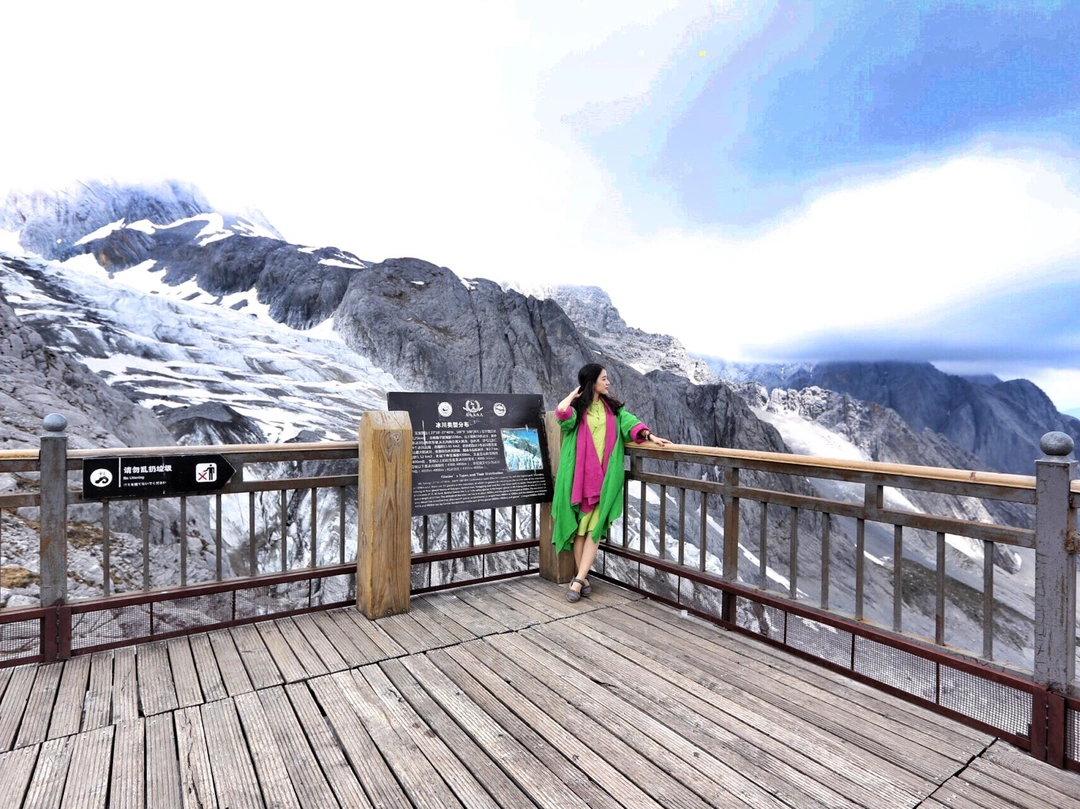
Going upward was a heart-pounding experience for someone as physically weak as me. We basically stopped to rest at every platform, taking hits of oxygen (though I later heard it's better to avoid oxygen if possible, or you might get "altitude sickness" on the way down). I bought a hot dog sausage mid-way for an energy boost. The mountain has supply stations at almost every section, selling Red Bull, sausages, chocolate, etc. If you don't want to carry the weight, you can buy things on the mountain.
Just as we stopped to catch our breath again, I curiously asked two men resting nearby, "Are you coming down or still going up?" After asking, I stood up and looked at the one wearing a hat—after a three-second confirmation, I realized he was my graduate school professor! Running into my university teacher on a massive snow mountain outside of Guangdong province—that's got to be a one-in-ten-thousand coincidence, right? But there we were, having this incredible encounter.
At a view like this, at this altitude, watching it hand-in-hand with someone must be so much more meaningful and romantic. I'm sure there were creative couples who, upon reaching the summit, pulled out rings and proposed. Closer to the heavens, blessed and witnessed by the sacred mountain, can love last longer? Some people had even brought their own love locks to hang here. Future him, next time, we'll hang our own love lock together in a sacred place like this.
After running into my professor, Meijie, who was already exhausted, clung to this lifeline: "Then let them go up with you. I'll stay here and wait." So my professor and his friend graciously took on the task of accompanying me up the mountain, carrying my bag, and periodically offering food and oxygen.
Along the way, we saw many people, thinly dressed and ragged, carrying heavy loads up the mountain for work. They often walked on rocky paths outside the boardwalk, lying down to rest wherever they could when tired. It was heartbreaking to see. Without them, how could we enjoy such convenient access to the snow mountain and its beautiful highland scenery?
On the way down, we encountered a group of young workers heading up. I asked, "Can I take a photo of you?" They gave me a brilliant smile. I habitually said thank you, and one of them, wearing a cap, said, "You're taking our picture—why are you thanking us?" So adorable.
Finally, after stopping for breath every ten steps and resting every few dozen, we made it to the summit. It was only a 300-meter elevation gain, but it felt so long and grueling. Along the way, we kept hearing people say, "You go ahead, I'm not going up, I'll wait here." And someone shouted before the steepest section of stairs, "I'm going up even if it kills me!!!"
In the end, this kid from a low-altitude area reached the highest altitude of her life and checked off a small item on her bucket list. Next step—am I a little closer to Tibet now?
Feeling reasonably okay, I got a bit cocky and took my "I was here" photo in front of the 4,680-meter marker. Of course, it's best not to jump around too much at high altitudes.
Going down was easier than going up. First, because I knew the goal was met. Second, because we were heading to lower altitude. Third, because completing the target put me in a great mood. On the way down, I heard someone ahead shout, "I—want—to—go—to—Tibet!"
I silently repeated it in my heart—me too.
Final Thoughts

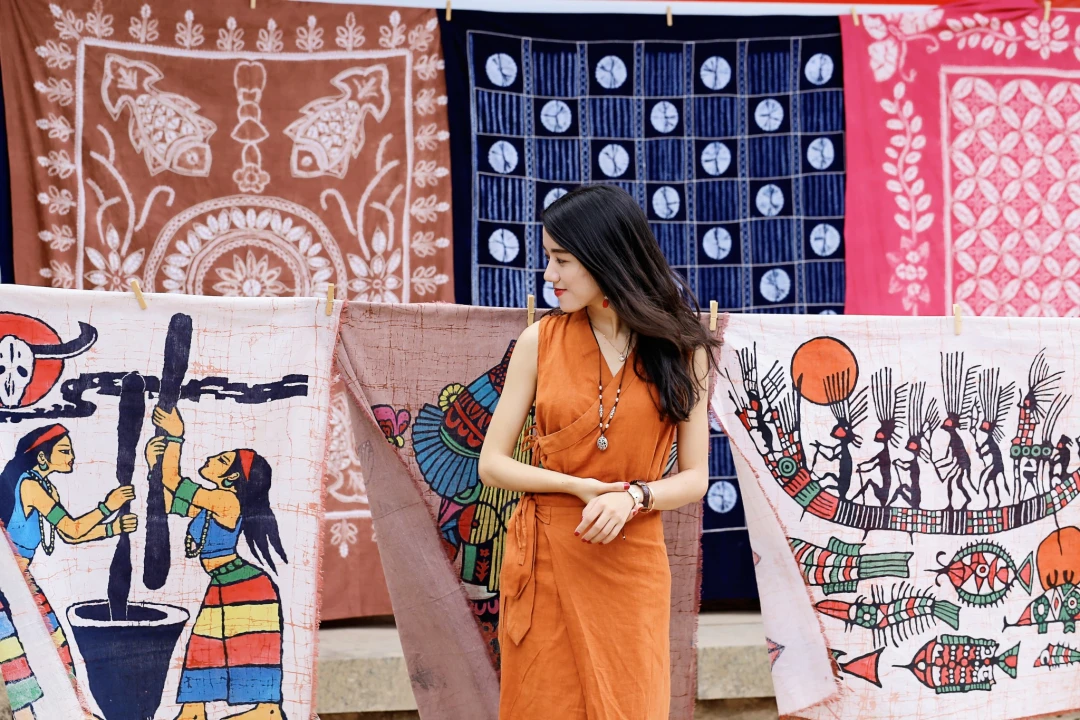
My trip to Lijiang taught me one thing: the height of life is never defined by others. Whether it's the 4,680-meter summit of a snow mountain or a personal hurdle you've always wanted to cross, taking that first step is already a victory.
All those legends about romantic encounters, the fantasies of slow living, the fears of altitude sickness—none of them compare to experiencing it yourself. On the Ancient Tea Horse Road in Shuhe Ancient Town, in front of the tie-dye fabrics of Baisha, amidst the music of Dayan Ancient City, in the cold wind of Jade Dragon Snow Mountain, you'll meet a different version of yourself.
Maybe that's the meaning of travel.
You should also read:
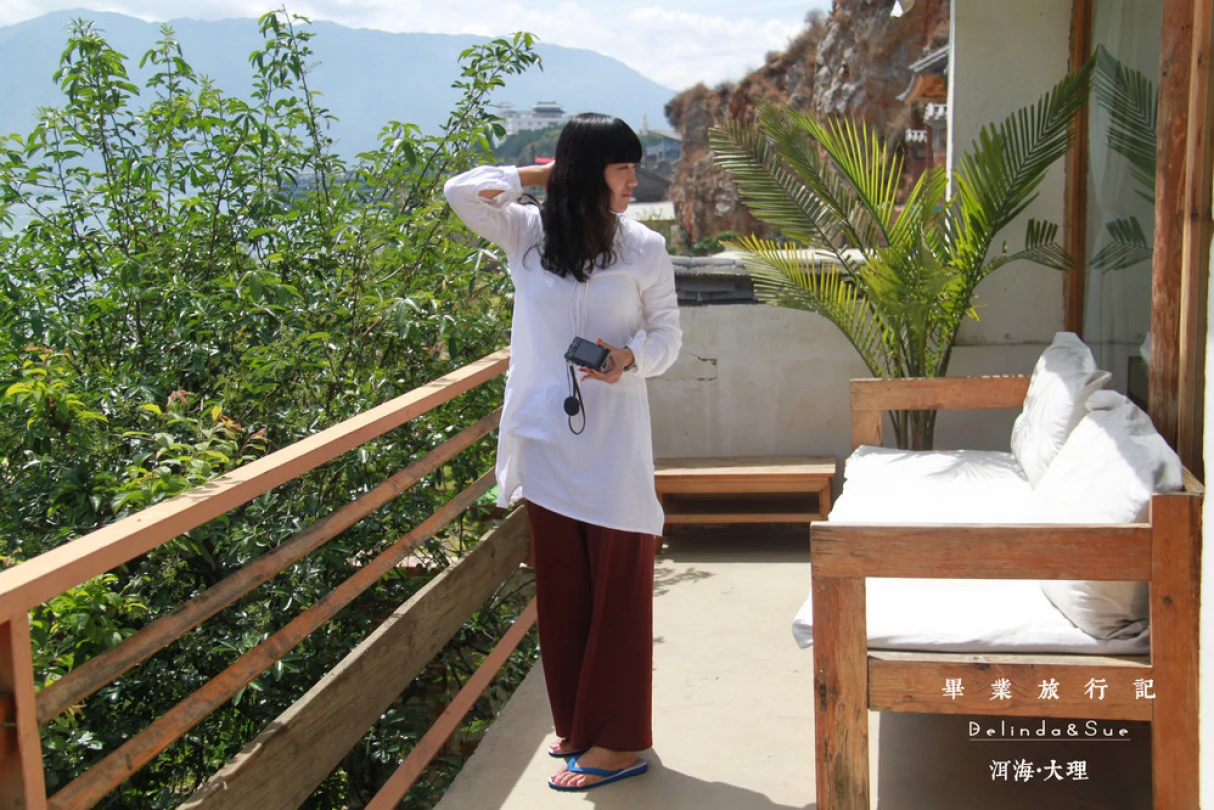
Two Girls' Graduation Trip: Dali and Shuanglang – A Poetic Farewell to Mountains and Sea
Two Girls' Graduation Trip: Dali and Shuanglang – A Poetic Farewell to Mountains and Sea Preface: Catching the Tail of Youth, Heading South During our senior year of college, my roommate and I – two girls studying in Beijing – decided to bid farewell to…
Continue reading...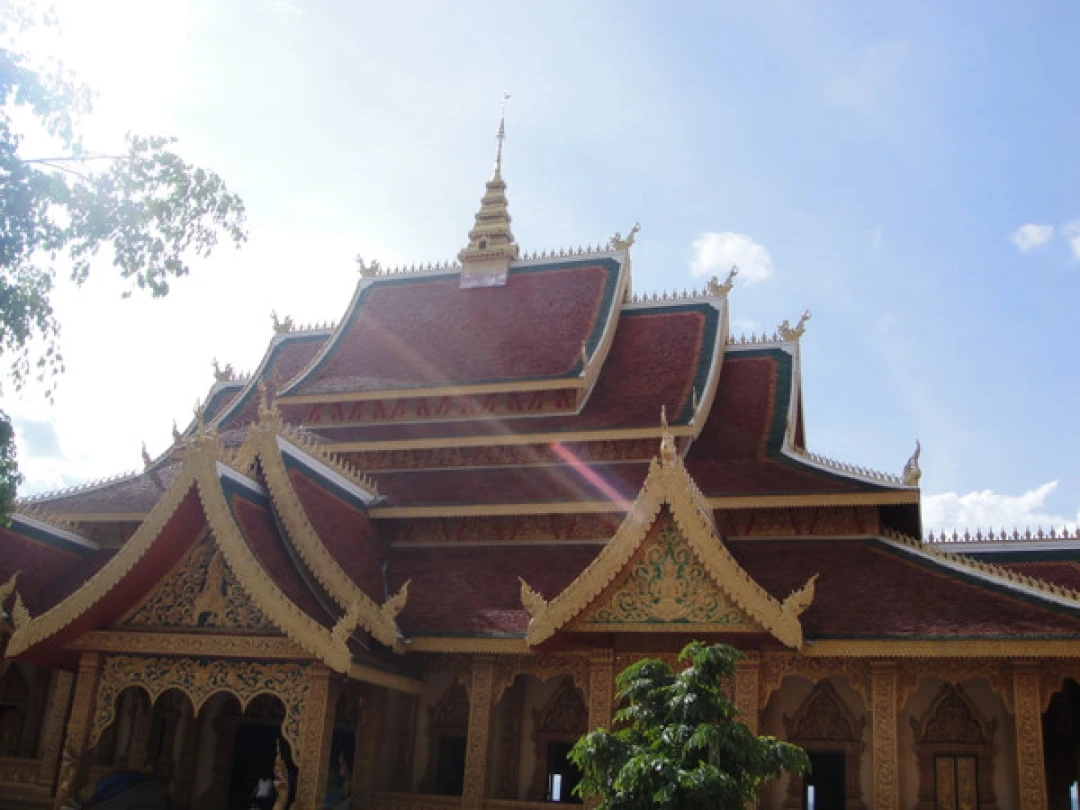
Xishuangbanna: Encountering an Ideal and Magical Paradise in the Green Wonderland at 21° North Latitude
Xishuangbanna: Encountering an Ideal and Magical Paradise in the Green Wonderland at 21° North Latitude If you ask me which place in China most resembles Southeast Asia, I would answer without hesitation: Xishuangbanna. This is not Thailand, yet it possesses an even richer Buddhist ambiance…
Continue reading...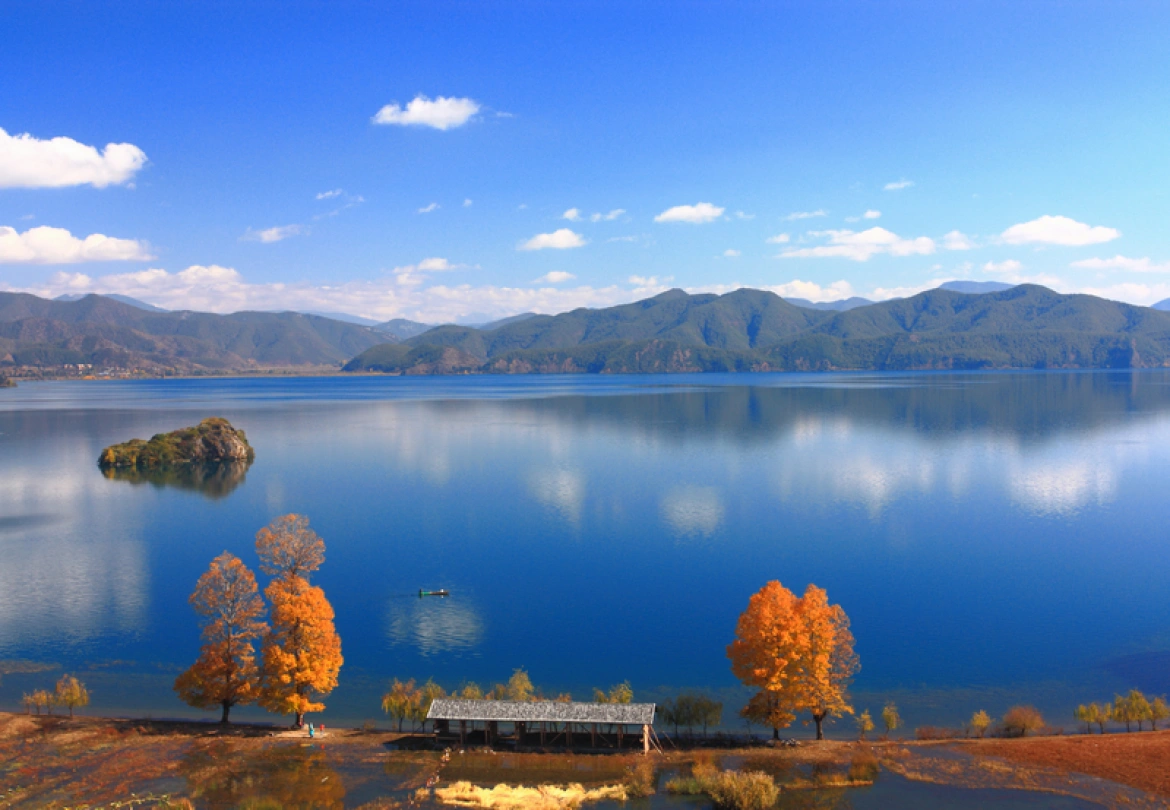
A Spiritual Journey to Lugu Lake in Lijiang: Experiencing the Legend of the Kingdom of Women! (Reproduction and Hotlinking Prohibited)
A Spiritual Journey to Lugu Lake in Lijiang: Experiencing the Legend of the Kingdom of Women! (Reproduction and Hotlinking Prohibited) Off-road自驾, food, hotel and民宿 reviews, Featured Traveler, Tank 300 owner, 200,000 km of self-driving experience. WeChat: y01294987 Ninglang Yi Autonomous County 2010.11.08 · 7 days…
Continue reading...