Early Summer, Meeting Lijiang: A Long-Awaited Reunion in the Land of Colorful Clouds
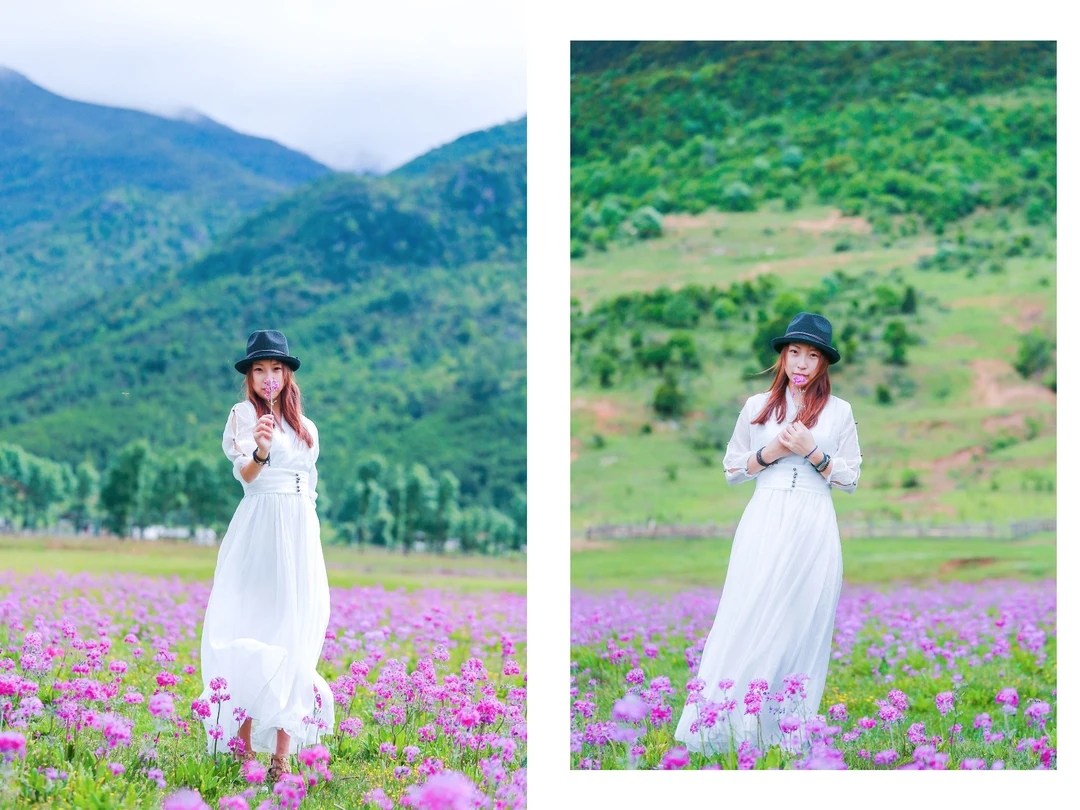
Early Summer, Meeting Lijiang: A Long-Awaited Reunion in the Land of Colorful Clouds
Some places are destined for a second visit. Not because they are flawless, but because the wind, the clouds, and those lazy hours there have a way of gently tapping on the door of your memory when you least expect it.
Lijiang is exactly that kind of place.
This was my third time setting foot on the land of colorful clouds (Yunnan), my second time entering Lijiang, but the first time I truly calmed down enough to write something about this ancient town. To be honest, I feel a bit ashamed. The first two times, I either couldn't be bothered to write, or the photos I took were just awful — stunning scenery reduced to nothing but blurry regrets in the lens. When I first came last year, it was right after a hike in Yubeng Village, purely to "lie flat" and recover. Back then, my impression of Lijiang was limited to the crowds at Sifang Street and the noise of the bar district.
But this time, I decided to change my perspective and see a side of Lijiang that few people know.
About Me
A travel blogger born in the 90s, but at heart just a "brick-carrying dog" (a playful term for someone grinding through life). I spend my days lost in a world of writing travelogues, taking photos, and editing videos. I've traveled all over Southeast Asia and left my footprints in faraway places like the UK and Egypt. If you enjoy my words or photos, feel free to reach out. If you have any questions, just throw them my way — I'll try my best to reply.

Trailer: The Double Life of Lijiang
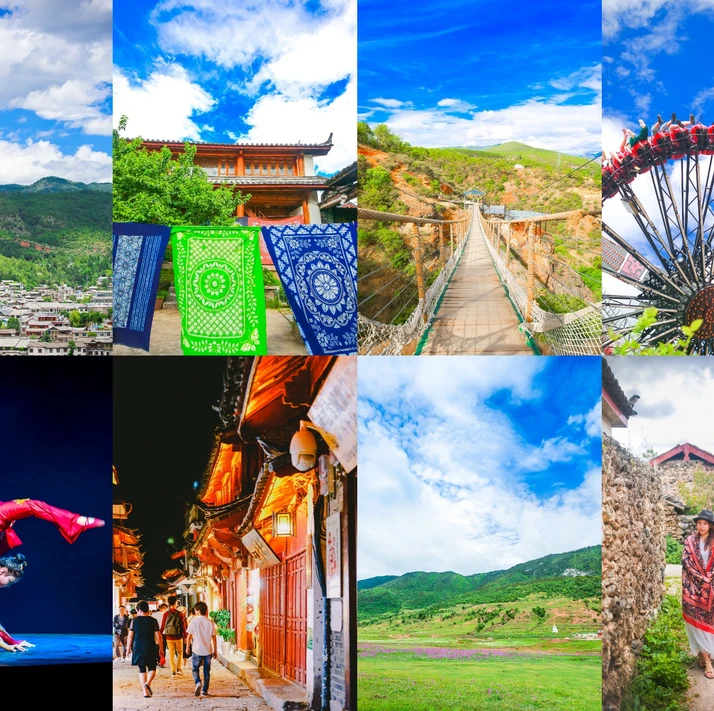
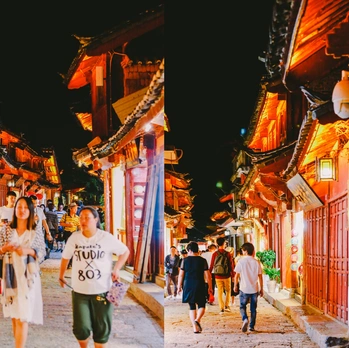
By day, you are as serene as an ink painting. By night, you burst with energy like a wild carnival.
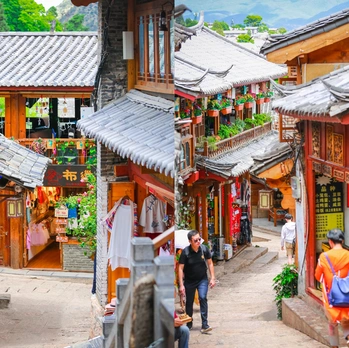
I came to your place — Dayan Ancient Town. Some people say, "Give me a day, and I'll give you a thousand years." But I'm not greedy. As long as you're still here, that's enough.
I came to your stage — the Lijiang Eternal Love show, shouting on the plateau and laughing under the spotlight. I came to your sky — Lijiang Love Song Amusement Park, overlooking the mountain ranges from a drop tower. I came to your natural oxygen bar — Sangu River (Three Strands of Water), listening to the babbling springs among bamboo groves. I came to your craft workshop — Baisha Ancient Town, watching tie-dye flutter in the wind. I came to your homeland — Yuhu Village, touching the memory of stones at the foot of the snow-capped mountains.
Lijiang, it turns out you have so many faces.
Escaping the City, Visiting Yunnan for the Third Time
After spending too long among the high-rise buildings of the city, that restless energy inside me is like a tightly compressed spring, ready to bounce at any moment. The delicate bridges and flowing waters of Jiangnan (south of the Yangtze River) are certainly refined, but for someone who longs for the vast landscapes of the west, even that can get tiresome after a while. Whenever I flip through old photos from my trips to the west — those days of running on plateaus and daydreaming in ancient towns — they ring softly in my heart like wind chimes.
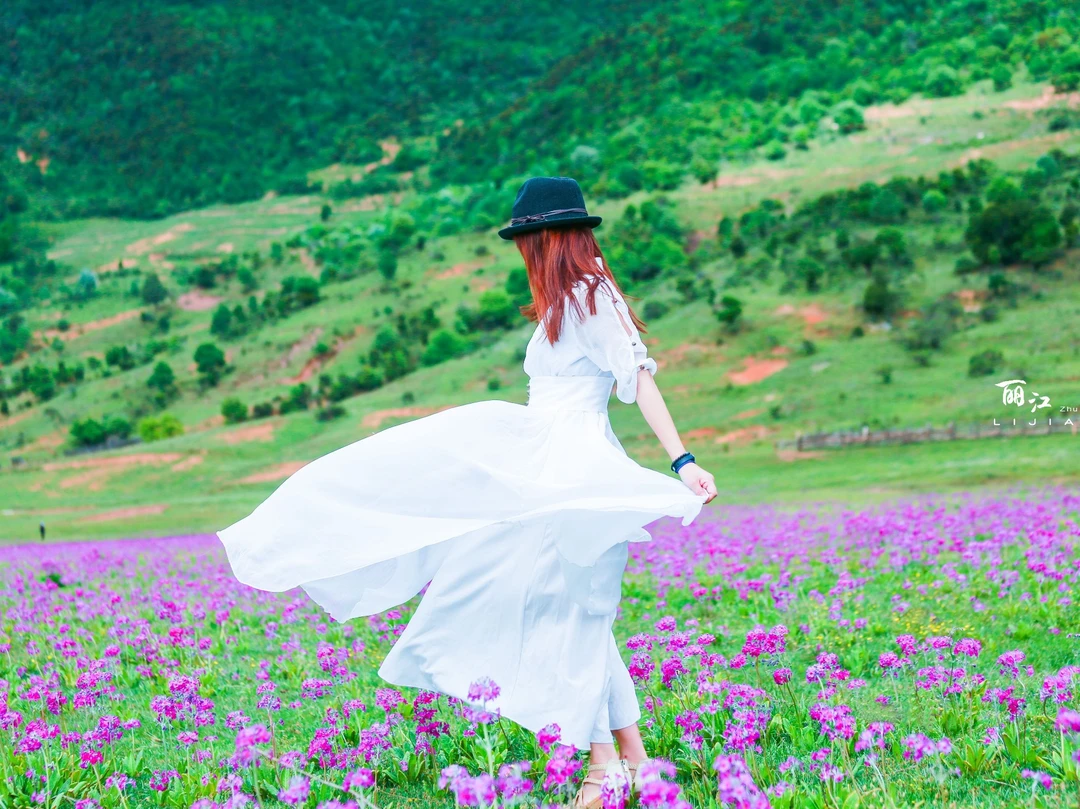
So, without thinking, I typed "Lijiang" into my computer. It had been a year and a half. I wanted to go back and see it again, and also give myself a chance to catch my breath.
Red-eye flights are a brick-carrying dog's best friend — they save both money and time. The plane crossed midnight, carrying me from the muggy heat of Shanghai to the cool air of Yunnan. In June, Lijiang can be hot during the day, but the nights are pleasantly breezy. Compared to the sticky humidity of Shanghai's plum rain season, the air here makes you want to take deep breaths.
I arrived at Sanyi Airport late at night, and the driver from the guesthouse was already waiting. It only took half an hour on the highway from the airport to Dayan Ancient Town. At half past midnight, I stepped into the old town. In the darkness of Dayan, only a few figures could be seen on the cobblestone streets. I followed the driver through countless twists and turns, weaving through endless alleys, until we finally found the guesthouse. Once I settled in, exhaustion washed over me like a tide. Lijiang, wait until I wake up tomorrow to truly see you.
Dayan Ancient Town: Lazy Hours Under a Sky Full of Flowers
The essence of Lijiang lies in Dayan. This ancient town, often symbolized by "slow living" and "romantic encounters," truly does have a slow pace of life. But as for romantic encounters... well, I didn't have any.
I had planned to sleep in, but the sunlight streaming through the window "stabbed" me awake. Before coming, I checked the weather forecast — it predicted rain almost every day, which freaked me out. But when I pulled back the curtains, there was a clear blue sky, white clouds, bright sunshine, and a gentle breeze. With such perfect weather, I had a steaming bowl of Lijiang rice noodles, and my mood instantly brightened.
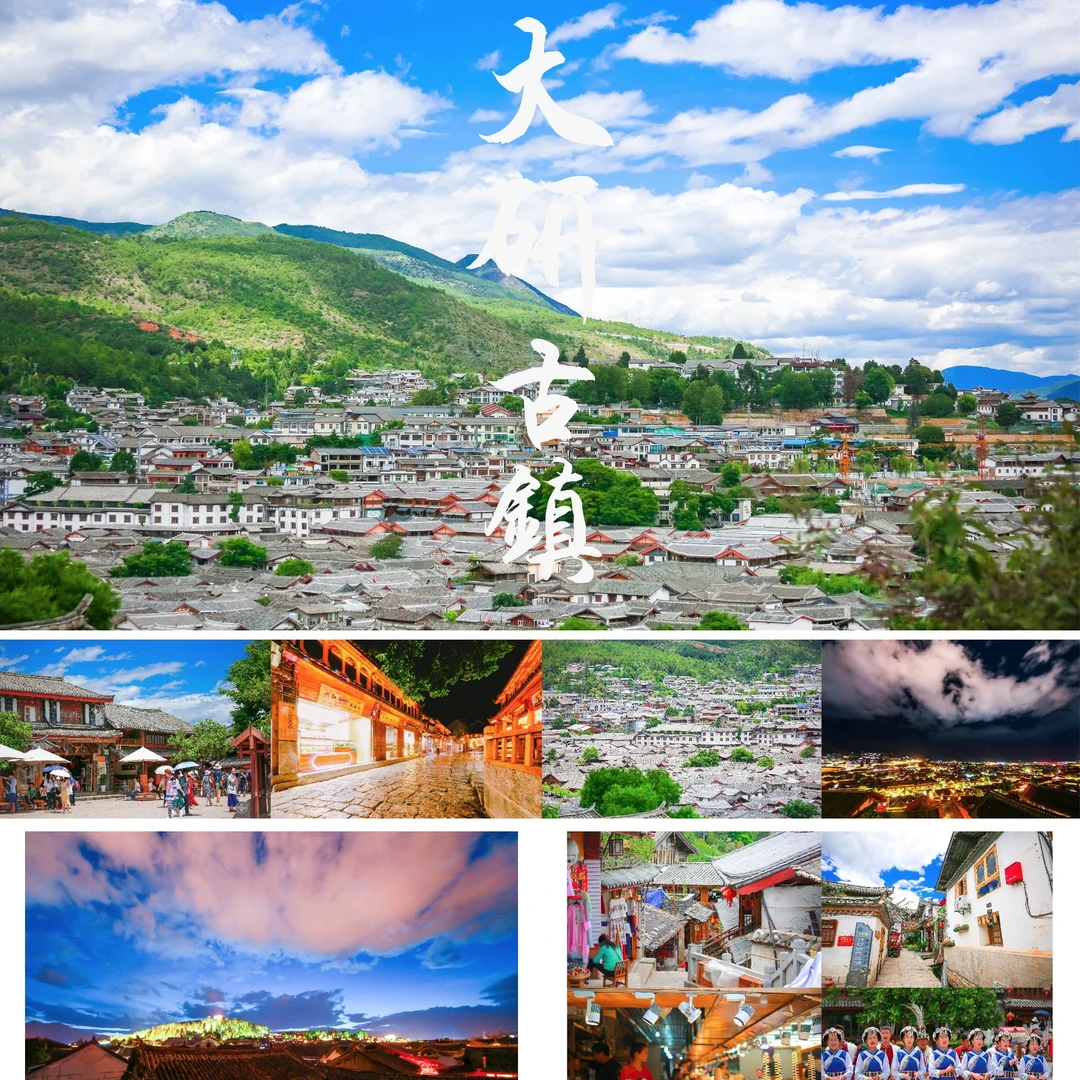
June in Lijiang is the height of summer, but I stubbornly went out under the scorching sun to explore the streets. Maybe it's that restless energy in my bones that keeps me going, even carrying three camera lenses, frantically taking photos in the ancient city.
The climate in Lijiang is perfect for growing flowers — almost anything you plant thrives. This season, flowers bloom in every corner of the old town. After a rain shower clears up, you might even spot a rainbow reflected against the blossoms — a truly magical sight.
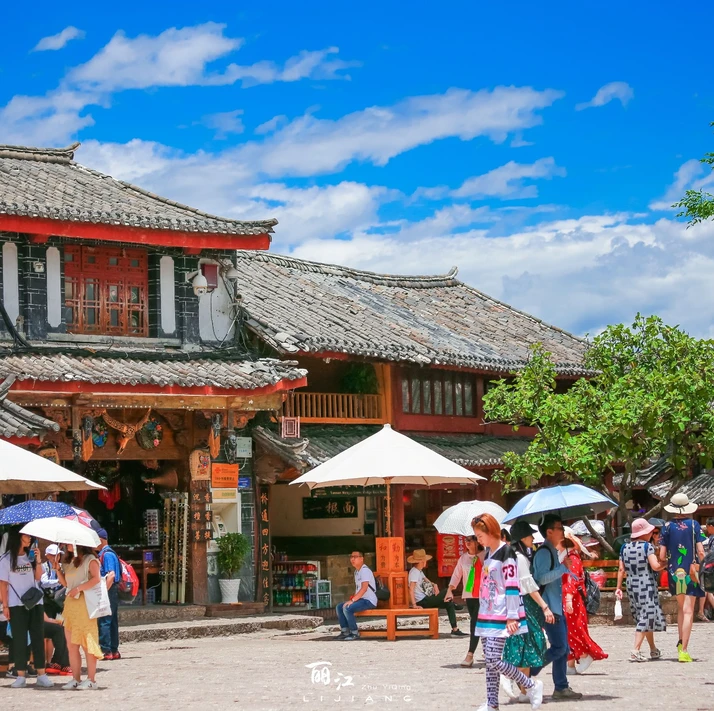
Many people complain about the commercialization of the old town, and I'm no exception. But looking at it from another angle, people bring commerce, and commerce attracts more people. Fame invites criticism, and as the old town became popular, opinions naturally split. For those living in the east or north of China, Lijiang is a completely different world from their daily environment. Instead of complaining, it's better to come with a humble heart and adjust your pace of life here. After all, you're spending money to enjoy yourself — accept her imperfections, adjust your mindset. Besides, the 80 RMB maintenance fee for the old town has already been abolished.
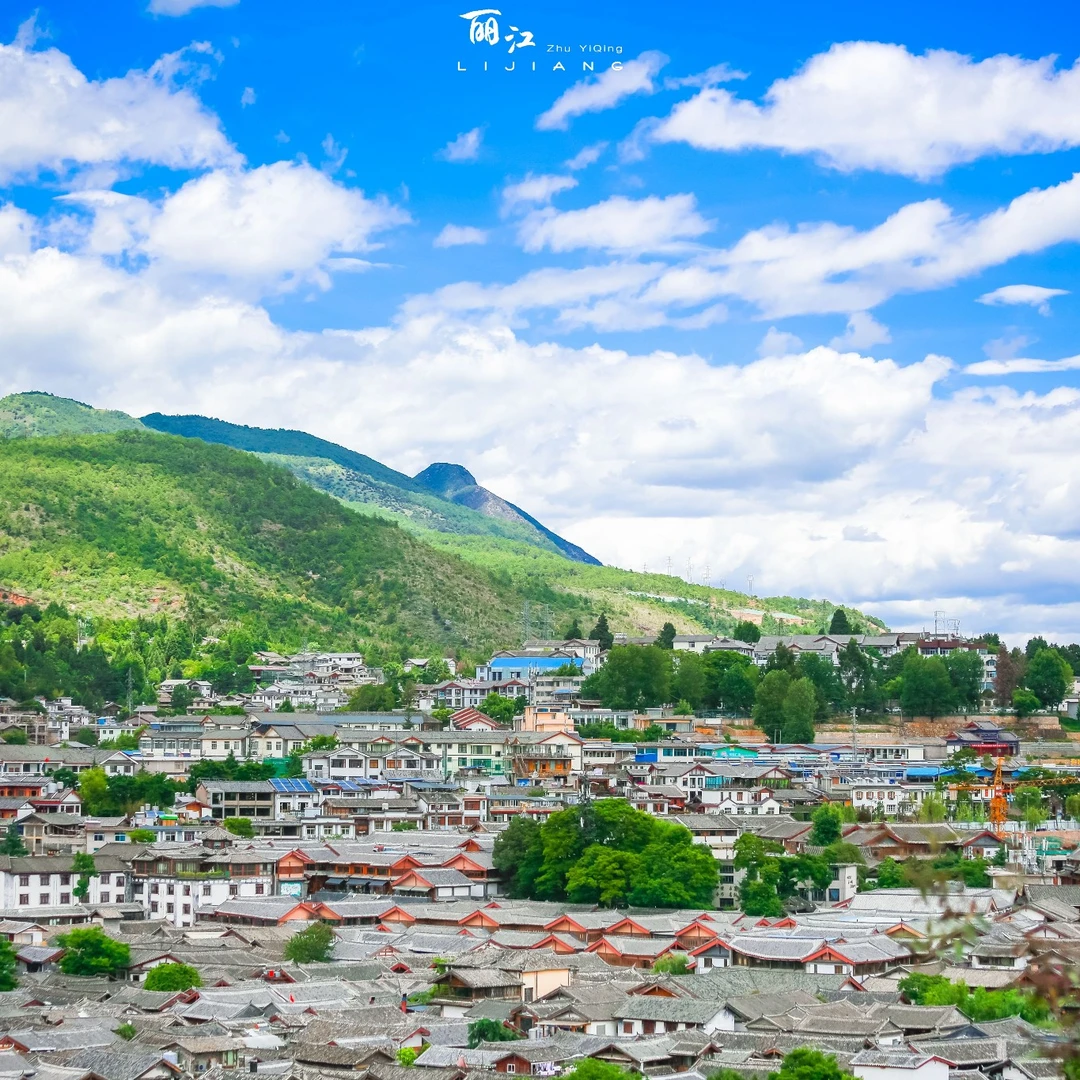
This time, I was determined to see a panoramic view of the ancient town. I bypassed the ongoing performances at Sifang Street and headed toward Lion Hill. The cobblestone paths were uneven, not exactly steep, but carrying all my gear was exhausting. The higher I climbed, the louder the calls from shop owners on both sides: "Best panoramic view of the old town! Free to look! Come check it out!" Well, looking was free, but taking photos cost money, and they kept pushing overpriced tea — 40 to 50 RMB for a cup of green tea. I quietly put my wallet away.
Climbing to the top of Lion Hill doesn't take long, but the entrance fee is 50 RMB — not great value. Instead, I stood on the platform at the entrance and used my telephoto lens to capture a bird's-eye view of Dayan Ancient Town. Layer upon layer of rooftops filled my frame. At that moment, I finally understood why Lijiang has become one of people's favorite ancient towns. It's not just about the artistic atmosphere or the crowds seeking to escape loneliness. It's the fact that from here, you can look up and see the snow-capped mountain peaks, with vast green grasslands stretching under the blue sky. The air is fresh, the temperature is pleasant. It can be delicate and refined, rich in culture, and at the same time, open and expansive.
Slow city, slow life. Many people say Lijiang is the garden of the soul. But I say Lijiang is actually an attitude toward life. No matter how much you complain, under the influence of its artistic atmosphere, some people simply don't want to wake up. There's a group of people here from all over the world, spending varying lengths of time intersecting with this place, searching for the lifestyle they desire.
Baisha Ancient Town: A Glimpse Beneath the Tie-Dye
Having visited Dayan and Shuhe, few people have heard of Baisha. And no, I'm not talking about white sand — I'm talking about Baisha Ancient Town.
Lijiang's old town consists of three parts: Dayan Ancient Town, Shuhe Ancient Town, and Baisha Ancient Town. Most tourists only go to Dayan. But for those who prefer peace and seek an original, rustic atmosphere, Baisha is the best choice. Why is Dayan no longer the Dayan of the past? Because more tourists have come, commerce has grown, and the local residents have moved away. Baisha, on the other hand, remains pristine and undisturbed — the ancient town that best preserves the Naxi heritage.
Driven by my interest in Dongba culture and a desire to experience an authentic Naxi village, I made my way from Dayan to Baisha. Although it's only 10 kilometers from Dayan, Baisha is noticeably more primitive. The famous Mu family chieftains of Dayan actually originated in Baisha. The town lies at the foot of Jade Dragon Snow Mountain, and from anywhere you look up, you can see the mountain's cold, stern face.
Compared to the bustling Dayan, Baisha is an oasis of extreme quiet. No noise, no chaos, no glitz or glamour — just a quiet power. It hasn't been developed. Everything remains intact, preserving the ancient simplicity and tranquility of a Naxi town. Elderly people sit by the roadside, chatting casually while selling vegetables, as if it's just a formality. The town has limited contact with the outside world, still maintaining a lifestyle of farming and weaving dye — even more leisurely than Dayan.
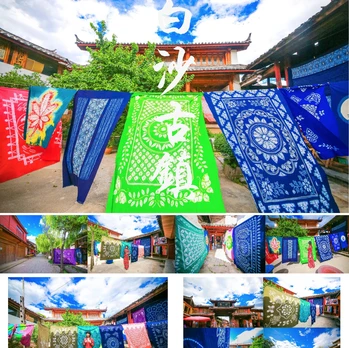
Before coming, I had heard that Baisha is most famous for its tie-dye. Everywhere you look, dyed fabrics are hung out to dry, creating the most beautiful scenery in the old town. Tie-dye is a traditional and unique Chinese dyeing technique: threads are tied into knots on the fabric, which is then dyed. When the knots are untied, various patterns emerge. It's said that even with thousands of knots, no two patterns will ever be exactly the same — incredibly unique.
The patterns in Baisha's tie-dye are relatively simple and rustic, like butterflies, plum blossoms, or crabapple flowers. There are also full-pattern designs, such as "fish roe tie-dye" with small white dots, or "agate tie-dye" with slightly larger dots. Today, this traditional craft has been listed as a national intangible cultural heritage, and several tie-dye workshops in Baisha have taken on the mission of preserving it.
Some workshops even offer hands-on experiences. Unfortunately, I arrived a bit late and missed the best time for drying the fabrics. I could only take photos with the dyed cloths and chat with the shop owner. The tie-dye in Baisha mostly uses indigo and banlangen (Isatis root) as dyes — yes, the same banlangen used to treat colds. Compared to chemical dyes, these plant-based dyes produce natural colors that never fade, don't damage the fabric, are long-lasting, and have no harmful effects on the human body. They even have anti-inflammatory and health benefits.
I asked the shop owner about the price. A solid blue tie-dye cloth costs just over 200 RMB. If you want additional colors, that's extra. At that price, it's practically a steal — the kind of honest pricing you'd only find in a hidden paradise! There were hardly any tourists in the town. Walking on the cobblestones, only the colorful fabrics fluttering in the wind showed the town's vitality amidst the stillness. Every time I stepped into a dye workshop, it felt like entering a tie-dye museum. These colorful cloths, bathed in sunlight, told the story of ancient craftsmanship and the spirit of artisan heritage.
I ordered a cup of homemade yogurt at a streetside café and looked up at the patterned fabrics hanging on the mottled walls. The fabrics slapped against each other in the breeze, while birds perched on the roof beams, humming their little tunes. This blend of ancient charm and gentle liveliness made me not want to move once I sat down. There was no aggressive hawking. The people here truly know how to enjoy their slow life. Next time, I'll definitely stay overnight here and breathe in the natural air to my heart's content.
Sangu River (Three Strands of Water): A Pastoral Poem of Lijiang's Little Jiangnan
I never expected to find a "Little Jiangnan" in the area where three rivers converge in Lijiang. Gurgling streams, lush green bamboo groves, babbling springs, and verdant scenery. At the Sangu River Scenic Area, I felt like I had returned to the familiar Jiangnan of my hometown.
The name "Sangu River" instantly brings to mind three waterfalls. I had only heard that Lijiang has rivers, but I never knew it had waterfalls. Before coming here, Sangu River had never appeared in my Lijiang travel plans. It was purely by chance that I ended up here.
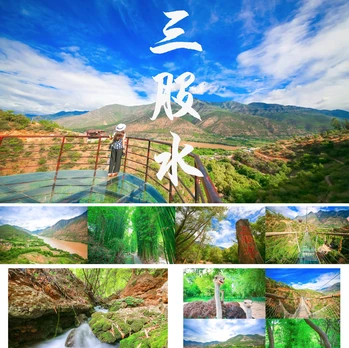
This place is said to be one of the most beautiful spots in Lijiang. In the past, it was a必经之地 (must-pass place) on the Ancient Tea Horse Road heading into Tibet, inhabited by the Naxi people of southern Lijiang. Compared to the majestic, towering peaks of southwestern Yunnan, Sangu River is indeed more delicate and refined. Clear streams and pools, like emeralds scattered among the mountains, with flowing water turning bamboo waterwheels and rushing streams crashing against pebbles. For a moment, I felt like I was back in the water towns of Jiangnan.
Despite its name, there aren't many waterfalls here, and some are man-made. But walking through the dense bamboo groves, with green bamboo reflected in the still water, was beautiful and dreamlike in the mist. Breathing in the fresh air, I felt completely at ease.
For an adrenaline rush, there's the glass-bottomed bridge where you can sprint through the air. First, you cross a wooden plank bridge to warm up. Once across, the magnificent mountains and the surging Jinsha River (Golden Sand River) unfold before your eyes. Holding onto the railing, surrounded by peaks, I felt a sense of commanding the landscape. Next came the glass bridge, which required wearing shoe covers. While queuing, I chatted with an elderly man handing out the covers. He had lived here for most of his life. Although this place isn't as famous as Jade Dragon Snow Mountain or Lashi Lake, its pristine tranquility was enough to make him stay and guard it.
For safety, anyone walking on the glass bridge was attached to a "dog leash" — really just a psychological comfort. I started out brave, walking straight onto the glass, but after a few steps, I chickened out and obediently clipped on the "leash." Halfway across, I realized it wasn't that high — the tractor below was just a stone's throw away. Once I got used to it, the glass bridge wasn't so thrilling. My main worry was dropping my camera. Still, the view from the bridge was fantastic. You couldn't see the three rivers converging, but the distant scenery was breathtaking.
If you're not satisfied with the aerial view, you can also hop on a rubber raft and ride the waves of the Jinsha River. Green mountains rose on both banks, and a lone sailboat floated under the sun. Drifting along the river, all I could hear was the wind and the roar of the water. This river, flowing for thousands of years, carries countless stories unknown to us. But the mountains and rivers remain, and I was here, leaving behind a unique memory.
After getting back on shore, three hybrid ostriches craned their necks at us. I didn't expect to find such cute animals here. After a morning of activity, I was starving. Among the bamboo groves stood small stilt houses — outdoor barbecue spots. If Guangdong is a province where you can eat anything, then Yunnan is a place where you can grill anything. Overlooking the Jinsha River, enjoying the natural bamboo breeze, and feasting on wild game with friends — life couldn't be more惬意 (comfortable).
We hopped onto a rustic farm tractor and bumped along the mountainside, our bodies jolting with every vibration. It was like a thorough massage for the rear end. Beside us, green wheat and yellow rapeseed flowers interwove in the terraced fields along the Jinsha River, like a beautiful canvas stretching from the mountaintop to the riverbank. Ancient, primitive villages dotted the mountainside, adding life to the pastoral landscape.
Sangu River is a different kind of Lijiang — pastoral, riverside, horse-trekking, and weathered. No one disturbs it. It simply grows in silence.
Love Song Amusement Park: Riding a Drop Tower on the Plateau
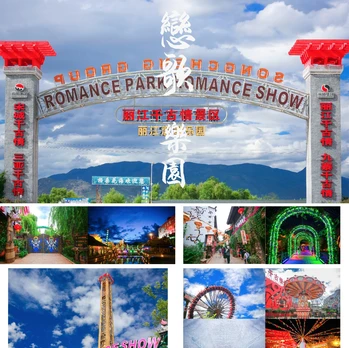
What does it feel like to ride a drop tower on a plateau? In Lijiang, beyond the artistic atmosphere, you can also experience thrilling sensory adventures. The Lijiang Eternal Love scenic area is one of the few amusement parks on the plateau.
On the highways of Lijiang, banners always flutter with the slogan: "Lijiang Eternal Love — a performance you must see in your lifetime." This time, I came specifically to see what this must-see show and the plateau amusement park were all about.
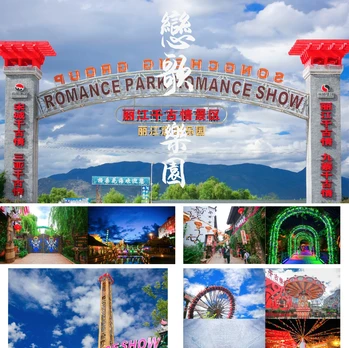
The scenic area is adjacent to Wenbi Lake, facing Jade Dragon Snow Mountain in the distance, only 6 kilometers from the old town — a taxi ride of under 30 minutes. It's also known as Songcheng Tourist Area. I first learned about Songcheng from the TV show Running Man, where it was revealed as the place where the lead actor Huang Xiaoming and Angelababy had their first date.
Entering the ticket hall, the areas for ticket collection, purchase, and guest services were clearly marked. Electronic screens showed the schedule for each time slot. If you were worried about missing something, you could grab a map with the names, times, and locations of all performances.
Once inside, a white pagoda caught many people's attention. The Naxi风情 (charm) and fluttering prayer flags mixed with a strong Tibetan influence. White pagodas are common in Tibetan areas, representing places where holy traces have appeared. Lijiang was founded and flourished thanks to the Ancient Tea Horse Road. The scenic area includes themed zones like Tea Horse Ancient Street, Nacuo Sea, Snow Mountain Beach, Ethnic Villages, and Eternal Love Square — all offering immersive experiences of Naxi culture. A thousand-year-old tea horse town seemed to have traveled through time to the present.
The Ancient Tea Horse Road is one of the world's most spectacular natural routes and culturally mysterious hiking trails in the southwest. Starting from the Dai village in Xishuangbanna, it passes through Lisu villages, the Tea Horse Ancient Town, Mosuo villages, caravan campsites, Wa villages, and finally reaches Nacuo Village. Today, Eternal Love has condensed the essence of this route into a single path, taking us back to those prosperous times.
Stepping through the gate of time, the beautiful Lijiang River flowed beneath the bridge. Walking through Tea Horse Ancient Street, stopping at Caravan Square, and admiring the unique houses of Lisu and Dai villages. Alongside stood breweries, tofu workshops, blacksmith forges, and other workshops representing Lijiang's folk customs. Not only were there many children with their parents, but also elderly people who enjoyed sitting in the park, soaking in the exotic atmosphere.
Beyond the strong Naxi charm, the Eternal Love scenic area can also make your adrenaline skyrocket. Drop towers, giant pendulums, log flumes, flying chairs — all the common amusement park rides you find on flat ground are available on the plateau! As someone who already loves thrills, I hopped on the plateau drop tower. As the seat suddenly rose and then plummeted, the panoramic view of the plateau was laid out before me.
This might be the best view I've ever had from a drop tower — distant mountain ranges and green meadows shining under the blue sky. As my body went up and down, I, who usually don't even get out of breath, finally used the opportunity to release all my pent-up stress through screaming. That's probably the true essence of a drop tower — it's not really scary, but it's incredibly stress-relieving. Even the shyest person can let loose up there, especially with such great scenery.
Unfortunately, the giant pendulum wasn't running, and I didn't have a raincoat for the log flume, so I could only take photos of it. To capture that shot, even those not riding got splashed. I'll also mention that there's a haunted house here — one is a walk-through ghost house, and the other is a ghost story listening experience. I chose the latter. Surrounded by realistic wind sounds, water sounds, and floor vibrations, listening to ghost stories through headphones, I almost laughed myself to tears...
Lijiang Eternal Love: Give Me a Day, I'll Give You a Thousand Years
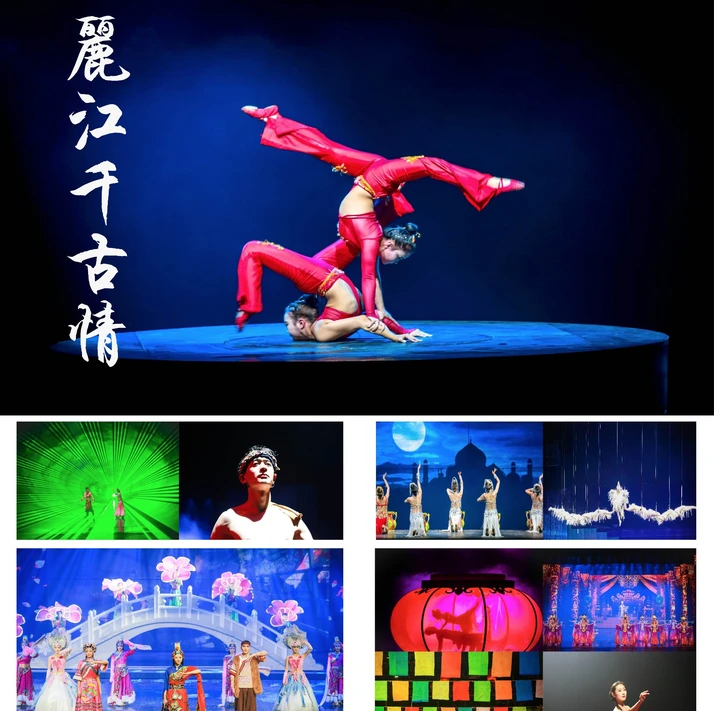
Beyond the thrilling rides, the scenic area features various performances throughout the day, divided into the Top Ten Shows, Lijiang Love Song, and Lijiang Eternal Love. Immersed in the strong Naxi-themed atmosphere, you step into the stories of ethnic groups, experiencing the热情 (warmth) of the Naxi people through performances and flash mobs.
From the moment you enter the park, the show has already begun. It's best to grab a daily schedule at the entrance, as different areas host different performances. The outdoor Top Ten Shows are mainly held at Caravan Square, Eternal Love Cultural Square, and the Dai village, including "Catch Liu with One Knife," street acrobatics, "Life on a Thread," street musician performances, "Climbing a Mountain of Knives and Walking Through a Sea of Fire," "Mu Mansion Choosing a Son-in-Law," time-travel flash mobs, Wa village songs, shadow puppetry, and Wa fire-breathing.
The performers all gave it their all: some threw knives blindfolded, some truly climbed a mountain of knives and walked through fire, some performed incredibly flexible acrobatics, and others tossed embroidered balls to choose a "husband." Naxi girls played hand drums, their beautiful voices echoing through the entire park. Crowds came and went, drawn by the pure sound.
"Climbing a mountain of knives" — those were real, sharp blades. "Walking through a sea of fire" — that was molten metal at thousands of degrees. Watching them, I was genuinely worried for their safety. They were risking their lives — truly thrilling. The blindfolded knife throwing was also incredible. A minute on stage requires ten years of practice off stage. I wonder if anyone has ever been accidentally hit. The flexible bodies and skilled techniques — watching acrobatics up close for the first time, I was full of admiration for these performers.
The most entertaining was "Mu Mansion Choosing a Son-in-Law." When the embroidered ball was tossed, it landed right on my elbow. I was holding up my camera to take a photo, and before I knew it, a guy next to me snatched the ball away. So I was "honorably" invited up. The actors asked questions, and the audience members called up kept sabotaging the show. The actors on stage were awkwardly improvising, while the crowd below was having a blast. There was even a time-travel flash mob featuring Japanese anime characters — a collision of Chinese and Japanese pop culture. Probably considering the many children visiting, they really keep up with the times.
After enjoying the outdoor mini-shows, there was the large-scale live-action performance Lijiang Love Song. This love story tells the tragic and poignant tale of Abuda, a Tibetan young man, and Gajimi, a Naxi girl. Due to the special effects involving fire and water sprays, seating starts from the sixth row. The realistic effects created by the physical props on stage made me, watching from a higher seat, unconsciously immerse myself in the story.
The tragic love story of the male and female leads was presented through the graceful dances of Yunnan's various ethnic groups. Flying through the air, the stunning visual effects were the most beautiful testimony to their love song. With the volcano erupting flames and the brave young man breaking through a boulder to save the villagers, unleashing a massive wave, the scene was grand and deeply moving. Although the story ends with the male lead's sacrifice, it was precisely this sacrifice that benefited future generations, leading to the lively Torch Festival celebrated today.
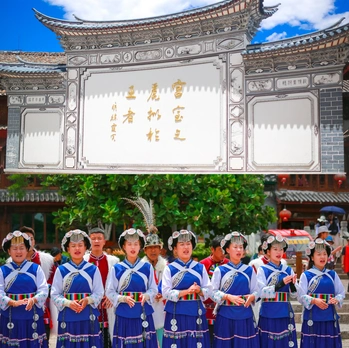
The love song story ended, but the Naxi story continues. The audience gradually descended to the center of the stage, dancing and celebrating around a torch with the performers. Pure joy — that's the true message Lijiang Love Song wants to convey. It's said that the show is even more beautiful after dark, but unfortunately, in June, the days get dark later and later. Even at 7 PM, the sky was still bright.
As the sun slowly set, the park's performances reached their climax, and my most anticipated moment arrived — Lijiang Eternal Love. They say this is a must-see performance in a lifetime. I was eager to see just how magical it really was.
Before entering the grand theater, I noticed it was quite unique — dominated by a deep red color, standing out vividly against the blue sky and white clouds. The exterior looked like mysterious symbols, which were actually Naxi pictographic characters. From the outside, the entire theater was imbued with strong Dongba cultural characteristics.
Some say Lijiang Eternal Love is the soul of Lijiang's culture. It combines ancient legends and historical events with modern IMAX 3D technology, presenting a visual feast like a blockbuster movie. The collision of original artistic elements and high-tech stage effects brings to life the brilliant civilization of the Naxi Genesis, the romantic tales of Lugu Lake's "Kingdom of Women," the perilous legends of the horse caravans, the glorious rise and fall of the Mu Mansion, and the unwavering love of the Jade Dragon Third Kingdom — all performed with breathtaking intensity.
I sat in the first row of Section B. A special note: during the performance, the seats in Section A in front of me moved left and right several times as the plot progressed, mainly to create aisles for performers to interact closely with the audience. So although my view was often blocked by the heads in front, being able to get so close to the performance was fantastic — except that every time the front rows shifted together, it was a bit amusing.
A giant roc bird flew in from the sky, opening the prologue of Genesis. From a distance, I thought it was a giant eagle suspended in mid-air. But when the lights came on, I realized the soft, flapping wings were actually eight men connected together... Girls rowed boats, leaving ripples on Lugu Lake. Legend says this is the ancient and mysterious Lugu "Kingdom of Women." The Mosuo people living here are a branch of the Naxi, the only ethnic group in the world that still maintains a matriarchal clan system, continuing the "walking marriage" custom where men don't marry and women don't wed.
Conclusion: Lijiang Is an Attitude Toward Life
On this trip to Lijiang, I saw her different faces.
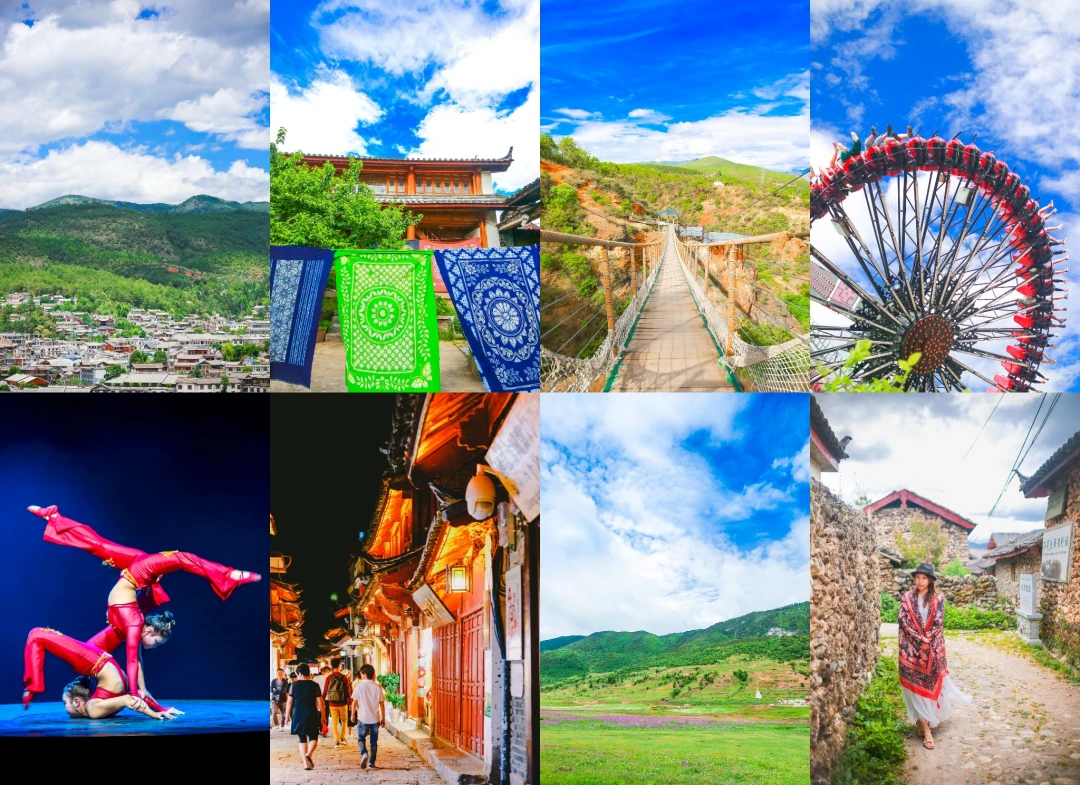
The lazy yet lively atmosphere of Dayan Ancient Town, the pristine tranquility of Baisha Ancient Town, the pastoral poetry of Sangu River, the shock and thrill of Eternal Love... Lijiang is not just a travel destination. It is an attitude toward life. It makes you slow down, put down your phone, and rediscover yourself in a season of blooming flowers.
Some people come and go. Some people come and stay. As for me, I've come three times, and every time I discover something new. Perhaps that is the charm of Lijiang — she always has an unexpected surprise waiting for you in some corner.
If you want to come to Lijiang, try letting go of your travel guides and expectations. Just simply walk, look, eat, and drink. Stroll slowly on the cobblestone paths, daydream among the flowers, listen to old people tell stories in tie-dye workshops, scream loudly on the drop tower... You'll find that Lijiang has always been there, waiting for you, in her own way.
As for me, I'm already looking forward to our next encounter.
You should also read:

Solo in Yunnan: A Wanderer’s Guide to the Land of Eternal Spring
Solo in Yunnan: A Wanderer’s Guide to the Land of Eternal Spring There’s something magical about traveling alone. No compromises, no schedules to keep, no one to please but yourself. I’ve been on the road for nearly three months now, and not once have I…
Continue reading...
God’s Abandoned Palette: A Self-Drive Journey Through Yunnan’s Dongchuan Red Land
God’s Abandoned Palette: A Self-Drive Journey Through Yunnan’s Dongchuan Red Land Travel has never been about reaching some distant geographic coordinate. It’s about encountering, along the way, the version of yourself buried beneath the rubble of daily routine. During this May Day holiday, I finally…
Continue reading...
Xishuangbanna: Encountering an Ideal and Magical Paradise in the Green Wonderland at 21° North Latitude
Xishuangbanna: Encountering an Ideal and Magical Paradise in the Green Wonderland at 21° North Latitude If you ask me which place in China most resembles Southeast Asia, I would answer without hesitation: Xishuangbanna. This is not Thailand, yet it possesses an even richer Buddhist ambiance…
Continue reading...