EP05.2018: Tokyo, Hakone, Lake Kawaguchi — A Father-Son Pilgrimage to Gundam and Gentle Moments Beneath Mount Fuji
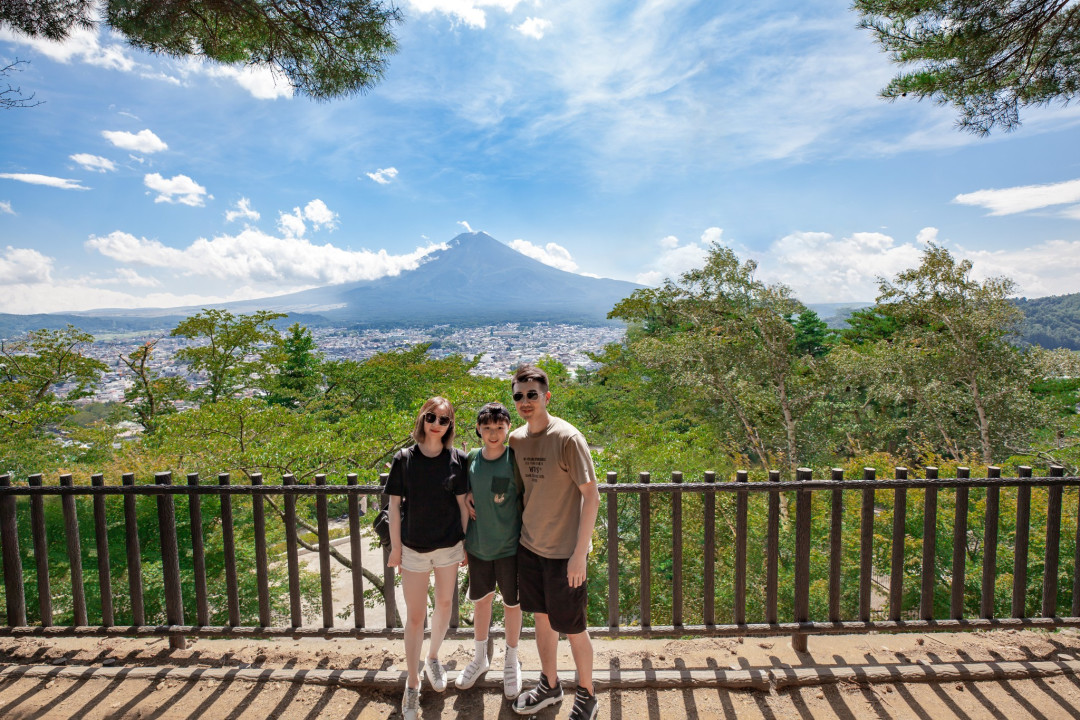
EP05.2018: Tokyo, Hakone, Lake Kawaguchi — A Father-Son Pilgrimage to Gundam and Gentle Moments Beneath Mount Fuji
When a passion for LEGO gives way to an obsession with Gundam, a father's travel list quietly rewrites itself.
"Dad, look!" My son held up his newly assembled Gundam model, his eyes sparkling.
"Wow, you're into Gundam again?"
"Because... the details are incredible, the design is super cool..."
The biggest difference between today and yesterday was this: the little boy who once refused to let go of his LEGO bricks had quietly become a Gundam fan. And as a father, what I could do was take him to Tokyo — to the Gundam base he'd been dreaming of — while also satisfying my wife's longing for Ginza, and, just for myself, indulging my obsession with Hakone's hot springs and Mount Fuji.
And so, a family trip built on the "Four No's" — no early bedtimes, no early mornings, no rushing, no rigid plans — was born.
Before We Left: Why the InterContinental Tokyo Bay?
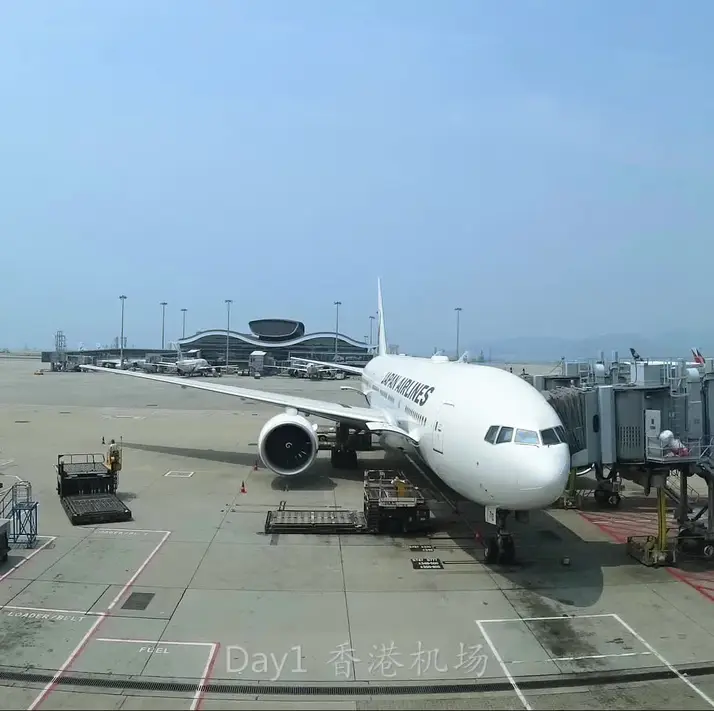
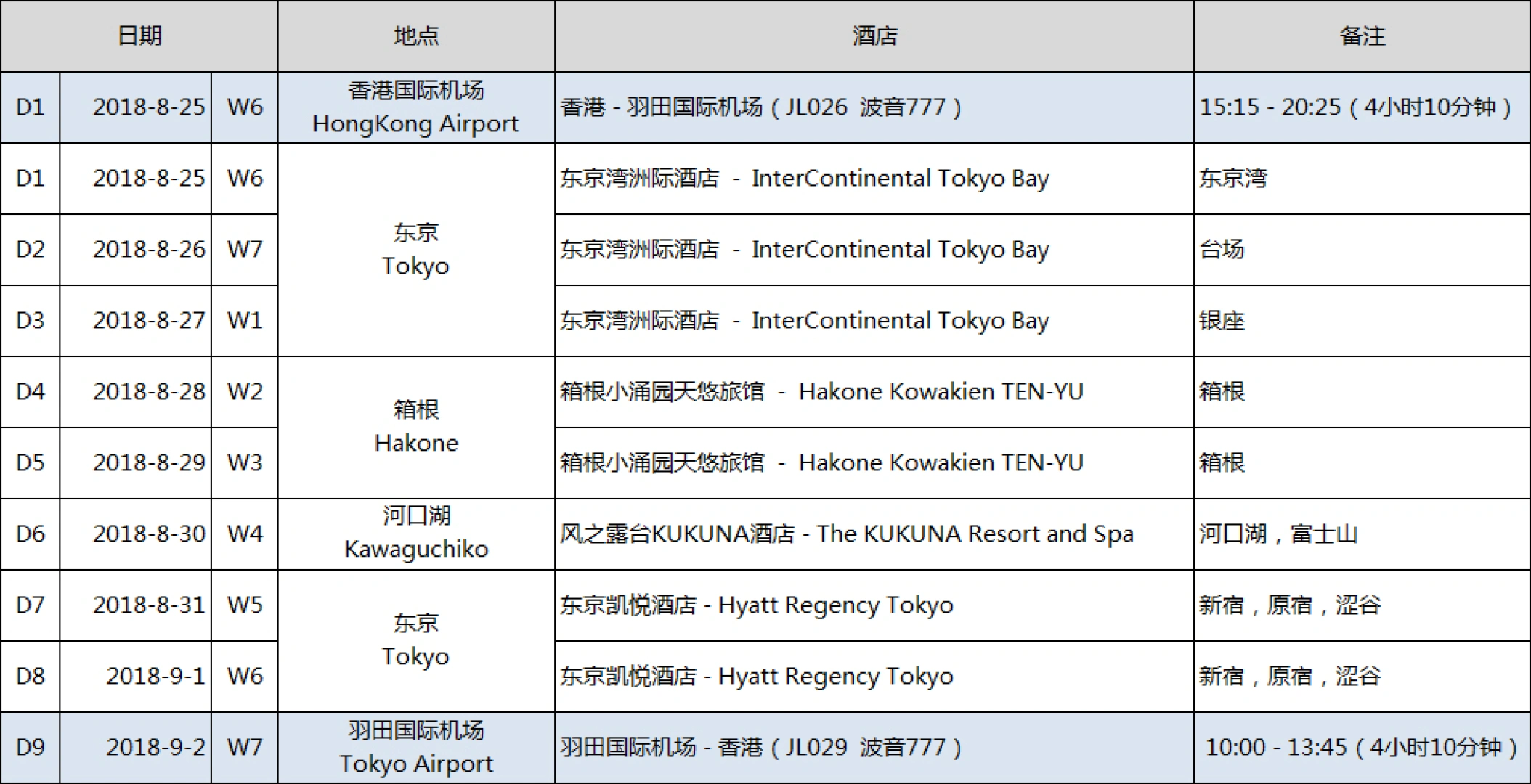
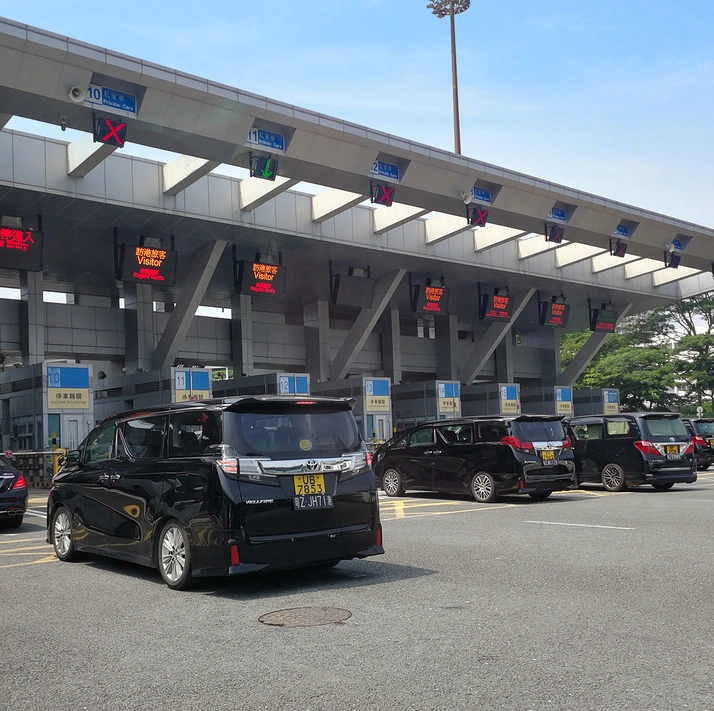
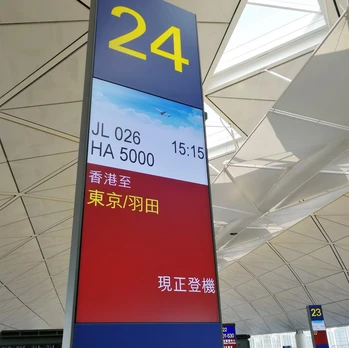
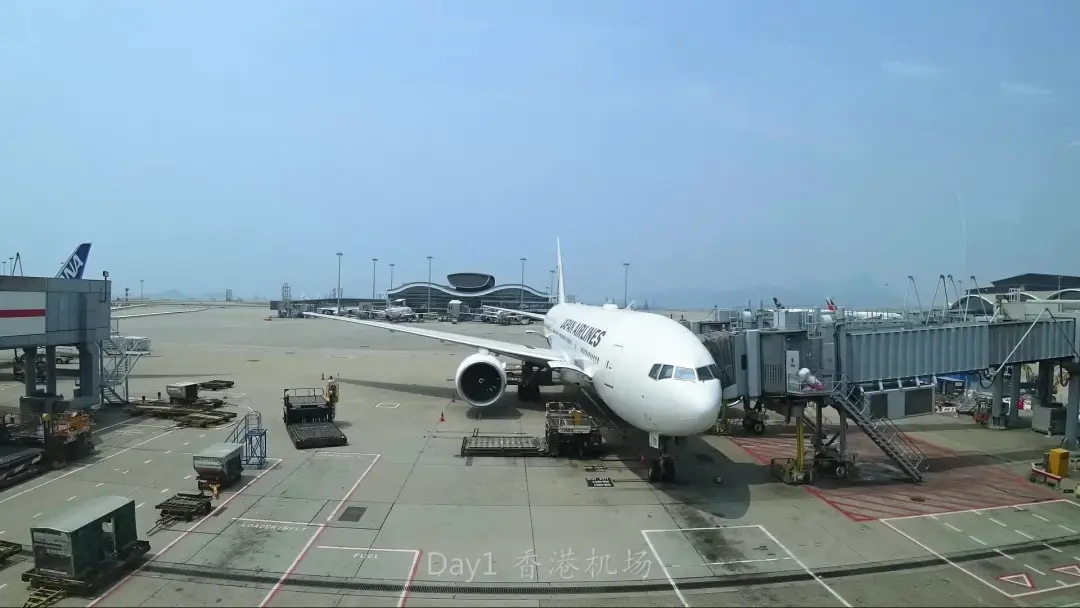
On August 25, 2018, we flew directly from Hong Kong to Tokyo's Haneda Airport. Choosing Haneda over Narita was a no-brainer: it's only 15 kilometers from the city center, compared to Narita's 80. Japan Airlines' in-flight meal was surprisingly generous — baked rice, noodles, vegetable salad, fruit, Häagen-Dazs ice cream, and a selection of drinks. Even the pickiest palate would be satisfied.
We landed at 8:15 PM. Fifty-five minutes later, we were standing in our room at the InterContinental Tokyo Bay. Yes — from touchdown to check-in, just 55 minutes. Credit goes to the hotel's location: right next to Haneda Airport, with the Yurikamome Line's Takeshiba Station at the doorstep, and shuttle buses to Hamamatsucho and Shinagawa Stations.
Why this hotel? Four simple, straightforward reasons:
- 20 minutes on the Yurikamome Line to Odaiba — my son's Gundam base was there.
- Shuttle bus to Hamamatsucho, then 15 minutes on the JR Yamanote Line to Ginza — my wife's shopping battlefield.
- Shuttle bus to Shinagawa, then 30 minutes on the Shinkansen to Odawara — my Hakone hot spring escape.
- Only 15 kilometers from Haneda Airport — stress-free both ways.
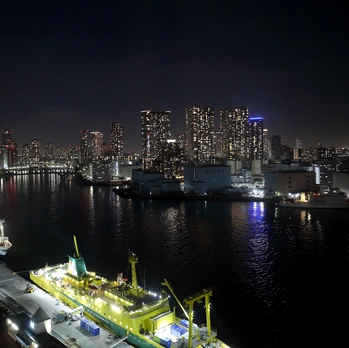
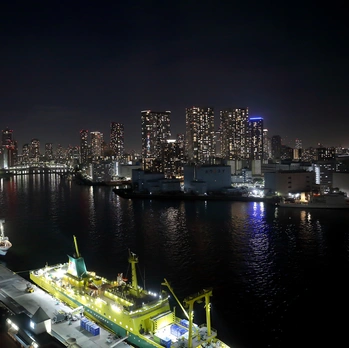
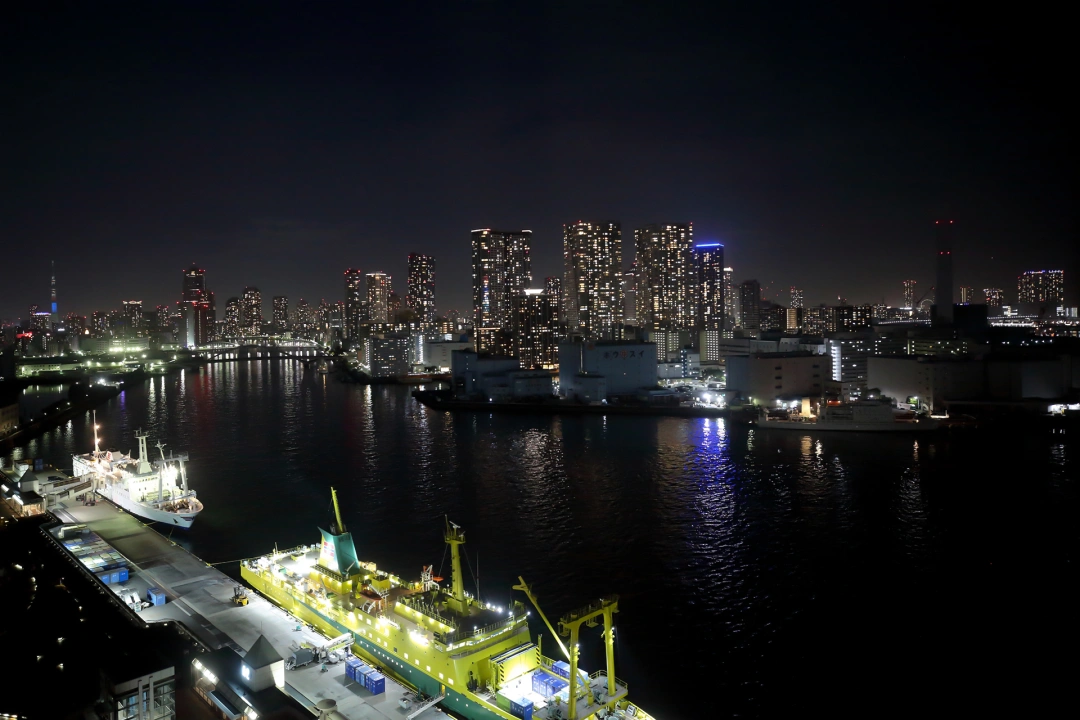
In the room, a set of POLA toiletries instantly made my wife feel at home. I brewed a cup of coffee, sat by the window, and gazed at Tokyo Bay's nightscape. Silently, I said to myself: Tokyo, here we come.
Day 1: Odaiba, the Gundam Base, and a Boy's Dream

The Call of the Unicorn
The next day dawned bright and sunny. From the hotel's third floor, we walked directly to the Yurikamome Line's Takeshiba Station. The entire waiting room was empty — just the three of us. Tokyo's midsummer heat was brutal, but my son couldn't contain his excitement.
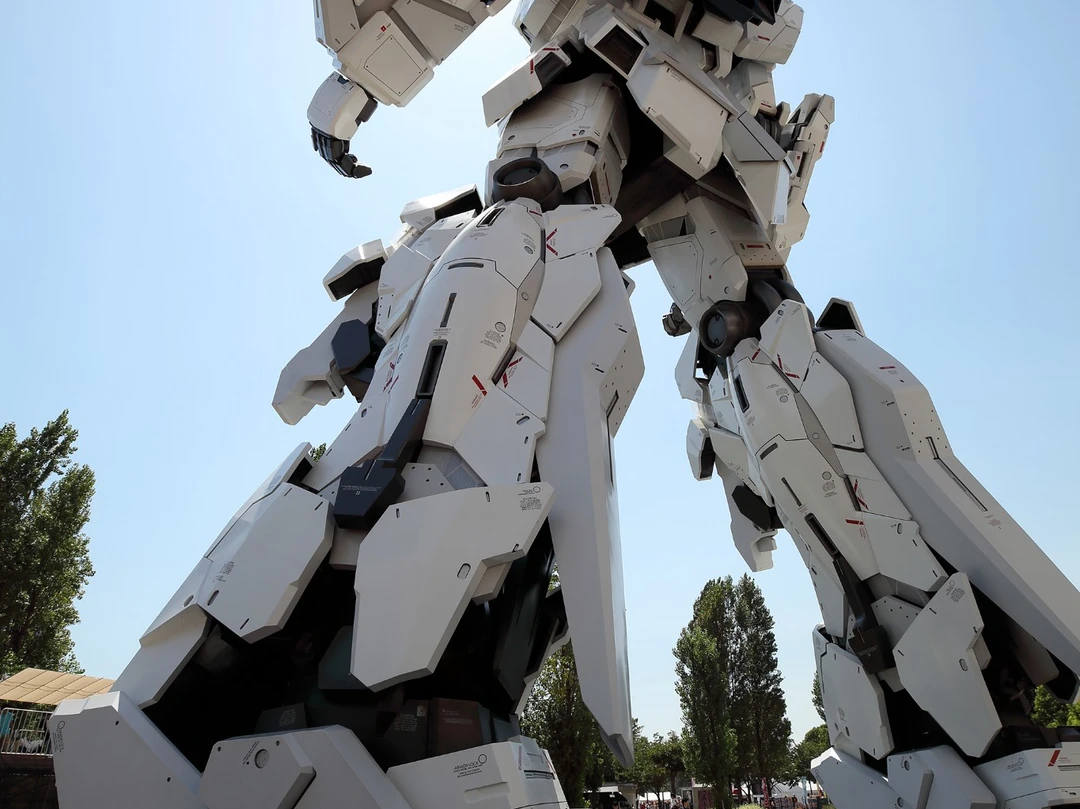
Four stops on the Yurikamome Line brought us to Odaiba. Twenty minutes later, we stood in front of Diver City. There it was — a 1:1 scale Unicorn Gundam, 20 meters tall, towering before us. During the day, transformation performances happened at 11:00 AM, 1:00 PM, 3:00 PM, and 5:00 PM. At night, from 7:30 PM to 9:30 PM, themed light shows ran every half hour.
My son brought his "Little Unicorn Brother" — a tiny model — and flew over 3,000 kilometers to meet the big guy. Photos, awe, silence. In that moment, I knew this trip was worth it.
The Gundam Base: A Boy's Paradise
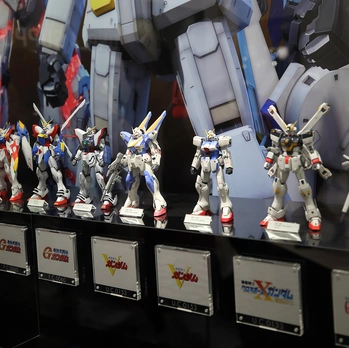
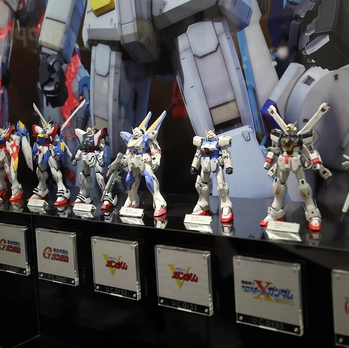
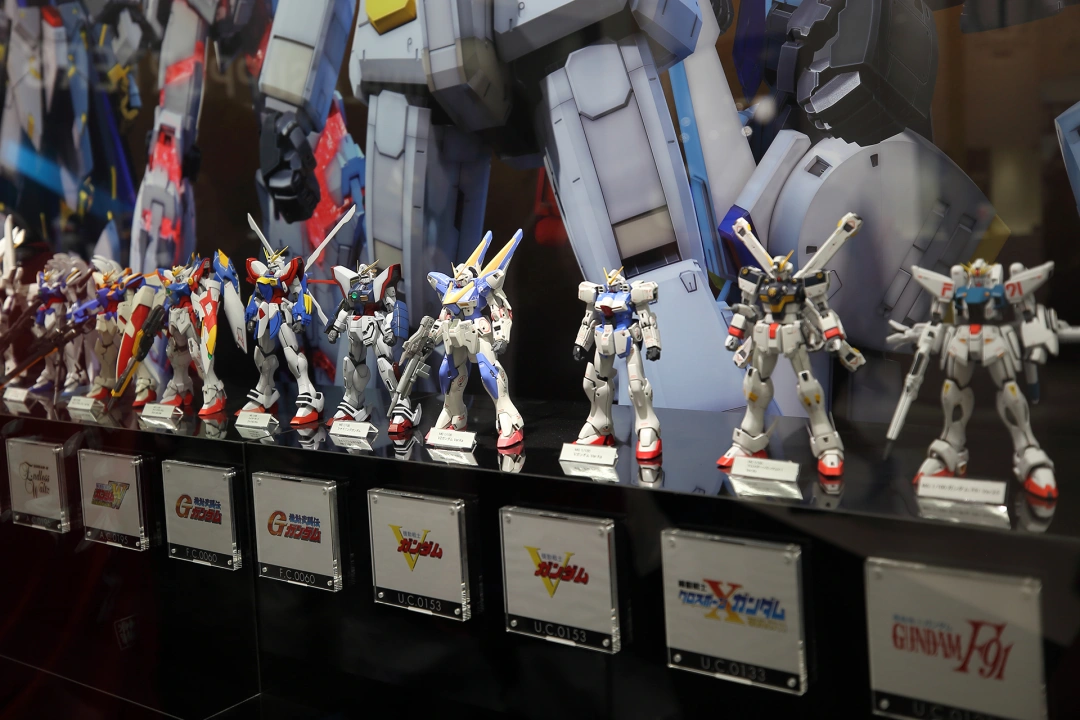
The Gundam Base was on the seventh floor of the mall, divided into exhibition, retail, experience, and production zones. In the exhibition area, the original RX-78-2 Gundam stood proudly in the center. The Unicorn, ZZ, Strike Freedom, Z, X, Lupus Rex, Turn A, V, Wing, 00 — all the main mobile suits lined up in a row. My son looked around and quietly said, "There's no Red Frame Astray."
The retail area offered about 1,500 Gundam products. Popular items in the general section were often out of stock, while the limited-edition section released new items monthly. My son had earned 200 yuan doing chores before we left, and I added 300 yuan as a toy fund — 500 yuan total. He wandered the base for two hours and still couldn't decide. My wife had already gone out, gotten a new pair of glasses, and come back, and he was still agonizing: "If I buy this one, I won't have enough for that one..."
Finally, I extended him emergency credit and doubled his budget. On the spot, he promised to give me a month of massages as thanks. But it's been a while since we got back, and that promised service? Still nowhere to be seen.
Odaiba at Night
Around 3:00 PM, we grabbed a bite at UCC Ueshima Coffee, then went to watch the Unicorn's transformation performance. The best photo spot was an official reserved area. We queued up, and the staff took pictures for us — no charge unless you wanted prints.
After the show, my son wanted to try the assembly zone, but the day's activities had already ended. Still, the production area showed how the models were made, and the painting zone let you color your own. That made up for it a little.
As night fell, the transformed Unicorn looked even more majestic under the lights. Odaiba was hosting an EXILE concert, and the crowds were massive. We quickly retreated to Aqua City.
Aqua City's MUSEUM & MUSEUM had a distinctly American vibe. Graniph's original T-shirts were perfect for kids. The Jump Shop was an anime fan's paradise — Dragon Ball, Naruto, One Piece, Slam Dunk... and a bright, cheerful Coca-Cola merchandise store. My son waged a fierce battle at the gacha machines while my wife and I snapped photos and shopped.
At 9:00 PM, we said goodbye to Aqua City and headed to the neighboring Decks. Unfortunately, LEGOLAND and Joypolis were already closed. Passing by the seaside park, we saw the Statue of Liberty, with the glittering Tokyo Bay skyline behind her.
Back at the hotel, my son's focus kicked into high gear. He declared he would finish all his models. In the end, clutching his beloved Gundam, he fell asleep.
Day 2: Ginza, My Wife's Battlefield
A Loop Starting at Yurakucho
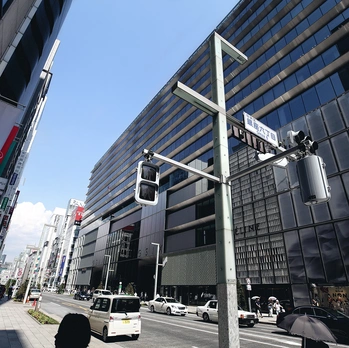
Day three: target — Ginza. We planned a loop: start at Yurakucho, hit DSMG, Itoya, and finally return to Yurakucho via Muji.
At noon, the hotel shuttle took us to Hamamatsucho Station, where we transferred to the JR Yamanote Line for two stops to Yurakucho. My son was in charge of buying tickets; we were in charge of riding. It gave him some hands-on practice and kept us true to the "Four No's."
First stop: DSMG. Rei Kawakubo's concept store, a standalone five-story building. Besides the full Comme des Garçons lineup, it carried visvim, Supreme, and other streetwear brands.
Second stop: Shiseido. Eighty percent of the staff were Chinese, and they accepted Alipay and WeChat Pay. Familiar formula, familiar feeling.
Third stop: SIX. My wife was hungry, so we ducked into a side alley and found a dessert shop called Almond. On a scorching summer day, an iced American coffee was pure happiness.
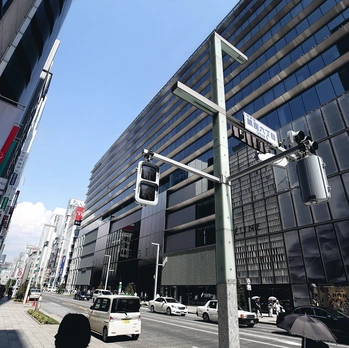
Fourth stop: Mitsukoshi Department Store. A comprehensive selection of brands. The airport-style duty-free shop on the eighth floor was a highlight — available only to passengers departing from Haneda or Narita.
Fifth stop: Matsuya Department Store. Out front, a limited-edition Mercedes-Benz 300SL vintage car seemed to whisper the story of this 90-year-old department store's refined taste.
Sixth stop: Itoya. A stationery brand with over 100 years of history. Its Ginza store had 12 floors, each with clearly defined product categories. Exquisite papers and cards were displayed like works of art. The ukiyo-e prints that flourished during the Tokugawa shogunate found echoes here, too.
Seventh stop: Muji. Two floors, fully stocked. The bicycle parking out front was a thoughtful touch.
Eighth stop: Hankyu Men's. Before we came, I'd made a firm decision: if I saw a brand I liked and they had my size, I'd buy it. Result: "All, no X." The sound of a heart breaking.
Four words to sum up today's itinerary: a bit rushed. My wife said, "Let's get a feel for it first. We'll come back in the last two days."
Day 3: Hakone, Hot Springs, and Slow Time
An Unexpected Shinkansen
Day four: we left Tokyo for Hakone. After checking out, we took the hotel's 12:25 PM shuttle to Shinagawa Station, then boarded the Tokaido Shinkansen for a 27-minute ride to Odawara.
Why the Shinkansen instead of the Hakone Free Pass? Because heading from Tokyo Bay directly to Shinagawa for the Shinkansen was two hours faster than transferring to Shinjuku and taking the Odakyu Romancecar. So our plan to buy the Hakone Free Pass in advance was scrapped.
The Shinkansen's legroom was generous — you could sit down with a suitcase in front of you. In 27 minutes, we covered 90 kilometers between the two cities, averaging about 200 kilometers per hour.
At Odawara Station, we ate at Nagata Honke Yaki Soba for beef yakisoba. We used a vending machine to buy meal tickets, then handed them to the staff. The noodles were on the sweet side — not what we'd expected.
Ten-yu: The Ideal Hot Spring Hotel
From Odawara to the hotel, we had two options: take a mountain bus to Kowakudani Station and walk, or take the mountain railway to Gora and transfer to the hotel shuttle. We chose the bus. But after getting off, we discovered the hotel was at the top of a 100-meter slope. We hauled our luggage up that hill with a vengeance, then walked another hundred meters around a winding curve.
Later, we found out that right where we'd gotten off, there was a stop at the nearby hot spring center where the hotel's shuttle bus ran on a schedule. Lesson learned.
Ten-yu (小涌園天悠) was built into the mountainside, with beautiful surroundings, minimalist design, and brand-new facilities. The hotel had nine floors, two restaurants, two large bathhouses, one spa, and a spacious garden.
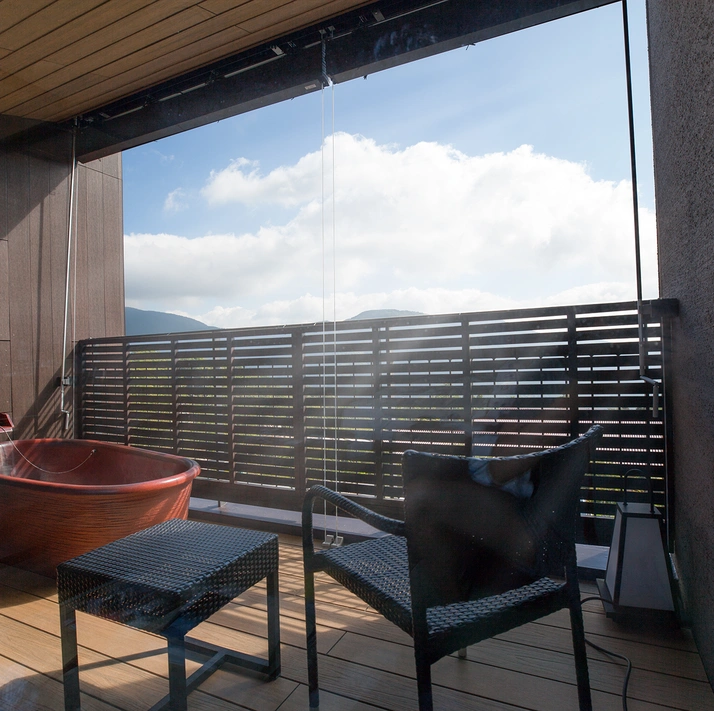
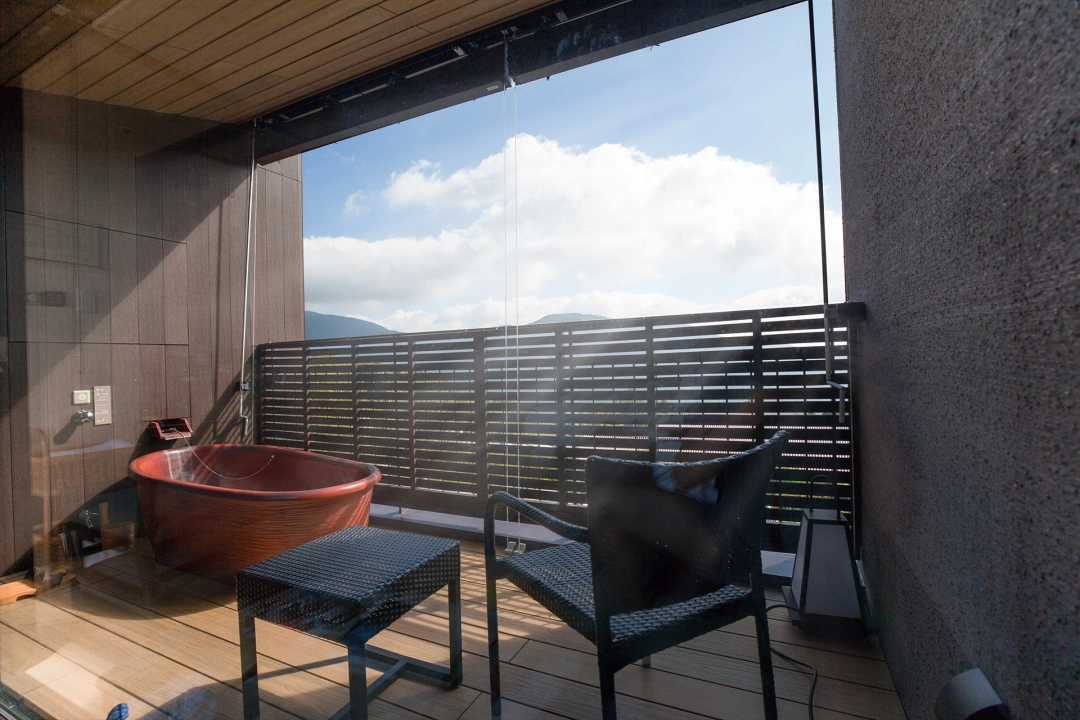
Our room was Western-style, with a three-part separate bathroom — functional and well laid out. The balcony had a private hot spring bath. Just flip a switch, and the hot spring water would slowly fill it. Still, I'd recommend the large bathhouses for a better experience.
The hotel served different teas at different times of day: rose and citrus tea from 3:00 to 5:00 PM, rose dandelion tea from 3:00 PM to midnight, and lemon olive tea and butterfly pea flower tea from 6:00 PM to midnight. Each floor had a drink station with vending machines and ice makers, all reasonably priced. A model worth replicating.
Teppanyaki at the 100-Year-Old Welcome Hall
At 8:00 PM, we had a reservation for teppanyaki dinner at the Welcome Hall (迎賓館), not far from the hotel. Built in 1918 — 100 years old — it was designated a Tangible Cultural Property of Japan.
The dinner was exquisite: an appetizer of langoustine, scallops, seasonal vegetables with mango sauce; beef tongue; pan-fried Ashigara tea (a Hakone specialty, slow-cooked with sugar over low heat until the leaves ignite, releasing a sweet aroma); beef with five sauces (salt with rosemary, Nanban sauce with apple, mustard, pepper sauce, and grated radish with chili); garlic fried rice; dessert; and coffee.
The meal lasted an hour and a half. Afterward, the hotel car took us back. We strolled around the neighborhood and saw many Japanese people driving in just for the hot springs. As night deepened, the occasional cicada chirped around the hotel. Across the mountainside, a small duck-shaped light display glowed. With that touch of charm, we said goodnight to Hakone.
Day 4: Doraemon's Hakone Adventure
A Foggy Journey
Day five: the plan was a Doraemon-themed Hakone tour. When we bought the Hakone Free Pass at the Odawara bus ticket office, they gave us three booklets. It was part of a promotion by the Fujiko F. Fujio Museum (dedicated to Doraemon's creator): collect stamps from four of seven designated spots, and you'd get a Doraemon commemorative folder.
I went to bed at 2:00 AM and woke up before 5:00. I opened the curtains — thick fog outside. Looked like today's theme should be "Doraemon's Hakone Adventure in the Fog."
Breakfast at 9:00 AM came in Japanese and Western styles, with plenty of variety and generous portions. My son started his morning with grilled horse mackerel — a bit heavy for breakfast, but okay.
From Gora to Lake Ashi
The hotel's 11:30 AM shuttle took us to Gora Station. First stamp: acquired.
Then we took the mountain cable car to Sounzan. Second stamp: acquired. Sounzan, shrouded in fog, looked like a fairyland.
Next, the ropeway to Owakudani. If it weren't for the sulfur smell from the volcanic gases, I wouldn't have been sure we'd arrived. Owakudani sits at 1,044 meters above sea level, formed by a volcanic eruption — the highest point in the Hakone area. Each gondola was equipped with an emergency kit (oxygen and wet towels), and every station had a medical center.
Third stamp: acquired. The black eggs boiled in Owakudani's hot springs came in packs of five — no individual sales. There was also black chocolate ice cream — probably only included because "black" was in its name.
Fourth stop: Togendai. Fourth stamp: acquired.
Then we boarded a pirate ship to Hakone-machi Port. Lake Ashi had three sightseeing boats: the Sun, the Victory, and the Vasa. The one-way trip took 25 minutes. We rode the Victory.
Fifth stamp: acquired.
Hakone Shrine and the Nine-Headed Dragon Shrine
From Hakone-machi Port, we took a mountain bus to Motohakone Port, then walked about one kilometer (15 minutes) to Hakone Shrine. Founded in 757, the shrine enshrines the Hakone deity, nestled beside Lake Ashi at the foot of Mount Hakone. Ancient cedar trees, nearly a thousand years old, lined the path, as if guarding the sacred ground.
The Nine-Headed Dragon Shrine (九頭龍神社) was located within Hakone Shrine, dedicated to the Nine-Headed Dragon deity. Before praying, you first purified yourself with dragon water, then wrote your wish on a prayer slip, and finally placed the slip into a "fulfillment water basin." The slip dissolved in the water, which then flowed into Lake Ashi.
The purification ritual was precise: hold the ladle in your right hand and pour water over your left hand; then hold it in your left hand and pour over your right; switch back to your right hand, pour water into your left hand, and rinse your mouth; after gargling, pour water over your left hand again; finally, hold the ladle with both hands and slowly pour the remaining water inward.
At 5:00 PM, we left Hakone Shrine and rested by Lake Ashi. The torii gate ahead appeared faintly through the mist. Mount Fuji in the distance was completely hidden by fog.
The Sixth Stamp
At 5:30 PM, we reached the Motohakone bus stop. We'd collected five of Doraemon's seven stamps. The remaining two were at Hakone-Yumoto and Gotemba. My son was adamant: "Let's go to Yumoto! Yumoto! Yumoto!"
The mountain bus wound through the hills as darkness fell. Both my wife and son dozed off. I stayed awake, guiding them to the next destination.
At 6:30 PM, we collected the sixth stamp at Hakone-Yumoto. Then we headed back to the hotel, taking the mountain railway to Gora Station. At 7:00 PM, Gora Station was nearly empty. Our three Free Passes had come with three stamp booklets. We redeemed one commemorative folder at the Gora Station service center as a token of encouragement.
Gora at night: an occasional car passed, breaking the chorus of cicadas. My son said he was tired. I picked him up and held him — in a few more years, I won't be able to carry him anymore.
Earthquake and Hot Springs
Back at the hotel, we had an 8:00 PM dinner reservation. The staff arranged a private booth. A glass of plum wine was a must with the meal. The appetizers included tofu, tuna, okra... pumpkin vegetable soup, seafood soup (shrimp, scallops, fish), beef, clam rice in a clay pot (started cooking when we sat down, ready in 30 minutes), miso soup, pickles, and dessert (brown sugar pudding, apricot jelly, cake, matcha cake).
After dinner, it was time for the hot springs. The hotel had two large bathhouses, open until midnight. One on the fifth floor connected to the garden and offered a view of a hot spring waterfall; the other on the sixth floor overlooked Hakone. The men's and women's baths switched floors every other day.
After soaking, we drank something to rehydrate. As midnight approached, the hotel grew quiet. Around 1:00 AM, just as I was about to sleep, I felt the building shake a couple of times, then a few more seconds later, again. I checked my phone: a magnitude 2 earthquake in western Kanagawa Prefecture, at a depth of 10 kilometers. Once I confirmed we were safe, I went back to sleep.
Day 5: Lake Kawaguchi, the Call of Mount Fuji
A Clear Morning
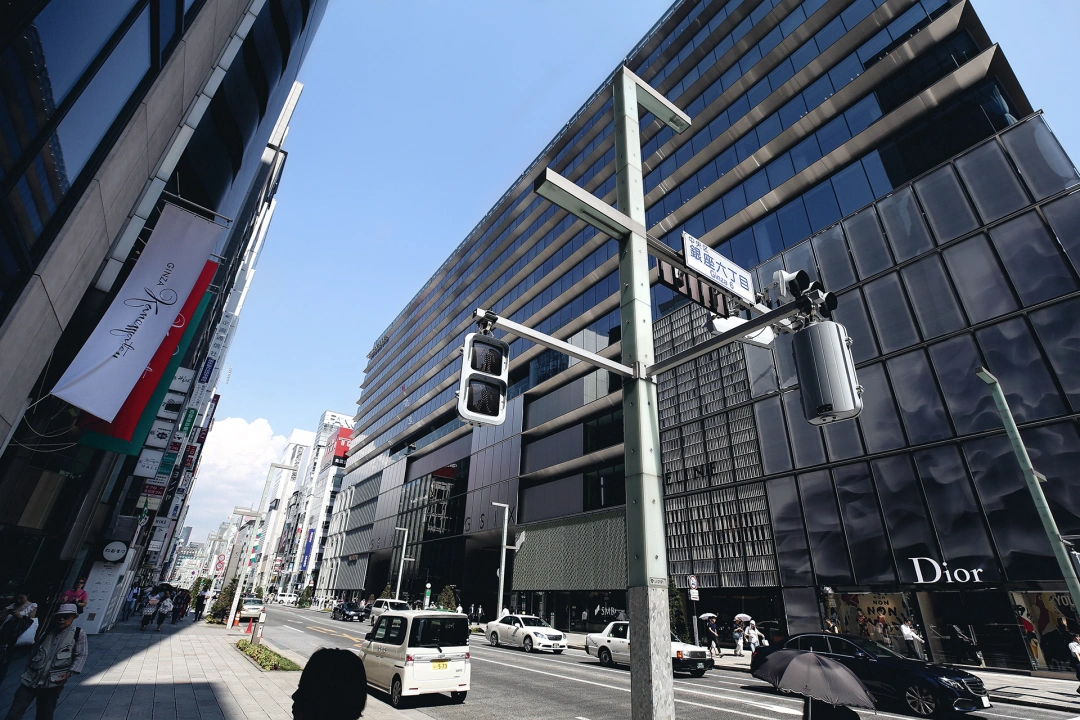
Day six: I woke up to clear skies. The hotel had a direct bus to Gotemba — one at a little past 7:00 AM, and the next at 2:10 PM.
We caught the morning bus. Gotemba was the transfer point between Hakone and Lake Kawaguchi, and also the place to collect the last Doraemon stamp. At Gotemba, we successfully got the seventh stamp, then switched to a bus heading for Lake Kawaguchi.
First Sight of Mount Fuji
Lake Kawaguchi is one of the Fuji Five Lakes and one of the best spots to view Mount Fuji. We stayed at a lakeside hot spring hotel. Opening the window, we could see Mount Fuji — if the weather cooperated.
In the afternoon, we strolled along the lakeshore. Mount Fuji appeared and disappeared through the clouds. My son continued assembling his Gundam. My wife took photos by the lake. I soaked in the hotel's open-air hot spring, watching Fuji's silhouette slowly blur into the twilight.
The Last Dinner
That evening, we had kaiseki cuisine at the hotel. Each dish was as delicate as a work of art — from appetizers to dessert, every bite was a gentle indulgence for the palate.
After dinner, we soaked in the hot springs one more time. This was the open-air bath: stars above, Mount Fuji's silhouette ahead, the sound of flowing hot spring water around us. In that moment, all the exhaustion melted away.
Final Thoughts: The Meaning of Travel
Nine days of travel, condensed into a seven-minute video. From Tokyo to Hakone, from Lake Kawaguchi to Odaiba — we didn't cover much ground, but every stop left a deep impression.
My son found his dream at the Gundam Base. My wife bought what she wanted in Ginza. I found a long-lost sense of peace in Hakone's hot springs. And Mount Fuji — though hidden by fog for most of the trip — finally revealed itself on the last day.
What does travel teach us? Perhaps this: no early bedtimes, no early mornings, no rushing, no rigid plans. Let time slow down. Let your steps pause. Let your heart be still.
Finally, a few tips for anyone planning a trip to Tokyo, Hakone, and Lake Kawaguchi:
- Transportation: If you're starting from Tokyo Bay, the Shinkansen to Hakone is two hours faster than the Odakyu Romancecar.
- Accommodation: Ten-yu in Hakone is highly recommended, especially rooms with private hot spring baths.
- Free Pass: The three-day Hakone Free Pass is a great deal, covering seven modes of transport.
- Family-friendly: Odaiba's Gundam Base and Aqua City's Jump Shop — kids will love them.
- Hot springs: After soaking, remember to rehydrate. The hotel lobby's free coffee and tea are good options.
As for that little guy who promised a month of massages — well, the models are finished, but the service hasn't been delivered. No matter. On our next trip, we'll keep going.
After all, loving life, loving travel — that's our family's real "Four No's."
You should also read:
Slow Sounds, Gentle Steps: My Wandering Journey Through Lijiang
Slow Sounds, Gentle Steps: My Wandering Journey Through Lijiang Prologue: A Spontaneous "Red-Eye" Escape Some journeys begin just like Lijiang itself—with a touch of spontaneity and a hint of laziness. Late one Sunday night, I was scrolling through my phone while lying in bed when…
Continue reading...
Meili Snow Mountain: A Soulful Journey of Dialogue with the Sacred Mountain
Meili Snow Mountain: A Soulful Journey of Dialogue with the Sacred Mountain Prologue: When Travel Becomes Faith Some journeys are forgotten as soon as they end. Others carve themselves into your bones. The trip to Meili Snow Mountain belongs to the latter. Waking up in…
Continue reading...
Two Girls' Graduation Trip: Dali and Shuanglang – A Poetic Farewell to Mountains and Sea
Two Girls' Graduation Trip: Dali and Shuanglang – A Poetic Farewell to Mountains and Sea Preface: Catching the Tail of Youth, Heading South During our senior year of college, my roommate and I – two girls studying in Beijing – decided to bid farewell to…
Continue reading...