Escaping the City's Chaos: A Soulful Retreat to the Nujiang River
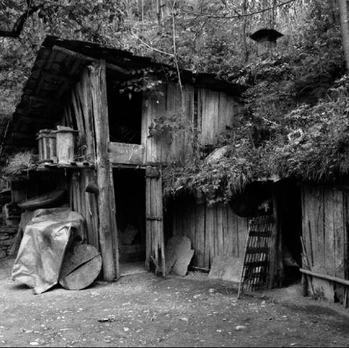
Escaping the City's Chaos: A Soulful Retreat to the Nujiang River
In 2024, can we still afford to be "cherry-free"?
Waking up in the morning, the breaking news on my phone feels heavier with each notification. Work pressure, the grind of daily life, the relentless bombardment of social media... Suddenly, I wanted to escape this city. Find a quiet corner, far from the noise, and completely let go.
Call it running away, call it weakness—but who says we're not allowed to be vulnerable sometimes?
As the classic line goes: "Running away may be shameful, but it works."
So when a friend said, "I heard the Nujiang River in Yunnan is stunning," I didn't hesitate.
"Let's go."
Two adults, making such a reckless decision. No guidebook, no detailed plan, not even a proper look at the map. All we knew was: Nujiang is perfect for a road trip, so we'd rent a car; we didn't want to plan, so we'd just wing it; accommodation? "The sky as our blanket, the earth as our bed!"
As it turned out, this "spur-of-the-moment" trip became far more unforgettable than any carefully planned itinerary.
The Nujiang I Imagined vs. the Reality That Smacked Me in the Face
Honestly, before I left, my impression of Nujiang was stuck in those "primitive" and "wild" stereotypes.

I pictured the locals all dressed in ethnic costumes, living lives completely cut off from the world. I even imagined Huang Bo's character from No Man's Land—okay, I admit, that level of prejudice is practically criminal.
But when our car rolled into Liuku Town, the capital of Nujiang Prefecture, reality hit me hard.
The toll gate was so grand it would put Shenzhen to shame. The streets were bustling with traffic, neon lights flashing everywhere. I was worried about not having enough cash or that locals wouldn't have QR codes for payment. The shopkeeper just looked at me like, "You okay?" Fine—if I tried paying with cash, they probably wouldn't even have change.
This wasn't "escaping the world"—this was "entering a city"!
First Stop: Liuku—A Humble Beginning
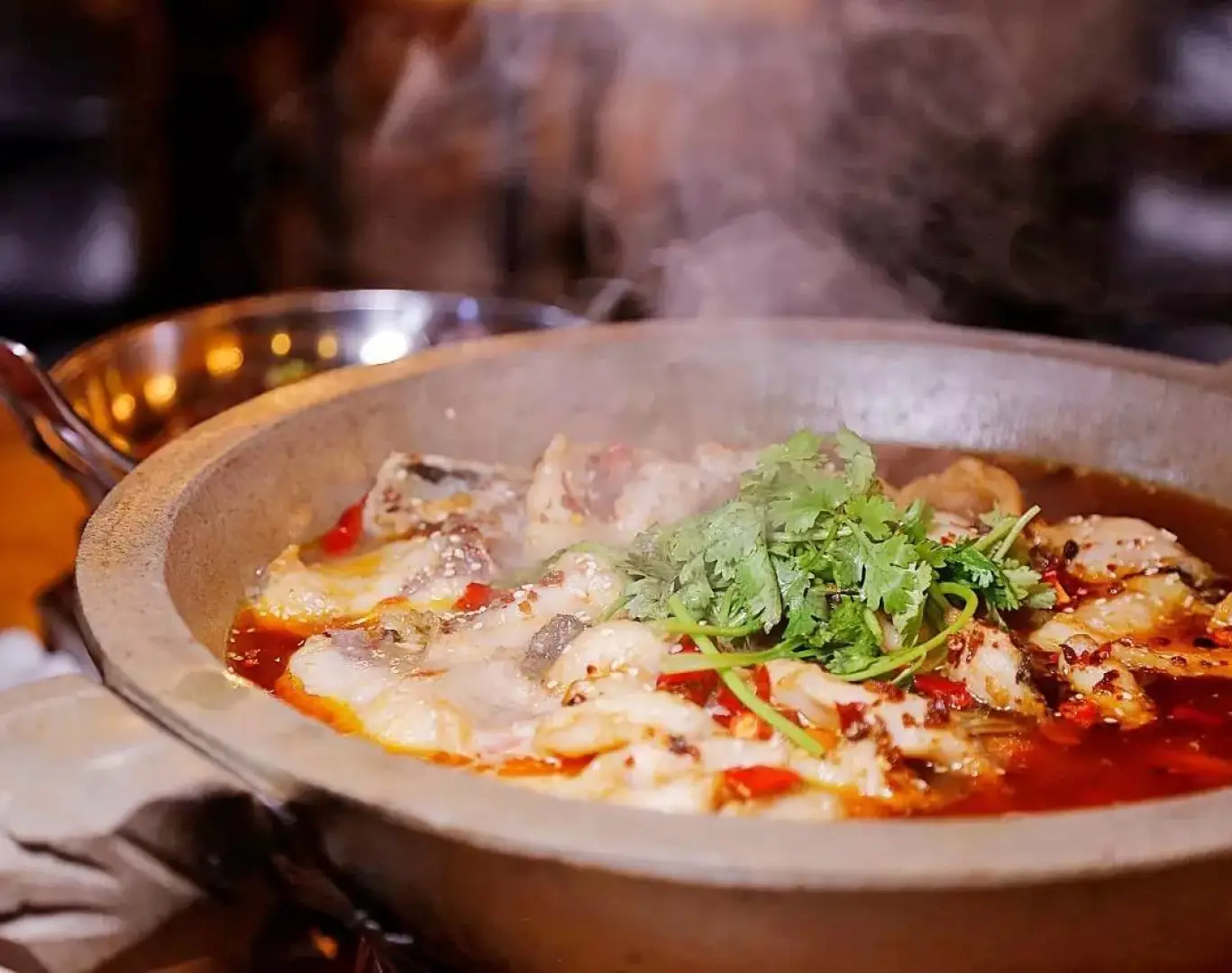
In three minutes, we booked a hotel on Meituan. On the way, we spotted a "Fuzhou Stone Pot Fish" restaurant. As two Cantonese people, we walked in without a second thought.
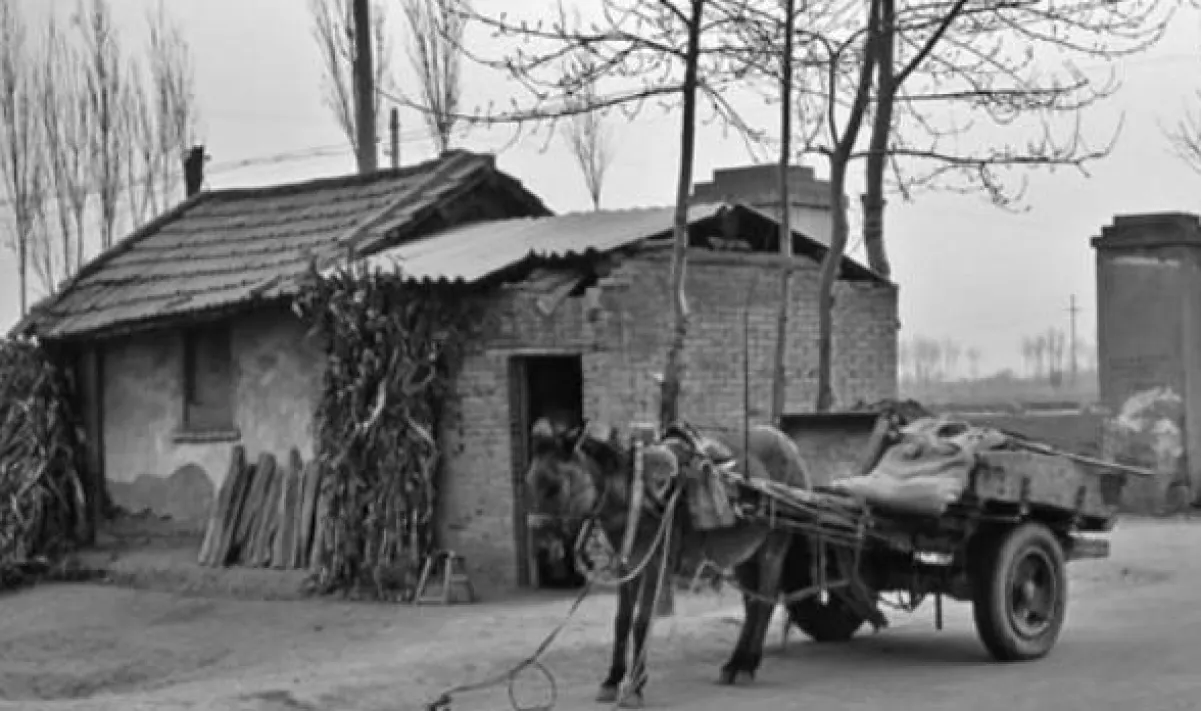
Trying local food is a must when you arrive somewhere new. But why would two Cantonese people choose Fujianese cuisine? Simple: we really couldn't handle Yunnan food.
It was numbing spicy, burning spicy, with sour and sweet flavors, heavy oil and salt—and all these adjectives applied to the same dish. For us, used to light Cantonese fare, it was a full-on assault on our taste buds.
Later, we learned that Fuzhou doesn't actually have stone pot fish. It's a Yunnan dish, but the owner was from Fuzhou, hence the name. Kind of like how California doesn't have beef noodle soup, or how wife cakes don't contain wives.
Well, I'll take that "surprise."
The Bathing Festival: Hot Springs, Anyone? Mixed-Gender Style
Fifteen kilometers from Liuku center, we arrived at a place called the "Bathing Festival" (澡塘会, Zǎotánghuì).
Every year from the first to the third day of the Lunar New Year, the Lisu people scattered across Nujiang gather at the natural hot springs in Lushui's Sixteen Pools for the annual Bathing Festival. It's the most famous custom in the Nujiang Valley—people wash away the year's filth with sacred spring water, welcoming good fortune.
When we reached the navigation endpoint, we couldn't find the entrance. We circled twice, confused, and got out of the car. There was a staircase leading down by the roadside, so inconspicuous you'd miss it. An elderly local woman saw us and called out warmly: "Young lady, here alone for a soak?"
"I have a friend—he's looking for parking."
"You won't find it, hahaha. Forget him. I'll take you down."
She grabbed my hand and led me down a long stone path, winding through several turns. The deeper we went, the louder the roar of the rushing Nujiang River crashing against the rocks. Along the railings, wet clothes hung to dry. Small family groups crouched by the roadside, warming themselves around campfires.
After about five minutes, we reached the hot spring pools. The woman said that before the pandemic, it was packed with people, with singing and dancing performances. After soaking, people wouldn't rush home—they'd pitch tents by the roadside and sleep before leaving. Now, there were no tents.
And then, the uncle and aunt started undressing.
"Young lady, come join us!"
"No... no thanks..."
If you're not used to local customs, I'd say don't scream or act like you're different. Fortunately, it was quiet. After politely declining the invitation, I went to the next pool to soak my feet. Others bathed; I soaked my feet. It still felt rude. Even though I had the whole pool to myself, I silently mourned for the next person who'd use it.
The 45°C spring water was perfect. The moment my feet hit the water, a tingling sensation spread through my body. Soaking in a hot spring while facing the raging Nujiang River—my heart was on its knees. This was pure bliss!
The woman said you could also try the zip-line here, the longest and most thrilling stretch in all of Nujiang. Being terrified of heights, I naturally declined.
Oh, wait—wasn't I supposed to have a companion? Suddenly remembering that was a bit of a buzzkill.
Before leaving, I asked the uncle and aunt if they wanted a ride home. They said no; their son would come pick them up in his own car. "It's a Mercedes! Hahahaha!"
Alright, then.
The Beautiful Highway: A Heavenly Road from Liuku to Bingzhongluo
Leaving the Bathing Festival, we hopped on our rented "little donkey"—that's what I called it, because I was seriously unhappy with this car. Dude, we're in Nujiang! The Nujiang 72 Turns, landslides, the Dulong River 72 Turns, icy roads, construction... I may not have eaten the pig, but I've seen it run!
But regardless, we finally hit China's most beautiful road—the Nujiang Grand Canyon Highway.
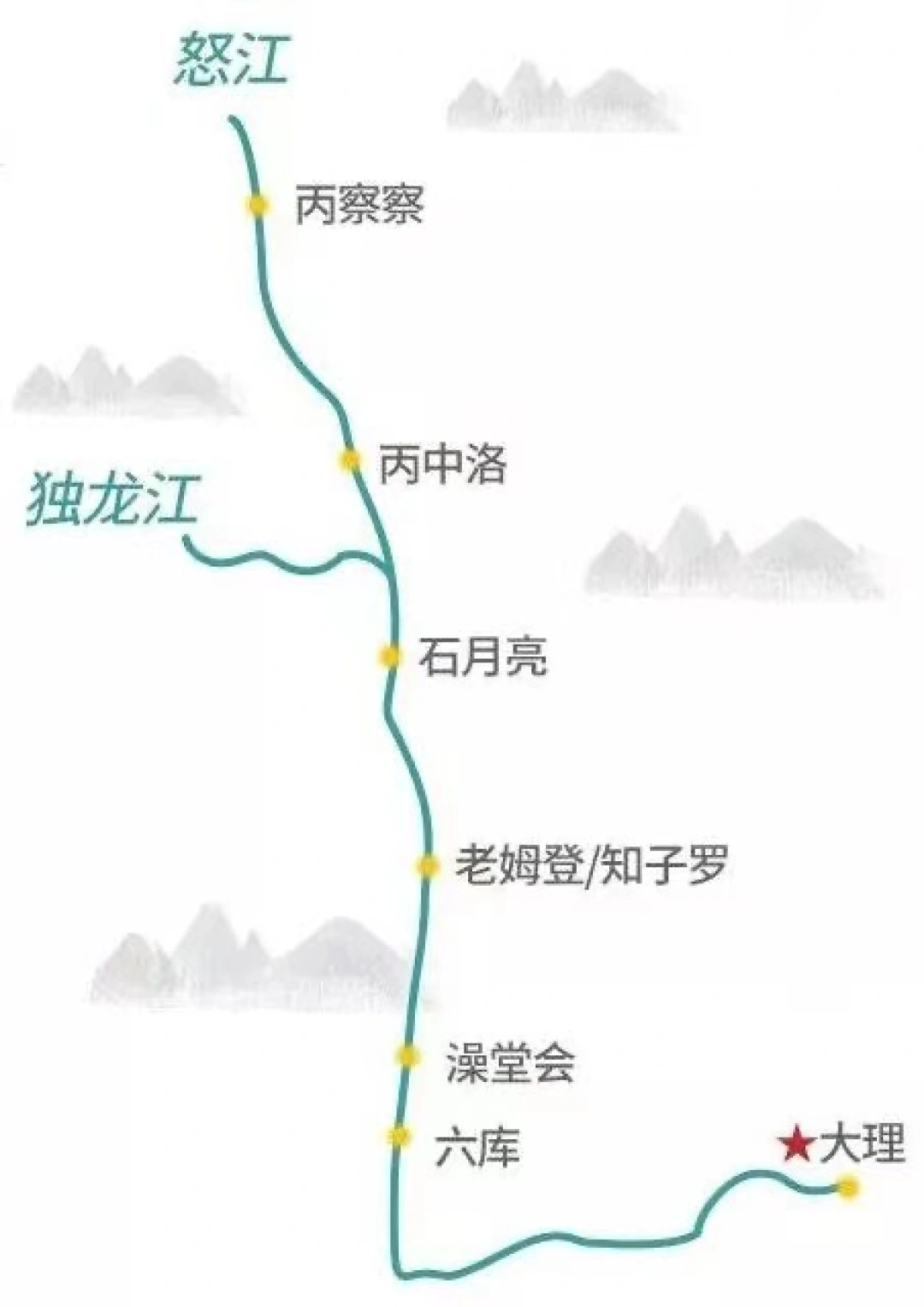
Starting from Liuku in Lushui and ending at Bingzhongluo, the main route stretches 286.68 kilometers. In the past, it took two days to travel from Liuku to Bingzhongluo; now, it takes just five to six hours. As the local Dulong people in Gongshan say: "Since the beautiful highway was built, we no longer worry about fresh morel mushrooms rotting on the road."
This road combines the grandeur of Xinjiang's Duku Highway, cutting through sacred mountains and canyons, with the extreme experience of the Bingchacha route into Tibet—"heaven in one glance, hell in the next."
Yaojiaping: A Treasure in the Gaoligong Mountains
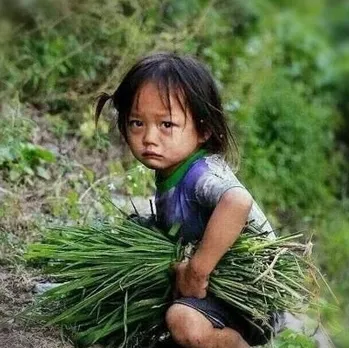
We originally planned to head straight to Tiger Leap, but a restaurant owner's recommendation sent us detouring to Yaojiaping.
The Gaoligong Mountains are the westernmost range in the Hengduan Mountains, connecting the Qinghai-Tibet Plateau in the north and the Indochina Peninsula in the south. Yaojiaping is pristine natural scenery, full of hidden gems. If you don't like hiking or photographing flowers, plants, and small animals, just walk in for ten minutes to get a taste. But if you think spending an hour hiking up to birdwatch is impractical, and another hour coming down, then don't bother—the road up is tough, especially for "little donkey" drivers.
Tiger Leap: Okay, If I Were a Tiger, I Couldn't Jump That
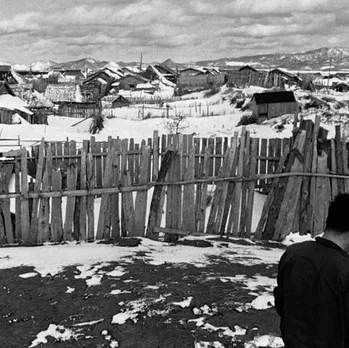
Coming down from Yaojiaping, we rejoined the beautiful highway and drove for another hour to reach Tiger Leap. Same routine as the Bathing Festival—the entrance was a tiny, unremarkable gap by the roadside. Miss it, and you'd zoom right past.
But Tiger Leap had a parking area nearby, which was nice.
"Okay, if I were a tiger, I couldn't jump that!"—a danger officially certified by CCTV. You can't go down to the riverbank now, though; you can only gaze from the highway. The high guardrails, while keeping you from getting close to the roaring waters, also do a great job of keeping people safe.
Laomudeng: The Stolen Years Are Slowly Coming Back
By evening, we arrived at Laomudeng.
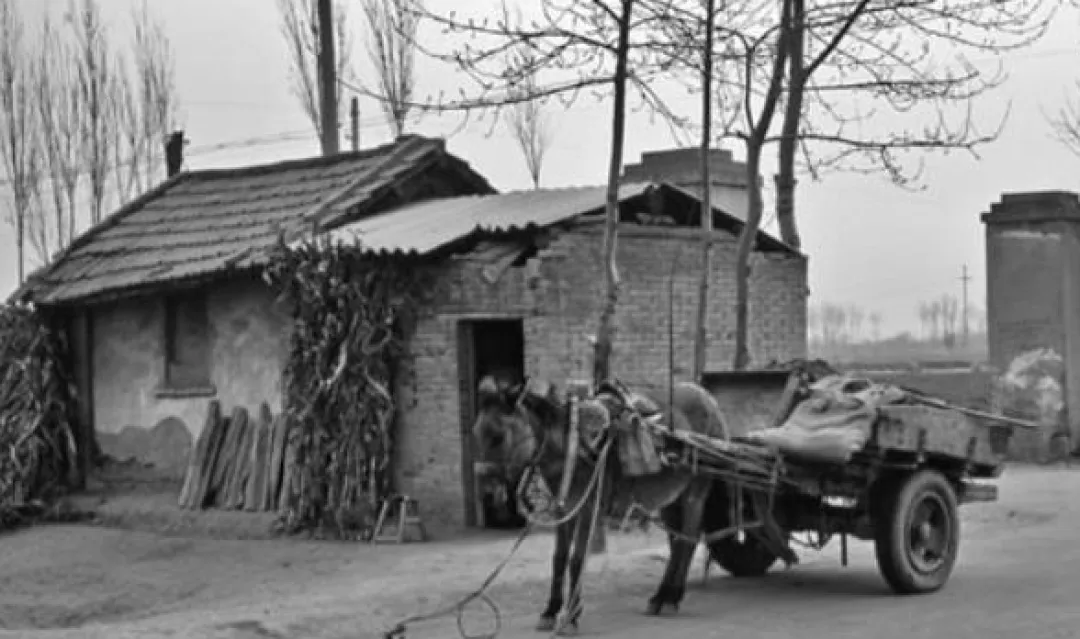
The old driver said it was like a miniature version of Zhagana, even the roosters sounded the same. Back then, for a baseless reason—some expert said there would be an earthquake, and soon Zhiziluo would be flattened—the town of Zhiziluo on Laomudeng Mountain was abandoned in the 1980s. Now, fifty years later, nothing's happened. People have slowly returned, and Zhiziluo is gradually becoming modern.
Walking into Zhiziluo, you get a strange feeling—a sense of desolation after prosperity. This was once the seat of the Nujiang Prefecture government. After the government moved to Liuku, all buildings were left untouched, distributed to villagers to live in, but no renovations allowed. Strolling through Zhiziluo's streets feels like stepping into that red era—Mao Zedong portraits and slogans from that time are everywhere.
The most famous guesthouse in Laomudeng is the 150 Inn, below the church. Just as I thought we'd stay here tonight, the old driver dropped a bombshell: "How about we push on to Bingzhongluo tonight?"
"You're kidding me?!"
"Wanna try."
"...Fine."
Heavens! If this isn't true love, what is?
So, without even eating dinner, we set off.
Fugong: A Lively Little Town
From Laomudeng to Bingzhongluo is 207 kilometers, an estimated four and a half hours. We left at 7:30 PM.
Two and a half hours later, we reached Fugong.
It wasn't the driver's fault—the "little donkey" couldn't keep up. Plus, we were starving, so we decided to stop here.
Lamb hotpot for lunch, beef hotpot for dinner. Full of complaints, but at least the food kept our mouths busy. A glass of beer washed away the day's fatigue. If only we could clink glasses right now.
Fugong is a lively town. Passing a barbecue stall, I asked if I could take a photo without buying. The owner said yes. At the supermarket stocking up on snacks, I expected shortages—none. I expected dusty shelves at a tiny shop—none.
Just as I thought we'd settle here for the night, the old driver dropped another bombshell: "How about... we push on?"
I... I can't even!
Gongshan: The Stars Don't Ask About the Travelers
Bingzhongluo—we weren't making it tonight!
The old driver had yawned so many times, I didn't want to risk it. We turned left into Gongshan Town at 11:30 PM. Eyes barely open, I set the morning alarm with my last bit of energy and crashed.
The stars don't ask about the travelers.
Ah, another day full of energy! We grabbed steamed buns by the roadside. A stray cat on the wall photobombed my shot. Without lingering, we set off again.
Bingzhongluo: Closer to Heaven Than Meili Snow Mountain
First, we passed the First Bend of the Nujiang River. Near Ridan Village in Bingzhongluo Township, Gongshan County, the river's flow is blocked by the towering Wangqing Cliff, forcing it from north-south to east-west. After flowing 300 meters, it's stopped again by the Dala Mountains, turning sharply west-east, forming a massive semicircular bend. At the center lies Kantong Village, with the river at an elevation of over 1,710 meters—breathtaking.
Finally, Bingzhongluo!
Closer to heaven than Meili Snow Mountain is Bingzhongluo. The backpackers at the Meili Snow Mountain viewing platform in Feilai Temple have long outnumbered the pilgrims. But Bingzhongluo, the last township in northwestern Yunnan, surrounded by dozens of sacred mountains, feels utterly isolated.
Here, over a dozen different ethnic groups live together, each holding their own beliefs. You can taste Lisu corn porridge, Bai pickled vegetables, Tibetan butter tea, and Dulong roasted barley flour with grilled potatoes.
The Yunnan-Tibet Border: Also the China-Myanmar Border
After agreeing with the old driver to return to Bingzhongluo at night, we continued along the route to Peach Blossom Island, Wuli Village, and Qiunatong.
We stopped by the roadside to use the restroom and chatted with a small tour group ahead. The guide, a dark, sturdy man with a scar on his forehead, spoke surprisingly gently.
"Follow me!" he said.
"Yes, sir!"
After a checkpoint, armed police checked IDs and the trunk, rifling through everything before letting us through. Further ahead, our phones gradually lost signal.
Suddenly, we arrived at the Yunnan-Tibet border—another heaven entirely. "Wow," I thought. It was the Yunnan-Tibet border, and also the China-Myanmar border.
Qiunatong: Who Knows Who Lives Better?
We followed the small tour group to Qiunatong first, then back to Wuli Village.

The guide said Qiunatong is a picturesque village fallen from heaven. I'd say it's a rare stamp that can be mailed to the Buddhist paradise of Shambhala. The light of the gods, the words of the Buddha, the robes of immortals, the smoke of mortal kitchens, the beautiful songs—all gathered here. It's hard to tell if this is a human dwelling or a divine paradise.
This is the last village at the northern end of the Nujiang Grand Canyon. The four movements of human life play out here: birth, fire, connection, continuation.
City people envy those here—who knows who understands life better?
Wuli Village: Even the Nujiang River Becomes Gentle
Wuli Village was originally called "Wengli," meaning "a place like a bird's nest." The village sits on a gentle slope surrounded by high mountains on three sides and the Nujiang River on the other. Thirty-six households have carved a natural painting from a small patch of mountainside. Serene and beautiful, like a poem, unseen by the world, hidden deep in the mountains.
The old Chaohong Bridge is now dilapidated. The two-kilometer stretch from Wuli Village to Chaohong Bridge is part of the ancient Tea Horse Road. This path was literally carved by hand, chiseled out of a nearly 90-degree vertical cliff, creating a narrow trail barely wide enough for two people to pass.
As we walked, the old driver suddenly stopped.
"How about we..."
"Whatever, fine, no problem!"
"You know what I'm going to say?"
"You're going to say, 'How about we head to the Dulong River now!'"
"Alright, let's go!"
He really knows how to ride the wave and twist the argument!
When the guide heard we were leaving for the Dulong River now, he was speechless. Just a moment ago, we were discussing where to stay in Bingzhongluo tonight.
"It's already 3:30. If you leave now, you might not reach Dulongjiang Township until 9 PM!"
"Why?"
"Because the road is terrible, and with this car, it'll take at least six hours!"
Suddenly, I felt heat on my back. Ah, the driver's fighting spirit was burning me.
"Normal people? Not me! I'll get there before dark!"
I whispered, "It gets dark late here..."
The Dulong River: We Don't Envy City People at All
This journey took us through all four seasons.
The road up the mountain was beautiful but brutal. Like watching a 4D movie—spinning and spinning, not us, but the road. Overwhelming, immersive. First came dizziness, nausea, hiccups, then unconsciousness. The old driver lived up to his name—too fast, too many turns. Some sections had ice, curves nearly 45 degrees, multiplied by over a hundred.
At 7:30 PM, before it was fully dark, we reached Dulongjiang Township. The old driver shook me awake, looking triumphant.
The hotel receptionist said something I'll never forget: "We don't envy city people at all. They're not happy."
Scene after scene, like film reels, melting my heart.
Longyuan Village: The Famous Tattooed Women
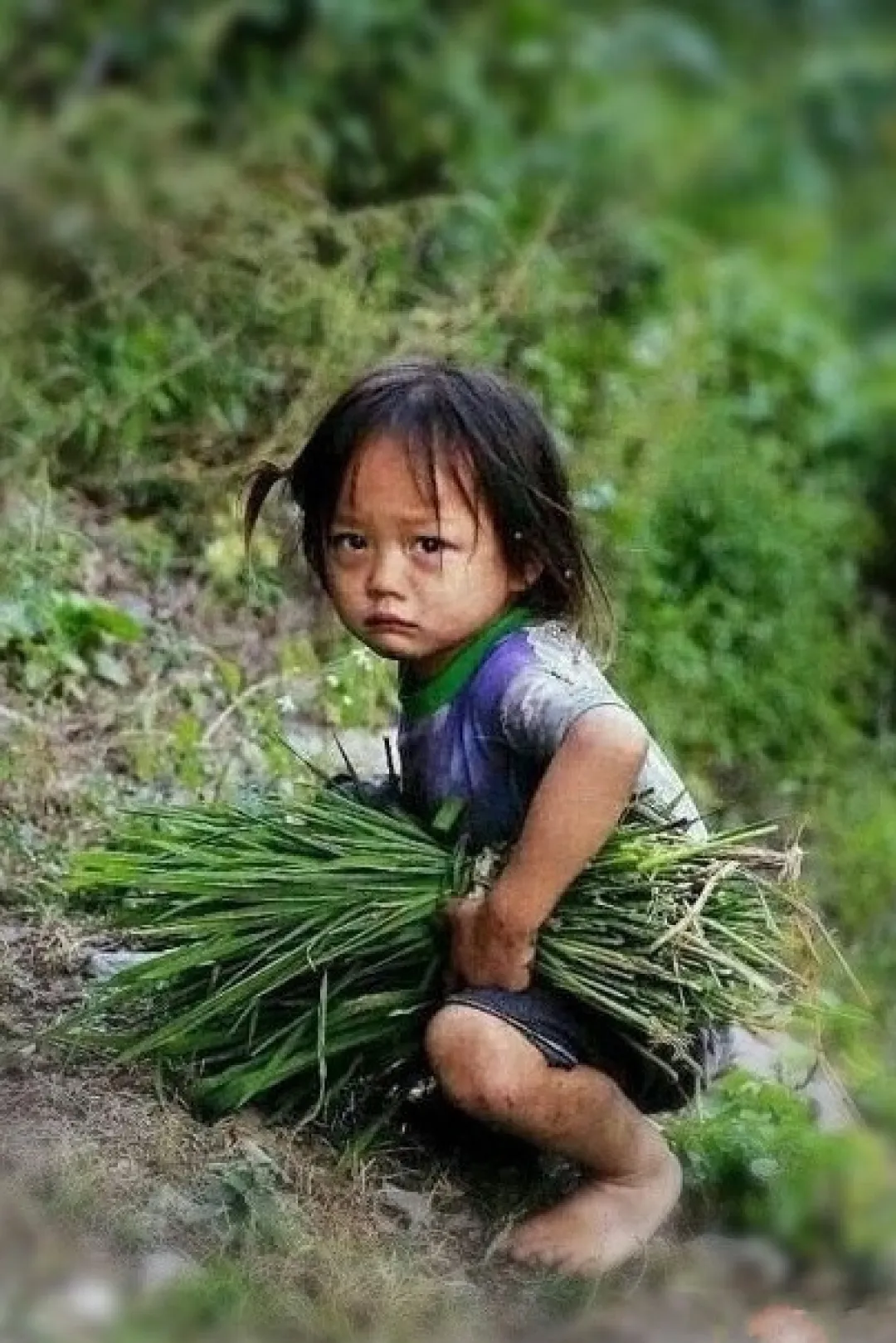
The famous tattooed women are in Longyuan Village.
An elderly Dulong woman sat quietly, wrapped in a Dulong blanket. It's said that in the past, the Dulong blanket was the only clothing for Dulong men and women—a garment by day, a blanket by night.
No one really knows how many tattooed women remain in Longyuan Village. I asked a passerby—two, they said. The guide yesterday said five. Online sources say over twenty. Whatever the number, they're treasures of history.
Final Thoughts: What Did I Find on This "Escape Journey"?
From Liuku to Bingzhongluo, from the Bathing Festival to the Dulong River, we traveled 286 kilometers of the beautiful highway, experienced all four seasons, and encountered the diverse cultures of over a dozen ethnic groups.
This "escape journey" didn't truly let me escape—because I realized that Nujiang was never a desolate, isolated land. On the contrary, the people here live more clearly and freely than city dwellers.
They wash away the year's filth with sacred spring water. They soak in hot springs by the roaring Nujiang River, laughing and chatting. They live in mountain villages shrouded in mist, accompanied by sacred peaks. They don't envy city people because they know happiness is never far away—it's in the present moment.
So, if you're tired, worn out, and want to run away, come to Nujiang. You don't need a guidebook, a plan—just a heart willing to let go.
Because sometimes, the best trip is the one without a plan.
Practical Tips:
- Best Season: October to April—pleasant weather, most beautiful scenery
- Transportation: Self-driving recommended. The beautiful highway is in good condition, but some mountain roads are dangerous
- Accommodation: Liuku, Bingzhongluo, and Dulongjiang Township offer various options, from budget to luxury
- Food Advice: Yunnan cuisine is spicy and salty. If you're not used to it, bring some snacks
- Essentials: Sunscreen, warm clothing, motion sickness medication (lots of curves), cash (some remote areas have poor signal)
- Special Reminder: Respect local ethnic customs. Ask for permission before taking photos
This trip taught me one thing: Running away isn't shameful—and it really works.
You should also read:
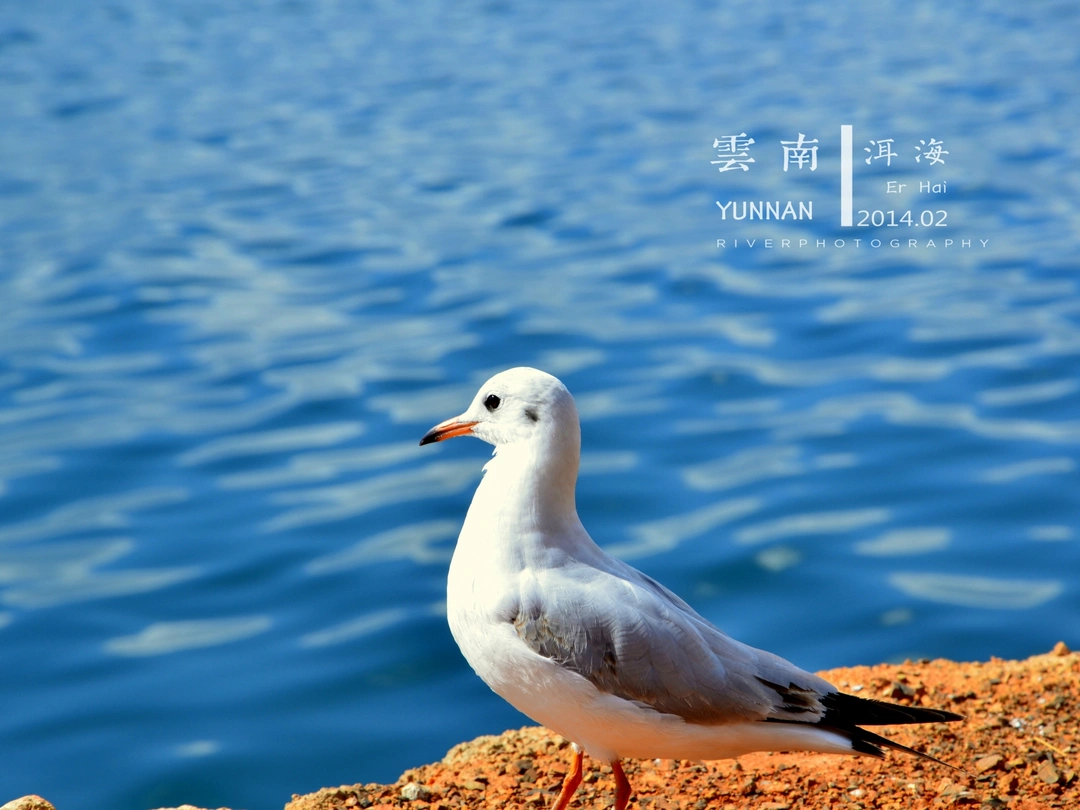
River Takes Herself to Yunnan! A Half-Month In-Depth Travel Guide: Dali, Shuanglang, Lijiang, Tiger Leaping Gorge, Shangri-La
River Takes Herself to Yunnan! A Half-Month In-Depth Travel Guide: Dali, Shuanglang, Lijiang, Tiger Leaping Gorge, Shangri-La Setting Off Never Needs an Excuse "The moment a thought dies, a world away feels like next door. The moment a thought arises, the far end of the…
Continue reading...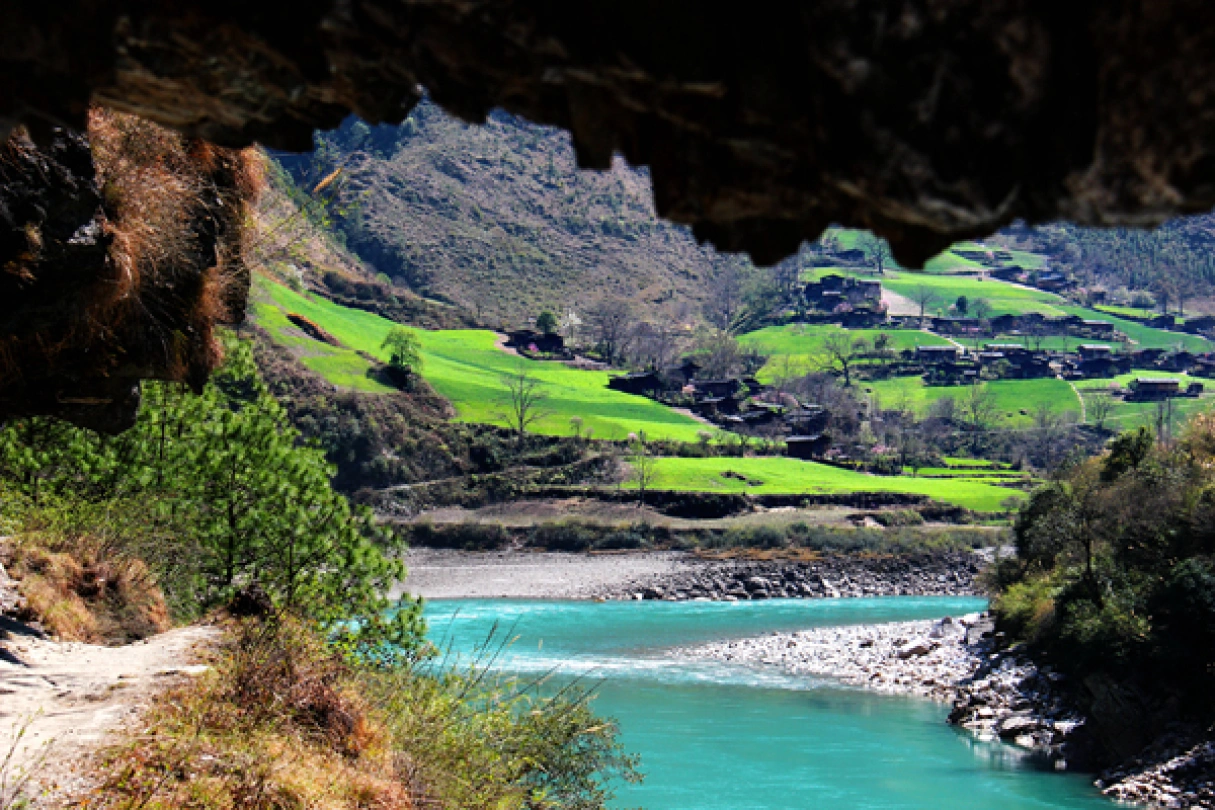
Go to the Nujiang River: One Person’s Paradise — Finding the Soul’s Home in Bingzhongluo, Laomudeng, and Zhiziluo
Go to the Nujiang River: One Person’s Paradise — Finding the Soul’s Home in Bingzhongluo, Laomudeng, and Zhiziluo The wind from afar is always farther than the distance itself. When life becomes cluttered with trivialities, when longing surges like a tide, perhaps a spontaneous journey…
Continue reading...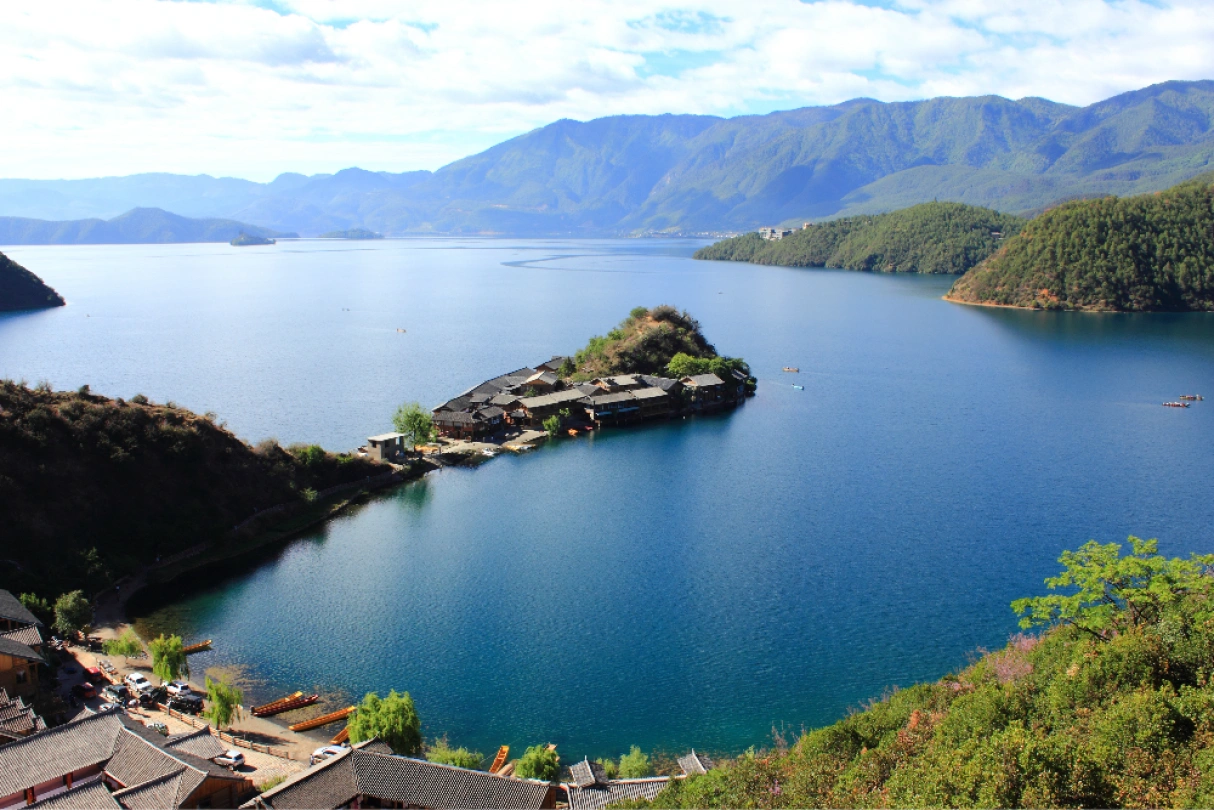
Leaving My Heart in Yunnan: A 9-Day Soulful Journey (Lijiang + Lugu Lake + Shangri-La)
Leaving My Heart in Yunnan: A 9-Day Soulful Journey (Lijiang + Lugu Lake + Shangri-La) Some say travel is a ritual of making peace with yourself—a chance to rediscover long-lost emotions in unfamiliar lands. When my plans for Jiuzhaigou fell through and my dreams of…
Continue reading...