Escaping the Northern Rainy Season: A Spontaneous Slow Journey Through Southern Yunnan
Escaping the Northern Rainy Season: A Spontaneous Slow Journey Through Southern Yunnan
November in Beijing brings a creeping chill, but my heart had already flown to the warm south. A six-day holiday came out of nowhere, like life quietly slipping me a gift. The advantages of traveling in the off-season are obvious — fewer crowds, lower prices, better experiences. But before departure, the most tormenting question always remains: where to go?
Sanya? The typhoon season wasn't over yet, and the return trip felt too risky. Xishuangbanna? The forecast showed a stretch of rain clouds that made me hesitate for a while. In the end, I decided to take a gamble — rain or shine, there's always a way to enjoy yourself. As it turned out, this was absolutely the right call.
Flight Bargain: The Surprise of 2,520 RMB for Two Round-Trip Tickets
What I'm most proud of this time is the flight price. Two round-trip tickets from Beijing to Xishuangbanna cost only 2,520 RMB. When I checked later, that price couldn't even buy a single round-trip ticket anymore.
We chose the 9:45 AM early flight. From Yanqing in the far north of Beijing to Daxing Airport in the far south, it felt like a cross-city adventure. We left at 5:40 AM, drove to work, took a taxi to Xierqi subway station, then transferred to the airport express. The whole journey took about 1 hour and 20 minutes — surprisingly smooth. The China Eastern Airlines app even offered discounted airport express tickets at 28 RMB per person, saving 7 RMB off the regular price.
First Impressions of Banna: Sheraton's Surprise and Gaozhuang's Vibrant Energy
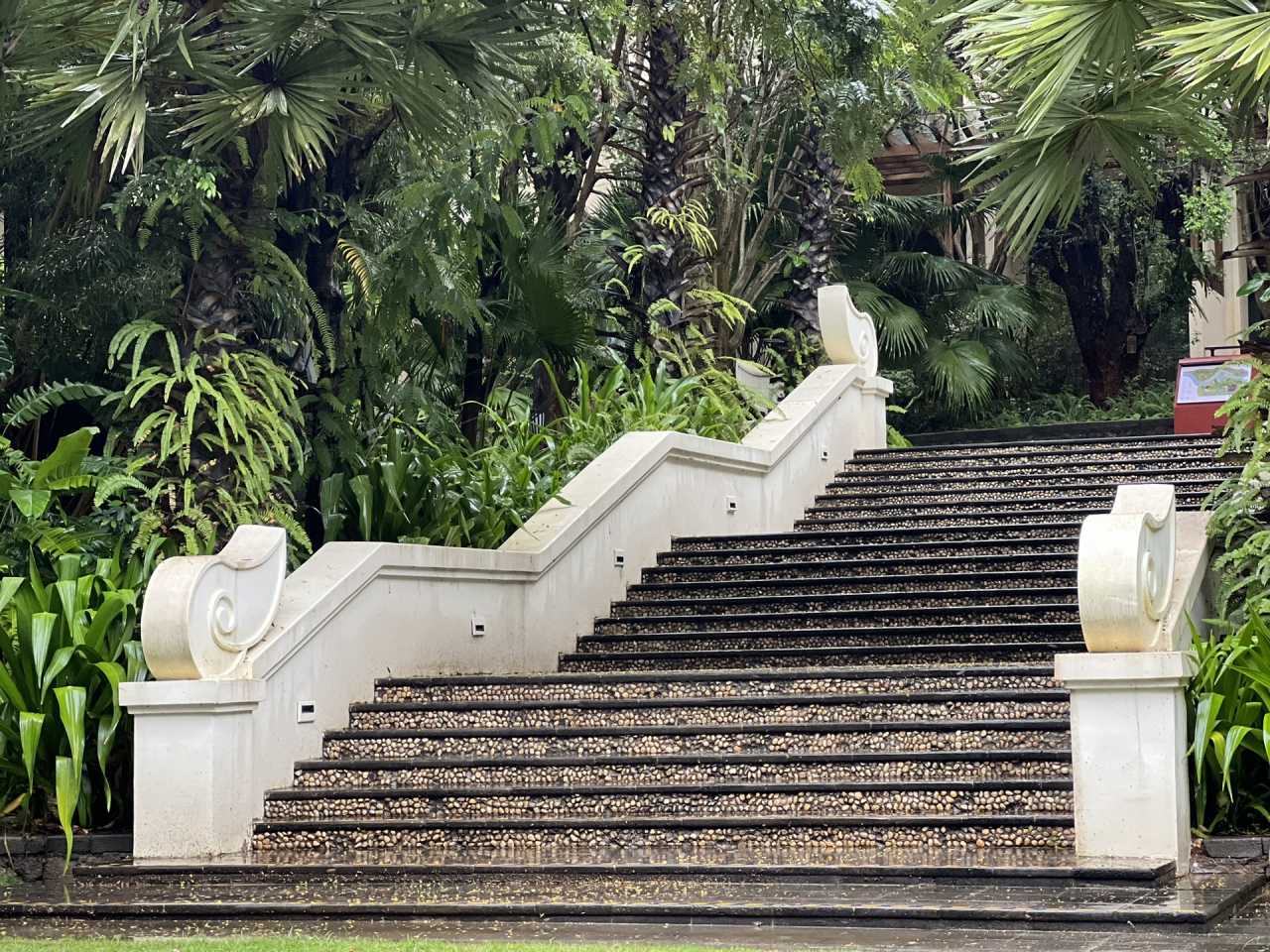
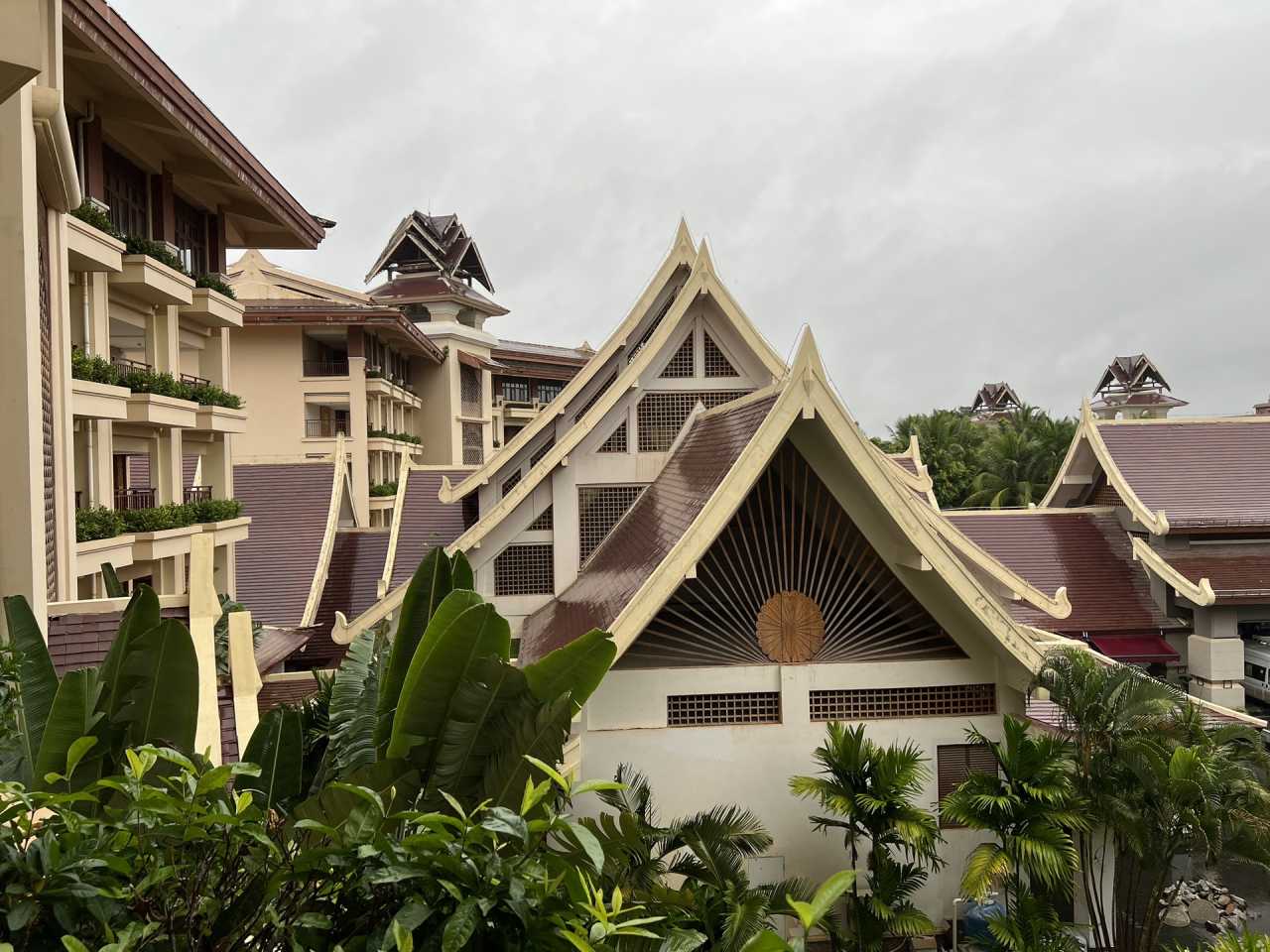
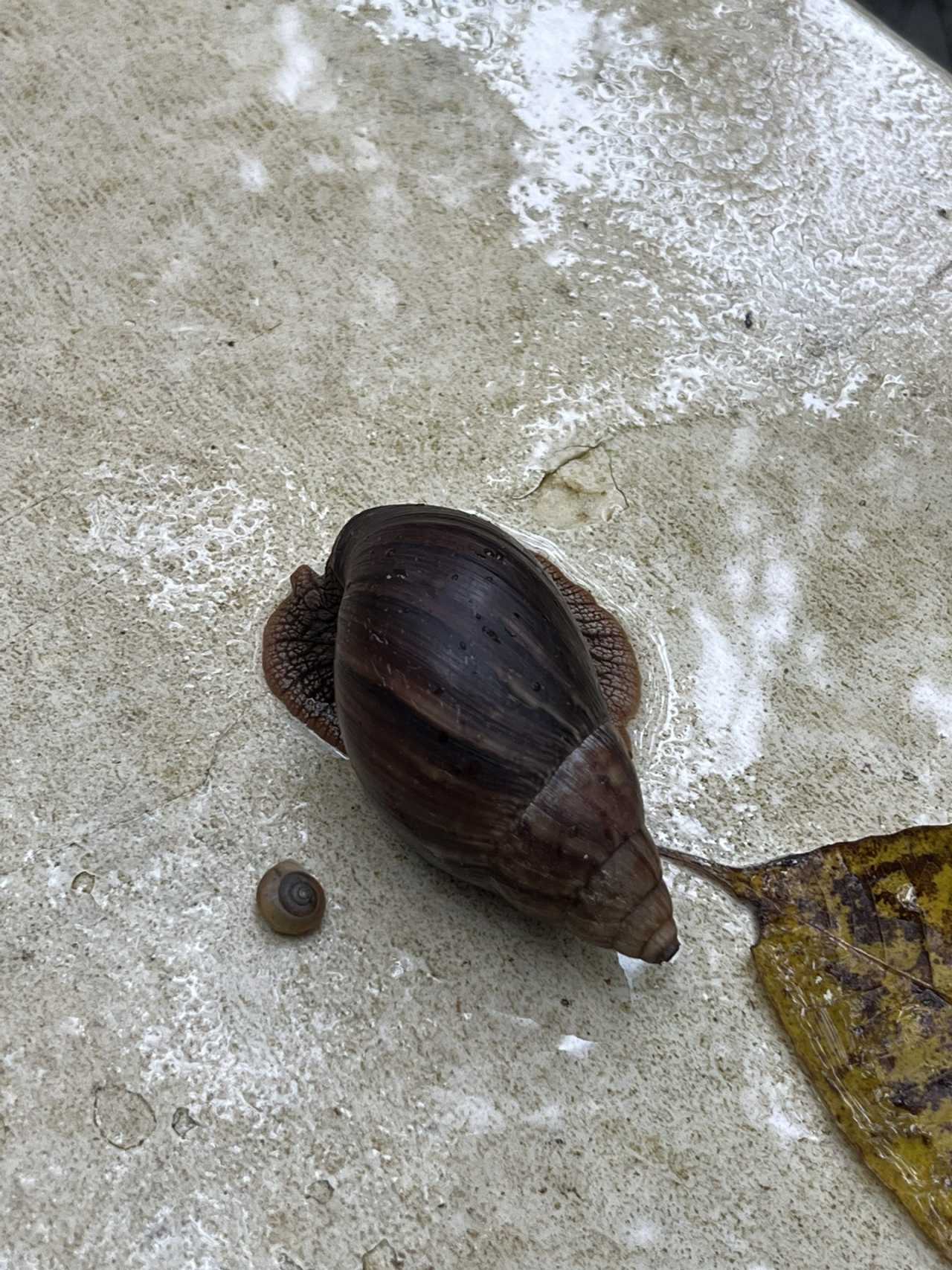
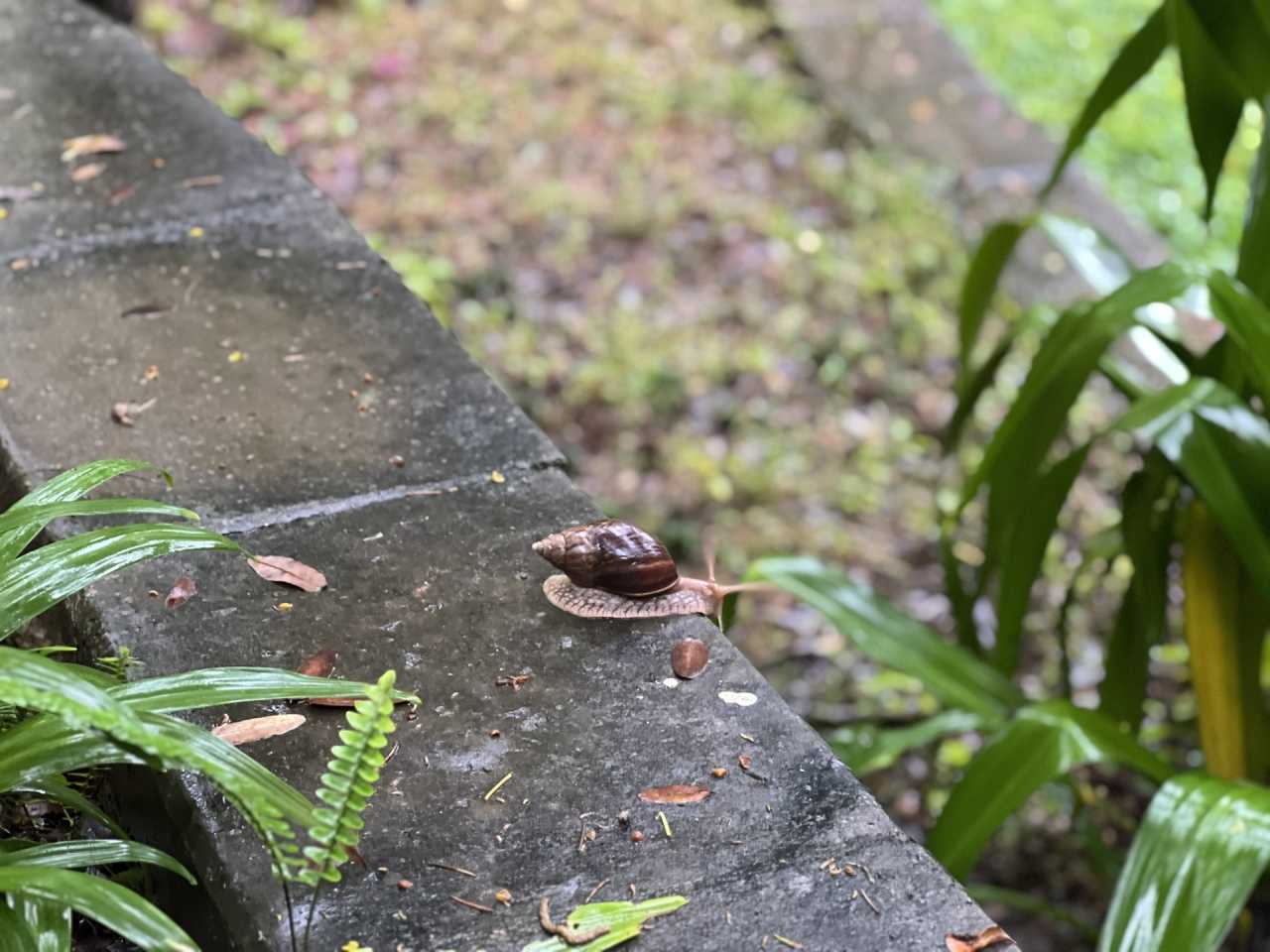
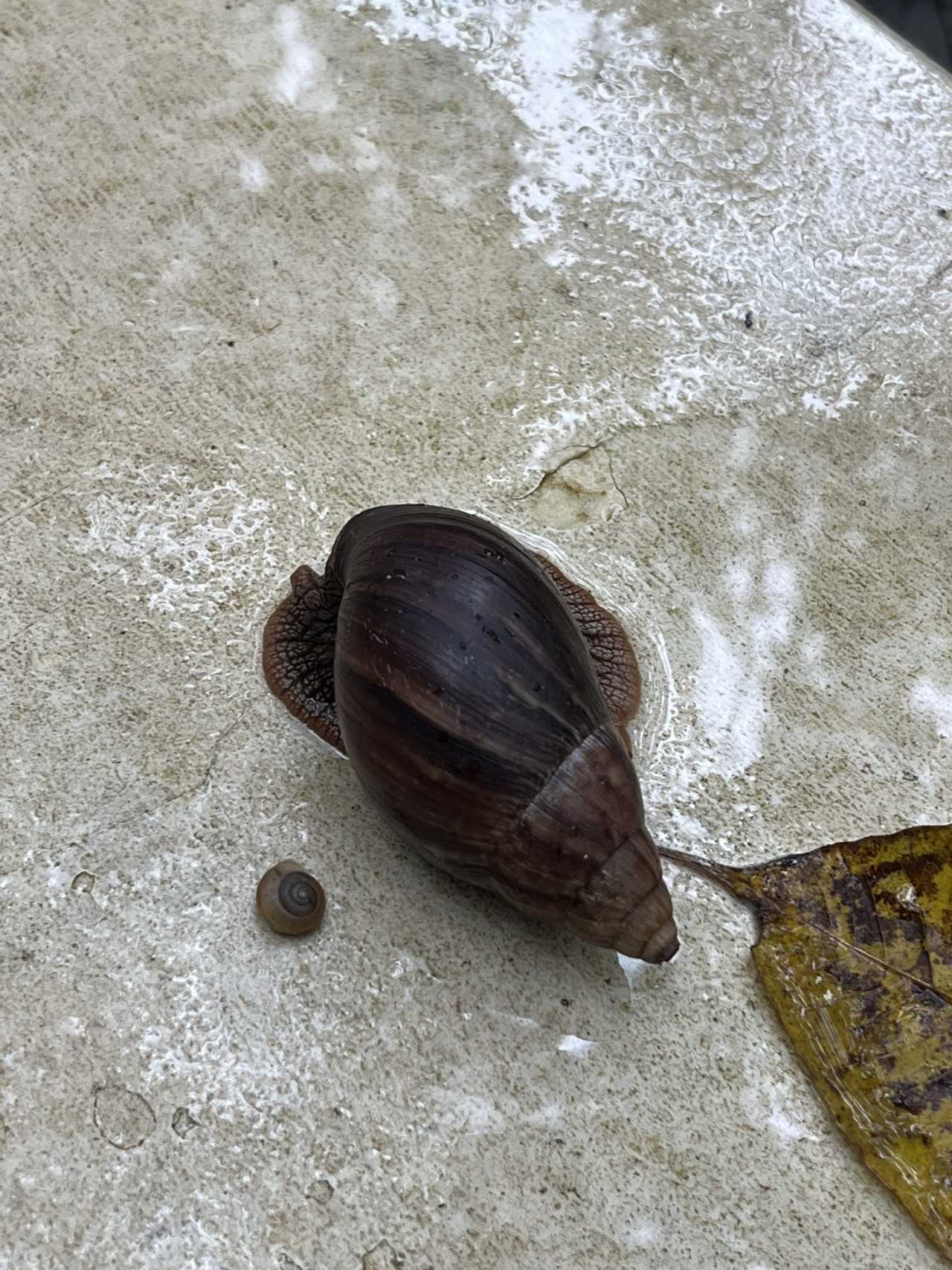
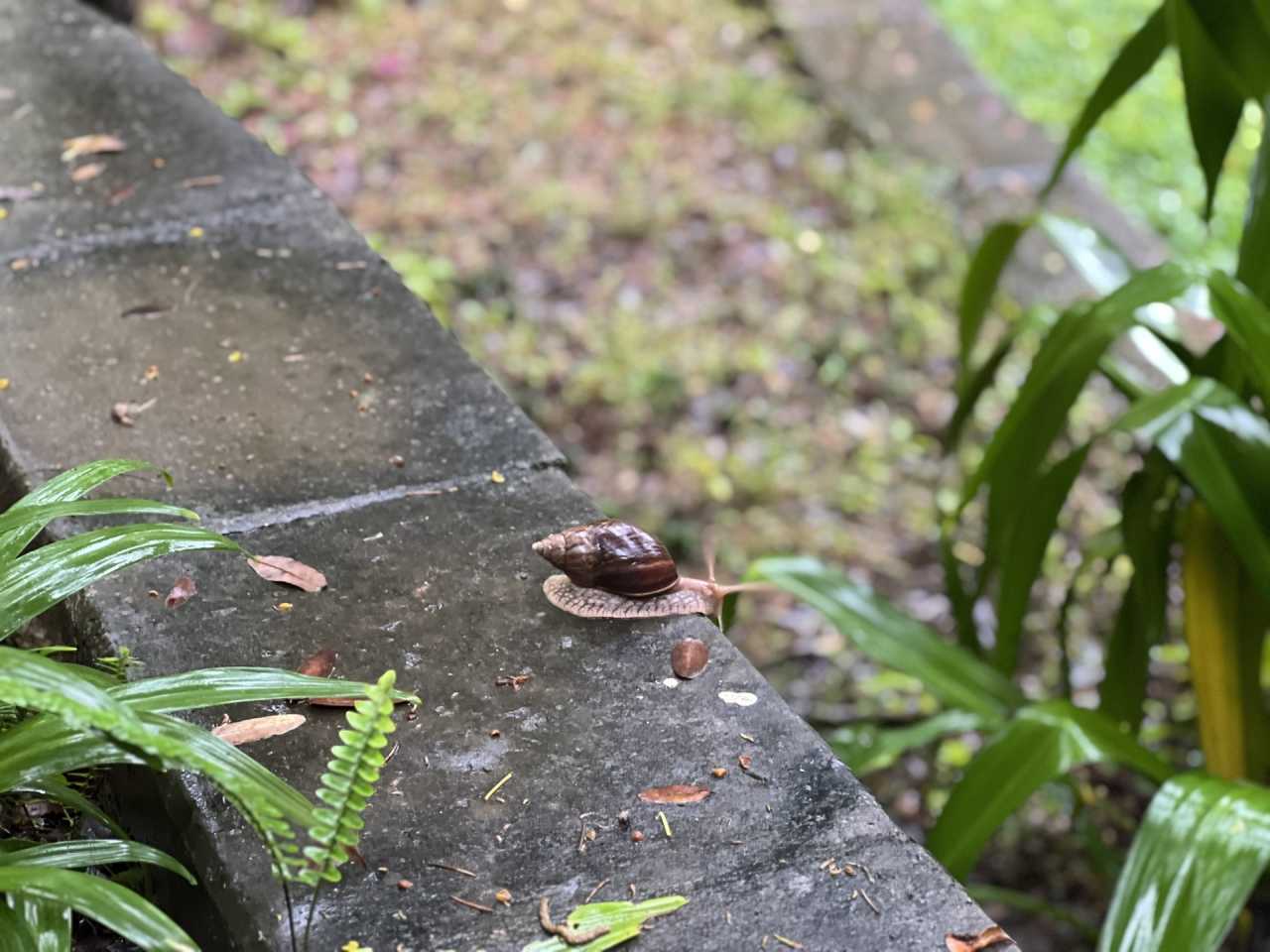
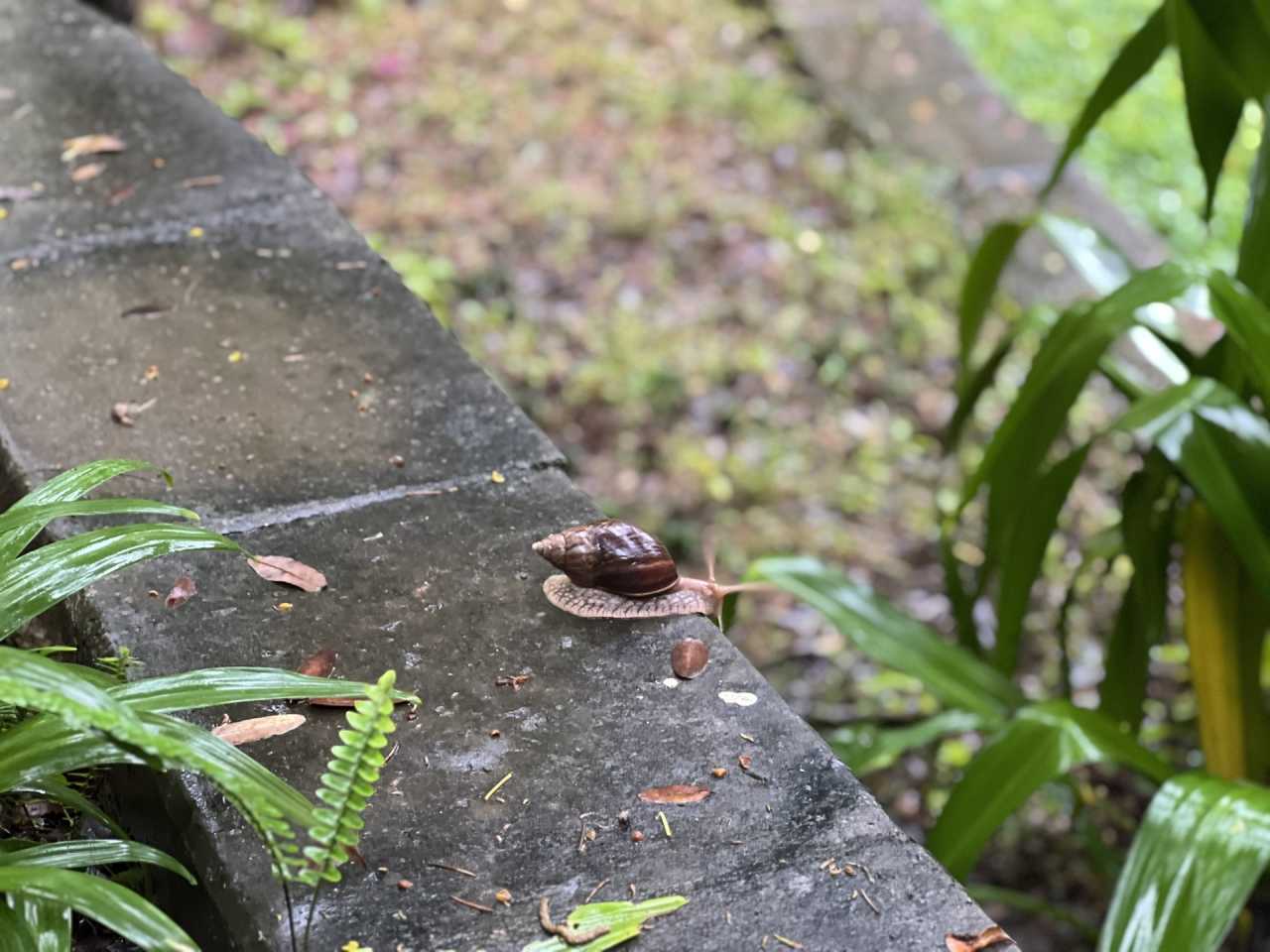
The plane landed on time. Xishuangbanna's airport isn't large, but both Didi and Gaode ride-hailing services were very convenient. The hotel was close to the airport, and the Sheraton we booked completely exceeded my expectations — sprawling grounds, lush vegetation, and though it had been open for a few years, it was remarkably well-maintained. The most shocking moment? I saw a giant snail there, about 100 times larger than the ones up north. The sight is still unforgettable.
One reason we chose this hotel was its hot springs, plus it's close to a spot for wild sulfur hot springs. The price on Fliggy was 583 RMB, including breakfast for two and an Anman photography package. Later I realized that if you skip the photos, you could save 100 RMB on Xianyu. But as it turned out, that 100 RMB was money well spent — the photos turned out far better than expected. We hit the bottom price; afterward, the rate climbed to around 700 RMB.
Xishuangbanna is compact, and getting around by taxi is easy. Most vehicles on the road are electric scooters. After dropping off our luggage, we headed straight to Gaozhuang for food. It was raining steadily, so we went to Wantai Branch 3. The atmosphere was average, the food was average too — a bit disappointing, but at least it wasn't expensive: under 200 RMB for two.
The Starry Night Market felt a bit desolate in the rain. The Great Golden Pagoda looked magnificent from the outside, with tourists in rented Dai costumes taking photos. Interestingly, most of the vendors here are from Northeast China, so it's jokingly called "Northeast Gaozhuang." It wasn't until we paid 30 RMB for tickets to enter the Great Golden Pagoda's interior that we were truly awed — the Southern Buddhist temple was completely different from northern styles, dominated by blue Buddha statues, with murals depicting the life of Shakyamuni Buddha on the walls. We could even drink mountain spring water and receive free beeswax candles for blessings. Standing at the high point overlooking Gaozhuang's nightscape was an incredibly immersive experience.
Photography Experience: More Personal Than Assembly-Line Shots
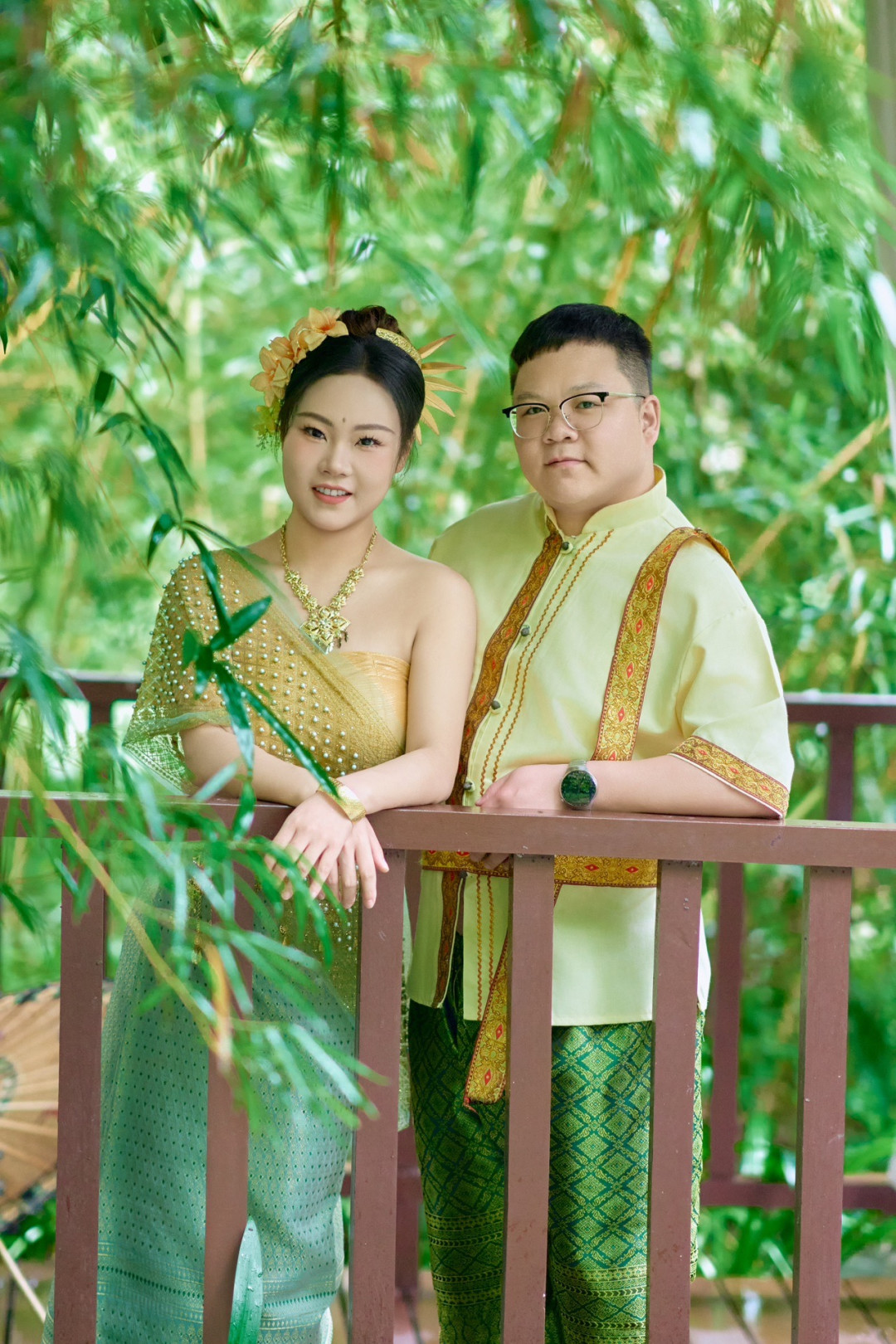
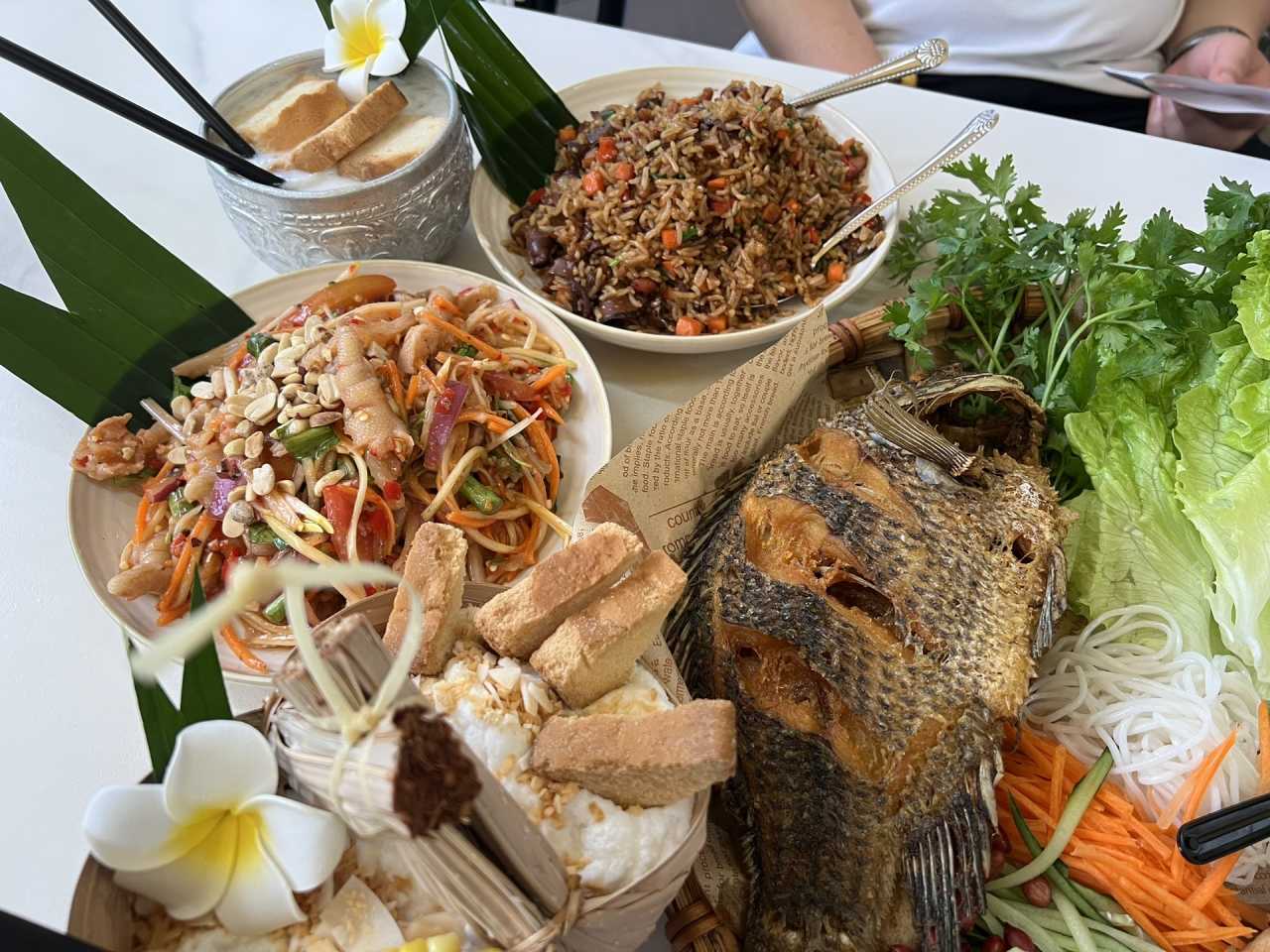
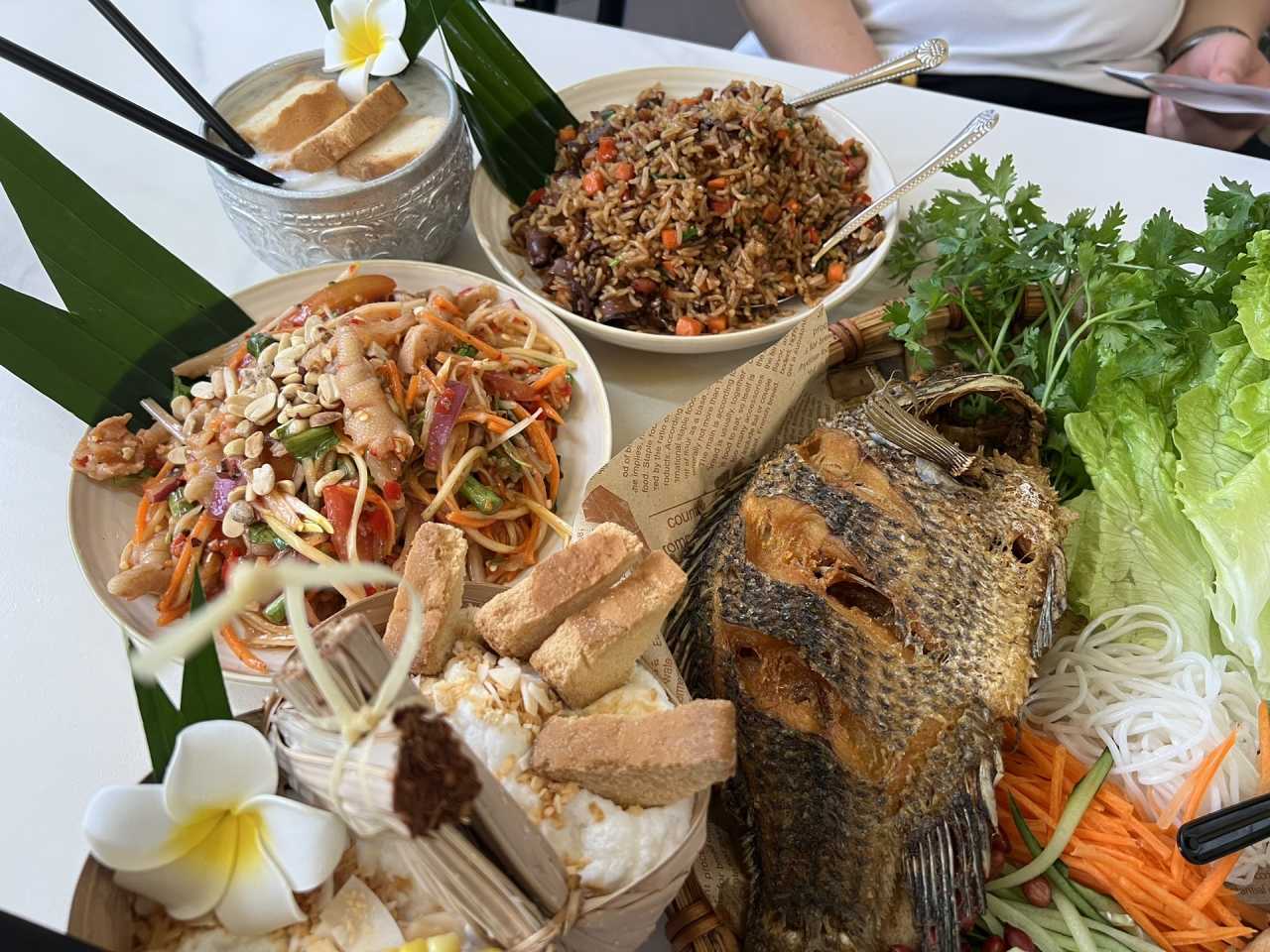
Day two's highlight was the hotel photography session. The Sheraton's breakfast was so generous it moved me — rice noodles, rice cakes, dairy fans — you could taste all the Yunnan flavors. After eating our fill, the photographer we'd booked was already waiting.
The costume was free, but makeup cost 199 RMB. The makeup artist was incredibly patient, constantly adjusting my eye makeup without any extra charges. We shot right on the hotel grounds, and the environment was so photogenic. Compared to the assembly-line operations at Starry Night Market, I much preferred shooting in this natural setting. Later I found out Manting Park is also great for photos — you might want to try it. From styling to retouching, Anman Photography didn't push any upsells. The service was so good that I voluntarily added 272 RMB to select 4 extra photos, plus the 199 RMB for makeup, totaling 471 RMB. I was absolutely thrilled.
Hitting the Road: Tank 300 on the Southern Yunnan Mini Loop
After finishing the photos at 2 PM, we rented a Tank 300 on Ctrip to drive to Jingmai Mountain and Pu'er, forming a nice Southern Yunnan mini loop. I was a bit nervous before leaving — lots of mountain roads, and on the way to Jingmai Mountain, to protect the tea gardens, there were no paved roads, just gravel paths prone to punctures. The daily rental wasn't expensive, and I opted for an extra 40 RMB per day in insurance. When picking up the car, the rental guy convinced me to add another 50 RMB per day for maximum coverage, giving me total peace of mind. In the end, the daily rental and insurance cost about the same. Three days of rental totaled 689 RMB.
It was a Hebei-plated Tank 300, practically brand new. The whole trip covered about 700 kilometers, with fuel costs of 700 RMB and toll fees of around 200 RMB — total expenditure of 1,600 RMB, comparable to hiring a private driver. If you want a hassle-free experience, hiring a driver works too; self-driving offers more freedom and lets you keep your luggage with you. I usually drive on mountain roads in Yanqing, so I was comfortable with the conditions. If you're used to city driving, think twice.
After handing over the car with the rental guy, we navigated to Wengji Ancient Village, adding Jingmai Dazhai as a waypoint to make the roads easier. We set off at 2 PM, stocking up on snacks for the road. There were quite a few cars on the mountain roads, and some drivers cut corners over the yellow line, so passing required caution. After about three hours of stop-and-go driving, watching the tea gardens, dragon fruit, and sugarcane pass by outside the window — all green in the drizzling rain — the humid air was incredibly refreshing.
Jingmai Mountain: The Brown People's Quiet Time
We arrived in Wengji around 5 PM and checked into the Lapa'er Guesthouse. The owner was a young Brown man, and his family had been interviewed by CCTV. The four of them had clear roles: Dad brewed liquor, Mom ran the shop, the brother handled the tea, and the sister managed the guesthouse — a harmonious family operation.

The guesthouse couldn't compare to a hotel in terms of amenities, but it was very clean. Because of the rainy weather, the owner had turned on the heater fan early, and the room was warm when we walked in. We stayed in Room 2003; on a clear day, you'd be able to see the sea of clouds. In the evening, we strolled through the ancient village. It was pitch black, with no streetlights. Every house had no door and no lock — so peaceful it put the mind at ease.
Dinner was at Village No. 55 Guesthouse. Prices in Wengji are a bit higher than in Nuogan — a chicken with crab feet cost 260 RMB, while in Nuogan it's about 180. We ordered dried beef, loofah soup, and spicy sour bamboo shoots. Delicious and filling, totaling 135 RMB. The owner was eating fried soybeans and generously shared some with us.
The village has no nightlife. The villagers rise with the sun and rest with its setting. In the evening, we chatted and drank tea with the owner, tasting the corn liquor his father had brewed. On a quiet rainy night, learning about Brown culture was a wonderful atmosphere. My partner felt that since the guesthouse was only about 200 RMB, it was awkward to keep drinking the owner's tea without buying anything, so we bought three cakes of ripe Pu'er tea. What I'd most recommend is Lapa'er's spring tea black tea — the liquor is golden red, intensely flavorful, and holds up to repeated infusions. Unfortunately, I was worried about crushing the leaves, so I ended up buying a tea cake to bring home.
Across from Lapa'er was a larger tea room, great for photos and check-ins. The tea storage room was huge, and the owner was very welcoming, but we didn't buy any more tea.
Cloud Sea Encounter: A Circular Tour of Jingmai Mountain
We got incredibly lucky! Waking up early and opening the window, we actually saw the sea of clouds! I quickly washed up and ran around the village taking photos. There was a structure resembling a shrine at the top of the village, and the steps made for great shots. For breakfast, we found a random rice noodle shop in the village. One bowl was enough for two, plus two eggs — 16 RMB total.
Following the route the guesthouse owner gave us, we started our Jingmai Mountain loop: Manghong's Octagonal Pagoda, Manghong Upper Village's Princess Pine, Manghong Upper Village's Bee Queen Tree, Nuogan Ancient Village, Dapingzhang's Ancient Tea Tree Forest, and Jingmai Dazhai's Great Golden Pagoda.
My partner said that in Yunnan, besides people staying short, everything else grows big — like that giant snail, or this super-sized bean pod.
We ran into two sisters from Sichuan in Wengji, then again in Nuogan and Pu'er — what a small world! One sister told me not to take photos under big trees. Later, I deleted all the photos we'd taken under the Princess Banyan. The botanical garden guide later confirmed it: banyan trees don't tolerate people. At the botanical garden, there was another incident involving a big tree.
Nuogan Ancient Village's old quarter felt a bit better than Wengji, with more shops. At the village entrance, we bought a roast chicken for 50 RMB — delicious, with crispy skin. We had lunch at the village center: tea flower scrambled eggs, pork, and pumpkin tips — three dishes for 106 RMB, a great deal. As we were leaving, we saw the owner roasting intestines. When we asked, she said it was her lunch. We couldn't resist, and she gave us a portion for free!
The roasted milk tea at the village center was also excellent — 15 RMB per serving. The owner even invited us to try sour tea. The sticky rice cake in the roasted milk tea was especially tasty, and we bought a small Brown ethnic ornament. Across from the shrine, you can capture the full view of the village. Nuogan also offers Brown ethnic photography sessions, which are very beautiful, but since we'd already done Dai-style photos in Banna, we didn't try it.
Heading downhill to the ancient tea forest, there were so few tourists that the shuttle had stopped running, so we didn't go in. At the entrance, we bought passion fruit — 10 RMB per jin (half a kilo), enormous and delicious.
Jingmai Mountain also has high-end hotels like Bolian and Afangla, but prices are in the four-figure range.
Coffee in One Hand, Tea in the Other: Pu'er's Slow Time
Around 2 or 3 PM, we navigated to Pu'er — another three-hour drive. The warning signs along the road were particularly cute. The one that stuck with me most: "Drive fast, carry more — danger at every door."
We checked into the Coffee Hotel. The front desk suggested upgrading the room for 69 RMB. Without the upgrade, the room was tiny — we couldn't even spread out our luggage. After dropping off our bags, we discovered Pu'er's new mode of transport — electric scooters. Scan a QR code, and you can go anywhere.
Our first stop was Wuyi Farmers' Market, lively in the evening, selling all kinds of agricultural products, many I'd never seen before. We only spent 5 RMB: half a portion of Shiping small tofu — bursting with flavor, piping hot, absolutely delicious.
Then we visited a highly-rated mushroom hotpot place on Dianping. It was just okay. The service was very enthusiastic, but many of the mushrooms seemed to be frozen or chilled, poorly stored, with a slightly off taste. The vegetables were self-serve and fresh, so I ended up blanching some greens to fill my stomach.
Coffee and Pastries: Pu'er's Taste Memories
After waking up, we had breakfast at the Coffee Hotel. The tripe rice noodles were outstanding — the best rice noodles of the entire trip. The braised tripe also had blood curd, incredibly flavorful. Five-star recommendation!
After breakfast, we navigated to Daijia Alley. There were very few shops, and it was close to Simao Old Street. We came across a coffee shop where the owner was incredibly welcoming, inviting us in to taste various coffees and teas. The lady owner was gentle and soft-spoken, serving us small cups of freshly ground coffee one after another — some more acidic, some more bitter. Very relaxing. To show our appreciation, we bought a box of drip coffee bags for 68 RMB. The owner said to just pay 60, but we thought 68 was a nice number and paid it anyway.
South of the coffee shop was Xinji Bean Pastry. We bought one piece of each pastry, plus that big cake — sweet, flaky, oily, and delicious. These pastries would later come in very handy.
We also checked in at Little Beard Cocoa. I ordered regular concentration with regular sugar. The shop had just opened, and the staff wasn't very enthusiastic. I bought a cup of hot cocoa — it was lukewarm. It would have been better hot or iced, but the flavor was worth trying.
On the way back to the hotel by scooter, we passed the very popular A Xian Sour Chicken Feet. We bought pounded pineapple, pounded hawthorn, and pounded chicken feet. My favorite was the hawthorn.
Nakeli and the Coffee Estate: A Modern Take on the Ancient Tea Horse Road
After checking out, we drove to Nakeli on the Ancient Tea Horse Road, arriving in about 40 minutes. Nakeli is very small. What left the deepest impression was the Changtingwai Courtyard. The owner's temperament and style strongly resembled Yang Liping's. The courtyard had a wonderful atmosphere, filled with antique objects. The minimum spend to enter was 38 RMB per person. We ordered a pot of tea and a cold drink, took some photos, and finished in about an hour.
Then we headed to the coffee estate I'd been most looking forward to: Xiaoaozi Coffee Estate. The drive took over an hour, with difficult mountain roads and narrow paths where passing was challenging. At the entrance, the admission fee was 60 RMB per person. Some people think it's expensive, but I felt that paying the entrance fee allowed us to relax and sample various coffees while learning about coffee knowledge — no other expenses required, definitely worth it.
Back in Beijing, I usually drink milk-based coffees. Straight-up hand-pour black coffee was a bit hard to adjust to. The shop didn't have any desserts, which is where the Xinji pastries in the car came in handy — with something sweet to complement the coffee, I could taste all the varieties. The young woman explaining the coffee knowledge was adorable, covering everything from coffee equipment to organic estate pest control, which partly relied on "coffee chickens" — I imagine they taste pretty good too.
Dakaihe Meizi Estate was a completely different experience. The meditation room was made from coffee grounds, and surprisingly, it had reopened — just the day before, Xiaohongshu (Little Red Book) said it was under renovation. We were lucky! When we visited, there were very few people, making it incredibly photogenic. A young woman helped us take a couple photo — a picture for the books!
Xiaoaozi and Dakaihe Meizi Estate have different vibes: one is better for deep-diving into coffee knowledge, the other for photos and check-ins, with creative products and even coffee bean bracelets. At Dakaihe, I bought two boxes of drip coffee bags with beautiful packaging.
Back to Banna: Botanical Garden and Manting Park
After visiting Meizi Estate, we headed back to Xishuangbanna — another two-plus-hour drive. Road signs warned that some sections had wild elephants and that honking was prohibited.
That evening, we stayed at Yunmeiting near the botanical garden — great value, comfortable and clean. There was a small night market downstairs, where we tried the little tofu again and had fried potatoes with fish mint. Craving that powdered creamer taste, we grabbed two cups of Mixue Ice Cream & Tea.
The next morning, we walked five or six minutes to the botanical garden, buying West Zone tickets for 80 RMB and a shuttle pass for 50 RMB. If you're physically fit, you can skip the shuttle entirely. Initially, I wanted to hire a guide, but every shuttle had a guide on board, so we just eavesdropped. The quality of the guides varied widely, and we ended up taking quick snapshots as we passed through.
One thing worth noting: the guide said not to take photos with big trees. Remembering the photos I'd taken under the Princess Banyan two days earlier, I deleted them all. My husband insisted I take a picture under one tree. As I sat down, I nearly fell backward. I put my hand out to steady myself and landed on a snail. Terrified, I scrambled away, tripped over a railing, and fell flat on my face. I scraped my knee and bruised my stomach badly on the barrier. I call it "the tree's punishment."
In the fruit garden, I picked up a fallen egg fruit and took a tiny taste. The botanical garden is very photogenic, but since it was overcast, we rushed through in about three hours without taking many photos.
Manting Park: The Dai King's Royal Garden Afternoon
We'd agreed to return the car in Gaozhuang by 2 PM. The process went smoothly with no disputes. For our last day, I chose the Atour Hotel. I wanted to go back to the Sheraton, but the price had become unaffordable. I booked the Atour X through Xianyu, saving about 100 RMB. The seller even gave me two late checkout vouchers, allowing us to check out at 6 PM the next day — perfect for going on a hike and coming back for a shower.
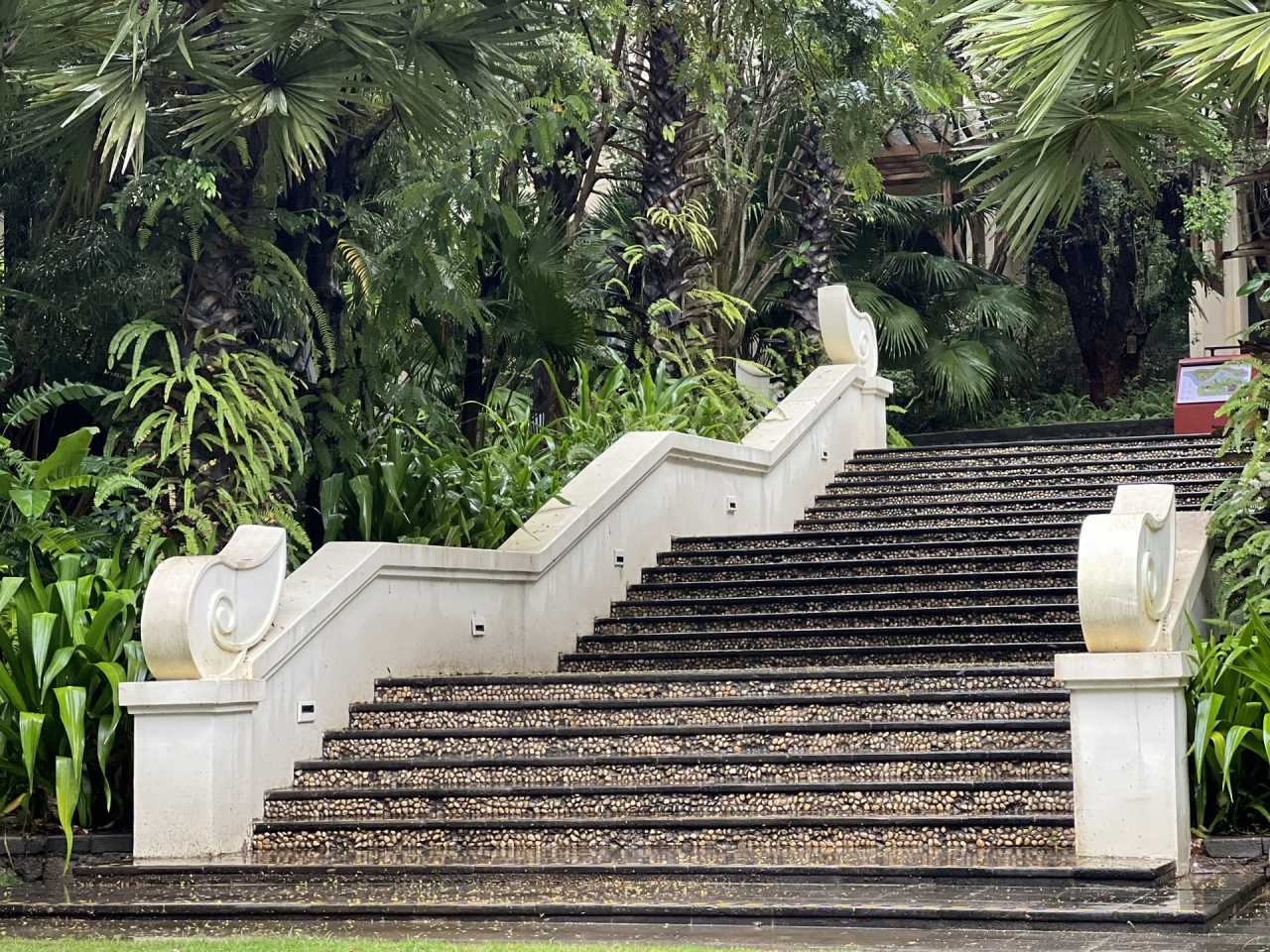
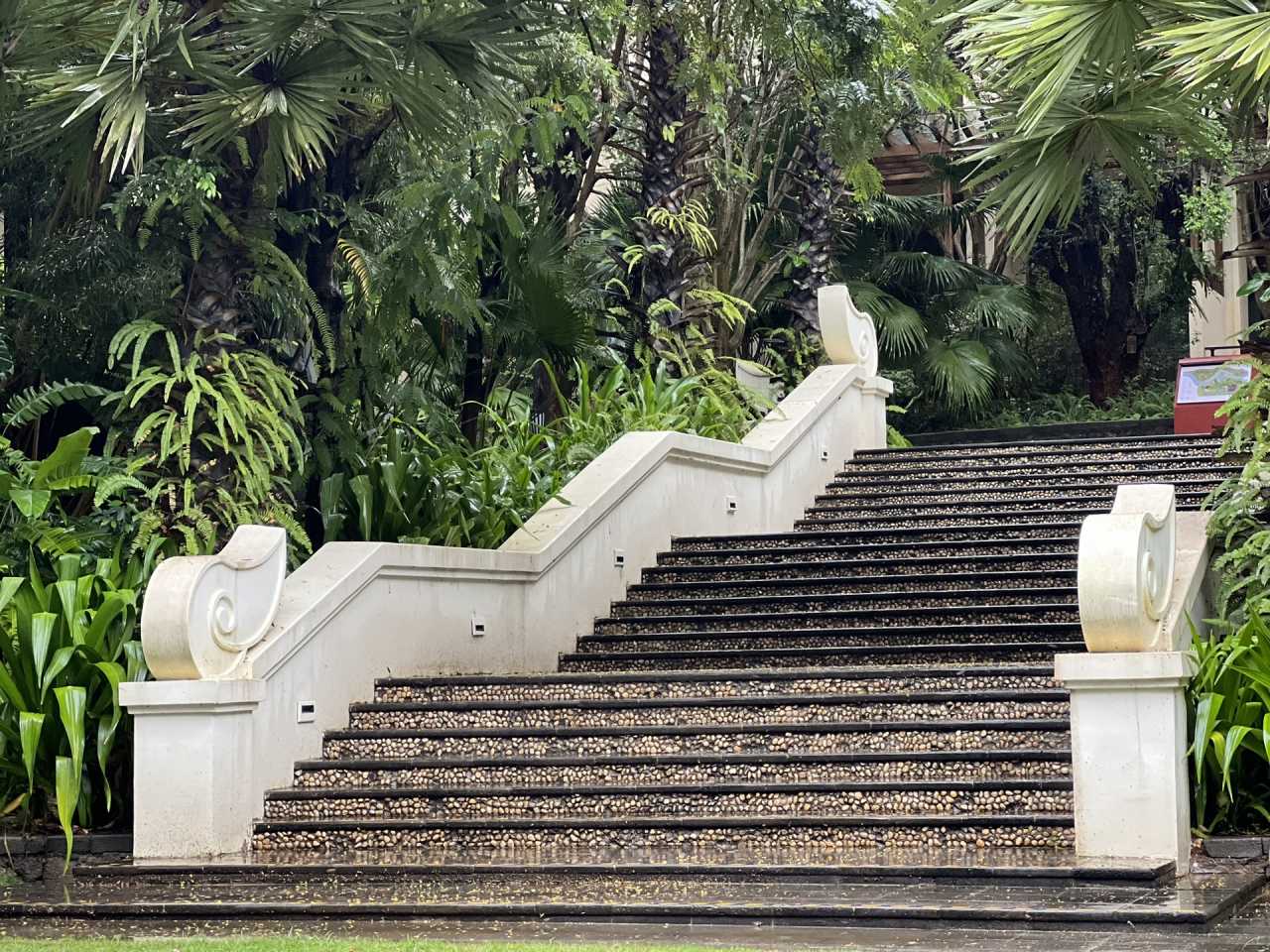
We rode electric scooters to Manting Park, which was originally the Dai king's royal garden. The park was full of beautiful young women, and it was incredibly photogenic. The scenery was lovely — definitely worth a visit. If you want to take Dai-style photos, this is a great choice.
People in Yunnan are all very polite. If someone tries to sell you photography services and you decline, they don't get upset. Instead, they'll apologetically say, "Thank you anyway." If you have kids, check Manting Park's performance schedule — there are shows with peacocks, parrots, and elephants.
After leaving Manting Park, we rode our scooters to Boruo Temple. The road conditions were terrible — I'd recommend taking a taxi. We took a few quick photos. Women entering the temple need to dress modestly — no revealing clothing. Coming down the mountain, we were bathed in what felt like a particularly sacred light.
Final Meal: Handmade Pasta and Thai Massage
Dinner was at MuanMuan Handmade Pasta — the most satisfying meal we had in Xishuangbanna. The atmosphere was fantastic. The chicken mushroom pasta was delicious — Yunnan-style Western food. We also ordered a black truffle pizza, freshly baked in a stone oven. Absolutely excellent — five-star recommendation!
Funny moment: after finishing, we strolled out of the restaurant, and the staff said goodbye. My partner asked me if I'd paid. We looked at each other and burst out laughing — no! We quickly turned back to settle the bill.
After dinner, the weather turned against us — it kept raining. We chose to go to Naga for a Thai massage. The experience was perfect — five-star recommendation! Full of ceremony: hand washing, foot bathing. The Thai massage focused on stretching — my joints cracked loudly. By the time they applied the herbal compresses, I was already asleep.
After the massage, I was groggy, and the rain had stopped. We took a taxi to the Riverside Night Market, where I bought a small coffee bracelet and a fridge magnet. The Riverside Night Market was easier to browse than Starry Night Market, but I couldn't eat anything, so we went back to sleep. I'd wanted to try Dai-style clubbing, but as "older folks," we really couldn't stay awake. Not experiencing Dai disco was one big regret of this trip.
Tropical Rainforest Hike: The Ultimate Jinuo Mountain Experience
On the last day of our trip, we had booked the most anticipated activity: a Jinuo Mountain tropical rainforest hike. I'd been nervous the whole time because I'm terrified of encountering snakes — but ironically, this was exactly what my partner was most looking forward to. I bought a group tour on Douyin (TikTok) for 526 RMB for two. It was a legitimate team with its own camp, called Asinanbo, which felt more reliable — equipment was maintained and insured.
A driver picked us up. There were three groups of passengers, six people total. I'd recommend choosing a smaller group so you don't have to wait for pickups. With six people, the wait time for each activity was longer, and the overall experience was a bit tiring. I bought rain boots at the camp — absolutely essential. You need high-top ones, 35 RMB per pair. You could buy cuter ones in advance for better photos.
The experience was fantastic! Bamboo rafting, stream trekking, archery, wind chimes, various swings, tree rappelling, and a hearty lunch.
We returned to the hotel around 4 PM, with our flight at 8 PM. After showering, we didn't want to drag our luggage back to Gaozhuang, so we had barbecue at the entrance of Atour. It suited northern Chinese tastes — affordable and delicious. Then we took a taxi to the airport. The return flight was on an old Capital Airlines plane, creaking and groaning — a bit scary. The plane arrived early at Beijing Daxing Airport, ending this wonderful trip.
Final Thoughts: Highly Recommend the Southern Yunnan Route
This trip — from Beijing to Xishuangbanna, from Jingmai Mountain to Pu'er, and through the tropical rainforest — had surprises, regrets, but mostly satisfaction. Xishuangbanna's warmth, Jingmai Mountain's tranquility, and Pu'er's leisurely pace have all left a lasting impression on me.
If you're considering a spontaneous trip, I strongly recommend this Southern Yunnan route. Travel in the off-season — fewer people, lower prices, double the experience. Don't let the weather forecast hold you back — there's always a way to enjoy yourself, rain or shine. As long as you have the time, just go. Reduce your anxiety and enjoy your vacation!
Practical Tips: - Flights: Watch for off-season deals; round-trip for two can be as low as 2,500 RMB - Accommodation: Sheraton offers great value; booking through Xianyu can save 100 RMB - Self-driving: Tank 300 handles mountain roads well; max out the insurance for peace of mind - Photography: Hotel shoots are more artistic than Starry Night Market's assembly line - Hiking: Jinuo Mountain rainforest trek requires high-top rain boots; choose a small group - Food: Pu'er's tripe rice noodles, MuanMuan handmade pasta, and Shiping small tofu are must-tries
You should also read:
Heart Soaring Among the Clouds: A 20-Day Yunnan Dream Journey
Heart Soaring Among the Clouds: A 20-Day Yunnan Dream Journey From Lijiang's morning light to Meili's snow-capped peaks, from Yubeng's hidden realm to Lugu Lake's tranquility—this was not just a simple trip, but a soul's exile and homecoming. "Never forget why you started, and you…
Continue reading...
South of the Clouds: A Spontaneous Lijiang Wanderlust
South of the Clouds: A Spontaneous Lijiang Wanderlust Prologue: When the Soul Meets Freedom Some places have names that alone stir the heart with longing. Lijiang is one such place. It exists like an unfinished poem, a melody left hanging in the air, echoing softly…
Continue reading...
A 9-Day Yunnan Journey: From Lijiang to Dali to Tengchong – A Trip Toward Self-Reconciliation
A 9-Day Yunnan Journey: From Lijiang to Dali to Tengchong – A Trip Toward Self-Reconciliation Some say travel is simply going from a place you're tired of to a place other people are tired of. It stings to hear, but it's painfully true. Yet there's…
Continue reading...