Heart Soaring Among the Clouds: A 20-Day Yunnan Dream Journey
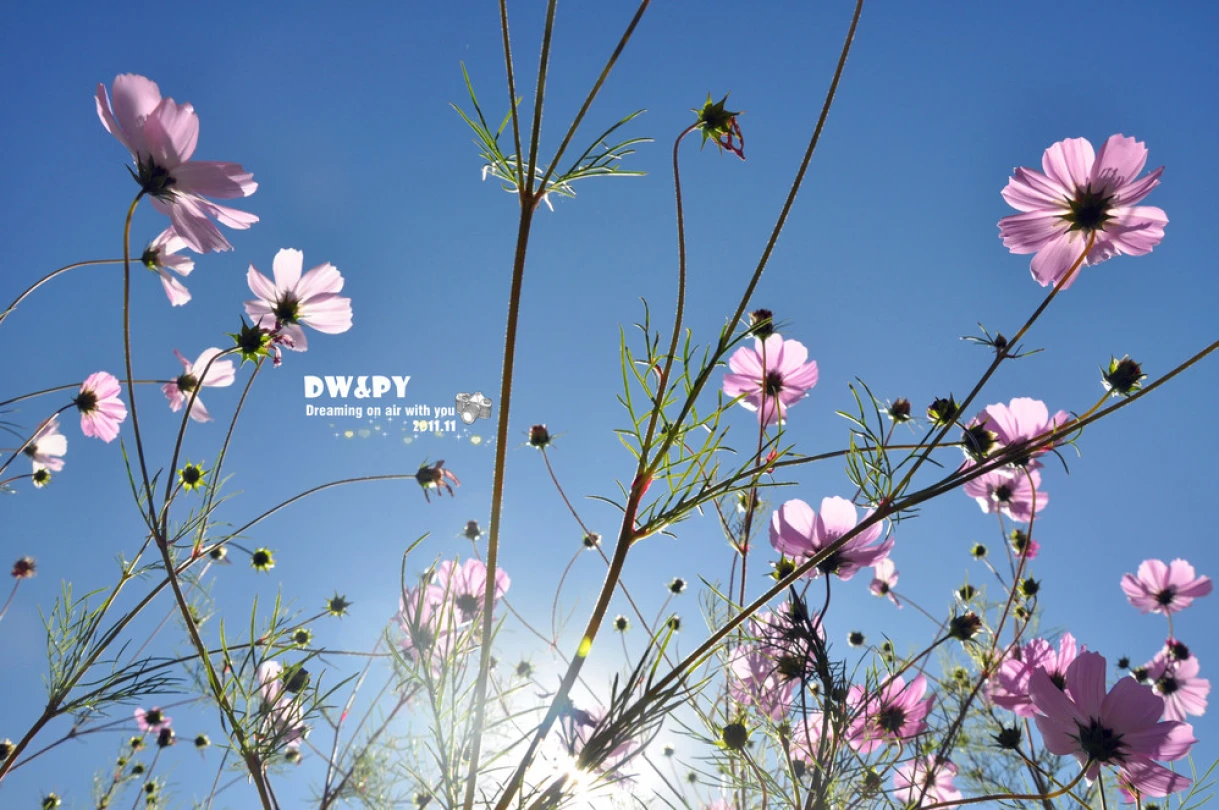
Heart Soaring Among the Clouds: A 20-Day Yunnan Dream Journey
From Lijiang's morning light to Meili's snow-capped peaks, from Yubeng's hidden realm to Lugu Lake's tranquility—this was not just a simple trip, but a soul's exile and homecoming.
Prologue: The Meaning of Travel Is to Find Your Original Self
"Never forget why you started, and you can accomplish your mission." This saying rings especially true on the road.
In November 2011, my husband (let's call him "Little Mao's Dad") and I embarked on a 20-day journey through Yunnan. At that time, I had recently become a mother, with our baby Little Mao still in swaddling clothes. For me, travel wasn't just about seeing sights—it was a return to self. After taking on the identity of "Mom," I needed to rediscover the free-spirited, adventure-seeking "Big Mao" within.
Why "Big Mao"? After Little Mao was born, that's what my family started calling me. The nickname carries so much affection that I use it everywhere I go.
During this trip, we visited Lijiang, Meili Snow Mountain, Yubeng, Lugu Lake, and Dali. Twenty days—not long, but long enough for a heart weighed down by daily routines to learn to soar again.
Pre-Trip Preparations: Practical Tips to Save You Trouble
Flights and Train Tickets: Strike Early, Regret Less
We booked discounted China Eastern Airlines round-trip tickets to Kunming on Qunar two weeks in advance. Lesson learned: we hesitated for two days and missed a discounted flight on November 5th. By the time we checked again, the price had gone up. So, when you see a good time and price, don't hesitate—book it immediately.
Also, we bought train tickets from Kunming to Lijiang at Kunming Railway Station ten days ahead. Buying tickets from another city is easy—just a 5 RMB service fee. Having them in hand early gives you peace of mind.
Guesthouse Reservations: In Lijiang, Find One When You Arrive
November isn't peak season in Yunnan. Before we left, many people told us, "Just find a guesthouse in Lijiang when you get there." They were right.
Lijiang has thousands of guesthouses. We only pre-booked the first two nights at "Fairy Tale Inn"—first, because it had great online reviews, and second, because it's popular and might be full without a reservation. For the rest, we found places as we went, picking whichever we liked. After all, in Lijiang, the plan is to soak up the sun and wander.
Yubeng Trekking: A Reliable Guide Is Half the Battle
We found our Yubeng guide on Mafengwo (a Chinese travel forum). His name was Zaba Dingzhen, a Tibetan man with excellent driving skills, few words, but incredibly dependable. When we contacted him online, he was warm and patient. Plus, he was handsome—ladies, you know what I mean, haha.
About a month before departure, I also posted a "looking for travel buddies" thread on Mafengwo. Eventually, our group was set: Sister Hua and Brother Niu (an outdoor-loving couple), Tao Tao and Jie Jie (a cheerful young couple), plus me and Little Mao's Dad. Six people from all over China, brought together by a shared longing.
Packing List: Don't Leave Home Without These
Clothing: Waterproof jacket and pants, hiking boots, a large scarf, sunglasses—these are non-negotiable for Yubeng. Don't wear jeans hiking; you'll regret it.

Medication: Rhodiola rosea (for altitude sickness prevention), cold medicine, fever reducers, stomach medicine, motion sickness pills—getting sick at high altitude is no joke.
Other Essentials: Sunscreen (the plateau sun is brutal—I later stopped using blush), trekking poles, flashlight, wet wipes, resealable bags.
Most Important: Print out travel guides! Mafengwo's guides for various Yunnan attractions are incredibly useful—make sure to bring them.
Days 1-2: From Kunming to Lijiang, a Gentle Beginning
Kunming: A Glimpse, and Already Captivated
On November 7th, we left Shanghai, made a stopover in Chongqing, and arrived in Kunming five hours later. Landing at 6:30 PM, with four hours until our 10:30 PM train, our foodie instincts drove us to Jinbi Fang (Golden Horse and Jade Rooster Square) for rice noodles.
The Golden Horse and Jade Rooster Square is Kunming's symbol—two large arches that aren't much to look at, but the surrounding pedestrian streets are full of life. We couldn't find the legendary "Bridge Fragrance Garden" restaurant, so we switched to Xiangyun Food Plaza. My rule: wherever you go, follow the crowds—it's always a safe bet.
That evening, we ate something like spicy hot pot. It was very spicy, and Little Mao's Dad was sweating profusely. Around 9 PM, we took the bus back to the train station, asking for directions along the way. Everything went smoothly.
Lijiang: First Sight, Instant Love
At 7 AM, the train arrived at Lijiang Station. Right outside was the bus stop—take line 2 to the ancient city's north gate. So convenient.
The Fairy Tale Inn's courtyard was cozy, just like in the photos: small but beautiful, romantic and delicate. After dropping our bags, we started wandering. Lijiang's sunlight was warm and comforting, brightening not just the streets but our hearts as well.
Days 3-7: Lijiang's Slow Days and Stunning Corners
The Ancient City: Every Cobblestone Holds a Story

Lijiang's beauty lies in its details. In the early morning, Sifang Street (Square Street) was empty, with sunlight spilling over the blue stone slabs. At night, the bar street was alive with lights and drifting music.
We visited Mu's Residence (Mufu) to experience Naxi history; climbed Lion Hill for a panoramic view of the ancient city; and stood before Wangu Tower (Ten Thousand Ancient Towers) watching the sunset paint the distant mountains red.
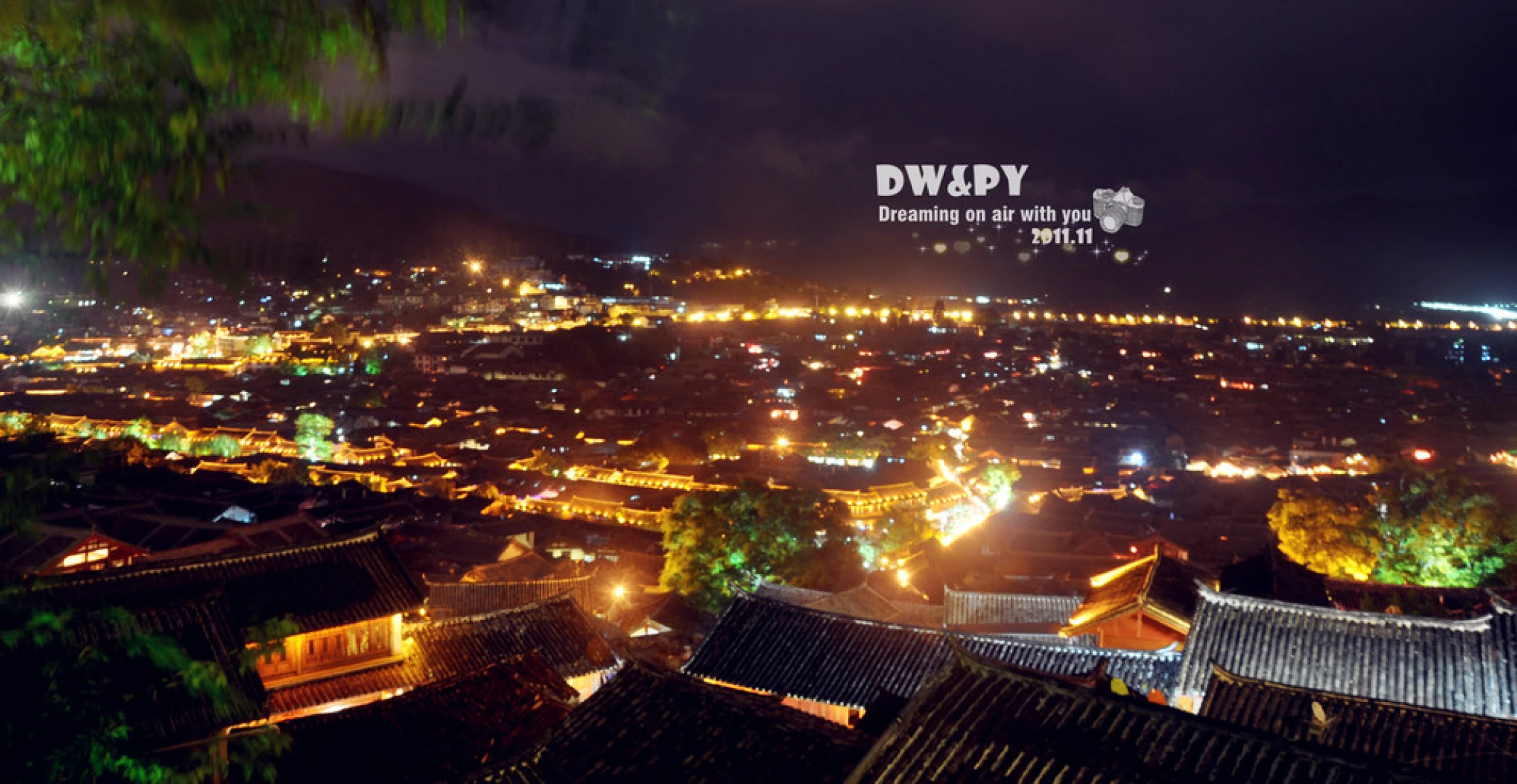
Most unforgettable was the ancient city's night view. Twinkling lights warmed every traveler's heart. In that moment, it felt like being in a paradise, free from worldly cares.
Lashi Lake: Horseback Riding, Boating, and Talking to the Sky
Lashi Lake is not far from the ancient city. We booked a day tour. We rode horses along the Ancient Tea Horse Road, rowed boats in the wetlands, and watched migratory birds fly by. The sky was crystal clear, the clouds as white as cotton candy. Time moved very, very slowly here.
Days 8-12: Meili Snow Mountain and Yubeng—If Not Heaven, Then Yubeng
Why Yubeng?
"If not heaven, then go to Yubeng." That phrase was too tempting. We decided we had to go, no matter what.
From Lijiang, we passed through Shangri-La and headed west. Outside the window, the scenery shifted from grasslands to snow-capped mountains. The altitude climbed higher, the air grew thinner.
Meili Snow Mountain: Golden Sunlight on the Peak, a Gift from the Sacred Mountain
By the time we reached Feilai Temple (Flying Temple), it was evening. The next morning, we got up early to wait for the "golden sunlight on the peak" (sunrise illuminating the mountain).
When the first rays of sun hit the summit of Kawagebo Peak, golden light spread from the top, and the entire snow mountain seemed to ignite. In that moment, everyone held their breath. Some cried, some prayed. I just stood quietly, filled with an indescribable emotion.
Meili Snow Mountain is a sacred mountain for Tibetan people. It belongs to no one, yet it inspires awe in everyone who sees it.
Yubeng Trekking: A Physical Hell, an Eye's Paradise
The Yubeng trek was the most difficult and unforgettable experience of our trip.
On the first day, we walked from Upper Yubeng to Lower Yubeng, then to the Divine Waterfall (Shenbao). Along the way, muddy mountain paths, steep slopes, and an altitude of 4,000 meters made every step a struggle for breath. But when you saw the Divine Waterfall, all fatigue vanished.
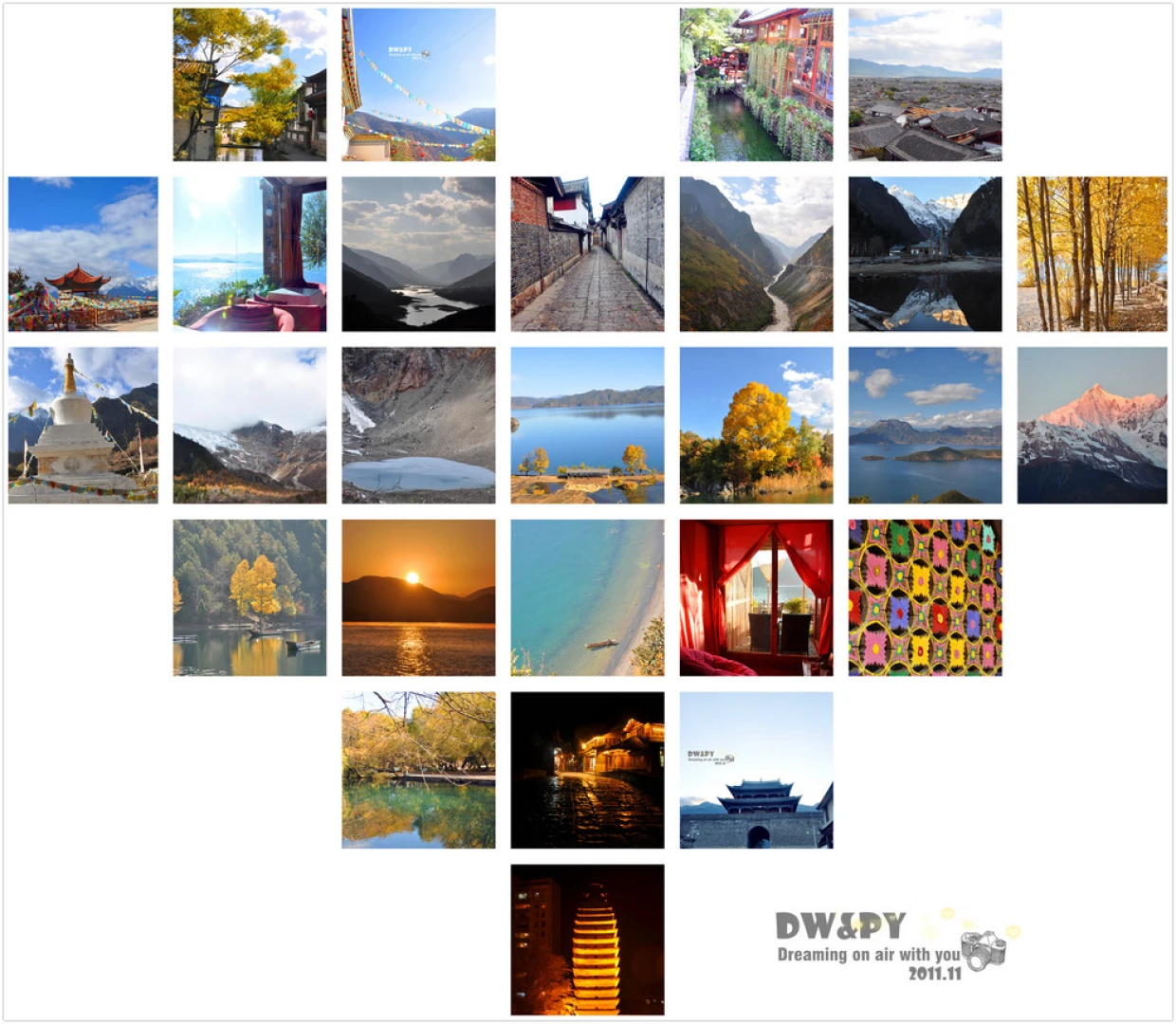
The water of the Divine Waterfall was bone-chillingly cold, said to wash away sins. We stood beneath the waterfall, letting the spray hit us, feeling an immense inner peace.
On the second day, we went to Ice Lake (Binghu). It was a high-altitude lake surrounded by snow mountains, its water as blue as a gemstone, crystal clear. Sitting by the lake, watching the snow mountains reflected in the water, time seemed to stand still.
Trekking Yubeng requires courage and perseverance. But when you stand at the summit, looking down at the sea of clouds and snow mountains below, you know it was all worth it.
Days 13-15: Lugu Lake—Time Stands Still, Speaking Softly with You
First Sight of Lugu Lake: There's a Blue Called Lugu Lake Blue
After leaving Yubeng, we headed to Lugu Lake. The drive was long, but the moment you see Lugu Lake, all fatigue disappears.
Lugu Lake's water is impossibly blue. That blue is the blue of the sky, of gemstones, of a heart-stopping beauty. We stayed at a guesthouse by the lake. Opening the window, we were greeted by lake views and mountain scenery.
Mosuo Culture: Walking Marriage, Not What You Think
Lugu Lake is home to the Mosuo people, who still maintain matriarchal traditions. "Walking marriage" (zouhun) is their marital custom.
We joined a Mosuo bonfire party, listening to them sing and dance, hearing stories about walking marriage. Walking marriage isn't casual—it's a form of marriage based on emotion and trust. Mosuo people respect women, and the family is centered around the mother. This culture felt both novel and admirable to us, people from "modern civilization."
Cycling Around the Lake: Scenery Everywhere, Songs Everywhere
We rented bicycles and cycled around the lake. Along the way, we passed Lige Peninsula, Caohai (Grass Sea), and the Walking Marriage Bridge (Zouhun Qiao)—every spot was a scenic wonder. Sunlight sparkled on the lake's surface, and the breeze carried the coolness of the water.
When we got tired, we stopped by the roadside, drank a cup of yak butter tea, and watched the clouds drift by. That kind of contentment is beyond words.
Days 16-20: Dali—Wind, Flowers, Snow, and Moonlight, Life Worth Living
Dali Ancient City: Quieter Than Lijiang, Gentler Than Imagined
From Lugu Lake to Dali was another few hours' drive. Dali's ancient city was quieter than Lijiang, more lived-in. Along the streets were Bai ethnic homes—grey tiles, white walls, adorned with exquisite murals.
We stayed at a guesthouse inside the ancient city. Every morning, we woke to sunlight and birdsong. During the day, we wandered the ancient city, had coffee on Foreigner Street (Yangren Jie), and ate snacks on Renmin Road (People's Road). At night, we strolled on the ancient city walls, watching Cangshan Mountain like dark ink and Erhai Lake like a mirror.
Erhai Lake: Facing the Sea, with Spring Blossoms
Erhai isn't a sea, but it's more beautiful than one. We rented a car and drove around Erhai. Along the way, we passed Shuanglang, Xizhou, and Wase—every place was scenic.
In Shuanglang, we saw the most beautiful sunset. The sun dipped below the horizon, golden afterglow spilling over Erhai Lake, shimmering with breathtaking beauty. In that moment, I truly understood what it means to "face the sea, with spring blossoms."
Cangshan Mountain: Climbing High, Seeing Far, Heart at Ease
Cangshan has nineteen peaks, each with its own story. We took a cable car up the mountain, walked around, and visited Zhonghe Temple and Gantong Temple. Standing at the summit, overlooking Erhai Lake and the ancient city, the vastness was exhilarating.
Epilogue: The Trip Ends, but the Heart Still Soars Among the Clouds
Twenty days—not long, not short. We walked many paths, saw many sights, met many people. But the most precious things weren't the photos—they were the moments: crying at the summit of Yubeng, sitting silently by Lugu Lake, exchanging a smile on Dali's ancient city walls.
Travel is a dream chase, a willingness to appreciate simple scenery. Just ordinary sunlight, quiet white clouds, time flowing by, distant horizons—that's enough.
After returning, many asked me, "Isn't it tiring traveling with a child?" I said, "Yes, but it's worth it." Because the meaning of travel isn't escape—it's return. Returning to your truest self, returning to the purest emotions.
Time stands still, speaking softly with you; water flows gently, sharing the journey with you; splendor fades, growing old together with you.
This is Yunnan. This is travel. This is life.
Big Mao's Travel Tips Summary
- Buy flights early, buy train tickets in advance from another city—saves stress and money.
- Find your Lijiang guesthouse when you arrive—lots of choices, flexible prices.
- For Yubeng, bring hiking boots and trekking poles—waterproof jacket and pants are 100 times more practical than jeans.
- Sunscreen and sunglasses are essential for the plateau—don't be lazy, or you'll regret it.
- Print out travel guides and carry them—much easier than checking your phone.
- Travel with like-minded companions—the journey will be much happier.
- Spend where you should, save where you can—value for money is the golden rule.
Finally, remember this: Travel isn't about arriving—it's about setting out. May everyone who loves life find their original self on the road.
You should also read:

Cloud Travelogue · Dali of Wind, Flowers, Snow, and Moon: A Three-Day, Two-Night Journey of a Free Spirit
Cloud Travelogue · Dali of Wind, Flowers, Snow, and Moon: A Three-Day, Two-Night Journey of a Free Spirit I am a cultured female foodie with a touch of rogue charm. I slung on my backpack, took my lover's hand, and set off on a spontaneous…
Continue reading...
The Meaning of Travel – A Tengchong Story: A Journey of the Heart and Personal Growth
The Meaning of Travel – A Tengchong Story: A Journey of the Heart and Personal Growth Setting Out, Only to Return a Better Self Some say travel is nothing more than leaving a place you're tired of, only to go to a place where others…
Continue reading...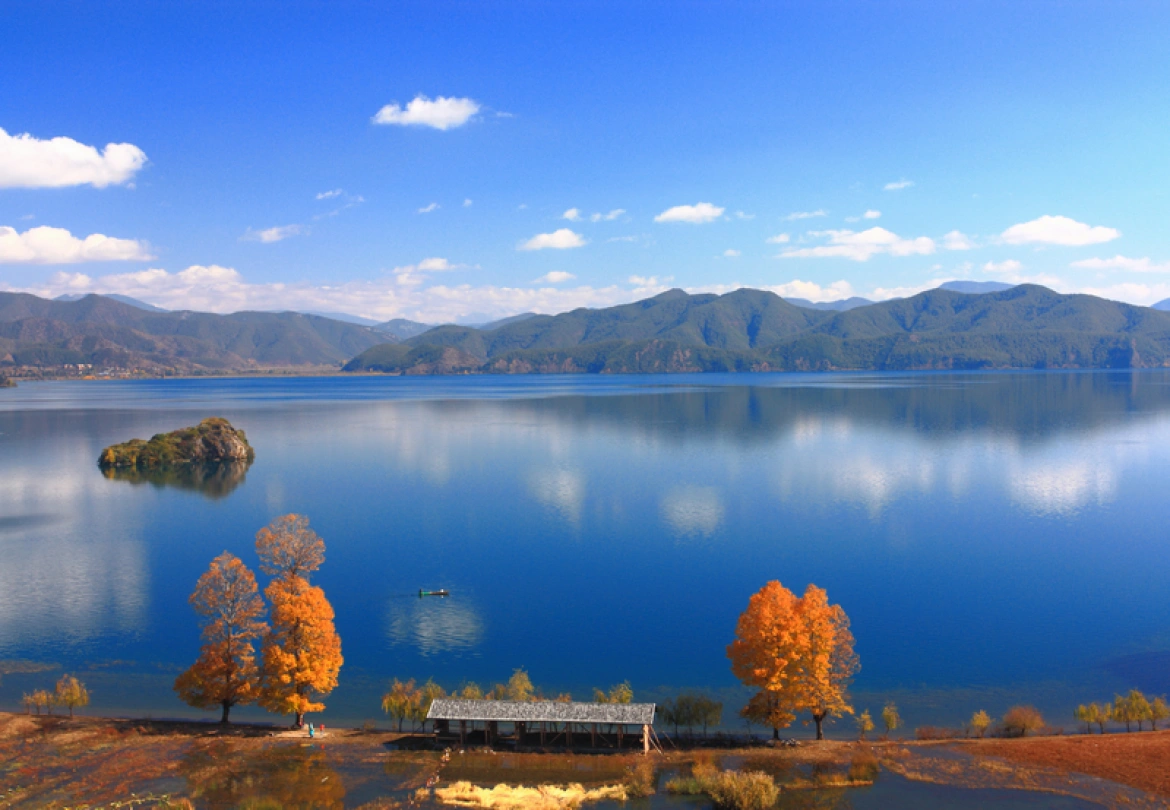
A Spiritual Journey to Lugu Lake in Lijiang: Experiencing the Legend of the Kingdom of Women! (Reproduction and Hotlinking Prohibited)
A Spiritual Journey to Lugu Lake in Lijiang: Experiencing the Legend of the Kingdom of Women! (Reproduction and Hotlinking Prohibited) Off-road自驾, food, hotel and民宿 reviews, Featured Traveler, Tank 300 owner, 200,000 km of self-driving experience. WeChat: y01294987 Ninglang Yi Autonomous County 2010.11.08 · 7 days…
Continue reading...