Escaping the Smog, Heading South: My 8,000-Li Road Trip to Yunnan with My Mom
Escaping the Smog, Heading South: My 8,000-Li Road Trip to Yunnan with My Mom
Introduction: When Breathing Becomes a Luxury
Five years ago, winters in Chengdu were cold, but at least you could curl up under the covers and wait for spring with some peace of mind. Lately, though, the smog has settled over the city like a stubborn gray curtain that won't lift. My social media feed is flooded with PM2.5 readings every day—each number hitting like a hammer on everyone's nerves. People joke that the Sichuanese have smoked their own bacon so hard they created the smog, and so we "bacon strips" go on living in the haze, laughing at ourselves.
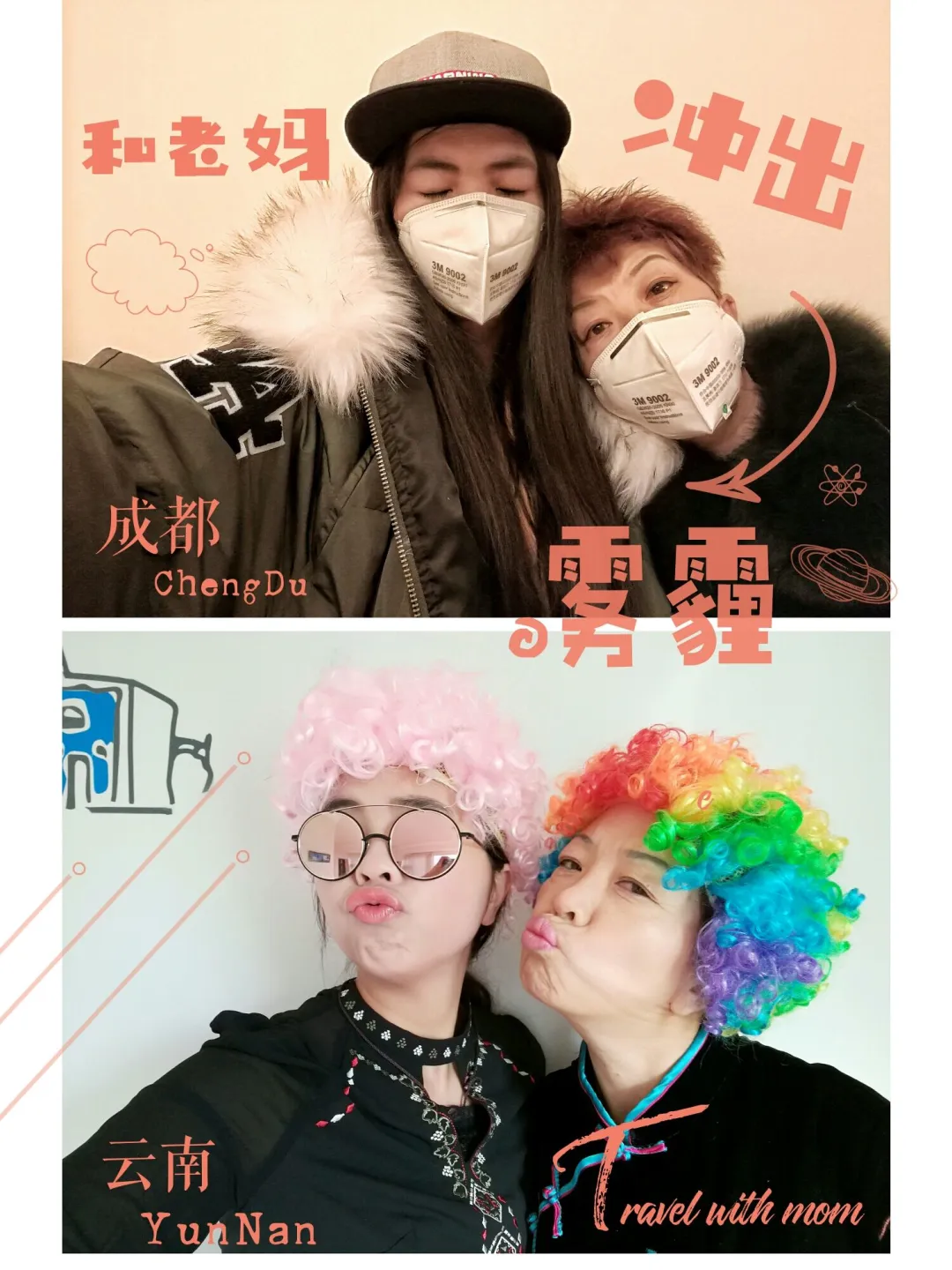
After the winter solstice, the air quality index kept flashing red. I was scrolling through the weather forecast on my phone when it hit me: since we can't change the color of the sky above us, why not just go find that long-lost blue somewhere else?
Once the idea took root, I couldn't let it go. I thought of Yunnan—that place of eternal spring, blue skies, and white clouds. More importantly, I wanted to take my mom with me.
My mom is a romantic Aquarius. When I tentatively asked, "Mom, how about we drive to Yunnan?" her eyes lit up. That very night, she pulled out her suitcase and started stuffing it with pretty clothes. In that moment, I knew this trip was going to be anything but ordinary.
Why Yunnan?

The answer is simple—just look at this picture.
Yunnan has no smog all year round, and winter there feels like spring. For us, trapped under a blanket of haze for an entire winter, it was paradise.
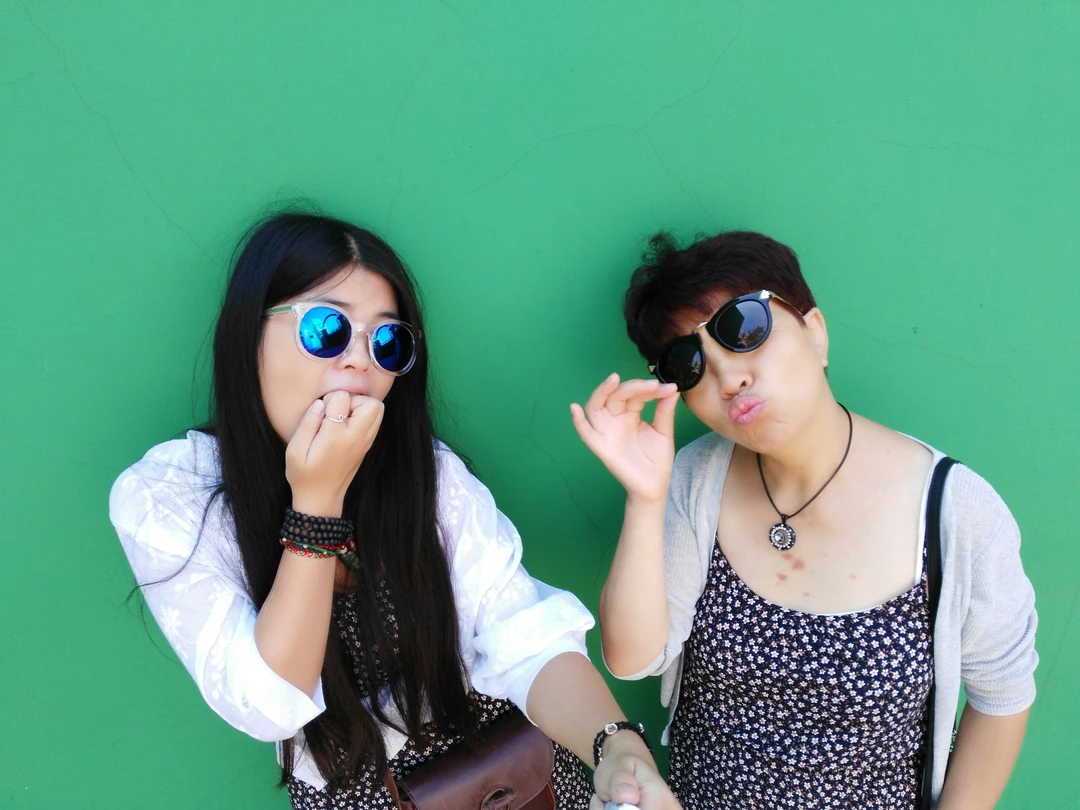
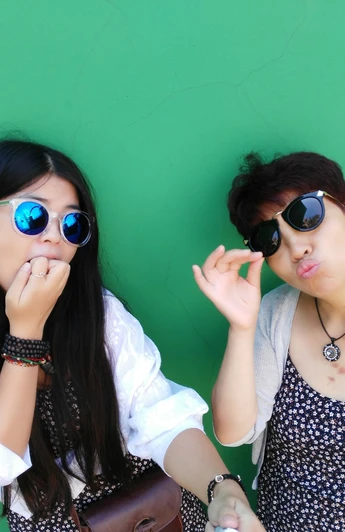
About Us: A Pair of Goofy Mother-Daughter Duo
Let me introduce myself first: I'm an Aries born in the '80s, the classic impulsive type, a total travel junkie. When I told my mom, "I'm going to go wander the world," she just replied, "Oh, be safe." — Yep, that's how relaxed she is about my life and death.
So I went on to trek through all four of China's uninhabited regions, crossed the borders of Xinjiang, Inner Mongolia, and the northeast, and even visited India, Pakistan, and Myanmar. When I was in China, I'd tell her I was in Yunnan; when I was abroad, I'd say I was in Thailand. And just like that, I finished one adventure after another, eventually stopping in Xinjiang. The world is big, and I wanted to take my time seeing it.
Now, about my mom—an Aquarius born in the '50s. She raised me with a hands-off approach, letting me grow up freely. She's got a strong will of her own. For instance, when I ask, "Mom, which of these two outfits looks better?" she'll say without hesitation, "Neither." She's open to new things and never just follows the crowd. Once, she saw a stack of cash on the road and kicked it. A con man said, "Ma'am, you dropped some money." She calmly replied, "Then you pick it up."
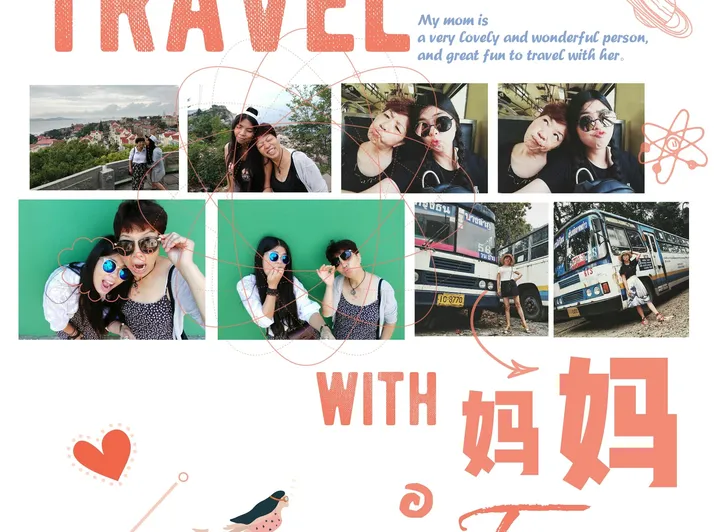
A mom like that is destined to be the best travel companion. We take one or two trips together every year because our philosophy is so similar—we make decisions together, walk together, and see the world together.
Route Planning: 11 Days, 8,000 Li, Heading South
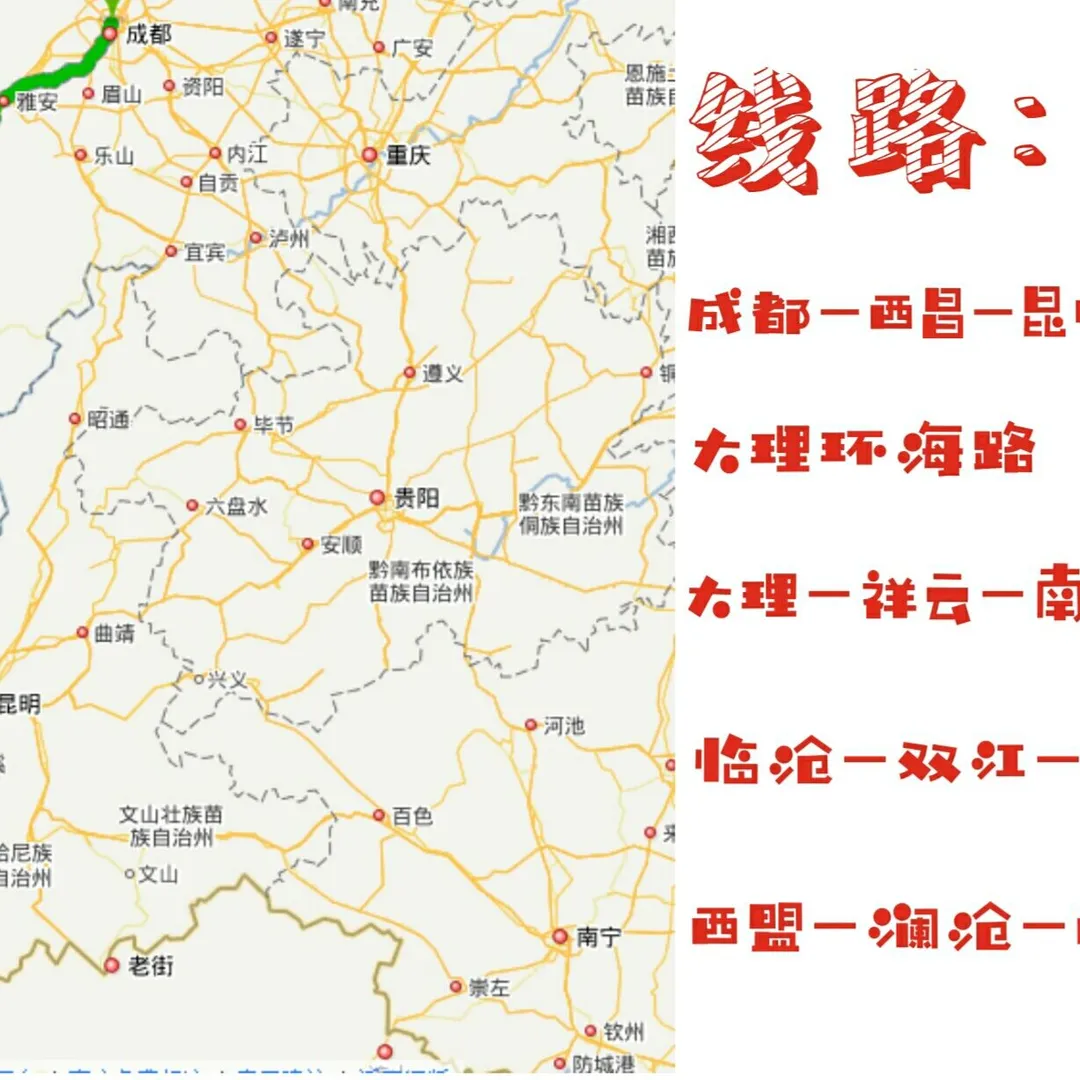
I've been on the road for years, so I'm pretty familiar with Yunnan. A route quickly took shape in my mind: starting from Chengdu, through the warm Dali, the mysterious Ximeng, and finally to the beautiful Xishuangbanna. Along the way, we'd visit four ethnic minorities, covering 1,800 kilometers one way.
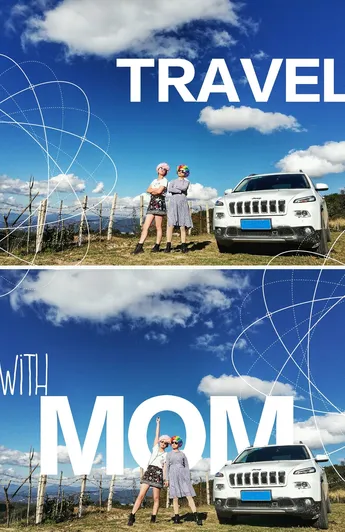
For this long road trip, I borrowed a Jeep Cherokee from a friend. It turned out to be a brilliant decision—over the ten-plus days, my mom never once complained about discomfort from sitting too long.
Detailed Itinerary: - DAY 1: Chengdu → Xichang (450 km) - DAY 2: Xichang → Dali Old Town (570 km) - DAY 3: Dali Lakeside Loop (100 km) - DAY 4: Dali Old Town → Nanjian → Lincang City (290 km) - DAY 5: Lincang City → Cangyuan → Ximeng (300 km) - DAY 6: Ximeng Area - DAY 7: Ximeng → Xishuangbanna (250 km) - DAY 8-9: Xishuangbanna Area - DAY 10-11: Return Trip
First Stop: Dali—Chasing the Sunset, Fleeing the Gray
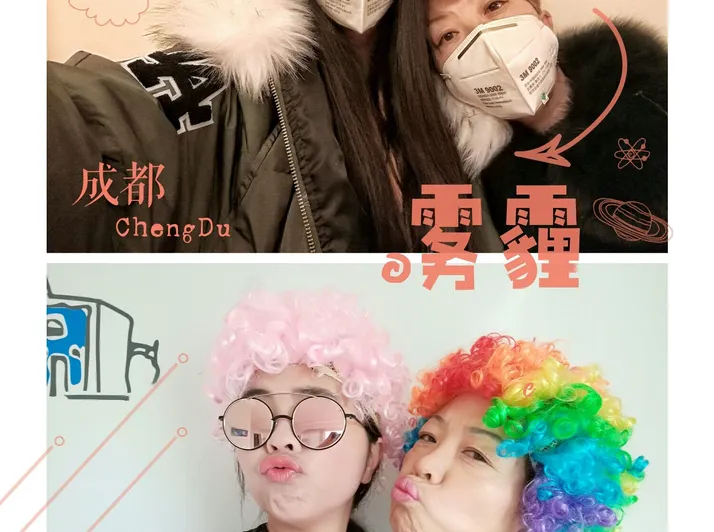
At ten in the morning, we were stuck in traffic on Chengdu's Second Ring Road. I couldn't see the buildings in the distance; the overpass looked like a scene from a video game, shrouded in yellow haze. On social media, today's PM2.5 reading was trending again—number one in the world. How ironic.
Finally heading out of the city, we hit another massive traffic jam. Several expressways were closed due to heavy fog. Looking at the masks we'd taken off and the sea of cars, a zombie apocalypse scene popped into my head: the city had fallen, and the survivors were fleeing.
Luckily, the Chengdu-Ya'an Expressway was one of the few that wasn't closed. After passing Ya'an, the air improved noticeably; by afternoon, the sun was shining directly on us. We chased the sunset all the way, and the happiness was almost overflowing.
I've done a lot of road trips, but this one felt especially thrilling. Normally, I drive wild when I'm alone, but this time, the person I love most was in the car. I had to get her home safely. I'm the type who never gets tired of driving, and my mom, surprisingly, is great at being a passenger—we talked from day to night in the car.
Accommodation: Pinecone Tile House
- Address: East Gate of the Old Town
- Phone: 181-8721-2397
- Price: 100-200 RMB/night
The next morning, we went to explore the old town. Walking down Qingnian Road, I could almost see my younger self, carrying a huge backpack, full of curiosity about the world, walking the same path. I told my mom how I'd gotten there, where I'd stayed, and what interesting friends I'd met, while carefully picking out photo spots for her. I poured all the passion I once had for others into my mom, treating her like a lover with my full attention—even if taking photos was exhausting, I loved every second of it.
Then we went to my favorite lakeside road. The construction work had torn things up a bit, but the Bai ethnic villages were still as clean as ever. White walls, ancient rooftops, and the elegant poems and ink paintings on the walls all spoke to the Bai people's deep cultural heritage. The villagers fished and farmed, adding a poetic touch to the scene.
Around noon, we drove the car right up to the shore of Erhai Lake, pulled out tables and chairs, and cooked hotpot by the water. As Sichuanese, we never forget our hotpot, no matter where we go. We bought ingredients at the old town supermarket, and in less than half an hour, the hotpot was ready. We sat in the sun, leisurely eating. My mom had never used outdoor camping gear before and kept marveling at this "magical" setup. She said she never would have imagined you could eat hotpot outdoors without experiencing it herself.
So, take the time to try new things with the people you love—they'll remember it for a long time.
That night, as we drove back under a sky full of stars, I deliberately slowed down. The villages around us glowed with warm lights, clouds lingered in the sky unwilling to leave, and a straight road stretched out before our headlights. My mom sat beside me, telling me stories from her childhood again.
In that moment, I thought the night couldn't have been more beautiful.
Second Stop: Ximeng—A Wa Ethnic Town Hidden in the Mountains
Ximeng is a very distinctive Wa ethnic town. The Wa people are a unique minority in Yunnan, whose name means "people who live in the mountains." The new county seat has put a lot of effort into building streets with unified ethnic characteristics—clean, tidy, and surrounded by rich tourism resources. Unfortunately, this mountain town has poor transportation, and tourism development has been slow—which is exactly why I chose to come here.
After two kilometers of winding mountain roads, we arrived at Likan Village. The Jeep Cherokee handled the curves steadily, and my mom had no discomfort throughout the mountain drive.
We parked and entered the village. Before we'd gone far, we were drawn by a lively spot in an alley. The noise inside sounded like some kind of ceremony. When the locals saw us, they warmly invited us in. My mom quickly started chatting with them, and soon the host brought out homemade liquor and sticky rice to treat us. When the meat was grilled, they insisted on giving us two pieces.
We left with the villagers' overflowing hospitality. My mom couldn't stop praising our luck: "If you never step out the door, how could you ever feel the warmth of strangers?"
Likan Waterfall
Likan Waterfall, called "Likan Nanduota" in the Dai language, means "a place where monkeys often appear." The waterfall is located about 5 kilometers northeast of Ximeng Wa Autonomous County, hidden deep in the mountains. It's stunningly beautiful but little known to outsiders. Formed by the confluence of the Donglang and Dongsuo Rivers, the water cascades down the mountain in tiers, roaring with power. The area features thrilling Wa-style vine suspension bridges and medicinal cardamom forests. Surrounded by dense woods, the waterfall appears and disappears like a shy beauty, leaving endless room for imagination.
Next, we went to Natuo Dam, a small village on the China-Myanmar border. I usually have a strong memory of places I've visited, but this time, I felt something was off—the scenery was completely unfamiliar. It turned out we'd taken the wrong road. When I told my mom, she said calmly, "Then we'll just turn around and go back."
That's our unspoken understanding—we never get upset about taking a wrong turn. Actually, there's no such thing as a wrong turn, because every road brings a new view.
In this border town, young guys with flashy hairstyles were drinking outside a convenience store, while my mom and I sat by the roadside eating cold noodles. Walking down the street, it was hard to tell who was Chinese and who was Burmese. The weather was beautiful, and the clouds were plump and fluffy. As long as you're with the people you love, every place is the most beautiful scenery.
Third Stop: Xishuangbanna—Lazy Days in a Tropical Town
I'd only been to Ximeng before because of a friend, but this time, as a tourist, I discovered its true beauty. Ximeng actually has plenty of tourism resources, but the bad roads keep visitors away.
We left the new county seat in the morning mist. Just outside town, there was an old, ancient street. Both sides of the road were lined with vendors who had spread out fruits and vegetables on the ground. No one was shouting; they just quietly waited for passersby to buy. Even though we were stuck in traffic on this rundown street, I felt like every scene was a perfect photo—unfortunately, I couldn't take any.
The road from Ximeng to Lancang was much better than before. Still mountain roads, but noticeably wider. Five hours later, we arrived safely in Xishuangbanna.
Hostel: North Shore Youth Hostel
- Address: Building D9, Yijing Bay, Jiangbei, Jinghong City, Xishuangbanna
- Phone: 0691-2219177
As soon as we reached Nannuo Mountain, everything felt familiar. Years ago, when I was wandering, I stayed here for a month. The hostel owner took me to a friend's place on Nannuo Mountain to celebrate the New Year. They slaughtered a pig and a cow and served an incredibly lavish Hani ethnic feast. I got tipsy from the warm hospitality. I chatted with friends I'd made there under the winter cherry blossoms, looking out at the tea gardens. The air smelled of tea, and the laughter was endless. I don't remember what we talked about, only that the sun was perfect.
I took my mom straight to the same hostel I'd stayed at before. The owner, Uncle Guo, had bought two villas here years ago and turned them into a hostel. I'd fallen in love with the environment and laid-back vibe and ended up staying for a month. Even though the hostel hosts tens of thousands of guests each year, Uncle Guo still vaguely remembered me. When he saw I'd brought my mom this time, he kept praising me. One villa was fully booked, so he opened the other one just for us—my mom and me alone.
Of all the friends I'd made back then, I was the only one who'd returned. Some places are hard for many people to visit again, and some people you'll never cross paths with again.
The next day, we went to my favorite temple, the General Buddhist Temple (Zongfo Si). It was under renovation and a bit messy, but the temple was still as solemn and peaceful as ever. As soon as we walked in, I felt a deep calm. But suddenly walking several kilometers under the scorching sun left both my mom and me feeling a bit off.
The path from the General Buddhist Temple to Manting Park was blocked off, and the entrance fee had gone up to 60 RMB. The peacock princess stage show and the elephant performance were still the same, repeating day after day. It was too hot to stay long. Under the blazing sun, both my mom and I nearly got heatstroke, so we decisively headed back to the hostel to rest.
On the road, I kept asking my mom, "Are you tired? Are you hot?" She's still in decent shape, but she's elderly now, and I needed to take better care of her.
That evening, I took her to a relatively authentic Dai ethnic restaurant. My mom isn't picky about food—that's one of her best qualities. She eats everything with gusto. Whether it's Dai cuisine or roadside barbecue, they all use low tables and stools, which is part of their tradition. We weren't used to sitting so low, and after a while, it got a bit uncomfortable.
The next day, I'd planned to visit the border checkpoint, but my mom still wasn't feeling well, so we just hung around the city. Thinking about it, just making it safely to Xishuangbanna was a stroke of luck, and a huge weight had been lifted off my shoulders. Driving alone this time was harder than my last long trip on the Xinjiang-Tibet Highway. Last time, I was alone, going wherever the road took me with no real plan. This time, with my mom, I was always a little worried—mostly that she wouldn't be comfortable sitting in the car for so long. I drove very carefully, especially on the winding roads.
Since we'd made it safely to Xishuangbanna, it was time to relax and enjoy this tropical town.
Practical Tips for Road Trips with Parents
- Choose the right car: Pick a vehicle that's comfortable for long drives so your parents can sit comfortably.
- Control the itinerary: Keep the total trip length reasonable, and don't drive too many kilometers each day to avoid fatigue.
- Pack plenty of food and water: Elderly people can't go hungry. Keep snacks in the car at all times.
- Talk a lot: Share your thoughts about the journey with your parents and let them be part of it.
- Stop and play along the way: Take plenty of breaks; don't rush.
- Take photos unconditionally: Snap all the touristy shots they want—they'll love it.
- Prepare music: Download some classic hits or patriotic songs; you'll be surprised at how much they enjoy it.
- Listen patiently: Be willing to hear their endless stories and the tales they've told a hundred times before.
Conclusion: The Best Gift Is a Warm Memory
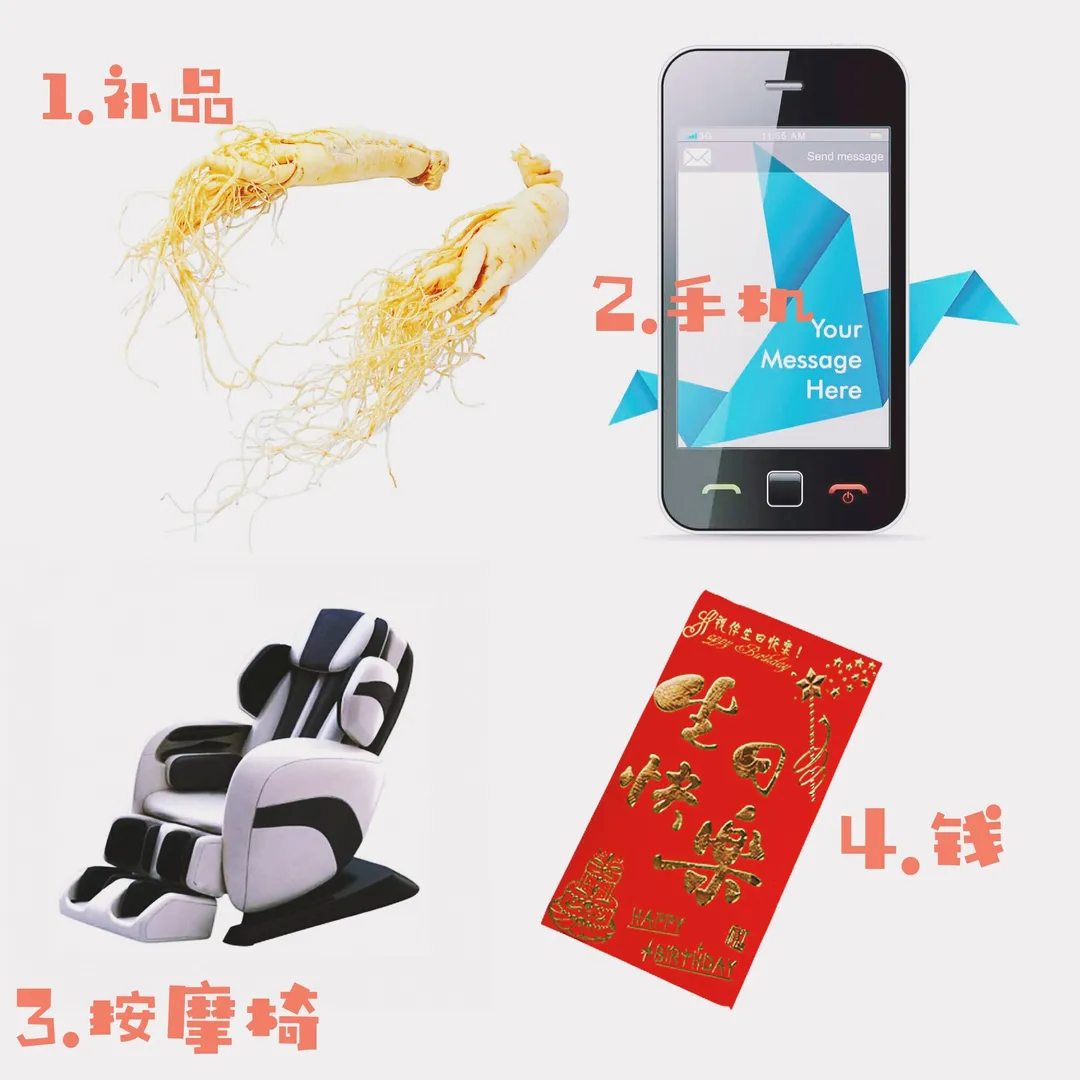
Next month is my mom's 60th birthday. Other people's kids might give designer bags, health supplements, or big red envelopes. But as a big Aries who dreams of wandering the world with a sword, I wanted to give her a trip south—a memory as warm as the southern sun.
This 8,000-li road trip let us escape the smog, find the blue sky, and discover a deeper emotional connection between us. Eating hotpot by Erhai Lake, being warmly welcomed by strangers in a Wa village, having cold noodles in a border town, and soaking up the sun in a tropical city—every moment became a shared memory.
My mom said, "If you never step out the door, how could you ever feel the warmth of strangers?"
Exactly. If you never set out, you'll never know what's waiting for you on the road. And the most beautiful thing of all is bringing the people you love most to see the world together.
So don't wait. Take your parents and go.
You should also read:

Solo in Yunnan: A Wanderer’s Guide to the Land of Eternal Spring
Solo in Yunnan: A Wanderer’s Guide to the Land of Eternal Spring There’s something magical about traveling alone. No compromises, no schedules to keep, no one to please but yourself. I’ve been on the road for nearly three months now, and not once have I…
Continue reading...
God’s Abandoned Palette: A Self-Drive Journey Through Yunnan’s Dongchuan Red Land
God’s Abandoned Palette: A Self-Drive Journey Through Yunnan’s Dongchuan Red Land Travel has never been about reaching some distant geographic coordinate. It’s about encountering, along the way, the version of yourself buried beneath the rubble of daily routine. During this May Day holiday, I finally…
Continue reading...
Two Girls' Graduation Trip: Dali and Shuanglang – A Poetic Farewell to Mountains and Sea
Two Girls' Graduation Trip: Dali and Shuanglang – A Poetic Farewell to Mountains and Sea Preface: Catching the Tail of Youth, Heading South During our senior year of college, my roommate and I – two girls studying in Beijing – decided to bid farewell to…
Continue reading...