Escaping Winter in Dali: 4 Days Immersed in Yunnan's Laid-Back Paradise
Escaping Winter in Dali: 4 Days Immersed in Yunnan's Laid-Back Paradise
It started as a nagging regret from a decade ago. Back then, as a backpacking college student on a shoestring budget, I'd breezed past Dali on a train to Lijiang, convinced by every travel forum that the two were interchangeable. But as my train pulled through Dali station and I watched hikers with oversized packs disembark, something whispered: you're missing out.
Ten years later, I finally answered that whisper.
This time, I wasn't alone. My mother and I had already conquered Kunming's floral wonders and Xishuangbanna's tropical heat. Now, in late February, we arrived in Dali—where the temperature hovered around 15°C, the wind off Erhai Lake could cut through even a winter coat, and the sky was the kind of brilliant blue that makes you forget every gray city morning.
Getting There: The Not-So-Straightforward Journey
There's no direct train from Xishuangbanna to Dali. You'd have to backtrack through Kunming, which felt like a waste of travel momentum. So we flew.
The catch? Most flights require a layover in Kunming or Chengdu. Only one direct option exists daily, departing from Xishuangbanna Gasa Airport between 7:00 and 8:00 AM. During normal times, tickets run around ¥500. During Chinese New Year? We paid ¥1,200 per person.
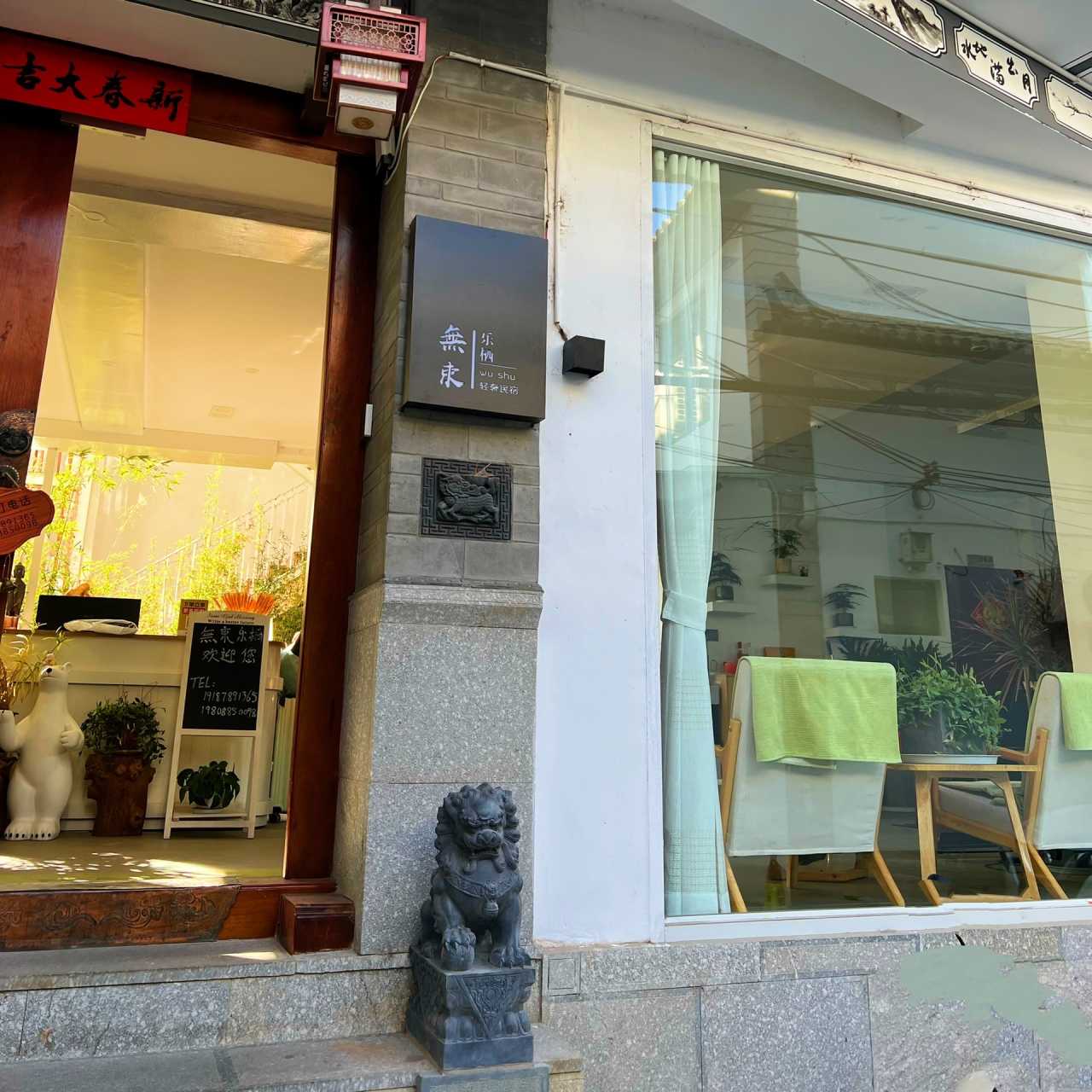
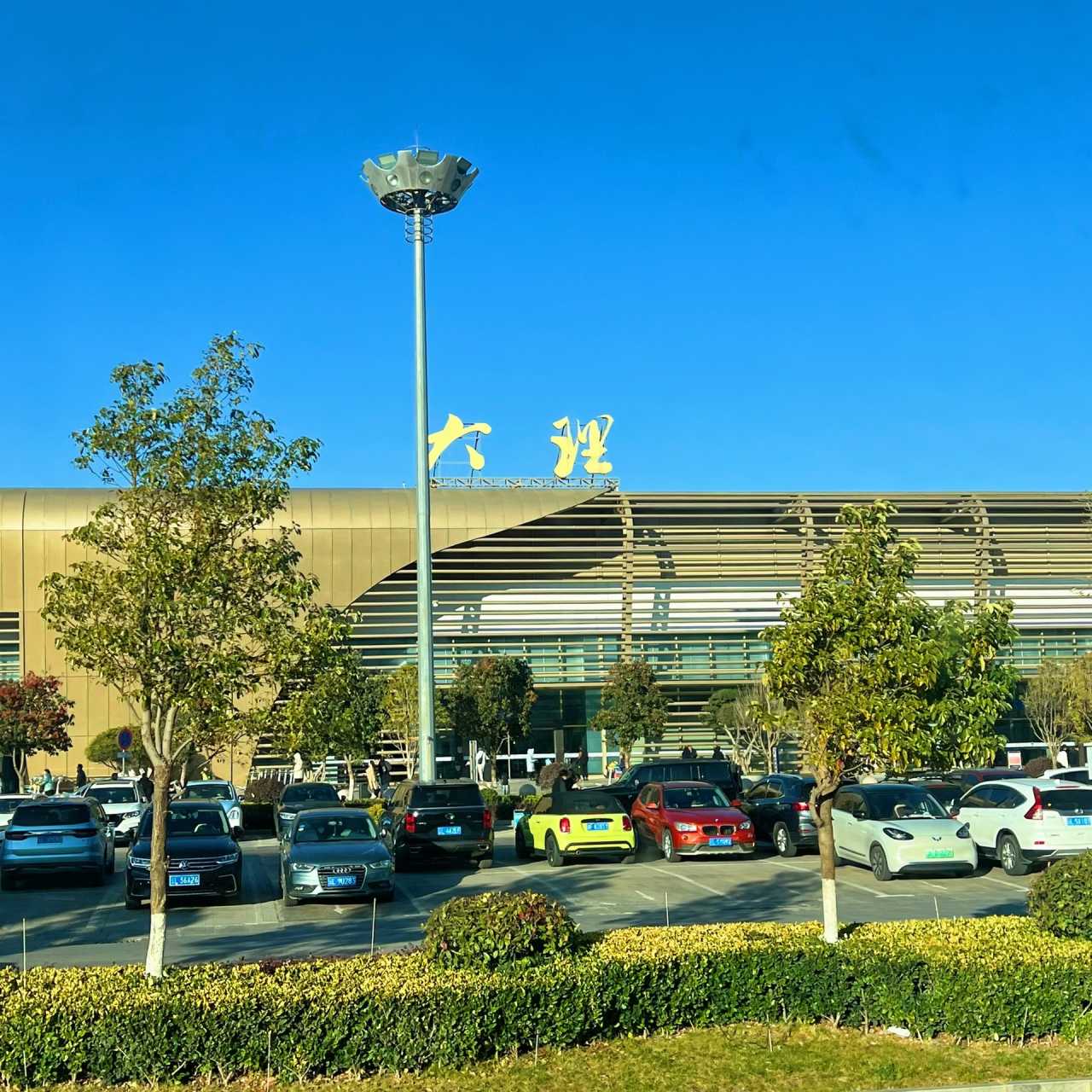
Dali Fengyi Airport sits about 13 kilometers from the city center. It's compact but well-signed. I'd planned to call a rideshare, but as soon as we exited, a prominent bus sign caught my eye. For ¥25 per person, we rode directly to the edge of Dali Ancient Town, dropping at a hotel with the wonderfully poetic name "Wind, Flower, Snow & Moon."
Pro tip: Within the ancient town, walking is your best bet. For day trips outside, we used ride-hailing apps with fixed prices—convenient, especially since our guesthouse was accessible by car. Unlike many historic towns, Dali Ancient Town allows vehicles inside, which is both a blessing and a curse (convenient, but noisy).
For our two-day Erhai Lake loop, we hired a private driver. The connection came serendipitously: our ride-hailing driver the previous day turned out to be a chatty northeastern Chinese man who hit it off with my mother (fellow northerners, you know how it is). His name was Brother Hai, and he charged ¥200 for four hours, plus ¥50 for each additional hour. Worth every yuan for the peace of mind.
Where We Stayed: From Cozy Courtyards to Lake Views
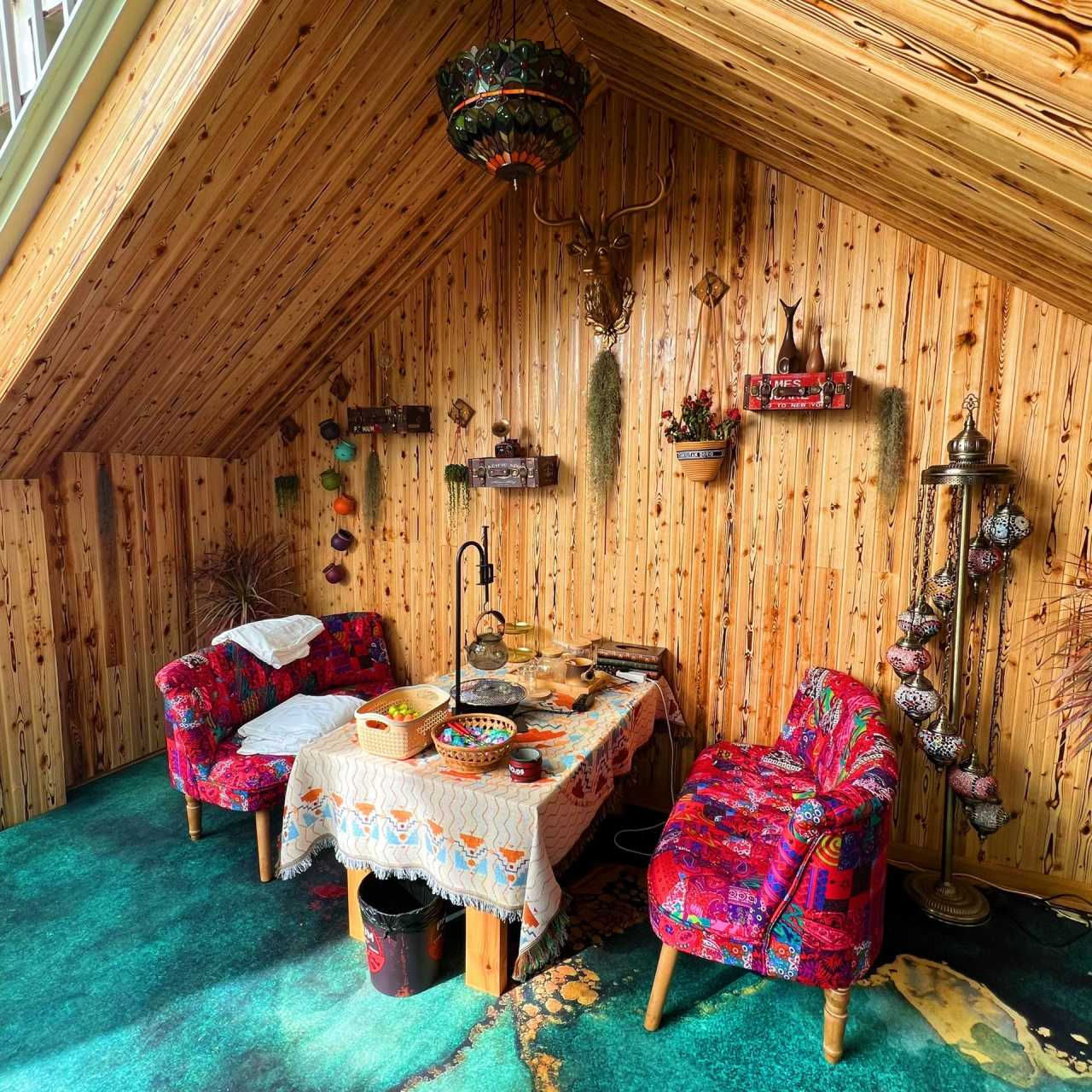
Dali Ancient Town: "Wushu Leqi" Guesthouse
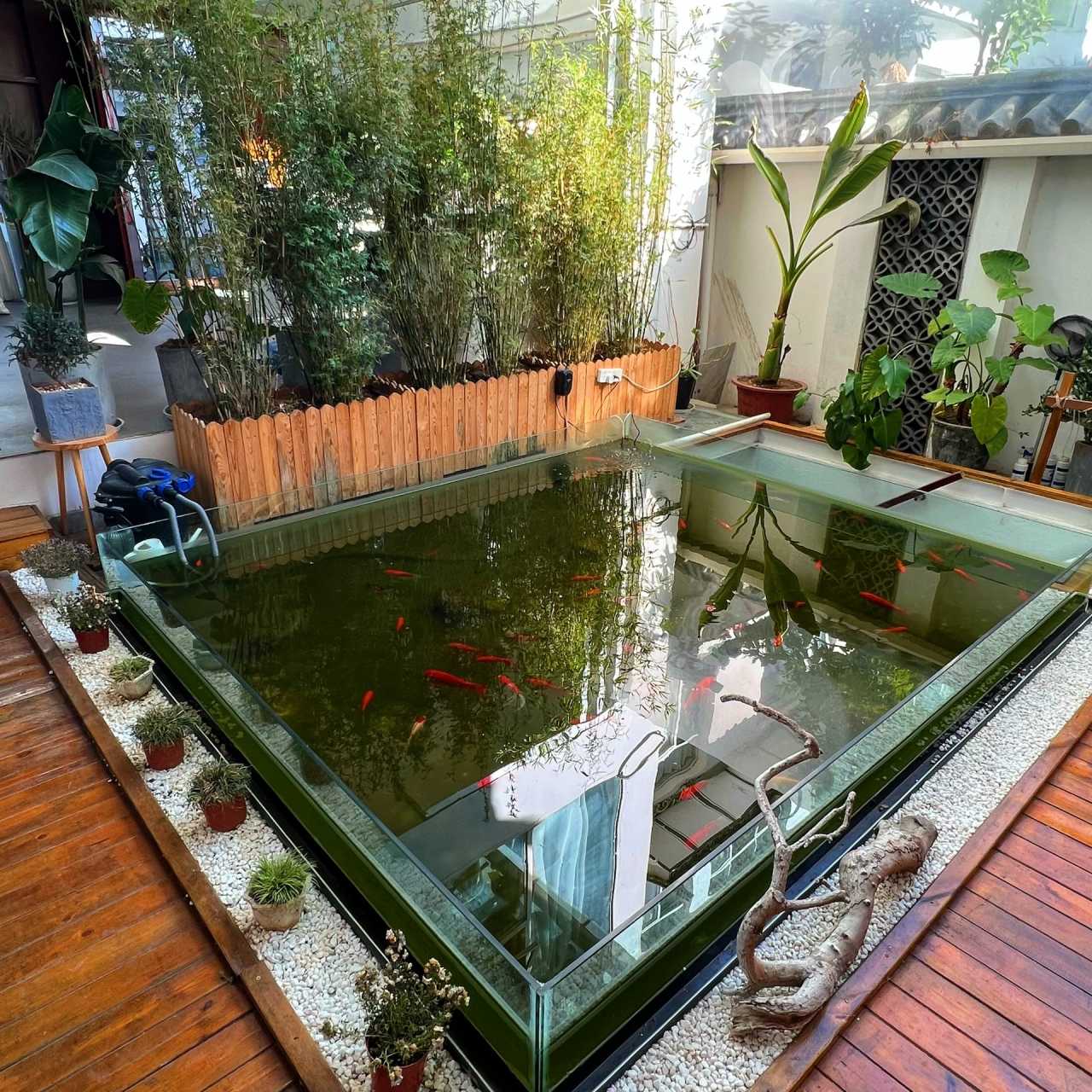
Four nights, ¥660 total. Located near the east gate, this place was run by a team of men who clearly had an eye for design. Our room, called "Dyed Dust," featured floor-to-ceiling windows on two sides with sheer white curtains, a projector for movies, and electric heating pads. The water here is notoriously hard—mineral deposits caked the electric kettle's bottom—but the owners provided unlimited bottled water, which saved us from drinking chalk.
Shuanglang Ancient Town: "Yujitai Seaview Inn"
For one night during our lake circuit, we stayed here for just ¥148. The name isn't exaggerating: it faces the Nanzhao Customs Island directly, with windows opening onto Erhai Lake. Technically, we booked a budget room without direct lake views, but we woke early and snuck into an empty lake-view room for photos (don't judge). Walking along the shore at night, with the breeze and the lapping water, my mother declared she'd return someday just to sit and stare at the lake.
Eating Our Way Through Dali

Dali's food scene is loud, colorful, and unapologetically indulgent. Think Bai-style stone-grill BBQ, Dai ethnic cuisine, wild mushroom hotpot, and wooden-bucket fish. We'd already had mushrooms in Kunming, so we explored other options.
Bai-Style Stone-Grill BBQ at Xiongge
In Shuanglang, we spotted a bright, airy restaurant called Xiongge Stone-Grill BBQ. In Dali Ancient Town, these places were always packed; here, the crowd was manageable. We ordered a set meal for ¥111.50: beef, pork belly, chicken gizzards, cartilage, squid, shrimp, luncheon meat, plus vegetables and a local sticky rice cake (baba). The grill was spotless, the smoke minimal, and the dipping sauce addictive. A Bai auntie (niangniang) kept checking on us, smiling, showing us how to grill properly. My mother said she'd eat here every day if she lived nearby.
Verdict: The baba was dry on its own but transformed when dipped in the sauce. We ate until we couldn't move.
Bai Cuisine at "A Taste You Can't Take Away"
This restaurant near our guesthouse always had a queue. One evening, we joined it. The set meal (¥258) included: - Sour-spicy fish (pickled with local mu gua—a tart fruit, not papaya) - Iron-plate beef - Stone-pot tofu - "Water Morning Glory" soup (a local aquatic vegetable)
The sour fish was an acquired taste—the pickled mu gua gave it a tang I wasn't used to. But the water morning glory? My mother became obsessed. She ordered it everywhere for the rest of the trip.
Wooden-Bucket Fish at a Private Kitchen
This place in the ancient town wasn't over-commercialized. We waited briefly for a table and ordered a set (¥123.50): Erhai gui yu (mandarin fish) in a golden broth (non-spicy), fresh vegetables, and more water morning glory. The fish was tender, not fishy, and the broth made a perfect hotpot base for the greens.
The Main Attractions: Cangshan Mountain & Erhai Lake
The core Dali experience revolves around two things: climbing Cangshan and circling Erhai. We spread the lake loop over two days, one for the west side and one for the east.
Day 1: Dali Ancient Town
We landed at 8 AM and stumbled into our guesthouse by 10:30. After a quick nap, we wandered out for lunch and exploration.
Dali Ancient Town sits at the foot of Cangshan, once the capital of the Nanzhao and Dali kingdoms. The streets follow a neat chessboard pattern—easy to navigate with a phone map. The sun was fierce, with massive cotton-ball clouds drifting in and out.
We stumbled upon Yuer Garden, a hidden gem. It's a miniature Bai-style garden with carved stone flower beds, a stone nunnery, a beauty stone, and even stone cattle and horses. The walls feature calligraphy and paintings by local artists. It's the kind of place you could spend an hour discovering small details.
As dusk fell, the streets lit up with red lanterns—festive and warm. The night air was chilly, the crowds were lively, and I walked home with a runny nose, thinking: this is what Dali feels like.
Cringe moment: I bought a box of bright red "mei ren guo" (beauty fruit) from a street vendor. Looked exotic. Turned out to be dyed, sugar-soaked plums. ¥20 down the drain.
Day 2: Three Pagodas → Cangshan → Hongsheng Road
We planned this day carefully: morning at the Three Pagodas, midday on Cangshan, late afternoon at the Instagram-famous Hongsheng Road.
Chong Sheng Temple & The Three Pagodas
This is Dali's landmark—a trio of pagodas that appear in every promotional photo. The temple complex itself is a reconstruction, but the pagodas are genuine millennium-old relics.
Hours: 7:10 AM – 7:00 PM
We took a tuk-tuk from the ancient town's north gate (¥15 per person, 5 minutes). Our combo ticket (¥94 per person) included an electric cart that whisked us to the top of the complex at the Mahavira Hall. From there, we worked our way downhill—a strategy I highly recommend for saving your knees.
Highlights: - Acharya Guanyin Pavilion: A three-eaved Tang-style building housing a 12-meter golden Guanyin statue. The design is uniquely Yunnanese—nothing like the Guanyin you'd see in Tibet or central China. - Nine Dragons Bathing the Buddha: A stone sculpture with fountains depicting the Buddha's birth. - Mahavira Hall: Modeled after Beijing's Forbidden City's Hall of Supreme Harmony. We heard monks chanting inside. - The Pagodas: One large, two small, arranged in a triangle. They're Tang Dynasty architecture, similar to Xi'an's Small Wild Goose Pagoda. The main pagoda has 16 stories, the side ones 10. You can't enter them, but you can walk right up and touch the bricks—a surprisingly intimate experience for something so ancient.

Tip: The complex is huge. Give yourself at least two hours. We spent three and still felt rushed.
Cangshan Mountain
From the pagodas, we took another tuk-tuk to the Cangshan cable car station (¥10 per person). There are three cable lines; we chose the Zhonghe Cable Car (mid-mountain route), which costs ¥110 round trip. It deposits you at Zhonghe Temple, at about 2,600 meters elevation.
The ride itself is thrilling—you soar over pine forests, with Erhai Lake glittering below. At the top, the air is thin and cool. Zhonghe Temple is a working Taoist temple, incense smoke curling from bronze burners. We followed the Jade Belt Cloud Road, a 18-kilometer stone path carved into the mountainside. We only walked about 2 kilometers of it—enough to feel the immensity of the landscape.
Warning: The path is uneven and can be slippery. Wear proper shoes. Also, the altitude hit me harder than expected—I got lightheaded and had to sit down for ten minutes.
Hongsheng Road
This street is famous for one thing: a perfectly framed shot of Cangshan at the end of a tree-lined avenue. By late afternoon, the light was golden, and at least 20 people were taking the same photo. We waited our turn, snapped the shot, and moved on. It's pretty, but honestly, the real beauty is everywhere in Dali—you don't need to queue for it.
Day 3: West Erhai Loop
Brother Hai picked us up at 9 AM. We headed north along the western shore of Erhai Lake.
Route: Dali Ancient Town → Xizhou → Zhoucheng → Shuanglang
Xizhou Ancient Town
Xizhou is quieter than Dali, with whitewashed Bai-style homes featuring intricate wood carvings and painted eaves. The main attraction is the Yan Family Compound, a sprawling mansion built by a wealthy merchant family in the late Qing Dynasty. Entry is ¥25. Inside, you'll find courtyards within courtyards, each more ornate than the last. There's a three-story pagoda in the back garden with views over the town's rooftops.
We spent an hour here, then wandered the back alleys. Xizhou is famous for its baba (sticky rice cake), but we were still full from breakfast.

Zhoucheng Village
This is the heart of Bai tie-dye culture. Every other shop sells indigo-dyed fabrics—tablecloths, scarves, dresses—all hand-done using traditional methods. We watched a demonstration: a woman folded cloth, tied it with string, dipped it in indigo vats, then unwrapped it to reveal intricate patterns. My mother bought three scarves for ¥100 total. Bargaining is expected.
Shuanglang Ancient Town
We arrived in Shuanglang by early afternoon. It's more touristy than Xizhou, with boutique hotels and cafes lining the lakefront. But the views are unbeatable. We checked into our seaview inn, dropped our bags, and walked to the town's main square.
Highlight: The seaside boardwalk. It winds along the lake for about a kilometer, with benches where you can sit and watch fishing boats bob in the water. The light at sunset turns the lake a deep amber. We sat there for an hour, not talking much.
Dinner was at Xiongge BBQ (see above). Afterward, we walked the shore in the dark, the lights of Nanzhao Customs Island twinkling across the water.
Day 4: East Erhai Loop & The Return
We woke early in Shuanglang, had a quick breakfast of rice noodles at a street stall (¥12 per bowl), and met Brother Hai at 8 AM.
Route: Shuanglang → Xiaoputuo → Erhai Park → Dali Ancient Town
Xiaoputuo
A tiny fishing village with a small island temple accessible by a stone causeway. The temple is dedicated to a local water goddess. It took 15 minutes to see everything, but the walk across the causeway, with lake on both sides, was the real draw.

Erhai Park
This is a large public park at the southern end of the lake. Entry is free. We walked along the boardwalk, past weeping willows and pavilions. A group of elderly women were practicing tai chi on a platform. The morning light was soft, and the lake was calm as glass.
Tip: Skip the park's "flower field" attraction—it's a paid area with artificial blooms. The natural shoreline is better.
Back to Dali Ancient Town
We returned to Dali by noon, with a few hours before our flight. We used them to buy souvenirs: tie-dye scarves, dried mushrooms, and a small wooden carving of a Bai woman.
Final Thoughts: Would I Do It Again?
Dali surprised me. I'd expected a tourist trap, but found a place that still feels authentic despite the crowds. The food is bold, the landscape is dramatic, and the pace of life is slow in the best way.
What I'd do differently: - Spend more time in Xizhou and less in Dali Ancient Town (the latter is fun but can feel like a theme park) - Book the Cangshan cable car earlier to avoid afternoon clouds - Bring better walking shoes
What I'd do again: - Stay at a lake-view inn in Shuanglang - Eat Bai-style BBQ until I couldn't move - Watch sunset over Erhai Lake
Dali isn't a place you conquer in four days. It's a place you taste, and then you leave a piece of yourself behind.
Next up: Our final stop—Lijiang. But that's a story for another time.
You should also read:
Take Me to the Distance: Ten Days in Yunnan, a Poetic Journey Through Our Youth
Take Me to the Distance: Ten Days in Yunnan, a Poetic Journey Through Our Youth Prologue: Setting Off, Just to Be Together Some trips are planned for ages, yet always lack that final spark of spontaneity. We were students, with a tight budget but limitless…
Continue reading...
Never Stop Walking: A Solo Journey Through Yunnan – 19 Days of Wandering Through Lugu Lake, Lijiang, Shangri-La, Dali, Shuanglang, and Kunming
Never Stop Walking: A Solo Journey Through Yunnan – 19 Days of Wandering Through Lugu Lake, Lijiang, Shangri-La, Dali, Shuanglang, and Kunming Weibo / WeChat Official Account ID: Fan Nuan Backpacking far and wide, with good wine always by my side The land of colorful…
Continue reading...
24 Days, 1400 Yuan: A Solo Journey Along the Sichuan-Yunnan Route, Trading Stories for Scenery
24 Days, 1400 Yuan: A Solo Journey Along the Sichuan-Yunnan Route, Trading Stories for Scenery Setting Out, Not to Escape, but to Find Myself The year I graduated from university, I did two "crazy" things: I quit my job, and I set off on a…
Continue reading...