Exploring the Mysteries of Western Yunnan: A 9-Day Deep Dive into the Nujiang and Shangri-La
Exploring the Mysteries of Western Yunnan: A 9-Day Deep Dive into the Nujiang and Shangri-La
When friends heard I was planning another trip to Yunnan, they almost unanimously asked, "Why Yunnan again?" Counting carefully, this was already my fifth time setting foot on this undulating plateau. To be honest, I don't have some obsessive attachment to Yunnan—it's just that this vast land never fails to deliver unexpected surprises. Not just the breathtaking natural scenery, but also the vibrant cultures, the质朴 (unpretentious) local life, and that rhythm that forces you to slow down.
This time, I chose the Nujiang route, especially in winter. The reason was simple: the climate is pleasant. Yunnan's winter sun is strong, with temperatures often hovering around 15°C. Plus, winter is the dry season—the Nujiang River flows gently, its waters showing a captivating emerald green that's incredibly soothing to the eyes. More importantly, this route connects multiple ethnic groups—Bai, Lisu, Nu, Dulong, and Tibetan—while diving deep into the "species gene pool" of the Gaoligong Mountains. You can check off the starting point of the Yunnan-Tibet Highway at Bingzhongluo, hike ancient tea-horse roads, and visit the mysterious tattooed women of the Dulong people. On the return trip, a detour through Shangri-La almost guarantees a view of the "sunlight kissing the golden mountain" (sunrise over snow-capped peaks)—absolutely perfect!
Itinerary Overview: 9 Days Through Western Yunnan's Hidden Realm
- Day 1: Shanghai → Lijiang → Shaxi Ancient Town
- Day 2: Jianchuan Ancient City → Jian Lake → Dali
- Day 3: Dali → Nujiang Grand Canyon → Tiger Leaping Rock → Flying Stone → Zhiziluo → Laomudeng
- Day 4: Laomudeng → Stone Moon → Dulong River → Longyuan Village → Dulong People
- Day 5: Dulong River Pukawang → Nujiang U-Bend → Peach Blossom Island → Bingzhongluo
- Day 6: Bingzhongluo → Gongdang Sacred Mountain → Degong Highway → Feilai Temple
- Day 7: Feilai Temple → Golden Mountain Sunrise → Baima Snow Mountain → Balagezong → Jinsha River Big Bend → Shangri-La
- Day 8: Dukezong Ancient City → Napahai Lake
- Day 9: Shangri-La → Shanghai
Pre-Trip Preparation: The Details That Make or Break Your Journey
Altitude Sickness: Prevent It Early
The Nujiang route averages around 2,000 meters above sea level, so altitude sickness is generally not a concern. However, the itinerary includes Shangri-La, where winter vegetation is sparse and oxygen saturation is lower than in summer. I started boiling 红景天 (rhodiola rosea) water for my family two weeks before the trip—the effect was remarkable: none of the seniors experienced altitude sickness the entire time. Also, at Feilai Temple and Shangri-La, both above 3,000 meters, I recommend booking rooms with "diffused oxygen supply." You'll sleep better, recover faster, and effectively ward off altitude issues.
Flights and Transportation
Originally, I planned to start from Dali, but direct flights from Shanghai to Dali are scarce with awkward timings. I discovered that flights from Shanghai to Lijiang were not only more frequent but also cheaper and better timed. So I decisively adjusted the route, adding Shaxi Ancient Town and Jianchuan Ancient City as bonus stops.
- Outbound: Shanghai 09:00 → Lijiang 13:20 (Spring Airlines)
- Return: Shangri-La 08:55 → Kunming 09:55, Kunming 12:00 → Shanghai 14:40 (China Eastern Airlines)
- Cost: Approximately 1,300 RMB
Accommodation Recommendations: Each One a Surprise
- Jianchuan Xiyuan Guesthouse: A Bai-style民居 (folk house) outside the ancient city. New facilities, a charming courtyard, and amazing rice noodles for breakfast. The only downside is limited parking out front.
- Dali Xiaguan Holiday Inn Express: International chain standard, new facilities, near a shopping mall for easy dinner options. Road construction out front makes it slightly inconvenient.
- Zhiziluo Yunsheng Official Hotel: The most memorable stay of the trip! Perched on a mountaintop, every room has a view—the best spot, bar none, for overlooking the Nujiang Grand Canyon and Crown Mountain.
- Dulong River Tianjing Hotel: Deep in the Gaoligong Mountains. While the facilities are only on par with a domestic three-star business hotel, the setting is unbeatable, right next to the Dulong River. The food was unexpectedly delicious—especially the stir-fried 独龙江牛皮 (Dulong River beef skin), soft and wonderfully chewy!
- Nujiang Gongshan Yilamila Yunju Hotel: The third option in Bingzhongluo after Songtsam and Jixia. Managed by Jinjiang, with solid facilities and service. The balcony offers distant views of the sacred mountain, and the lobby has free Lisu ethnic costumes you can borrow for photos.
- Deqin Xuelong-Meili Yiju Hotel: Directly facing the Feilai Temple viewing platform. You can watch the "golden mountain" sunrise from the 5th-floor balcony without fighting crowds at the platform. Rooms with diffused oxygen supply are available, a blessing for those prone to altitude sickness.
- Shangri-La No.5 Meteorite-Guagnian Hotel: Located at the north gate of Dukezong Ancient City, convenient for getting around. Tibetan-style rooms with a window view of the prayer wheel. Generous breakfast and thoughtful service—they even provide packed breakfasts for early flights.
Day 1: Shaxi Ancient Town—Go Where the Wind Blows
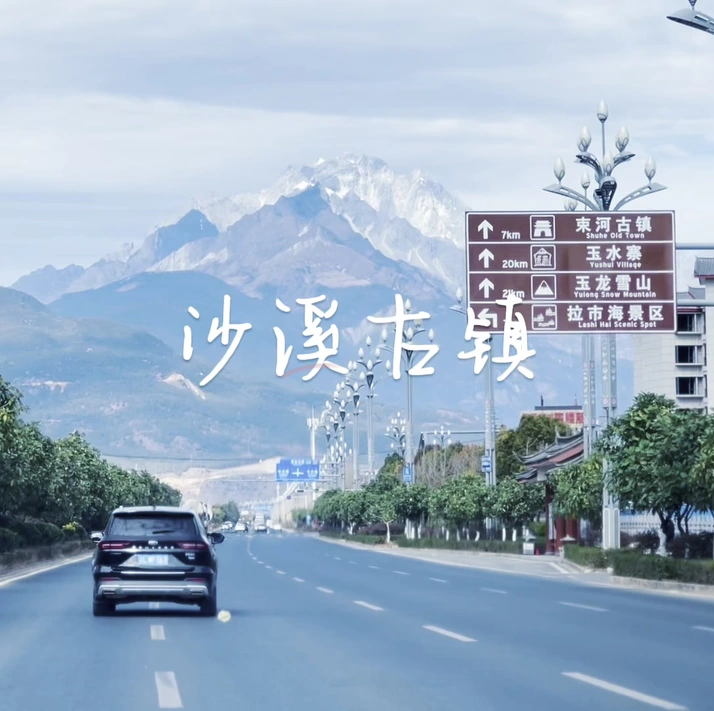
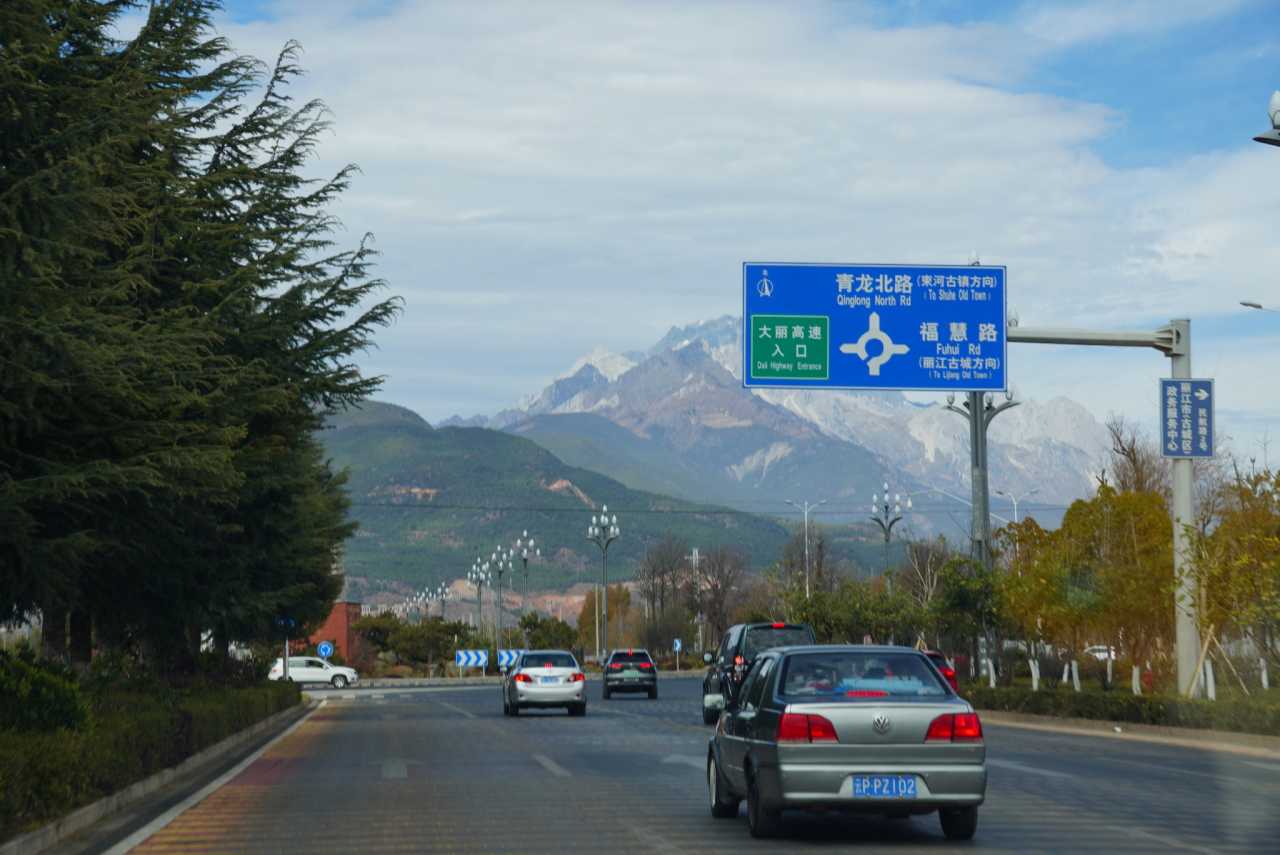
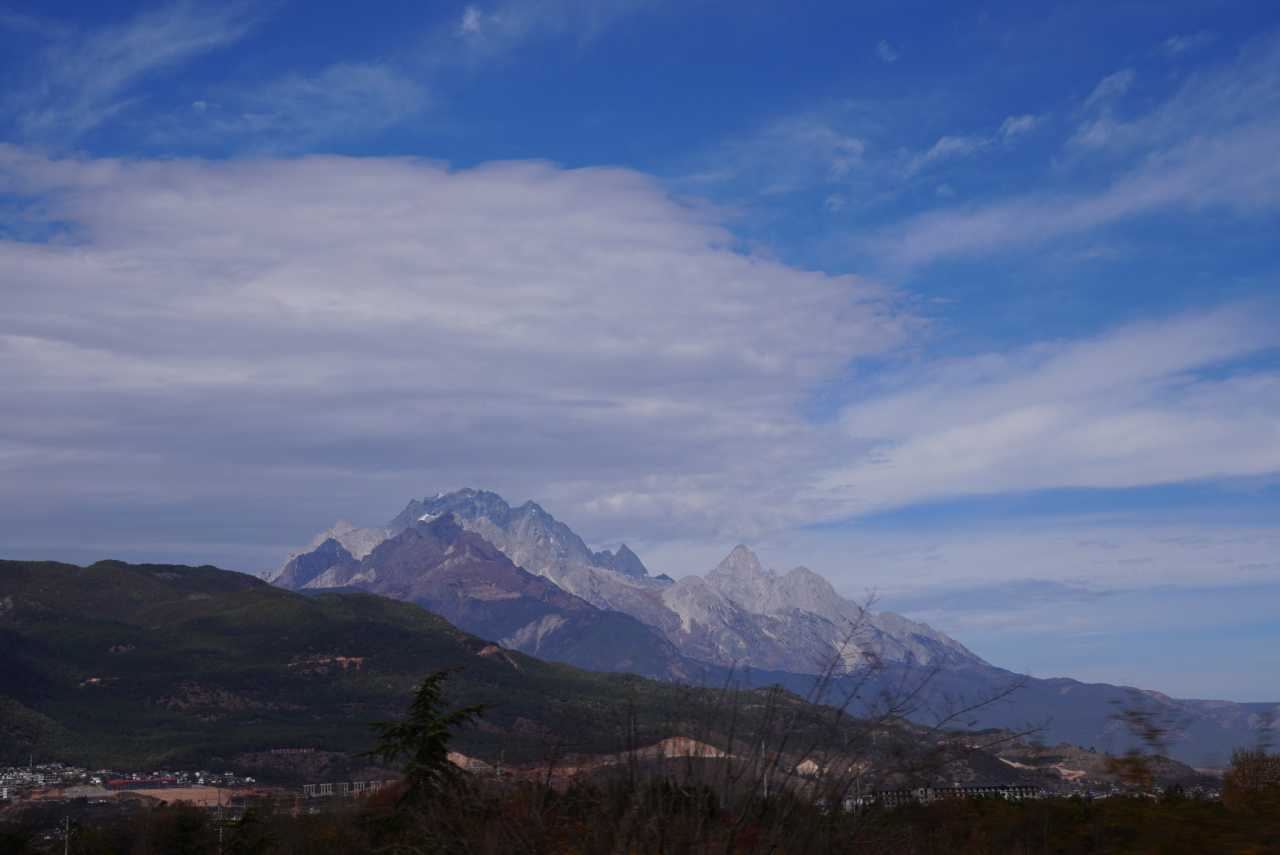
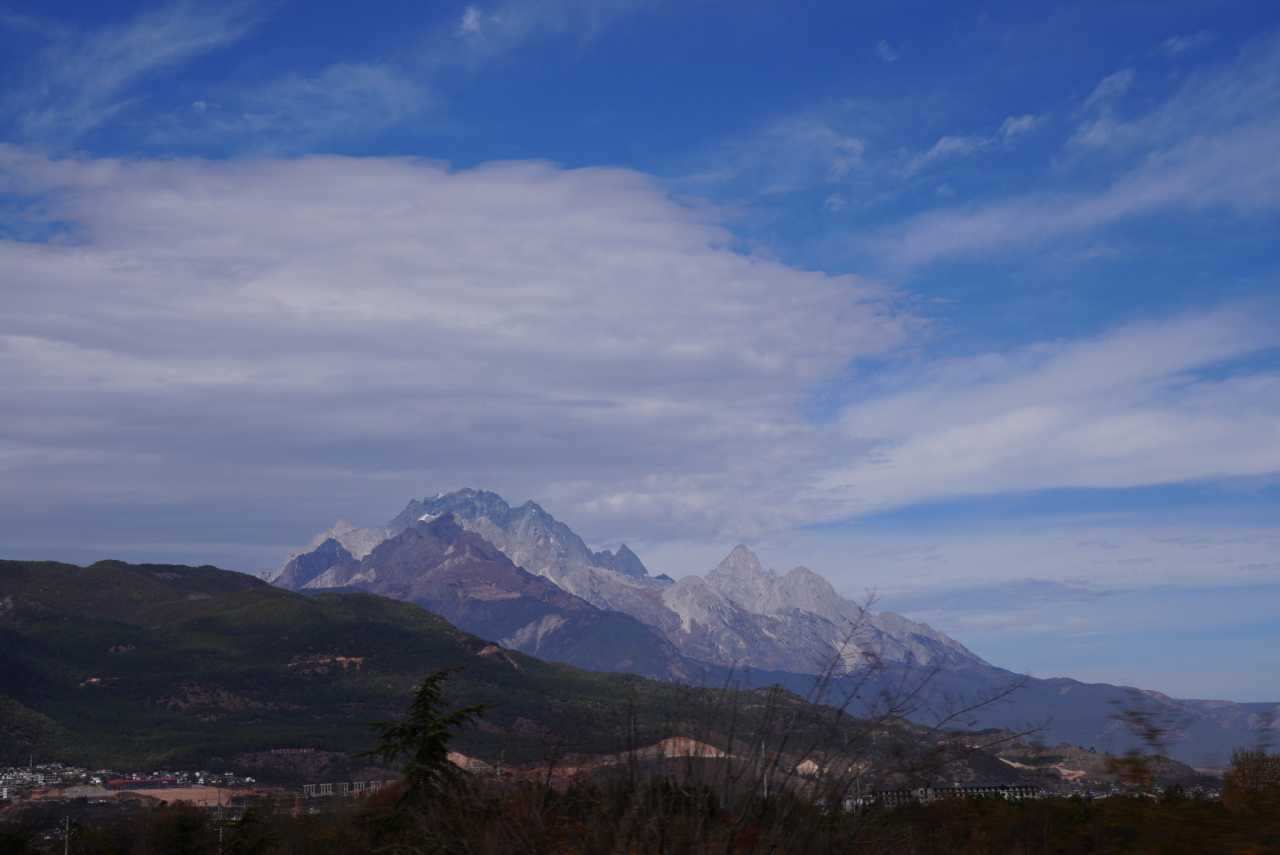
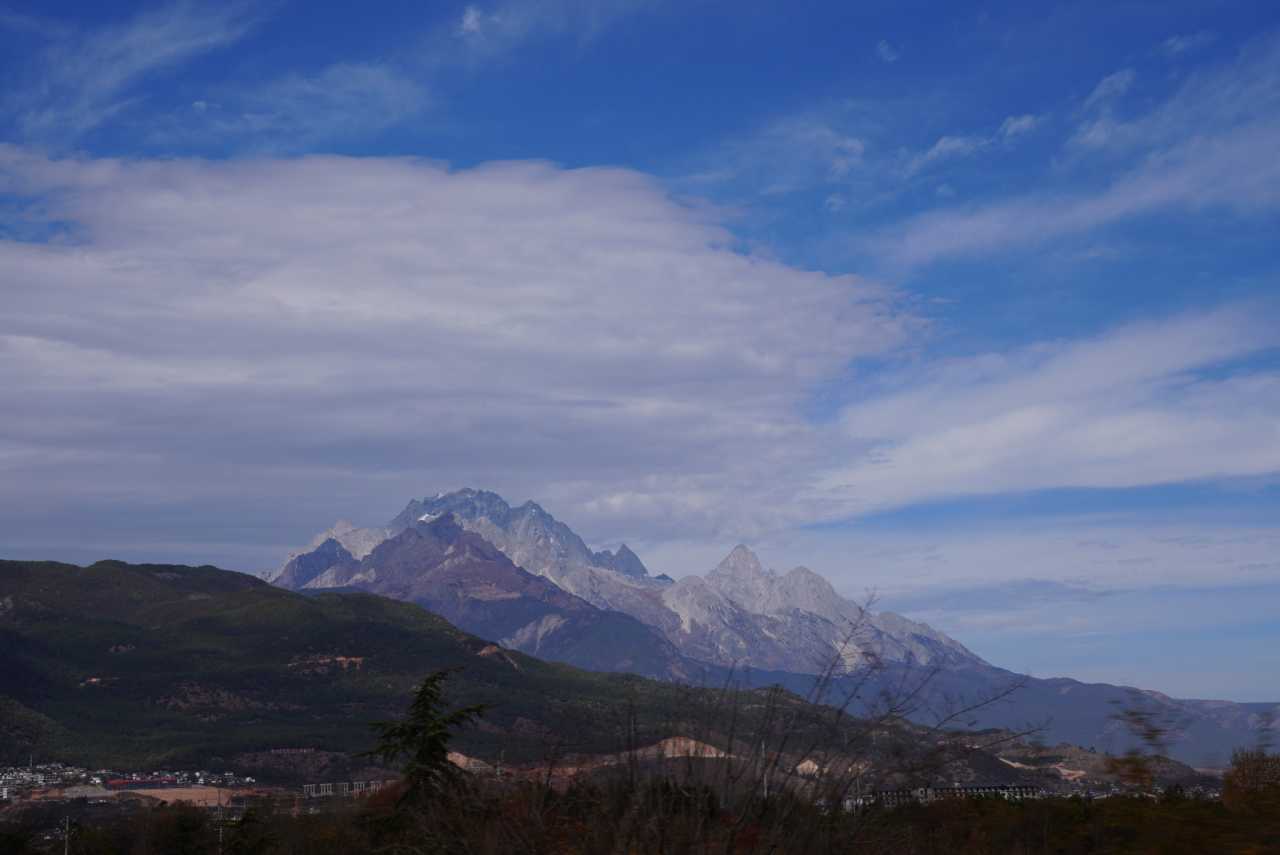
Our plane landed in Lijiang half an hour early, and our hired driver whisked us straight to Shaxi. The highway drive took about an hour. On the first half of the journey, we had a clear view of Jade Dragon Snow Mountain—but winter came late this year, and at the end of December, the summit was almost bare of snow.
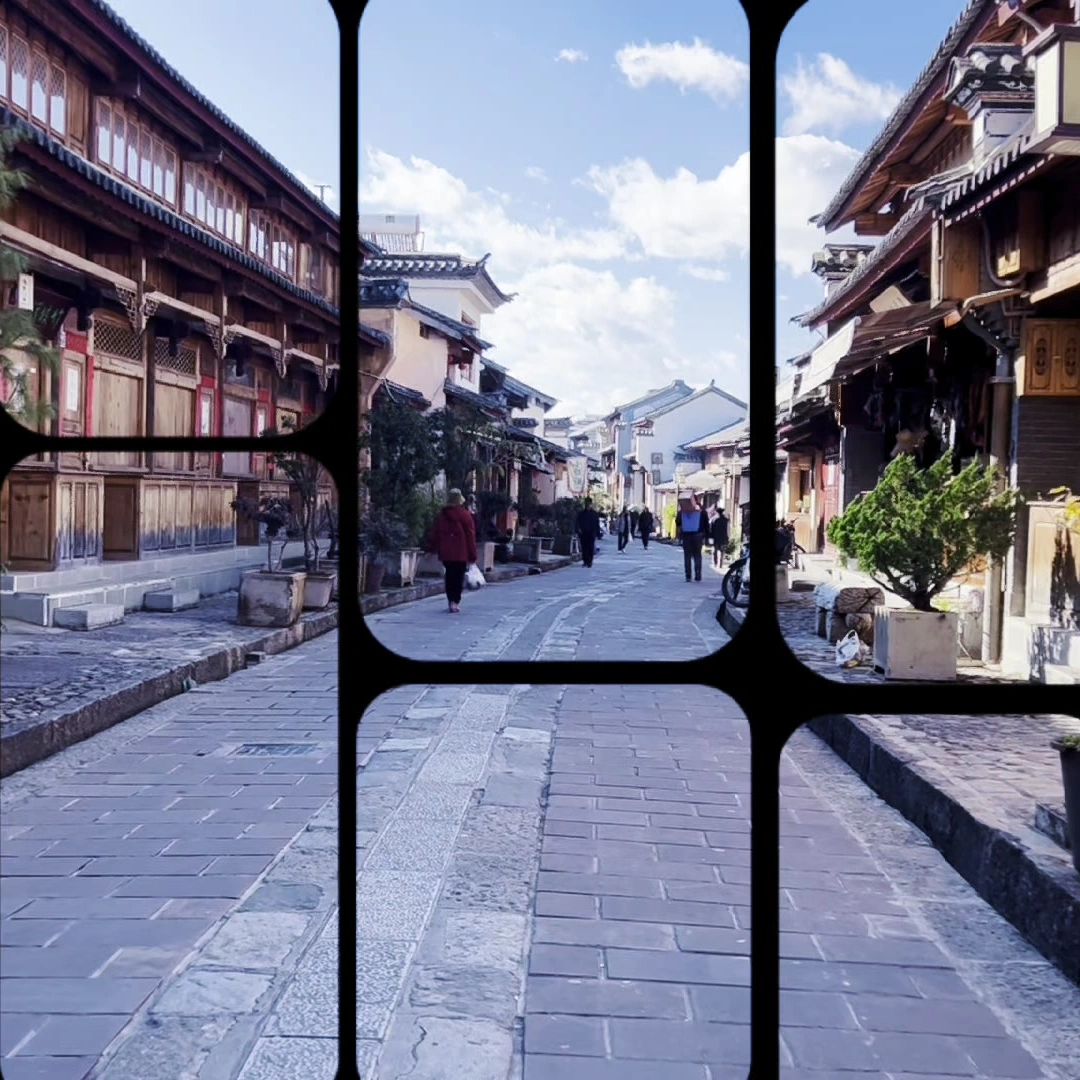
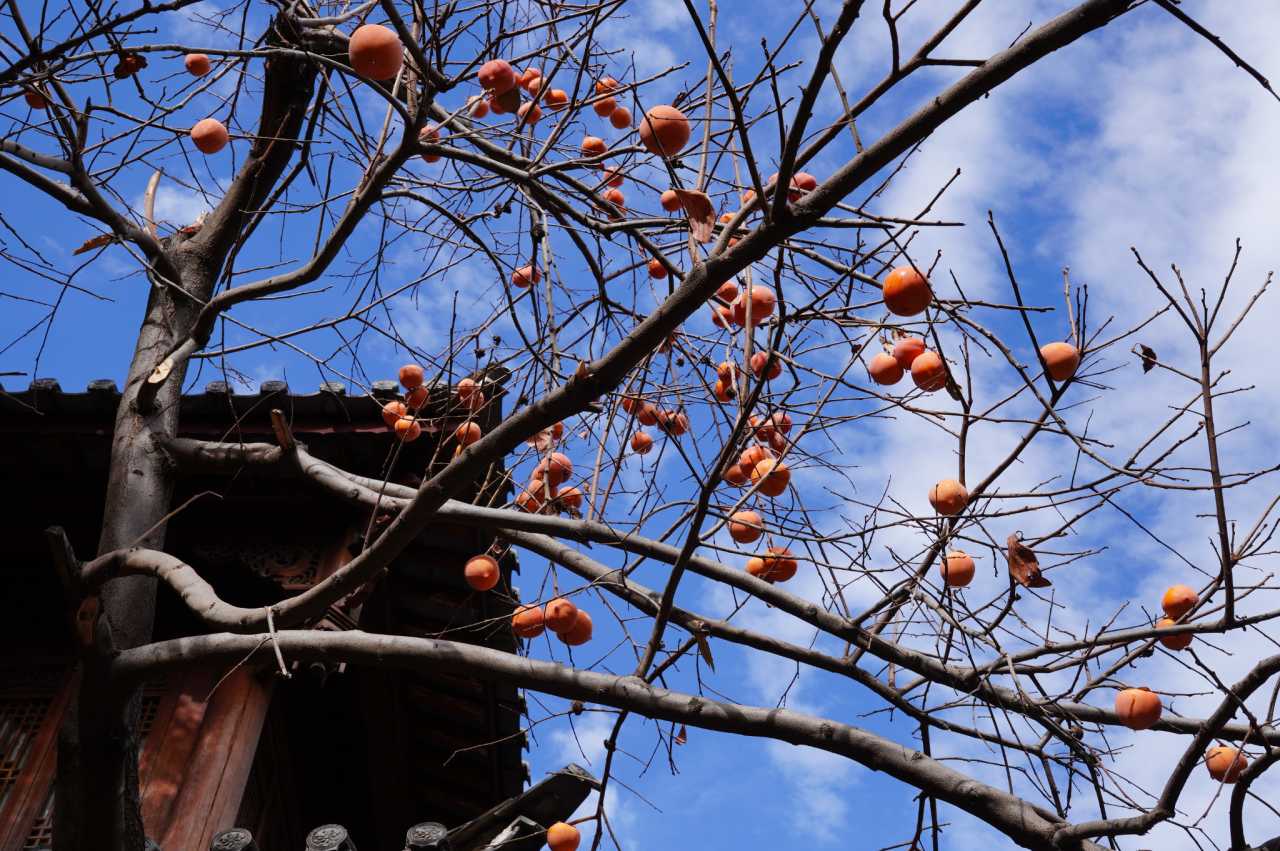
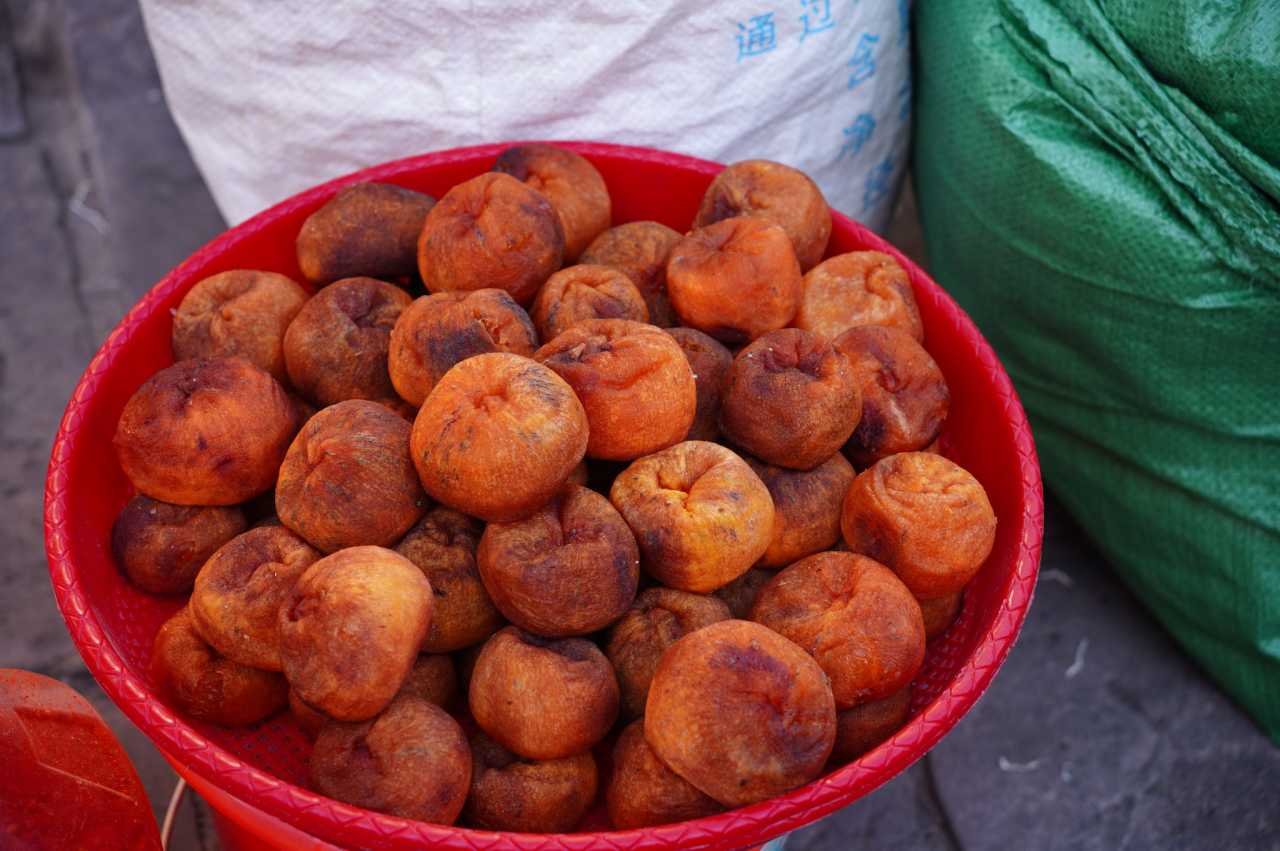
Shaxi Ancient Town was smaller than I imagined. The popular photo spots are mostly concentrated on Sideng Street—you can cover the area in about three hours. Despite its size, it was packed with people, many drawn here by last year's hit drama Go Where the Wind Blows (去有风的地方). Shaxi is full of persimmon trees, and the sugar-core persimmons here are soft and sweet, sun-dried using traditional local methods. If you like morels (羊肚菌), don't miss the small shop at the entrance—fair prices and good quality.

Shaxi was once an important post on the ancient Tea-Horse Road. After the road fell into decline, the town was gradually forgotten, which preserved its古朴 (rustic) character. The Mint Café is where the drama's "Windy Cottage" was filmed. The set is still there, but you need to buy a drink to take photos. Right outside is the "Shaxi Wall," with a constant stream of people queuing for pictures.
The central area features an ancient stage. The main structure, Kuixing Pavilion, stands three stories high with twelve projecting eaves, dedicated to the god of literature. The old locust tree beside the stage is said to be 300 years old. Scattered around are handicraft shops, creative stores, cafés, and tea houses tucked away in Bai-style houses, each with its own charm.
The East Gate is where the drama's lead actress entered the town. Step through the gate, and you'll see Yujin Bridge. In the late afternoon sun, the bridge sparkles against the azure lake and clear blue sky—a living painting that looks good from every angle.
In the evening, we headed to Jianchuan and checked into our guesthouse. The drive from Shaxi to Jianchuan Ancient City took only half an hour. That night, we tried the famous "Mountain Old Leg Hotpot" (山老腿火锅). One word: fresh. It easily ranks among my top three Yunnan food experiences—even a CCTV food show has featured it. The hotpot uses only chicken and ham for flavor, with no other seasonings. Generous portions and delicious—the four of us ordered a three-person pot and couldn't finish it. I truly recommend it; this dish alone is worth a trip to Jianchuan.
Day 2: Jianchuan Ancient City—A Living Ancient Town
We happened to catch the Sunday market, a great way to experience Bai daily life. The market entrance was just a right turn from our guesthouse. By 9 a.m., the small street was lined with stalls. The market was like a produce fair—fruits, vegetables, meat, and medicinal herbs everywhere. I racked my brain but could only identify about a third of them. Jianchuan is close to Zhaotong, which is famous for its "ugly apples" and 天麻 (gastrodia elata, a medicinal herb). If you love wild mushrooms, don't miss this—Jianchuan is a major trading hub for wild mushrooms in western Yunnan, with a wide variety and reasonable prices.
Following the market into the ancient city, we arrived at "Jianyang Tower." Built in 2012, this tower showcases Jianchuan's woodcarving craftsmanship through its mortise-and-tenon structure. The multiple exhibition halls inside comprehensively display the long history of Jianchuan and Yunnan. Jianchuan Ancient City was a key part of the Yunnan-Tibet Tea-Horse Road. Today, 90% of the original residents still live within the city walls, making it a true "living ancient city."
Climbing Jianyang Tower, you get a panoramic view of the ancient city. The square connects to the back garden of the neighboring "Baoguo Temple," with bridges and flowing water adding charm. Exiting the temple, the streets on the other side lack the market's bustle, revealing the ancient city's usual tranquility.
After exploring the city, we went to try "Wang's Cold Noodles" (王记凉粉). This shop is hidden deep in an alley near Jianyang Tower but draws a crowd of foodies. They specialize in cold noodles and snacks at reasonable prices, letting you sample various local treats. The Bai-style courtyard is also lovely.
After lunch, we strolled along West Gate Street to explore the ancient buildings. Jianchuan has a 1,200-year history, and the preservation of local民居 (folk houses) is commendable. Many buildings feature exquisite doorways, plaques, and decorations. Almost every household has handwritten couplets on their doors—a testament to the deep cultural heritage. At the end of the street lies "Jingfeng Park," home to several ancient structures and century-old trees. When it's quiet, sitting on a stone bench in the sun, gazing at the ancient pagoda and old trees, feels like sharing the same space with people from centuries past.
We hailed a taxi back to the guesthouse. The driver was waiting and took us to Jian Lake Wetland Park. Jian Lake is a 15-minute drive from the ancient city—a classic alpine lake. Legend has it that the opening of Jin Yong's Demi-Gods and Semi-Devils (天龙八部), where Duan Yu falls off a cliff and stumbles into the "Jian Lake Palace," was inspired by this place. The most beautiful season is autumn, when the poplar trees turn gold and the lake shimmers. In winter, the white poplars create a stark, solemn beauty. Entry is currently free. A wooden boardwalk leads through the poplar grove to a viewing platform. To see migratory birds and the wetland, you need to take a boat. We negotiated 80 RMB for the four of us, and the ride lasted about 30 minutes. The scenery was decent but fell short compared to other wetlands in Yunnan.
Pressed for time, we headed straight back to Dali. The highway from Jianchuan to Xiaguan in Dali takes at least two hours. Passing through Shuanglang, the sun was blazing, so we stopped for a quick photo.
Day 3: Laomudeng and Zhiziluo—First Glimpse of the Nujiang Gorge
We set off from Dali early in the morning, entering the Nujiang Grand Canyon via Liuku. In winter, the Nujiang River sheds its roaring, torrential character and reveals rare gentleness. The water is emerald green, flowing quietly between the Gaoligong and Biluo Snow Mountains. Warm ocean currents from the Indian Ocean pass through the Gaoligong range, trapped within the canyon by the Biluo Mountains, creating a warm, humid microclimate.
On a distant mountaintop, a natural rock formation resembles a human face, known as "Great Man Peak." The Jinsha River has its "Tiger Leaping Rock," and the Nujiang has "Tiger Leaping"—where the river narrows so much that a tiger could leap across. But the water was so calm now that it lacked that dramatic feel. Next came "Flying Stone"—a boulder that inexplicably landed right in the middle of a primary schoolyard. Its origin remains unknown. It sits right by the national highway, easy to miss if you're not paying attention.
Finally, we arrived at the Laomudeng scenic area. Laomudeng Village sits halfway up Biluo Snow Mountain. In the Nu language, its name means "a place people like to come," and it's known as "China's Most Beautiful Village." We planned to explore it tomorrow morning; tonight, we'd head to Zhiziluo, where our hotel was located. Zhiziluo means "good place" in Lisu. It was once the capital of the Lisu Autonomous Prefecture before being relocated to Liuku due to landslide risks. Today, it's an abandoned city, but buildings from the 1960s and 70s—hospitals, post offices, military compounds—remain perfectly preserved.
That evening, we checked into the Zhiziluo Yunsheng Official Hotel, perched on the summit of Biluo Mountain—the best vantage point for overlooking the Nujiang Grand Canyon. Dinner featured the local specialty, "Lacquer Oil Chicken Hotpot" (漆油鸡火锅). Lacquer oil isn't paint; it's oil extracted from a local plant, rich in nutrients and believed to nourish the blood. It has no distinct flavor and is quite tasty. Locals eat it by dipping ingredients in the hotpot while grilling meat on a ring around the edge—a unique experience.
Day 4: Deep into the Gaoligong Mountains—Meeting the Dulong People
At breakfast, we unexpectedly witnessed the "golden mountain" sunrise on the opposite Gaoligong range. At dawn, during the blue hour of the Nujiang Gorge, mist swirled among the peaks—indescribably beautiful.
We drove down the mountain to Laomudeng Village, halfway up the slope. Built into the hillside, the village was smaller than I expected, with a faint resemblance to Zhagana in Gannan. The village was dotted with guesthouses, and we practically wove through narrow alleys. Despite the remote location of the Nujiang Gorge's ethnic minorities, there are surprisingly many Christian churches—a testament to how faith brought from across the ocean has coexisted peacefully with local beliefs for years. This church is still in use, and the flat ground next to it is the best viewing platform for "Crown Mountain."
After exploring Laomudeng, we drove down toward the Dulong River. Along the way, we spotted "Stone Moon." The best view is from the tunnel exit, but you can't stop on the national highway. By the time I realized we'd passed it, we were already too far. Fortunately, there was a service station ahead where we could barely capture it, though the shape wasn't as full.
The Dulong River is a tributary of the Nujiang. It bends west of Gongshan County, cutting deep into the Gaoligong Mountains. This area is remote, pristine, and rich in natural resources, earning it the titles "Wild Plant Natural Museum" and "Animal and Plant Gene Bank." It took nearly two and a half hours along the Dugong Highway to enter Dulong Township, with endless twists and turns—bring motion sickness medicine. Entering the primeval forest, towering trees crowded the road, and snow-capped mountains stretched endlessly. Every snapshot looked like it belonged in National Geographic.
Upon entering Dulong Township, our first mission was to visit a tattooed woman. The Dulong people live deep in the mountains, isolated from the outside world, with a small population. The ancient practice of facial tattooing was limited to women, and fewer than ten tattooed women remain in the entire village. Longyuan Village was the closest settlement to our hotel with a tattooed woman. With the help of a friendly local, we found an elderly grandmother in her eighties and took a photo with her. She seemed unfazed by visitors, posing with practiced ease. When asked why she got the tattoos, she fell silent for a moment. As we left, we offered a small token of appreciation, hoping she would live a long, peaceful life.
Day 5: Bingzhongluo—A Peach Blossom Paradise in the Heart
We got up early the next day and headed to Pukawang on the Dulong River. The Pukawang River is a tributary of the Dulong, its water crystal clear and green as jade. In the morning light, the snow-capped mountains were fully visible, their sharp peaks peeking through lush forested slopes. The riverside village was formed by residents who moved here from Kending and Keluoluo in the early 1950s. The houses are mainly wooden with thatched roofs, built against the mountain and beside the water, like a world apart. I heard a developer has already bought the area to build a resort—a bit of a shame.
Pukawang isn't large; we spent about two hours there. A word of caution: to reach the riverbank, you need to cross a suspension bridge and walk down stone steps covered in decaying leaves. When it's humid, the steps are slippery—be careful.
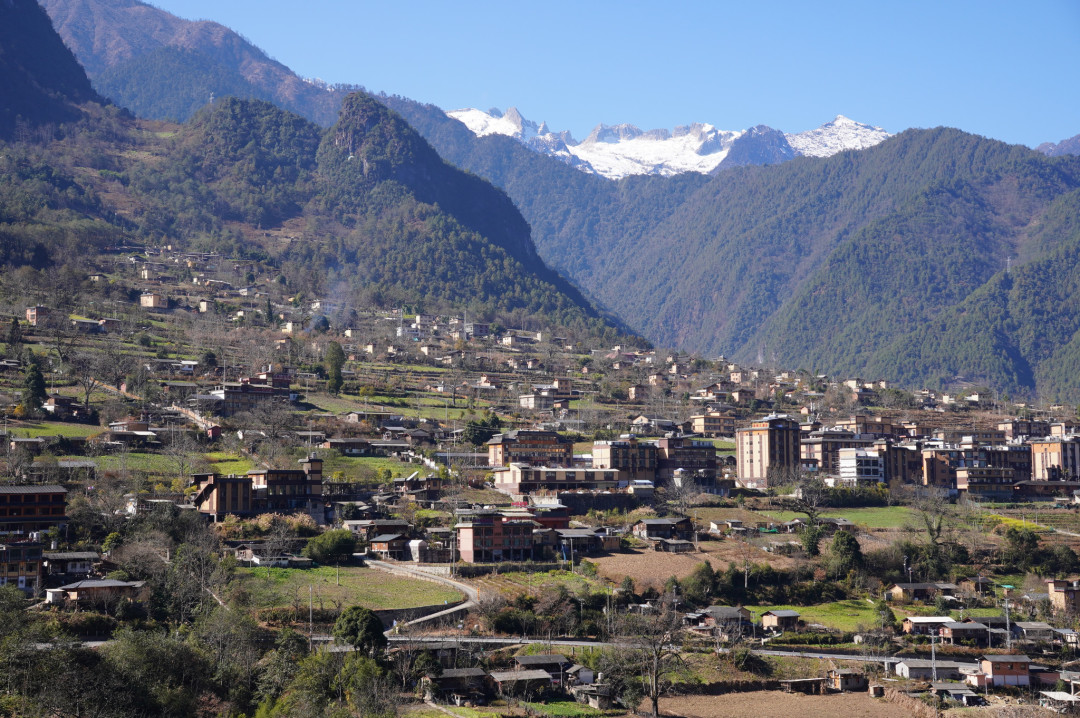
Leaving the Dulong River area, we drove a short distance to the highlight of the trip: Bingzhongluo. The first sight was the "First Bend of the Nujiang River." The viewing platform by the national highway isn't high enough to capture the full panorama. The next day's platform on Gongdang Sacred Mountain would offer a clear panoramic view. At the Bingzhongluo viewing platform, we captured the iconic poster shot—distant mountain ranges stretching endlessly, the snow-capped summit of Gawagapu Mountain, and the Bingzhongluo basin nestled peacefully among the peaks. Green hills, clear waters, farmland, and villages intertwined in perfect harmony. They say Bingzhongluo is a place where gods and humans coexist—absolutely true!
On the other side of the platform lies Peach Blossom Island (Zhanatong Village), connected to Bingzhongluo by a bridge. I heard a resort is also planned here.
For lunch, we found a random restaurant in Bingzhongluo town. The food was surprisingly good, with fresh ingredients—vegetables were picked straight from their own garden. The老板 (owner) recommended a type of Chinese cabbage that tasted almost creamy. The pea sprout and tofu soup was tender and delicious; I devoured two bowls of rice. We ended up eating lunch here again when we left Bingzhongluo. For four people, the bill was only 120 RMB—unbelievably affordable.
"Stone Gate Pass" has a stone marker, but the effect isn't impressive. The view from our hotel balcony the next day looked more like the real thing. Finally, we reached the entrance to Wuli Village. We planned a light hike along the "Ancient Tea-Horse Road"—starting at Wuli Village and ending at Chaohong Bridge, taking at most three hours. Wuli Village was originally called Wengli Village. Nestled against the mountain and beside the river, it's shrouded in mist year-round, so the name change fits perfectly. The village sits at the foot of Biluo Snow Mountain, surrounded by towering green peaks, with the emerald Nujiang River flowing alongside—remote and tranquil. Lisu-style houses are scattered across terraced fields, with chickens and dogs roaming about—a classic pastoral scene.
Crossing the Cloud-Mist Wuli Bridge, we left Wuli Village and entered a section of the ancient Tea-Horse Road, where gravel gradually increased. This path was restored based on ancient trails and is one of the best-preserved cliffside roads along the Nujiang. Don't let the calm river fool you—during the summer rainy season, the water level rises and the current rages. Walking this ancient road then would be nerve-wracking.
After crossing Chaohong Bridge, we got back in the car and headed to the Yunnan-Tibet boundary marker. A small waterfall sits beside it. Bingzhongluo is the starting point of the Bingchacha section of the Yunnan-Tibet Highway. Ahead lie Chayu and Chawalong, but the road conditions are poor, with frequent landslides and repairs. We encountered roadwork this time too—the road to Chayu was closed. Though I've never been to Tibet, stepping up to the boundary marker felt like setting foot on that land. The tourism map of Chayu beside the marker showed rich resources—hot springs, waterfalls, glaciers, forests. The Yunnan-Tibet Highway is far more低调 (understated) than the Sichuan-Tibet route.
Qiunatong Village is near the Yunnan-Tibet marker but requires a mountain road drive. It's been called "China's Most Beautiful Village," but maybe the timing was off—we arrived near sunset and only saw a few spots. To truly appreciate its beauty, you'd need to stay overnight and hike around the mountain roads. On the way back to the hotel, there's a viewpoint on National Highway 219, directly opposite Wuli Village, offering a panoramic view of the entire settlement.
Day 6: Toward the Sacred Mountains—Gongdang, Peacock, and Meili
Our hotel had an excellent location. From the balcony at dawn, Stone Gate Pass was fully visible. After breakfast, we set off. Today, we would cross the Degong Highway and meet the Meili Snow Mountains!
The hotel reception thoughtfully sent us the GPS coordinates for the best viewing platform of the "First Bend of the Nujiang River"—it's on Gongdang Sacred Mountain, at a place called "Old Zhao's Chicken Farm." Yes, it's literally a chicken farm, with strutting roosters everywhere! Climbing a set of stairs to the platform, the view was unbeatable—after all, it's the highest point. From the other side of the platform, you could also see "Crocodile Mouth." Our driver mentioned there's a light hiking trail here for a close-up view of Gawagapu Snow Mountain.
Halfway down the mountain, there's another "Bingzhongluo Viewing Platform." If you go early in the morning, you'll see Bingzhongluo wrapped in clouds and mist, living up to its "place where gods and humans coexist" reputation. By the time we arrived, the mountain mist had already dissipated, but Gawagapu Mountain stood out even more clearly. The interplay of light and shadow across the peaks felt like a symphony echoing through the mountains and fields.
Bingzhongluo is home to a Kagyu sect Tibetan Buddhist temple—Puhua Temple, which means "Auspicious Treasure Land" in Tibetan. Though small, the temple has a 500-year history and is a sacred site for the local Tibetan, Nu, and Lisu people. The resplendent main hall houses statues of Shakyamuni Buddha and Padmasambhava, with vivid murals, eternally burning butter lamps, and swirling incense smoke. We happened to catch a Songtsam hotel guide explaining Buddhist scripture stories from the murals to guests—a great learning opportunity. Puhua Temple faces a large rice field, adjacent to the Songtsam Bingzhongluo Lodge. In autumn, golden wheat waves sway in the breeze, with terraced fields and houses in the distance. Spending two leisurely days here would be wonderful.
Chongding Church is the most famous church in the Bingzhongluo area, built by a French missionary in 1908 over ten years. His grave lies behind the church. Like all churches here, it has a basketball court. It was Christmas season, and the festive atmosphere was strong. The white church, distant snow mountains, and blue sky created a sacred, beautiful scene—for me, the most beautiful church of the entire trip.
Final Thoughts: The Gift of Western Yunnan's Hidden Realm
Nine days of travel—from the古朴 (rustic charm) of Shaxi to the tranquility of Bingzhongluo, from the raw wilderness of the Dulong River to the majesty of Meili Snow Mountain—every step made me rediscover Yunnan. The allure of this land lies not just in its scenery, but in the cultures and stories it carries: the Bai market, the Lisu church, the Dulong tattoos, the Tibetan prayer flags—each is a gift of time.
If you're thinking of traveling through western Yunnan's hidden realm, remember a few things: winter is the most beautiful season on the Nujiang, with pleasant weather and emerald waters; prevent altitude sickness in advance, especially if Shangri-La is on your itinerary; accommodation choices matter—a good hotel is itself a scenic spot; and most importantly, slow down and feel with your heart.
After all, travel isn't about rushing from place to place. It's a conversation—with the mountains and rivers, with the people, and with yourself.
You should also read:
Yunnan! Paradise on Earth – The Yubeng Chapter: A Soul-Cleansing Journey into Seclusion
Yunnan! Paradise on Earth – The Yubeng Chapter: A Soul-Cleansing Journey into Seclusion Prologue: Why Yubeng? If you ask me which place in Yunnan is most worth hiking to, I would answer without hesitation: Yubeng. This is not an answer I give lightly. As a…
Continue reading...
Solo in Yunnan: A Wanderer’s Guide to the Land of Eternal Spring
Solo in Yunnan: A Wanderer’s Guide to the Land of Eternal Spring There’s something magical about traveling alone. No compromises, no schedules to keep, no one to please but yourself. I’ve been on the road for nearly three months now, and not once have I…
Continue reading...
Into the Hidden Valley: A Solo Journey Through the Mysterious Dulong River
Into the Hidden Valley: A Solo Journey Through the Mysterious Dulong River Deep in the northwestern corner of Yunnan Province, tucked away from the modern world, lies a place that feels like a secret whispered among mountains. The Dulong River Valley is not just a…
Continue reading...