Exploring Yunnan Again: A Winter Family Adventure
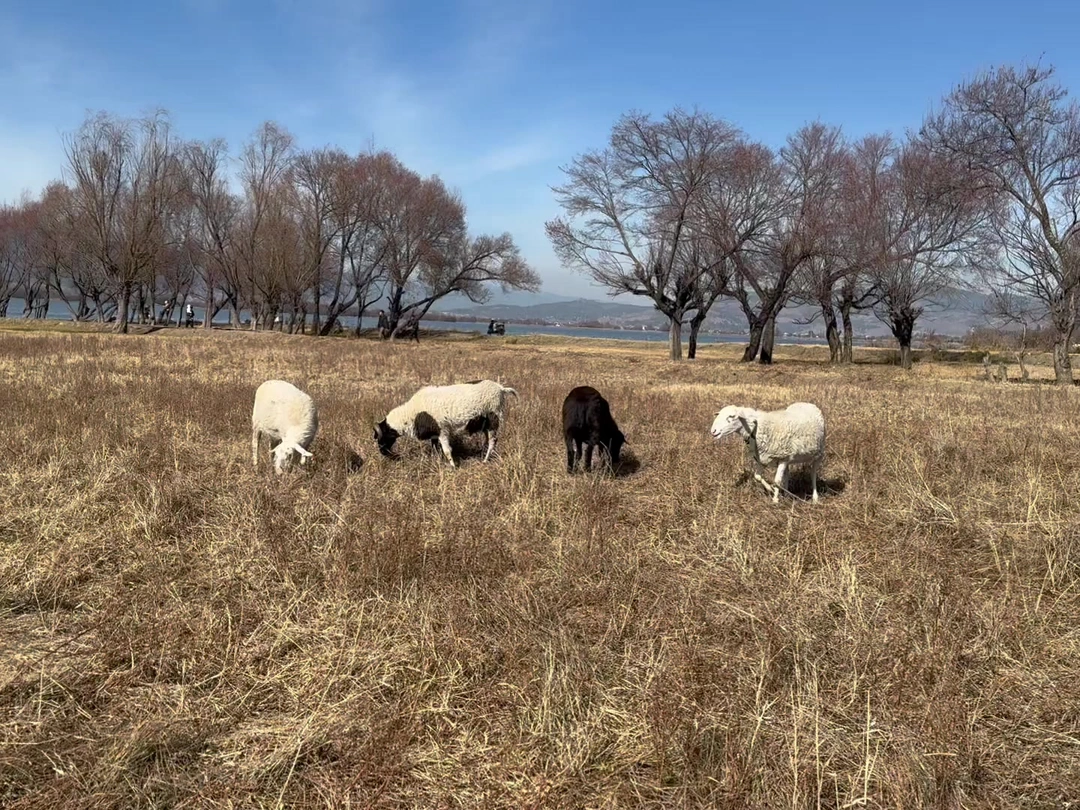
Exploring Yunnan Again: A Winter Family Adventure
Before We Set Off
Some places plant a seed in your heart the moment you visit. Our National Day trip to Yunnan in October 2024 was like a fine wine—the more we savored it, the longer the aftertaste lingered. Snow-capped mountains, Erhai Lake, ancient towns, curls of chimney smoke... those images would quietly surface in the dead of night. With annual leave in hand and hearing that winter in Yunnan offers a completely different world—closer snow peaks, bare trees forming natural paintings, and fewer tourists, as if the whole landscape had been set aside for those who truly appreciate it—our family of four packed our bags and set off once again for this land that had captured our hearts.
On December 19, 2025, we departed from Guangzhou, embarking on an 8-day in-depth tour of western Yunnan. The cost per person was around 4,000 RMB. We combined self-driving with public transport, preserving the spontaneity of independent travel while ensuring comfort for the elderly and children.
Day 1: First Impressions of Kunming—Seagulls, Cable Cars, and Sunset
Landing in the Cold, Yet Hearts Burning Bright
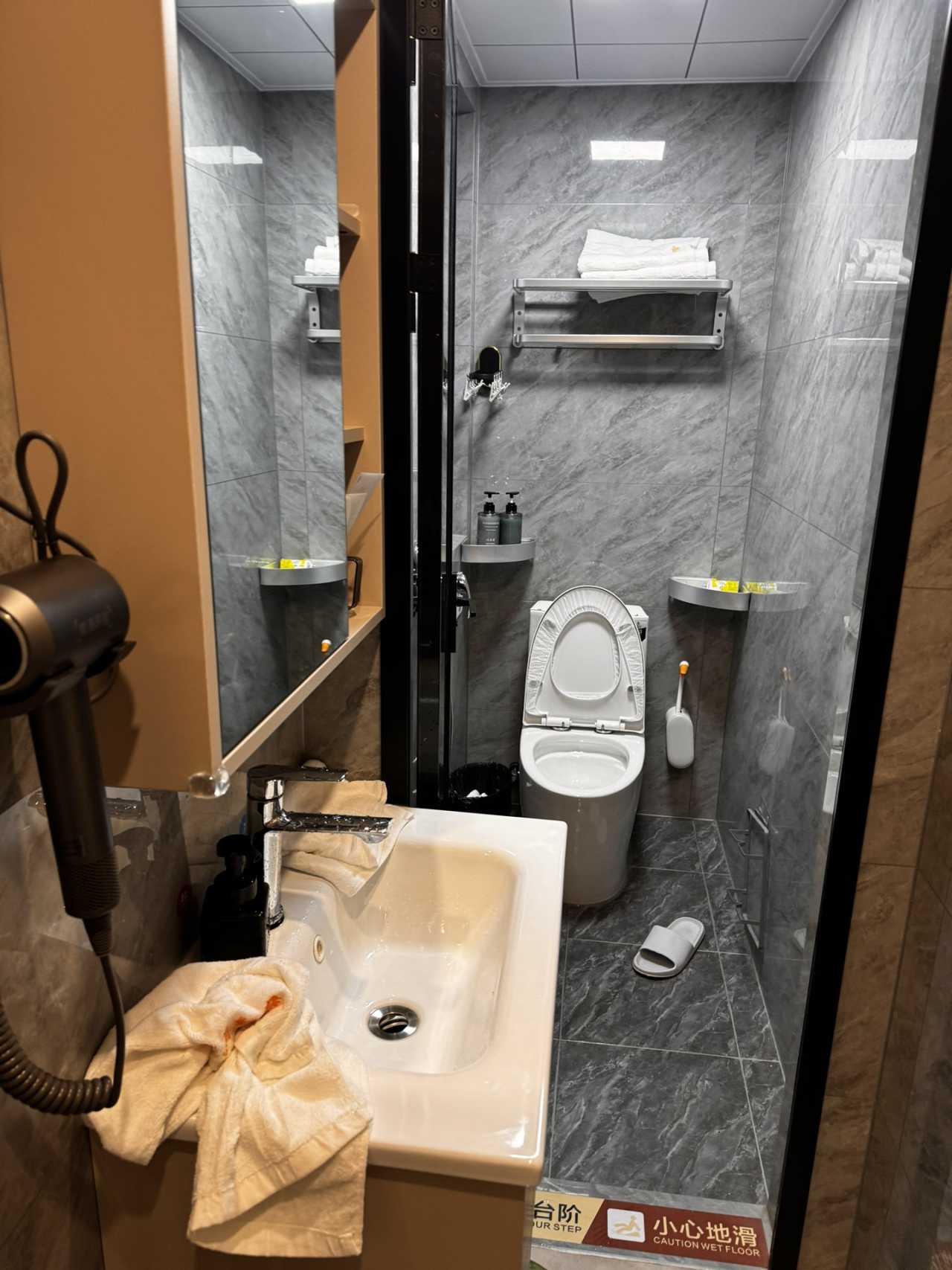
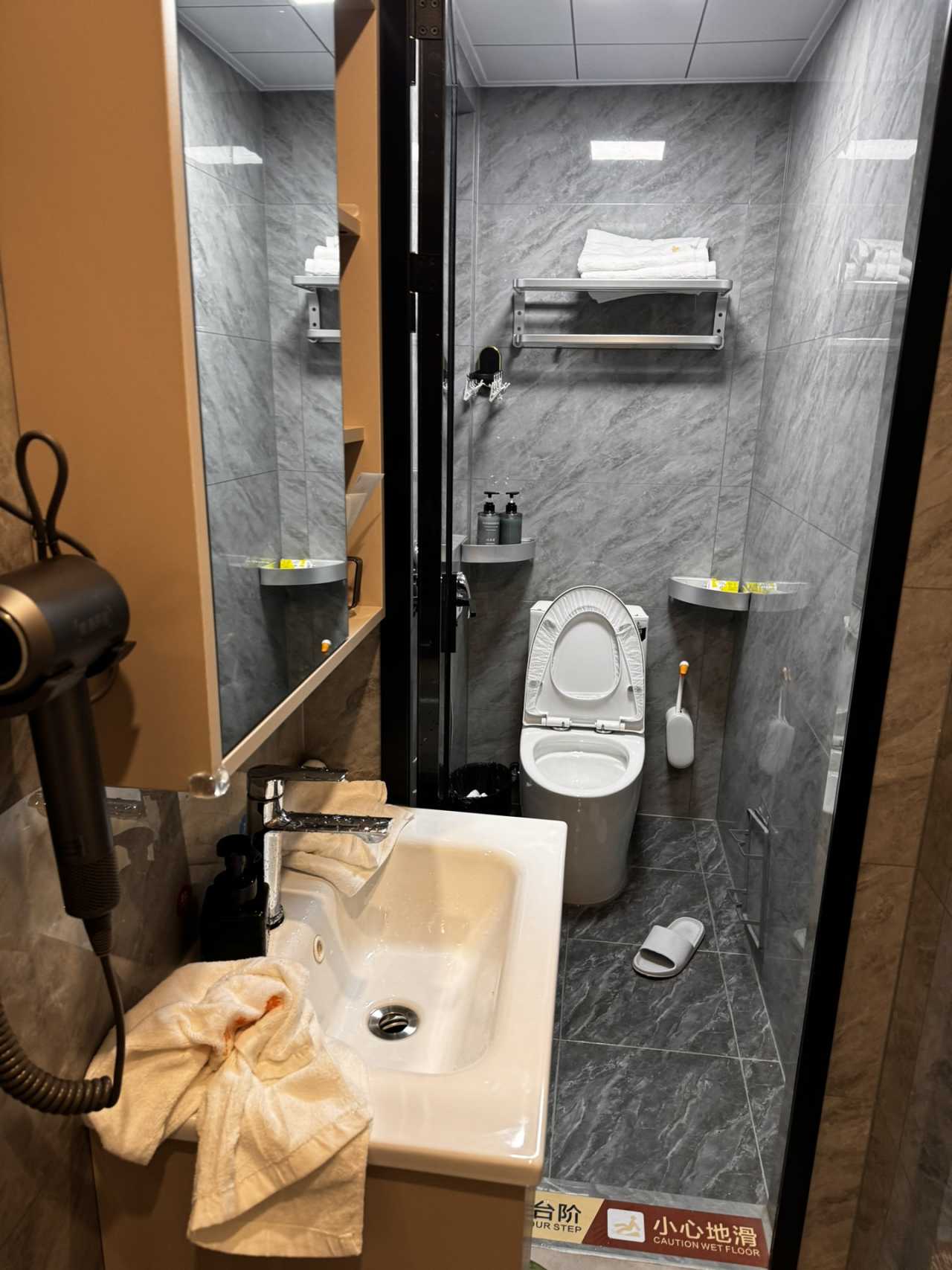
At 12:15 AM on December 20, our plane touched down at Kunming Changshui Airport. The moment we stepped out of the cabin, the 0°C air hit us like a blade of ice—plunging from 20°C in Guangzhou straight into winter. Our family of four huddled in our coats, shivering by the baggage carousel. We took a taxi to a homestay near Kunming Station, washed up quickly, and fell asleep filled with anticipation for the day ahead.
Haigang Dam: A Winter Rendezvous with Seagulls
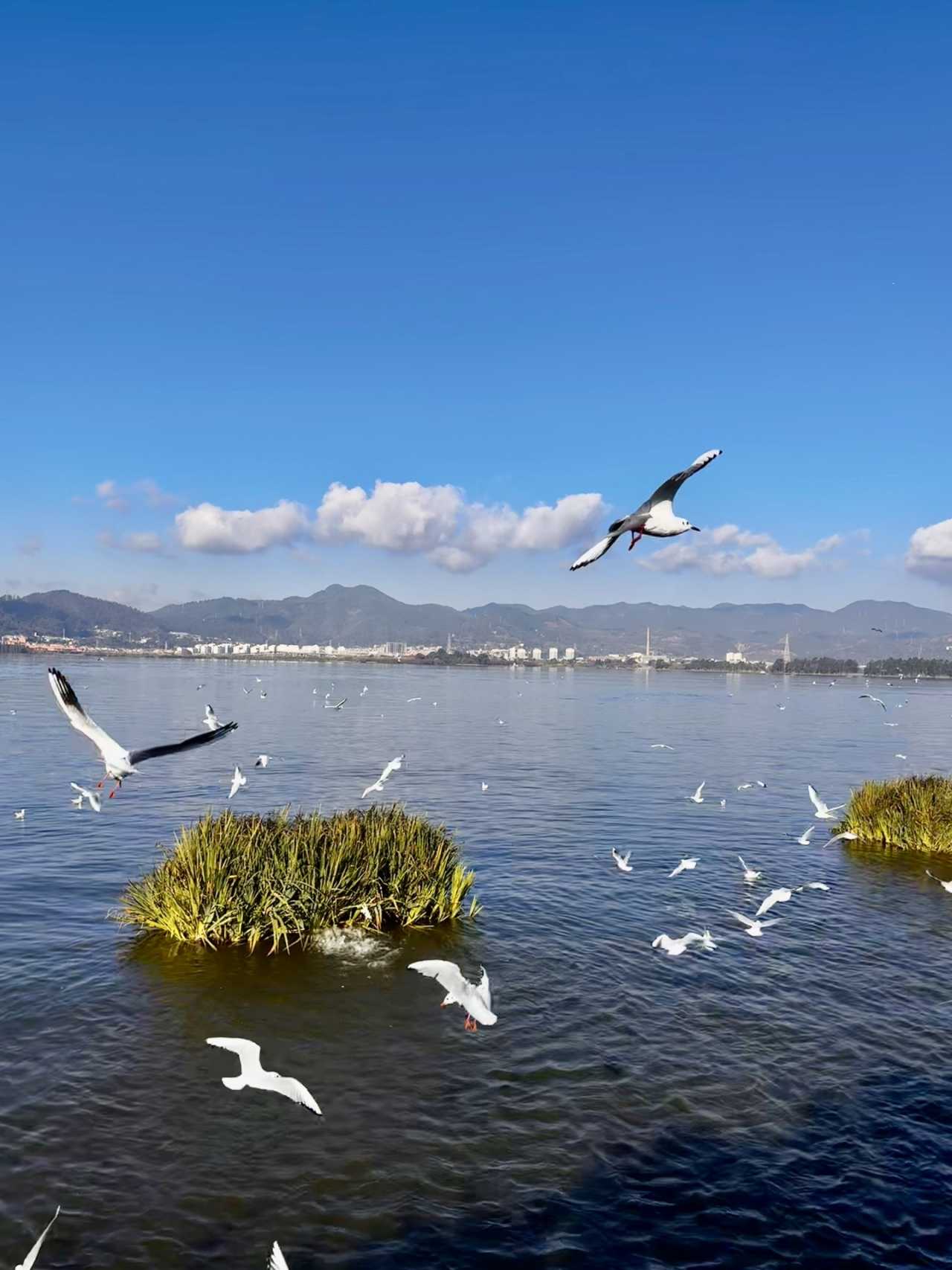
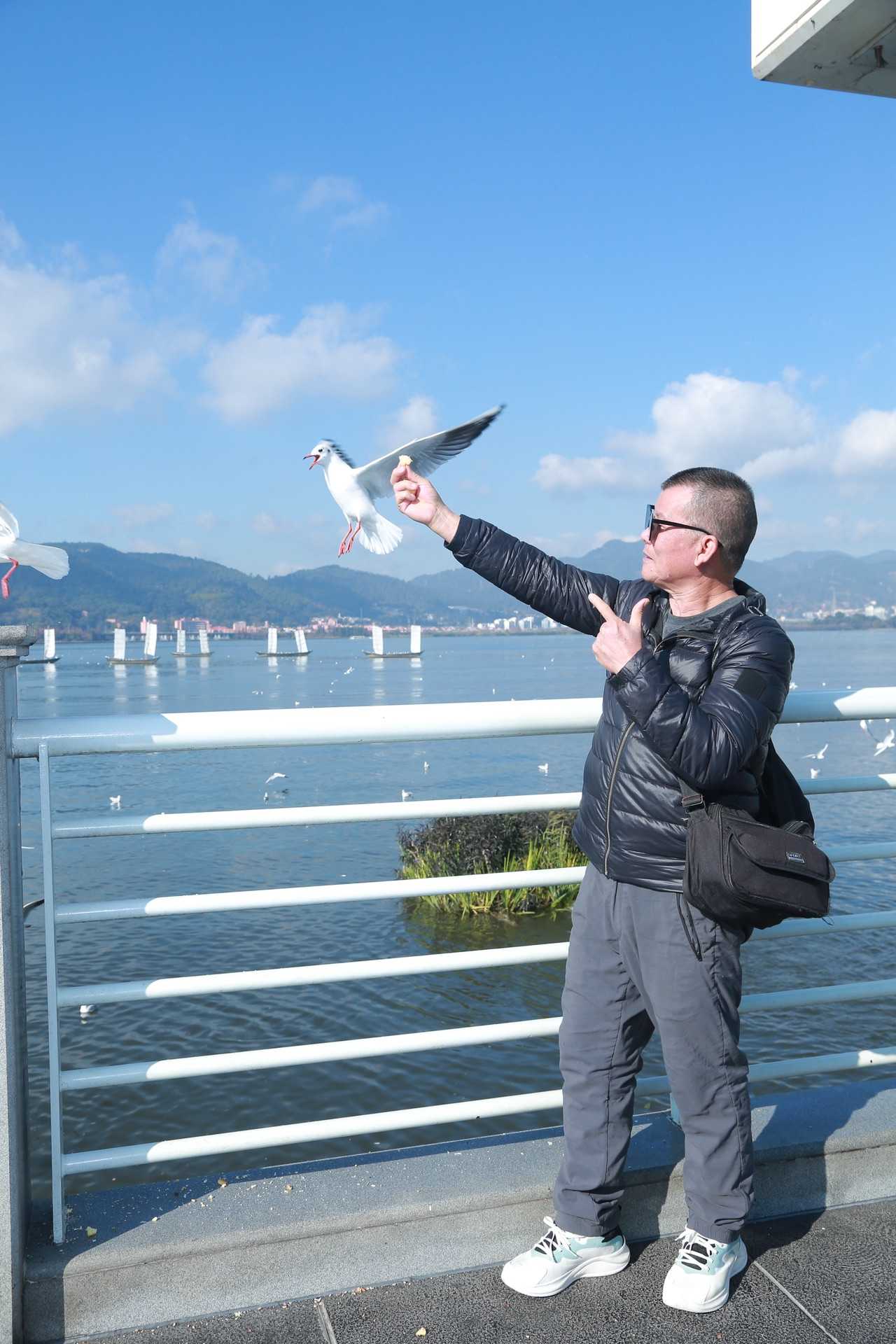
At 9:00 AM, armed with bread we'd prepared in advance, we arrived at Haigang Dam. Walking from north to south to the very end, flocks of black-headed gulls swooped through the morning light, their wings brushing the surface of Dianchi Lake, stirring up golden ripples. The kids excitedly tossed breadcrumbs, and the gulls, like well-trained dancers, caught every morsel with precision. These birds have no fear of humans—they're long accustomed to this annual winter date with visitors.
Xishan Cable Car: A Sweeping View of Dianchi

Crossing the road from Haigang Dam, we boarded the cable car to Xishan (Western Hills). A one-way ticket cost 60 RMB, round-trip 98 RMB—cheaper if booked in advance on Meituan. Alternatively, you could take a taxi to Xishan Park and then a 12.5 RMB electric cart to the summit. We chose the cable car up. As the gondola rose slowly, the entire expanse of Dianchi Lake unfolded beneath us—azure waves stretching to the horizon, distant mountains like ink strokes. In that moment, the cold was melted away by the sheer magnificence of the view.
We had lunch at Camahuajie (Tea Horse Flower Street), where authentic cross-bridge rice noodles and grilled milk fans warmed us from the inside out.
Haihong Wetland: Boating and Sunset
In the afternoon, we took a taxi to Haihong Wetland. We rented a small boat and glided through the reeds, the water reflecting silhouettes of bare trees, with an occasional egret passing by. The kids snapped countless photos on their phones—each one like a traditional ink painting. At 5:30 PM, the sunset dyed the sky orange-red. We sat by the water, watching the sun slowly sink behind the distant mountains, a scene so romantic it took our breath away.
Night Train to Dali
At 6:30 PM, we took a taxi back to the homestay to collect our luggage, then walked to Kunming Station to catch the 7:57 PM bullet train to Dali. We arrived at Dali Station at 10:11 PM, took a taxi straight to a homestay near Haishé Park—just a few steps from Erhai Lake, with shimmering waves visible from our window.
Day 2: Dali—Morning Light at Haishé and Ginkgo in the Ancient Town
Haishé Park: Sunrise and Disappointment
We had booked two days in advance through the "Ai Zai Haishé Miyue Bandao" (Love at Haishé Honeymoon Peninsula) WeChat public account, with a recommendation to arrive before 10:00 AM. But we didn't get tickets, so we watched the sunrise from outside. At 7:30 AM, the morning glow spread across the sky, casting seven-colored light over Erhai Lake like a spilled palette. Though we couldn't enter the park, just strolling along its perimeter was breathtakingly beautiful.
Ecological Corridor: Redwoods and S-Bends
Starting from Xiabopeng, we followed the ecological corridor all the way to Xiajiyi. Along the way, the redwood trees stood out brilliantly in winter—straight trunks with leaves like flames. After 2:00 PM, the light softened, and we meandered along, stopping to take countless photos. Every turn—the corridor bridges, the Panxi S-bend—was a delightful surprise.
Dali Ancient Town: A Golden Avenue of Ginkgo
At noon, we had lunch in the ancient town, then headed straight for Yuer Road. From the west gate to the east gate, the entire street was lined with ginkgo trees, their fallen leaves carpeting the ground in gold. The thousand-year-old pagodas of Chongsheng Temple stood against the golden ginkgo, making for stunning classical photos. The best shooting time was between 10:00 AM and 2:00 PM, when sunlight filtered through the leaves, casting dappled shadows—a scene of surreal beauty.
Eryuan Hot Springs: Winter Warmth
In the afternoon, we drove 1.5 hours to Eryuan and checked into a hotel near Dìrè Guó (Geothermal Kingdom). That evening, soaking in the warm spring waters with a sky full of stars overhead, the day's fatigue melted away.
Day 3: Jianchuan and Shaxi—Tranquil Moments in Hidden Gems
Cibihu Lake: Redwoods and Morning Mist
At dawn, we arrived at Cibihu Lake to see the redwoods. Morning mist hung over the water like a thin veil, and the redwood trees reflected in the lake created an impressionist oil painting.
Jianhu Lake: A Lonely White House and Golden Woods
A 30-minute drive from Cibihu brought us to Jianhu Lake. The entrance to the national wetland park was closed, so we navigated to "Guandeng Village" and walked a bit further. Along the roadside, a small path led to a solitary white house standing in the fields. Following the path down, we reached the water's edge. A row of golden trees sparkled in the sunlight, serene and beautiful. Many people were camping here, so we spread out our picnic mat, basked in the sun, read books, and savored the slow pace. A full loop around the lake takes about 2-3 hours—bring a tent and picnic mat for a perfect family outing.
Sangling Village: Ancient Trees and Fairytale Vibes
A 6-minute drive from Jianhu took us to Sangling Village. This beautiful village is home to centuries-old trees standing in a row. Walking along the paths flanked by towering trees in shades of green, yellow, and red felt like wandering through a fairytale. Unfortunately, the leaves had already fallen by the time we arrived, leaving only bare branches. But even so, the village's rustic charm and tranquility were palpable.
Shaxi Ancient Town: A Place with a Breeze
In the evening, we checked into a homestay in Shaxi Ancient Town. For dinner, we went to "First Encounter Shaxi" or "Jiajia," where we recommend the sour fish soup and steamed eggplant—tangy and spicy, warming both body and soul.
Recommended route: Ouyang Courtyard → Sìdēng Street → The Windy Little House → Běigǔzōng Lane → Xingjiao Temple → Sifang Street → Ancient Stage → East Gate → South Gate → Yujin Bridge. If time allows, visit Banshan Coffee or Xianfeng Bookstore to soak in the town's literary atmosphere.
Day 4: From Shaxi Morning Mist to Baisha Ancient Town
Yujin Bridge: Morning Mist and Autumn Leaves
At 7:30 AM, we drove 10 minutes to Yujin Bridge. Morning mist hung in the air, autumn leaves glowed golden, and the stream beneath the bridge gurgled softly—a living landscape painting. After an hour of photos and exploration, we returned to the ancient town for a leisurely stroll.
Lashi Lake: A Surprise at Fishing Village
At 10:00 AM, we drove to Lashi Lake, navigating to "Fishing Village." We had originally planned to visit Wencun Village for a sunset view of the golden mountains, but the road was so terrible that we had to give up. Taking the national highway took an hour, but the scenery along the way was so beautiful that we lost track of time—fields, villages, distant mountains—every frame looked like a postcard.
Checking into Shuhe Ancient Town
In the afternoon, we checked into "Muchuyang Snow Mountain View Garden Homestay" in Shuhe Ancient Town. Opening the window, Jade Dragon Snow Mountain stood right before our eyes—an indescribably stunning sight.
Day 5: Shuhe and Baisha—Slow Time with the Snow Mountain
Shuhe Ancient Town: Quiet and Underrated
Shuhe Ancient Town is quieter and more artistic than Dali's old town. We followed the map on a leisurely stroll, stopping at "Little Mountain Coffee" for a pour-over, gazing at the snow mountain as we sipped. There were few tourists, and every small shop reflected the owner's care and attention.
The Great Prayer Flag: If Time Permits
Near Shuhe, the Great Prayer Flag site costs 9 RMB for entry and is quite expansive—be sure to dress against the wind. We didn't have time to visit and headed straight for Baisha Ancient Town.
Baisha Ancient Town: Snow Mountain and Little Lambs
In Baisha Ancient Town, we found a café for photos. The owner didn't require us to buy anything, and a little lamb was leisurely grazing in the courtyard. The kids ran after it with glee. Many rooftops in the town offer great angles for snow mountain shots—during the off-season, no purchase is necessary, and every photo turns out like a masterpiece.
That evening, we stayed at "Fenglan Yuanshe Snow Mountain View Homestay." Remember to buy oxygen bottles for everyone. Recommended eats: Miaoyiyi Dessert Shop (apple pie, walnut pie), Yunjìjí Yak Hotpot, Master's Noodles, and Kekesong (croissant shop).
Day 6: Jade Dragon Snow Mountain—Disappointment and Surprise in Overcast Weather
Ganhaizi: No Golden Mountain at Sunrise
At 7:10 AM, we arrived at Ganhaizi Visitor Center and walked to "Swiss Scenic Area" to watch the sunrise paint the mountain gold. But the weather didn't cooperate—thick clouds blocked the view, and we missed the spectacular sight. In the overcast conditions, Blue Moon Valley also looked particularly ordinary, which was a letdown.
Jade Dragon Snow Mountain: Altitude Sickness and Perseverance
We took the large cable car up at 8:20 AM, got off at 9:50 AM, then took a bus to Yunshanping (Spruce Meadow). We went up to Yunshanping at 10:35 AM and came down at 11:40 AM. The best time for photos at Blue Moon Valley is between noon and 2:00 PM. At 2,900 meters above sea level, you don't need oxygen, but sunscreen, a hat, and sunglasses are essential. Blue Moon Valley has four lakes: Yuye Lake, Jingtan Lake, Lanyue Lake, and Tingtao Lake, with Yuye Lake being the bluest and most beautiful.
In the afternoon, I came down from the snow mountain feeling terrible—like I was about to collapse. I had to rest, took a short walk around Blue Moon Valley, then drove back to Lijiang Ancient Town. On the way, the weather suddenly cleared, and we stopped at a small roadside spot for photos—an unexpected consolation.
Night Stroll in Lijiang Ancient Town
That evening, we stayed in Lijiang Ancient Town and explored it by night. Lanterns glowed softly, small bridges arched over flowing streams, and folk songs drifted from bars. In that moment, all our fatigue vanished.
Day 7: Caohai Wetland and the Silverware Town
Golden Mountain from the Homestay Rooftop
The next morning, we caught the sunrise painting the mountain gold from our homestay's rooftop—not as dramatic as at Ganhaizi, but the peace and beauty were deeply moving.
Caohai Wetland: Unbelievably Blue
A 30-minute drive took us to Caohai Wetland near the airport. The weather was perfect—the sky was a jewel-like blue, clouds reflected in the water, and the photos came out stunningly beautiful.
Silverware Town: A Legacy of Craftsmanship
In the afternoon, we strolled through Silverware Town, watching artisans hammer silver. The rhythmic clinking sounded like an ancient song.
Day 8: An Unexpected Stop in Chengdu
Giant Panda Base: A Dream Come True
We flew from Lijiang to Chengdu, setting aside a day specifically to see the giant pandas. From Tianfu Airport, we took a taxi to the Panda Base (around 150-170 RMB). The base is huge, so we bought sightseeing cart tickets (30 RMB per person) and finished the tour in 3 hours. Watching the adorable pandas munching on bamboo, the kids couldn't stop laughing with joy.
The Journey Home
In the afternoon, we took a taxi back to Tianfu Airport and flew to Guangzhou. The 8-day trip felt like a dream—one we'd savor long after waking up.
Final Thoughts: Yunnan, We'll Be Back
Over these 8 days in Yunnan, we experienced winter's snow-capped mountains, bare trees, redwoods, and seagulls, and we felt the peace and beauty of the off-season. There were regrets—we missed the golden mountain at sunrise, we didn't cover every attraction—but it's precisely these regrets that give us a reason to return.
Yunnan is a place worth visiting again and again. Every time brings new discoveries, new emotions. Next time, perhaps we'll go to Shangri-La, to Meili Snow Mountain, to those farther, more beautiful places.
Practical Tips: - Winter in Yunnan has large temperature swings—around 10°C during the day, below 0°C at night. Bring plenty of warm clothing. - Feed the seagulls bread, not cookies or snacks. - Book Jade Dragon Snow Mountain cable car tickets in advance—they're hard to get during peak season. - Watch road conditions if self-driving, especially to remote spots like Wencun Village. - In high-altitude areas, protect against sun and dehydration. Sunglasses, hat, and sunscreen are essential.
Yunnan, see you next time.
You should also read:
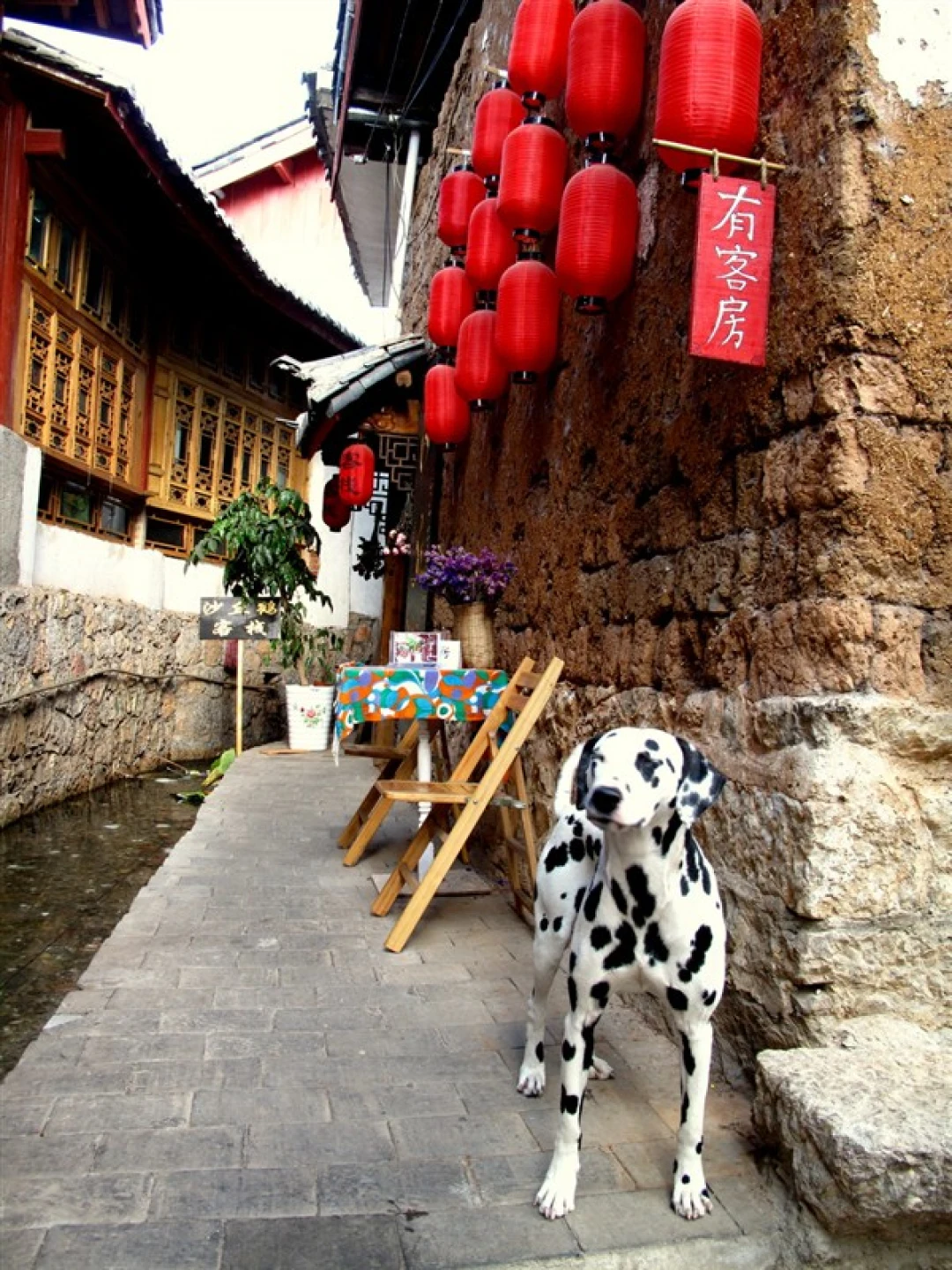
Yunnan Travel Mastery: From Beginner to Pro-Level Player – A Complete Guide
Yunnan Travel Mastery: From Beginner to Pro-Level Player – A Complete Guide "Either travel or read, but your body and soul must be on the road." This quote has been repeated countless times, but very few people truly manage to be "on the road" and…
Continue reading...
Escaping Nanning, Falling Under Lijiang's Spell: Our Four-Person, Ten-Day Yunnan Dream
Escaping Nanning, Falling Under Lijiang's Spell: Our Four-Person, Ten-Day Yunnan Dream Before We Set Off: No Pain, No Obsession Have you ever had that impulse—suddenly tired of the office fluorescent lights, the crush of the subway, the endless parade of identical takeout boxes, and just…
Continue reading...
Solo in Yunnan: A Wanderer’s Guide to the Land of Eternal Spring
Solo in Yunnan: A Wanderer’s Guide to the Land of Eternal Spring There’s something magical about traveling alone. No compromises, no schedules to keep, no one to please but yourself. I’ve been on the road for nearly three months now, and not once have I…
Continue reading...