Four Years of College: Exploring Yunnan in Fragments of Time
Four Years of College: Exploring Yunnan in Fragments of Time
Prologue: A Youthful "Impulse Purchase"
During my freshman year, a group of graduating seniors tearfully grabbed the hands of us newcomers at a dinner party, speaking with heartfelt sincerity: "Don't spend all your time obsessing over competitions and credits. Find a partner, travel the world—that's what really matters."
The senior who said this was wearing flip-flops, holding a microphone, and belting out a Cai Qin song at the top of his lungs. Even now, the scene feels both absurd and real.
But that seemingly ridiculous dinner planted a seed in my heart. A few days later, when a group chat message popped up saying, "We have four days off for the school sports meet—anyone want to go to Lijiang?" I replied almost instantly with a single word: "Me!"
Back then, I didn't understand the idea that "youth is meant to be wasted." I just knew that if I didn't go see the world, I'd regret it four years later.
So, from July 2018 to July 2022—1,460 days in total—I used every school sports meet, every winter break, and every scrap of free time I could squeeze out to explore every corner of Yunnan. No travel guides, no plans—just passion and a stack of cheap train tickets.
Chapter 1: The School Sports Meet—A Four-Day "Golden Window"
The biggest perk of going to college in Yunnan isn't the spring-like weather year-round—it's the four days off for the school sports meet. Every late November, when the north is already bundled up in down jackets, Yunnan's campuses buzz with a different kind of excitement: not from the sports events themselves, but from students "escaping."
For freshmen, the National Day and Mid-Autumn holidays are usually packed with department dinners and team-building activities, leaving no time for real travel. So when I found out about those four days off for the sports meet, I felt like I'd found money on the ground.
Lijiang: A "Missed" Encounter
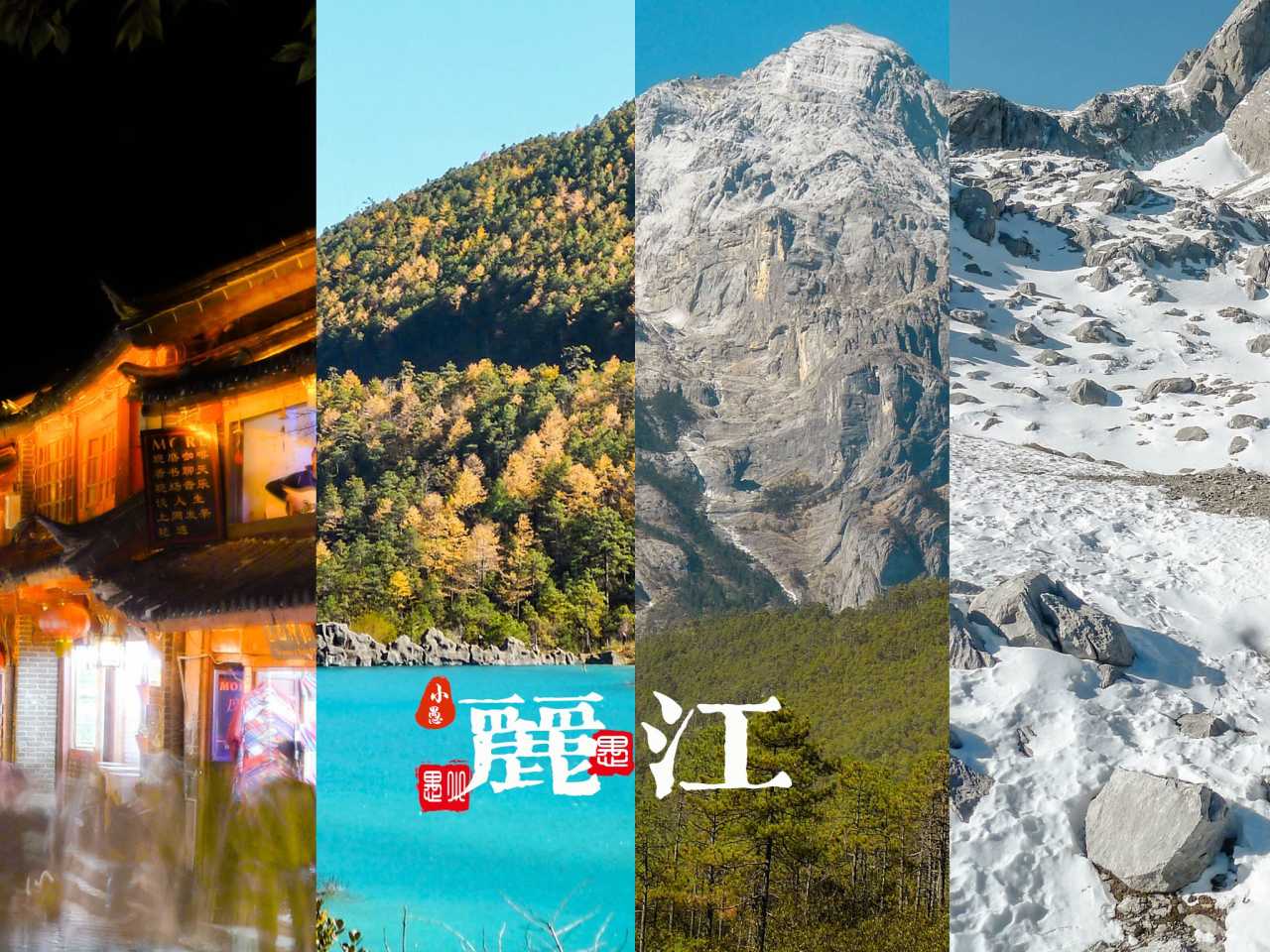
My first trip to Lijiang was by train with my boyfriend. At the time, I had all these fantasies about the place—Da Bing's little bookstore, Cat's Sky City, folk songs and wandering musicians in the ancient town. But reality hit: Da Bing's place was closed, I couldn't find Cat's Sky City after wandering for ages, and I ended up getting lost in the old town.
During the day, Lijiang's ancient town was as quiet as an old man forgotten by time. Shops lined the streets with colorful braided ropes, weathered bronze ware, and rows of Dongba drums. Everything moved slowly. I bought a cup of milk tea and walked down an alley barely wide enough for two people side by side. When I turned around, I bumped into a girl playing a drum. She was singing "She's Not in Pain," her eyes full of smiles.
In that moment, I realized Lijiang isn't a place for "healing" or "escaping." It's just itself—slow to the point of disorientation.
At night, Lijiang belonged to bars and barbecues. Someone was screaming out "In the Spring," someone else was choking up over "Existence." And there I was, standing awkwardly in the neon lights, like a lost traveler.
Practical Tips: - Jade Dragon Snow Mountain: There's not much snow in late November, and oxygen tanks are basically unnecessary. Take the cable car first, then climb the stairs. Halfway up, you'll feel a bit foolish. - Blue Moon Valley: The view of the snow mountain from there is so beautiful it looks fake. The water is blue—unrealistically blue. - Advice: Lijiang is good for clearing your head, not for staying long. Don't expect too much, and you'll be pleasantly surprised.
Tengchong: A Golden Fairy Tale in Ginkgo Village
My first trip to Lijiang left me with a lingering sense of dissatisfaction—like finding a hundred bucks, buying only an ice cream cone, and then dropping it on the ground. So the next year, I planned carefully, determined to make that hundred bucks feel like two hundred.
Tengchong was added to my itinerary that winter.
There's no train to Tengchong, so I had to take a night bus from the Western Bus Station. With only four days off, I chose the overnight option—uncomfortable as it was, I'd wake up at my destination.
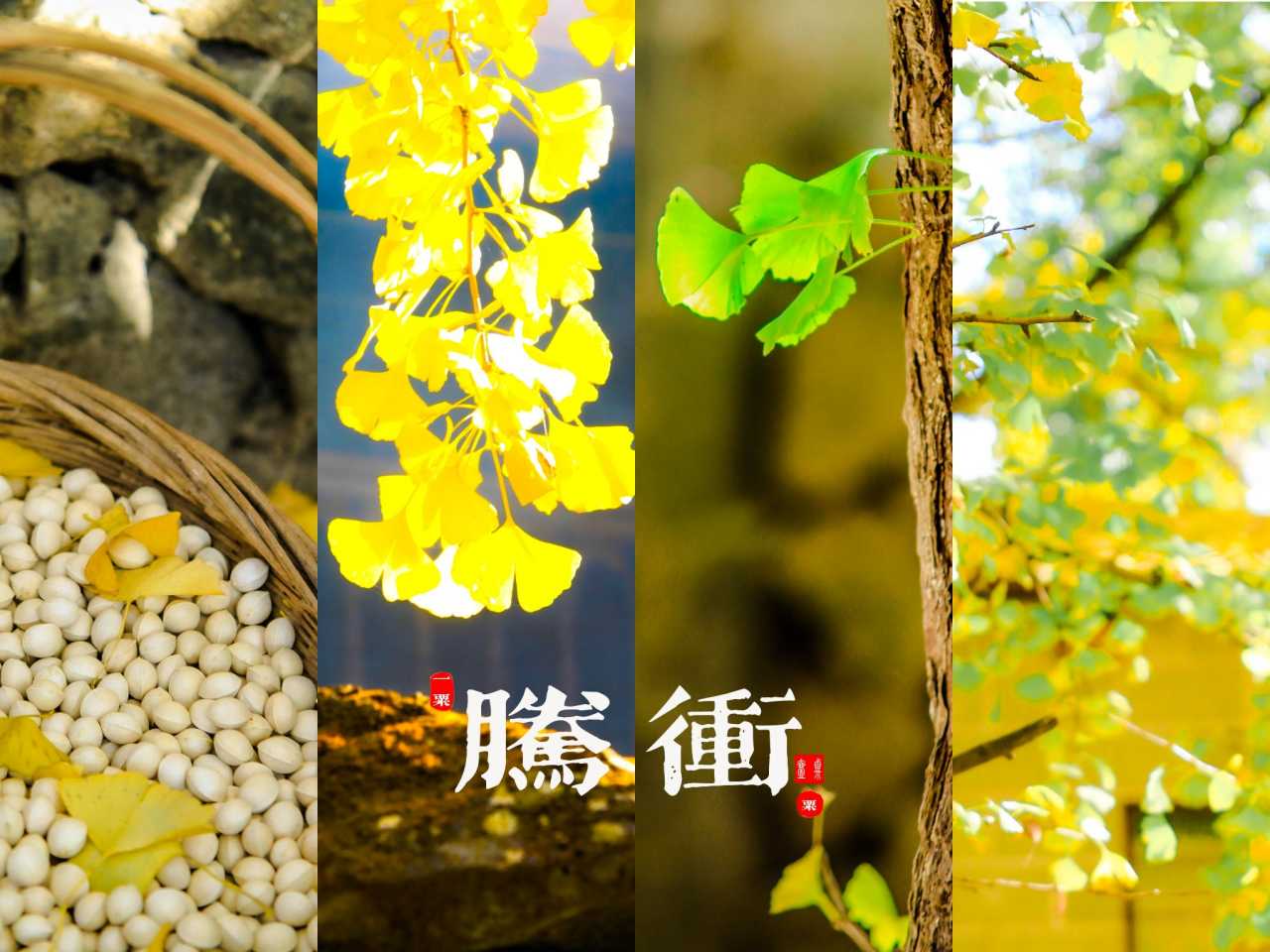
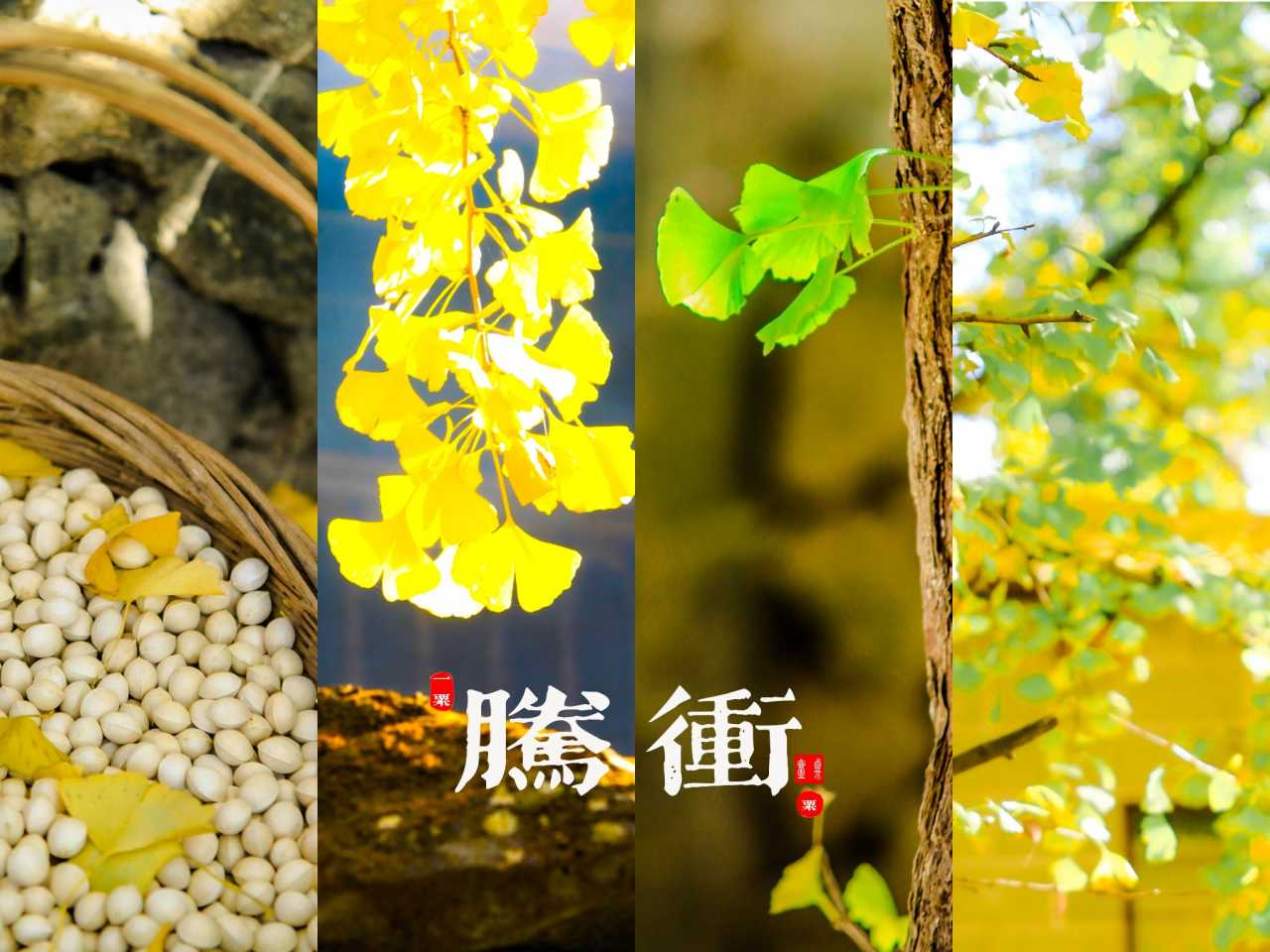
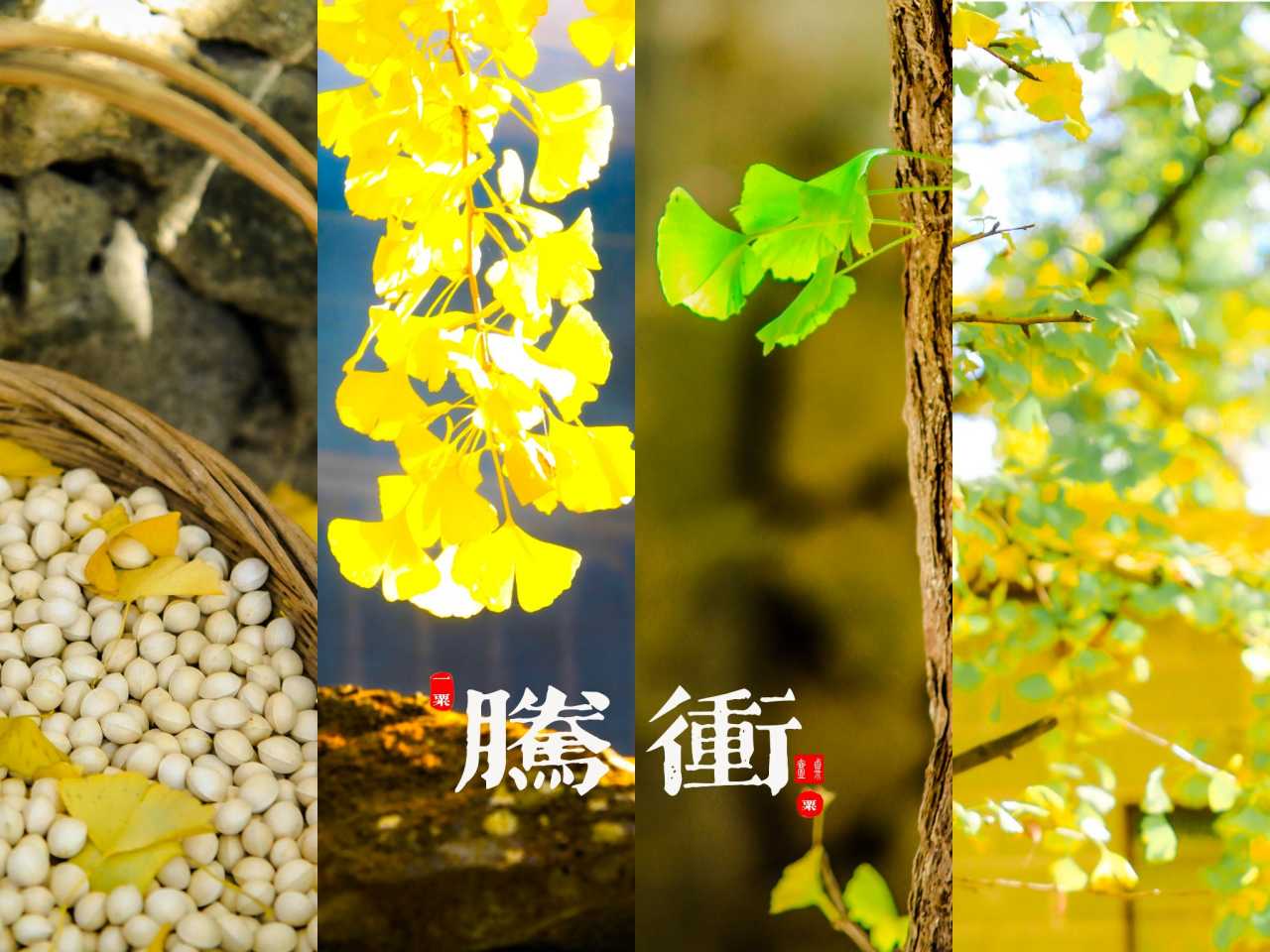
The ginkgo trees in Gudong Village were the most vivid colors of December in Yunnan. A sea of gold mixed with fresh green, like nature's spilled palette. I picked up a few ginkgo leaves and tucked them into my journal, thinking that when they dried out and left only their veiny patterns, they'd become tokens of memory.
Over time, my journal collected more and more ginkgo leaves, and I drifted further from that sentimental, poetry-loving age. Eventually, no new leaves ever made it in.
Practical Tips: - Transportation: Take a bus from the Western Bus Station—no sleeper berths available. Once in Gudong Village, you'll need to transfer from another bus station. - Time to explore: Half a day is enough, but if you want, you can spend a whole day just sitting there. - The meaning of villages: For people who spend their lives in cities, villages are like time machines, taking you back to childhood memories.
Chongqing: Flying for Hotpot
In the winter of my junior year, Kunming was cold and damp, and the entire girls' dorm became obsessed with hotpot. The room next door even bought a pot, risking getting caught, and gathered secretly late at night whenever they could.
That's when I started craving Chongqing hotpot. I'd originally planned to go to Nianhu Lake, but I changed my mind and bought a ticket to Chongqing instead. The reason was simple: the school sports meet meant off-peak season, and plane tickets were ridiculously cheap. Compared to Yunnan's buses—which never go on sale and take seven or eight hours—this was a no-brainer.
It was overcast all three days in Chongqing, which was perfect hotpot weather. On the first day, I went to the top-rated restaurant online. I waited in a long line—and it wasn't good. Later, I tried Dongting Hotpot, known for its nine-grid pot and air-raid shelter setting. If you've seen the movie Chongqing Hotpot, you'll know the place.
Chongqing hotpot broth comes in two types: free and paid. The free one is spicy; I didn't bother asking about the paid one—if you come to Chongqing and don't eat spicy, why even come? Of course, eating hotpot for three days straight meant I ended up with a terrible stomachache. That's a story for later.
At Cici Kou, I watched a Sichuan opera version of The Legend of the White Snake. I knew the story and the ending, but I was completely absorbed. Back in my room, I wrote in my diary: "Chongqing's spiciness has a strange kinship with this city—earthy, decadent, yet weathered by countless journeys. It approaches you with a thousand miles of dust, full of charm in its posture, but with eyes that speak of hardship."
Practical Tips: - Flights: Off-peak season during the school sports meet means prices that are hard to resist. - Hotpot recommendation: Dongting Hotpot (nine-grid pot, air-raid shelter setting)—way more reliable than those trendy places. - Warning: If you eat hotpot for three days straight, bring stomach medicine.
Chapter 2: Winter Break—Chasing Light from South to North
New Year's Day had no time off because of final exams. After the school sports meet, I had to wait impatiently for winter break.
During my freshman winter break, I couldn't wait to go to Xishuangbanna. Just the name itself was exciting.
Xishuangbanna: A "Summer" Without Winter
After finishing my last ethics exam, I rushed to hand in my paper, grabbed my luggage, and headed straight to the Western Bus Station. Other people brought just a pen to exams; I brought a suitcase.
When I first arrived in Xishuangbanna, everything was fascinating. The trees by the road, the fruit stalls, the street food—all of it. A friend from Xishuangbanna once told me that in outsiders' eyes, locals ride elephants to school.
The area is mostly inhabited by the Dai people, who love sour and cool flavors. My most unforgettable memory is the pounded chicken feet—the taste I missed most after leaving Yunnan, bar none.
Jinuo Mountain: The Last Recognized Ethnic Minority
When I went to Jinuo Mountain, it was foggy, giving the whole place a hazy feel. The entrance fee was 160 yuan, which included food, drinks, and a guide.
The Jinuo people are China's last officially recognized ethnic minority. Their legend says a brother and sister created the world, and they worship their maternal uncles. If someone doesn't have an uncle, they have to worship an anthill as their uncle.
I loved the mountain's original name—Youle Mountain (Worry and Joy Mountain). It has a simple, natural quality, rooted in the most basic emotions. Hidden deep in the mountains, they live by their own joys and sorrows, untouched by the outside world.
The General Buddhist Temple: From "Solely Honored" to "Letting Go"
My favorite place in Xishuangbanna was the General Buddhist Temple. Because of the temple's nature, I didn't take photos. I wandered around, eavesdropping on other people's guides, and unknowingly walked through the life of the Buddha.
At the entrance was the scene of nine dragons bathing the infant Buddha. He pointed one hand to the sky and one to the ground, saying, "Above the heavens and below the earth, I alone am honored." That was his youthful, inexperienced self.
At the last temple, the Buddha had already attained enlightenment. The 9,999 Buddha statues in the temple converged into one, represented by the Buddha statue in the golden hall. He still pointed one hand to the sky and one to the ground, but this time with four fingers instead of one. He said, "Let go." His voice was gentle and soft.
Daluo: A Primitive Dai Village
Daluo was a remote, quiet place—a primitive Dai village. As the sun rose higher, an elderly woman washed clothes by the river, and another collected banana chips she'd dried days before. Smoke rose from a few kitchens as restaurant workers prepared meals. At the crossroads, a few grandmothers sold papayas and star fruit, while a girl tossed fresh banana slices into a wok of hot oil. Someone wove cloth, someone made sugar, someone worked iron, and someone sprayed pesticide in a banana grove.
Winter in Xishuangbanna felt like spring—everything was just beginning to ripen. Green bananas hung in clusters from trees, papayas were still green, and dragon fruit plants were just starting to climb.
Practical Tips: - Transportation: Take a sleeper bus from Kunming to Xishuangbanna—wake up and you're in "summer." - General Buddhist Temple: Eavesdropping on guides is a great way to hear interesting stories. - Daluo: Perfect for those who love quiet and want to experience authentic Dai culture.
Luoping: Spring Begins with a Field of Rape Flowers
Every time I returned to school after winter break, I'd take a plane and secretly pack two dresses in my suitcase. While the north was still shivering in the cold, shaking off a few late snowflakes, Kunming was already bursting with spring colors.
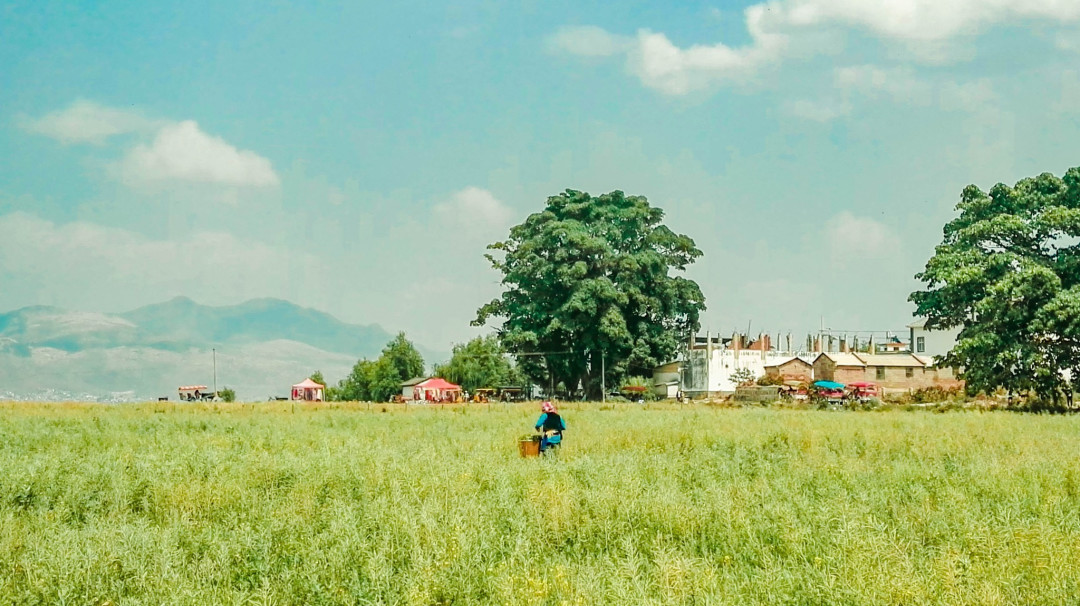
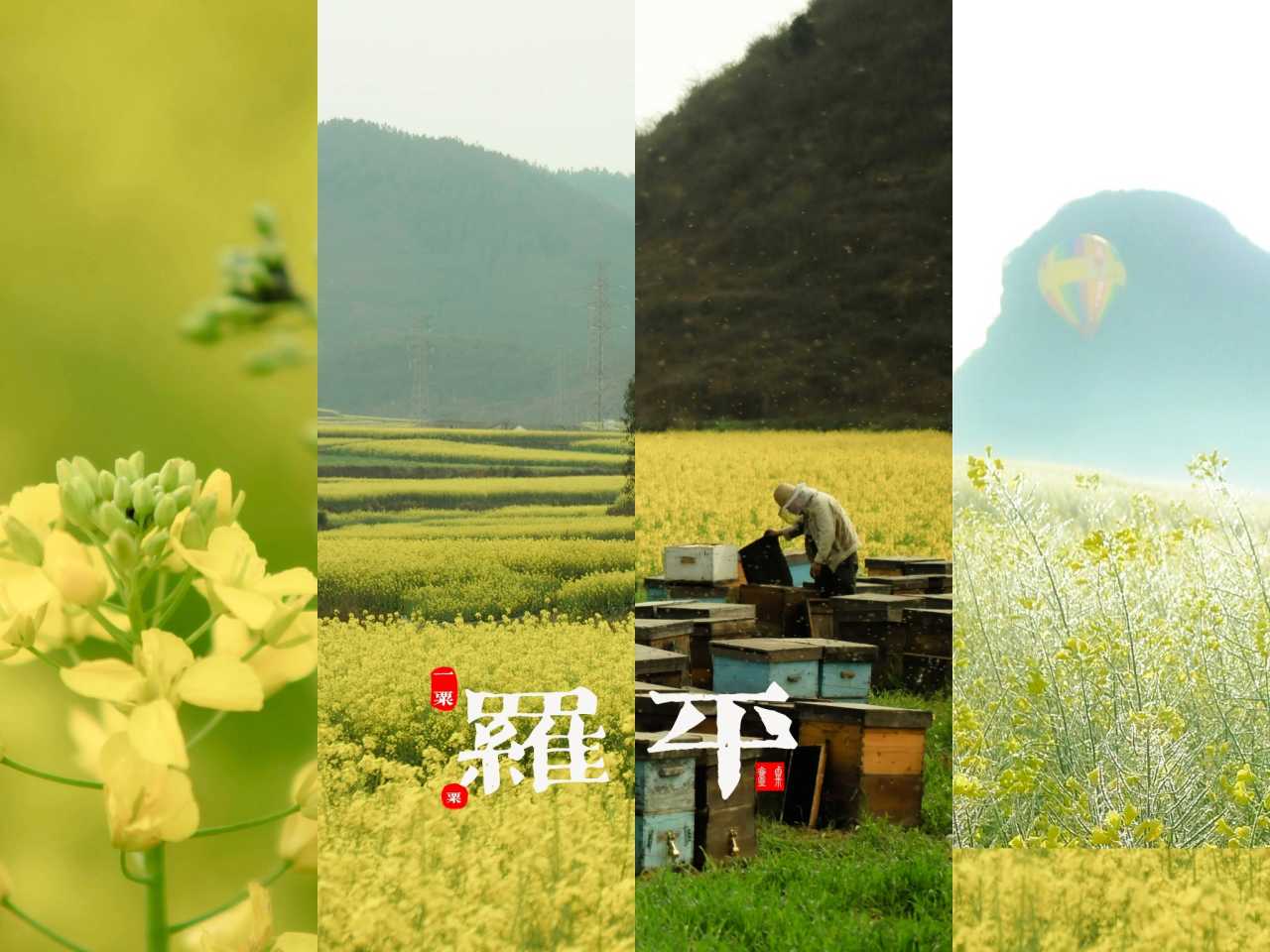
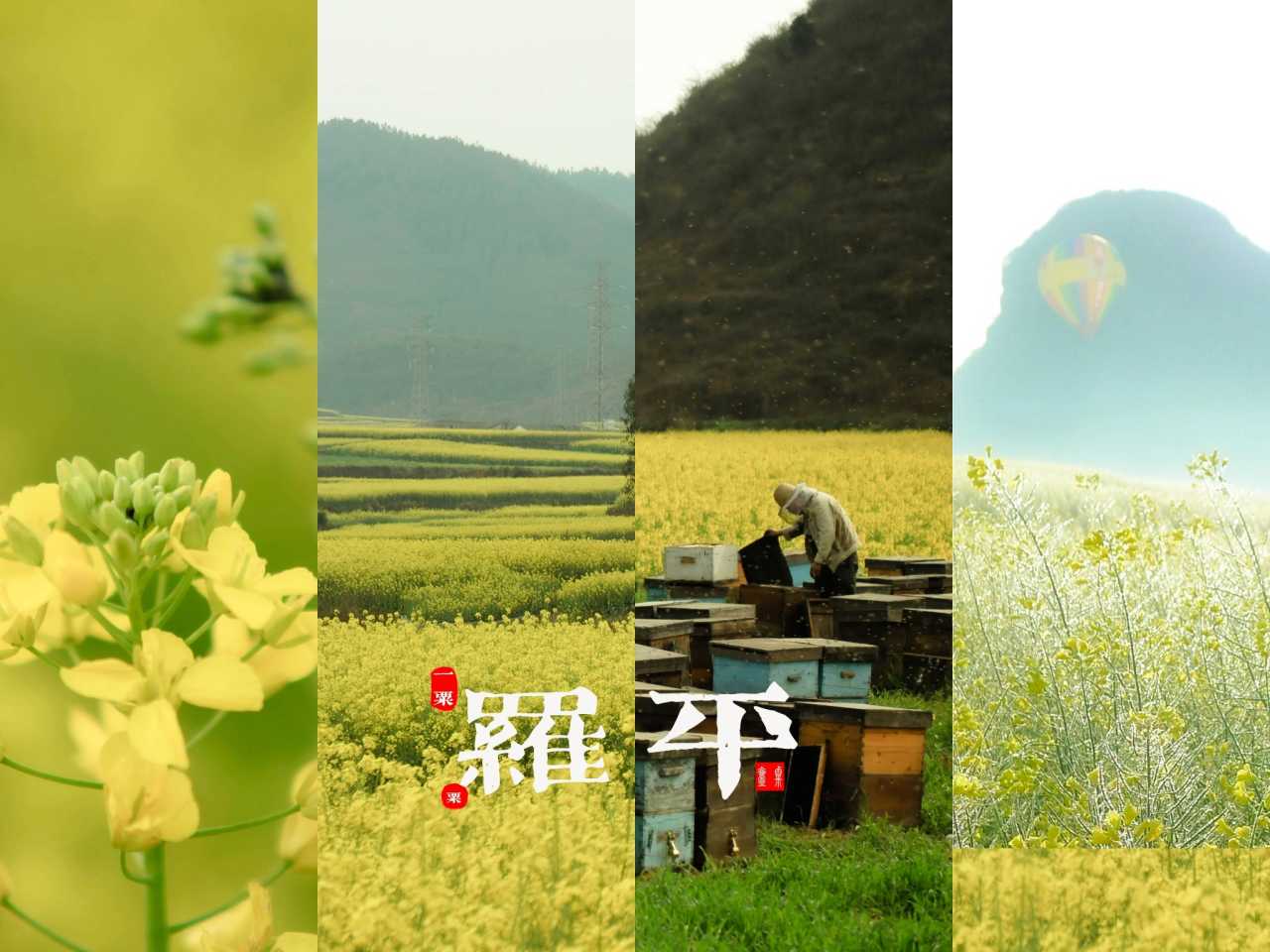
Yunnan's spring starts with a golden sea of rape flowers. Every year after the Spring Festival, the blossoms spread noisily from south to north, from valleys to hilltops.
I'd always take the train to Luoping a few days before school started. The carriage was always filled with the same kind of people—middle-aged women with curly hair and beautiful ethnic skirts, or middle-aged men in artist berets carrying big DSLR cameras.
The train ride to Luoping was my favorite journey, especially in February when spring arrived. The mountains were covered in eye-catching yellow, with occasional streams, stone bridges, and scattered houses.

In those poetry-loving years, the changing seasons were just verses about spring blossoms and autumn harvests. I'd secretly pull out a delicate piece of stationery, set goals for the year, and hide it in a cherished notebook for fear of being laughed at by friends. I'd encourage myself to keep running.
I'd also go out in the spring light to see peach blossoms and green willows, marveling at every flower's bloom and mourning every petal's fall. Until the last spectacular cherry blossom rain buried all those youthful days.
The beekeepers in Luoping came from all over—other parts of Yunnan, Sichuan, Hubei. They followed the flowers, chasing spring from south to north. Every time they moved, they had to pack up their entire homes.
At dusk, I took a taxi to Luosi Tian (Snail Field). The village below began cooking dinner, smoke rising from chimneys, adding a touch of everyday life to the scene. Suddenly, a few bangs—someone was setting off fireworks in broad daylight.
Practical Tips: - Transportation: Take the train from Kunming to Luoping. In February, during rape flower season, the carriages are full of kindred spirits. - Luosi Tian: Go at dusk—the cooking smoke and fireworks are beautiful. - Beekeepers: Chat with them—they have great stories about chasing spring.
Chapter 3: Labor Day—A Bowl of Rice Noodles That Sparked an Expedition
During my sophomore year's Labor Day holiday, my roommate suggested we go to Mengzi for rice noodles. I'm not sure how this trend started, but everyone seemed to be doing it.
Apparently, there was an old train station near the school where you could take a small train to Bise Town, then take a taxi to eat chrysanthemum rice noodles. That bowl of noodles had reached legendary status—topped with chrysanthemum petals, so delicious it made you want to cry, and all over social media. Some people even brought their bicycles on the train, then cycled straight to the place, all for a bowl of noodles.
So when my roommate mentioned it, I agreed without a second thought. But fate had other plans. The day before we left, the school's cold drink shop had a sale. I cautiously bought a cone, and the next day, I ended up in the campus clinic. My roommate came to visit me, first offering fake sympathy, then righteously condemning the drink shop, and finally waving goodbye, promising to bring back photos of the noodles.
From then on, that bowl of noodles haunted me. So I waited for a spring day and finally went to Mengzi—and Yuanyang!
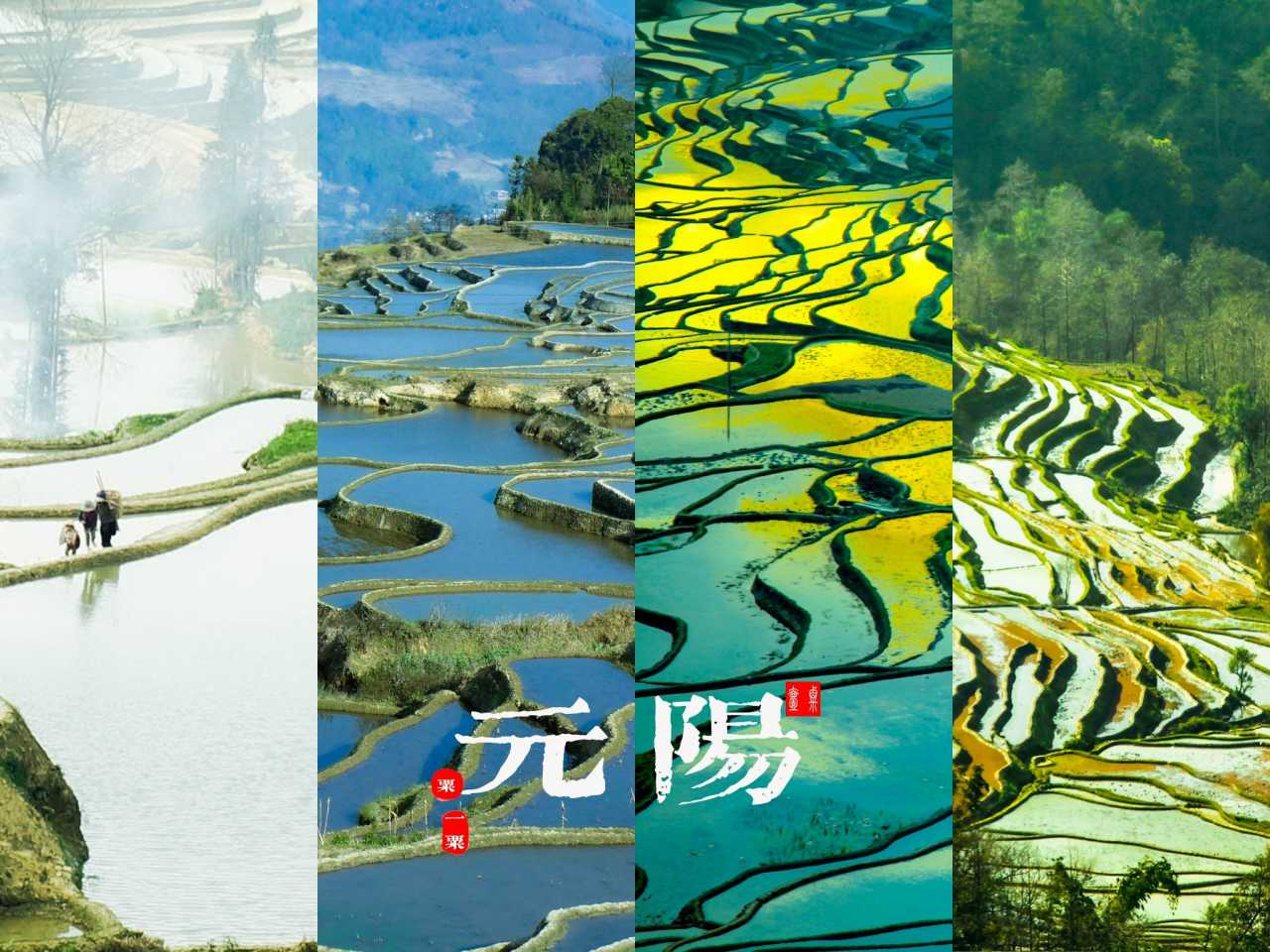
Yuanyang: The Sky Mirror in the Rice Terraces
Yuanyang's rice terraces are famous in photography circles, but I wasn't part of that world—I just wanted to see them and eat some noodles.
But once I got to Yuanyang, I stopped caring about that chrysanthemum noodle trend—because every single bowl of rice noodles here was delicious! They were nothing like the ones in Kunming.
In Kunming, I rarely ate rice noodles for breakfast—I usually had rice noodles in soup or regular noodles. But in Yuanyang, I ate them almost every meal. Even when staying at a guesthouse, I'd ask the owner in the morning if they could make me a bowl. I finally understood why Yunnan people say "swing" rice noodles instead of "eat" them—because the word perfectly describes the action of slurping them down.
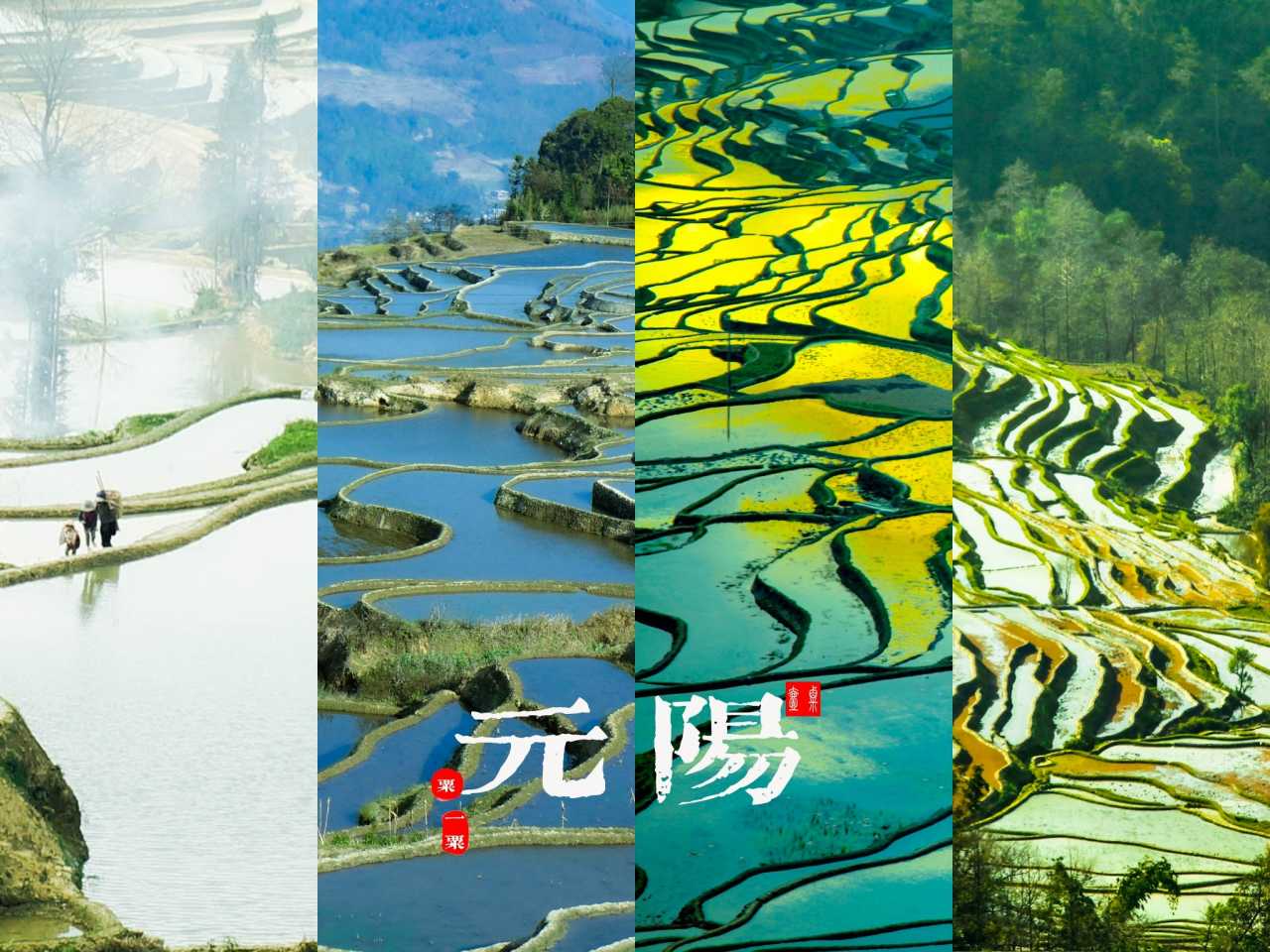
The Yuanyang terraces start filling with water after the Spring Festival, turning into shimmering mirrors that reflect the sky. My favorite time was 10 a.m. at Aichun, where the terraces were pure blue—like a fairy tale, like a bird in flight.
But don't just take photos of the local children in the fields. For example, the photo below cost me 200 yuan.
Here's what happened: Since the terraces are the Hani people's farmland, you have to pay the owner to walk inside. Most people stay on the edge and rely on their equipment. A man in a plaid wool vest was standing next to me, probably thinking the Hani kids playing in the fields were cute. He turned his lens toward them and took a few shots. The kids immediately ran up and demanded 30 yuan each for the photos. The man looked flustered, stroking his artist's beard, then laughed helplessly, pulled out 200 yuan, and said, "Uncle will give each of you 50 yuan—how about a group photo?" The kids agreed without hesitation.
More and more people gathered. I happily pulled out my phone to join in. But since I'd been standing next to him, the man suddenly handed me his camera and asked me to take the group photo. So I had to take it for him, and managed to snap this shot while he was taking photos of the kids.
Because the terraces are mirrors of the sky, changes in light are crucial. Sunrise and sunset became gathering spots for photography enthusiasts. I didn't know much about it, so I just followed online guides and hopped around. Before I knew it, I'd gotten hooked on the play of light and shadow in the water.
After finding joy in shooting the sunset the night before, I woke up before dawn the next day and rushed to Duoyishu to catch the sunrise. But I kept hitting dead ends—every spot was packed with people. I finally squeezed into a tiny gap, so my lens could only point at one place.
But watching the sunrise from the water was strangely magical. When I first arrived, it was pitch black. As I was about to leave at dawn, I turned around and thought, "Wow, no wonder every spot was taken."
Laohuzui (Tiger Mouth) was visited at noon, with harsh sunlight and little shadow play. But seeing such a vast scene from deep in the valley was still awe-inspiring.
Practical Tips: - Rice noodles: Every bowl in Yuanyang is delicious—no need to hunt for "trendy" spots. - Terraces: They start filling with water after the Spring Festival. At 10 a.m., the Aichun terraces are pure blue. - Photography: Taking photos of Hani children costs 30 yuan each. If you want a group photo, follow the man's example and offer 50 yuan each. - Sunrise: Duoyishu is great for sunrise shots, but it gets crowded—go early to claim a spot.
Chapter 4: Bonus Chapter—An Adventure in the Northeast
During my sophomore winter break, I really wanted to see the kind of fluffy snow you see in pictures, so I dragged my boyfriend from the southwestern corner of the country all the way to the northeast.
My boyfriend is a southerner. The moment we arrived in Snow Town, he got so excited he threw himself face-first into the snow. I took a photo of him, but he deleted it in a fit of pettiness. Sometimes, he's just no fun.
Wusong Island: "Palace Walls in Stern Winter Light"
Of all the poems about winter, my favorite line is Li He's: "Palace walls encircle in stern winter light, white fragments fall like jade blossoms." At 43 degrees north latitude, on Jilin's Wusong Island, there were no palace walls and no snow falling—but somehow Li He's poem came to mind. Maybe it was the rime ice covering everything, perfectly deserving the name "jade blossoms."
Go on a clear morning, even if it's minus 20-something degrees Celsius—because "overnight, it's like spring has arrived."
Snow Town: A Sunrise at Minus 15 Degrees
There are dedicated drivers running between Snow Town and Jilin's Wusong Island, so it's easy to find a carpool.
My happiest day in the northeast was crossing Yangcao Mountain. One side of the mountain is Snow Town; the other is Snow Valley. I chose to go from Snow Town to Snow Valley—because the path from Snow Town to the summit is a gentle slope, while the one from Snow Valley is all stairs. I didn't want to deal with stairs, especially since in snowy season, going downhill means you can just slide down.
At night, Snow Town turned red as vendors came out to hawk their goods: frozen persimmons, frozen pears, candied hawthorn skewers, and ice cream bars sold directly from outdoor displays. I loved the northeast's candied hawthorn—one bite and your teeth would chatter.
I bought a frozen persimmon, but it was too cold to hold, so I planned to take it back to the guesthouse and eat it slowly. But while I was warming myself by the fire and chatting with the owner, it melted... (How long was I talking, anyway?)
The melted persimmon turned into a puddle of mush, all slimy and gross. I picked up a corner, complaining to the owner, who just tossed it onto the windowsill in the yard. When I woke up the next morning, it had frozen solid again!
But when I excitedly told a friend from Harbin Institute of Technology about this, he sneered and said the best thing in the northeast is frozen pears. Especially the small ones—if frozen properly, you soak them in cold water, and a layer of ice forms around them. Then the whole pear becomes soft. You just bite a tiny hole in the skin and slurp out all the flesh.
So... I'd been biting into them directly with chattering teeth, basically eating nothing.
Yangcao Mountain at 4 a.m.
The next day at 4 a.m., somewhere in Snow Town, yours truly was already up. The guesthouse owner wasn't awake, so I made myself a bowl of instant noodles.
At 4:30 a.m., I threw away the noodle cup, packed my bag, and walked out of the guesthouse. It was pitch black outside, with a few faint stars twinkling. But I didn't have time to take photos—because I was lost.
"Yes, I initially climbed a small hill, because the guesthouse owner said to turn left at the big crossroads to reach the entrance to Yangcao Mountain."
"How did you realize you'd gone the wrong way?"
"Because the path ended in someone's yard... Don't look at me with that pitying expression. That house was at the foot of the hill."
"How did you find the right path?"
"After coming back out, I walked about seven or eight meters further, and there was a big sign saying 'Yangcao Mountain'—you just can't see it at 4 a.m."
"Why go to Yangcao Mountain so early?"
"Because I heard the sunrise there is amazing. I wanted to reach the summit before dawn. And honestly, it was the most beautiful sunrise I've ever seen. I can't describe it in words. If I had to try, I'd say it's worth waking up at 4 a.m. in minus 15 degrees to climb a mountain!"
At the summit, there's a simple reception hut where you can grab a quick bite or buy supplies. Past the summit, the downhill path leads into Snow Valley. The scenery changes completely—trees on both sides, a stairway path in the middle. But in snowy conditions, the stairs aren't easy to climb. So we chose to... slide down.
During our trip to the northeast, a cold wave hit, and we could barely go outside most days. But we figured we'd come all this way, so we gritted our teeth and went out—only to duck back inside after a few minutes. The day we crossed Yangcao Mountain was the longest we spent outdoors. When we reached Snow Valley, we found a small restaurant and ordered two plates of dumplings. The warmth of that moment felt like coming home in a snowstorm.
Practical Tips: - Wusong Island: Go on a clear morning—minus 20-something degrees is worth it. - Frozen pears: Don't bite into them directly like I did. Soak them in cold water until a layer of ice forms, then eat. - Yangcao Mountain: Going from Snow Town to Snow Valley is easier. You can slide down the mountain. - Sunrise: Wake up at 4 a.m.—it's worth it.
Epilogue: Those Years We Chased "Fragments of Time"
Four years of college—not too long, not too short. I used every school sports meet, every winter break, and every scrap of free time I could squeeze out to explore every corner of Yunnan.
From the "missed" encounter in Lijiang to the gold of Tengchong; from the summer of Xishuangbanna to the spring of Luoping; from the terraces of Yuanyang to the snow of the northeast. Every departure was an "impulse purchase," but every return came with a suitcase full of memories.
Some people say youth is meant to be wasted. But I think youth is meant to be "wasted" on the road.
Those years we chased "fragments of time"—they all became the most precious treasures of our lives.
Final Practical Tips: - Flights: Off-peak season during the school sports meet means prices that are hard to resist. - Trains: The train to Luoping in spring is the best scenery. - Night buses: Uncomfortable, but they save time—wake up and you're there. - Rice noodles: Every bowl in Yuanyang is delicious—no need to hunt for "trendy" spots. - Photography: Taking photos of ethnic minority children costs money—ask first.
This article is written as a memoir and does not include a travel itinerary. For related guides, please refer to the table of contents at the end or check the main page notes.
You should also read:
Escaping Nanning, Falling Under Lijiang's Spell: Our Four-Person, Ten-Day Yunnan Dream
Escaping Nanning, Falling Under Lijiang's Spell: Our Four-Person, Ten-Day Yunnan Dream Before We Set Off: No Pain, No Obsession Have you ever had that impulse—suddenly tired of the office fluorescent lights, the crush of the subway, the endless parade of identical takeout boxes, and just…
Continue reading...
Solo in Yunnan: A Wanderer’s Guide to the Land of Eternal Spring
Solo in Yunnan: A Wanderer’s Guide to the Land of Eternal Spring There’s something magical about traveling alone. No compromises, no schedules to keep, no one to please but yourself. I’ve been on the road for nearly three months now, and not once have I…
Continue reading...
Tengchong·Heshun: Finding Life as It Should Be in a Border Town Where Time Stands Still
Tengchong·Heshun: Finding Life as It Should Be in a Border Town Where Time Stands Still The long journey of over twenty days was over. On my first day back at the office, I was still in a daze. My fingers couldn't find the keys on…
Continue reading...