From Abuji Lake to Meili Yubeng: A Spring Hiking Feast in Yunnan
From Abuji Lake to Meili Yubeng: A Spring Hiking Feast in Yunnan
There’s a peculiar magic that happens when you trade the comfort of a warm bed for the sting of alpine wind, when you swap city noise for the crunch of snow underfoot. It’s the kind of magic that reminds you why you travel in the first place—not just to see new places, but to feel alive in ways that routine never allows. This March, my friends and I embarked on a nine-day journey through northwest Yunnan, traversing sacred mountains, frozen lakes, and hidden valleys. What started as a plan to hike Nanjiluo (南极洛) ended up becoming something far more raw and unforgettable: a high-altitude pilgrimage from Abuji Lake (阿布吉措) to the legendary village of Yubeng (雨崩), deep in the shadow of Meili Snow Mountain.
The Unexpected Pivot: From Nanjiluo to Abuji
Our original plan was simple enough: fly into Lijiang, drive to Cizhong Village, and hike the pristine trails of Nanjiluo in Weixi County. But as any seasoned traveler knows, plans in remote regions are written in pencil, not ink. Days before departure, our host in Cizhong confirmed what we’d feared—Nanjiluo was closed for the season. No entry. No exceptions.
We scrambled. A quick call to our guide, Master Lu, and the new plan was set: Abuji Lake in Shangri-La. The catch? The distance jumped from 11 kilometers to 28 kilometers overnight. That’s not a warm-up; that’s a full-body interrogation.
Thankfully, the Cizhong host graciously canceled our non-refundable booking without penalty—a small kindness that set the tone for the hospitality we’d encounter throughout the trip.
Day 1: Lijiang to Shangri-La – The Calm Before the Storm
Landing in Lijiang felt like stepping into a painting. The sun was warm, peach blossoms lined the roads, and the air carried that particular lightness of early spring. We picked up a rugged SUV at the airport—our chariot for the days ahead—and hit the road.
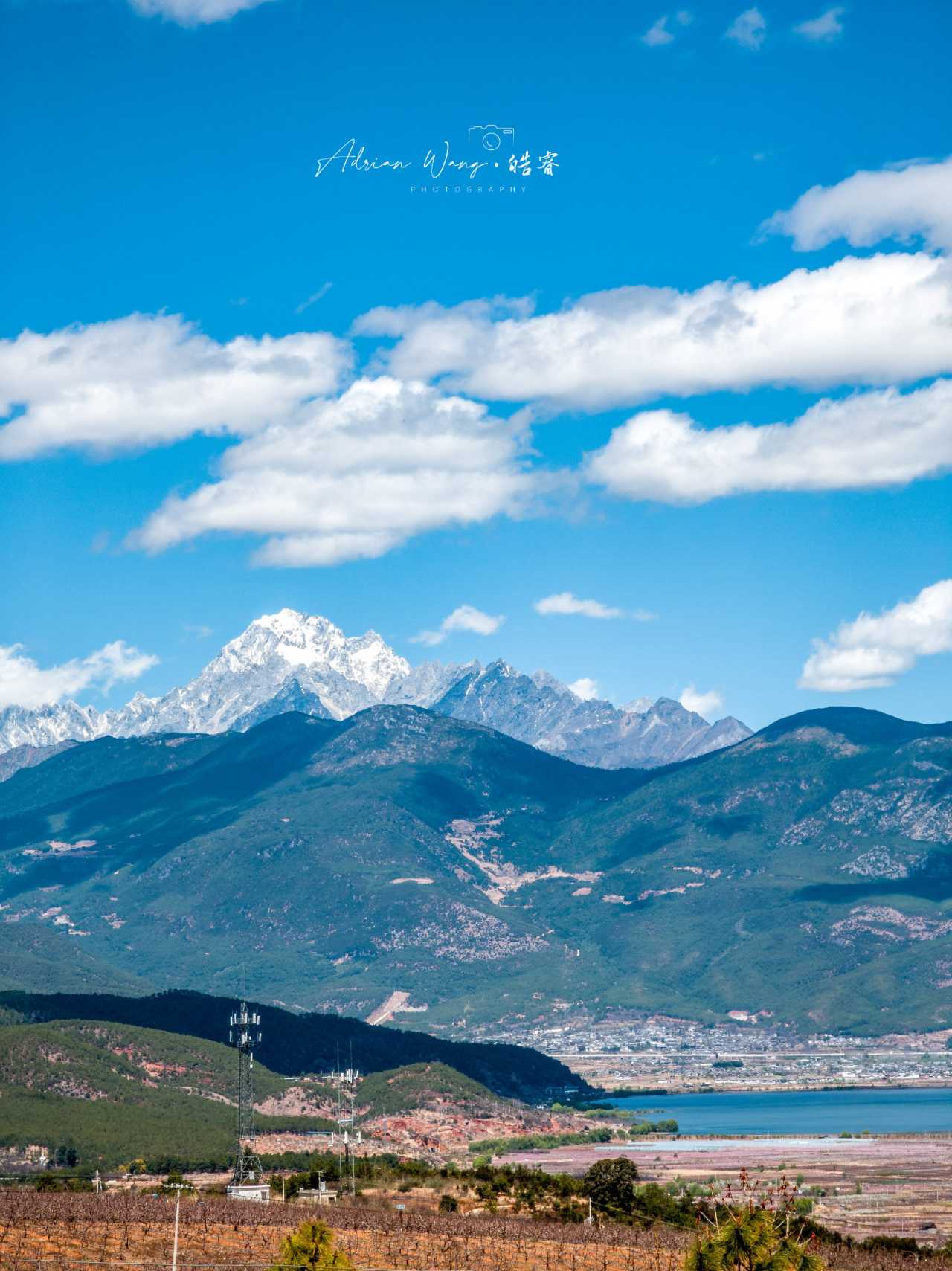
The drive from Lijiang (2,400m elevation) to Shangri-La (3,300m) is a visual feast. We took the Xili Expressway, but the more scenic alternative—National Highway 214—snakes through the gorge between Jade Dragon Snow Mountain and Haba Snow Mountain, offering views of the roaring Jinsha River and the dramatic cliffs of Tiger Leaping Gorge.
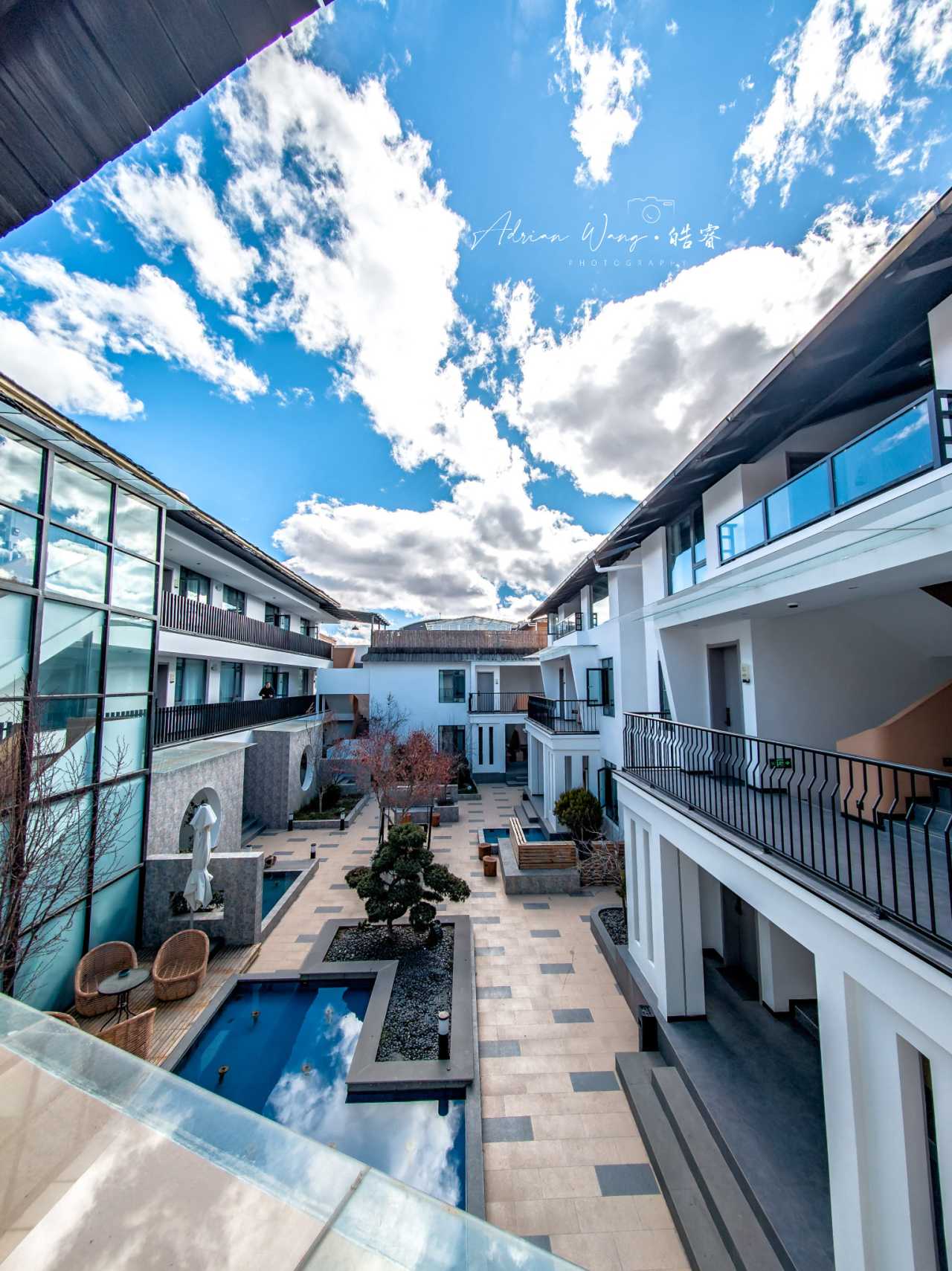
We checked into a quiet guesthouse near Dukezong Ancient Town. The streets were blissfully empty—off-season has its perks. But the first challenge hit us fast: altitude sickness. Headaches, shortness of breath, that vague sense of being slightly underwater. We’d all feel it in different ways over the coming days.
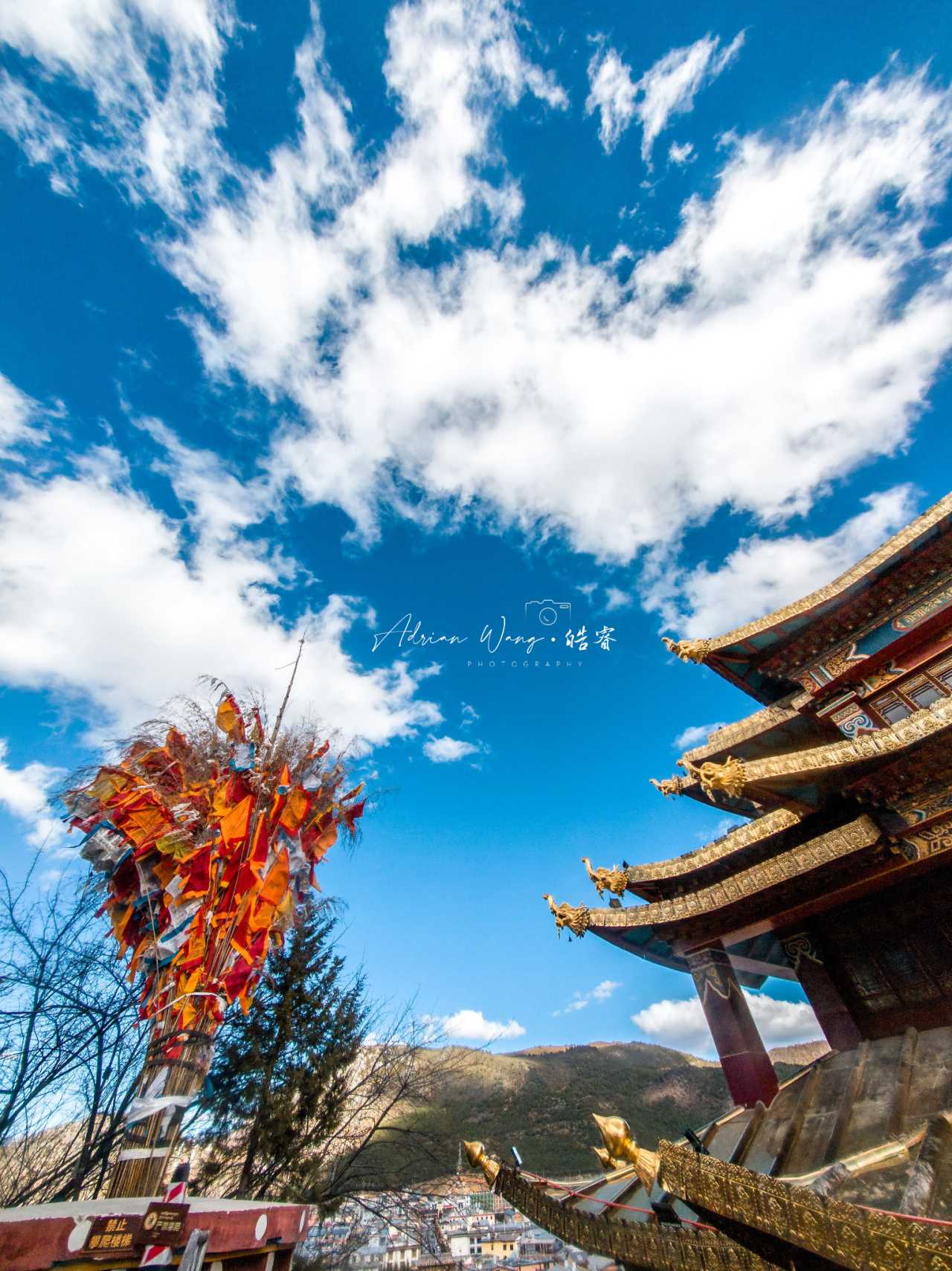
That evening, we wandered into Dukezong, also known as the "Moonlight City." Built during the Tubo Kingdom over 1,300 years ago, it’s one of the best-preserved Tibetan settlements in China. At its heart stands a massive prayer wheel—60 tons, 21 meters tall—that takes a group effort to spin. We joined the crowd, adding our hands to the collective turning, a simple but profound act of connection.
Dinner was a no-brainer: yak meat hotpot. We found a local spot where the beef was sliced fresh to order—tenderloin, brisket, ribeye—plate after plate disappearing into our hungry mouths. The local beer got rave reviews from my companions, but I passed, saving my liver for the trail ahead.
Before bed, Master Lu called to check our gear and experience level. His message was simple: "Be ready at 6:30 AM. Rest well tonight."
I barely slept.
Day 2: The Abuji Lake Gauntlet – 28 Kilometers, 13 Hours

5:30 AM – Darkness and Determination
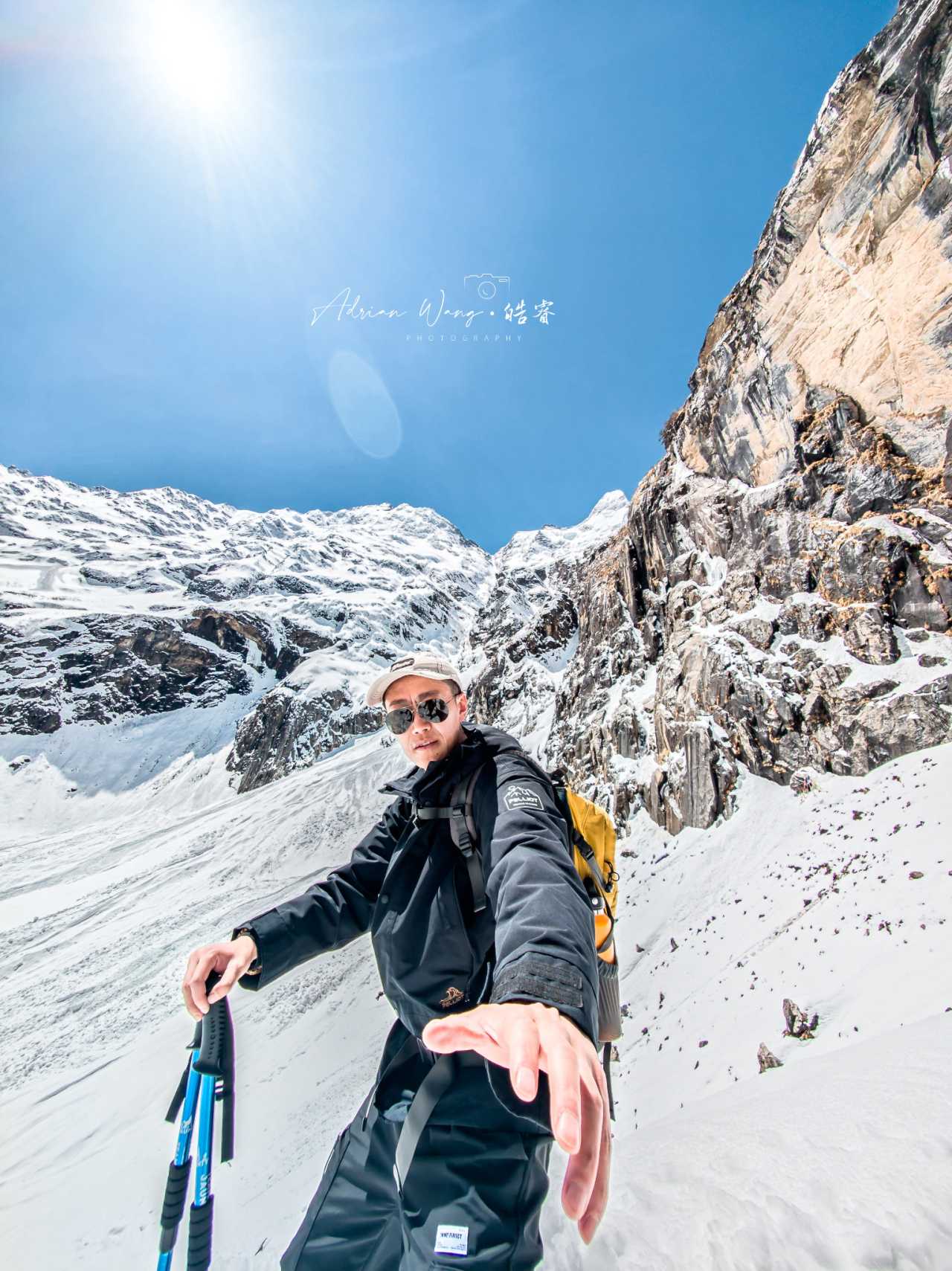
The world was still black when we dragged ourselves out of bed. We checked our packs methodically: trekking poles, energy bars, power banks, thermoses, headlamps, gloves, hats, rain covers, knee braces, medicine. One thing I didn’t pack? Gaiters. A mistake I’d pay for repeatedly as gravel and mud found their way into my boots with every step.
Master Lu arrived on time. We downed a quick breakfast of congee and eggs, then drove 30 kilometers to the trailhead at Washbasin Pass (洗脸盆垭口, 3,677m). The road was pitch black until, just before the pass, the horizon cracked open with amber light. Master Lu exhaled with relief—he’d been worried about rain.
The wind at the pass was brutal. We layered up like onions and set off.
The Climb Begins
The first challenge was a steep ascent. At high altitude, every step feels like a negotiation with your own lungs. Heart pounding, breath short, we stopped every few meters to recalibrate. The group quickly spread out. Brother Tong, nursing a back injury, fell to the rear.
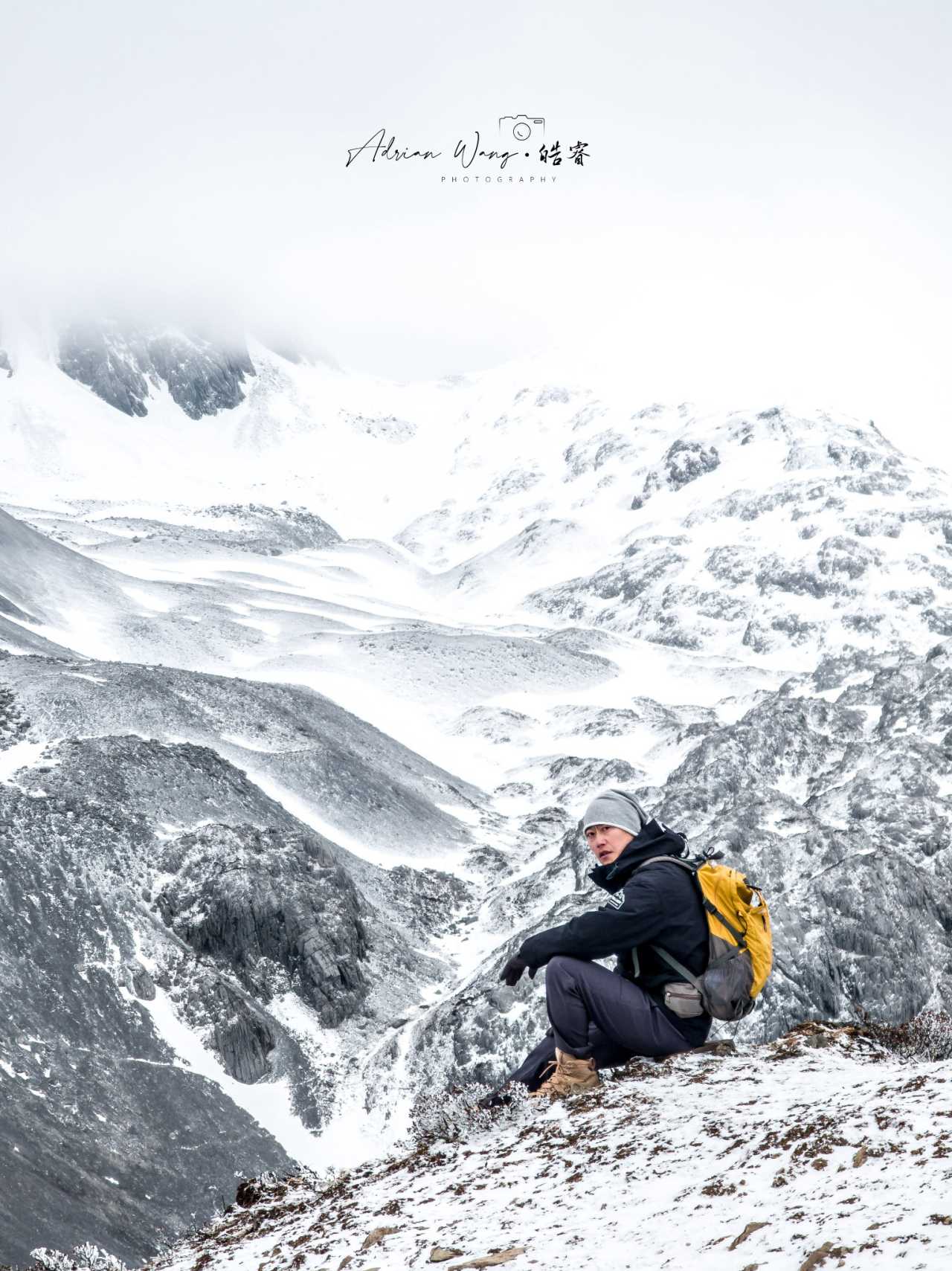
After an hour, we crested the first ridge. The forest was still winter-barren, but Master Lu promised that in a month, this whole hillside would explode with rhododendrons. The ground was frozen solid, the muddy patches turned into ice slicks that required careful probing with our poles.
We reached No. 1 Pasture (3,927m) after 4 kilometers. The sight was worth every heavy breath: a wide alpine meadow backed by the jagged peaks of Tianbao Snow Mountain (4,750m). We snapped a group photo—a motley crew of walking wounded. Xiao Ji had a lingering flu. Yin Dao was recovering from Achilles tendinitis. Brother Pang had pulled a calf muscle playing soccer. Brother Tong had sudden back spasms. And me? I’d been coughing for weeks and was still on antibiotics.
We called ourselves the "Disabled Hikers Club."
Into the Snow
The trail undulated through muddy forest, past No. 2 Pasture (3,926m), where we stopped at a herder’s cabin for a break. Master Lu shared homemade fried pastries—a small gesture that felt like a feast.
Seven kilometers to go.
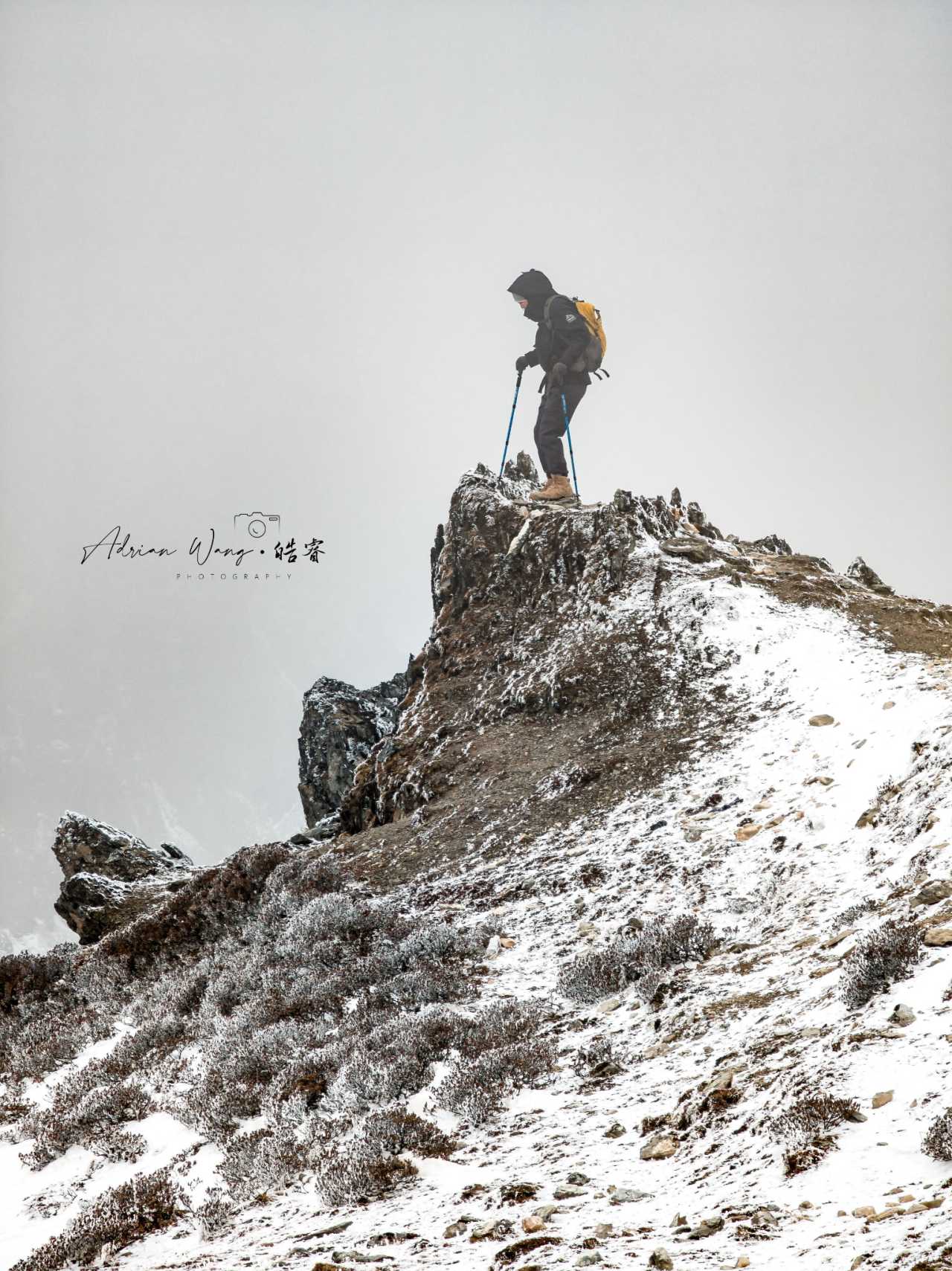
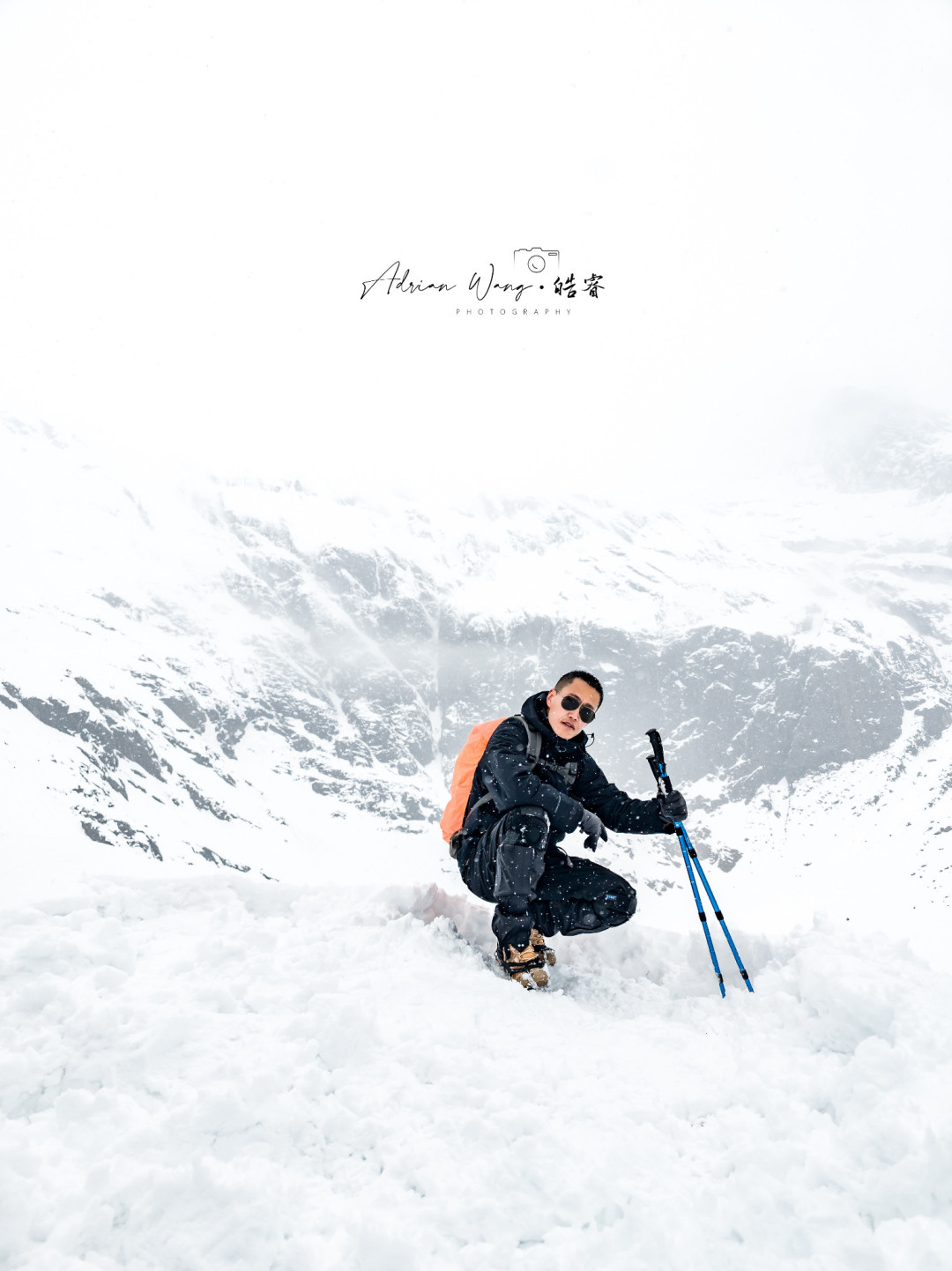
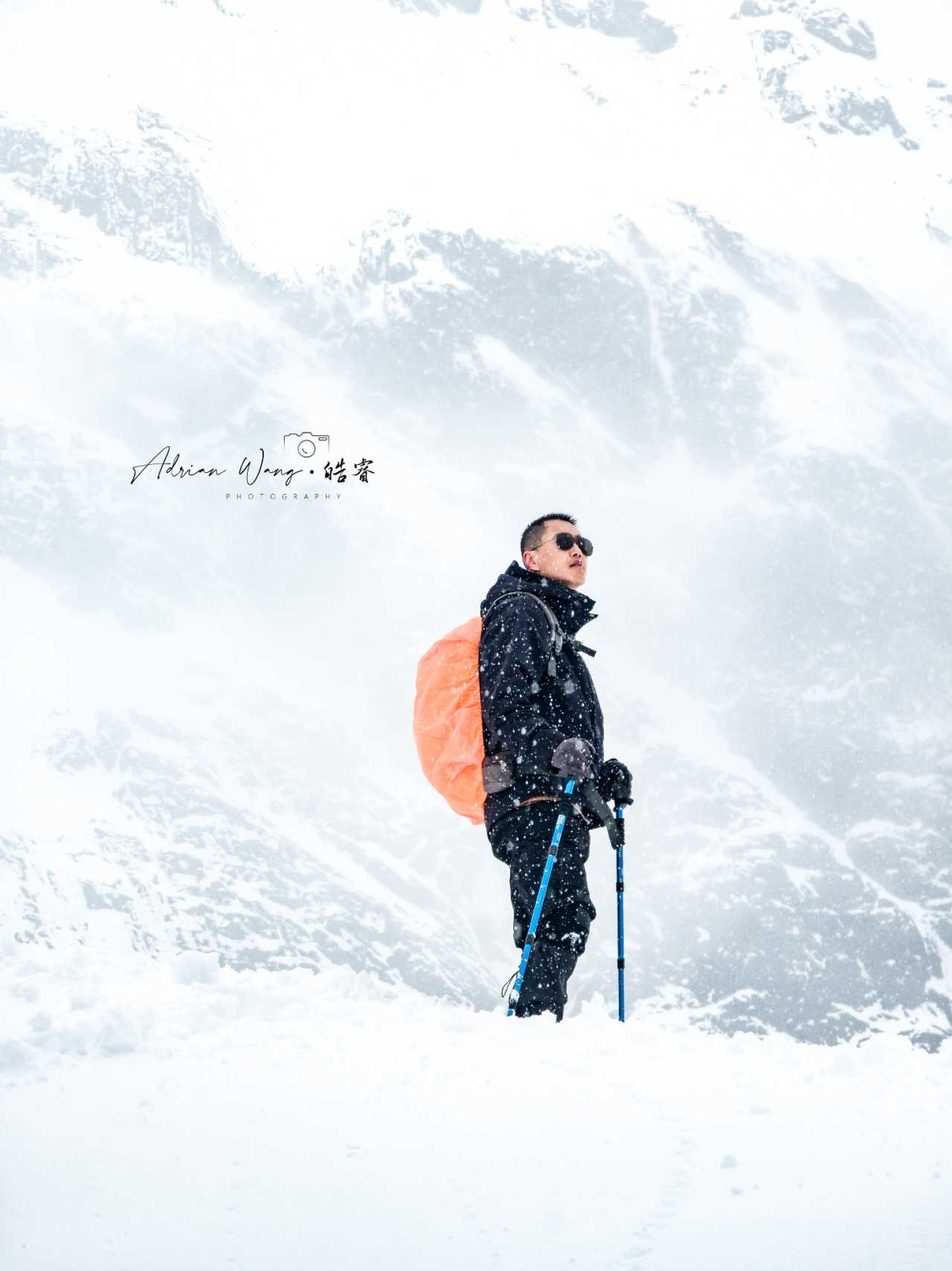
As we climbed higher, the terrain shifted. Mud gave way to snow. The wind picked up. At a broad pass (4,115m), the temperature plummeted, and snowflakes began to swirl. On a clear day, you can see the Three Holy Mountains of Daocheng Yading from here. We saw only white.
Brother Pang was struggling. His face said everything: Why am I doing this? I promised him photos at the top. That promise, repeated like a mantra, kept him moving.
The final push was brutal. Deep snow, no traction (we hadn’t brought crampons), and visibility dropping by the minute. I almost took a wrong turn toward a different ridge, but Master Lu called me back.
Seven hours after starting, we reached the summit pass at 4,363 meters. The wind howled. Snow stung our faces. And there, barely visible through the mist, was Abuji Lake.
It wasn’t the crystal-clear turquoise we’d seen in photos. It was gray, half-frozen, obscured by fog. And it was perfect. We stood there, shivering, grinning, feeling the full weight of what we’d just done.
The Long Way Down
The descent was its own kind of hell. What took effort to climb now punished our knees. By the time we reached No. 2 Pasture again, my energy was gone. Hypoglycemia hit me like a wall—dizzy, cold, unable to open my pack. Yin Dao, the marathon runner, saved me with an energy gel. One packet, and I could move again.
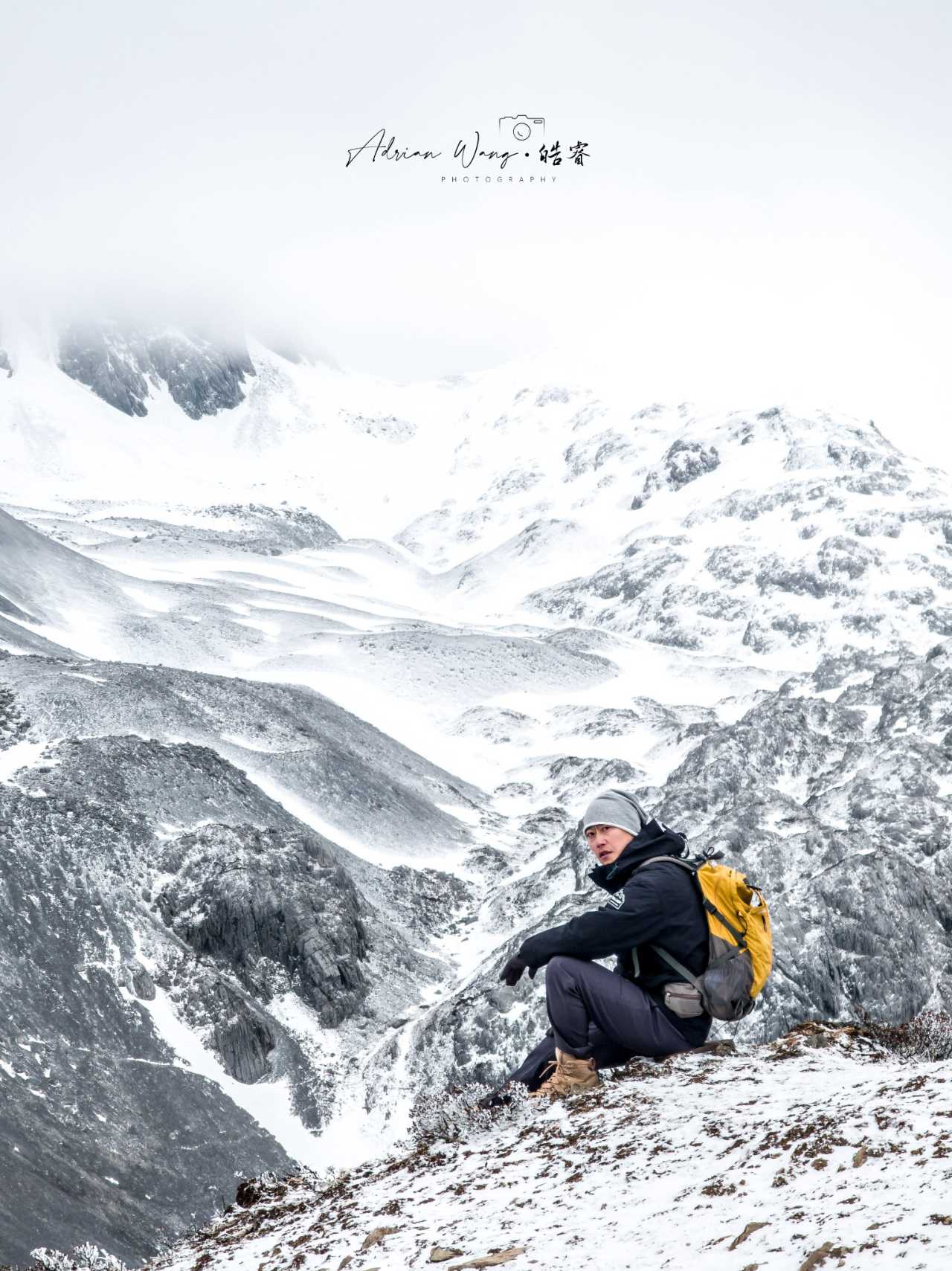
We emerged from the forest as darkness fell. Headlamps on. The last kilometer was pure willpower. Every joint screamed. My brain was static. But we made it.
Thirteen hours. Twenty-eight kilometers. 854 meters of elevation gain.
I collapsed onto the parking lot gravel and didn’t want to get up.
Day 3: Recovery and the Road to Yubeng
I woke up covered in pain patches—shoulders, knees, Achilles. But somehow, I felt human again. We packed quickly, ate breakfast, and hit the road by 9:30 AM.
The drive from Shangri-La to Yubeng takes about four hours, winding through the mountains of Deqin County along National Highway 214. We crossed the Baima Snow Mountain range (5,429m), with the Jinsha and Lancang Rivers tracing our path.
Then, we saw it: Meili Snow Mountain, unobstructed and glorious in the clear morning light. All thirteen peaks visible. I pointed them out one by one: Goddess Peak (6,054m), Five-Guan Peak (5,470m), Bawu Bameng (6,000m), and the mighty Kawagebo (6,740m)—the highest of them all, a mountain so sacred that climbing it is forbidden.
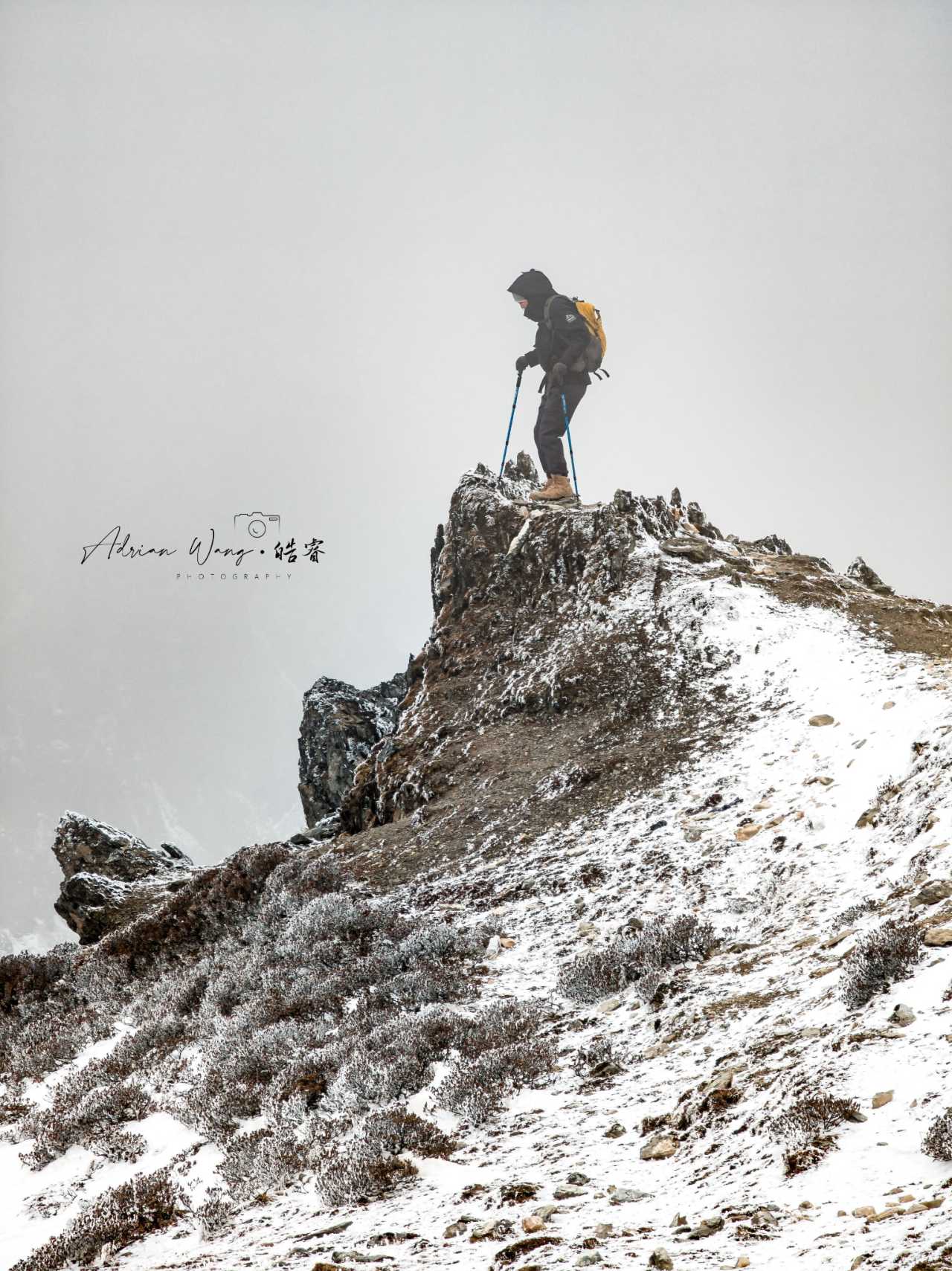
We pulled over at a viewpoint, and for ten minutes, no one spoke. We just stood there, cameras hanging uselessly at our sides, watching the sunlight shift across the glaciers. Some moments don't need to be captured. They need to be felt.
The road to Yubeng ends at the entrance of Yubeng Village, where private vehicles are prohibited. From here, you have two options: a 12-kilometer hike in, or a 200 yuan jeep ride that shaves off most of the distance. After yesterday's ordeal, we unanimously chose the jeep.
The ride was an adventure in itself—a narrow, unpaved road carved into the cliffside, with sheer drops that made my stomach lurch. But the driver handled it with the casual confidence of someone who'd done this a thousand times. Twenty minutes later, we rolled into Upper Yubeng Village (3,200m), a cluster of wooden guesthouses nestled in a valley surrounded by snow-capped peaks.
We checked into a lodge with a view of the mountains. The room was basic—wooden walls, a shared bathroom, thin blankets—but it felt like a palace after the trail. I took a hot shower, the first in three days, and felt the grime of the Abuji hike wash away.
That evening, we gathered in the common room for dinner. The menu was simple: yak meat stew, stir-fried greens, and steaming bowls of rice. We ate in silence, too tired for conversation, but there was a quiet contentment in the air. Tomorrow, we'd tackle the sacred paths of Yubeng—the Ice Lake, the Sacred Waterfall, the base of Kawagebo itself. But tonight, we rested.
Day 4: The Ice Lake Trail – A Test of Faith and Legs
The Ice Lake (冰湖) hike is the most popular trail in Yubeng, and for good reason. It's a 12-kilometer round trip that takes you through primeval forest, across glacial streams, and up to a turquoise lake fed by the meltwater of Kawagebo's glaciers. The elevation gain is modest—about 600 meters—but the trail is relentless: steep, rocky, and often muddy.
We started at 7:00 AM, before the sun had cleared the surrounding peaks. The forest was alive with birdsong, and the air smelled of pine and damp earth. For the first hour, the trail was gentle, winding through a grove of ancient firs draped in moss. Then it began to climb.
The switchbacks were punishing. Each turn revealed another stretch of stairs carved into the hillside, and my thighs burned with the effort. But the views kept me going. Every clearing offered a new perspective on the valley below—the rooftops of Yubeng, the ribbon of the river, the distant peaks of the Meili range.
After two hours, we reached the Ice Lake. It was smaller than I'd imagined, but the color was unreal—a milky turquoise that seemed to glow from within. The water was fed by a waterfall cascading down from the glacier above, and chunks of ice floated near the shore. We sat on a boulder, ate our packed lunches, and watched the light shift across the surface.
On the way back, we took a detour to the Sacred Waterfall (神瀑), a 30-meter cascade that plunges from a cliff face near the base of Kawagebo. According to local belief, bathing in the waterfall's spray brings good fortune and washes away sins. I didn't go that far—the water was freezing—but I stood close enough to feel the mist on my face.
By the time we returned to the lodge, my legs were jelly. But my heart was full. This was why we'd come.
Day 5: The Sacred Waterfall and the Farewell
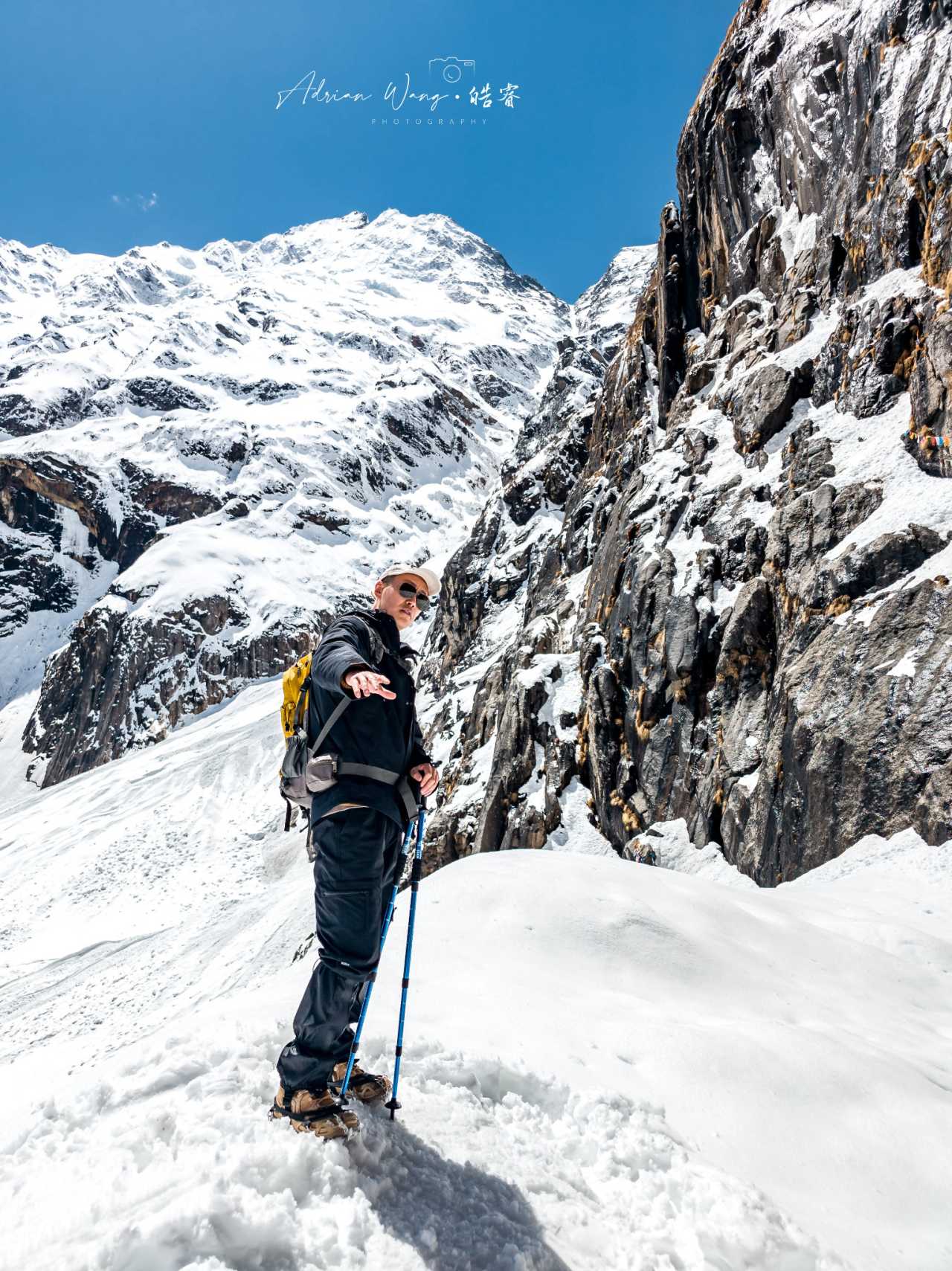
Our last full day in Yubeng was a softer one. We hiked to the Sacred Waterfall again, this time taking a different route that passed through a series of prayer flag-draped ridges. The wind was strong, and the flags snapped like gunfire, sending prayers skyward with every gust.
We met a group of Tibetan pilgrims along the way, their faces weathered and serene. They were making a kora (circumambulation) around Kawagebo, a journey that takes weeks. They smiled at us, offered us dried yak meat, and continued on their way. I felt a pang of envy—not for their hardship, but for their purpose.
That afternoon, we packed our bags and took the jeep back down to the entrance. The drive out was bittersweet. The mountains that had felt so imposing just days ago now felt like old friends.
We drove to Deqin County for the night, checked into a hotel with hot water and soft beds, and celebrated with a feast of 牛肝菌炒饭 (porcini mushroom fried rice) and grilled lamb skewers. The beer flowed freely. Stories were swapped. Laughter echoed through the restaurant.
Reflections: What the Mountains Gave Us
Nine days. Two major hikes. One broken group of friends who somehow became stronger.
The Abuji Lake hike taught us that we're capable of more than we think—that when the body says stop, the mind can push a little further. The Yubeng trails reminded us that the journey is the destination, that the best views come after the hardest climbs. And the mountains themselves—sacred, ancient, indifferent to our struggles—gave us perspective. In the shadow of Kawagebo, our problems felt small. In the silence of the alpine meadows, we found peace.
Would I do it again? In a heartbeat. But next time, I'm bringing gaiters.
If you're planning a similar trip, here's what I learned:
- Altitude is real. Acclimatize for at least a day in Shangri-La before attempting any serious hikes.
- Pack smart. Gaiters, crampons, trekking poles, and a good first-aid kit are non-negotiable.
- Hire a local guide. Master Lu knew the trails, the weather, and the shortcuts. He also knew when to push us and when to let us rest.
- Embrace the unexpected. Plans change. The best adventures often come from the detours.
- Travel off-season. March meant fewer crowds, lower prices, and a more intimate experience with the landscape.
The mountains will always be there. But the version of you that climbs them? That's a one-time offer. Don't waste it.
You should also read:
A Spiritual Journey to Lugu Lake in Lijiang: Experiencing the Legend of the Kingdom of Women! (Reproduction and Hotlinking Prohibited)
A Spiritual Journey to Lugu Lake in Lijiang: Experiencing the Legend of the Kingdom of Women! (Reproduction and Hotlinking Prohibited) Off-road自驾, food, hotel and民宿 reviews, Featured Traveler, Tank 300 owner, 200,000 km of self-driving experience. WeChat: y01294987 Ninglang Yi Autonomous County 2010.11.08 · 7 days…
Continue reading...
Hiking Around Lugu Lake: Measuring This Mysterious Highland Pearl on Foot
Hiking Around Lugu Lake: Measuring This Mysterious Highland Pearl on Foot Introduction: A Date with the Lake At the border between Yunnan and Sichuan provinces lies a highland lake embraced by mountains, embedded like a sapphire in the folds of the Hengduan mountain range. Here,…
Continue reading...
The Slow Life of Lijiang: A Soft Dream on the Yunnan-Guizhou Plateau
The Slow Life of Lijiang: A Soft Dream on the Yunnan-Guizhou Plateau Some places, just by hearing their name, stir a ripple in your heart. Lijiang is one of those names. It's not the kind of destination that demands you tick off a checklist of…
Continue reading...