From Hell to Heaven: Our Pilgrimage Trek to Yùbēng
From Hell to Heaven: Our Pilgrimage Trek to Yùbēng
“If you can’t go to heaven, go to Yùbēng.” That simple phrase took root in my heart three years ago. This deep autumn, my husband and I finally set foot on the road to that legendary earthly paradise.
In October, Shangri-La (Xiānggélǐlā) is a canvas of high skies and thin clouds, forests painted in layers of gold and crimson. We chose this time—called by countless trekkers “the most beautiful season”—and set out full of hope. But when we actually stepped onto this high-altitude hiking trail, I understood the truth of that old lyric: Mountains so high, rivers so long, the road to heaven is far too hard. Yet it’s precisely this difficulty that makes Yùbēng’s charm so pure—if a highway ever reached here, it would lose that raw, primal wonder.
First Glimpse of Shangri-La: The Gentle Embrace of Napa Lake
First Taste of the Highland Meadows
We flew from Beijing via Kunming to Shangri-La. Choosing this route instead of the traditional Lìjiāng departure saved us two days of travel. The day we arrived, we couldn’t wait to head to Napa Lake (Nàpà Hǎi), just 8 kilometers from the county seat.
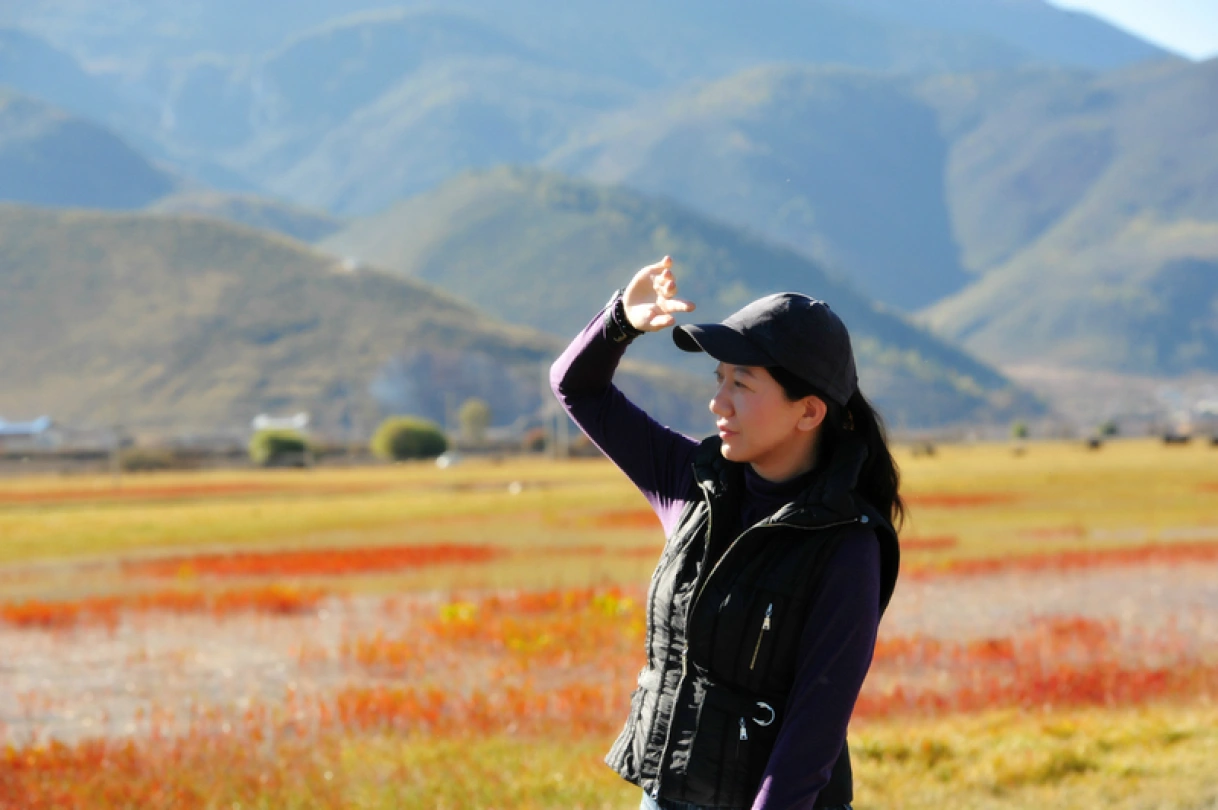
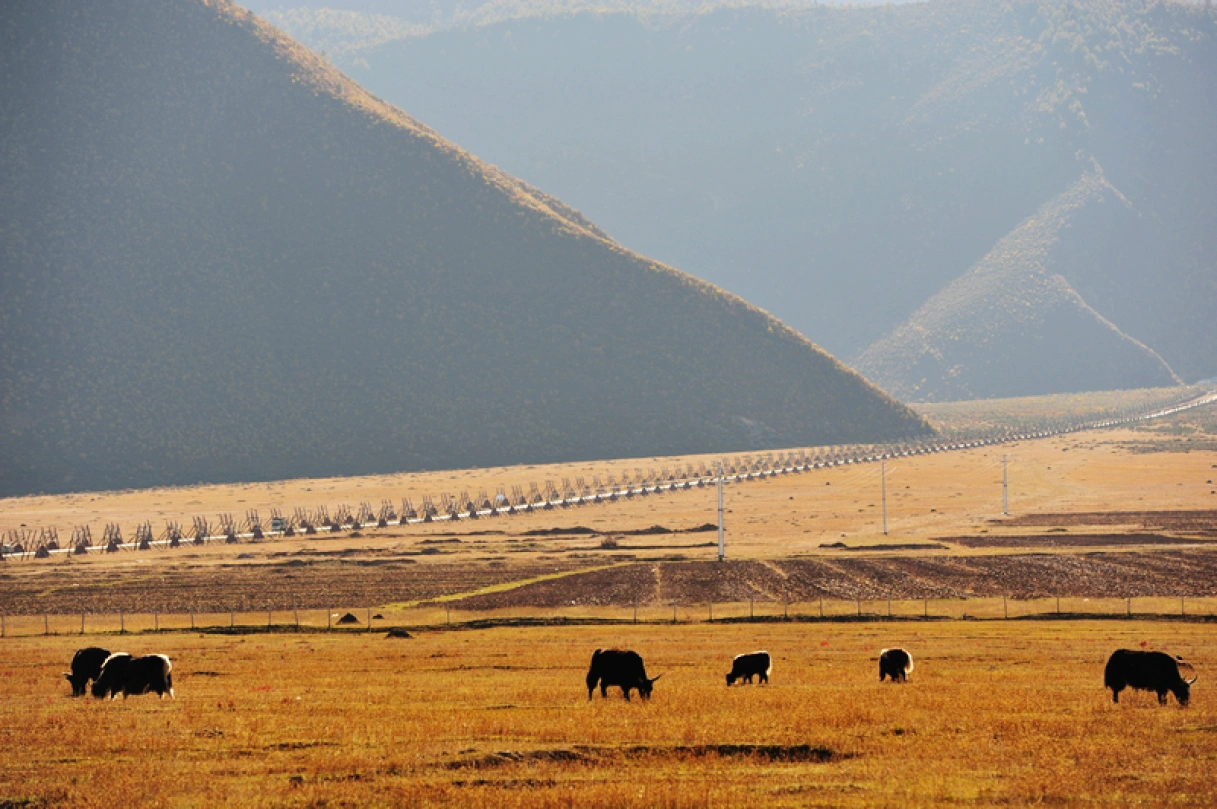
Napa Lake is a seasonal highland lake at 3,266 meters above sea level. In October, the grasslands are a sea of gold, distant mountains loom like indigo silhouettes, and barley racks stretch as if to touch the horizon. The entrance fee is 30 yuan, but honestly, there’s no need to buy a ticket—the scenery along the highway is breathtaking enough. We strolled along the road, watching herders lead their horses slowly past, seeing fiery red plants blazing under the autumn sun. Every frame was a painting.
Moonlight Night in Dukezong Ancient Town

That evening, we checked into Dukezong Ancient Town (Dúkèzōng Gǔchéng). This 1,300-year-old stronghold on the Ancient Tea Horse Road is now dotted with inns and bars, yet it still holds onto its quiet peace. The name “Moonlight City” is no exaggeration—at night, the old town is so still you can hear your own heartbeat. An occasional dog bark feels like a time machine back to the mule caravan era a thousand years ago.
For dinner, we chose a Tibetan hotpot restaurant. The rich broth of yak meat stone pot (máo niú ròu shí guō) was so good I drank three bowls. The warmth seeped out from every pore, instantly chasing away the highland chill. I love butter tea (sū yóu chá), but my husband couldn’t get used to it. The Tibetan barley cake (zàng xǐ bā bā), though—crispy on the outside, bursting with rich milky flavor—even he couldn’t stop praising it.
Crossing Baima Snow Mountain: The Scenery Along the Way Surpasses the Destination
The Jinsha River Big Bend: Disappointment and Surprise
The next morning, we hired a Tibetan driver named Gesang (Gésāng) with his Mitsubishi Pajero. The Meili Snow Mountain (Méilǐ Xuěshān) scenic area combo ticket costs 230 yuan, covering the Jinsha River Big Bend (Jīnshā Jiāng Dà Guǎi Wān), the Thirteen Welcome Pagodas at Wunongding (Wùnóng Dǐng), the Feilai Temple (Fēilái Sì) viewing platform, and Yùbēng. To be honest, the Big Bend was a bit of a letdown—you feel you have to see it, but once you do, it’s just okay. But what followed—Baima Snow Mountain (Báimǎ Xuěshān)—gave us an unexpected shock of awe.
The Baima Snow Mountain Pass: Standing Tall Between Heaven and Earth
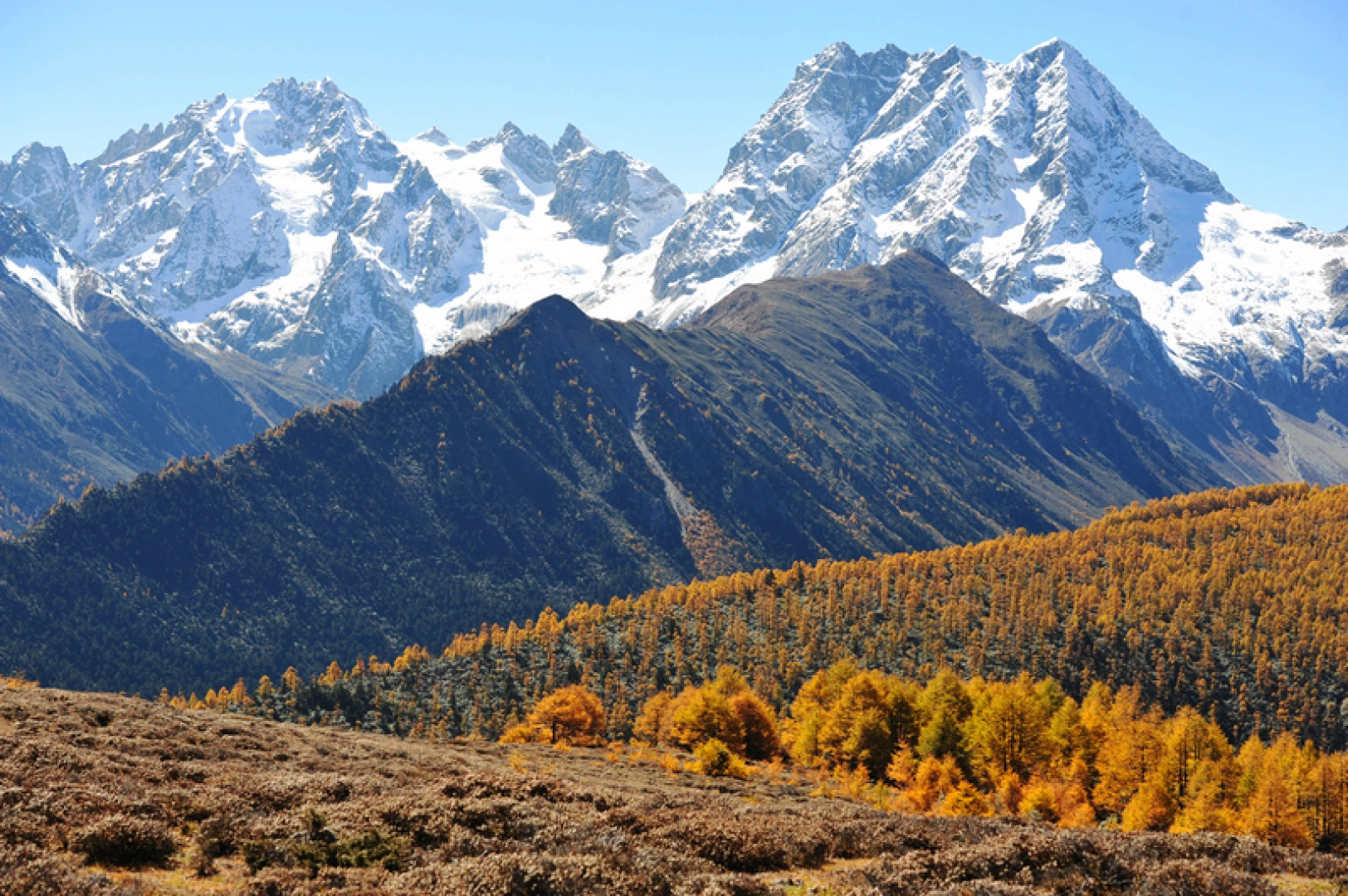
At 4,292 meters, the mountain pass isn’t a designated scenic spot, but it’s a place everyone should stop. Autumn colors here are especially intense; every turn on the winding mountain road is like an oil painting. Gesang struck a casual pose, and it radiated the boldness of a Tibetan man. My husband’s photo at the pass had a heroic, sky-piercing quality. We shouted, “Gesang, one for the camera!”—that picture is still our phone wallpaper.
The Thirteen White Stupas at Wunongding
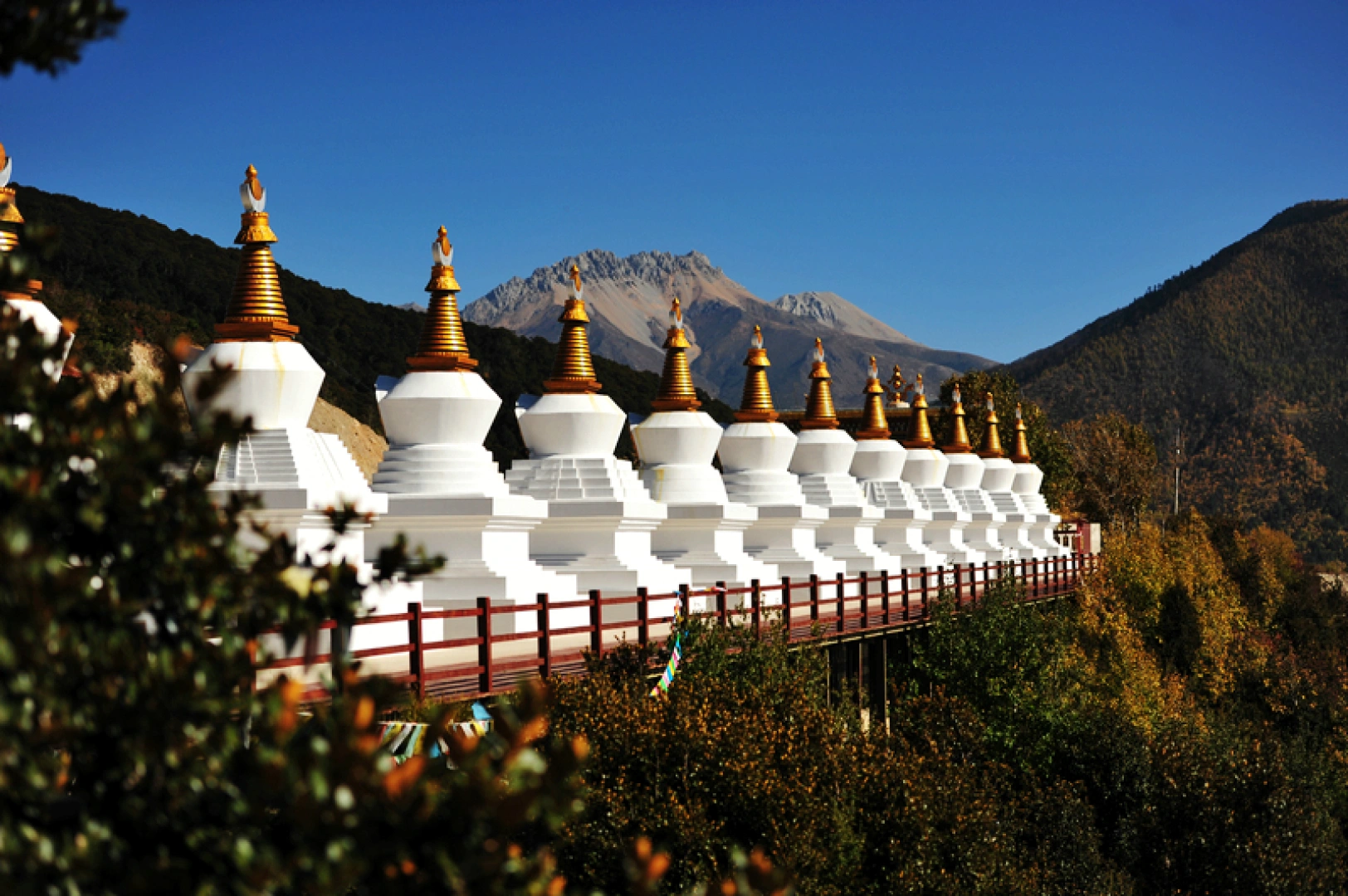
At the Wunongding viewing platform, thirteen white stupas stand in a row like a guard of honor, facing the thirteen peaks of Meili. The view here is more expansive than at Feilai Temple, and the snow mountains appear grander. Unfortunately, the strong afternoon light at 3 PM made the peaks look a bit pale. But the prayer flags fluttering in the wind against the sacred mountains stirred something in my heart.
We also met Hua Hua (Huā Huā), a tough little dog whose spine had been broken by a motorcycle. Miraculously, she had gotten back on her feet and was following her owner on the Yunnan-Tibet road to Lhasa. Watching her crooked body and determined eyes, I thought: Compared to her, what was the difficulty of this trek?
Night at Feilai Temple: Waiting for the Golden Sunrise
We stayed at the Guanjingtian Hotel (Guānjǐng Tiān Dà Jiǔdiàn), the highest point at Feilai Temple, with a room window directly facing Meili Snow Mountain. At dusk, a wisp of banner cloud floated over the peaks, and the setting sun painted a golden rim on Kawagebo (Kǎwǎgébó). The graceful figure of Goddess Peak (Shénnǚ Fēng) was half-hidden, half-revealed. On that cold highland night, we didn’t need to rent army coats for the platform—we set up a tripod right in the room and captured stunning starry skies.
That night, I stared at the snow mountain before me, deeply moved. The 1991 mountaineering disaster made me think about the true meaning of the word “conquer.” Between Tibetans and their sacred mountains, there is no conquest—only coexistence. The locals offer their faith; the mountains grant abundance. This relationship is nobler than any act of domination.
Trekking Yùbēng: Through Hell to Find Heaven
The Ascent: Every Breath Is a Meditation
Starting from Xidang Hot Spring (Xīdāng Wēnquán), we hiked over Nanzong Pass (Nánzōng Yākǒu) to Upper Yùbēng Village (Shàng Yùbēng Cūn). Above 3,300 meters, every step on the highland trail tests your will. We packed sausages, beef jerky, chocolate, and a flask of tea—sausages to boost instant noodles, jerky and chocolate for energy, tea to warm up along the way. There are stations on the mountain selling instant noodles and drinks—expensive, but worth it compared to carrying everything yourself.
Trekking poles and knee guards are essential. There are shortcut paths from Xidang to the pass, and a steep slope from Upper Yùbēng to the base camp that requires using hands and feet. Gloves are important too—don’t think they’re optional.
Xiaonong Base Camp: Awe Beneath the Glacier
The next day, we hiked from Upper Yùbēng to Xiaonong Base Camp (Xiào Nóng Dà Běnyíng). The mani piles along the Yùbēng River, the glacier at the foot of Kawagebo—every scene took your breath away. The base camp was the site of the 1991 Sino-Japanese joint expedition. Now only ruins remain, but that makes it even more sacred.
Lower Yùbēng Village: The Last Pure Land
Lower Yùbēng Village (Xià Yùbēng Cūn), tucked away in the valley, feels like a lost paradise. No roads, no noise—just prayer flags fluttering in the wind. We stayed one night here. The stars were even more brilliant than what we’d seen at Feilai Temple.
Practical Tips: Making the Road to Heaven Smoother
Altitude Sickness Prevention: American ginseng tablets (xī yáng shēn) work better than Rhodiola (hóng jǐng tiān)—they fight fatigue and altitude sickness. Butter tea is great, but if you can’t stomach it, Red Bull is a perfect substitute. The higher the altitude, the more expensive Red Bull gets—fair enough.
Clothing: Temperature swings are extreme. The moment the sun hides behind a cloud, it gets cold. Don’t be lazy—bring plenty of warm layers. The rented down jackets at local shops all look the same and photograph poorly.
Sun Protection: The sun may not feel intense, but it’s strong. The wind may not seem fierce, but it’s relentless. I used SPF 37+++ BB cream and SPF 15+++ sunscreen. Back in Beijing, people still said I’d gotten darker. Ladies, take sun protection seriously.
Packing: Travel light into Yùbēng. Leave extra luggage at your Feilai Temple inn. Bring only essential food and water.
Respect Local Customs: In Tibetan areas, prices are clearly marked—no haggling, no rip-offs. A taxi to the airport costs a flat 30 yuan; everyone in the old town knows that. I love this kind of transparent, hassle-free shopping.
Epilogue: Heaven Isn’t a Destination—It’s the Journey
Back from Yùbēng, flipping through photos at the airport, my husband and I were both satisfied. We didn’t see the legendary golden sunrise over the peaks, but the majesty of Baima Snow Mountain, the prayer flags at Wunongding, and the starry sky over Yùbēng were more than enough.
Some say that people with faith are happy. I don’t have such lofty beliefs, but on this journey, I felt the soul of the sacred mountains. Heaven may not be in Yùbēng. It lives in every step taken by those willing to walk through hell in search of beauty.
Let me close with Hua Hua’s story: Even with a broken spine, she stood up. Even when the road is hard, keep walking. That’s what Yùbēng taught us—walk through hell, and you’ll find heaven.
You should also read:
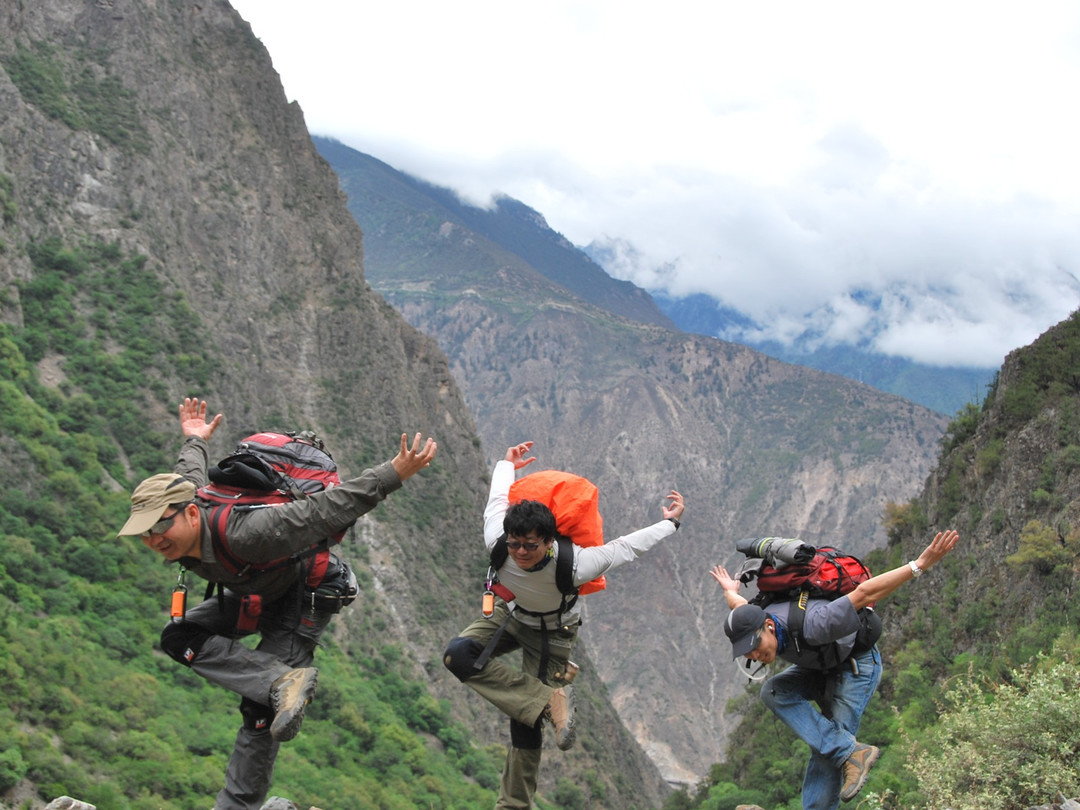
Pilgrimage to Meili, Trekking through Yubeng: The Ultimate Dialogue Between Soul and Body
Pilgrimage to Meili, Trekking through Yubeng: The Ultimate Dialogue Between Soul and Body Prologue: When Dreams Become Reality Some places, just by saying their names, are enough to make your heart race. Yubeng, a hidden village nestled deep within the Meili Snow Mountains, is exactly…
Continue reading...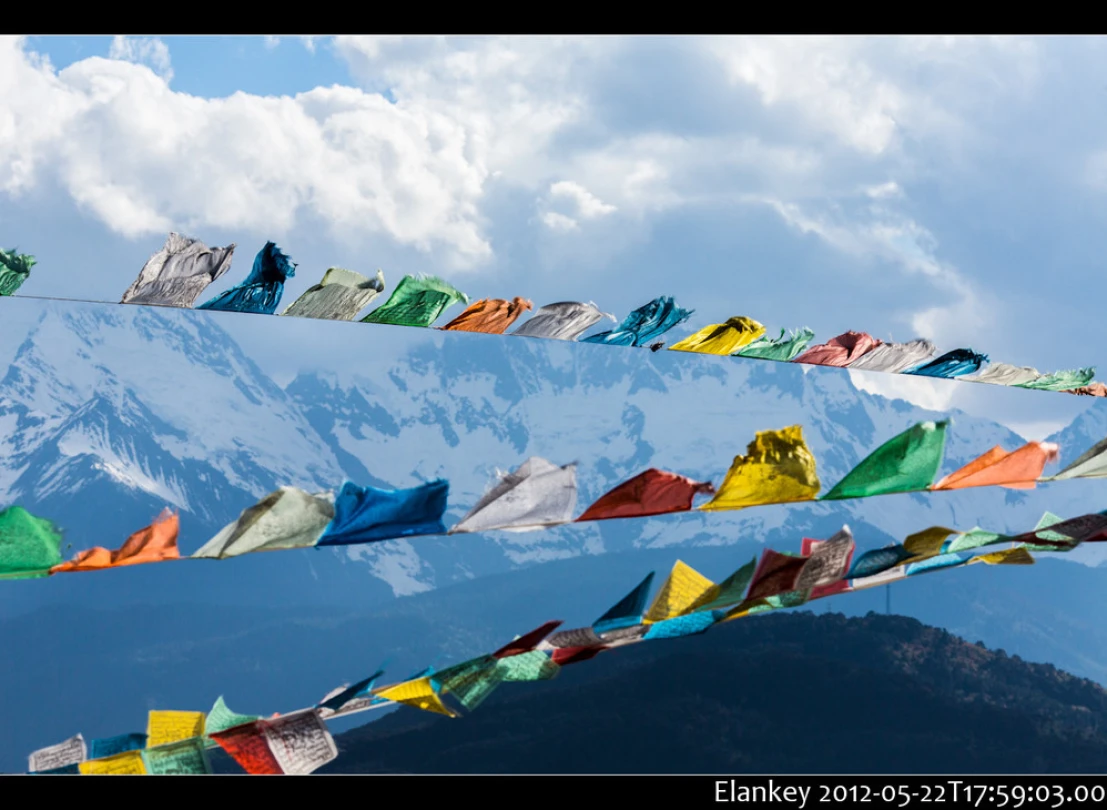
Journey to Meili and Yubeng: A Spiritual Pilgrimage to Kawagebo
Journey to Meili and Yubeng: A Spiritual Pilgrimage to Kawagebo Departure: Letting Go and Setting Out I quit my job, dragged my exhausted body back to Kunming, and didn't even have time to submit a formal resignation to the company where I'd worked for three…
Continue reading...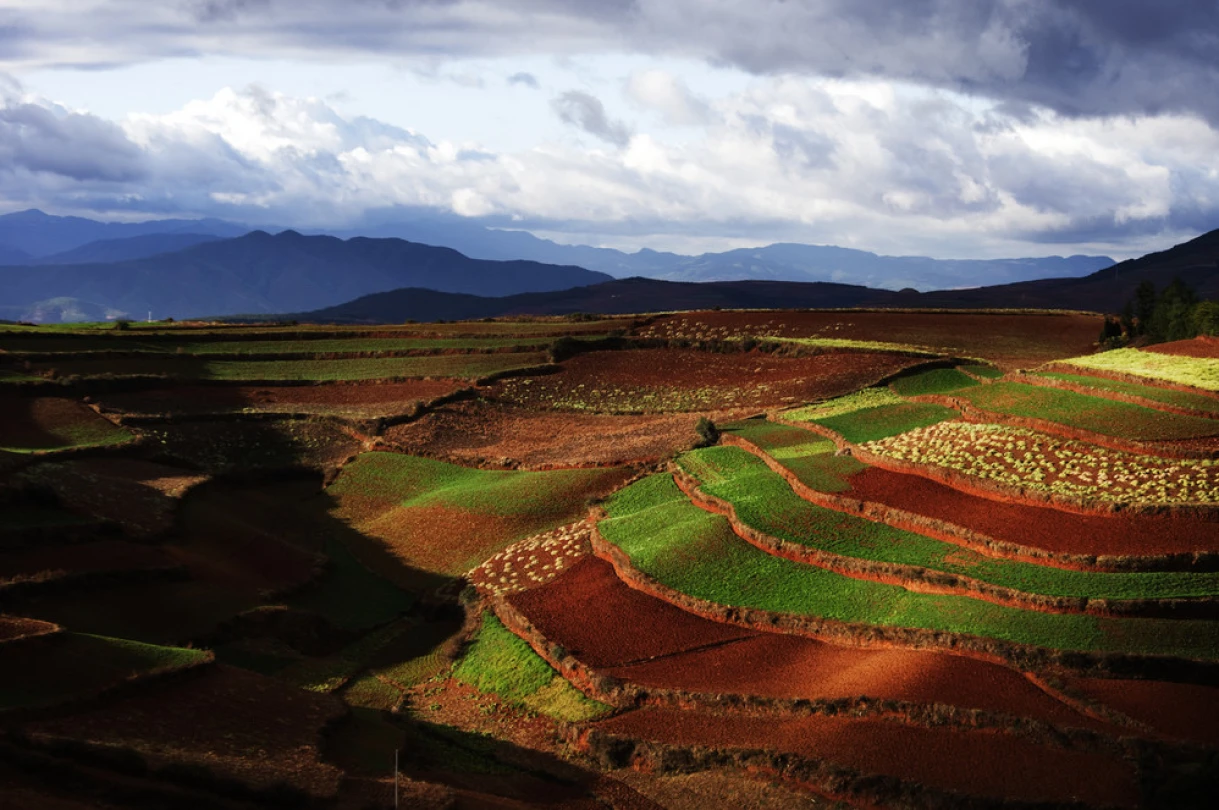
Walking Yunnan — A 23-Day Solo Journey, A Pilgrimage of Faith
Walking Yunnan — A 23-Day Solo Journey, A Pilgrimage of Faith Foreword: That Lonely Planet and a Long-Planned Escape In the winter of 2011, Songjiang, Shanghai was bone-chillingly cold. I huddled in a corner of my dorm room after lights-out, covered in hand warmers, clutching…
Continue reading...