From Resignation to Return: Northwest Yunnan, A Journey of Magical Realism
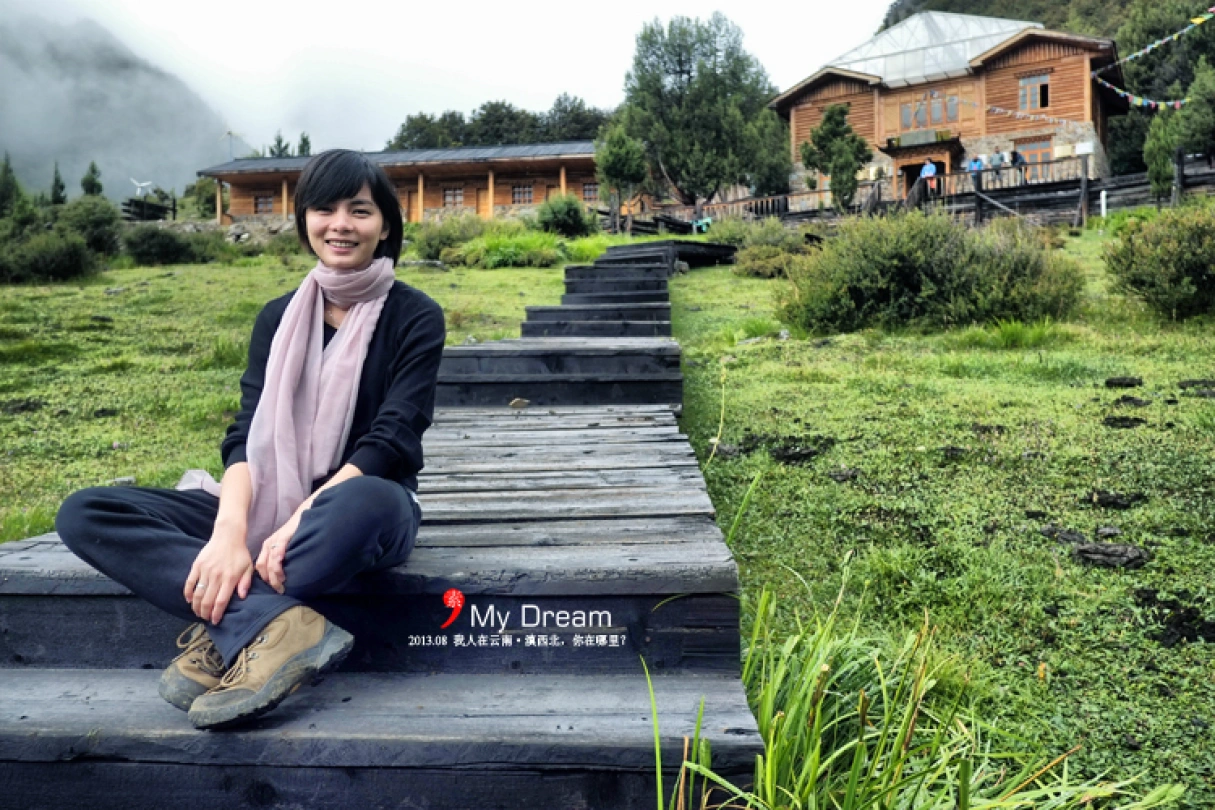
From Resignation to Return: Northwest Yunnan, A Journey of Magical Realism
When "Leaving on a Whim" Meets "The Inevitable Return"
For those who love to travel, there's always a restless wind living in their hearts. A few months ago, I quit my job, threw on a backpack, and set foot in Yunnan. While on the road, people often asked me: "How long have you been out here?" When I answered, "Several months," a flicker of envy would flash in their eyes—that look that says they're glimpsing a life they don't dare to try. We, the "resign-and-travel" crowd, love to say: "If we don't travel now, we'll be too old."
But in the quiet of the night, memories would sneak back to the office. Those days of working until the world went blurry, those moments of bickering with colleagues—they suddenly felt warm. Perhaps it's because I've been on the road too long, and the friends around me keep changing—the joy of meeting is always matched by the melancholy of parting. Compared to the colleagues I once saw every day, these travel companions are more like drifters in a martial arts novel. Whenever I received messages from family and friends, seeing myself alone on the road, homesickness would surge like a tide.
Because I wrote a few travel journals, I got to know many friends planning to quit their jobs and travel. Watching them eager to take the leap gave me a sense of accomplishment, but I also knew: travel requires capital. For someone like me, who abandoned work without a second thought, returning to reality became a heavy weight on my heart.
Under the open sky, staring at the stars so pure they could make you dizzy—but how much longer could I keep this leisure? Running wild through the forest, feeling utterly free—but how much longer could I squander my youth like this? If I kept going, it wouldn't be old age or poverty on the streets that would get me first—it would be emptying myself until I had nothing left. So, I'm glad I had the courage to quit and do what I wanted. But I also have to face reality: it's time to go back. The return date is set, so let's make this last stretch count.
Quitting your job to travel boils down to three conditions: either you have money, you're young, or you've got talent. I count as young, and I've had my fill of fun. Time to be grateful.
A Journey Born from Being "Looked Down Upon"
This trip to Northwest Yunnan excited me more than the previous two—because it was a "surreal, magical realism" route. And honestly, I had a reliable friend to thank for it.
One day, a group of us was drinking tea and chatting. He asked me: "You've been in Lijiang this long—where have you been?"
I counted off the places on my fingers, expecting praise. Instead, he curled his lip: "You've been here this long, and you're still no different from any ordinary tourist."
"How so, brother?"
"Lugu Lake, Lashihai—those are places tour groups go. A girl like you, who quit her job and travels on a whim, should go somewhere with depth."
"Then... where do I go for 'depth'?" I stammered, annoyed by his tone.
"For depth, there are plenty of little-known places around Lijiang. This season, you could go to Tai'an to see the rapeseed flowers. If you want to go farther, you can make a pilgrimage to Meili Snow Mountain."
At the mention of Meili, a lightbulb went off—but then I thought, Meili Snow Mountain, Yubeng—aren't they just the same standard routes plastered all over town? I felt smug and shot back: "Brother, Meili might be sacred, but it's as conventional as Lugu Lake. If you're going to recommend something, recommend something classic, little-known, deep, and preferably with historical and cultural background, okay?" I said "okay" with a flourish, as if I'd won the argument.
"Who says Meili only has standard routes? The route I'm talking about—you, no, most people—absolutely don't know about. Calling it Meili isn't quite accurate. It should be called 'Northwest Yunnan.' Want to hear it, little girl?"
"I... I'm all ears." I stammered again.
"Then listen carefully. Northwest Yunnan has many unknown places, almost no tourists. For example, do you know about black pottery?"
"Black pottery? What's that?"
"You don't even know black pottery? No wonder you only go to crowded places. You've seen A Bite of China, right? There's an episode about vessels that mentioned Nixi's black pottery..."
Later, under the curious eyes of everyone, this brother introduced the essence of Northwest Yunnan: black pottery, the Baima Snow Mountain Nature Reserve, Deqin's most famous Buddhist temple, Hongpo Temple—with a legendary abbot whose story rivals that of Tsangyang Gyatso; Cizhong's Catholic church; Tongle Village's Lisu ethnic cultural preservation area; and Tacheng's Yunnan golden monkey reserve. Everyone was captivated, itching to set off immediately.
"Alright, that's the end of my Northwest Yunnan introduction. Interested in taking the trip, little girl?"
"Yes! Absolutely! Such a pure, mysterious, magical place—of course I want to explore it."
So this guy gathered a group of friends. I waited anxiously for three days, and finally got good news—during those three days, I diligently read the book Water and Milk Earth (水乳大地, a novel about the region), which only heightened my anticipation. By the end of August, the Lijiang crowds had thinned, and our group set out on what we called "the road of magical realism."
Itinerary at a Glance: Five Days of Concentrated Magic
August 28: Lijiang — Middle Tiger Leaping Gorge — Baishuitai — Shangri-La
August 29: Shangri-La — Nixi — Baima Snow Mountain Nature Reserve
August 30: Baima Snow Mountain Nature Reserve — Core Zone — Feilaisi (Flying Temple)
August 31: Feilaisi — Hongpo Temple — Cizhong — Tongle — Tacheng
September 1: Tacheng — Yunnan Golden Monkey Reserve — Lijiang (Due to an earthquake, the last two days were merged, and we missed seeing the golden monkeys)
Costs and Cuisine: A Taste of Northwest Yunnan
Beyond the culture and scenery, the food on this trip was a huge surprise:

- Shangri-La: Whole beef feast—I can't swear it was all yak meat, but it was far more authentic than what you get in Lijiang
- Nixi: Black-pottery stewed chicken—slow-cooked in genuine black pottery, filling the air with fragrance
- Feilaisi: Matsutake mushroom stewed chicken—a perfect marriage of mountain delicacy and poultry
- Back in Lijiang: Salmon—this served as our farewell dinner
Accommodation was a bit of a letdown. We were supposed to stay at a hot spring hotel in Shangri-La on the first night, but we arrived too late, it was far from the county town, and we would have missed dinner, so we passed. The second night, we stayed inside the nature reserve—simple but comfortable, and though there was no electricity, we lit candles and played games, an unforgettable experience. On the third night, we stayed in Feilaisi in a room facing Meili Snow Mountain, but the weather didn't cooperate, and we never saw the peak.
August 28: From Tiger Leaping Gorge to Baishuitai, Thrills and Wonders Intertwined
Setting out from Lijiang, ten of us split into two cars. After passing Lashihai, vast fields of rapeseed flowers bloomed along the roadside. Old Xiong explained this was Tai'an, famous for its potatoes. Today's schedule was tight—this route is best done in six days, but some friends had return flights booked, so we had to compress it to five. We couldn't go into the center of Tai'an to enjoy the view; we'd have to wait until the return trip.
In the car, Old Xiong kept sharing local lore. He said: "Today we're heading to Tiger Leaping Gorge and Shangri-La. Speaking of Shangri-La, we have to talk about one man—Joseph Rock. He was an Austrian-American explorer who came to Yunnan in the early 20th century as an explorer for National Geographic, the U.S. Department of Agriculture, and Harvard's botanical research institute. Starting in 1922, he came to China six times, venturing deep into Yunnan, Sichuan, and the Kham region. He took back 80,000 plant specimens and cultural artifacts, and later based himself in Lijiang to study Naxi Dongba culture. It was his writings that inspired James Hilton to create Lost Horizon, giving birth to the legend of Shangri-La."
Xionggu Viewing Platform: Making a Wish for Safety
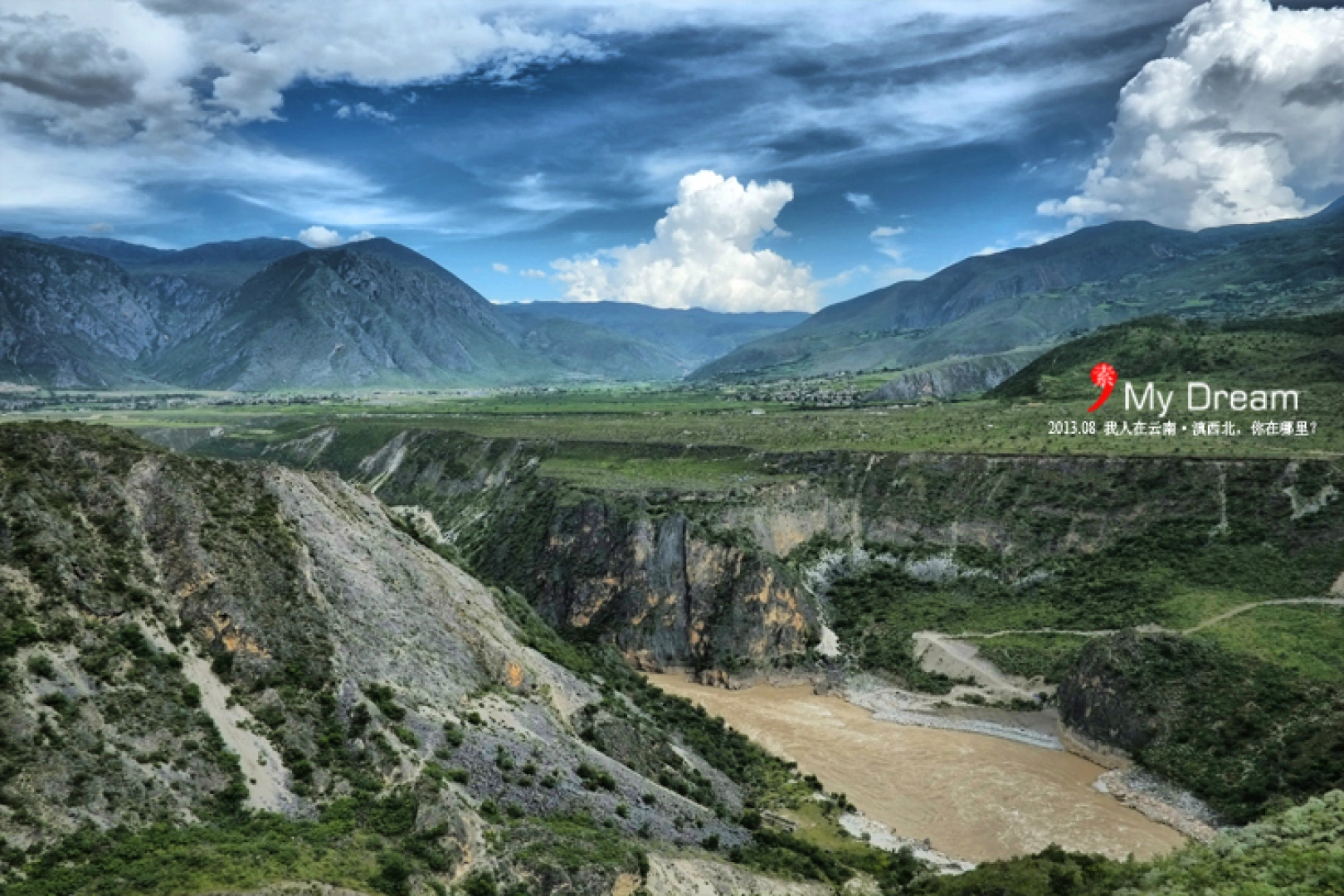
At the Xionggu viewing platform, you can write a wish on a prayer plaque for free. From here, you can see Haba Snow Mountain, Jade Dragon Snow Mountain, and the Jinsha River all at once—we were right in the Three Parallel Rivers region (the Lancang, Nu, and Jinsha rivers). I thought we might glimpse the First Bend of the Yangtze River, but later learned you have to go to Shigu Town for that; we'd pass by it on the return.
To the left was Haba Snow Mountain, to the right Jade Dragon Snow Mountain, and below, the Jinsha River. Unfortunately, the weather was bad, so the snow mountains were left to the imagination. But Old Xiong said the Tiger Leaping Gorge we were heading to was on the back side of Jade Dragon Snow Mountain, and we'd pass through Haba Village on the way to Baishuitai.
On a railing covered with prayer plaques, I wrote one wish: to return safely to Lijiang. Does that count as a wish? I think so—safety is a blessing.
Middle Tiger Leaping Gorge: Shaky Legs, But No Turning Back
After lunch at Qiaotou, we headed straight for Middle Tiger Leaping Gorge. The driver said this area was prone to landslides and mudslides. Looking at the cliffs was terrifying enough, and on the other side was a sheer drop. So making that wish for safety at the viewing platform was no empty gesture.
Tiger Leaping Gorge truly lives up to its reputation as China's most beautiful canyon—breathtaking in every sense. But the thought of descending to the bottom, walking the "thread of sky" path, made my legs go weak. The driver, a big guy, said the first time he came, his companions tricked him into going down, and the experience left a lasting impression. Hearing that made me even more nervous. But to witness the roaring rapids up close, I had no choice but to steel myself and follow the group.
Hiking down into Middle Tiger Leaping Gorge, my legs started trembling almost immediately—the path was steep and without railings. Everyone moved carefully, except for A-Rui and her younger brother, who kept bickering. We all enjoyed listening to their squabbling, even if we didn't know what it was about. It reminded me of childhood arguments with friends—you fight, and then you're close again in no time.
Rounding a corner, near a small wooden hut, a young man was pointing a stick at a snake. We jumped, but he just grinned at us—it turned out to be a dead one.
Close call. I was in the lead and could hear the others behind me calling out that their legs were giving out. A-Jian said we hadn't even reached the sky ladder yet—we'd only done a third of the way. So we pushed on.
The legendary sky ladder appeared—a 90-degree vertical climb! I couldn't bring myself to look down. Actually, this section wasn't so bad; the climb back up had an even steeper, longer sky ladder that was truly heart-stopping.
We reached the bottom. The water surged with the same power as the Hukou Waterfall on the Yellow River. The legendary Tiger Leaping Rock—supposedly, a tiger once used it to leap across the Jinsha River.
On the long sky ladder going up, I couldn't even look straight ahead. Just seeing it made my legs weak. I still don't know how I made it.
After we all got back up, only one person in our group had ridden a horse for the final stretch. Everyone gave him grief: "I'm disappointed in you! I've brought so many friends to Tiger Leaping Gorge, and you're the first one to ride a horse—you're a stain on my professional record!" Red-faced, A-Rui quickly bought fruit to share with everyone.
Lower Tiger Leaping Gorge and Haba Village: A Glimpse of Paradise
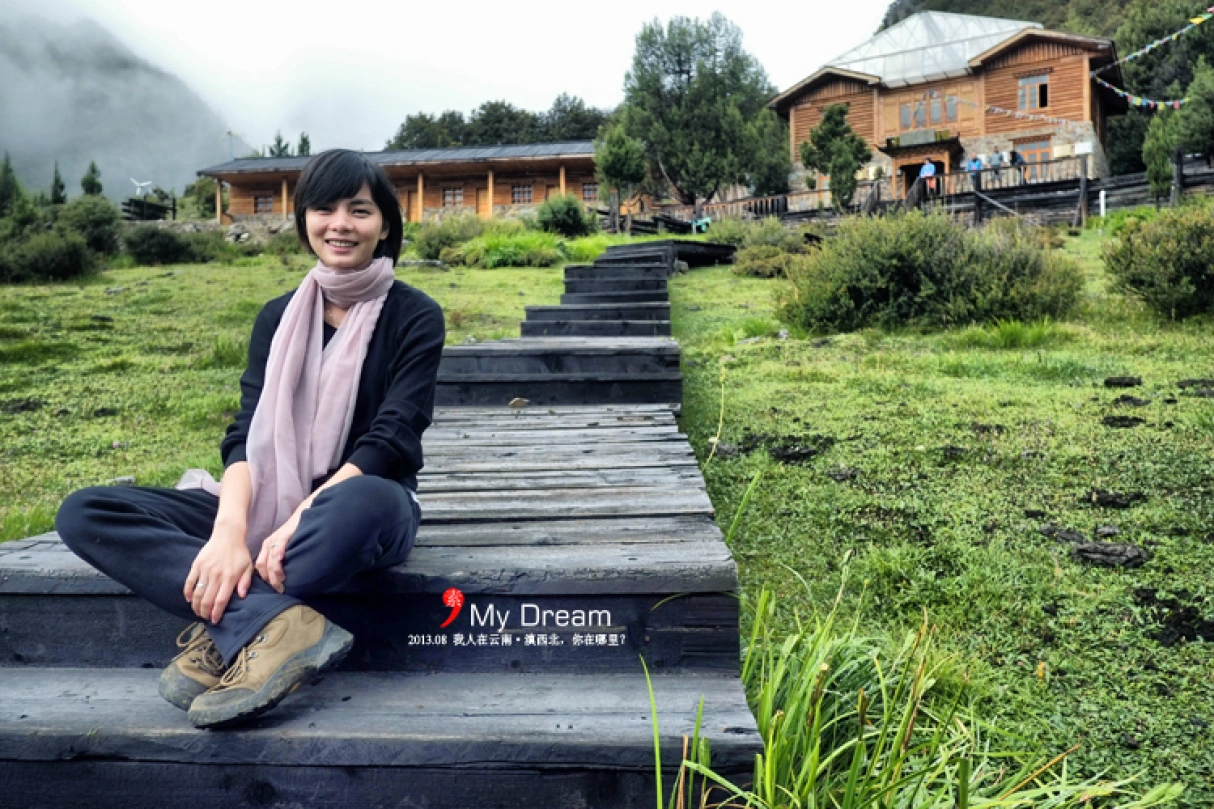
Past the middle section comes Lower Tiger Leaping Gorge, which feels more like the "lost horizon"—vast meadows spread at the foot of the snow mountains, with a rushing river cutting through. It truly felt like a hidden paradise. How could we not take a group photo with the caption "We always stick together"?
Passing through Haba Village, a green hamlet nestled in the valley, the word "spectacular" didn't do it justice. The road we'd come on had almost no traffic—in Yunnan, a major tourist province, it's rare to find such a beautiful place with so few visitors.
Baishuitai: The Immortal's Rice Terrace, Masters Among the People
As soon as we arrived at Baishuitai, horse handlers called out: "Ride up! Baishuitai is still far!" After the Tiger Leaping Gorge experience, we were too embarrassed to ride, so we casually asked, "How much?" "30 yuan." Too expensive. We walked away dismissively, and they chased after us: "10 yuan, 10 yuan—deal?" A 70% discount? Something was off—Baishuitai must be really close. Sure enough, it was only a 15-minute walk up.
The water at Baishuitai was crystal clear, layered in terraces like scattered crescent moons fallen to earth, or like the silver ornaments of Naxi maidens. In the morning and evening light, it shimmered with a silvery brilliance, refreshing to the soul. The moment I saw it, all my fatigue vanished. Everyone pulled out their cameras and started shooting.
An older woman came over: "Don't shoot from there—it's not good. Come here, this is the best spot." We ran over, and sure enough, the angle was different. Hearing our compliments, she asked: "Want a guide? I can show you how to get the best photos of Baishuitai..." She went on and on, and we quickly slipped away.
At the very top, a man was explaining: "Right here, at this exact time, is the only way to capture a truly stunning view." A-Jian, who loves photography, took a shot and showed him. The man put the camera on the ground, clicked randomly a few times, and showed us the result—and indeed, it was a masterpiece. We later learned he had been the guide for the Faraway Home (远方的家, a Chinese travel show) when they filmed here. I had to admit: masters truly are among the people.
From Baishuitai, it was a three-hour drive to Shangri-La. We were supposed to stay at a hot spring hotel near Pudacuo National Park, but when we called, they said there was no food available—only instant noodles. Everyone was tired and craving yak meat. The misery of hunger far outweighed the allure of hot springs. So we gave up on the long-awaited soak.
August 29: Nixi Black Pottery and Baima Snow Mountain, Meeting True Artisans
To avoid driving after dark, we agreed to leave Shangri-La at 10 a.m. Early in the morning, we wandered through Dukezong Old Town. We thought about turning the giant prayer wheel, but one look at the stairs leading up to it convinced us to admire it from afar—we still had to hike into Baima Snow Mountain that afternoon. That said, the yogurt sold at the old town's square is worth recommending—it's authentic yak milk yogurt.
Nixi Tangdui Village: The Black Pottery Master and a Pure Heart
Heading to Nixi, the place where black pottery is made is called Tangdui Village, a Tibetan settlement. As we entered the village, sunflowers and cosmos flowers were blooming everywhere. A-Jian and I agreed we'd come back later to photograph the cosmos. The village looked ordinary—nothing suggested it was already famous both in China and abroad.
Old Xiong led us into a house, saying it was Master Sun's place. When we met Master Sun, he was busy making black pottery, with two seasoned travelers sitting across from him, watching him carefully shape the clay in his hands. Master Sun's full name is Sunuo Qilin (孙诺七林), and he is a "Master of Intangible Cultural Heritage." He learned the craft from his grandfather, Luobu Sizhu (罗布思珠), at age 11, and has been making pottery for 43 years. His reputation is widespread—the crew from A Bite of China even interviewed him.
During lunch, his family mentioned that the two visitors had left something behind. Without a second thought, Master Sun grabbed the item and went out to chase after them—they'd already been gone for half an hour and were probably on the national highway. He didn't ask us to drive; he just walked to return the lost item.
You can't judge a book by its cover. This seemingly ordinary "clay-playing" master, in a society obsessed with fame and profit, still preserved such simple kindness. It was truly rare and precious. This trip became even more valuable for having met these masters hidden deep in the mountains.
About Black Pottery: In A Bite of China, there's an episode about vessels that mentioned Nixi black pottery. Nixi black pottery is made from a type of red clay found in Tangdui Village, Nixi, Shangri-La. If Jianshui purple pottery is refined and elegant, Nixi black pottery is like a Tibetan man—bold and unrestrained. It's the same red clay, but when fired, it turns pitch black.
Master Sun's family prepared a hearty lunch for us—authentic black-pottery stewed chicken. The people here are hospitable; when friends come from afar, no matter how busy they are, they always offer the best they have.
We bought a few finished pieces of black pottery to take home as souvenirs. Compared to the cheap trinkets sold at Lijiang's tourist spots, these had real meaning. I think that's the point of travel—to deeply experience local customs and culture, rather than just skimming the surface.
Baima Snow Mountain Nature Reserve: No Electricity, But Candlelight and Laughter

In the afternoon, we entered the Baima Snow Mountain Nature Reserve. There was almost no sign of human life—only the wind, birdsong, and the sound of our footsteps. In the evening, we stayed inside the reserve—simple but absolutely comfortable. There was no electricity, so we lit candles, played games, chatted, and sang. In that moment, with no phone signal and no outside distractions, there was only each other's breath and laughter. It was one of the most precious memories of the trip.
August 30: The Core Zone and Feilaisi's Regret
Hiking through the core zone of the reserve, we experienced the grandeur of the primeval forest. Towering trees, moss, streams, traces of wildlife—this was nature in its most authentic form.
By evening, we arrived at Feilaisi and checked into a room facing Meili Snow Mountain. We had hoped to see the "Golden Sunlight on the Snow Peak" the next morning, but the weather didn't cooperate. Meili remained hidden behind clouds. Regret is also part of travel.
August 31: Hongpo Temple, Cizhong Church, and Tongle Village—A Symphony of Faiths
Hongpo Temple: The Legend of the Abbot
Hongpo Temple is the most famous Buddhist temple in Deqin. The legend of its abbot rivals that of Tsangyang Gyatso—a man of great talent and charm in his youth who later saw through the illusions of the world, became a monk, and rose to become a great master. The temple was serene and solemn, with prayer flags fluttering, inspiring awe in all who entered.
Cizhong Catholic Church: A Western Mark in the Mountains
The Catholic church in Cizhong is a testament to the diverse cultures of Northwest Yunnan. In a region dominated by Tibetan Buddhism, this French-style church stands out. Built in the 19th century by French missionaries, it still holds Mass for believers. The stained glass, spires, and bell tower create a striking contrast with the surrounding Tibetan-style houses.
Tongle Village: A Living Fossil of Lisu Culture
Tongle Village is a protected area for Lisu traditional culture. The houses are traditional log cabins, and the villagers wear Lisu clothing and preserve ancient customs. We entered one home, and the owner warmly invited us for butter tea. Though we couldn't communicate through language, smiles were universal.
The Return Journey: With Regret and Satisfaction
Due to the earthquake, the last two days of our itinerary were merged into one, and we missed seeing the Yunnan golden monkeys. It was a regret, but it also gave me a reason to come back.
Back in Lijiang, we had a farewell dinner of salmon. Around the table, we reminisced about the past few days: the thrills of Tiger Leaping Gorge, the wonder of Baishuitai, the simplicity of Nixi black pottery, the peace of Baima Snow Mountain, the regret at Feilaisi, the legend of Hongpo Temple, the marvel of Cizhong Church, and the warmth of Tongle Village. Each moment was a unique memory.
Final Thoughts: The Meaning of Travel
This trip to Northwest Yunnan taught me one thing: travel isn't about escaping reality—it's about facing it more clearly. Quitting your job to travel isn't an end point; it's a turning point. It showed me the vastness of the world and helped me see more clearly where I need to go.
If you're feeling the urge to quit and travel, remember three things: either have money, be young, or have talent. If you have none of these, save up your capital first before setting out. Because travel requires capital, and returning requires even more courage.
And this route through Northwest Yunnan—it's worth taking for everyone. It's not a checklist of tourist spots; it's a journey into the soul. You'll meet artisans, encounter faith, experience nature, and ultimately, meet yourself.
Finally, let Xu Wei's song Shangri-La (世外桃源) be the soundtrack. It's a song worthy of the purity and mystery of this land.
I'm Susu
Sina Weibo: @Susiec
Thanks to photographer: @Lijiang Jian Gongzi (丽江贱公子)
Thanks to route planner: @Xiyu Yueye (西遇越野)
Camera: Fujifilm mirrorless (XPRO1)
You should also read:
Slow Sounds, Gentle Steps: My Wandering Journey Through Lijiang
Slow Sounds, Gentle Steps: My Wandering Journey Through Lijiang Prologue: A Spontaneous "Red-Eye" Escape Some journeys begin just like Lijiang itself—with a touch of spontaneity and a hint of laziness. Late one Sunday night, I was scrolling through my phone while lying in bed when…
Continue reading...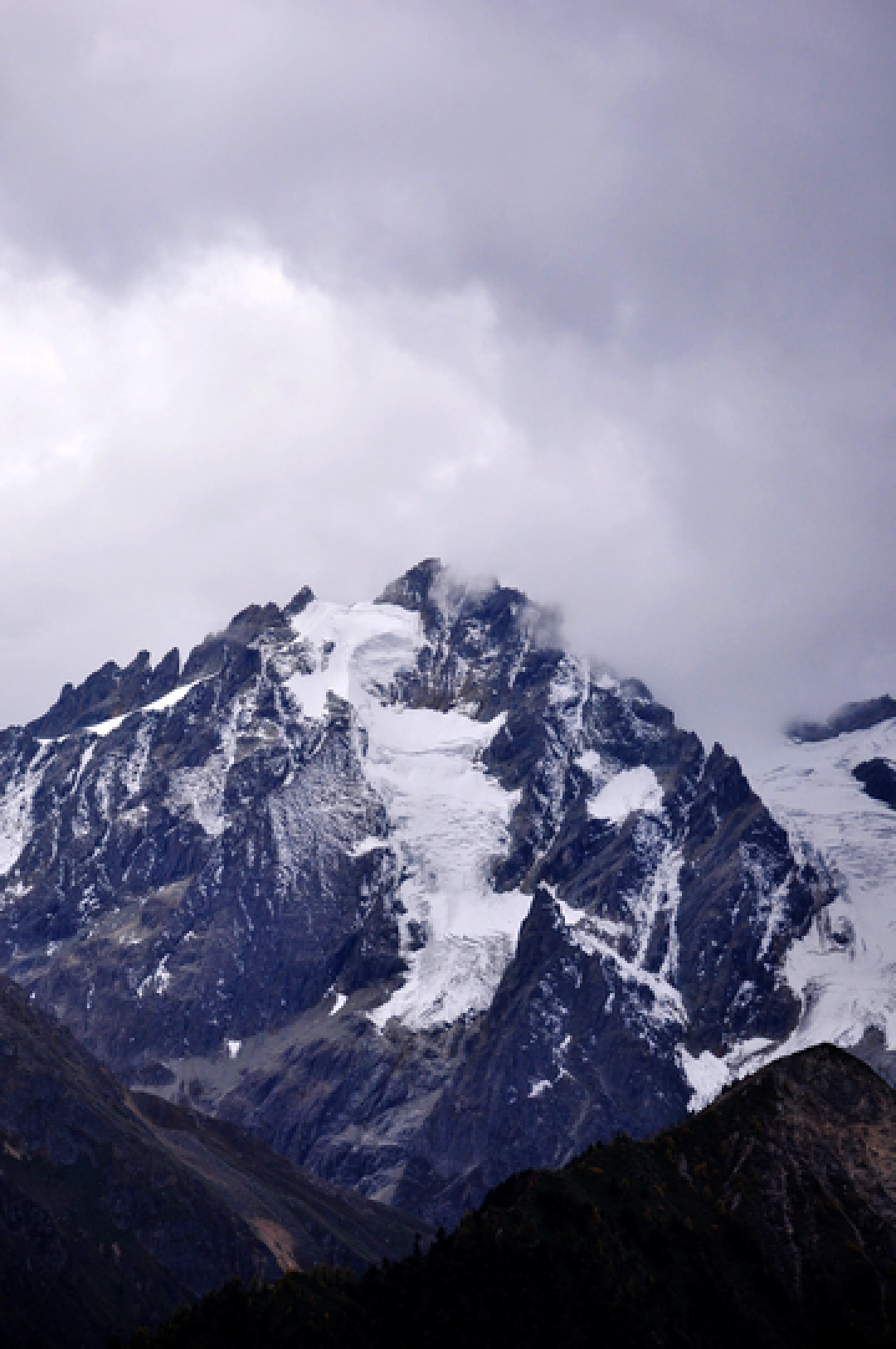
Meili Snow Mountain: A Soulful Journey of Dialogue with the Sacred Mountain
Meili Snow Mountain: A Soulful Journey of Dialogue with the Sacred Mountain Prologue: When Travel Becomes Faith Some journeys are forgotten as soon as they end. Others carve themselves into your bones. The trip to Meili Snow Mountain belongs to the latter. Waking up in…
Continue reading...
A 9-Day Yunnan Journey: From Lijiang to Dali to Tengchong – A Trip Toward Self-Reconciliation
A 9-Day Yunnan Journey: From Lijiang to Dali to Tengchong – A Trip Toward Self-Reconciliation Some say travel is simply going from a place you're tired of to a place other people are tired of. It stings to hear, but it's painfully true. Yet there's…
Continue reading...