From Snowy Peaks to Golden Fields: A Complete Record of Our 2026 Family Road Trip in Yunnan
From Snowy Peaks to Golden Fields: A Complete Record of Our 2026 Family Road Trip in Yunnan
A Spontaneous Return Trip
Our 2024 trip to southeastern Yunnan and Xishuangbanna left me yearning for the province's sunshine and landscapes. The ancient charm of Jianshui, the majestic terraced fields of Yuanyang, and the pastoral poetry of Puzhehei still glow in my memory. In 2025, we switched to Guangxi—beautiful scenery, yes, but defeated by endless drizzling rain. That damp, oppressive gloom is enough to extinguish any travel enthusiasm.
This year, we originally planned to visit Guizhou. I checked the weather forecast in advance—more continuous rain. I sighed at my phone screen and decisively closed the page. Since the heavens weren't cooperating, it was time to answer Yunnan's call again. Last time, we missed the bloom season in Luoping; this trip would make up for that regret.
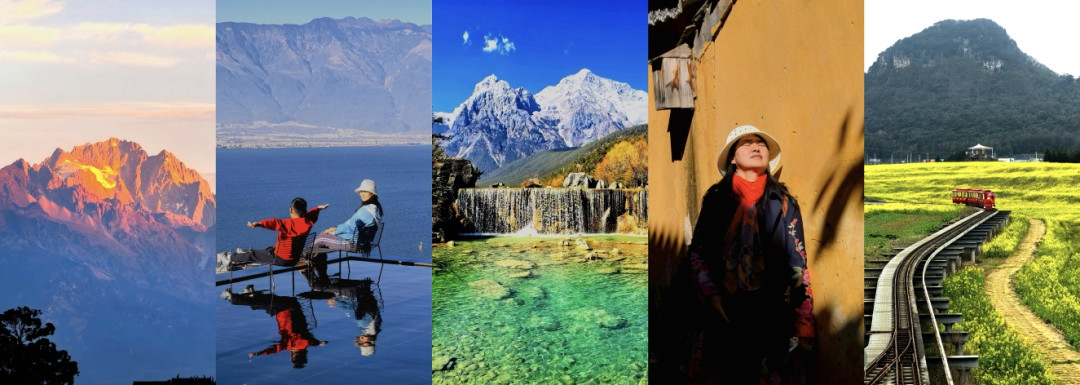
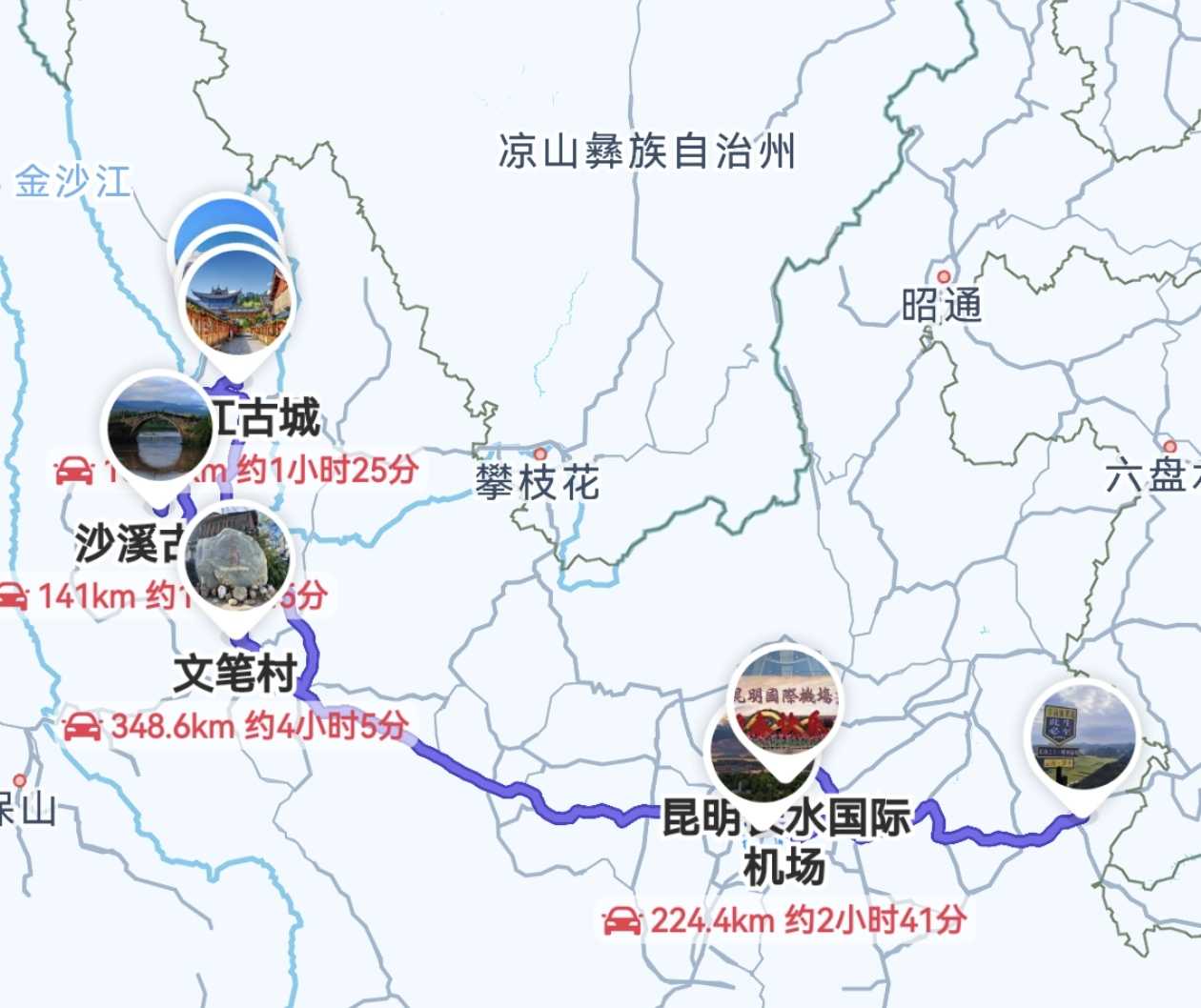
Seizing the window just before the Spring Festival holiday, our family of three embarked on a 12-day road trip. From Dali's Cangshan Mountain and Erhai Lake, to Lijiang's ancient town charm, and finally to Luoping's golden sea of flowers—this route was destined to be a feast for both the eyes and the soul.
Stop One: Kunming—A Gentle Overture by Dianchi Lake

Crystal Boats on the Fish-Gathering River
We arrived at Kunming Changshui Airport just after noon and smoothly picked up our reserved TANK300. This rugged off-road vehicle would be our faithful companion for the next 12 days.
Our accommodation was in a villa area in Chenggong District. Though a bit remote, it was a hidden gem. Outside the complex lay farmland, with lush green crops stretching under the sun, instantly pulling us back into the rhythm of rural life. The host was warm and attentive, driving us to the nearby Fish-Gathering River (Lao Yu He) Wetland Park.
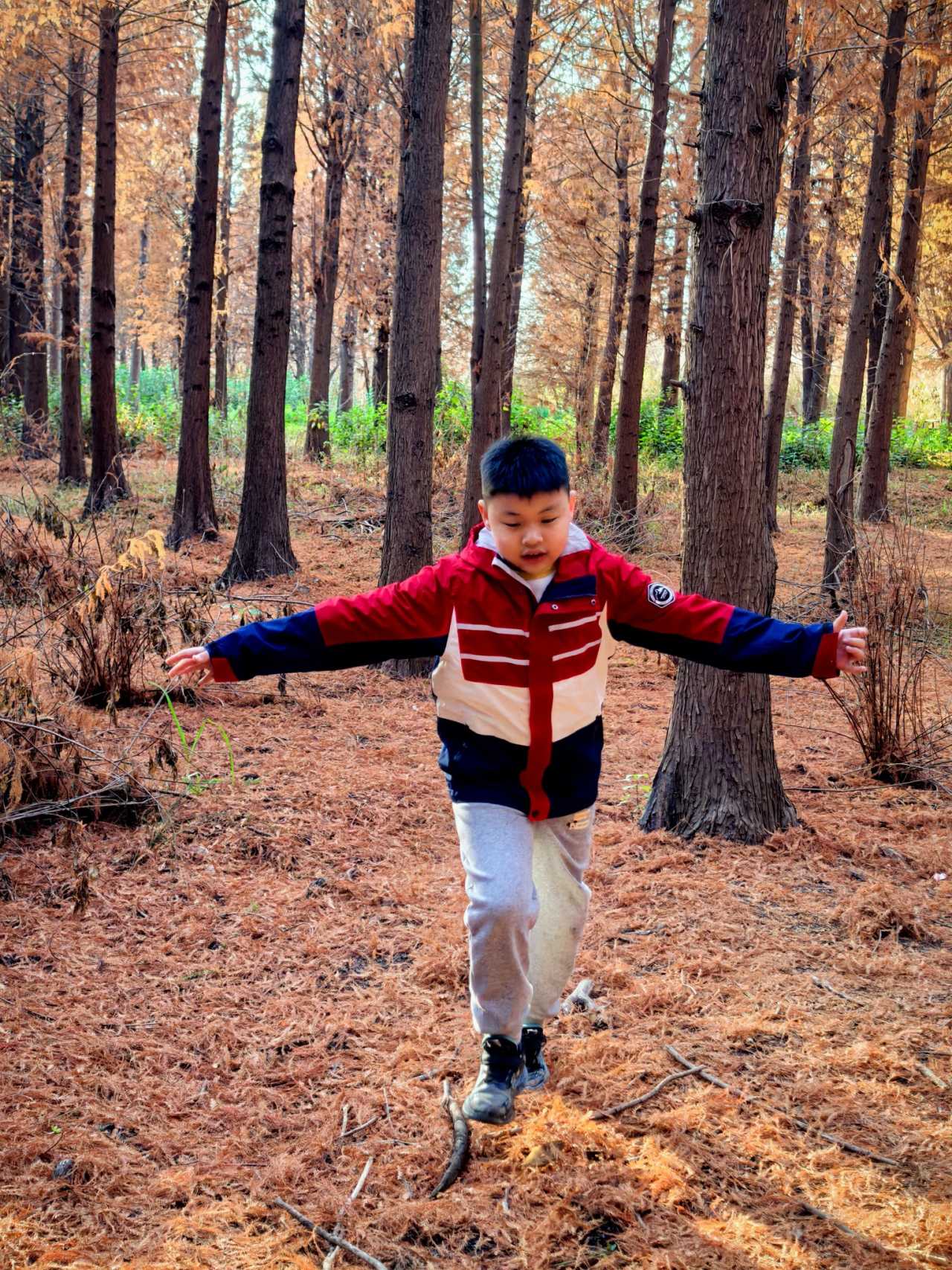
The crystal boats in the park were our first surprise of the trip. The afternoon sunlight slanted through the metasequoia forest, casting dappled shadows on the river. We climbed into a transparent little boat, and through the bottom, we could clearly see the underwater world—as if we were floating on the water itself.
At first, the three of us couldn't coordinate well. The boat kept spinning in place, bumping into one tree, then grazing another. Gradually, we found our rhythm. The ripples from our paddles spread outward, lapping against the straight trunks of the metasequoias. These trees stood neatly in the water like soldiers in formation, creating deep, mysterious waterways between them that beckoned us onward.
A few white egrets took flight from the branches, landing not far away, chattering at us. The light at four o'clock was most beautiful—streaming through the gaps in the leaves, dancing on the transparent hull, lingering on my wife's hair and our child's head. The whole world slowed down. All that remained was the gentle sound of paddles and our breathing, in sync with the rhythm of nature.
The Sunset Theater at Haiyan Village
Leaving the Fish-Gathering River park, we passed through Haiyan Village. Winding cobblestone lanes were lined with old walls, their mottled surfaces softened by the warm sunset light. At the end of the alley, the view suddenly opened up—Dianchi Lake spread out before us, vast and boundless, where water and sky merged into one.
The long pier at the dock was crowded with people, all silently gazing westward. The sun was slowly sinking behind the silhouette of the "Sleeping Beauty" mountains, like a king making a dignified exit. The harsh white light gradually softened into a rich orange-red, laying a shimmering golden path across the water's surface. A few clouds were dyed crimson, edged with brilliant gold, reflected in the sparkling waves—it was impossible to tell whether the beauty was in the sky or on the water.
Wind blew across Dianchi Lake, carrying the coolness of the water. Some held up cameras, others leaned close and whispered softly, but most just stood in silence. When the last sliver of red sank behind the mountains, the sky itself seemed to ignite—a blaze of sunset colors reflected in everyone's eyes. In that moment, the whole world was so gentle it left us speechless.
As night began to fall, we turned and left. The sound of the waves lingered behind us, but in our hearts, we had already captured the romance of that entire evening.
Stop Two: Dali—Three Days and Nights of Wind, Flowers, Snow, and Moonlight
Halfway Up the Mountain at Wenbi Village
We spent a long time choosing accommodation in Dali. From the convenience of Dali Ancient Town to the sea views of Shuanglang, we finally settled on a hillside hotel in Wenbi Village overlooking the lake. It turned out to be the right choice.
The hotel was predominantly white, designed with photography in mind, offering 100 sets of costumes for free. Though the price was steep, the fourth and fifth-floor viewing platforms faced Cangshan Mountain and Erhai Lake directly—you could sit there and daydream all day. What moved us even more was the service. Sometimes when we returned late, the staff would proactively deliver afternoon tea and midnight snacks to our room. The hotel's food was also excellent, so much so that we ended up eating there for the next two days.
Romance on the Erhai Lake Ecological Corridor
Just after 6 a.m., we set out in the dark for Longkan Pier. After a 50-minute drive, we squeezed through congested village roads and finally found a parking spot in a corner.
The viewing platform extending into the water was already packed with people. No one spoke; everyone just stared eastward. At the far end of Erhai Lake, the faint outline of Cangshan Mountain lay like a stroke of light ink. Gradually, a glimmer of light emerged from behind the mountains. First, a pale crimson, then golden arrows shot through the clouds. The clouds caught fire—turning from gray to purple, from purple to orange, and then into clusters of burning orange-red. Reflected in the water, the entire Erhai Lake became a pool of flowing flames.
As the sky brightened, we rented an electric scooter and rode into the ecological corridor that winds between Cangshan Mountain and Erhai Lake. On one side was Erhai Lake, its waters clear and blue, gentle waves lapping against the stone shore. On the other side were villages with white walls and black-tiled roofs, interspersed with golden rapeseed flowers. The bike path was flat and clean, like a gray silk ribbon floating between the sea of flowers and the lake.
Passing the ancient Longkan Ferry, a few red metasequoias stood in the water, their reflections shattered and restored by the ripples. A couple was taking wedding photos; as the white veil billowed, a seagull skimmed across the water's surface. Further ahead, we reached the famous S-curve at Panxi Village—the gracefully winding path extended along the shore, where someone had stopped their bike at the bend, quietly facing Cangshan Mountain and Erhai Lake.
The Blue Dream of Zhoucheng Village
We left the corridor before 3 p.m. and drove to Zhoucheng Village. After a 40-minute drive, we headed straight for the Puzhen Bai Tie-Dye Museum.
Zhoucheng is known as the "Hometown of Bai Tie-Dye," and the Puzhen Museum is the heart of this blue dream. It was transformed from an old tie-dye factory by Duan Shukun, a national-level intangible cultural heritage inheritor, and is itself a living piece of Bai architecture with its "three rooms and one screen wall" design. Walking into the courtyard, it felt as if the entire sky had been claimed by the "Dali blue" dyed fabrics—every snapshot looked like a movie still.
My wife and child each chose a white garment and, under the guidance of a Bai grandmother, experienced the tie-dye process. Designing the binding patterns, dipping and oxidizing, untying the threads, and rinsing—every step was filled with ritual. When the knots were undone and the unique patterns were revealed, the surprise of "opening a blind box" filled our child with excitement.
Speed and Thrills at Yunxiang Mountain

On the third day, we had a complimentary photoshoot arranged by the hotel in the morning. We couldn't bear to discard our child's photos, so we ended up spending 700 yuan for the full set—in hindsight, it wasn't worth it, just the price of greed.
After the photoshoot, we headed straight for Yunxiang Mountain. Search for "Dali Luge Theme Park" on your navigation app to get there. The mountain roads were winding but in good condition, with parking at the summit. The Luge theme park features gravity-powered carts that slide down the slopes—perfect for beginners and children. A single ride cost 128 yuan, two rides 158 yuan, and three rides 188 yuan. Our child went three times and still wanted more.
The Cliff Chapel was a pure white structure perched on the edge of a cliff—every shot looked like a high-end magazine spread. The Cloud Viewing Platform, located at the highest point, offered a panoramic view of the entire Dali city area, Cangshan Mountain, and Erhai Lake—an unbeatable vista.
A Thousand Years at the Three Pagodas of Chongsheng Temple
In Dali, beyond the wind, flowers, snow, and moonlight, there's one place that can instantly transport you back a thousand years—the Three Pagodas of Chongsheng Temple. Set against Cangshan Mountain and facing Erhai Lake, this is a 5A-level national scenic spot and an eternal symbol of Dali. I vaguely felt some connection to "The Demi-Gods and Semi-Devils" (a famous wuxia novel).
Tickets were 75 yuan. We took a shuttle to the top and then strolled downhill. As evening approached, sunlight pierced through the clouds, shining down like Buddha's grace.
The main pagoda, called "Qianxun Pagoda," stands 69.13 meters tall with 16 levels of dense eaves in a square shape—a classic Tang Dynasty style, somewhat resembling Xi'an's Small Wild Goose Pagoda. It was built during the Nanzhao Kingdom period of the Tang Dynasty, over a thousand years ago. On the screen wall in front of the pagoda, four large characters read "Yong Zhen Shan Chuan" (Eternal Peace for the Mountains and Rivers), each character 1.7 meters tall, inscribed by Mu Shijie, grandson of Mu Ying, the Duke of Qian during the Ming Dynasty.
The two smaller pagodas to the north and south are shorter, about 42 meters tall, built during the Dali Kingdom period of the Song Dynasty. What's most astonishing is that these three pagodas have survived several major earthquakes. Cracks appeared in their structures but miraculously healed on their own. Upon closer inspection, the two smaller pagodas lean slightly toward the main one, forming a V-shape, which actually adds to their liveliness.
The most beautiful angle is at the Reflection Pool (Ju Ying Chi). It's a modest-sized pool, and when we visited, the water was perfectly still like a mirror. The reflections of the three pagodas lay complete on the water's surface, with sky and clouds dancing together in the reflection. We posed, placing the pagoda in the palm of our hand—pretending to be the "Pagetopa Heaven-King" (a mythical figure who holds a pagoda).
The real pagodas and their illusory reflections—one solid, one ethereal; one firm, one soft—together formed Dali's most intoxicating symbol.
Stop Three: Shaxi—Where the Wind Blows
A Thousand-Year Post Station on the Ancient Tea Horse Road
It's about a two-hour drive from Lijiang to Shaxi. Shaxi Ancient Town sits between the three major tourist areas of Dali, Lijiang, and Shangri-La. Since the Tang and Song dynasties, it has been an important trading hub on the Ancient Tea Horse Road. The Ming Dynasty traveler Xu Xiake recorded in his diaries: "The waters of Jianchuan Lake merge with the Tuoqiang River, cutting through the gorge into the plain—this is what they call Shaxi."
We booked accommodation in a village on the outskirts of the ancient town. The room was newly furnished and spacious, but the air conditioner wasn't powerful enough, leaving us to spend the night in the cold. The host, however, said that locals typically don't use heating this time of year—clearly, human perceptions of warmth and cold are not always shared.
We parked at Yujin Bridge and crossed the small bridge to enter the town. The road was paved with red sandstone, uneven and worn smooth by time. Looking closely, the stones were covered in deep, shallow depressions—like eyeless pupils staring silently at the sky. According to books, these are the hoof prints left by a thousand years of horse caravans. I seemed to hear the jingling of bells, coming from a distant valley, or perhaps seeping out from the cracks in the stones, carrying a hint of mossy dampness.
Ouyang Courtyard and the Jiama Experience
We happened upon a Dali intangible cultural heritage experience—Jiama (woodblock printing of folk deities)—and quickly arranged it for our child. Ouyang Courtyard was built in the late Qing Dynasty and early Republic period, over a hundred years ago. The entire compound consists of three connected "three rooms and one screen wall" structures. The southern courtyard was the family home, the central one was guest rooms, and the northern one was the stable. Residential, inn, and horse stable functions were ingeniously integrated, earning it the title of "Five-Star Horse Inn" on the Ancient Tea Horse Road.
Shaxi Ancient Town is truly small—one main street is essentially the whole town. But because of its size, visitors have more time to quietly soak in the atmosphere. Especially in the afternoon, when sunlight bathes the streets, trees, and old shops, it feels warm and peaceful. As night fell and the crowds dispersed, the quietened town exuded even more of its Tea Horse Road charm.
Morning Mist at Yujin Bridge and the Pioneer Bookstore
We set out early the next morning to see the morning mist at Yujin Bridge. The bridgehead was already crowded with people. We had a cup of ginger tea, found a good spot, and waited for sunrise. As the sun rose, a thin mist gradually appeared—not very thick, but enough to captivate the tourists. The mist came quickly and dissipated just as fast, as if in an instant. When the mist cleared, so did the crowd.
We happened upon the "Shaxi Charlie Chaplin"—a street performer, free and unrestrained in his act, embodying the casual, free spirit that visitors associate with Shaxi.
The Pioneer Shaxi Bai Ethnic Bookstore is located in Beilong Village, about a ten-minute drive from the town. It was converted from an old granary, with the architect preserving the building's historical appearance, achieving a "restoration of the old as old" effect. The adjacent tobacco-drying shed was cleverly transformed into a "Poetry Tower," with a spiraling staircase inside that felt deeply poetic. Climbing to the top offered a panoramic view of the entire Shaxi坝子 (basin). The café across from the bookstore was uniquely designed—we climbed to the upper level, sipped coffee, gazed at the distant mountains, and enjoyed the slow life.
While influencers still narrate Shaxi's tranquility, the reality is that it's now bustling with tourists. We considered staying another day to experience the so-called slow life, but the less-than-ideal accommodation and our subsequent plans pushed us to move on. Upon reflection, fast or slow isn't about the environment—it's about the state of mind. As the ancients said, "The greatest hermit hides in the city." Even in a small town, if your heart is filled with work and worries, how can it be slow? In the midst of a bustling city, if you adjust your mindset and let go of unnecessary desires, that can be slow living too.
Stop Four: Lijiang—The Bustle and Serenity of a Garden Ancient Town
Flowers and Crowds in the Ancient City
It's a one-hour drive from Shaxi to Lijiang. I had visited about ten years ago, and I only remembered the meltwater from the snowy mountains flowing gently, and the Naxi elderly women dancing in Sifang Street—it wasn't nearly as lively as it is now. Compared to before, there are many more flowers adorning the streets, and it's more orderly, yet somehow it feels like it's lost some of its ancient town character.
We stayed inside the ancient town, and the rooftop terrace offered a panoramic view. Feeling hungry, the owner recommended a restaurant. After a 20-minute search, we found it—only to discover it was closed. We had to find another place. Following the navigation, we wound through what felt like half the town before finding one. A mushroom hotpot—perhaps because it was too crowded, the taste was average, the service was average, and the price was quite high.
On our way back, it was just evening, and the sunlight was perfect. The riverbanks were lined with flowers, absolutely beautiful. As we walked further, dusk approached, and the crowds suddenly swelled—shoulder to shoulder. All the shops came alive at once. Unfortunately, at our age, we simply couldn't enjoy this kind of congestion and noise. We hurried back to the inn, admired the sunset and night views, and fell into a peaceful sleep.
The Golden Mountain at Black Dragon Pool
It was still dark when I left the inn alone. The streetlights cast a dim yellow glow on the empty stone-paved road. I fumbled my way to Black Dragon Pool (Heilongtan), arriving at the west gate in about half an hour. Perhaps because it was so early, the gate was wide open, and I could just walk in.
The surroundings were pitch black; I couldn't see the pool water, only heard the gurgling sound—spring water flowing from the foot of Elephant Mountain, clear and tireless, as it had for centuries. Not far away was Locking Green Bridge (Suocui Qiao), widely considered the best viewing spot.
Gradually, people began to gather. Everyone spoke in hushed tones, as if afraid of waking something. The sky's edge began to show a faint, pale gray-blue, like someone had dipped a brush in clear water and gently blurred it on rice paper. Suddenly, someone whispered, "It's coming." Everyone's eyes turned eastward. The crimson glow on the horizon grew deeper, and then, in that instant—the first ray of sunlight kissed the snowy peak. Not dazzling or harsh, but gentle and warm, like molten gold slowly flowing down from the summit.
That golden feast lasted only a few minutes. As the sun rose higher, the gold faded, and the snowy mountain returned to its true color—pure, majestic white, standing even more巍峨 (towering) against the blue sky.
The Snow Mountain View from Baisha Ancient Town
Our second day in Lijiang was spent in Baisha Ancient Town, simply to get closer to the snow mountain. Driving north from Lijiang Ancient Town, the surroundings grew quieter. The high-rises receded, fields spread out, and Jade Dragon Snow Mountain stood in the distance, its snowy peaks appearing and disappearing among the clouds.
As we got closer, we realized it was wishful thinking—though small, Baisha was not lacking in tourists. Both inside and outside the town were bustling. Our inn was a peaceful oasis amidst the noise. The pond with swimming fish, casually placed succulents and potted flowers, and hanging chili peppers all exuded a sense of tranquility and beauty. The café had a viewing platform directly facing Jade Dragon Snow Mountain—you could enjoy the Golden Mountain sunrise without even leaving your seat.
Stones and Meadows at Yuhu Village
Not fond of the crowds, we drove to Yuhu Village in the afternoon. The road grew narrower, the mountains closer. Jade Dragon Snow Mountain stood straight ahead, like a white wall that would never fall.
The first thing to greet us was the stone. Stones paving the roads, stones building the walls, stones forming the courtyards—large and small, some round, some angular. The Naxi people had picked them up one by one, stacked them layer by layer, and built them into shelters against wind and rain. We took a sightseeing cart to the higher part of the village, where the view suddenly opened up. A meadow stretched to the foot of the mountain, and at the meadow's end lay a lake. The snow mountain was reflected in the lake's center, clouds drifting over the peak also drifted across the water, and my heart felt just as open.
The Blue Jade of Blue Moon Valley
To avoid a tight schedule, we chose only Blue Moon Valley (Lan Yue Gu) from Jade Dragon Snow Mountain. We got up early and set out, only to encounter traffic jams at the scenic area entrance. From the car, I watched the sun gradually rise and the Golden Mountain fade from intense to pale—but the light wasn't great, so it wasn't too much of a loss.
We bought tickets for the 20-yuan shuttle bus, got off at Shuige Pavilion, and began our Blue Moon Valley tour. As the bus descended into the valley, my eyes were suddenly dazzled—a pool of deep blue water crashed into view, completely unexpected. This wasn't an ordinary blue; it was the unique blue of melted snow, clear and cold, carrying the soul of ice.
The water came from Jade Dragon Snow Mountain. I crouched down and dipped my hand in—the cold instantly penetrated to my bones, as if I were touching not water, but ancient glaciers. The lake bed was white limestone. In shallow areas, the water was clear enough to see the stones; in deeper parts, it was intoxicatingly blue—from light to deep, from turquoise to indigo.
Blue Moon Valley consists, from top to bottom, of White Water Terrace (Baishui Tai), Jade Liquid Lake (Yuye Hu), Blue Moon Lake (Lanyue Hu), Mirror Pool Lake (Jingtan Hu), and Listening to Waves Lake (Tingtao Hu). At Listening to Waves Lake, the water forms small waterfalls with a pleasant sound. Mirror Pool Lake is calm, earning it the nickname "Little Jiuzhaigou." Blue Moon Lake has a dreamy, gem-like blue. Jade Liquid Lake has crystal-clear water that perfectly reflects Jade Dragon Snow Mountain.
Stop Five: Luoping—The Grand Finale of Golden Flower Fields
A Dusty Journey
It's 690 kilometers from Lijiang to Luoping—an 8-hour drive, with meals eaten on the road. It was quite exhausting. But thinking of that golden sea of flowers, all the fatigue was worth it.
The Awe of Golden Chicken Peak Cluster
The rapeseed flowers in Luoping bloomed with such abandon, spreading from the foot of the mountains to the horizon, dyeing the entire world gold. Those bun-shaped hills floated in the sea of flowers like the earth had dozed off and dreamed a golden dream.
Golden Chicken Peak Cluster (Jinji Fengcong) is the best place to view the rapeseed flowers. Climbing the observation platform, we looked out over a golden landscape dotted with bun-shaped peaks, appearing and disappearing in the mist like a fairyland.
The Screw Terraces of Niujie and the Terraced Fields of Majie
The rapeseed flowers at Niujie's Screw Terraces (Luositian) are arranged in a spiral pattern, layer upon layer, like the earth's fingerprints. The terraced fields at Majie presented a different scene—the rapeseed flowers there complemented the villages and distant mountains, creating a beautiful pastoral picture.
Return: Kunming, A Quiet Stay
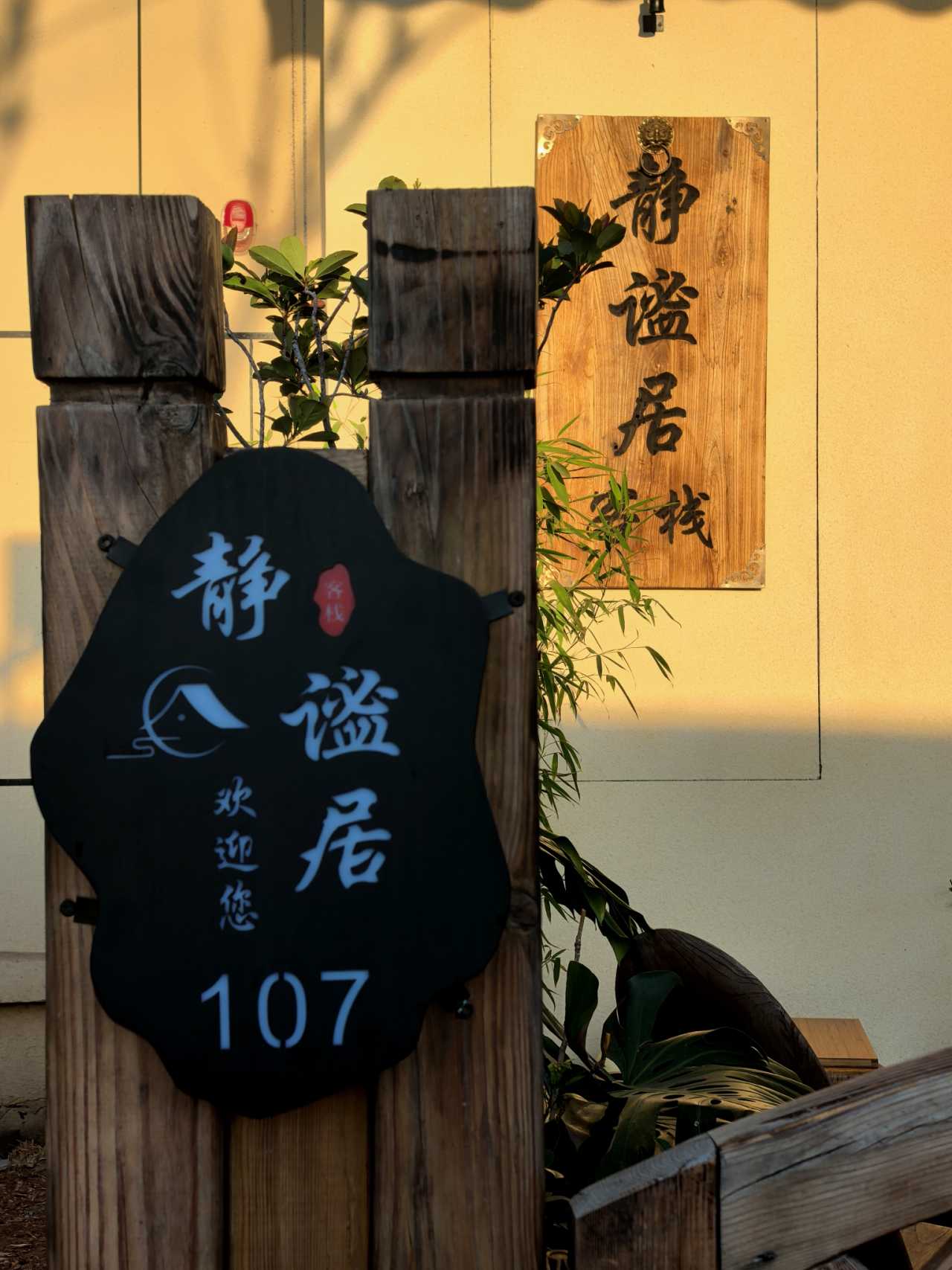
From Luoping, we returned to Kunming and stayed at a place called "Jing Mi Ju" (Quiet Residence). Twelve days of travel, from wind, flowers, snow, and moonlight to golden flower fields, from ancient town charm to pastoral poetry—Yunnan, with its diversity and inclusiveness, gave us an unforgettable family trip.

Looking back on this journey, what moved me most weren't the popular photo spots, but those unplanned moments—the laughter on the crystal boat, the morning light by Erhai Lake, the blue dyed fabric of Zhoucheng Village, the morning mist of Shaxi Ancient Town, the jade-green waters of Blue Moon Valley, and the golden sea of flowers in Luoping.
These memories will be forever treasured in our hearts.
Practical Tips
Itinerary Suggestions: - Depart before the Spring Festival to avoid peak crowds - 12 days total: 3 days in Dali, 3 days in Lijiang, 1 day in Shaxi, 2 days in Luoping - Use Kunming as both starting and ending point, with 1 day each at the beginning and end
Accommodation Recommendations: - Kunming: Villa area in Chenggong District, peaceful environment - Dali: Hillside hotel in Wenbi Village overlooking the lake, first choice for photography enthusiasts - Shaxi: Stay inside the ancient town; village accommodation on the outskirts is average - Lijiang: Inn in Baisha Ancient Town, facing the snow mountain
Food Recommendations: - Dali: Hotel meals were excellent - Lijiang: Mushroom hotpot, but experience is average when crowded - Luoping: Local farmhouse dishes
Things to Note: - Large temperature difference between morning and evening in Yunnan; dress warmly - Strong UV rays; take sun protection measures - Be mindful of road conditions when driving, especially on mountain roads - Book accommodation in advance, especially during peak season
Yunnan is a place worth visiting again and again. Every encounter brings new surprises. We look forward to meeting this magical land once more.
You should also read:

Solo in Yunnan: A Wanderer’s Guide to the Land of Eternal Spring
Solo in Yunnan: A Wanderer’s Guide to the Land of Eternal Spring There’s something magical about traveling alone. No compromises, no schedules to keep, no one to please but yourself. I’ve been on the road for nearly three months now, and not once have I…
Continue reading...
God’s Abandoned Palette: A Self-Drive Journey Through Yunnan’s Dongchuan Red Land
God’s Abandoned Palette: A Self-Drive Journey Through Yunnan’s Dongchuan Red Land Travel has never been about reaching some distant geographic coordinate. It’s about encountering, along the way, the version of yourself buried beneath the rubble of daily routine. During this May Day holiday, I finally…
Continue reading...
Two Girls' Graduation Trip: Dali and Shuanglang – A Poetic Farewell to Mountains and Sea
Two Girls' Graduation Trip: Dali and Shuanglang – A Poetic Farewell to Mountains and Sea Preface: Catching the Tail of Youth, Heading South During our senior year of college, my roommate and I – two girls studying in Beijing – decided to bid farewell to…
Continue reading...