From War-Torn Lecture Halls to the Mystical South of Yunnan: A Cultural and Culinary Road Trip with a Dog
From War-Torn Lecture Halls to the Mystical South of Yunnan: A Cultural and Culinary Road Trip with a Dog
Prologue: Homesickness on the Tongue
When the rainy season knocks on Yunnan's door, the wild mushrooms in the mountains can't wait to burst through the soil. Psychologists say that a person's attachment to their homeland often begins in the stomach—those flavors deeply rooted in memory quietly awaken with the seasons, turning into an uncontrollable longing.
For Su Susu, Yunnan has long become her second home. As temperatures climbed day by day, her taste buds began to stir restlessly, yearning for the unique fragrance of wild mushrooms that only that land could offer. The books sitting on her desk—Southbound and Northbound and The Days at Southwest Associated University—were like a silent temptation, scratching at her heart daily, making it impossible to sit still.
Since she couldn't physically get there yet, she decided to let the mushrooms ease her longing first.
Flashback to the 1930s, when the flames of war engulfed China. Peking University, Tsinghua University, and Nankai University relocated westward to Yunnan, merging to form the National Southwest Associated University (Lianda). It was during those difficult years that over a thousand faculty and students had a serendipitous "encounter" with Yunnan's wild mushrooms across time and space. Wang Zengqi, a Lianda alumnus, wrote humorously in his essay Seven Years of Smoke and Clouds: Picking Wild Herbs: "The greatest delicacy on earth is Ganba Jun (a type of wild mushroom); the hungriest people on earth are college students."
As a "seasoned college student," Su Susu had never tasted Ganba Jun—this was a double blow to both her cultural pride and her foodie dignity. Wang Zengqi's description of Ganba Jun was nothing short of vivid: "This thing tastes great but looks terrible—purplish-brown, shapeless, almost like a pile of cow dung, mixed with pine needles and weeds. But once cleaned and torn into crab-leg-shaped pieces, stir-fried with green chili peppers, one bite will boost your drinking spirit and double your appetite. This is truly the finest flavor on earth!"
To save her parched taste buds, I decisively ordered 150 grams of dried Ganba Jun online, letting Su Susu practice cooking it. Why only 150 grams? Simple answer—we couldn't afford more!
Ganba Jun fried rice lived up to its reputation. The seemingly simple combination of rice, minced ham, and Ganba Jun melded together in a hot wok, releasing layers of complex aromas, with a faint hint of pine needles in the air—truly unforgettable.
But before the allure of Ganba Jun faded, Su Susu went to the local market and bought Jizong (Termite Mushroom), hailed as the "king of mushrooms." She fried an entire pot of oil-preserved Jizong. The tender, finely textured young mushrooms were hand-torn into small pieces and plunged into hot oil, which instantly sealed in their moisture, magnifying their fresh flavor to the extreme. The result was sweet, crispy, and unforgettable. Even Yang Shen, the foremost scholar of the Ming Dynasty's Three Great Talents, wrote a poem praising Jizong during his exile in Yunnan: "Heavenly wind from the sea blows jade mushrooms; the sleeping woodcutter knows nothing of it. An immortal lives near Huayang Cave, gifting me a branch of pure beauty."
These mushrooms embody a distinctly Chinese aesthetic and flavor—much like travel itself, full of countless tastes. They also set the stage for the upcoming journey to Yunnan.
Pre-Trip Chaos
Orange's summer classes finally ended, and the journey officially began. Let me introduce the core team for this trip:
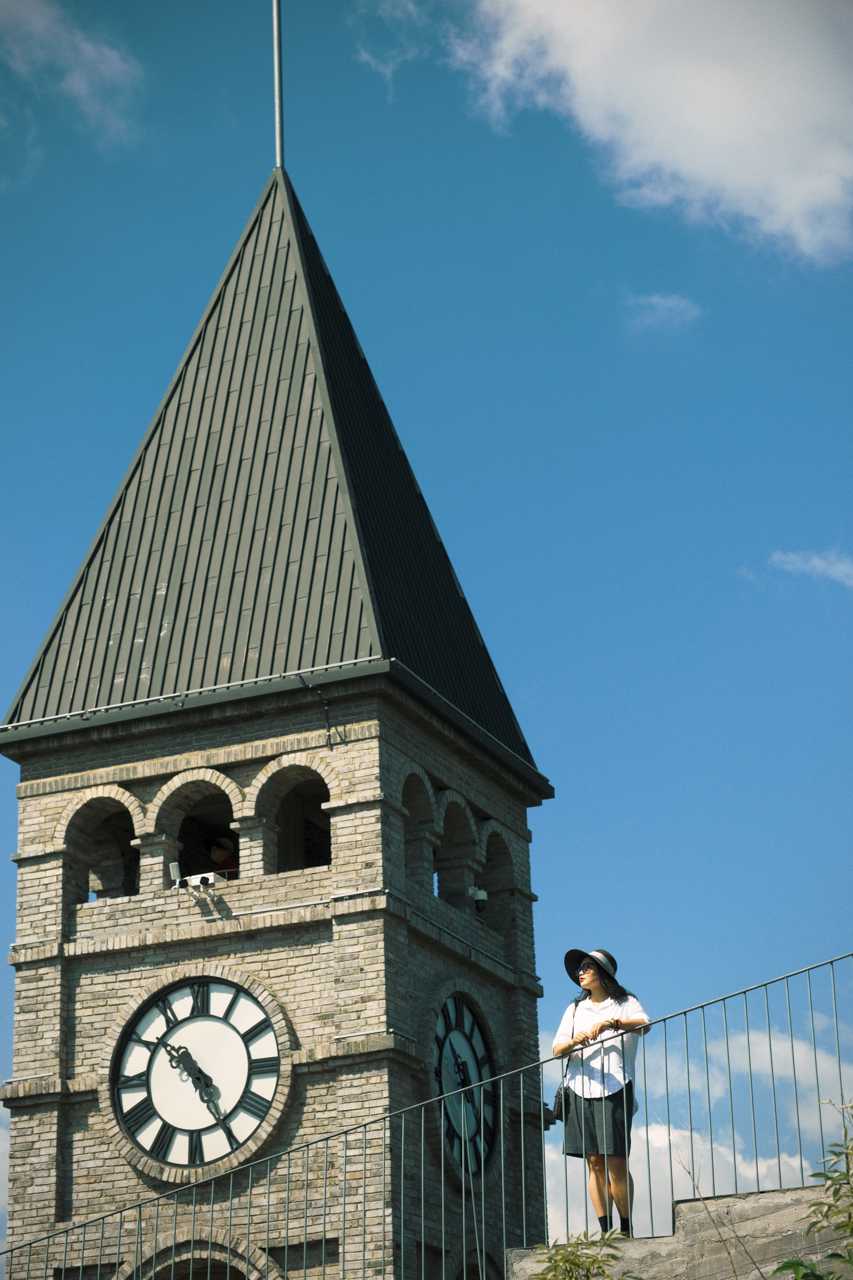
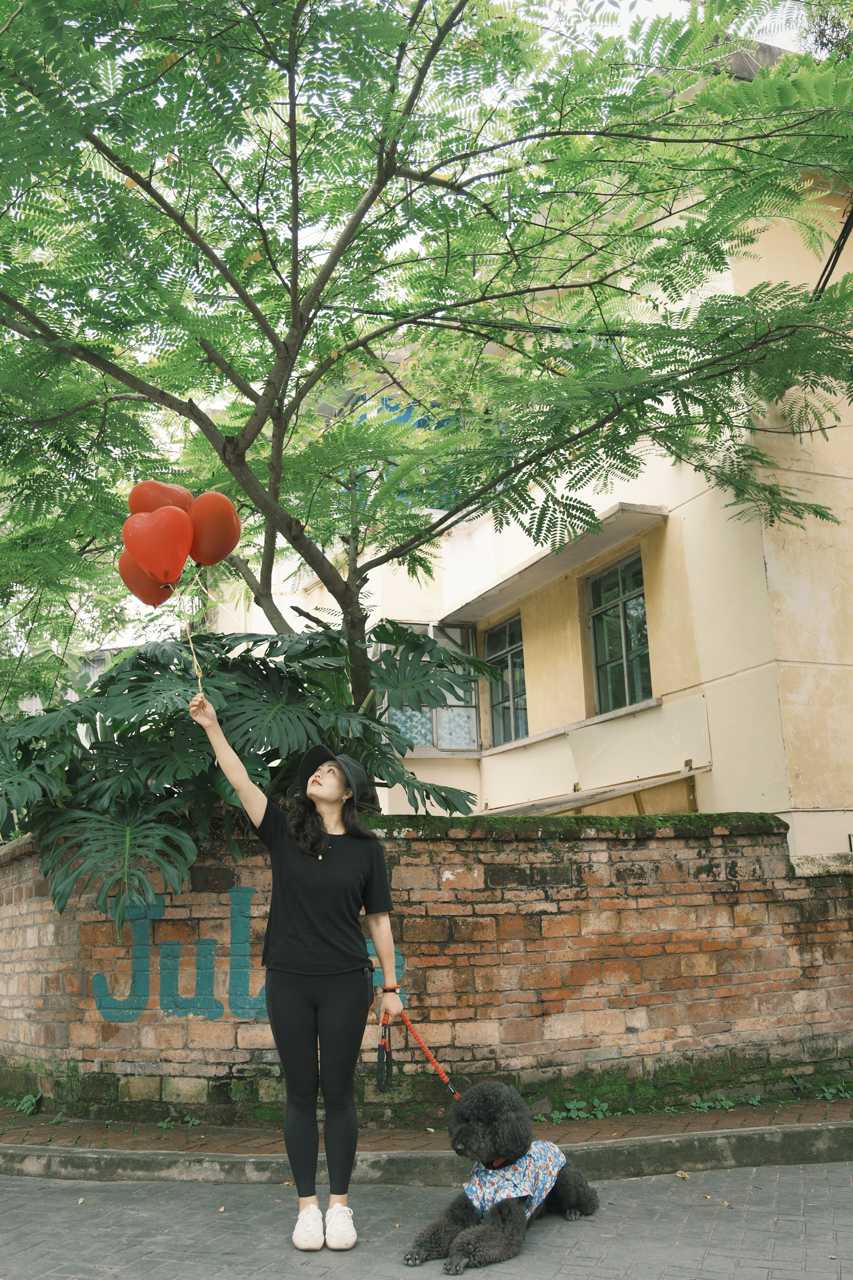
- Su Susu: A cook troubled by dieting, a middle-aged person plagued by low blood sugar, a reader struggling with memory, a mother overwhelmed by her child, the initiator of this Yunnan trip, and a devoted admirer of Lianda and Jingmai Mountain.
- Orange: A gaming-addicted teenage girl who just won the "Academic Progress Award," a versatile soul who switches between paintbrushes and guitars.
- Shisan Taibao: Full-time family travel photographer and chief poop-scooper.
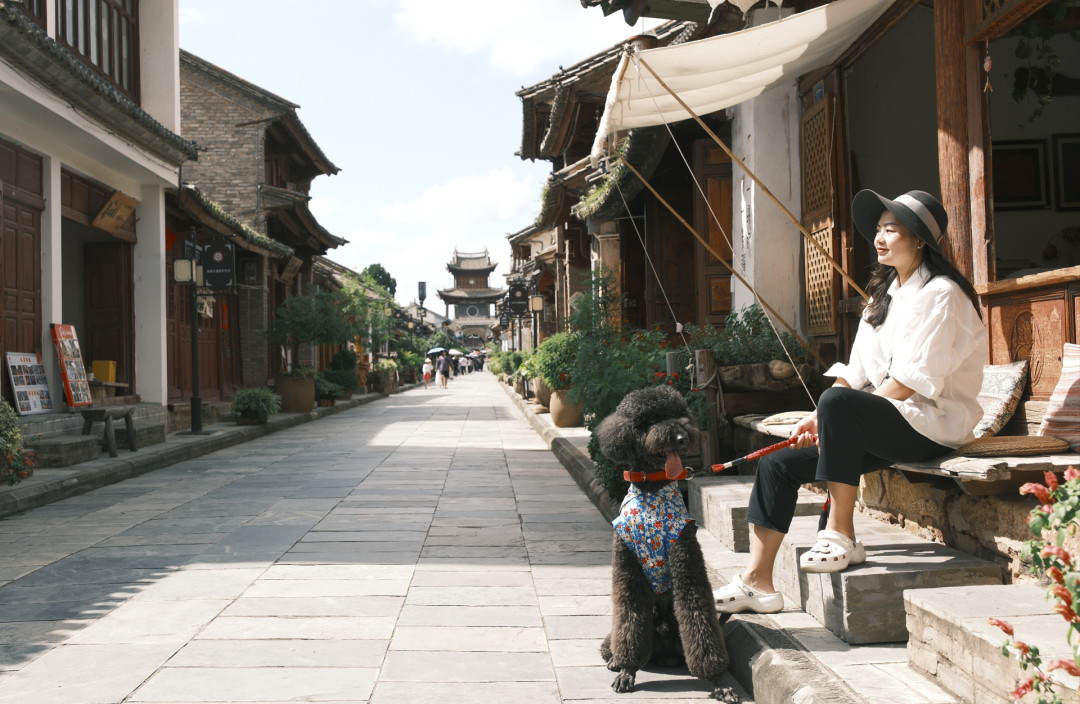
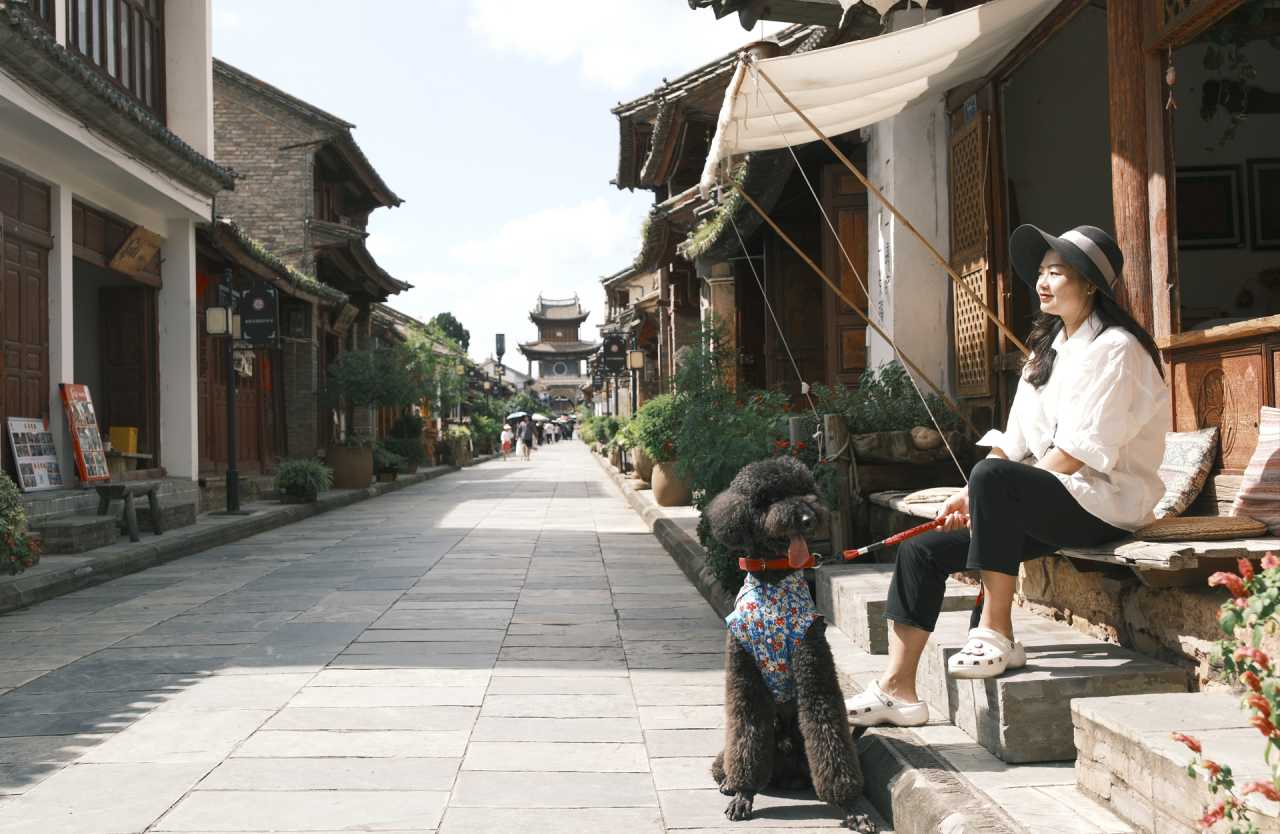
- Su Xiao Si: A 5-year-old poodle boy, Yunnan VIP, photo prop extraordinaire, and backseat bully.
This trip was slightly different from previous ones: first, our group had grown—we would meet up with Xu Erbeng and Xu Erhua's family of four in Miyi, adding two younger girls, Qianye and Buran. Second, we had made no plans beyond a general direction—going with the flow, wherever the road took us.
Of course, pre-trip chaos never fails to show up. Four days before departure, at 2 a.m., I was struck by a sharp abdominal pain. Thinking it was acute gastroenteritis, I woke Su Susu for help. But she barely sat up, groggy and dizzy from low blood sugar—we almost ended up calling an ambulance for each other. After barely managing to take a taxi to the hospital, the emergency room was packed even at that hour. I waited over an hour in agony, nearly collapsing. After a painkiller shot and tests, the doctor calmly announced: "A 5mm urinary tract stone. Drink more water and jump around vigorously!"
With the trip looming, the intermittent pain was a real headache. To keep the trip from falling apart, I spent the next few days on medication and in full "vibration mode": bouncing on my toes, jumping stairs, pounding my abdomen with a massage gun, even deliberately riding over manhole covers and speed bumps to jolt myself. Water became a mission. Finally, on the afternoon before departure, the pain miraculously disappeared. Sunlight bathed me as I let out a long breath, feeling reborn. The world had returned to its beautiful self.
Yunnan, here we come again.
Trip Overview: A Journey from Stomach to Heart Through Southern Yunnan
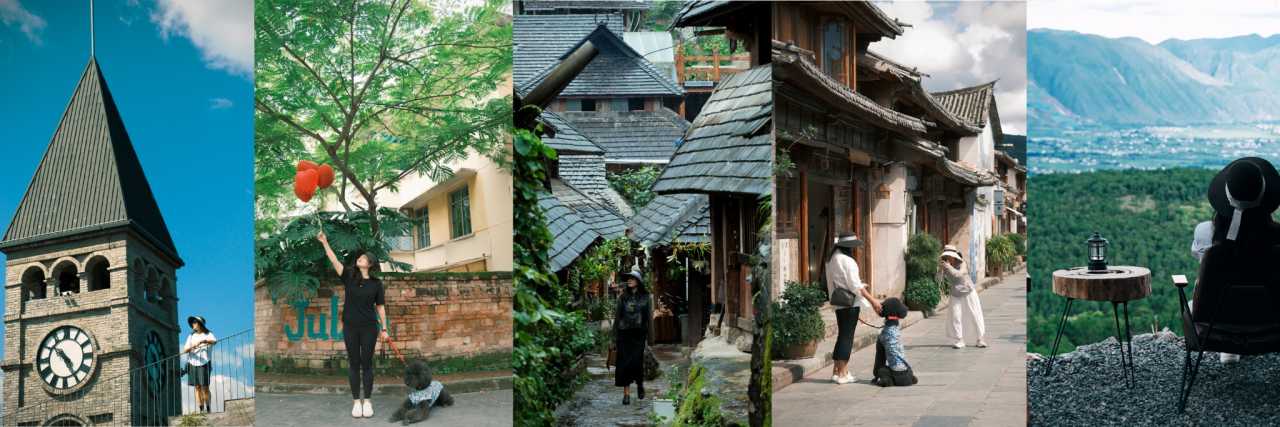
| Day | Route | Highlights |
|---|---|---|
| Day 1 | Meishan → Miyi | Yaxi Expressway, Qionghai afternoon tea, Miyi sunset, pickled pepper beef tendon BBQ |
| Day 2 | Miyi → Yongren → Kunming | Yongren donkey meat, Kunming Old Town rainy night, wild mushroom hot pot buffet |
| Day 3 | Kunming → Mengzi | Southwest Associated University旧址 (former site), South Lake, Dashuzhai Night Market |
| Day 4 | Mengzi → Shiping → Pu'er | Shiping grilled tofu, May Day Market, Daijia Lane teahouse |
| Day 5 | Pu'er → Jingmai Mountain | Wengji Ancient Village, Nuogan Ancient Village, thousand-year-old tea gardens |
| Day 6 | Jingmai Mountain → Lincang | 2,500-year-old banyan tree, Wa ethnic machete, Thai cuisine and dark culinary creations |
| Day 7 | Lincang → Weishan → Shaxi | Weishan Ancient Town, Shaxi Ancient Town, Sanyi Coffee |
| Day 8 | Shaxi → Dali | Shuanglang panoramic view of Cangshan Mountain, Haidong morning mist tea gathering |
Xichang Horror Story: Su Xiao Si Gets Bitten
Our dog has really grown up—now he takes up so much space as a "prop" that Orange couldn't compete with him, pouting all the way.
On Day 1, we set off from Meishan along the Yaxi Expressway, planning to reach Miyi by evening, with a stop in Xichang for a leisurely afternoon tea and to wait for Xu Erbeng and Xu Erhua's family. Returning to a place where I once worked, everything felt familiar. Our family easily found the Black Swan Café at Qionghai Hotel.
On a summer afternoon, Qionghai's sky was impossibly clear. The lake lay like a giant blue silk ribbon gently cradled by the surrounding mountains, with sunlight generously pouring its brilliance onto every ripple. Occasionally, a boat glided by, leaving a long wake. A few black swans swam past the pond, their red beaks breaking the water's surface, sending ripples spreading outward.
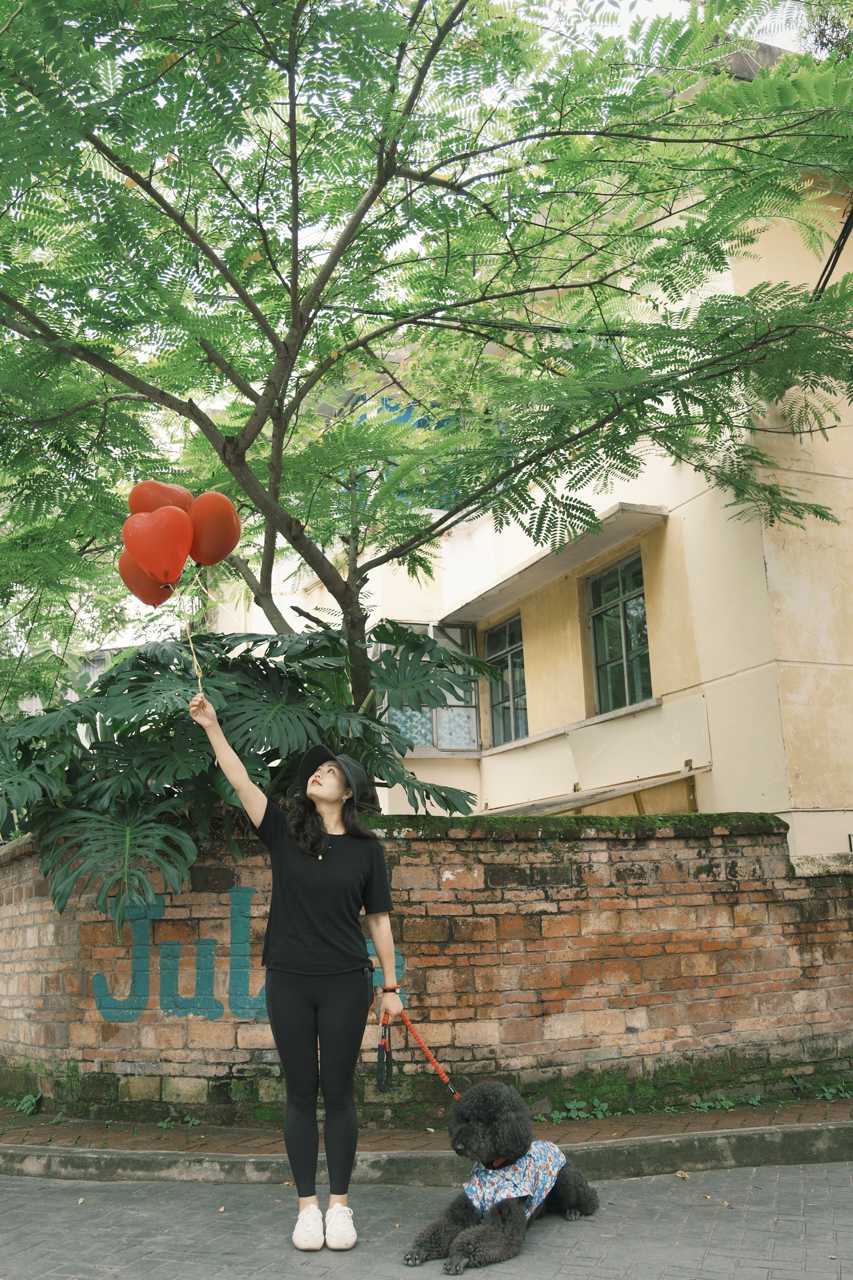
As we passed the swan pond, I gripped Su Xiao Si's leash tightly, my heart pounding—this guy was a bona fide water retriever, and if he broke free to chase the black swans, it would be a disaster. But just as I feared, an unleashed black-and-white Border Collie suddenly lunged, growling, straight at Su Xiao Si. Our dog usually ignored small dogs' provocations, but he never backed down from larger ones. In an instant, the two dogs were locked in a vicious fight. I pulled desperately at the leash to separate them, but it was useless. As they twisted and turned, their claws dug painfully into my feet, making me gasp. Perhaps hindered by the leash, Su Xiao Si couldn't dodge in time and was bitten on the thigh by the Border Collie. The fight only ended when the Border Collie's owner rushed over.
Looking back, we didn't check Su Xiao Si thoroughly for injuries at the time, thinking his thick fur must have protected him. Little did we know this oversight would plant a hidden danger—days later, the small wound on his thigh would fester and nearly cost him his life. But that's a story for later.
The sudden fight didn't dampen our spirits. Su Xiao Si acted as if nothing had happened, wagging his tail and panting happily. We sat on the lawn at an outdoor table, with a gentle breeze carrying moisture and coolness from the lake. Besides coffee, we had to order our favorite olive oil lemon mousse.
I've always felt that Su Xiao Si doesn't think of himself as a dog. Except for being a bit timid occasionally, his greatest joy is snuggling into people's laps, while treating other dogs with a haughty indifference. Once wronged, he instantly becomes a "whiner," complaining endlessly.
After afternoon tea, we continued toward Panzhihua, arriving in Miyi just over an hour later. We caught a golden sunset there. At 8 p.m., Xu Erbeng and Xu Erhua's family finally arrived, and we gathered at a BBQ joint at the foot of Longjiao Mountain. Despite being just a humble roadside stall, the combination of Sichuan-style pickled peppers and beef tendon elevated the BBQ's flavor profile magically, winning everyone's praise.
Passing Through Yongren: A Stroll Through Kunming's Old Town
The early morning sky-city exuded a lazy charm, with houses of varying heights waiting for the sun's caress. I got up early to take Su Xiao Si for a walk—a daily ritual. As we continued our journey, those in the back seat had to contend with Su Xiao Si's long, large paws, so they simply closed their eyes and rested.
At noon, we arrived in Yongren County. Located in northern Yunnan, Yongren is under the jurisdiction of the Chuxiong Yi Autonomous Prefecture, historically a strategic passage from Yunnan into Sichuan. With abundant sunlight, mild winters and cool summers, and a comfortable climate, it attracts many "migratory bird" residents. Local donkey meat is said to be quite famous, and foodies always find their way—"First Donkey Meat Restaurant" was straightforward enough. Pushing open the door, a rich, savory aroma hit us. The cold sliced donkey meat was thin and uniform, dipped in a special Sichuan pepper sauce that instantly awakened the taste buds with its numbing, spicy, and fresh flavors. The minced donkey meat was perfect with rice, and we unknowingly finished every bite.
After eating our fill, we went to look at some properties and rest a bit. Back home, temperatures had already hit 35-36°C (95-97°F), while here it was barely under 28-29°C (82-84°F), with no need for air conditioning in the shade. Special thanks to Rose Sunshine City for their hospitality—fully furnished sunlit apartments for just over 200,000 RMB with large balconies made everyone's heart flutter.
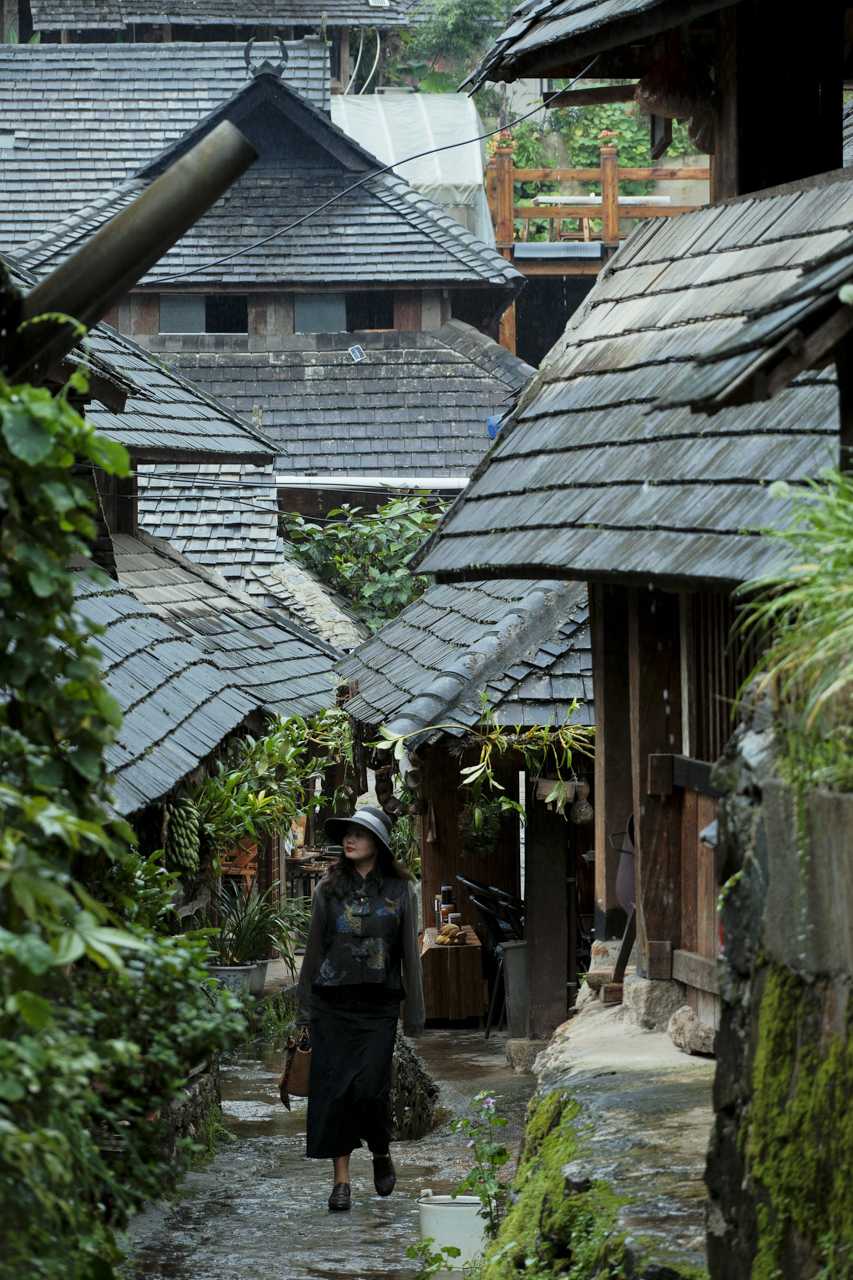
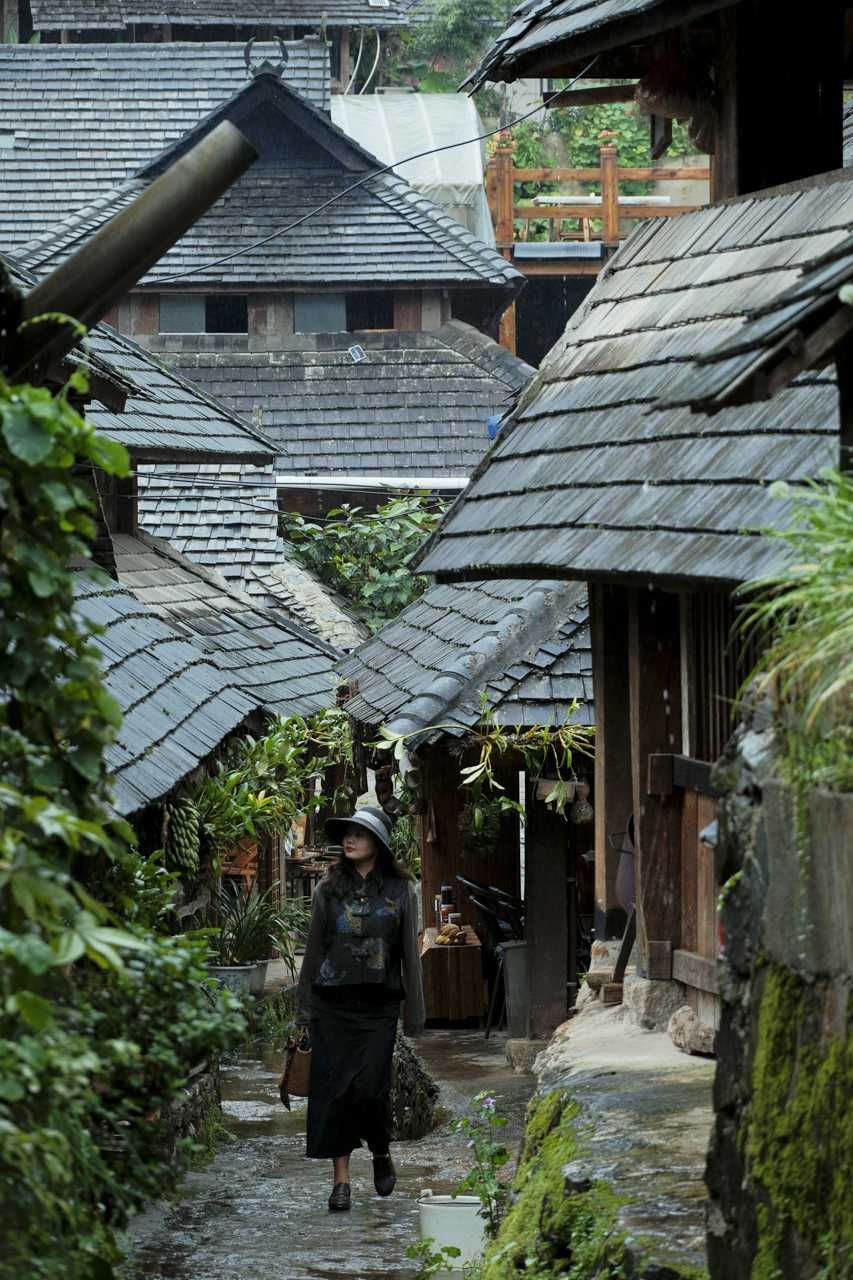
By evening, we finally reached Kunming's Old Town. As soon as we parked, an unexpected rain shower welcomed us, shrouding the entire old district in a misty haze. The air was filled with the fresh scent of rain, mingled with various mushroom and BBQ aromas, plus the sweet fragrance from flower-pie bakeries—these smells didn't dissipate in the rain but became even more vivid.
We braved the rain to check into the Gongxili·Chujian Hotel (Kunming Old Town branch), located on Wenmiao Straight Street in the heart of the old district. All accommodations on this trip were pet-friendly—fellow dog owners, take note. Within an hour, the rain subsided. Clouds parted, and the setting sun's rays slanted in from the west, painting the old town's green tiles and white walls in gold. People poured back onto the streets from every corner, their footsteps splashing through puddles. Vendors hurriedly restocked their goods, and umbrellas were folded, scattering glistening droplets in the light.
Kunming's Old Town, located in the city center, has a street layout dating back to the Yuan Dynasty, flourishing in the Ming and Qing. It's the only remaining contiguous ancient district in Kunming, blending traditional Yunnan "one-seal" courtyard houses, Republican-era Sino-Western architecture, and French-style old mansions. The concentration of traditional snacks and time-honored brands gives it a vibrant, down-to-earth atmosphere. Today, while preserving its historical character, the old town has been infused with modern vitality, dotted with creative shops, cafés, bookstores, and artisan workshops.
We decided to dive straight into a wild mushroom hot pot buffet. The dizzying variety of mushrooms was overwhelming. I particularly loved golden ear mushroom (金耳, Tremella aurantialba), entirely golden and shaped like a brain, with a silky, delicate texture, earning it the nickname "bird's nest of the mushroom world." Porcini mushrooms (牛肝菌) and "see-hand-green" (见手青, Boletus speciosus) were also popular, though the latter is mildly toxic and must be cooked long enough, or you might "see little people." There were also Jizong (鸡枞菌), bamboo fungus (竹荪), milk-cap mushrooms (奶浆菌), green-head mushrooms (青头菌), and more—a veritable miniature kingdom of wild fungi.
Curiously, I asked the waitress, "Has anyone here ever gotten poisoned from eating mushrooms?" She shot back, "Congratulations, you'd hit the jackpot!" We picked a large basket of mushrooms and dumped them into the bubbling broth. Covering the pot, we set a timer for 30 minutes, the fragrant steam slowly wafting toward us—a delicious torture. Finally, we could dip our ladles in—first, a small bowl of broth, rich and savory, instantly awakening every taste bud. Then we dug into the mushrooms: the porcini was plump and tender, the golden ear silky, the Jizong crisp—each variety a delightful surprise.
Touching History at the Lianda Former Site
The former site of the National Southwest Associated University (Lianda) was a key cultural stop on this trip. Located within the Yunnan Normal University campus in Kunming, stepping through its gates felt like entering a quiet, grand chapter of history. The air suddenly grew solemn, and time seemed to slow down with gravity.
The campus was lush with greenery. The garden wasn't large, but its layout had a certain structure, carrying the open, wild charm of the southwestern borderlands. Stone benches and tables were scattered about, where students could be seen reading in the morning light. Looking back, one could almost hear the passionate debates and hushed academic discussions that once filled this space. In one corner of the garden lay the Ink-Washing Pond (洗砚池), its surface gently cradling the drifting clouds and surrounding tree shadows. Several bamboo groves stood by the pond, rustling softly in the wind, separating this space from the city's distant noise.
Above the main gate hung a plaque with the bold characters "国立西南联合大学" (National Southwest Associated University), a legendary institution formed in 1938 during the war for survival by the merger of Peking, Tsinghua, and Nankai universities. Though it existed for only eight short years, it carved an indelible, brilliant constellation in China's academic and wartime history.

The protected area was surprisingly small, creating a poignant contrast with the spirit of "firmness, perseverance, and excellence" that Lianda's faculty and students maintained amid bombings and poverty. The bluestone paths beneath our feet had been polished smooth by time. The classrooms were low, mud-walled, iron-roofed bungalows—extremely humble. Standing outside the windows, one could almost hear the impassioned lectures of Wen Yiduo, and imagine the era of great minds: Mei Yiqi, Jiang Menglin, Zhang Boling, Feng Youlan, Ye Qisun, Chen Yinke, Liu Wendian, Qian Zhongshu, Hu Shi, Zhu Ziqing, Shen Congwen, Qian Mu, Lin Huiyin, Hua Luogeng, Fei Xiaotong... For a moment, it felt as if one could see young students like Yang Zhenning (Chen Ning Yang) and Li Zhengdao (Tsung-Dao Lee) bent over their desks, writing furiously.
The original Lianda classrooms were closed to the public for preservation, but a replica next door was open. Pushing open the door, the interior was spartan: long benches, simple desks, a small blackboard, and a lectern. Sitting by the window, closing my eyes, I could feel the flame of求知 (the pursuit of knowledge) that even the fires of war couldn't extinguish in those students' hearts. Over 80 years ago, when the fate of the nation and individual destiny were intertwined, the perseverance, struggle, hardship, and passion—even a shallow tracing of those footsteps—still stirred the blood.
The "December 1st" Movement Memorial Square was the heart of the site. The tombs of four martyrs stood quietly, their white tombstones surrounded by lush pines and cypresses. In 1945, young people sacrificed their lives here opposing civil war and fighting for democracy, adding a layer of weight to this land. Nearby memorial pillars were engraved with the names of Lianda's faculty and students. Running my fingers over the cold stone, I touched a burning youth written in ideals and blood.
Finally, we entered the Lianda Museum. Yellowed textbooks, handwritten lecture notes, damaged school badges, and countless young, determined faces. The exhibition narrated the "wandering university's" Long March—faculty and students trekked over 1,500 kilometers on foot from Changsha to Kunming, enduring hardships along the way while continuing to teach and conduct fieldwork.
Today, Lianda has become a symbol. The spirit of patriotism, democracy, and science it represents, along with the integrity and responsibility of intellectuals in times of national crisis, are frozen in this serene space, waiting for every visitor to listen, reflect, and draw strength to navigate the fog of the present.
After buying souvenirs at the creative café opposite the museum, we had lunch at Fuzhaolou Steam Pot Chicken Restaurant near the Victory Memorial Hall. The 400+ RMB set meal for six was generous: authentic steam pot chicken, colorful cold rice noodles, traditional four small steamed dishes, Yiliang small knife duck, green onion-scalded fish fillets, Yunnan-style braised squash, and more. Delicious food paired with retro decor—highly recommended. After lunch, we found a second-floor wooden old house near the hotel to rest, brewing some Pu'er tea and enjoying flower pastries, recharging for the journey ahead.
Mengzi: A Night Market Dash
As the sun set, we arrived in Mengzi after a three-hour drive. We checked into the Mengzi Moji Art Gallery Hotel. After a short rest, we headed to the night market for dinner, leaving Su Xiao Si to guard the room—he's a seasoned traveler who never messes in hotel rooms, is very well-mannered, and even charms the front desk ladies into giving him treats.
We took a taxi to Mengzi's Dashuzhai Night Market Street. The narrow street was packed with a surging crowd, and moving forward meant slowly drifting with the human tide. Tourists' exclamations and vendors' shouts blended together, soaked in the sizzling sounds of frying and grilling. Beyond the usual BBQ, there were grilled pig trotters, grilled beef jerky, grilled oysters, various braised meats, Vietnamese rice rolls, wild mushroom fried rice, crayfish, pounded chicken feet, papaya salad, fried insects, fried potatoes, fried stinky tofu, papaya water, cold shrimp jelly, fresh juices, and mountains of tropical fruit. There was also螺蛳粉 (snail rice noodles) and Dai-style sour bamboo shoot chicken—things people either love or hate. Walking through, all your senses were overwhelmed. It was a rough, unpolished, even chaotic kind of liveliness—much like life itself.
We grabbed a table at a street-side stall and chased away our hunger with various dishes, eating late into the night before returning to the hotel. The hotel breakfast was decent—chrysanthemum-crossing-bridge rice noodles (菊花过桥米线) that, while not as good as the famous "Burning House" (火烧房子) in Mengzi, weren't far off.
Reflections by South Lake: The Mengzi Campus and Wartime Youth
After breakfast, Su Susu and I headed to the former site of Lianda's Mengzi campus by South Lake. This was my third visit to Mengzi. I have an inexplicable fondness for this small border town in southern Yunnan. It comes from the mist hovering over South Lake, the aroma of rice noodles drifting through old streets, the old tracks of Bise Village (碧色寨), and the奇妙 coexistence (wonderful coexistence) of French-style buildings with their bright yellow columns and louvered windows alongside traditional Chinese upturned eaves, green tiles, and white walls.
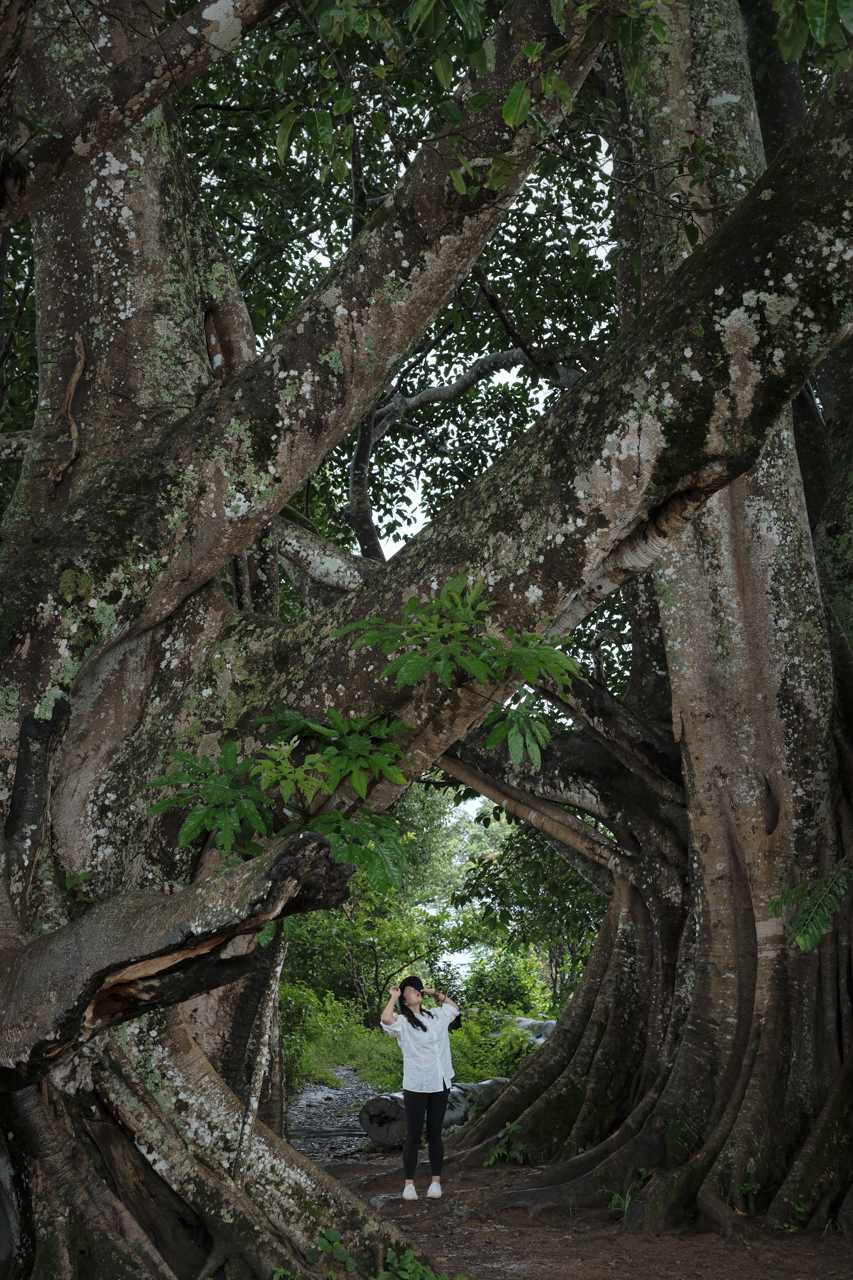
The people and traffic on the streets were never in a hurry. Electric scooters meandered slowly along tree-lined roads, where time had lost its sense of urgency, leaving only ample hours to be leisurely wasted. The generous, gentle sunlight spilled onto the yellow walls of the former French Consulate, inviting passersby to find a rattan chair under a tree, brew a pot of Pu'er, and while away an entire afternoon. Unlike the bustling Dali or Lijiang, Mengzi offers a more authentic, grounded sample of southern Yunnan life.
In a corner of the old street, sunlight and eaves carved clear boundaries. Several women in ethnic headscarves sat in the shade, chatting about daily life, their soft laughter dissolving into the tepid air. Suddenly, one of them seemed to remember something unfinished at home, slowly rose, smiled briefly at her companions, and turned into a sun-dappled alley, her receding figure silent and unhurried.
Back in 1938, due to insufficient dormitories in Kunming, coupled with Mengzi's convenient access via the Yunnan-Vietnam Railway and available vacant buildings, Lianda decided to relocate its College of Arts and College of Law and Commerce to Mengzi. In April 1938, professors like Wen Yiduo, Zhu Ziqing, and Feng Youlan, along with over 300 students, arrived in Mengzi after a circuitous journey, receiving a warm welcome and support from local officials and residents, who offered their best buildings for the分校 (branch campus).
Epilogue: The Meaning of Travel
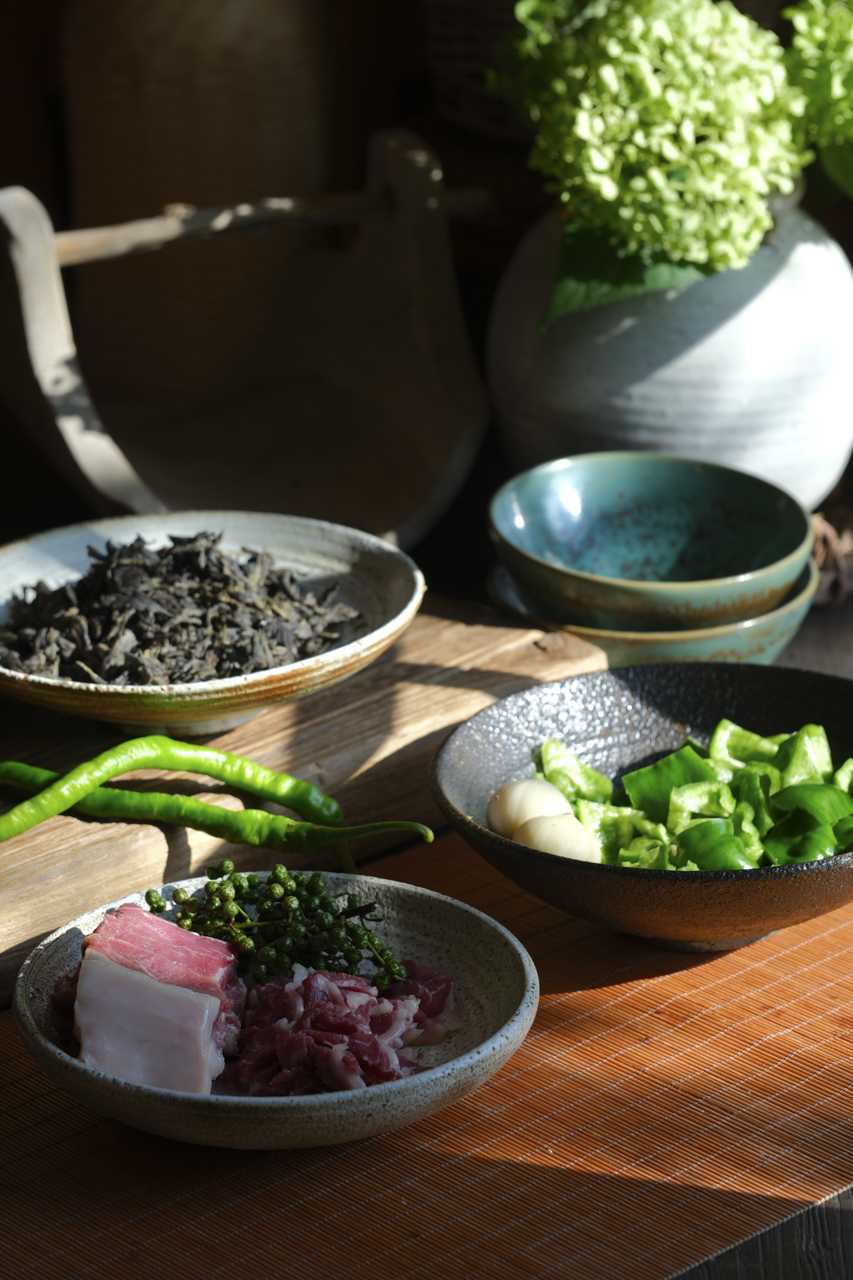
Our eight-day journey through southern Yunnan began with the allure of wild mushrooms, passed through the war-torn years of Lianda, savored the everyday bustle of Mengzi, explored the thousand-year-old tea gardens of Jingmai Mountain, and finally ended in the morning mist of Dali. Along the way, with Su Xiao Si, our family, a craving for good food, and reverence for history, we completed a deep journey from stomach to heart across this magical land of Yunnan.
The meaning of travel, perhaps, isn't about how many attractions you check off, but about those unexpected moments: the dogfight by Qionghai, a bowl of mushroom soup after a Kunming old town rain, a moment of silent contemplation at the Lianda site, a plate of Ganba Jun fried rice at a Mengzi night market. These seemingly ordinary fragments eventually coalesce into the most precious memories.
As Wang Zengqi said, "The greatest delicacy on earth is Ganba Jun; the hungriest people on earth are college students." For us, Yunnan itself is an inexhaustible earthly delicacy. We'll be back again.
You should also read:
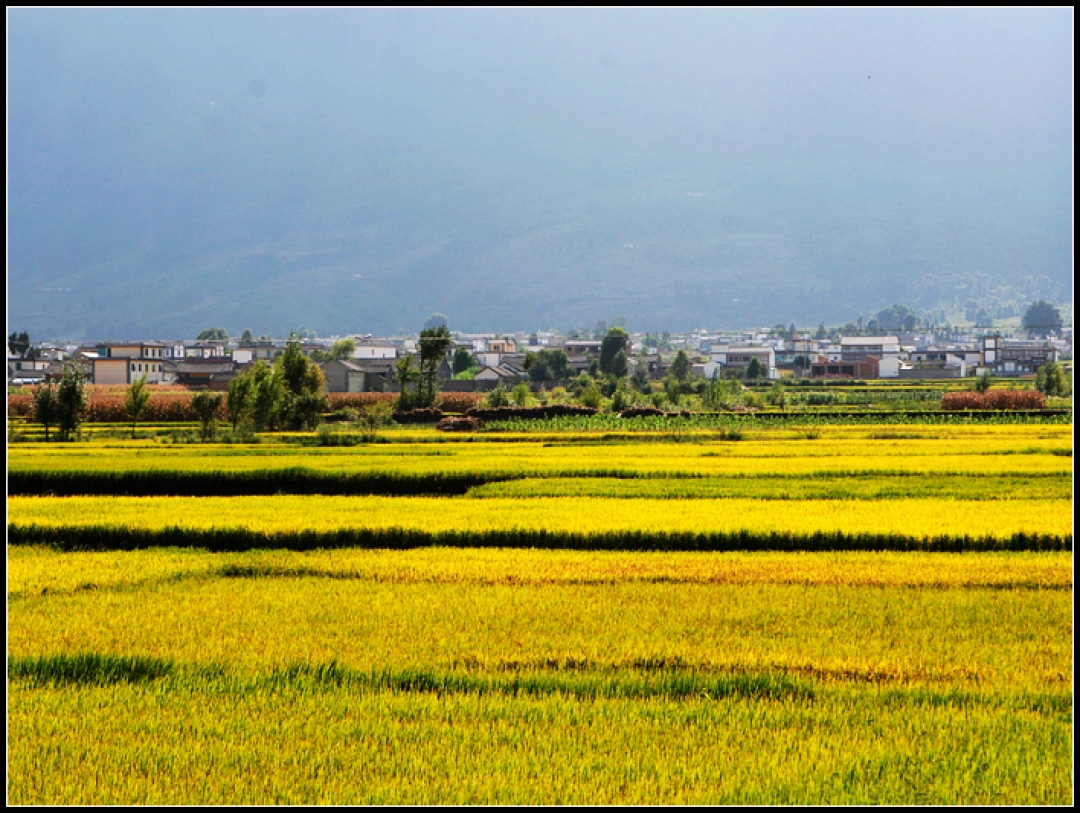
A 9-Day Yunnan Journey: From Lijiang to Dali to Tengchong – A Trip Toward Self-Reconciliation
A 9-Day Yunnan Journey: From Lijiang to Dali to Tengchong – A Trip Toward Self-Reconciliation Some say travel is simply going from a place you're tired of to a place other people are tired of. It stings to hear, but it's painfully true. Yet there's…
Continue reading...
Yunnan Travel Mastery: From Beginner to Pro-Level Player – A Complete Guide
Yunnan Travel Mastery: From Beginner to Pro-Level Player – A Complete Guide "Either travel or read, but your body and soul must be on the road." This quote has been repeated countless times, but very few people truly manage to be "on the road" and…
Continue reading...
Solo in Yunnan: A Wanderer’s Guide to the Land of Eternal Spring
Solo in Yunnan: A Wanderer’s Guide to the Land of Eternal Spring There’s something magical about traveling alone. No compromises, no schedules to keep, no one to please but yourself. I’ve been on the road for nearly three months now, and not once have I…
Continue reading...