【F&X✈the World】② Chasing Clouds and Moon: Our 2,638km Self-Drive Panorama of Yunnan
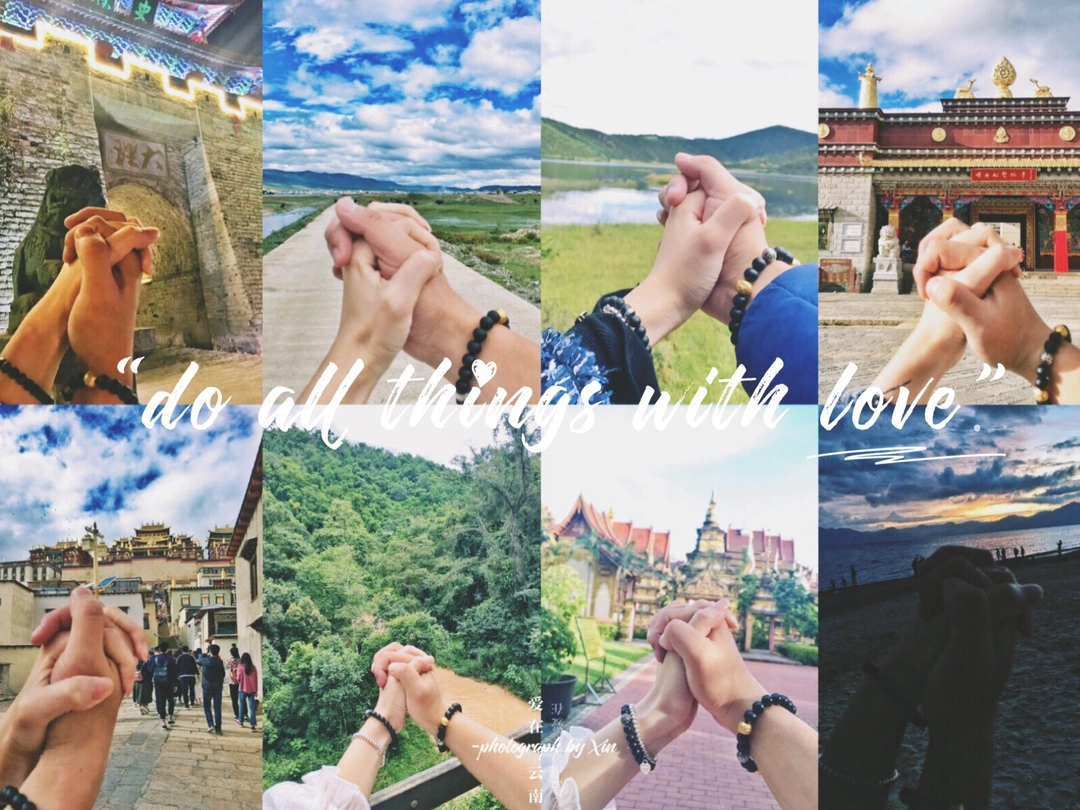
【F&X✈the World】② Chasing Clouds and Moon: Our 2,638km Self-Drive Panorama of Yunnan
May the road be long, full of wonders, full of discoveries.
Foreword: A Spontaneous Adventure
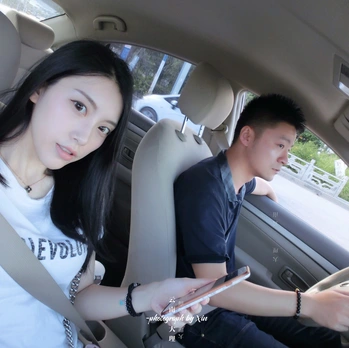
In September 2017, my boyfriend (now my husband) and I set off on our annual trip. Destination: Yunnan. The choice wasn't sudden, but it was full of hesitation. At first, we considered a guided tour — after all, Yunnan's attractions are scattered, self-driving is exhausting, and online complaints about "tourist traps" are everywhere. But after scouring Ctrip, Tuniu, and Spring Travel, we found that the so-called "panoramic tours" either had only one departure per month or were shopping tours with "5 hours on the bus, 10 minutes at the attraction." We decisively gave up.
"How about we drive ourselves?" my boyfriend asked tentatively.
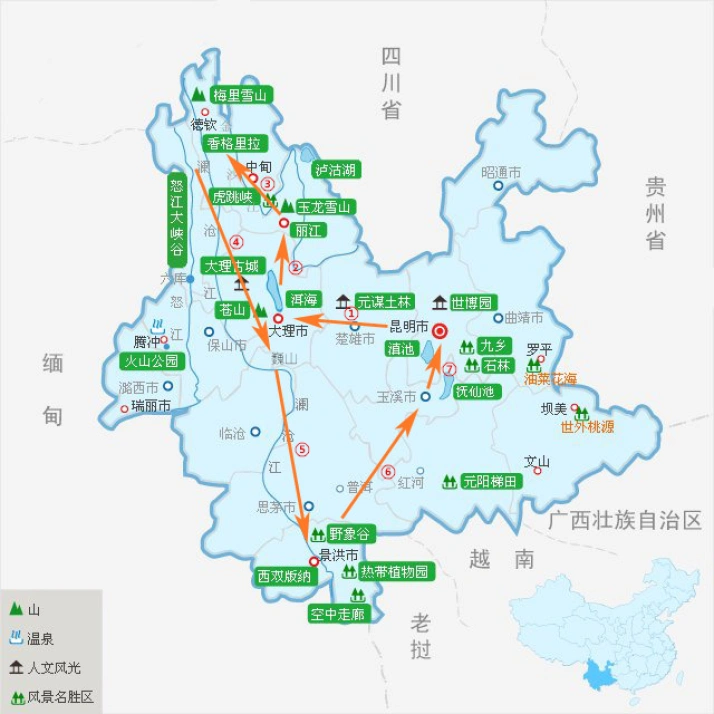
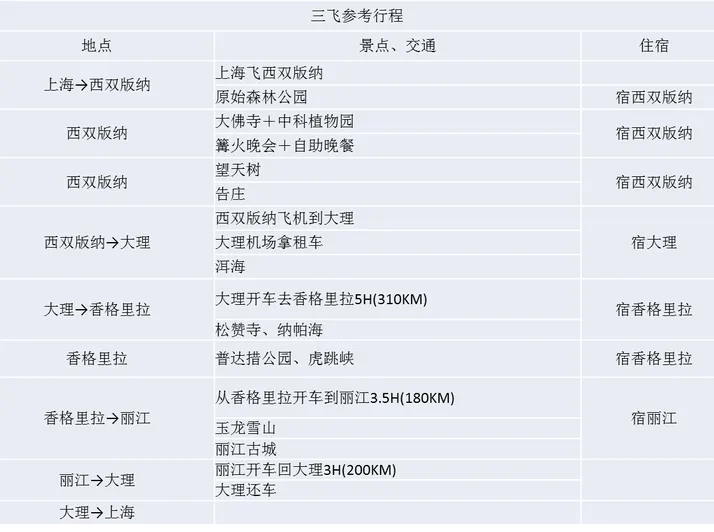
I looked at the map: Kunming → Dali → Lijiang → Shangri-La → Weishan → Xishuangbanna → Yuxi → Kunming. This loop was at least 2,000 kilometers. What terrified me most was the stretch from Xishuangbanna to Dali — the navigation showed over 12 hours of driving.
"You're driving all that alone? Are you sure?" I looked at him doubtfully.
He was completely calm. "No problem."
I had no idea where that confidence came from. But as it turned out, a man's confidence can sometimes be pretty reliable.
Pre-Trip Preparation: Questions You Might Ask

About Photography
Don't be fooled by the photos — we shot everything with an iPhone 6 Plus. All editing was done with mobile apps: Snapseed and Butter Camera. No DSLR, no drone. A phone can still produce stunning shots.
About Car Rental
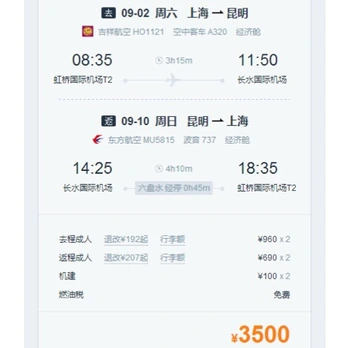
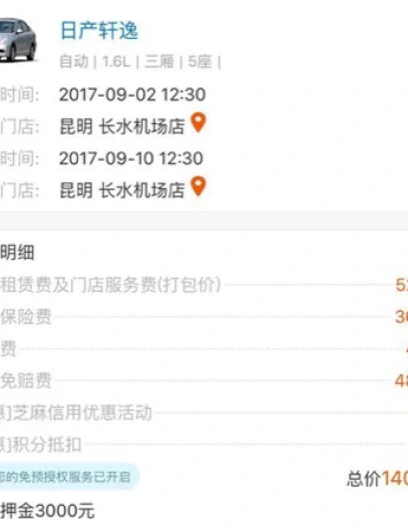
We chose "eHi Car Rental" — after comparing prices, Yunnan's rates were more affordable. We booked directly through the app: 8 days of rental cost 1,400 RMB, plus fuel and tolls, totaling about 3,500 RMB. That's about 437.5 RMB per day.
The car was a 1.6L Japanese model — durable and fuel-efficient. But honestly, on winding mountain roads, this engine size struggled a bit. Still, "Little Black" (as we named the car) was in great shape, with less than a year on the clock and over 40,000 kilometers. It never let us down.
Car Rental Tips: - Ctrip's "Car Rental" section allows price comparison - Take photos of any scratches when picking up the car - Return the car with no less fuel than when you picked it up
About Road Conditions
Yunnan's expressways are easy to drive, but national and provincial roads test your skills — lots of trucks, sharp curves. Especially during the rainy season, extra caution is needed.
About Accommodation
We didn't book in advance. After comparing, booking on the day and booking ahead cost about the same. Sometimes walking straight up to the front desk got us a better deal.
About Food
Yunnan cuisine is mainly Sichuan-style, but with its own unique character. Must-eats in Lijiang: preserved rib hotpot (腊排骨锅), free-range chicken hotpot (土鸡锅), and mushroom hotpot (菌菇锅). Snack recommendations: flower cakes (鲜花饼), stuffed tofu (包浆豆腐), grilled milk fan (烤乳扇), and cross-bridge rice noodles (过桥米线). But I'd suggest steering clear of the so-called "food streets" by the roadside.
About Altitude Sickness
This is something many people worry about. Here's my experience: - Lack of oxygen doesn't always mean altitude sickness, but altitude sickness always means lack of oxygen - No medicine can "cure" altitude sickness, but you can prevent it — drink plenty of water, get extra oxygen - In Shangri-La, it's best not to shower — it can cause low blood sugar - For dizziness or chest tightness, drink glucose water or eat a Snickers bar - Real altitude sickness means being rushed to the hospital for emergency treatment — don't scare yourself unnecessarily - A cold combined with altitude sickness can trigger pulmonary edema, which is life-threatening
Day 1: Shanghai → Kunming → Dali | First Glimpse of Yunnan's Clouds
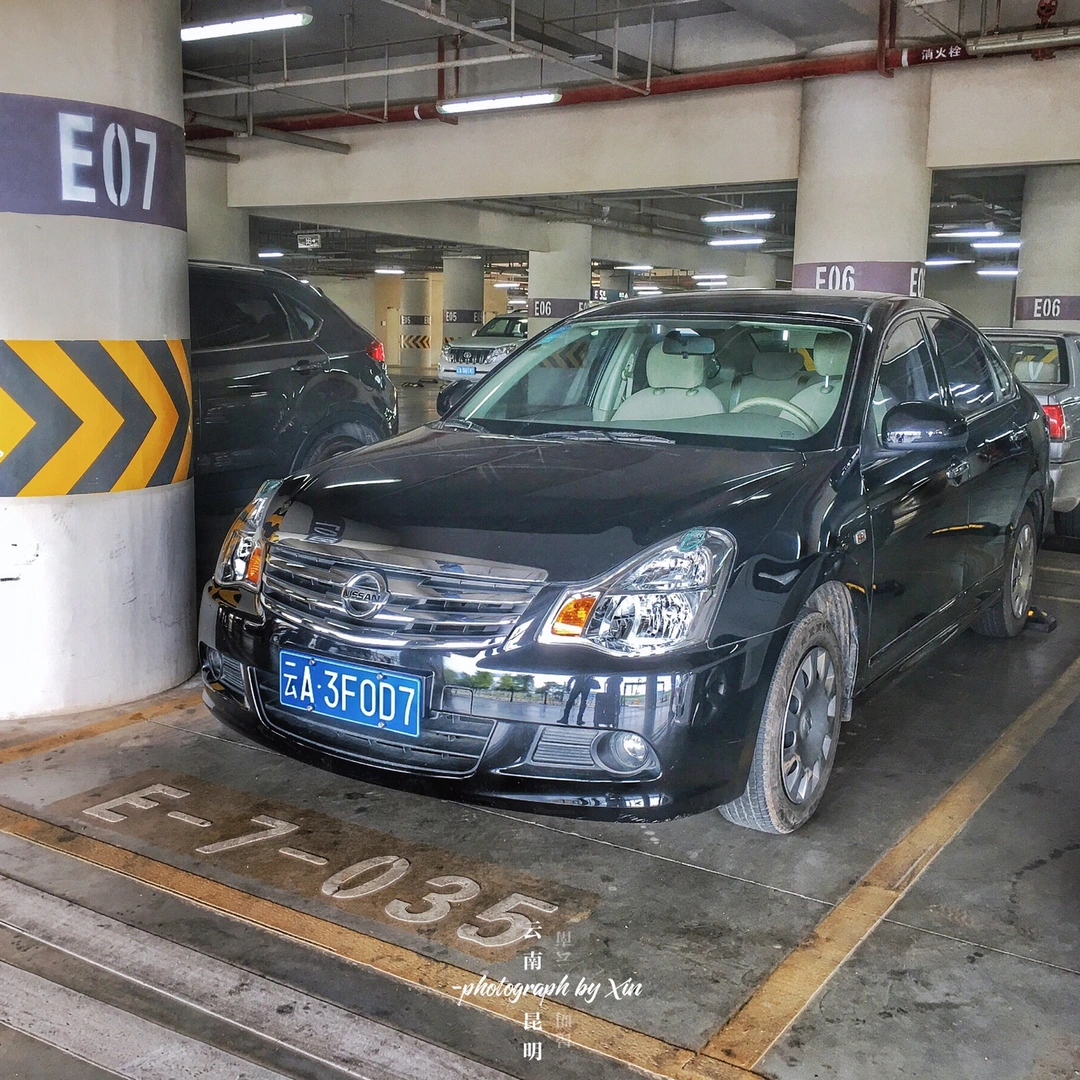
The plane landed on time. Following the text message instructions, we found Little Black in the parking lot. Paperwork, vehicle inspection, photo documentation of scratches — 15 minutes later, we were officially on the road.
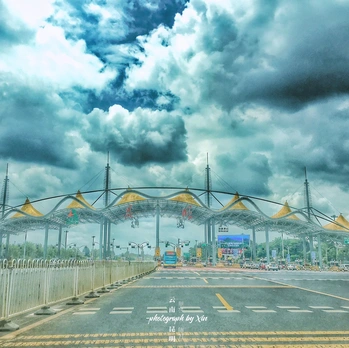
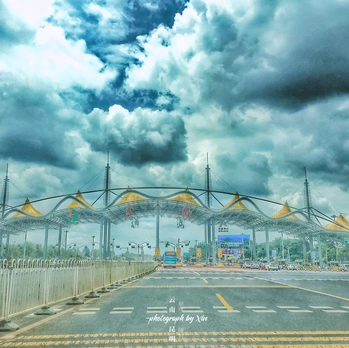
Leaving the airport cost 16 RMB in parking fees (eHi reimbursed this upon return). Onto the Ruihang Expressway, from South Kunming to Xiaguan in Dali, we were stunned by the sky — patches upon patches of clouds, floating like cotton candy above our heads. After about 100 kilometers, I started feeling slight ear pressure, but my mood was completely lifted by the scenery.
Rainy season in Yunnan? Worries were unnecessary. Aside from the occasional dark cloud, everything else was big, fluffy white clouds.

Arriving in Dali, we checked into "Sanwei Bieyuan Inn" (大理三味别院客栈). All hotels around Erhai Lake were closed due to renovation, so forget about any trendy internet-famous hotels. Xiaguan had some hotels with distant lake views, but since we were only staying one night, we chose an inn a bit away from the old town. Breakfast included — pretty good.
Dinner was at "Fuxing Xiaoyuan Private Kitchen" (复兴小院私房菜). We ordered stir-fried "water spinach" (炒水性杨花), Erhai Lake fish (洱海鱼), mushroom soup (菌菇汤), and steamed egg (炖蛋) — all local specialties. The owner even gave us two free drinks. Very hospitable.
After dinner, we strolled through Dali Old Town. To be honest, the old town was nothing special. But grilled milk fan (烤乳扇) was worth trying — it's a dairy product, and anyone who loves cheese will enjoy it. My boyfriend didn't like it, which worked out perfectly for me.
We stopped at a supermarket for water and snacks. My boyfriend said he was tired — after all, he'd woken up early for the flight and driven half the day. Back to the hotel to rest, looking forward to tomorrow's Erhai Lake.
Day 2: Dali → Lijiang | A Fairytale by Erhai Lake
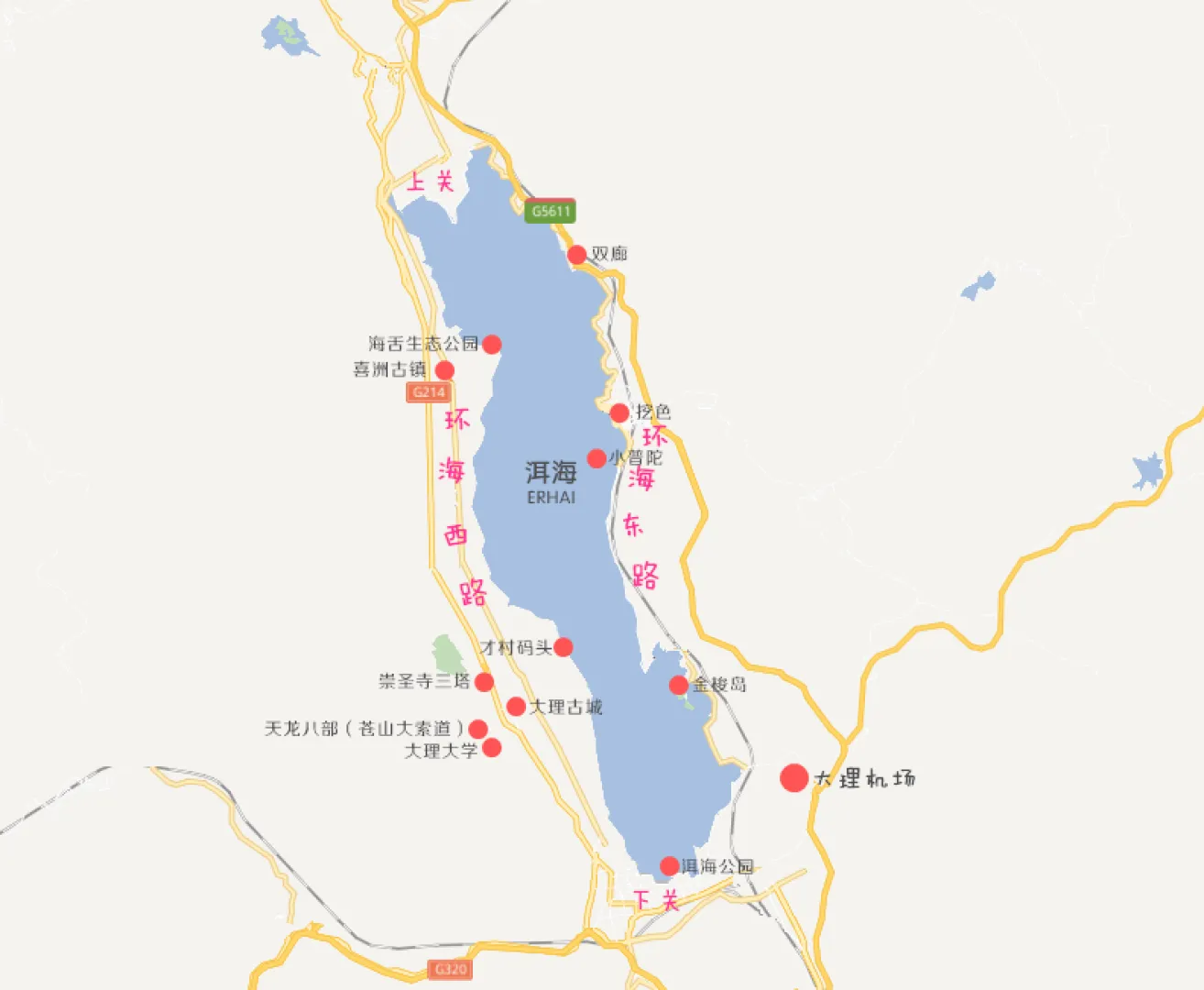
After an early breakfast, we headed straight to our only planned stop for Erhai Lake — Haitong Ecological Park (海舌生态公园). The construction in Shuanglang was too intense, so we had to skip it. Caicun Village had sunflower and lavender fields, and Wase had seagulls in winter, but time was limited — we had to make choices.
Haitong Park is free. As its name suggests, it's like a tongue stretching into Erhai Lake. But don't park at Xizhou Ancient Town and walk in — it's so far you'll question your life choices. We followed the navigation directly to the park's parking lot, but the road construction was terrible — narrow old town roads, two cars meeting had to take turns passing.
At one point, the road was blocked. Locals said we'd have to take a detour. Just as we were stressing, we saw a car drive straight up onto the sidewalk and go around. We copied them! When we saw the Haitong Park sign, we almost screamed with excitement.
No vehicles are allowed inside the park. You can walk (a few hundred meters, about ten minutes) or take a horse-drawn carriage (10 RMB per carriage, seats six). We shared one with four other tourists. We quickly reached the park entrance, greeted by a bamboo grove so beautiful it looked like a painting. The deeper we went, the more stunning it became.
Erhai Lake is truly breathtaking. Endless, the sea and sky a pure, clear blue. In that moment, I fell in love with Dali. Once it's rebuilt, I must come again.
"By Cangshan Mountain and Erhai Lake, you're by my side..." This song played in my earphones. The clouds never tire of Cangshan, the wind never leaves Erhai.
By 11 AM, we'd finished our visit. At the entrance, we bought a large fruit platter. A kind local pointed us to an easier road to Xizhou Ancient Town.
Lunch in Xizhou was a bit of a hassle — the "Yuanlai Shidian" (缘来食店) we had our eye on was closed. We settled for some cold noodles (凉粉) and a flatbread (粑粑 — just a kind of pancake, not as amazing as netizens claimed). The rice jelly with shrimp (米凉虾) was interesting — a sweet drink made with papaya water and a few tiny shrimp. I also ordered two more grilled milk fans (烤乳扇), one with rose sauce and one with condensed milk. Satisfied!
At 1 PM, we grabbed some Dali yogurt and headed for Lijiang. We stopped at "Lashihai Service Area" (拉市海服务区) to rest — the scenery was wide open, a nice first stop in Lijiang.
Arriving in Lijiang, we checked into our inn. There are way too many accommodation options in Lijiang Ancient Town. I chose "Tianjingsha Inn" (天净沙客栈) in Baisha Ancient Town — quiet, close to the snow mountain, which made up for us not actually going to the mountain. Baisha Ancient Town allows car access and has convenient parking. The innkeeper was very welcoming and recommended we try a mixed vegetable hotpot (杂菜锅).
After resting, we drove toward Yulong Snow Mountain, hoping to enjoy the scenery along the way. We spotted a faint rainbow. We turned back at the mountain entrance, passing Lover's Lake (情人湖), where we saw a couple taking wedding photos. We stopped and took our own photos too.
In the evening, we parked at Lijiang Ancient Town's South Parking Lot and walked into the old town. There are so many preserved rib hotpot (腊排骨) restaurants — we picked one at random. It was decent. We climbed Lion Hill (狮子山) to see the night view. On the way back to the inn, we bought oxygen canisters — 60 RMB for 0.8L. Later we found out pharmacies in Shangri-La sell them for only 30 RMB. Ripped off.
Day 3: Lijiang → Shangri-La | A Sanctuary on the Plateau
Staying in a natural setting comes with its problems — the bed was too soft, the soundproofing too poor. At 6 AM, roosters started crowing, and then the inn's dog "Doudou" joined in. Any plans for sleeping in were ruined.
Defeated, we got up to find food. Chicken bean jelly (鸡豆凉粉) is a Baisha specialty. Yunnan's cold noodle sauce is truly delicious. I asked if the yellow stuff was potato. The owner said yes, and asked if I wanted half jelly and half potato. Perfect.
Off to Shangri-La. Not far from the Baisha Ancient Town entrance, there was a huge field of sunflowers, far away and beautiful.
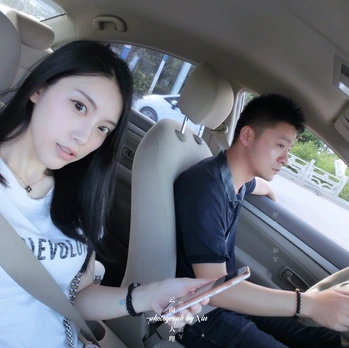
From Lijiang to Shangri-La, it was a short stretch of expressway followed by national roads. Before leaving, I'd read travel guides saying the mountain roads were doable by car, but I was nervous. My boyfriend found it manageable — lots of big trucks, slow driving on winding roads, frequent overtaking, and always watching for oncoming traffic.
The joy of self-driving is being able to stop whenever you want. We bought small apples and yellow peaches by the roadside, stopping and starting, enjoying the mountains and rivers.
An hour and a half later, we saw the "Welcome to Shangri-La" sign, with colorful flags fluttering — we'd arrived during the 60th anniversary of Diqing Prefecture.
Shangri-La's average altitude is 3,280 meters. We kept drinking water to prevent altitude sickness. Friends had told us that everyone gets headaches and fevers in Shangri-La, but we didn't have any strong reactions. My boyfriend had a bit of head pressure — normal for lowlanders going up to the plateau.
We checked into the IU Hotel (a higher-end brand of 7 Days Inn), which had parking and was reasonably priced. The front desk advised us not to shower at night and told us we could buy glucose at the nearby pharmacy.
We still had time, so we went to Napahai Lake and Yila Grassland. Napahai Lake is at 3,266 meters — a wetland, seasonal lake, and high-altitude meadow. Travel guides said the charging was irregular and you had to ride horses, which was expensive. But I thought — I'm here for the scenery, and anywhere I park is scenery. We drove along the road. The clouds were low, cows were on the road. We drove and stopped — a strange and wonderful experience.
After Napahai, we still had time, so we went to Songzanlin Monastery. Known as the "Little Potala Palace," it's the largest Tibetan Buddhist monastery in Yunnan. The golden sanctuary sits in the air, shrouded in mist — elegant, majestic, solemn, and mysterious. The birds circling the golden roof weren't crows. The monk guide said they were auspicious birds with red beaks, endlessly circling the sky.
Tickets were 230 RMB for two. We took the scenic bus to the monastery entrance. From there, it was a long staircase. At over 3,300 meters, walking fast made you breathless — slow and steady was the way. We saw people climbing stairs while inhaling oxygen, which was both funny and pitiful. The monk explained Songzanlin's history and led us through three halls. No photos allowed inside.
After leaving the monastery, we had dinner at "Baoweiju Tibetan Hotpot Restaurant" (宝味居臧家火锅店) in Dukezong Ancient Town. The yak meat hotpot (牦牛火锅) was amazing! Sweet milk, tender meat, but we couldn't get used to the butter tea (酥油茶) and two plates of wild greens.
Nights in Shangri-La are cold. Parking in Dukezong is free. We parked near Turtle Mountain Park (龟山公园), which was quite lively in the evening.
Day 4: Shangri-La → Weishan | Surprises on the National Road
Wrapped in my Uniqlo lightweight down jacket, with oxygen canisters (which we never used) and water, we set off for Potatso National Park (普达措公园).
"Potatso" means "to reach the other side of the lake with divine help" in Tibetan. It's a perfect combination of high-altitude lakes, primeval forests, and alpine meadows. The park's altitude ranges from 3,500 to 4,159 meters, divided into three scenic areas: "Bitahai Lake" (碧塔海), "Alpine Pasture" (高山牧场), and "Shudu Lake" (属都湖). For some reason, only Shudu Lake was open that day — such a shame. The ticket price was reduced to 130 RMB each.
We had breakfast at the park entrance, then took an eco-friendly bus for 20 minutes to Shudu Lake. Since there was only one scenic area, we took a leisurely stroll.
"Tree beard" (树胡子) moss has extremely high environmental requirements — it can't survive in polluted areas. Proof of how pristine Potatso's ecosystem is. We also met some adorable squirrels.
Leaving the park, we encountered a lost little pig who was greedy for food.
For lunch, we bought roasted sweet potatoes (超甜) and yogurt at the park entrance. Then we hit the road — heading toward Xishuangbanna. We chose Dali's Weishan as our stopover.
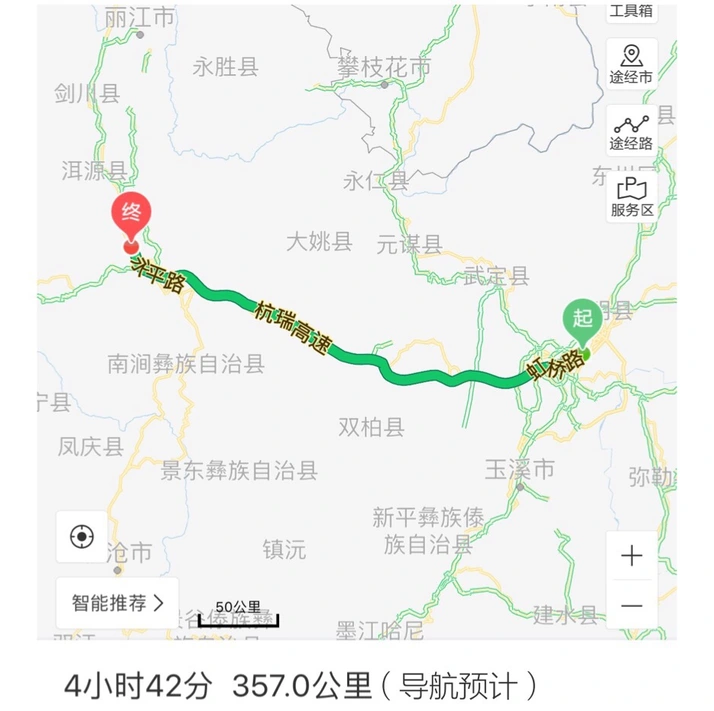
There are two routes from Shangri-La to Xishuangbanna: one via Dali → Kunming → Xishuangbanna, all expressway; the other via Dali → Xishuangbanna, mostly national roads with some expressway. We chose the latter — we didn't want to backtrack. Big mistake. The national roads were terrible! And they'd close without warning.
First, we drove from Potatso to Weishan in Dali. That stretch was okay. At first, we enjoyed the scenery, but then we hit traffic. Locals got out of their cars to check — a corn truck had overturned, and they were sweeping up corn. We were stuck for 40 minutes. By the time we reached Weishan, the sunset was already painting the sky.
We wanted to eat at "Liangji Xiaochu" (良记小厨), but it was too busy — they'd run out of dishes. We settled for "Li Shi Shifu" (李氏食府).
Checked into "Lanmengge Inn" (蓝梦阁客栈). The front desk price was cheaper than Ctrip, so we paid directly. The previous few days' beds had been so soft that my back ached. This one was surprisingly comfortable. Grateful.
Time to sleep. More driving tomorrow.
Day 5: Weishan → Xishuangbanna | The Craziest Day
Weishan Ancient Town is famous for "Old Wang's Cross-Bridge Rice Noodles" (老王过江饵丝) and "Su Laosan's One-Noodle" (苏老三一根面). Not sure when "Old Wang" opens, so we went to "Su Laosan," which opens at 7 AM. But we got lost. A local told us they were closed for a few days due to some business. With no choice, we found a random breakfast spot and ordered two bowls of braised pork rice noodles (扒肉饵丝) — they tasted like rice cake strips. Not really my thing.
After eating, we went to the supermarket for snacks and popsicles. Life is fair like that — if you miss out on one noodle place, you get to eat good popsicles instead.
For my boyfriend's long-awaited Xishuangbanna, we still had over 500 kilometers to go. The navigation showed 10 hours.
Beautiful scenery accompanied us along the way. At first, we stopped frequently to take photos. Then we hit two road closures and traffic jams. The leisurely vibe was gone.
On the provincial roads, we often saw pigs, sheep, cows, squirrels, dogs, and chickens running across the road — so rustic. Every so often, we'd pass a small village, so no worries about finding lunch. My boyfriend said the local wild chickens must be amazing. We found a place to eat wild chicken — tasty, but the meat was tough. The chicken took a long time to cook, which was a mistake for us in a hurry.
After lunch, the first road closure. I got out to ask what was happening. "Construction and road work." "How long will it be blocked?" "About half an hour, almost done. Used to be closed all day, but someone filed a complaint and they shortened it." "Will there be more closures ahead?" "Depends on your luck."
A lot of roads in Yunnan are under construction. We should have gone back to Kunming and taken the expressway. 45 minutes later, the road opened. We estimated we'd arrive in Xishuangbanna around 9 PM.
We left the provincial road and turned onto "Xiaoshui Line" (小水线) — fewer trucks, but even harder to drive. All winding mountain roads — turn left, immediately turn right, then right again, immediately left. A beginner driver would never make it.
Second road closure — more construction. Wouldn't open until 7 PM. Our hearts sank. We just waited for two hours.
At 4:40 PM, the road opened. The sky darkened, rain started falling, and we were still winding through the mountains. Dark, light rain, fog, muddy puddles, countless turns, frequent overtaking, a bit of landslide debris. My boyfriend gritted his teeth and drove, showing off his skills. Turning off the fog lights when meeting oncoming cars, turning them back on after passing — this sequence repeated hundreds of times.
At 8:40 PM, we finally finished the mountain roads and got onto the expressway at Choushui Toll Station.
But the expressway wasn't much better — no lights, still winding through mountains. Close to midnight, we finally reached Xishuangbanna. Exhausted, we found a random inn in Gaozhuang (告庄) and checked in.
Day 6: Xishuangbanna | Tropical Rainforest Carnival
Xishuangbanna is at Yunnan's southernmost tip, with scattered attractions: the Original Forest Park (原始森林公园), Menglun Botanical Garden (勐仑植物园), Wild Elephant Valley (野象谷), Dai Ethnic Park (傣族园), Wangtianshu (望天树), Manting Park (曼听公园), and Jinuo Village (基诺山寨). We picked the ones that interested us: Wild Elephant Valley, Manting Park, and Gaozhuang Night Market.
Breakfast: Yunnan rice noodles (云南米线) with Thai iced tea (泰冰).
Wild Elephant Valley required taking the expressway. The chance of seeing wild elephants is extremely low — we didn't see any. The ticket office was pushing cable car tickets, which required a long ride. We didn't take it. We visited the Elephant School, the Hundred Birds Garden, the elevated elephant observation walkway, and the Butterfly Garden.
In the afternoon, we stopped by the Fruit Wholesale Market (水果批发市场) and took a quick look around the InterContinental Resort (洲际度假酒店).
For Manting Park, we bought a combo ticket through Mafengwo that included the Mekong River dance and bonfire party (with buffet dinner, dance performance, bonfire, and water lantern release). During the off-season, there was only one performance.
The park closed for cleaning at 5 PM. The ticket checker said even with a daytime ticket, we couldn't enter. I called our contact, who picked up the tickets at the window and then told the checker to let us in. It worked!
The buffet was at 6:30 PM, so we had an hour and a half to explore the park. The ticket also gave us access to the Grand Buddha Temple (大佛寺).
The dance performance was a bit boring, but the host's interaction with the audience was hilarious — we laughed until our stomachs hurt. We released water lanterns for blessings, and the bonfire party ended with laughter and joy.
In the evening, we strolled through Gaozhuang Starry Night Market (告庄星光夜市) — lively, beautiful, and delicious.
Day 7: Xishuangbanna → Yuxi | The Final Relaxation
My boyfriend and I discussed it and decided to rest in Yuxi. Our Yunnan trip was coming to an end, and we wanted to take it easy.
The InterContinental Hotel covers over 400 mu (about 66 acres), like a small park. After breakfast, we checked out the hotel's resident animals and a temple on the grounds.
Checked out and set off for our last stop — Fuxian Lake (抚仙湖) in Yuxi.
On the expressway out of Xishuangbanna, there was a police checkpoint. "Where are you from?" My boyfriend answered, "We're tourists." Hilarious.
We checked into Zhijia Resort Hotel (致家度假酒店) by Fuxian Lake. The hotel we originally wanted was fully booked — weekends at Fuxian Lake hotels are in high demand. Fuxian Lake is known as Kunming's backyard; on weekends, everyone from Kunming flocks there.
Final Thoughts: The Answer to 2,638 Kilometers
9 days, 2,638 kilometers. From Kunming to Dali, from Lijiang to Shangri-La, from Weishan to Xishuangbanna, and then to Yuxi. We chased the clouds over Erhai Lake, saw the squirrels at Potatso, ate yak hotpot in Shangri-La, and endured road closures on national roads and winding mountain roads late into the night.
Someone might ask: Was the self-driving tiring? Of course it was. Especially the day from Weishan to Xishuangbanna — my boyfriend drove for 12 hours, in the dark, in the rain, through fog, on mountain roads. Even now, thinking about it makes me shudder.
But was it worth it? Absolutely.
Those apples and yellow peaches bought by the roadside, those pigs and cows we encountered on provincial roads, those stairs we climbed while gasping for air on the plateau, those stars we saw on the expressway late at night — these are things you'll never experience on a guided tour.
My boyfriend asked, "Should we self-drive next time?"
I thought for a moment. "Next time, let's go to Xinjiang."
He smiled. "Deal."
May our road be long, full of wonders, full of discoveries.
Practical Information Summary: - Total Distance: 2,638 kilometers - Total Cost: Approximately 3,500 RMB per person (including flights, car rental, fuel, accommodation, meals, and tickets) - Best Season: September (avoiding rainy season, fewer crowds, beautiful scenery) - Essential Items: Sunscreen, sunglasses, lightweight down jacket (for Shangri-La), oxygen canisters (just in case), glucose water - Tips: Yunnan has strong UV rays and large temperature differences between morning and evening. Protect yourself from the sun and stay warm.
You should also read:
Escaping Nanning, Falling Under Lijiang's Spell: Our Four-Person, Ten-Day Yunnan Dream
Escaping Nanning, Falling Under Lijiang's Spell: Our Four-Person, Ten-Day Yunnan Dream Before We Set Off: No Pain, No Obsession Have you ever had that impulse—suddenly tired of the office fluorescent lights, the crush of the subway, the endless parade of identical takeout boxes, and just…
Continue reading...
Solo in Yunnan: A Wanderer’s Guide to the Land of Eternal Spring
Solo in Yunnan: A Wanderer’s Guide to the Land of Eternal Spring There’s something magical about traveling alone. No compromises, no schedules to keep, no one to please but yourself. I’ve been on the road for nearly three months now, and not once have I…
Continue reading...
God’s Abandoned Palette: A Self-Drive Journey Through Yunnan’s Dongchuan Red Land
God’s Abandoned Palette: A Self-Drive Journey Through Yunnan’s Dongchuan Red Land Travel has never been about reaching some distant geographic coordinate. It’s about encountering, along the way, the version of yourself buried beneath the rubble of daily routine. During this May Day holiday, I finally…
Continue reading...