Gannan Shangri-La: A 7-Day Self-Drive and Zhagana Trekking Journey into a Hidden Paradise
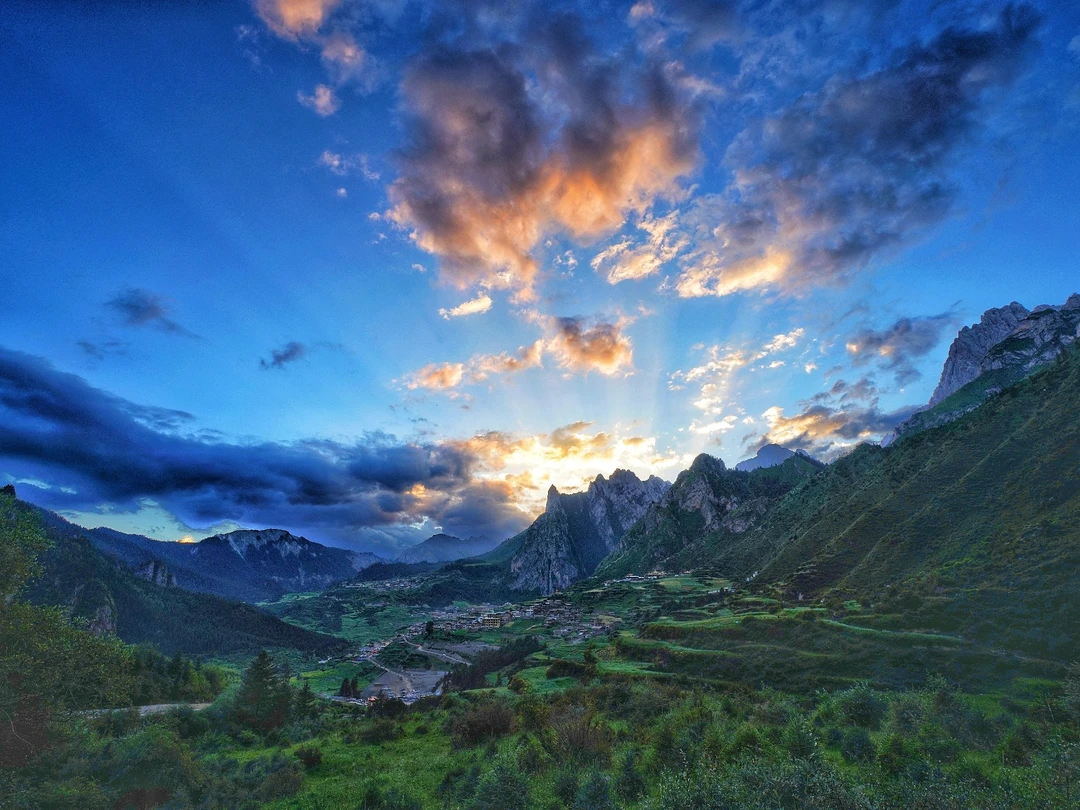
Gannan Shangri-La: A 7-Day Self-Drive and Zhagana Trekking Journey into a Hidden Paradise
If you've grown weary of the pilgrimage crowds in Lhasa, tired of the tourist clamor at Qinghai Lake, and fed up with the viral hype surrounding Daocheng Yading—then turn your gaze toward Gannan. Nestled at the junction of Gansu, Qinghai, and Sichuan provinces, this land lacks the solemn grandeur of orthodox Tibetan cultural centers or the majestic sweep of high-altitude sacred lakes. Yet, with its understated simplicity and semi-pristine authenticity, it quietly blooms in an era of noise and haste. It's like a veiled maiden, patiently waiting for those who truly understand her.
Here, you'll find the Labrang Monastery from A World Without Thieves, the "Little Switzerland of the East" known as Langmusi, and the Zhagana featured in Where Are We Going, Dad? This is Gannan Shangri-La—a sacred paradise on the verge of unveiling itself. And I, a traveler with a deep love for China's northwest, having explored the Qinghai route, the Ngari route, and northern Sichuan, unhesitatingly set my sights on this land of raw, untouched beauty.
Itinerary Overview: A Classic Loop with Flexible Adjustments
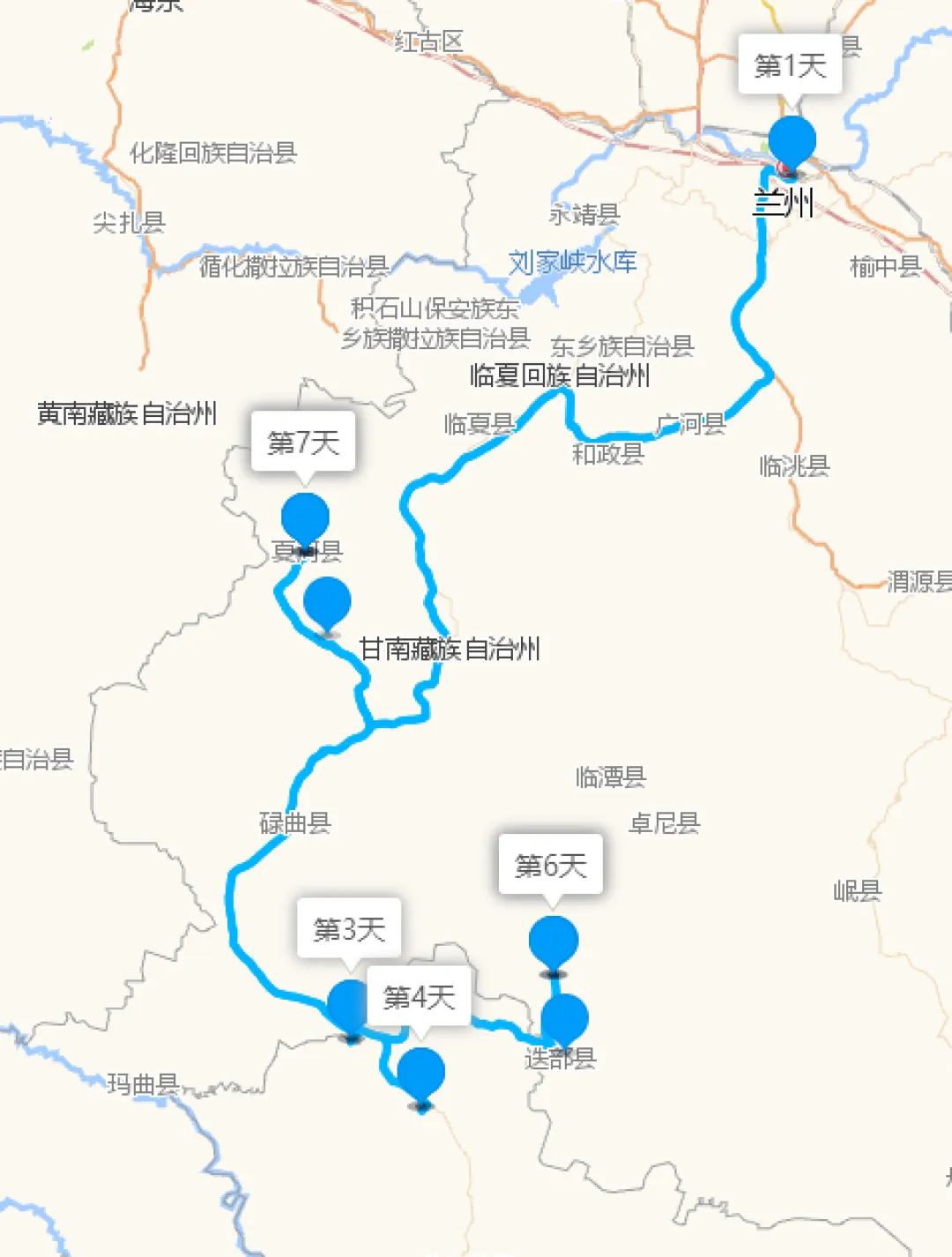
Our 7-day self-drive journey through Gannan started from Lanzhou, passing through Labrang Monastery, Sangke Grassland, Langmusi, and Ruoergai Flower Lake, finally reaching Zhagana before looping back to Lanzhou. This is a classic 4-to-6-day route, with timing adjustable to personal preference. Here's our actual schedule:
- Day 1: Beijing → Lanzhou (assembly and rest)
- Day 2: Lanzhou → Labrang Monastery → Xiahe (overnight, approx. 235 km)
- Day 3: Xiahe → Sangke Grassland → Langmusi (overnight, approx. 180 km)
- Day 4: Langmusi → Ruoergai Flower Lake (overnight, approx. 36 km)
- Day 5: Ruoergai Flower Lake → Diebu → Zhagana (overnight, approx. 105 km)
- Day 6: Zhagana (full-day trekking, overnight)
- Day 7: Zhagana → Diebu → Sangke Grassland → Labrang Monastery (overnight, approx. 270 km)
- Day 8: Labrang Monastery → Lanzhou (overnight, approx. 235 km)
- Day 9: Lanzhou → Beijing (return)
A Few Practical Tips:

- Choose Between Flower Lake and Gahai Lake: Both offer similar scenery. We went with Flower Lake to save time.
- Langmusi Deserves an Extra Day: Watch the sunrise and sky burial in the morning, listen to chanting at dusk—experience the interweaving of life and faith.
- Trekking in Zhagana is the Soul of the Trip: Options range from 1 to 3 days. For the grand loop, it's best to go in a group, as the difficulty is considerable.
- Camp on the Grasslands in July-August: There are campsites all along the route, and the sunsets are breathtakingly beautiful.
- Alternative Return Route: You can go from Diebu through Zhuoni (Dayu Valley) back to Lanzhou, but road conditions are poor—beginners should be cautious.
- Extended Grand Loop: If time allows, you can include Qinghai Lake and northern Sichuan's Aba (Lianbao Yeze) for a total of about 15 days.
Costs and Accommodation: Around 4,500 RMB per Person, Great Value
Over the 9-day trip, the average cost per person was about 4,500 RMB, with the bulk going to round-trip transportation from Beijing, car rental, and lodging. During peak season, hotel prices ranged from 200 to 300 RMB per night—reasonable for the quality.
- Dejiyuan in Xiahe (near Labrang): 288 RMB/night. Run by a Tibetan owner and his foreign wife, the atmosphere is unique and the food authentic.
- Great World Mongolian Yurt Resort near Flower Lake: 260 RMB/night. A modern yurt village with full amenities. Because the road from Sichuan was blocked, it was less crowded—a pleasant surprise.
- Ruyi Inn in Zhagana: 280 RMB/night. The host family is warm and welcoming. The location is high, close to Lasang Monastery, with convenient parking.
- Zhongyuan Inn in Langmusi: Recommended by Ctrip, but the room had a slight sewer smell. The service from the owner was good.
- Quanji Hotel near Lanzhou Train Station: 370 RMB/night. Decent value, but no parking available.
Self-Drive Guide: A Route Even Beginners Can Handle
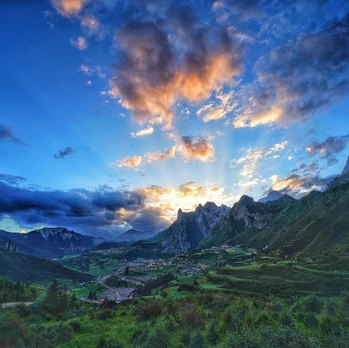
Gannan's attractions are scattered, and public transport is inconvenient, so self-driving or hiring a car is the best option. There were just two of us, with only one driver (a novice), and we managed without any issues—take that as a reference.
Car Rental and Road Conditions
We rented through Shenzhou Car Rental. Prices during peak season were significantly higher than in Beijing. If you have plenty of time and multiple drivers, you could drive all the way from Beijing to the northwest for more freedom.
Road conditions are generally good, but watch out for three tricky sections: 1. Langmusi to Flower Lake: Some sections are under construction with one-way traffic, leading to congestion. 2. Langmusi to Diebu County: The provincial road is potholed, with many construction zones—bumpy and busy. 3. Diebu County to Zhagana: The roadbed is laid, but dust is severe when it's dry, and visibility drops when large trucks pass. The road from the scenic area entrance to Dongwa Village is narrow, allowing only one car at a time. We were lucky—we didn't meet any oncoming traffic going up or down.
A sedan can handle this route; we scraped the bottom twice, but it wasn't serious. If possible, an SUV is recommended.
Sacred Buddhist Site: Labrang Monastery—Finding Yourself Amid Chanting
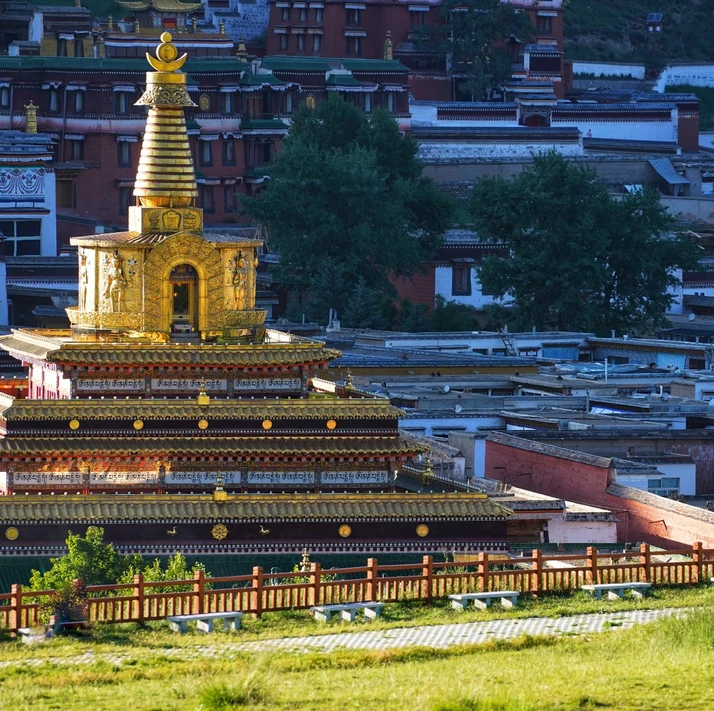
As one of the six major monasteries of the Gelug school, Labrang Monastery stands alongside Sera, Drepung, and Ganden in Tibet, Tashilhunpo in Shigatse, and Tar Monastery in Qinghai. Labels like "World's Largest Tibetan Studies Academy," "World's Longest Prayer Wheel Corridor," and "Filming Location for A World Without Thieves" have made it widely famous.
Admission is 40 RMB per person, but if you arrive before 8:00 AM or after 6:00 PM and don't enter the main halls, you can visit for free (the prayer wheels are outside). We arrived late, the ticket office was closed, and the elderly gatekeeper just waved us in.
Outside the monastery, a lazy "Goat Master" basked in the sun, but don't be fooled by its docile appearance—that disdainful look in its eyes warns you it might headbutt if provoked. There's also a small shop with a "JD" sign—no, it's not a knockoff, but a delightful surprise.
At Labrang, regardless of your faith, you can listen to your inner voice. Amid the sound of debating monks and by the Daxia River, you can cleanse your mind and body—perhaps that's the greatest takeaway from a trip to Gannan.
That night, we stayed at Dejiyuan, just 150 meters from the parking lot. Rich in Tibetan atmosphere, with mostly foreign guests, the accommodation and food were excellent.
Northwest Scenery: Sangke Grassland—Every Shot is a Painting
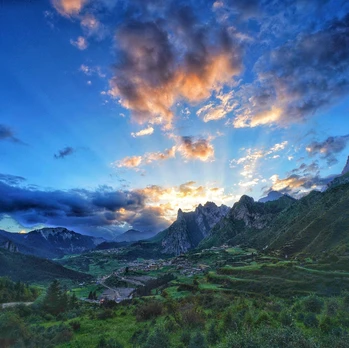
Just 10 kilometers from Labrang, the road through Sangke Grassland is a scenic wonder in itself. July and August are when the grassland is most vibrant—blue skies, white clouds, lush green grass, and grazing cattle and horses. Every snapshot could be a wallpaper. Gannan's grasslands have a pleasant climate and abundant water, and in midsummer, they become a sea of flowers—a carpet of emerald green dotted with colorful blooms, set against green water, blue sky, white clouds, and grazing animals. It's like a living painting.
If you have extra time, join a Tibetan herder camp for horse riding and bonfire parties, or stay at a grassland resort to experience authentic pastoral life.
Pure Land: Langmusi—One River, Two Civilizations
Known as "Little Switzerland of the East," Langmusi offers distant views that vaguely resemble Nordic scenery. But it's not a single monastery—it's a place name encompassing Langmusi Town in Luqu County, Gansu, and Langmusi Village in Ruoergai, Sichuan. Two monasteries face each other across a river: the Saichi Monastery in Gansu and the Geerdi Monastery in Sichuan, a classic example of the natural fusion of Tibetan and Han Chinese cultures.
Saichi Monastery offers views of sky burial, the only one in Gannan open to tourists. The ceremony usually takes place around sunrise at 6:00 AM. It's a half-hour walk from the monastery gate to the sky burial platform. We missed it, but our guide explained that sky burial is sacred and inviolable: the body is cut into 108 pieces, corresponding to Buddhism's auspicious number and the 108 beads of a mala. The sky burial master (the "knife wielder") is typically a strong village man.
Admission is 30 RMB per site. Langmusi has large temperature swings between day and night and is at a higher elevation—it's the place on this trip where altitude sickness is most likely, so rest and keep warm.
The Red Rock Cliff at dusk, the sky burial platform at dawn, the villages on the hillsides—every frame exudes Nordic tranquility. We encountered a foal and a deer along the way, both full of spirit. A few Tibetan children were playing badminton in the monastery grounds, with a small white horse behind them—a scene of harmony between humans and nature.
Don't miss the Bailong River Gorge; follow the stream to trace the source of the Bailong River.
Plateau Pearl: Flower Lake—A Hidden Wetland Sanctuary
It's only 40 kilometers from Langmusi to Flower Lake, but road construction on some sections caused delays. On a normal day, you could visit Flower Lake, Gahai Lake, and the First Bend of the Yellow River in one day.
Admission is 110 RMB per person (including a 30 RMB sightseeing bus), which isn't cheap, but the lake is 5 kilometers from the entrance, so sneaking in isn't practical. The scenic area closes at 7:30 PM at the latest, so if you want to catch sunset photos, keep an eye on the time.
Flower Lake is a wetland landscape on the Ruoergai Grassland. Because it's been "kept in seclusion" for so long, the environment is exceptionally well-preserved. The lake water is clear, fish and birds interact harmoniously, and people and nature coexist peacefully—a perfect match for Gannan's semi-pristine character.
That night, we stayed at the "Great World" Mongolian Yurt Resort. The facilities were complete, and the environment exceeded expectations—compared to the tin-box accommodations at Tibet's Namtso Lake, it was worlds apart.
Heavenly Realm: Zhagana—A Trekker's Paradise
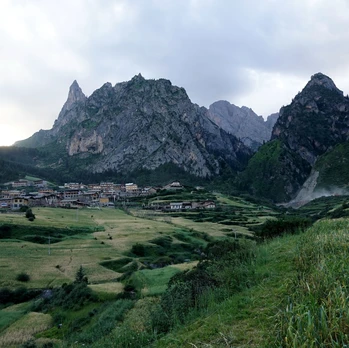
Zhagana has gained fame in recent years, and the scenic area is rapidly upgrading—roads, rentals, and hotels are springing up everywhere. Admission is currently only 10 RMB, but it's easy to foresee that it will soon be at least ten times that.
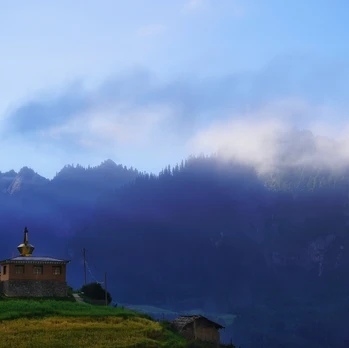
Zhagana is a natural stone city, a Tibetan village hidden among towering peaks and ridges. It comprises four villages—Dongwa, Yeri, Dari, and Daibai—surrounded by majestic stone peaks that create a spectacular landscape. Cliffs stand tall, clear streams cascade, and clouds and mist swirl around, making it feel like a fairyland. American photographer Joseph Rock once exclaimed, "I have never seen such a gorgeous sight in my life."
Recommended Trekking Routes
- East Route One-Day Trip (Low Difficulty): Scenic area entrance → Fairy Beach → Fairy Lake, round trip about 4 hours.
- West Route One-Day Trip (Moderate Difficulty): Scenic area entrance → Tiger's Mouth → One-Line Sky → Stone Forest, round trip about 8 hours.
- Three-Day Grand Loop (High Difficulty): Trek from Zhagana to Zhuoni County, about 3 days. No clear trail markers—not for non-experienced hikers.
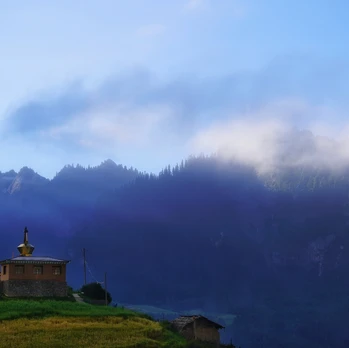
We chose the west route. Originally, we planned a loop (Stone Forest → Fairy Lake → entrance), but we spent too much time taking photos in the first half, and the second half was remote with missing trail markers. In the end, we returned the same way from the Stone Forest. Even so, we set out at 9:00 AM and didn't get back until 7:00 PM, covering about 15 kilometers.
Along the way, we met an elderly indigenous woman weaving fabric near the Stone Forest. At over 3,000 meters above sea level, she still worked in the most traditional way. We also encountered a "Bull King" on the grassland—a wild, untamed creature that had been free-range for years. The Stone Forest's unique rock formations are a sight to behold; it's hard to know how long they'll remain in their natural state.
City of the Yellow River: Lanzhou—One Bowl of Noodles, One River, One City
Originally, we planned to return from Diebu through Zhuoni to Lanzhou, but the road conditions were poor. In the end, we backtracked from Zhagana the same way and stopped in Xiahe for a day, making the journey relaxed and unhurried.
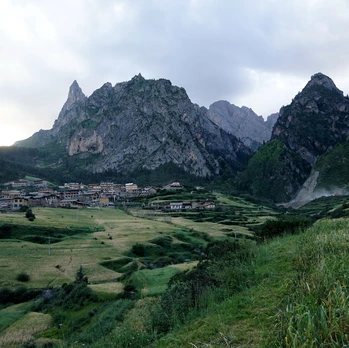
We arrived in Lanzhou at 4:00 PM the next day. After a brief rest, we finally enjoyed a proper northwestern feast. After dinner, it wasn't even 7:00 PM, so we went for a stroll along the Yellow River. Under the night sky, the river was rugged and bold—the Mother River still radiated infinite vitality. An elderly fisherman by the bank cast his net and easily caught a few fish, a reminder of the timeless cycle of life and sustenance that has continued for millennia.
Before leaving, we visited the Gansu Provincial Museum. A set of "Little Mischievous" exhibits provided the perfect ending to the journey.
Conclusion: Gannan's Unique, World-Apart Charm
Gannan is an excellent destination for experiencing Tibetan culture. Its well-preserved, semi-pristine human landscapes hold their own against Tibet itself. The scenery is captivating—from grasslands and mountains to wetlands and lakes, from casual sightseeing to deep exploration, there's something for everyone. For those accustomed to famous mountains and grand rivers, Gannan may lack some of that overwhelming grandeur, but it offers a quiet elegance instead. It's this world-apart charm that draws countless people to yearn for it.
If you, too, are seeking a pure land in this restless age, Gannan Shangri-La is waiting for you.
You should also read:
Yunnan! Paradise on Earth – The Yubeng Chapter: A Soul-Cleansing Journey into Seclusion
Yunnan! Paradise on Earth – The Yubeng Chapter: A Soul-Cleansing Journey into Seclusion Prologue: Why Yubeng? If you ask me which place in Yunnan is most worth hiking to, I would answer without hesitation: Yubeng. This is not an answer I give lightly. As a…
Continue reading...
Into the Hidden Valley: A Solo Journey Through the Mysterious Dulong River
Into the Hidden Valley: A Solo Journey Through the Mysterious Dulong River Deep in the northwestern corner of Yunnan Province, tucked away from the modern world, lies a place that feels like a secret whispered among mountains. The Dulong River Valley is not just a…
Continue reading...
God’s Abandoned Palette: A Self-Drive Journey Through Yunnan’s Dongchuan Red Land
God’s Abandoned Palette: A Self-Drive Journey Through Yunnan’s Dongchuan Red Land Travel has never been about reaching some distant geographic coordinate. It’s about encountering, along the way, the version of yourself buried beneath the rubble of daily routine. During this May Day holiday, I finally…
Continue reading...