Going to Dali: A Gentle Reunion with Wind, Flowers, Snow, and Moonlight
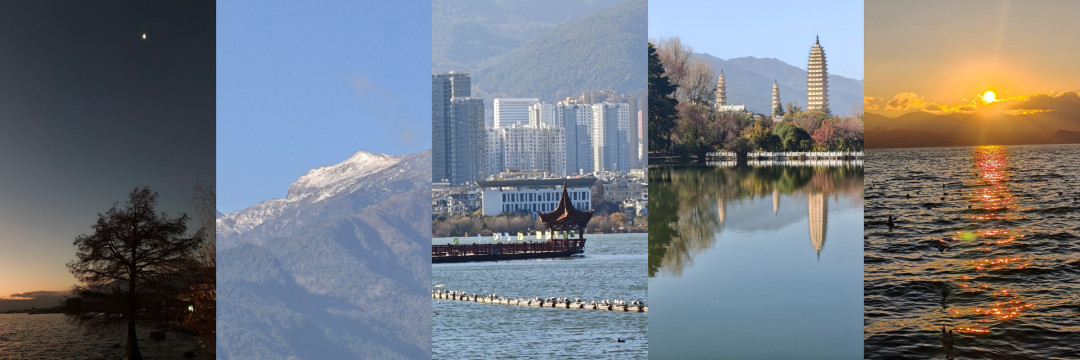
Going to Dali: A Gentle Reunion with Wind, Flowers, Snow, and Moonlight
As someone who fancies myself a travel enthusiast, it had always bothered me that I had never set foot in Dali. Decades ago, the song "Dali's Splendid March Scenery" planted a seed in my heart — the melody of "grooming by the Butterfly Spring" turned this ancient city in western Yunnan into a distant, hazy dream. Later, the line from the film Heartfelt Road Trip — "When you feel lost, go to Dali" — cloaked the city in an aura of healing. Though I didn't consider myself lost, deep down I always felt that Dali was a place where the soul could quiet down.
In January 2026, Wuhan's winter was bitingly cold. I stumbled upon ridiculously cheap flights to Kunming and booked without hesitation — to see if Kunming's winter cherry blossoms were still blooming, and to finally fulfill that long-buried wish: to visit Dali.
Pre-Trip Preparation: A Carefully Planned Encounter
Before departing, I did my usual homework. Dali is famously described as "Xiaguan's wind, Shangguan's flowers, Cangshan's snow, and Erhai's moonlight" — from Xiaguan to Shangguan is the true Dali. As for Shuanglang, Wase, and other places that have become social media darlings in recent years, I decided to skip them for now. My focus was on Dali Ancient Town and Xizhou Ancient Town, with a two-day itinerary starting from Kunming.
To balance the experience of Erhai moonlight with a morning bike ride along the Erhai Ecological Corridor, I booked accommodation near Longkan Pier. This decision later proved to be one of the smartest of the entire trip.
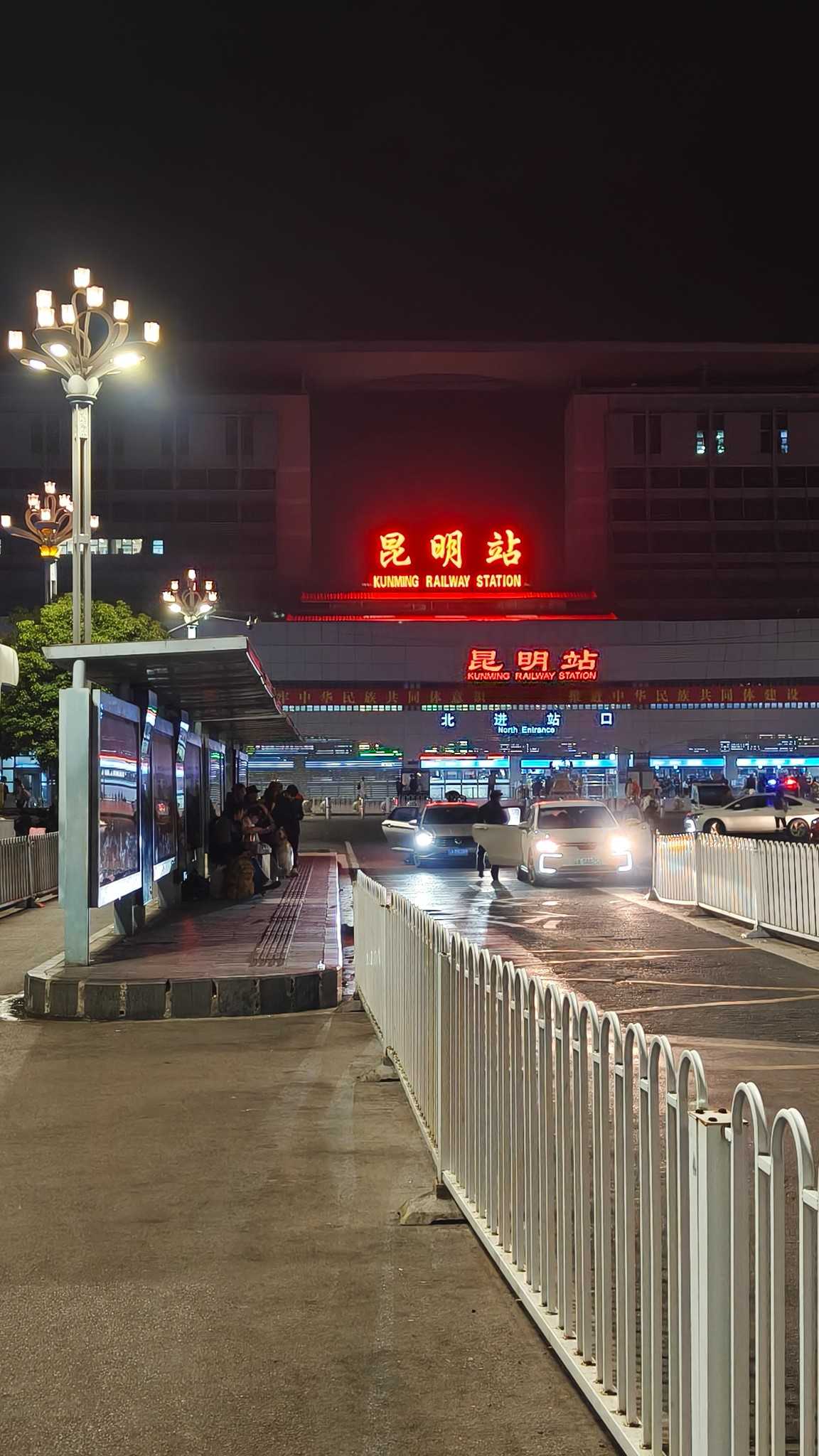
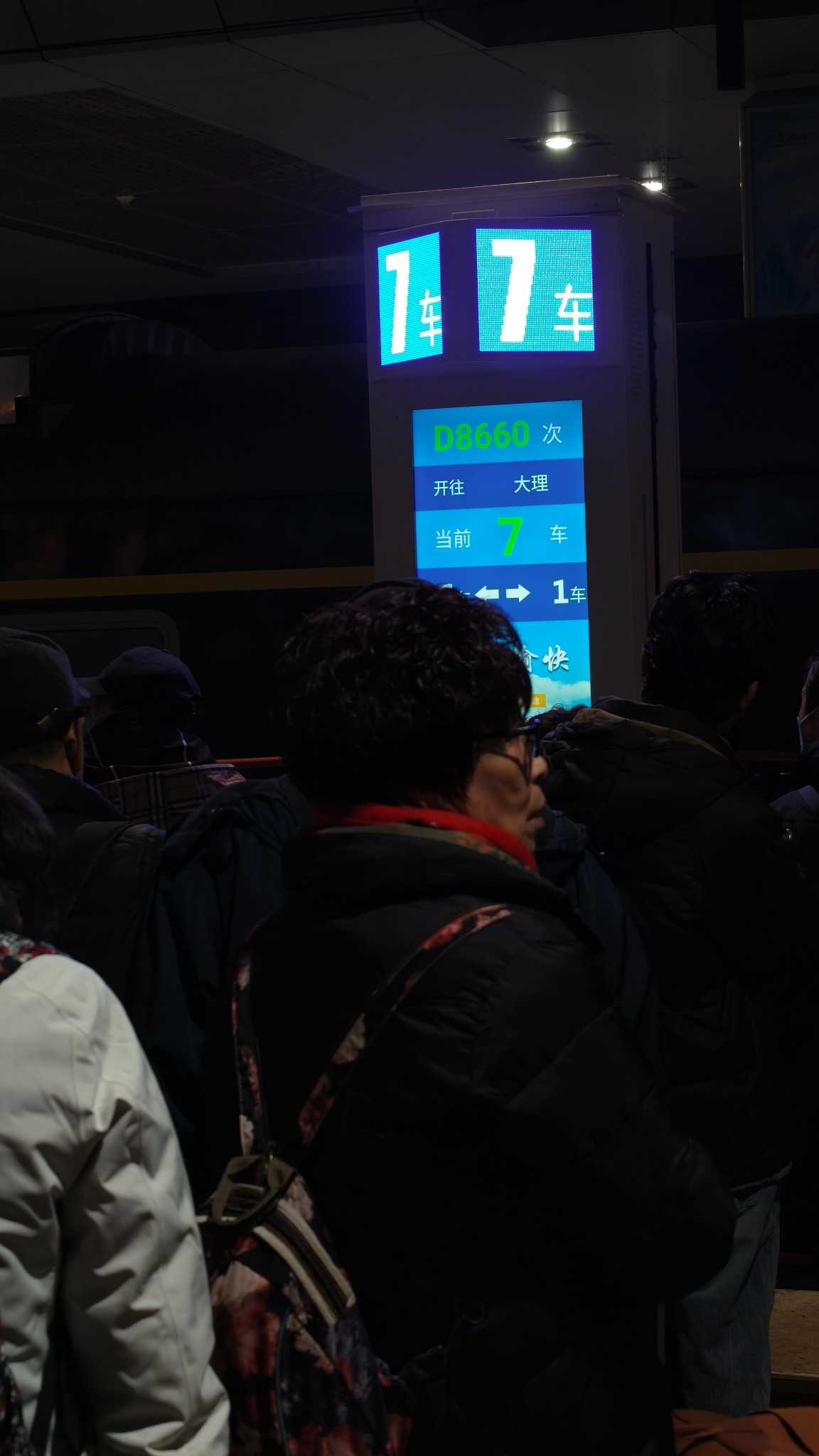
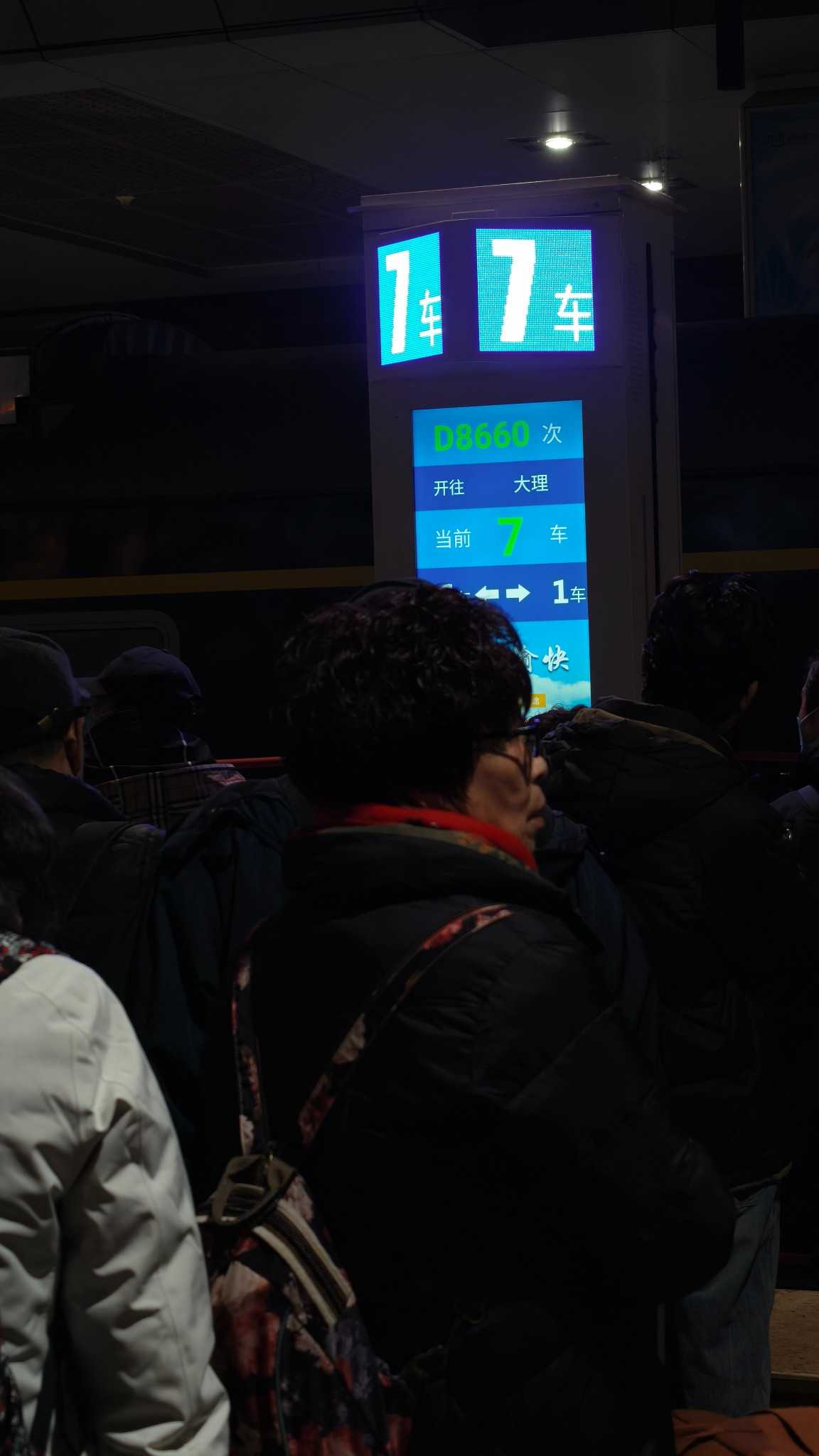
As I departed from Kunming Railway Station, a detail on the platform caught my eye — near the tracks, there were railings that could be lifted and lowered, with columns clearly displaying the train number and carriage position. It was both practical and user-friendly. I snapped a photo of this scene, accidentally capturing a sprightly elderly woman. When I later looked through the photos, I realized she was my seatmate, and we ended up chatting pleasantly throughout the journey.
The elderly woman had spent her childhood in a village near Dali Ancient Town, later moved with her family to Xiaguan, and worked in Kunming before retiring. She gave high praise to my planned itinerary, saying it "already covered the essence of Dali," which made me quite proud. She shared many "local perspectives" on Dali's cuisine, tips that proved invaluable later in the trip.
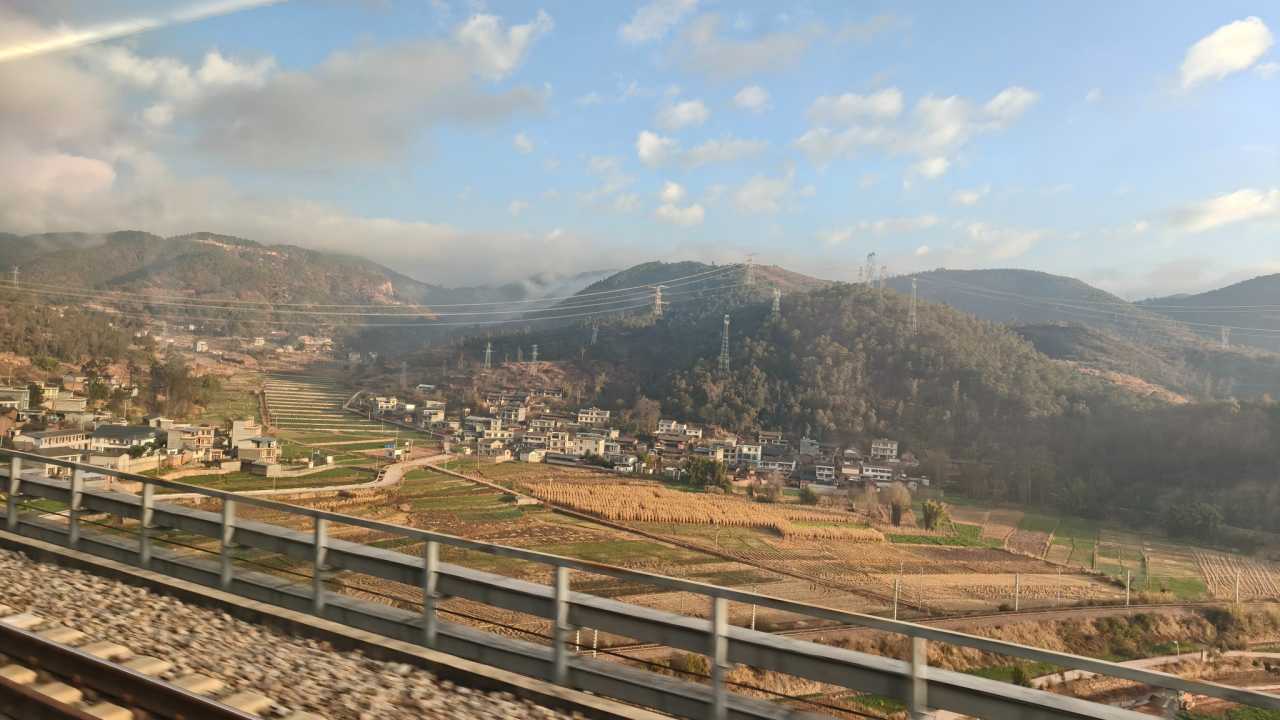
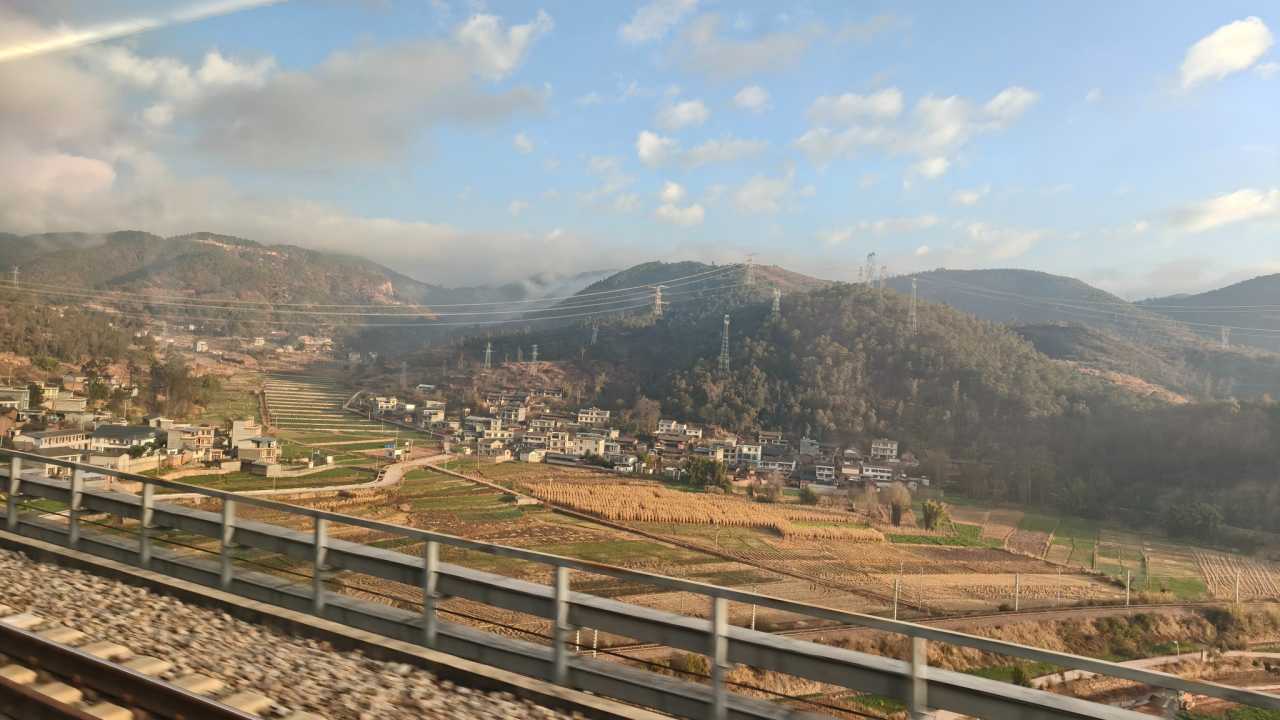
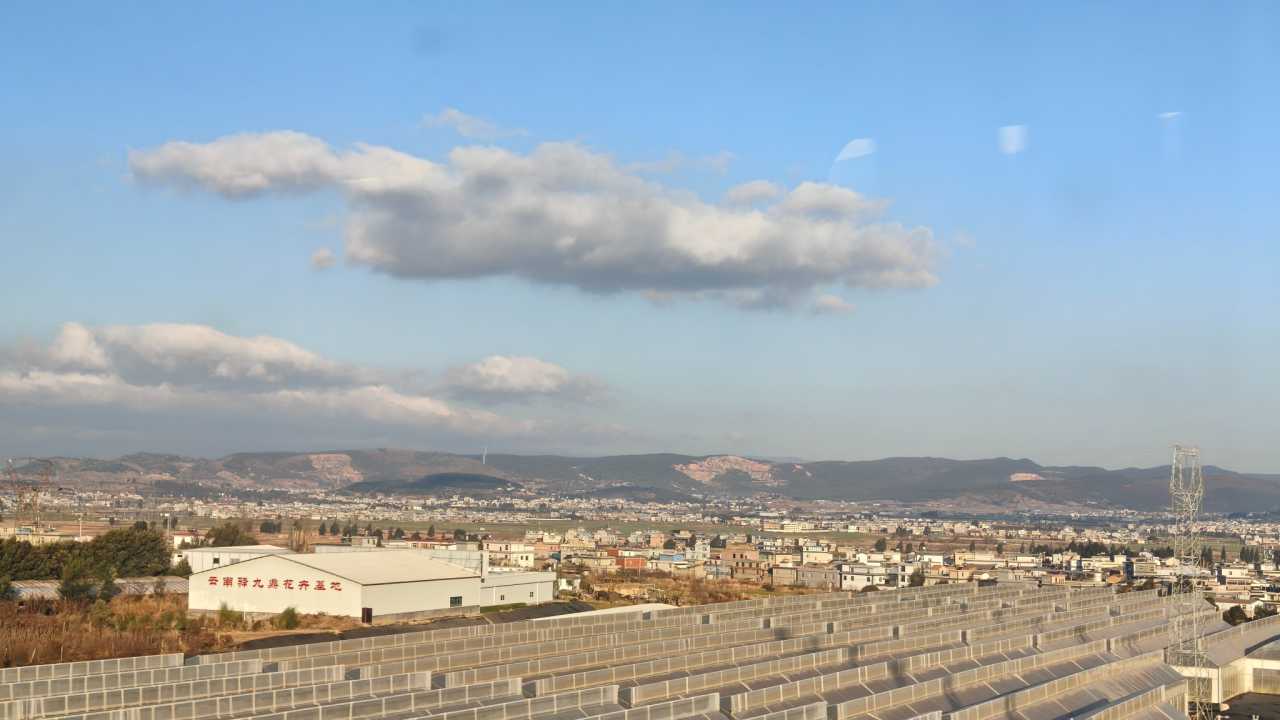
The train wound through Yunnan's mountains, and the landscape outside was quite different from Guizhou — though we were constantly tunneling through hills, there were occasional flat patches between the peaks, unlike Guizhou's fragmented terrain. I imagined the agricultural conditions here must be much better. When a连绵 mountain range came into view, I knew it was Cangshan.
Dali Ancient Town: A Tapestry of History and Everyday Life
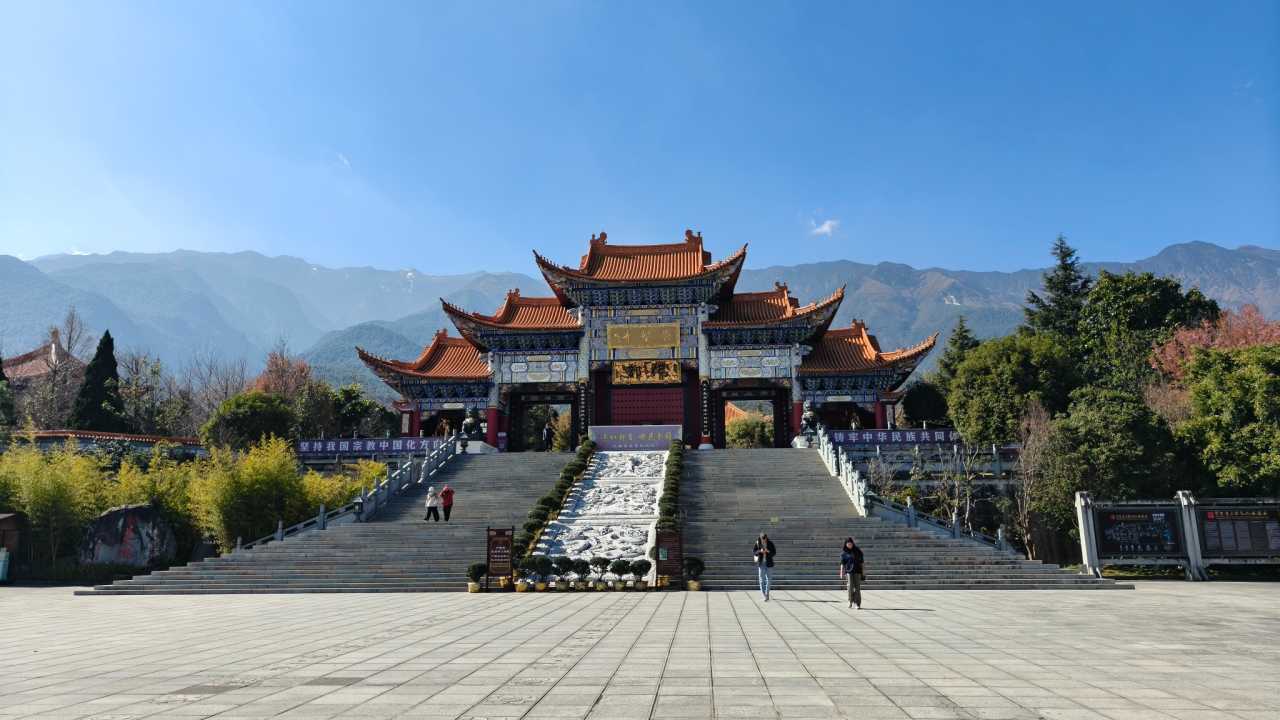
Chongsheng Temple: The Solemnity of the Buddhist Capital and the Legend of the Three Pagodas
After exiting Dali Station, I took a bus from the opposite bus terminal to the ancient town — fare 3 yuan, all the way to Chongsheng Temple and the Three Pagodas. The hour-long ride offered scenery that was already enough to lift the spirits.
That photo from middle school history textbooks — the Three Pagodas reflected in a small lake — was my earliest impression of Dali. The elderly woman had also insisted: "You must visit that imperial temple." So my exploration of Dali Ancient Town began at Chongsheng Temple.
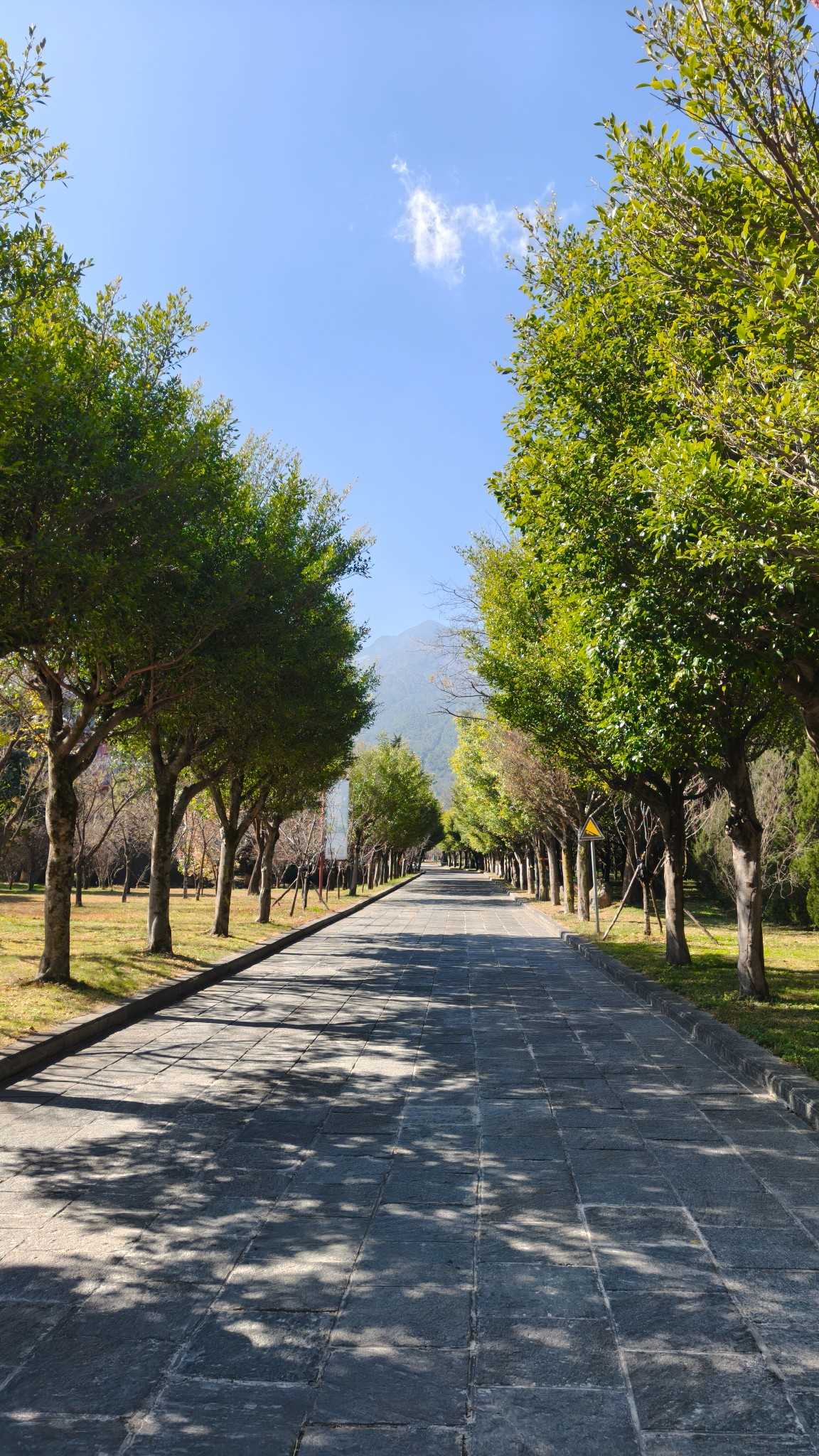
First, I went to Longkan Pier to drop off my luggage, lingered by Erhai Lake for two hours, then took a taxi from Caicun to Chongsheng Temple. When I got out, I was facing the temple's entrance, with the back of the Three Pagodas. After passing through a dense forest, Chongsheng Temple's majestic silhouette suddenly appeared — towering, solemn, standing quietly at the foot of Cangshan.
Built during the Nanzhao Kingdom period (approximately 833–840 AD), this temple was the Buddhist center of both the Nanzhao and Dali Kingdoms, revered as the "Buddhist Capital" and the heart of the "Fragrant Kingdom." According to records, nine of the 22 emperors of the Dali Kingdom became monks here, including the historical prototypes of Duan Zhengming, Duan Zhengchun, and Duan Yu (Duan Zhengyan) from The Demi-Gods and Semi-Devils. The temple's "Tianlong Temple" in the novel refers to this very place. The original temple was destroyed by fire during the Xianfeng era of the Qing Dynasty, leaving only the Three Pagodas. Reconstruction began in 2003 and was completed in 2005, restoring the complete layout of "pagodas with a temple." The temple grounds are vast, and its scale is breathtaking.

Entering the main gate, a striking statue of the Garuda Golden-Winged Bird in front of the Heavenly King Hall caught my attention — it's the emblem of the Yunnan Provincial Museum. The statue appeared newly cast, but photos taken by netizens looked extraordinarily imposing, as if from a different angle than mine.
The layout of the Heavenly King Hall was unusual — instead of Maitreya Bodhisattva, the central figure was the Great Dark Heavenly Deity. Inside the hall, a QR code provided access to the entire temple's layout, photos of each hall, and detailed explanations — a thoughtful touch.
From the Maitreya Hall to the Guanyin Hall, and then to the towering Mahavira Hall, each hall inspired awe. On the large square between the Guanyin Hall and the Mahavira Hall, two Arhat Halls stood on either side. Behind the Mahavira Hall, on a high platform, was the Acuoye Guanyin Hall. In front of it, the Nine-Dragon Water Pool told the story of the Buddha's birth.
Acuoye Guanyin is a unique manifestation of Guanyin in the Esoteric Azhali tradition of the Nanzhao and Dali Kingdoms, known as "Dali Guanyin" or "Yunnan Guanyin." It represents the fusion of Buddhism with local religions after its introduction to Yunnan. Climbing to the highest point of the Guanyin Hall, the entire Dali panorama unfolded below — to the southeast lay Dali Ancient Town, and to the northeast, the blue waves of Erhai Lake.
From the temple's heights, the Three Pagodas were faintly visible. The pagodas consist of one large and two small ones. The main pagoda, Qianxun Pagoda, was built during the reign of Nanzhao King Quan Fengyou (824–859 AD), while the northern and southern small pagodas were built during the Dali Kingdom period (approximately 1108–1172 AD), making them over a thousand years old. Qianxun Pagoda stands 69.13 meters tall with 16 stories, a square, multi-eave, hollow brick pagoda in typical Tang Dynasty style. The northern and southern pagodas are both 42.19 meters tall with 10 stories, octagonal multi-eave brick pagodas in Song Dynasty style. The three pagodas are spaced 70 meters apart, forming an isosceles triangle. They appear elegant from afar and structurally precise up close, having withstood over 30 strong earthquakes — a marvel of ancient architecture.
The long-cherished reflection of the Three Pagodas was finally realized at the nearby Three Pagoda Reflection Park. With the pagoda area ticket, I could enter. That classic textbook photo spot awaited every pilgrim in silence.
Sour and Spicy Fish and March Street: A Taste of Dali
Leaving the Three Pagodas, I took bus route 4 to March Street. Dali's buses use a flat fare of 3 yuan — 3 yuan for dozens of stops, 3 yuan for one stop. Fair enough, I suppose. I came to March Street only because there was a restaurant at the entrance serving sour and spicy fish, with Cangshan Gate right across the street — I could eat and then enter the city.
March Street, also known as "Guanyin Market," is a grand Bai festival and market period. Held annually from the 15th to the 20th day of the third lunar month at the foot of Mount Diancang, west of Dali City. It began with religious activities but gradually evolved into a large-scale trade fair. During the Ming and Qing Dynasties, merchants from Sichuan, Tibet, and Jiangnan provinces came here to trade. Today, March Street has become an annual event for material exchange and ethnic sports and cultural performances for all ethnic groups in western Yunnan.
Sour and spicy fish is one of the Bai people's favorite home-cooked and hospitality dishes, made with crucian carp, tofu, sour papaya, cilantro, and other ingredients. The flavor was indeed good, but the small crucian carp had many bones. As a Wuhan native, we usually only use crucian carp for soup, so this dish didn't wow me. The elderly woman also mentioned raw pork skin, but she herself didn't find it tasty, so I didn't try it. However, she specifically recommended pea jelly, insisting that "the flavor here is different from elsewhere — you must try it."
Ancient Streets and Alleys: Strolling Through Time
Entering the ancient town through Cangshan Gate, Dali Ancient Town is almost entirely pedestrianized, with motor vehicles banned from the main areas. I wandered south along the street, with Cangshan to the west as the sun gradually sank toward the peaks. I passed Foreigner Street and the Dali King's Mansion, and saw that the Wucheng King's Temple was under renovation, with the main hall inaccessible.
Heading south to a small street, I lingered by a water channel in the center of the road. The elderly woman had mentioned that when she was a child, every household had a small stream at their doorstep, carrying meltwater from Cangshan. That scene was truly enchanting. This little waterway was probably the only remnant now.
Continuing south, I arrived at the "President and Commander-in-Chief's Mansion," opposite a military administration area. Heading further south, I reached Dali's landmark — the South Gate. Outside the gate, South Gate Street was a lively food street. Dusk was falling, so I climbed the Five Phoenix Tower to gaze at the twilight over Cangshan — a breathtaking sight. The carvings on the second floor were exquisite, with people constantly posing for photos.
Folk Music Bars: Dali's Nightlife
Past the Five Phoenix Tower, I walked north toward Foreigner Street, where folk music bars cluster. Sitting in a small bar and listening to folk music performances is a Dali specialty. Since I had to return to Longkan to see the Erhai moon, I could only stay at one bar. I chose Wild Pigeons — the center had four-person tables with a supposed minimum spend, while the surrounding small tables had no such requirement. The cheapest drink was 38 yuan.
I went in at 7 PM and stayed about two hours. Basically, one set per hour. Before 9 PM, it was guitar and vocals; after 9 PM, the band performed. Time was running short, so I left Foreigner Street and walked along Renmin Road toward the East Gate. The ancient town was very lively at night. If you're not in a hurry, staying overnight in town is the best option. Renmin Road is a main food-and-shopping street, with a folk music bar every few steps, each playing different styles of music — a scene of revelry. The East Gate and the area outside were also bustling, with slow traffic and ride-hailing times affected.
The Western Shore of Erhai: Poetic Dwelling with Wind, Flowers, Snow, and Moonlight
Longkan Sunrise: Cangshan Snow and Erhai Moon
When people mention Dali, besides the ancient town, the main images are Cangshan and Erhai. Cangshan is always visible, while the Erhai shoreline is the focus of development. I chose only to walk a section of the Erhai Ecological Corridor on the western shore — from Longkan to the Panxi S-Curve, then take a taxi to Xizhou Ancient Town.
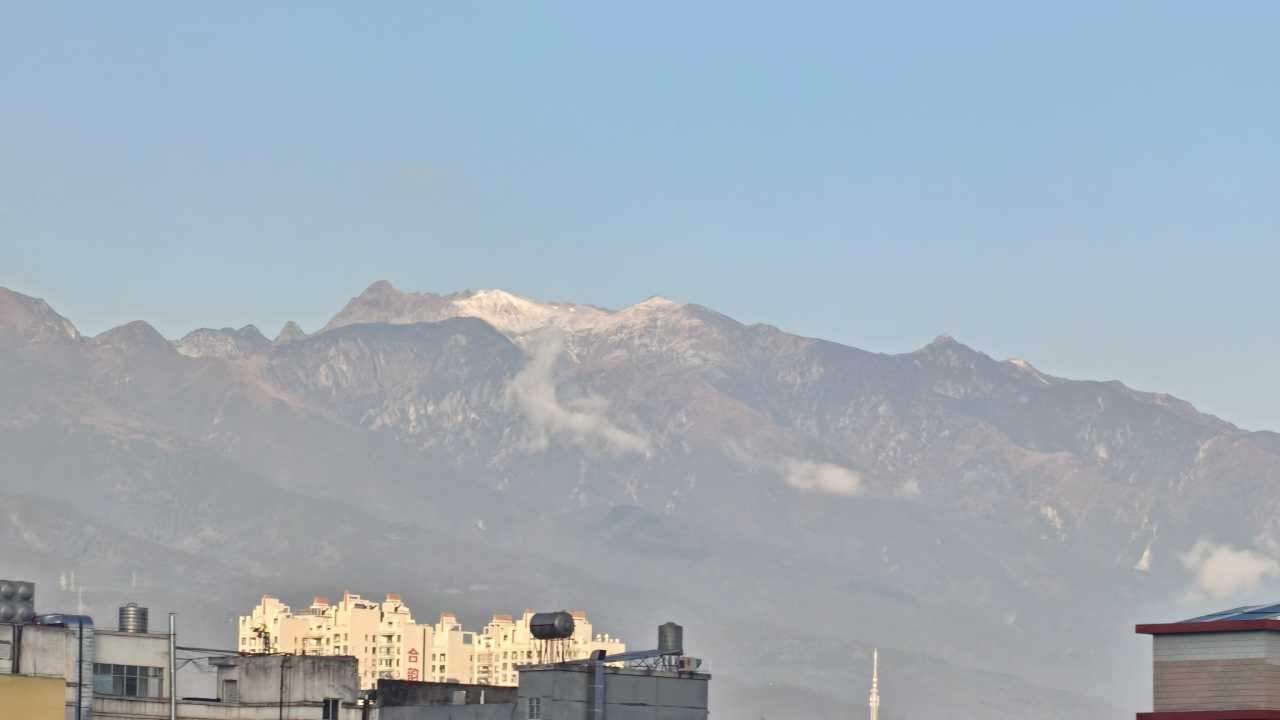
Seeing Cangshan's snow and Erhai's moon are must-do tasks in Dali. I'd heard it had snowed in Yunnan a few days earlier, so I was optimistic about seeing snow on Cangshan. From Xiaguan to the ancient town, I traveled along Cangshan for a while, with clouds and mist swirling around the peaks, but only one peak seemed to have lingering snow.
Returning from the ancient town to Erhai's shore at Longkan Pier, I was eager to see the Erhai moon. But this season, the moon didn't rise until after midnight, so I just looked at the stars and went to bed. I chose this guesthouse because it had a terrace for moon-gazing. After all, this is the plateau — the air transparency is far better than in the city. The sky was thick with stars, densely packed, and the Milky Way was clearly visible.
The guesthouse had tips about getting up early to watch the sunrise. I'd heard that the Longkan viewing platform is the best spot for sunrise. The next morning, I got up early and first went to the guesthouse rooftop to look around, spotting the "Cangshan moon." Dawn was already breaking over Erhai, and Cangshan's peaks were illuminated by the early light. Sunrise was at 8 AM sharp — still half an hour away, so I walked to the viewing platform.
Passing through a small alley to reach Erhai's shore, the morning glow had already appeared, but the sun hadn't yet shown itself. But here I saw the Erhai moon — they say the best place to see the Erhai moon is at Shuanglang on the eastern shore. When the moon is halfway up the sky, seen from the opposite shore, it appears to rise over Cangshan — a visual illusion. I hadn't stayed up until midnight to watch the moon rise over Erhai's western shore, so I couldn't really say what it felt like.
A large crowd had gathered on the viewing platform, waiting for the sun to appear — mostly young people, probably college students on winter break. Thick clouds hung over the opposite mountaintop, so although the sun rose from behind the mountain, it was blocked by the clouds. It wasn't until 8:20 AM that the sun fully emerged, already very bright — the best time for sunrise photos had passed. But just enjoying the process was beautiful in itself.
Cycling the Erhai Ecological Corridor: From Longkan to Panxi
After watching the sunrise, I returned to the guesthouse to rest, then tried some Longkan rice cakes (erkuai) at a street stall. Rice cakes are made from cooked glutinous rice flour, shaped into a pancake, wrapped around fried dough sticks, eggs, vegetables, and then grilled. In Kunming, grilled rice cakes are cooked separately and rolled with fillings; at Longkan, the rice cake master wraps the fillings inside and then grills it. Which is more authentic, I couldn't say.
Looking at Cangshan in the distance, morning mist drifted around the mountainside. The Erhai Ecological Corridor, officially named the "Dali City Erhai Lake Basin Lakeside Buffer Zone Ecological Restoration and Wetland Construction Project," is an ecological protection and landscape corridor built around Erhai, designed to create a physical barrier for the lake. The main cycling section runs from Yangnanxi to Haishe Honeymoon Peninsula, about 35 kilometers. From Longkan Pier to Caicun Pier is about 3 kilometers, and from Caicun Pier to the Panxi S-Curve is about 10 kilometers.
Only franchised bicycles and electric scooters are allowed in the ecological corridor. There are shared bikes and e-scooters from Meituan — bikes cost 2 yuan per hour, e-scooters 15 yuan per hour. Cycling along the corridor, with Cangshan on one side and Erhai on the other, the road conditions are excellent. E-scooters have a maximum speed of under 20 km/h, making them relatively safe. Scenery is everywhere along the way — stop whenever you want to take photos, then continue on, leisurely and carefree.
I cycled the Longkan-to-Caicun section twice. The first day, I rode to Caicun and then took a bus to the ancient town. The second day, I rode all the way to the Panxi S-Curve. At Caicun, I also tried grilled potatoes and rice cake — not bad.
Panxi is known as the trendy S-Curve, but in truth, S-shaped lake bends are common all along Erhai's western shore. However, the local North Panxi Village was clearly once a large settlement, with some unique architecture that gave it more cultural depth than nearby villages. The scenery was beautiful, of course. To get to farther places from the village, you can book a lake shuttle bus, but it's expensive. If taking a taxi, you have to go through Dali Road, but fortunately, taxis can come into the village to pick you up — otherwise, walking from the lakeside to Dali Road would be about 1 kilometer, quite tiring.
Xizhou Ancient Town: The Elusive Shangguan Flowers
I took a taxi to the South Gate of Xizhou Ancient Town. Apparently, the town's core area is in the north, so visitors usually enter and exit through the North Gate. The core area is around the Name Archway (Timing Fang) next to the Yan Family Grand Courtyard Museum, Sifang Street, and the area north of it. The south is relatively quiet. But quiet has its advantages — you can enjoy the pleasure of exploring many residential houses all to yourself.
Well-known photo spots include the Name Archway, the Yan Family Grand Courtyard, and the Corner Tower, but the Yan Family Ancestral Hall, Yan Family Residences, and Baocheng Mansion in the south are also worth a stop. At the Name Archway, crowds of people were gathered. I first tried the famous Xizhou flatbread (baba) and the pea jelly the elderly woman had mentioned. Then I visited the Yan Family Grand Courtyard Museum, and headed to the Corner Tower. This small street was very lively, with charming shops on the sides.
After visiting the Corner Tower, time was running short, so I found my way to the North Gate. A street vendor was selling Xizhou milk fan (rushan) at 5 yuan a piece. She was particularly proud of her homemade rose jam. There was also a Yan Family Ancestral Hall here, another photo spot, and a tie-dye experience center.
Xizhou is a must-visit in Dali, and it's also where the Shangguan flowers are supposed to be. But I didn't see any flowers while passing through the town — just a few winter cherry blossoms. I later learned that the Shangguan flower in ancient times referred to the "morning pearl flower" (Zhaozhu Hua), while today it refers to the magnolia, also called the "dragon lady flower" (Longnü Hua), which blooms in March. There's a dedicated Shangguan Flower Scenic Area in Shangguan Village, Xizhou Town, including the Shangguan Flower Park, Tianlong Cave, and the Dragon Head Pass ruins.
Supposedly, there's a bus from Xizhou back to Dali Ancient Town, but I couldn't wait and took a taxi to the Dali Ancient Town bus terminal, then transferred to bus route 8 to Xiaguan's Dali Railway Station.
Xiaguan: The Wind You Shouldn't Miss
Arriving at the station, I still had three hours before departure — perfect for experiencing Xiaguan's wind. I set my sights on Haixin Pavilion on the southern shore of Erhai.
I rented a shared e-scooter from the station and headed to the south gate of Erhai Park. Suddenly, I realized I couldn't find my gloves — probably left them in the front basket during the last stretch of cycling along the Erhai Corridor, when I took them off for photos. So I had to brave the wind here, leaving something behind at Erhai as well. Strangely, two days later, I found the gloves in a hidden pocket of my backpack.
In front of the park, I saw a large steel spherical sculpture, which I later learned was called Pearl Square. A taxi driver told me it had been built many years ago. In the square in front of the park, many children were driving toy cars. The sloped steps of the mountain path were being used by kids as a slide, and they were having a great time.
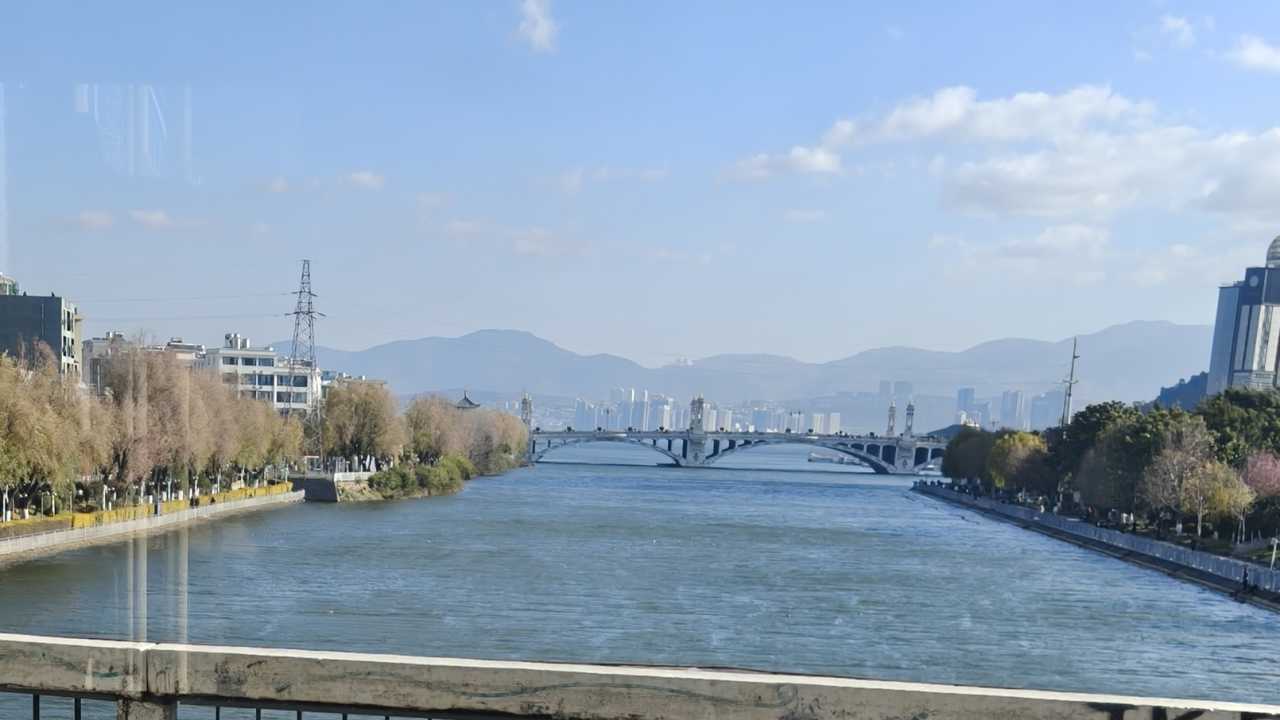
I planned to cross the hill and descend to Erhai's shore. Along the way, a camellia garden caught my eye, and I went in — only to find it was an excellent spot for viewing Erhai. At the foot of the hill stood a statue of a fisherwoman. Reaching Erhai's shore, looking out at the vast, boundless lake felt completely different from viewing it from above.
Now, for an embarrassing story. Many elderly women by Erhai were selling a so-called "beauty fruit" (meiren guo) from shoulder poles. It looked attractive, so I bought 10 yuan worth. Later, while waiting for the train, I got curious and searched for what "beauty fruit" actually was — it turned out to be prunes soaked in industrial ingredients and artificial flavoring, quite harmful to health. This fruit had appeared in Sichuan, Chongqing, and other places before, where it was called "fool's fruit." I had become a fool myself. So really, don't believe that in this age of widespread logistics, there's still a unique fruit exclusive to one place that you can't find elsewhere — if it hasn't spread, there's probably a problem.
Up close, I looked at the fisherwoman statue, and far away, the Haixin Pavilion. Walking along the path, I found the pavilion's gate tightly closed. A security guard told me it was a protected water source area, and no one was allowed inside.
Looking at the map, opposite Dali Station was a scenic avenue called Yunling Avenue. I took a taxi to nearby Cangshan Road, then turned and walked toward the station. The traffic circle's center featured a flower-basket sculpture. The avenue's central landscape strip had four statues, likely depicting local folk tales and ethnic minority customs.
I arrived at the area opposite the station. Taxis kept stopping, and passengers with luggage got out to cross the road to the station. This is the norm — tourists take the train to Dali Station, immediately transfer to the ancient town and Erhai, then after sightseeing, take a taxi straight back to the station and leave. But Xiaguan Town is well worth half a day or even an overnight stay.
At a restaurant opposite the station, I ordered a bowl of chicken soup rice noodles (ersi). I finally figured it out — rice noodles (ersi) are round rice noodles, slightly thicker than rice vermicelli (mixian). From the platform in front of the station entrance, I could see all the way to Pearl Square in front of Erhai Park.
Epilogue: Dali Deserves a Longer Stay
My Dali trip ended here. Overall, I covered the essential attractions, the weather was great, and everything went smoothly. One last complaint — I bought a ticket for that evening's intercity train from Dali back to Kunming, but there were no seats available. I had to pay extra for a ticket from Yangbi to Kunming, only to find plenty of empty seats on the train.
But this minor hiccup didn't affect my wonderful impression of Dali. From Chongsheng Temple at the foot of Cangshan to the Longkan sunrise by Erhai; from the folk music bars in the ancient town to the Corner Tower in Xizhou; from the spicy sour fish to the soft, chewy rice cakes — Dali, with its wind, flowers, snow, and moonlight, left a deep impression on this hurried traveler.
If you ask me, what reason do you need to go to Dali? My answer is: none. Just go if you want to. But remember — two days is far from enough. Dali deserves a longer stay.
Practical Tips
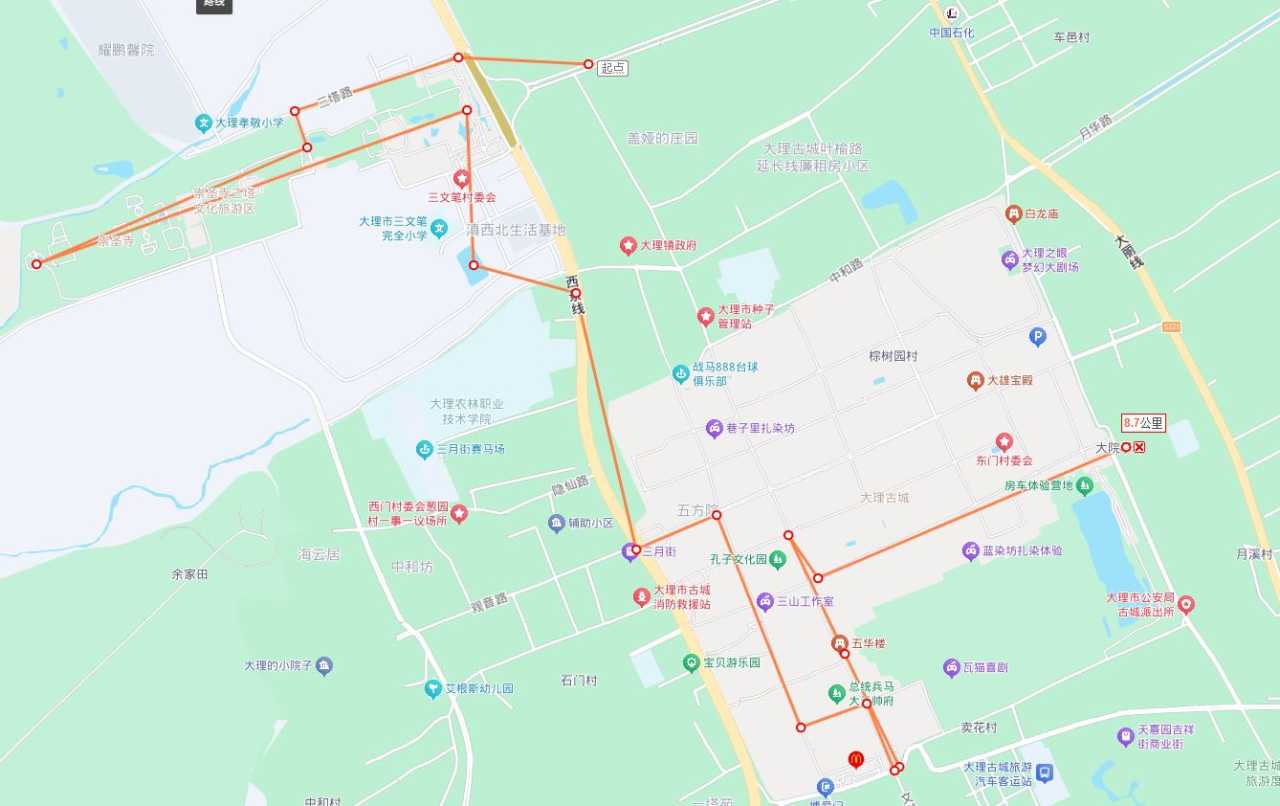
- Transportation: High-speed rail from Kunming to Dali takes about 2 hours; from Dali Station to the ancient town, take the bus (3 yuan, about 1 hour)
- Accommodation: Near Longkan Pier is good for sunrise views; inside the ancient town is best for experiencing nightlife
- Food: Sour and spicy fish, pea jelly, Xizhou flatbread (baba), rice cakes (erkuai), and milk fan (rushan) are must-tries
- Cycling: The Erhai Ecological Corridor offers an excellent cycling experience; recommend riding from Longkan to Panxi
- Time: Two days only scratches the surface; plan for at least 3-4 days
- Avoid: Don't buy roadside "beauty fruit" (meiren guo) or other fruits of unknown origin
You should also read:

Dreaming of Nanzhao: A Gentle Encounter with Erhai Lake in Dali Shuanglang, July
Dreaming of Nanzhao: A Gentle Encounter with Erhai Lake in Dali Shuanglang, July Every summer, a voice whispers softly from the depths of my heart: it's time to go. No matter how tight the budget, no matter how precious the annual leave, the ritual of…
Continue reading...
Yunnan's Colorful Clouds: Touching Shangri-La — A Dialogue with the Sky
Yunnan's Colorful Clouds: Touching Shangri-La — A Dialogue with the Sky If you ask me where in China is closest to heaven, I would tell you without hesitation: Shangri-La. The name itself carries a mysterious magic, as if every syllable whispers tales of distant lands.
Continue reading...
Slow Sounds, Gentle Steps: My Wandering Journey Through Lijiang
Slow Sounds, Gentle Steps: My Wandering Journey Through Lijiang Prologue: A Spontaneous "Red-Eye" Escape Some journeys begin just like Lijiang itself—with a touch of spontaneity and a hint of laziness. Late one Sunday night, I was scrolling through my phone while lying in bed when…
Continue reading...