Going to Yunnan with You, for a Story of Wind, Flowers, Snow, and Moonlight
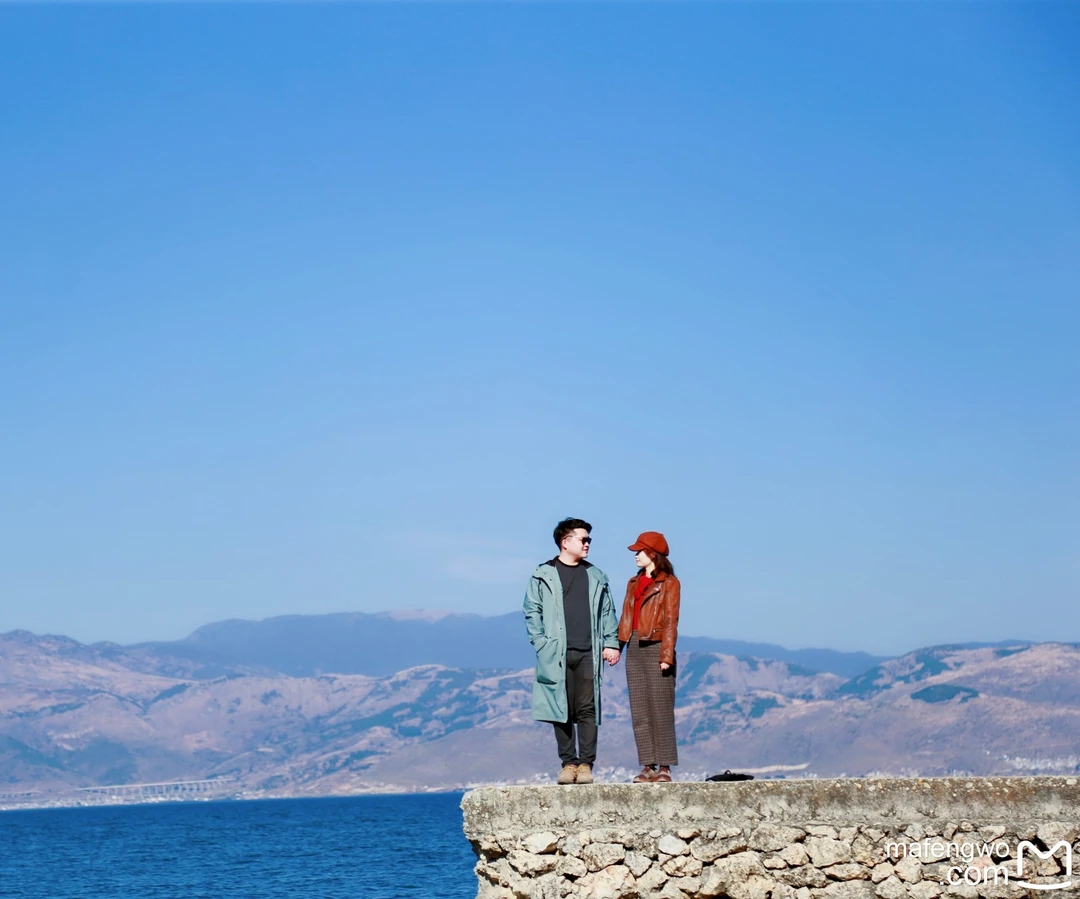
Going to Yunnan with You, for a Story of Wind, Flowers, Snow, and Moonlight
Before We Begin: Why I Finally Decided to Write This Travelogue
I've lived for over twenty years without ever seriously writing a travelogue. Back in my student days, I'd dump travel photos into my QQ space, throw in a few half-hearted captions, and call it documented. Later, WeChat Moments became the main battlefield—occasionally posting a few pictures with some pretentiously profound words, pretending I lived a life full of stories. Honestly, it all came down to one thing: laziness.
But the Year of the Dog arrived, and I set myself a small goal: to properly document every trip I took in 2018 with words and pictures. Not for likes from others, but because my memory is terrible—they say a fish's memory lasts only seven seconds; mine probably lasts about seven days. Those small details from the journey, those moments that make you smile—if I don't freeze them in words, they'll scatter like the wind, gone before you know it.
To be honest, I can't even remember when I first started using Mafengwo. But every time I travel, from route planning to hotel booking, I can hardly do without it. In this era where "sharing" has permeated every corner of life, resource sharing has truly brought so much convenience. So I hope my travelogue can become a small lamp on someone else's journey, even if it only lights up a short stretch of road.
Oh, and one more selfish reason—I want to make it to the front page! Hahaha, you've got to have dreams, right? Who knows, maybe they'll come true?
Pre-Trip Preparations: A Spontaneous "Budget Trip"

Why Dali and Lijiang?
Back in 2014, I went to Yunnan on a group tour, following the classic "Kunming-Dali-Lijiang" route. I had just graduated—no money, no experience, no preparation—and ended up with less-than-pleasant memories. I silently swore: never again with a group tour.
This year, before the Spring Festival, I wanted to travel but only had four days. I flipped through options, not knowing where to go, until I saw photos of Dali on Mafengwo—that heart-stoppingly blue Erhai Lake, those days sparkling in the sunshine. And just like that, it was decided.
Transportation: Taking a Detour Is Also a Kind of Wisdom
Why fly round-trip from Hefei to Lijiang instead of taking a direct flight from Nanjing to Dali? The answer is simple: broke.
Traveling right before the Spring Festival, a direct flight to Dali would cost over four thousand yuan per person. Being the frugal person I am, I decisively chose the detour. As for why fly to Lijiang instead of Dali—because my boyfriend Lu said he wanted to visit both cities. Well, I'm so considerate, I went along with it.
Truth be told, I only wanted to go to one place—either Dali for Erhai Lake or Lijiang for Lugu Lake—so I could soak in its beauty slowly. But love, after all, requires some compromise.
Expense Breakdown (Two People, Four Days)

- Round-trip flights: 3,550 yuan
- High-speed rail from Nanjing South to Hefei South and back: 280 yuan
- Hefei airport parking fee (wasted): 100 yuan
- Feb 11, Lijiang guesthouse: 226 yuan
- Feb 12, Dali hotel: 388 yuan
- Feb 13, hotel near Lijiang airport: 125 yuan
- Erhai Lake JEEP photo tour (half day): 556 yuan
- Round-trip car from Lijiang to Dali: 476 yuan
- Four days of food, drink, and fun: 1,834 yuan
Total: 7,552 yuan. For traveling right before the Spring Festival, that's pretty frugal, right?
Dali: February Has Its Own Unique Beauty
They say "March is the best time in Dali," but February's Dali, though it hasn't shed its winter colors, though it lacks lush greenery and blooming flowers, has a tranquility unique to winter. Just like that song goes: "You came to Dali, and I was here too; we warmed each other through the winter by Erhai Lake..."
About the Name "Erhai"
Erhai isn't actually a sea—it's a lake. Ancient texts call it Yeyu Ze or Kunmi Chuan, named for its ear-like shape. Since Yunnan is deep inland, the Bai people, expressing their longing for the sea, called it "Erhai" (Ear Sea). It's the second-largest freshwater lake in Yunnan Province, covering an area of 256.5 square kilometers, with an average depth of 10 meters and a maximum depth of 20 meters.
The West Ring Road: Facing Erhai, Spring Blossoms
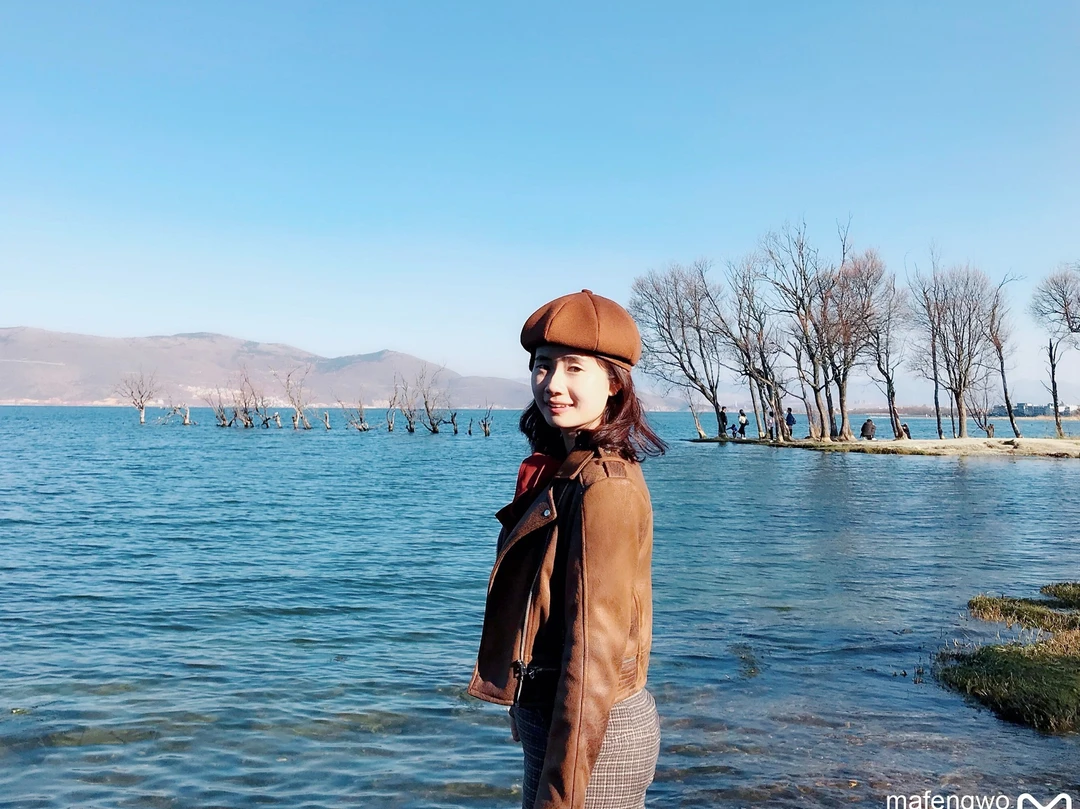
Facing Erhai, I saw you smile, and I saw myself being silly.
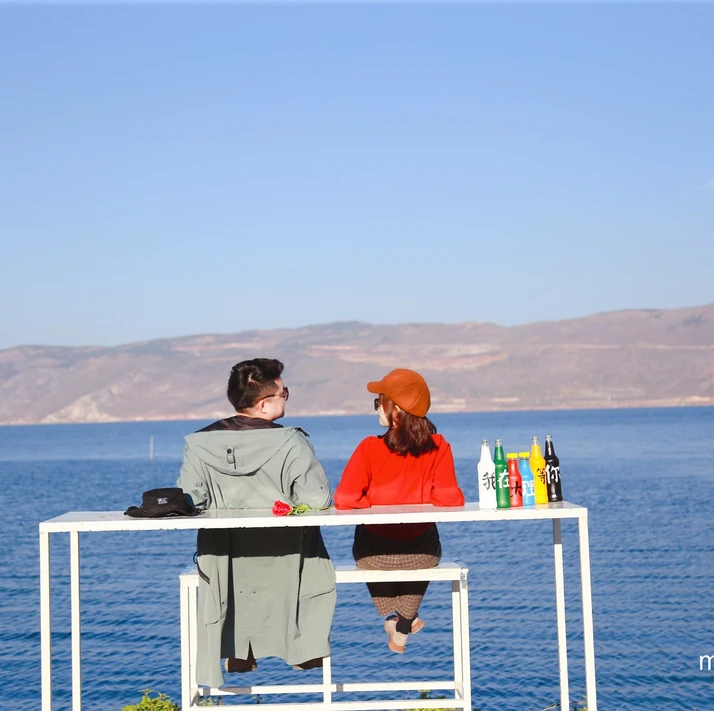
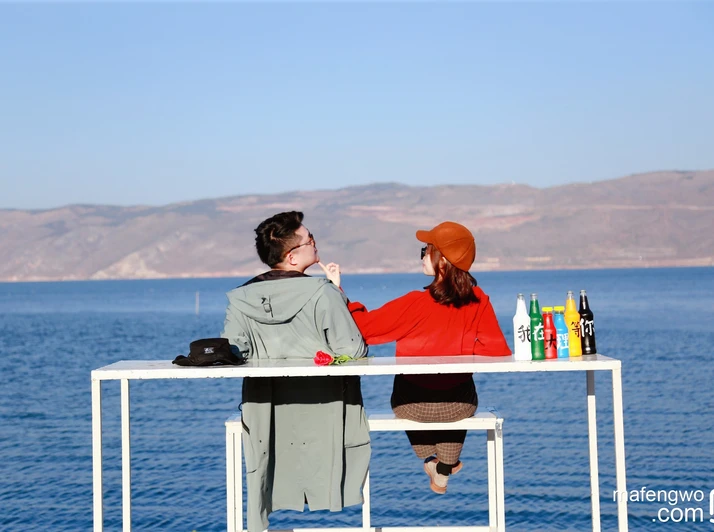
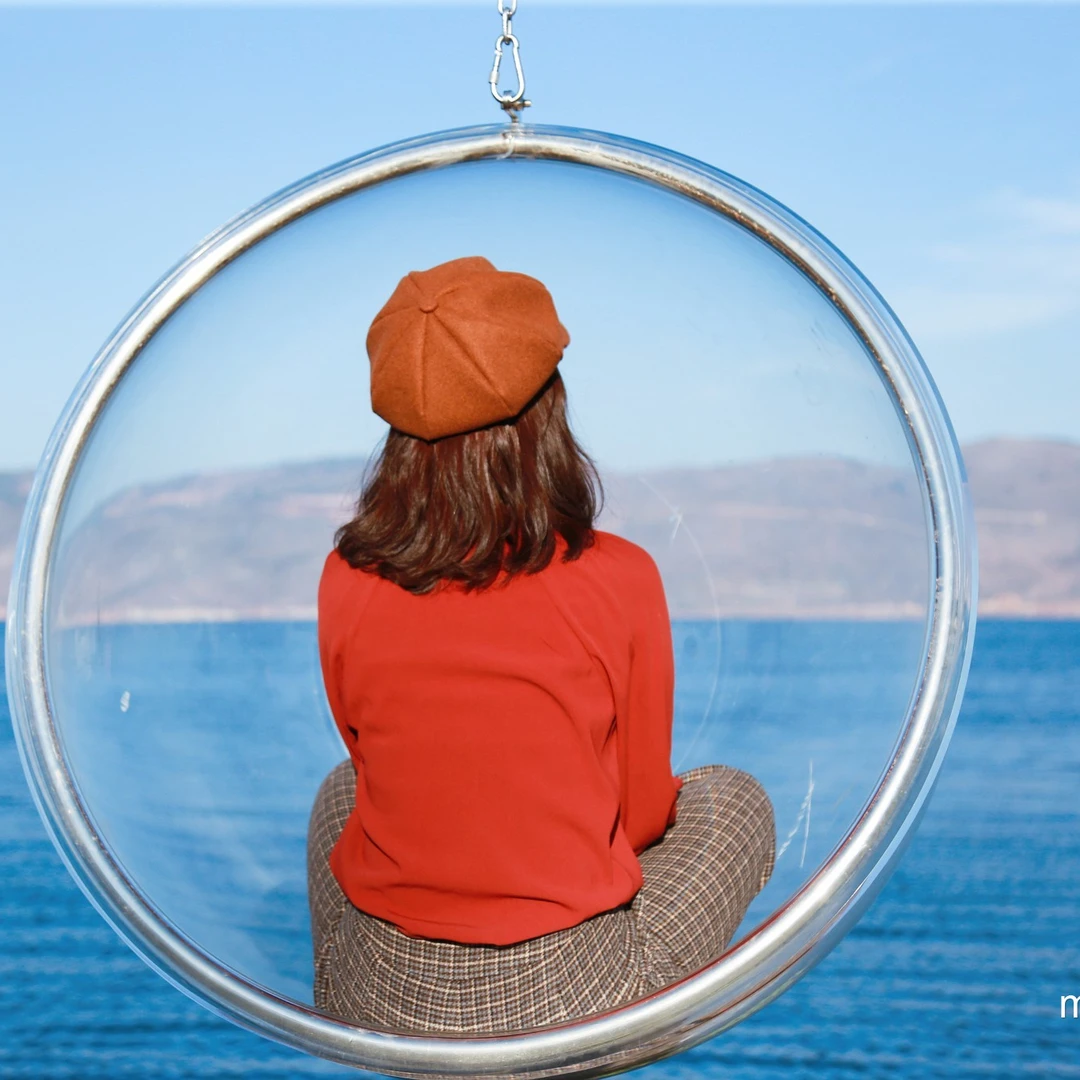
Those glass balls and white tables that pop up in every travelogue—they really are there. 10 yuan per person—business opportunities everywhere. Before leaving, I agonized over whether to bring a white gauze dress. When we got to Erhai, the howling wind had me shivering, but watching those girls in white dresses, looking like paintings against the backdrop of Erhai, I couldn't help asking: "How much is that white dress?" Answer: "80." Reason won over impulse—after all, the white long dress I bought the day before in Lijiang Old Town was only 40 yuan.
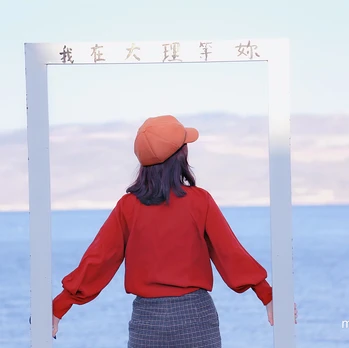
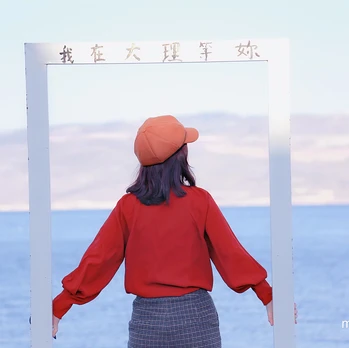
Friendly reminder: It's still warm enough in the afternoon sun to wear just a long dress for a few photos. But if the sun's going down, or if you're as "old and frail" as I am, better bundle up. I wore a long-sleeved red shirt with a thermal underneath, and the photos turned out okay.
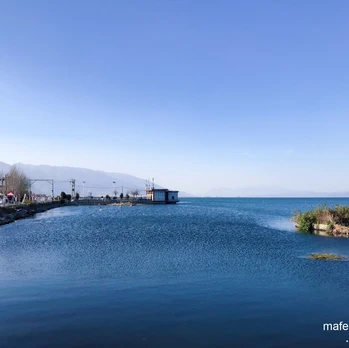
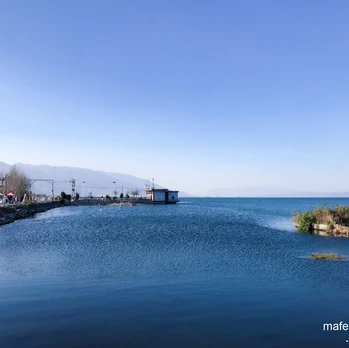
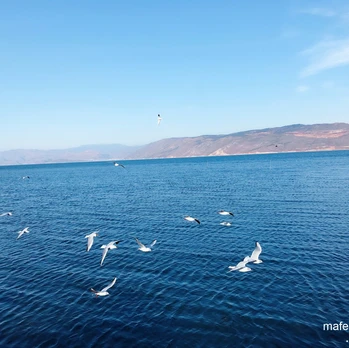
Sparkling ripples, water meeting sky, a blue that intoxicates the soul. Winter is the season for seagulls, and Xiaoputuo Island is a famous spot to see them, but we didn't go—because my seagulls were right here.
The withered trees in the water had their own charm. I wanted to see the famous "lying tree," but locals told me that in winter, the water level is high, so the tree is submerged. In summer, when the lake recedes, the roots are exposed, and that's when you can stand on it for photos. Many wedding photos are taken on that "lying tree"—it's truly beautiful in summer.
The Pink Jeep: An Adventure of "Where's My Pink?"
When I booked the JEEP photo tour, I specially noted three times: I want a pink jeep! I want a pink jeep! I want a pink jeep!
On the day they picked us up, I asked nervously: "Excuse me, is it a pink jeep?"
The driver, Old Jiang, said: "Damn, the pink jeep just got taken out by a friend."
My heart shattered. Where was the promised pink? How did it turn into big red?
But Old Jiang added: "No worries, I'll find a friend along the way and borrow the pink jeep for photos."
Fine, while I was thinking "borrow? It was supposed to be ours," I said: "Okay, thanks, Old Jiang!"
And so our pink jeep adventure began. The playlist looped through "Going to Dali," "Little Baby," "A Single Moment"—this was Dali's soundtrack.
Old Jiang was skilled and enthusiastic. He wasn't local—seemed like he was from Changsha or somewhere—had been in Dali for three or four years, didn't go home for the New Year. Though he was already tanned dark, he wrapped his face completely in a headscarf while taking photos for us. People drifting far from home—life isn't easy for any of them.
On that road, we'd barely arrived when two or three more JEEPs showed up, but none were as flashy as ours. Though one group was more impressive—a girl in a long dress with three or four photographers following her, even carrying a reflector. Anyway, Dali really is a perfect place for relaxation, vacation, and photography all rolled into one.
Xizhou Ancient Town: Time Slows Down Here
Xizhou is 18 kilometers north of Dali Old Town, facing Erhai to the east and leaning on Cangshan Mountain to the west. It's an important Bai settlement, preserving the largest and best collection of Bai traditional courtyard houses, with the classic "three rooms and one screen wall" and "four courtyards and five skylights" layout.
My first impression of Xizhou was—simple and unspoiled. Few tourists, mostly locals living quietly on their ancestral land. Elderly grandmothers were everywhere, sitting under eaves or in courtyards, threading needles and sewing. Those blue-and-white tie-dye fabrics still float in my memory.
Unfortunately, I didn't capture that moment with my camera. Ancient towns like this—you have to go deep and soak them in slowly.
Oh, and the famous local snack—Xizhou baba (a type of flatbread)—is mainly made from flour. I tried it on my first trip to Dali and wasn't a fan, so I skipped it this time. First-timers should give it a try.
The Bridge: Capturing an Encounter with Erhai
At that moment, time seemed to stand still.
There was a seagull on my head—though in my heart, I was calling it a pigeon.
This stone bridge was only as wide as a man's foot. Lu went across first to take photos. I stood behind watching, the lake wind making me sway, feeling like I'd fall off any second. So when Old Jiang asked me to pose alone on it, I—someone who usually loves taking photos—firmly declined. When you're out traveling, safety comes first.
The Artistic Bus Without Flowers
This bus had become a tourist attraction. How did you get on? There was a ladder. I'd read in travelogues that people had to queue and pay 20 yuan per person. Maybe because we came in the off-season, when flowers hadn't bloomed yet, nobody wanted to come.
Every gain has its loss. The high season brings beautiful scenery but also crowds and noise that destroy the peace. But Dali has its beauty in every season.
Staying in Dali: Erhai Gate No. 1 Hotel
This Dali trip coincided with the Erhai Lake restoration project. The tourism boom had severely impacted Erhai's water quality, and those charming lakeside guesthouses became new cultural landmarks, with Shuanglang touted as a lifestyle. But behind this "carefree" facade lies an alarming environmental crisis.
The restoration was supposed to last a year. But I think whether you stay in a sea-view room doesn't really affect how you experience Erhai's beauty. Shuanglang's lakeside guesthouses can cost over a thousand yuan during peak season. By contrast, staying in a more affordable hotel in the ancient town is also a good choice.
Erhai Gate No. 1 Hotel is near Erhai Gate in Dali Old Town—quiet yet conveniently located. It's two minutes from Renmin Road, three kilometers from Cangshan Cable Car, four kilometers from the Three Pagodas, and five kilometers from Caicun Pier on Erhai's shore. Basically, you can walk to most attractions.
We stayed on the first floor, with a small garden right outside the door. The guesthouse had a dog named "Xiao Yi," incredibly lazy—spending its days either sitting or lying down. The owner said it had gotten lazier and put on weight.
Breakfast was included in the room rate—congee and pickled vegetables, with refills available. Lu asked for one refill and felt too embarrassed to go again, so he sent me. We struck a deal: I'd get his refill, and he'd take photos of me. That's how we ended up with those rooftop shots—back view, looking left, looking right, squatting and looking, looking up. And one shot of an empty staircase—Lu called it his "masterpiece."
Friendly tip: Guesthouses in Yunnan generally don't have air conditioning, just electric blankets. After all, they claim it's spring all year round. Not like Nanjing, where spring feels like all four seasons. If you're sensitive to cold, especially traveling in winter, plan your warmth in advance. If you need to shower daily, better ask a few guesthouses: "Boss, do you have AC?"
Lijiang: Dali's Good Friend
Dali and Lijiang are always mentioned together. They share similarities and aren't far apart. Come to Dali for Erhai, come to Lijiang for Lugu Lake. But actually, each city has its own character: Lijiang Old Town is bigger and increasingly commercialized, with bars, clothing shops, and hand-drum stores lining the streets; Dali is relatively quieter. The best way is to experience them yourself.
Since I'd already been to Jade Dragon Snow Mountain in 2014, this time I only wandered around Lijiang Old Town. Why not Lugu Lake? Time wasn't enough. There's no flight or train to Lugu Lake—you have to take a car through winding mountain roads, a one-way trip of over four hours. I had to reluctantly let it go.
Lijiang Old Town: Getting Lost Is Also an Experience
When we first arrived in Lijiang Old Town, we entered through the wrong gate. We ended up at the back gate of Lijiang No. 1 Middle School, and it took over twenty minutes to walk to the guesthouse. Hearing that the guesthouse owner would come pick us up—I was so happy. Turns out, he really just "came to meet us," not drive us. Thinking about it later, cars aren't allowed in the old town anyway, so it was nice of him to come at all—at least we didn't have to navigate ourselves.
Friendly tip: Confirm with your guesthouse owner in advance which gate is closest, or you'll end up walking a lot of unnecessary detours.
The guesthouse we stayed at was ranked number one on Mafengwo, 226 yuan a night. The room was a bit small, but the owner was very nice, introducing various attractions along the way. When we came back from Dali, we shamelessly asked to store our luggage there again. The owner didn't say anything and even gave us a CD when we left.
Lion Hill: A Story of "Can't Climb Anymore"
At the top of Lion Hill stands Wangu Tower. From there, you can see Jade Dragon Snow Mountain to the north, Lijiang Old Town to the east, the new city to the west, and farmland and villages to the south. But we didn't go up—because Lu couldn't climb anymore.
There was another reason: Wangu Tower costs 50 yuan for admission. Just climbing Lion Hill for a look was enough; no need to go up the tower.
We rested at a place with wind chimes. Lu said he was tired, so I ordered him a Budweiser—drinks here are expensive, a watermelon juice can cost dozens of yuan. But to let him rest properly, no matter the cost! Yes, that's the story.
The Big Waterwheel: A Navigation Blunder
After dinner, we navigated to a bar. I said: "Let me take you to the Big Waterwheel first—there's an inscription by Mr. Jiang!"
Lu said: "No, I'm too tired to walk. Let's just go straight to the bar."
When navigation ended, I said: "We're here, we're here! Hey, isn't that the Big Waterwheel?"
Lu said: "But where's the bar?"
I called the owner: "We're at the Big Waterwheel, but I can't see your shop entrance!"
The owner said: "Since when did our shop move to the Big Waterwheel?"
I hung up, looked at the navigation—hahahaha, I had navigated to the Big Waterwheel.
The moral of the story: When you're out traveling, read your navigation carefully.
The Bar: Peach Blossom Wine and Romance
The bar's peach blossom wine, 380 yuan for a small pot, tasted okay. The owner was chubby and didn't look like someone who could sing, but he sang well. Lu, with his more professional ear, commented that the bassist was pretty impressive.
The place was so busy that customers didn't get a chance to sing on stage. After their performance, a Naxi小伙子 (young Naxi man) with a guitar went from table to table, singing a cappella with everyone. He finally got to our table last, probably because we were a small group. But we still had fun singing.
At the bar, I also witnessed how the table next to us picked up girls—though that's none of my business anymore.
In the End: Wind, Flowers, Snow, and Moonlight Are Nothing Without You by My Side
Four days—not long, not short. From Dali's Erhai to Lijiang's Old Town, from the pink jeep to the blue sky, from Xizhou's tie-dye to the bar's peach blossom wine—every moment deserves to be remembered.
Some say travel is going from a place you're tired of to a place others are tired of. But I think the meaning of travel isn't about where you go, but who you go with and how you feel along the way.
Dali's wind, Erhai's moon, Lijiang's snow, the old town's night—these winds, flowers, snows, and moons are nothing compared to having someone by your side to share them with.
Finally, a few tips for friends planning to visit Yunnan:
- If time is limited, choose one place for an in-depth experience—it's more meaningful than rushing through.
- If going to Dali in winter, bring a long dress—the afternoon sun makes for beautiful photos.
- Confirm with your guesthouse whether they have air conditioning, especially if you're sensitive to cold.
- Read your navigation carefully, or you might end up making the same mistake I did.
- Most importantly, bring a good mood and someone willing to be silly with you.
May everyone who goes to Yunnan find their own story of wind, flowers, snow, and moonlight.
You should also read:
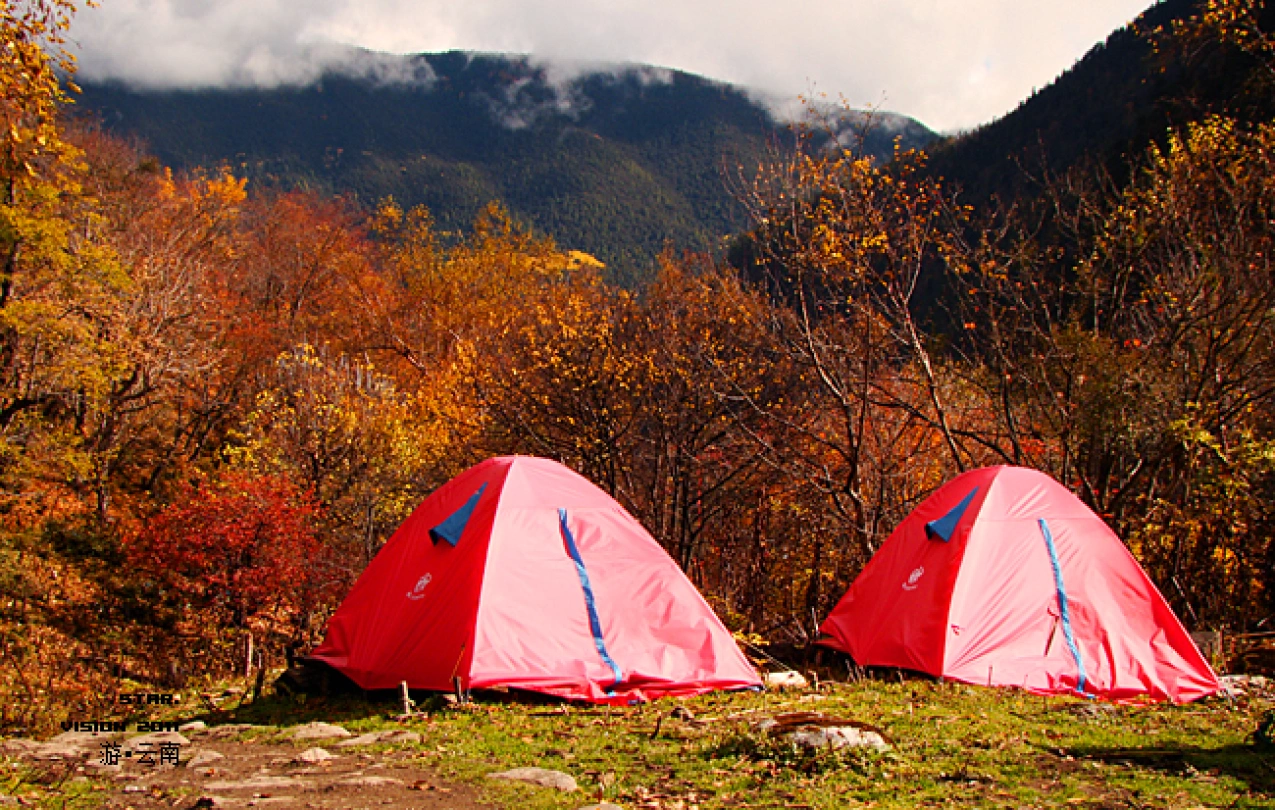
Yunnan! Paradise on Earth – The Yubeng Chapter: A Soul-Cleansing Journey into Seclusion
Yunnan! Paradise on Earth – The Yubeng Chapter: A Soul-Cleansing Journey into Seclusion Prologue: Why Yubeng? If you ask me which place in Yunnan is most worth hiking to, I would answer without hesitation: Yubeng. This is not an answer I give lightly. As a…
Continue reading...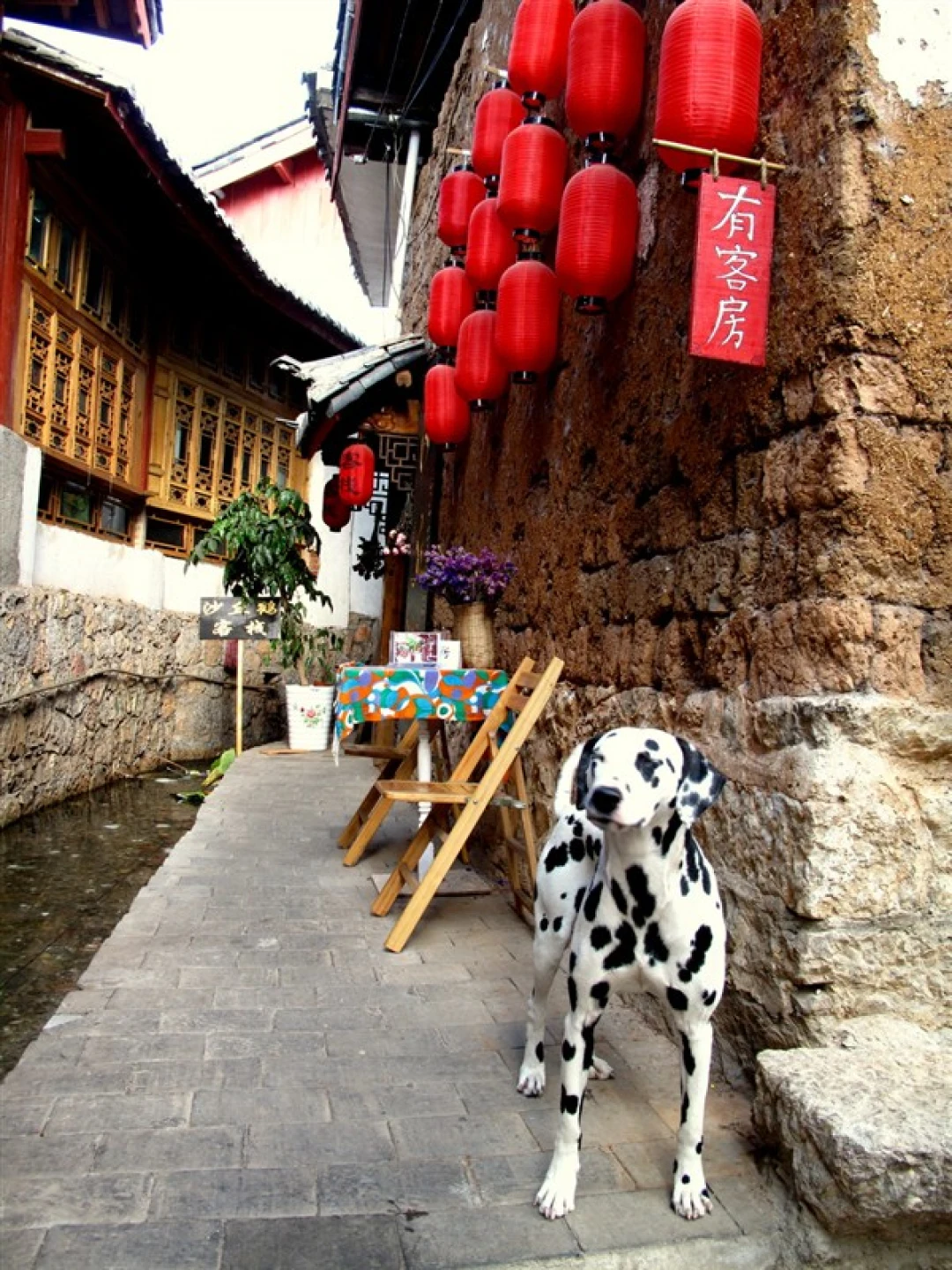
Yunnan Travel Mastery: From Beginner to Pro-Level Player – A Complete Guide
Yunnan Travel Mastery: From Beginner to Pro-Level Player – A Complete Guide "Either travel or read, but your body and soul must be on the road." This quote has been repeated countless times, but very few people truly manage to be "on the road" and…
Continue reading...
Solo in Yunnan: A Wanderer’s Guide to the Land of Eternal Spring
Solo in Yunnan: A Wanderer’s Guide to the Land of Eternal Spring There’s something magical about traveling alone. No compromises, no schedules to keep, no one to please but yourself. I’ve been on the road for nearly three months now, and not once have I…
Continue reading...