Han Han Feng Feng ✿ Piece Together a Vacation and Feel the Passion of Xishuangbanna
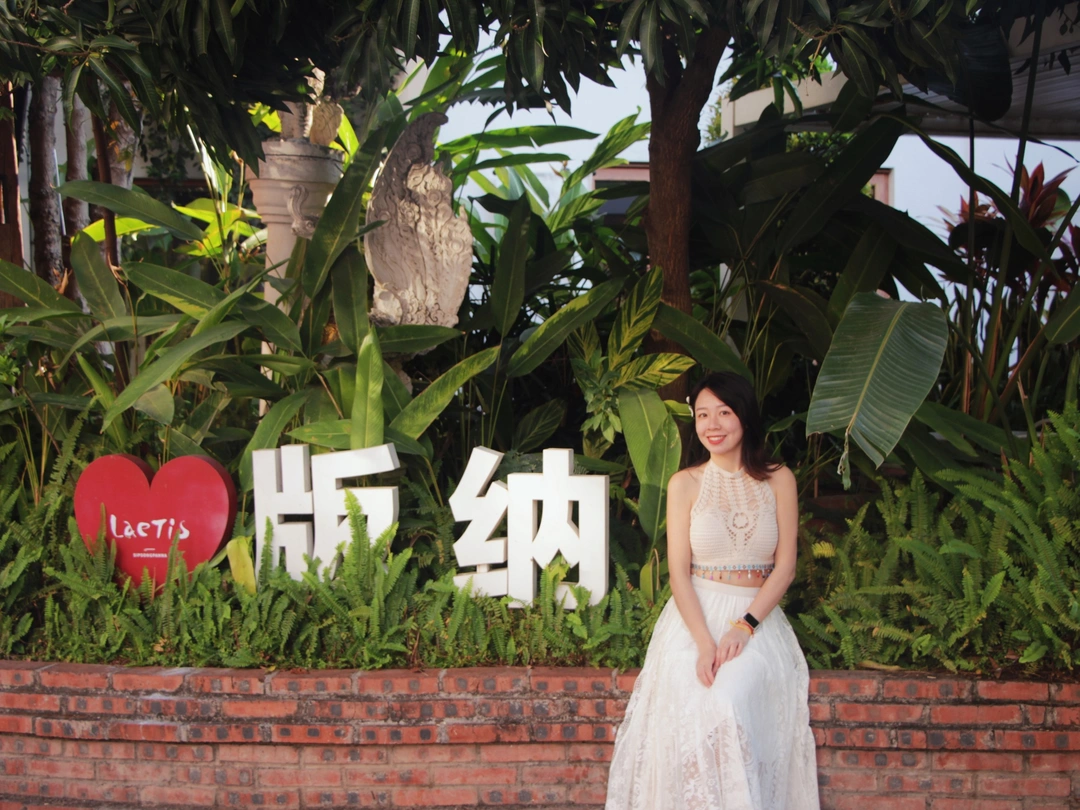
Han Han Feng Feng ✿ Piece Together a Vacation and Feel the Passion of Xishuangbanna
A Note Before We Begin: All Those Hesitations About Xishuangbanna? They Turned Into Pure Delight
To be honest, before we set off, we agonized for ages over the question "Should we go to Xishuangbanna or not?" Open any social media platform, and the screen is flooded with complaints like "landmine alert," "ripped off," and "not fun at all." It had our hearts pounding—would this trip turn into a major disaster? And the result? Well, it turns out that negative reviews online can sometimes really make you miss out on something great. Xishuangbanna is worth a visit.
Starlight Night Market: From a Sea of People to Having the Grand Golden Pagoda All to Ourselves

The Right Way to Experience the Night Market
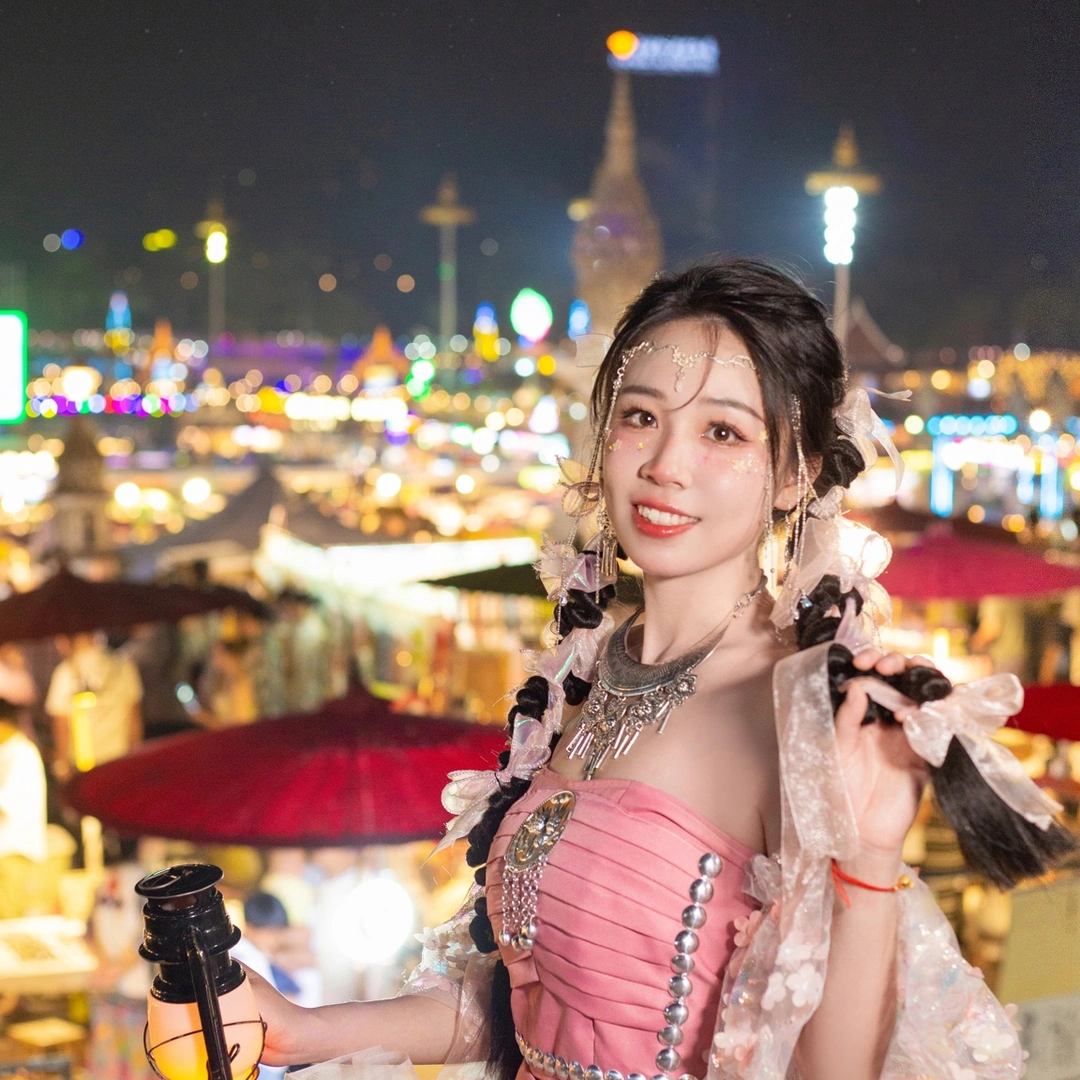
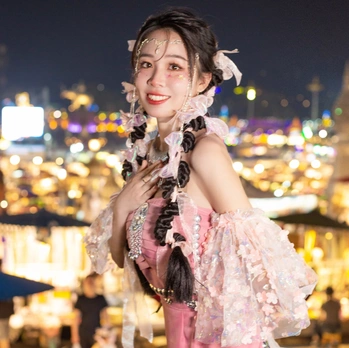
Your first stop in Xishuangbanna is, of course, the Starlight Night Market. But don't rush to take photos just yet. First, get a feel for what "wall-to-wall people" really means—the crowd here will absolutely make you question your life choices. But since you're here, how could you not get a photoshoot done?
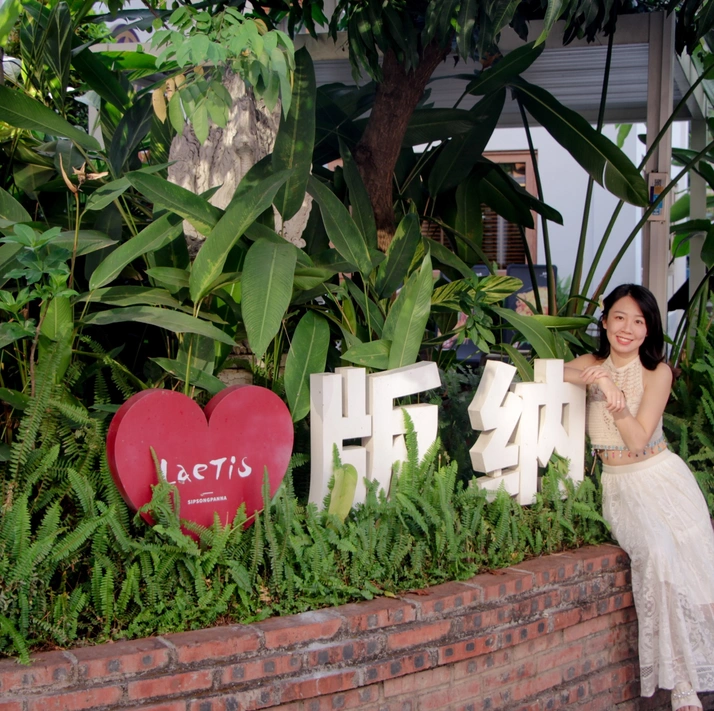
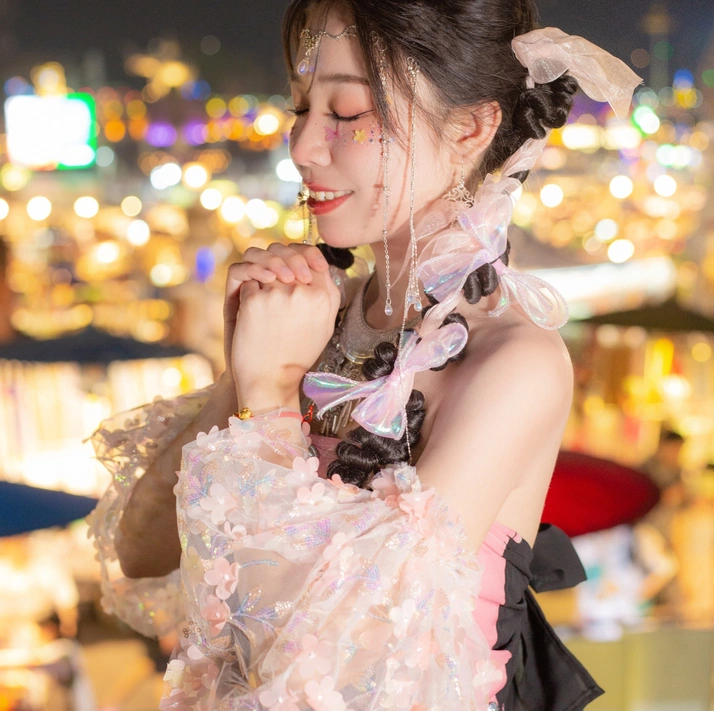
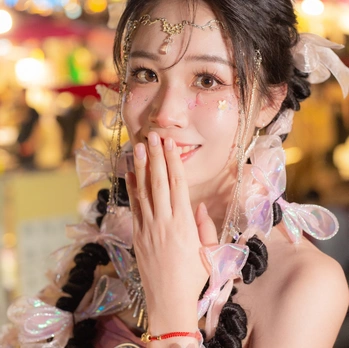
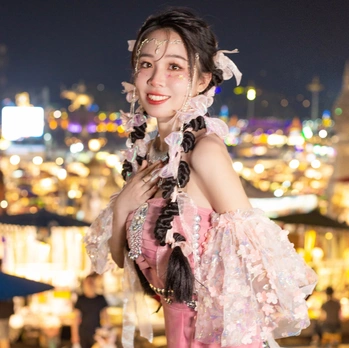
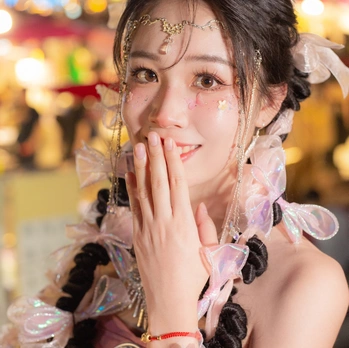
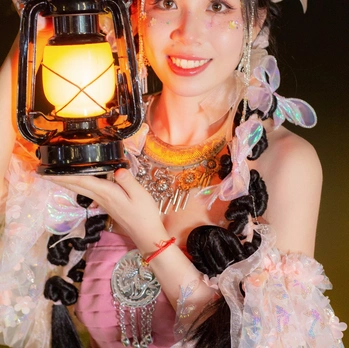
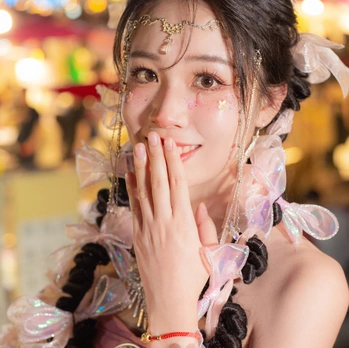
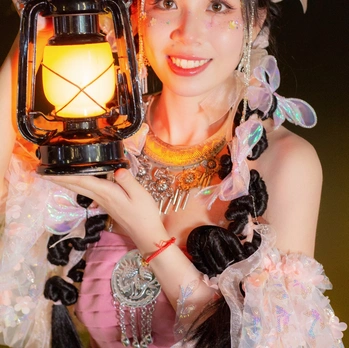
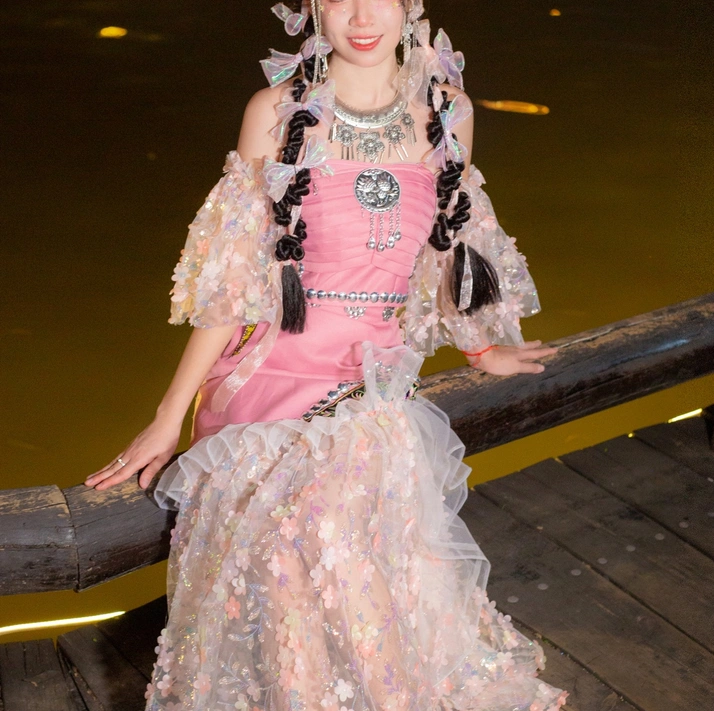
About the photoshoots, I have something to say. Because I booked late, my preferred shop was fully booked, so I just picked one at random. Luckily, I didn't run into any of those tricks like charging extra for retouching, extra for outfit selection, or extra for makeup. But the photographer's skill level? Let's just say it was so-so. The retouched photos were so polished I didn't even recognize myself.
A few tips for anyone wanting a photoshoot:
- Don't rush into it: Spend your first day just strolling through the night market, scoping out good spots for photos, or figuring out what kind of scenes you want. Otherwise, the photographer will just take you to those same fixed spots, which are crowded and not particularly scenic.
- Shop around: How dense are the photoshoot shops in Xishuangbanna? There's one every ten meters. Walk a few steps, and someone will hold up an iPad and ask, "Want a photoshoot?" Ask around, look around, and you'll find something that works.
- Book early: I booked for 7:30 PM and arrived at 7:00, only to find four or five people ahead of me waiting for makeup. After I made a bit of a scene, the shop told me to come back at 9:30 PM. This time, they were on time. So, book a bit earlier and keep your cool.
About those sneaky fees: Many vendors along the night market river have set up their own platforms, and they charge 20 RMB per person to take photos there. It's best to ask your photoshoot studio upfront if this fee is included. There's also a drum that normally costs 10 RMB per person to use; we only got to shoot with it for free because they were about to close. Basically, if you try to take photos in front of any shop, someone will come over to charge you.
The Starlight Night Market by Day: The Entire Grand Golden Pagoda Is Yours
The night market is a bustling hive of activity at night, but during the day, it has a completely different charm.
There are hardly any people around during the day. The Grand Golden Pagoda feels like it's all yours—you can take photos however you want. The moon-shaped photo spot that charges 20 RMB per person at night? During the day, no one's watching, so you can snap away for free. We even stumbled upon a very charming Nepalese restaurant that was so quiet, it felt like we were in a completely different place.
Oh, and how could you come to Xishuangbanna without taking a photo with a Snoopy car? Renting one costs 30 RMB per hour, which isn't expensive, but I heard they're not easy to drive, so we didn't rent one. Just taking a photo was enough.
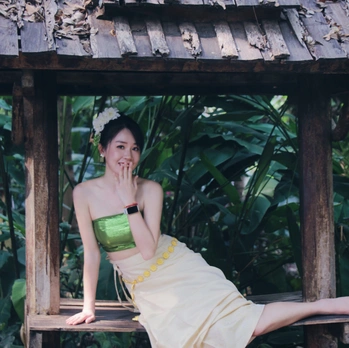
On our last day, we wore the free Dai ethnic costumes provided by our hotel and took another stroll around. It felt like the perfect way to end our trip.
Ganbai Street: An Overlooked Little Gem
At night, all the shops on Ganbai Street are open. Some vendors even set up displays outside, and the place is bustling with people, so much so that you might overlook its beauty. But during the day, it's a different story. The closed shops have their doors painted in a rainbow of colors, and with the large patches of bougainvillea, it's incredibly photogenic. It's located near Chunwuli (Spring Wuli), so it's easy to find.
Manting Park: The Dai King's Imperial Garden, Best Experienced in Dai Attire
Manting Park is Xishuangbanna's oldest park. The Dai people call it "Chunhuan," which means "Garden of the Soul." Legend has it that when the Dai princess visited, she was so captivated by the scenery that her soul stayed behind. As the imperial garden of the Dai king, it's the perfect place to take photos in Dai clothing.
Practical Info: - Getting there: It's a 20-minute taxi ride from Gaozhuang, costing about 18 RMB. - Admission: 40 RMB per person at the ticket office, or 35 RMB per person from street vendors at the entrance. - Hours: 8:00 AM – 5:00 PM. - Time needed: About 3 hours.
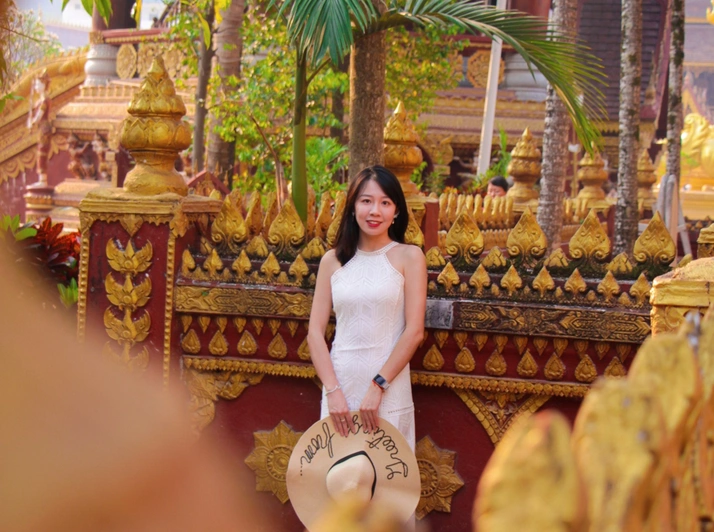
Our strategy: Xishuangbanna is incredibly hot and crowded, so we decided to visit the General Buddhist Temple first in the morning (it's connected to Manting Park). After that, we went back for a midday nap and returned to Manting Park around 3:00 PM. This way, we could capture photos with fewer people and avoid the peak heat. The downside? It's a bit of a hassle going back and forth.
How to get Dai clothing? You can rent it at the park entrance, but it's pricey. I'd recommend buying a set at the Starlight Night Market the night before. A set without a shawl costs 25 RMB. With accessories and a hair ornament, you can get the whole look for about 50 RMB. If you're not good at makeup, you can book a Dai-style makeup service at the entrance for 100-200 RMB.
Photo tips: Manting Park is a popular spot for travel photography. You'll see girls in Dai clothing and photographers everywhere. There are usually long lines in front of the best scenic spots. If you really want to take good photos, I suggest coming early in the morning. While you're waiting in line, don't just stand there. Observe the photographers' compositions and poses, and learn from them. It's like getting a free travel photographer.
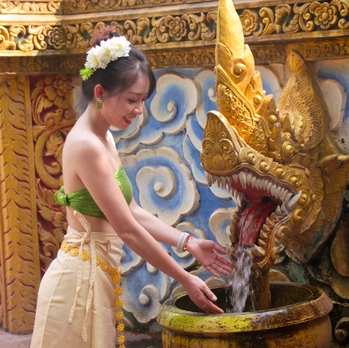
Recommended photo spots: - Chengxin Pagoda: Ornate and splendid, with very distinctive doors and windows. Don't let its small size fool you; each of its eight windows has a girl sitting in front of it. - Small Pavilion: Near the Chengxin Pagoda, it's unassuming but surprisingly photogenic. - Café: The most crowded spot, with unique architecture. There's a white pavilion and curtains below that make for great shots. - White Pagoda: Looks good from every angle (360°). Just find the right angle, and you can get a shot without anyone in it. - Earth Goddess Handwashing Basin: Try to capture a candid shot of someone washing their hands from the side. It's said to wash away bad luck.
General Buddhist Temple: A Free Treasure Trove for Photos
The General Buddhist Temple is connected to Manting Park and is free to enter. Even though it's a temple and not very large, it's incredibly photogenic.
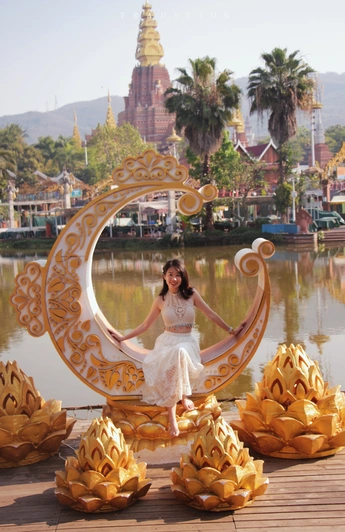
Practical Info: - Getting there: Same as Manting Park. - Admission: Free. - Hours: 8:00 AM – 5:30 PM (closes early, so keep an eye on the time). - Time needed: About 1 hour. I recommend coming around 9:00 AM when there are fewer people and the light is good.
Note: Please avoid wearing revealing clothing in the temple.
Photo spots: - The staircases on either side of the main hall: They're magnificent, and you can also take photos from above. - The staircase of the Drum Tower. - The staircase of the Bell Tower. - The small path next to the prayer hall, surrounded by lush greenery.
Dai Ethnic Garden: Experience the Water-Splashing Festival
The Dai Ethnic Garden has 3-4 temples, each with its own style, perfect for sightseeing and photos.
Practical Info: - Getting there: It's quite far from Gaozhuang. You'll need to drive yourself, hire a car, or join a tour group. - Admission: 40 RMB per person. - Time needed: About 3 hours. There are two water-splashing sessions daily: 1:30 PM and 3:30 PM.
Money-saving tips: - The sightseeing car costs 40 RMB per person. Actually, walking to the main attractions only takes about 15 minutes. If you don't want to walk, you can rent an electric scooter from a resident inside the garden for 30 RMB per scooter. Two people can save 50 RMB this way, and you can go wherever you want. - Don't buy food and drinks near the Water-Splashing Square; it's expensive. Go to the convenience stores run by residents inside the garden for normal prices. - For the water-splashing, remember to bring a change of clothes and a waterproof phone case. There are lockers nearby for 15 RMB each, and you can also rent ethnic costumes. - The water-splashing event has a host to lead the fun, and photographers will be snapping pictures. After it's over, the photos will be displayed. If you like one, you can buy it for 10 RMB each.
Chinese Academy of Sciences Botanical Garden: Claim an Entire Sea of Flowers
We left early, so there weren't many people when we arrived, and we successfully claimed a huge sea of flowers all to ourselves. By the time we were heading back around noon, the line to get in was already incredibly long.
Practical Info: - Getting there: It's about an hour's drive from Gaozhuang. You'll need to drive yourself, hire a car, or join a tour group. - Admission: 80 RMB per person. - Time needed: The garden is divided into a West Zone and an East Zone. We only visited the West Zone and spent about 2.5 hours just skimming the surface. If you want to explore it properly, you'd probably need a full day.
Things to note: - The sightseeing car costs 50 RMB per person and only stops at designated points, so you might miss some scenery. But the garden is huge, so it's your call. - Try to enter as early as possible. The line for the sightseeing car gets very long later in the day.
Photo spots: - Hot Air Balloon Station: There are many good angles here. - Aquatic Plant Garden: This is the spot for photos of the giant Victoria water lilies, but it's not the right season right now.
The benefit of a tour group: We joined a day tour, and having a guide explain things was great. We learned about plants that "dance" to music and saw the phenomenon of strangler figs. We learned a lot.
Food Recommendations: Those Restaurants Where the Lines Will Test Your Patience
Chunwuli (Spring Wuli)
The reviews on Dianping (China's Yelp) already warn you: the wait is long, and the numbered tickets usually sell out in seconds. They release numbers at 11:00 AM and 4:00 PM, with only 80 tickets each time. Online tickets are released at 11:10 AM, but going in person is more reliable. The first batch usually seats about 15 tables. We got in line at 10:00 AM and were lucky enough to be the 15th table.
Recommended dishes: Lemon Chicken Wings (crispy on the outside, tender on the inside, served with lemon sauce), Cold Tossed Squid (a bit spicy), Mango Sticky Rice (sweet, fragrant, and soft), Tom Yum Seafood Noodles, Pounded Chicken Feet (舂鸡脚), and Shaved Ice Dessert (绵绵冰). Average cost per person: 100-130 RMB.
Maomeng · Southeast Asian Theme Restaurant
The atmosphere is amazing—French vintage style, with every corner being photogenic. If you can snag a table in the courtyard, even better. The cacti paired with the umbrellas give off major vacation vibes.
Recommended dishes: Tom Yum Soup (sweet with a hint of spice; I downed two bowls myself), Shrimp Crackers (crispy and comes in a big bucket), Bread Curry Chicken, and Stir-fried Squash Tips (炒瓜尖). Average cost per person: 100-130 RMB.
Chunmei
Owned by the same person as Chunwuli, this place specializes in noodle soups and snacks, and it's very affordable. Go outside of peak meal times. We arrived at 4:00 PM and got a seat easily, but by the time we finished, there was already a long line outside.
Recommended dishes: Qingkang Boat Noodles (清康船粉, a single bite-sized portion; order one for two people), Salt-Baked Fish (don't eat the skin; comes with sweet-and-sour and spicy-and-sour dipping sauces), Sour Plum Juice (highly recommended), Thai-style Grilled Pork Skewers, Grilled Shrimp Paste, and Mamalao Beef Noodles. Average cost per person: 40-60 RMB.
Mamalao Lao-style Sticky Rice
Only open for breakfast, until noon. You pick your own side dishes to go with the sticky rice, and they weigh it to calculate the price.
Recommended dishes: Grilled Pork Belly, Beef Patties, Grilled Stuffed Pork, and Grilled Pork Intestines. The iced coffee for 2 RMB a cup is also good. Average cost per person: 20-30 RMB.
Wantai
A small shop for iced desserts that became popular in just two years. Xishuangbanna is so hot, you need something icy to survive every couple of hours.
Recommended dishes: Lao-style Iced Coffee, Perfumed Coconut Icy Smoothie (香水椰子冰沙), and Paoluda (泡鲁达, a Burmese-style cold drink with bread, coconut, and jelly). Average cost per person: 20-30 RMB.
Kutai
A cheap Thai restaurant in an unassuming little shop that we almost walked right past.
Recommended dishes: Curry Shrimp (rich curry, fresh shrimp with the veins removed), Tom Yum Soup, Stir-fried Morning Glory (空心菜), and Pork Fried Rice. Average cost per person: 40-60 RMB.
Accommodation Recommendations: Two Choices in Gaozhuang
We stayed at two hotels, both within the Gaozhuang scenic area.
Miyue Full Smart Vacation Homestay
Located in Peacock City, it's a 6-7 minute walk to the Starlight Night Market. The rooms are simple and clean, with a small balcony for viewing the night scenery.
Price range: 200-800 RMB. Pros: Great value for money; high floors mean it's quiet. Cons: The whole building is full of hotels, so there are too many people and the elevator is hard to get. Traffic in and out of Gaozhuang is a nightmare. It can be backed up for at least an hour at night. We often had to take a taxi to the intersection and then walk in.
Xishuangbanna Monaco Hotel
A standalone building with a small courtyard and a swimming pool, full of exotic flair.
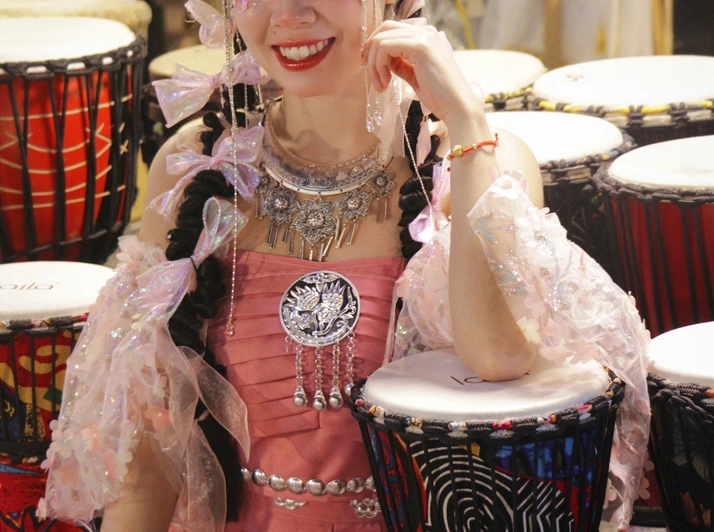
Price range: 300-1000 RMB. Pros: Nice environment; offers free Dai costumes and accessories; has a shuttle car service within Gaozhuang. Cons: Low floors, close to the street, so it might be noisy at night. Same problem with Gaozhuang traffic.
On whether to stay in Gaozhuang or Water-Splashing Square: I'd seen guides before saying not to stay in Gaozhuang and recommending Water-Splashing Square instead. But I thought it was fine. Although it's farther from the city center, taxis are still quite convenient, costing 15-20 RMB to get to the attractions. Most of the trendy internet-famous restaurants are in Gaozhuang, and it's convenient for visiting the night market. During the day, you can also go back to the hotel for a midday nap, perfectly avoiding the hottest part of the day.
Itinerary: Tight but Not Chaotic
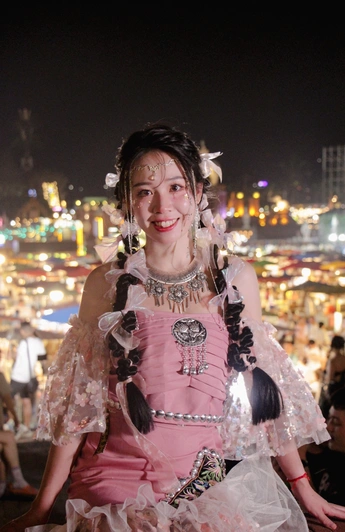
Day 1: Guiyang → Xishuangbanna. Dinner at Chunmei. Evening at Starlight Night Market. Day 2: General Buddhist Temple (morning) → Chunwuli (lunch) → Manting Park (afternoon) → Manfeilong Roast Chicken (dinner) → Liuguo Dai Disco (evening). Day 3: CAS Botanical Garden (morning) → Dai Ethnic Garden (afternoon) → Maomeng (dinner) → Riverside Night Market (evening) → Dai-style BBQ (late-night snack). Day 4: Originally planned to visit the Big Buddha Temple and Boruo Temple, but we were too tired and it was too hot, so we chose to just relax at the hotel. Day 5: Mamalao Lao-style Sticky Rice (breakfast) → Xishuangbanna → Guiyang.
This itinerary is quite packed, but we managed to hit all the trendy restaurants smoothly. Except for the short wait at Chunwuli, we were seated immediately everywhere else. Giving up on Day 4 was a bit of a shame, but hey, when you travel, you go with the flow.
A Final Word: Everywhere Is Crowded, But It's Still Worth Going
Everywhere is crowded now. After three years of the pandemic, everyone is itching to travel. There are indeed plenty of negative reviews about Xishuangbanna, but after experiencing it firsthand, I still think it's worth a visit.
Finally, here's a photo of us together. Thanks to my personal photographer, Xiao Zhou. She says she wants to get her photo taken in the costumes of every ethnic group. So far, she's collected Dai, Hani, and Miao. Still a long way to go, but keep it up!
When you travel, what matters isn't where you go, but who you go with and what kind of mindset you bring to embrace every unknown. We felt the passion of Xishuangbanna, and we hope you will too.
You should also read:
Left Pineapple, Right Mango, and the Person Behind the Lens: My Four-Day Wandering Journey Through Xishuangbanna
Left Pineapple, Right Mango, and the Person Behind the Lens: My Four-Day Wandering Journey Through Xishuangbanna Foreword: A Spontaneous "Lightning Bolt" Kind of Trip Life sometimes calls for a bit of impulsiveness. After wrapping up work in Kunming, I was all excited about heading to…
Continue reading...
For You, I Promise a Sunny Day: Our Love Journey Through Yunnan (Kunming—Dali—Lijiang—Xishuangbanna)
For You, I Promise a Sunny Day: Our Love Journey Through Yunnan (Kunming—Dali—Lijiang—Xishuangbanna) There are moments in life when you realize love isn't complicated at all. It's the quiet certainty that someone will be there—through foggy flights, early mornings, and winding roads. It's the decision…
Continue reading...
Xishuangbanna: Heading South to Embrace 28°C Sunshine and Freedom
Xishuangbanna: Heading South to Embrace 28°C Sunshine and Freedom When the bitter winds of the north swept in with snow, wrapping the entire city in a gray winter shroud, I scrolled through the steadily dropping temperature forecasts on my phone. Suddenly, a number struck me—Xishuangbanna,…
Continue reading...