Hand in Hand, Winter Wonder in Xishuangbanna: A Nine-Day Self-Drive Journey Through Southern Yunnan
Hand in Hand, Winter Wonder in Xishuangbanna: A Nine-Day Self-Drive Journey Through Southern Yunnan
Some places quietly plant a seed in your heart, waiting for the right season to sprout, grow, and eventually blossom into a spontaneous adventure. Xishuangbanna was that seed, buried in my heart for years. In the winter of 2024, we finally set out from Chengdu with our child, driving through southern Yunnan over nine days, to embrace that ideal and magical paradise.
Prologue: Why Xishuangbanna?
Looking back, our last visit to Yunnan was in the spring of 2019, when we explored Dali and Lijiang. Since then, like migratory birds, we've returned to this colorful land every year. In early summer, we drove through Honghe Prefecture, savoring flavors in the ancient city of Jianshui and daydreaming by the lotus ponds of Puzhehei. In warmer winter days, we went to Tengchong, watching golden ginkgo leaves carpet the ground and winter cherry blossoms bloom in the chilly breeze.
But Xishuangbanna remained an unfulfilled wish. I've always loved the tropical vibes of Southeast Asia and the sweet-and-sour Thai cuisine—before the pandemic, we visited Thailand almost every year. Xishuangbanna, with its similar charm, had been pushed to the bottom of our travel list due to inconvenient transportation and the need to transfer through Kunming. Until this winter, we finally decided: this is it.
Trip Overview: Nine Days of Self-Drive, Slow Enjoyment of Southern Yunnan

From Chengdu to Xishuangbanna, the total distance is about 2,400 kilometers, with a one-way drive taking 13 hours. Considering that only my husband, Lao Bu, would be driving—and with a child in tow—we stretched the trip to nine days, taking our time and making the journey itself part of the vacation.
Nine-Day Itinerary at a Glance
| Day | Date | Route | Highlights |
|---|---|---|---|
| D1 | Dec 21 | Chengdu → Zhaotong | Doushaguan Ancient Town |
| D2 | Dec 22 | Zhaotong → Kunming | Haigeng Dam for seagull watching |
| D3 | Dec 23 | Kunming → Xishuangbanna | Gaozhuang Starry Night Market |
| D4 | Dec 24 | Xishuangbanna day trip | Manxin Royal Garden + Grand Buddha Pagoda |
| D5 | Dec 25 | Xishuangbanna day trip | Chinese Academy of Sciences Botanical Garden |
| D6 | Dec 26 | Xishuangbanna day trip | Primitive Forest Park + Dai Ethnic Village |
| D7 | Dec 27 | Xishuangbanna → Fuxian Lake | Fuhai Bay + Red Sand Beach |
| D8 | Dec 28 | Fuxian Lake → Zhaotong | Chengjiang Fossil Museum |
| D9 | Dec 29 | Zhaotong → Chengdu | Return journey |
Cost Summary: Total distance 2,500 km, fuel approx. ¥2,000, tolls ¥1,500, accommodation ¥1,700, tickets ¥300, meals ¥1,000, grand total about ¥6,500. For a family of three over nine days, excellent value for money.
Day One: From Chengdu to Zhaotong, an Unexpected Encounter at Doushaguan
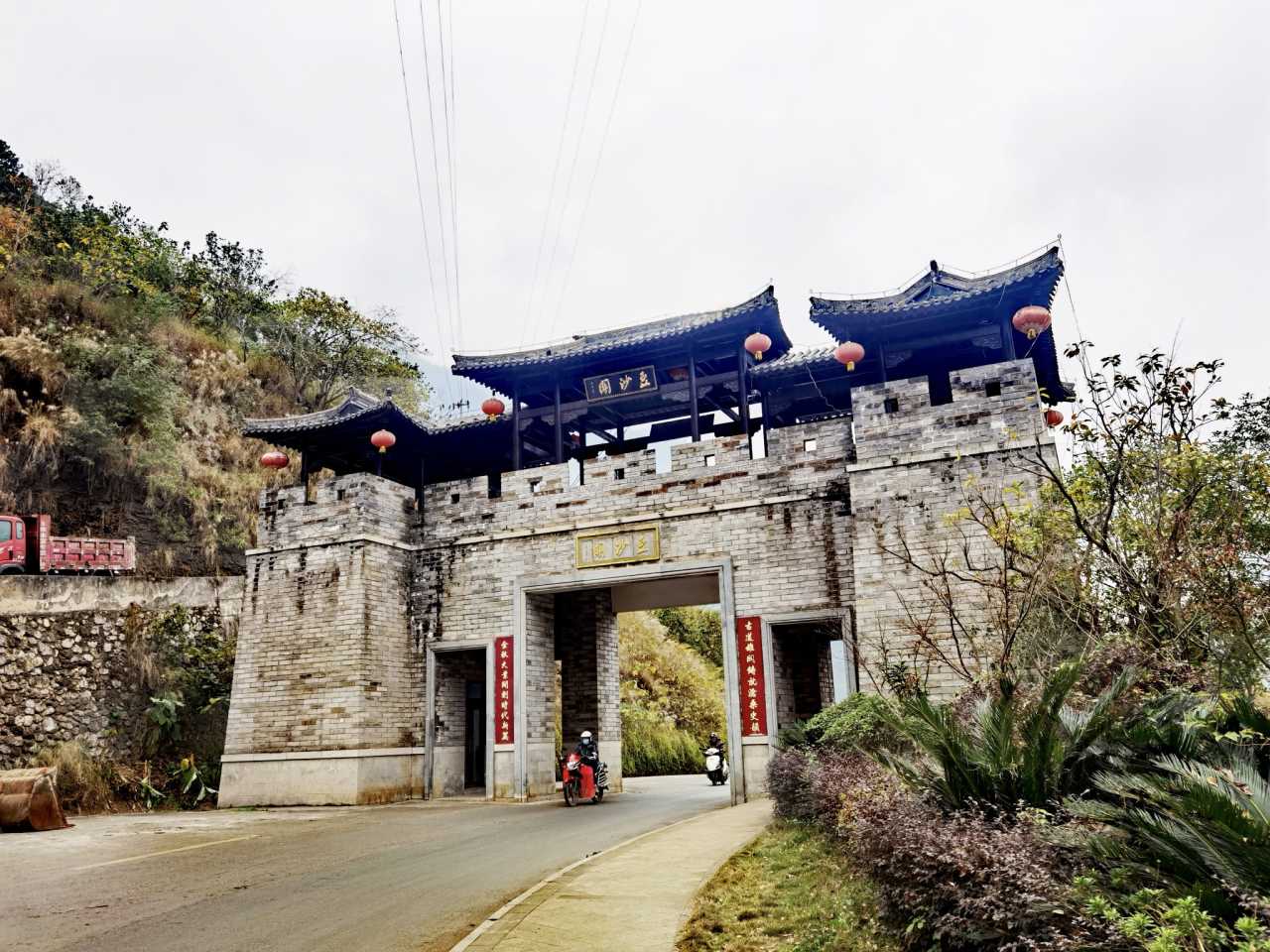
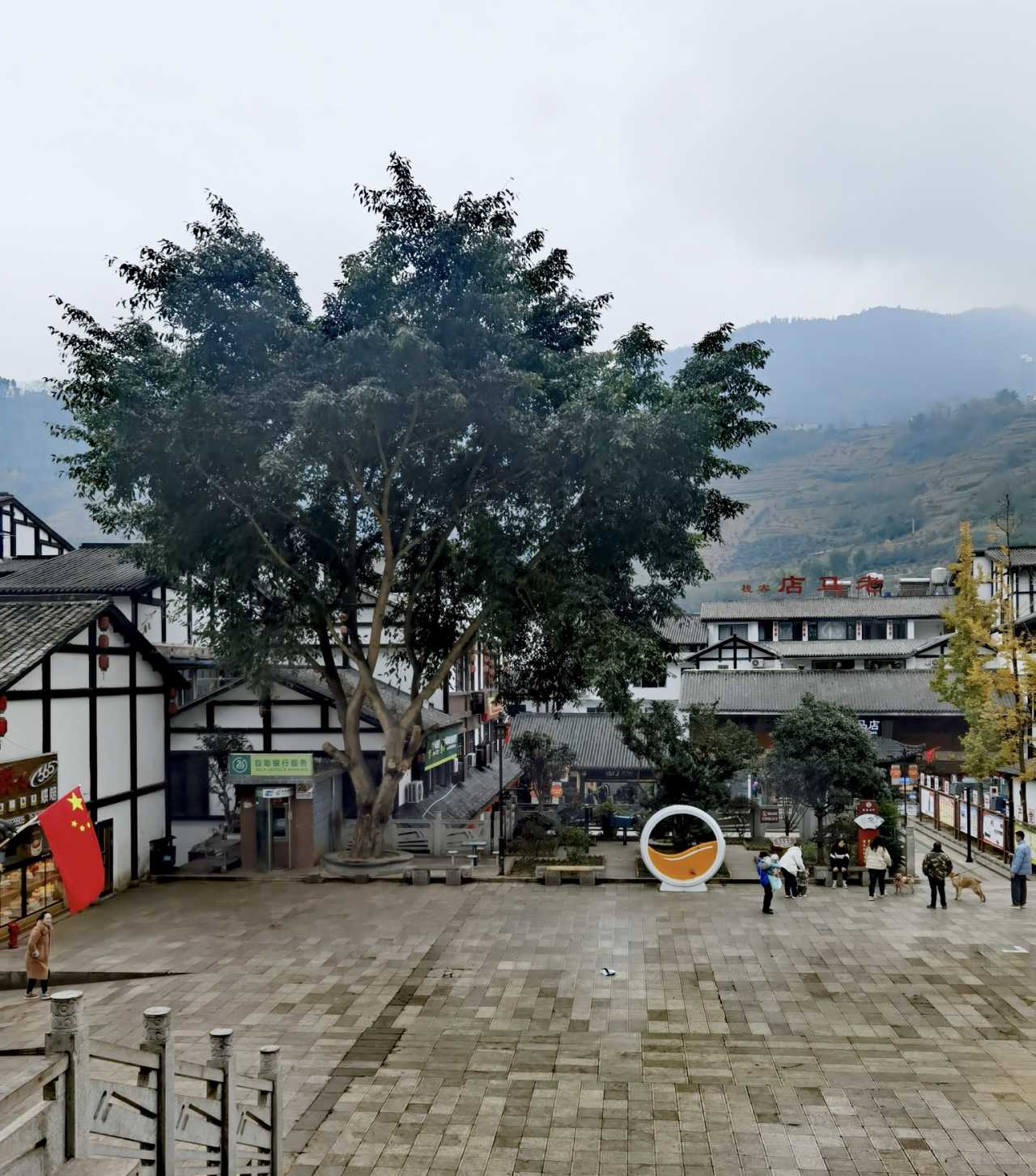
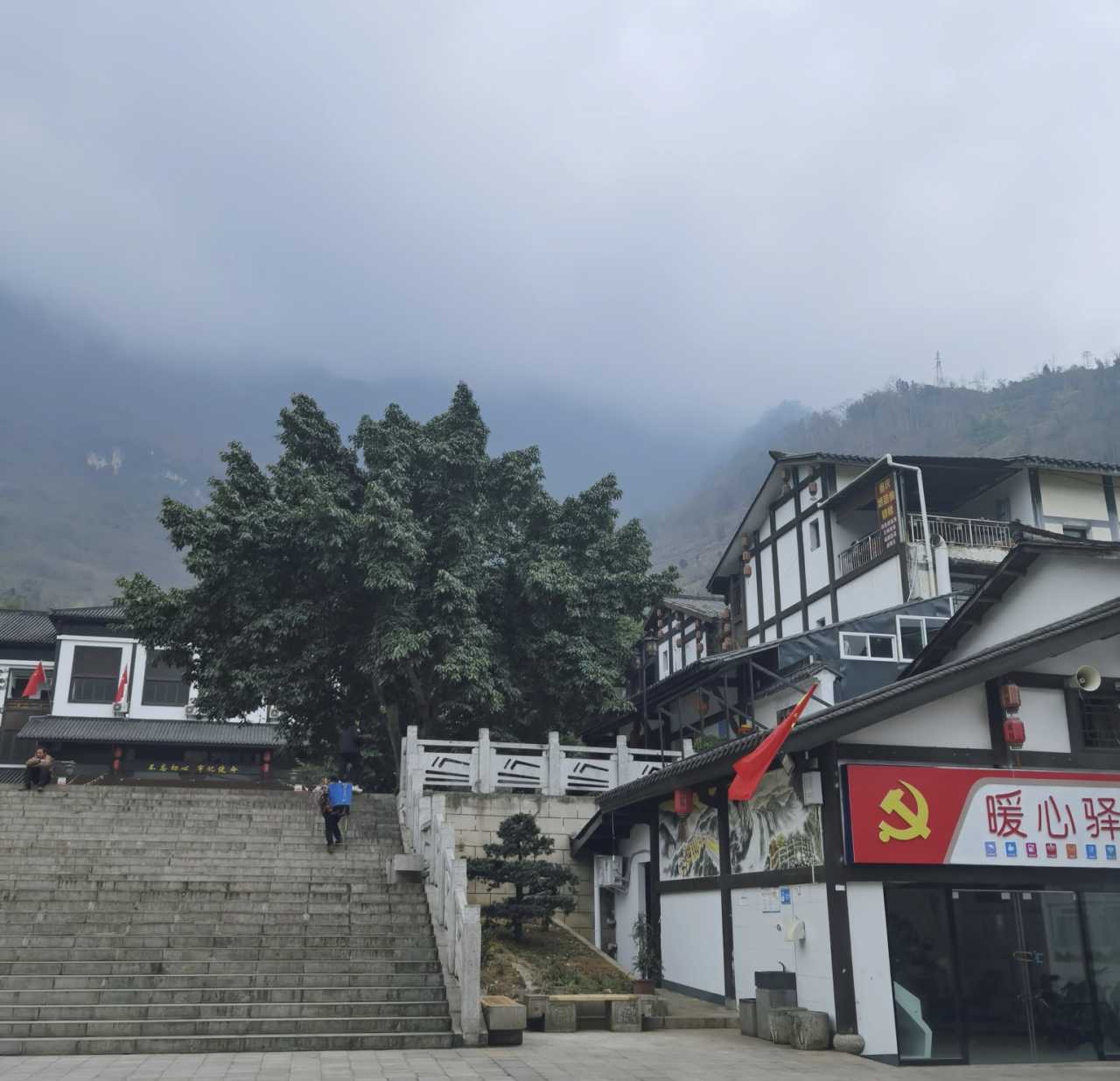
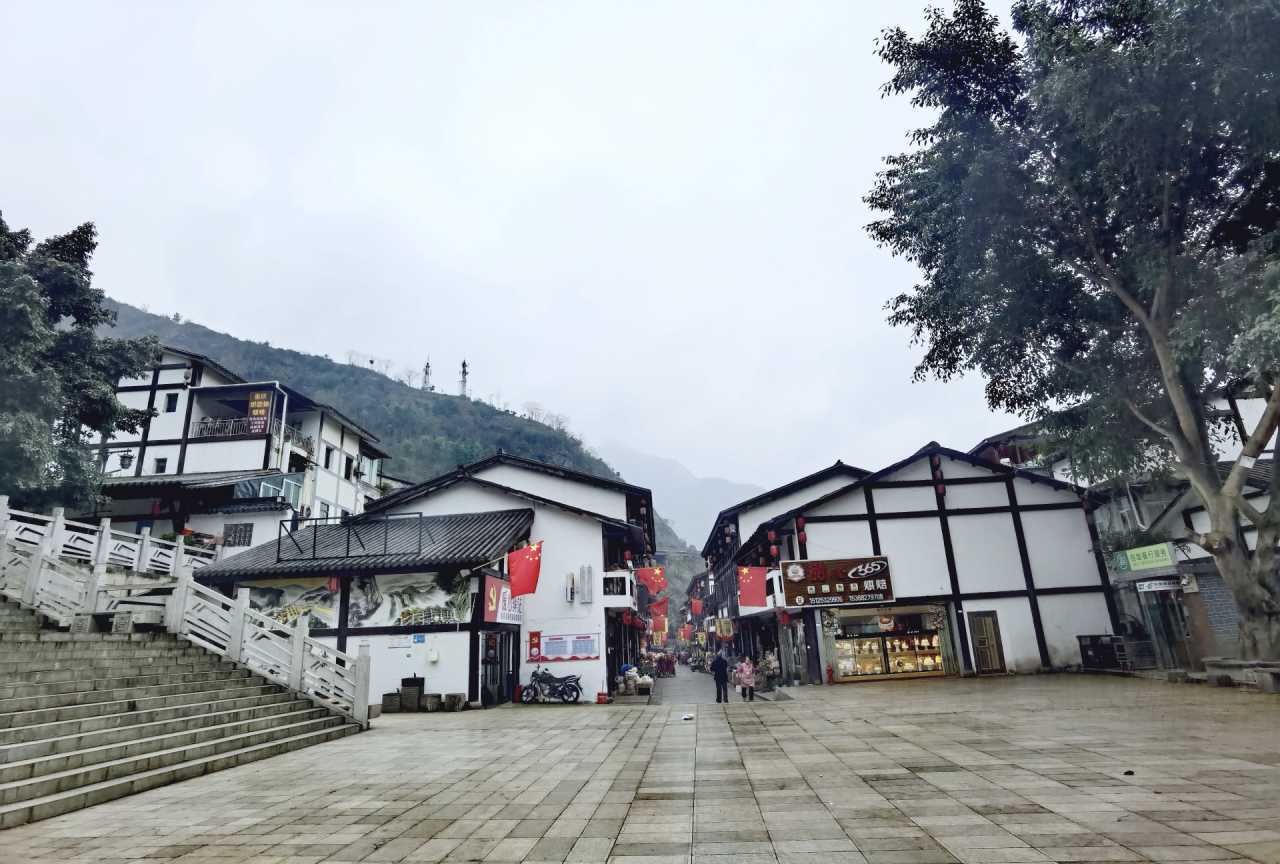
Doushaguan Ancient Town: The First Perilous Pass on the Shu Road
After packing up in the morning, we set off at a leisurely pace. Four hours later, we drove into Doushaguan Ancient Town.
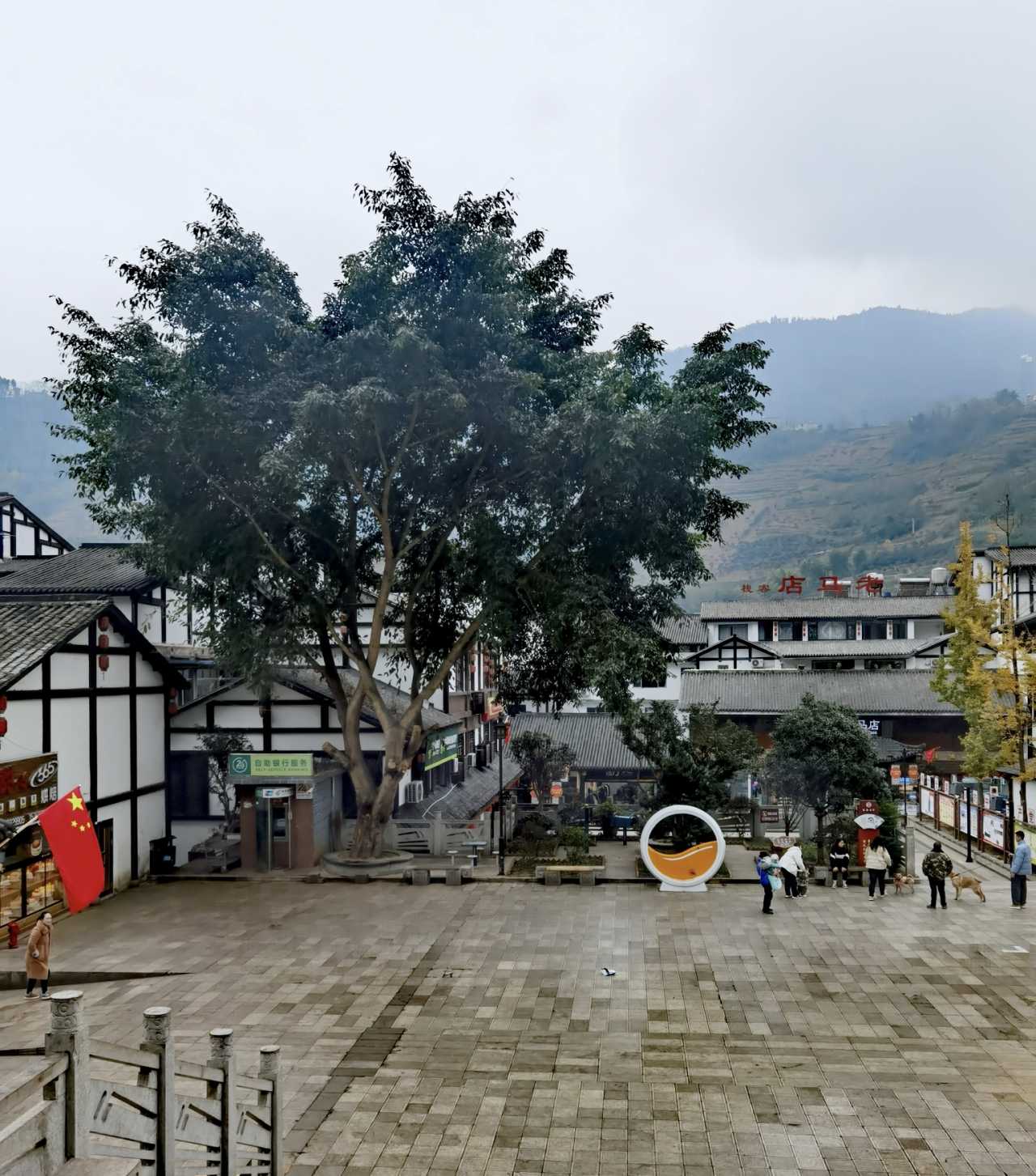
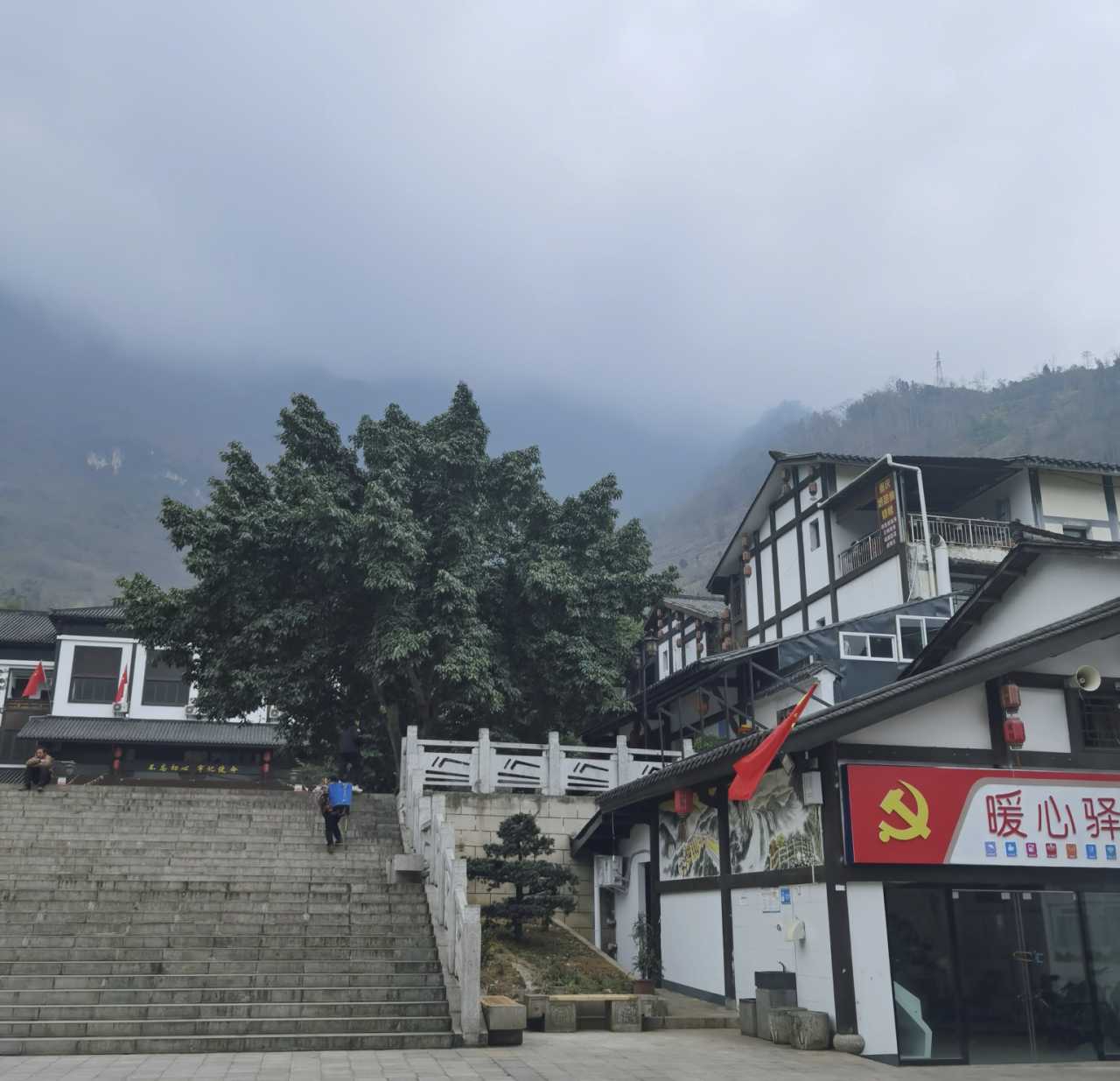
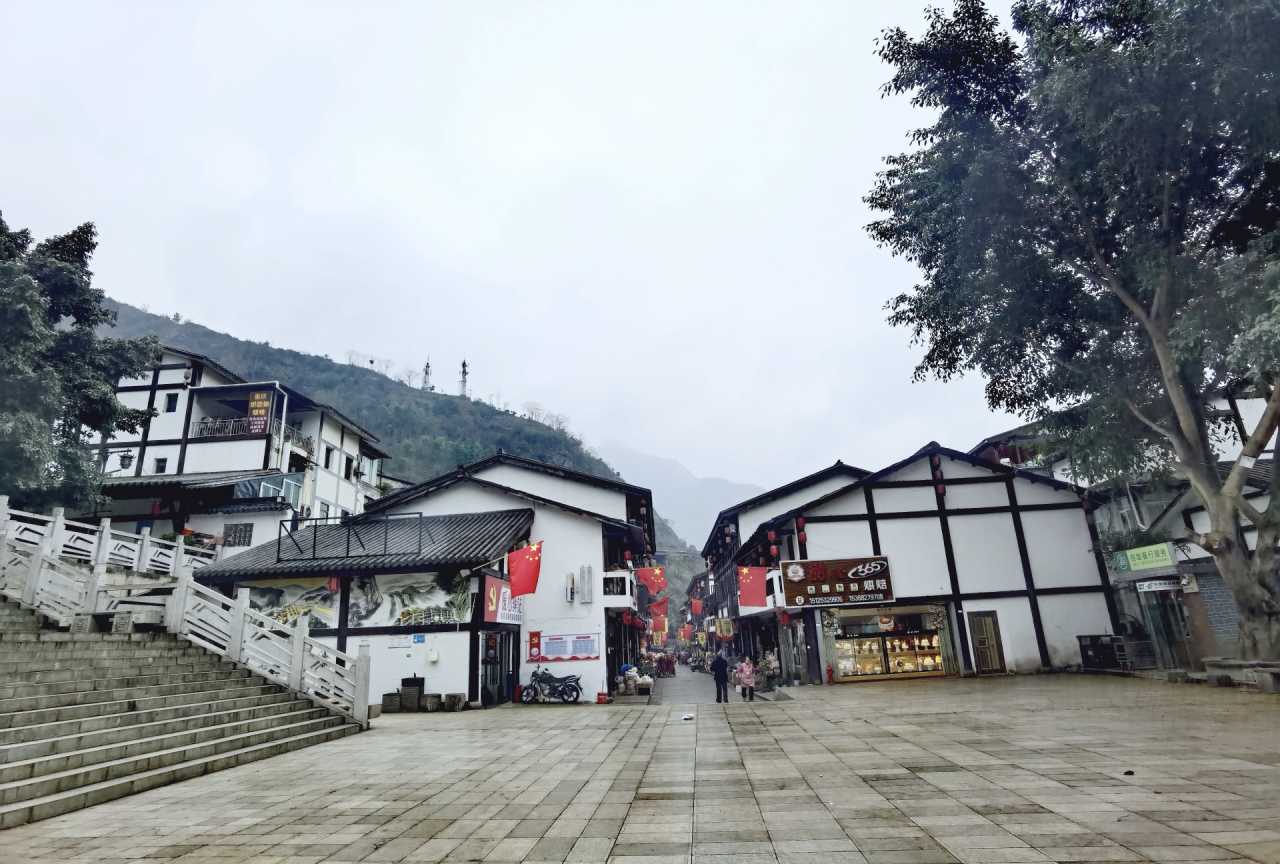
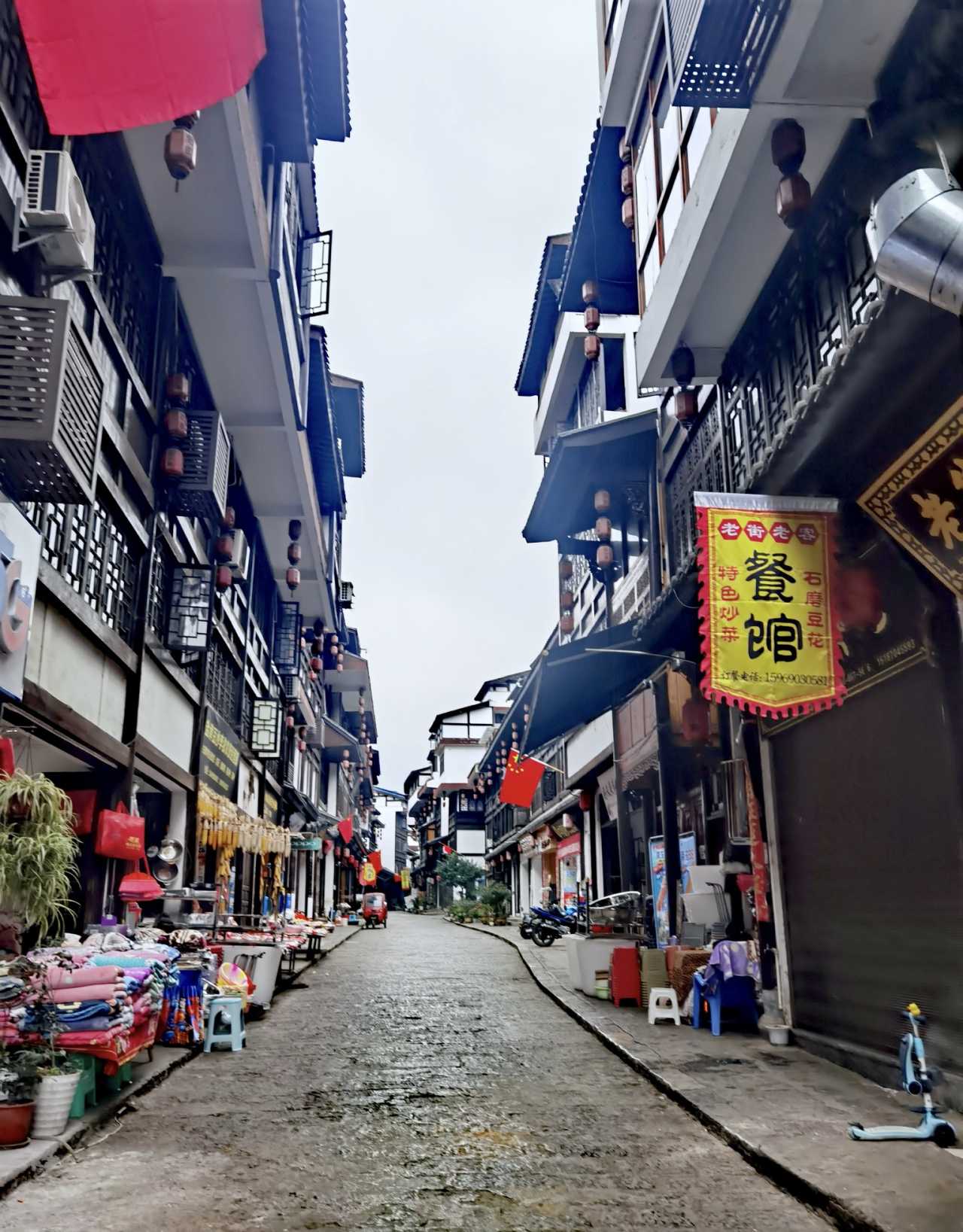
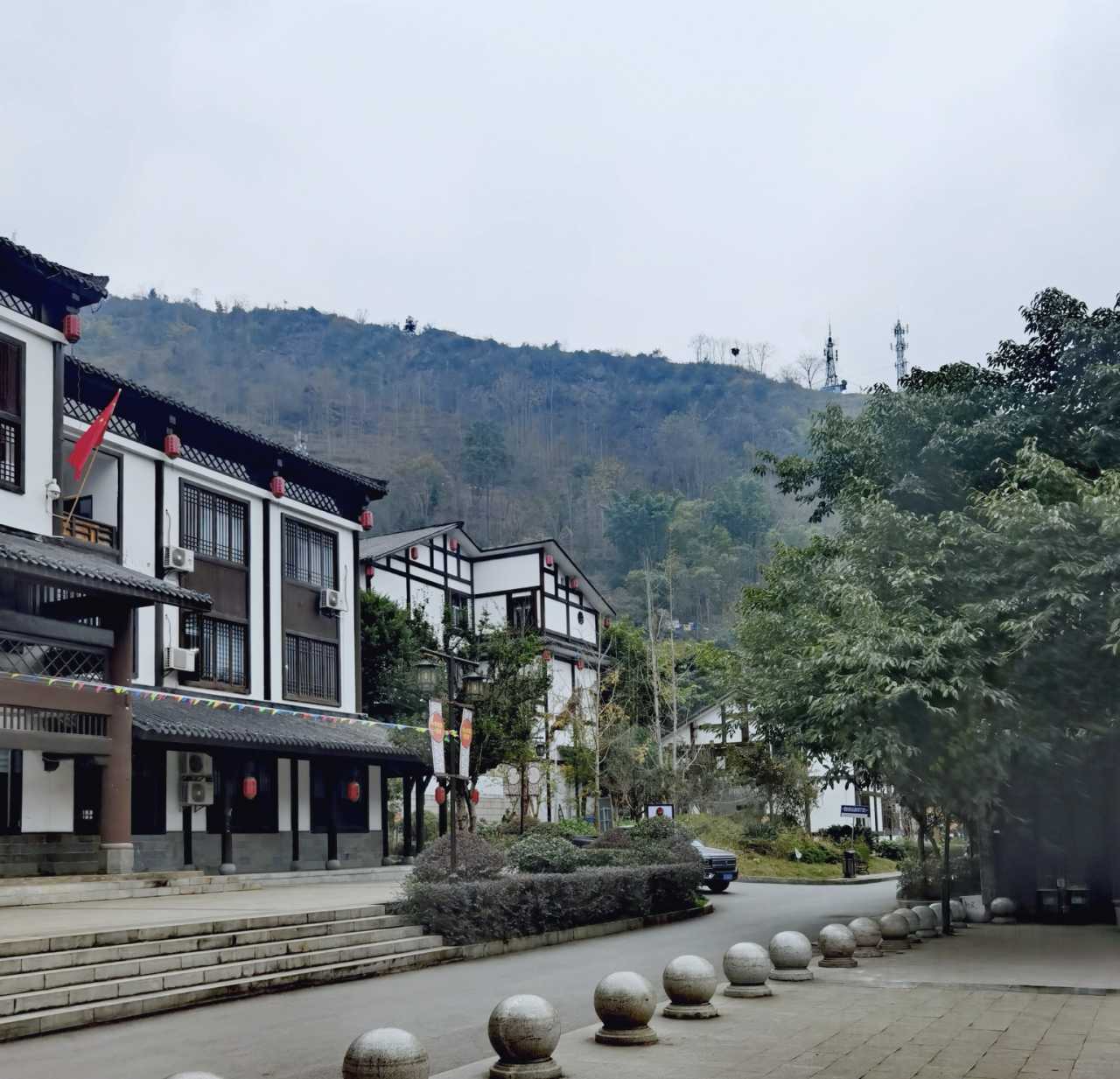
Doushaguan, historically known as Shimen Pass (Stone Gate Pass), was the first dangerous pass for travelers entering Yunnan from Sichuan. The rushing Guan River, like a sharp sword, split the steep rocky mountain in two, forming a massive stone gate that locked the ancient Sichuan-Yunnan thoroughfare. This small town, nestled beneath the mountain, was originally just a single street leading to the scenic area, though two parallel new streets have since been built.
We found a small eatery on the busiest main street and ordered a bowl of tofu rice (豆花饭, a simple dish of tofu served with rice). It wasn't spectacular, but it was far better than anything you'd find at a highway rest stop. As for the "Five-Foot Path" (五尺道, an ancient road) relics and the "Tang Stele Pavilion" (唐碑亭, a pavilion housing a Tang Dynasty stele), we had to save them for another visit—we still had a long drive ahead.
Night in Zhaotong: Warmth Found in the Cold
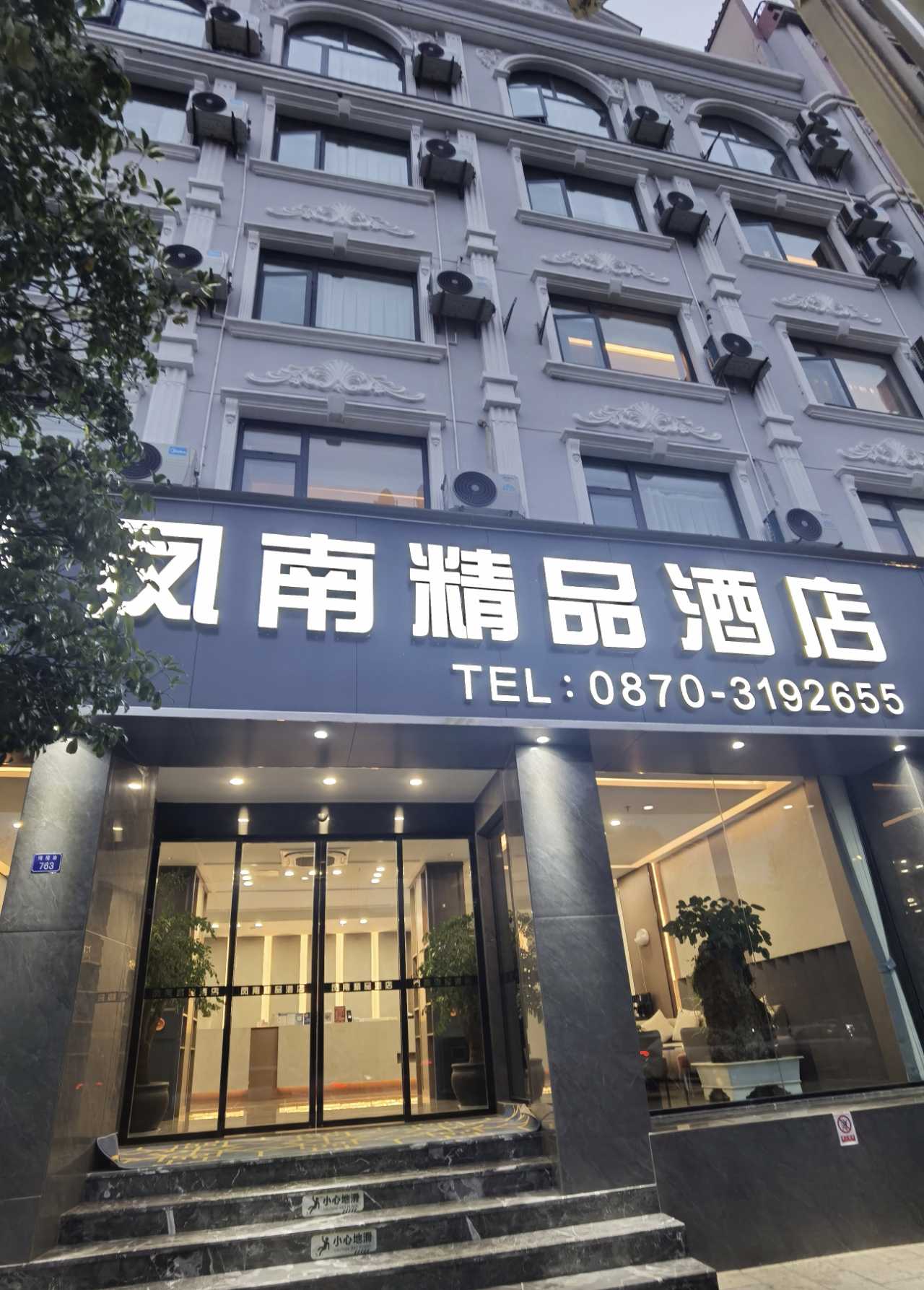
We arrived in Zhaotong in the afternoon and checked into the Fengnan Boutique Hotel near Wanghai Park. I'd planned to take the kid for a stroll in the park, but the temperature had plummeted to 4–5°C (39–41°F), so we settled for dinner near the hotel instead.
The hotel was newly opened, with cozy, well-appointed rooms and thoughtful details. Our family room had two 1.5-meter (5-foot) beds, plenty of space for the three of us. Breakfast was decent—congee, grains, steamed buns, eggs, and noodles. The front desk girl recommended a local restaurant called "Wan Ke Xiang" (万客香餐馆), the most popular spot in the area. Their stir-fried pork kidney (火爆腰花) and meatball soup (圆子汤) had a real home-cooked feel.
Day Two: Kunming's Haigang Dam, a Brief Encounter with Red-Beaked Gulls
Haigang Dam: A Disappointment in the Cold
From Zhaotong to Kunming, it's a four-hour drive. After dropping off our luggage, we headed straight to Haigang Dam—our little one had been looking forward to seeing the red-beaked gulls.
Back in March 2019, when we first visited Kunming, we'd taken the bus specifically to see the seagulls. This was a return visit, but the weather didn't cooperate. With a hazy sky and howling cold wind, the dam was almost empty of tourists, and there were few gulls. We lasted only an hour before calling it quits. Even worse, our child caught a chill from the wind, and by the time we reached Xishuangbanna, he had a bad cough that eventually required a visit to the hospital.
Kunming Accommodation and Food
To be close to the seagulls, we chose the Zhiyuan International Hotel (致远国际大酒店), not far from the dam. Our 40-square-meter (430-square-foot) deluxe twin room had two 1.8-meter (6-foot) beds, great natural light, full amenities, a hearty breakfast, and free parking—highly recommended.
For dinner, we went to "Hong Du Jie Mei Yuan" (洪渡姐妹园), a long-established chain restaurant serving authentic Guandu snacks. Their chicken rice noodles (土鸡米线) had a rich, savory broth, springy noodles, and tender chicken. We also ordered tangyuan (glutinous rice balls), dumplings, and white fungus soup—all tasty and reasonably priced.
Day Three: Arrival in Xishuangbanna, First Impressions of the Starry Night Market
Entering the Ideal and Magical Paradise
After a six-and-a-half-hour drive, we finally reached our destination—Xishuangbanna.
In the ancient Dai language, Xishuangbanna means "an ideal and magical paradise." It harbors China's finest rainforest and air, the purest blue skies, and the joy and happiness of 13 ethnic groups. The line between winter and summer is blurred here; the near-constant temperatures make it an excellent escape from both cold and heat.
For our first two nights, we stayed at the Wuyun Fengsheng Hotel (五云丰胜酒店) near Gaozhuang. The hotel featured lush Southeast Asian decor with typical Dai ethnic touches, and it was just a few minutes' walk to the Starry Night Market. Though the facilities were a bit dated, the service was warm, and the value was solid.
Gaozhuang Xishuangjing: The Dazzling Night of Nine Pagodas and Twelve Villages
Gaozhuang Xishuangjing, which in Dai means "Nine Pagodas and Twelve Villages," is a city-within-a-city developed by Jinghong Municipality. To the south stands the resplendent Grand Golden Pagoda, and at its heart lies the Starry Night Market, considered the calling card of Xishuangbanna.
At night, Gaozhuang is ablaze with lights, its Southeast Asian-style architecture a feast for the eyes. We eagerly dove into the Starry Night Market, which boasts thousands of stalls and seems to know no off-season. Handicrafts, local snacks, tropical fruits—the variety was endless. Our little one used his own pocket money to buy a beaded bracelet for his mom, and the vendor kept praising him for being so thoughtful.
"More beautiful as night deepens," the Starry Night Market is a shopper's paradise. However, the wild mushroom chicken hotpot we had with friends and family was overhyped—expensive and not particularly good. Not recommended.
Tip: Xishuangbanna is full of shops offering Dai-style portrait photography. Choose packages starting at ¥299 (including retouching and costumes) and be cautious of the ¥199 assembly-line studios on the street. A young woman in our group upgraded from ¥299 to ¥999 and still got mediocre results.
Days Four to Six: Three Days of In-Depth Exploration in Xishuangbanna
Manxin Royal Garden: Tropical Charm in the Dai King's Palace
On our second day in Xishuangbanna, we first took our son to the hospital. Perhaps thanks to the fresh air, he felt much better after taking his medicine in the afternoon, so we proceeded to Manxin Royal Garden as planned.
Located on Manxin Road in Jinghong, the Royal Garden was originally the palace of the Dai king, and its architecture best represents Xishuangbanna's Southeast Asian character. Entering from the visitor center, we passed through Premier Zhou Enlai Memorial Square, the Dai King's Palace, the Parrot Paradise, the Elephant Garden, the Octagonal Covered Bridge, the White Pagoda, and the General Buddhist Temple, before returning via the temple.
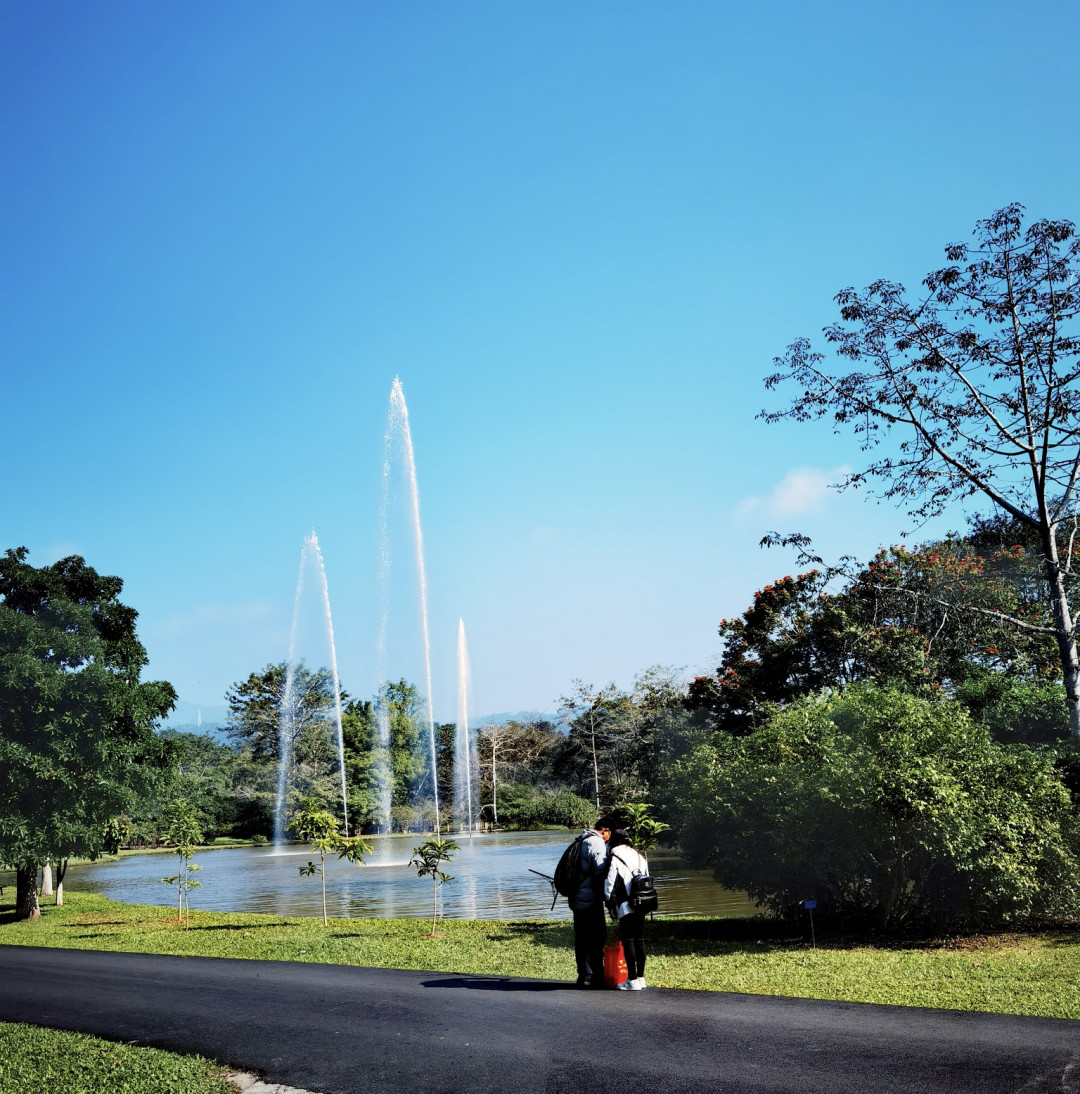
The clear lake water rippled gently, flanked by lush green trees and cascading bougainvillea and firecracker flowers in brilliant reds. Fountains sprayed mist over the lake, resembling a peacock's tail. Strolling through, it felt like stepping into a vivid tropical painting.
Xishuangbanna General Buddhist Temple: Snow-White Pagodas of Purity
The General Buddhist Temple is the highest-ranking temple in Xishuangbanna, housing a seven-armed deity that exudes solemnity. Outside the temple, the white pagoda stands tall and grand, surrounded by smaller pagodas. The temple's golden roofs gleam, while the white pagodas remain pure as snow, as if telling ancient Buddhist stories.
The General Buddhist Temple is adjacent to the Royal Garden and requires no separate ticket, but keep your ticket handy—you'll need it to re-enter the garden. Dress modestly when visiting the temple.
For lunch, we found a Southeast Asian Thai restaurant near the Splashing Water Square. The fried rice was average, but the coconut sago cakes and fried potato wedges were a hit with our little one.
Primitive Forest Park: A Rainforest Paradise Dancing with Peacocks
On the morning of our third day, we used the time before switching hotels to visit the Primitive Forest Park.
Located east of Jinghong, north of the Lancang River, the park boasts a forest coverage rate of 98.6%, making it one of the best-preserved primary forests south of the Tropic of Cancer. The trees are lush and towering, and the crisp, fresh air was invigorating.
The peacock release is the park's main attraction. When the whistle blew, hundreds of peacocks flew from the treetops onto the platform, their colorful feathers shimmering in the sunlight. It was a dreamlike, breathtaking scene.
After the show, we walked up the road instead of taking the electric cart. Along the way, besides enjoying the rainforest scenery, we could teach our son about the tropical plants (each tree had an informational sign). The "Rainforest Splash" square at mid-mountain was lively, with ethnic dances, bamboo pole dances, and interactive games. Further up was the monkey garden, where our little one watched the monkeys playing in the trees, utterly fascinated.
Taking a child into this emerald-green primeval forest, getting up close with nature, learning about tropical plants, watching peacocks, squirrels, and monkeys, and experiencing Dai songs and dances—it was absolutely worth it.
Lancang Art Stay Hotel: Cloud-Level Living on the 31st Floor
For our last two days in Xishuangbanna, we moved to the Lancang Art Stay Hotel, located on the 31st floor of the landmark "Peacock City" building in Gaozhuang. Peacock City, standing 199.9 meters (656 feet) tall, was designed after Xishuangbanna's mascot, the peacock, with a unique and elegant exterior.
This designer bed-and-breakfast was newly opened, with trendy, Instagram-worthy decor and warm, vibrant colors. It came with a refrigerator, washing machine, and projector—fully equipped. My favorite feature was the enclosed balcony on the 31st floor, where we could enjoy breakfast in the morning sun while taking in the view.
Outside the window, the Lancang River, the Xishuangbanna Bridge, and the twin towers of Jiangnan Haoyu were all in sight, with the Starry Night Market just opposite. The light show at night was particularly beautiful, perfect for photos.
Nearby, there was a restaurant called "Thai Impression South Asian Bistro" (泰印·南亚小铺), full of Thai atmosphere. Their peacock feast hand-grabbed rice (孔雀宴手抓饭) was outstanding. The ¥98 two-person meal featured a dry-ice-assisted peacock display, giving the impression of soaring through clouds. Hand-grabbed rice, pineapple rice, lemongrass grilled fish, and roast chicken—the chicken, glazed with honey, was crispy on the outside and tender inside, and our son loved it.
Chinese Academy of Sciences Botanical Garden: A World of 13,000 Plant Species
On our last day in Xishuangbanna, we visited the CAS Botanical Garden. Over the course of half a day, we walked 20,000 steps. Our legs ached, but the oxygen, flowers, and plants made it all worthwhile.
The CAS Botanical Garden is China's largest, home to 80% of the country's plant species, with more than 13,000 living specimens. It has 38 specialized plant zones and preserves about 250 square kilometers (97 square miles) of primary tropical rainforest.
The garden is divided into the West and East sections, with the main attractions in the West, consisting of several smaller gardens. We entered through the West Gate, crossing a bridge covered in blooming bougainvillea, and looked down at the Lancang River—sunny, with birds singing and flowers fragrant, under a blue sky dotted with white clouds. It was a magnificent tropical rainforest scene.
The Hundred Flowers Garden was the first stop, covering 25.3 hectares (62.5 acres) and collecting nearly 645 tropical flowering plants. This season, there weren't many blooms, but if you come in May or June, the garden is a riot of color—a photographer's dream.
Days Seven to Nine: The Blue Waves of Fuxian Lake and the Journey Home
Fuxian Lake: A Blue Pearl on the Plateau
From Xishuangbanna to Fuxian Lake, it's 507 kilometers (315 miles), a six-hour drive. In the afternoon, we visited Fuhai Bay and Red Sand Beach, and in the evening, we explored the Starry Night Market.
Fuxian Lake's water is crystal clear, earning it the nickname "Blue Pearl on the Plateau." The sand at Red Sand Beach is a unique red color, standing out vividly in the sunlight. We stayed at the Guanglong Zhifei Hotel (广隆喆啡酒店), with a deluxe twin room for ¥185—great value.
Chengjiang Fossil Museum: A Journey Through 530 Million Years
On the morning of Day Eight, we visited the Chengjiang Fossil Museum. It preserves fossils from the Cambrian Explosion of life 530 million years ago and is a UNESCO World Heritage site. Our little one, fascinated by paleontology, was captivated.
In the afternoon, we drove from Fuxian Lake to Zhaotong, 391 kilometers (243 miles), a four-hour trip. We stayed at the Zhaotong Baijin Luxury Hotel (昭通柏金轻奢酒店), with an elegant twin room for ¥228, including breakfast.
On Day Nine, we drove from Zhaotong back to Chengdu, 338 kilometers (210 miles), another four hours. Our nine-day self-drive adventure had come to a perfect close.
Final Thoughts: The Meaning of Travel
On this Xishuangbanna trip, we took our son to see the peacock release, wandered the Starry Night Market, learned about tropical plants, and tasted Dai cuisine. But most importantly, we were together as a family, creating memories that are ours alone.
Some say travel is about taking children to see the world. But I think travel is also about letting children take us to rediscover the beauty of the world. At Manxin Royal Garden, he chased butterflies. At the Starry Night Market, he used his own money to buy his mom a gift. At the botanical garden, he pointed at plants and asked, "What's this?" These moments are more precious than any scenic spot.
Xishuangbanna, we'll be back. Maybe next time in summer, to experience the wild splashing water festival. Or in autumn, to see the towering Wangtian trees. But no matter what, this winter journey through southern Yunnan has planted the next travel seed in our hearts.
If you're planning a trip to Xishuangbanna, keep these tips in mind:
- Best Season: Winter (November to February) offers comfortable temperatures, ideal for escaping the cold.
- Self-Drive Tips: The entire route from Chengdu to Xishuangbanna is on expressways, but the one-way drive takes 13 hours—split it over two days.
- Accommodation: Staying near Gaozhuang is most convenient, with the Starry Night Market within walking distance.
- Ticket Information: Manxin Garden ¥40, Primitive Forest Park ¥80 (including electric cart), CAS Botanical Garden ¥125 (including electric cart).
- Photo Reminder: Choose Dai-style portrait packages starting at ¥299; be cautious of ¥199 assembly-line studios on the street.
May your Xishuangbanna trip be as warm and full of surprises as ours was.
You should also read:

Cloud Travelogue · Dali of Wind, Flowers, Snow, and Moon: A Three-Day, Two-Night Journey of a Free Spirit
Cloud Travelogue · Dali of Wind, Flowers, Snow, and Moon: A Three-Day, Two-Night Journey of a Free Spirit I am a cultured female foodie with a touch of rogue charm. I slung on my backpack, took my lover's hand, and set off on a spontaneous…
Continue reading...
The Meaning of Travel – A Tengchong Story: A Journey of the Heart and Personal Growth
The Meaning of Travel – A Tengchong Story: A Journey of the Heart and Personal Growth Setting Out, Only to Return a Better Self Some say travel is nothing more than leaving a place you're tired of, only to go to a place where others…
Continue reading...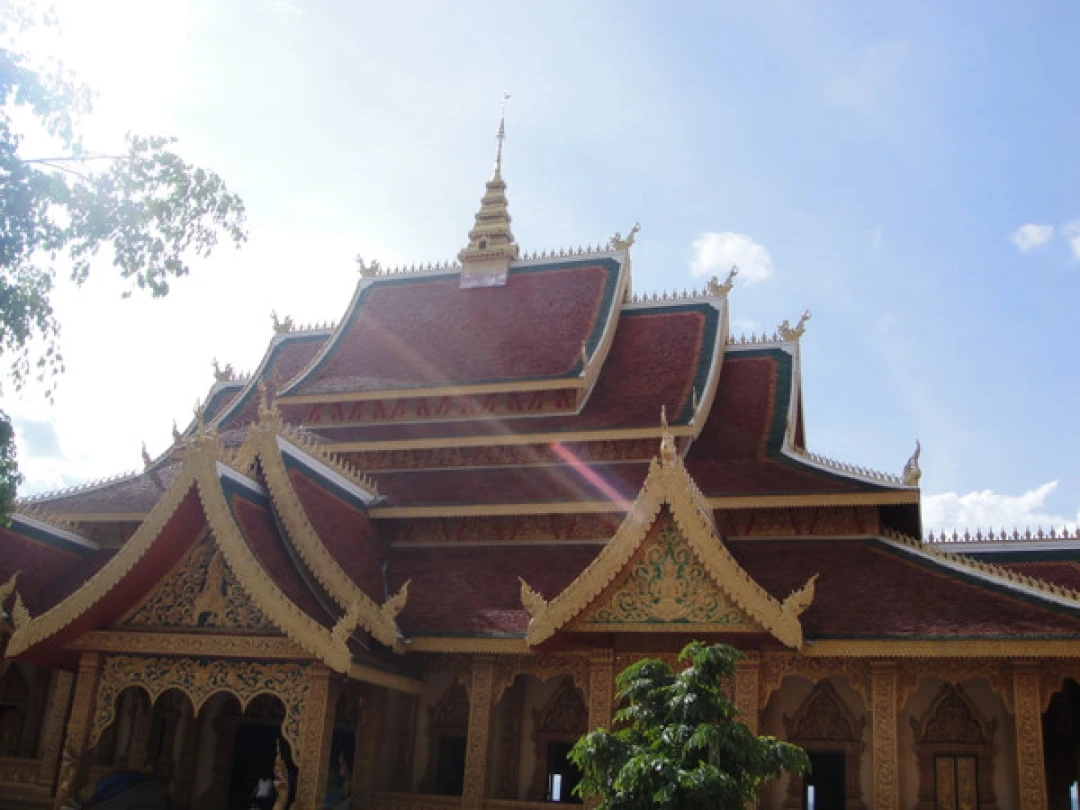
Xishuangbanna: Encountering an Ideal and Magical Paradise in the Green Wonderland at 21° North Latitude
Xishuangbanna: Encountering an Ideal and Magical Paradise in the Green Wonderland at 21° North Latitude If you ask me which place in China most resembles Southeast Asia, I would answer without hesitation: Xishuangbanna. This is not Thailand, yet it possesses an even richer Buddhist ambiance…
Continue reading...